Stylogeny, the style database by Van Riel Online Services
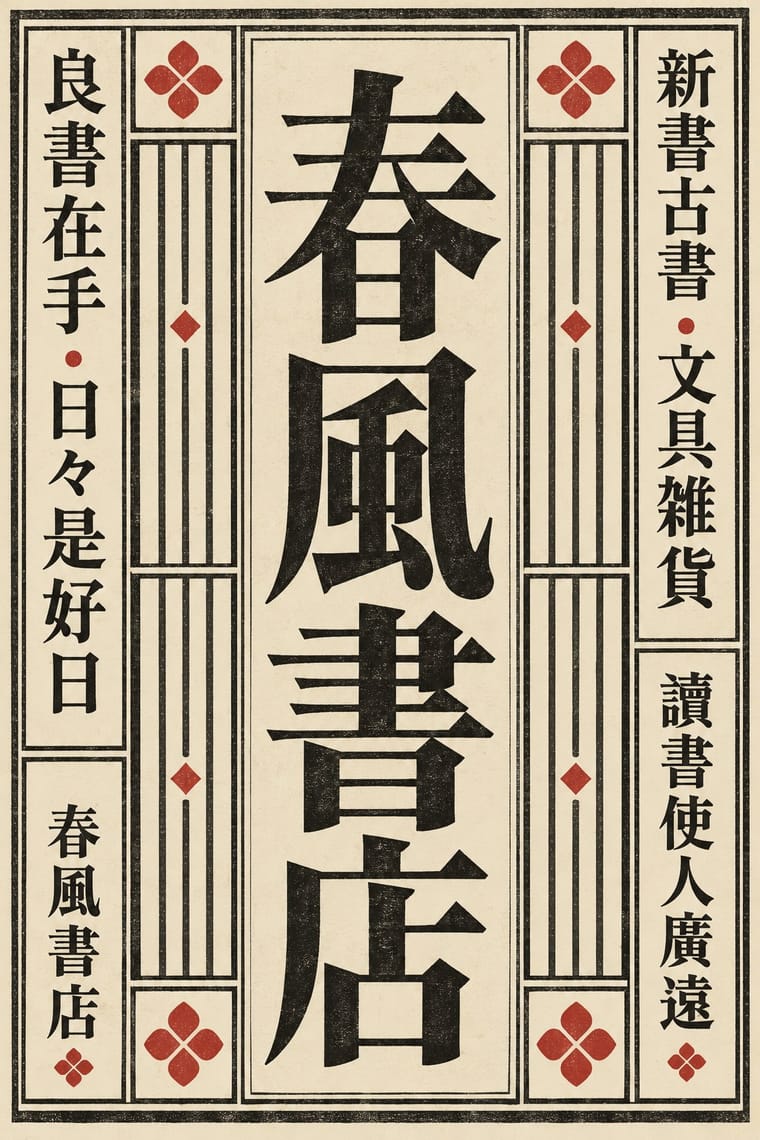
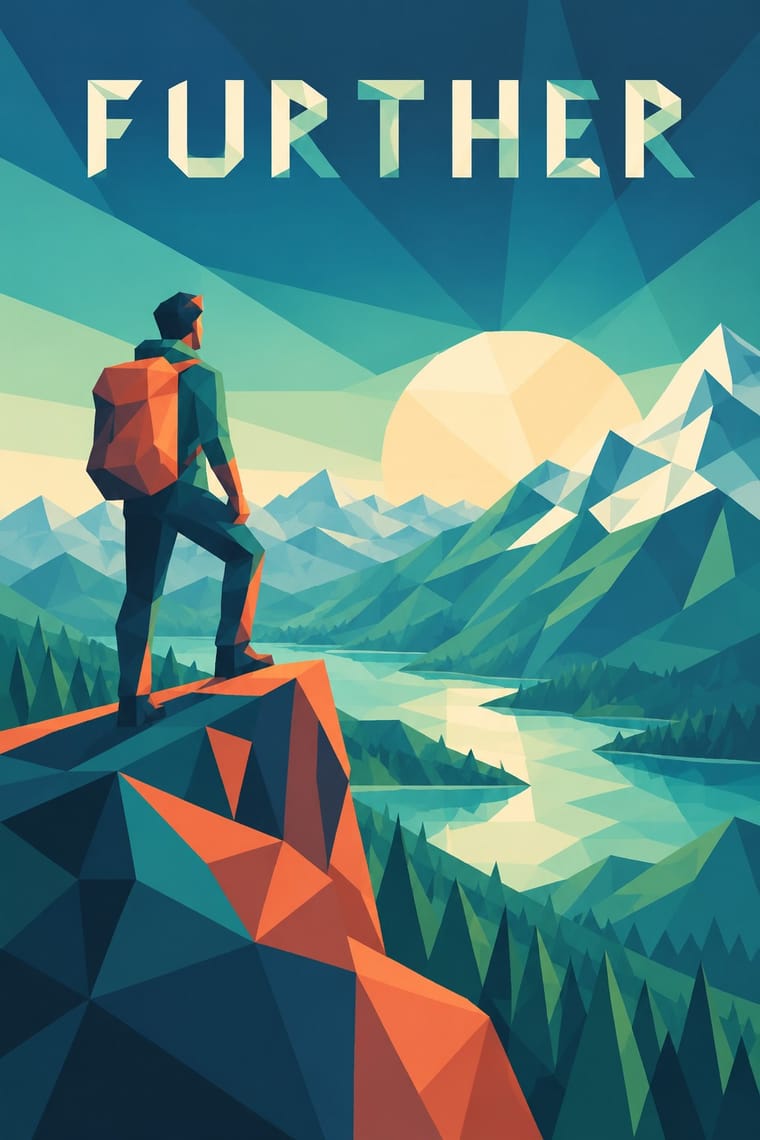
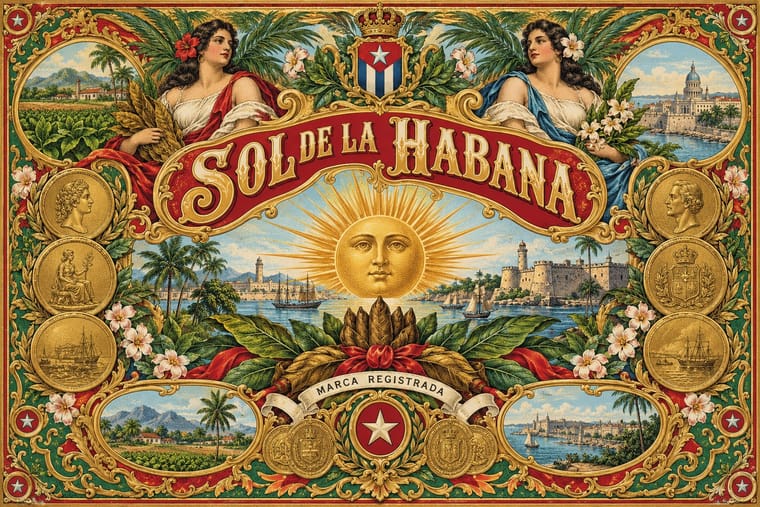
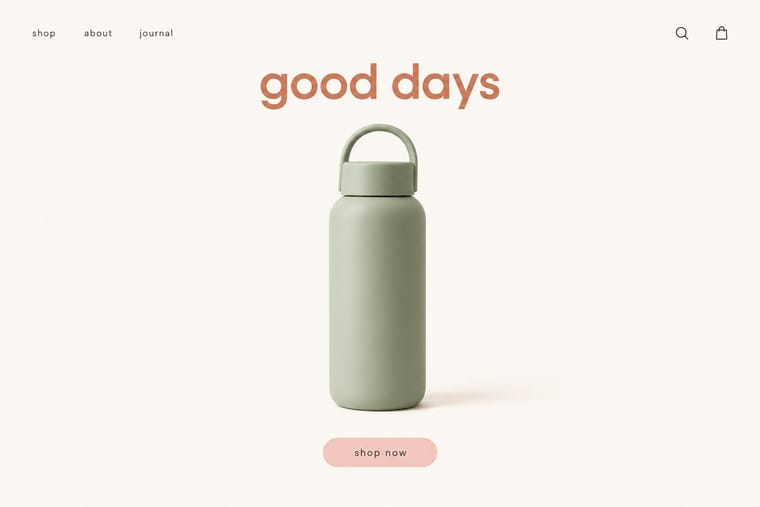
362 graphic-design styles from 13 world regions, from Islamic geometry and ukiyo-e to Ghanaian movie posters and neo-brutalist web, each described by the design choices that make it. Open any of them to see how it works and where it comes from.
Get advice for your projectMix styles
- styles
- 362
- with an image
- 266
- images made
- 534
- design choices
- 150
- world regions
- 13
- real works
- 608
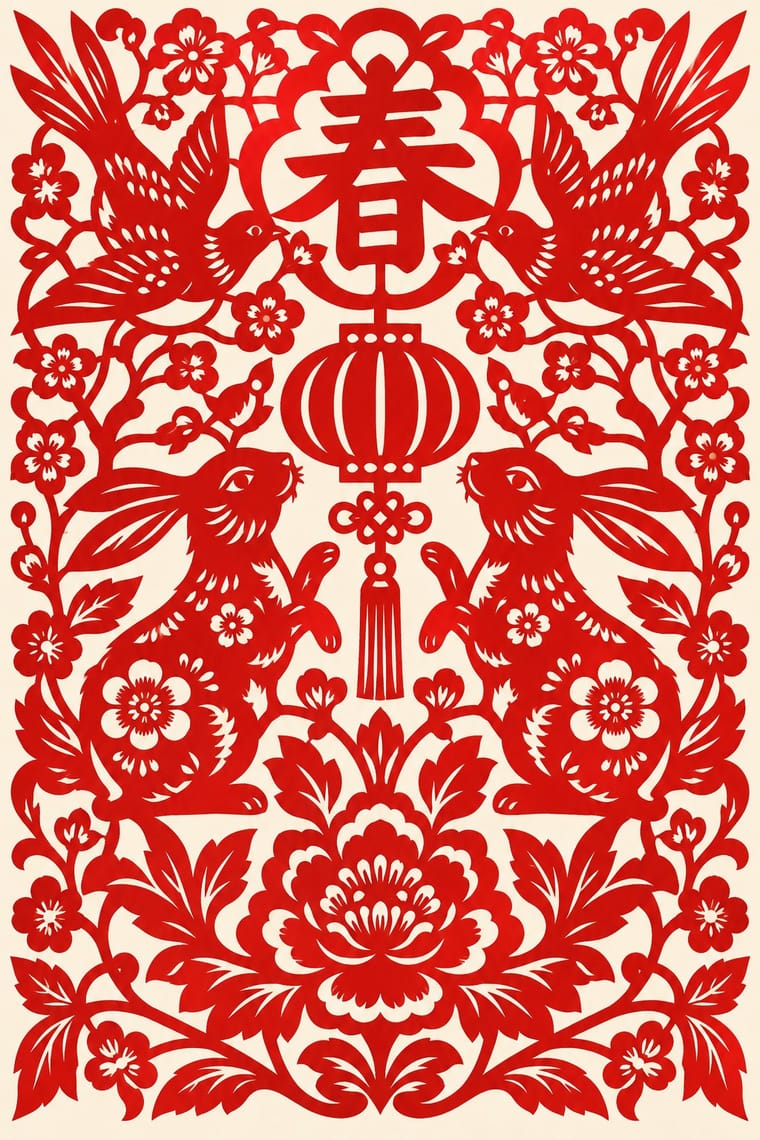
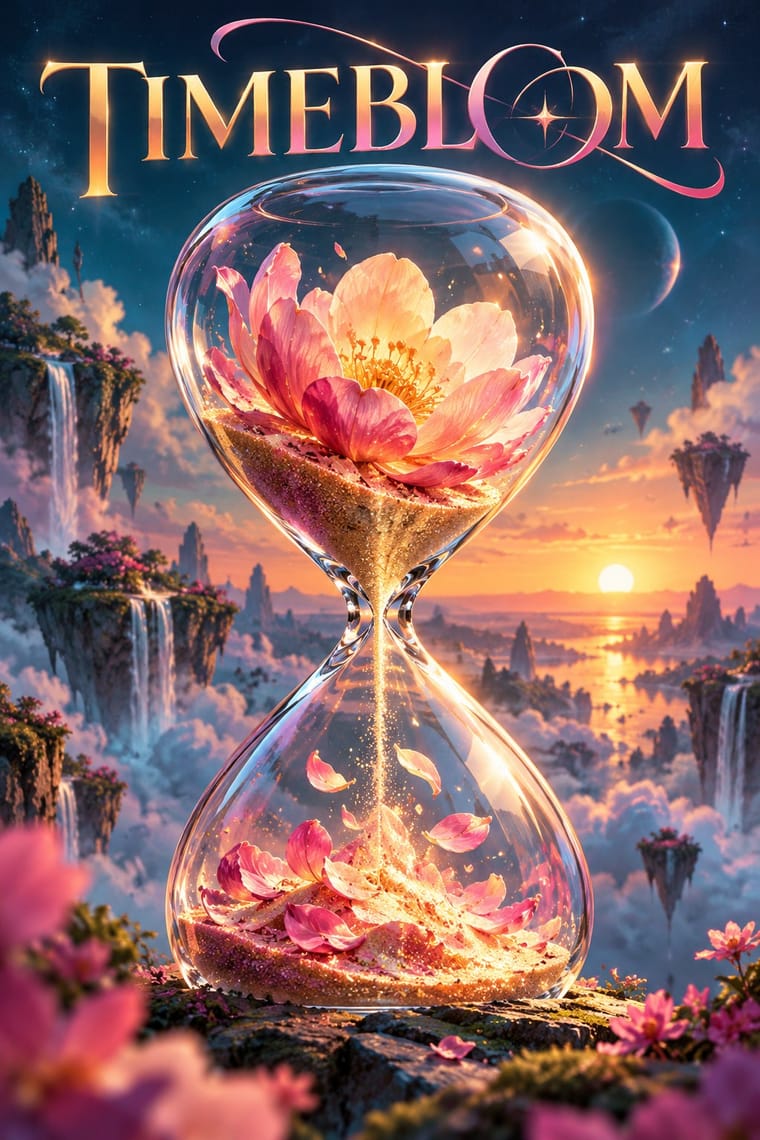
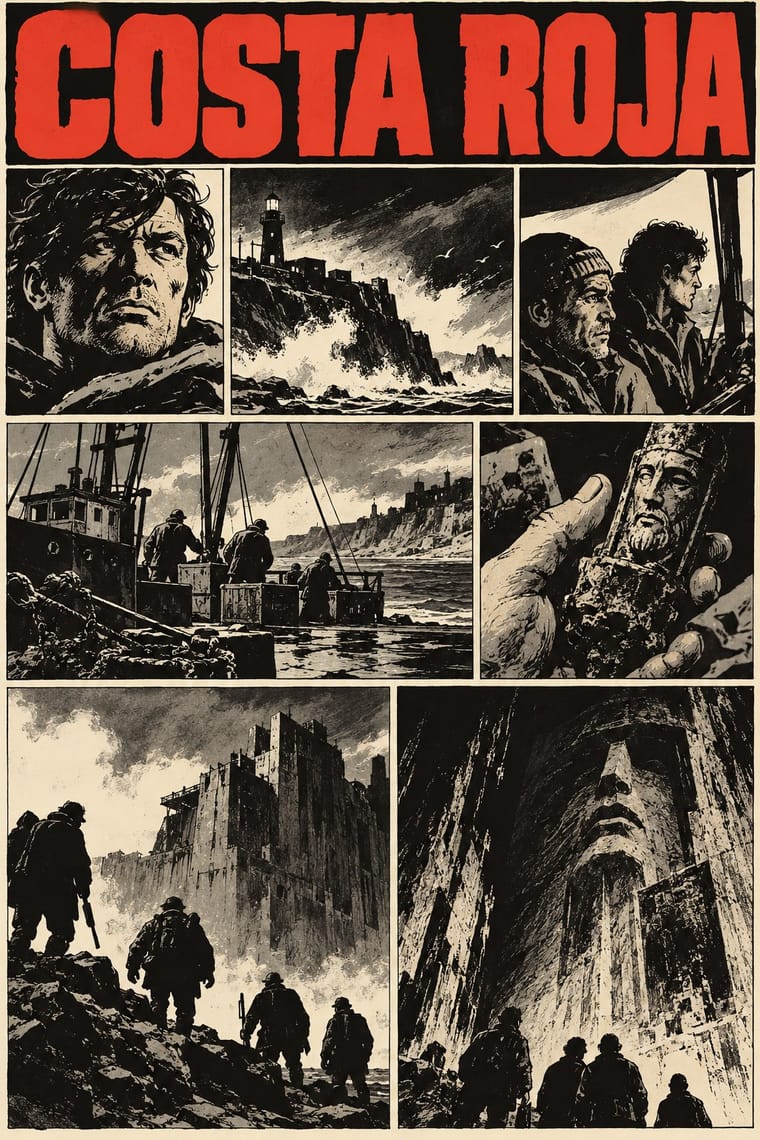
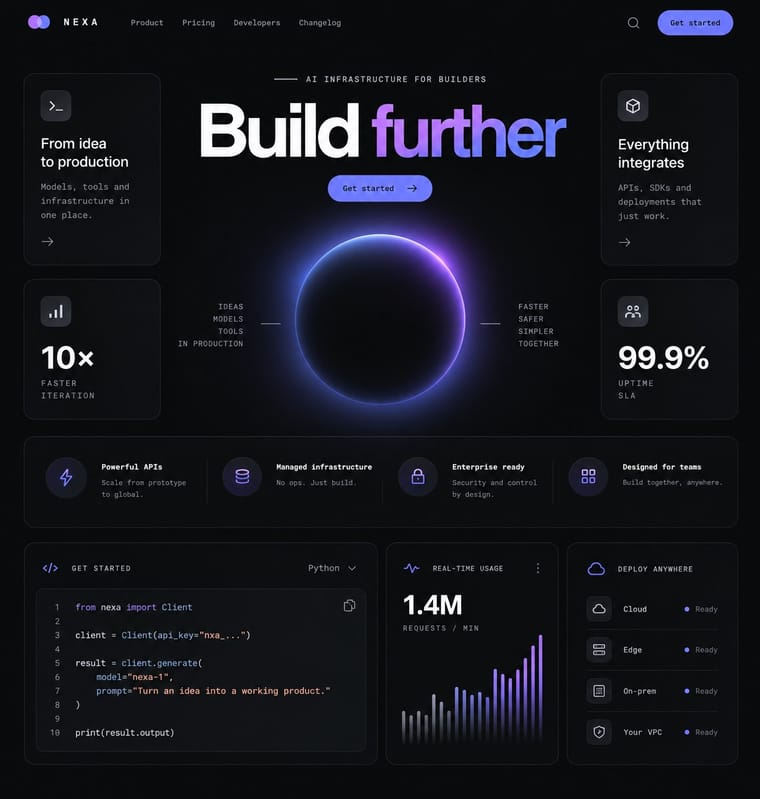
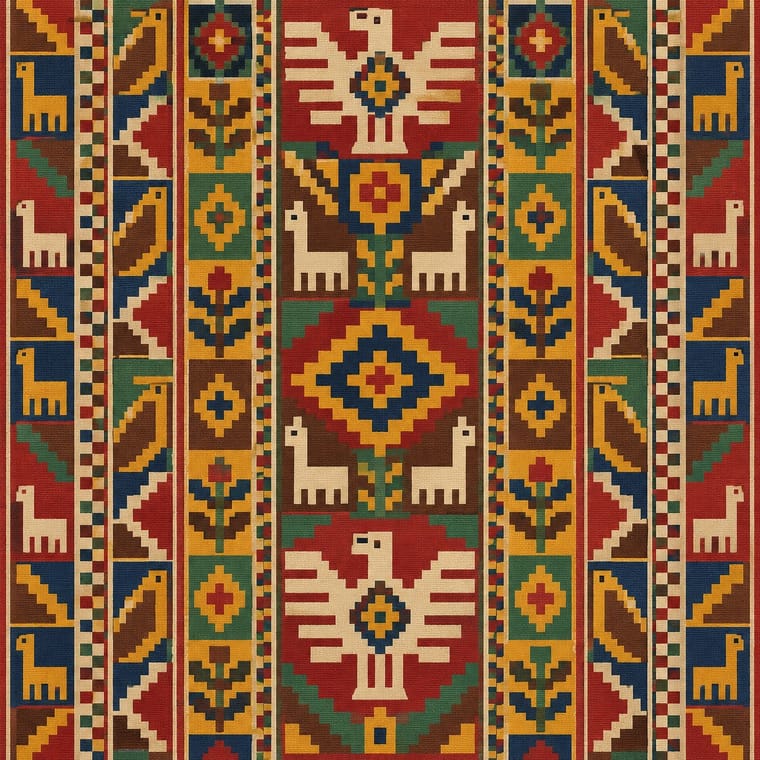
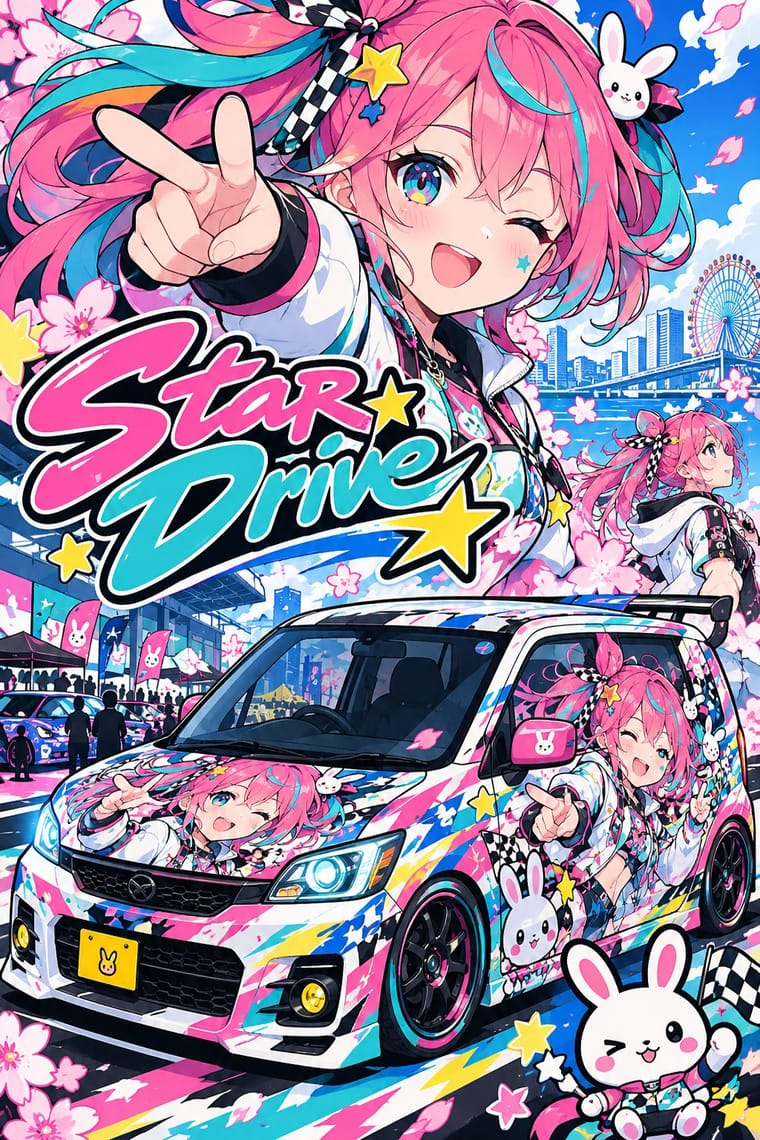
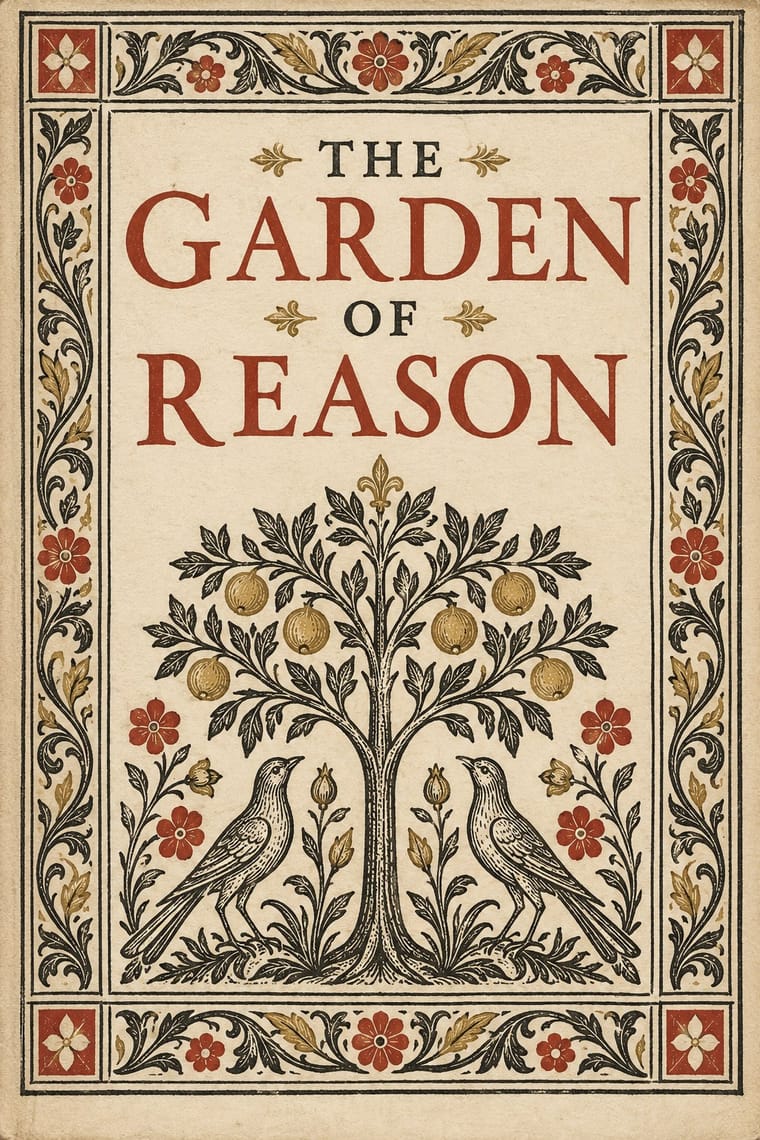
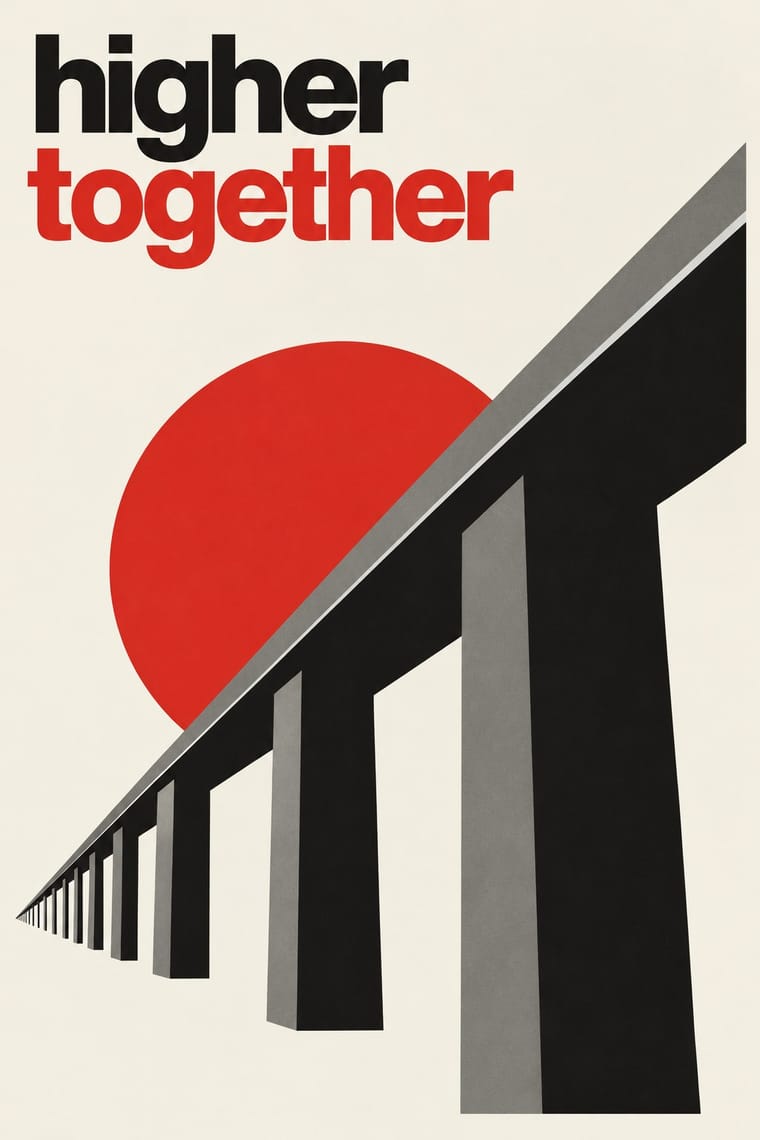
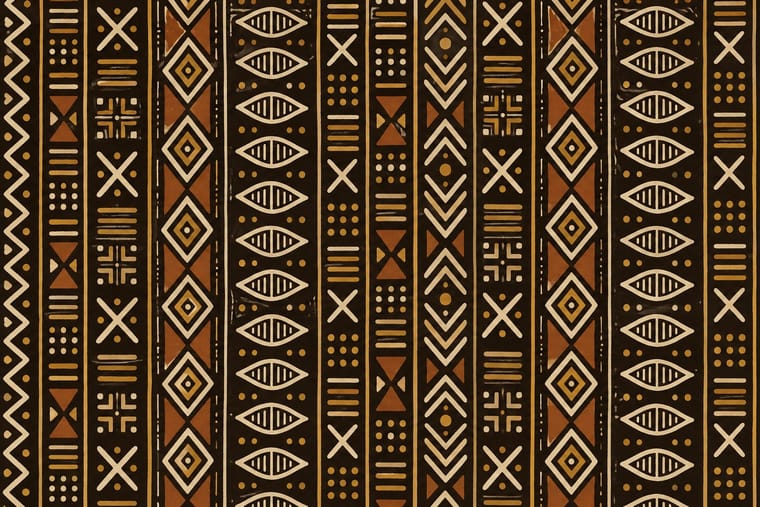
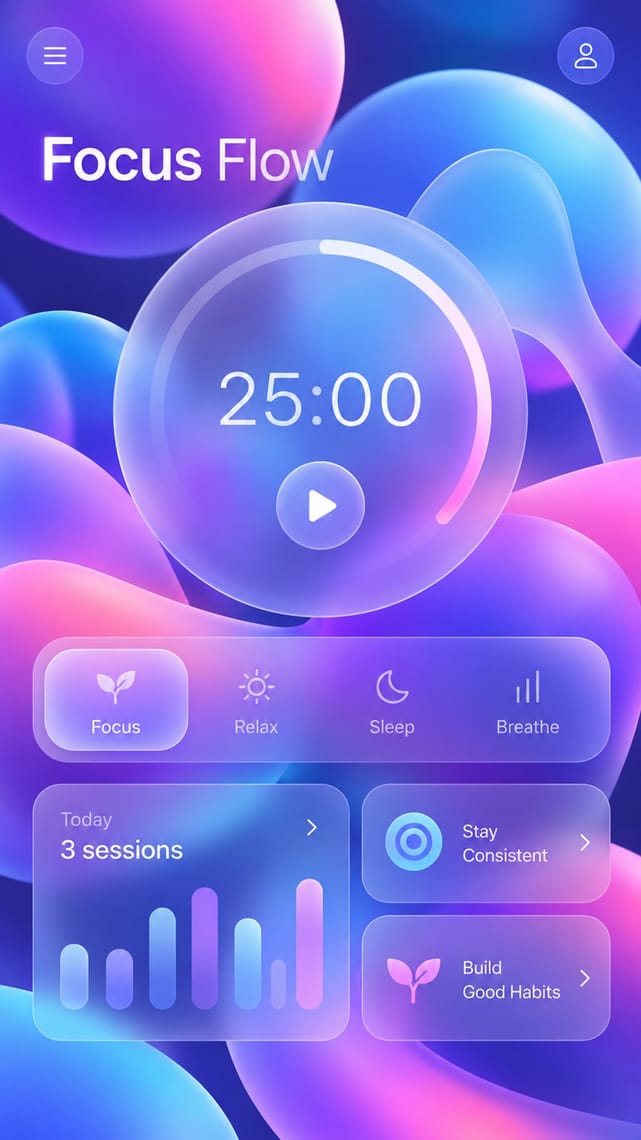
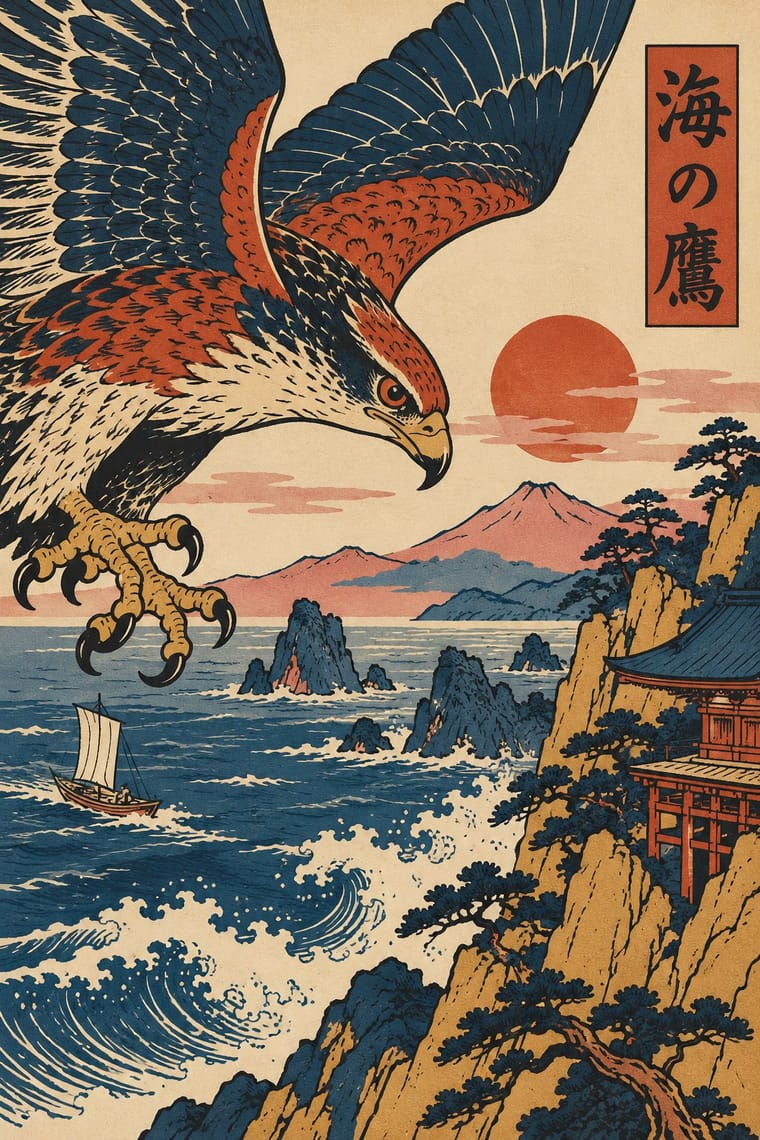
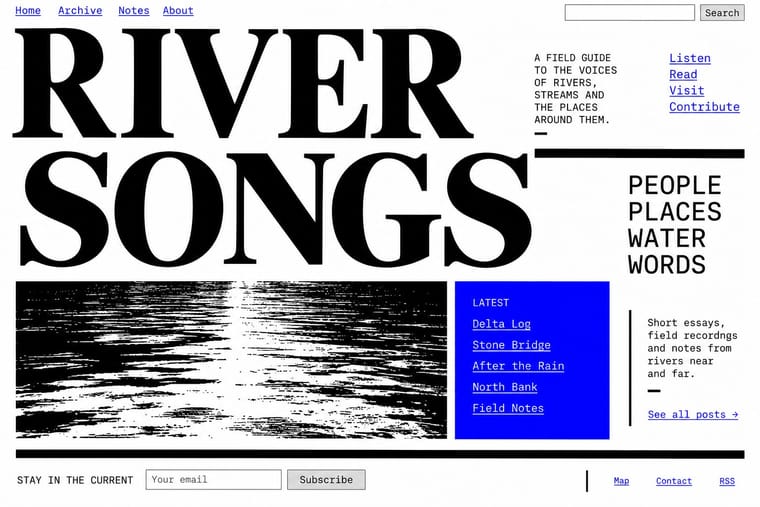
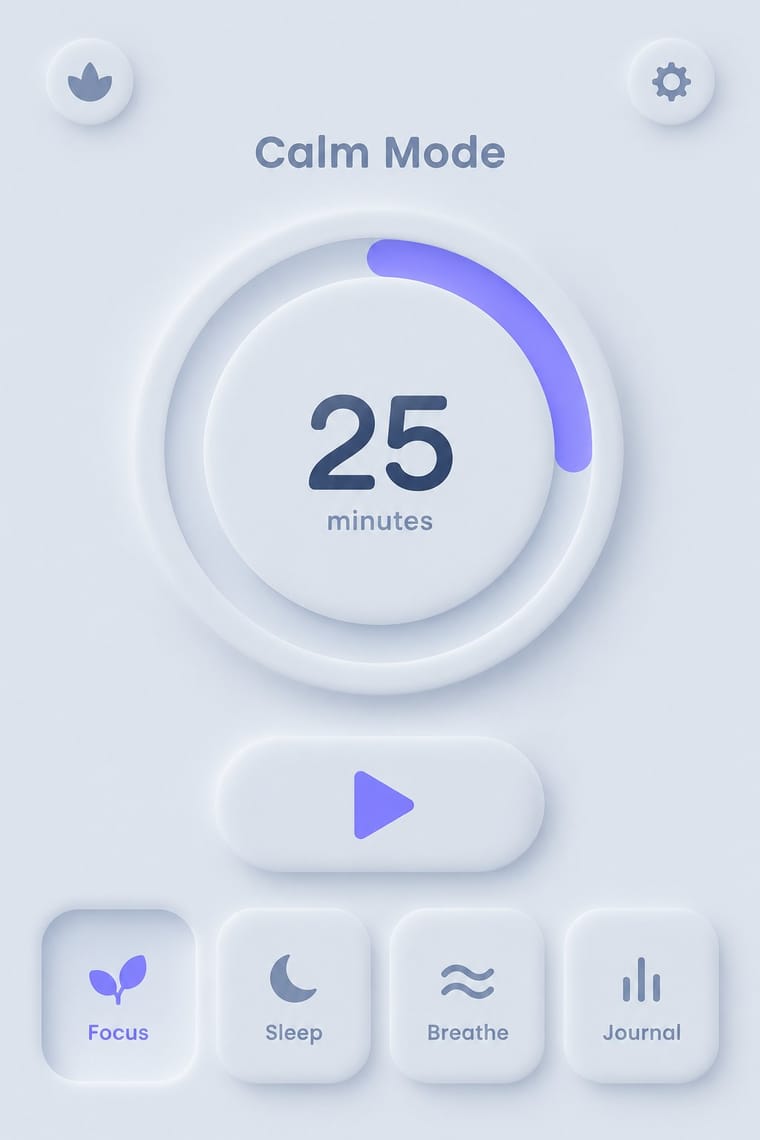
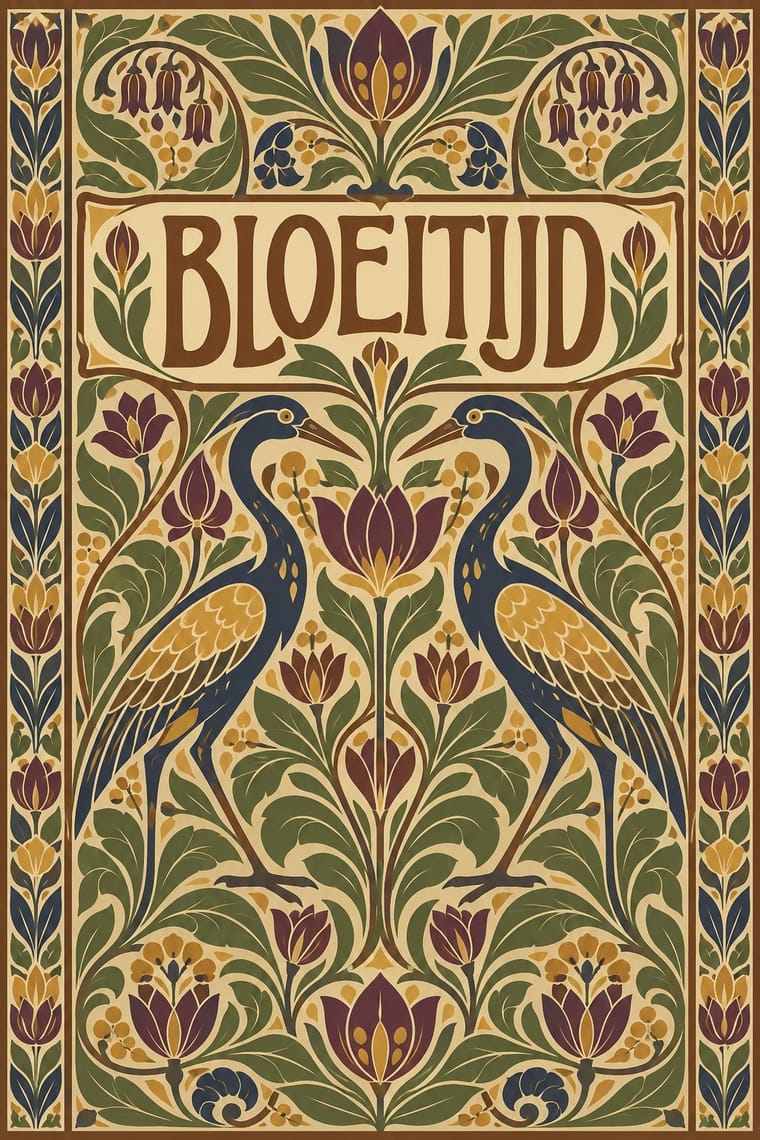
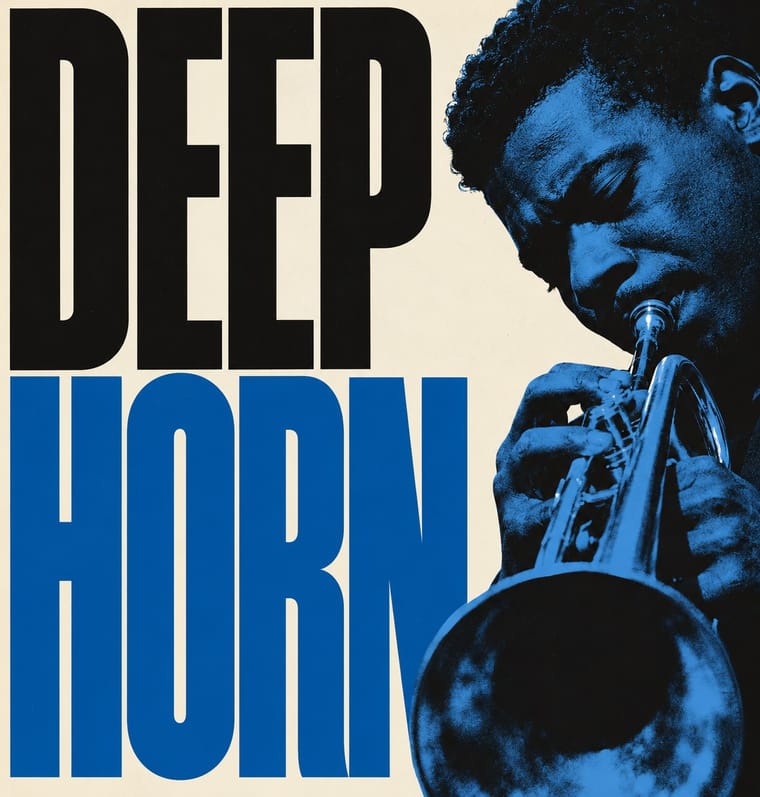
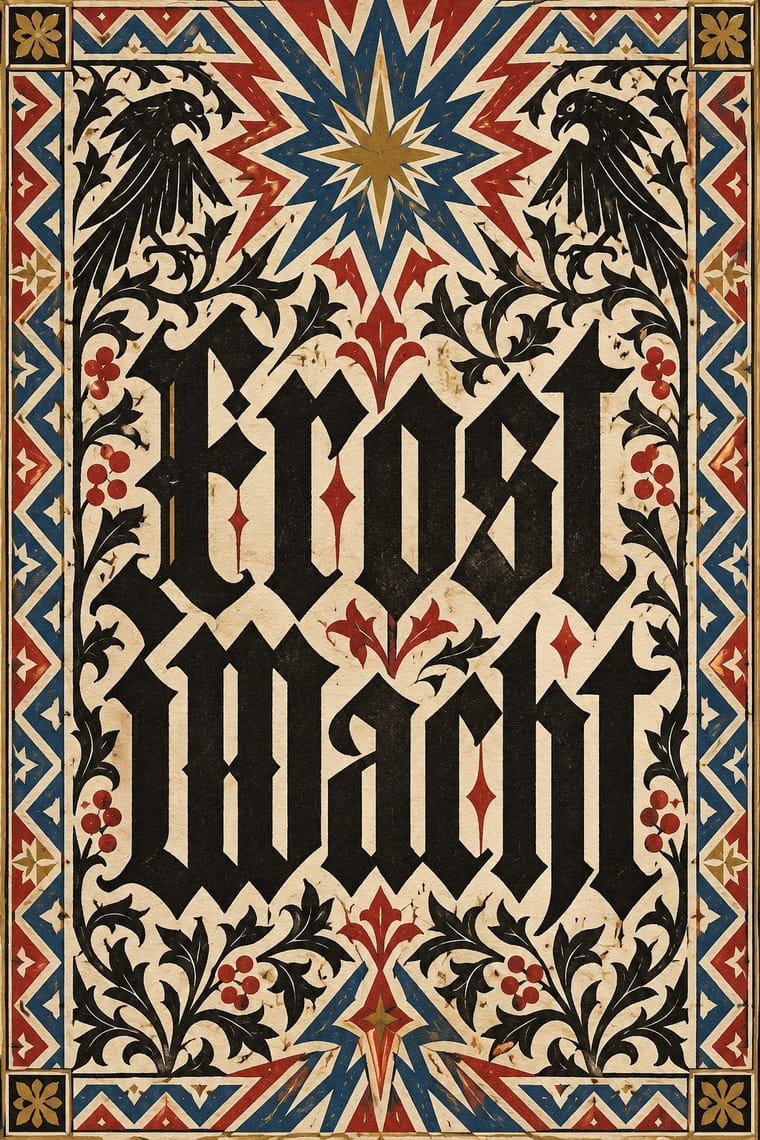
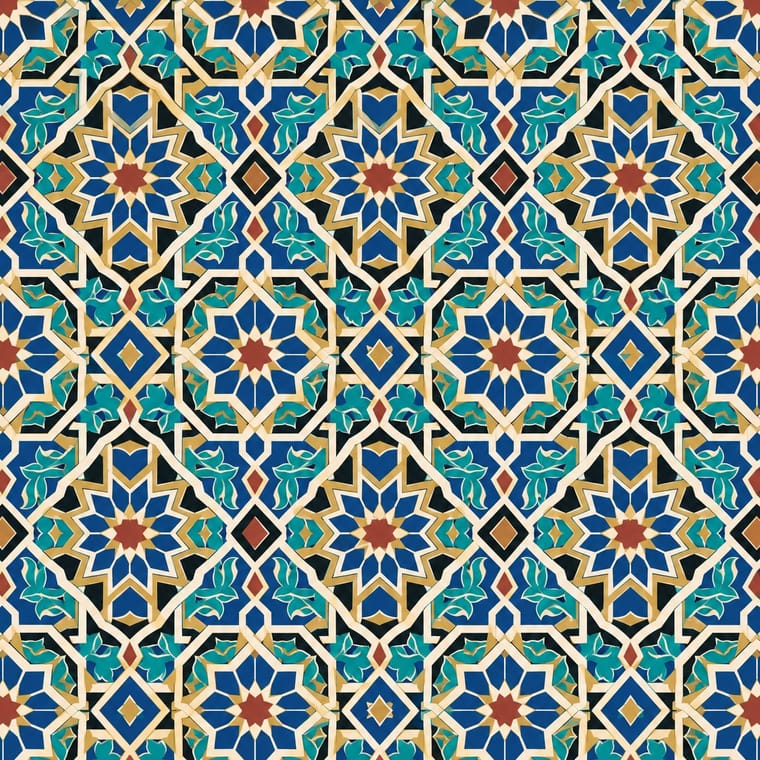
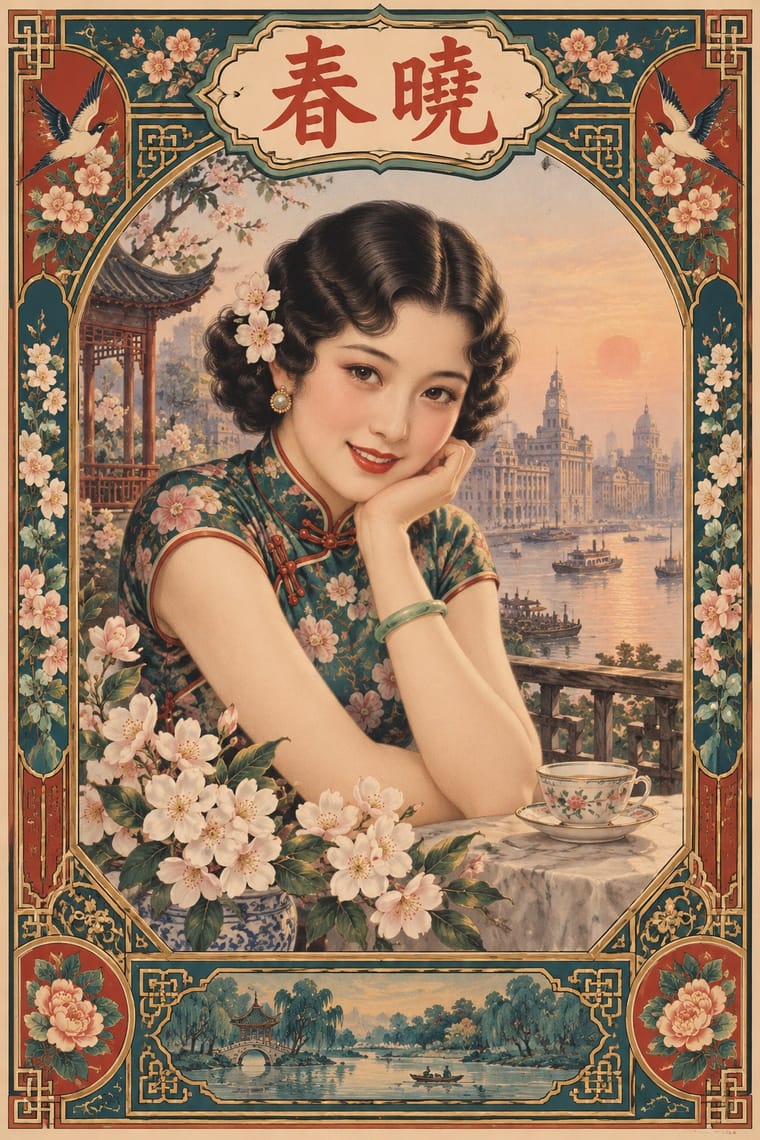
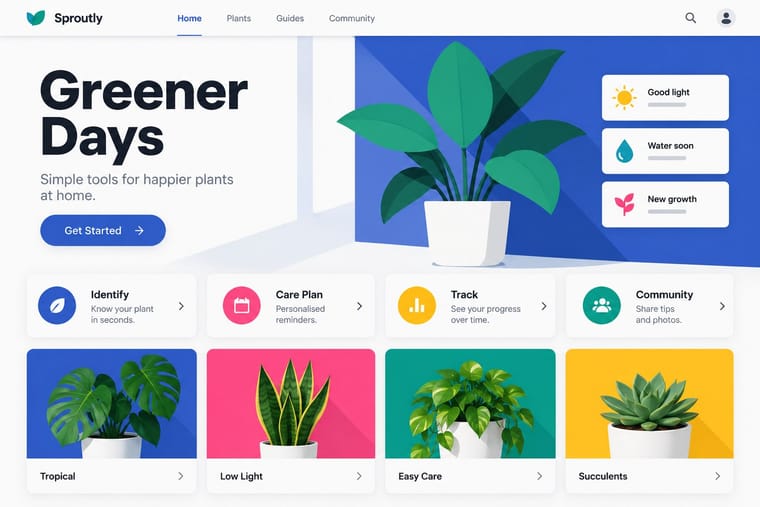
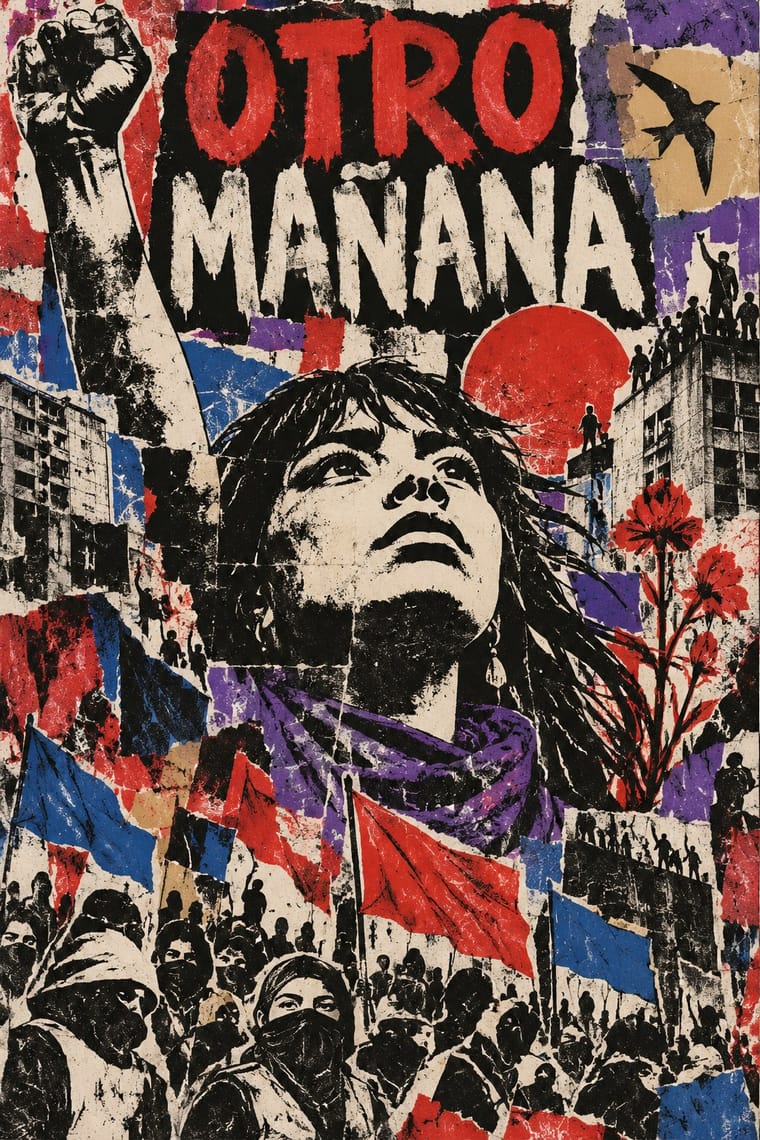
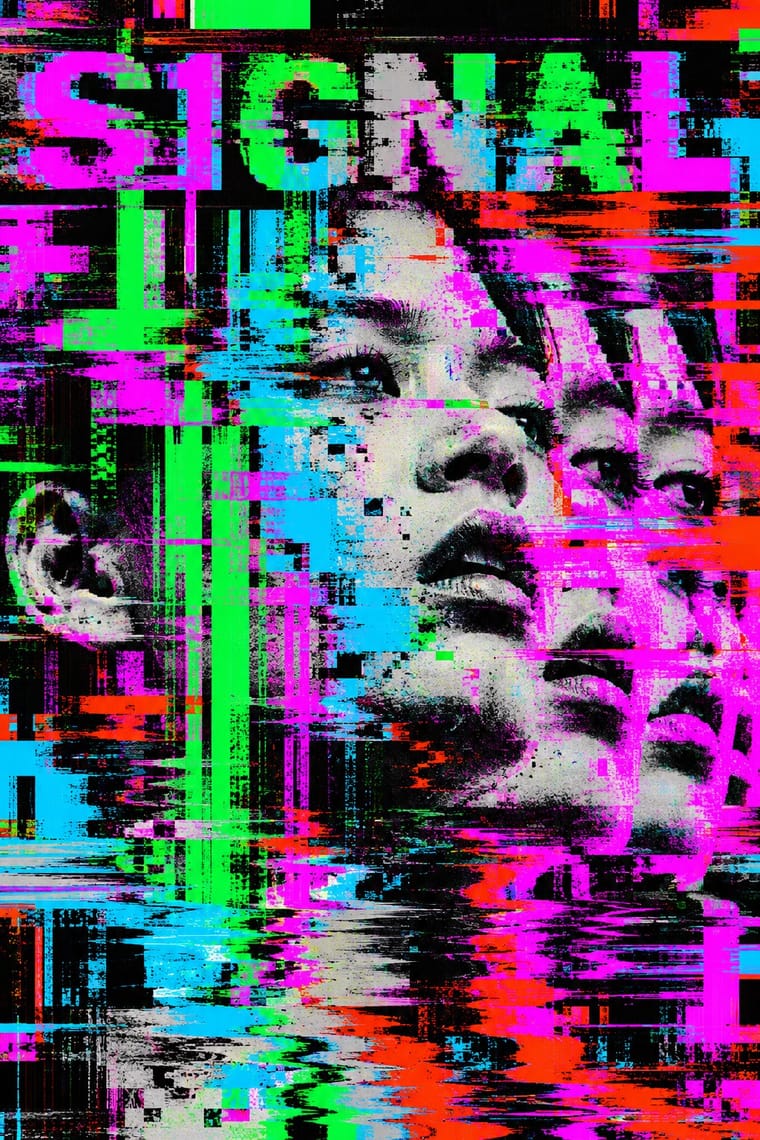
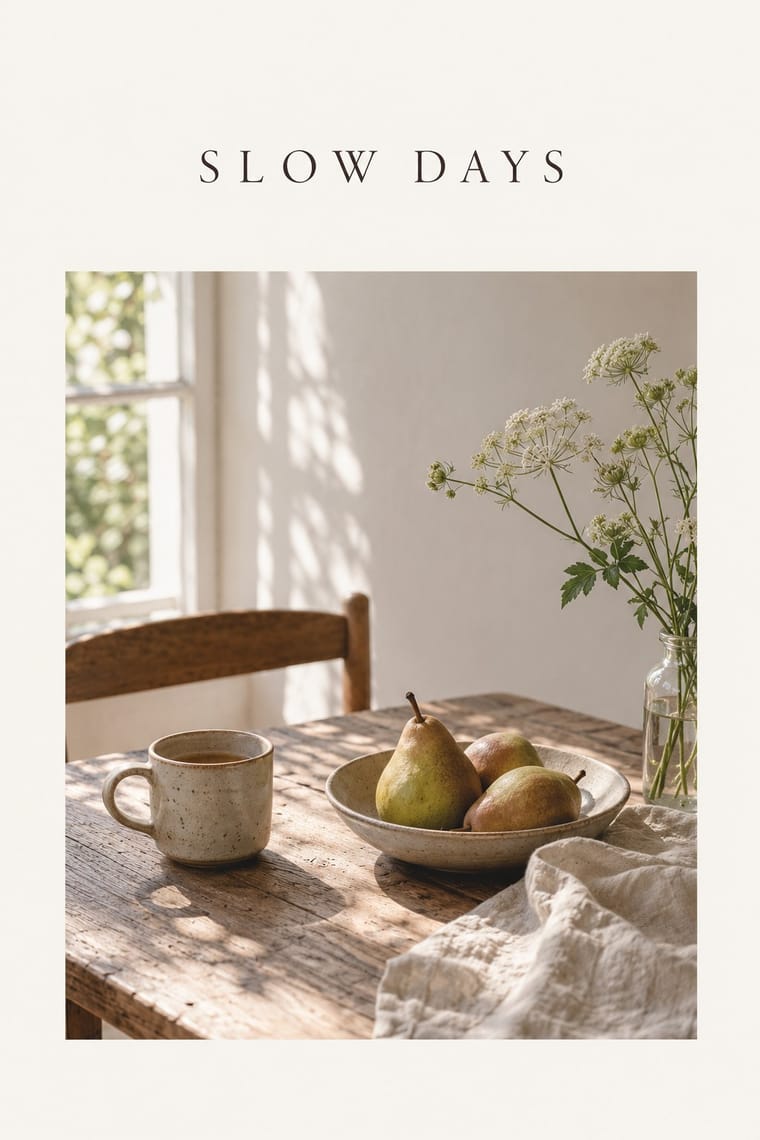
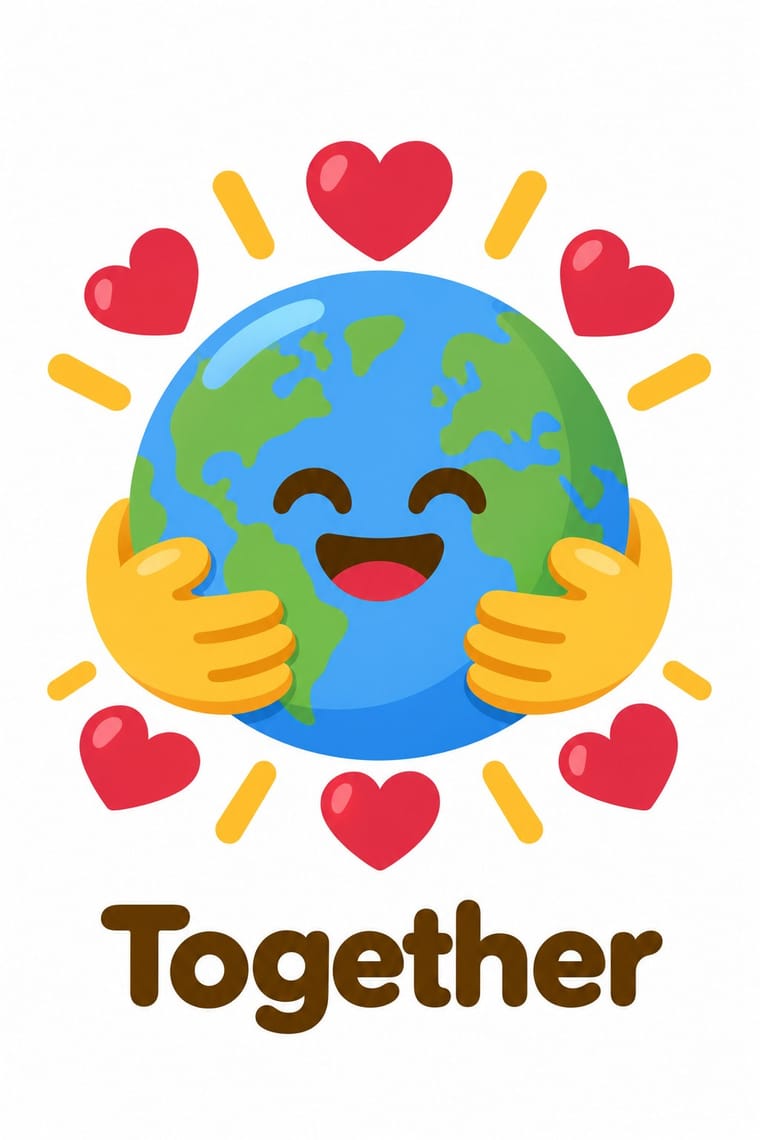
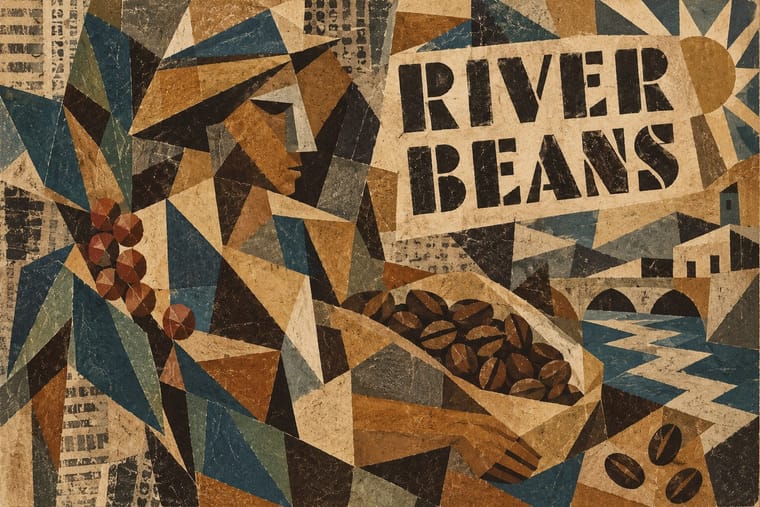
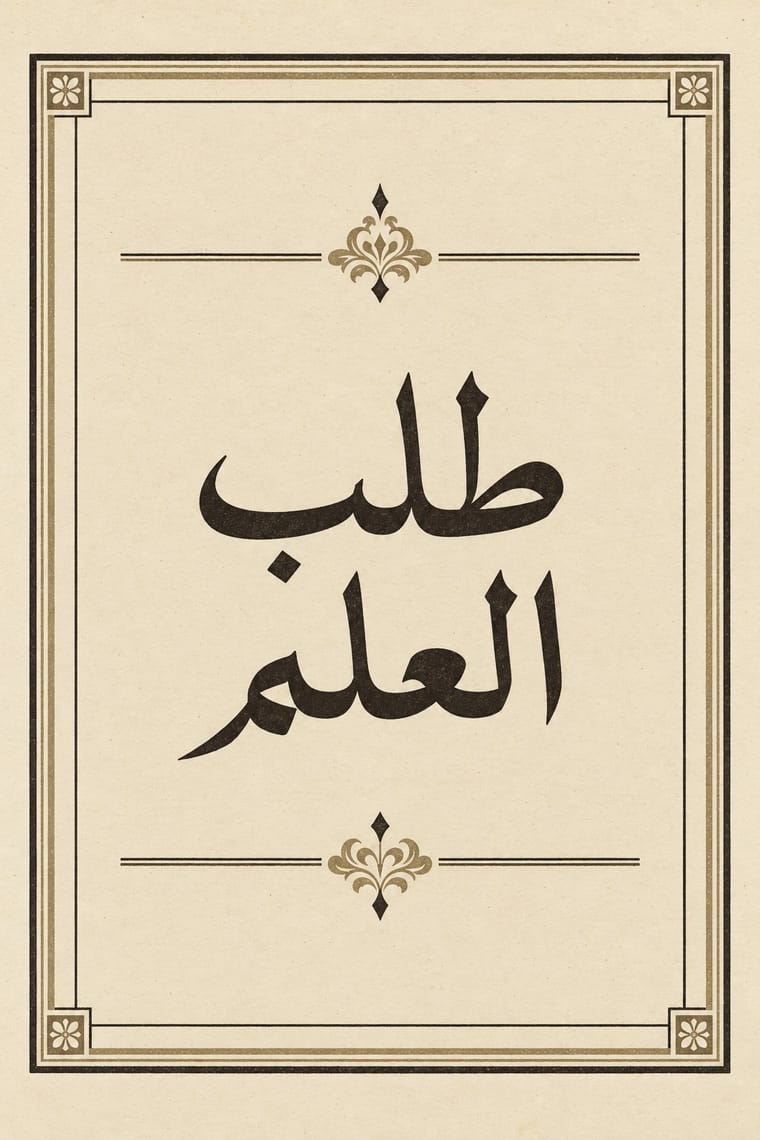
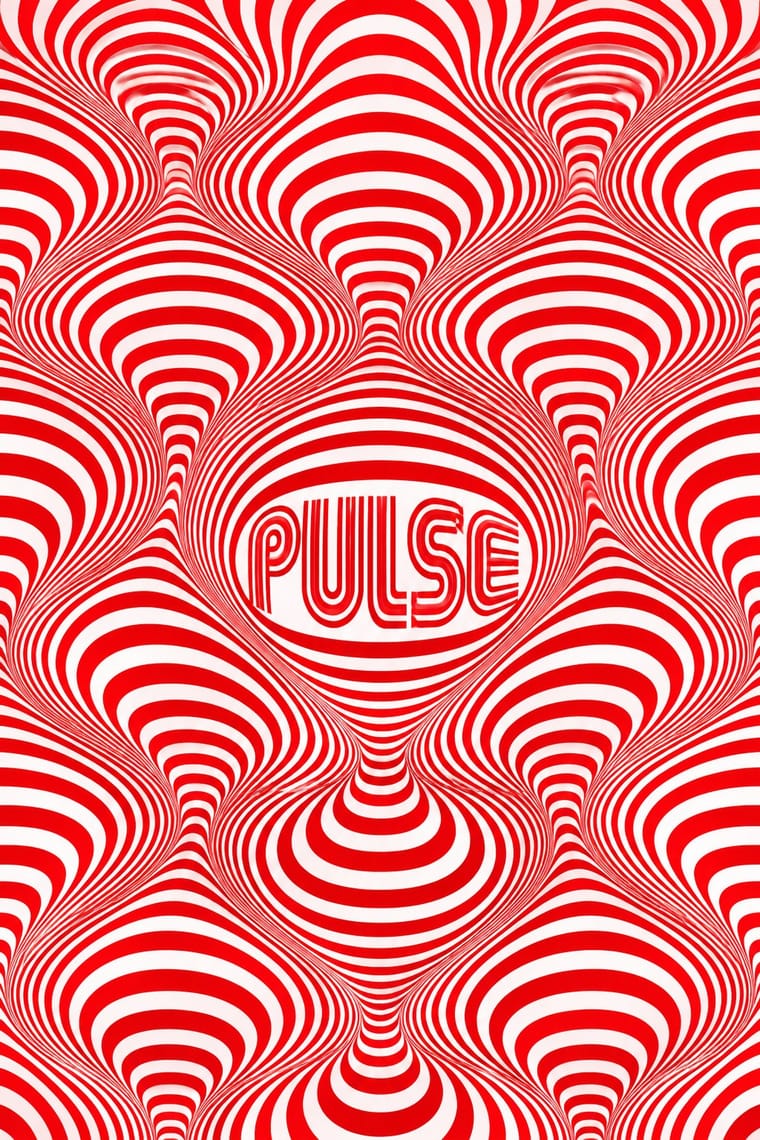
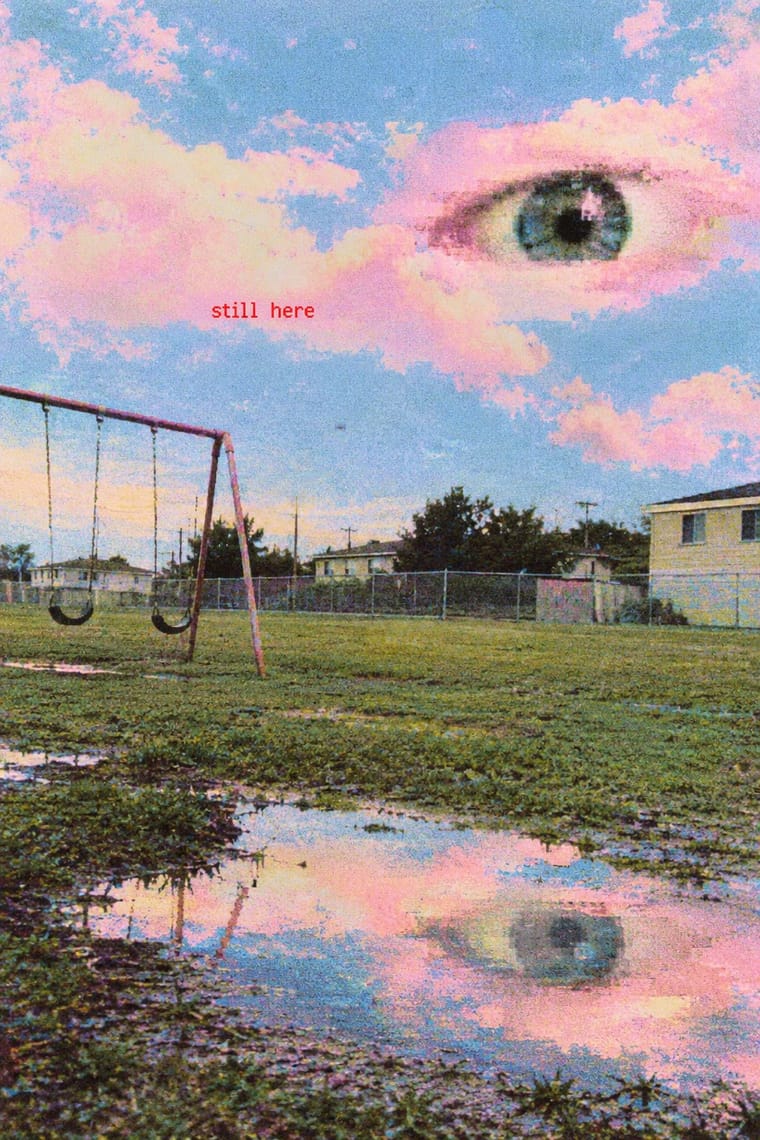
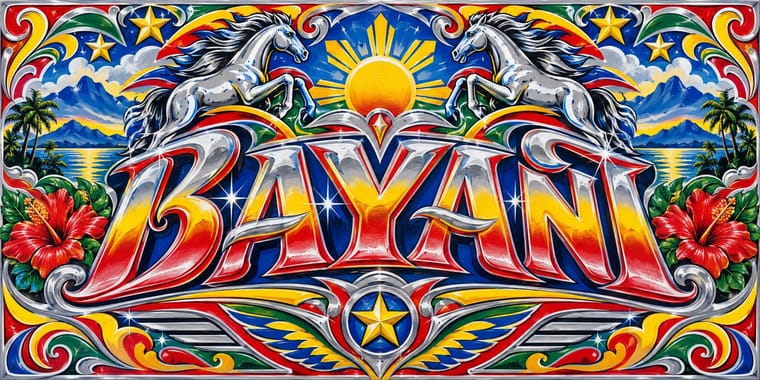
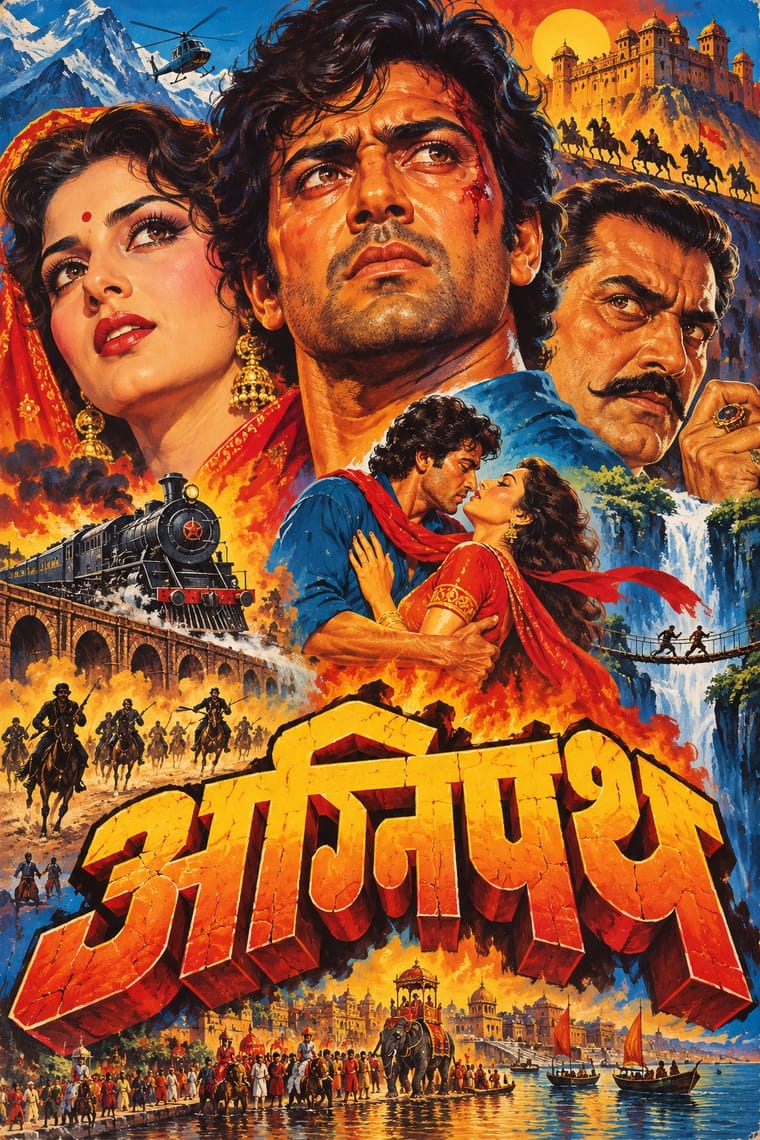
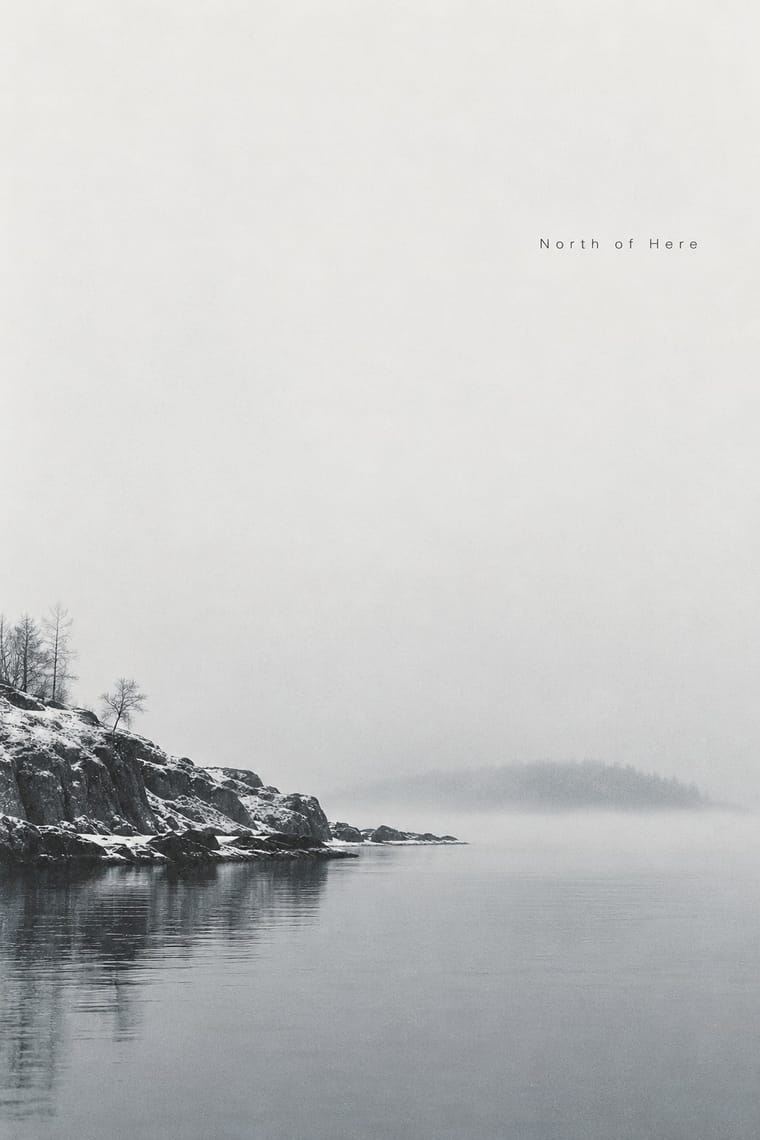
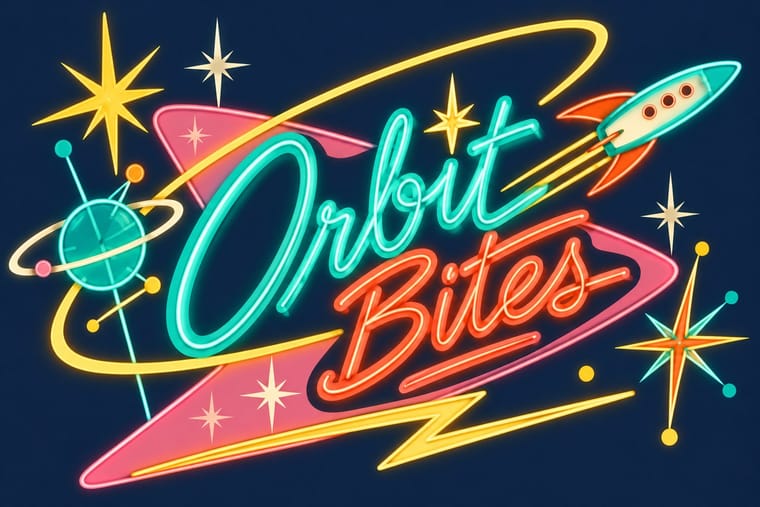
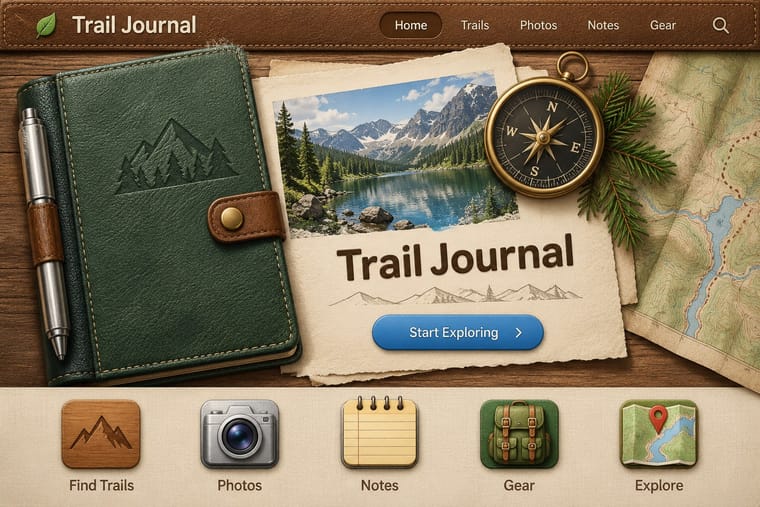
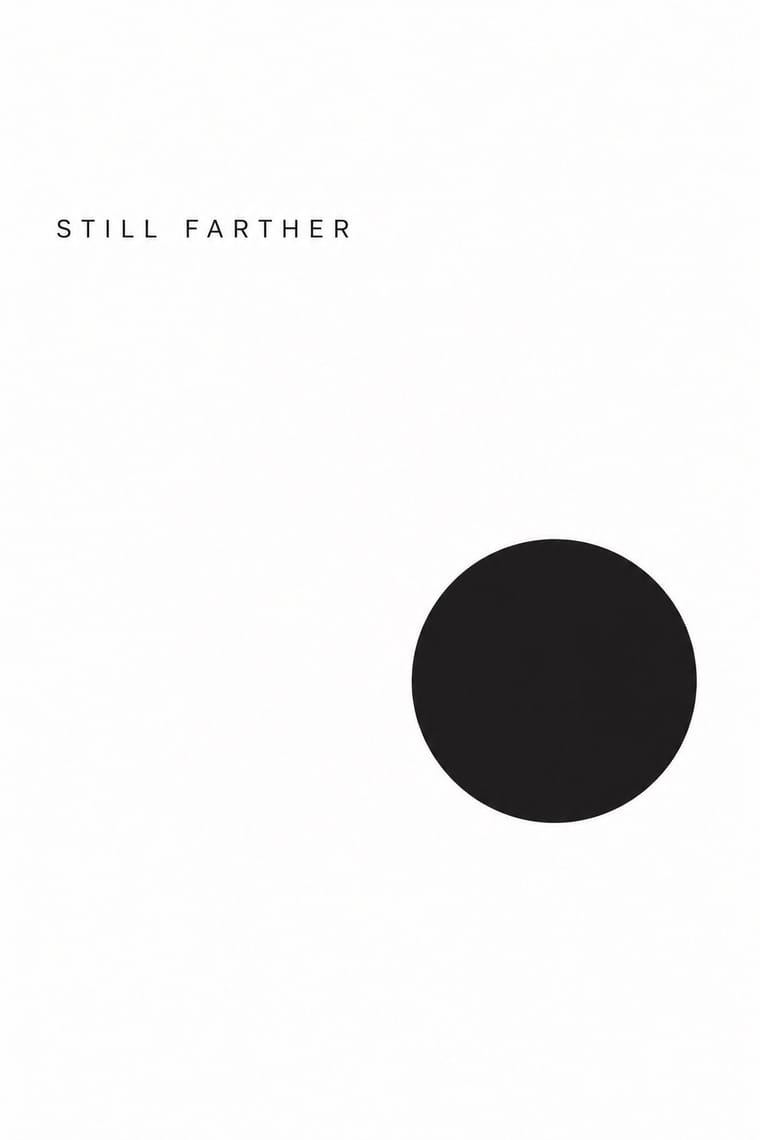
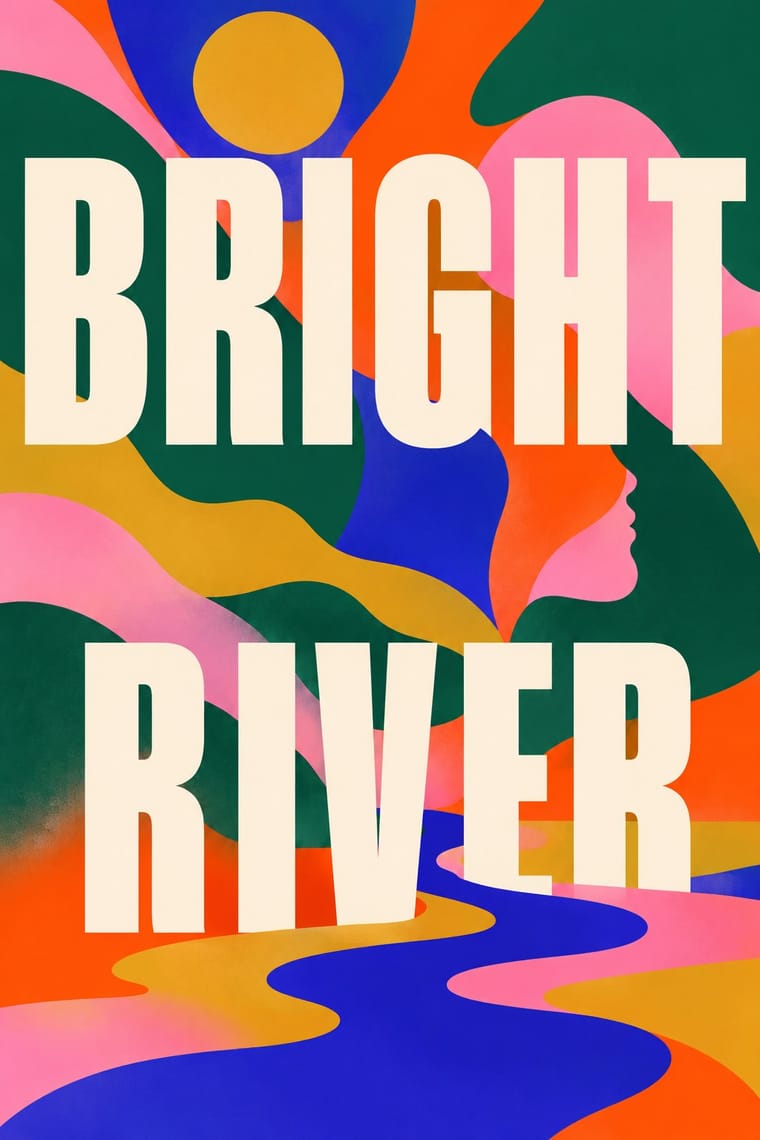
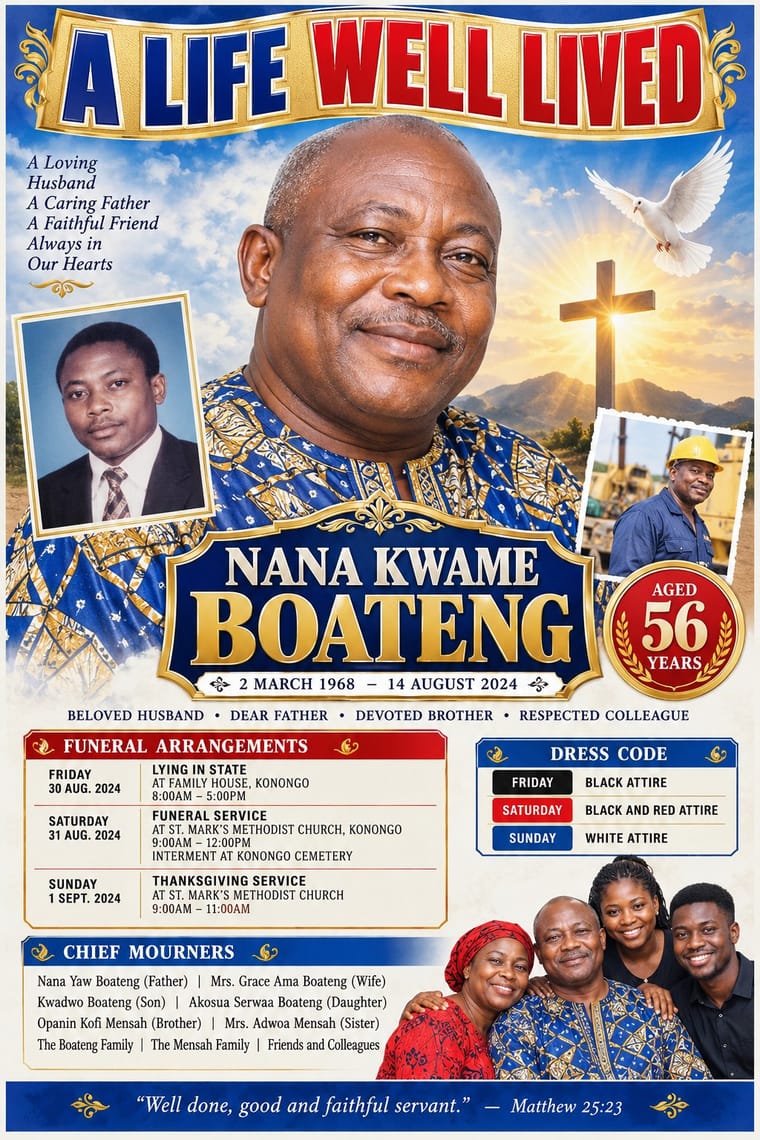
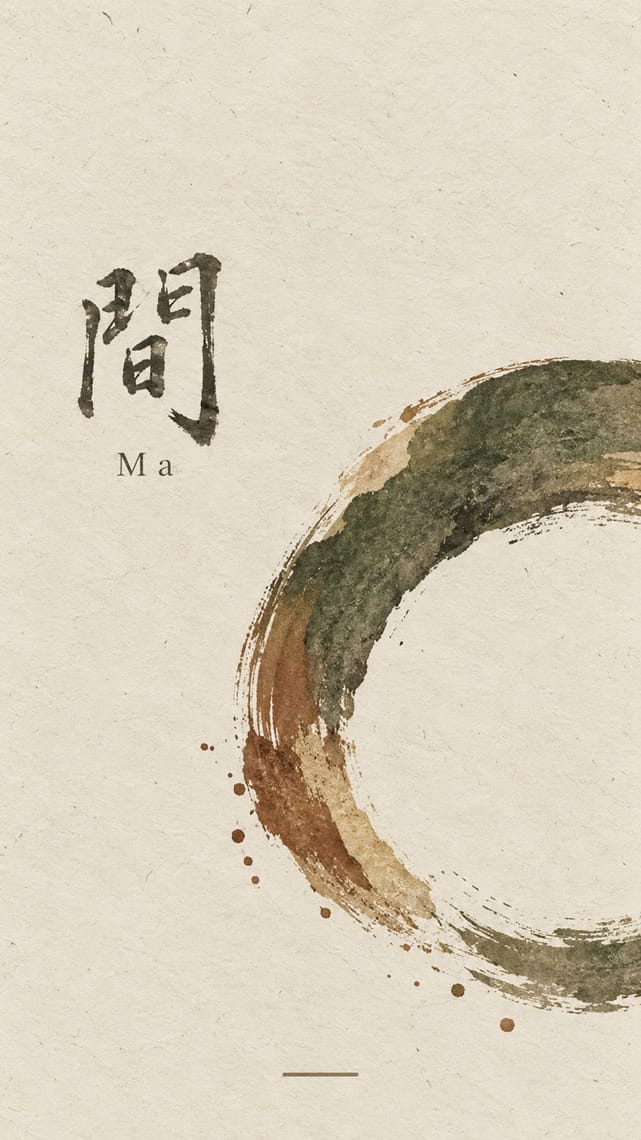
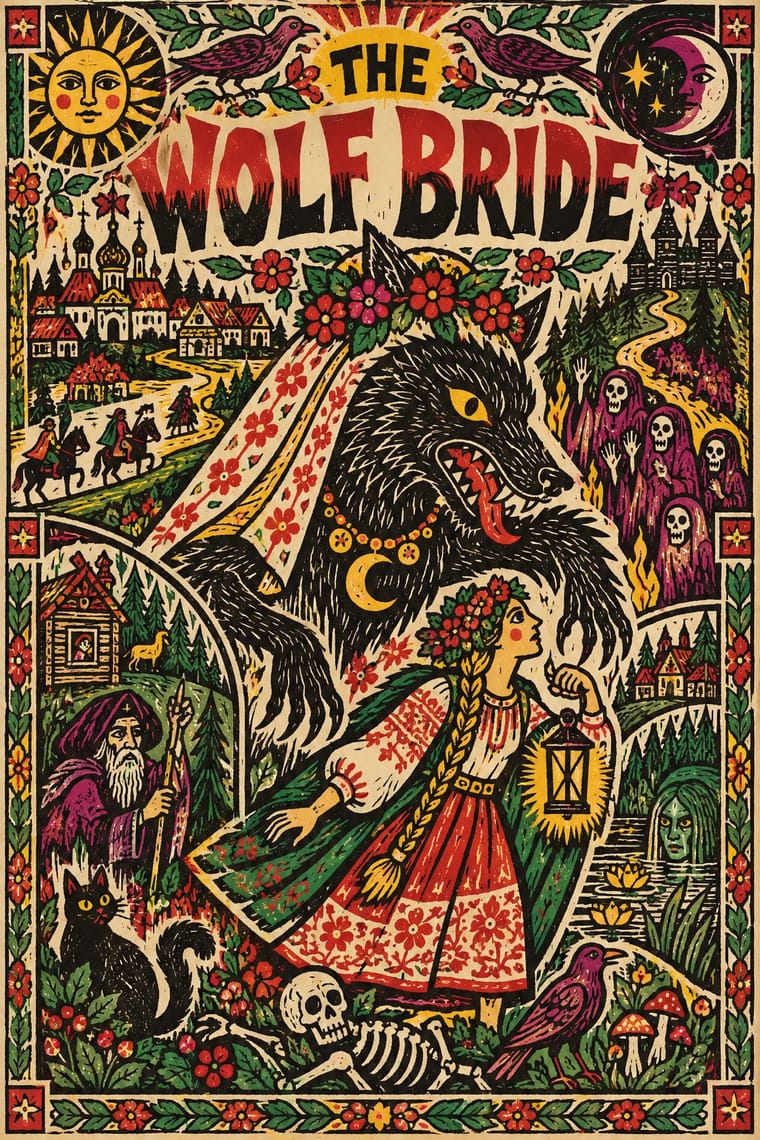
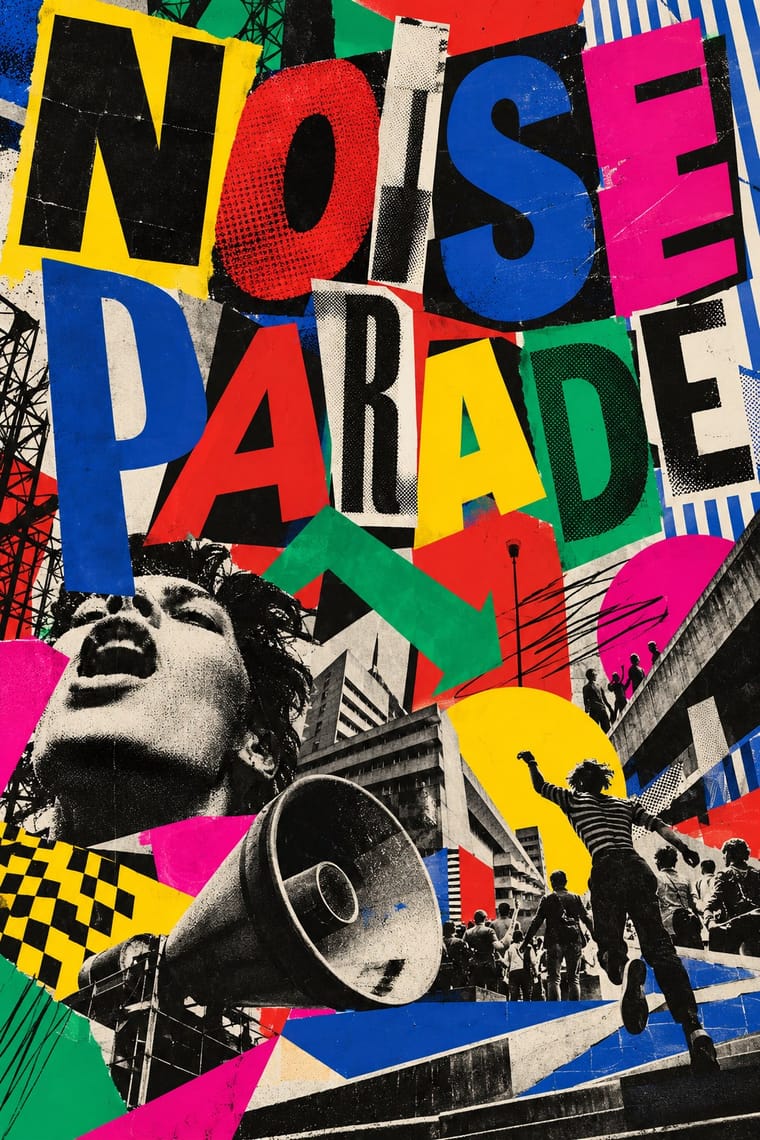
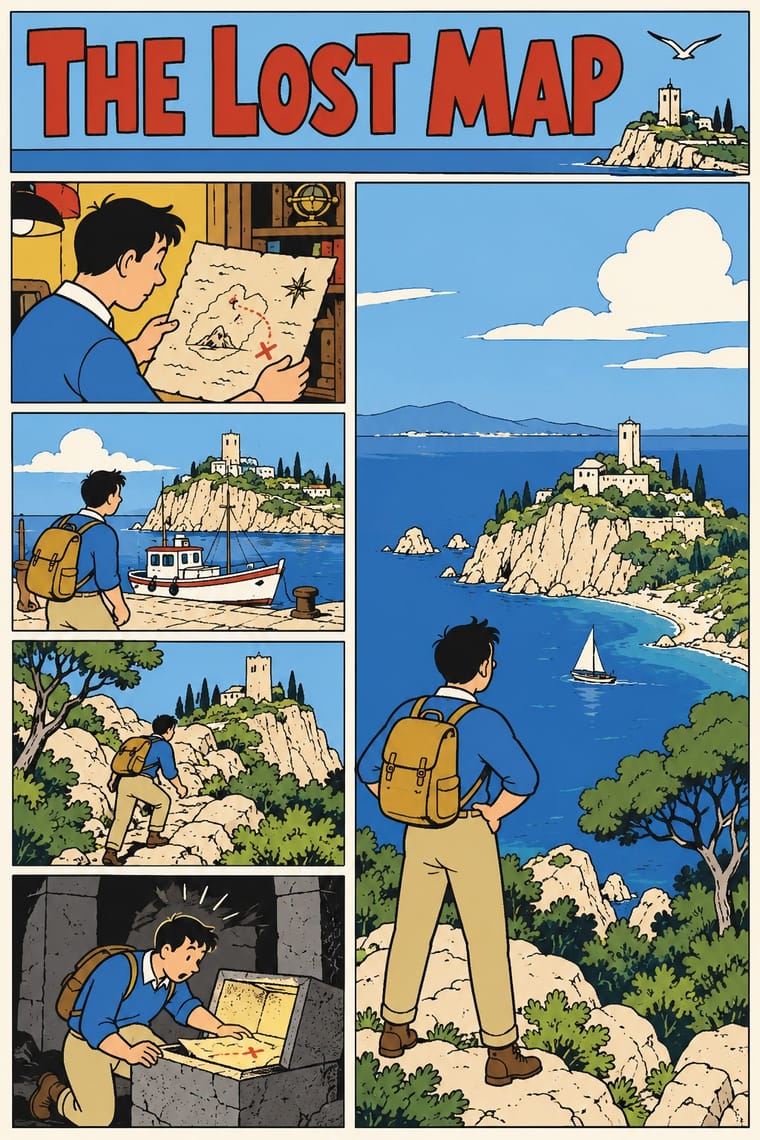
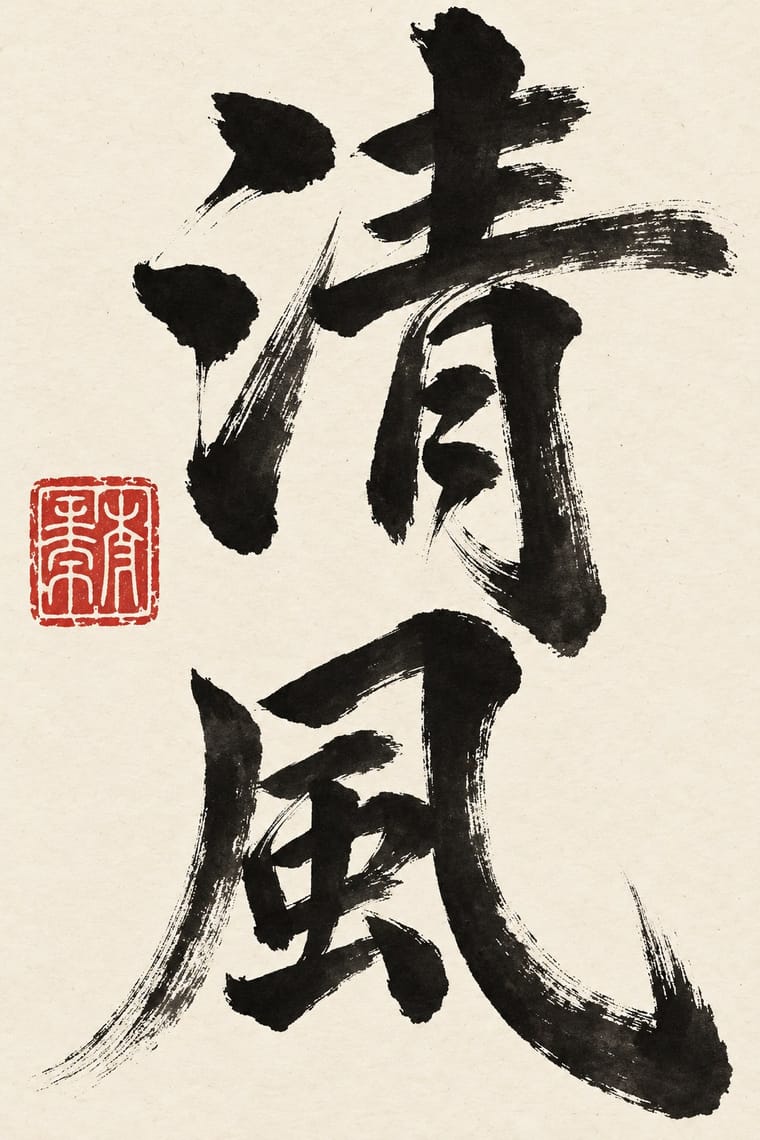
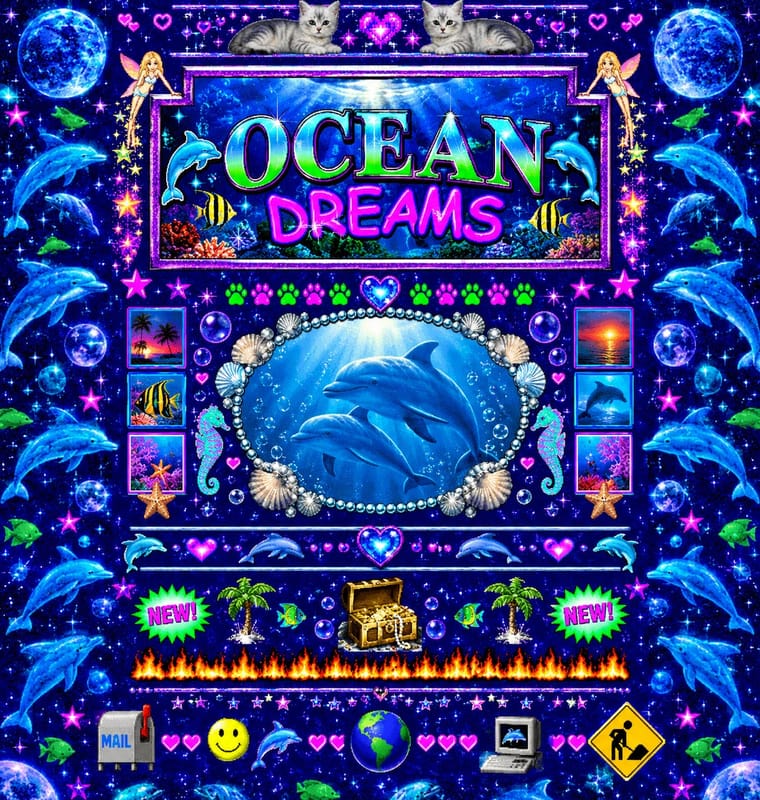
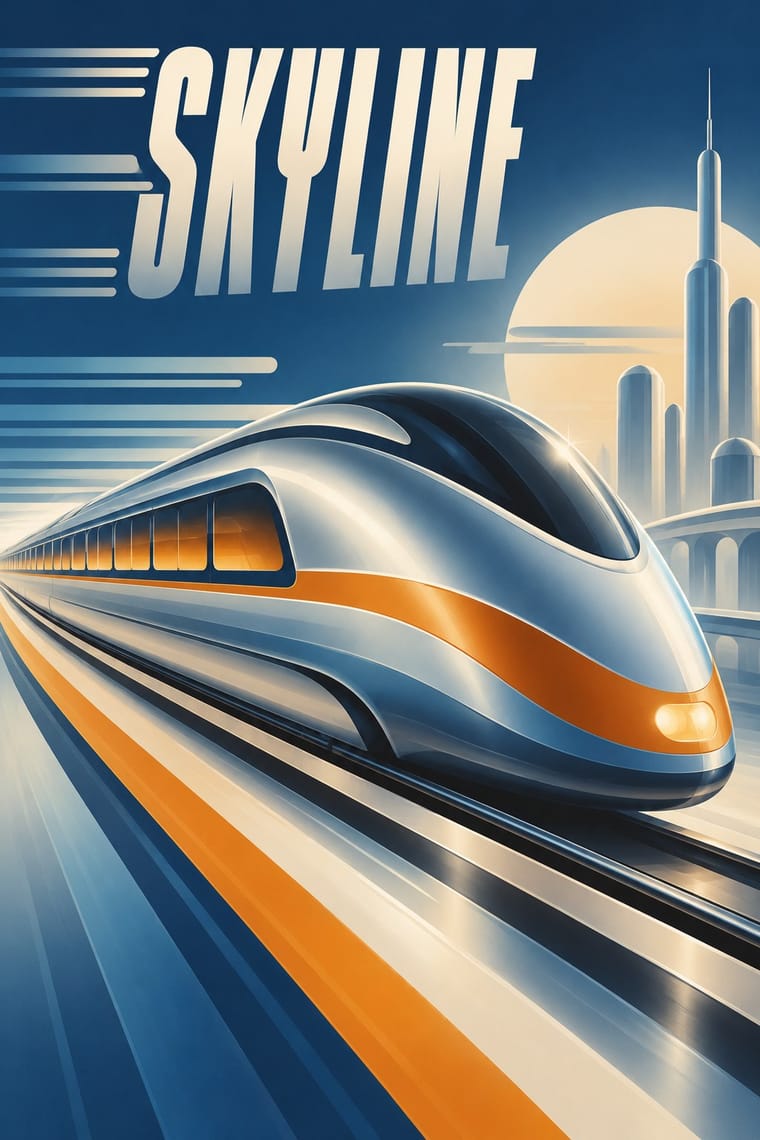
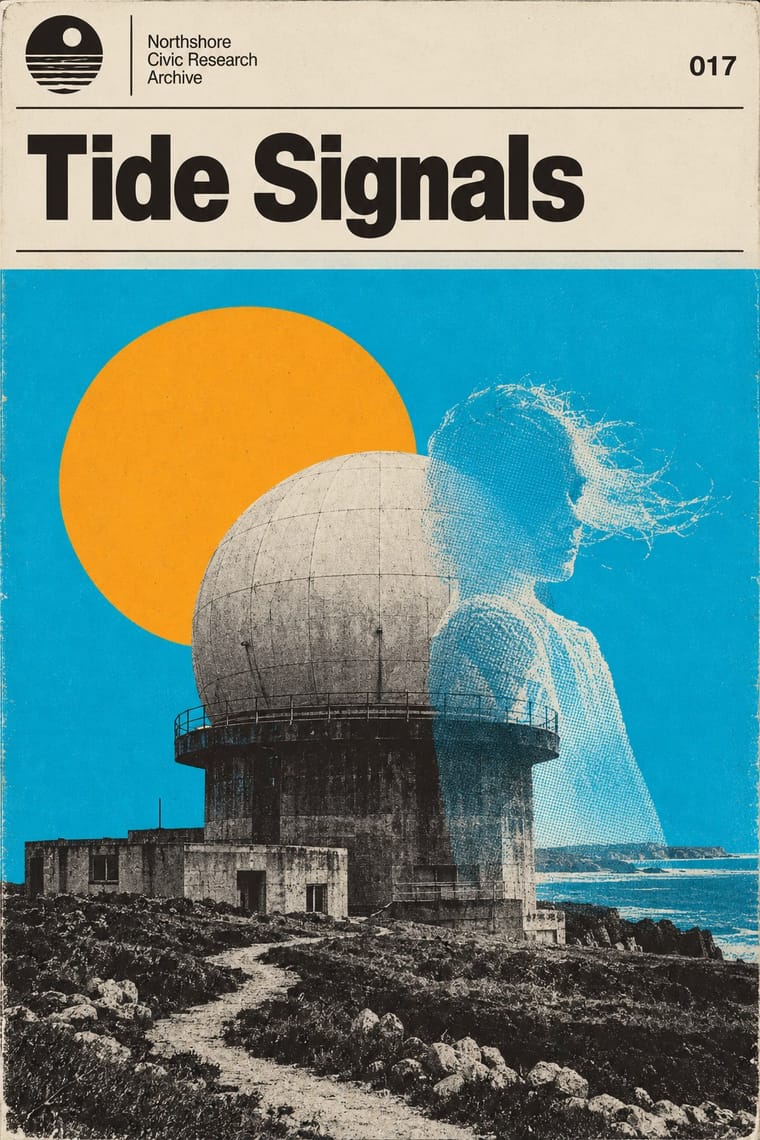
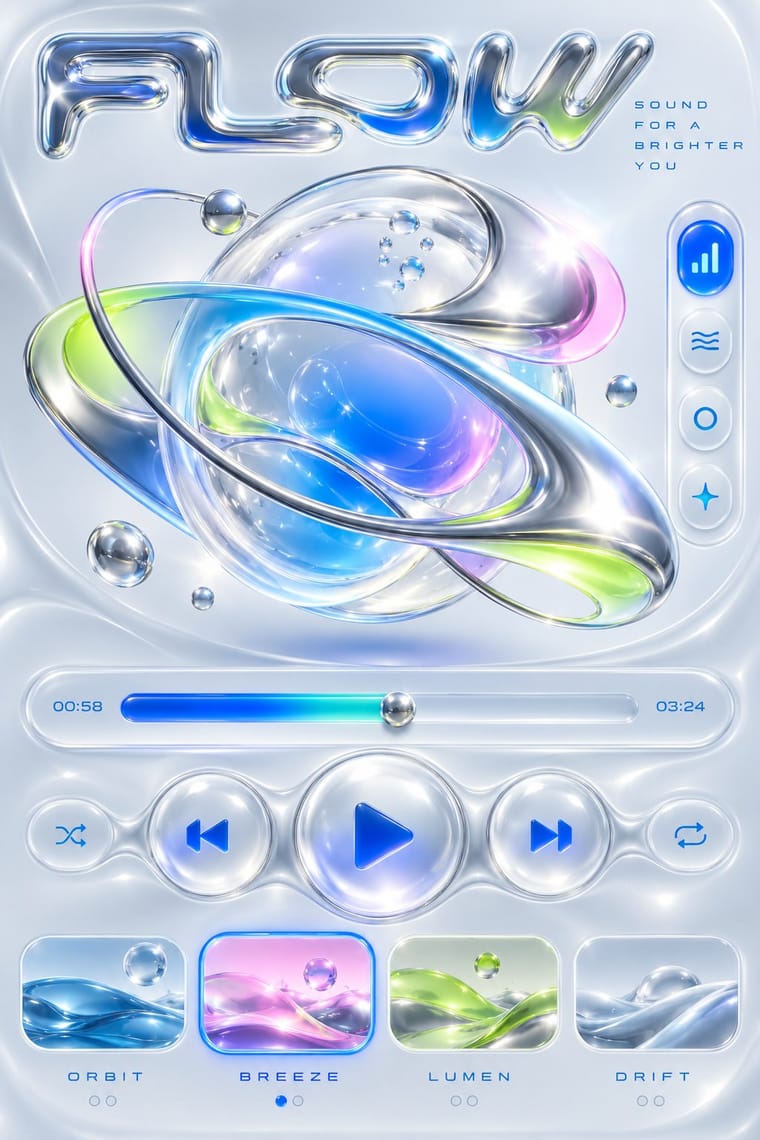
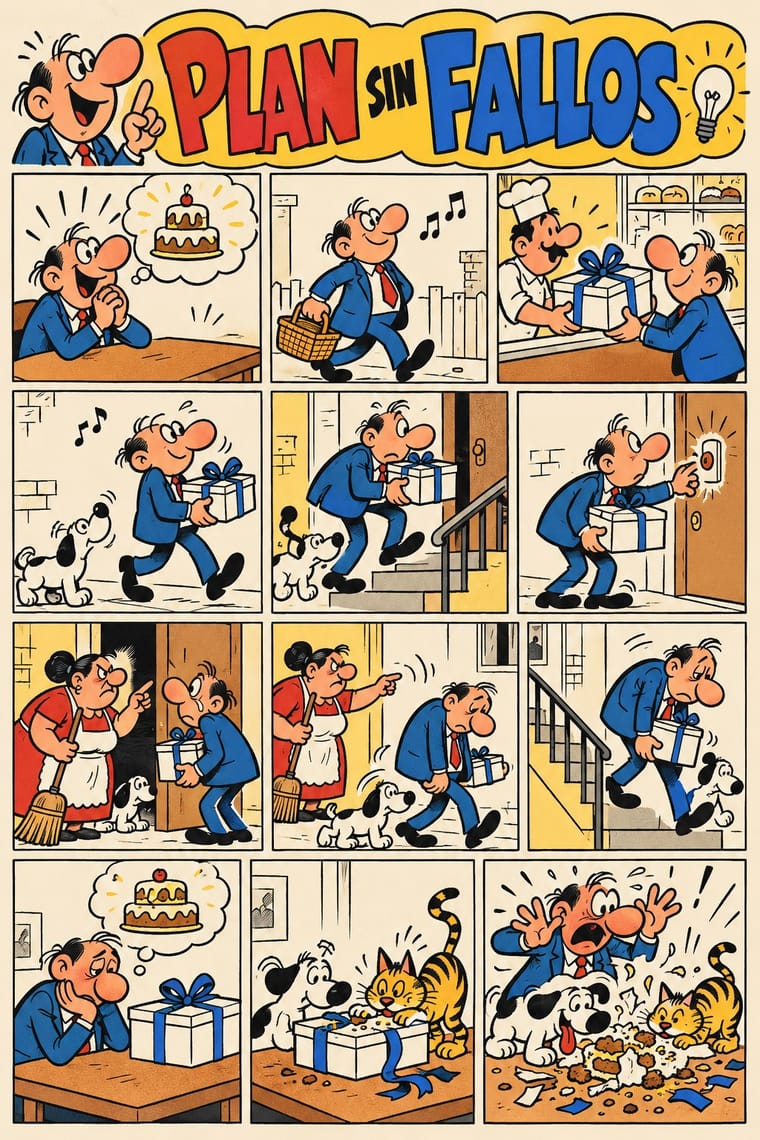
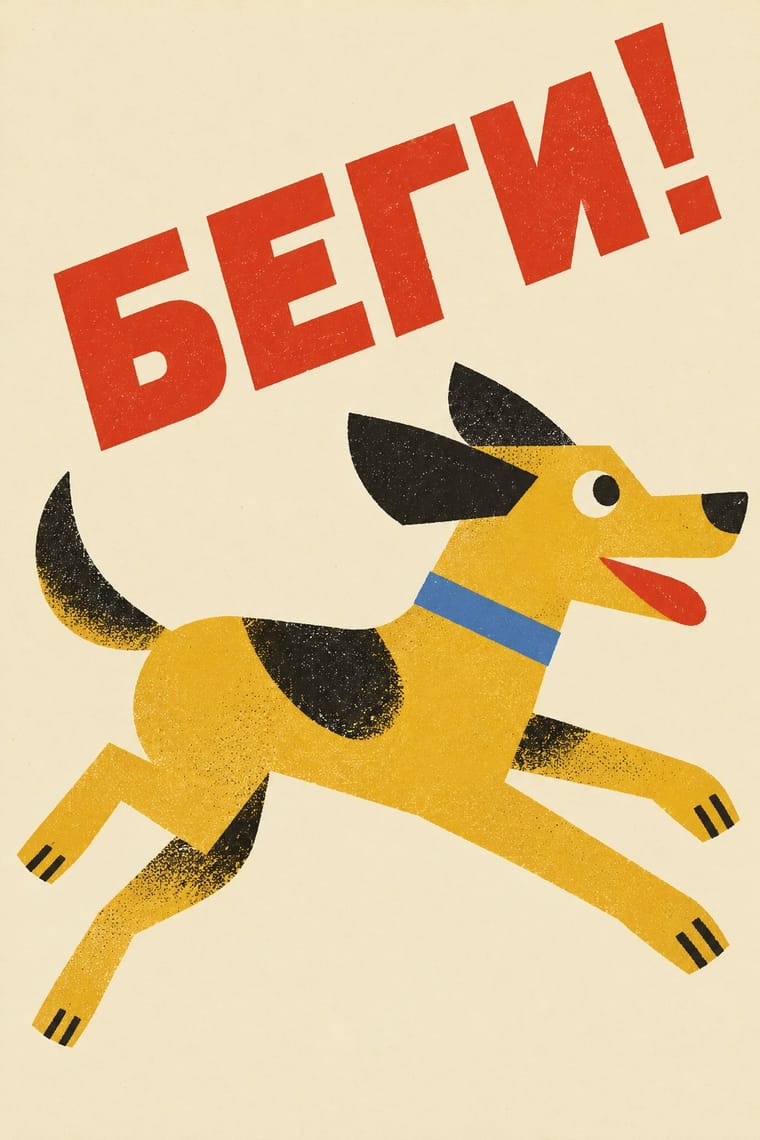
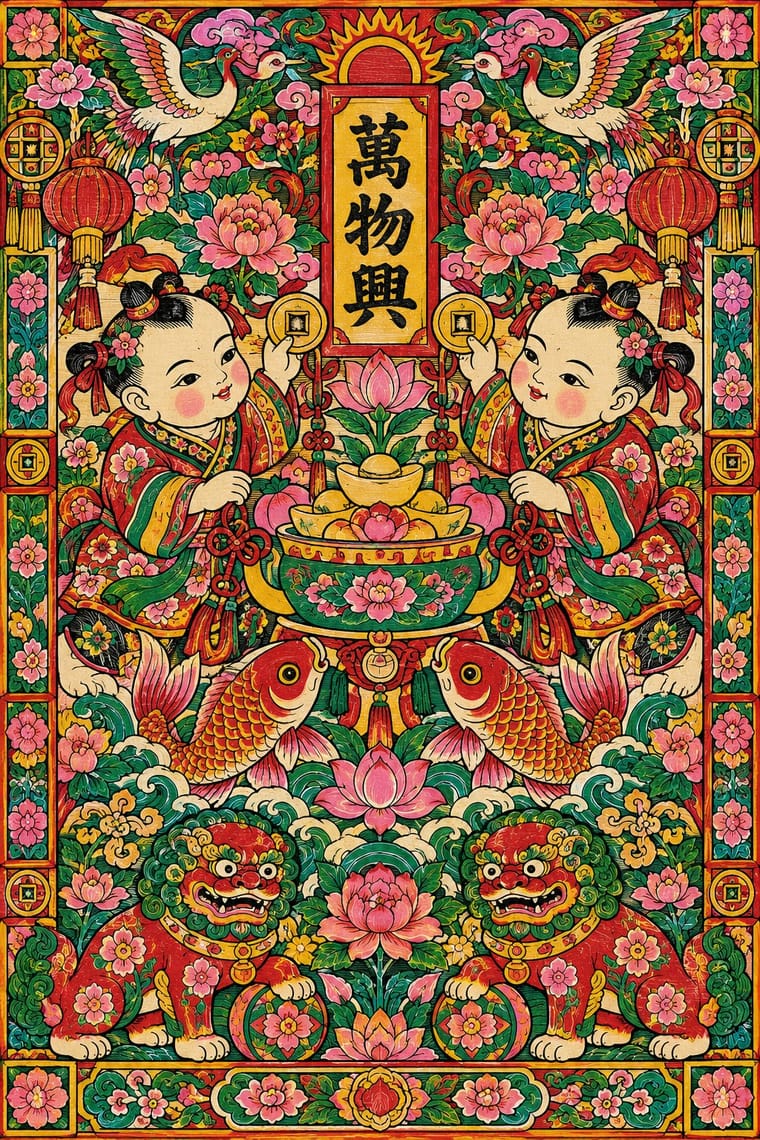
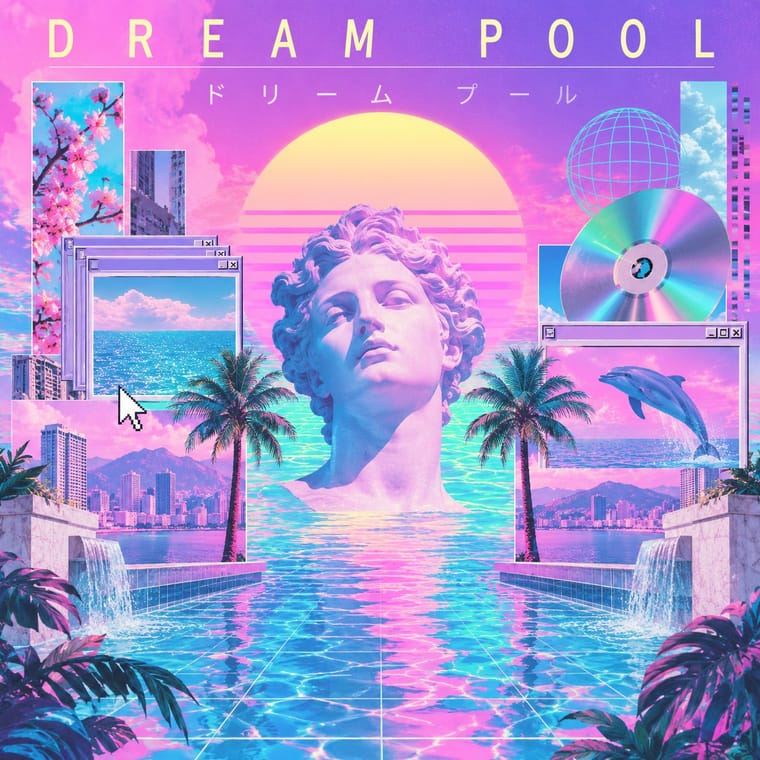
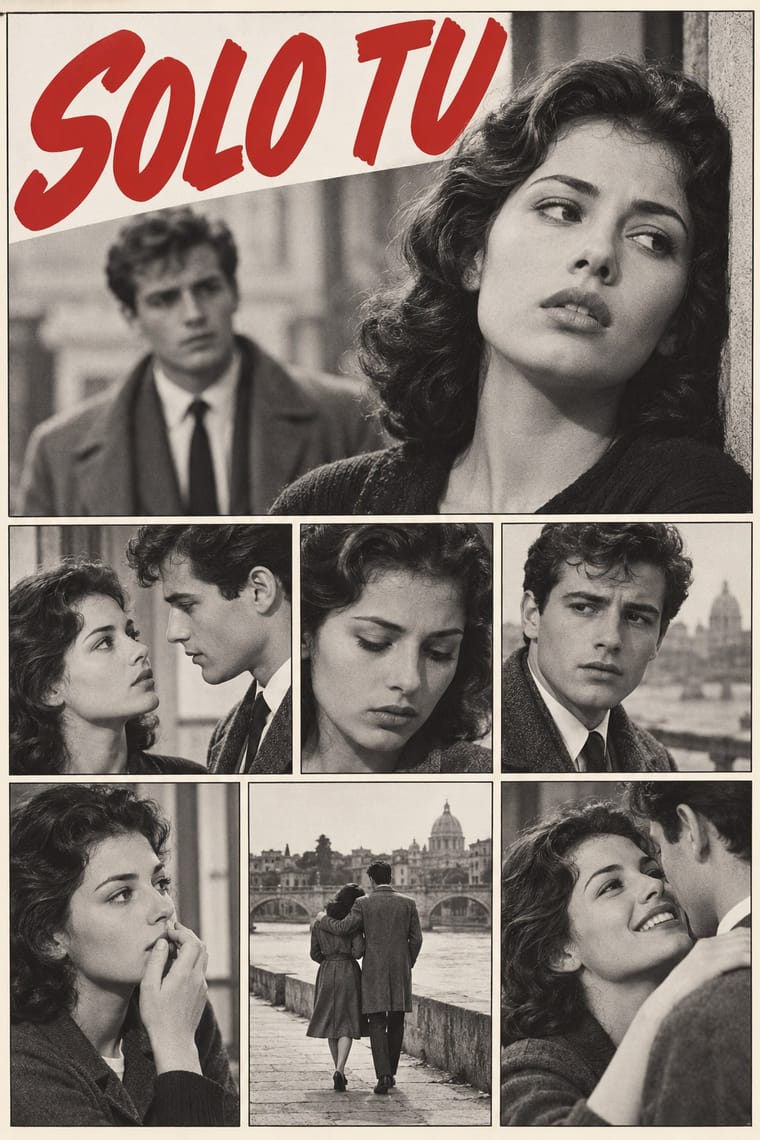
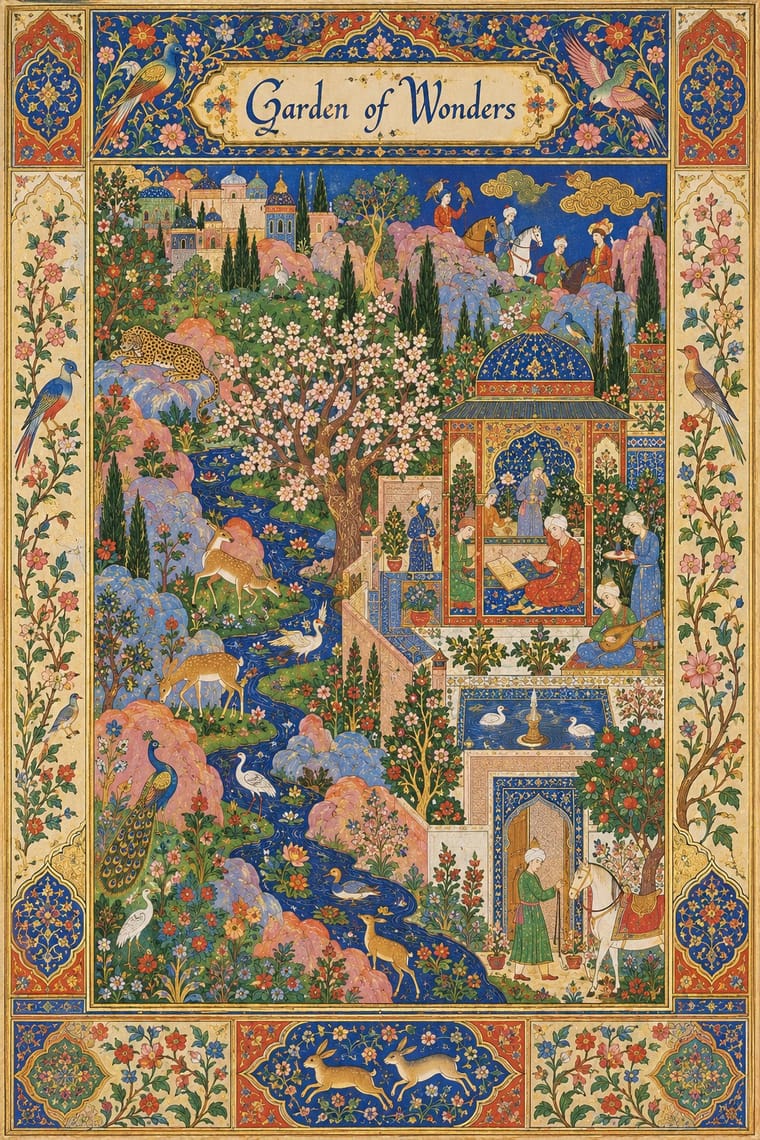
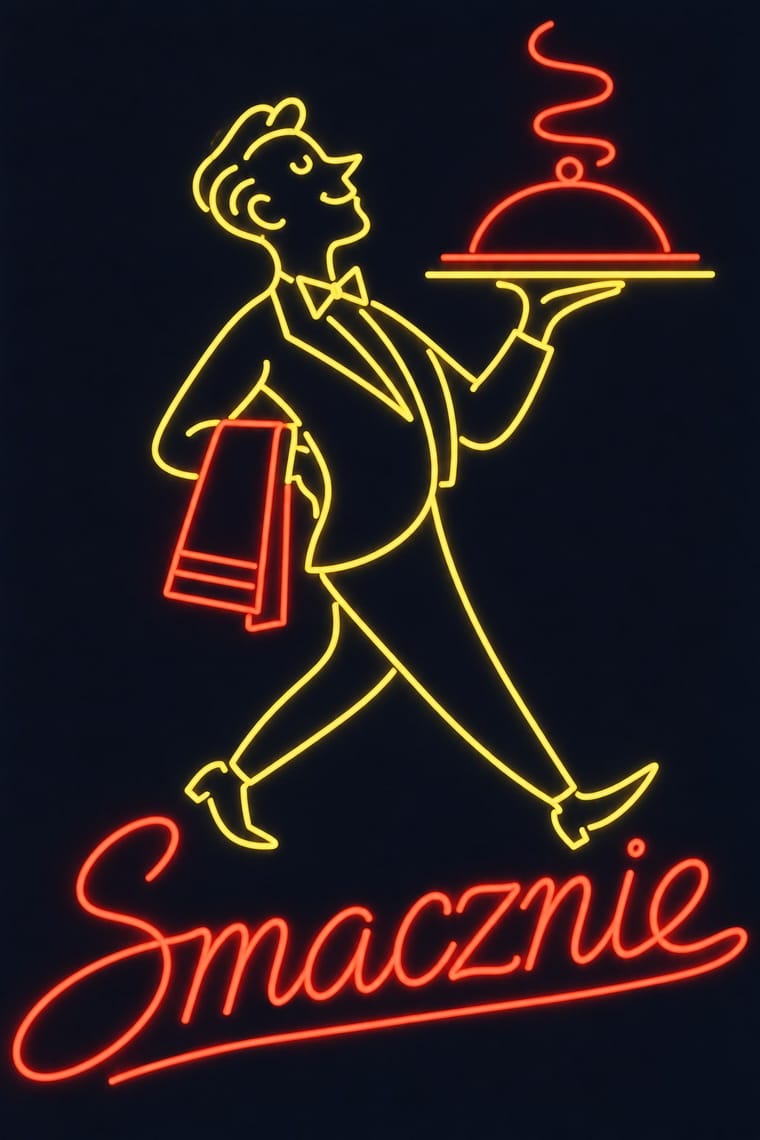
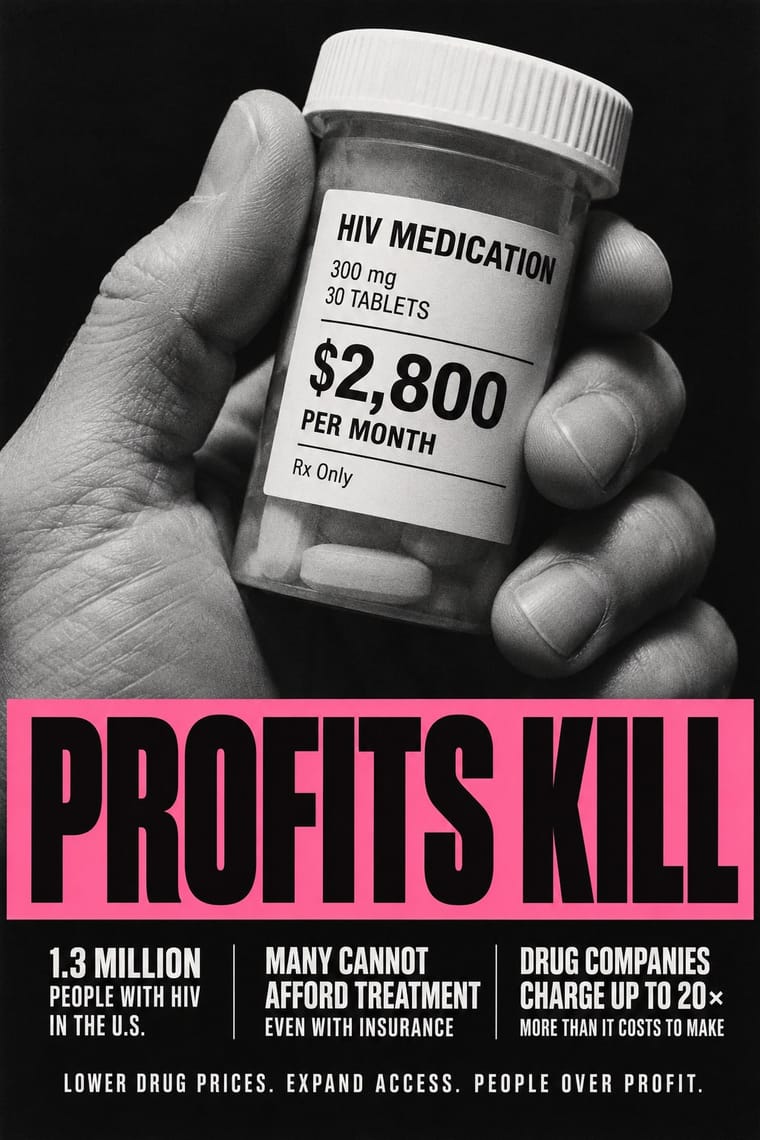
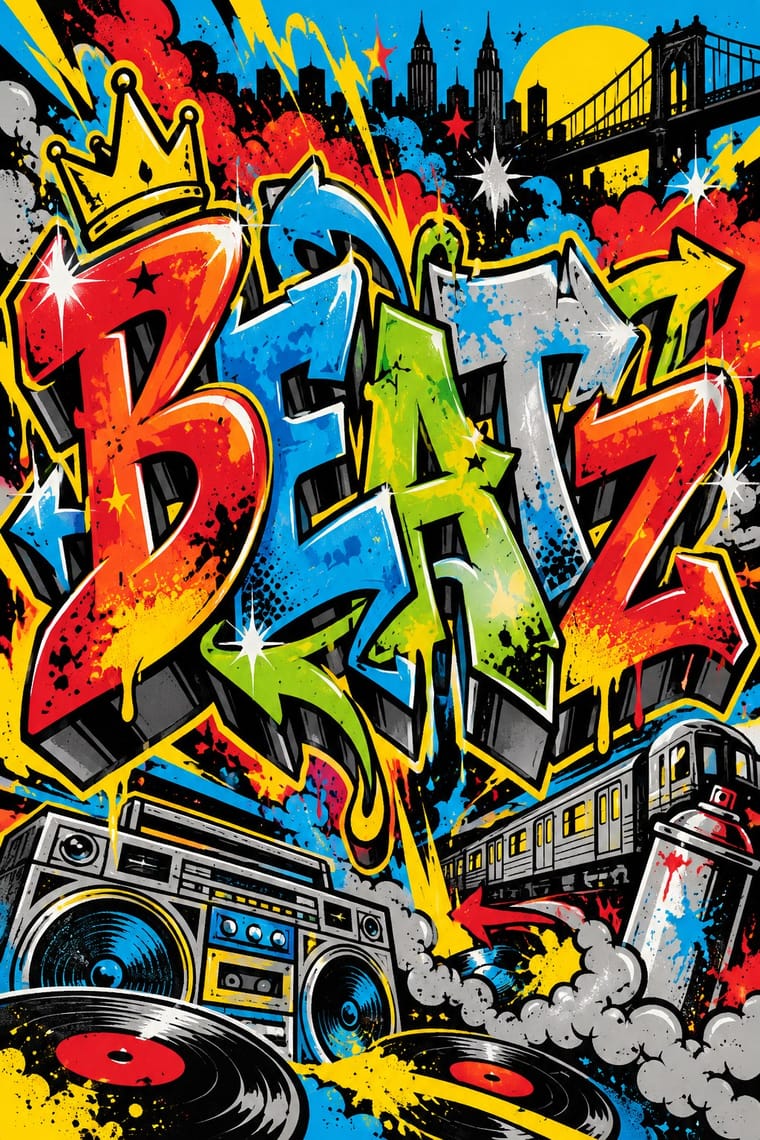
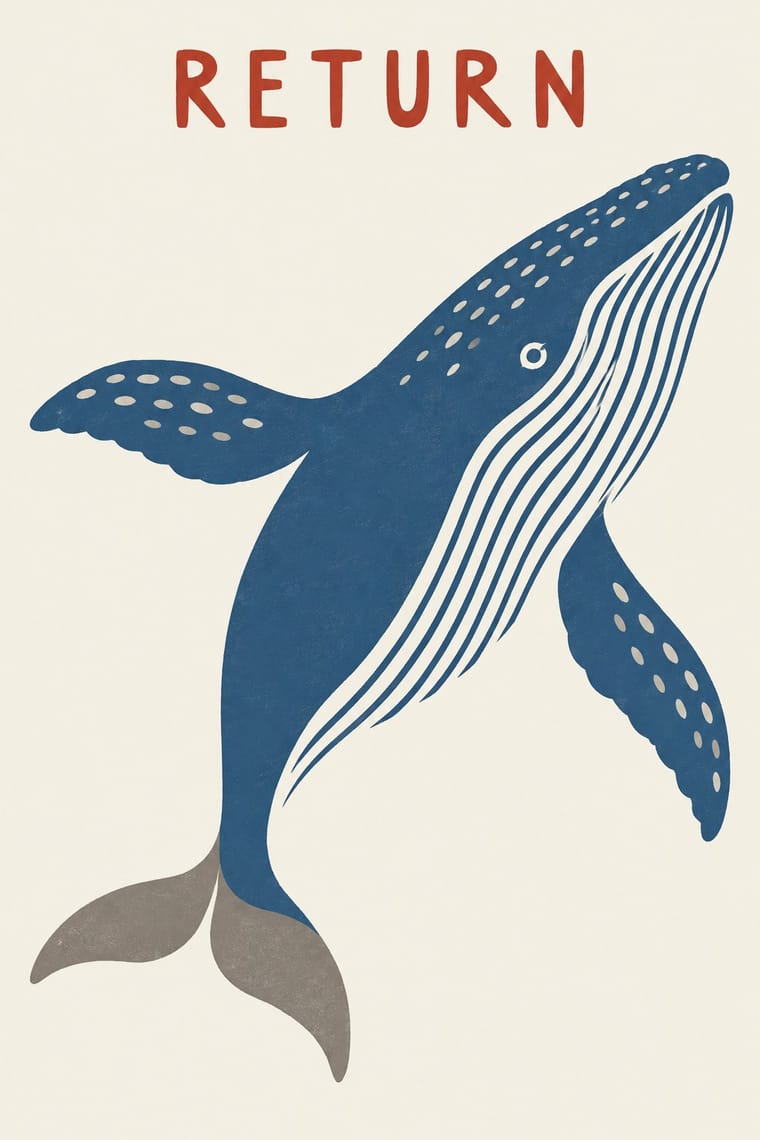
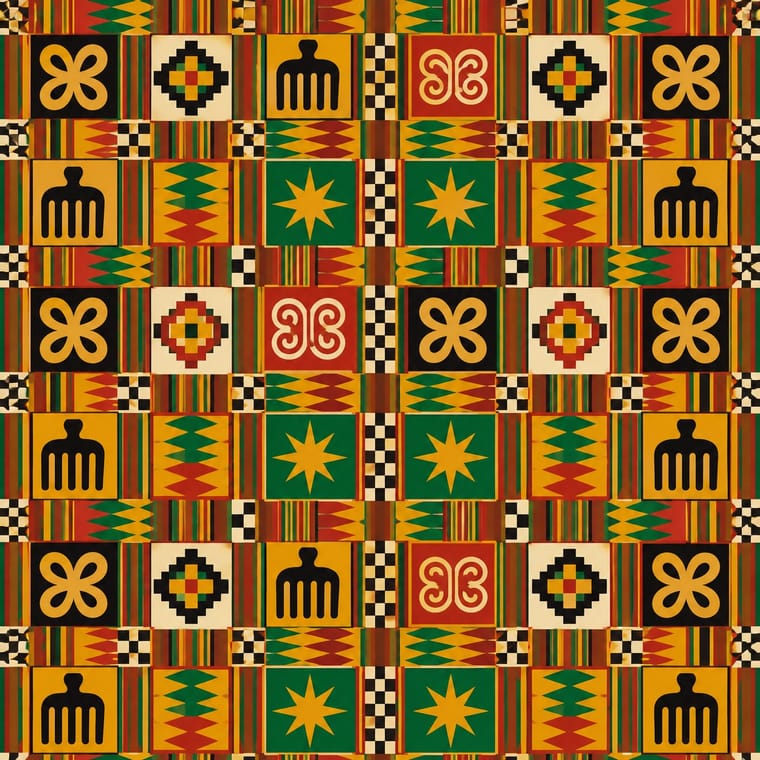
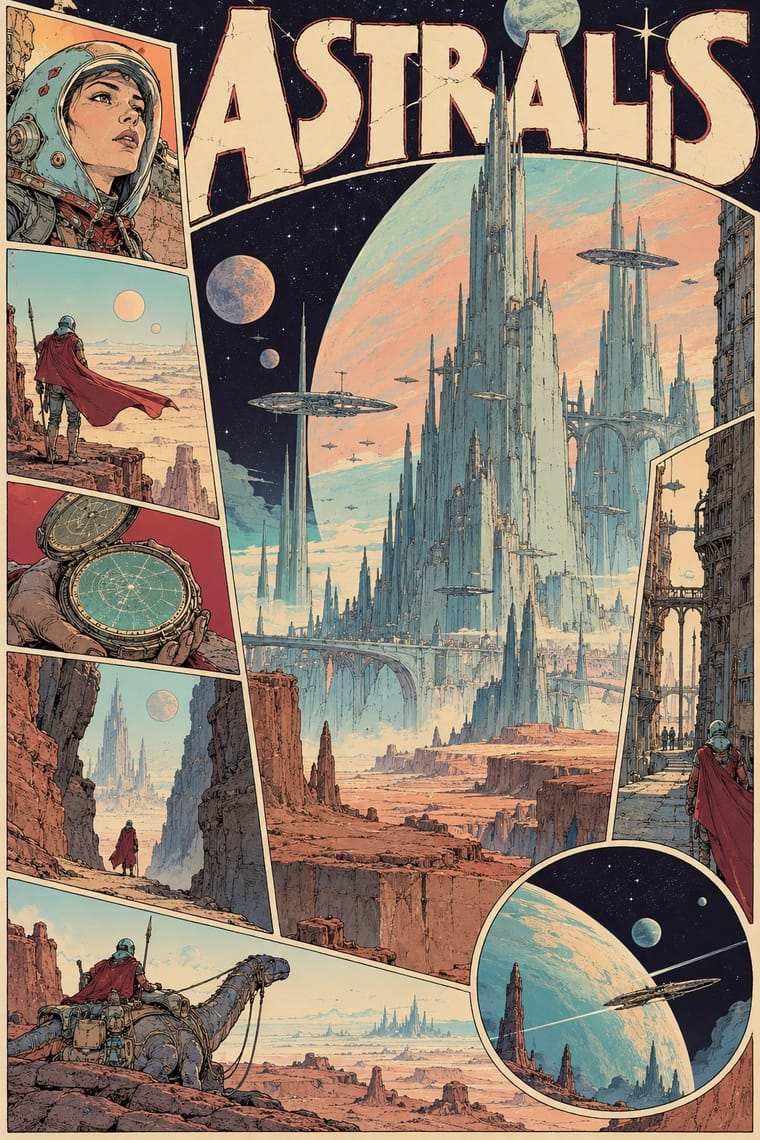
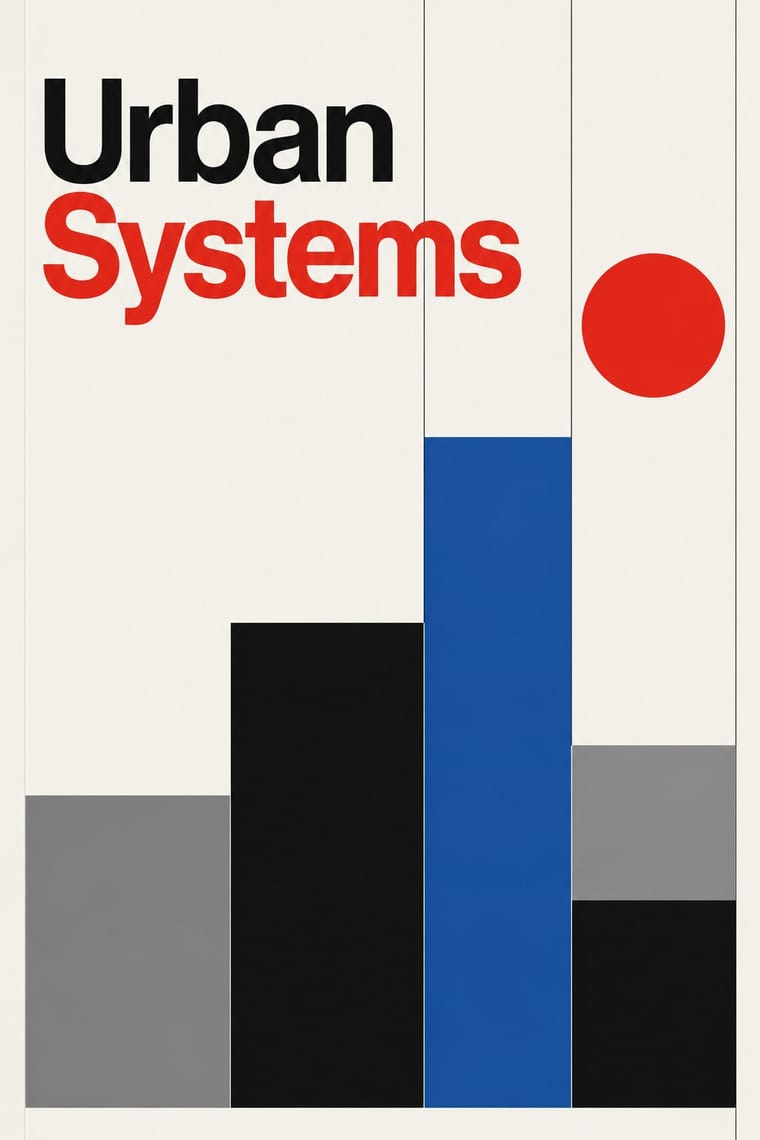
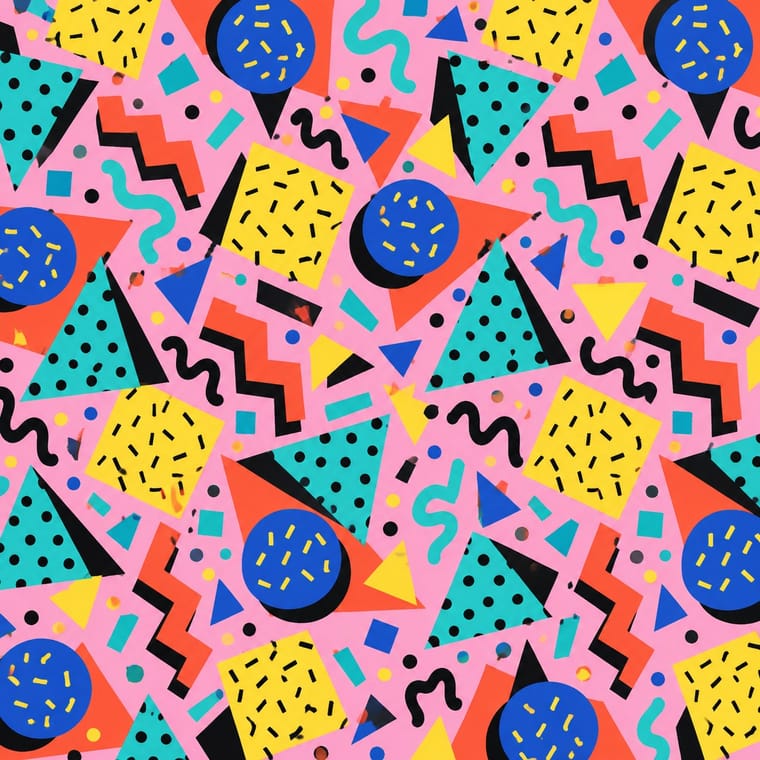
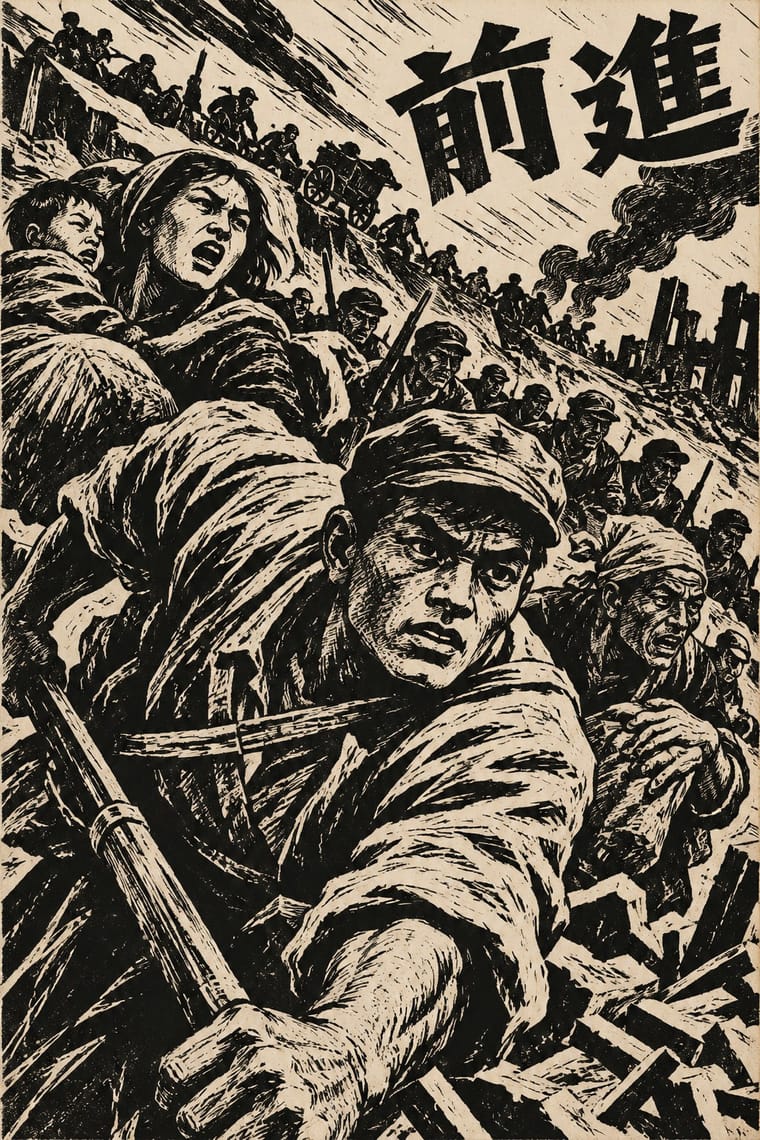
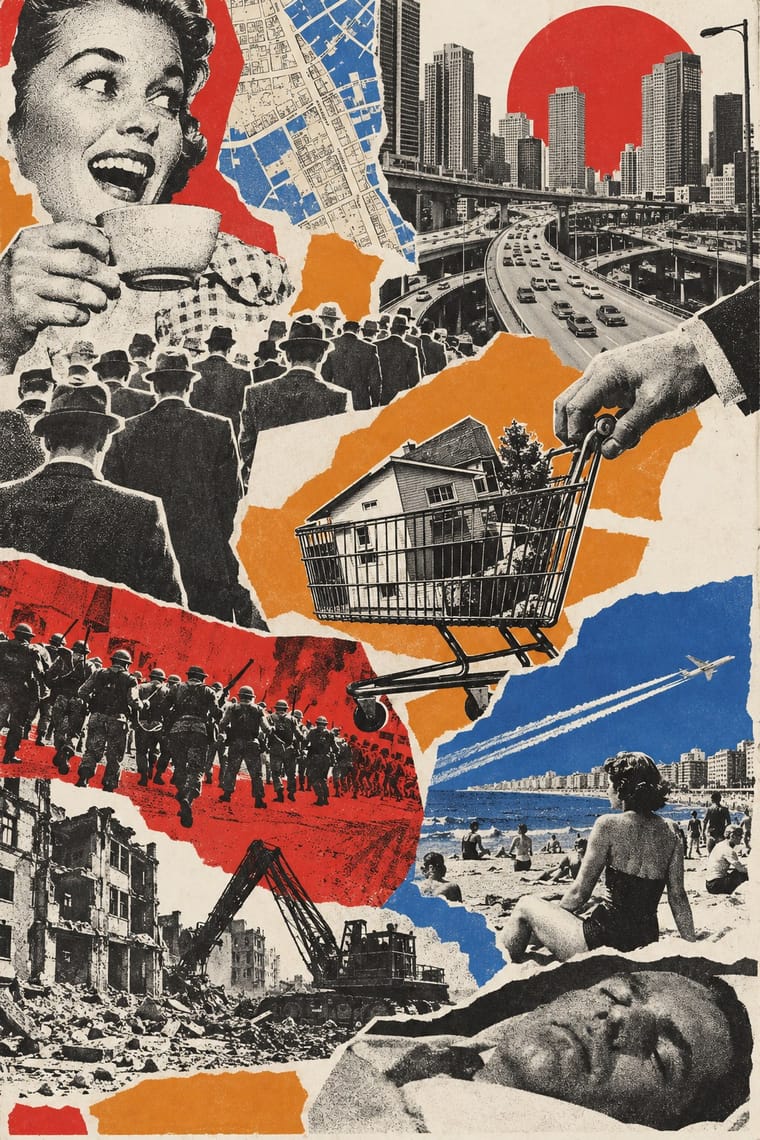
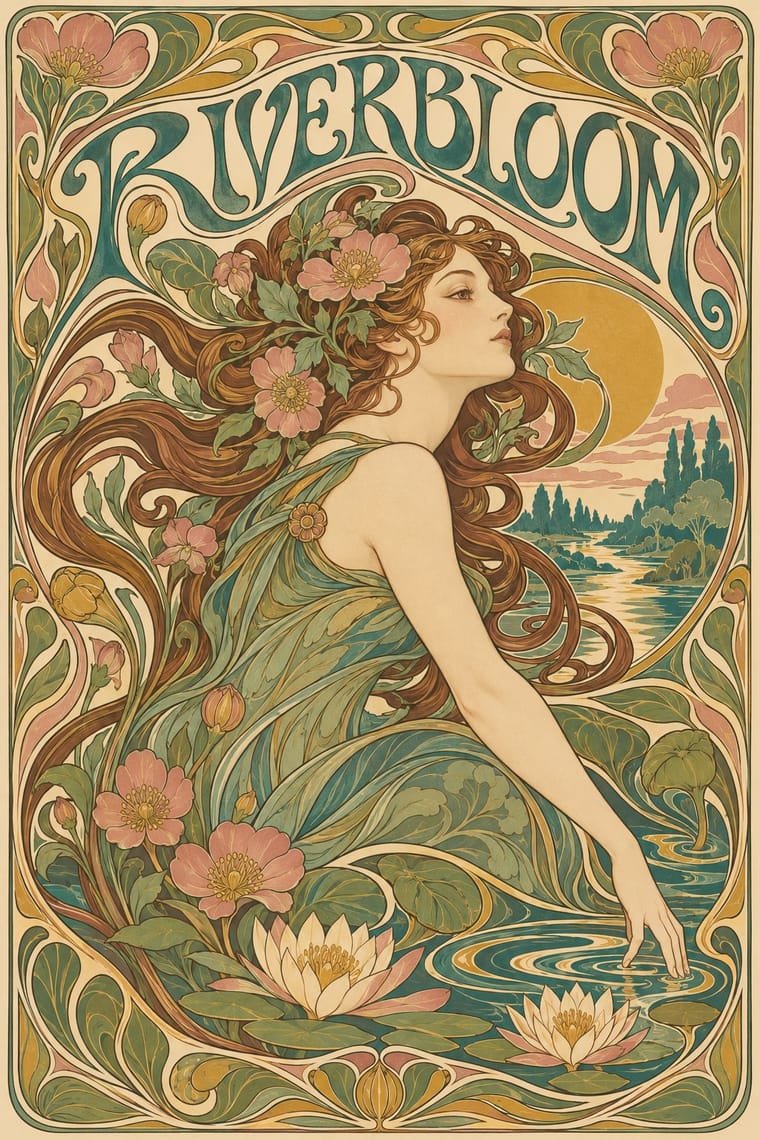
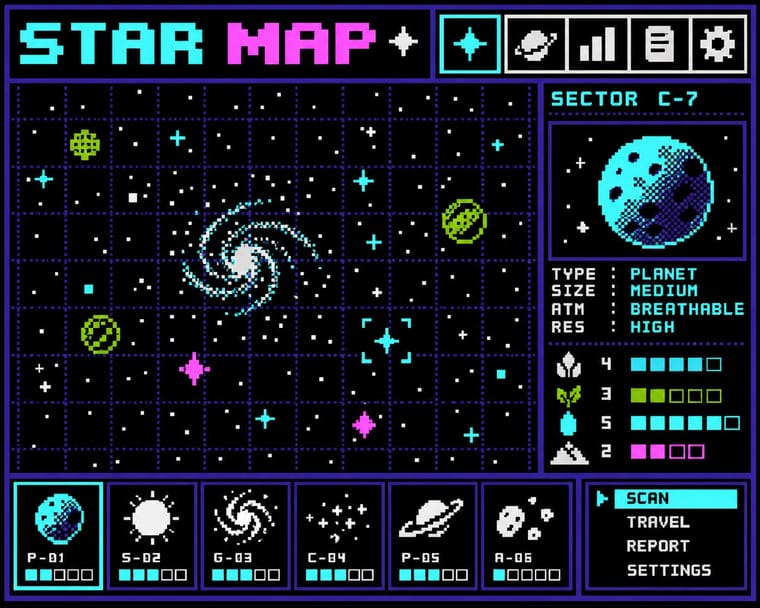
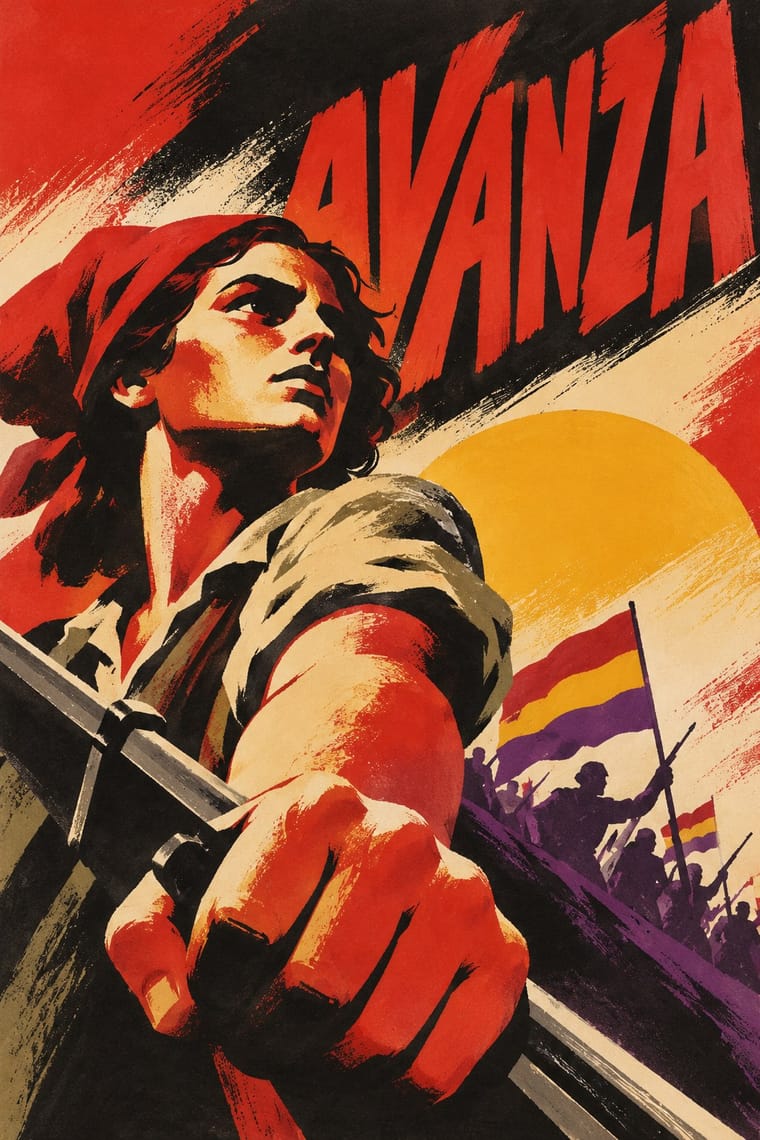
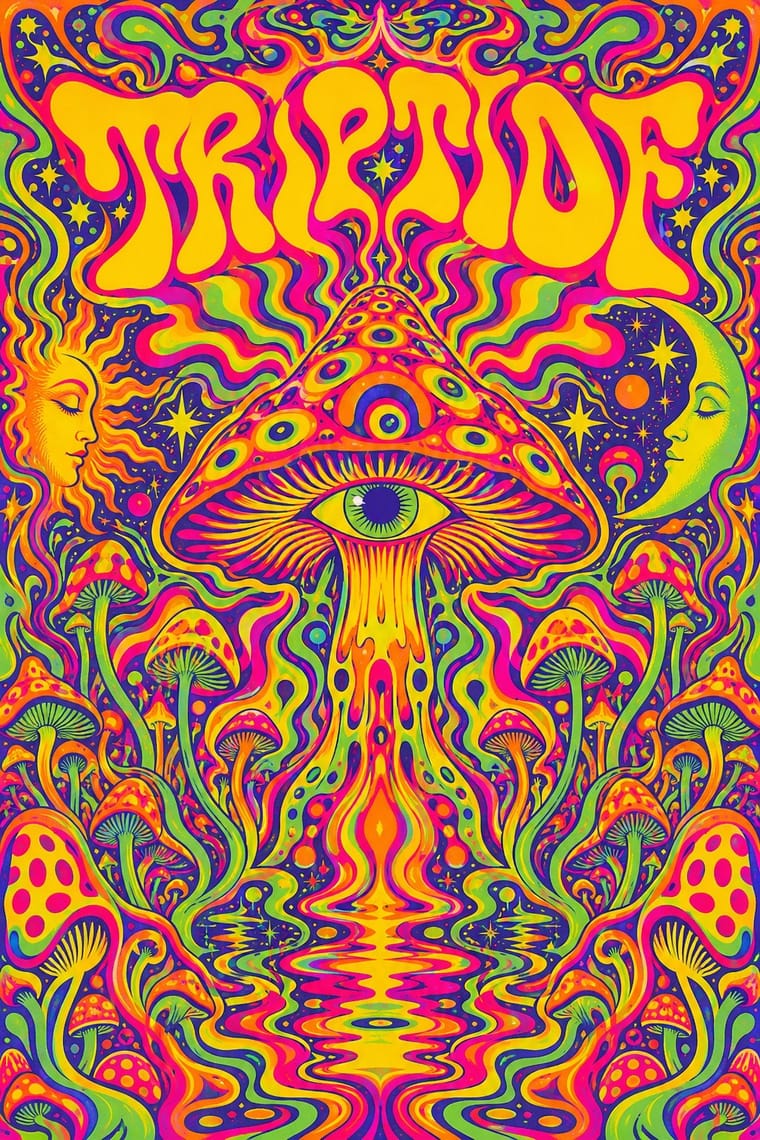
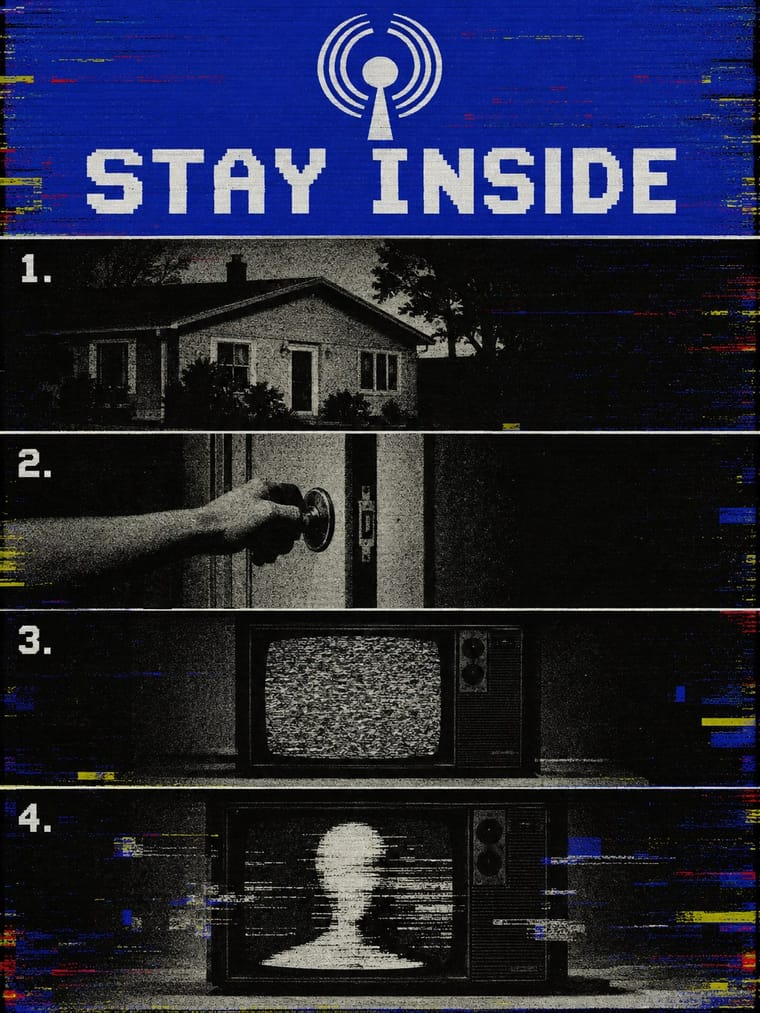
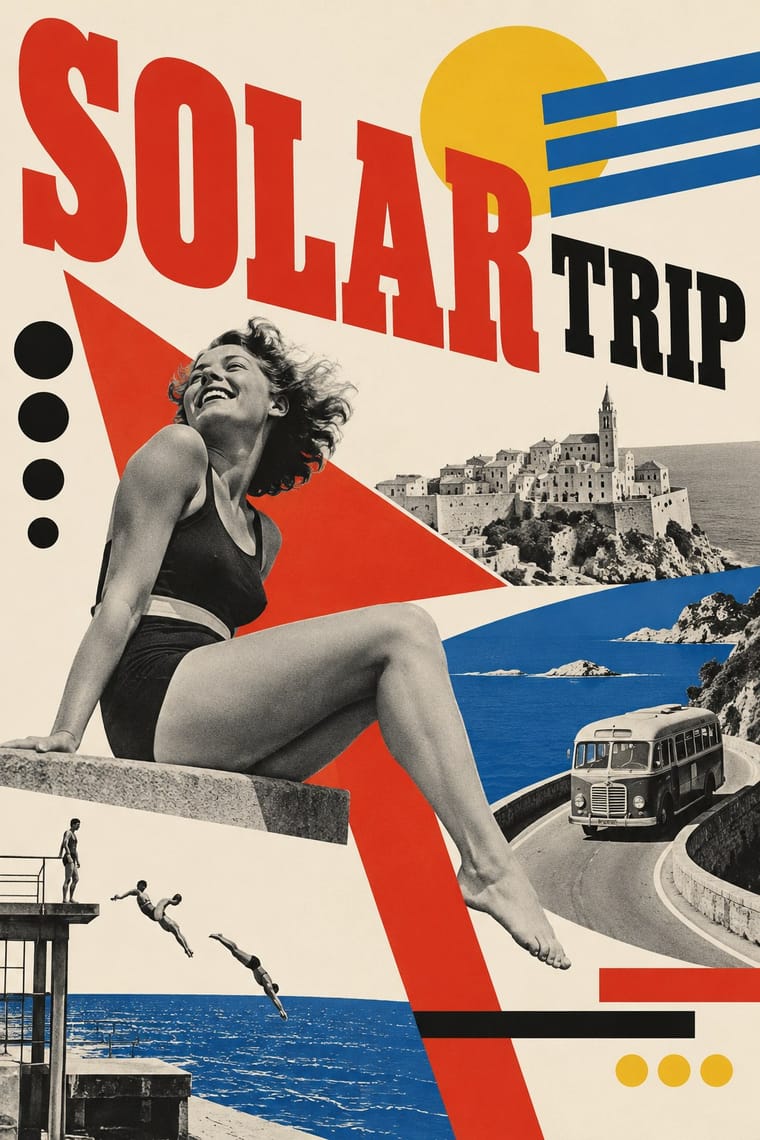
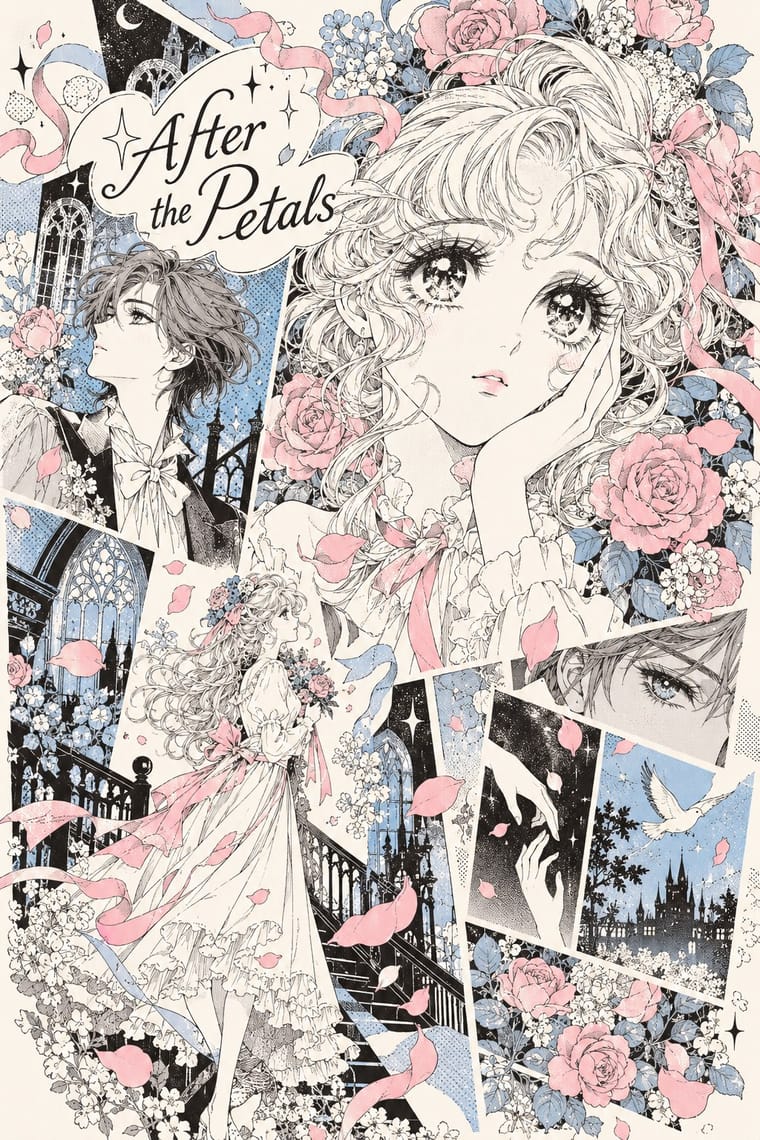
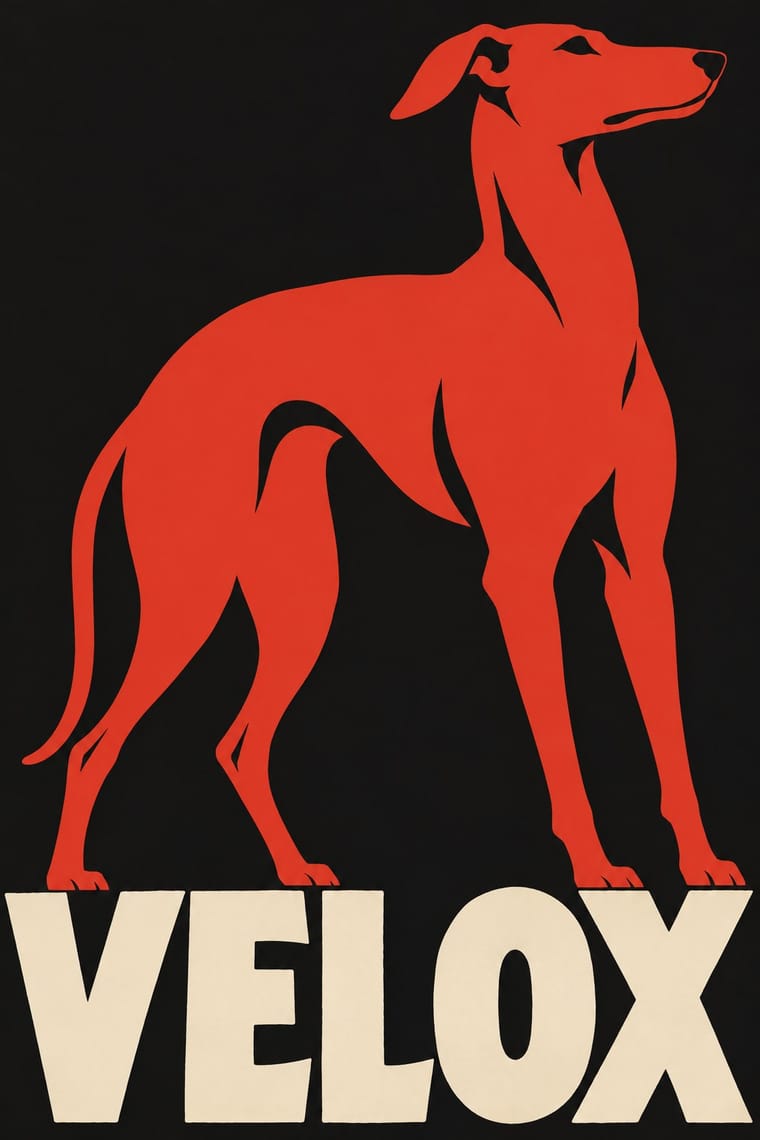
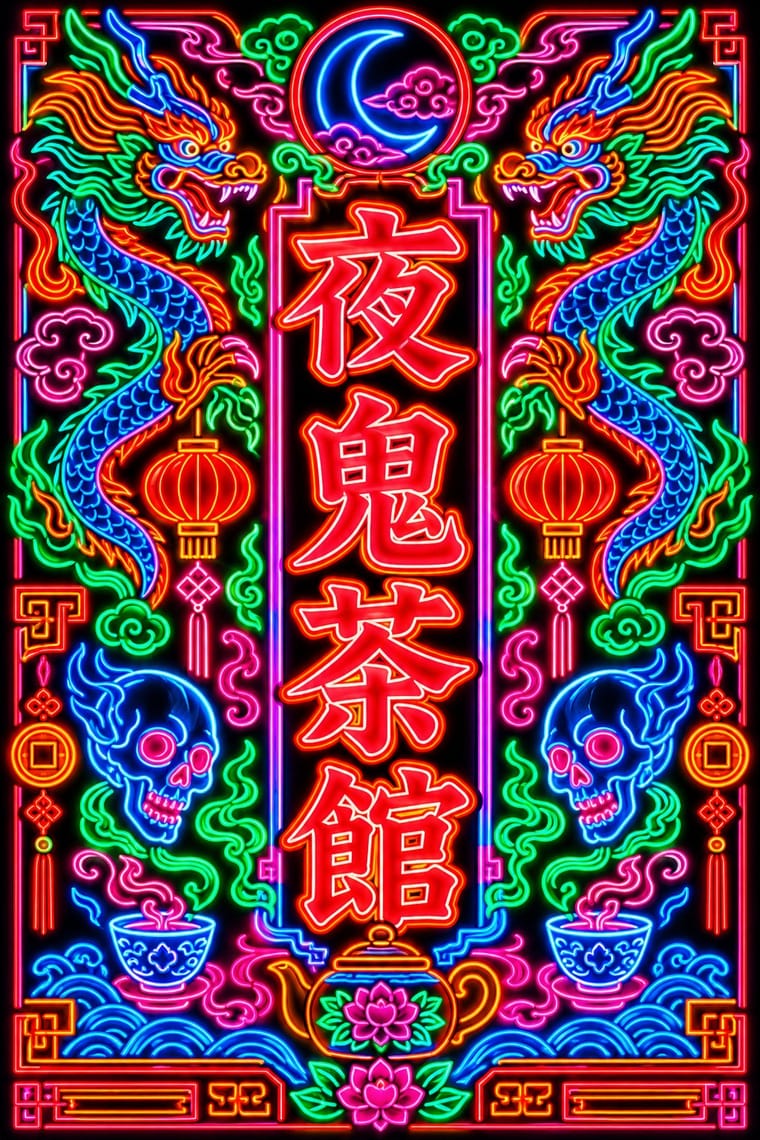
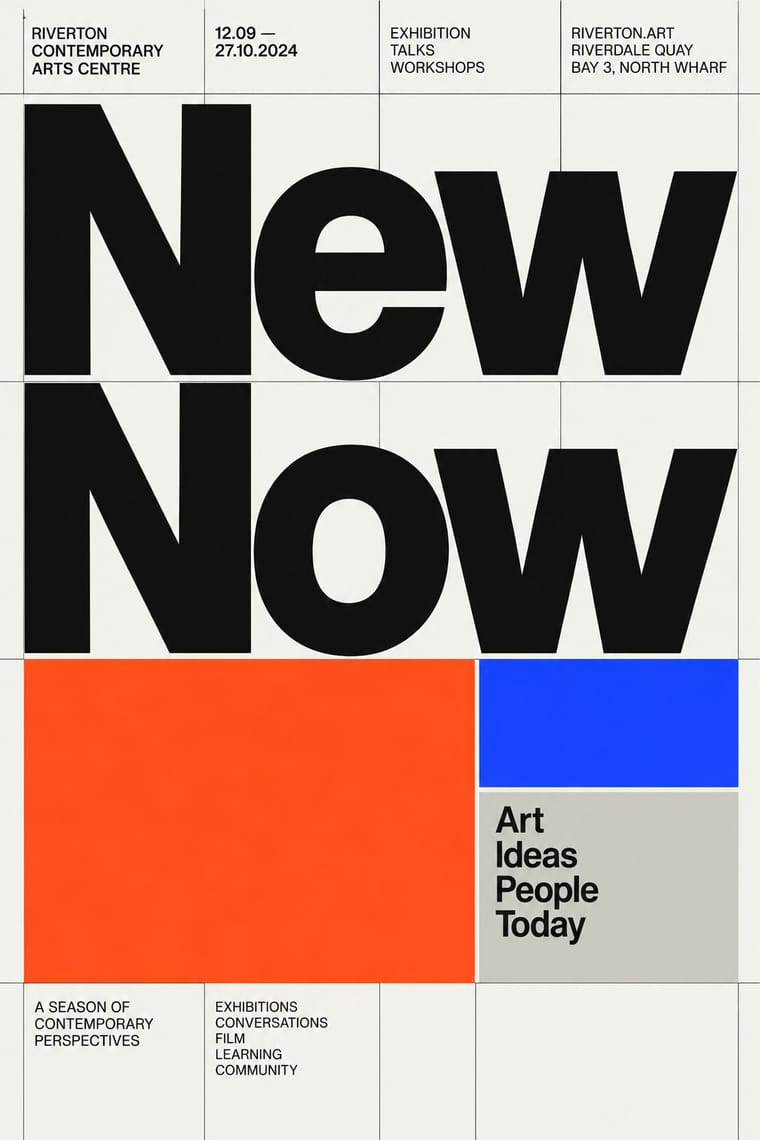
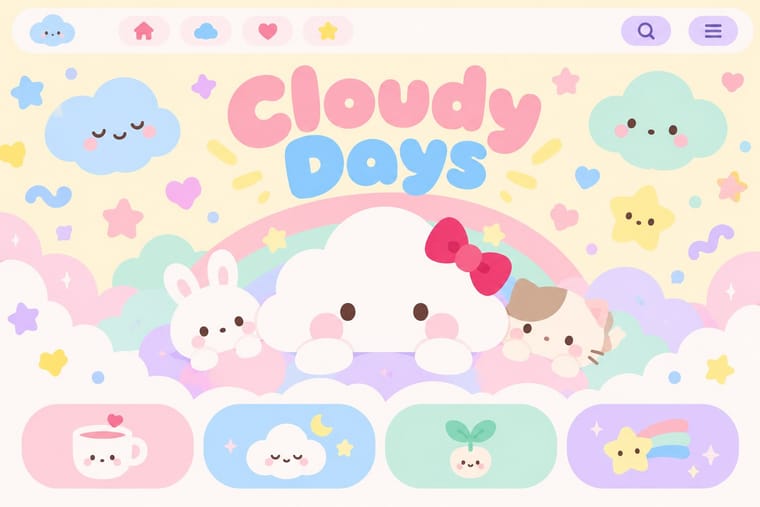
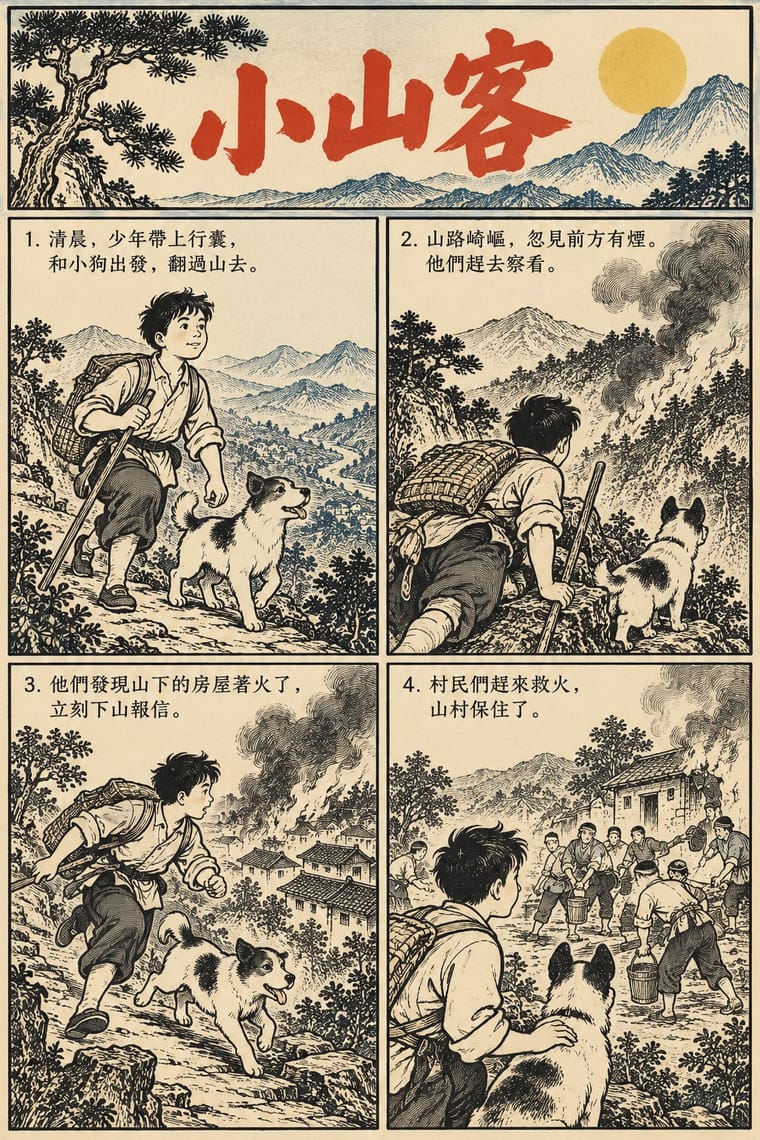
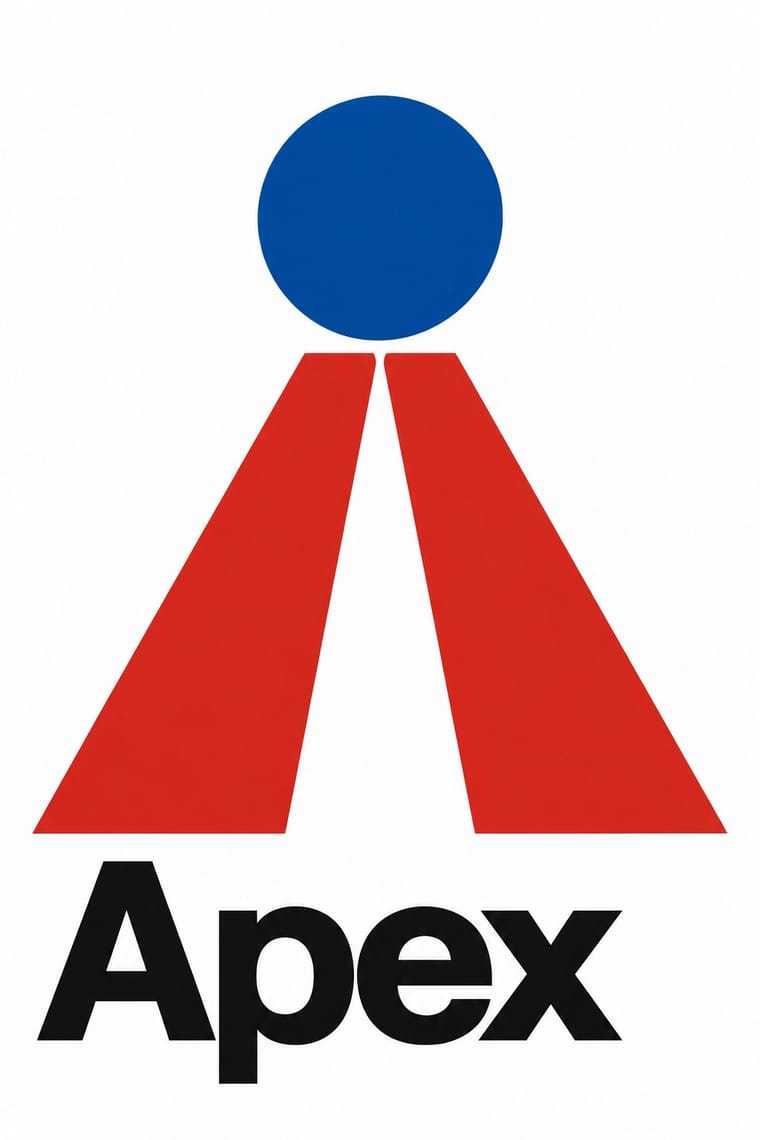
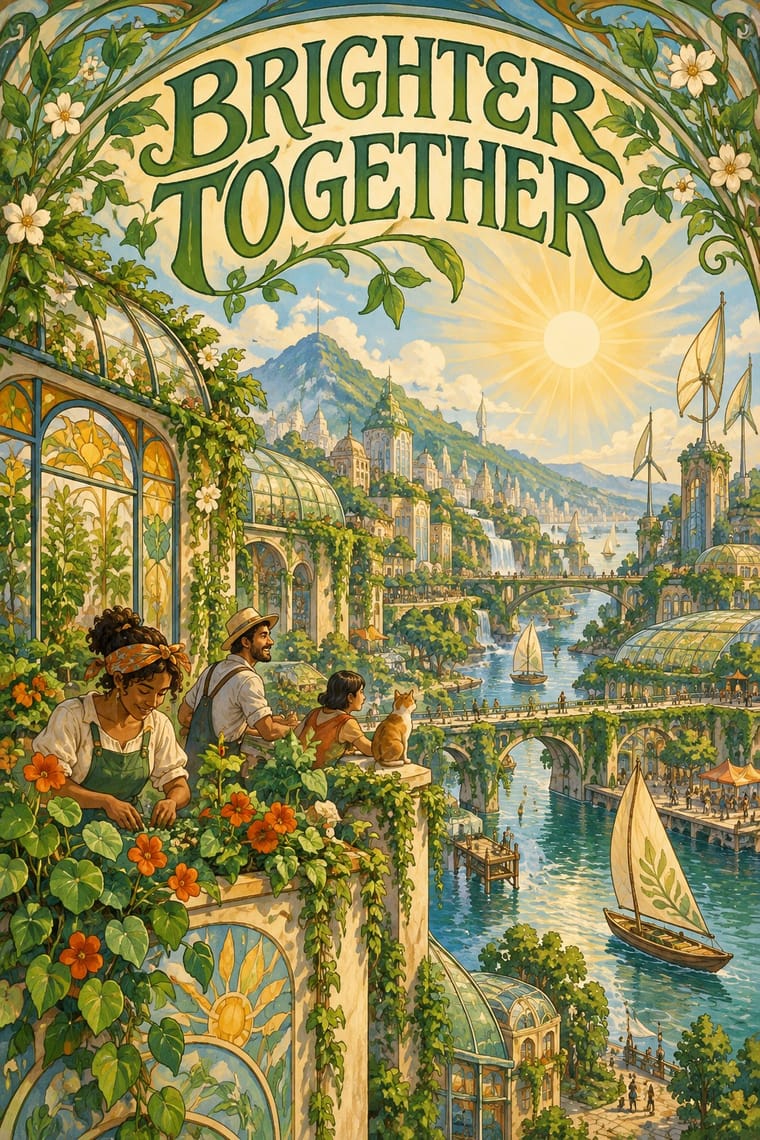
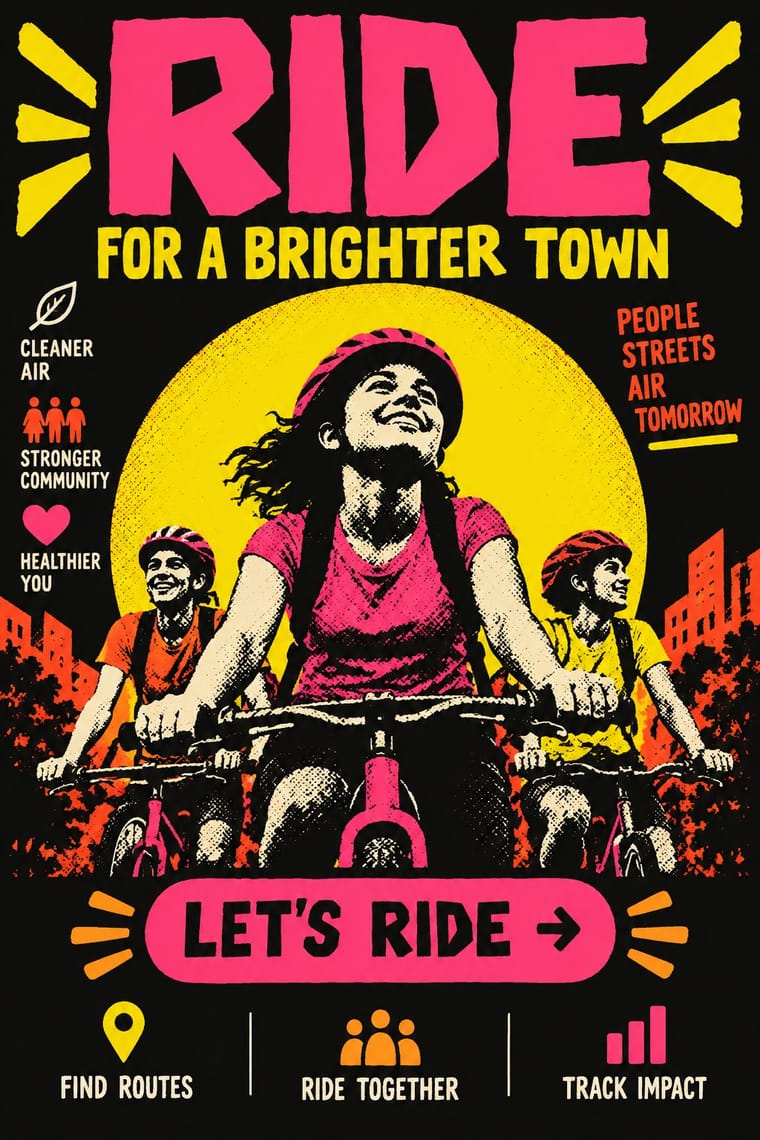
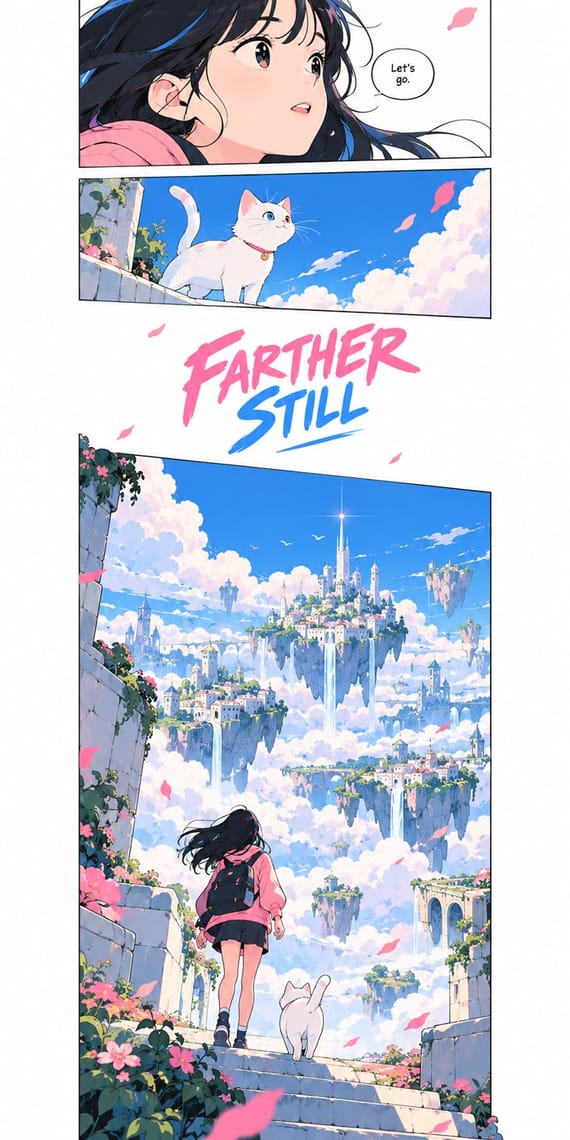
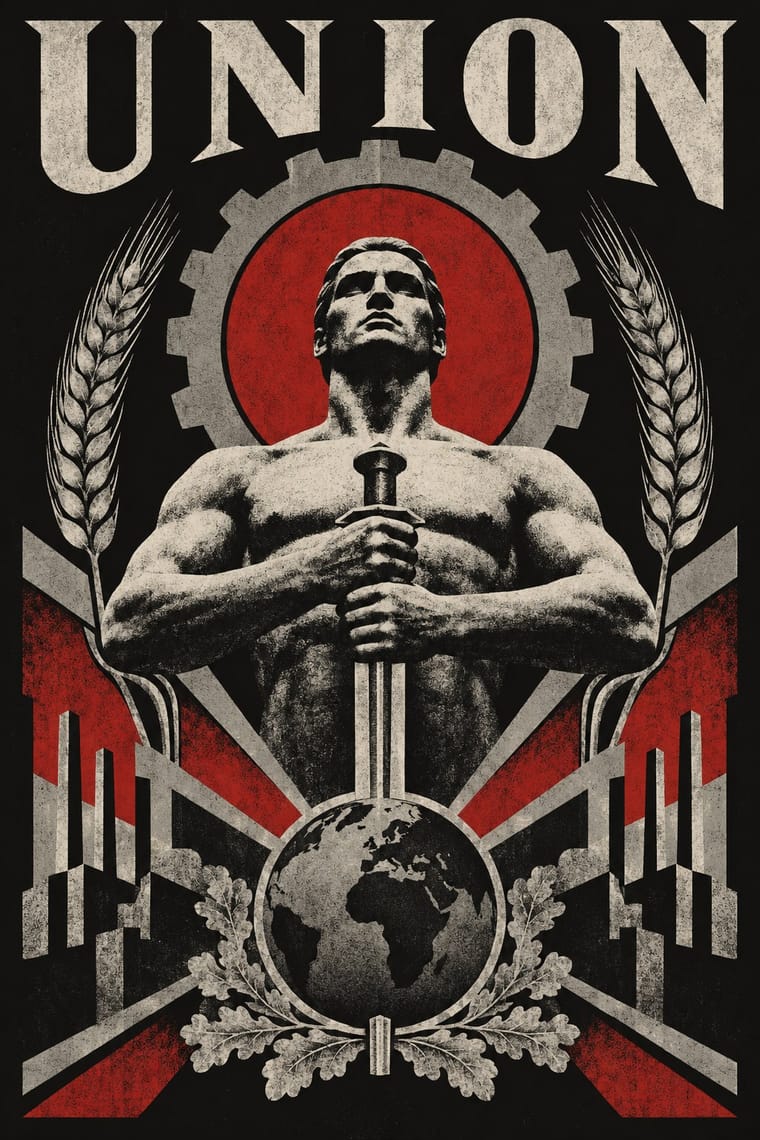
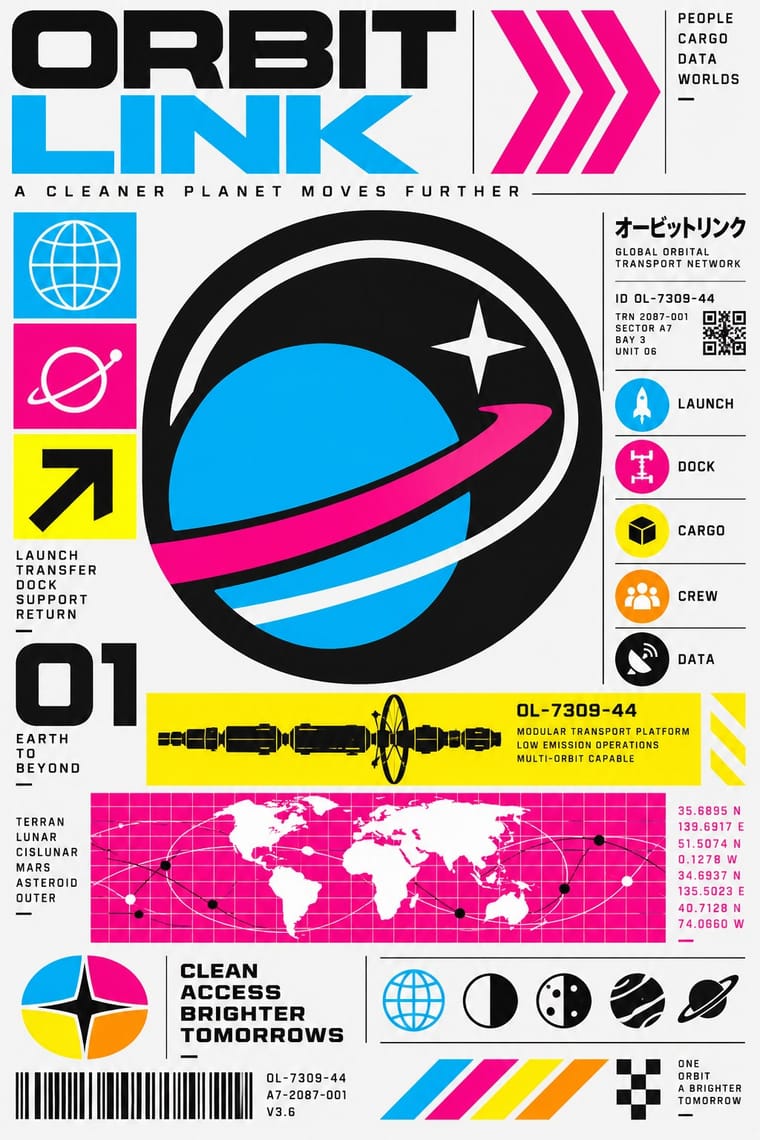
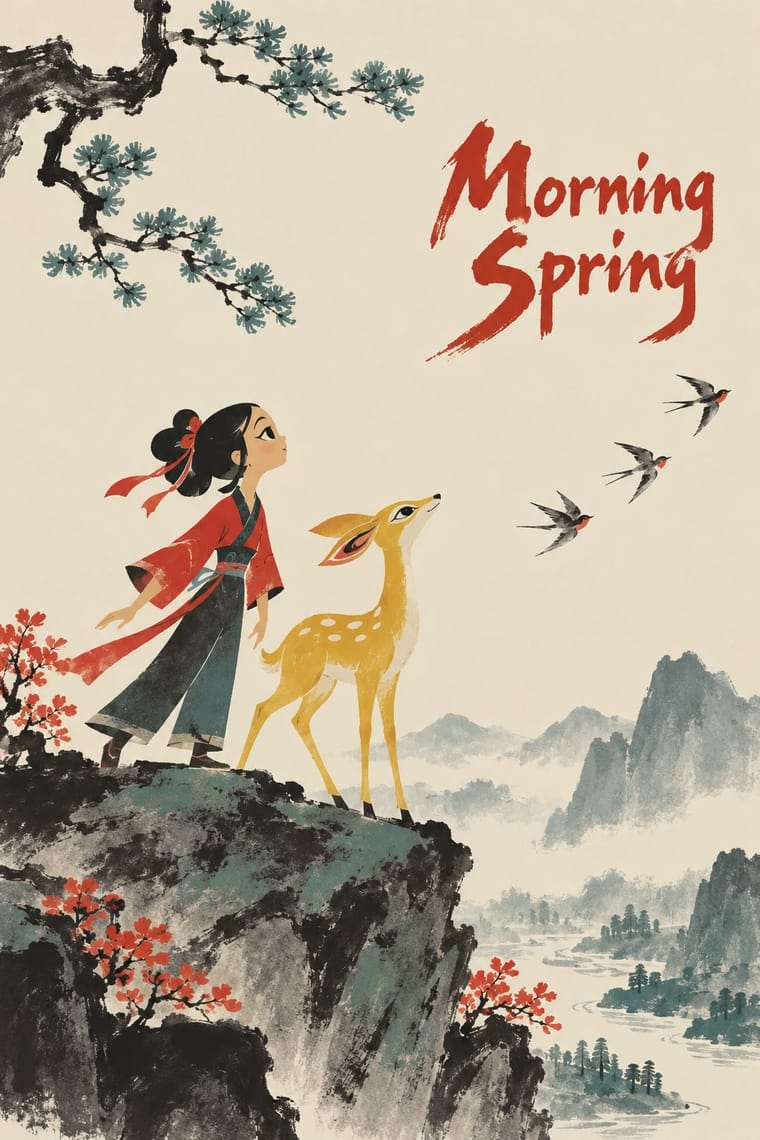
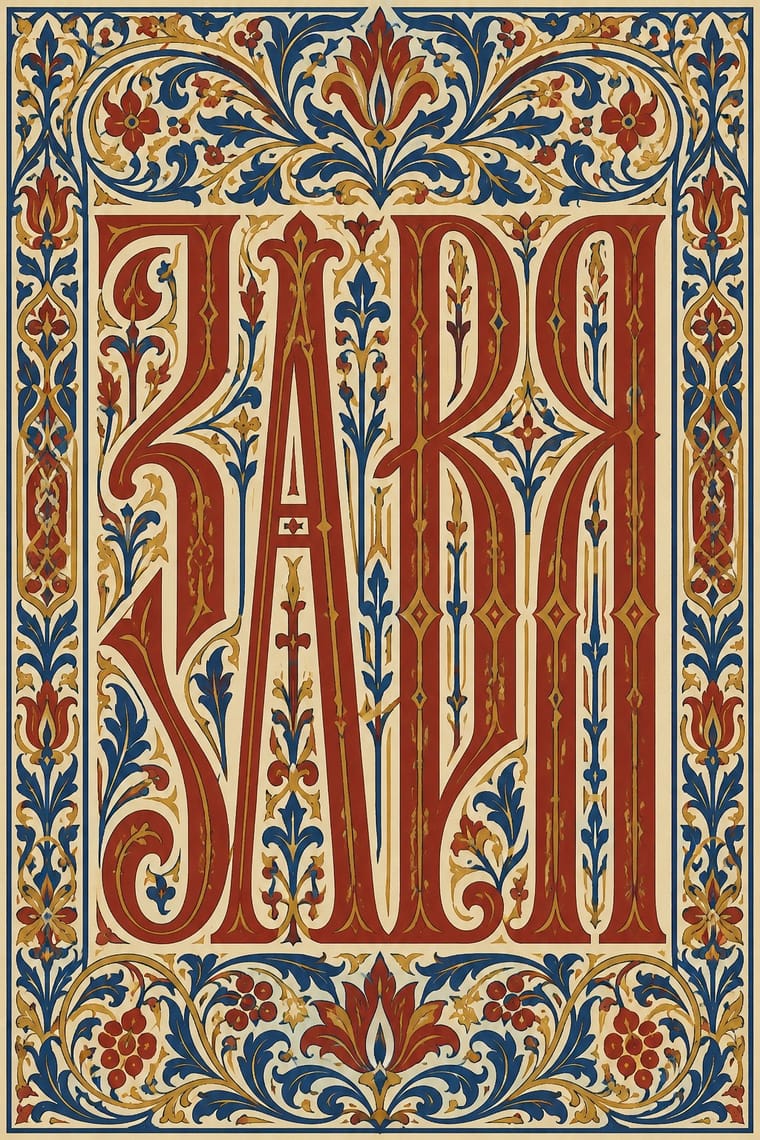
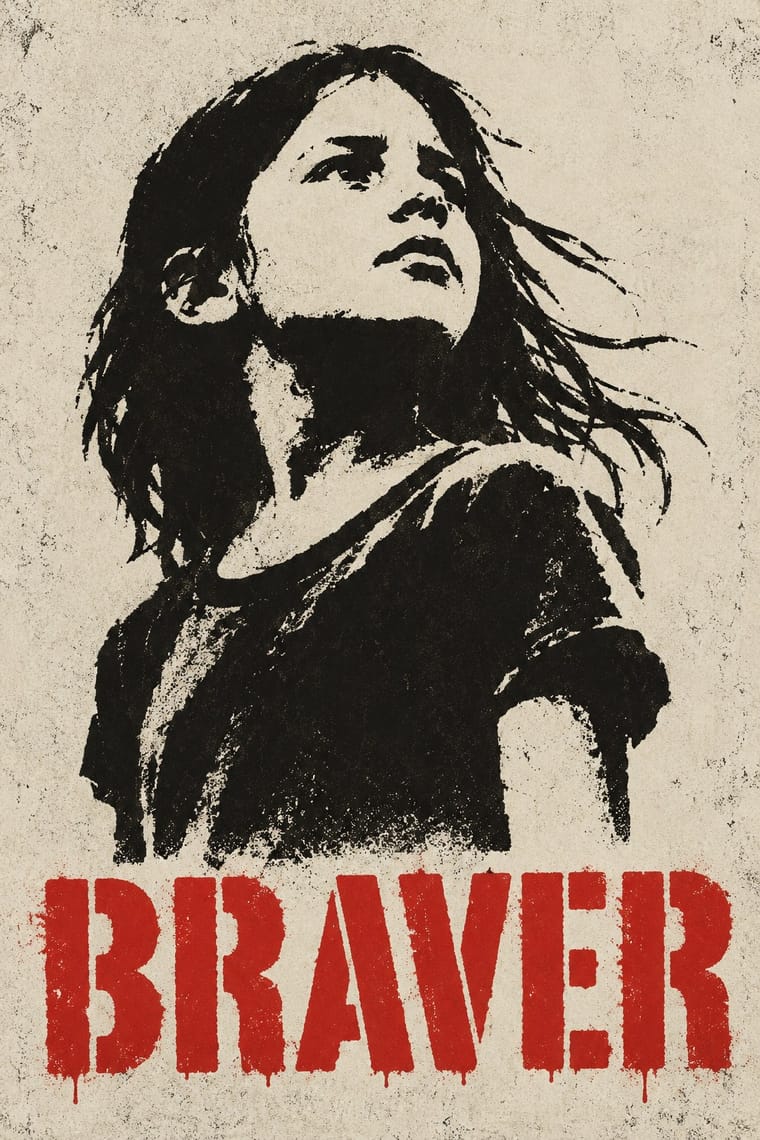
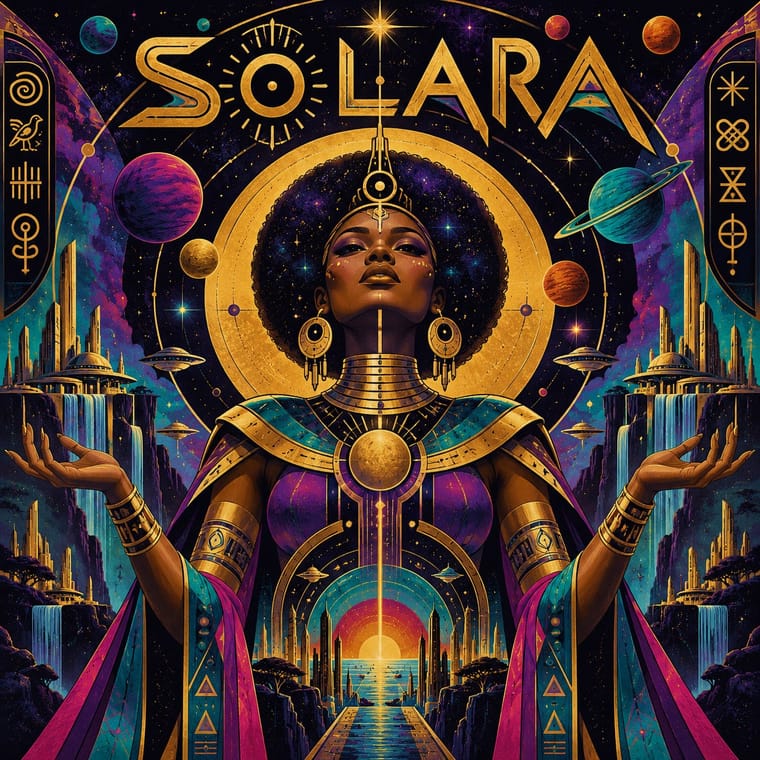
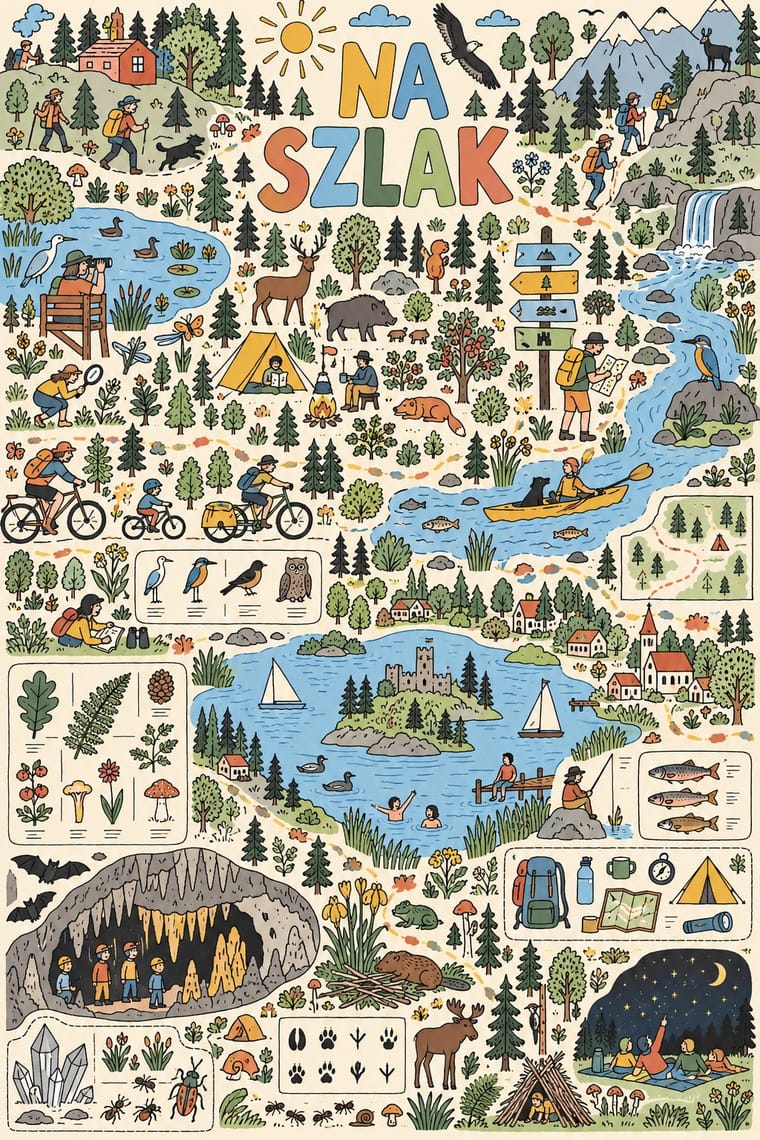
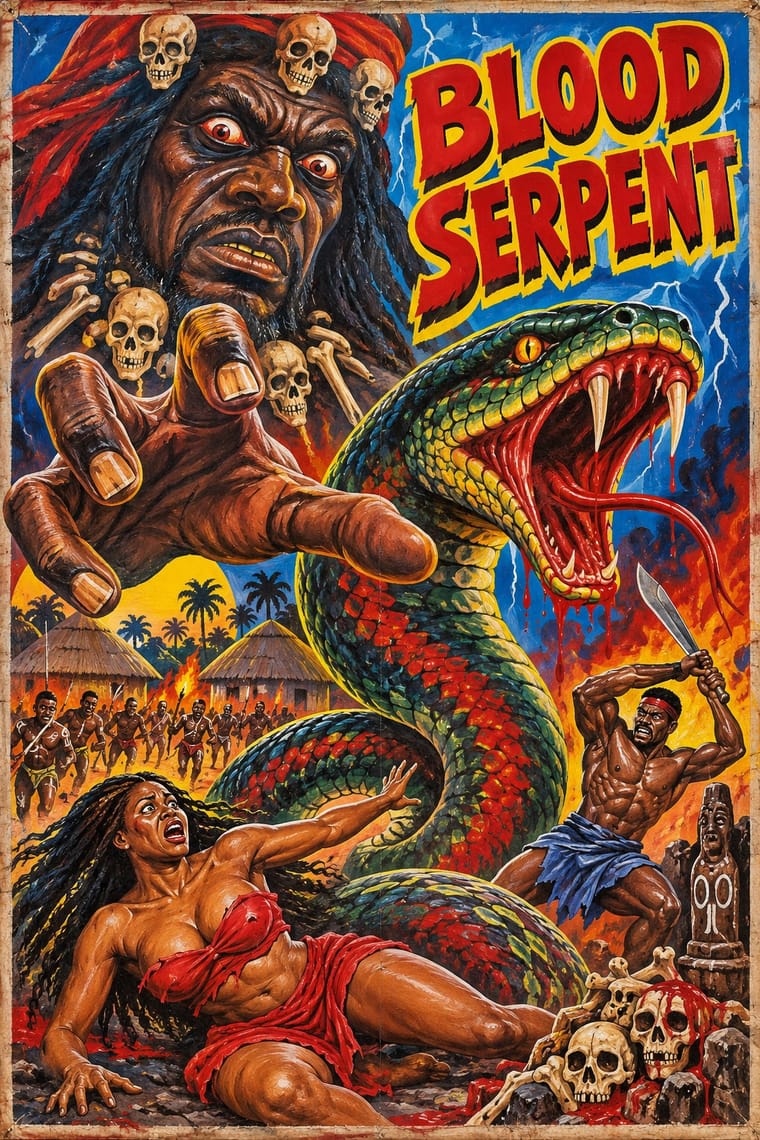
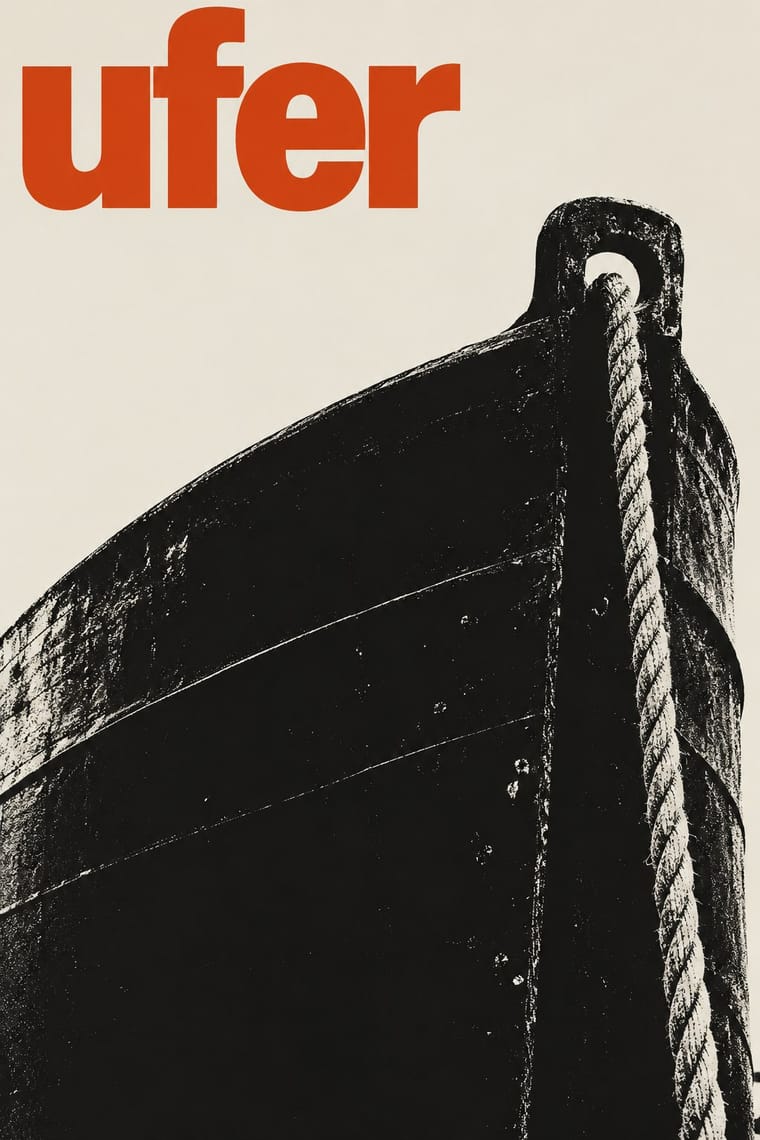
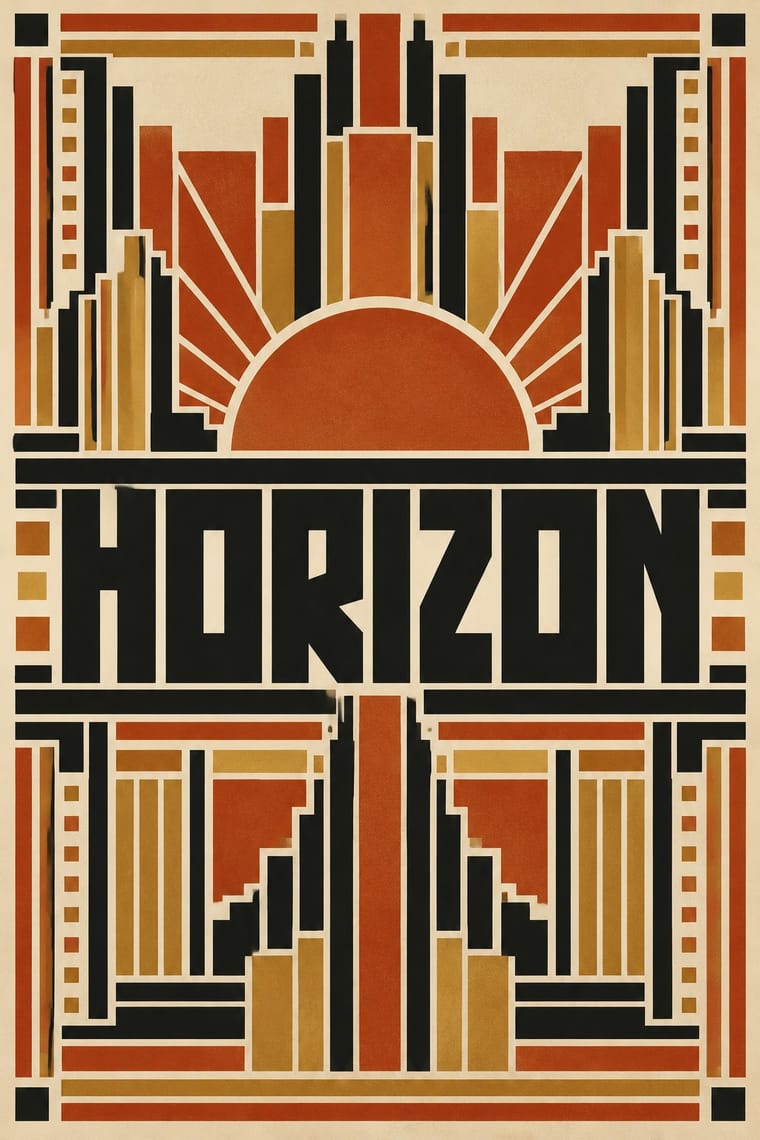
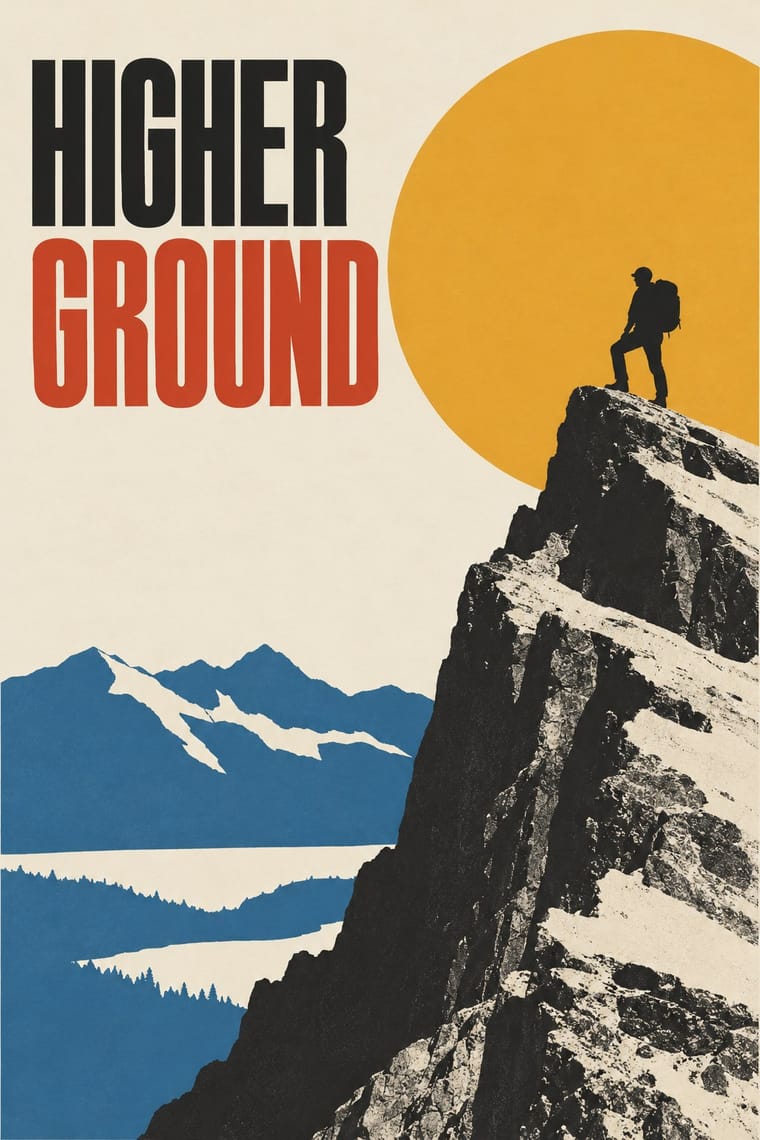
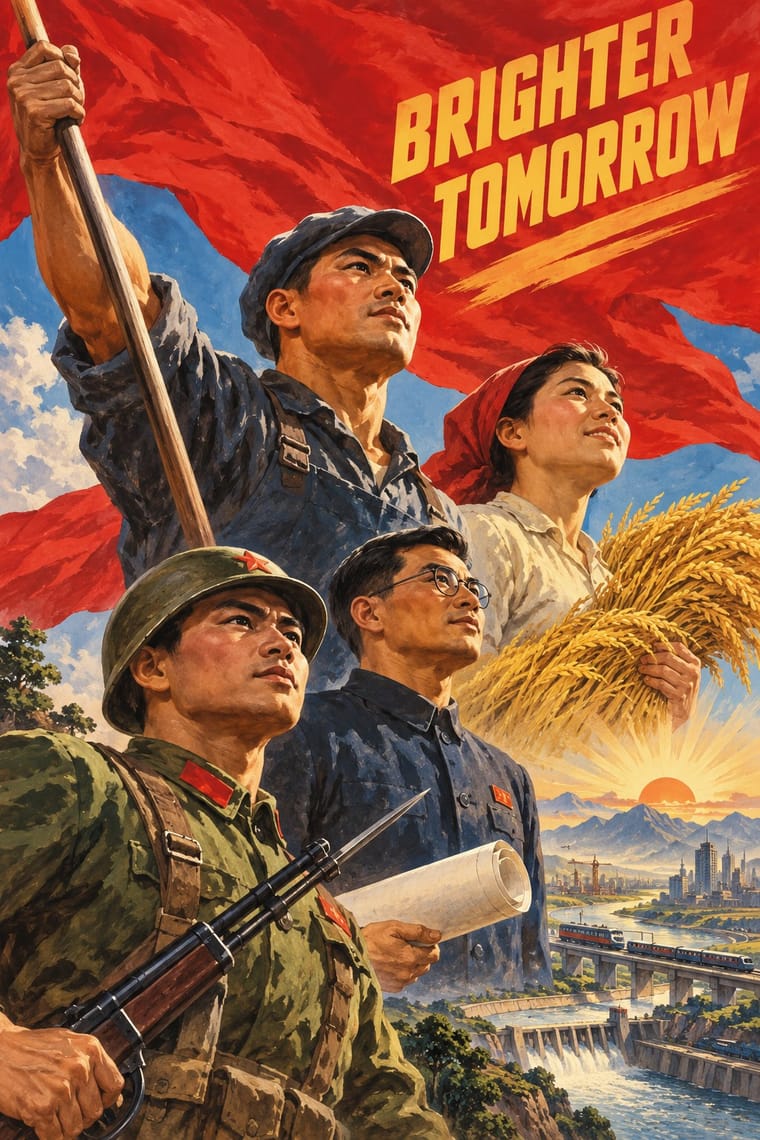
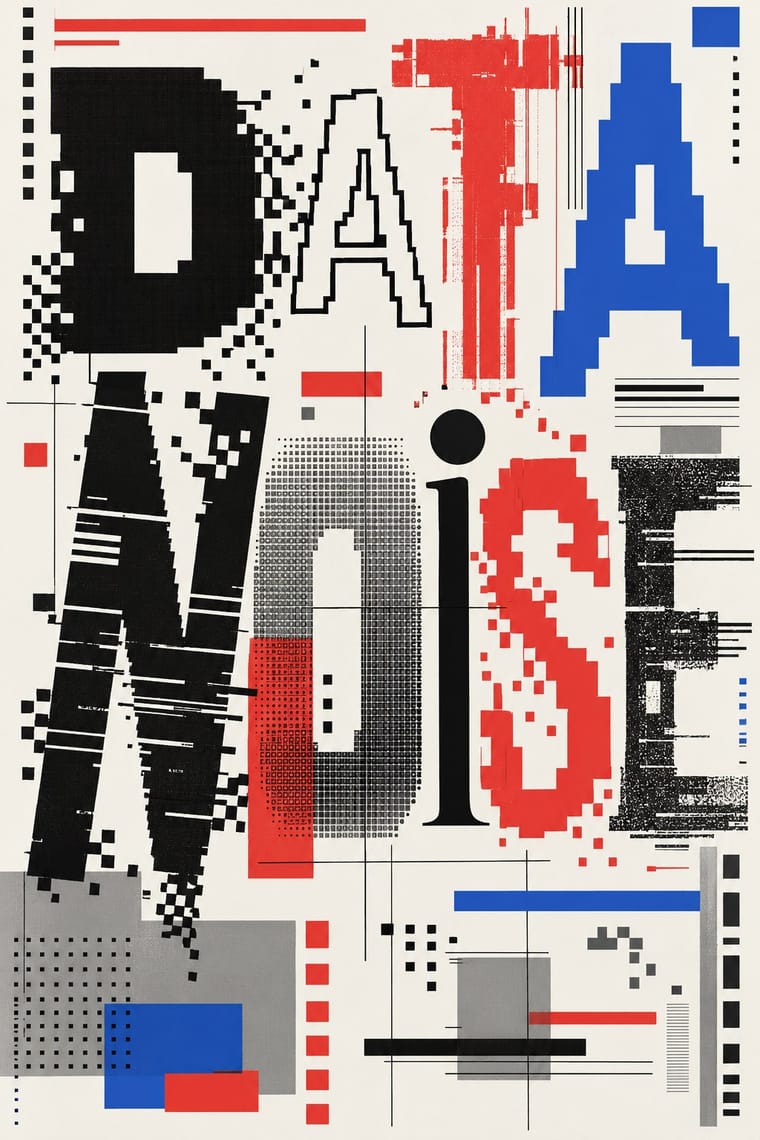
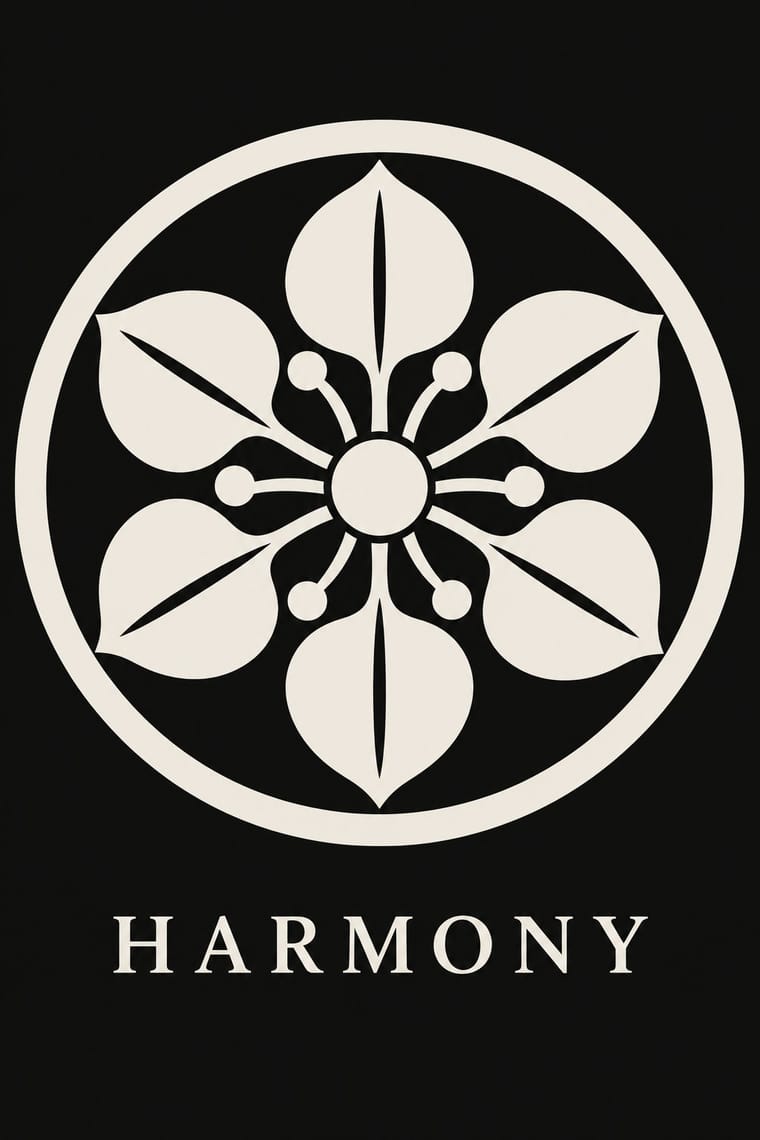
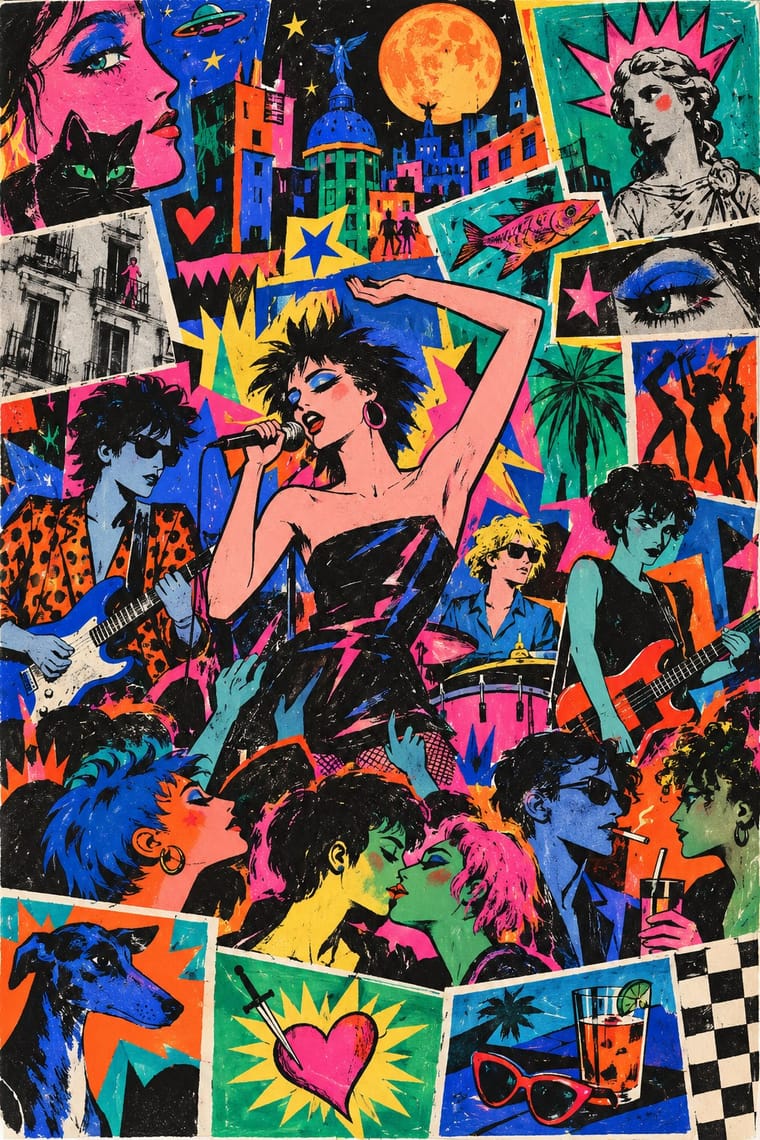
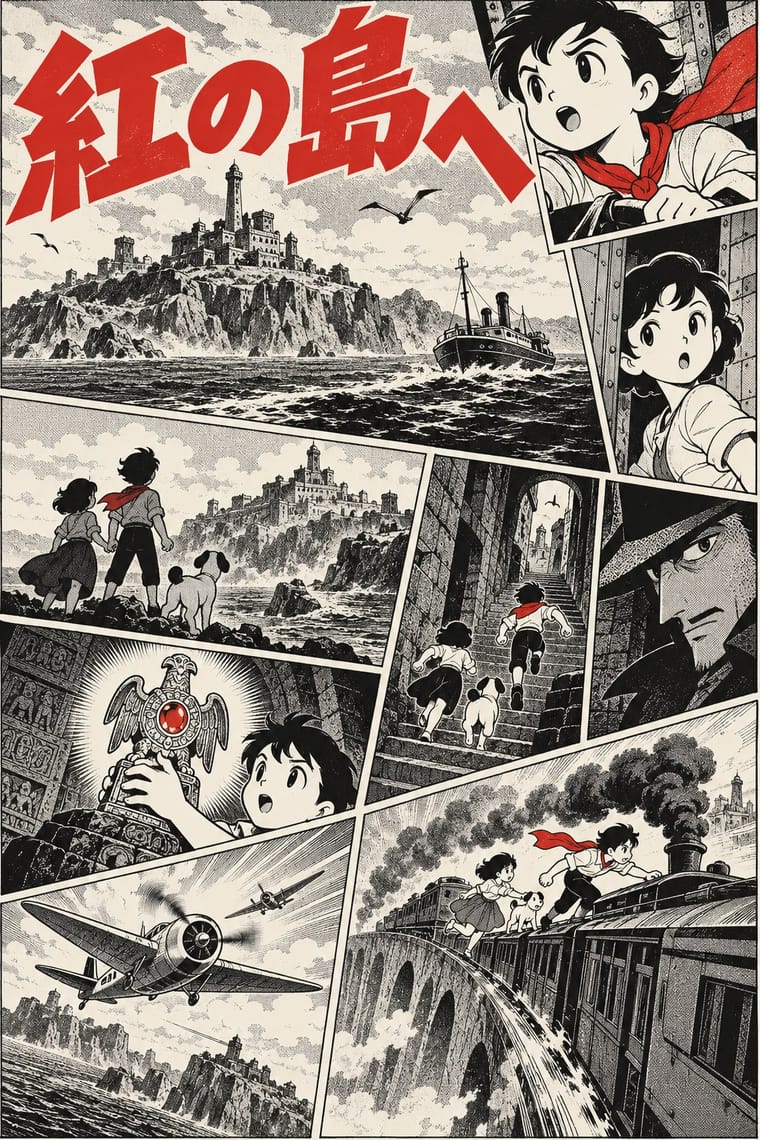
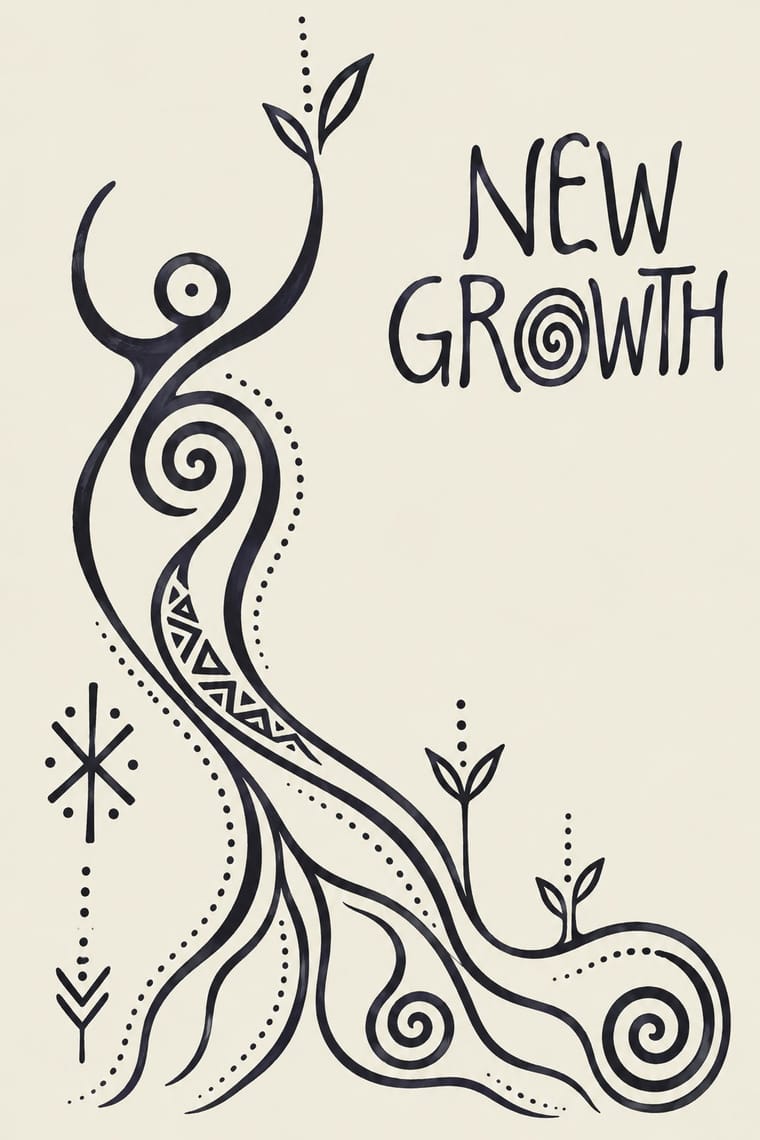
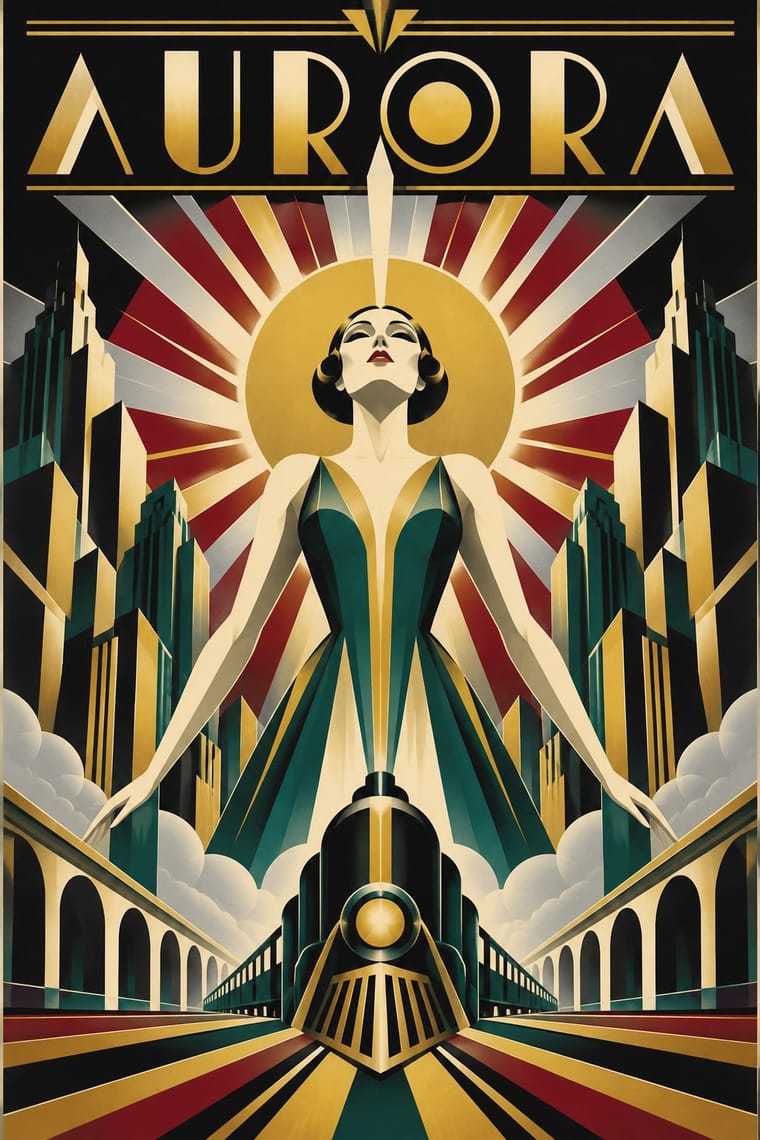
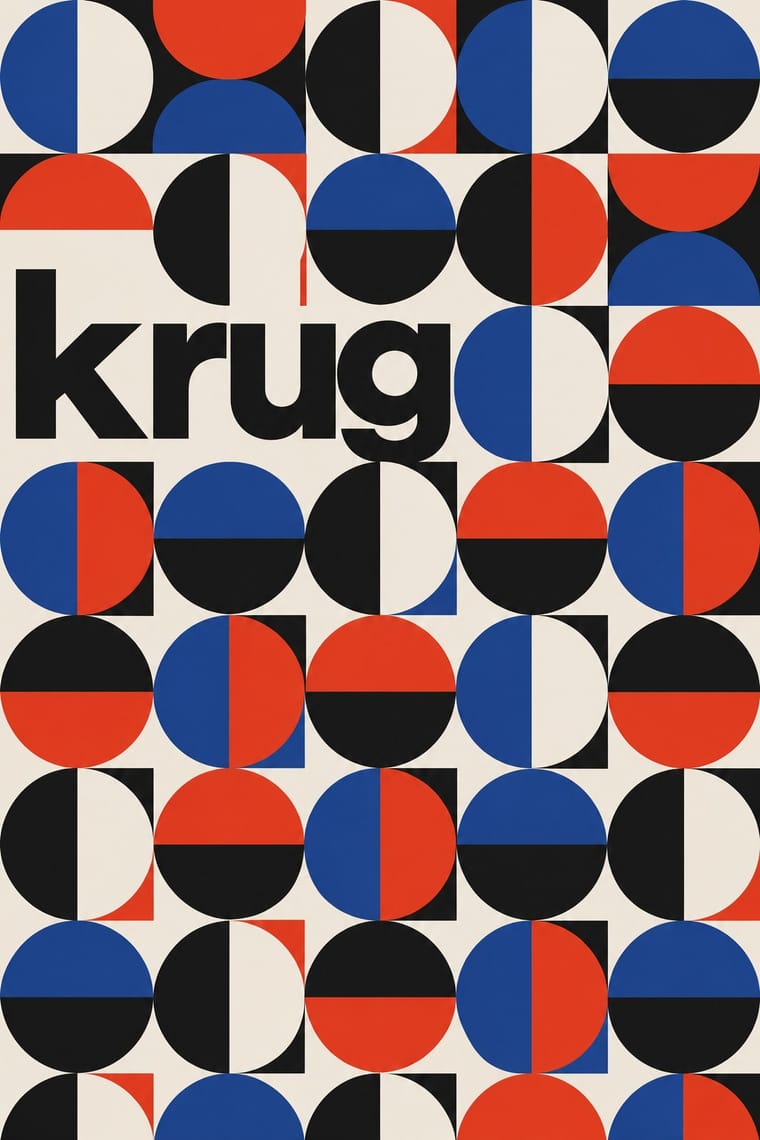
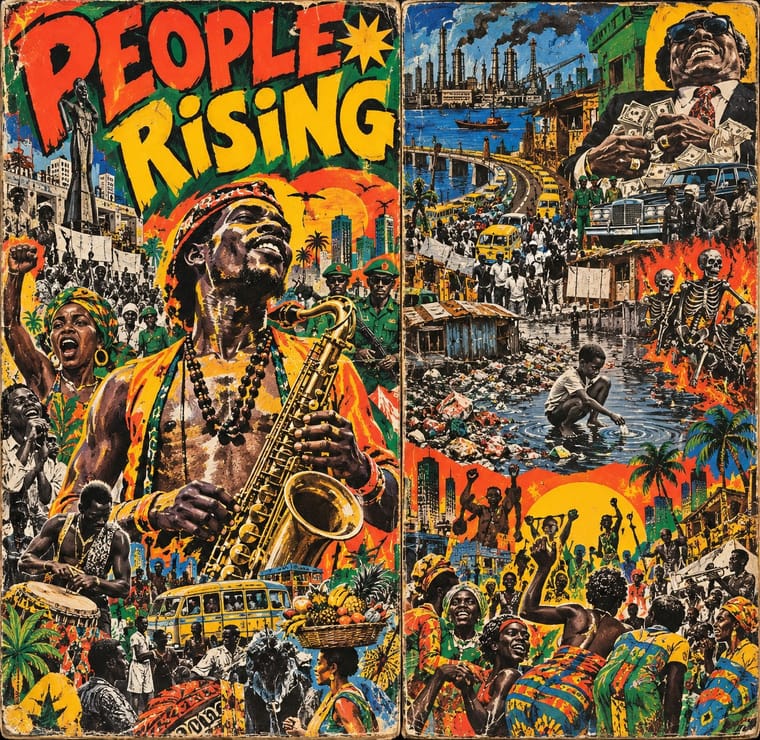
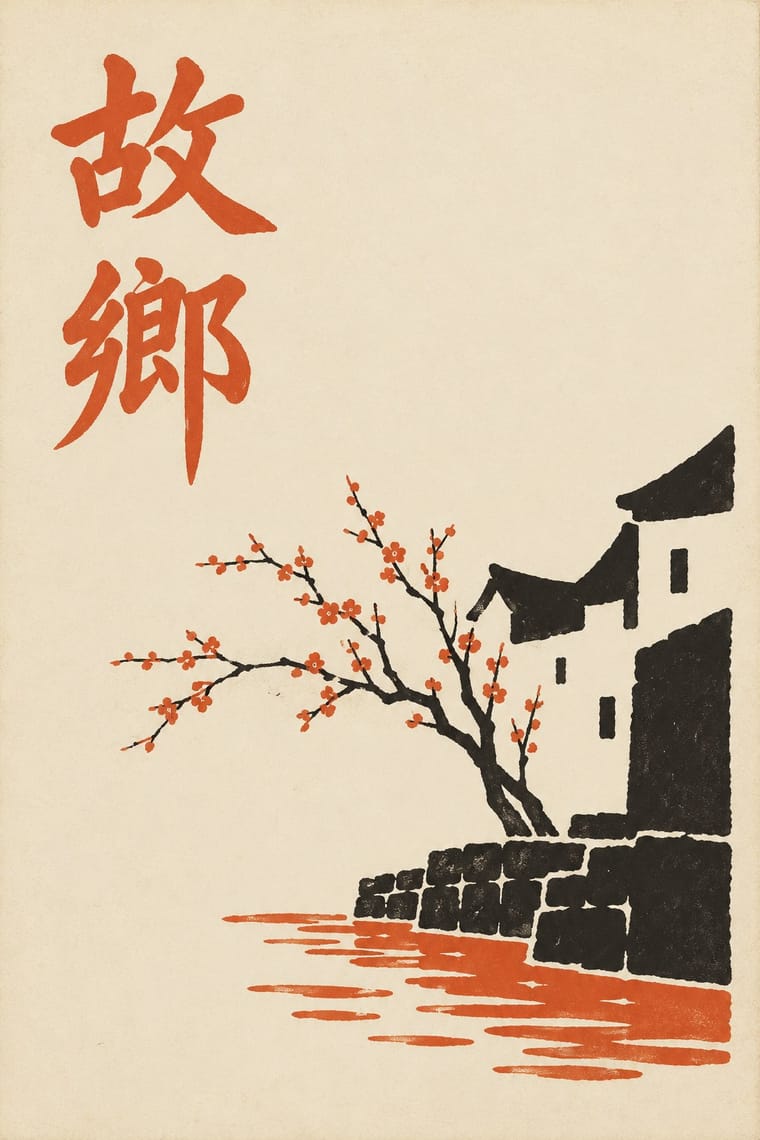
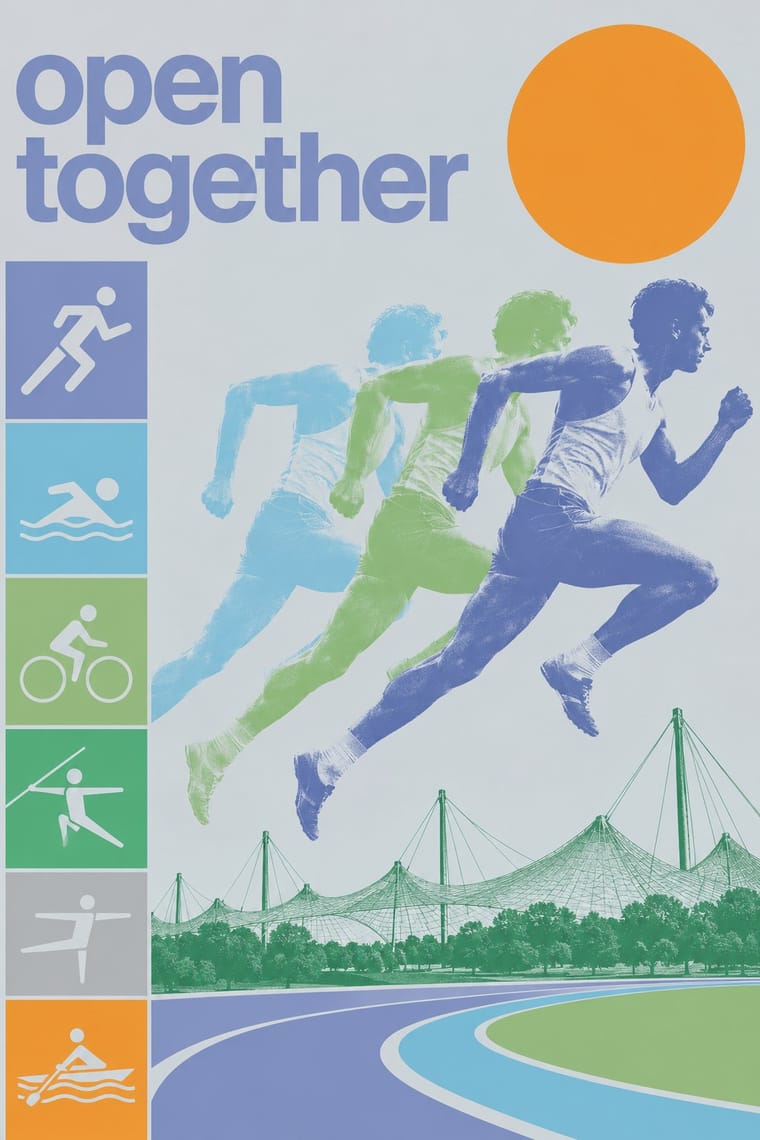
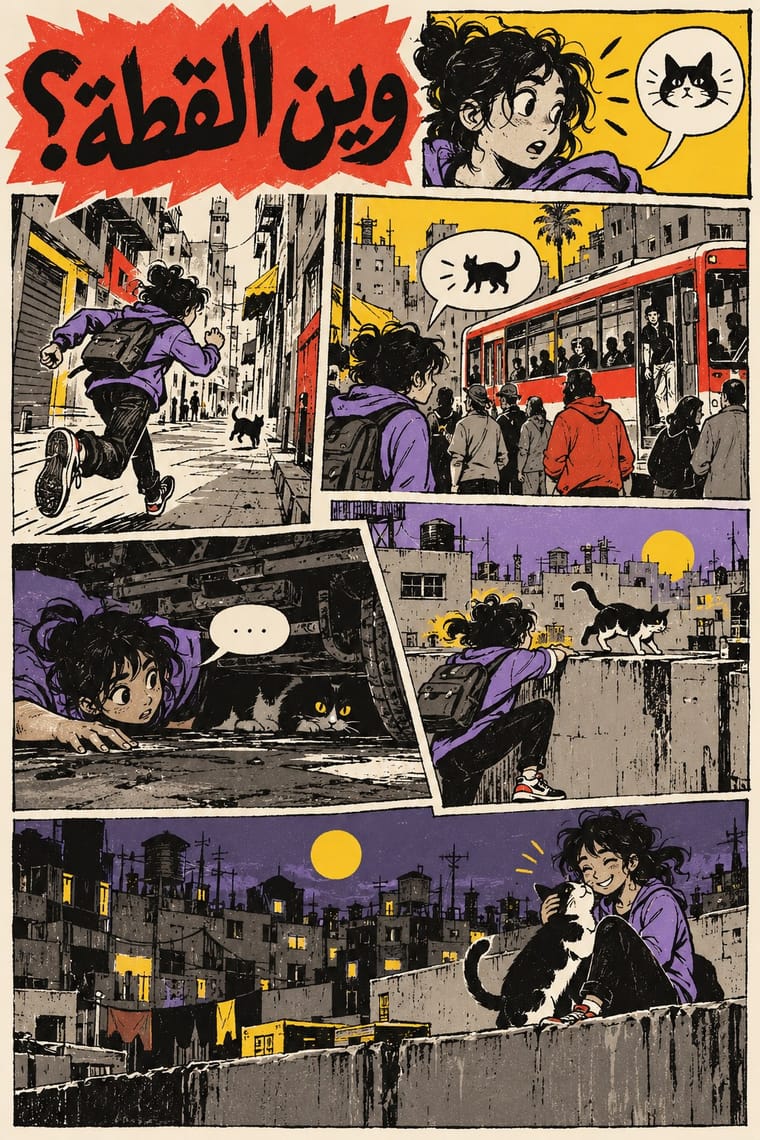
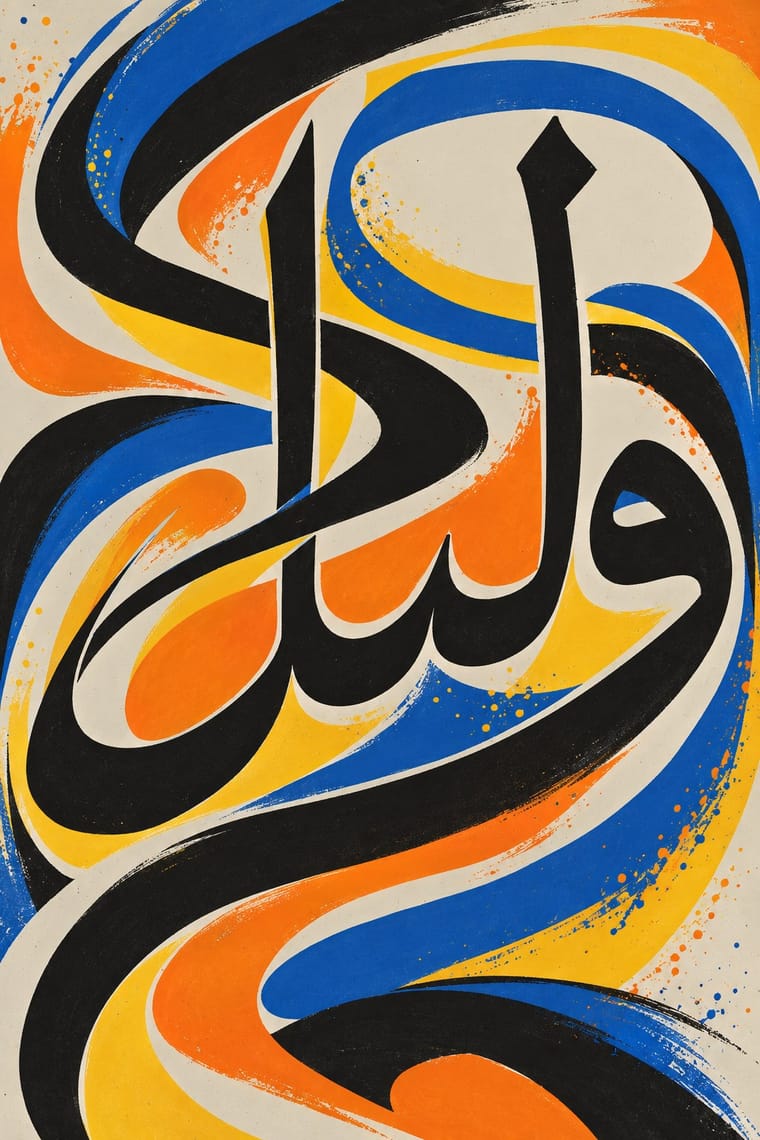
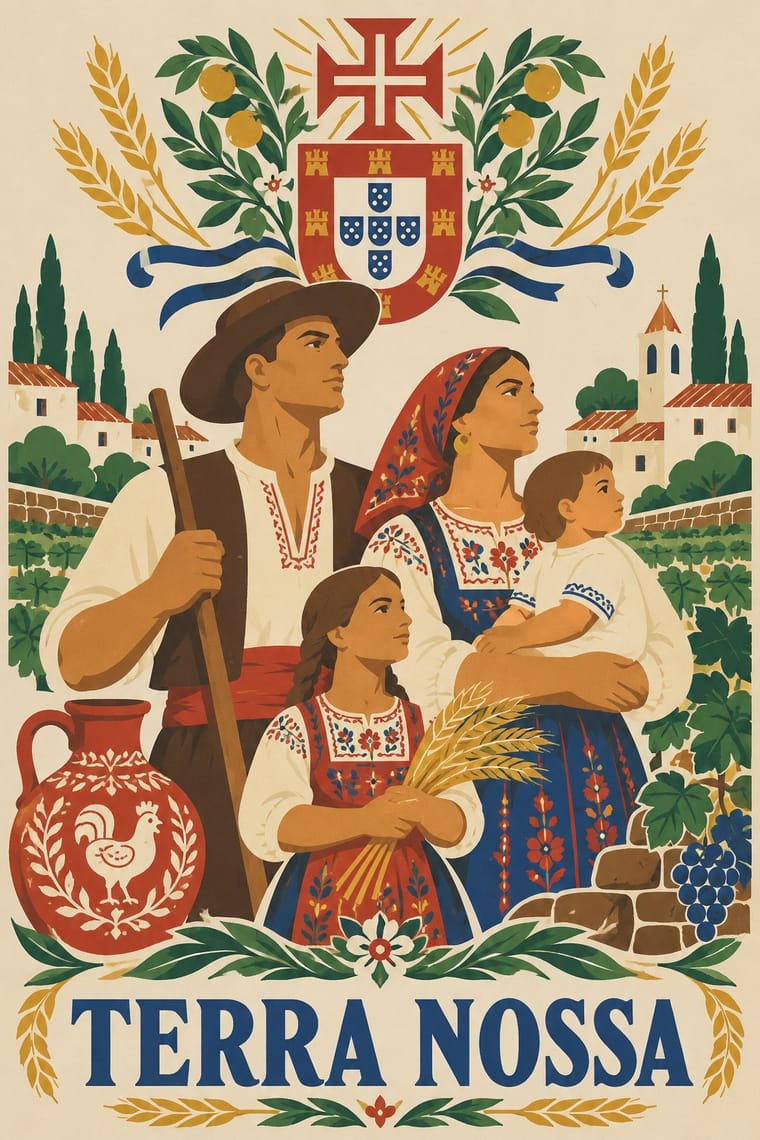
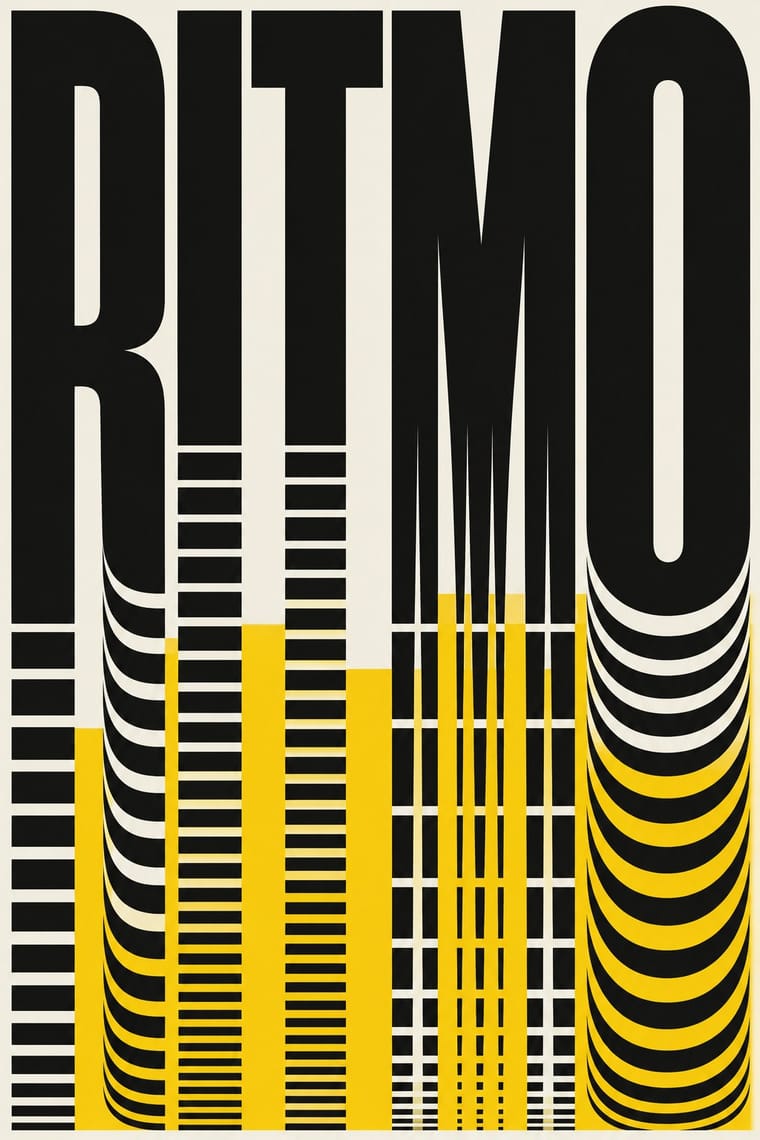
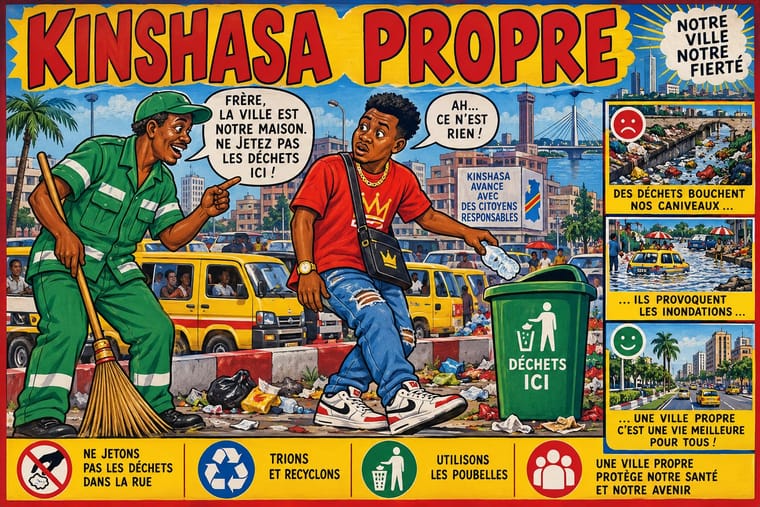
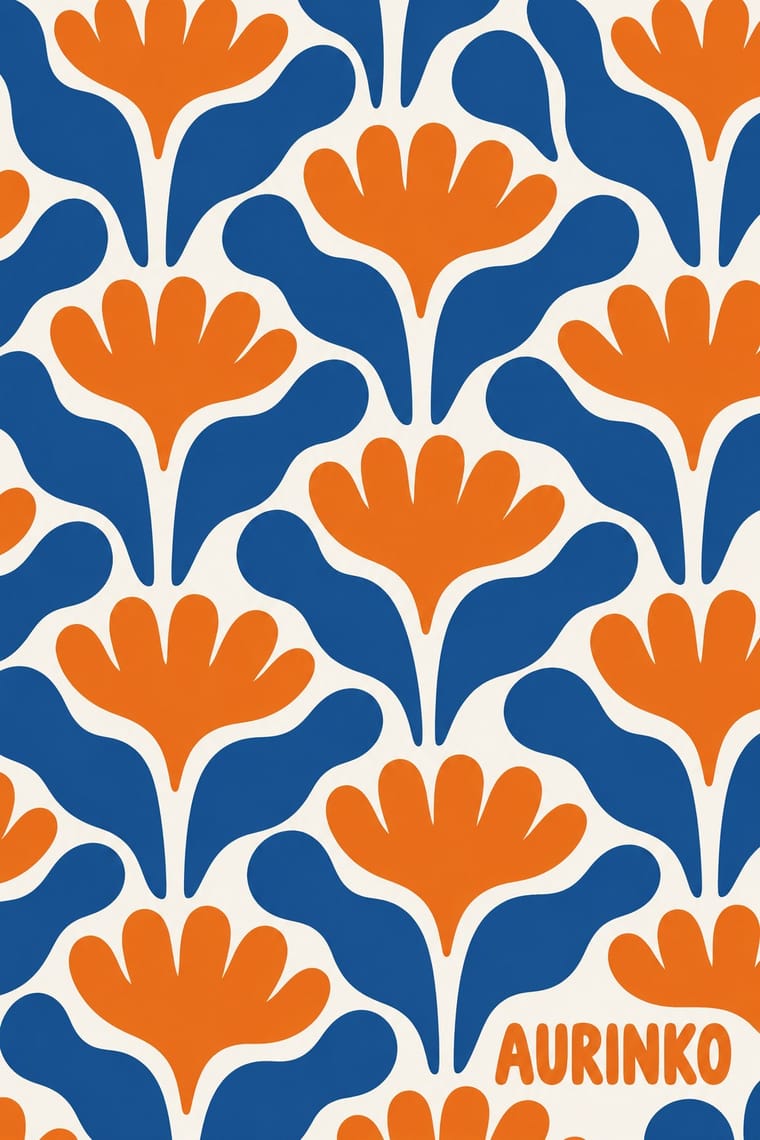
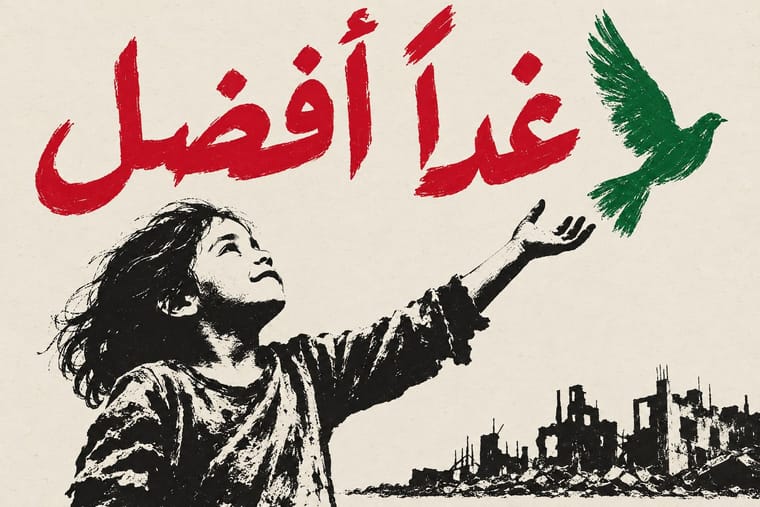
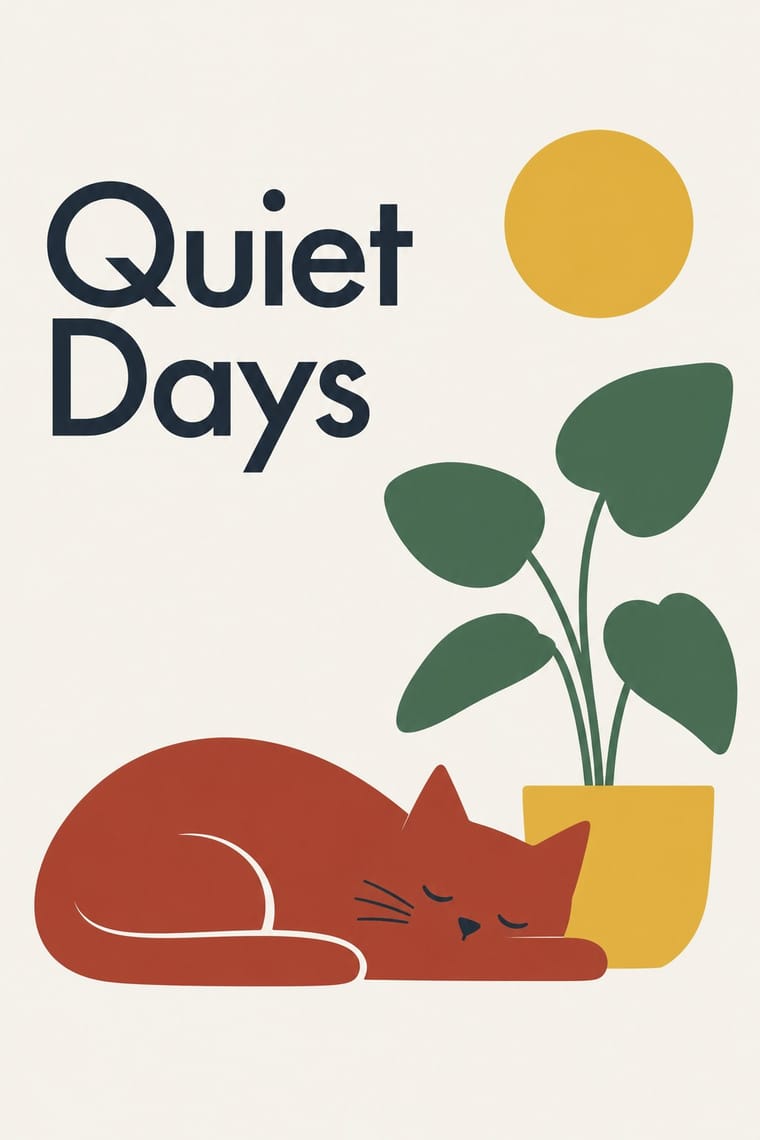
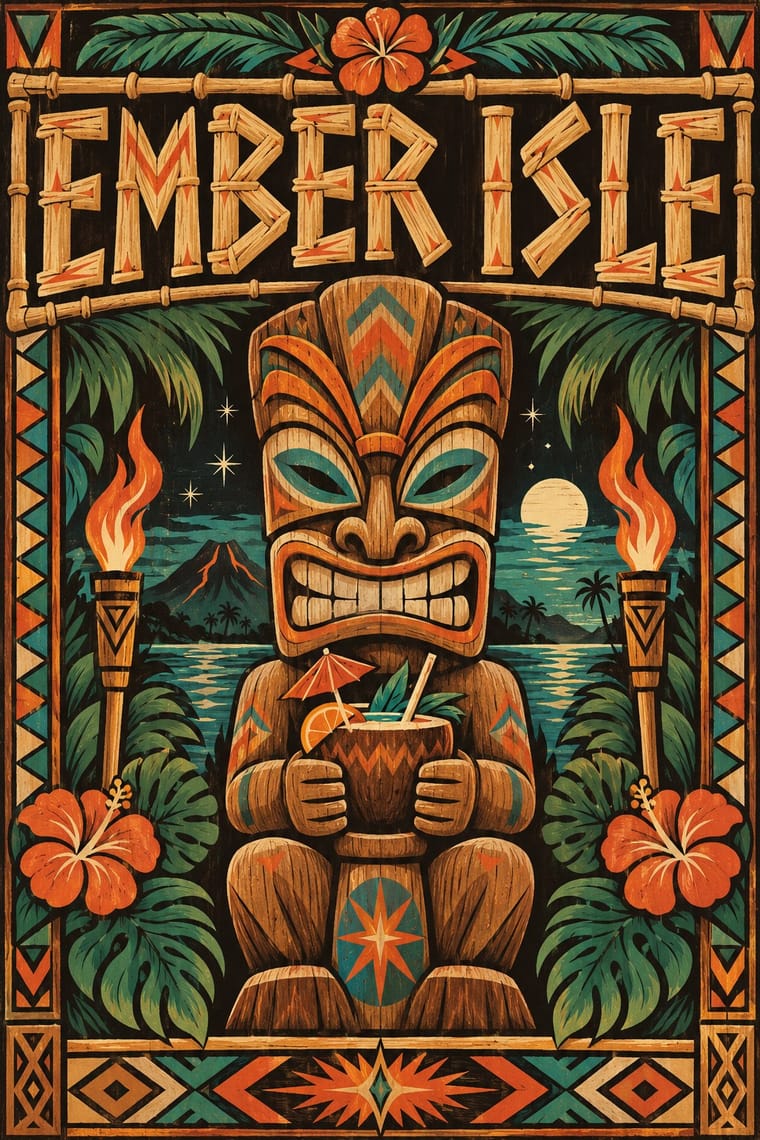
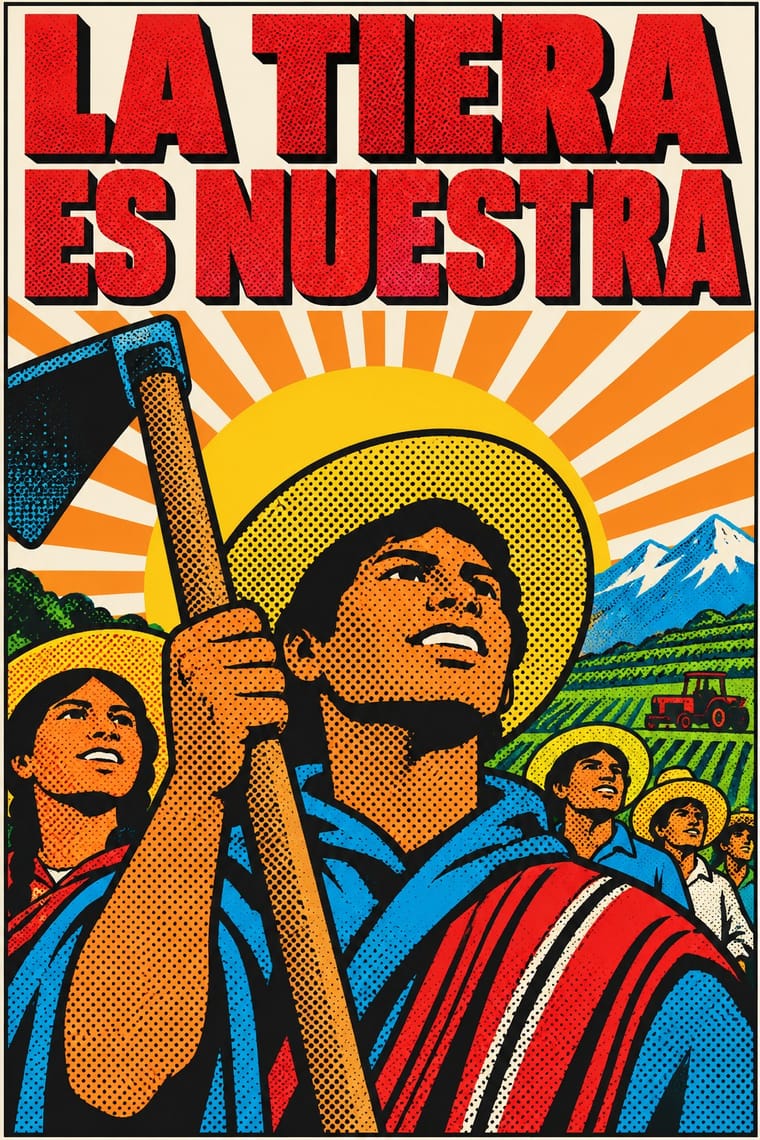
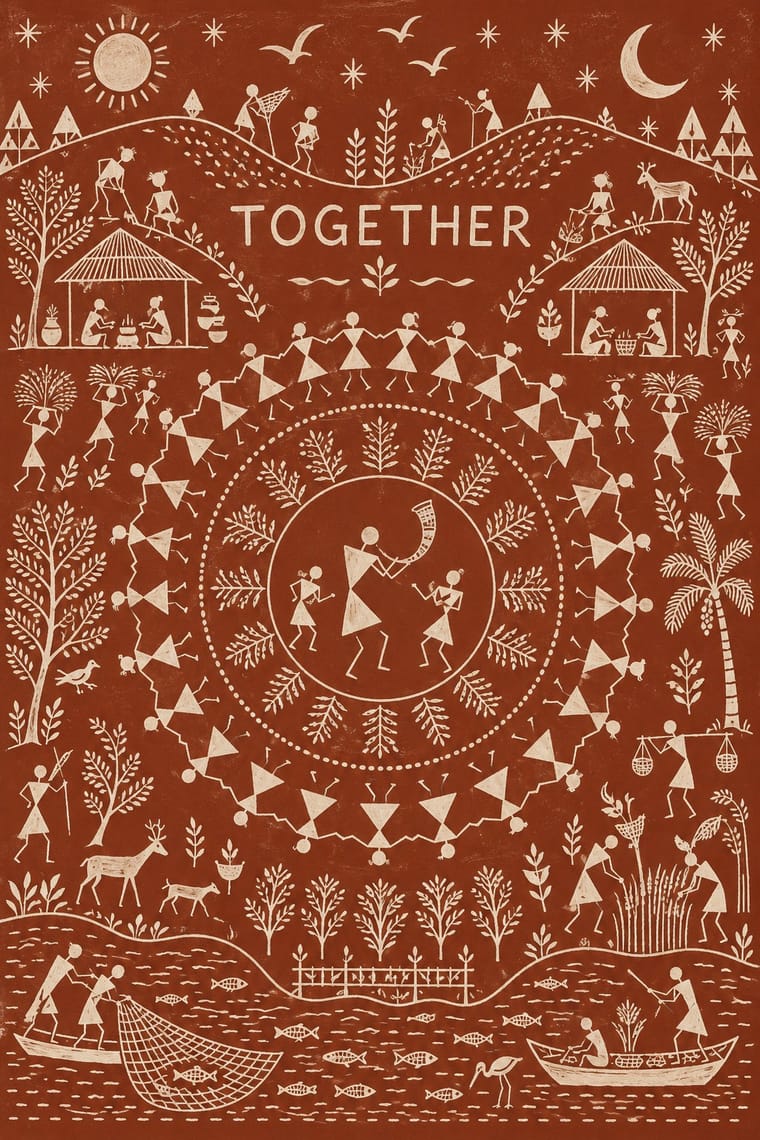
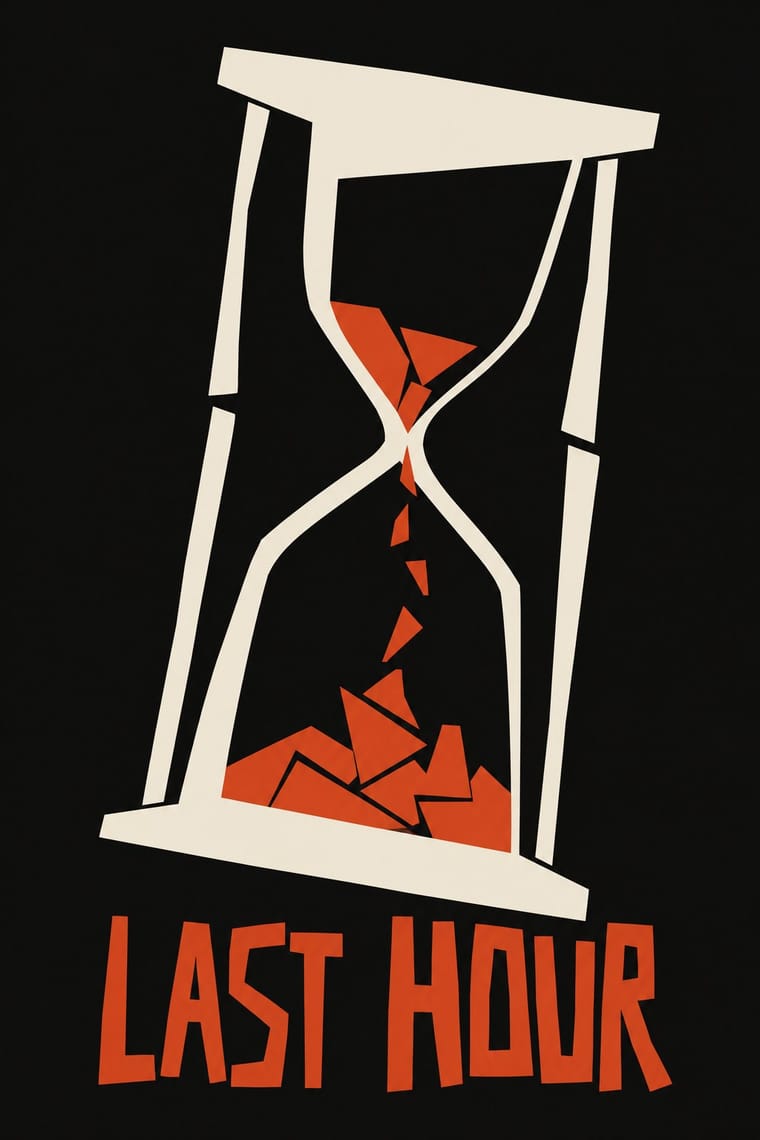
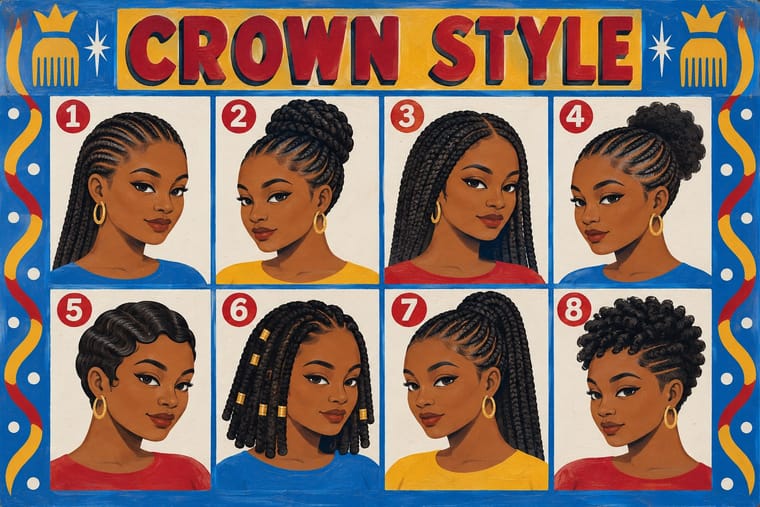
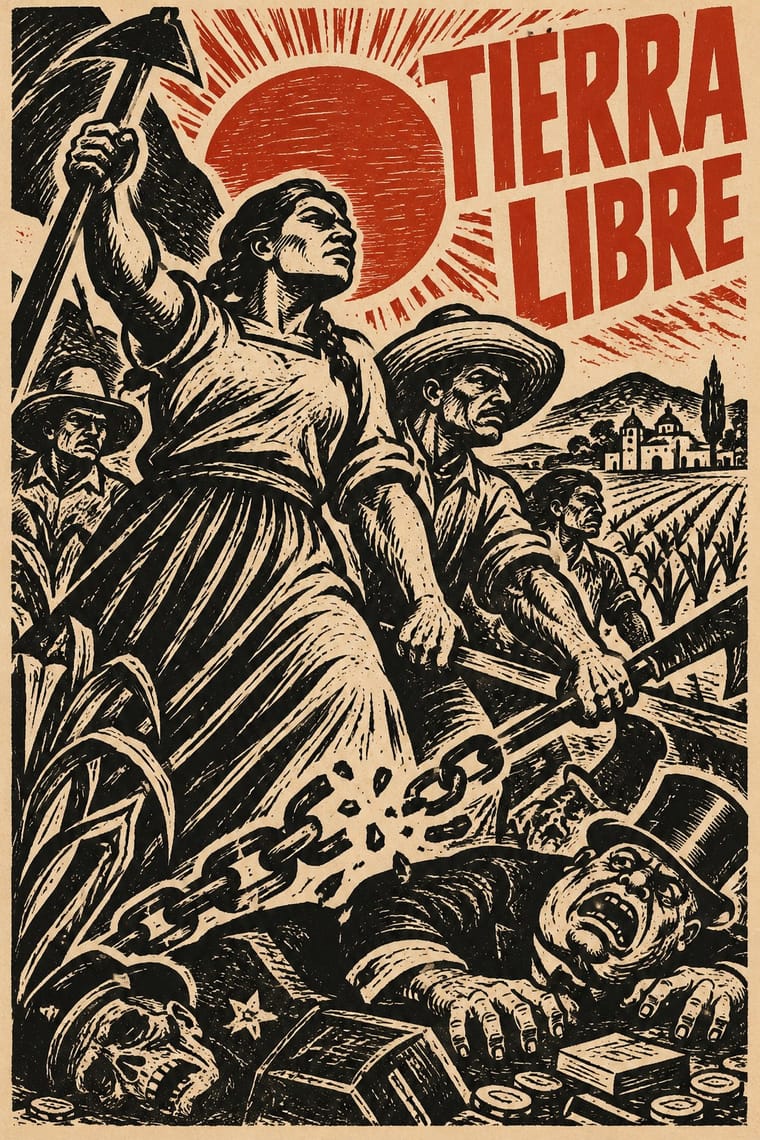
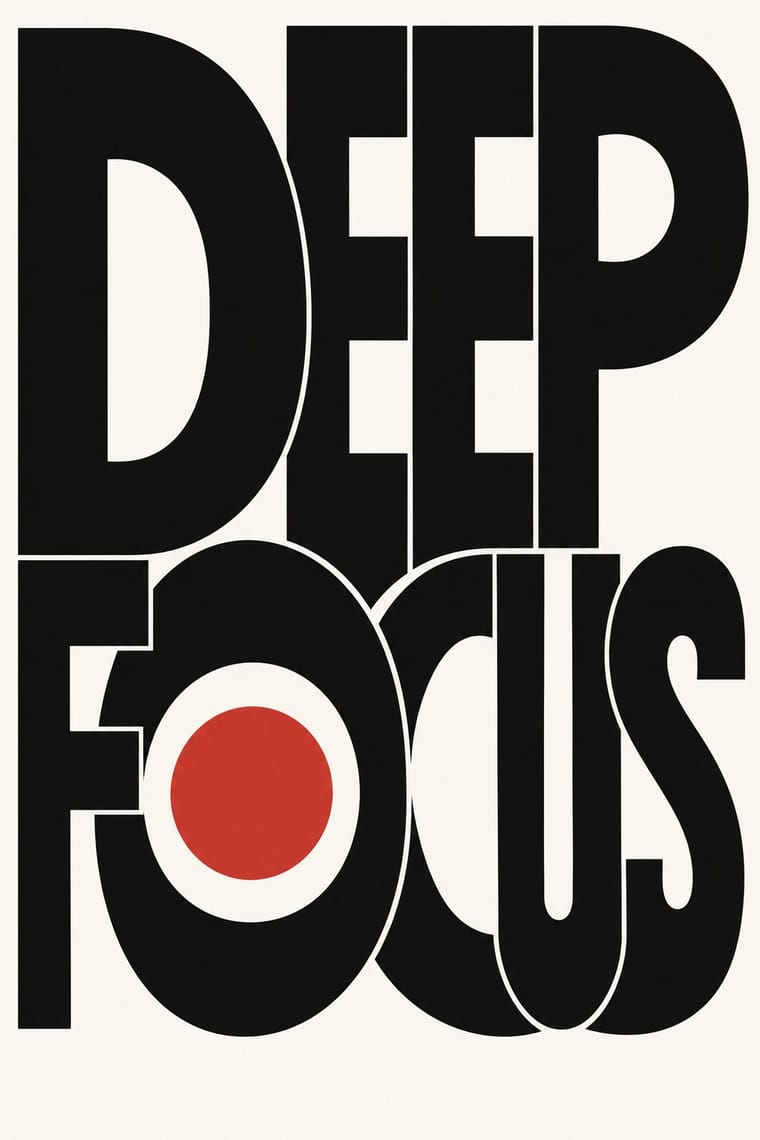
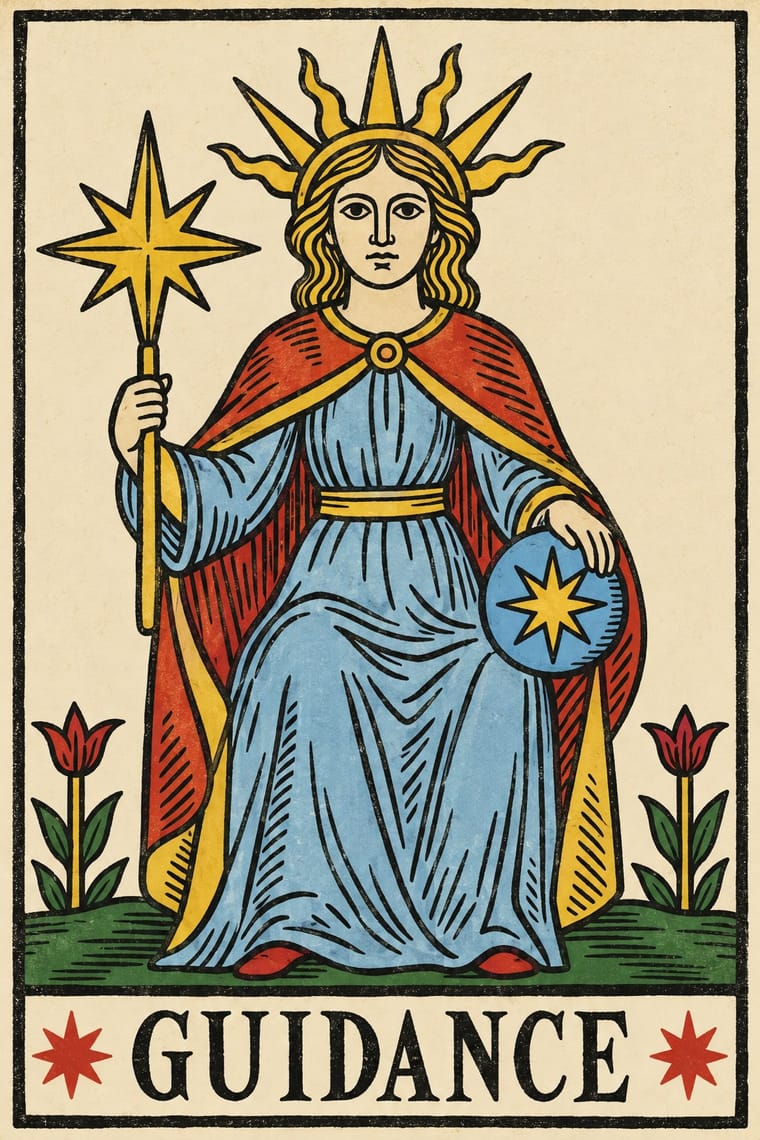
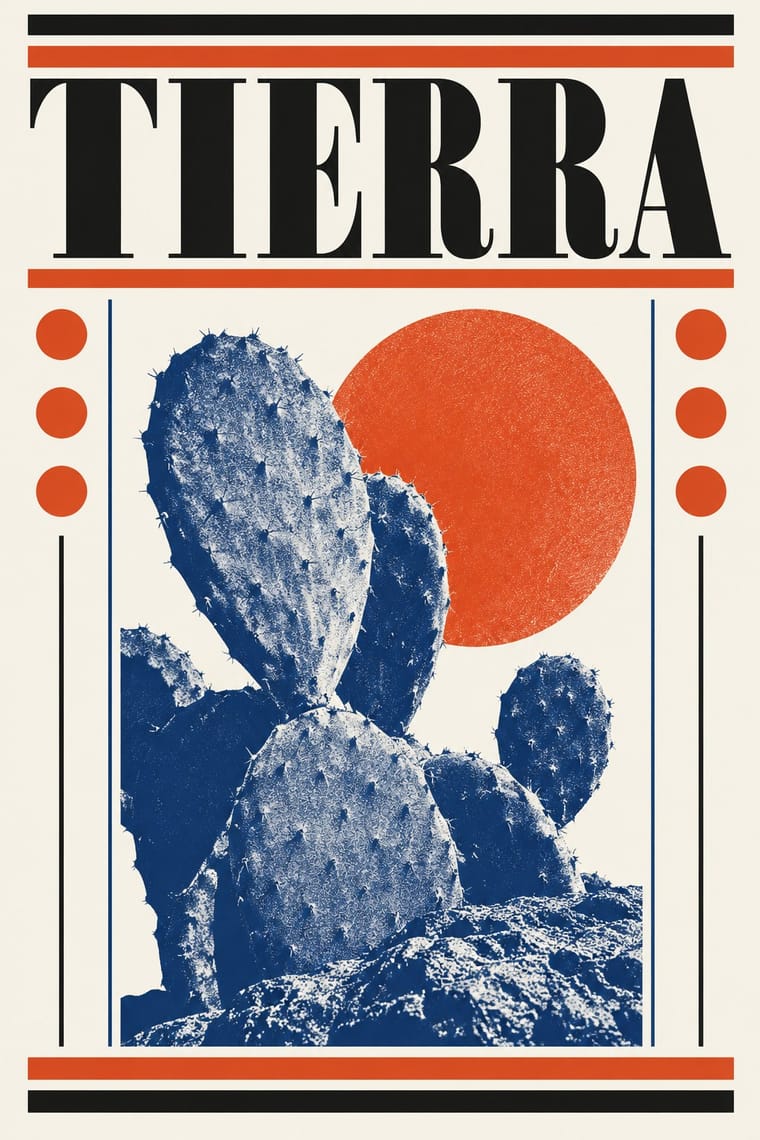
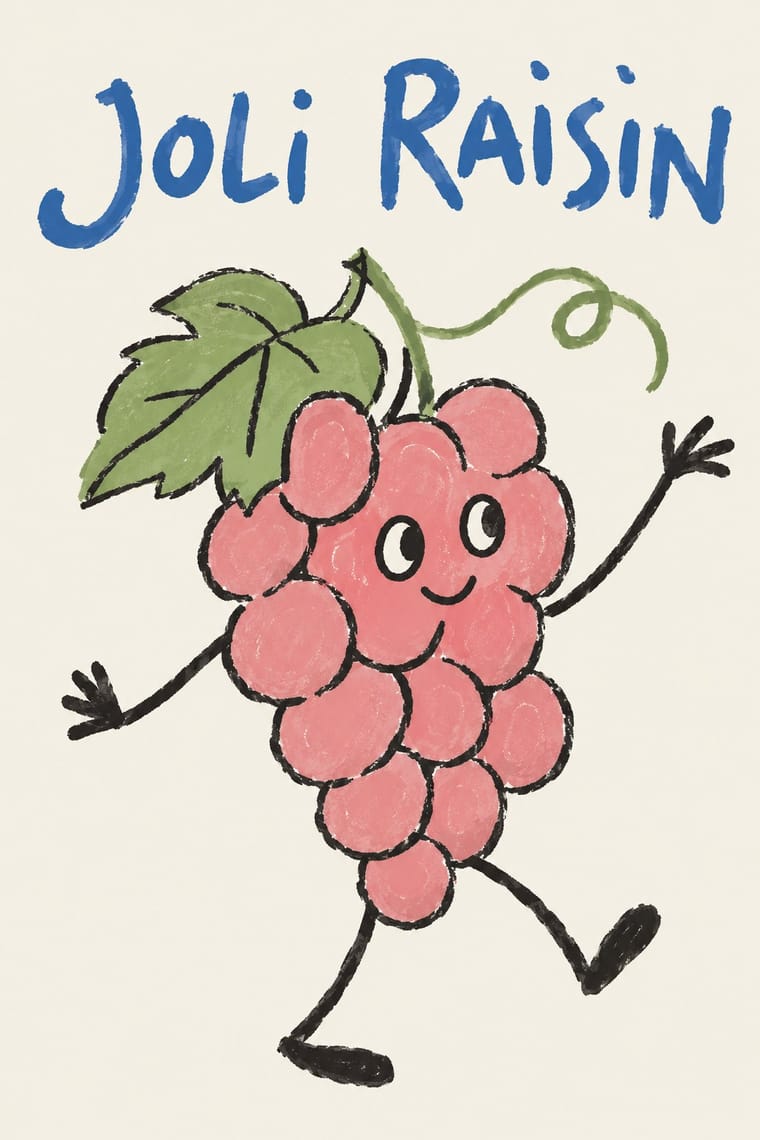
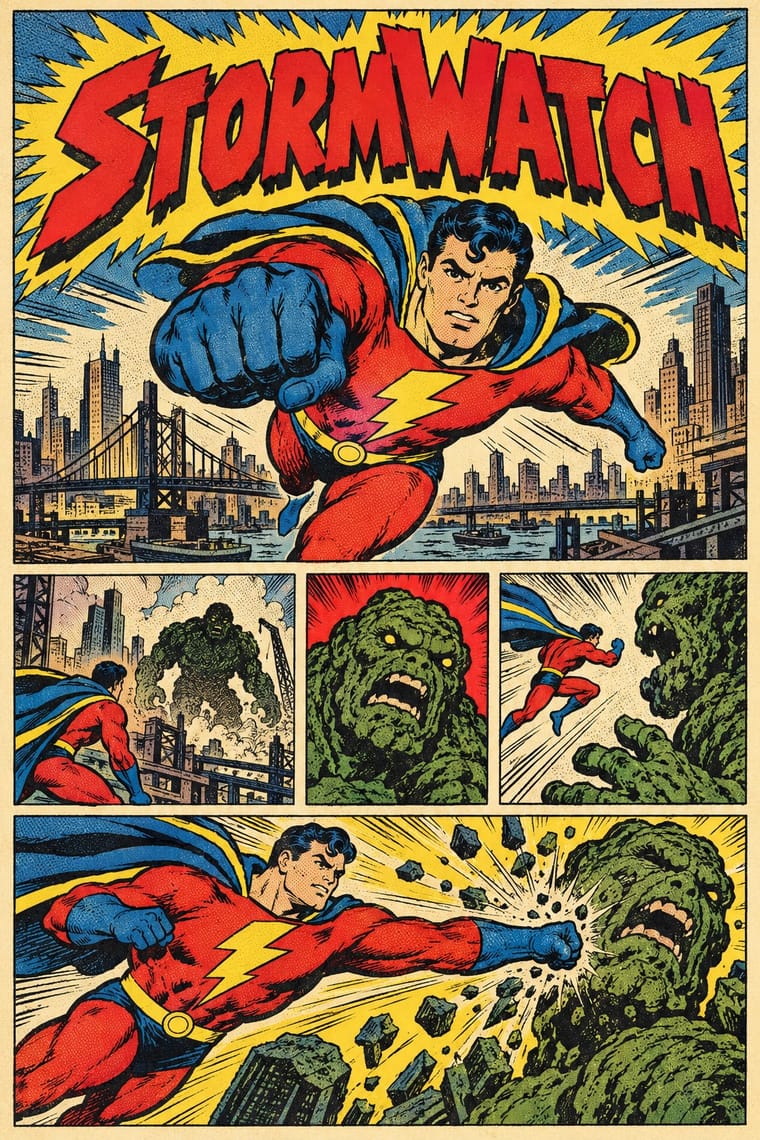
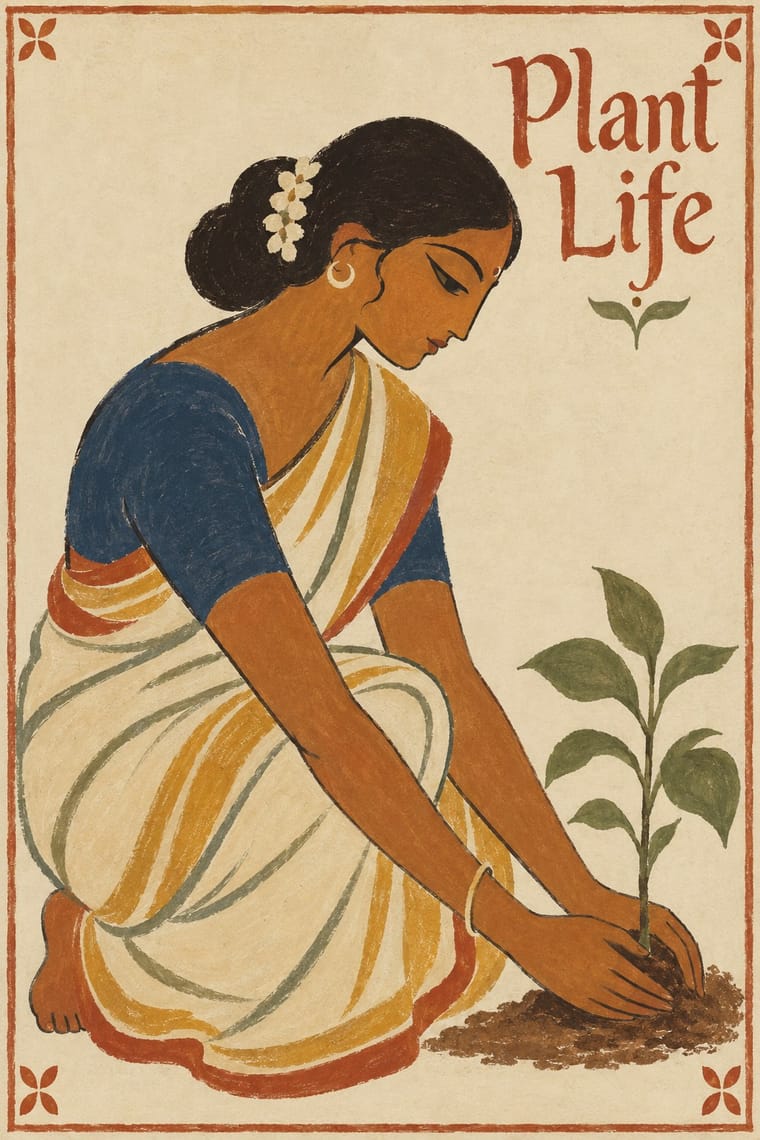
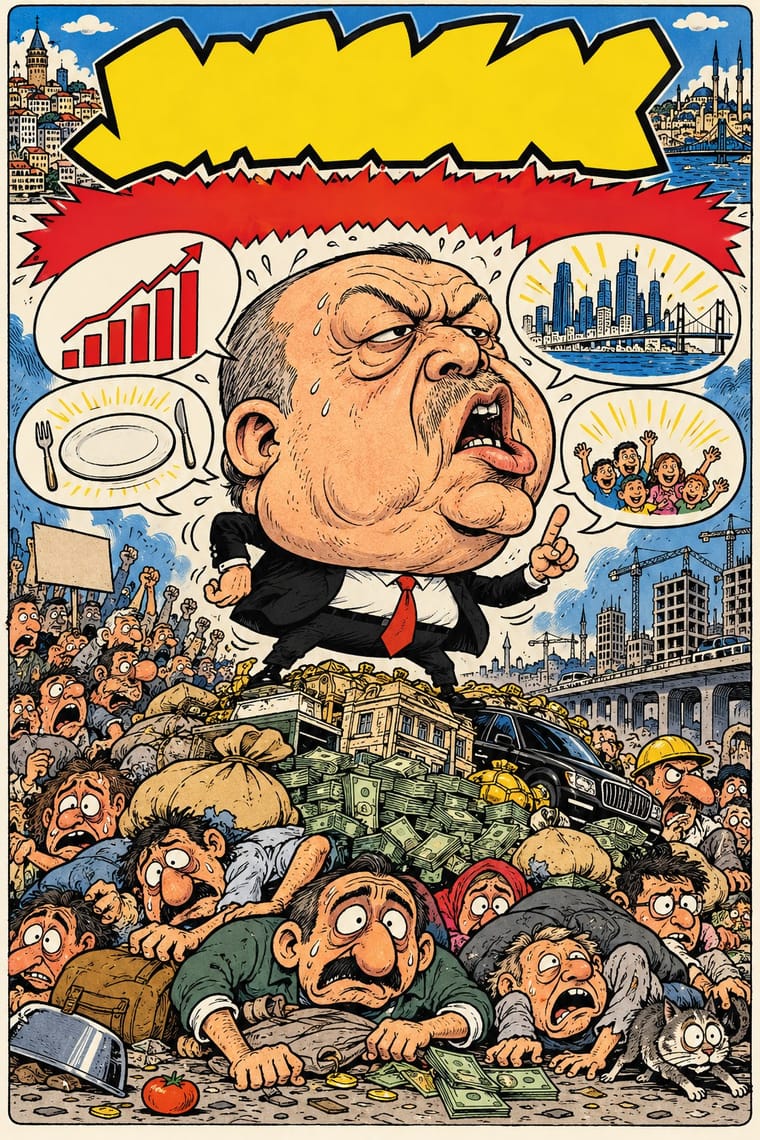
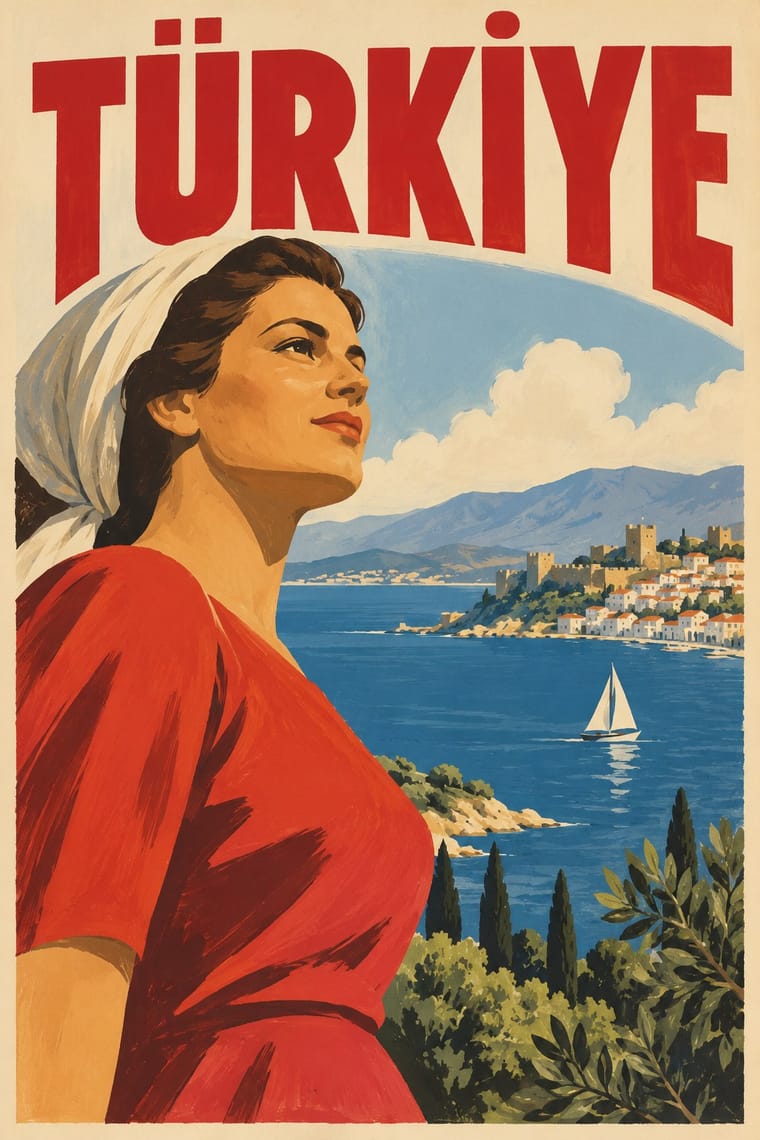
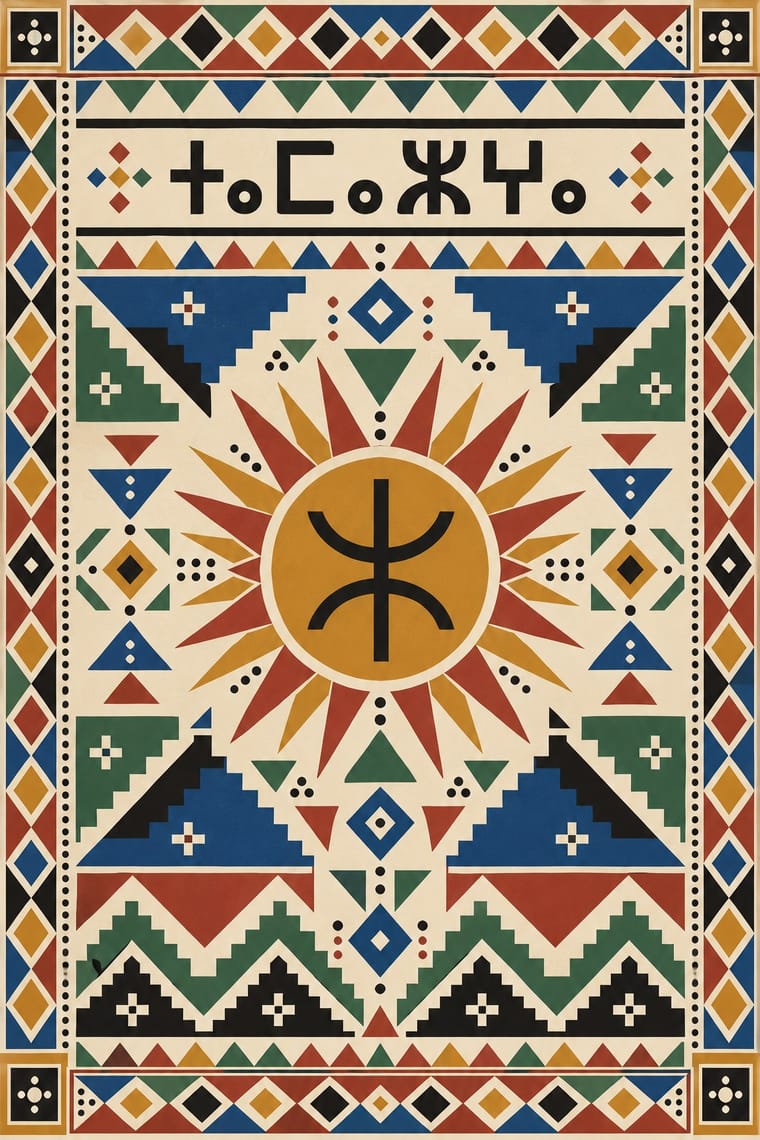
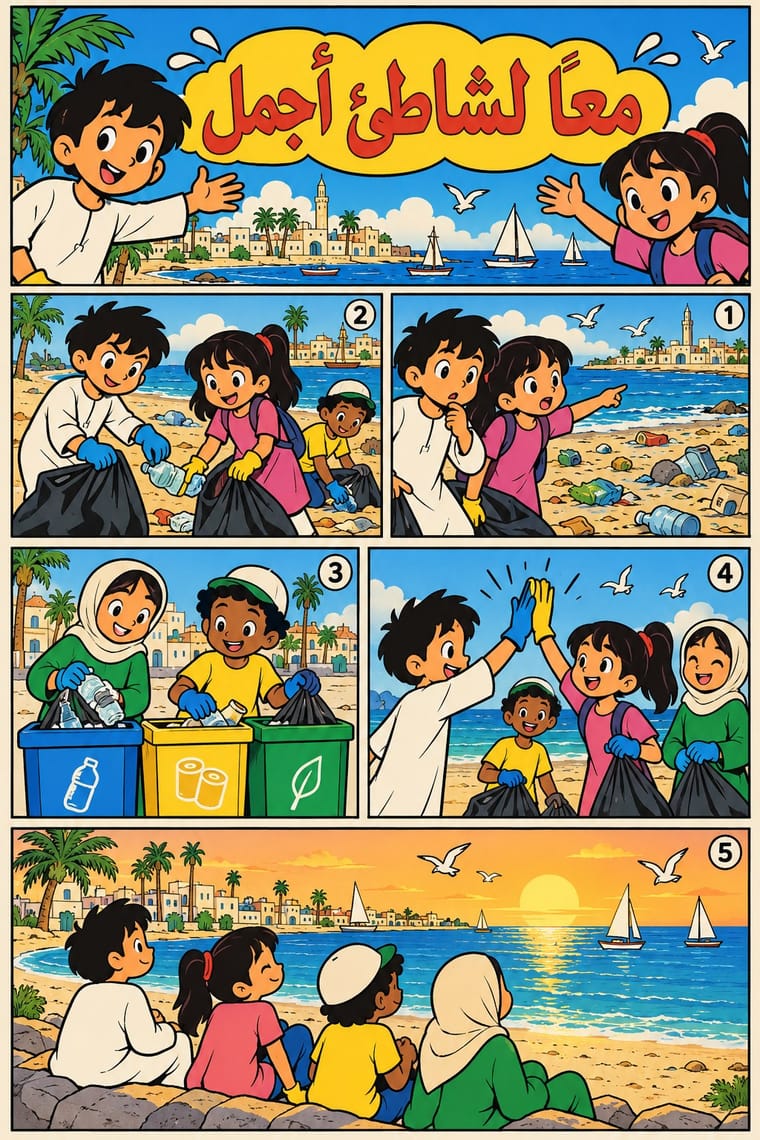
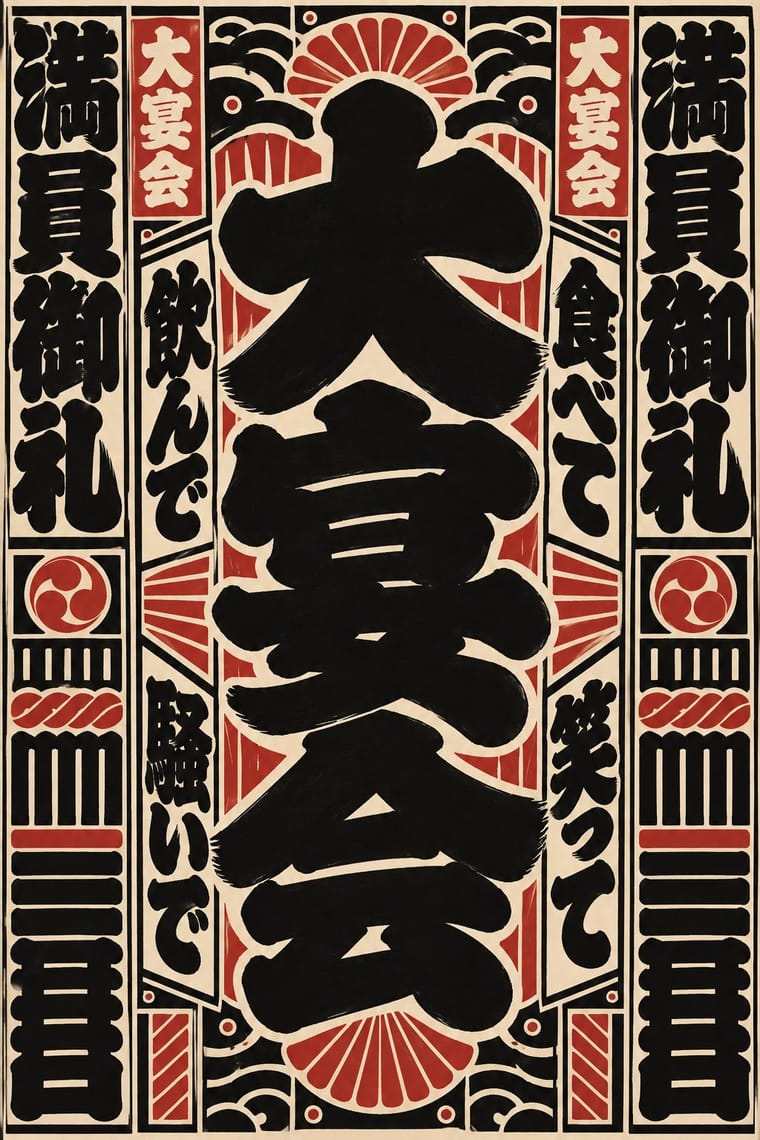
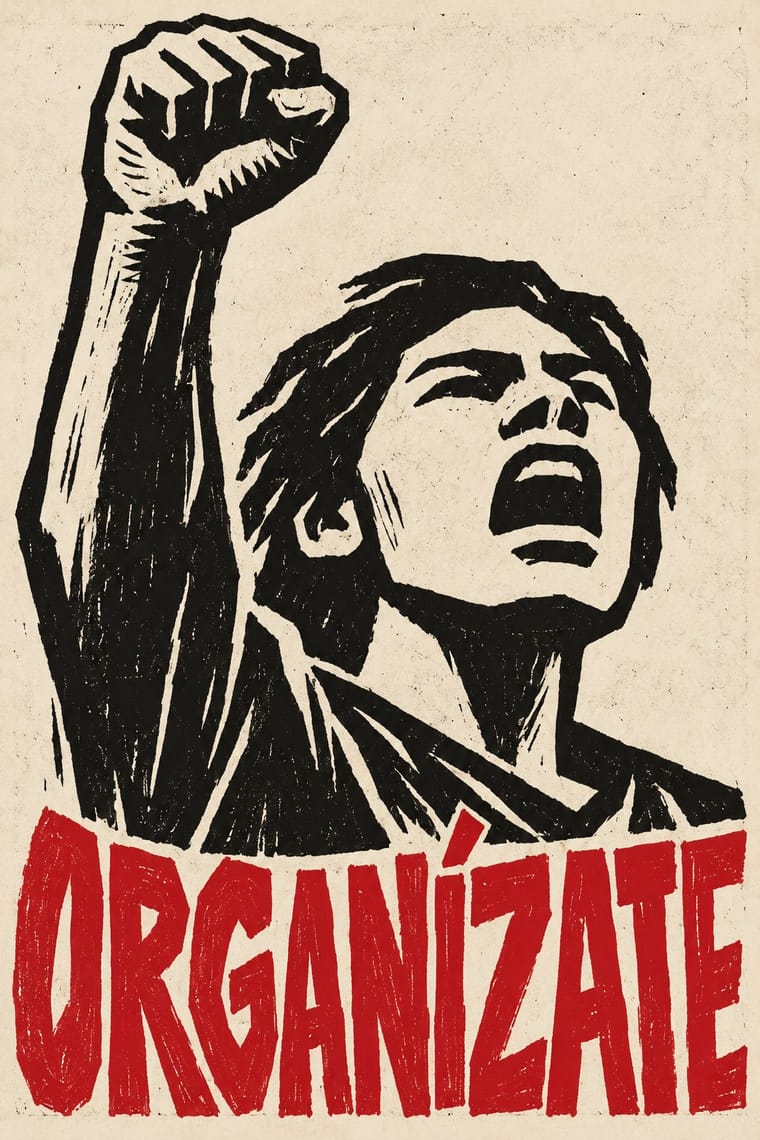
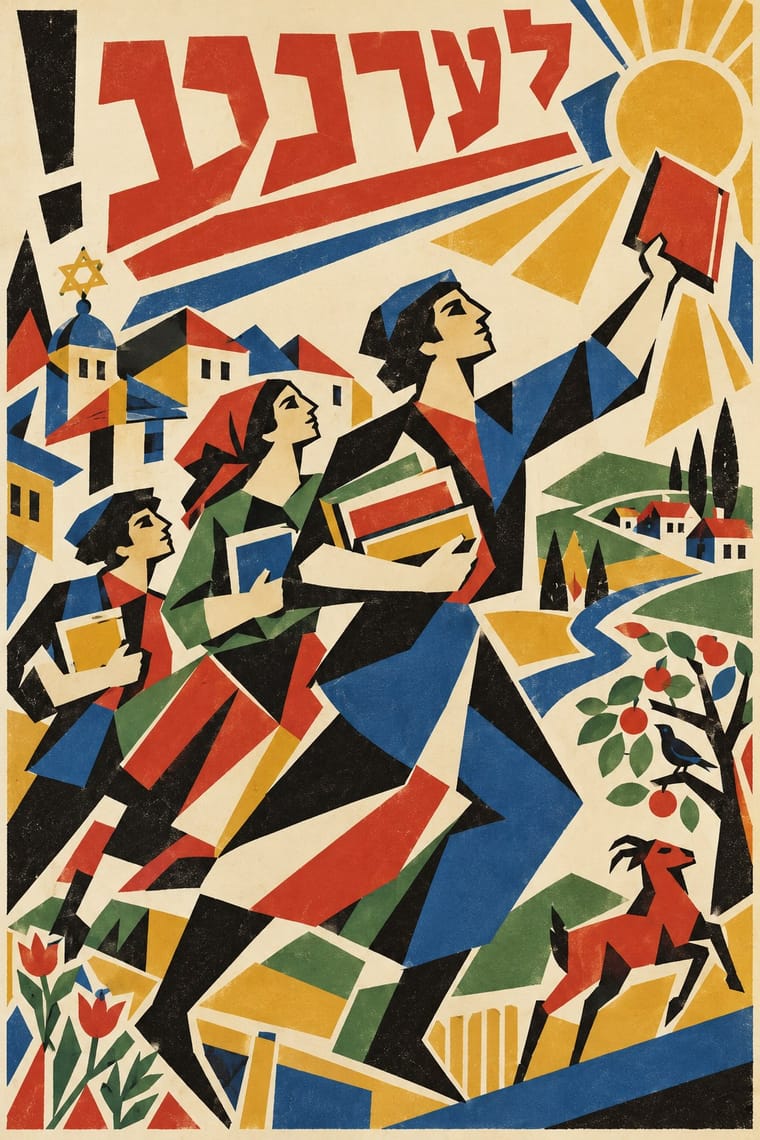
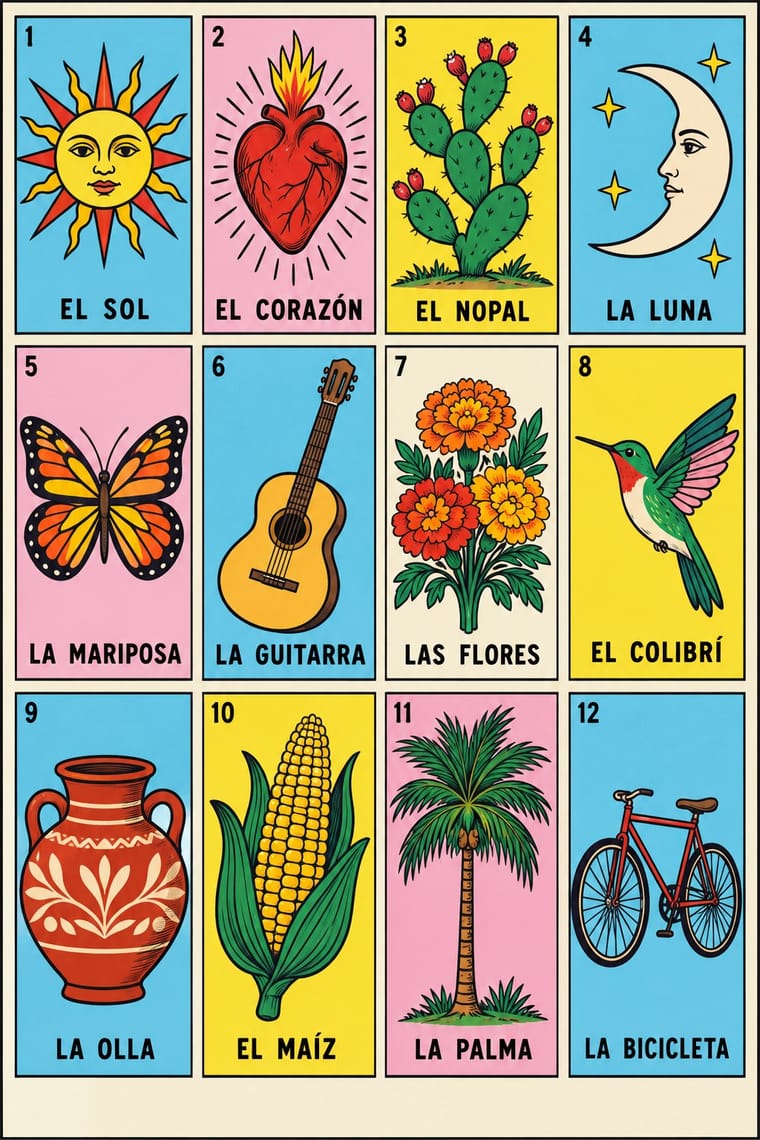
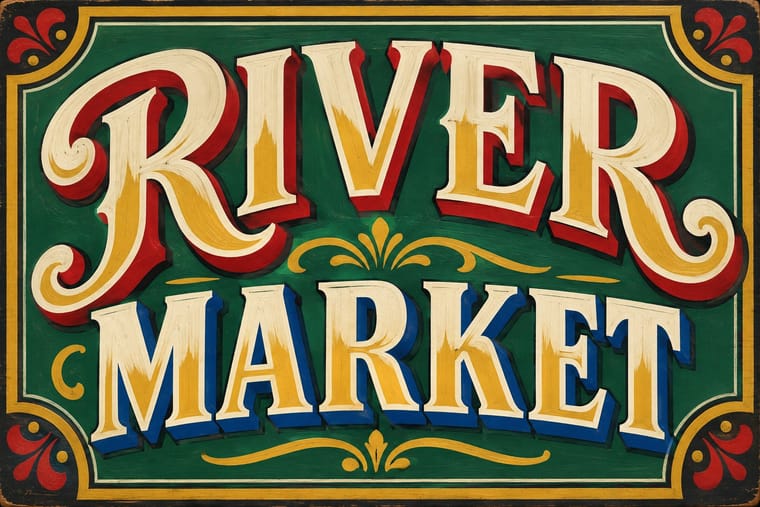
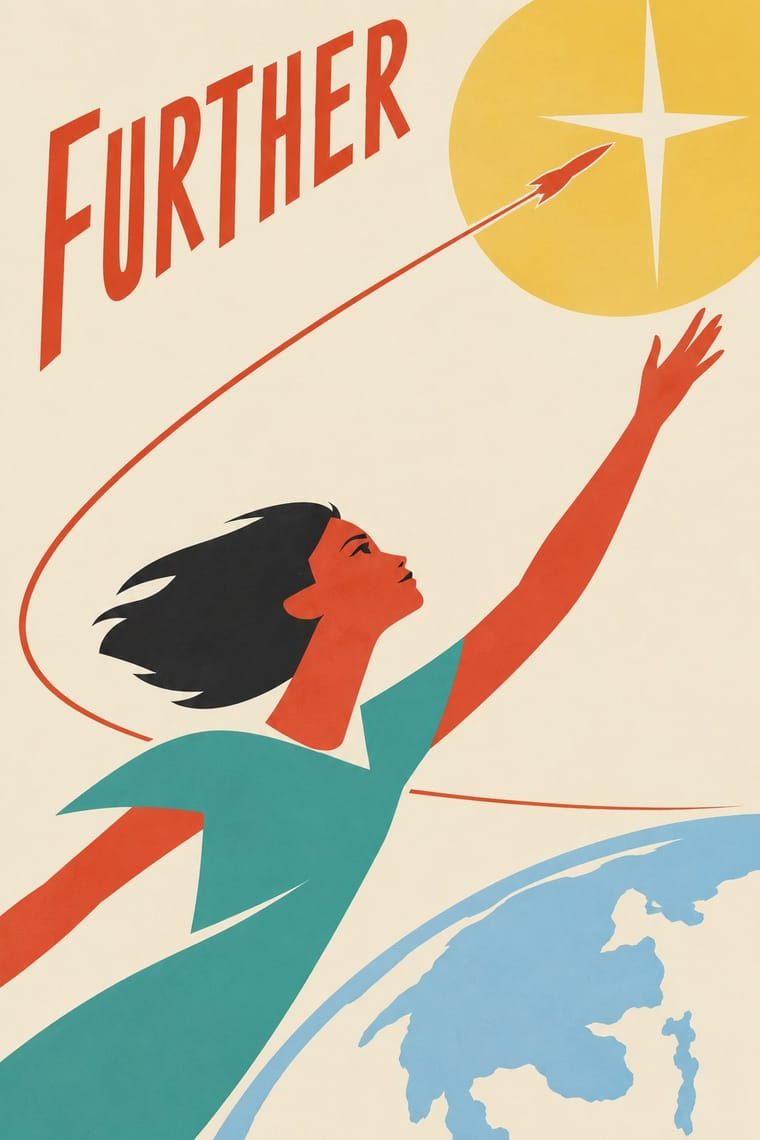
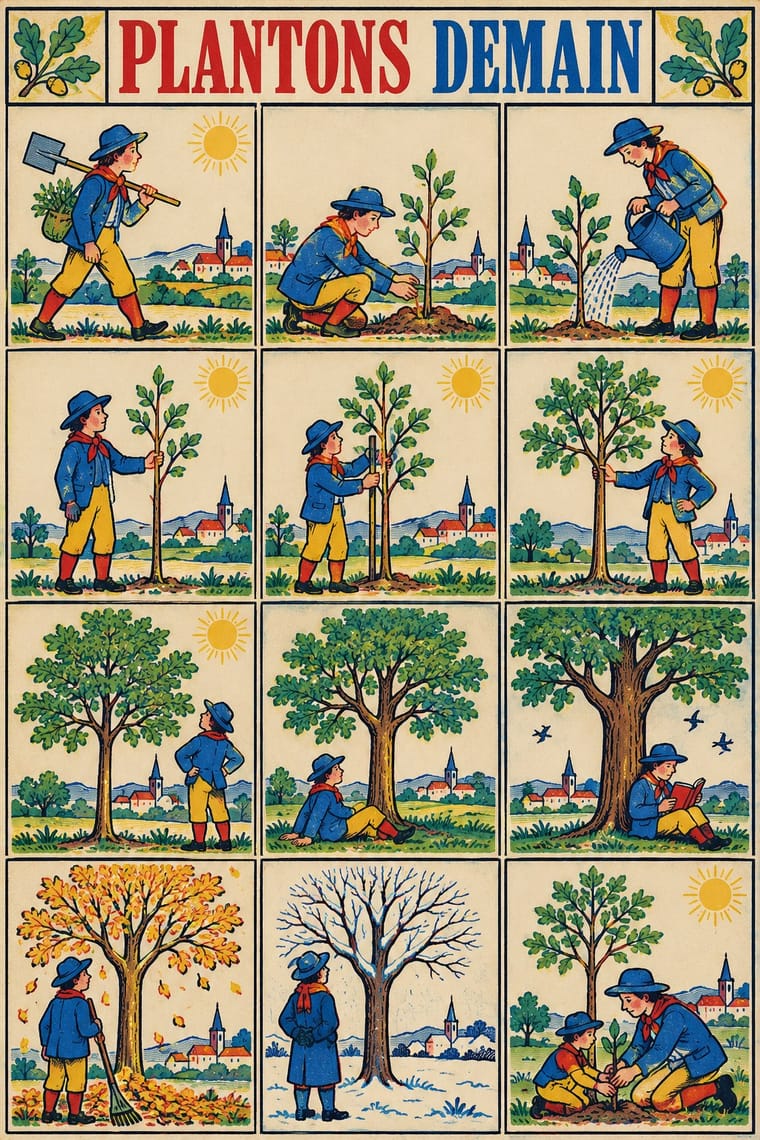
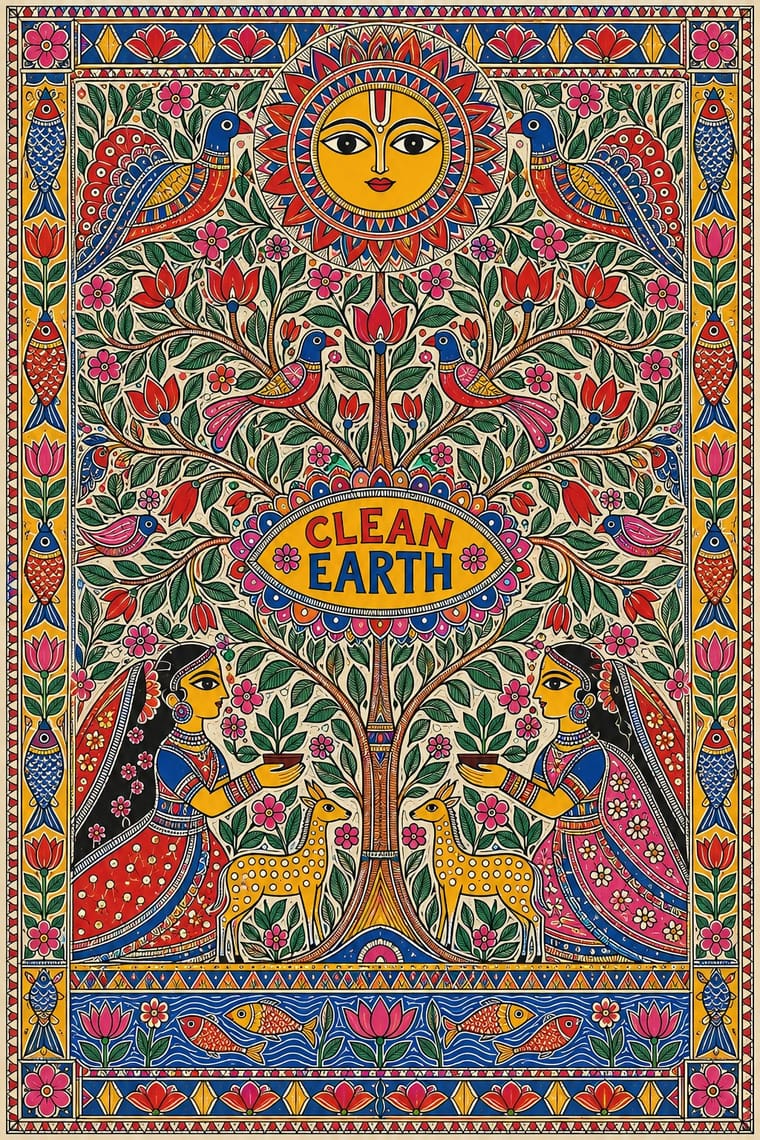
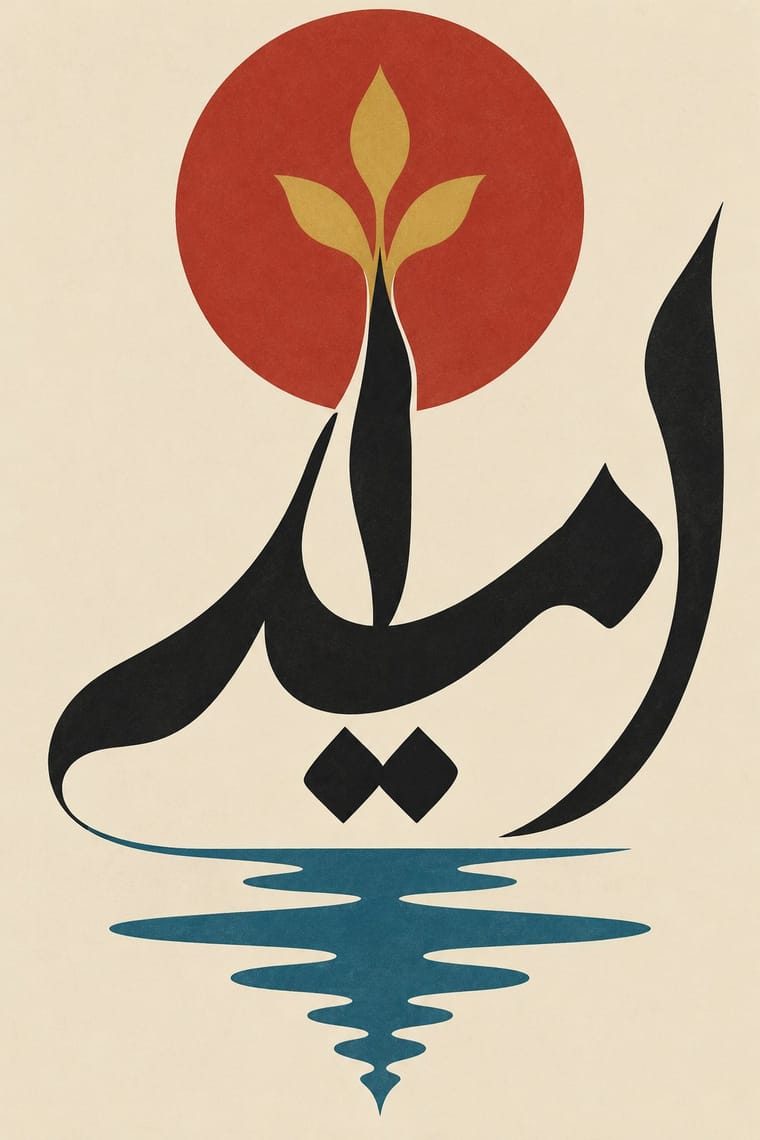
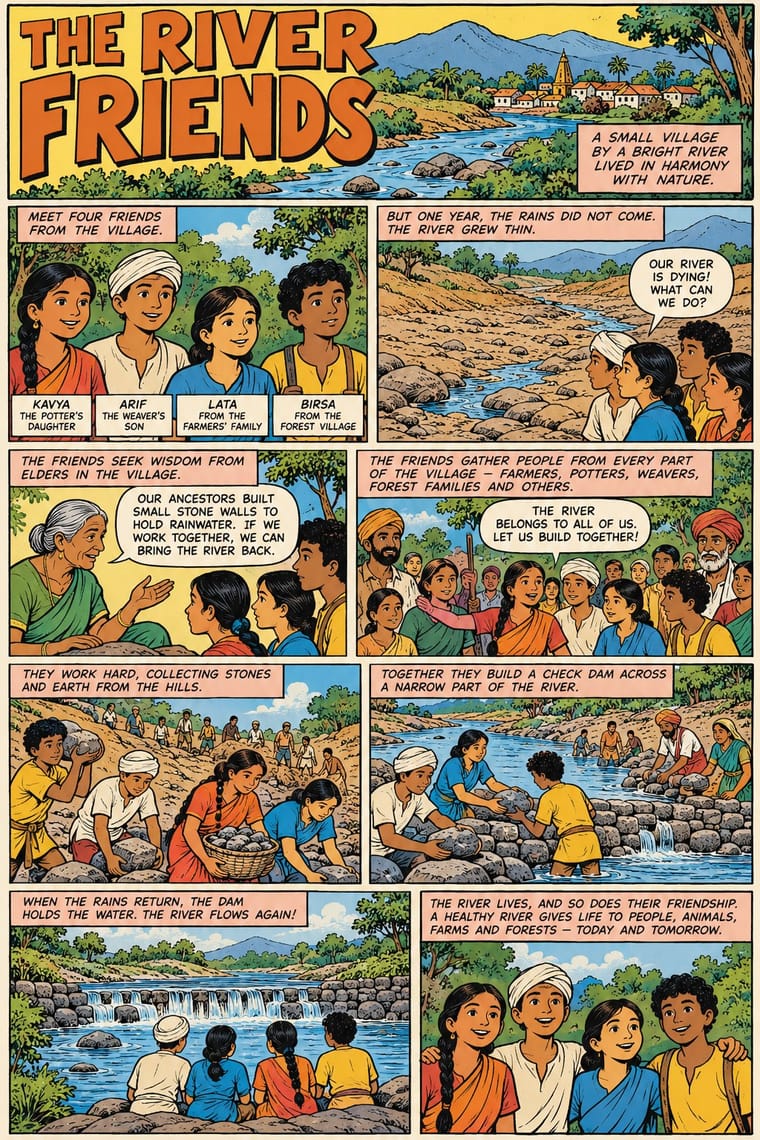
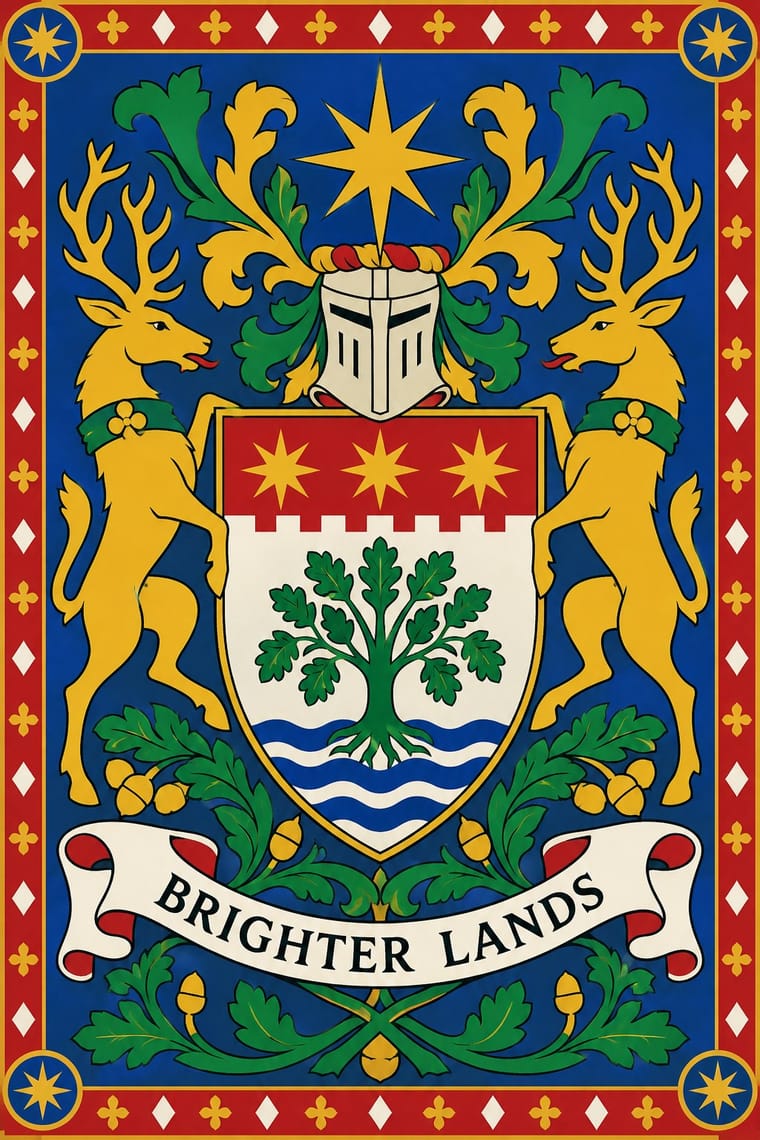
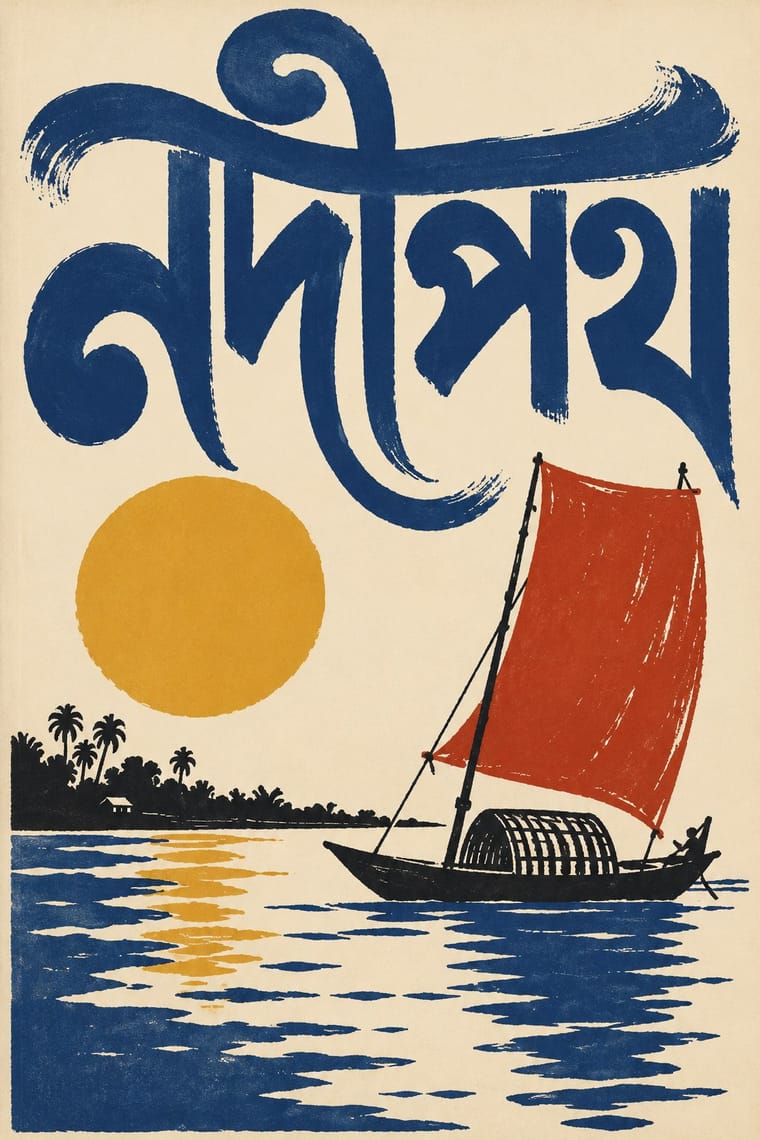
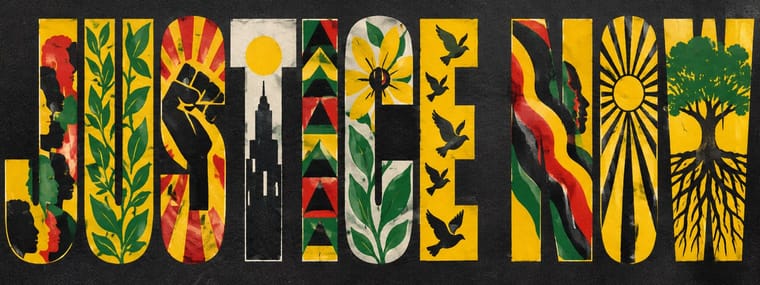
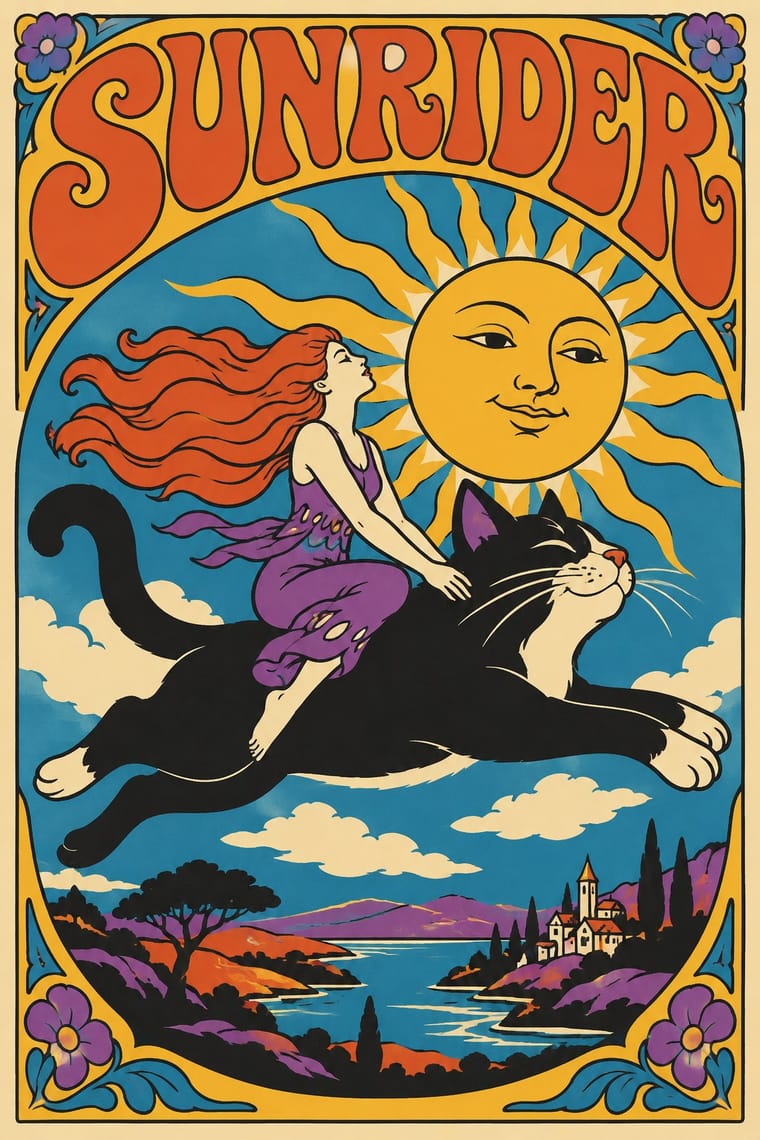
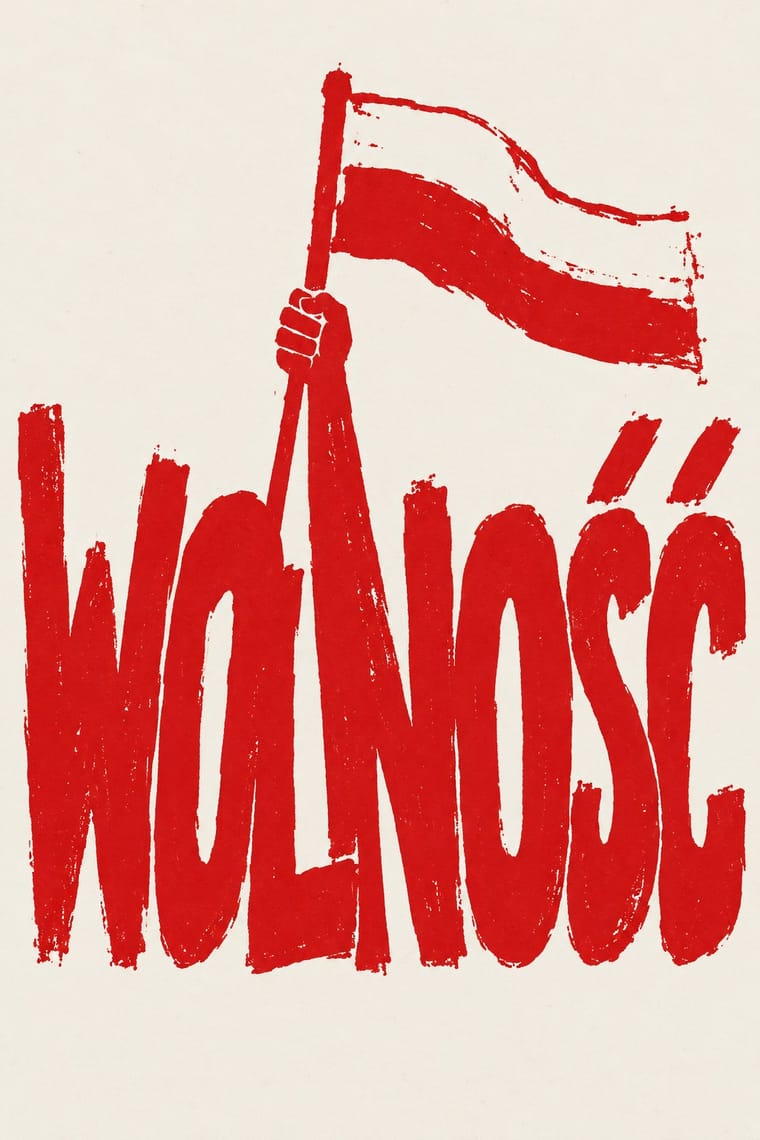
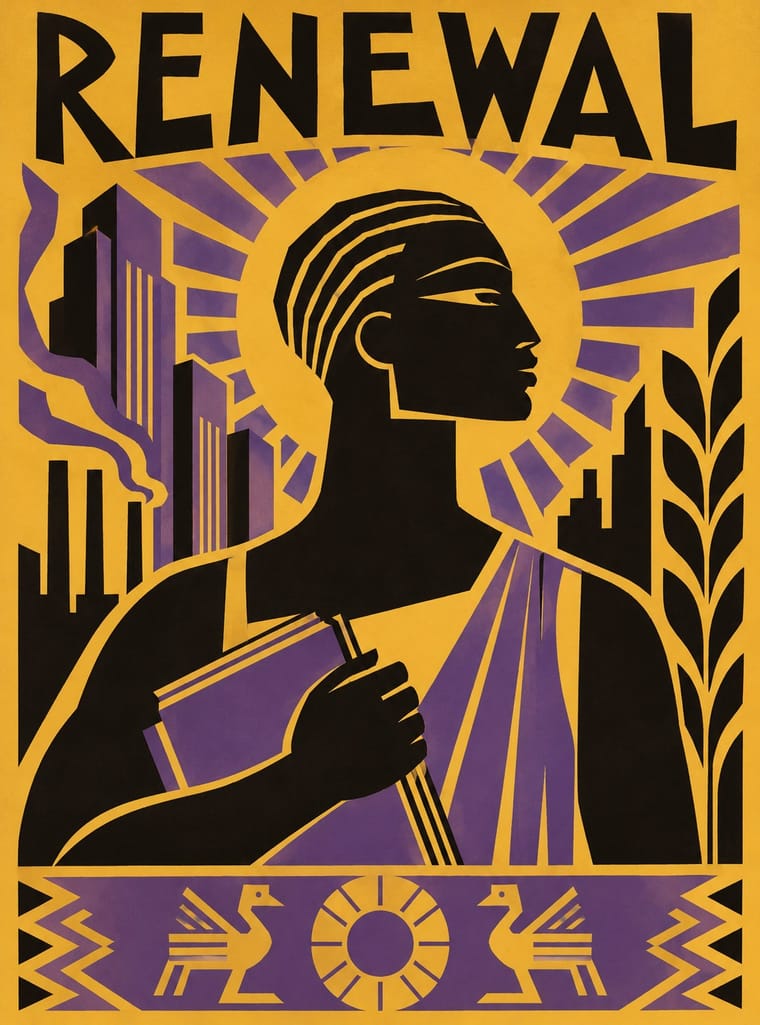
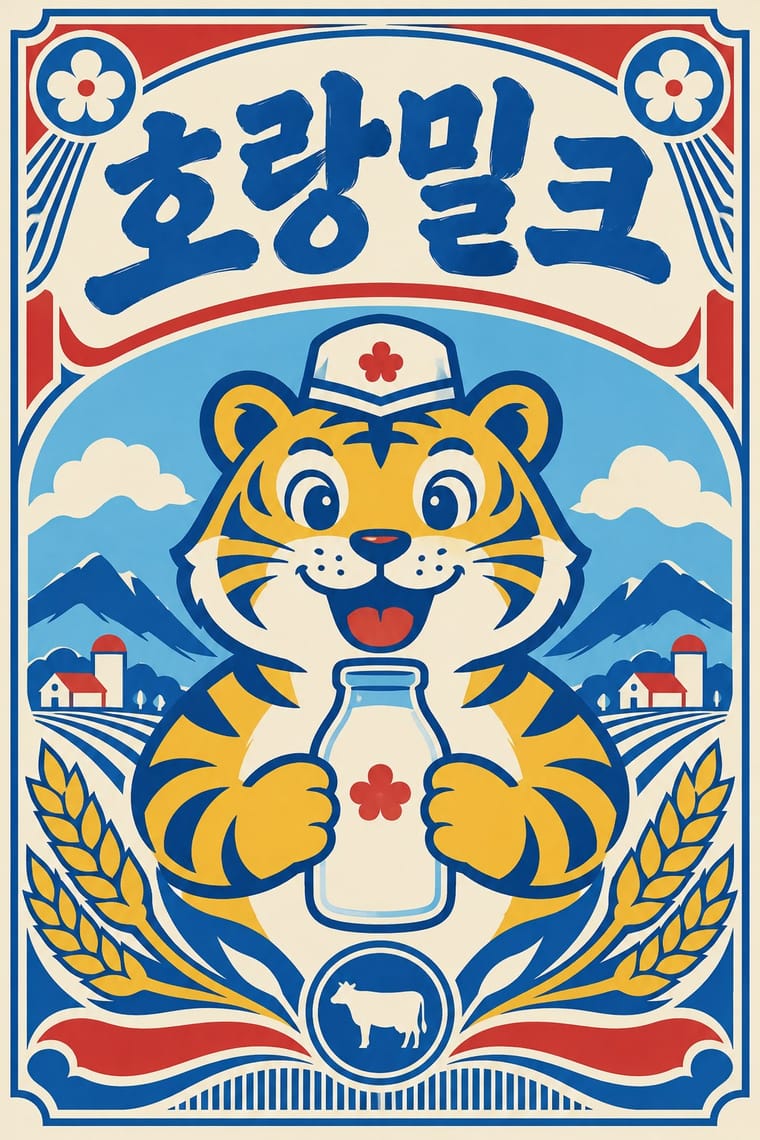
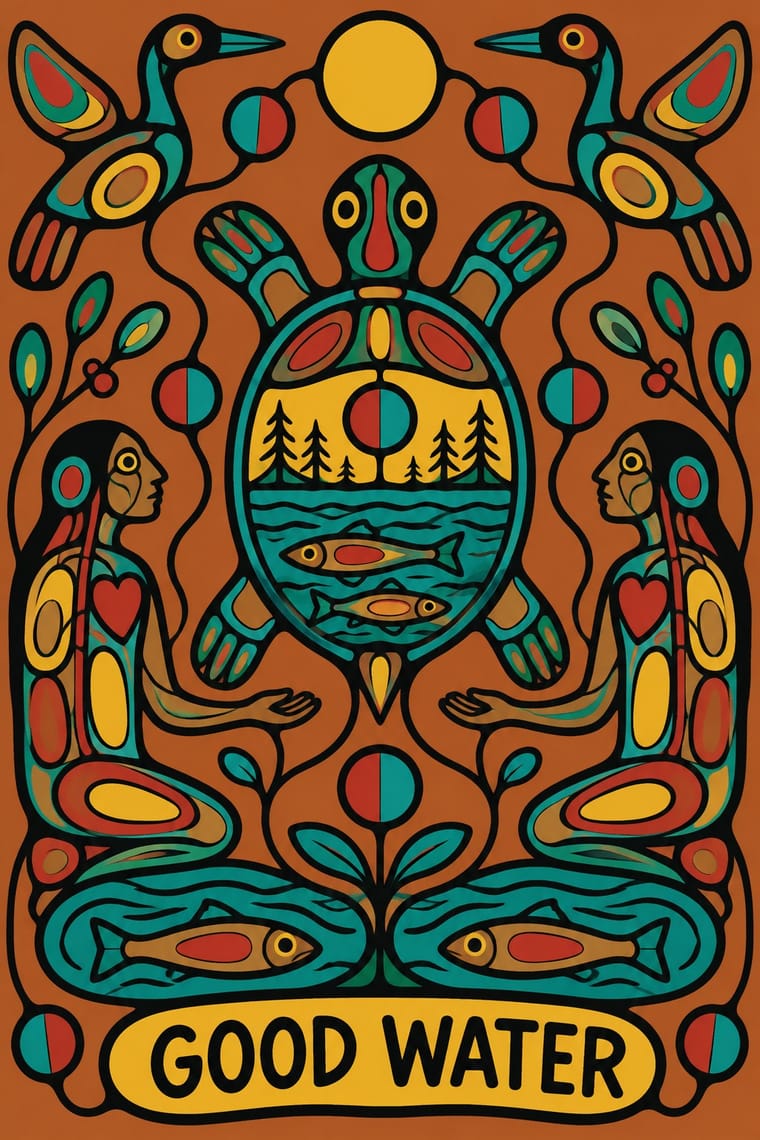
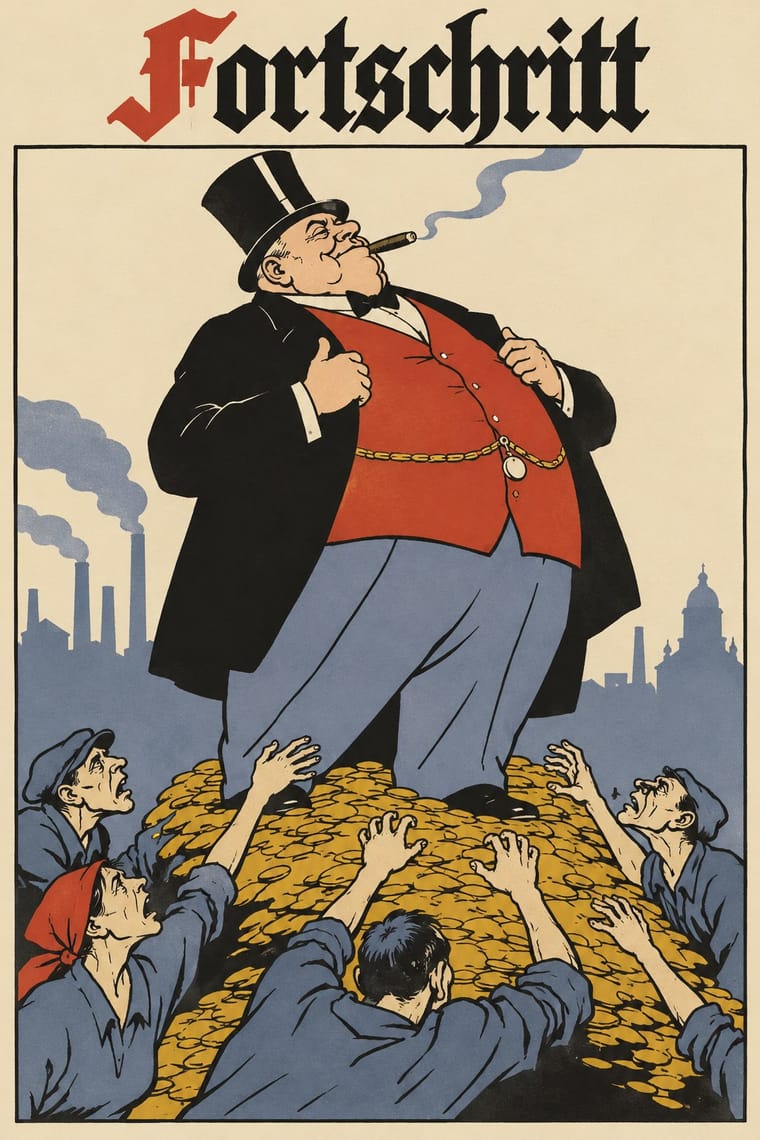
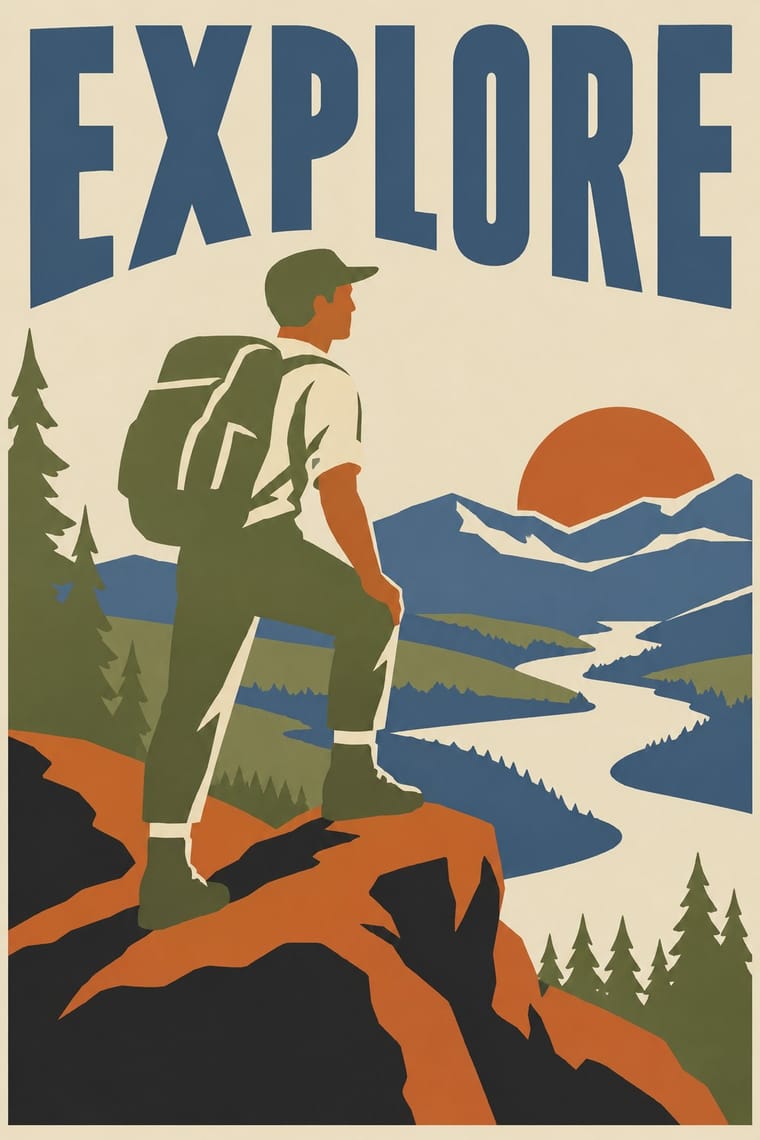
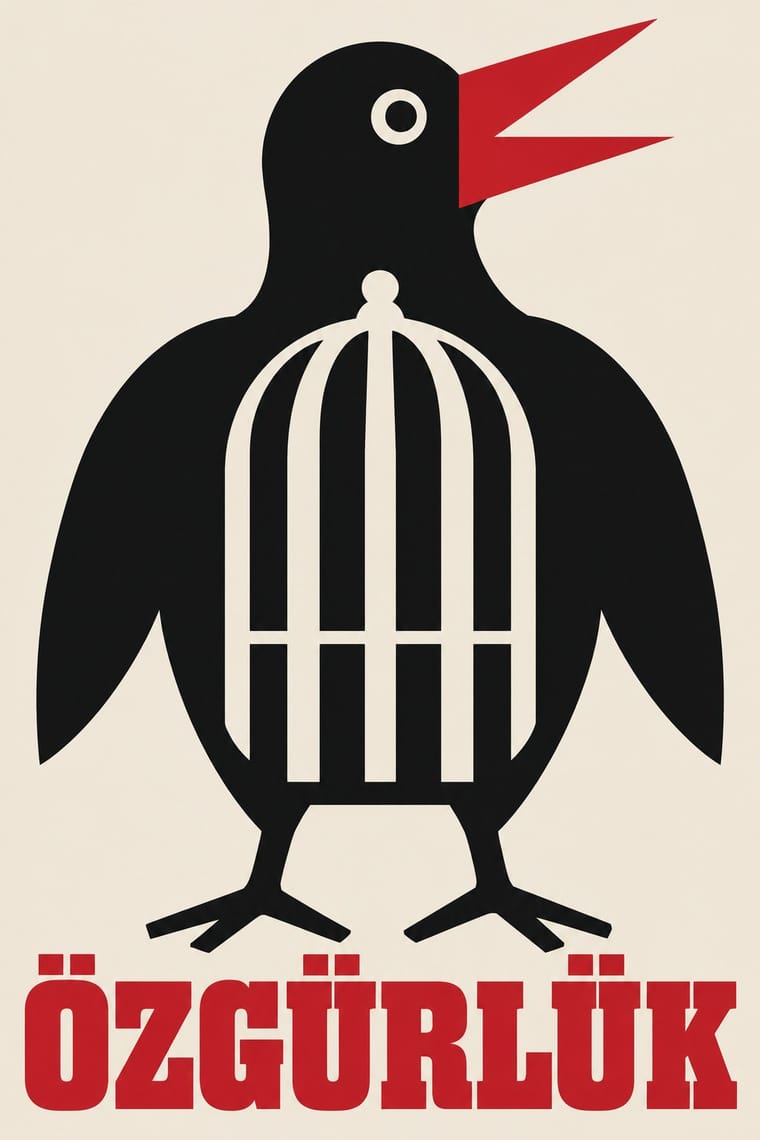
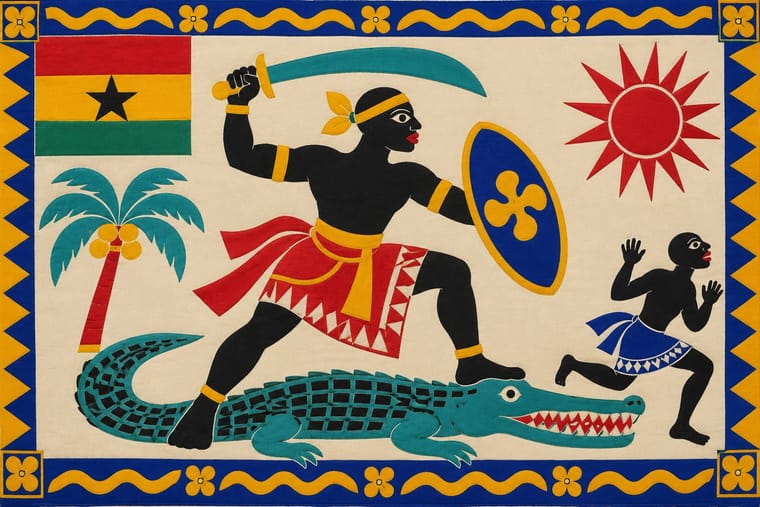
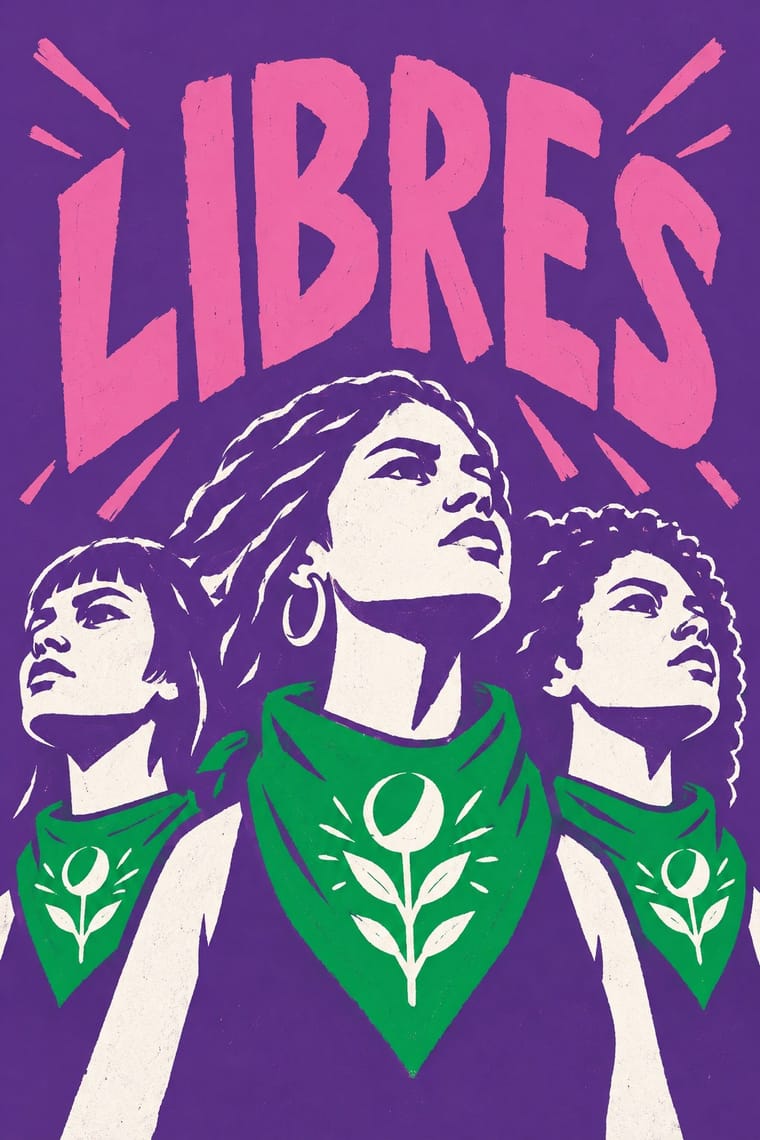
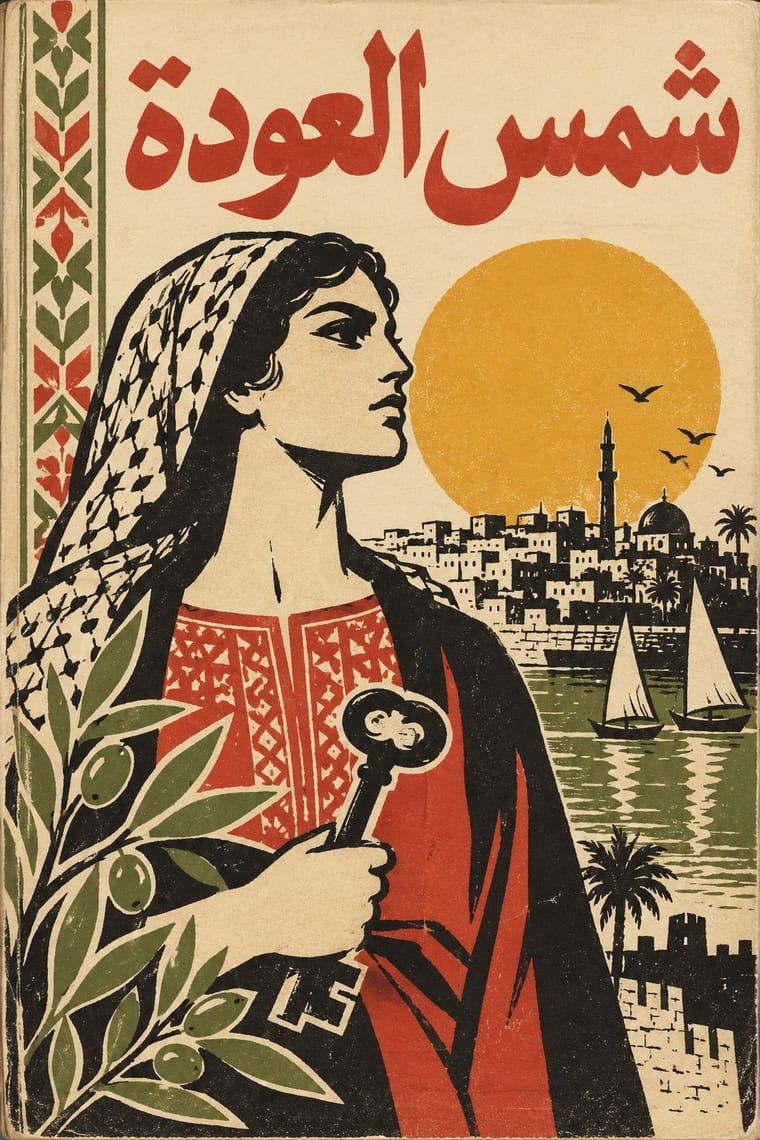
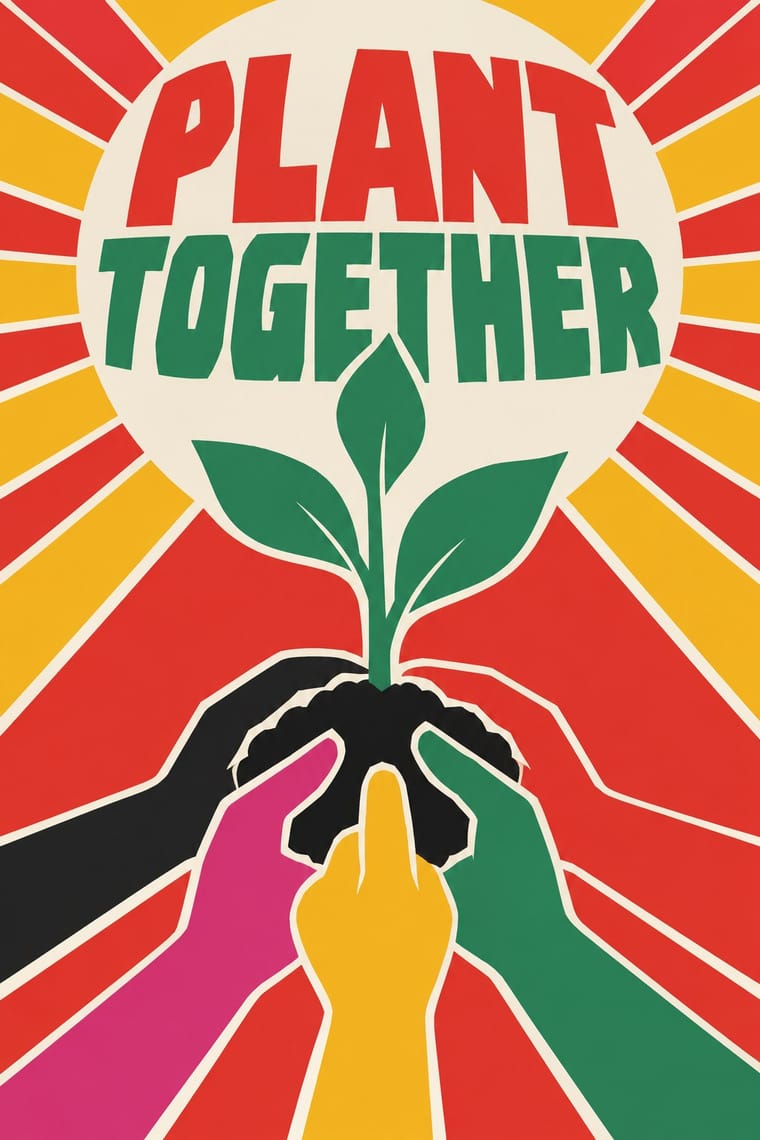
01
Advice for your project
Tell Stylogeny what you’re making and the feeling you’re after. It reads which design choices your words imply and returns a few distinct directions from 362 styles: why each one fits, what you would still add, what to watch out for, and the full design it settles, from layout and lettering to colour and pictures.
02
Made in your style, by Van Riel Online Services
Found a direction you like? Van Riel Online Services makes the things you need in it, so everything you put out looks like it belongs together.
Social media content
Posts and stories made in your style, planned and posted for you. A photographer or videographer on location, replies to comments and messages, and a monthly report can be added.
Stationery and gift sets
Business cards, letterheads, cards and gift sets for your clients and events, all in the same look.
Brand style kit
Your direction written down: palette, typefaces, layout rules, what to do and what to avoid, with example images, so everyone who makes something for you keeps the same look.
Review mirror and signs
A mirror in your shop’s style with a QR code and an NFC tag that invites customers to leave a review, and signs to match.
03
A database of styles, described by their choices
Most style references are mood boards: pictures you have to interpret. Stylogeny describes each style the way a biologist describes a species, by the traits it carries and by where it comes from.
Every style has a genome drawn from one vocabulary of 150 design choices in 10 facets. Each choice is marked as defining, characteristic or occasional, and every style also records what it deliberately avoids. Its descent is recorded too: the style it grew out of and the ones that influenced it. Because all styles are described in the same terms, they can be compared, matched and combined, by people and by software.
- Layout & compositionHow is the picture plane organised?
- Space & hierarchyHow is attention distributed?
- TypographyWhat do the letters look like, and how are they set?
- ColourWhat is the colour strategy?
- Form & shapeWhat is the shape language?
- Surface & textureWhat is the material finish?
- OrnamentHow much decoration, and of what kind?
- ImageryWhat kind of pictures, if any?
- Medium & productionWhat technology shaped it?
- Tone & intentWhat should the work make people feel or do?
- styles
- 362
- design choices
- 150
- world regions
- 13
- real works as evidence
- 608
- design systems underneath
- 12
04
What it does
Advice from a brief in plain words
Describe the job as you would to a colleague: “a poster for a jazz festival, warm but classy, no photos”. Stylogeny returns a few distinct directions, each with why it fits, what it leaves out and what to watch for, plus questions to put to the client.
Find what your design resembles
Describe a design you have, or list its choices, and get the closest styles: what you already share with them, and what each would add.
Fill the decisions still open
Blend one or more styles, lock the choices you have made and rule out the ones you don’t want. For every decision left, Stylogeny suggests options and explains each one, including creative leaps: choices borrowed from unrelated styles that still fit with yours.
See the systems underneath
Beneath the styles sit 12 design systems: bundles of choices that keep turning up together, across centuries and continents. Any design can be read as a mix of them, and the map shows the combinations that only one style has tried.
Grounded in real works
Styles are backed by real artefacts from museums, libraries and archives such as the Met, the Cleveland Museum of Art, the V&A, MoMA, the Library of Congress and Wikimedia Commons: 608 works for 138 of the 362 styles so far, each checked against its style’s period and region and reviewed by a critic. 211 are openly licensed; the rest are linked, not copied.
Images, checked and labelled
Turn a style, a blend or a rarely tried combination into a prompt for an image model, or into a finished image. A vision check compares the result with all the design choices without being told what was intended, and every image is labelled as AI-generated, with its provenance kept.
Family trees and maps
Follow a style back through the styles it grew out of on a time-scaled tree, or see the atlas as a map where styles sit closer the more their choices agree, even when they are centuries and continents apart.
Built in for AI assistants
Advice, matching, blending, systems and images are also available to AI assistants over the Model Context Protocol (MCP), the standard way to give an assistant tools, so it can consult Stylogeny in the middle of a task: while it designs, critiques a visual or writes an image prompt.
05
What it’s used for
Designers and art directors
Turn a vague brief into concrete, defensible directions before the first sketch, and fill the gaps in a concept with choices that belong together.
Client conversations
Give a look a name, show where it comes from and what it is known for, and ask the questions that settle the rest of the design.
Briefing image models
Write prompts from specific design decisions instead of “in the style of” a named artist, with the cultural guidance each style carries.
Brands and local businesses
Pick directions that suit a business’s own look for posts, posters and menus. Van Riel Online Services uses it in its own client work.
Teaching and research
Explore design history beyond the Western canon: how styles descend from one another, and which cultures reached the same ideas independently.
Getting out of a rut
Find the combinations hardly anyone has made, and borrow one choice from a distant style instead of repeating the nearest one.
Respectful by design
Some visual languages belong to living communities or carry sacred meaning. Their styles come with guidance on respectful use, and the most sensitive (a living community’s craft, a sacred text, one artist’s signature work) are never generated. Advice holds back a style rooted in one culture unless the brief points at that culture. Prompts never ask to copy an existing work or a named artist, and a generated image is never presented as a historical one.
06
All 362 styles
Oldest first within each branch. Each style has its own page: its design choices, where it comes from, and real works. Or browse them by world region, by when they began, or by design choice. See the styles added lately, or ask for one that’s missing.
Traditions & vernacular 99
Long-lived craft, folk, sacred and street traditions that seed later movements.
- Amazigh Sign System & Tifinaghc. 0–present
- Chinese Calligraphy & Seal Carving (Shufa & Zhuanke)c. 0–present
- Ancient Egyptian Hieroglyphic & Register Compositionc. 0–394
- Chinese Paper-Cut (Jianzhi)c. 500–present
- Ethiopian Ge'ez Manuscript & Haräg Illuminationc. 500–present
- Andean Woven Graphic Systemsc. 600–present
- Islamic Geometric & Calligraphic Traditionc. 690–present
- Armenian Manuscript Illuminationc. 862–1800
- Hebrew Micrographyc. 895–present
- Maghrebi Script (Maghribi Calligraphy of al-Andalus and North Africa)c. 900–present
- Song–Ming Woodblock Book Typography (Songti / Mincho)c. 960–present
- Kamon (Japanese Family Crests)c. 1100–present
- Nianhua & Chinese Folk Printc. 1100–present
- Square Kufic (Bannāʾī)c. 1100–present
- European Heraldryc. 1140–present
- Gothic Blackletter & Fraktur Traditionc. 1180–present
- Mixteca-Puebla Codex Paintingc. 1200–1560
- Mongol Bichig Calligraphy & Ugalz Ornamentc. 1204–present
- Vyaz (Ornamental Slavonic Lettering)c. 1230–present
- Persian Miniature (Ilkhanid, Timurid and Safavid Book Painting)c. 1300–1700
- Ottoman Tughra & Dîvânî Chancery Calligraphyc. 1324–present
- Mithila (Madhubani) Paintingc. 1350–present
- Persian Nastaʿlīq Calligraphy (Qiṭʿa, Chalipa and Siyāh-mashq)c. 1400–present
- Tibetan Woodblock Print Culture (Pecha & Prayer Flags)c. 1410–present
- Renaissance Book Typographyc. 1460–1600
- Kōwhaiwhai & Toi Māori Design1500–present
- Ma & Wabi-sabi Aesthetics1500–present
- Javanese Wayang Kulit (Tatah Sungging)1500–present
- Zoomorphic & Figural Calligraphy (Islamic Calligrams)1500–present
- Emblem Book (Motto, Picture & Epigram)1531–1724
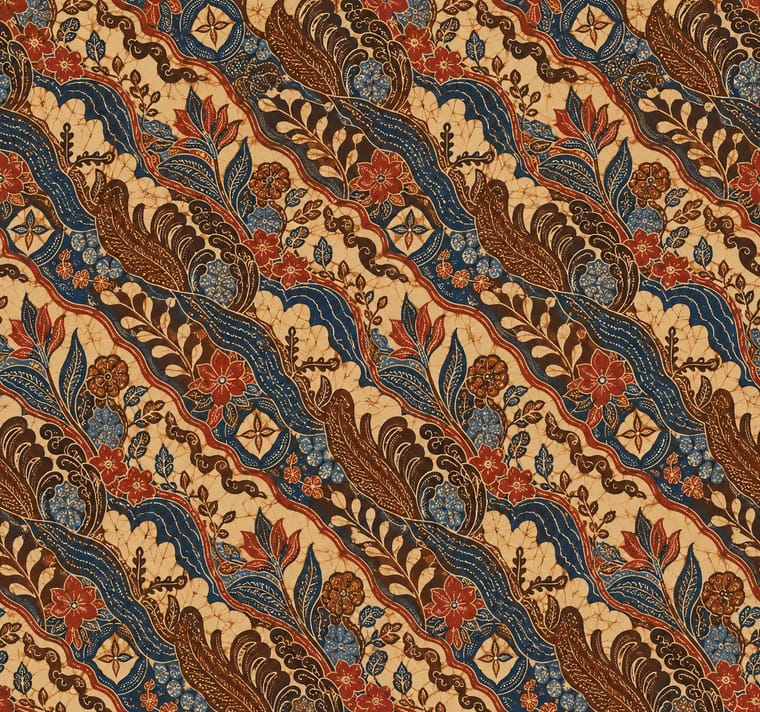
- Batik Pattern Tradition1600–present
- Đông Hồ & Hàng Trống Folk Prints1600–present
- Rinpa & Saga-bon1600–present
- Sápmi Graphic Identity (Duodji & Gákti Colour Code)1600–present
- Ten Bamboo Studio Colour Woodblock (Douban & Gonghua)1626–present
- Tarot de Marseille Woodcut Cards1639–present
- Lubok Popular Print1650–1920
- Ukiyo-e Woodblock Prints1670–1900
- Adinkra & Kente Symbol Systems1700–present
- Diné (Navajo) Weaving Design1700–present
- Northwest Coast Formline Design1700–present
- Pacific Barkcloth (Tapa) Design1700–present
- Thai Yantra (Yant) Diagrams1700–present
- Burmese Parabaik Painting (Konbaung Folding Books)1752–1885
- Neoclassical Book Typography1757–1830
- Chaekgeori & Minhwa Screen Painting1776–present
- Edo-moji Commercial Lettering (Kanteiryū, Yose-moji, Sumō-ji)1779–present
- Imagerie d'Épinal & European Bilderbogen1796–1939
- Hand-Painted Signage & Vernacular Lettering1800–present
- Victorian Letterpress & Wood Type1810–1900
- Bulaq (Amiriyya) Naskh Book Printing1822–1956
- Kalighat Pat & Battala Bazaar Prints1830–1930
- Urdu Katib Lithography1837–present
- Persian Popular Narrative (Lithographs & Coffeehouse Painting)1843–2012
- Cuban Tobacco Lithography (Habilitaciones & Marquillas)1845–present
- Fante Asafo Flags (Frankaa)1850–present
- Nirnaya Sagar Devanagari Typography (Bombay Metal Type)1864–present
- Lira Popular (Chilean Illustrated Verse Broadsheets)1866–1930
- Indian Calendar & Bazaar Art1878–present
- Mexican Popular Graphics (Posada)1880–1917
- African Wax & Fancy Print1880–present
- Kanga (Swahili Message Cloth)1886–present
- Lotería Card Imagery (Mexican Lotería)1887–present
- Fileteado Porteño1890–present
- Bògòlanfini Mud Cloth1900–present
- Guna Mola1900–present
- Senegalese Sufi Devotional Imagery (Souwère Glass Painting and Amadou Bamba Portraits)1900–present
- Uli & Nsibidi Line and Sign Tradition1900–present
- Arnhem Land Bark Painting & Rarrk1912–present
- Amazonian Boat Lettering (Abridores de Letras)1925–present
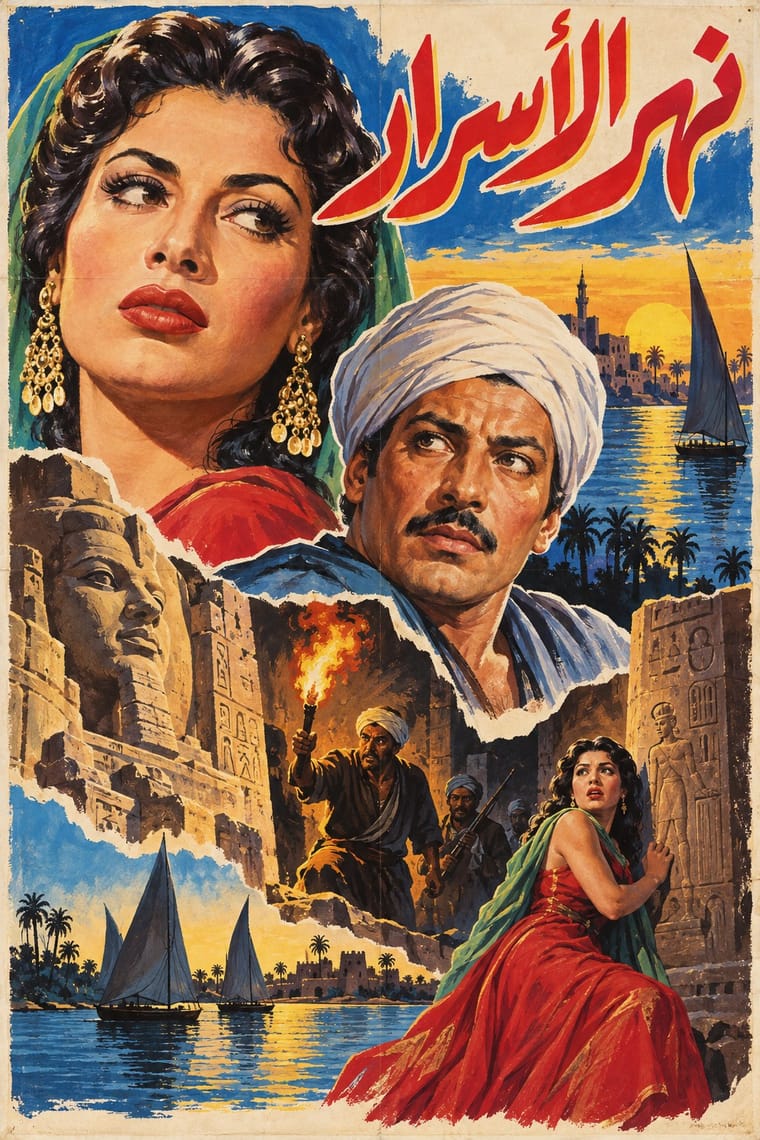
- Egyptian Painted Film Poster1932–1996
- Hand-Painted Bollywood Poster1940–1999
- Literatura de Cordel Woodcut1940–present
- Ndebele Geometric Painting1940–present
- Jeepney Art1946–present
- Onitsha Market Pamphlets1947–1980
- Pakistani Truck Art1947–present
- West African Barbershop & Hair Salon Signs1950–present
- Hong Kong Neon & Beiwei Shop-Sign Lettering1950–present
- Taiwan Floral Cloth (Huabu)1950–present
- Kinngait (Cape Dorset) Inuit Printmaking1957–present
- Woodland School (Legend Painting)1962–present
- Baybayin Revival Graphics1963–present
- Picó Sound-System Painting (Colombian Caribbean)1967–present
- Tingatinga Painting1968–present
- Kinshasa Popular Painting1970–present
- Warli Painting1970–present
- Western Desert Iconography1971–present
- Pardhan Gond Painting (Jangarh Kalam)1981–present
- Ghanaian Movie Poster1985–2005
- Madinah Mushaf (King Fahd Complex Qur'an Page)1985–present
- Ghanaian Funeral Poster & Banner1990–present
- Matatu & Nganya Art1990–present
- Nigerian Pentecostal Crusade Poster & Billboard1990–present
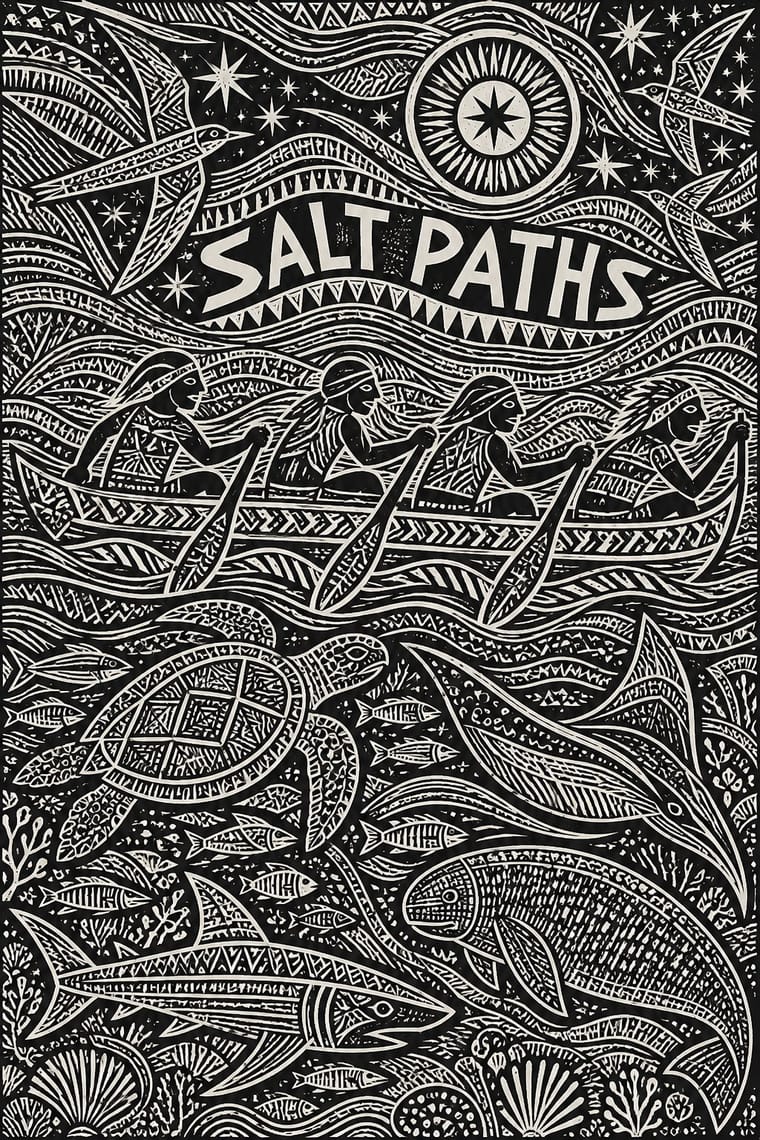
- Torres Strait Islander Linocut1991–present
- Nollywood Video Jacket & Film Poster1992–present
- Tamil Nadu Flex Banners2000–present
- Contemporary Chinese Book Design ('Most Beautiful Books of China')2003–present
- Neo-Andean Architecture (Cholets)2005–present
Craft & organic 14
Arts & Crafts through Art Nouveau: the hand, nature and the unified work of art.
- Arts & Crafts Movement1860–1920
- Japonisme1860–1910
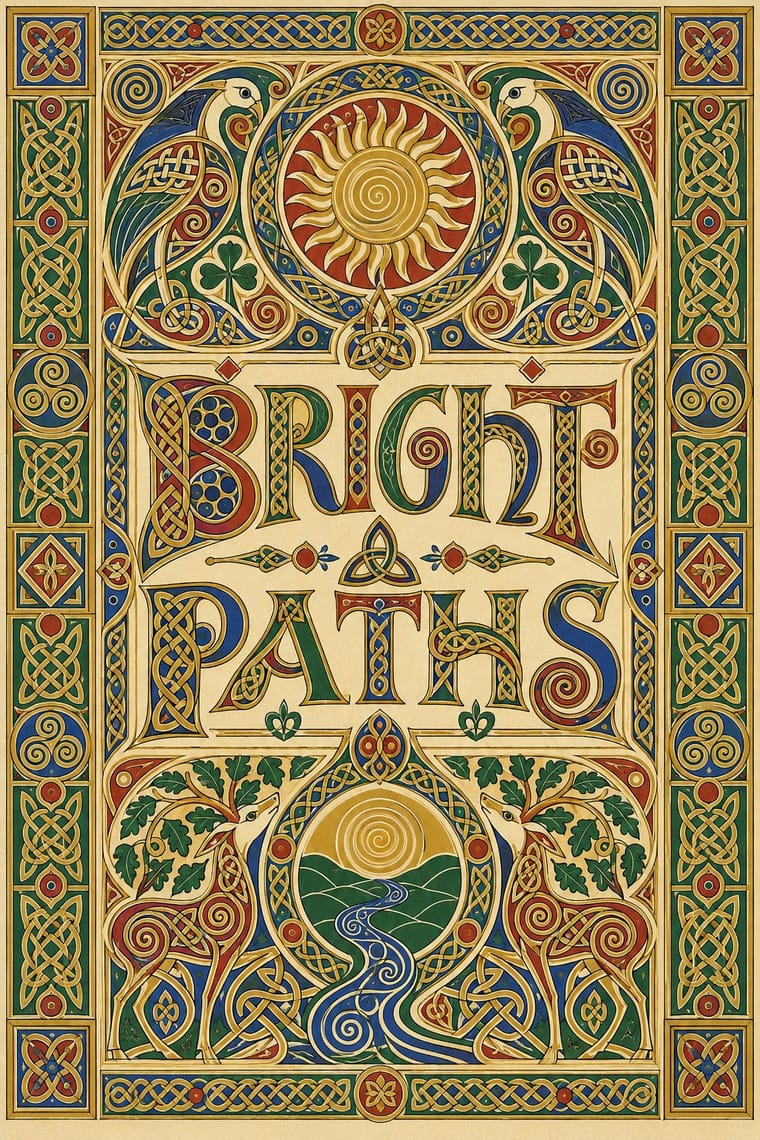
- Celtic Revival Illumination & Lettering1861–1951
- Norwegian and Finnish National Romantic Graphics (Munthe & Karelianism)1880–1922
- Art Nouveau1890–1910
- Glasgow Style1890–1914
- Nieuwe Kunst (Dutch Art Nouveau)1892–1914
- German Book Art Movement (Buchkunstbewegung)1895–1933
- Vienna Secession1897–1918
- Mir iskusstva Book Art1898–1927
- Santiniketan & Bengal School Graphics1905–1954
- Bezalel School1906–1929
- Taishō Roman & Lyrical Illustration1910–1940
- Solarpunk2014–present
Avant-garde 22
Early 20th-century experiments that broke pictorial and typographic convention.
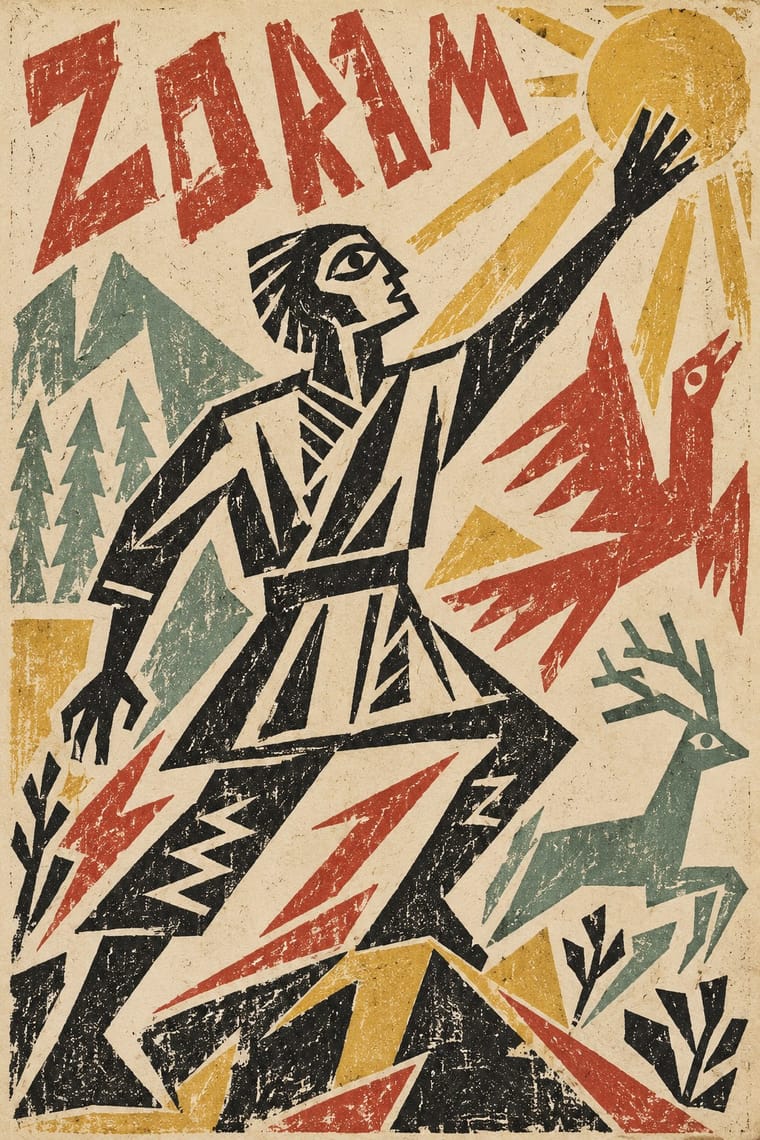
- Expressionist Woodcut Graphics1905–1925
- Cubist Pictorial Space1907–1925
- Italian Futurism1909–1944
- Russian Futurist Book1910–1920
- Vorticism & BLAST Typography1914–1920
- Suprematism1915–1925
- Dada1916–1924
- Russian Constructivism1917–1934
- De Stijl1917–1931
- Kultur-Lige & Yiddish Avant-Garde Book Design1917–1924
- Wendingen & Amsterdam School Typography1918–1932
- Bauhaus1919–1933
- ROSTA Windows1919–1922
- Estridentismo (Stridentist) Graphics1921–1927
- Brazilian Modernismo Graphics (Klaxon and the Semana de 22)1922–1929
- Czech Poetist Book Design (Devětsil)1922–1938
- Leningrad Avant-Garde Picture Book1922–1936
- Mavo1923–1925
- Die Neue Typographie1923–1940
- Surrealist Graphics1924–1960
- AIZ Political Photomontage (Heartfield)1930–1938
- Chinese Modern Woodcut Movement1931–1949
Pictorial & machine age 66
Posters, Deco glamour and illustrative modernism built for mass persuasion.
- Belle Époque Lithographic Poster1866–1914
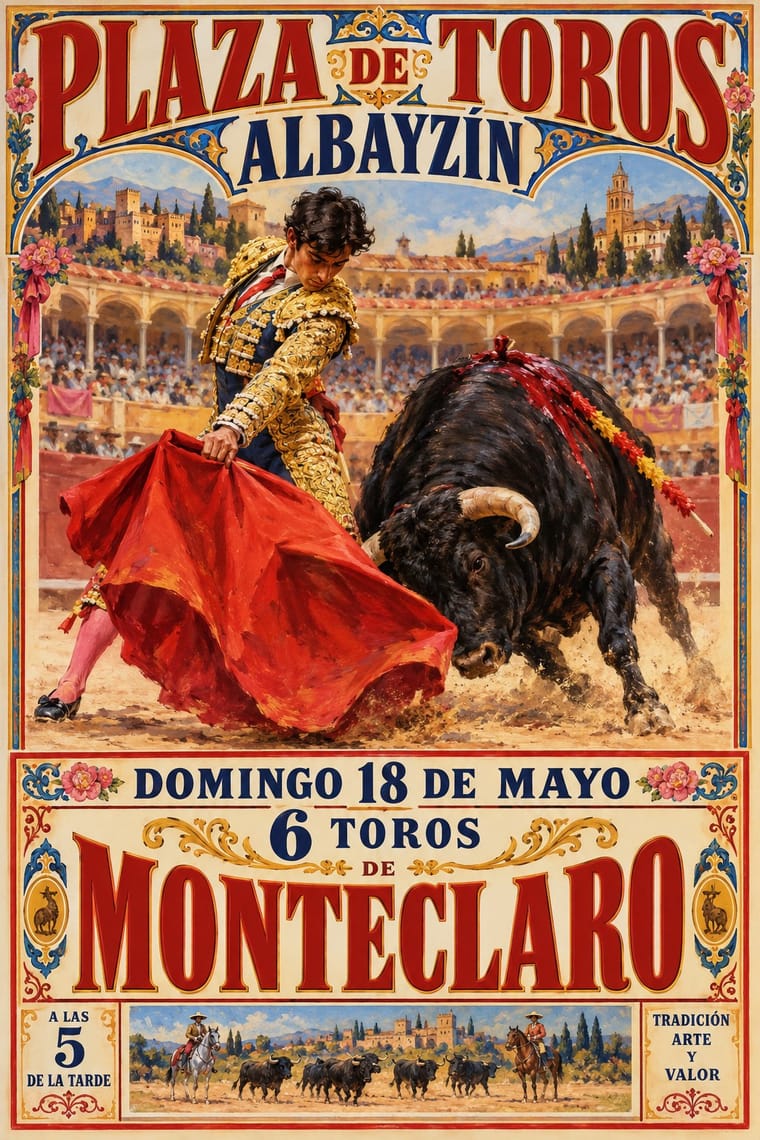
- Spanish Bullfight Poster (Cartel Taurino)1879–present
- Simplicissimus Satirical Style (Munich)1896–1944
- Plakatstil / Sachplakat1905–1920
- Art Deco1910–1939
- Shanghai Modern & Yuefenpai1910–1949
- Hungarian Revolutionary Poster1912–1919
- Basel Object Poster (Swiss Sachplakat)1919–1955
- Italian Fascist Graphics (Romanità & Exhibition Photomontage)1921–1943
- Republican Chinese Book Cover Design (Lu Xun & Tao Yuanqing)1923–1949
- Harlem Renaissance Graphic Art1925–1940
- Lianhuanhua Picture-Story Books1925–1990
- Early Turkish Republican Graphic Design1925–1960
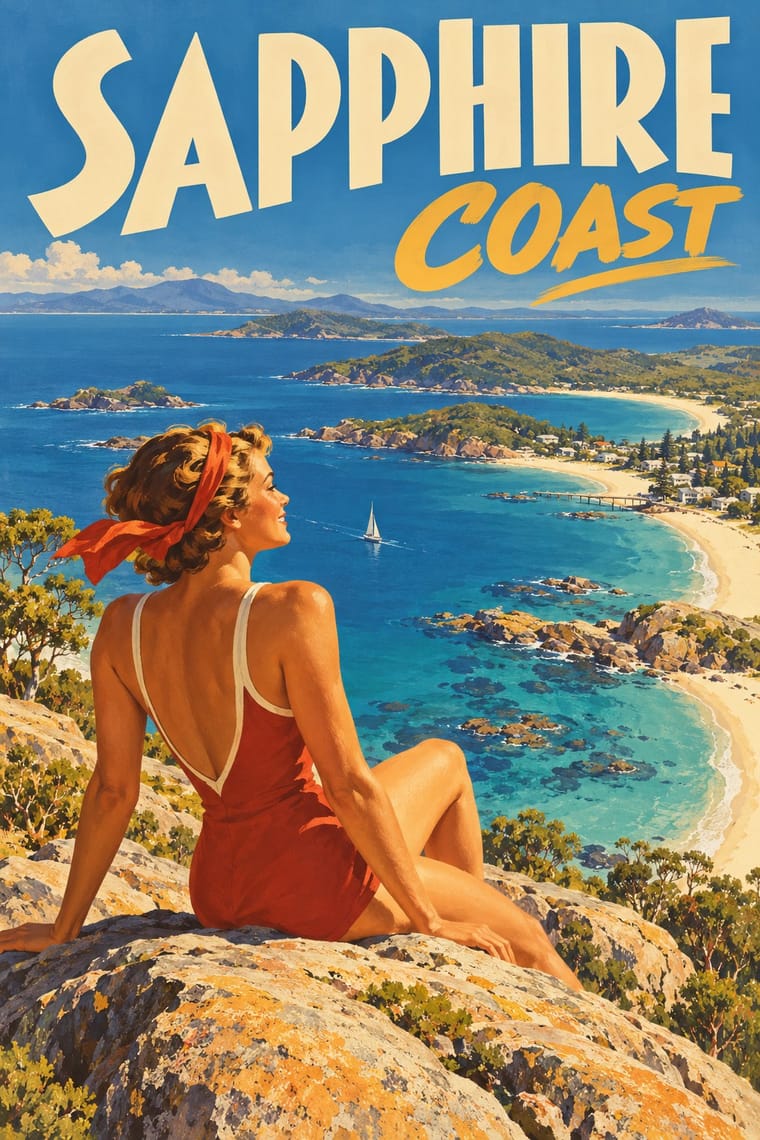
- Australian Travel Poster (ANTA Era)1929–1959
- Filipino Komiks1929–1999
- Giallo Mondadori Covers (I Libri Gialli)1929–present
- Ligne Claire (Franco-Belgian Clear Line)1929–present
- Mexican Calendar Chromo (Cromos calendáricos)1930–1970
- Streamline Moderne1930–1945
- Socialist Realist Propaganda Poster1932–1989
- Estado Novo Folk Modernism (SPN)1933–1949
- American Four-Colour Comic Book (Golden to Bronze Age)1934–1993
- Hebrew Poster Lettering & Early Israeli State Design1934–1974
- Tiki Pop (Polynesian Pop)1934–present
- WPA Silkscreen Posters1935–1943
- Spanish Civil War Poster1936–1939
- Taller de Gráfica Popular1937–1977
- American Mid-Century Modernism1940–1970
- Bengali Modernist Book Cover (Prachchhad)1943–present
- Googie & Atomic Age1945–1965
- Vietnamese Propaganda Poster (Tranh cổ động)1945–present
- Puerto Rican Silkscreen Poster (DIVEDCO & ICP)1946–1989
- Escuela Bruguera (Spanish Humour Comics)1947–1986
- Fotoromanzo (Italian Photo-Romance)1947–present
- Story Manga (Postwar Japanese Comics)1947–present
- Argentine Adventure Historieta (Oesterheld–Breccia)1948–1996
- Bonelli Fumetto (Italian Popular Adventure Comics)1948–present
- French Post-War Visual-Gag Poster (Savignac, Villemot, Morvan)1948–1979
- Polish Poster School1950–1990
- Drum Magazine & Sophiatown Photojournalism1951–1965
- Cairo–Beirut Arab Modernist Book & Periodical Design1952–1990
- West German Conceptual Film & Culture Poster (Hillmann and Rambow)1953–1990
- Push Pin Style1954–1980
- Zagreb School of Animated Film1954–1980
- Arab Children's Comic Magazines (Samir to Majid)1956–present
- Chinese National-Style Animation (Shanghai Animation Film Studio)1956–1989
- Thaw Modernism (Soviet and Czechoslovak)1956–1968
- Shōjo Manga (Japanese Girls' Comics)1958–present
- Cuban Revolutionary Poster (OSPAAAL & ICAIC)1960–1990
- Greek Tourism Modernism (EOT)1960–1974
- Phototype Expressive Typography (Lubalin & U&lc)1962–1985
- Rorke's Drift Linocut1962–1982
- Palestinian Resistance Poster1965–1993
- Amar Chitra Katha Comics1967–present
- Chilean Unidad Popular & Nueva Canción Graphics1967–1973
- Pop Achorado (Peruvian Agrarian Reform Posters)1969–1975
- Turkish Weekly Humour Magazines (Gırgır to Uykusuz)1972–2025
- Ethiopian Revolutionary Poster (Derg Era)1974–1991
- Métal hurlant Science-Fiction Comics (Mœbius, Druillet & Les Humanoïdes Associés)1974–1987
- Lebanese Civil War Party Poster1975–1990
- South African Resistance Poster1978–1994
- Iranian Revolutionary & Sacred Defence Poster1978–1988
- City Pop Illustration1979–present
- L'Association and French Alternative Comics1990–present
- Polish Information Picture Book (Dwie Siostry)2008–present
- Ukrainian Wartime Graphics (Saint Javelin, War Stamps and Be Brave Like Ukraine)2022–present
Rational modernism 41
Grids, systems and objectivity: design as a neutral, universal method.
- London Transport Design1908–1966
- Isotype Pictorial Statistics1925–1971
- Scandinavian Functionalism1930–present
- Milanese Industrial Modernism (Olivetti, Pirelli, Studio Boggeri)1933–1975
- Nippon Kōbō & Tōhōsha Photo-Propaganda Magazines (NIPPON & FRONT)1933–1945
- Penguin Paperback Design (Three Bands to the Marber Grid)1935–1972
- UPA & Cartoon Modern1944–1960
- Machine-Age Simplified Arabic Type1947–present
- Hurufiyya Calligraphic Modernism1949–present
- Japanese Postwar Modernism1950–1990
- International Typographic Style1950–1975
- Brazilian Concrete Design1951–1975
- Finnish Bold Print (Marimekko Modernism)1951–present
- Zagreb Modernist Graphics (EXAT 51 to Teatar &TD)1951–1975
- Vicente Rojo & Mexican Editorial Modernism1953–1990
- HfG Ulm Systematic Design1953–1968
- Saul and Elaine Bass Conceptual Film Graphics1954–1995
- Corporate Identity Modernism1955–1990
- Blue Note Jazz Sleeve Modernism1956–1967
- Polish Cold War Neon (PRL Neonisation)1956–1981
- British Road Signage (Kinneir & Calvert)1958–present
- Turkish Modernist Poster & Graphic Design1959–2000
- Bossa Nova Sleeve Modernism (César Villela and Elenco)1960–1968
- Di Tella Graphic Design (Instituto Torcuato Di Tella)1960–1970
- Op Art Graphics1960–1975
- Iranian Modernist Graphic Design1960–present
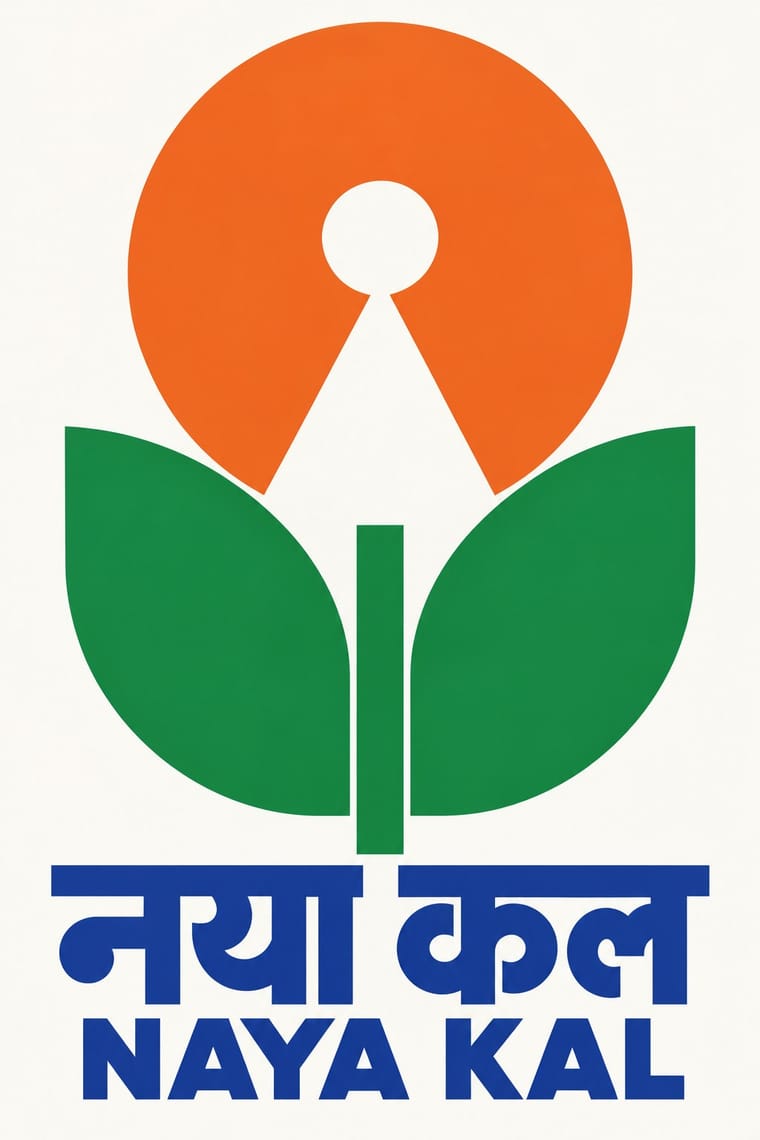
- Indian Institutional Modernism (NID)1961–1990
- Casablanca School Graphic Modernism1962–1987
- Total Design & Dutch Functionalism1963–1990
- Hong Kong East–West Graphic Modernism1964–present
- Minimalist Graphic Design1965–present
- Mexico 68 Olympic & Metro Identity1966–1970
- Munich 1972 Olympic Design (Otl Aicher)1966–1972
- Soviet Central Asian Ornamental Modernism1966–1999
- ECM Sleeve Aesthetic (Munich)1969–present
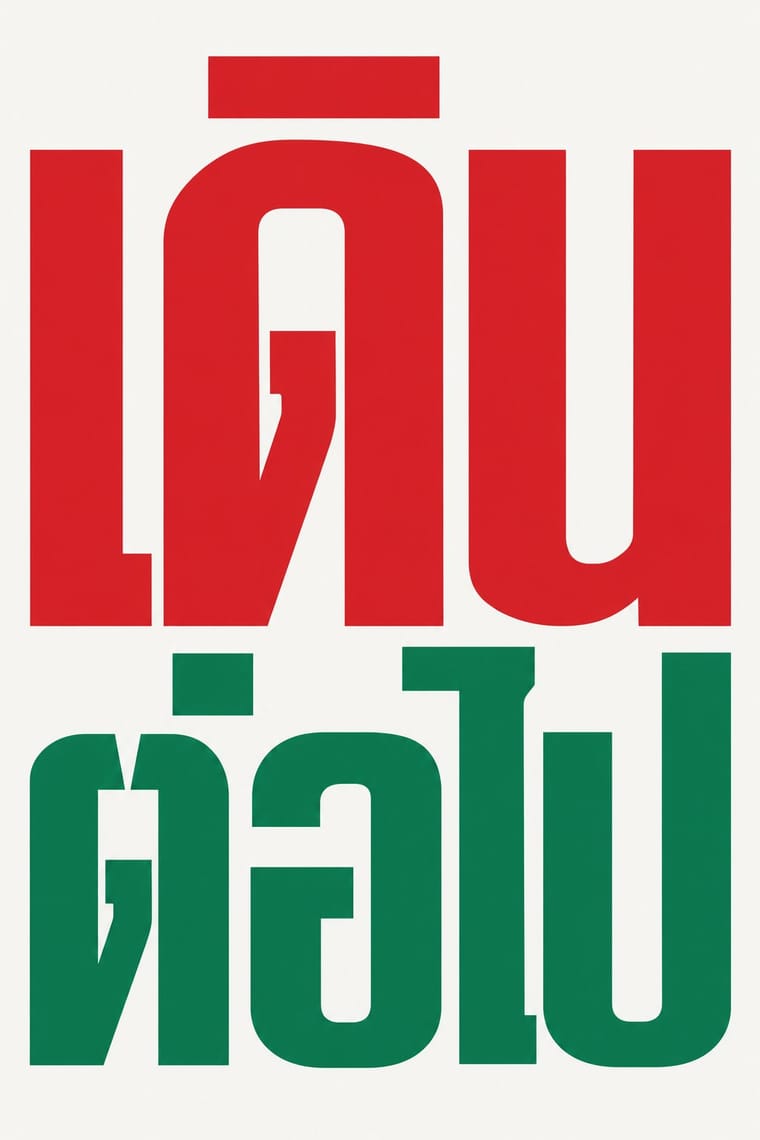
- Roman-like Thai Typography (modern loopless Thai)1973–present
- Contemporary Arabic & Dual-Script Type Design2004–present
- Neo-Swiss Revival2005–present
- Slow-Living Editorial (the Kinfolk Look)2011–present
- Plain Tobacco Packaging2012–present
- Front-of-Pack Warning Octagons (Latin American Food Warning Seals)2016–present
Counterculture 54
Psychedelia, punk, street and club cultures that reject polish and authority.
- Pop Art Graphics1955–1975
- Situationist Détournement Graphics1956–1972
- Dazibao (Big-Character Posters)1957–1980
- Fluxus Graphics (Maciunas)1962–1978
- Tropicália Graphic Design1964–1975
- Angura Theatre Poster1965–1985
- Chicano Screenprint Poster1965–present
- Psychedelic Poster1965–1973
- Black Panther Party Graphics1967–1980
- AfriCOBRA1968–present
- Atelier Populaire (May '68 Screenprint Poster)1968
- Gráfica del 68 (Mexican Student Movement Graphics)1968
- Hipgnosis Photographic Concept Sleeve1968–1983
- Ultras Graphics (Curva Banners and Tifo)1968–present
- Underground Comix1968–1982
- Afrofuturist Design1970–present
- Grapus (French Militant Graphic Collective)1970–1990
- Australian Poster Collective Screenprints1971–1994
- Graffiti & Hip-Hop Graphics1972–present
- Roots Reggae Sleeve Art & Rasta Iconography1973–1985
- Afrobeat Sleeve Art1974–present
- Punk & DIY Zine1976–1986
- La Movida Madrileña Graphics1977–1988
- Stencil Street Art1978–present
- Chicha Poster1980–present
- Jamaican Dancehall Signs & Sleeve Art1980–present
- Pixação (São Paulo Tag Reto)1980–present
- Solidarność & Polish Underground Graphics1980–1989
- ACT UP & Gran Fury AIDS Activist Graphics1987–1995
- Rave & Acid House Graphics1988–2000
- Black Metal Graphics1990–present
- Grunge Typography1990–2000
- Screenprinted Gig & Alt-Movie Poster1991–present
- Bitterkomix (Afrikaans Underground Comics)1992–present
- Hype Streetwear Graphics (Box Logo to Quotation Marks)1993–present
- Indonesian Woodcut Activism (Taring Padi)1998–present
- Arabic Calligraffiti2002–present
- Cartonera Books (Latin American Cardboard Publishing)2003–present
- Oaxacan Protest Printmaking & Street Graphics (ASARO)2006–present
- Arab Independent Comics (Samandal, TokTok, Lab619, Skefkef)2007–present
- Natural Wine Label Art2007–present
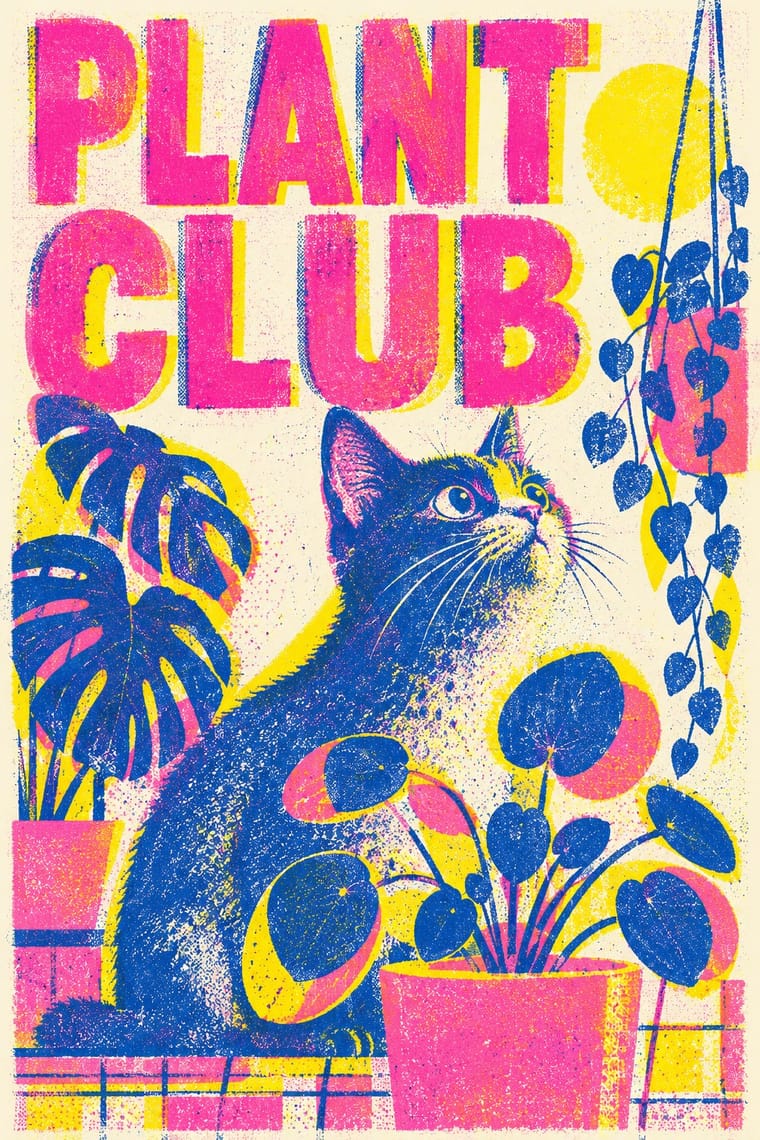
- Risograph & Indie Print Culture2008–present
- Egyptian Revolutionary Street Art (Mohamed Mahmoud Murals)2011–2014
- Syrian Revolution Graphics (Kafranbel Banners & Poster Collectives)2011–2024
- Hong Kong Protest Art (Umbrella Movement to the 2019–20 Protests)2014–2020
- Latin American Feminist Protest Graphics (Ni Una Menos and the Green Wave)2015–present
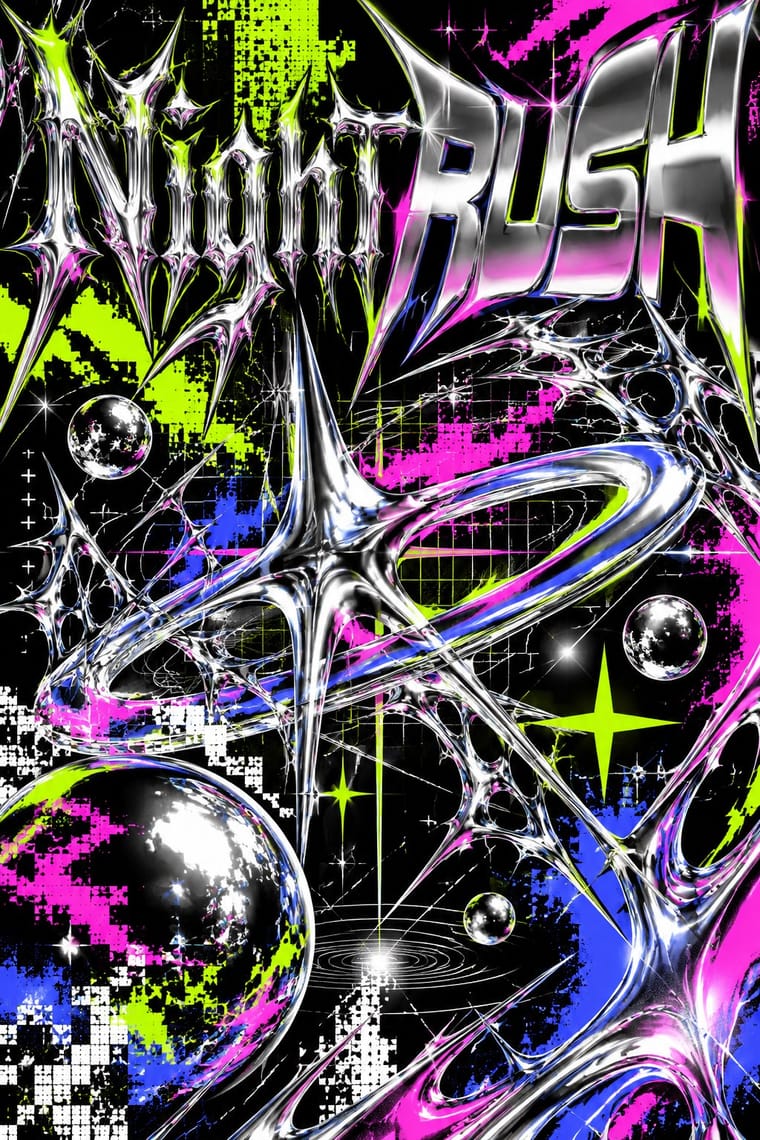
- Acid Graphics / New Ugly2016–present
- Extinction Rebellion Graphics2018–present
- Post-Binary Typography (Bye Bye Binary and Inclusive French Type)2018–present
- Sudanese Revolution Graphics (Digital Illustrations and Sit-in Murals)2018–present
- Chilean Estallido Social Graphics (Revuelta Popular of 2019–20)2019–2022
- Black Lives Matter Street Murals2020–present
- Palestinian Watermelon and Keffiyeh Graphics2021–present
- Woman, Life, Freedom Protest Graphics (Iran and the Diaspora)2022–present
Postmodern 25
Irony, layering and deconstruction of modernist certainty.
- Swiss Punk / New Wave Typography1968–1990
- Kawaii Design1970–present
- Dutch Expressive Postmodernism (Studio Dumbar & Hard Werken)1977–1994
- Post-Punk Record Sleeve (Stiff, Factory, 4AD)1977–1990
- Cranbrook & Deconstructivist Typography1980–1998
- NSK Retro-Avant-Garde1980–present
- Memphis Design1981–1988
- Emigre & Early Digital Type1984–1998
- Out-of-Square Hangul Typography1985–present
- Techno-Futurist Graphics1986–2002
- Global Village Coffeehouse1988–2003
- Superflat1993–present
- South African Vernacular Design (Ijusi)1995–present
- Indian Pop-Kitsch Design (Desi Kitsch)1997–present
- Korean Commercial Calligraphy (Kaelligeurapi)1999–present
- Yuru-chara (Japanese Local Mascot Design)2000–present
- Hauntology & Ghost Box Design2004–present
- Itasha (Anime Character Car Graphics)2005–present
- Modern Calligraphy and Brush Lettering2005–present
- Seoul Independent Graphic Design (Small-Studio Scene)2005–present
- Hipster Artisanal Revival2007–2018
- Lucerne Poster Scene (Neubad & Südpol Posters)2007–present
- Data Humanism2014–present
- Newtro (Korean New-Retro)2017–present
- Guochao (China-Chic National Trend)2018–present
Digital native 41
Styles born on screens: interfaces, the web and generative systems.
- Bitmap & Pixel Graphics1977–1995
- Demoscene Graphics (Cracktros, Demos & Text-Mode Art)1985–present
- Early Web Vernacular1994–2004
- Emoji Pictographic Language1997–present
- Y2K Futurism1997–2005
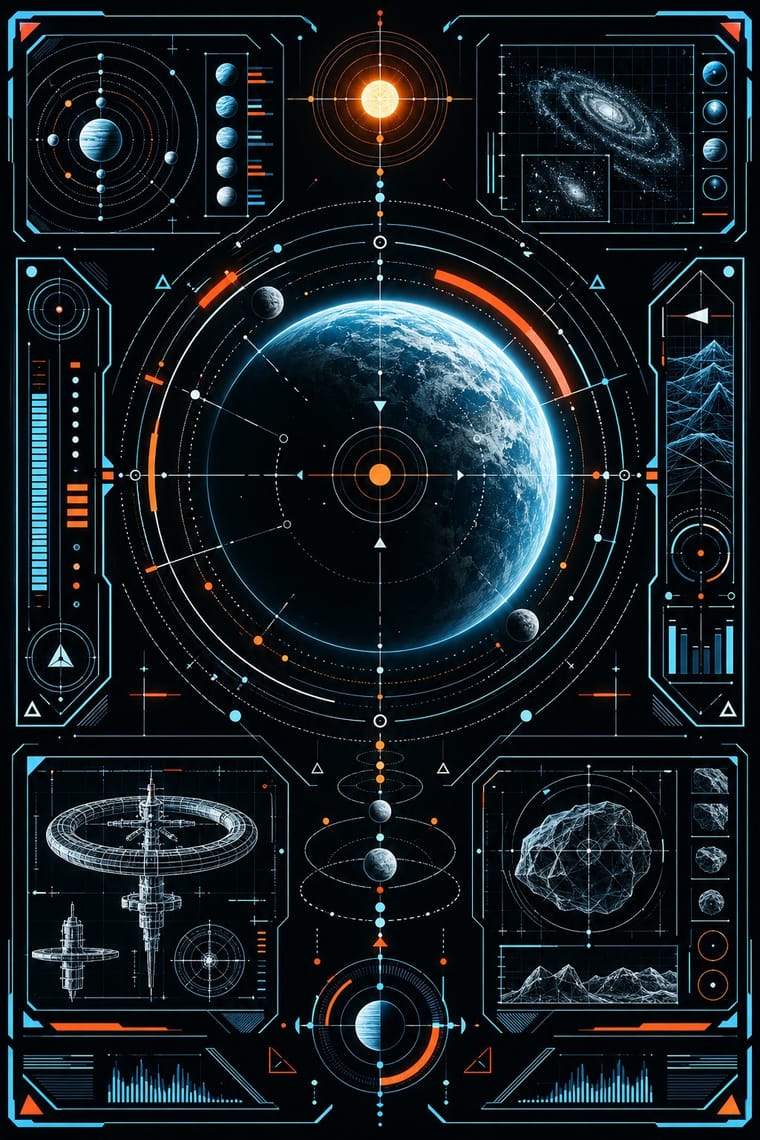
- Fantasy User Interface (FUI) & Sci-Fi HUD1999–present
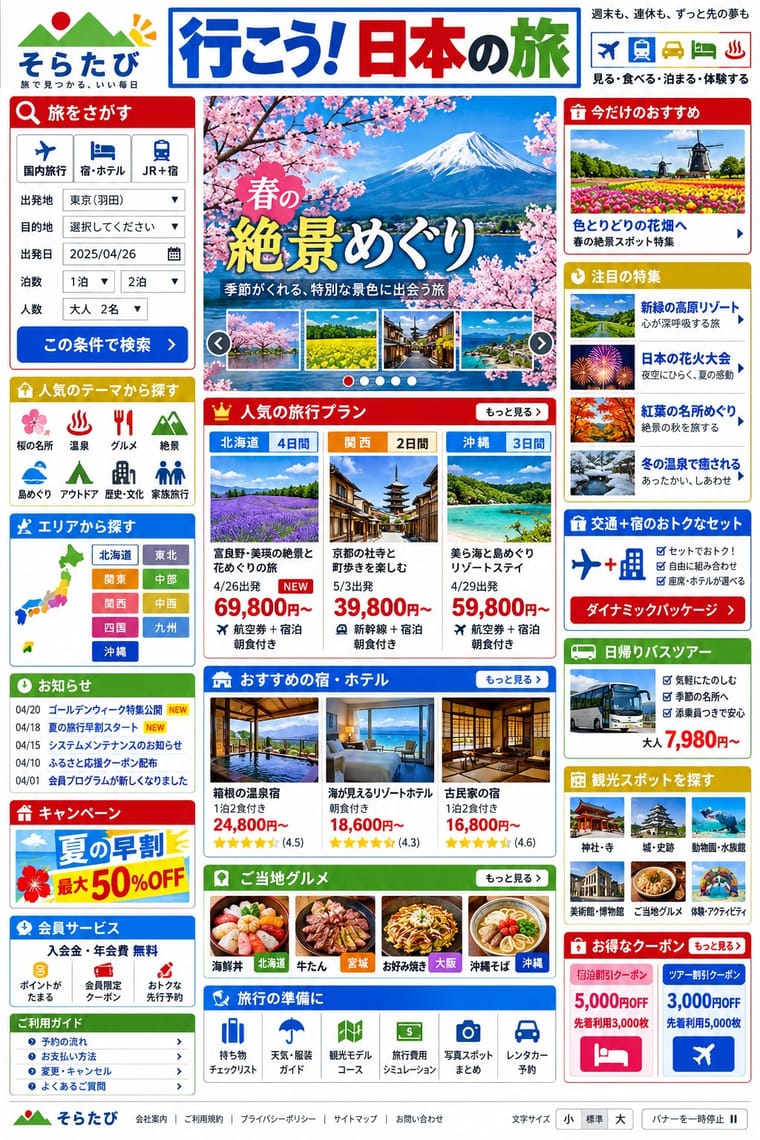
- Japanese Dense Web Design1999–present
- Skeuomorphic UI2000–2013
- Glitch Art & Datamosh Graphics2001–present
- Korean Webtoon Graphics2002–present
- Internet Ugly & Meme Vernacular2003–present
- Frutiger Aero2004–2013
- Danmaku Bullet-Comment Overlay2006–present
- Synthwave / Outrun2006–present
- Generative & Dynamic Identities2007–present
- Newsroom Data Graphics & Scrollytelling2009–present
- Flat Design2010–2016
- Vaporwave2011–2017
- DTC 'Blanding' / Millennial Minimalism2012–2022
- GOV.UK Design (GDS Style)2012–present
- Low Poly Illustration2012–present
- YouTube Thumbnail Style (the 'YouTube Face')2012–present
- 'Good Morning' Greeting Images (WhatsApp Forward Vernacular)2013–present
- Material Design2014–present
- Brutalist Web Design2014–present
- Analog Horror Graphics2015–present
- Illustrated Rom-Com Book Cover (Cartoon Couple Cover)2016–present
- Kinetic Typography & Variable Type2016–present
- VTuber Avatar and Stream Graphics2016–present
- Corporate Memphis2017–present
- Lo-fi Anime Aesthetic2017–present
- NFT Profile-Picture Collections (CryptoPunks to Bored Apes)2017–present
- Book Blob (Abstract Colour-Blob Literary Fiction Cover)2019–2023
- Dark Tech Minimalism2019–present
- Neumorphism2019–2021
- Weirdcore & Dreamcore2019–present
- Claymorphism & Soft 3D2020–present
- Glassmorphism2020–present
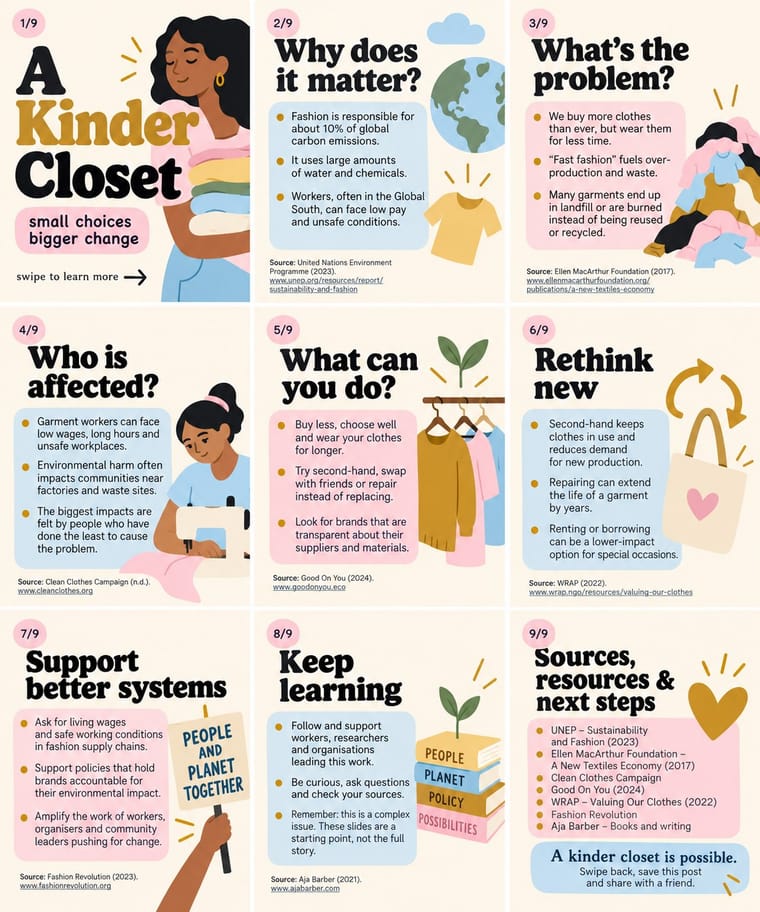
- Instagram Slideshow Activism (Social-Justice Infographics)2020–present
- Neo-Brutalism2020–present
- Generative-AI Image Aesthetic2022–present