Traditions & vernacular · 1880–1917 · Latin America & Caribbean
Mexican Popular Graphics (Posada)
Also known as Hojas volantes, Calaveras, Vanegas Arroyo broadsheets
Cheap broadsheets, chapbooks and gazettes sold on the streets of Porfirian Mexico City by the publisher Antonio Vanegas Arroyo and illustrated by Manuel Manilla and José Guadalupe Posada. A bold relief picture of crime, disaster, miracle or satire sits under shouting display type and columns of corridos, printed in black on brightly coloured cheap paper, while the calavera skeleton lampoons every class.
Make something in this styleGet advice in this styleMix it with another style
01
How it works
- Pair one bold relief-cut picture with a shouting headline in mixed display types above columns of verse or news.
- Cut images in heavy black line with white-line hatching and strong silhouettes so they survive cheap printing.
- Print black on cheap, brightly coloured paper (magenta, green, yellow) instead of white.
- Turn everyone, from politicians to street vendors, into calaveras and deliver the satire through laughter at death.
- Reuse and recombine stock cuts across sheets as the news demands.
Mexico City (Imprenta de Antonio Vanegas Arroyo)
02
Its design choices
From Stylogeny’s vocabulary of design choices: defining choices make the style, characteristic ones are usual, occasional ones turn up now and then.
- Layout & composition
- Space & hierarchy
- Typography
- Form & shape
- Surface & texture
- Ornament
- Imagery
- Medium & production
- Tone & intent
- Avoids
- Generous white space, Dynamic asymmetry, Non-representational, Straight photography, Gloss & highlights, Ornament-free
Palette
#151515#d6337f#5aa05a#f0d14a#efe6cf
Typefaces
Nineteenth-century display types
Egyptians, Tuscans and Latins
Modern (Didone) roman for corridos and verse
Hand-cut lettering engraved into the relief block
Known for
José Guadalupe Posada
1852–1913
Manuel Manilla
engraver for the Vanegas Arroyo press
Imprenta de Antonio Vanegas Arroyo
founded 1880; run by Vanegas Arroyo until his death in 1917, then by his family
La Calavera Garbancera (La Catrina), c. 1910–13
Gaceta Callejera broadsheets
1890s
03
Make something in this style
Say what you need, and Stylogeny’s image studio draws it from Mexican Popular Graphics (Posada)’s design choices and checks it against them. It takes about a minute, and you get a link to share.
04
Where it comes from, and what it’s close to
Before it
The style it grew out of, and the styles it borrowed from.
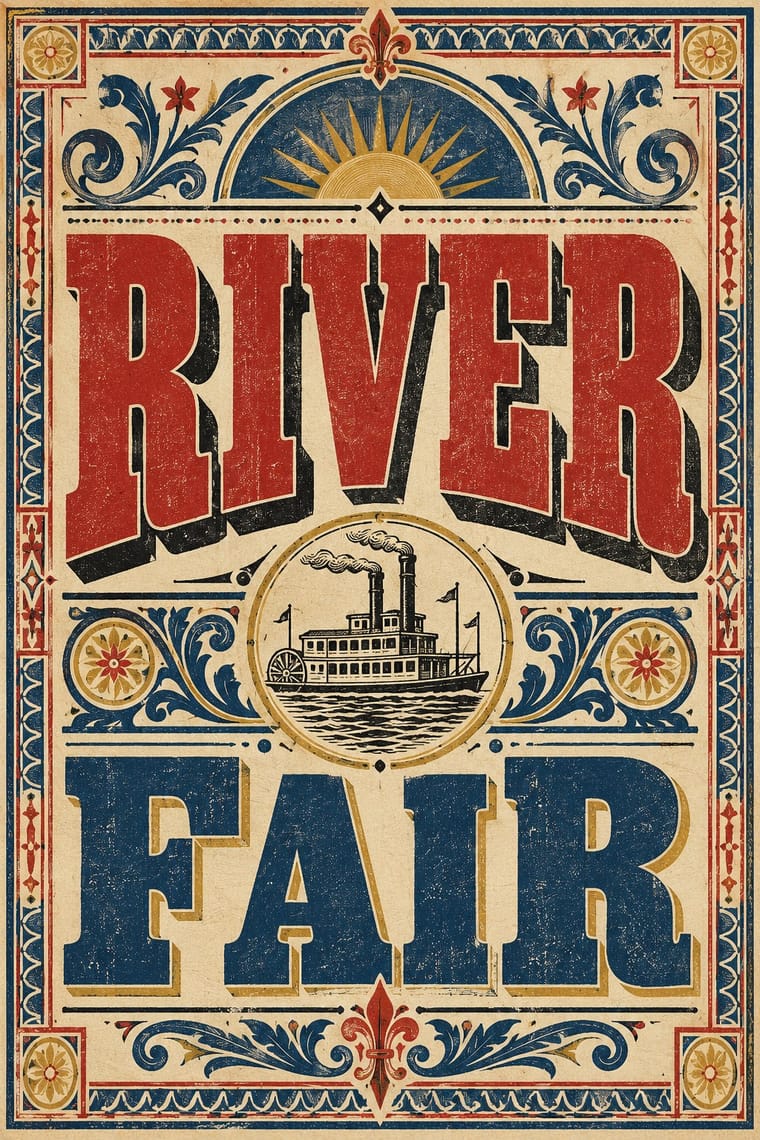
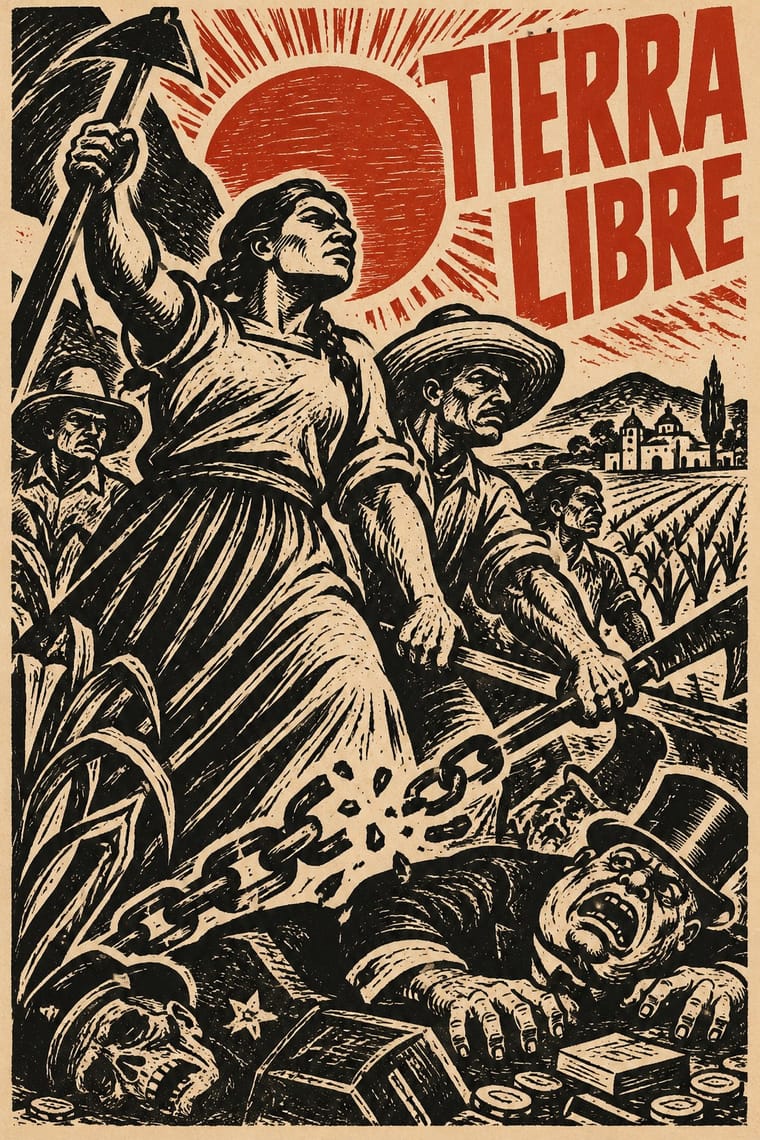
Alike in its design choices
Styles that make many of the same choices, related or not, besides those above.
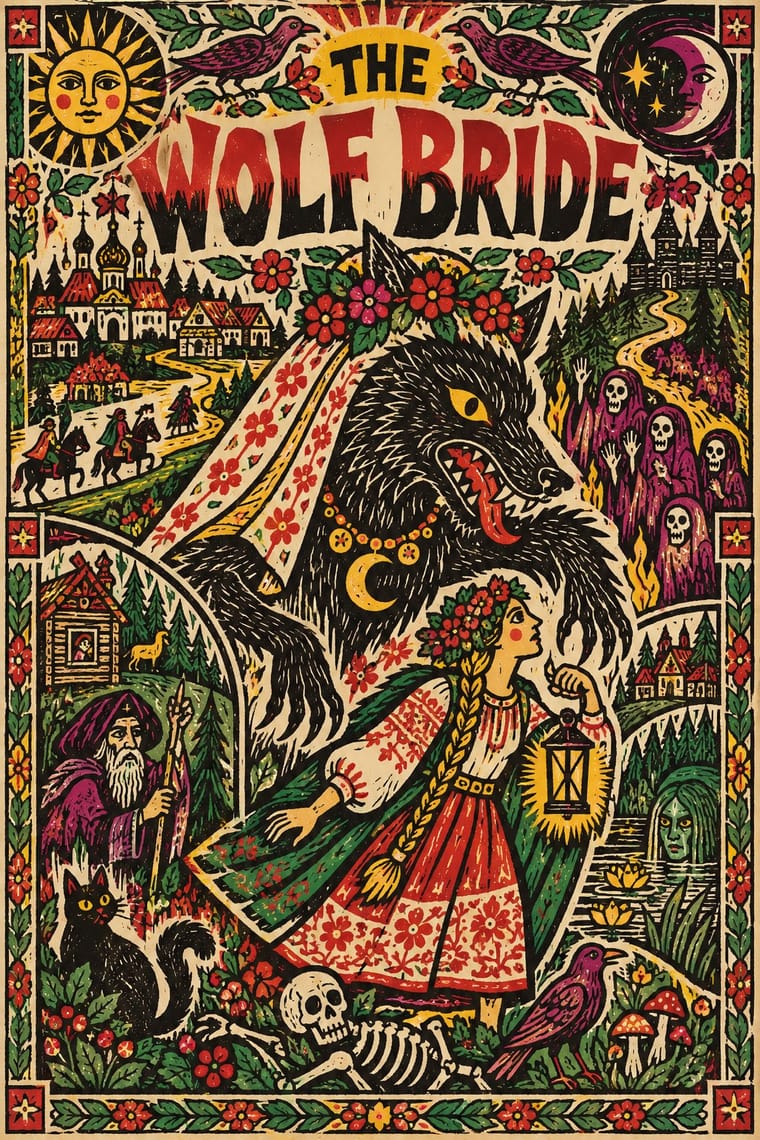
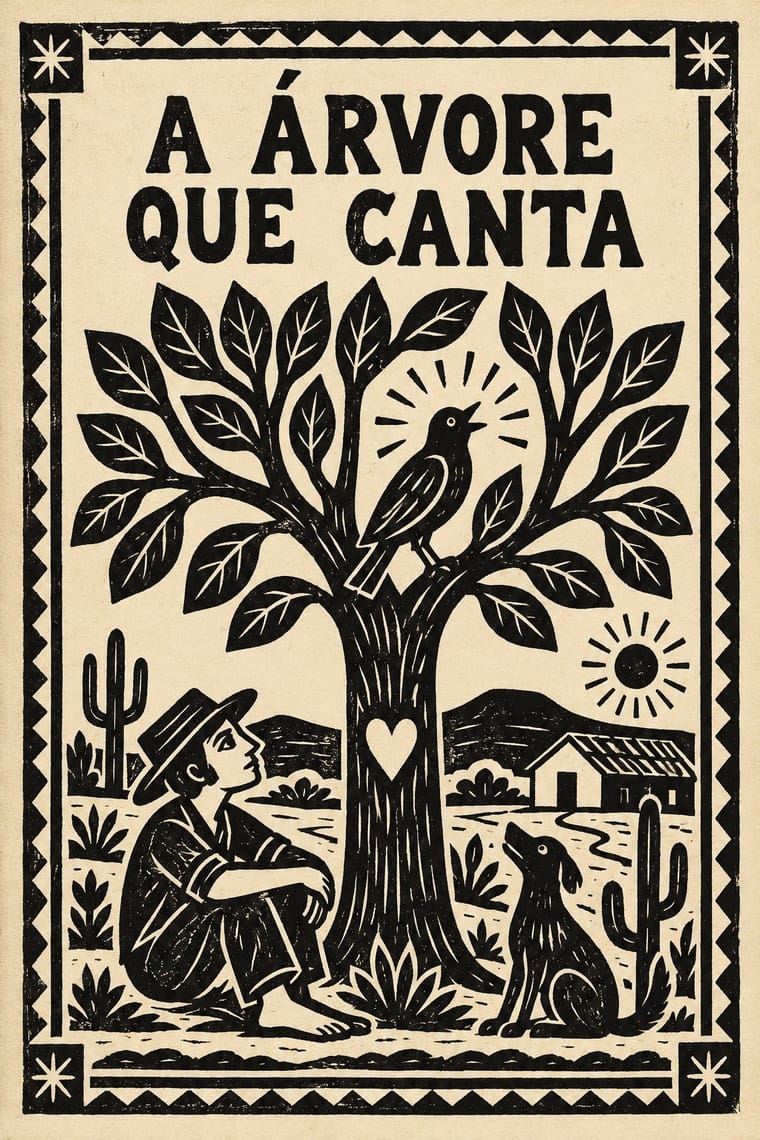
05
Real works
Artefacts in museums, libraries and archives that show the style, linked at their source.
- The horrific skeleton of the flood of Guanajuato (La horrorosa calavera de la inundación de Guanajuato)José Guadalupe Posada · 1905 · The Metropolitan Museum of Art
- The skeleton of the people's editor (Antonio Vanegas Arroyo)José Guadalupe Posada · 1902 · The Metropolitan Museum of Art
- Broadsheet relating to the skeleton from Guadalajara (Calavera tapatía)Manuel Manilla · ca. 1890 · The Metropolitan Museum of Art
- Cover of the 'Gaceta Callejera' reporting on the continuation of anti-reelection riotsJosé Guadalupe Posada · 1892 · The Metropolitan Museum of Art
06
Sources
- Patrick Frank, Posada's Broadsheets: Mexican Popular Imagery, 1890–1910 (University of New Mexico Press, 1998)
- https://exhibits.lib.berkeley.edu/spotlight/art-of-posada
- https://en.wikipedia.org/wiki/La_Calavera_Catrina
How Stylogeny researches and checks a style: where the facts come from.