Pictorial & machine age · 1965–1993 · Middle East & North Africa
Palestinian Resistance Poster
Also known as PLO poster art, Palestinian revolutionary poster, Palestinian nationalist poster
The poster culture of the Palestinian national movement after 1965, issued by the PLO and its factions from Beirut and other Arab capitals for refugee camps, homes and solidarity audiences abroad. Every faction drew on one shared iconography (keffiyeh, olive tree, key of return, map, Dome of the Rock, fida'i, embroidered dress) in the flag's red, green, black and white, with hand-lettered Arabic slogans, rendered as painterly realism or stark flat graphics.
Use it with care
Many motifs here are culturally owned and still carry living meaning. Tatreez embroidery patterns belong to particular villages and regions and to a women's craft tradition; the keffiyeh and the key of return stand for dispossession and the right of return; the Dome of the Rock and al-Aqsa are sacred to Muslims; martyr posters show real people who were killed. Do not lift these as decorative 'resistance' styling: commission Palestinian designers, calligraphers and embroiderers, have every Arabic line read by a fluent reader, and credit the archives the images come from.
01
How it works
- Build the image from the shared national lexicon: keffiyeh, olive branch, key of return, map, Dome of the Rock, fist, dove and stone.
- Default to the flag's red, green, black and white in flat fields.
- Hand-letter the Arabic slogan as the main text and add a smaller English or French line for international readers.
- Tie each poster to a commemorative date (Karameh, Land Day, a revolution anniversary, a named martyr) and sign it with the faction emblem.
- Choose one register: painterly realism with landscape symbolism, or a stark black carved-line drawing with a single red.
PLO art department and Unified Information office, with Fatah, PFLP and DFLP media offices, mainly in Beirut, plus Damascus, Amman and the West Bank
02
Its design choices
From Stylogeny’s vocabulary of design choices: defining choices make the style, characteristic ones are usual, occasional ones turn up now and then.
- Layout & composition
- Space & hierarchy
- Colour
- Form & shape
- Imagery
- Medium & production
- Tone & intent
- Avoids
- Ironic & self-aware, Playful & witty, Non-representational, Ornament-free, Gloss & highlights, Found & vernacular imagery, Fluorescent & neon
Palette
#ce1126#007a3d#141414#f4efe4#6b7a3a#b5833f
Typefaces
Hand-lettered Arabic slogans in Naskh, Thuluth and geometric Kufic-derived forms
Hand-drawn or typeset Latin captions for English and French solidarity lines
Known for
Ismail Shammout, PLO posters from 1965, e.g. Support the Palestinian people to regain their national rights
1975, V&A
Burhan Karkutli, PLO posters of the 1970s
Marc Rudin (Jihad Mansour), nearly 200 posters 1980–91, mainly for the PFLP
Emile Menhem, PLO Unified Information posters
Sliman Mansour, Camel of Hardships
painted 1973, printed as a poster from 1975
Kamal Boullata and Vladimir Tamari
Palestine Poster Project Archives
Dan Walsh
03
Where it comes from, and what it’s close to
Before it
The style it grew out of, and the styles it borrowed from.
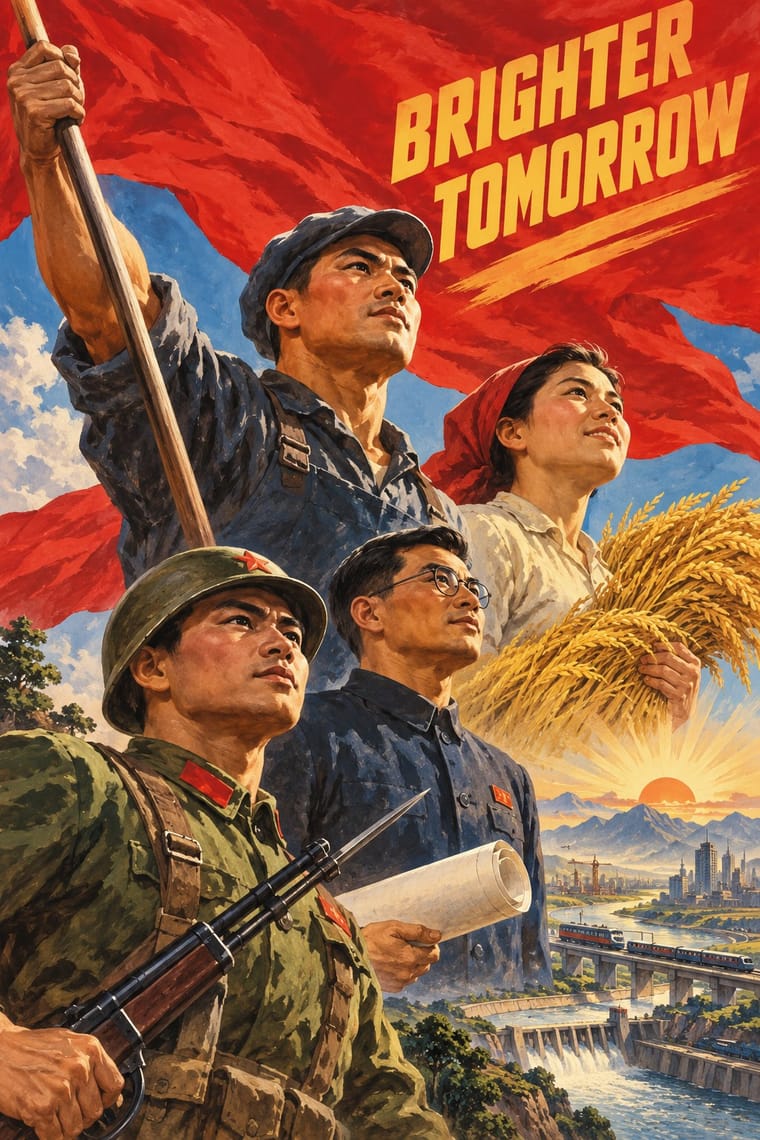
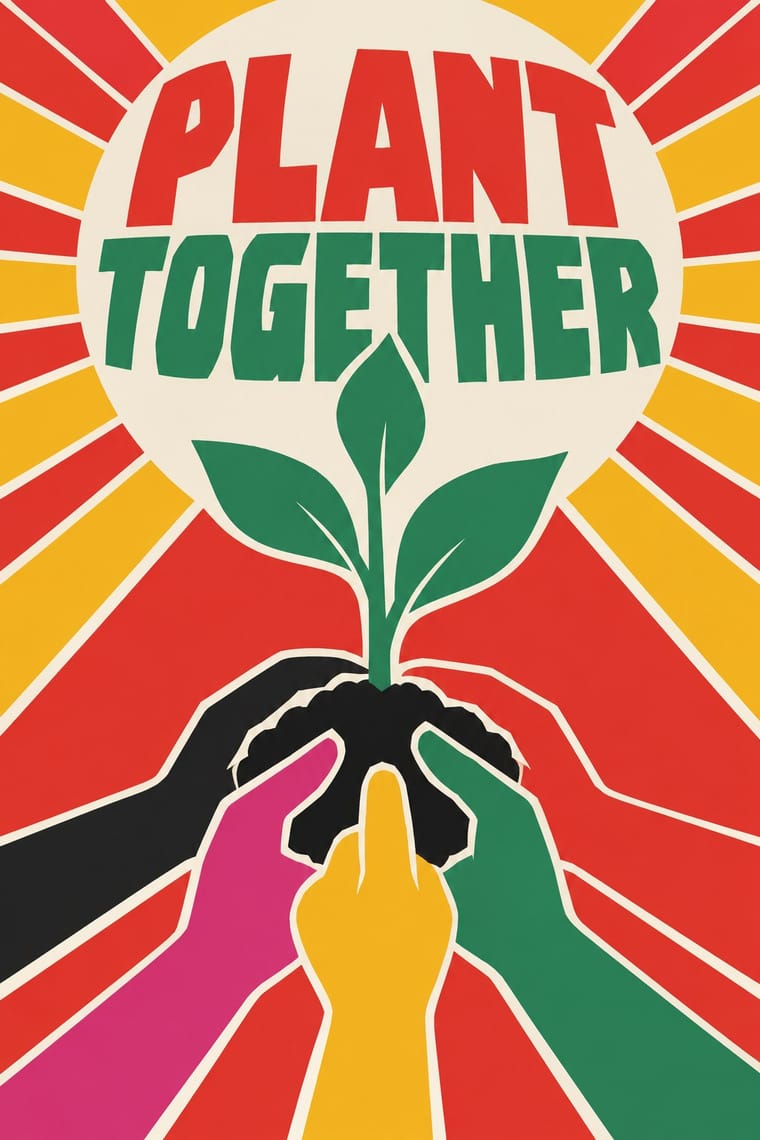
After it
The styles that grew out of it.
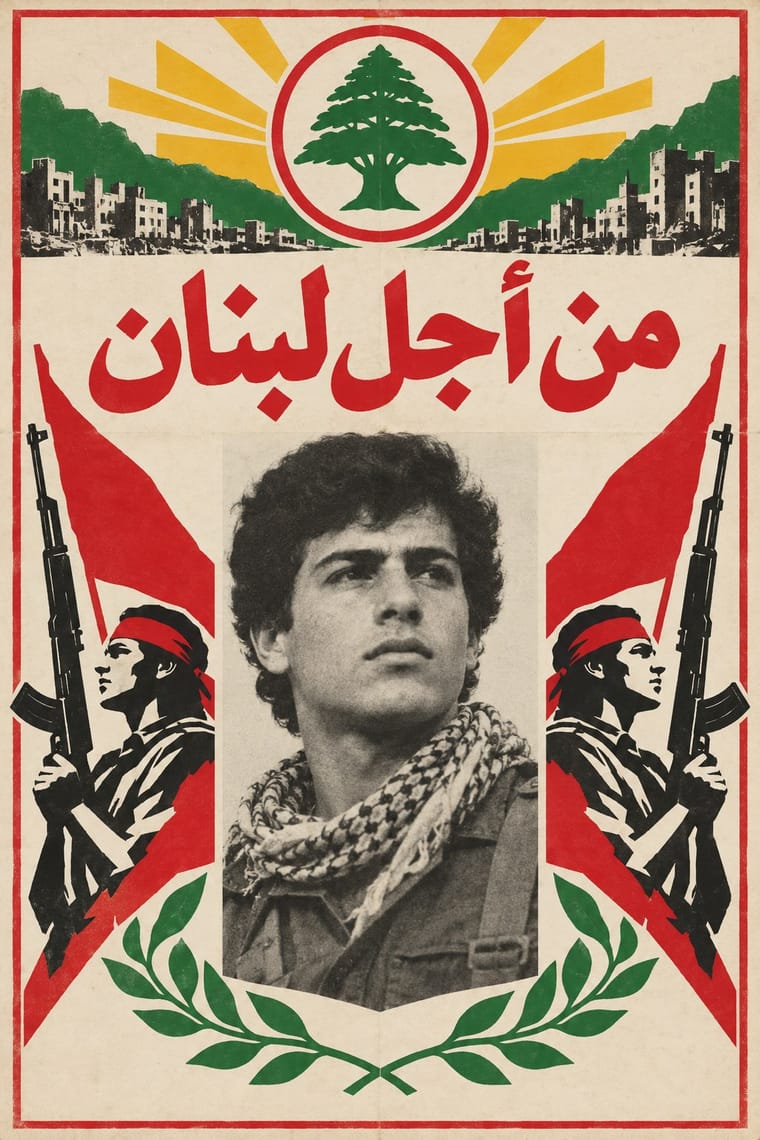
Alike in its design choices
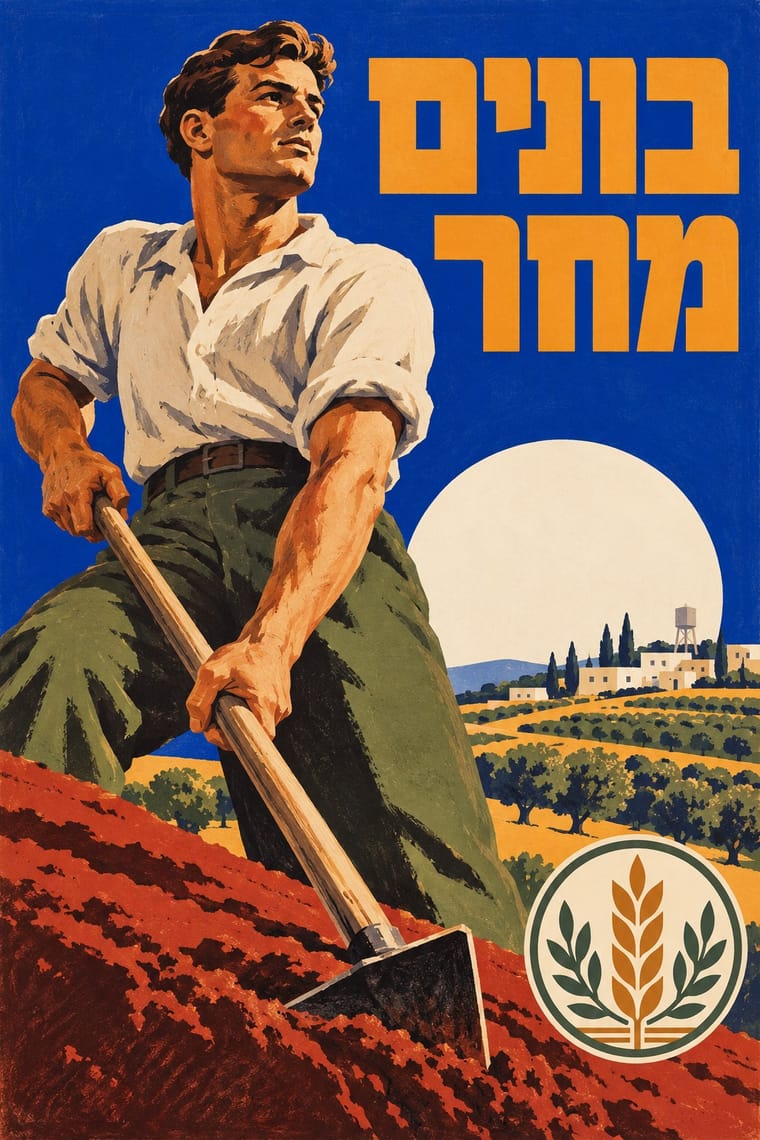
Styles that make many of the same choices, related or not, besides those above.
- Iranian Revolutionary & Sacred Defence Poster75% alike
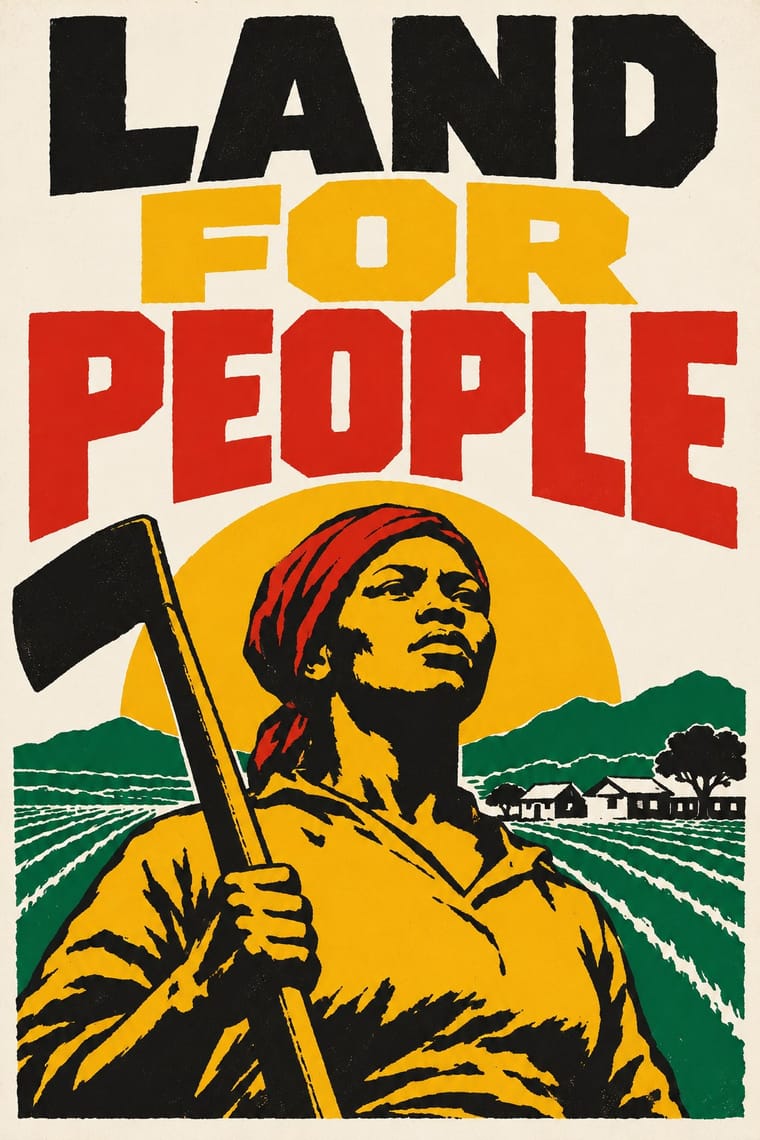

- Roots Reggae Sleeve Art & Rasta Iconography67% alike
04
Real works
Artefacts in museums, libraries and archives that show the style, linked at their source.
- Popular Front for the Liberation of Palestine poster with the Front's emblemVladimir Tamari (emblem); published by the Popular Front for the Liberation of Palestine · 1969 · Victoria and Albert Museum, London
- The Road of the Left Is the Road to Victory: Third Anniversary of the Democratic Popular FrontMuwaffaq Mattar · 1971–72 · Victoria and Albert Museum, London
- Karameh – First Anniversary (Dhikra maʿrakat al-Karama)Nazir (Natheer) Nabaa · 1969 · Victoria and Albert Museum, London
- Solidarity (Vietnam, Palestine, Rhodesia, South Africa, Latin America)Kamal Boullata · 1969 · Victoria and Albert Museum, London
05
Sources
- Bahia Shehab & Haytham Nawar, A History of Arab Graphic Design (AUC Press, 2020), ch. 5 'Arab Design and the Palestinian Resistance'
- Palestine Poster Project Archives (palestineposterproject.org); Wikipedia: Palestine Poster Project Archives
- Victoria and Albert Museum, Ismail Shammout poster, museum no. O102776 (collections.vam.ac.uk)
- Yara Khoury Nammour, review of A History of Arab Graphic Design, Eye 102 (2021)
How Stylogeny researches and checks a style: where the facts come from.