Rational modernism · 1933–1975 · Southern Europe
Milanese Industrial Modernism (Olivetti, Pirelli, Studio Boggeri)
Also known as Italian corporate modernism, Scuola grafica milanese, Olivetti style, Stile industriale
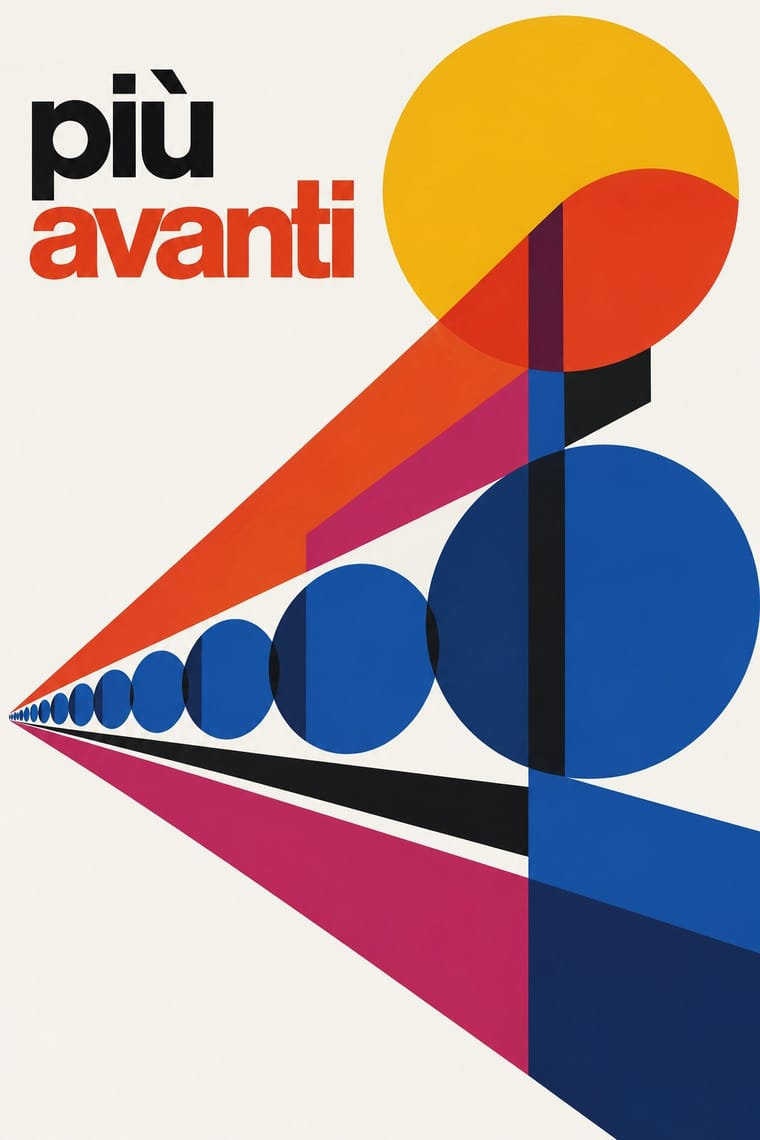
The Milan-centred school that married Bauhaus- and Swiss-trained discipline with Italian painterly wit for enlightened industrial patrons such as Olivetti, Pirelli and La Rinascente. Studio Boggeri, Giovanni Pintori, Max Huber and Bob Noorda built posters, ads and signage from geometric primitives, numerals, transparent colour planes and photomontage on white grounds, held together by a house sensibility rather than a rulebook.
Make something in this styleGet advice in this styleMix it with another style
01
How it works
- Turn the product into a visual metaphor built from geometric primitives, numerals, letters or machine parts instead of depicting it literally.
- Overlap flat, transparent planes of bright colour so overprints create new hues and a sense of movement.
- Keep a disciplined asymmetric layout and a sans-serif voice, then loosen it with wit, rhythm and scale.
- Leave generous white ground around the image so that even dense cascades of signs stay legible.
- Treat the company as a cultural patron: let artists shape every touchpoint, from ads and showrooms to signage, without a rigid standards manual.
Milan (Studio Boggeri, Campo Grafico, Pirelli, La Rinascente) and Ivrea (Olivetti)
02
Its design choices
From Stylogeny’s vocabulary of design choices: defining choices make the style, characteristic ones are usual, occasional ones turn up now and then.
- Layout & composition
- Space & hierarchy
- Typography
- Colour
- Form & shape
- Surface & texture
- Ornament
- Imagery
- Medium & production
- Tone & intent
- Avoids
- Abundant decoration, Floral & vegetal, Blackletter, Script, Skeuomorphic material, Comic & cartoon, Rebellious & subversive
Palette
#f5f3ee#151515#e1401f#1d4f9e#f0b41c#c2206b
Typefaces
Akzidenz-Grotesk
Semplicità
Nebiolo, 1930
Microgramma
Alessandro Butti & Aldo Novarese, Nebiolo, 1952
Helvetica
Known for
Studio Boggeri, Milan (founded 1933 by Antonio Boggeri), with Xanti Schawinsky, Max Huber, Walter Ballmer, Franco Grignani and Bruno Monguzzi
Giovanni Pintori, Olivetti advertising and posters including Lettera 22
at Olivetti 1936–1967, art director from 1950
Max Huber, Gran Premio dell'Autodromo di Monza poster (1948) and La Rinascente identity
c. 1950
Bob Noorda with Franco Albini and Franca Helg, Milan Metro Line 1 station design and signage
Compasso d'Oro, 1964
Campo Grafico magazine
Milan, 1933–1939
Pirelli advertising and Rivista Pirelli
03
Make something in this style
Say what you need, and Stylogeny’s image studio draws it from Milanese Industrial Modernism (Olivetti, Pirelli, Studio Boggeri)’s design choices and checks it against them. It takes about a minute, and you get a link to share.
04
Where it comes from, and what it’s close to
Before it
The style it grew out of, and the styles it borrowed from.
After it
The styles that grew out of it.
No later style in the atlas grew out of it yet.
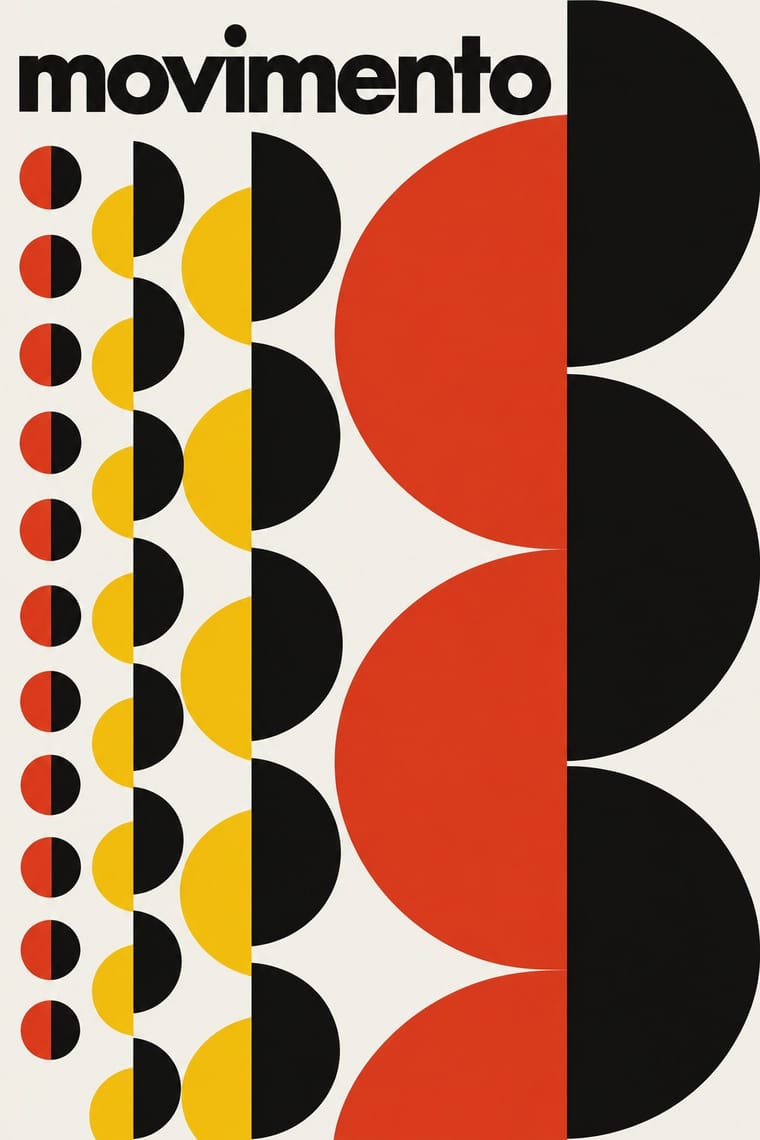
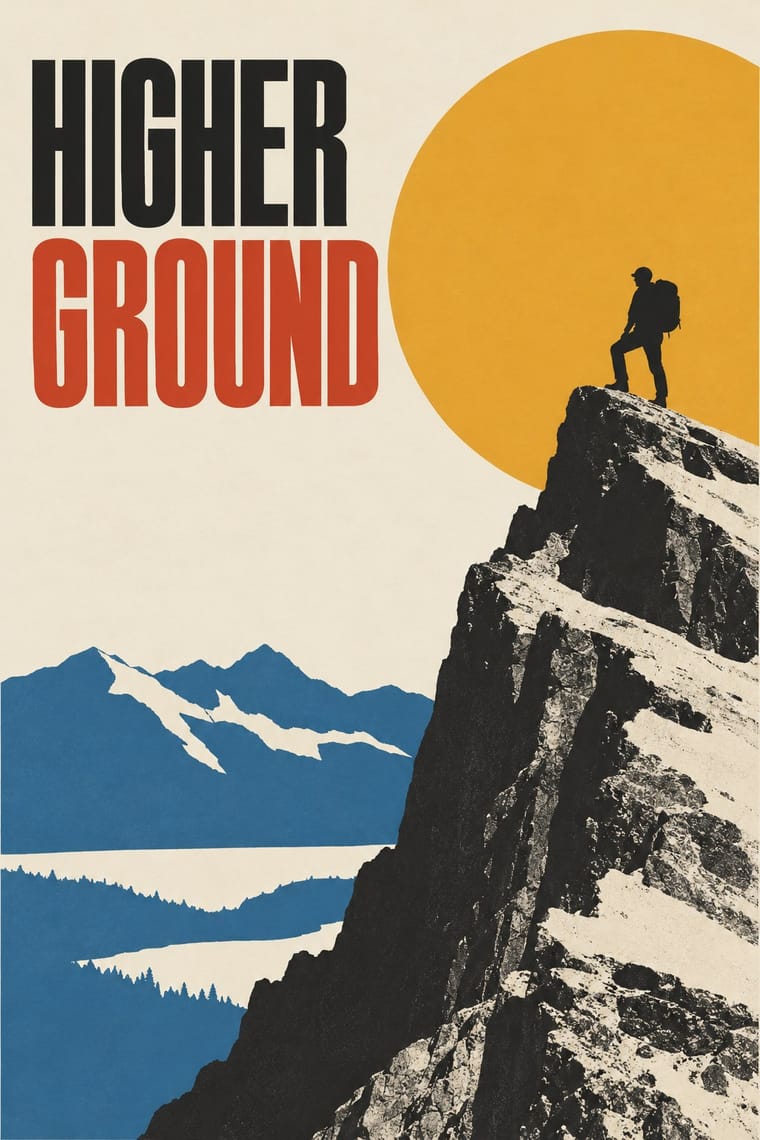
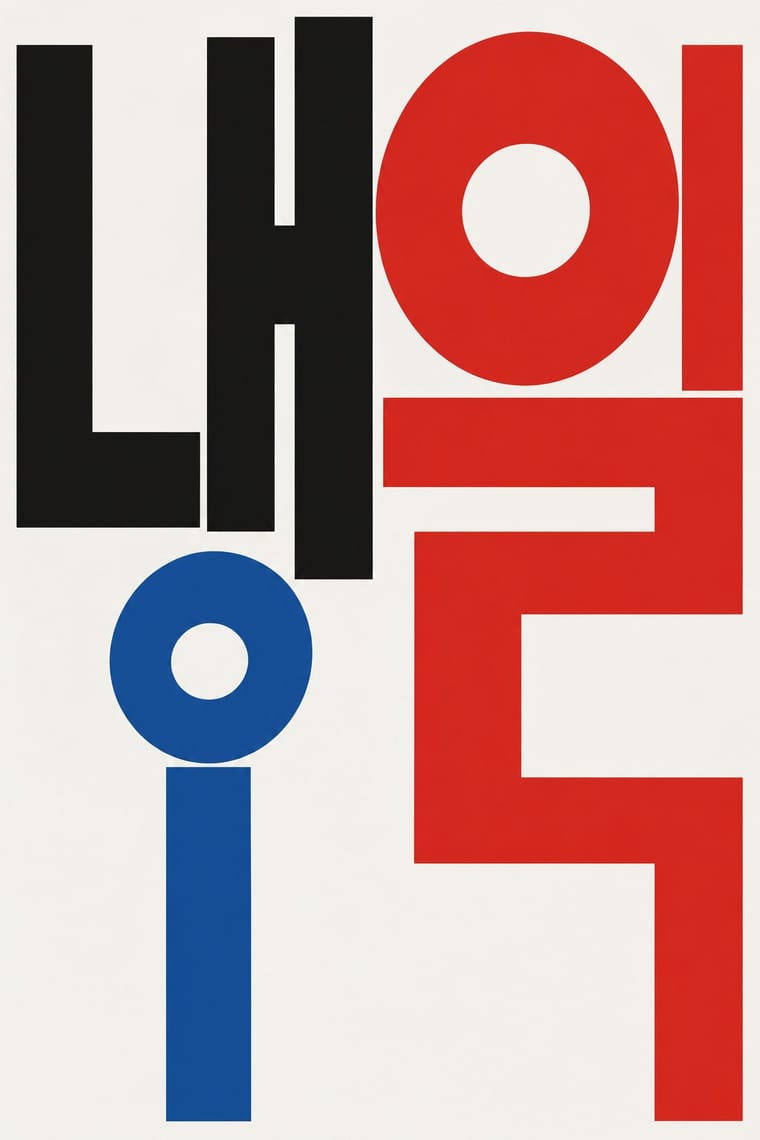
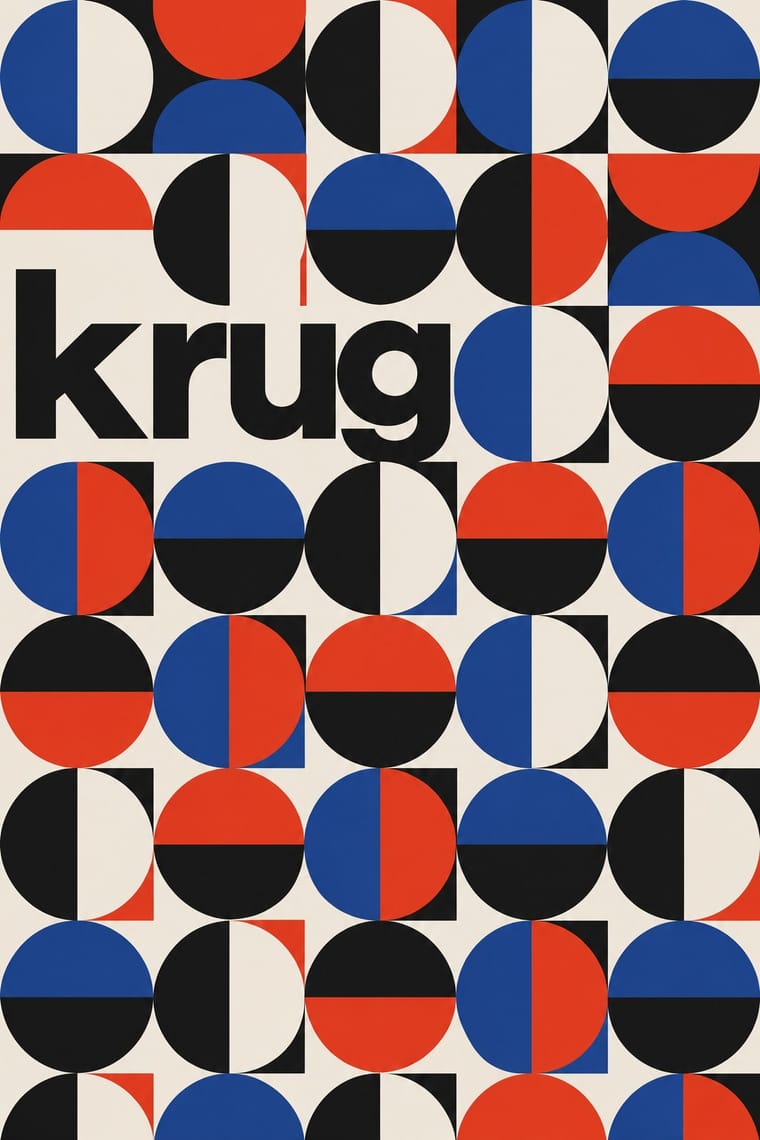
Alike in its design choices
Styles that make many of the same choices, related or not, besides those above.
05
Real works
Artefacts in museums, libraries and archives that show the style, linked at their source.
- Olivetti Lettera 22Giovanni Pintori · 1953 · The Museum of Modern Art, New York (1528.2000)
- Olivetti M40 (product brochure)Xanti Schawinsky (Studio Boggeri) · 1934 · The Museum of Modern Art, New York (889.1999, Jan Tschichold Collection)
- Envelope with the 'B' logo of Studio Boggeri S.A., MilanMax Huber · 1940 · Museum für Gestaltung Zürich, Grafiksammlung (A HUBE 1)
- Gran premio dell'autodromo – MonzaMax Huber; printed by Industrie Grafiche Nicola Moneta, Milan · 1948 · Museum für Gestaltung Zürich, Plakatsammlung (G-0370)
- Stile Olivetti, Kunstgewerbemuseum ZürichWalter Ballmer · 1961 · The Museum of Modern Art, New York (341.1961)
06
Sources
- Wikipedia (it), 'Antonio Boggeri' (Studio Boggeri)
- Wikipedia, 'Giovanni Pintori', 'Max Huber (graphic designer)' and 'Bob Noorda'
- Bruno Monguzzi (ed.), Lo Studio Boggeri 1933–1981 (Electa, 1981)
How Stylogeny researches and checks a style: where the facts come from.