Rational modernism · 1965–present · Global / networked
Minimalist Graphic Design
Also known as Minimalism, Reductive design, Less is more
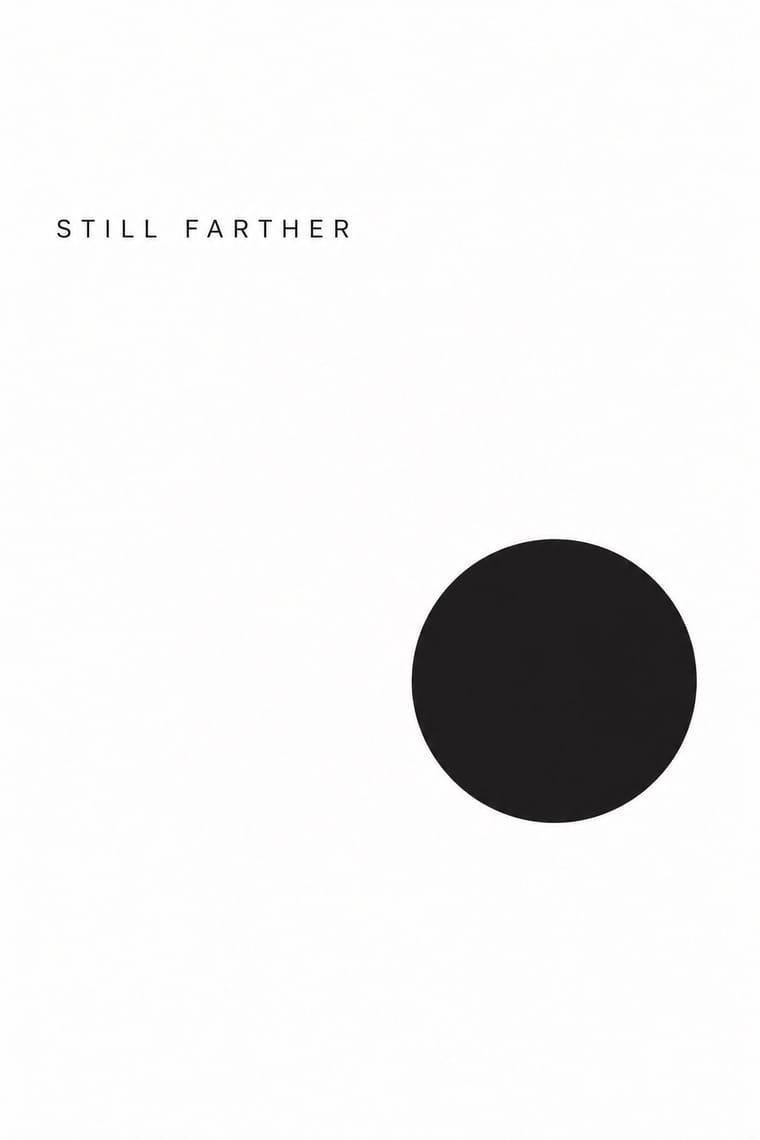
Modernism reduced to its barest means, informed by 1960s Minimal art and Japanese emptiness: one image or line of type, vast white or neutral space, a monochrome or near-monochrome palette and meticulous typographic detail. From ECM record sleeves to Muji and Apple packaging, it signals quality, calm and confidence by withholding rather than adding.
Make something in this styleGet advice in this styleMix it with another style
01
How it works
- Remove every element that does not carry meaning, then remove one more.
- Let empty space dominate the format, often more than two-thirds of the surface.
- Use one typeface in one or two weights, set small and precisely spaced.
- Limit colour to white, black, greys or one muted tone.
- Let a single object, photograph or word stand alone as the only focal point.
From Minimal art in New York to ECM in Munich and Muji in Tokyo
02
Its design choices
From Stylogeny’s vocabulary of design choices: defining choices make the style, characteristic ones are usual, occasional ones turn up now and then.
- Layout & composition
- Space & hierarchy
- Typography
- Form & shape
- Surface & texture
- Ornament
- Tone & intent
- Avoids
- Horror vacui, Abundant decoration, Borders & frames, Eclectic mixing, Ornamented display, Full polychrome, Fluorescent & neon, Collage & layering
Palette
#ffffff#f1efea#d9d6d0#8c8a86#1a1a1a
Typefaces
Helvetica Neue
light weights
Akzidenz-Grotesk
Univers
Futura
Known for
ECM Records sleeves
Barbara Wojirsch, Dieter Rehm; label founded 1969
Muji
Ikko Tanaka, founding art director, 1980; later Kenya Hara
Kenya Hara, Designing Design
2007
Dieter Rams
'Weniger, aber besser'; ten principles of good design
Apple product packaging and retail graphics
from 1998
John Pawson, Minimum
1996
03
Make something in this style
Say what you need, and Stylogeny’s image studio draws it from Minimalist Graphic Design’s design choices and checks it against them. It takes about a minute, and you get a link to share.
04
Where it comes from, and what it’s close to
Before it
The style it grew out of, and the styles it borrowed from.


After it
The styles that grew out of it.


Alike in its design choices
Styles that make many of the same choices, related or not, besides those above.


05
Real works
Artefacts in museums, libraries and archives that show the style, linked at their source.
- Kenya Hara Exhibition – 103rd Ginza Graphic Gallery Exhibition – GGG – Ginza Graphic GalleryKenya Hara · 1994 · Museum für Gestaltung Zürich, Poster Collection (86-0714)
- Carl Andre – Galerie Heiner Friedrich MünchenCarl Andre · 1968 · Museum für Gestaltung Zürich, Poster Collection (14-0063)
- Muji shirt shop – sizes available (無印シャツ店。サイズ有リマス。)Masaaki Hiromura and Toshiyuki Kojima (photography Toshiaki Takeuchi) · 1990 · Museum für Gestaltung Zürich, Poster Collection (57-0687)
- La Scala (Keith Jarrett, ECM 1640), CDMayo Bucher (design), ECM Records · 1997 · Museum für Gestaltung Zürich, Graphics Collection (R BUCH 2)
06
Sources
- Kenya Hara, Designing Design (Lars Müller, 2007)
- Dieter Rams, Ten Principles for Good Design
- Steve Lake & Paul Griffiths (eds.), Horizons Touched: The Music of ECM (2007)
How Stylogeny researches and checks a style: where the facts come from.