Kind of picture · Systematic
Graphic-design styles led by signs, diagrams and patterns
Styles whose pictures follow a system: families of icons and pictograms, charts, maps and technical drawings, and patterns that repeat.
A style is here when one of this kind’s imagery choices defines it or is usual in it. 68 of the 205 have no other kind of picture; the rest mix it with another.
- styles
- 205
- defined by it
- 82
- with no other kind
- 68
- described so far
- 5
The choices in this kind
From the imagery facet of Stylogeny’s vocabulary, each with the styles here that make it.
-
Icons & pictograms
98 styles
Systematic icon families.
-
Diagram & data
39 styles
Charts, maps, isotypes, technical drawings.
-
Pattern & repeat
95 styles
Repeating motifs as the image itself.
What Stylogeny asks of these pictures
3 groups of questions fit this kind. The answers are researched style by style from real works: 5 of these 205 styles are described so far, and an answer shows how many of them it is recorded for. Every answer explained
- Repeat How does the pattern repeat?
-
- Straight grid repeat
- Half-drop & brick repeat
- Mirrored repeat
- Turned around a centre
- Stripes & bands
- Running border
- Tossed all-over
- Interlocking & tessellated
- Trellis, ogee & diaper
- Counterchange
- Field with a centre and corners
- Modular tiles
- Improvised & off-beat
- Graded & self-similar
- Signs How are the icons and pictograms drawn?
-
- Solid silhouette 1 style
- Even line
- Built on a shared grid
- Bodies made of standard parts
- Two-tone
- Shaded & dimensional 2 styles
- Pictorial & detailed 2 styles
- Abstract mark 1 style
- Hand-drawn signs
- Pixel icons
- Held in a shape
- Emoji & expressive faces
- Traditional symbol set
- Diagrams What kind of diagram is it?
-
- Statistical chart
- Pictorial statistics
- Map 1 style
- Schematic route map
- Flow & process
- Timeline
- Network & tree
- Table & matrix
- Technical drawing 1 style
- Exploded & cutaway view
- Scientific figure
- Specimen plate
- Step-by-step instruction
- Cosmological & symbolic diagram
Styles defined by it 82
One of this kind’s choices is among those that make the style.
-
- Ancient Egyptian Hieroglyphic & Register Composition The visual system of pharaonic Egypt, in which writing is made of pictures and pictures are ruled like writing.
-
-
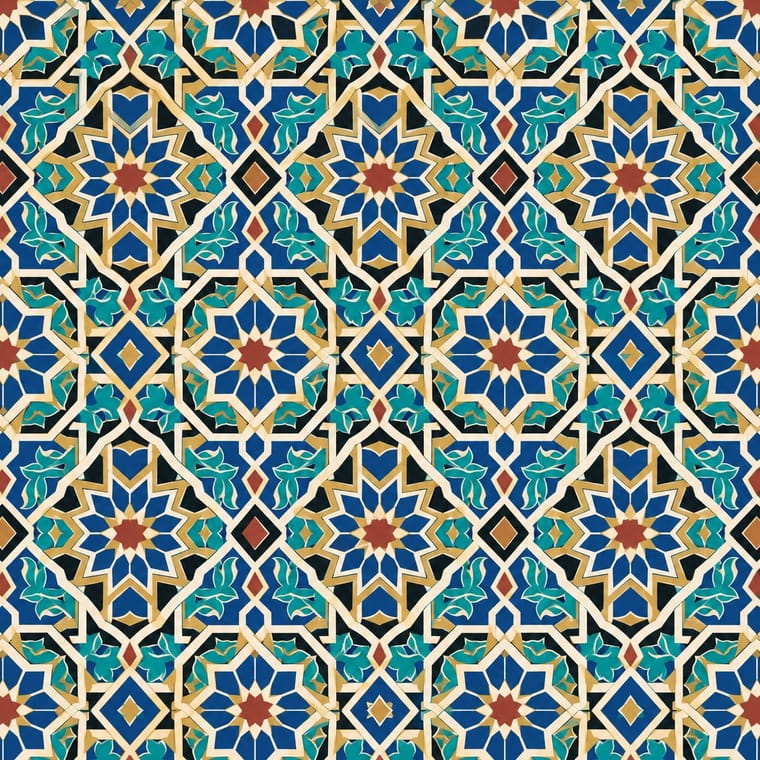
- Square Kufic (Bannāʾī) Square Kufic builds Arabic script on a square grid: straight lines and right angles only, with every stroke as wide as the gap beside it.
-
-
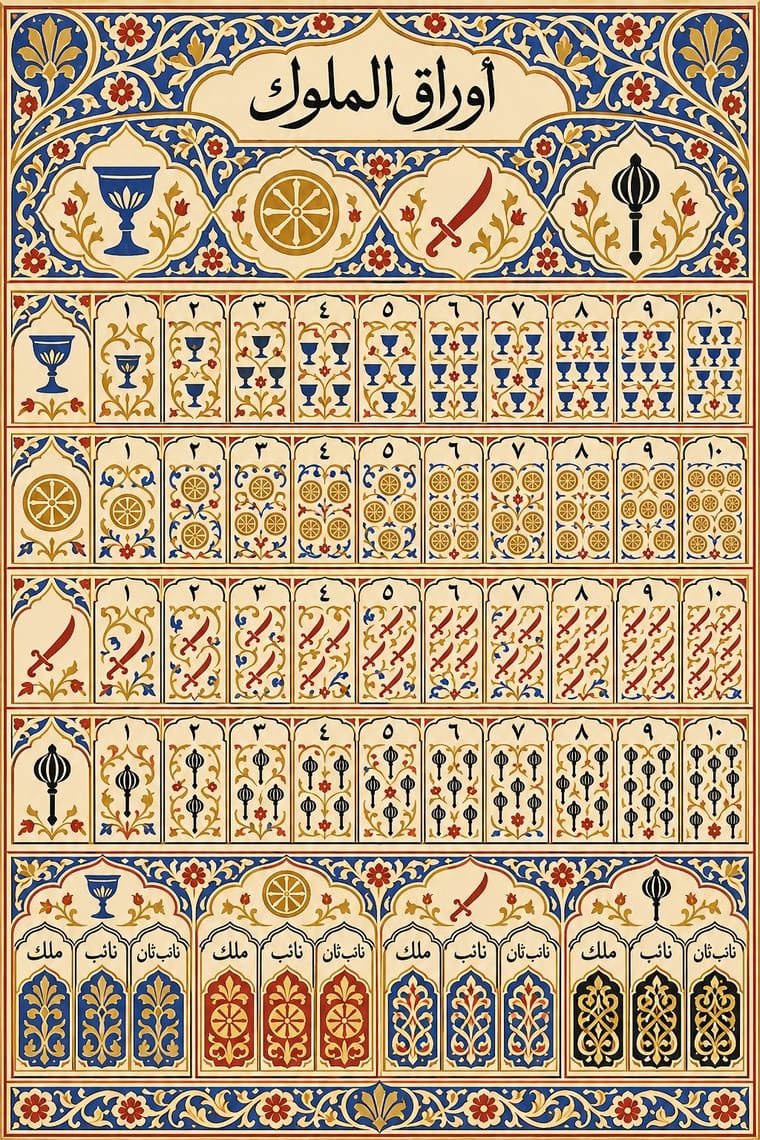
-
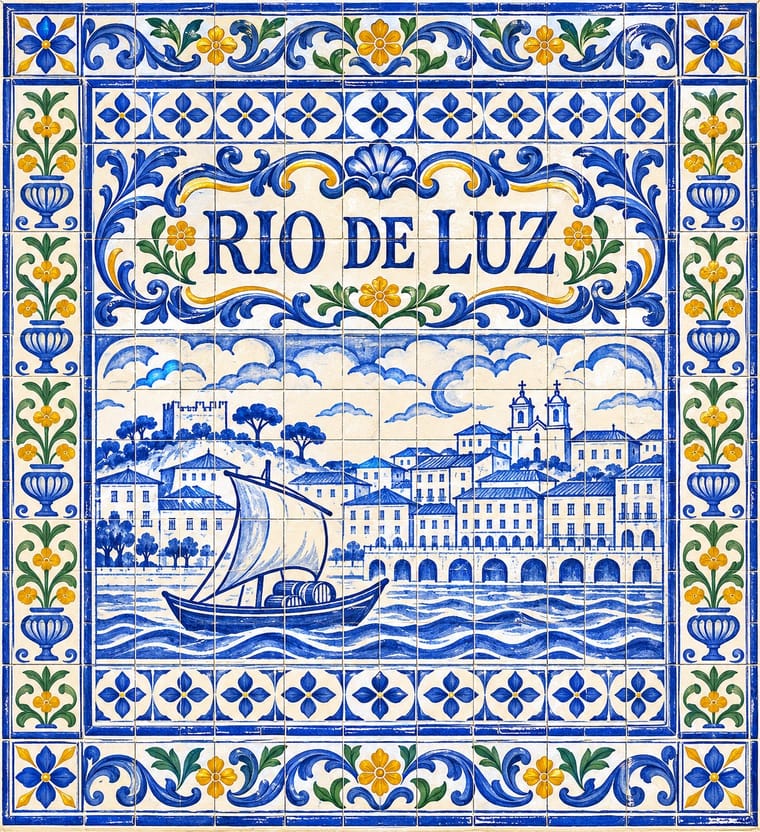
- French-Pattern Playing Cards (Court Cards and Indices) The standard 52-card deck, a design system for playing rather than a single allegorical image: four reduced suit signs in red and black, thirteen ranks, and court cards drawn as flat-coloured, outlined figures.
- Kōwhaiwhai & Toi Māori Design Toi Māori, the visual arts of the tangata whenua of Aotearoa, of which kōwhaiwhai, the painted scroll patterns of paddles and meeting-house rafters, is the most graphic strand.
-
-
-
-
-
-
-
- Thai Yantra (Yant) Diagrams Thai protective diagrams in which Pali formulae, written in Khom, a sacred script derived from Khmer, are packed into squares, circles, triangles, spires and the outlines of Buddhas, monks and tigers, often framed by lines of script.
-
- Al-Qatt Al-Asiri (Asiri Women's Wall Painting) The interior wall painting of the women of Asir, south-west Saudi Arabia: guest parlours and corridors plastered and then painted freehand in bands, triangles, squares, diagonals and tree-like shapes, in bright red, green, yellow and brown.
- Fon Appliqué Banners of Abomey (Dahomey) Appliquéd cotton banners, umbrellas, hats and wall hangings of the Fon court of Dahomey, made by guild families.
- Khayamiya (Cairene Tentmaker Appliqué) Cairo's tentmakers cut and hand-stitch coloured cotton shapes onto a heavy cotton backing to make large vertical panels and pavilion screens: bordered fields, repeat patterns and arabesques whose stepped, turned cloth edges are the drawing line.
-
-
-
- Adire Indigo Resist Cloth Patterns (Yoruba) Yoruba women's resist-dyed indigo cloth from southwestern Nigeria, in which cassava-paste stencils (eleko), tied raffia (oniko) or stitched raffia (alabere) hold back the dye.
-
-
- Arnhem Land Bark Painting & Rarrk Painting in ochres on flattened stringybark by Yolŋu, Kunwinjku, Kuninjku and other clans of Arnhem Land, carrying ceremonial designs into portable form; collected from 1912, painted through art centres since the 1970s.
-
-
-
-
-
- Lucha Libre Masks & Posters The graphic language of Mexican masked wrestling, in which the mask works as the wrestler's logo: a symmetrical face design in saturated colours, borrowed from animals, gods and heroes.
-
-
-
-
- Drapo Vodou (Haitian Sequin Flags) Handmade Haitian Vodou flags in which thousands of sequins and beads are sewn into glittering fields, showing a lwa (spirit) by its emblem or a figure, typically with its name in capitals; modern flags usually add a border, though early flags had simple or no borders.
- Kerala Political Wall Writing Election propaganda painted directly on Kerala's masonry walls: Malayalam slogans, the candidate's name in the largest letters and a party symbol, in a few flat colours.
-
-
-
-
-
-
- Provo Counterculture Print Graphics The print of Amsterdam's Provo movement (1965-1967): a street-sold magazine and handed-out pamphlets, made on an illegal press that kept moving, with hand-lettered signs, enlarged and stretched images, and, in the photographed issues, covers that repeat a brick-wall pattern under changing lettering.
- Cultural Revolution Propaganda Poster (Red, Bright, Shining) State-printed poster art of China's Cultural Revolution, in the mandated hong guang liang manner: red, bright and shining, with smooth warm flesh, no grey or black shading, and an idealised cast of workers, peasants and soldiers.
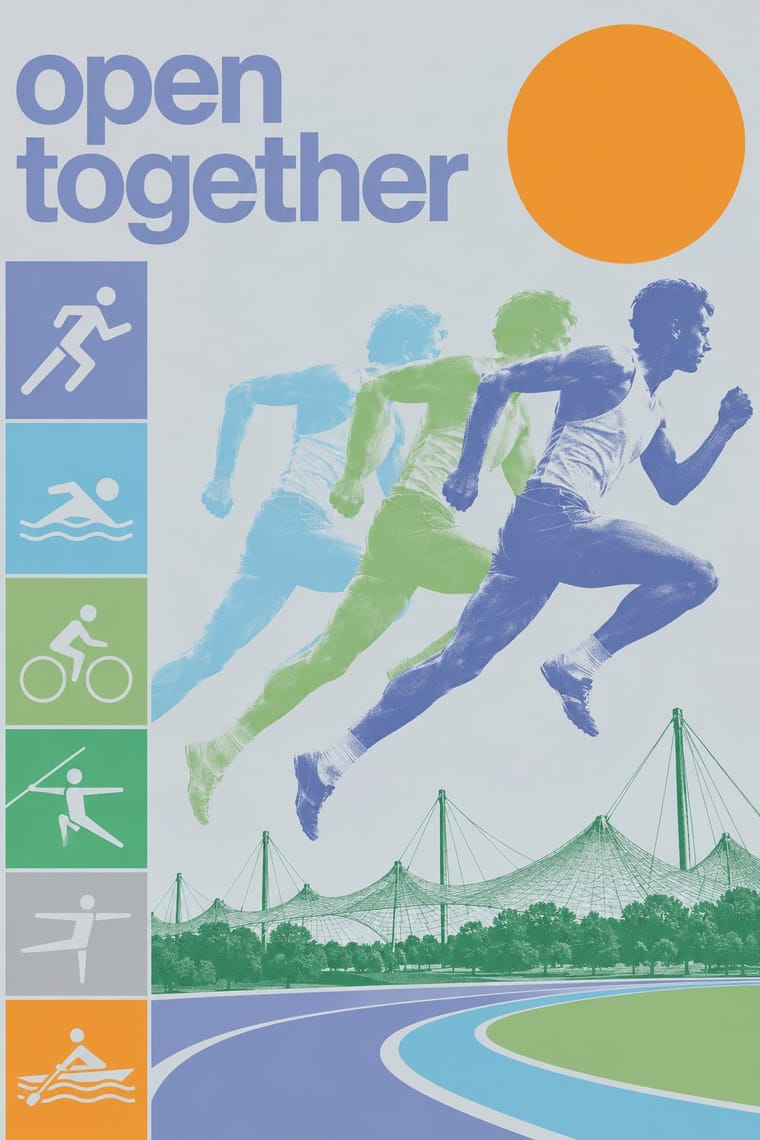
- Mexico 68 Olympic & Metro Identity The graphic programme of the 1968 Mexico City Olympics and the city's first Metro line.
-
-
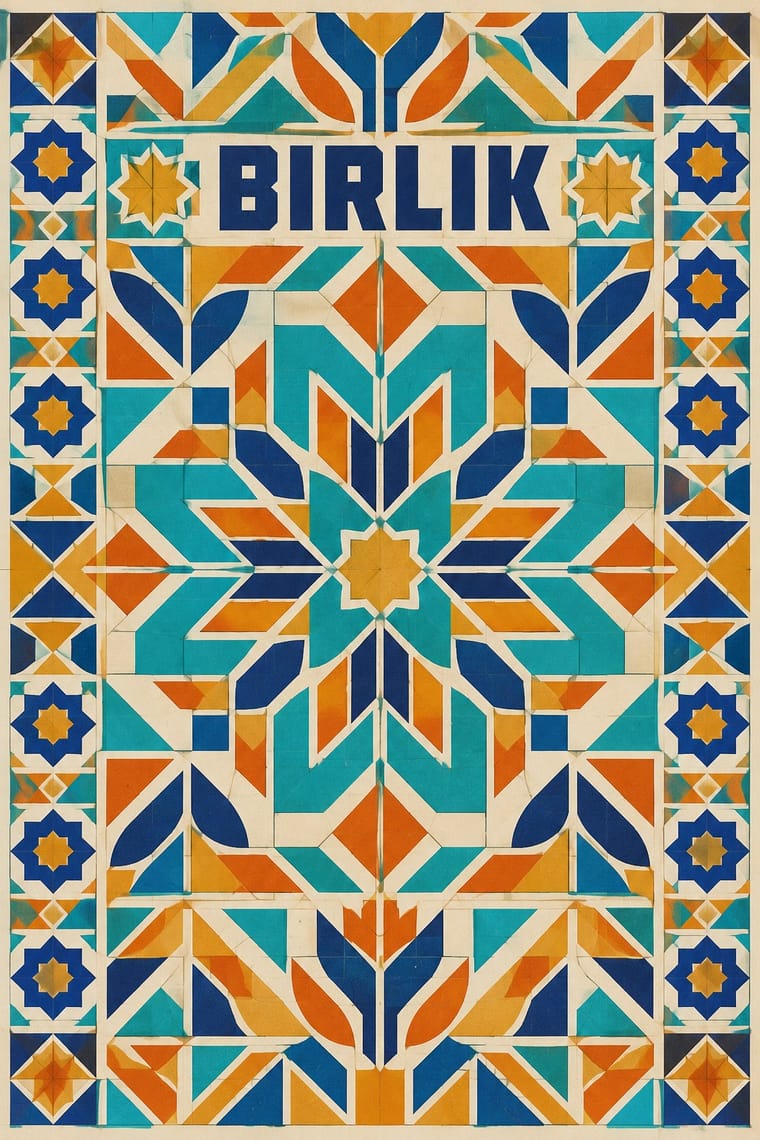
-
- Western Desert Iconography The acrylic painting movement that took form at Papunya in 1971, when men there painted the Honey Ant Dreaming on the school wall and then on board, carrying an older practice of sand, body and ceremonial designs into lasting form. 'Western Desert' is an umbrella name: the movement also includes Warlpiri, Anmatyerre and Arrernte painters of the Central Desert.
-
-
-
- Pardhan Gond Painting (Jangarh Kalam) Painting on paper and canvas by Pardhan Gond artists of Patangarh and Bhopal, begun when Bharat Bhavan, Bhopal, recruited Jangarh Singh Shyam in 1981; the style was later named Jangarh Kalam after him.
-
-
-
-
-
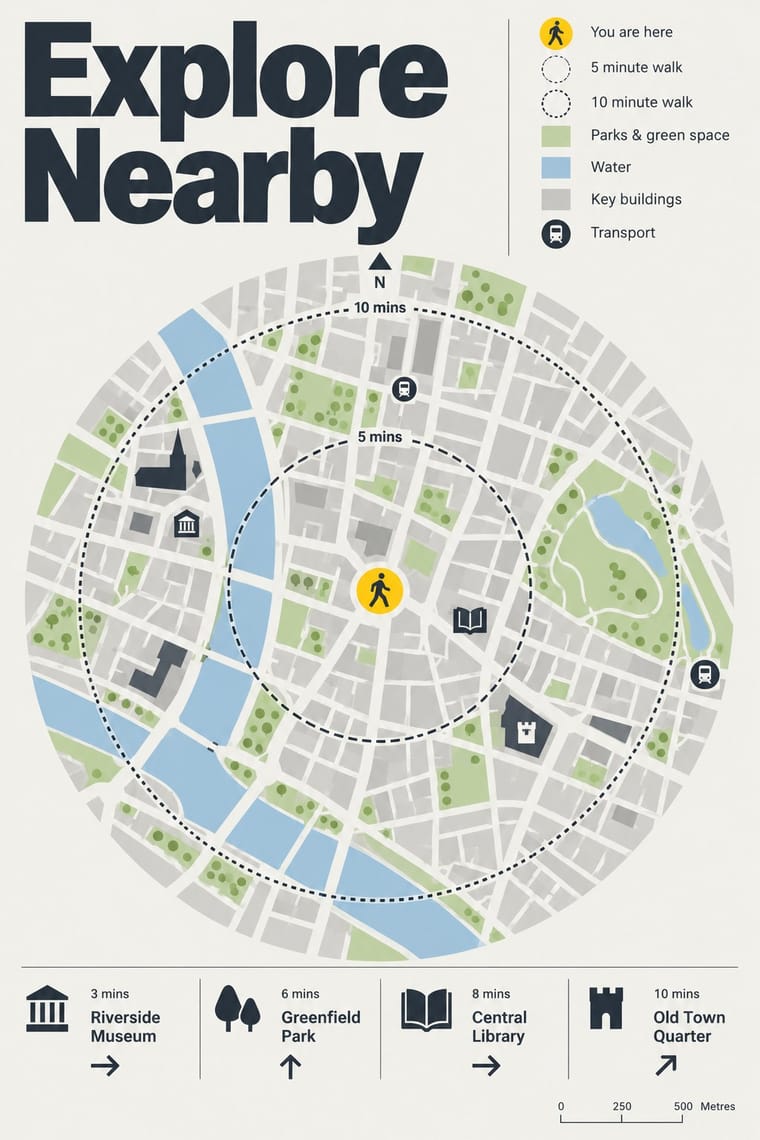
-
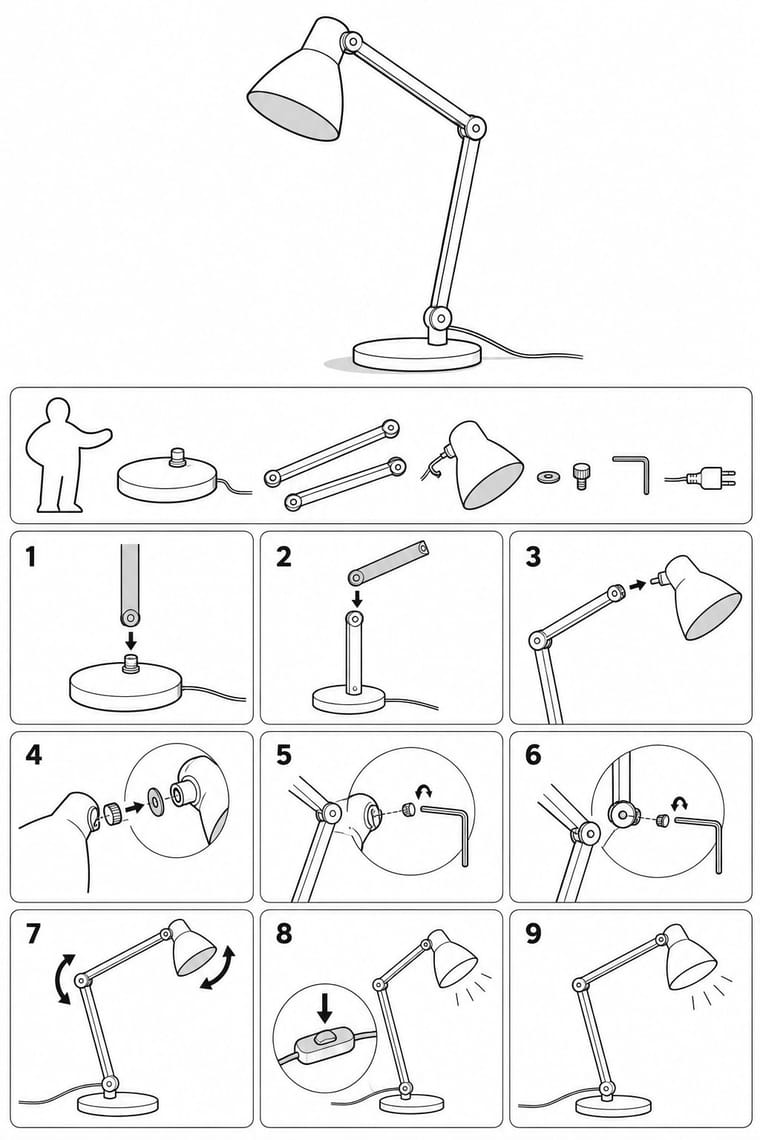
-
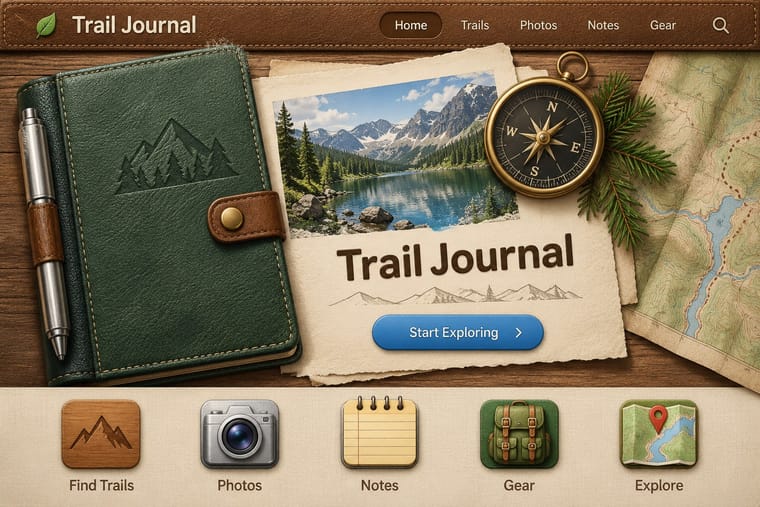
-
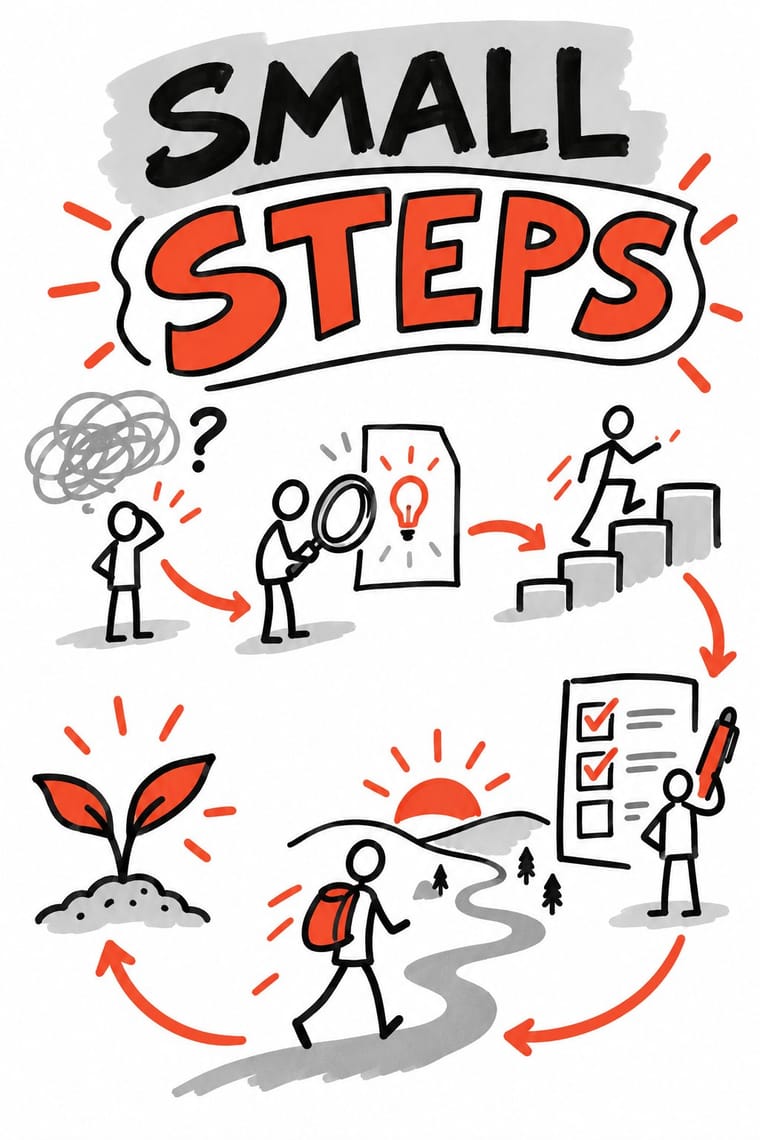
-
-
-

-
-
-
-
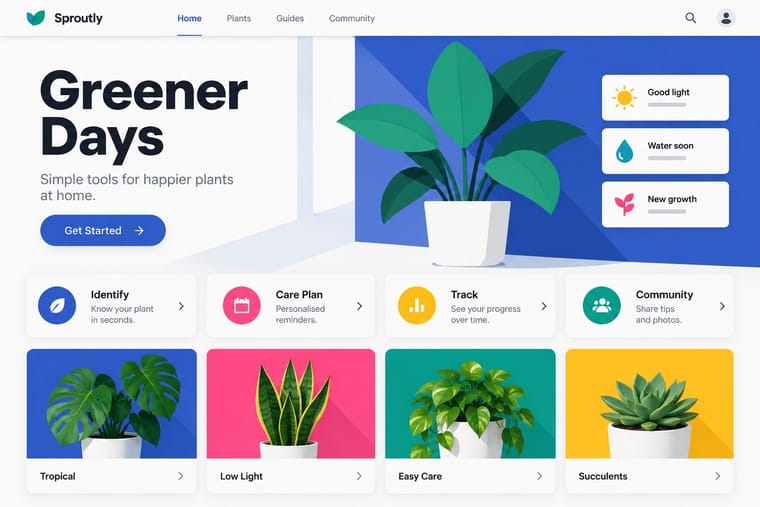
- Retro Desktop-OS Interface Revival A deliberate revival of the 1990s Windows desktop as a web interface, part homage and part parody: grey bevelled chrome, blue title bars, draggable icons and start menus rebuilt in HTML to host jokes, music and tiny apps.
-
- Fluent Design System (Microsoft Acrylic and Mica) Microsoft's cross-device interface language, announced in 2017 to revamp Metro.
-
- Climate Warming Stripes (Show Your Stripes) A year-by-year temperature record reduced to a row of vertical colour stripes from blue to red, with no axes, numbers or legend.
-
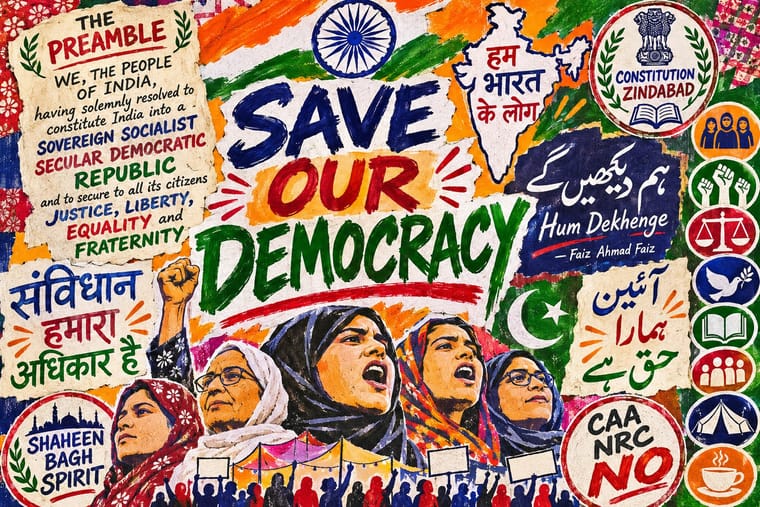
- Tishreen Protest Graphics (Baghdad, Tahrir Square) Murals, posters, poster poems and cartoons of the Tishreen protests and the Tahrir Square sit-in, Baghdad, from October 2019.
-
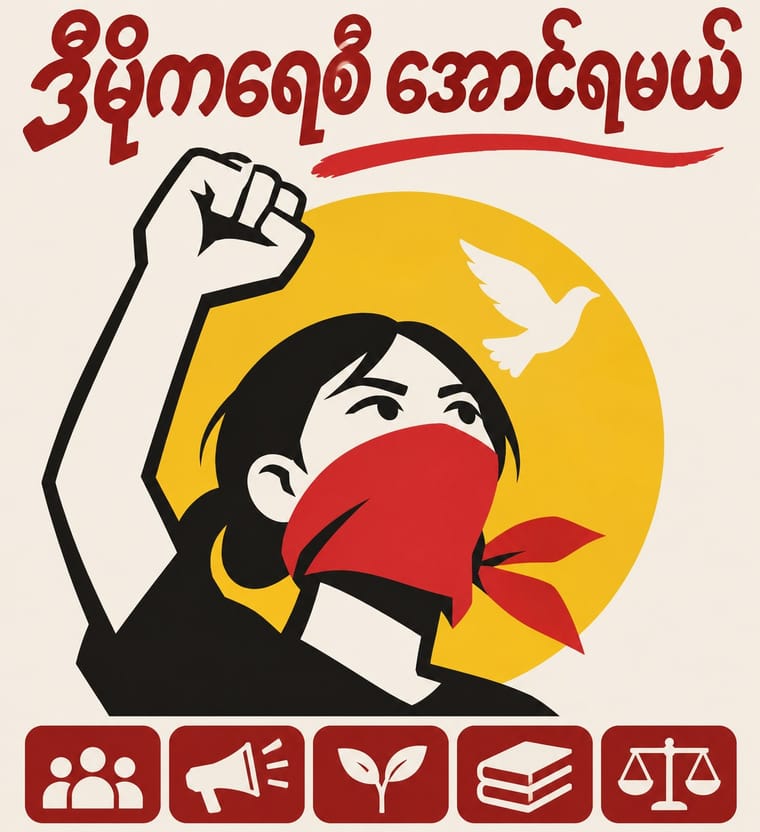
-
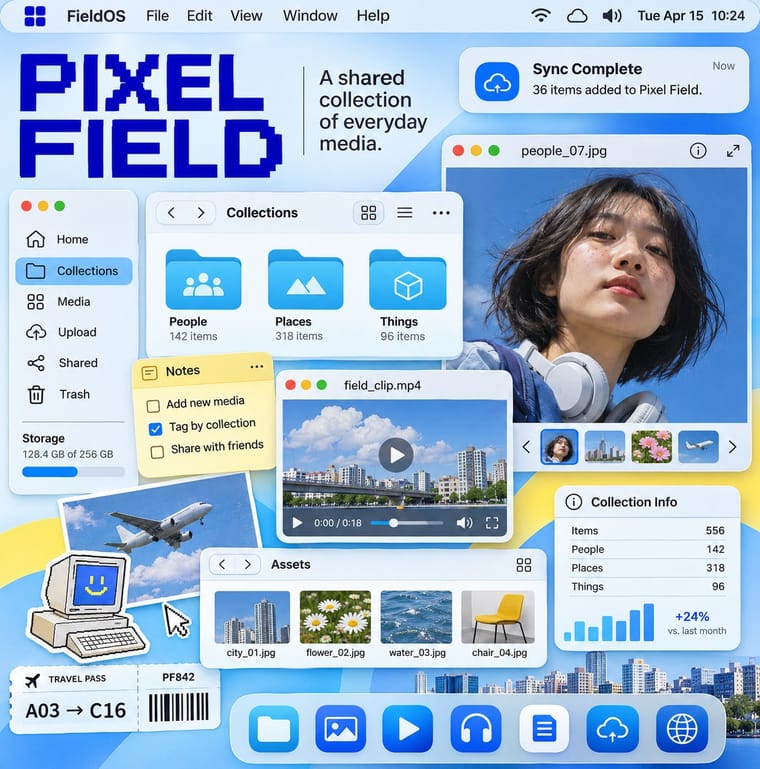
Styles that usually have it 123
A characteristic choice: usual in these styles, though not essential.
- Chinese Paper-Cut (Jianzhi) c. 500–present
- Insular Gospel-Book Illumination c. 650–800
- Viking Age Animal Styles (Borre, Jellinge, Mammen, Ringerike, Urnes) c. 800–1150
- Jain Manuscript Painting (Kalpa Sutra) c. 1100–1700
- Kamon (Japanese Family Crests) c. 1100–present
- European Heraldry c. 1140–present
- Mongol Bichig Calligraphy & Ugalz Ornament c. 1204–present
- Vyaz (Ornamental Slavonic Lettering) c. 1230–present
- Ottoman Tezhip & Saz Illumination c. 1300–present
- Mithila (Madhubani) Painting c. 1350–present
- Karagöz and Hacivat Shadow-Theatre Figures 1512–present
- Sápmi Graphic Identity (Duodji & Gákti Colour Code) 1600–present
- Needlework Sampler Lettering 1630–1900
- Tarot de Marseille Woodcut Cards 1639–present
- Yōkai Illustration (Sekien to Mizuki) 1776–present
- Hanafuda Card Design (Japanese Flower Cards) 1816–present
- Fante Asafo Flags (Frankaa) 1850–present
- Polish Wycinanki (Kurpie & Łowicz Paper-Cut) 1850–present
- Swiss Alpine Scherenschnitt (Pays-d’Enhaut & Saanenland) 1850–present
- Arts & Crafts Movement 1860–1920
- Celtic Revival Illumination & Lettering 1861–1951
- Japanese Matchbox-Label Vernacular (Rinpyō) 1885–1940
- Kanga (Swahili Message Cloth) 1886–present
- Lotería Card Imagery (Mexican Lotería) 1887–present
- Skønvirke (Danish Art Nouveau, Bindesbøll) 1890–1920
- Vienna Secession 1897–1918
- Egyptian Hajj Wall Painting 1900–present
- Guna Mola 1900–present
- Uli & Nsibidi Line and Sign Tradition 1900–present
- Bezalel School 1906–1929
- Taishō Roman & Lyrical Illustration 1910–1940
- Peruvian Indigenista Graphics (Amauta and Neo-Peruvian Design) 1923–1945
- Seiz Breur (Breton Modernised Folk Design) 1923–1947
- Sivakasi Firecracker & Matchbox Label Art 1923–present
- Neues Frankfurt Graphics (Frankfurt Municipal Design 1925-30) 1925–1930
- Campo Grafico Rationalist Typography 1933–1939
- Uruguayan Constructive Symbol Graphics (Círculo y Cuadrado) 1936–1943
- Ndebele Geometric Painting 1940–present
- Googie & Atomic Age 1945–1965
- Gzhel Cobalt Ceramic Painting 1945–present
- Pakistani Truck Art 1947–present
- North Korean Propaganda Poster & Mansudae Studio Style 1948–present
- Japanese Postwar Modernism 1950–1990
- Brazilian Concrete Design 1951–1975
- Venezuelan Graphic Modernism (Leufert, Nedo and the Neumann Institute) 1951–1990
- HfG Ulm Systematic Design 1953–1968
- Corporate Identity Modernism 1955–1990
- Situationist Détournement Graphics 1956–1972
- Soviet and Eastern Bloc Matchbox Labels 1956–1991
- Black Orpheus, Mbari and Oshogbo Graphics 1957–1975
- Di Tella Graphic Design (Instituto Torcuato Di Tella) 1960–1970
- Op Art Graphics 1960–1975
- Panamanian Painted Buses (Diablos Rojos) and Their Central American Kin 1960–present
- Indian Institutional Modernism (NID) 1961–1990
- Casablanca School Graphic Modernism 1962–1987
- Fluxus Graphics (Maciunas) 1962–1978
- Cruz Novillo Institutional Identity (Spain After Franco) 1963–2026
- Early Computer Art & Plotter Graphics 1963–1980
- Kanoon Children's Book Illustration (Iran, 1965 to 1979) 1965–1979
- Supergraphics 1966–2026
- AfriCOBRA 1968–present
- Kawaii Design 1970–present
- Senegalese Car Rapide Painting and Lettering 1970–present
- Carnation Revolution Posters and Murals 1974–1976
- LGBTQ Pride Graphics (Rainbow Flag to Progress Flag) 1978–present
- 2 Tone Graphics 1979–1986
- British Style Press (The Face, i-D and Arena) 1980–1990
- Fighting Fantasy Gamebook Illustration 1982–present
- Siluetazo (Life-Size Silhouette Posters) 1983–present
- Techno-Futurist Graphics 1986–2002
- Global Village Coffeehouse 1988–2003
- Torres Strait Islander Linocut 1991–present
- Gabber and Hardcore Graphics (Rotterdam and Thunderdome) 1992–present
- Bandung Distro Graphics 1993–present
- Collectible Card Game Design (Magic and Pokémon Frames) 1993–present
- Hype Streetwear Graphics (Box Logo to Quotation Marks) 1993–present
- Superflat 1993–present
- Early Web Vernacular 1994–2004
- Swiss Eighth-Series Banknote Design (Zintzmeyer) 1995–2021
- Flash-Era Web Design (Flash Portfolio Sites) 1997–2010
- Indian Pop-Kitsch Design (Desi Kitsch) 1997–present
- Media-Player & Desktop Skins (Winamp-Era Skinning) 1997–2008
- Japanese Dense Web Design 1999–present
- Cyworld Minihompy & Minimi (Korean Mini-Homepage Culture) 2001–2015
- Euro Banknote Design (Ages and Styles of Europe) 2002–present
- Scene and MySpace-Era Emo Graphics 2003–2014
- Frutiger Aero 2004–2013
- Hauntology & Ghost Box Design 2004–present
- Neo-Andean Architecture (Cholets) 2005–present
- Seoul Independent Graphic Design (Small-Studio Scene) 2005–present
- Showa and Heisei Retro Revival (Japanese Packaging and Kissaten Graphics) 2005–present
- Blingee and Glitter-GIF Collage 2006–2024
- Generative & Dynamic Identities 2007–present
- Lucerne Poster Scene (Neubad & Südpol Posters) 2007–present
- Conceptual Business-Magazine Covers (Businessweek, Turley Era) 2010–2014
- Kidcore 2010–present
- Metro (Microsoft Design Language) 2010–2017
- Gacha Game Key Art and Interface (Mobile Anime RPG Look) 2012–present
- Gezi Park Protest Graphics (Turkey, 2013) 2013–2014
- Yami-Kawaii (Sick-Cute) 2013–present
- Hong Kong Protest Art (Umbrella Movement to the 2019–20 Protests) 2014–2020
- Sticker Bombing (All-Over Sticker Collage) 2014–present
- Isometric Tech Illustration 2015–present
- Persona UI (Atlus Kinetic Stylised Interface) 2016–present
- Future Medieval Graphics 2017–present
- Contemporary Folk Botanical Illustration (Elemental Folk) 2018–present
- Cottagecore 2018–present
- Dakku (Korean Diary-Decoration Graphics) 2018–present
- Extinction Rebellion Graphics 2018–present
- Guochao (China-Chic National Trend) 2018–present
- Blind-Box Designer Toy Packaging and Character Branding 2019–present
- Dark Tech Minimalism 2019–present
- Lebanese October Uprising Graphics (Thawra 2019) 2019
- Neumorphism 2019–2021
- Bento Feature-Grid Design 2020–present
- Claymorphism & Soft 3D 2020–present
- Glassmorphism 2020–present
- Milk Tea Alliance Graphics 2020–present
- Neo-Brutalism 2020–present
- Palestinian Watermelon and Keffiyeh Graphics 2021–present
- Bangladesh July 2024 Uprising Graffiti and Wall Art 2024–present
- Ornamental Romantasy Book Cover 2024–present
- Liquid Glass (Apple Interface Language) 2025–present