Digital native · 2010–present · Global / networked, Western Europe
Whiteboard Explainer Animation ( RSA Animate )
Also known as RSA Animate, Whiteboard animation, Hand-drawn explainer video
A produced film in which a speaker's recorded talk is illustrated by a single hand drawing on a white field: black marker line, thin spot colour, icons, arrows and lettering accumulate and are wiped away scene by scene. Unlike sketchnoting, which is a static, personal record made live, the audio here is recorded beforehand and the drawing is timed to it. Whiteboard animation existed before the RSA (early videos appeared on YouTube in 2009), but the RSA's ten-minute RSA Animate lectures, from 2010, made it widely known, and the explainer genre has since outgrown them.
Make something in this style Get advice in this style Mix it with another style
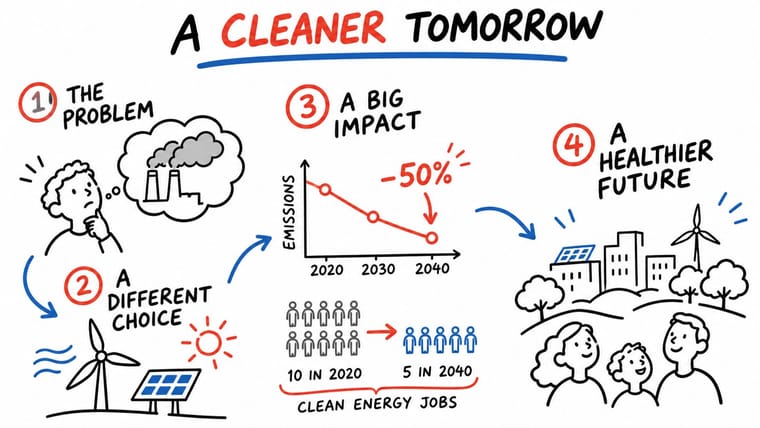
01
Its picture in other colours
Change a colour and every picture on this page follows. It happens in your browser, from the same pictures: nothing new is made or saved.
Choose a colour to change it
-
#ffffff -
#1a1a1a -
#d93a2b -
#2f6fb5 -
#9a9a9a
A faded colour isn’t in these pictures, so changing it changes nothing.
Light and dark stay where they are; greys hardly move.
More colours: any style’s, or your own
The pictures show the style’s own colours.
02
Make something in this style
Say what you need, and Stylogeny’s image studio draws it from Whiteboard Explainer Animation (RSA Animate)’s design choices and checks it against them. It takes about a minute, and you get a link to share.
03
How it works
Palette
-
#ffffffground · 71% -
#1a1a1anot in its pictures -
#d93a2bnot in its pictures -
#2f6fb5not in its pictures -
#9a9a9aink · 14%
Shares measured from its picture. The ground is what the pictures sit on (of the colours covering most, the most neutral), the ink stands out from it most, the rest are accents.
Typefaces
-
Hand-lettered capitals in marker
-
Informal printing-style handwriting
- Draw everything on one continuous white field so the picture builds up as the argument does.
- Keep to a black marker line with one or two thin spot colours.
- Show a hand drawing each stroke in time with the spoken sentence it illustrates.
- Turn each abstract idea into a simple icon, figure or arrow diagram before adding detail.
- Wipe or pan to the next scene so the story reads as one linked sequence.
London, UK: the RSA and animator Andrew Park of Cognitive
Change it with an idea. Any of the 73 moves that make a design say something can go on this style.
04
Its design choices
From Stylogeny’s vocabulary of design choices: defining choices make the style, characteristic ones are usual, occasional ones turn up now and then.
- Layout & composition
- Space & hierarchy
- Typography
- Form & shape
- Surface & texture
- Ornament
- Medium & production
- Tone & intent
- Avoids
- Straight photography, 3D render, Gloss & highlights, Skeuomorphic material, Abundant decoration, Gradients, Modular grid, Horror vacui
How its pictures are made Drawn & painted, Systematic
Kind of picture: Drawn & painted · Systematic
Known for
-
RSA Animate, the series made by Cognitive from RSA talks and books, begun in 2010
-
RSA Animate, first animation adapting Renata Salecl's RSA talk on choice
-
RSA Animate series on the RSA YouTube channel
first 14 animations had 46 million views by 2011
05
Where it comes from, and what it’s close to
Grew out of
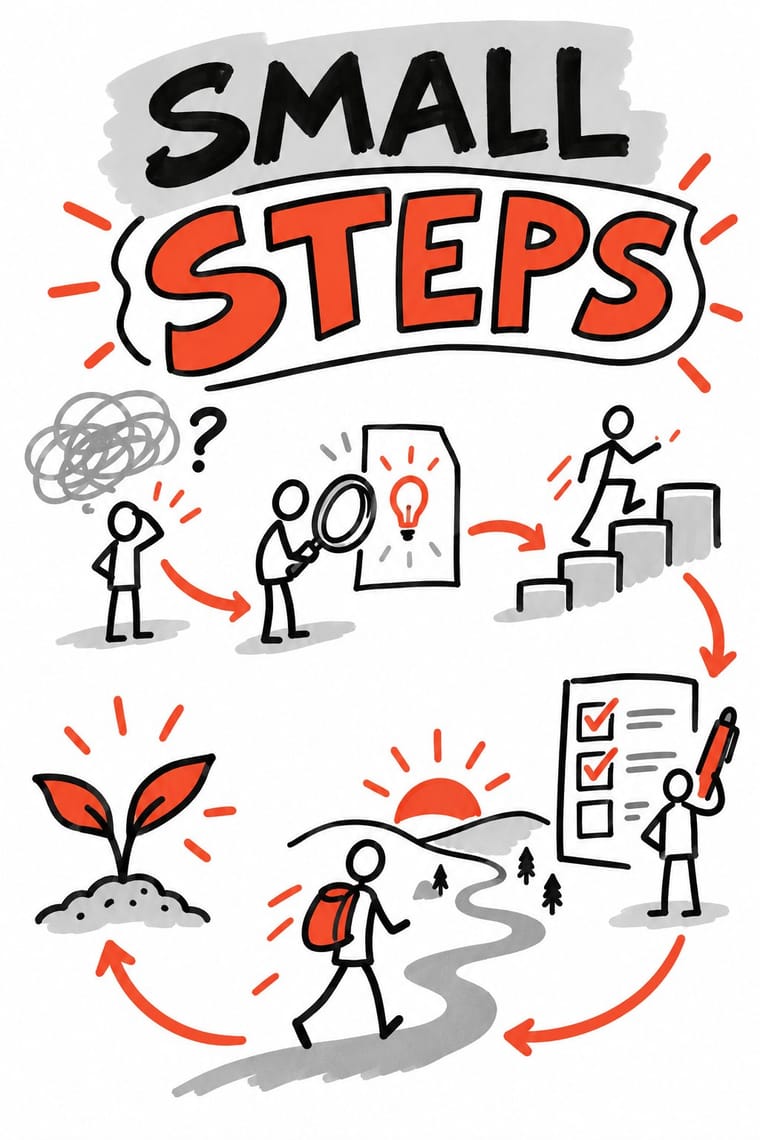
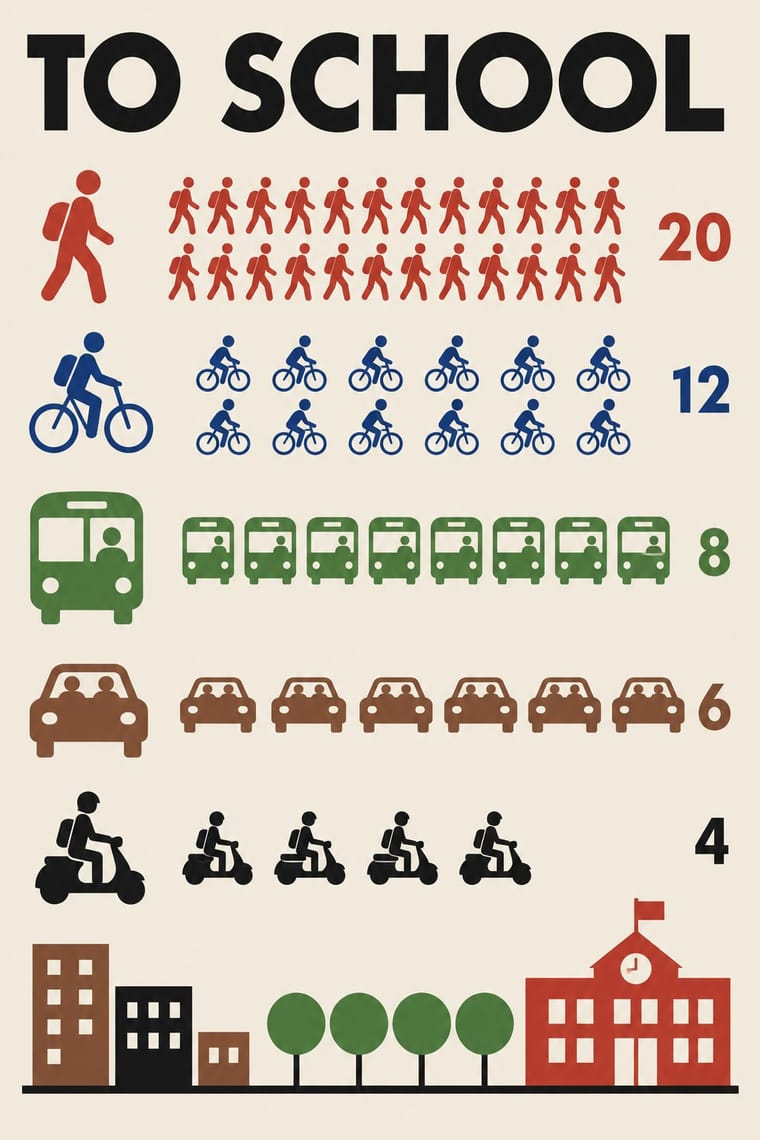
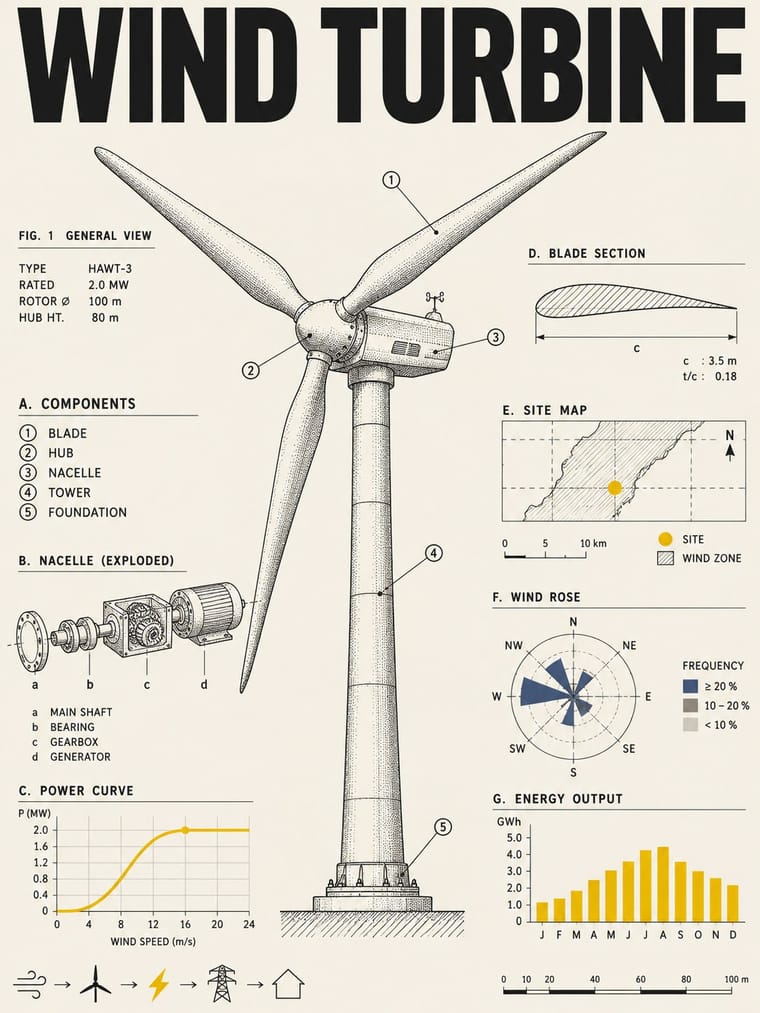
Whiteboard Explainer Animation (RSA Animate) 2010–present
No later style in the atlas grew out of it yet.
Alike in its design choices
06
Combine it with
Styles Whiteboard Explainer Animation (RSA Animate) pairs well with or plays against, from the research. Each is worked out as a combination: which style gives the type, the colours and the forms.
- Kinetic Typography & Variable Type Contrasts · Moves the type itself rather than the hand; a useful opposite when the words should dominate.
- Corporate Memphis Contrasts · Polished flat vector figures instead of a visible hand-drawn line.
- Isotype Pictorial Statistics Pairs well · Reuse its disciplined pictograms to make statistics legible as drawings.
- Sketchnoting and Graphic Recording Pairs well · Borrow its icon vocabulary and hand lettering, then add timing and a voice-over.
07
Often taken for
Whiteboard Explainer Animation has no real works recorded yet, so these are its nearest styles by its choices alone, with the choices that tell them apart.
-
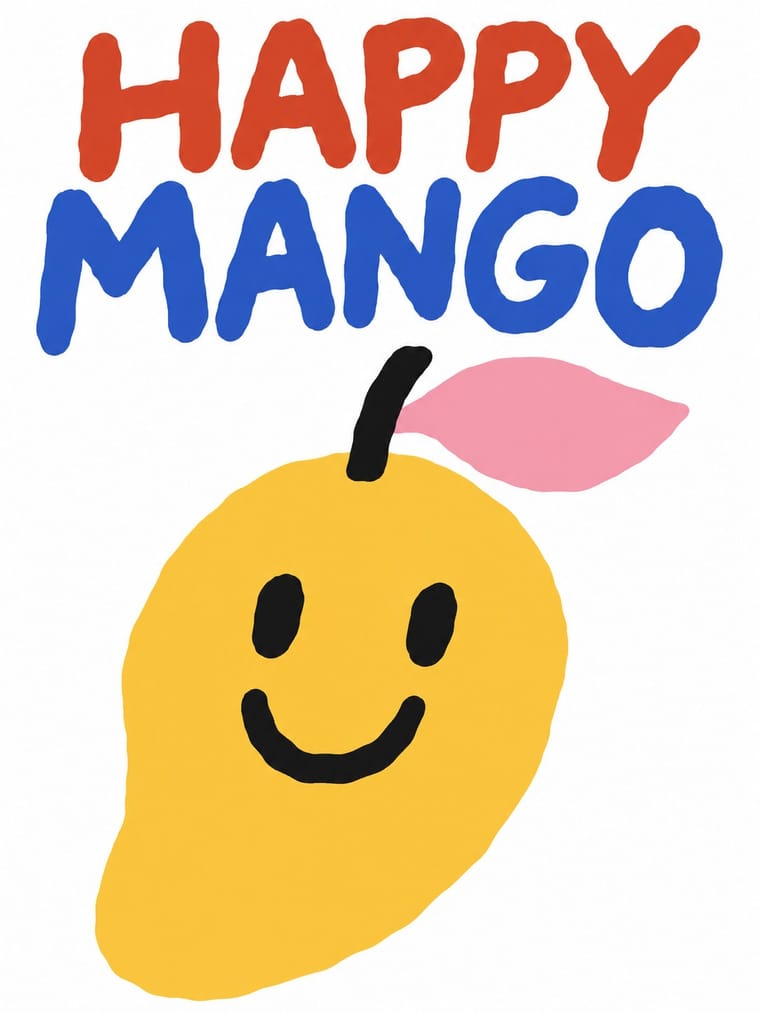
Naive Scribble Branding
Naive Scribble Branding is one of Whiteboard Explainer Animation’s nearest styles by choices; no real work of either fits the other better.
Choices that tell Whiteboard Explainer Animation and Naive Scribble Branding apart Choice Whiteboard Explainer Animation Naive Scribble Branding Diagram & data defining — Flat fields — defining Sequential narrative defining — Isolated object — defining Monochrome characteristic — No shared descent in the atlas: they reached these choices separately.
-
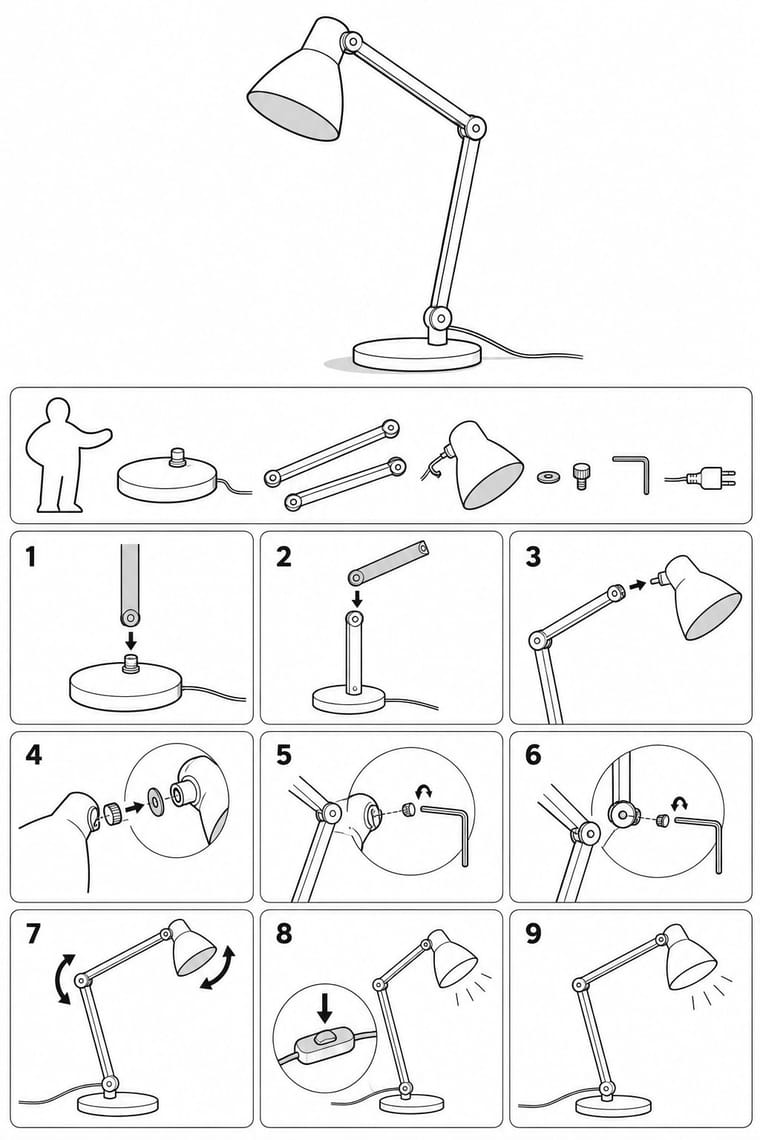
Sketchnoting and Graphic Recording
Sketchnoting and Graphic Recording is one of Whiteboard Explainer Animation’s nearest styles by choices; no real work of either fits the other better.
Choices that tell Whiteboard Explainer Animation and Sketchnoting and Graphic Recording apart Choice Whiteboard Explainer Animation Sketchnoting and Graphic Recording Generous white space defining — Horror vacui avoids characteristic Flat defining — Dynamic asymmetry — characteristic Ornament-free characteristic — Whiteboard Explainer Animation descends from Sketchnoting and Graphic Recording: a shared line, so the likeness is inherited.
-
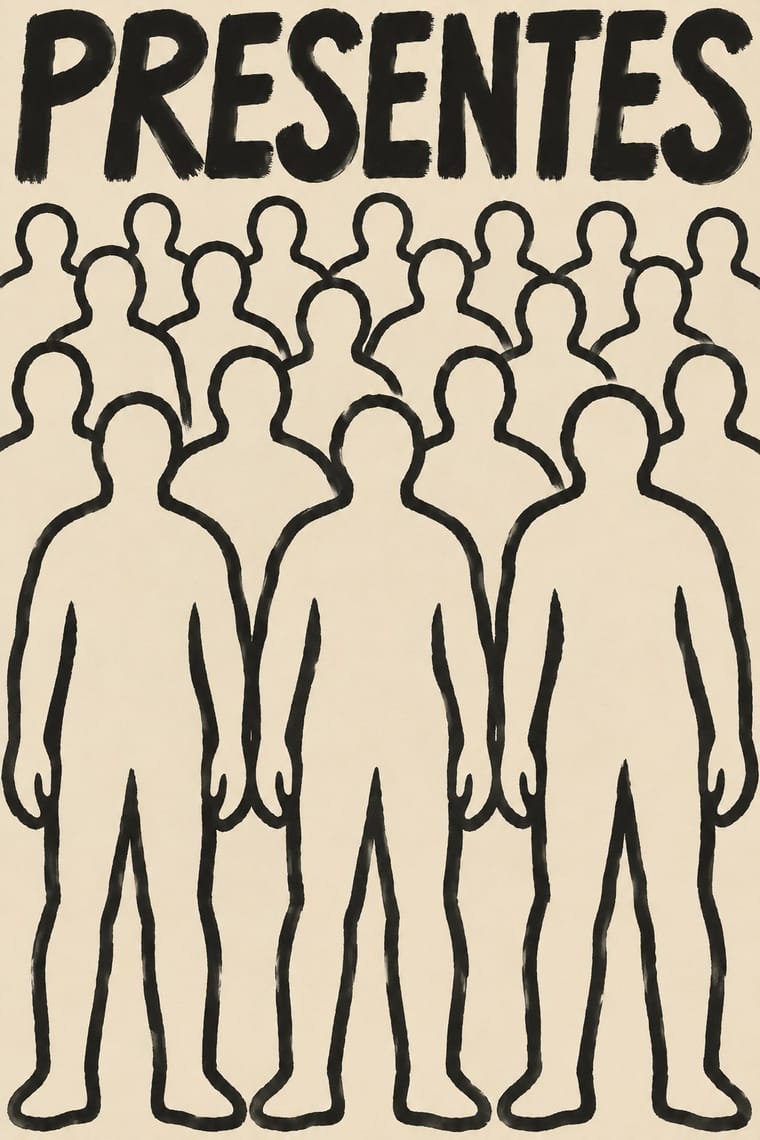
Siluetazo (Life-Size Silhouette Posters)
Siluetazo is one of Whiteboard Explainer Animation’s nearest styles by choices; no real work of either fits the other better.
Choices that tell Whiteboard Explainer Animation and Siluetazo apart Choice Whiteboard Explainer Animation Siluetazo Diagram & data defining — Repetition & rhythm — defining Generous white space defining — Flat fields — characteristic Sequential narrative defining — No shared descent in the atlas: they reached these choices separately.
-
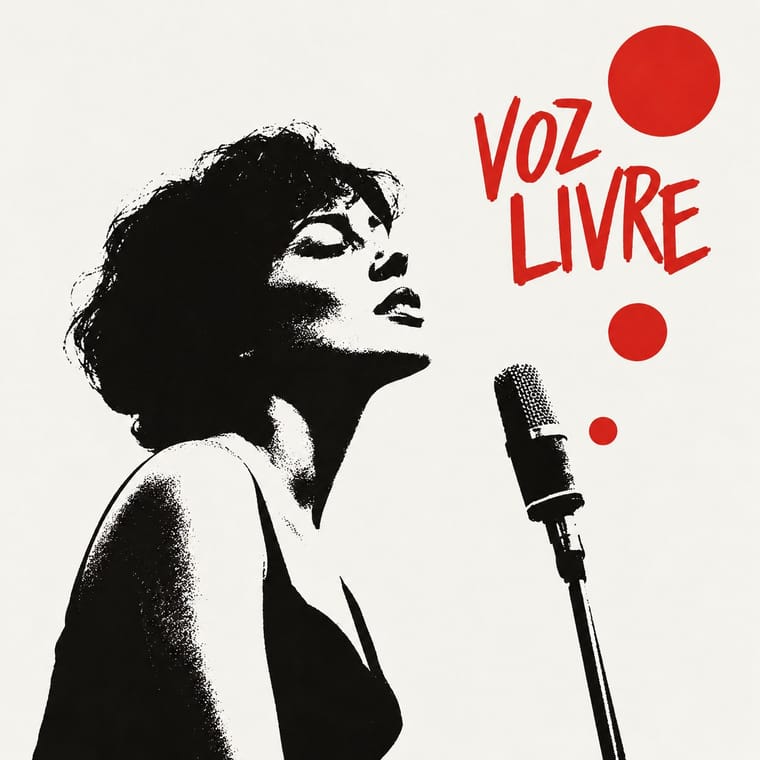
Bossa Nova Sleeve Modernism (César Villela and Elenco)
Bossa Nova Sleeve Modernism is one of Whiteboard Explainer Animation’s nearest styles by choices; no real work of either fits the other better.
Choices that tell Whiteboard Explainer Animation and Bossa Nova Sleeve Modernism apart Choice Whiteboard Explainer Animation Bossa Nova Sleeve Modernism Diagram & data defining — Treated photography — defining Sequential narrative defining — Dynamic asymmetry — defining Pictogram characteristic — No shared descent in the atlas: they reached these choices separately.
— means the choice isn’t among the style’s recorded choices. Critics recorded each work’s choices with the styles’ descriptions in view, so this shows whether the descriptions hold together, not proof that they are right.
08
Sources
How Stylogeny researches and checks a style: where the facts come from.