Kind of picture · Photographic
Graphic-design styles led by photographs
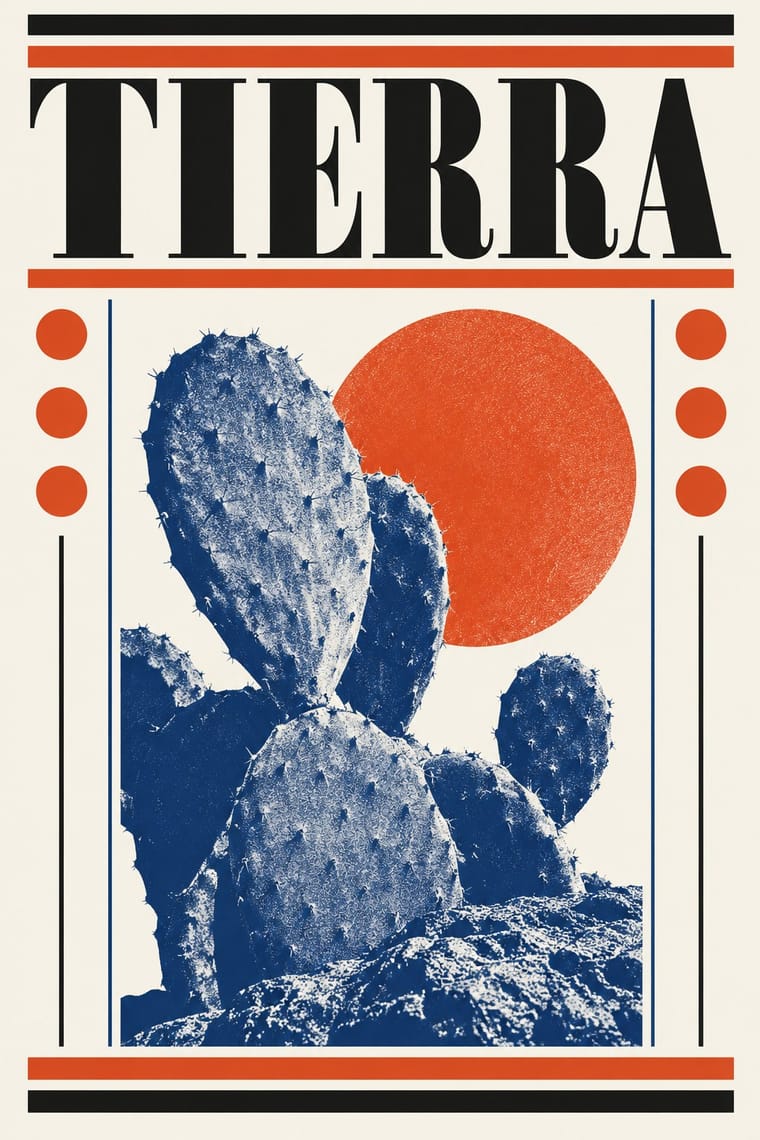
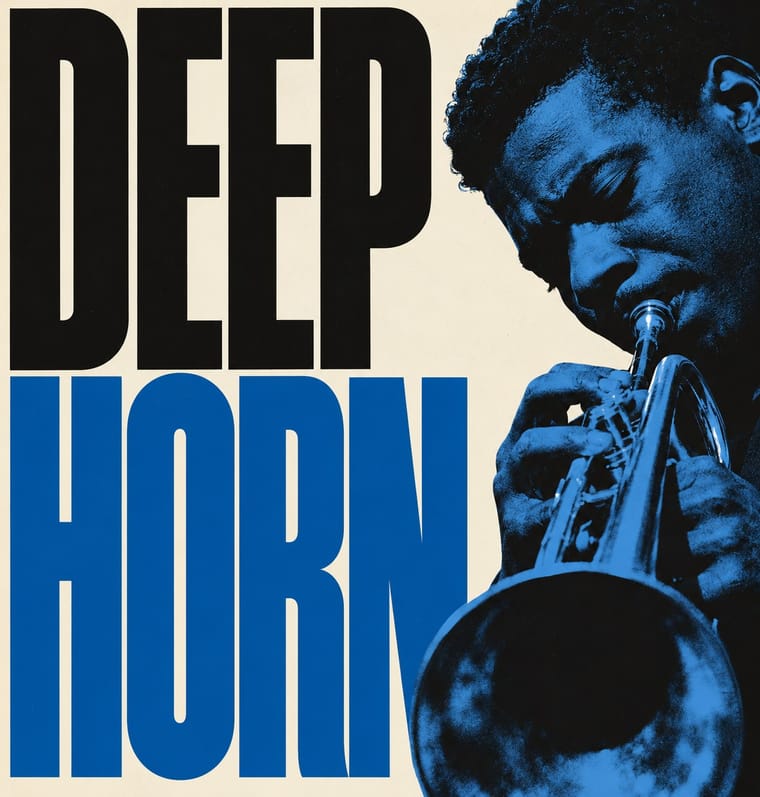
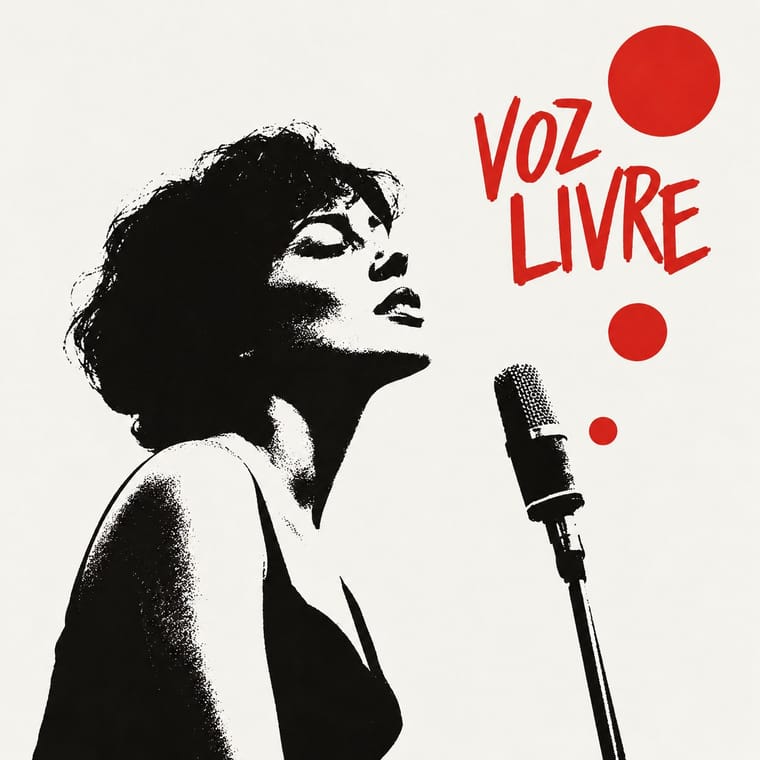
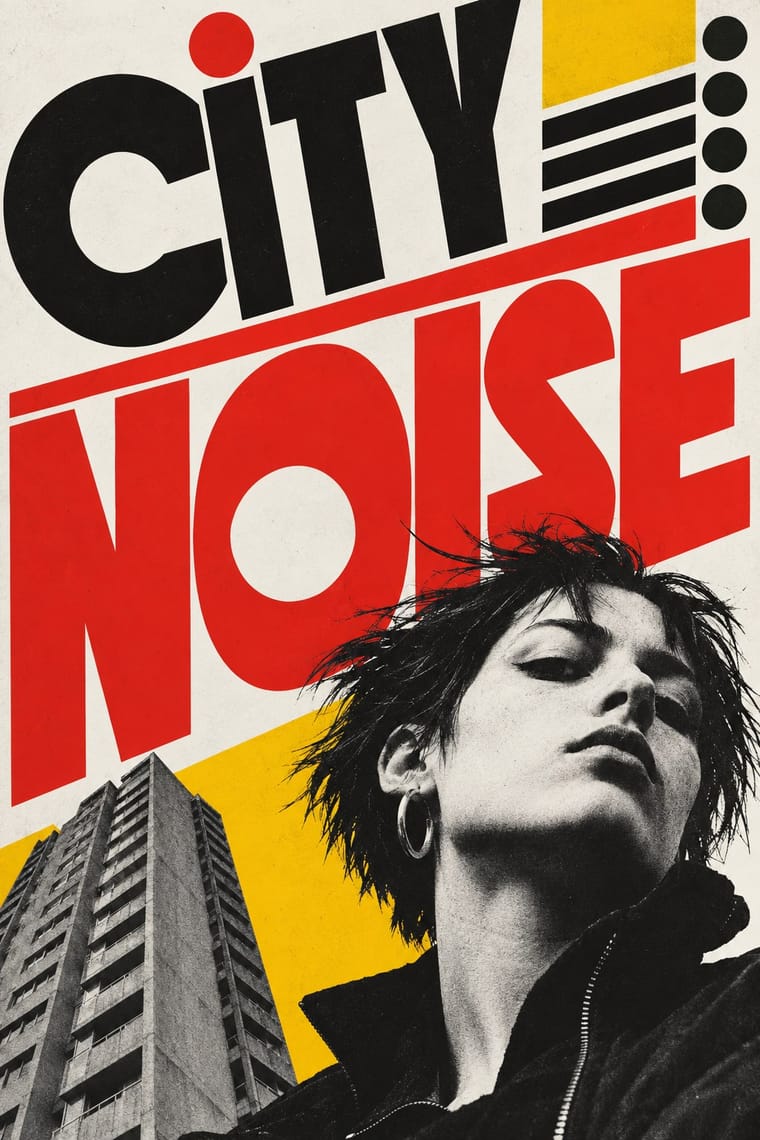
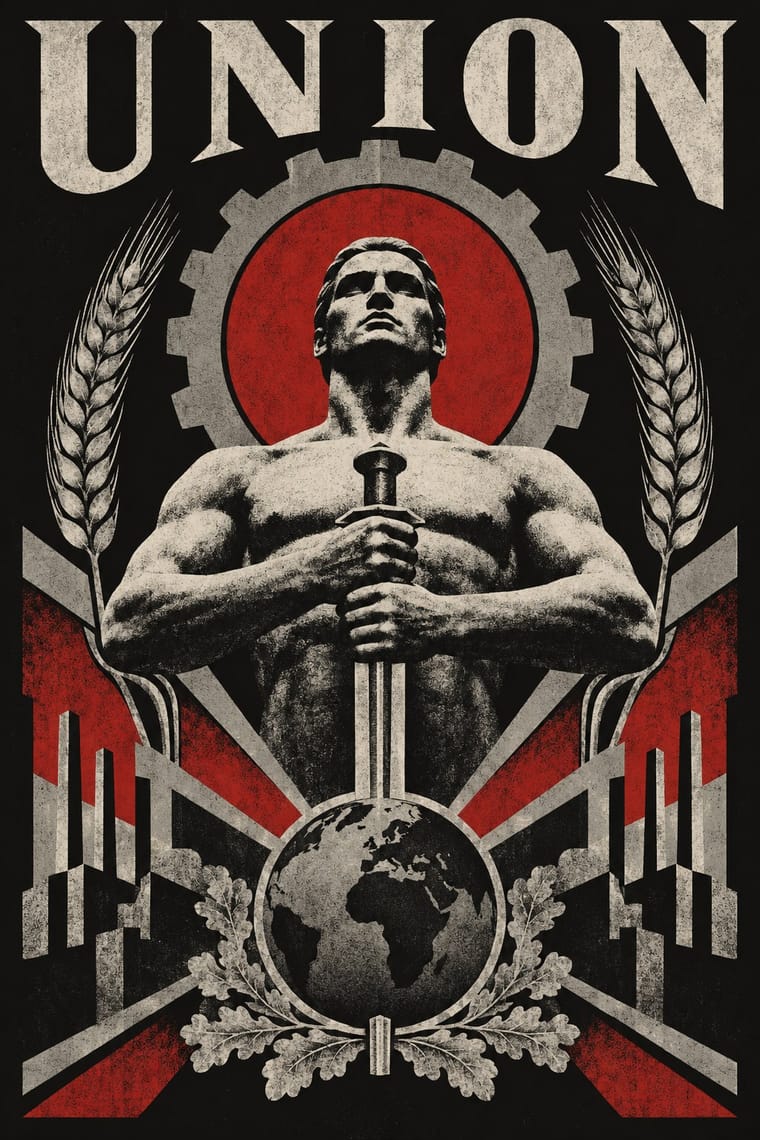
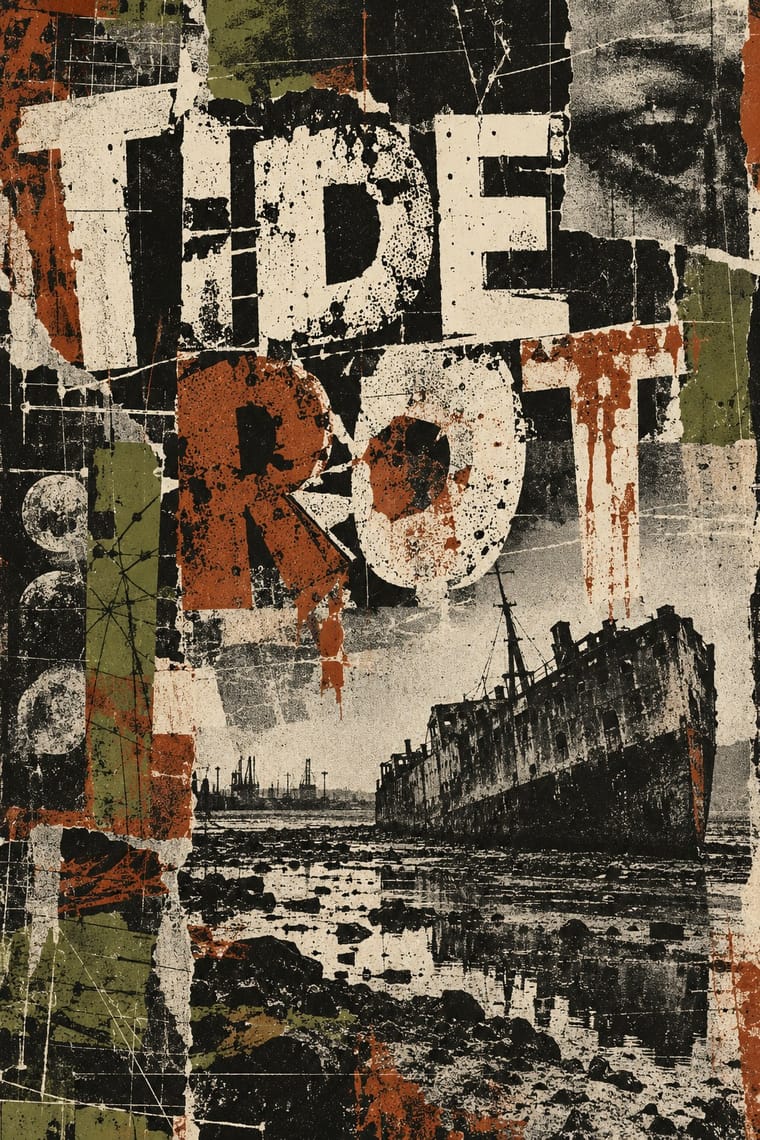
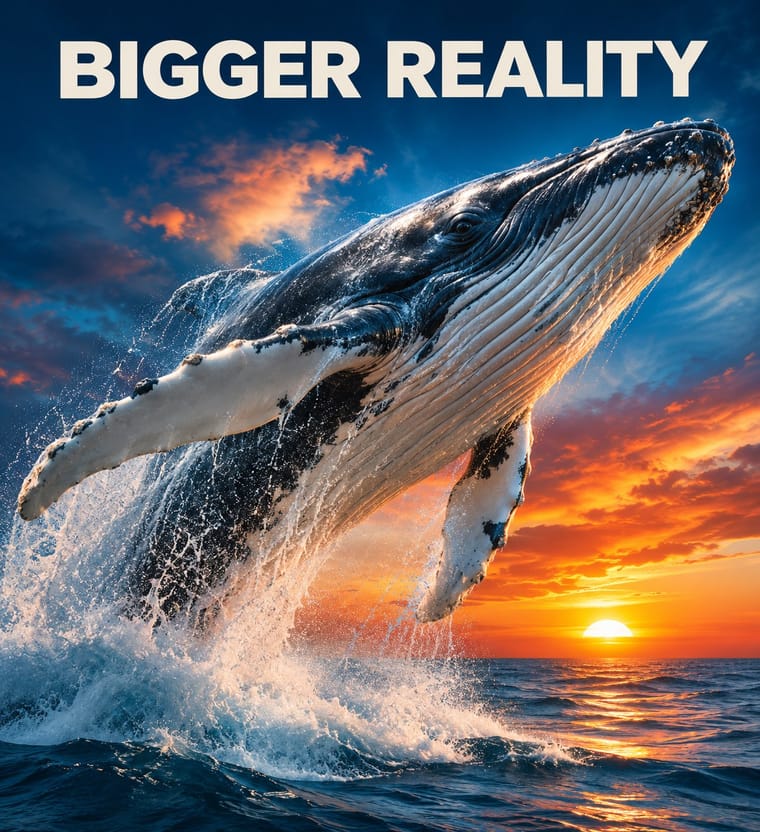
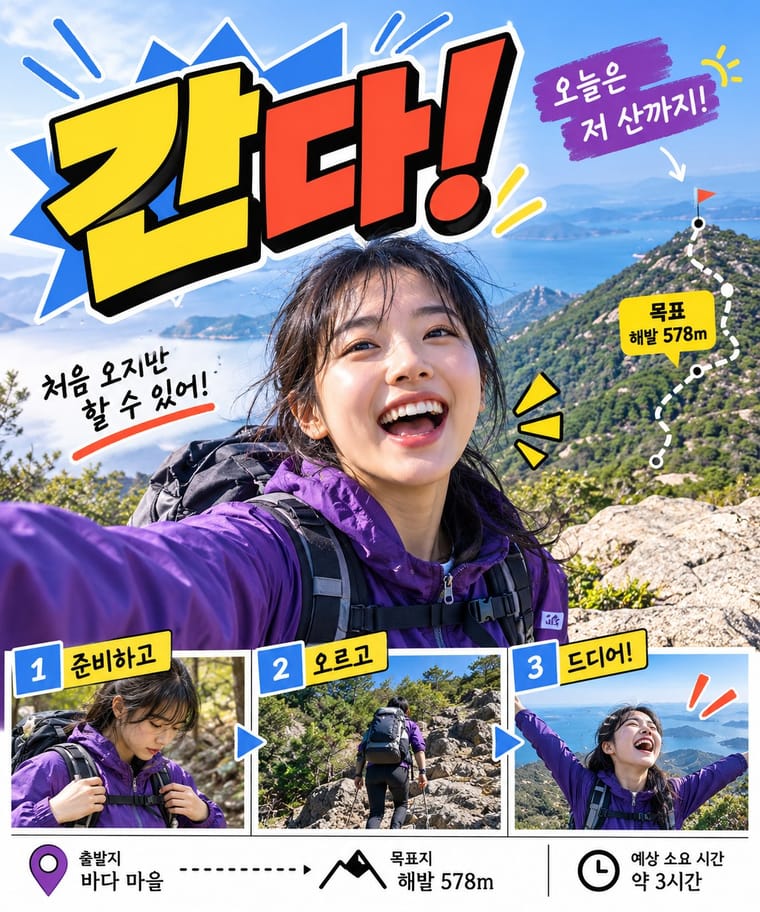
Styles whose pictures come from a camera: straight photographs, photographs cut and joined into a montage, and photographs treated in print.
A style is here when one of this kind’s imagery choices defines it or is usual in it. 45 of the 179 have no other kind of picture; the rest mix it with another.
- styles
- 179
- defined by it
- 90
- with no other kind
- 45
- described so far
- 34
The choices in this kind
From the imagery facet of Stylogeny’s vocabulary, each with the styles here that make it.
-
Straight photography
113 styles
Documentary, portrait or product photography.
-
Photomontage
75 styles
Cut and recombined photographs.
-
Treated photography
83 styles
Duotone, high-contrast or posterised photographs.
What Stylogeny asks of these pictures
6 groups of questions fit this kind. The answers are researched style by style from real works: 34 of these 179 styles are described so far, and an answer shows how many of them it is recorded for. Every answer explained
- Light How are the pictures lit, and what do the shadows do?
-
- Overcast & flat daylight 6 styles
- Hard, direct sun 4 styles
- Golden hour
- Twilight & blue hour
- Window light 2 styles
- Direct on-camera flash 3 styles
- Soft studio light 12 styles
- High-key 6 styles
- Low-key & chiaroscuro 8 styles
- Ring light
- Backlight & rim 1 style
- Silhouette 1 style
- Raking side light
- Night & practical light
- Available light in the dark
- Coloured gels 1 style
- Warm against cool
- Uncorrected lamp colour
- Colour bounced from the surroundings
- Fog, mist & haze 1 style
- Light beams, smoke & dust
- Rain & wet surfaces
- Snow & frost
- Storm & dramatic sky 1 style
- Hard-edged shadows 8 styles
- Soft-edged shadows 13 styles
- Shadowless 2 styles
- Open, filled shadows 4 styles
- Deep shadows 10 styles
- Black shadows 6 styles
- Coloured shadows
- Rounded, modelled form 26 styles
- Flat form 5 styles
- Cast shadows as shapes 3 styles
- Patterned & dappled light
- Specular highlights & gloss 7 styles
- Shaped reflections 2 styles
- Coloured reflections 1 style
- Prominent catchlights 2 styles
- Blown highlights
- Held highlights 1 style
- Viewpoint From where, how close and how deep is the scene seen?
-
- Eye level 29 styles
- Low angle 3 styles
- High angle 8 styles
- Overhead & flat lay 1 style
- Aerial & drone
- Tilted angle
- Close & intimate 29 styles
- Middle distance 25 styles
- Far & detached 1 style
- Layered depth 10 styles
- Frame within a frame
- Flattened planes 16 styles
- Horizon as divider 1 style
- Reflections & mirrors
- Lens What do the lens and the exposure time do to the picture?
-
- Wide angle 1 style
- Normal lens 30 styles
- Telephoto compression
- Fisheye
- Macro 1 style
- Shallow depth of field 7 styles
- Deep focus 12 styles
- Soft focus & diffusion 1 style
- Selective plane
- Corrected perspective 1 style
- Vignetting 1 style
- Lens flare & haze
- Pinhole & toy lens
- Motion blur 1 style
- Panning
- Long exposure
- Deliberate stillness
- Frozen instant 1 style
- Decisive moment
- Snapshot 1 style
- Pose How do people stand, turn, look and move?
-
- Standing straight 2 styles
- Contrapposto & S-curve 1 style
- Wide, grounded stance
- Walking & mid-stride 1 style
- Leaning against something 3 styles
- Seated upright 1 style
- Seated loosely 1 style
- Reclining & lying 1 style
- Crouching, squatting & kneeling 1 style
- Jumping & mid-air
- Shoulders square to the camera 6 styles
- Three-quarter turn 15 styles
- Side-on profile 7 styles
- Back to the camera 1 style
- Glance back over the shoulder 1 style
- Eyes to the lens 16 styles
- Looking away 10 styles
- Eyes lowered or closed 2 styles
- Looking upward 2 styles
- Tilted head
- Chin down, eyes up
- Absorbed in a task 11 styles
- Relaxed & natural 6 styles
- Stiff & held still
- Angular & broken lines 3 styles
- Elongated & stretched 1 style
- Fast, full-body movement
- Theatrical & acted 15 styles
- Awkward & in-between
- Neutral face 6 styles
- Smiling 7 styles
- Laughing
- Smouldering look
- Stern & intense 2 styles
- Cute & playful faces
- Emotion shown openly 2 styles
- Finish What does the photograph’s surface show, and how much was changed afterwards?
-
- Visible grain 8 styles
- Clean & noiseless 12 styles
- Hyper-detailed
- Halation & light leaks
- Scratches, dust & decay
- Visible film border
- Compression, glitch & sensor noise 2 styles
- Straight print
- Dodging & burning
- Heavy retouching 3 styles
- Composite & montage 15 styles
- HDR & tone-mapped
- Filter & preset look 2 styles
- Painted, scratched or drawn on 3 styles
- Solarisation 1 style
- Inverted tones (negative)
- Text & graphics on the image 23 styles
- Borrowed from Where do the borrowed pictures come from?
-
- News & press photographs 6 styles
- Advertising & packaging 1 style
- Political imagery 7 styles
- Old engravings & prints
- Art-history masterpieces 1 style
- Film, television & celebrity 3 styles
- Comics & cartoons
- Devotional & popular prints
- Family & amateur snapshots 3 styles
- Clip art & stock 4 styles
- Screenshots & interface parts
- Scientific & technical pictures 2 styles
- Documents & ephemera 4 styles
- Memes & internet finds 2 styles
Styles defined by it 90
One of this kind’s choices is among those that make the style.
-
Dada Born in wartime Zurich at the Cabaret Voltaire in 1916 and spreading to Berlin, Hanover, Cologne and Paris, Dada used chance, absurdity and provocation against the culture that had produced the war.
-
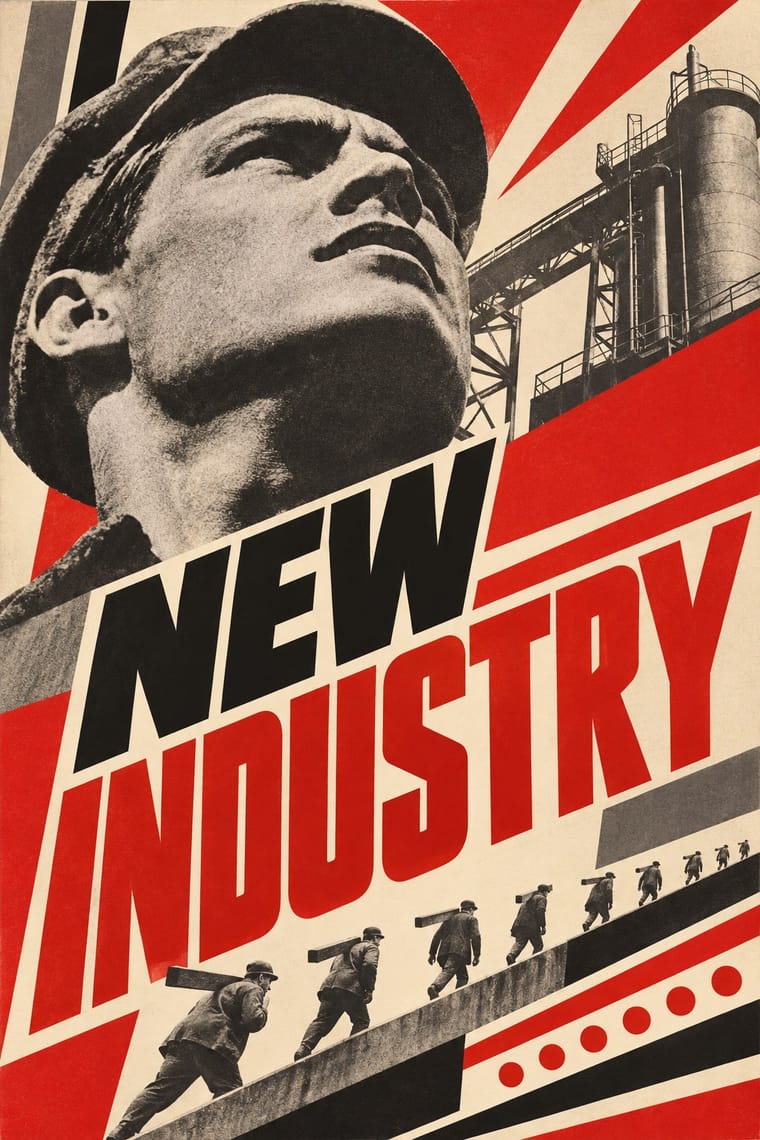
Russian Constructivism Constructivism rejected art for art's sake in favour of the artist-engineer building useful things for the new Soviet society.
- Italian Fascist Graphics (Romanità & Exhibition Photomontage) The visual language of Italian Fascism, which turned modernist means to a cult of Rome and of the Duce.
-
Czech Poetist Book Design (Devětsil) The book and magazine design of the Czech Devětsil circle, where Karel Teige and his colleagues turned constructivist tools (asymmetry, sans and slab capitals, heavy bars, photomontage) toward Poetism's lyrical celebration of travel, cinema, jazz and the circus.
-
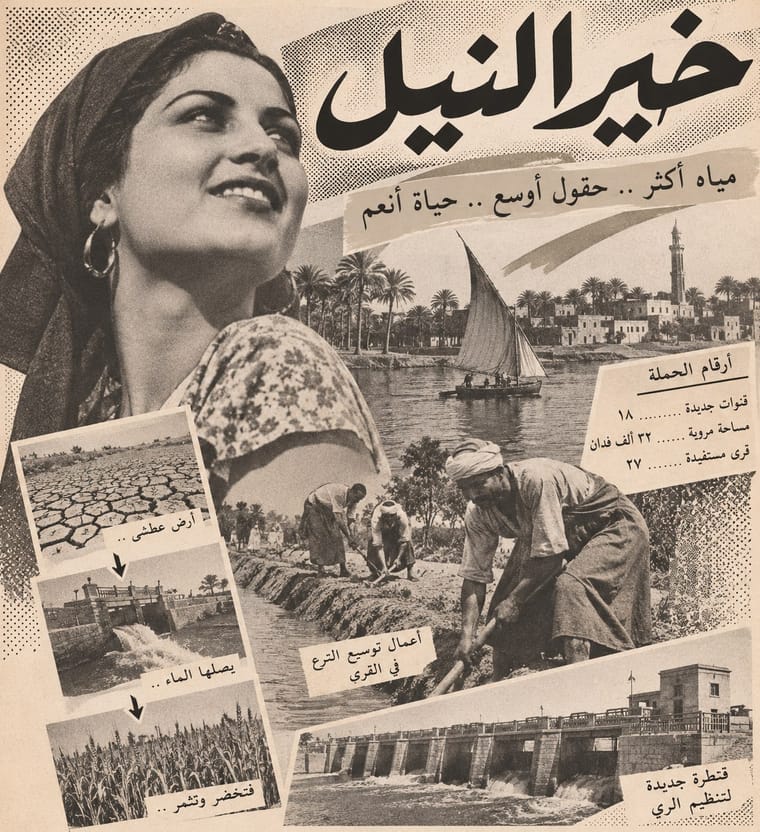
Cairo Interwar Photo-Illustrated Magazine Design Images, Dar al-Hilal's French-language illustrated weekly of Cairo, printed by rotary heliogravure, made the photograph its narrative unit, with free-form montage, maps, diagrams and caricature, on the model of Paris's Vu.
- AIZ Political Photomontage (Heartfield) The political photomontage John Heartfield made for the communist weekly AIZ from 1930 to 1938, in Berlin and, from 1933, in Prague exile.
-
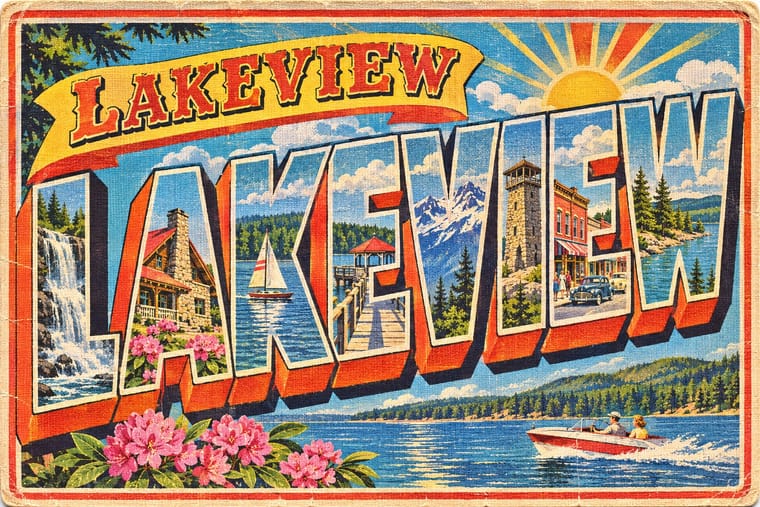
American Large-Letter Linen Postcard An American souvenir-print idiom that turns a destination's name into a miniature sightseeing album: monumental outlined capitals contain separate local views, with solid shaded sides lifting the word off its ground.
-
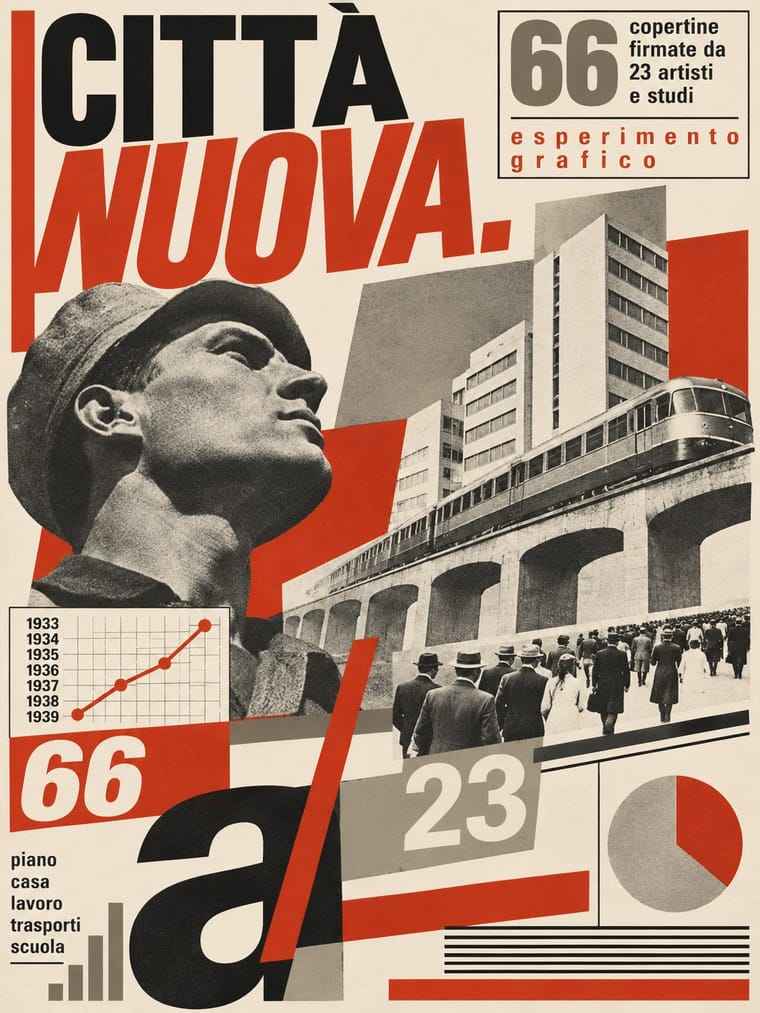
Campo Grafico Rationalist Typography The graphic language of the Milan trade monthly Campo Grafico, which brought European avant-garde typography to Italian printers in 66 issues.
- Nippon Kōbō & Tōhōsha Photo-Propaganda Magazines (NIPPON & FRONT) Luxury photo-propaganda magazines that imperial Japan sent abroad, 1934–45.
-
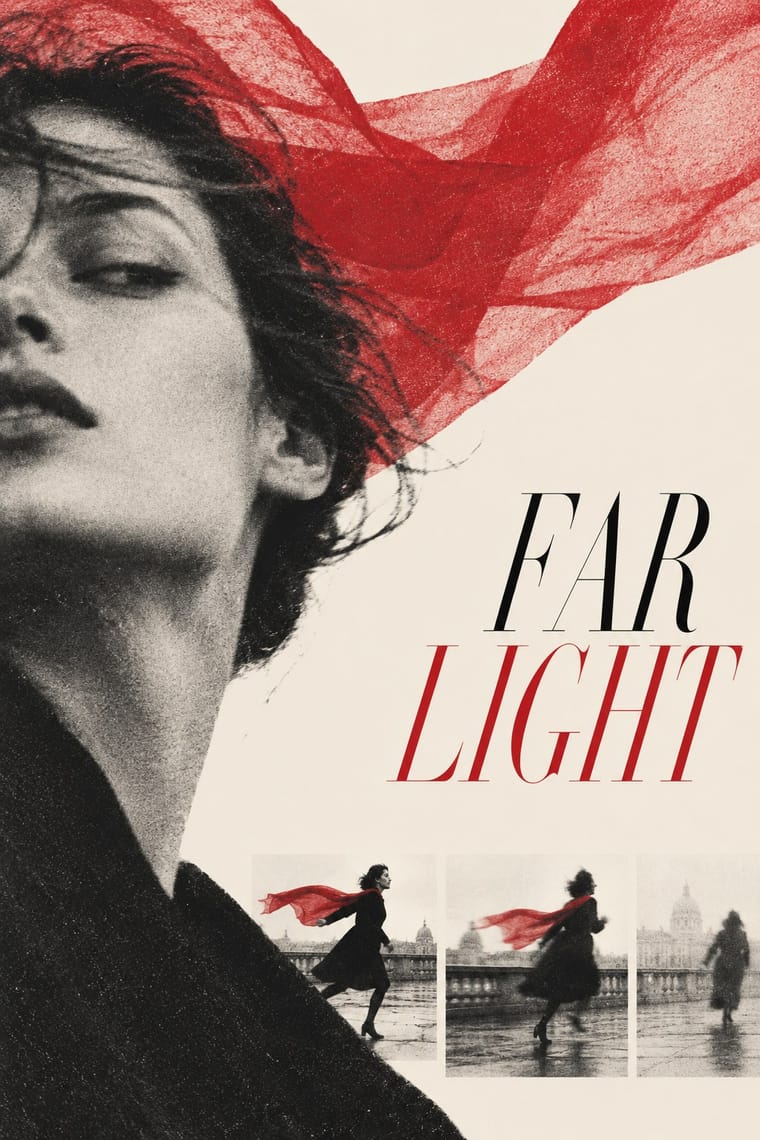
Brodovitch Editorial Design (Harper's Bazaar) A magazine-spread idiom in which the photograph is treated as a cinematic sequence: bled, unexpectedly cropped, grainy and blurred images set against generous white space, a Didone masthead and an expressive second colour that varied by issue.
-
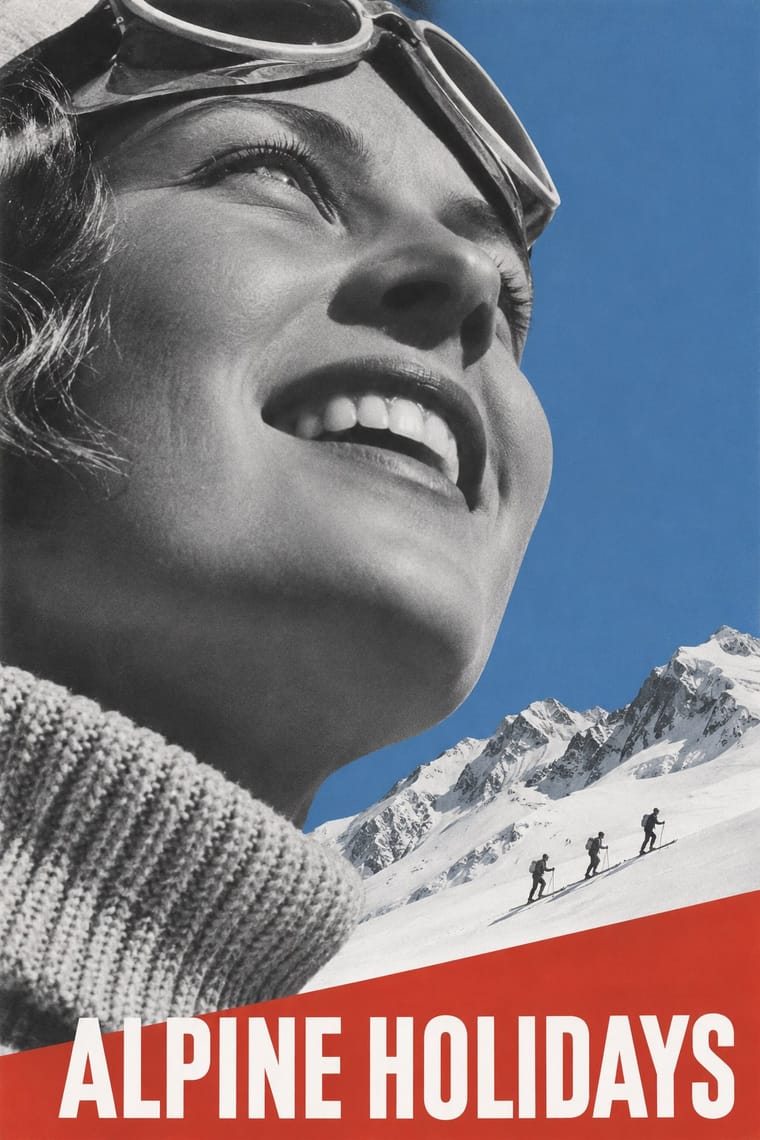
Matter Swiss Photographic Tourism Poster A short interwar idiom in which Herbert Matter built Swiss tourism posters from photographs, typically a large close-up face or hand paired with a much smaller view of the resort, with type set inside and around the picture.
-
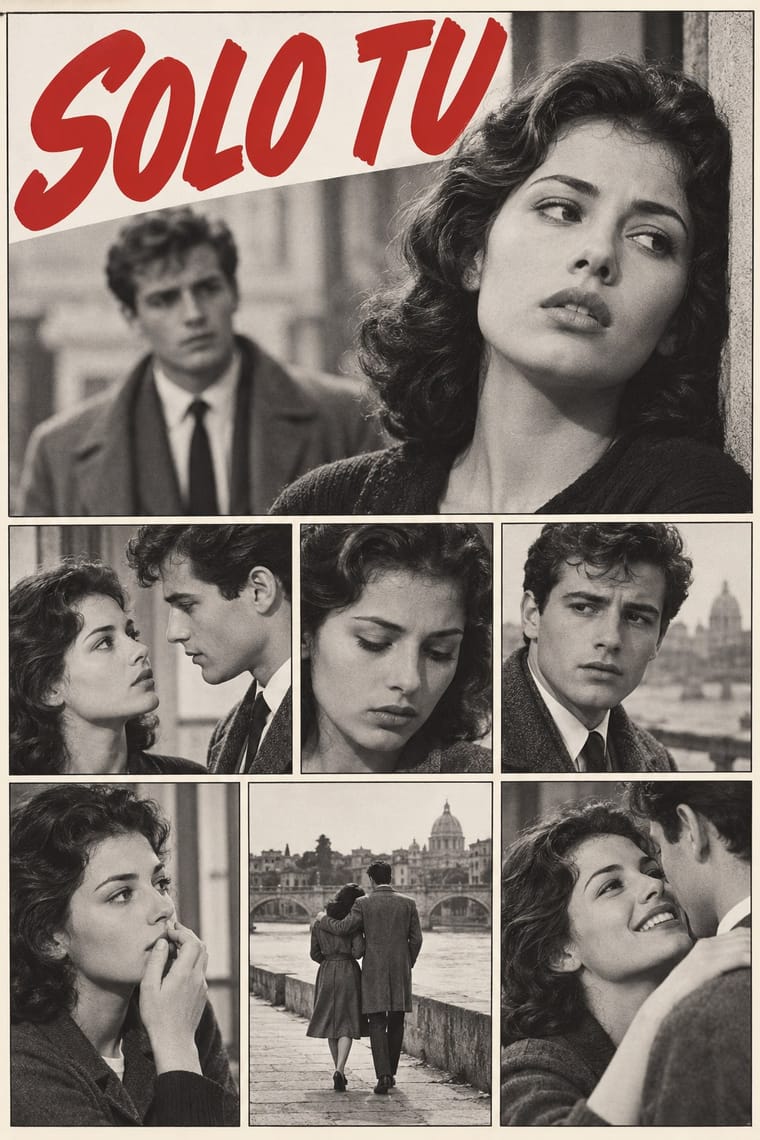
Fotoromanzo (Italian Photo-Romance) The photo-romance of the Italian women's weeklies: a melodrama told in staged photographs, first printed by Il mio sogno and Bolero Film in May 1947 and copied from France to Brazil.
-
Folkways Sleeve Modernism (Ronald Clyne) The serial documentary sleeve language of Folkways Records, to which Ronald Clyne (1925-2006) contributed over 500 covers between 1948 and 1986.
-
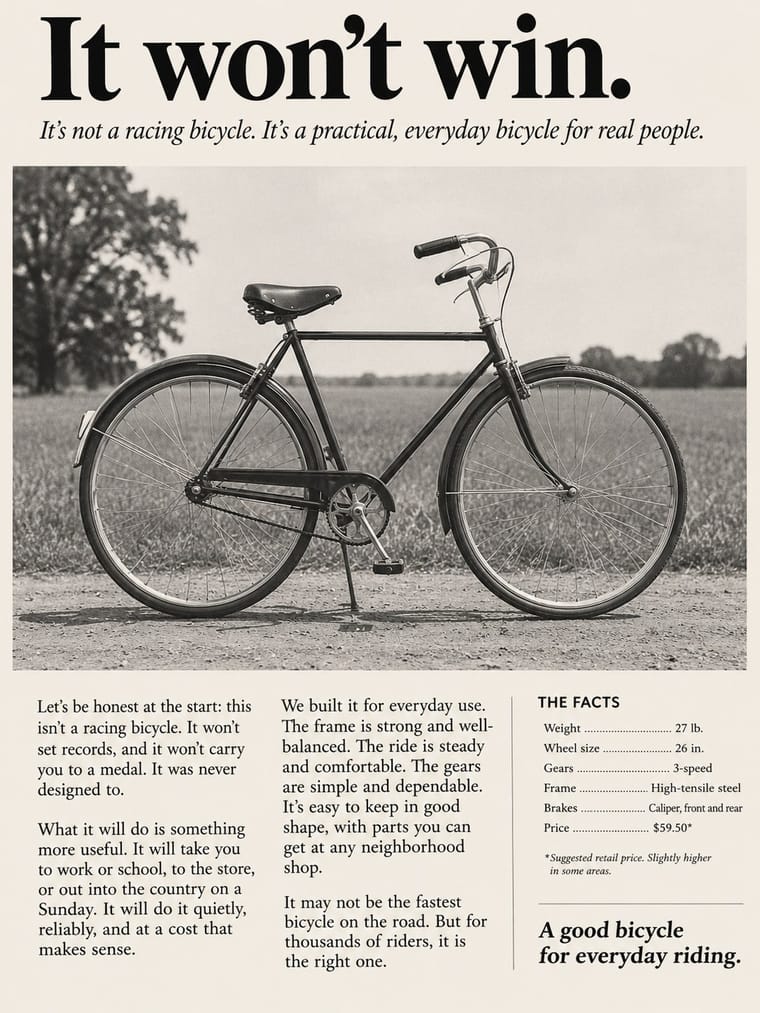
Creative Revolution Print Advertising (Classic Long-Copy Ads) A restrained print-advertising page in which one photograph, a plain headline and substantial body copy make a single persuasive proposition.
-
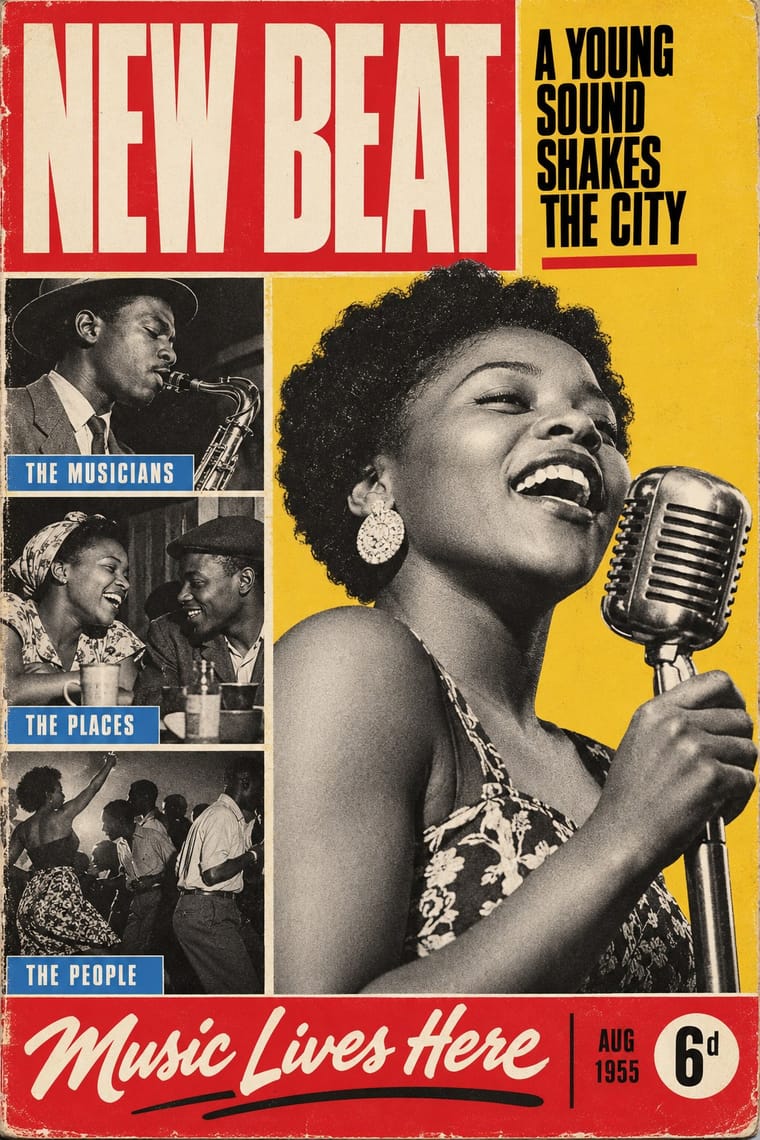
Drum Magazine & Sophiatown Photojournalism The picture magazine of Black urban Africa in the 1950s.
-
Vicente Rojo & Mexican Editorial Modernism The design of Mexico City's literary and cultural press, shaped from the 1950s by the Barcelona-born exile Vicente Rojo: México en la Cultura, the Revista de la Universidad, Plural, La Jornada and the covers of Ediciones Era.
-
Blue Note Jazz Sleeve Modernism The record-sleeve language of Blue Note Records, set by art director Reid Miles, who designed some 350 twelve-inch LP covers between about 1956 and 1967, often around Francis Wolff's session photographs.
-
Bossa Nova Sleeve Modernism (César Villela and Elenco) The cover language of bossa nova, made in Rio by the self-taught designer César Villela, first at Odeon and then on the first sixteen LPs of Aloysio de Oliveira's label Elenco (from 1963), often around Francisco Pereira's photographs.
-
Greek Tourism Modernism (EOT) The modernist image of Greece made for the National Tourism Organisation (EOT) by Michalis Katzourakis, its art adviser in 1960-1967, and by Frederick Carabott, who advised it until 1967; in 1962 the two also founded the K&K Athens Advertising Centre.
-
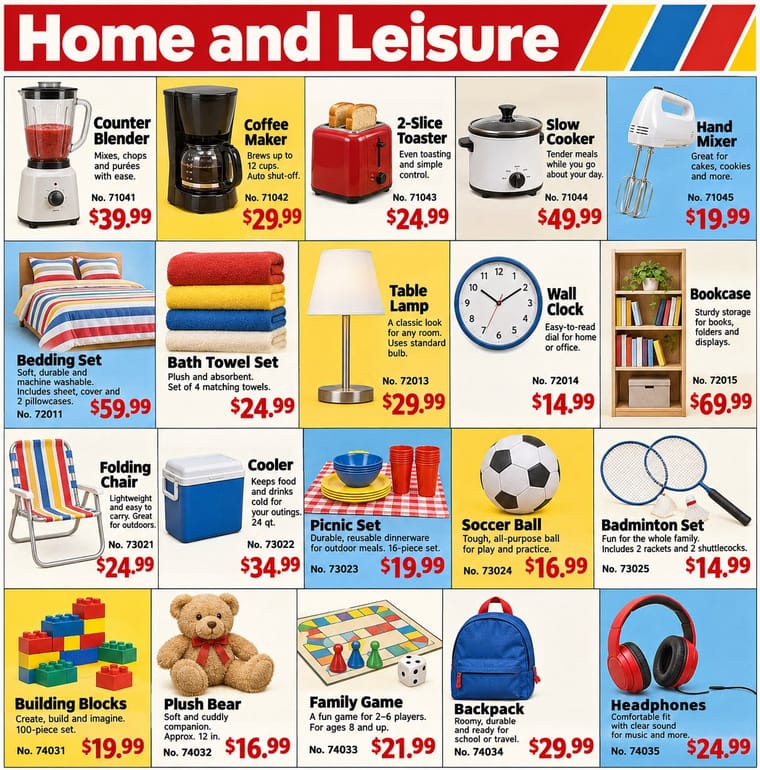
Mail-Order and Catalogue-Retailer Catalogue Pages (Big-Book Catalogues) The page of the thick general catalogue: many evenly lit product photographs in a modular grid, each with item number, short copy and price, printed offset in millions, in an earnest, helpful tone.
- Tokyo 1964 Olympic Identity (Kamekura) A closed event identity for Tokyo 1964: Kamekura's red sun disc over plain gold rings, and the first photographic Olympic poster, a telephoto-frozen shot of sprinters against black.
-
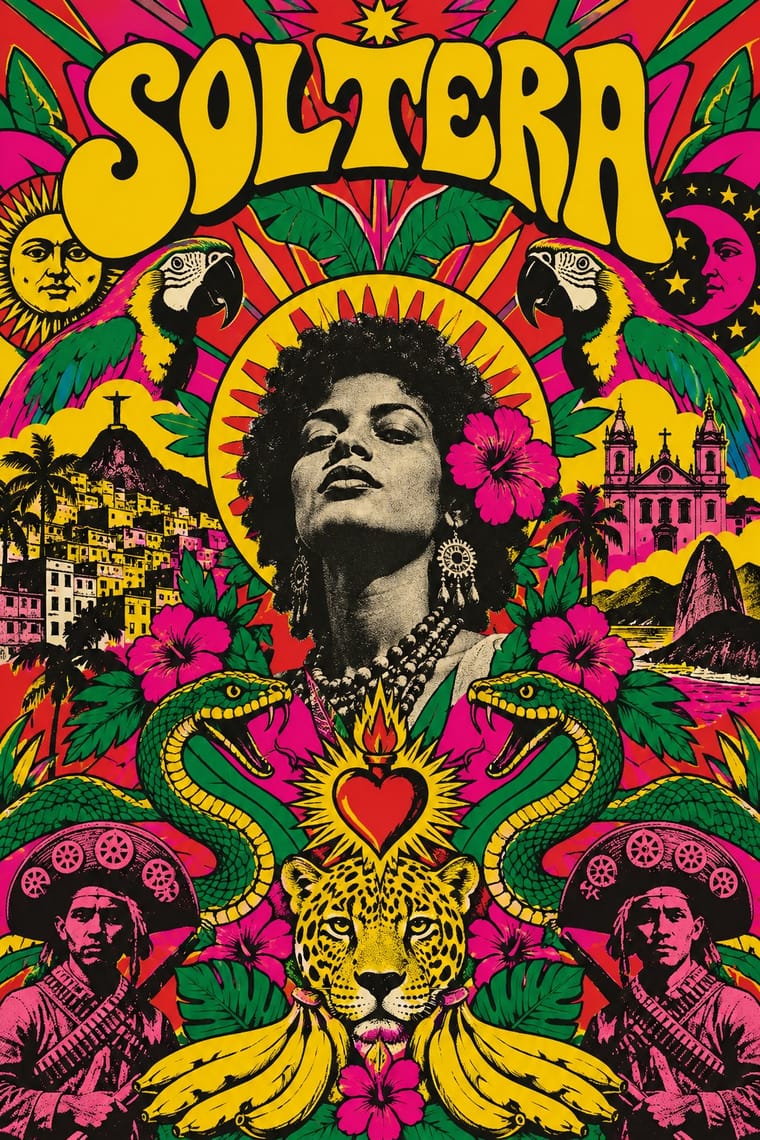
Tropicália Graphic Design The graphic language of Brazil's Tropicália, foreshadowed by Rogério Duarte's poster for Deus e o Diabo na Terra do Sol (1964), which already devours Ulm modernism, and set by his 1968 covers for Caetano Veloso and Gilberto Gil.
-
Angura Theatre Poster The posters of Japan's underground (angura) theatre from the mid-1960s to the mid-1980s, made for troupes such as Kara Jūrō's Jōkyō Gekijō and Terayama Shūji's Tenjō Sajiki.
-
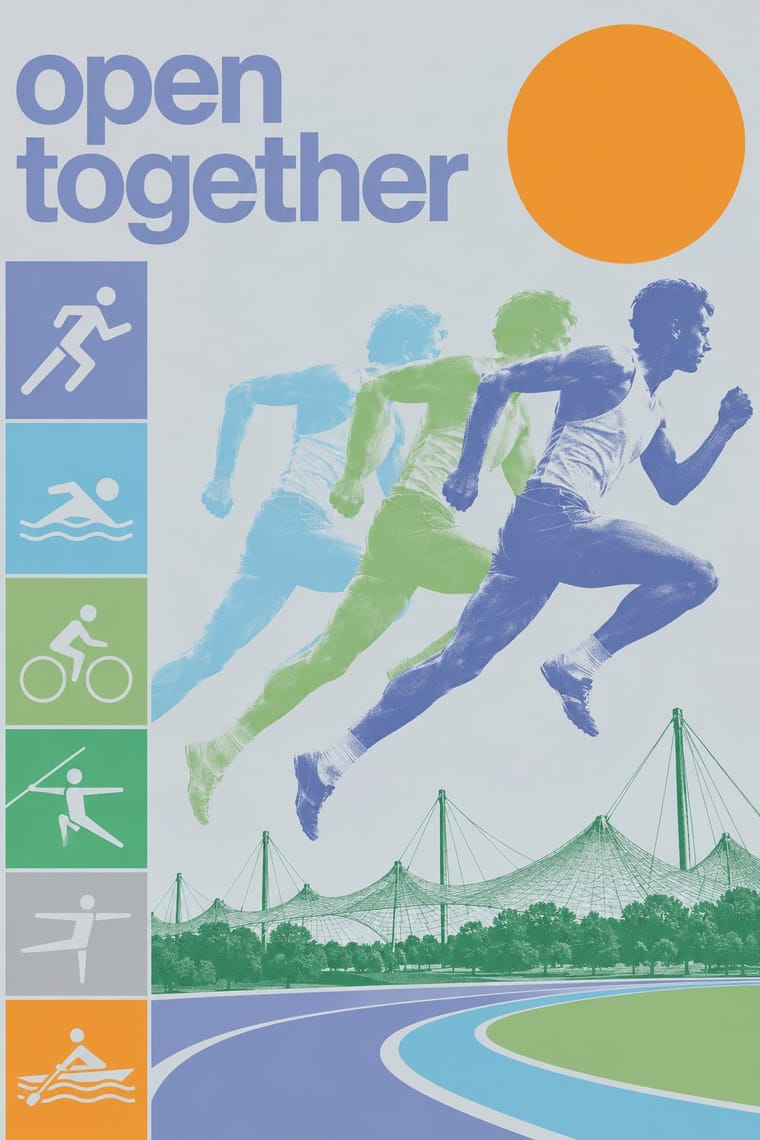
Munich 1972 Olympic Design (Otl Aicher) The visual programme Otl Aicher's department made for the 1972 Munich Olympics, the 'cheerful Games' meant to show a democratic, modest West Germany.
-
Hipgnosis Photographic Concept Sleeve The sleeves the London studio Hipgnosis made for Pink Floyd, Led Zeppelin, Genesis, Peter Gabriel, 10cc and others from 1968 to 1983.
-
ECM Sleeve Aesthetic (Munich) The cover language of the Munich label ECM, made since 1970 by Barbara Wojirsch, Dieter Rehm and later Sascha Kleis and Mayo Bucher with co-founder Manfred Eicher.
-
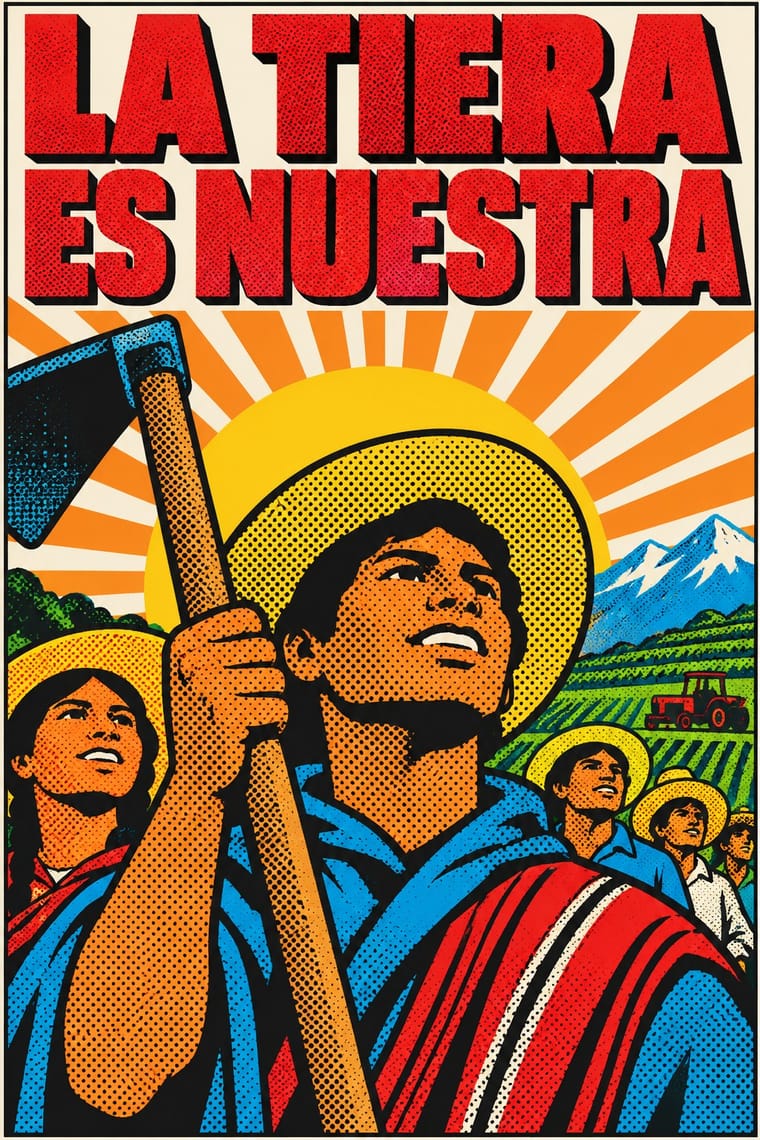
Pop Achorado (Peruvian Agrarian Reform Posters) Posters for the Peruvian military government's agrarian reform, made in Lima from 1969 by Jesús Ruiz Durand and colleagues at the state's reform publicity office.
-
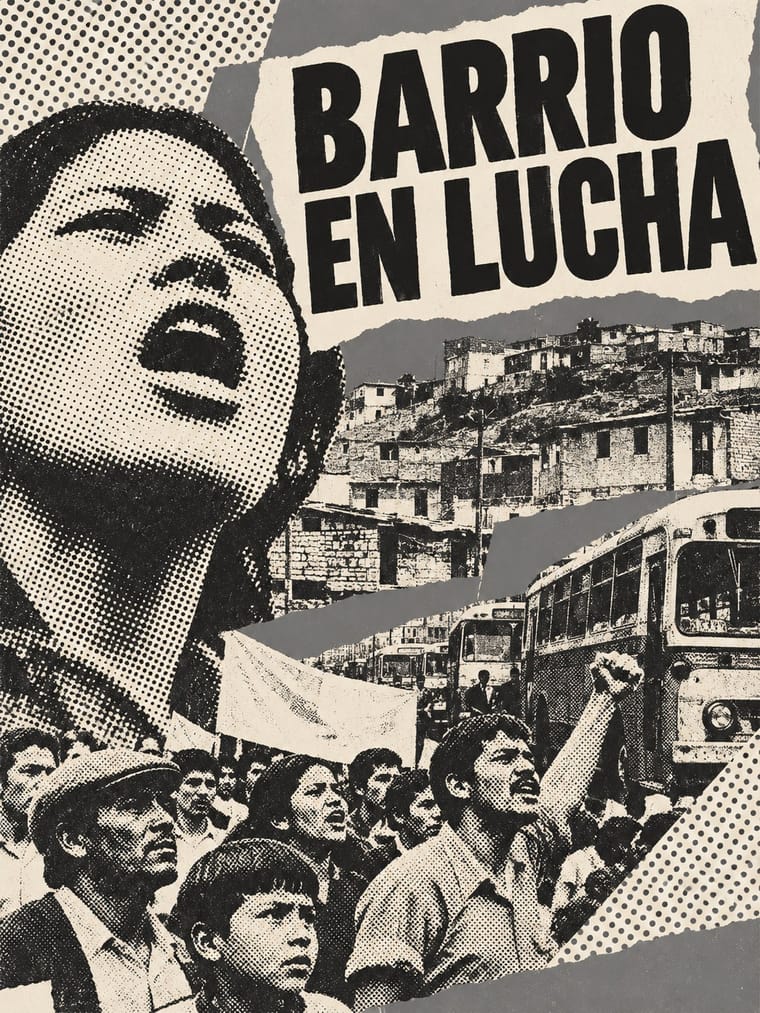
Taller 4 Rojo (Bogotá Photo-Screenprint Posters) A Bogotá workshop of militant artists who made photo-screenprints and photomontages from press photographs and printed text, and taught the technique as a graphic-arts school.
- Roots Reggae Sleeve Art & Rasta Iconography The record sleeves of roots reggae, from Catch a Fire (1973) until dancehall took over in the 1980s.
-
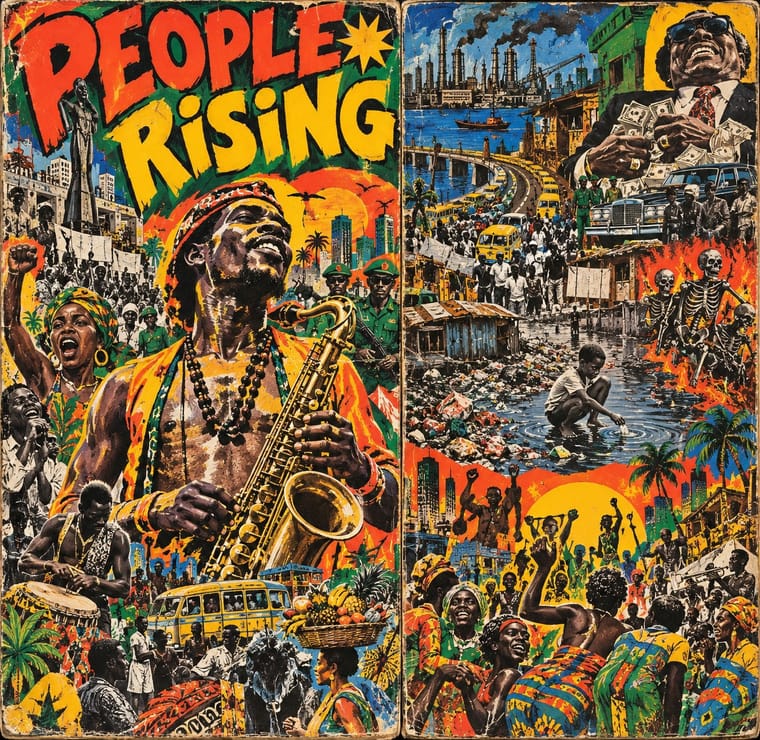
Afrobeat Sleeve Art The painted and collaged record covers of Nigerian Afrobeat, defined by Lemi Ghariokwu's sleeves for Fela Kuti from Alagbon Close (1974) onward.
-
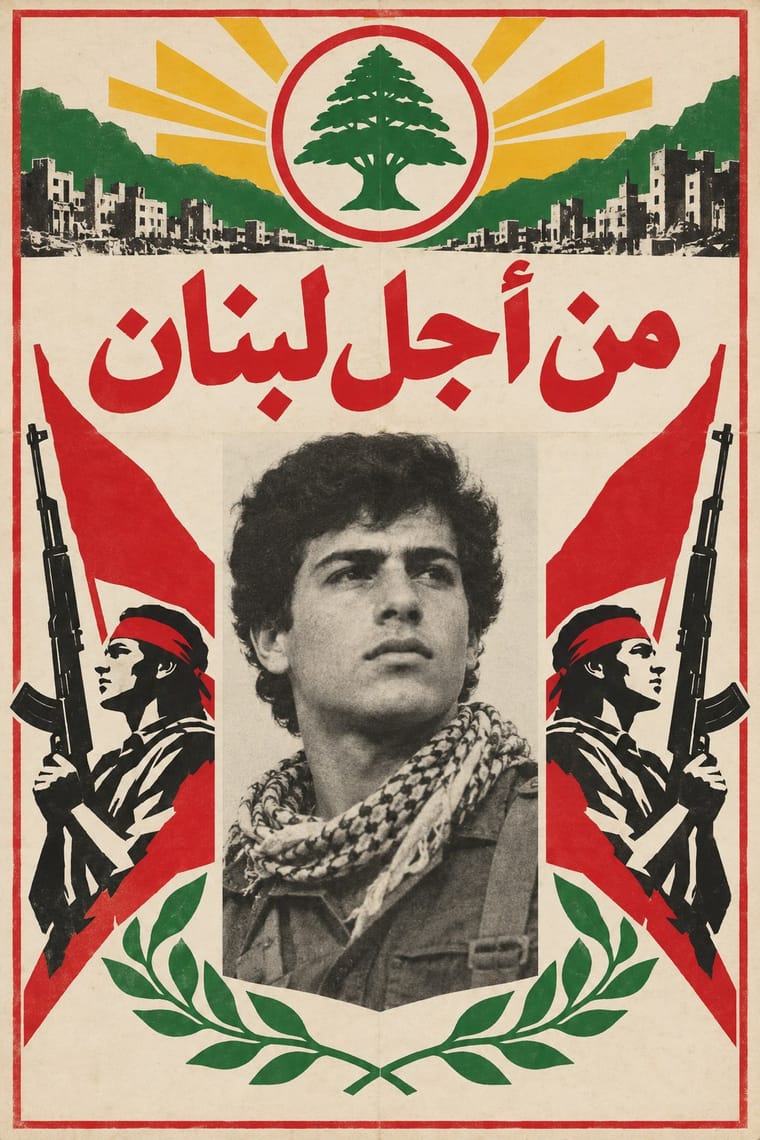
Lebanese Civil War Party Poster The posters that some twenty parties and militias pasted on the walls of Beirut and other towns between 1975 and 1990, marking each quarter as one faction's territory.
-
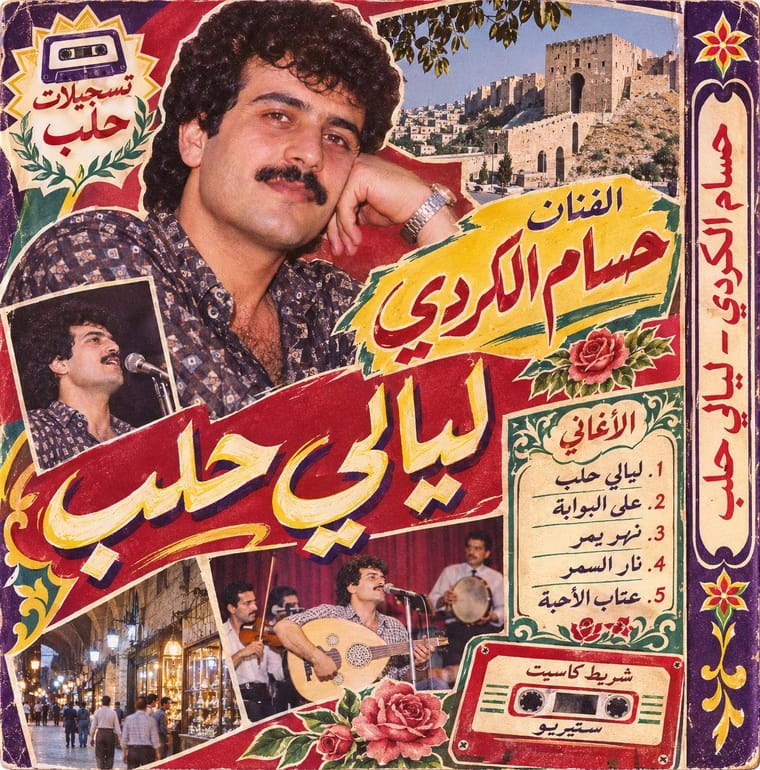
Syrian Cassette Cover Vernacular Syria's cassette-era J-card design, from archive scans of Aleppo-label tapes: a photographed performer, Arabic title lettering and a practical insert.
-
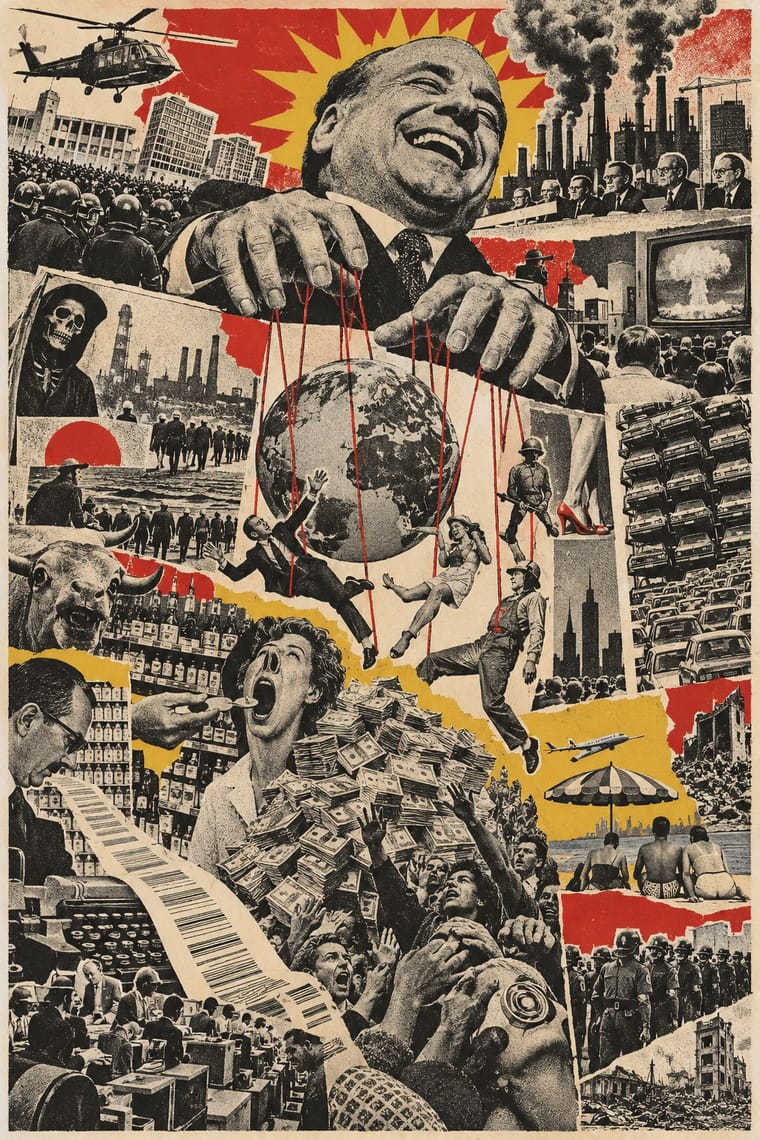
Il Male Newspaper-Forgery Satire The graphic voice of Il Male, the Roman satirical magazine of 1978-1982: forged front pages of real newspapers, photomontage and cartoons in a dense tabloid layout.
-
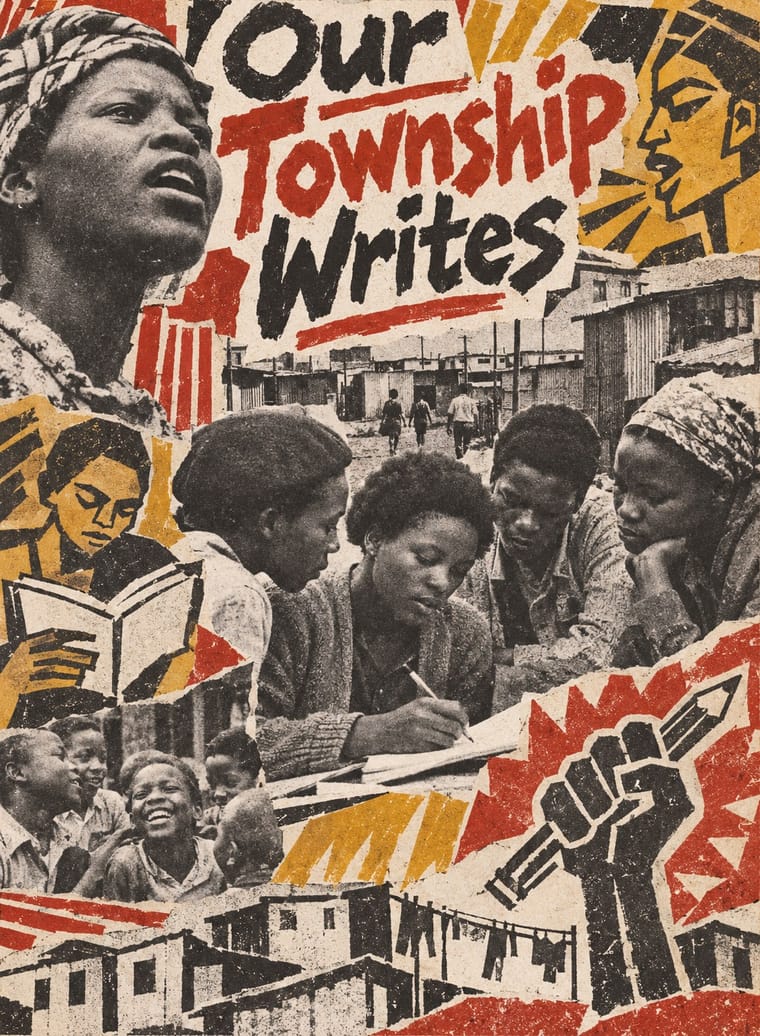
Staffrider and South African Community Arts Graphics A serial, deliberately non-elite magazine of the late apartheid years that printed township writers, photographers and graphic artists side by side, and gave community arts projects a place to publish.
-
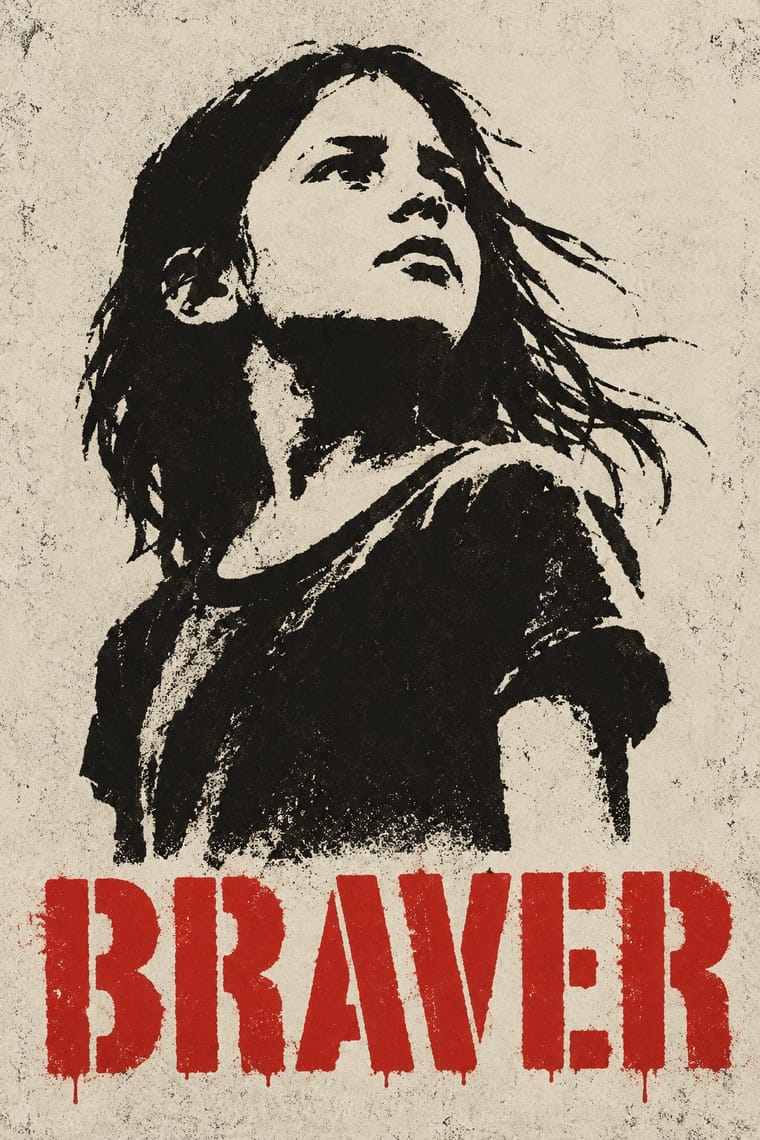
Stencil Street Art Pictures cut rather than drawn: a photograph is reduced to two or three flat tones, cut into card and sprayed onto a wall, usually uninvited, so one hard-edged figure appears in the street, in black with at most one accent colour.
-
British Style Press (The Face, i-D and Arena) The London style magazines of the 1980s, chiefly The Face, i-D and Arena, which turned punk's do-it-yourself energy into an ordered editorial language for fashion, music and club culture.
-
NSK Retro-Avant-Garde The retro-avant-garde of Neue Slowenische Kunst, founded in Ljubljana in 1984 by Laibach, IRWIN and the Scipion Nasice Sisters Theatre, with Novi kolektivizem as its design department.
-
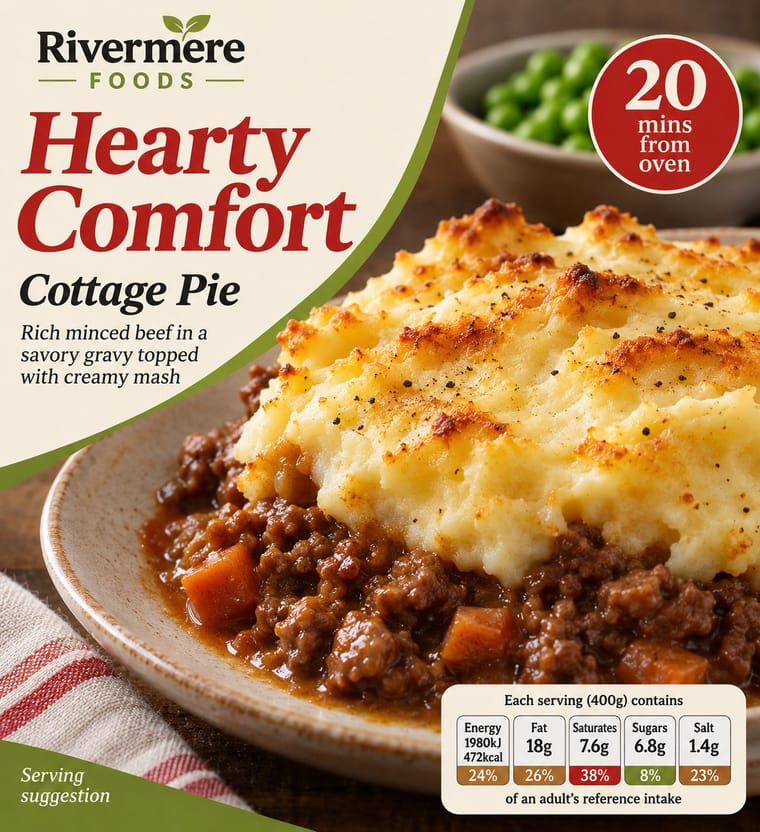
Food Pack Hero Photography (Serving Suggestion) A food-packaging idiom in which a photographed prepared dish or ready-to-eat portion carries appetite appeal beside the brand and product name.
-
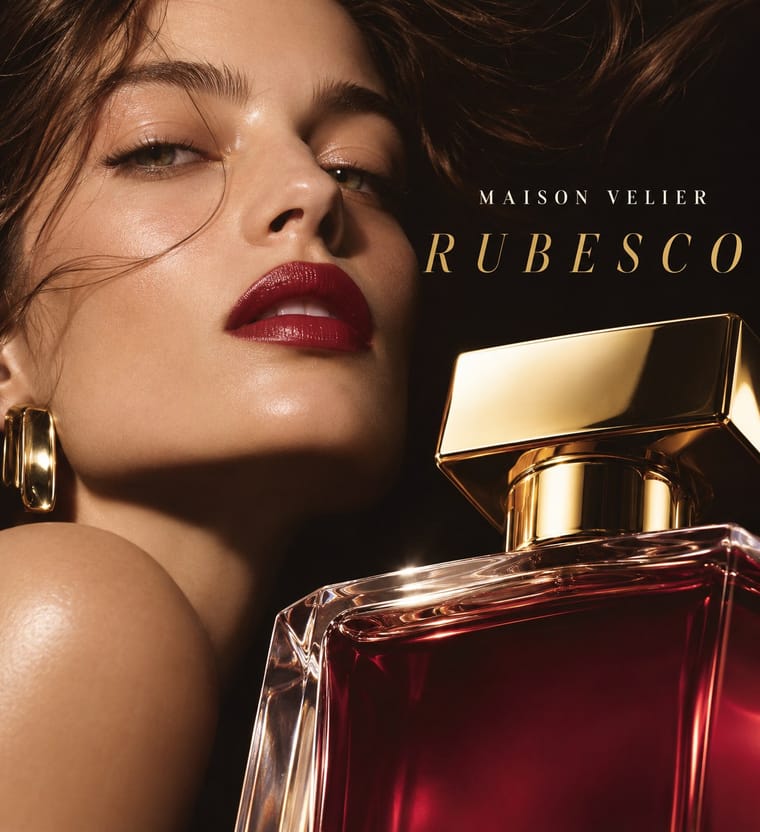
Luxury Fragrance and Beauty Campaign Advertising built around an invisible product: a full-bleed, studio-lit and smoothly retouched photograph of one model or star, a bottle pack shot enlarged far beyond real scale, and little text beyond the house name and the scent's name.
-
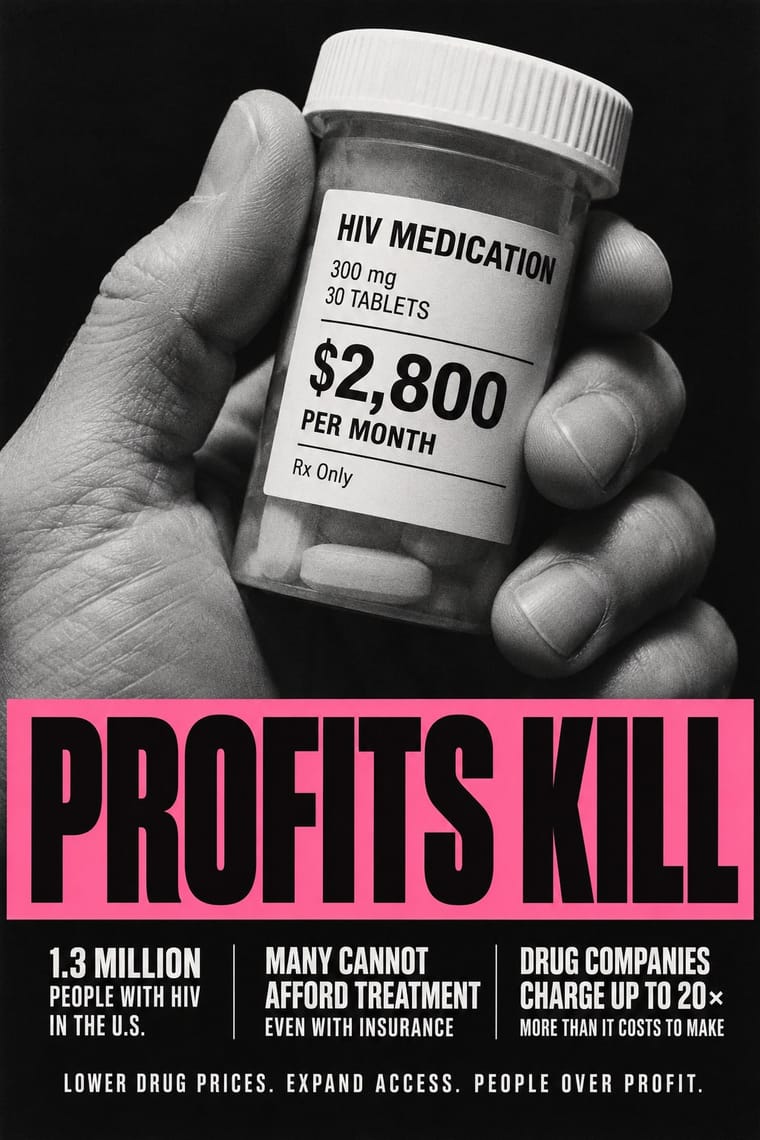
ACT UP & Gran Fury AIDS Activist Graphics The graphics of New York's AIDS activist movement: the SILENCE=DEATH poster of 1987, a pink triangle above white capitals on black, and the posters, stickers, T-shirts, billboards and bus ads of Gran Fury (1988–1995), ACT UP's 'unofficial propaganda ministry'.
-
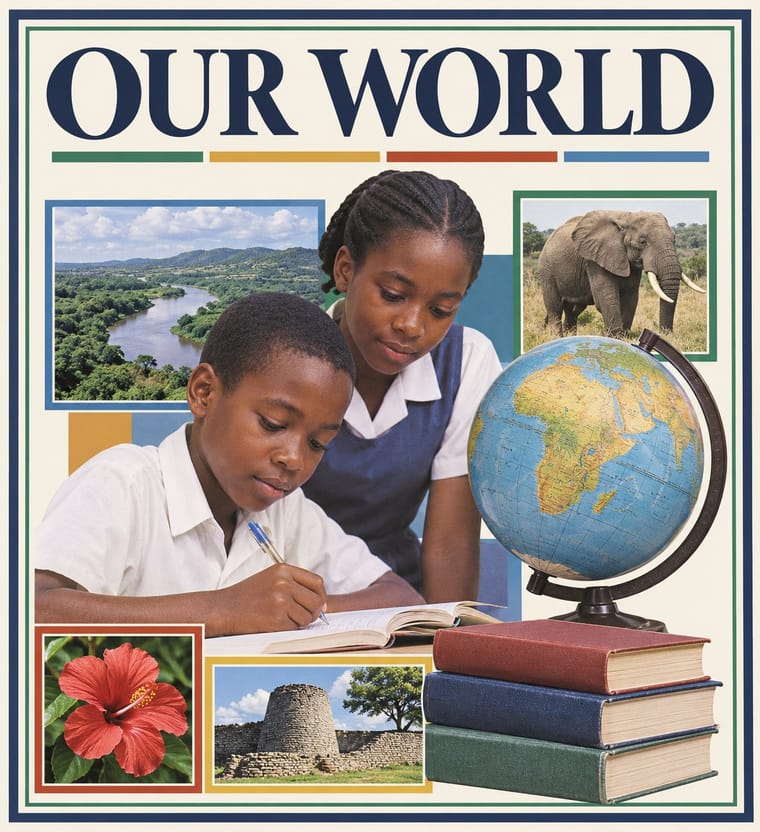
Utopian Scholastic (Encartacore) A retrospective name for 1990s educational and nature-retail graphics: clean photographic specimens and stock-photo cut-outs, collaged for instant recognition and set under classical serif titles.
-
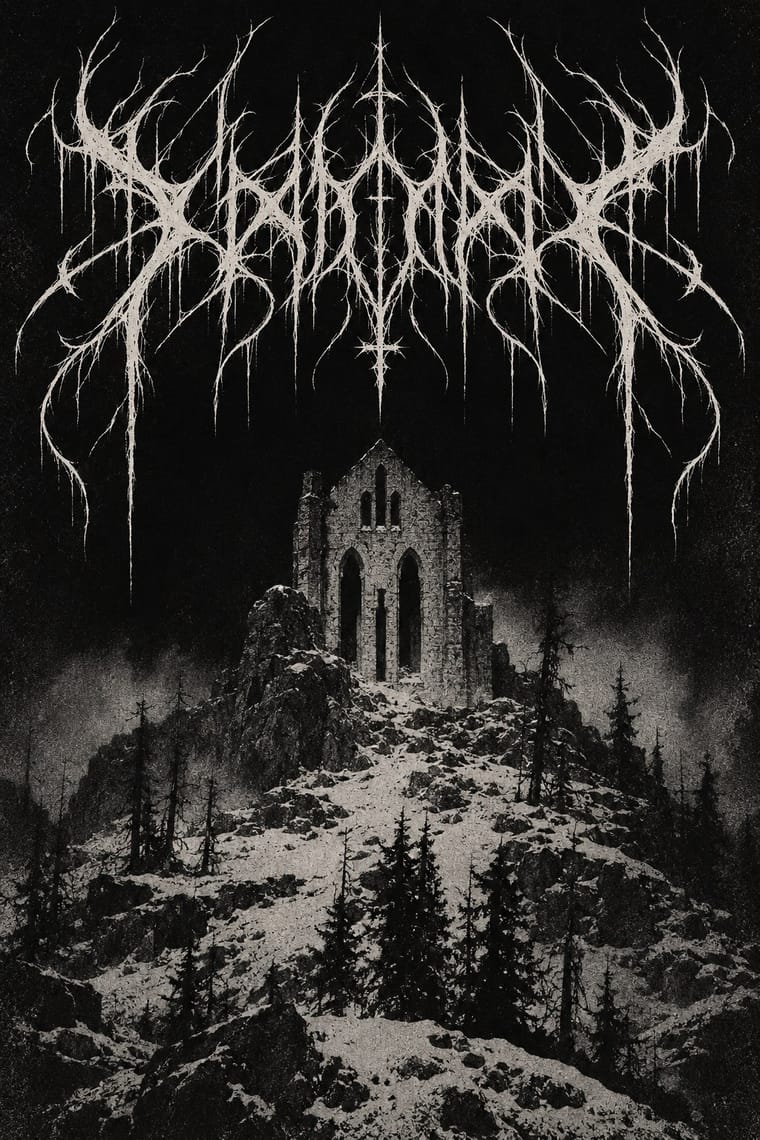
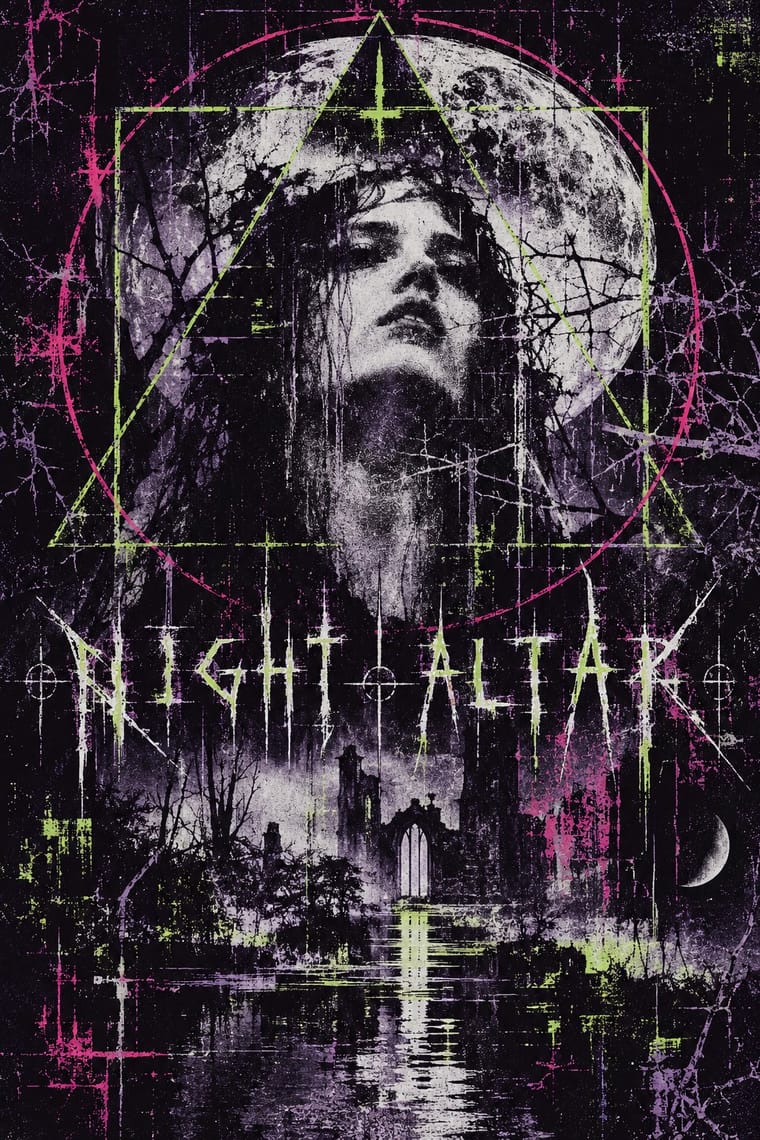
Black Metal Graphics The visual language of black metal, fixed by Norway's second wave in the early 1990s, now worldwide, since the 2010s borrowed by mainstream acts (Szpajdel's Rihanna and Metallica logos, 2016).
-
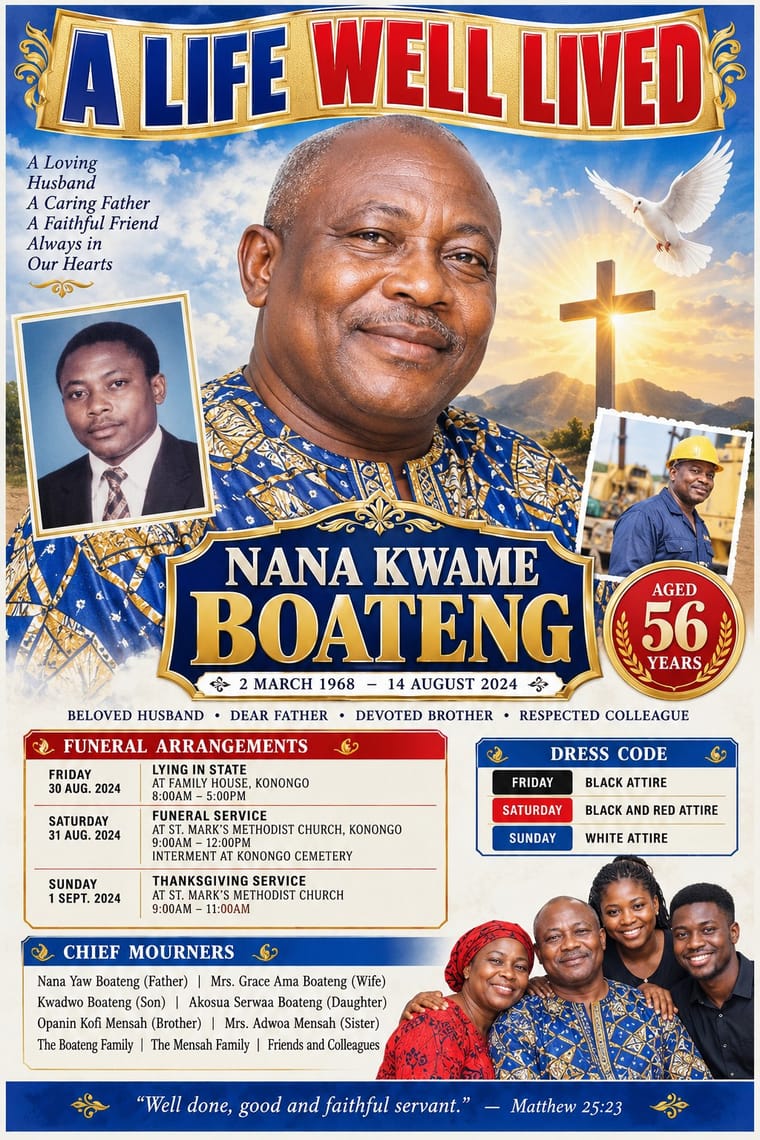
Ghanaian Funeral Poster & Banner The printed death announcements of southern Ghana, also found elsewhere in West Africa: colour posters, mostly A2, pasted on walls, trees, poles and vehicles, and by the mid-2010s large PVC banners hung at the family house.
-
Grunge Typography The 1990s magazine and music-industry style in which type was layered, eroded, overlapped and cropped until legibility became negotiable.
-
Hyperreal Photo-Composite Advertising (Photoshop Era) Many photographs, shot separately and matched in light and perspective, are fused into one seamless picture of an impossible event: a product the size of a building, a landscape folding over itself.
- Nigerian Pentecostal Crusade Poster & Billboard The roadside adverts of Nigeria's Pentecostal and independent churches: billboards, banners and posters on poles, walls and bridges announcing crusades, revivals, conventions and night vigils.
-
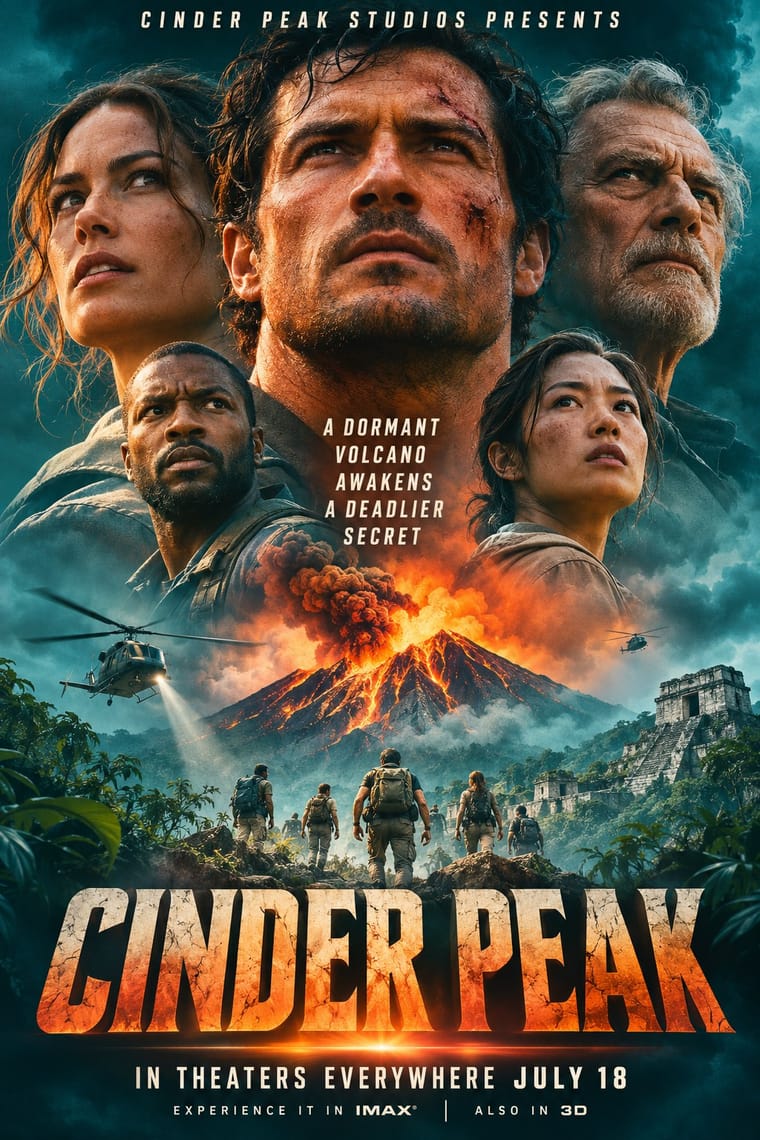
Photographic Blockbuster Film Poster (Floating Heads) The mass-produced Hollywood one-sheet built from cut-out photographs of the billed stars, scaled by billing and floated above a smaller composite of action or skyline.
-
Corporate Stock-Photo Look (Royalty-Free Business Imagery) Brochures, annual reports, websites and banner ads whose main picture is a bought, generic photograph of people: smiling teams round a laptop, a handshake, a headset-wearing agent.
-
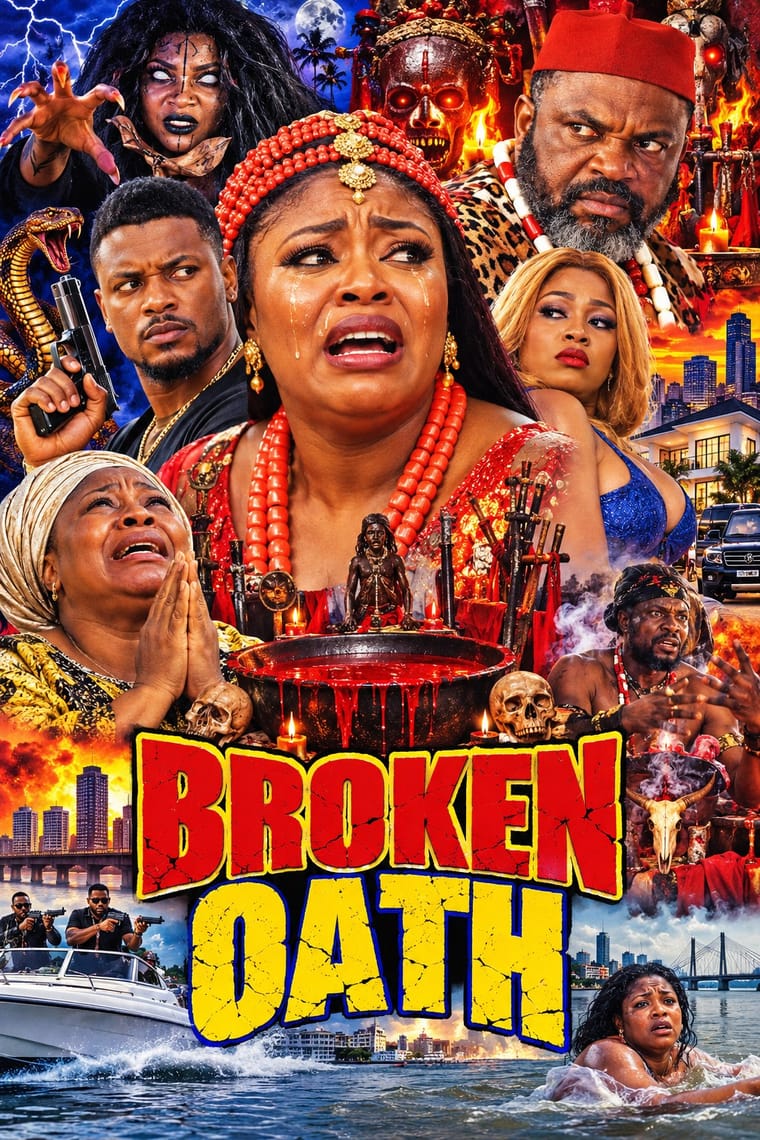
Nollywood Video Jacket & Film Poster The cover and poster art of Nigeria's home-video boom, from Living in Bondage (1992) on.
-
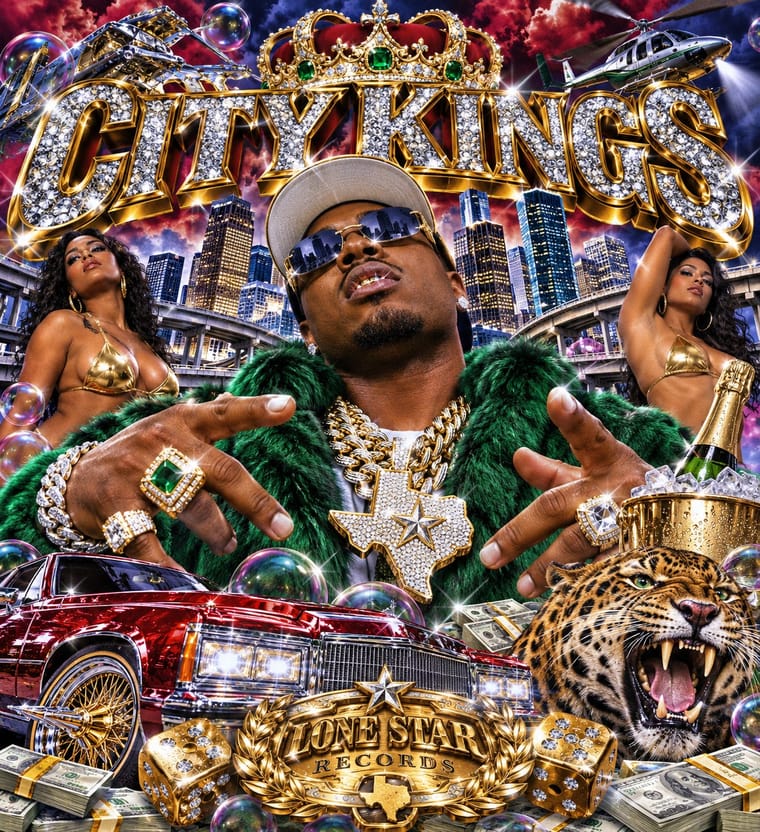
Pen & Pixel Southern Rap Cover Graphics The crowded, composited album cover of late-1990s Southern rap, made in Houston by Pen & Pixel Graphics: the artist posed among cars, diamonds, fire and impossible settings, photographed piece by piece and assembled in early Photoshop-era software, under titles built as gold, chrome or jewelled objects.
-
Korean Variety-Show Captions (Yeneung Jamak) An editor-authored caption voice layered over South Korean variety-show footage: outlined Hangul, selective colour, changing type styles and occasional illustrated containers turn speech and situations into comic commentary.
-
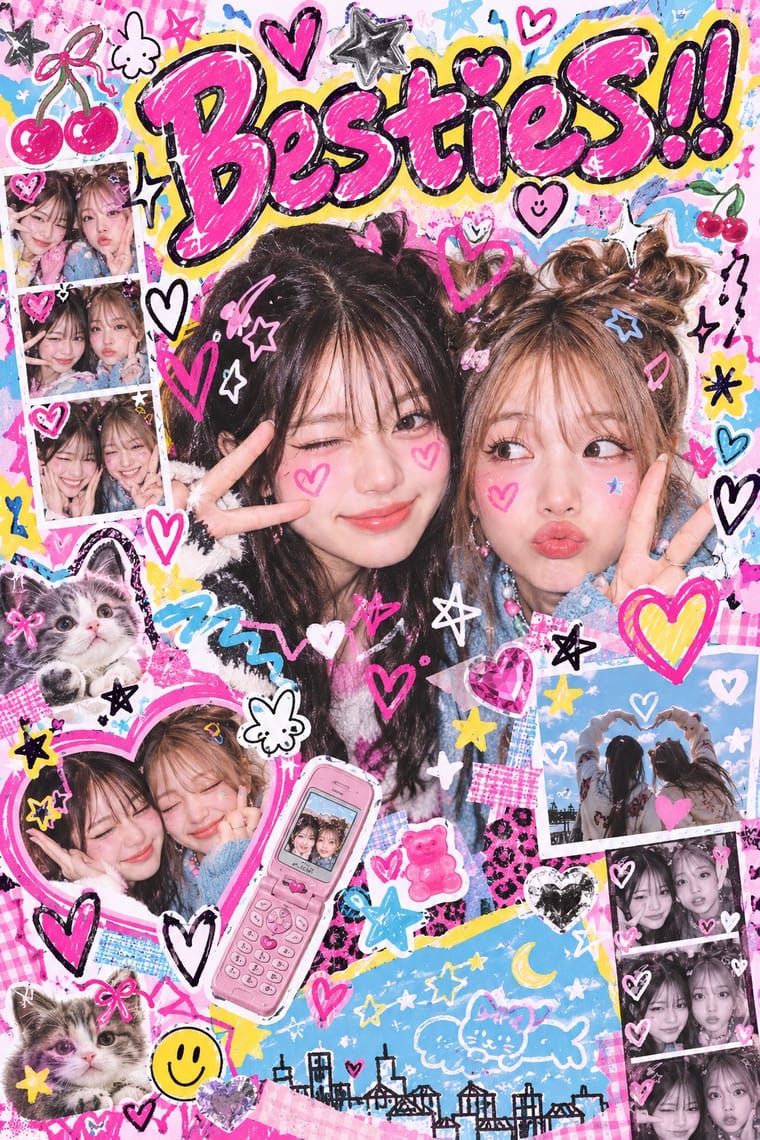
Purikura Photo-Sticker Decoration A participatory Japanese photo-sticker idiom: friends turn their portraits into keepsakes by layering freehand or supplied lettering, coloured pen marks, hearts, stars and decorative stamps over the photograph.
-
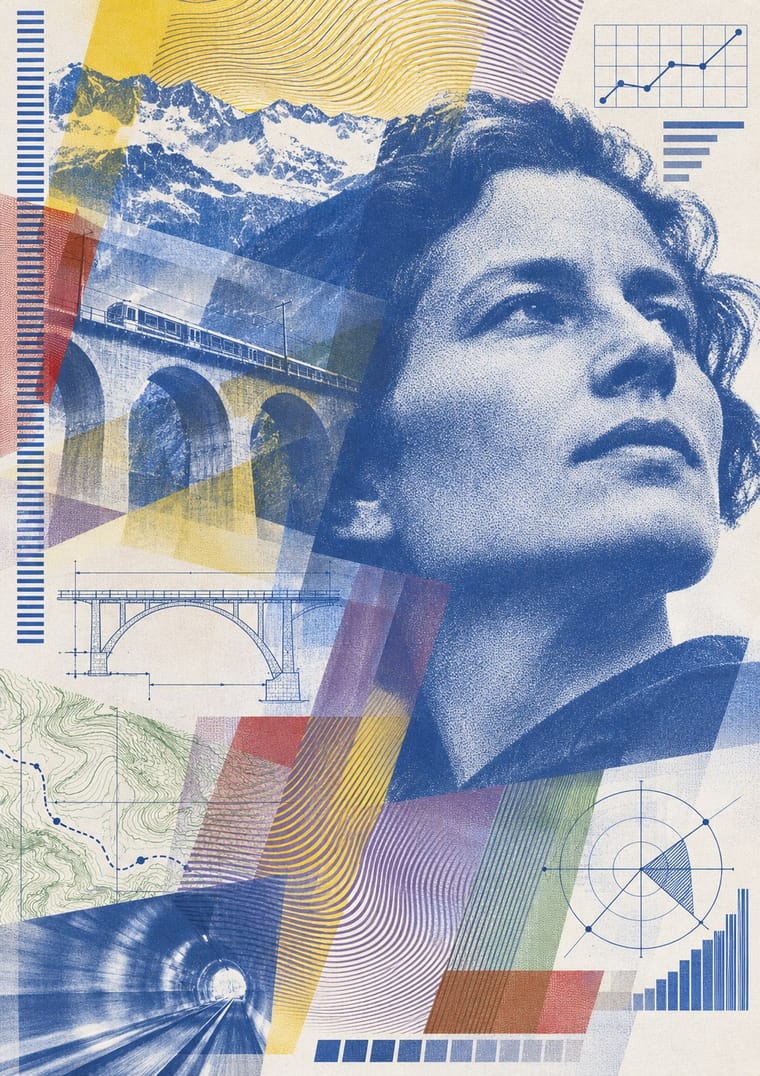
Swiss Eighth-Series Banknote Design (Zintzmeyer) The six-note graphic programme of the Swiss franc's eighth series: upright notes with a large processed portrait of a Swiss cultural figure on the front and a montage of that person's work on the back.
-
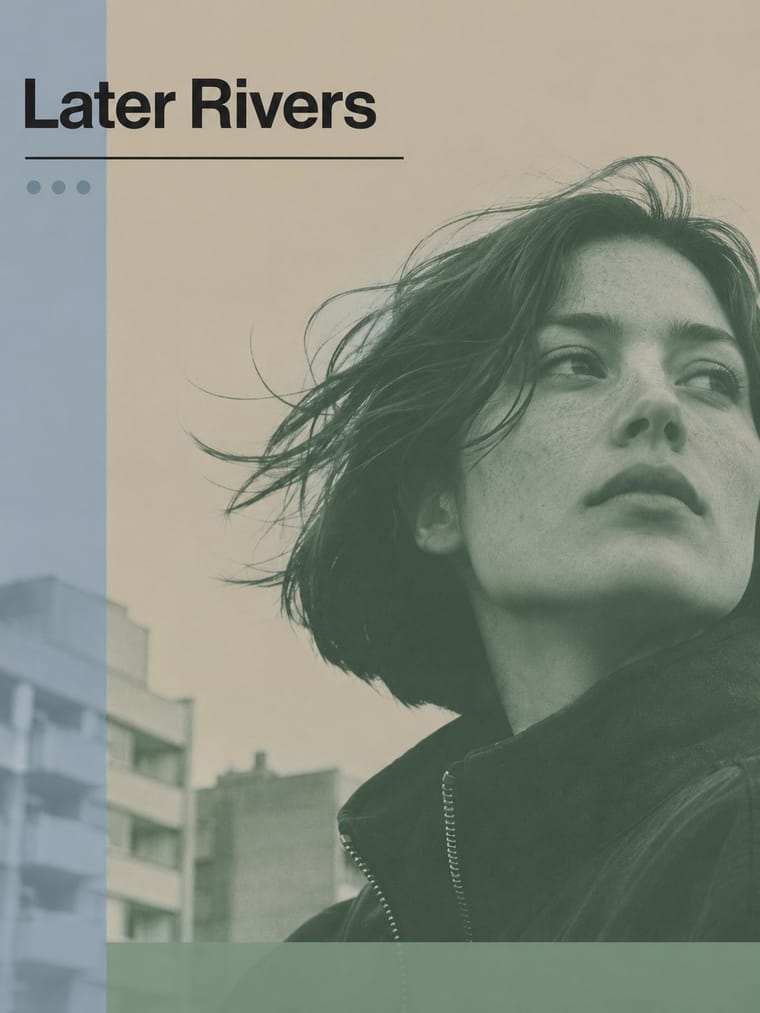
Gen X Soft Club A retrospective label for late-1990s sleeves and advertising that sold an urbane, gentrified club culture through quiet photography: colour-filtered city or portrait images, muted green, grey and blue grounds, grain, plenty of empty space and small sans-serif labels.
-
Philippine Election Tarpaulin Graphics Printed vinyl tarpaulins that Philippine candidates hang on poles, walls and fences each election season.
- Tamil Nadu Flex Banners The digitally printed vinyl boards, locally called flex banners, that fan clubs, party cadres, businesses and families have put up along the roads of Tamil Nadu since about 2000, as flex displaced hand-painted cinema banners and cut-outs over the following decade.
-
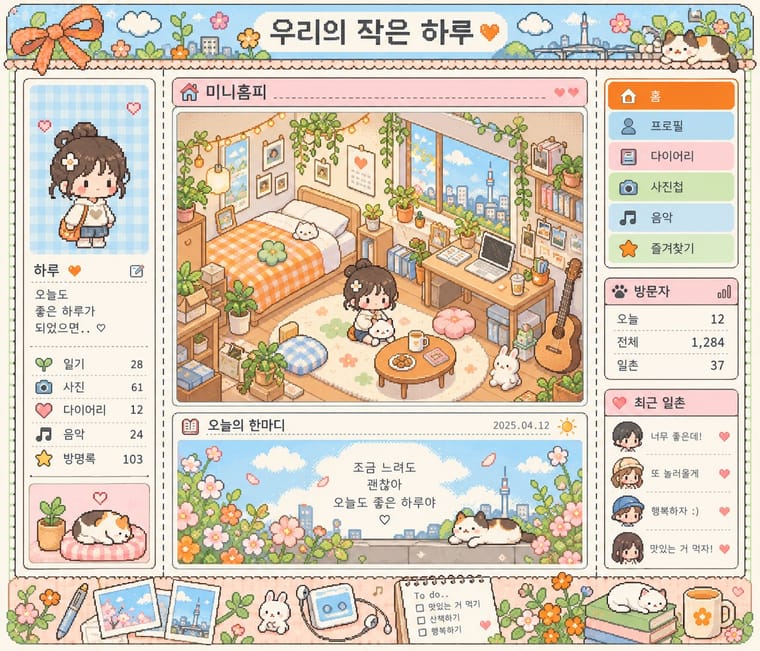
Cyworld Minihompy & Minimi (Korean Mini-Homepage Culture) The personal mini-homepage of Korea's Cyworld: one fixed, framed template that every user decorated item by item with a paid currency of acorns (dotori).
-
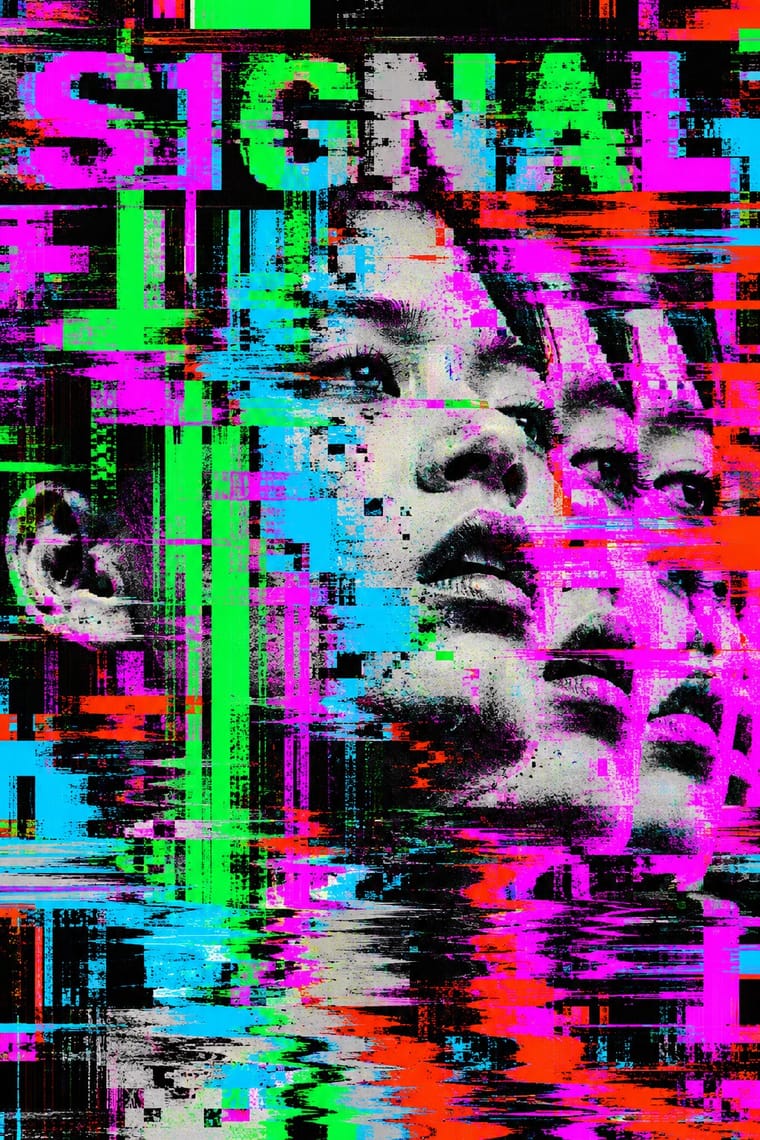
Glitch Art & Datamosh Graphics An art and design practice that makes digital failure the picture.
-
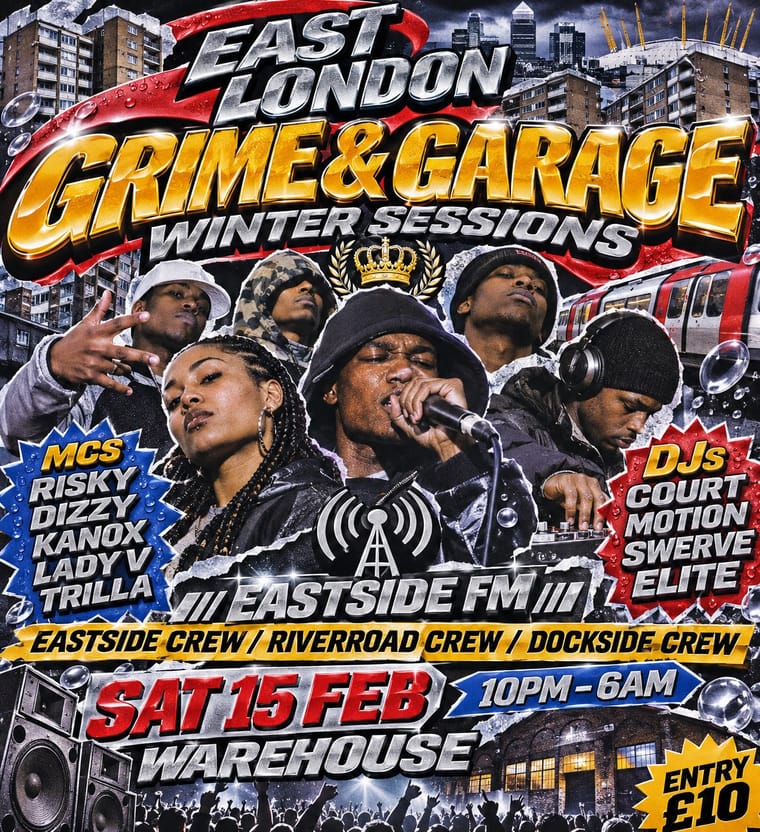
Grime and UK Garage Flyer and Mixtape Graphics The promotional graphics of East London grime and UK garage: flyers, mixtape covers and MC DVD sleeves made for crews, pirate radio and club nights, as the scene spread by radio, flyer and DVD.
- Forum Signature Art (Sig & C4D Render Graphics) A banner image attached under every forum post as a personal stamp.
-
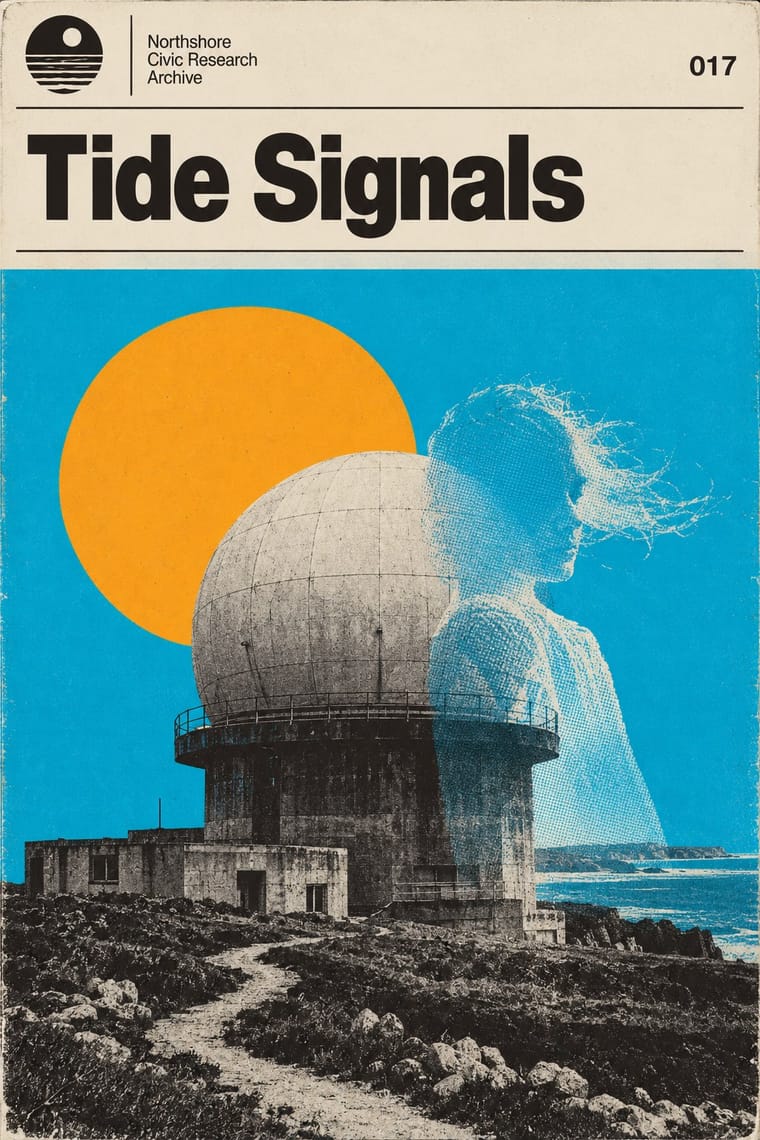
Hauntology & Ghost Box Design Sleeves and print that rebuild a misremembered British past from the public graphics of roughly 1958–1978.
- Bennekom–Ditting Editorial (Fantastic Man & The Gentlewoman) A fashion-magazine method in which editing is made visible: long interviews are set in conventional serif text blocks, centred capitals are dressed with rules and underlines, and portraits are framed and cropped with changing colour borders.
-
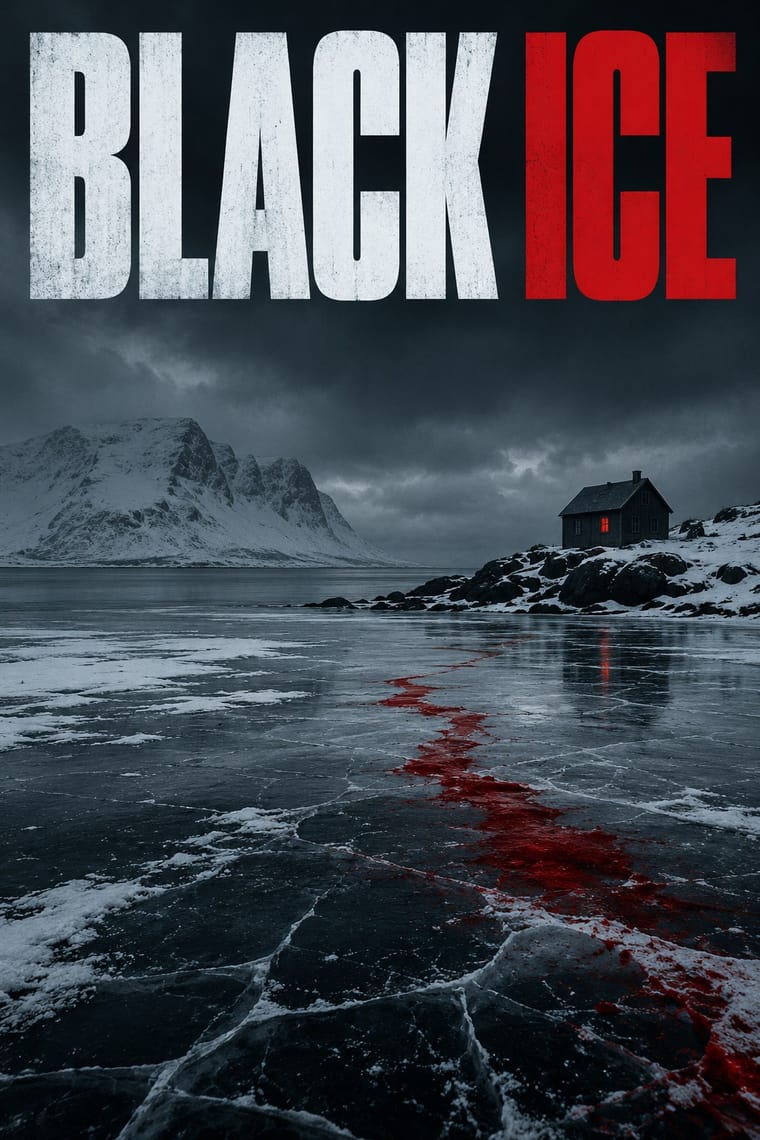
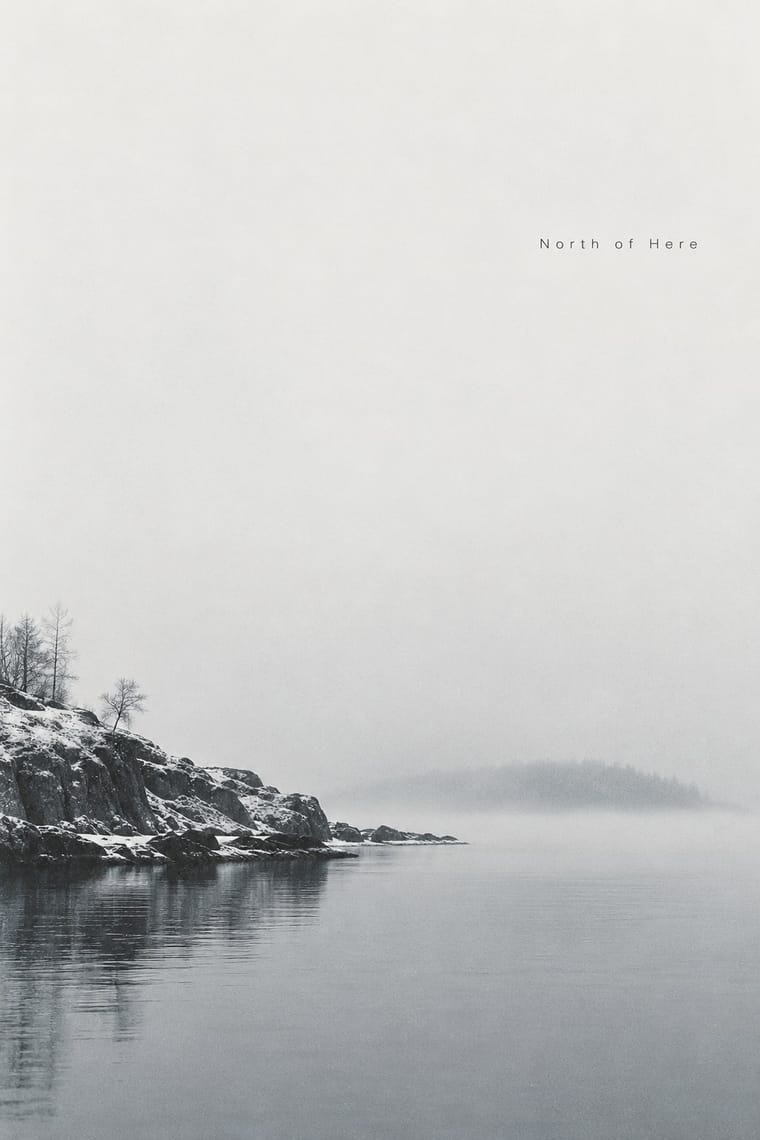
Nordic Noir Book Cover A series-branding template for translated Nordic crime fiction: one large cold photograph of snow, forest, water or a lit window under a dark sky, tinted or colour-graded, with a single saturated accent colour, usually blood red, and bold sans-serif capitals in fixed positions.
-
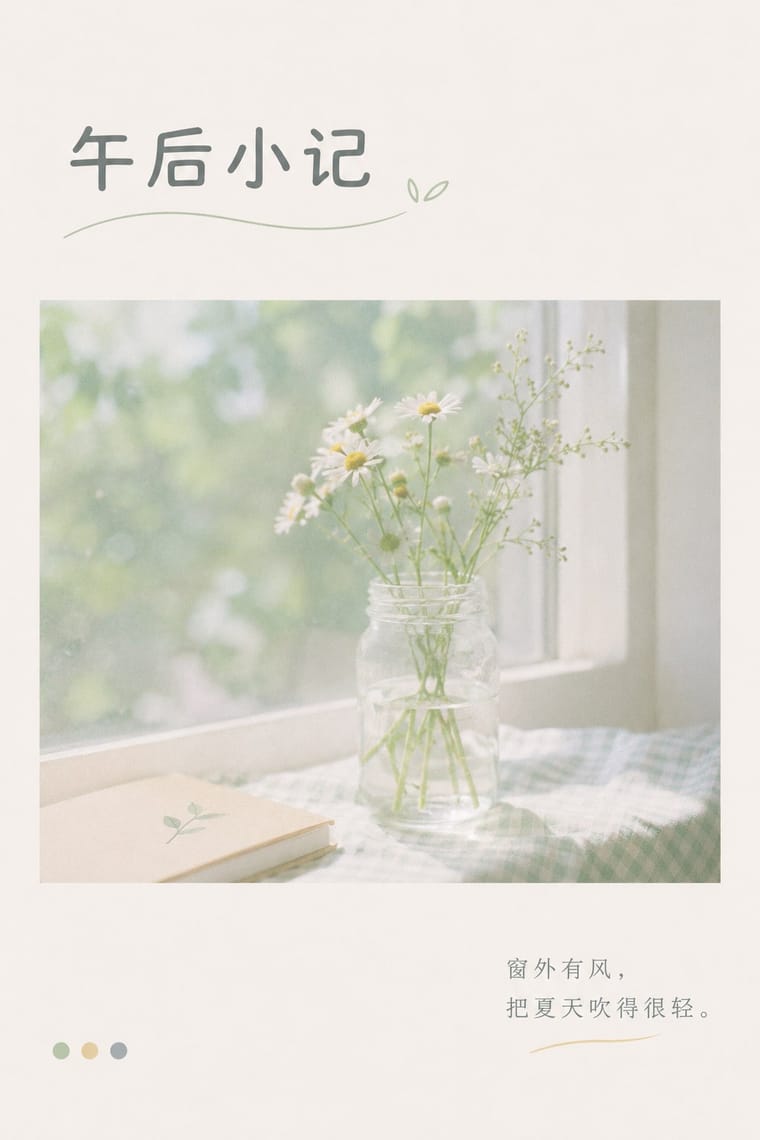
Xiaoqingxin (Small and Fresh) Aesthetic A youth taste from Chinese-language web communities, spreading in the mainland from about 2005 (approximate, tied to web communities such as Douban, not to a sourced first use of the term).
-
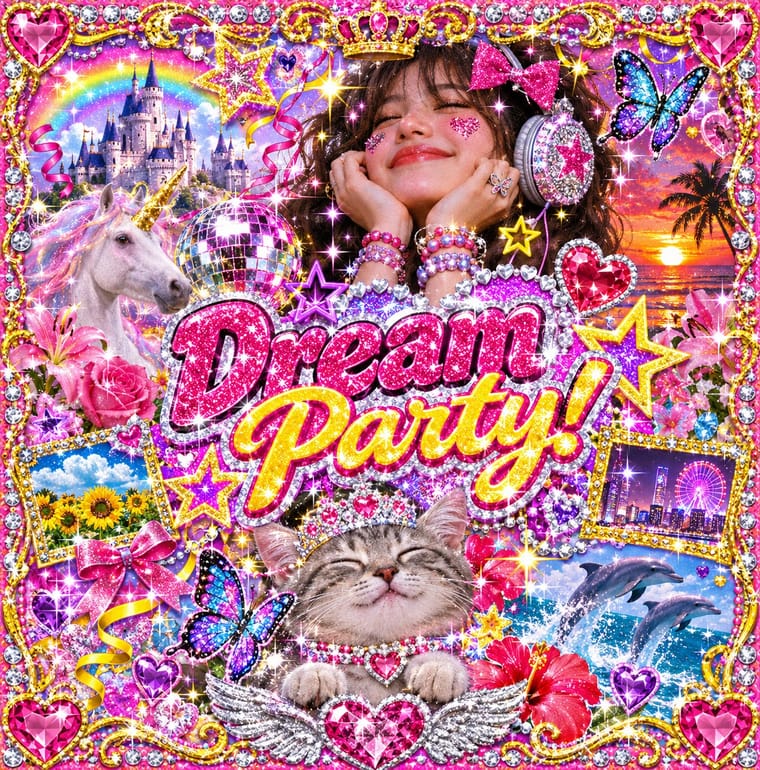
Blingee and Glitter-GIF Collage An animated photo-decoration practice in which users layer ready-made stamps (sparkles, rotating jewellery, flowers, frames, glitter text) over photographs and clip art in browser editors such as Blingee, then share the looping GIFs.
-
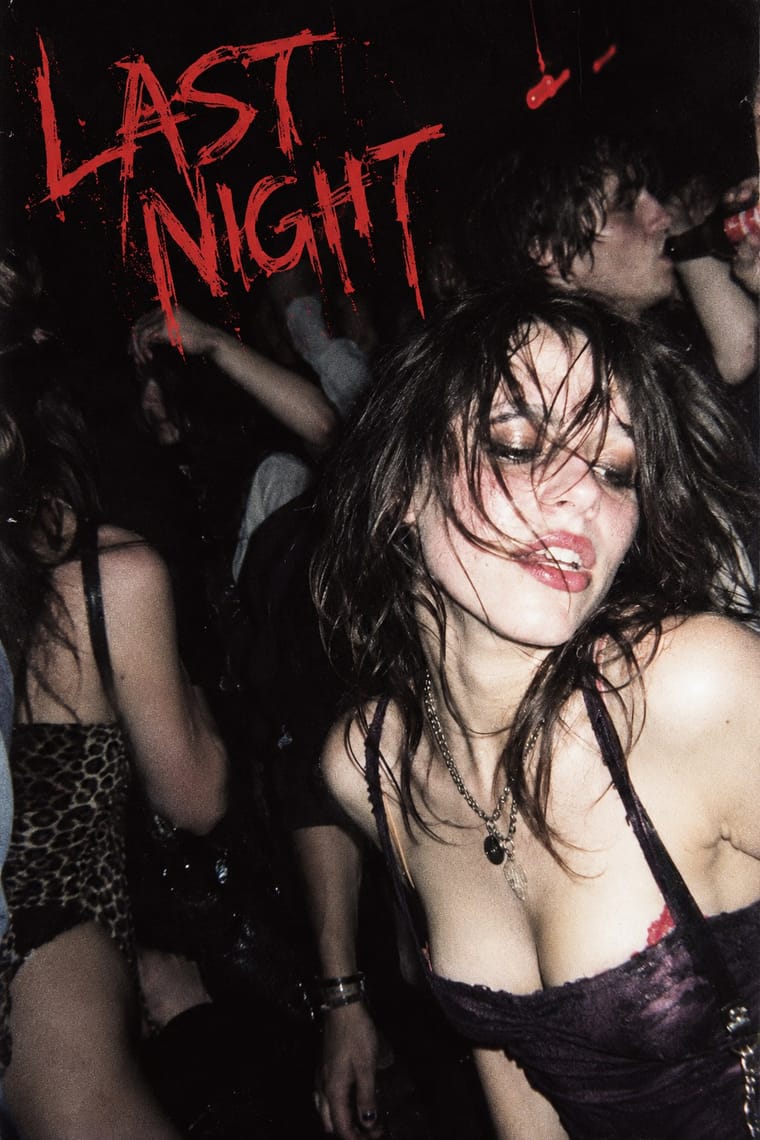
Indie Sleaze Mainly a fashion and music-scene label applied in retrospect to the late-2000s indie and blog-rock crowd (skinny jeans, band tees, smudged eyeliner).
-
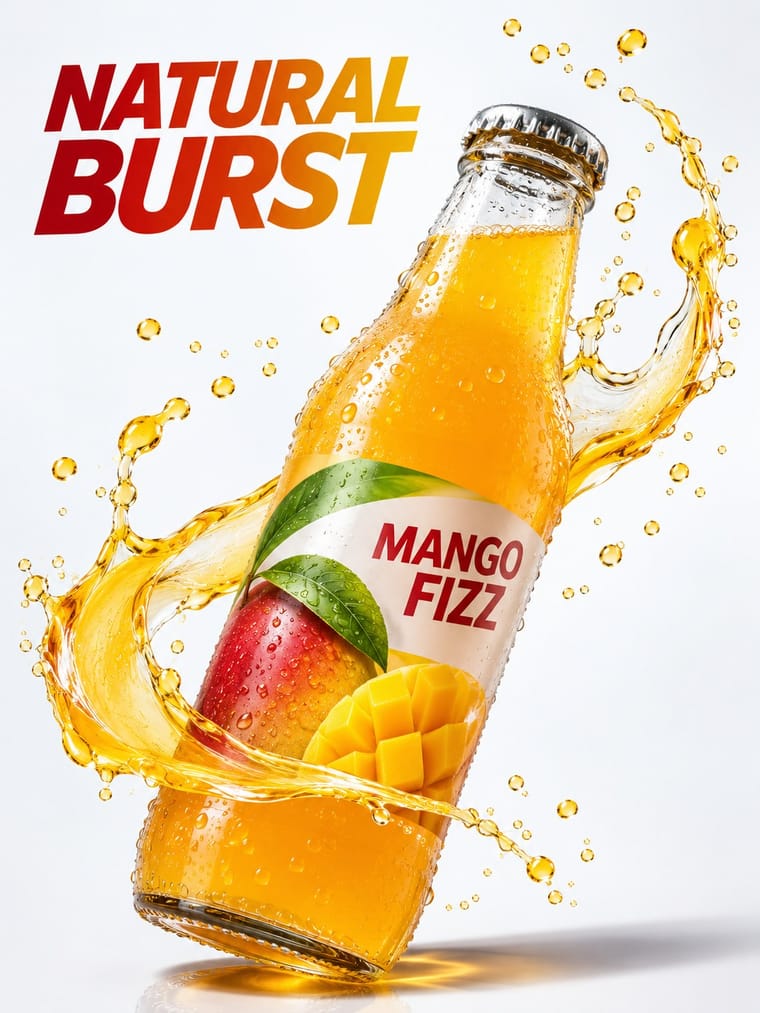
Splash and High-Speed Product Photography in Advertising A commercial photographic idiom that makes a brief physical event into the product's main sales image: crisp sheets, crowns, streams and droplets of liquid around a bottle, glass or ingredient, or a splash that becomes the object itself.
-
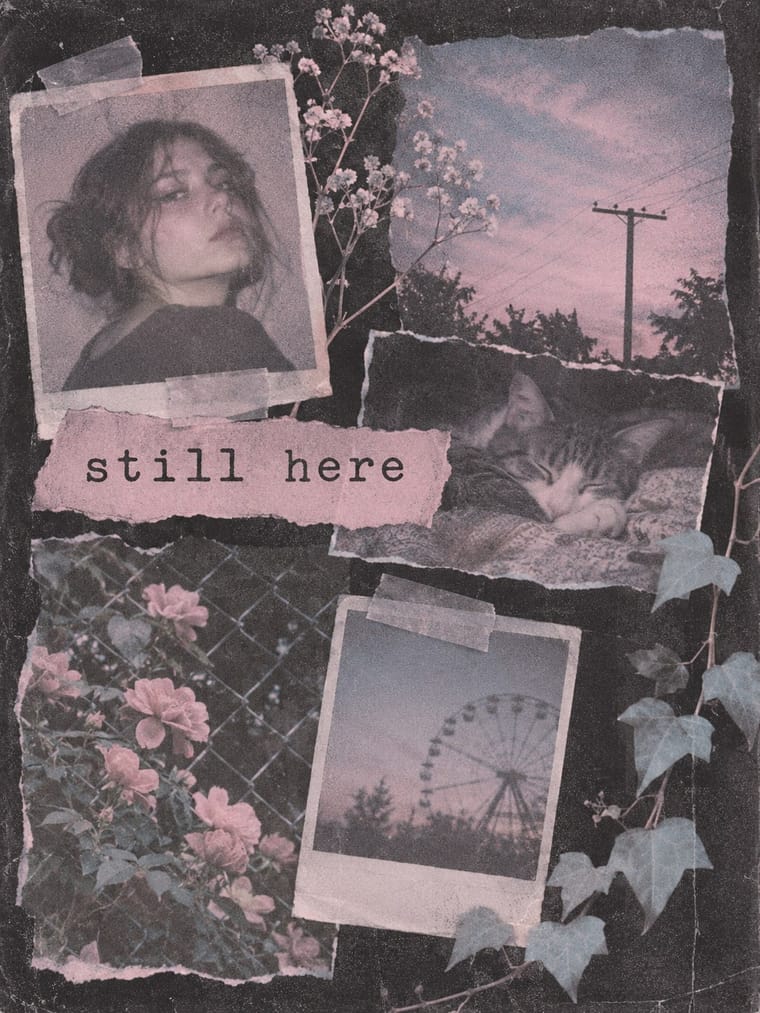
Soft Grunge (Tumblr Aesthetic) A reblogged-image aesthetic from Tumblr that sets cute against aggressive: pastel pinks and blues beside black, faded photographs, instant-camera and VSCO looks, hearts and flowers next to distressed denim and leather, curated into loose dashboards with an occasional lyric caption.
-
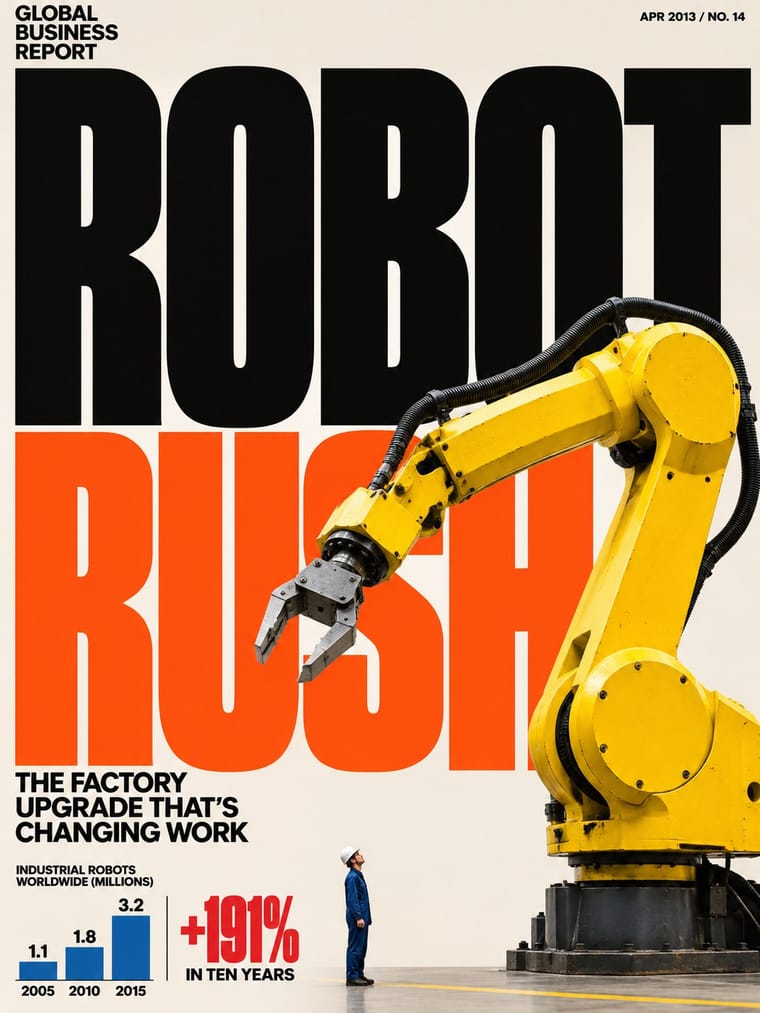
Conceptual Business-Magazine Covers (Businessweek, Turley Era) A weekly business-magazine cover practice in which the story is stated as a blunt visual proposition: a giant condensed headline filled with a photograph, a burning object that carries the title, or a deadpan diagram turned into a joke.
-
Witch House Graphics (Symbol Names and Haunted Web Imagery) A web-native music-graphics language documented around witch house in 2010.
-
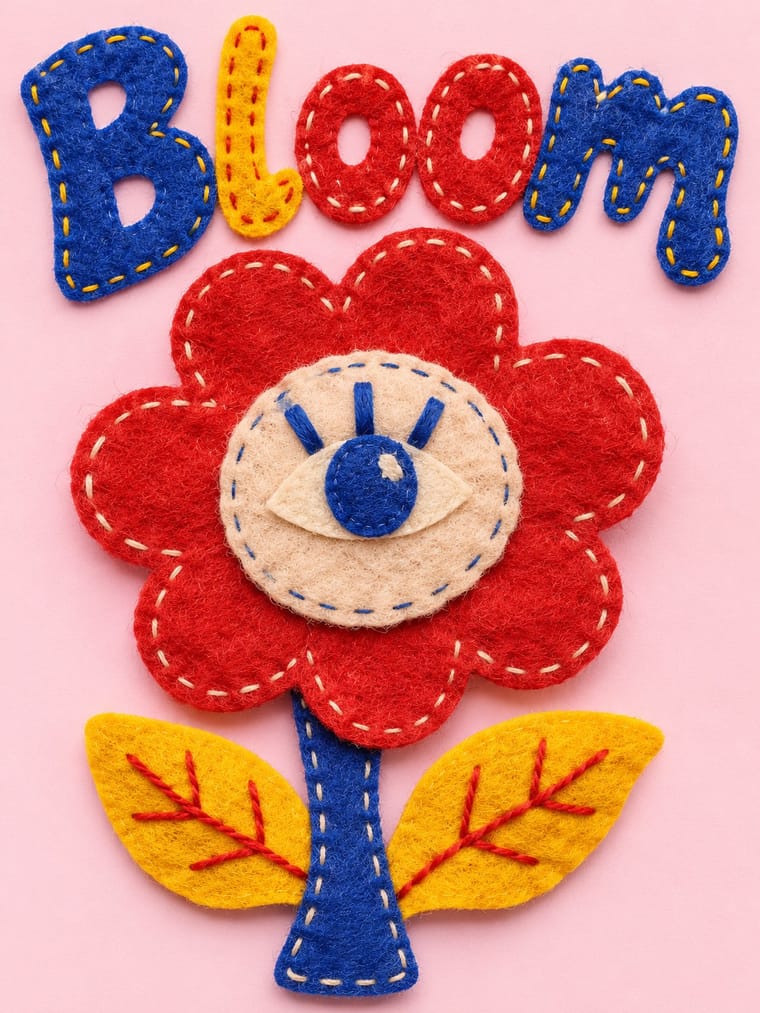
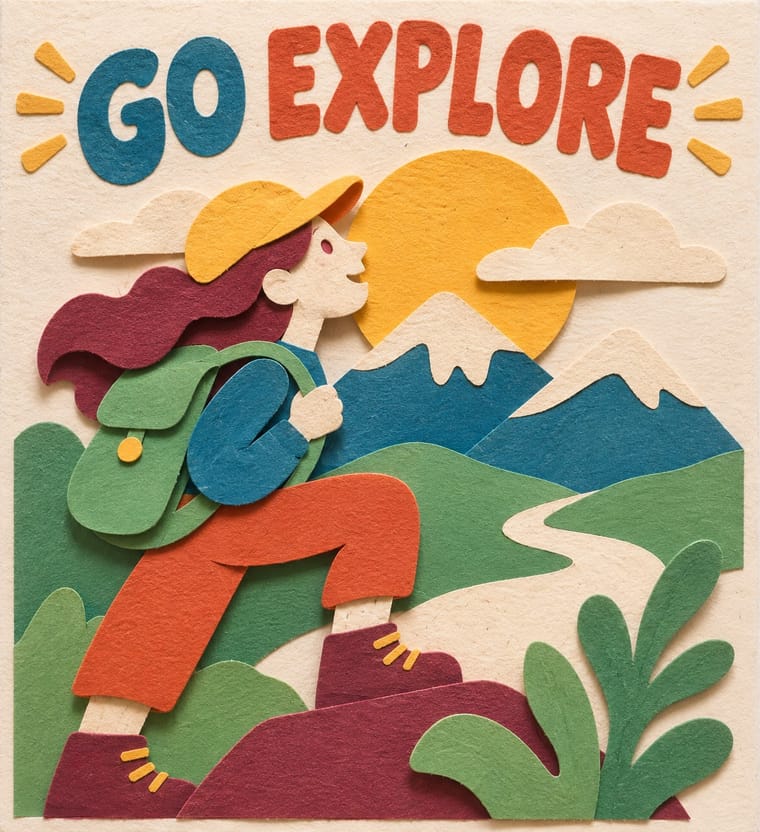
Photographed Tactile Craft & Lettering Playful commercial images and lettering built by hand as touchable miniature objects from clay, felt, thread or fabric, then photographed for print and screen.
-
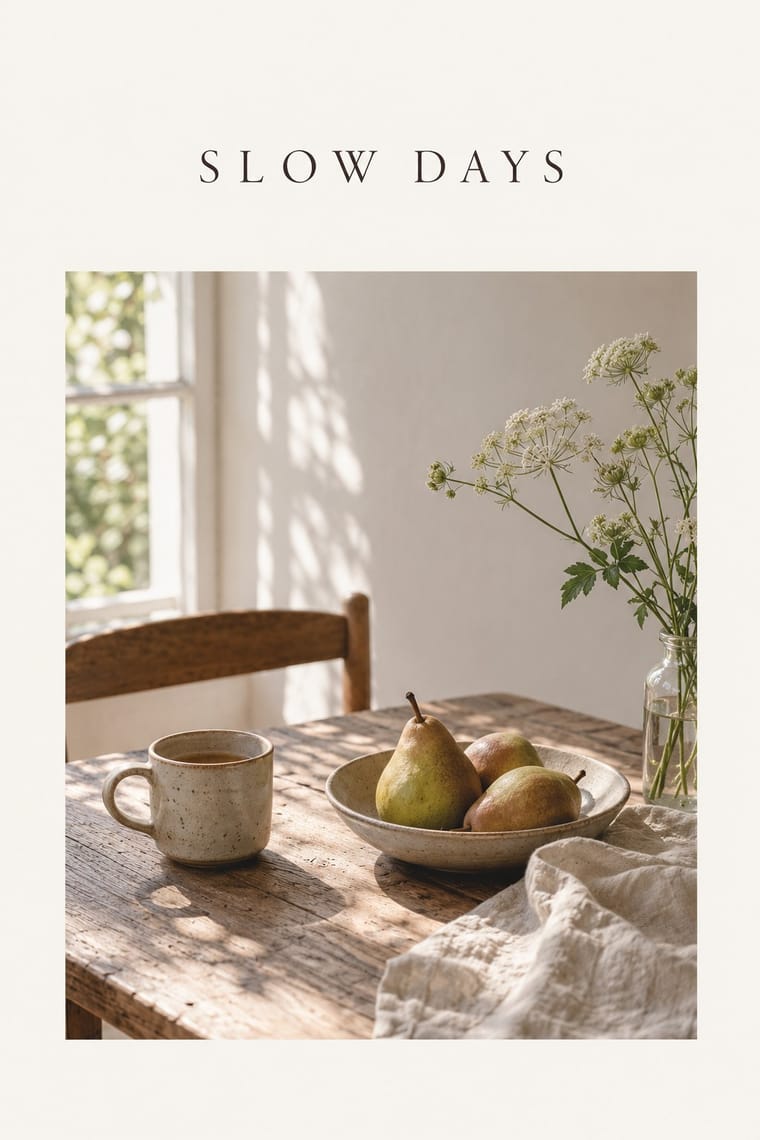
Slow-Living Editorial (the Kinfolk Look) The look of Kinfolk, the slow-living quarterly founded in Portland in 2011 and run from Copenhagen since 2015, and of the indie lifestyle titles and Instagram feeds that copied it.
-
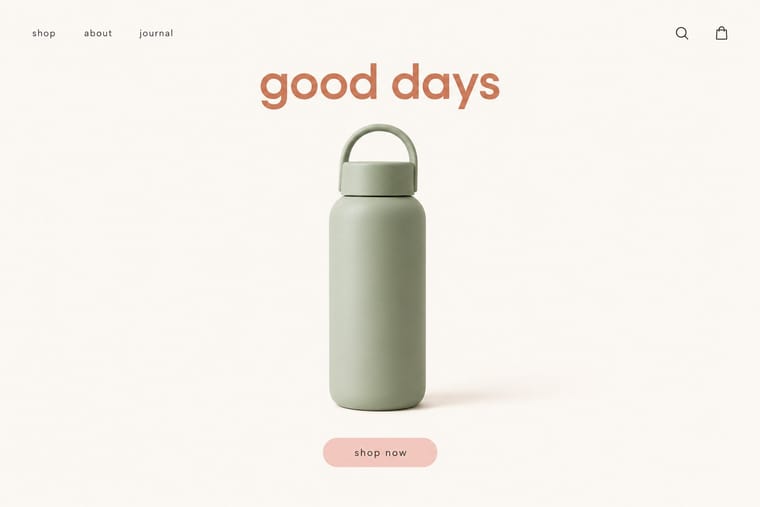
DTC 'Blanding' / Millennial Minimalism The friendly, frictionless minimalism of 2010s direct-to-consumer start-ups, built for the phone screen, the Instagram feed and the unboxing.
-
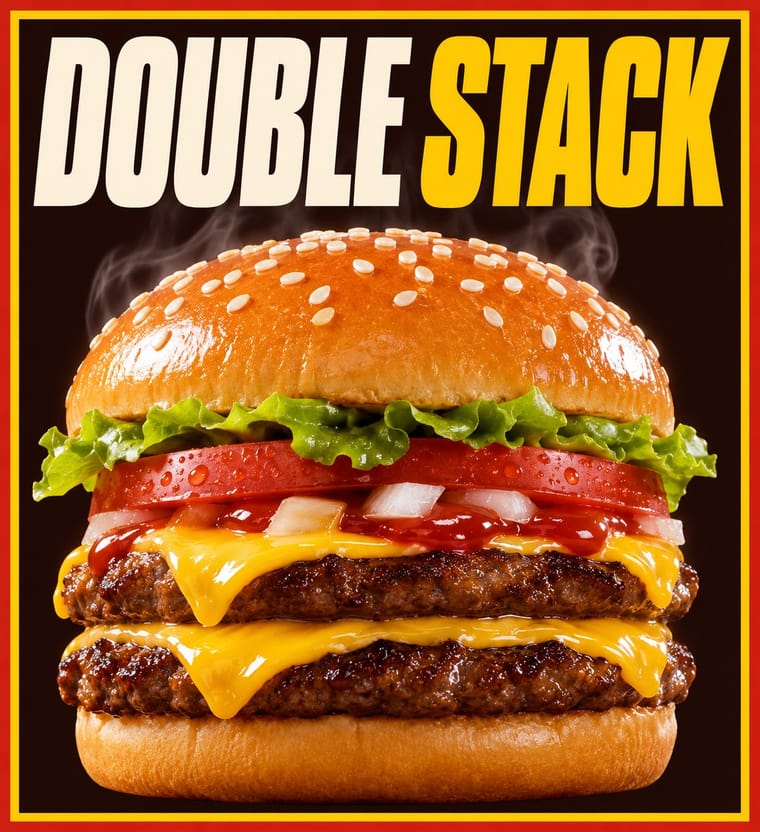
Fast-Food Hero Advertising Photography The idealised product portrait of fast-food advertising: a burger stacked tall, every layer pulled to the front edge, cheese melted, steam added, retouched, then floated alone on menu boards, posters and app tiles with name and price big and short.
- K-pop Physical Album Packaging (Photobook, Versions and Photocards) A retail packaging system in which a K-pop release is a designed object rather than a sleeve: a box, slipcase or novelty form holding a photobook, lyric booklet and randomised photocards, sold in several versions with different covers.
-
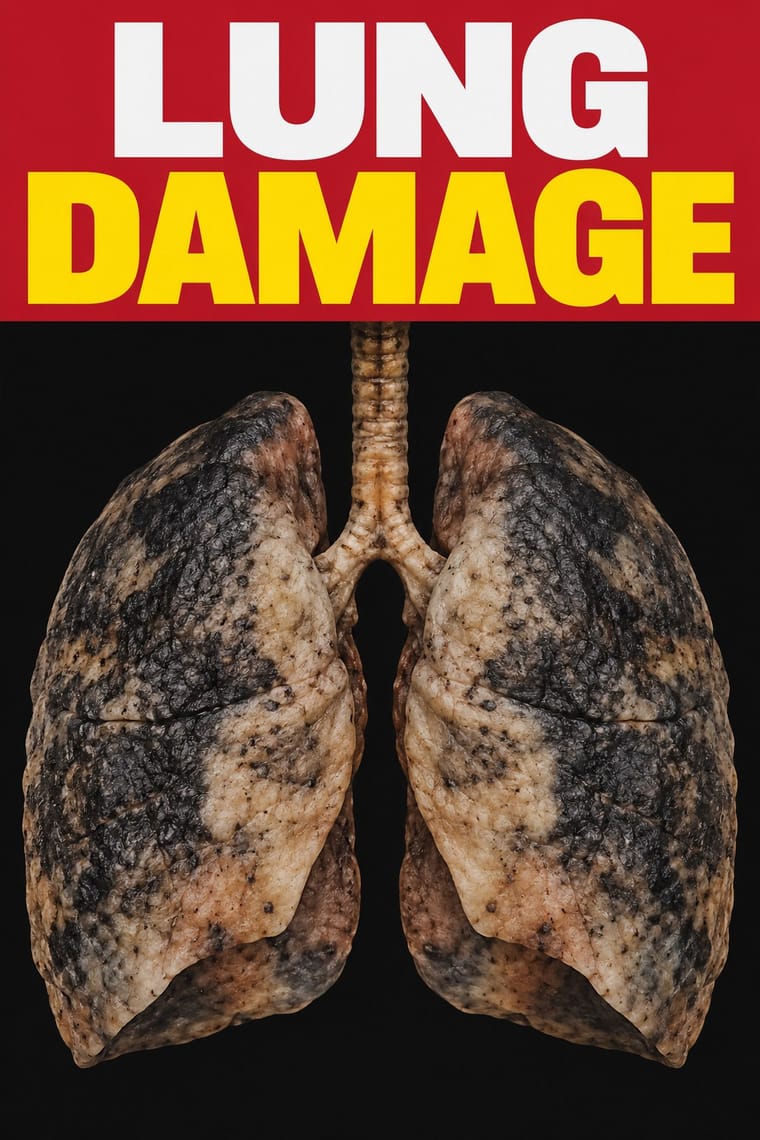
Plain Tobacco Packaging A packaging language written into law to strip tobacco of persuasion.
-
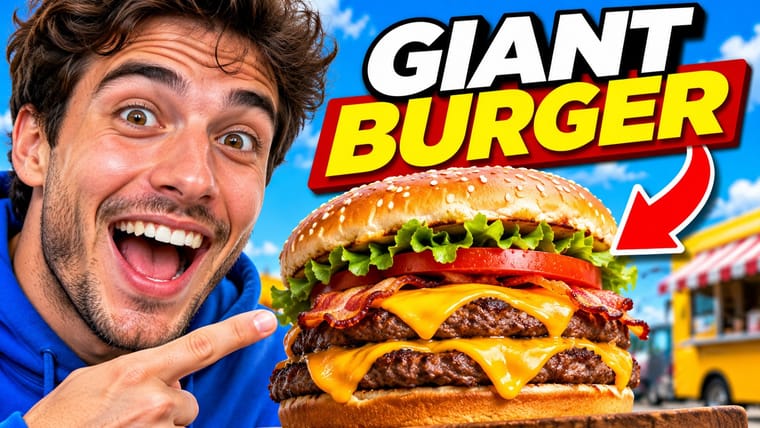
YouTube Thumbnail Style (the 'YouTube Face') The custom thumbnail of YouTube's creator economy: a 16:9 still made to be read at fingernail size in a feed of recommendations.
-
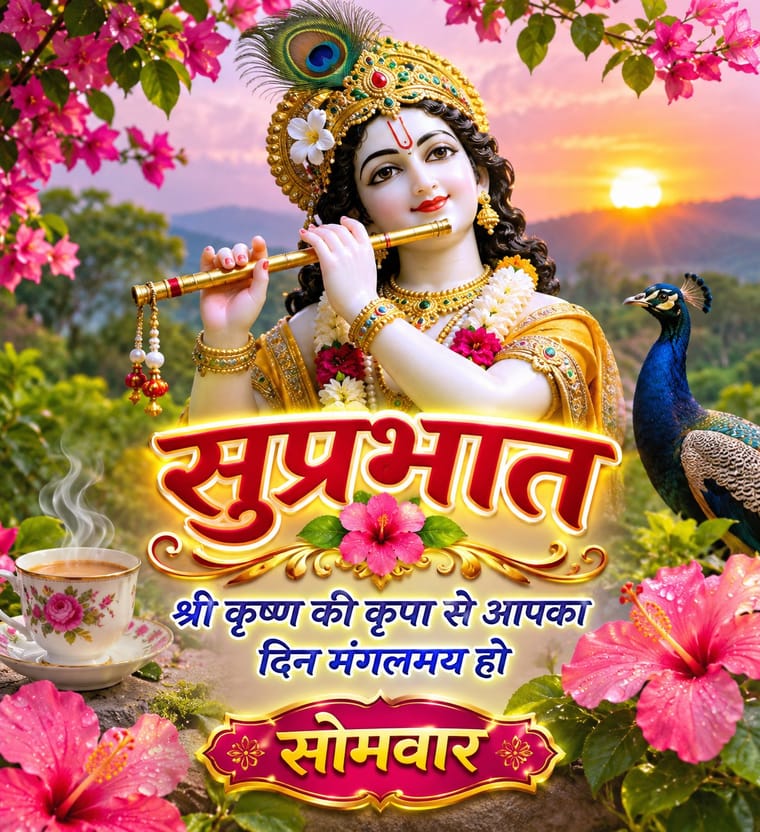
'Good Morning' Greeting Images (WhatsApp Forward Vernacular) The ready-made greeting pictures that millions of smartphone users, many of them older and new to the internet, forward to family, friends and groups each morning on WhatsApp, above all in India and Brazil.
-
Contemporary Papercraft Illustration (Layered Cut-Paper) Commercial illustration built as a small paper relief or miniature set: sheets are cut, stacked, folded and curled, then photographed so thin edges and cast shadows make the depth readable.
-
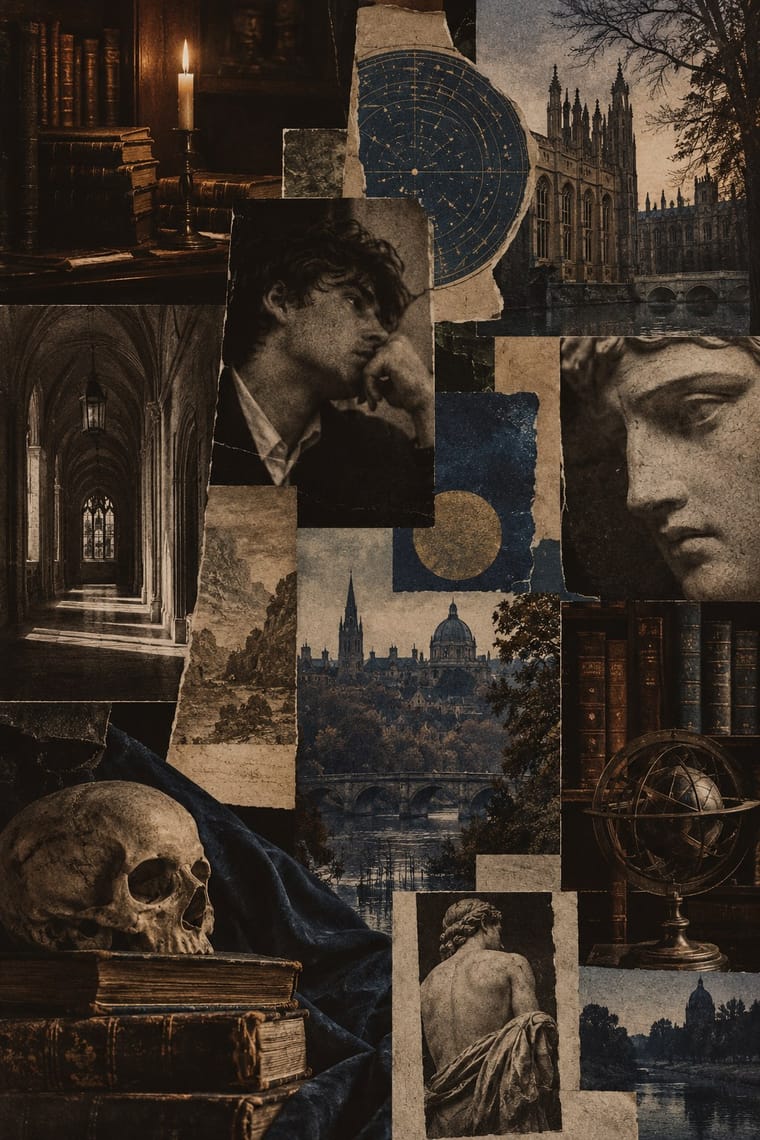
Dark Academia A moodboard aesthetic of candlelit libraries, Gothic and Collegiate Gothic colleges, dark wooden furniture and autumn imagery, in black, white, beige, browns, dark green and occasionally navy.
- Spotify Duotone Identity A corporate music-streaming identity from the 2015 Collins rebrand in which photographs are recoloured into two-colour images in saturated, clashing palettes, cropped at angles and set in geometric sans.
-
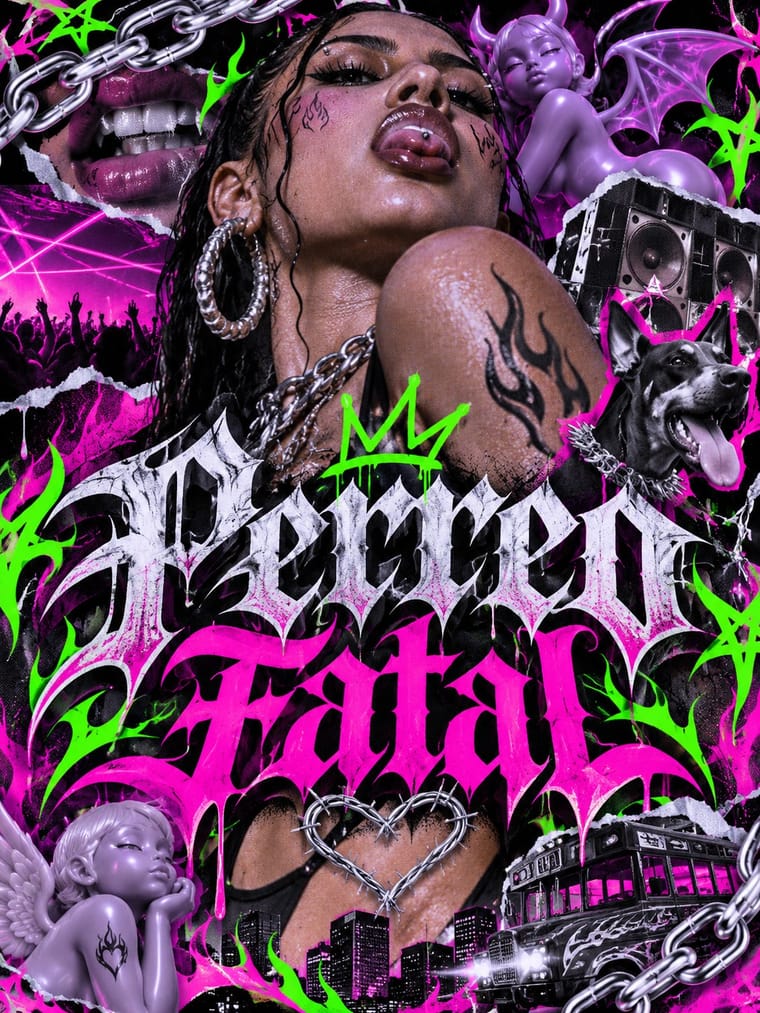
Neoperreo Graphics (Futurist Reggaeton Club Visuals) Promotional and identity graphics of the neoperreo club scene: dark grounds, neon colour, gothic and tattoo-style lettering, chains and acrylic-nail imagery, checkerboards and early-2000s phone nostalgia, collaged with photography and synthetic 3D figures.
-
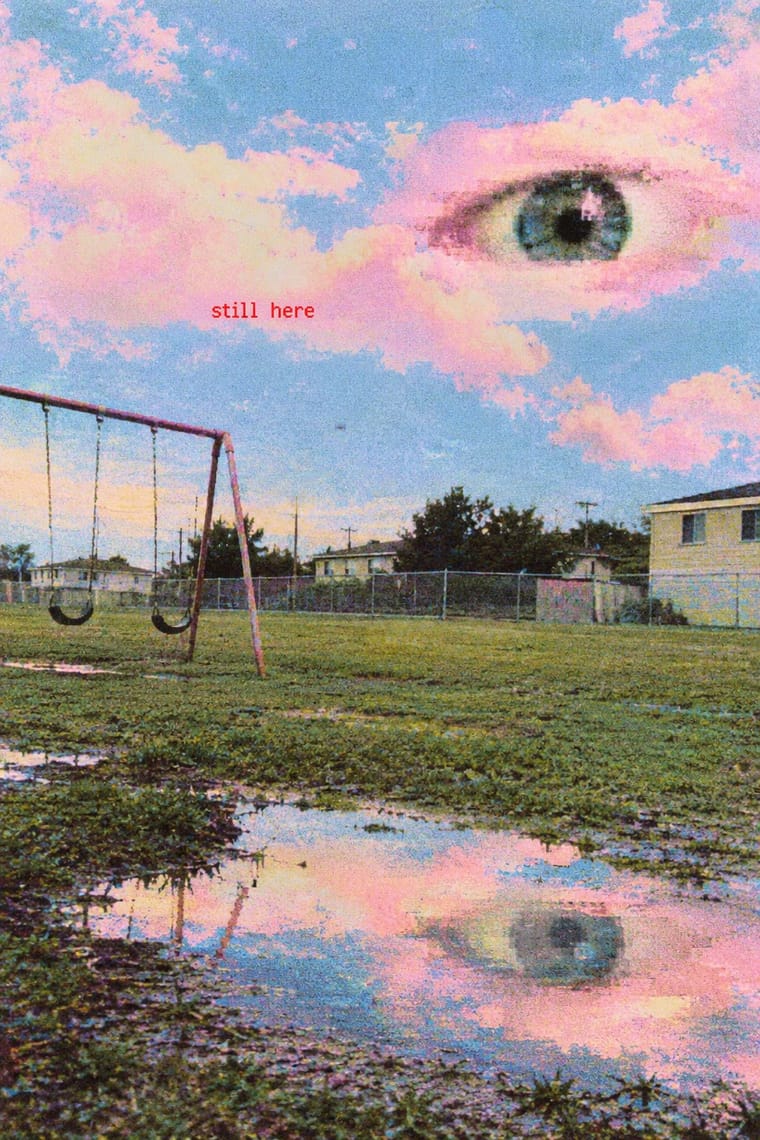
Weirdcore & Dreamcore An internet aesthetic popularised on Reddit, TikTok and YouTube in the early 2020s, with dreamcore as its softer, pastel, cloud-filled sister.
- Light Academia A softer counterpart to dark academia: cream grounds, soft neutrals, brush-lettered quotes and stamped letters, washi-taped corners over lace paper, floral shapes and wreath stamps, film-strip collage.
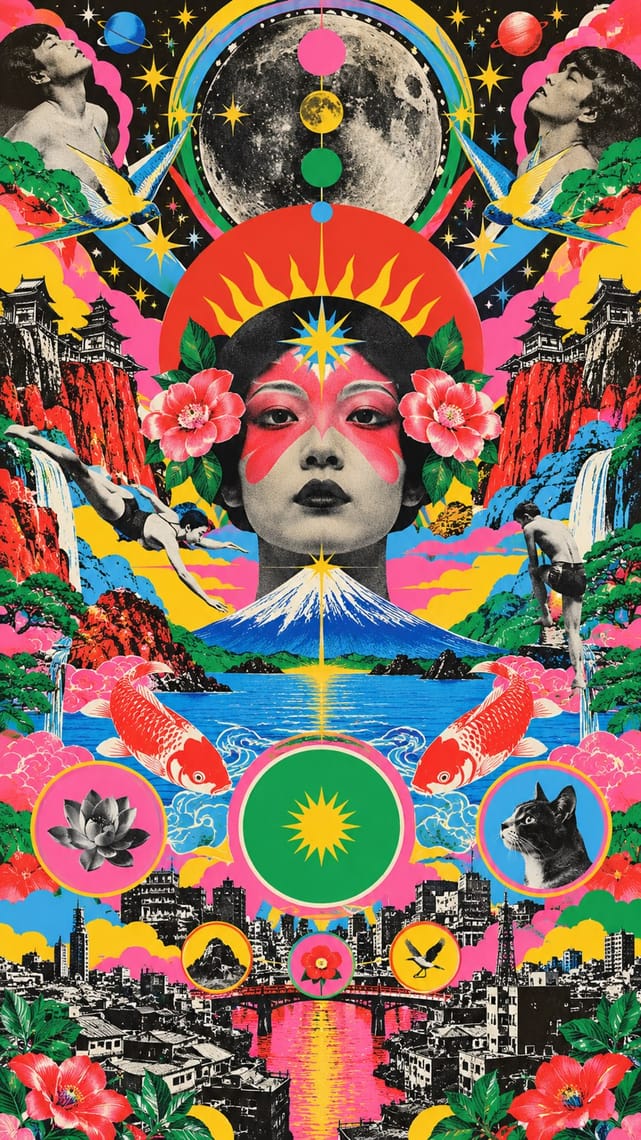
- Xpiritualism (Esoteric Internet Collage) An internet collage vernacular in which celestial motifs, kitschy esoterica, religious iconography and old-web pictures are stacked into dense, glowing, meme-inflected images.
-
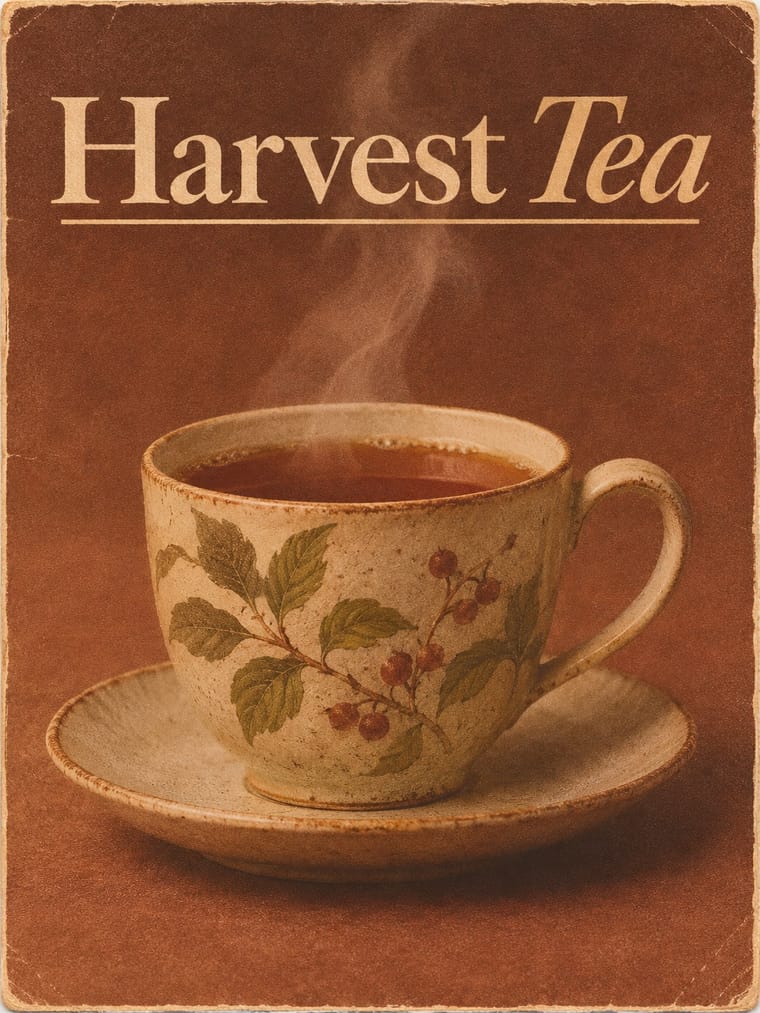
Frasurbane Revival The name Frasurbane was coined in 2017 by the Consumer Aesthetics Research Institute for a late-1980s to mid-1990s old-world, beige-and-sepia home-decor look; 2022 marks when its revival in branding, album covers and social graphics was documented, not when the look began.
-
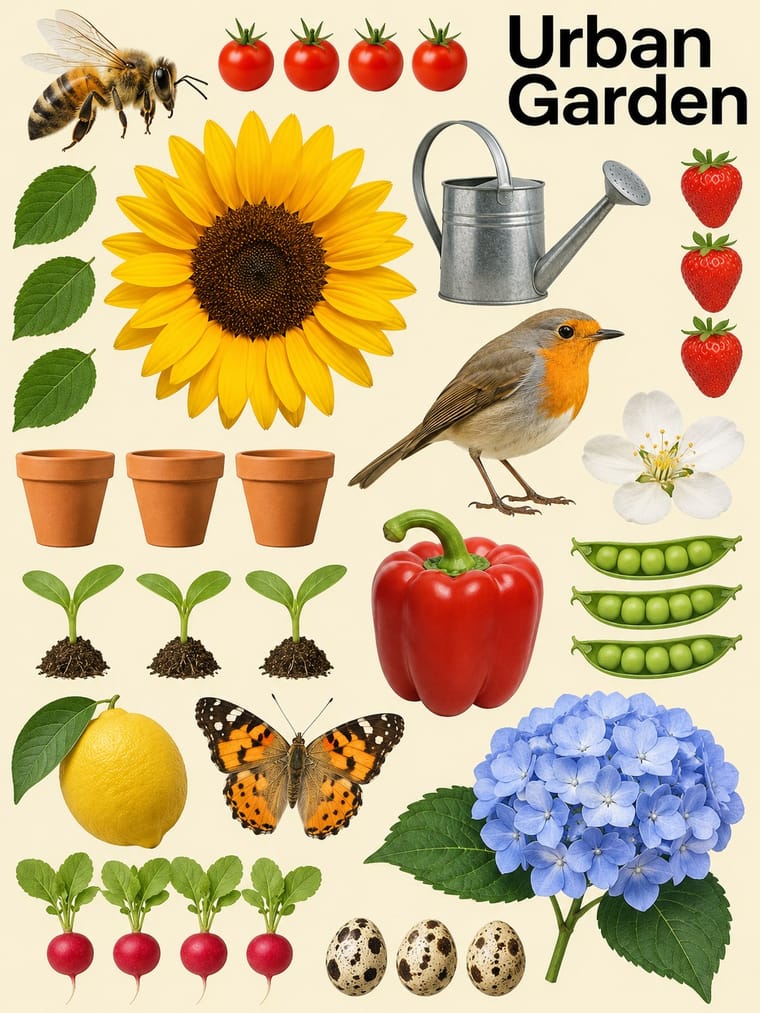
Visual Index (Cut-Out Object Collections) A photographic inventory in which many cut-out objects share a continuous plain ground but remain separately readable.
-
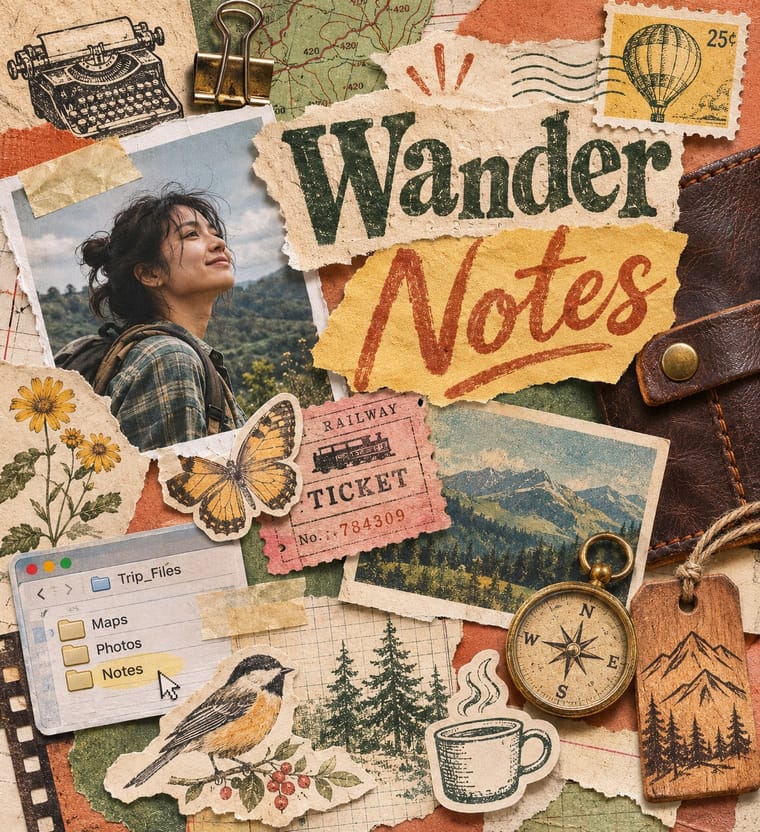
Digital Scrapbook Collage A contemporary social-media and brand look in which a poster or post imitates a personal page assembled from photographs, notes and collected paper.
-
Short-Form Creator Captions (Hormozi-Style Subtitles) A caption convention for vertical talking-head video: the speech is burned into the footage in time with the speaker, from single words (Rudd) to two-line captions of about 4-6 words (Submagic), in heavy capitals with a shadow or stroke, and selected words are recoloured, enlarged, popped in or paired with emoji.
-
iOS Core / Contemporary OS-Interface Graphics Contemporary promotional collage that treats a familiar Apple-like desktop as the page: photographs become files, folders label collections, and preview windows, menus and notifications frame the message.
Styles that usually have it 89
A characteristic choice: usual in these styles, though not essential.
- Wendingen & Amsterdam School Typography 1918–1932
- Bauhaus 1919–1933
- Die Neue Typographie 1923–1940
- Mavo 1923–1925
- Stenberg Brothers Constructivist Film Poster 1924–1933
- Surrealist Graphics 1924–1960
- Neues Frankfurt Graphics (Frankfurt Municipal Design 1925-30) 1925–1930
- Socialist Realist Propaganda Poster 1932–1989
- Milanese Industrial Modernism (Olivetti, Pirelli, Studio Boggeri) 1933–1975
- Penguin Paperback Design (Three Bands to the Marber Grid) 1935–1972
- American Mid-Century Modernism 1940–1970
- Hand-Painted Bollywood Poster 1940–1999
- East German (DDR) Poster and Gebrauchsgrafik 1946–1990
- Onitsha Market Pamphlets 1947–1980
- Filmfarsi Film Poster (Pre-Revolutionary Iranian Cinema) 1950–1979
- International Typographic Style 1950–1975
- Japanese Postwar Modernism 1950–1990
- Polish Poster School 1950–1990
- Zagreb Modernist Graphics (EXAT 51 to Teatar &TD) 1951–1975
- HfG Ulm Systematic Design 1953–1968
- West German Conceptual Film & Culture Poster (Hillmann and Rambow) 1953–1990
- Pop Art Graphics 1955–1975
- Ambedkarite Visual Culture (Blue Suit, Constitution, Jai Bhim) 1956–present
- Situationist Détournement Graphics 1956–1972
- Czechoslovak Film Poster 1959–1989
- Cuban Revolutionary Poster (OSPAAAL & ICAIC) 1960–1990
- Phototype Expressive Typography (Lubalin & U&lc) 1962–1985
- Oz Magazine and Sydney-London Psychedelia 1963–1973
- Fania and Nuyorican Salsa LP Sleeves 1964–1985
- Hong Kong East–West Graphic Modernism 1964–present
- Chicano Screenprint Poster 1965–present
- Minimalist Graphic Design 1965–present
- Black Panther Party Graphics 1967–1980
- Chilean Unidad Popular & Nueva Canción Graphics 1967–1973
- Swiss Punk / New Wave Typography 1968–1990
- Automotive Hero Advertising (Car Photography to CGI) 1969–present
- Afrofuturist Design 1970–present
- Grapus (French Militant Graphic Collective) 1970–1990
- Australian Poster Collective Screenprints 1971–1994
- Roman-like Thai Typography (modern loopless Thai) 1973–present
- Carnation Revolution Posters and Murals 1974–1976
- See Red Women's Workshop Feminist Screenprints 1974–1990
- Punk & DIY Zine 1976–1986
- Dutch Expressive Postmodernism (Studio Dumbar & Hard Werken) 1977–1994
- La Movida Madrileña Graphics 1977–1988
- Post-Punk Record Sleeve (Stiff, Factory, 4AD) 1977–1990
- Iranian Revolutionary & Sacred Defence Poster 1978–1988
- Israeli Political Poster (Tartakover to Lemel) 1978–present
- South African Resistance Poster 1978–1994
- Cranbrook & Deconstructivist Typography 1980–1998
- Flying Nun DIY Sleeves (Dunedin Sound Cover Art) 1981–1995
- Whimsigothic 1987–1999
- South African Vernacular Design (Ijusi) 1995–present
- Visual Kei Graphics (Gothic-Romantic Strand) 1998–present
- Fantasy User Interface (FUI) & Sci-Fi HUD 1999–present
- Japanese Dense Web Design 1999–present
- McBling Graphics 2000–2008
- Property-Marketing Architectural Visualisation (Photoreal Archviz Renders) 2000–present
- Contemporary Chinese Book Design ('Most Beautiful Books of China') 2003–present
- Internet Ugly & Meme Vernacular 2003–present
- Frutiger Aero 2004–2013
- Image Macro (Impact Meme Format) 2005–present
- Neo-Swiss Revival 2005–present
- CGI Product Visualisation (Photoreal Product Renders) 2006–present
- Oaxacan Protest Printmaking & Street Graphics (ASARO) 2006–present
- Risograph & Indie Print Culture 2008–present
- Lambe-Lambe Posters (Brazilian Paste-Up Street Posters) 2010–present
- Egyptian Revolutionary Street Art (Mohamed Mahmoud Murals) 2011–2014
- Syrian Revolution Graphics (Kafranbel Banners & Poster Collectives) 2011–2024
- Vaporwave 2011–2017
- Gulf Futurism 2012–2026
- Sovietwave 2012–present
- China Dream Folk-Art Propaganda Posters 2013–present
- PC Music Graphics 2013–present
- Hong Kong Protest Art (Umbrella Movement to the 2019–20 Protests) 2014–2020
- Material Design 2014–present
- Staged Symmetry and Fictional Print Props (the Andersonian look) 2014–present
- Analog Horror Graphics 2015–present
- Bubblegum Bling 2015–present
- Front-of-Pack Warning Octagons (Latin American Food Warning Seals) 2016–present
- Tuwei (土味, Chinese Rural-Internet Vernacular) 2016–present
- Cottagecore 2018–present
- Guochao (China-Chic National Trend) 2018–present
- Algerian Hirak Humorous Poster and Meme Graphics 2019
- Chilean Estallido Social Graphics (Revuelta Popular of 2019–20) 2019–2022
- Bento Feature-Grid Design 2020–present
- EndSARS Protest Graphics (Nigeria, 2020) 2020–2021
- Ukrainian Wartime Graphics (Saint Javelin, War Stamps and Be Brave Like Ukraine) 2022–present
- Brazilian Baile Funk Digital Flyer 2026–present