Ideas
Ideas: ways to change a style
A style says how a design looks. An idea is a move you make with it, so the design says something.
Take Swiss International and hide part of the subject behind something in front of it. That move is occlusion. Swiss designers rarely made it, so the result is a Swiss poster that does something new. Every idea here works on any style. Each one says how it works, what it does for a message, and what to tell an image model.
- ideas
- 73
- questions
- 9
- messages
- 33
- claims
- 9
- pictures
- 366
I need to say…
Start from the message. Pick what the piece has to get across, and see the ideas that carry it, the closest first.
- a warning 8
- a comparison 7
- standing out 3
- stopping power 7
- humour 7
- protest 7
- premium 5
- a product 7
- a mark 5
- movement 4
- a story or process 4
- numbers 3
- a call to action 4
- change 3
- heritage 5
- suspense 6
- loss 6
- closeness 3
- a cultural event 6
- a slogan 8
- a hero 4
- a place in the street 4
- a struggle 4
- the future 6
- two sides 5
- togetherness 5
- a celebration 4
- trust 5
- food and taste 7
- a place to go 5
- what lies beneath 5
- imagination 6
- someone’s place 3
What should the picture argue?
Start from the claim. A picture can say that two things are alike, that one leads to the other, or that life is worse without something. Pick the claim and see the ideas that build it, the plainest first.
Direct attention
Where does the eye land first, and where does it go next?
Decide what is seen first and the path the eye takes; whatever wins attention is what the design is about.
-
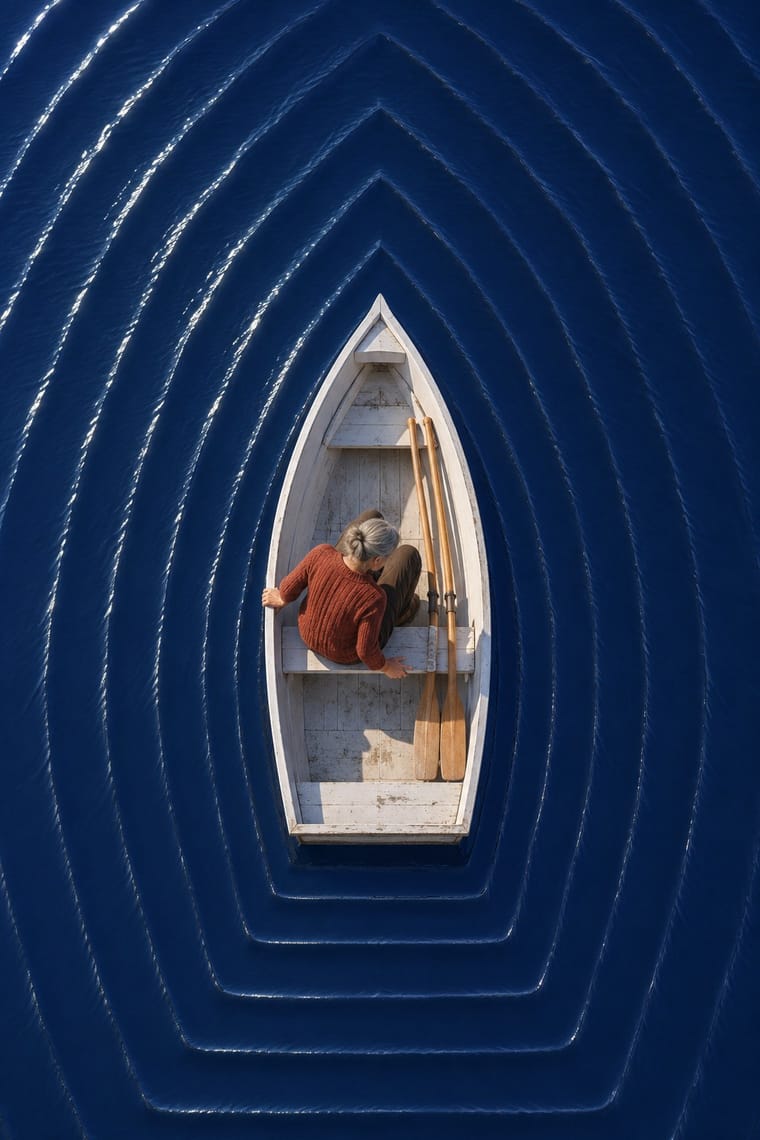
Isolation
One subject alone in an empty field (often small in a vast one), so the emptiness itself means something: alone, precious, calm.
-
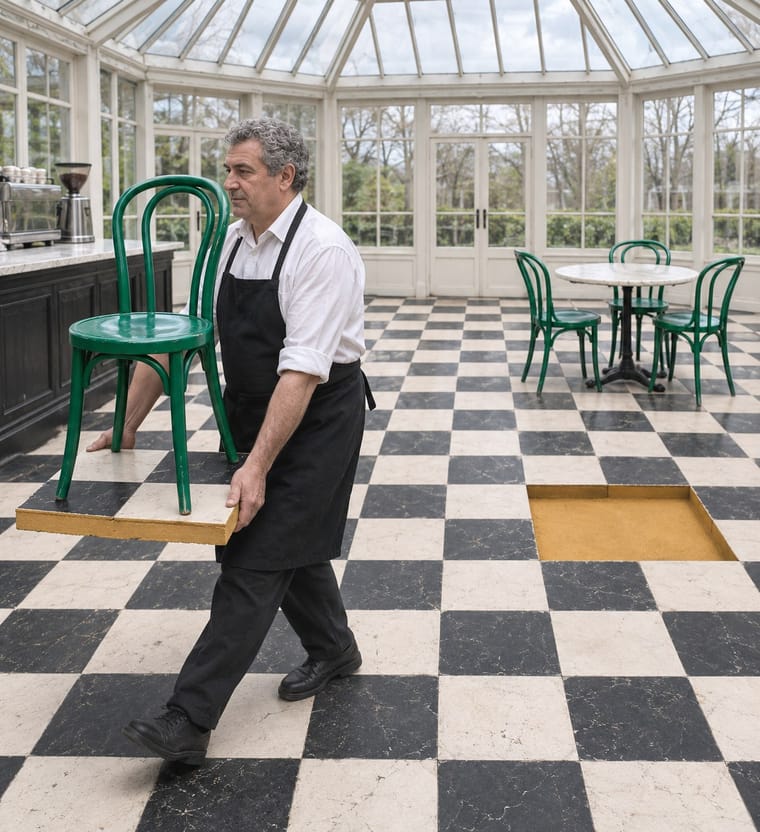
Odd one out
One of a set of like things differs from the rest in direction, form or behaviour.
-
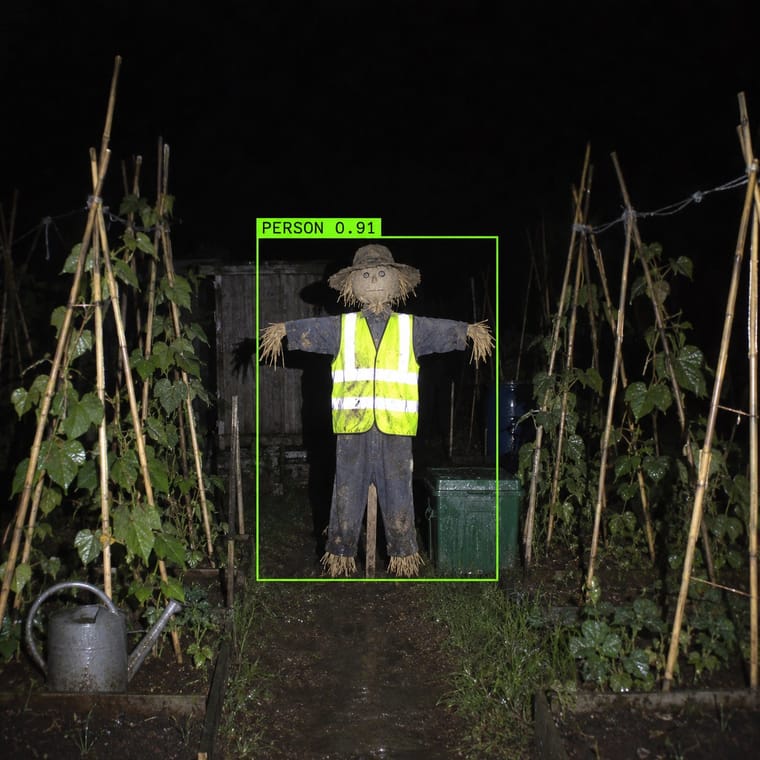
Single colour accent
A single scene drained of colour except for one element.
-
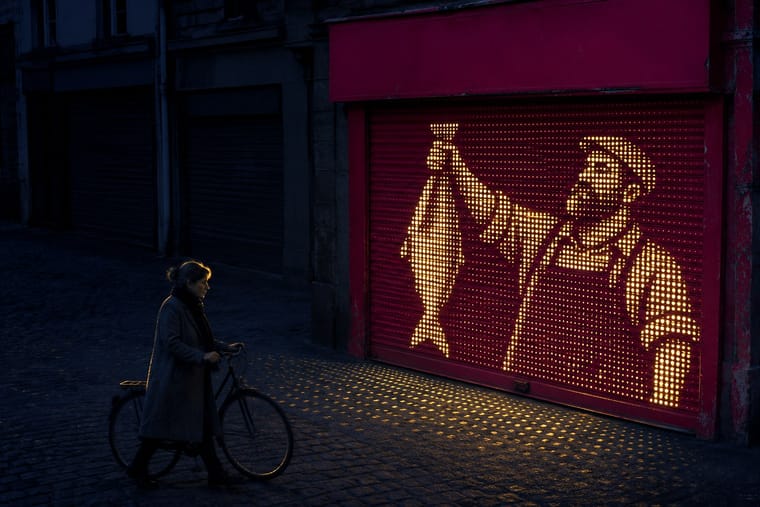
Spotlight
Light picks the subject out of darkness; what is lit matters, the dark holds mystery.
-
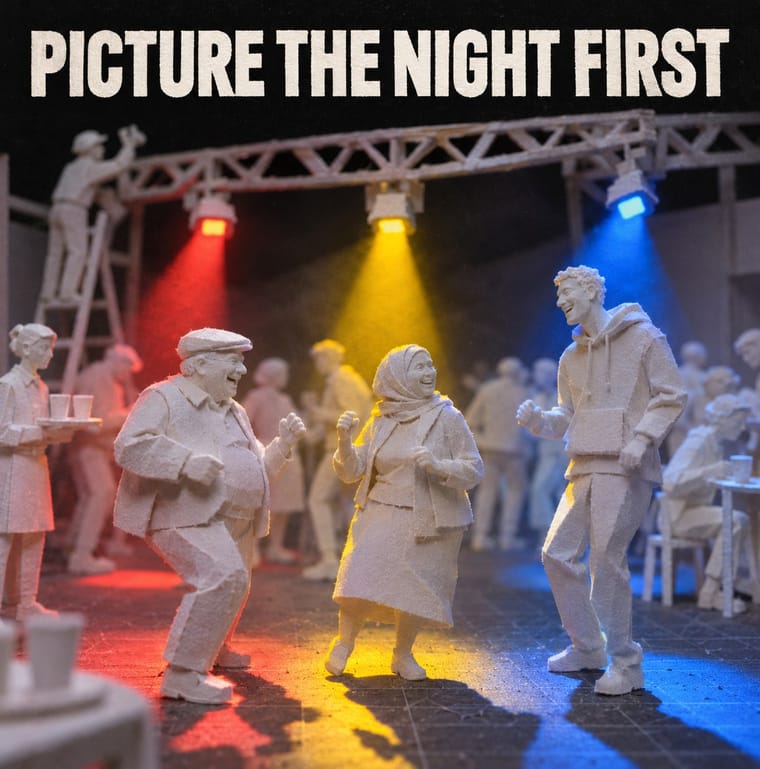
Selective focus
The subject is sharp and everything around it is blurred.
-
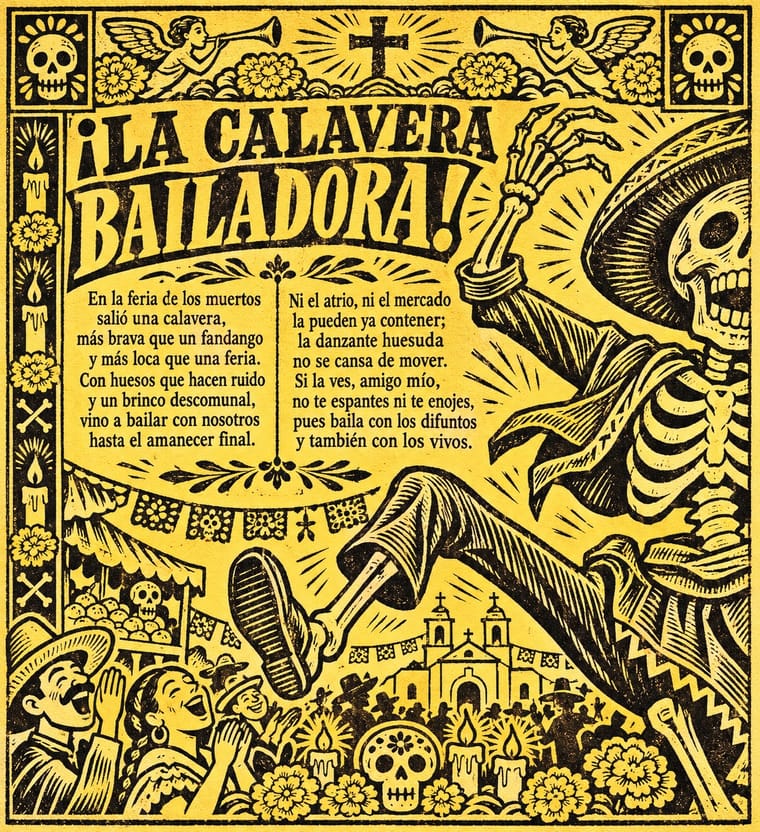
Bold crop
The frame slices through the subject off-centre, so the viewer completes it and senses a world beyond.
-
Leading lines
Lines, edges, roads or perspective converge on the point that matters.

-
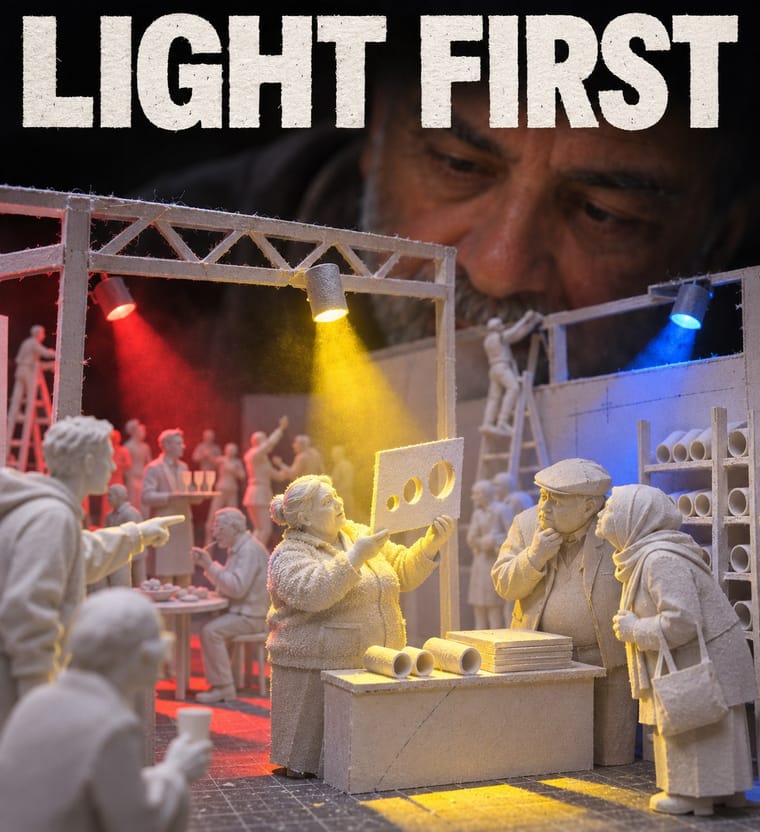
Look and point
A figure’s gaze or gesture, or a drawn arrow, points at something else in the picture, and the viewer’s eye follows.
-
Frame within a frame
A window, doorway, cut-out or shape inside the picture frames the subject a second time.

-
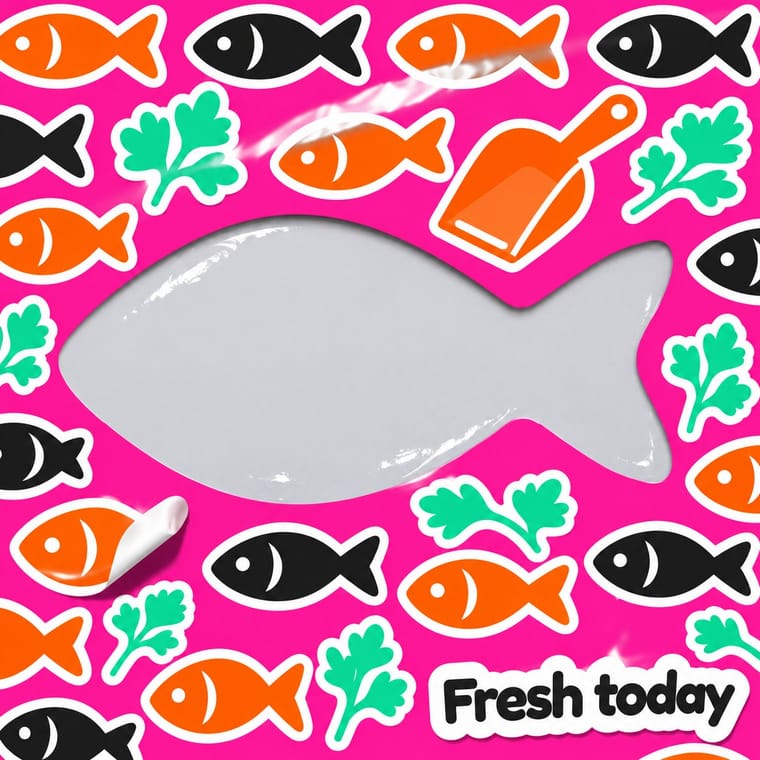
Size by rank
The most important figure is drawn largest, whatever its real size.
Leave a gap
What does the viewer complete in their own mind?
Give the viewer part of the work: what they complete themselves, they understand and remember.
-
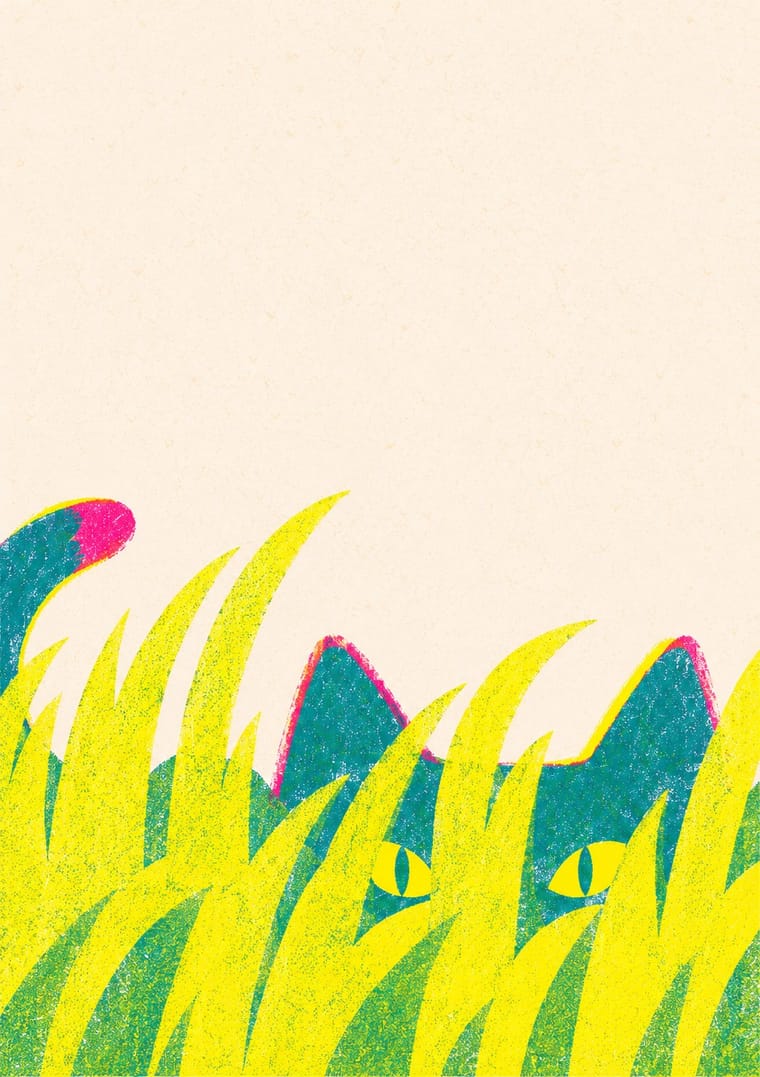
Closure
An incomplete shape that the mind completes: the viewer draws the missing parts.
-
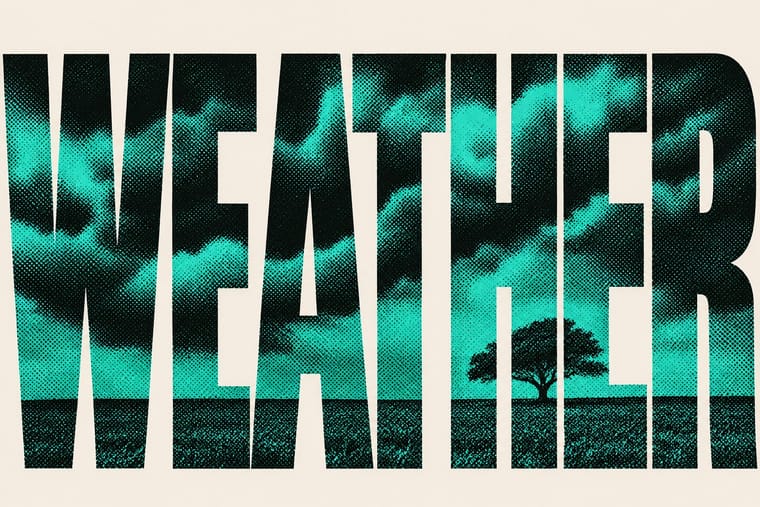
Figure–ground reversal
Positive and negative shapes share one contour, giving two equal readings that flip back and forth.
-
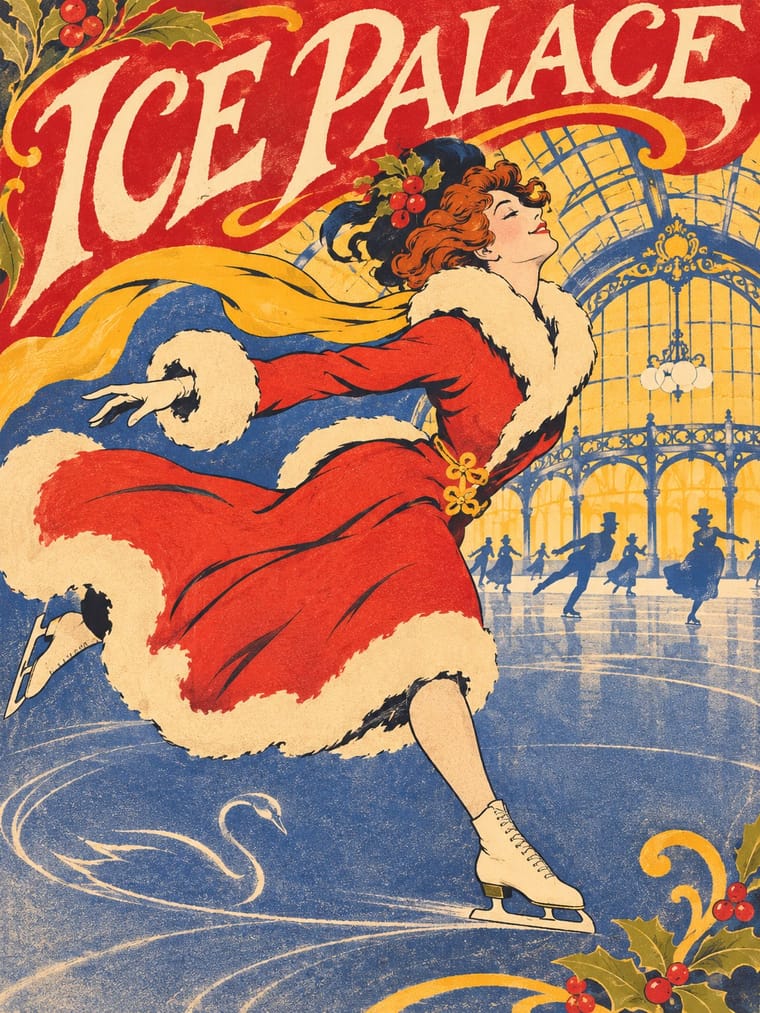
Hidden image
The first reading is complete on its own; a smaller second image is found later, in negative space or a detail.
-
Silhouette
A figure or object reduced to its solid outline; the viewer supplies everything inside it.

-
Telling absence
The place where the key element should be is shown empty; the gap says it.

-
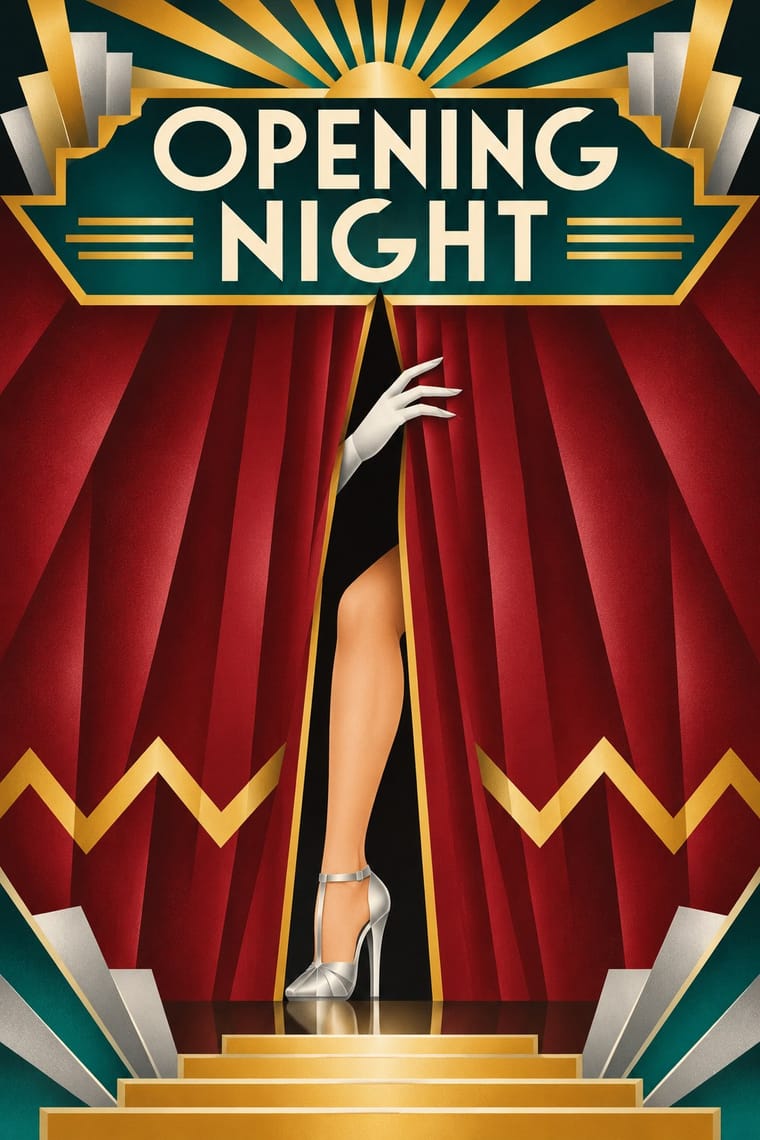
Occlusion
Part of the subject is hidden behind something in front of it; the hidden part is still there, and the viewer fills it in or wants to see it.
-
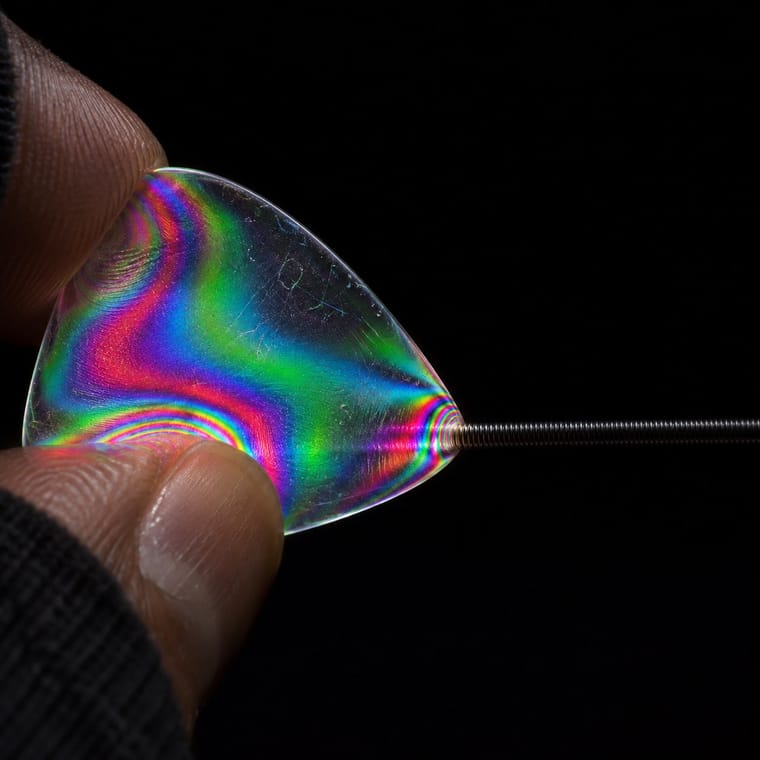
Part for the whole
A detail stands for something outside the frame: a hand for the worker, a shoe for the runner.
-
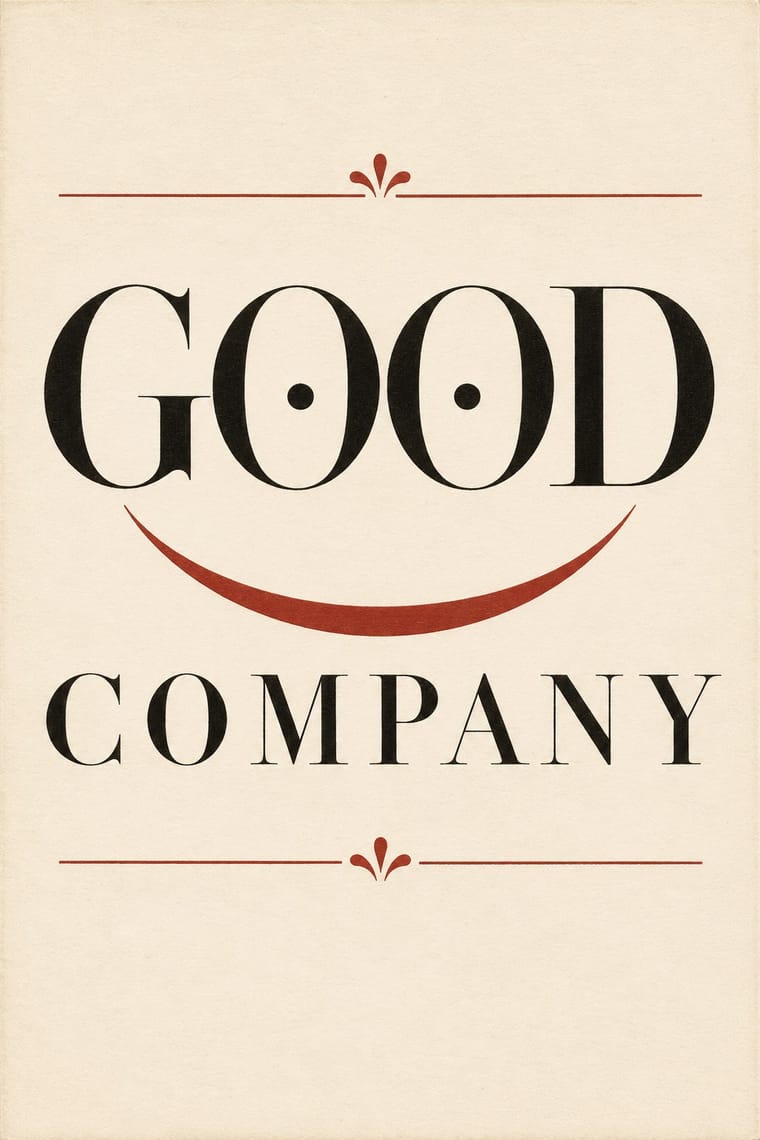
Faces in things
Objects or shapes arranged so that the viewer sees a face in them.
-
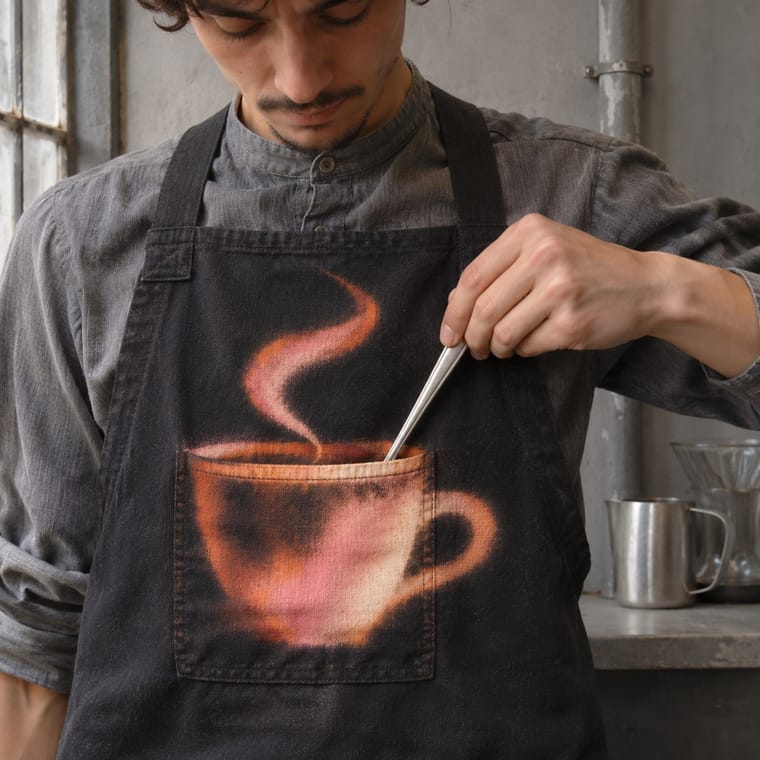
Using the setting
A real surface or object where the work is placed, or a part of the thing it is printed on (a fold, a gutter, a staple), becomes part of the picture: a drainpipe as a rope, a crack as a fault line.
Join two things
Which two things, brought together, make the idea?
Two images joined into one idea. The tighter the join (side by side, merged, swapped, roles exchanged), the more the viewer has to work out, and the more it rewards them.
-
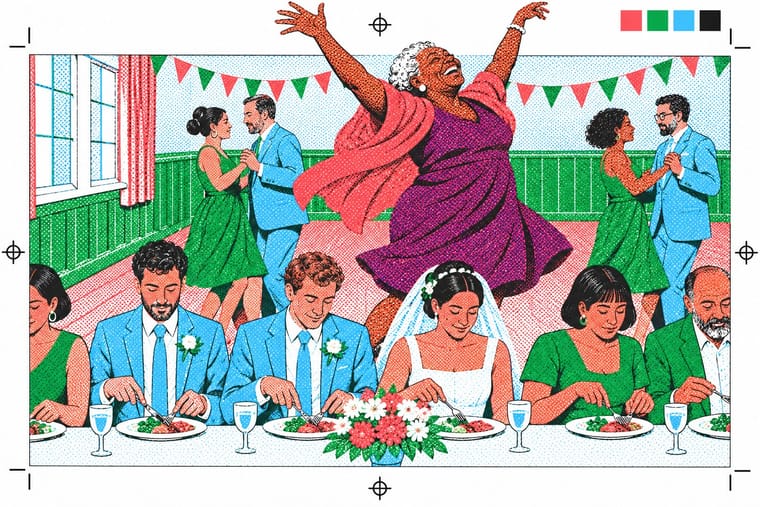
Juxtaposition
Two different subjects side by side, so the viewer compares them: alike or opposite.
-
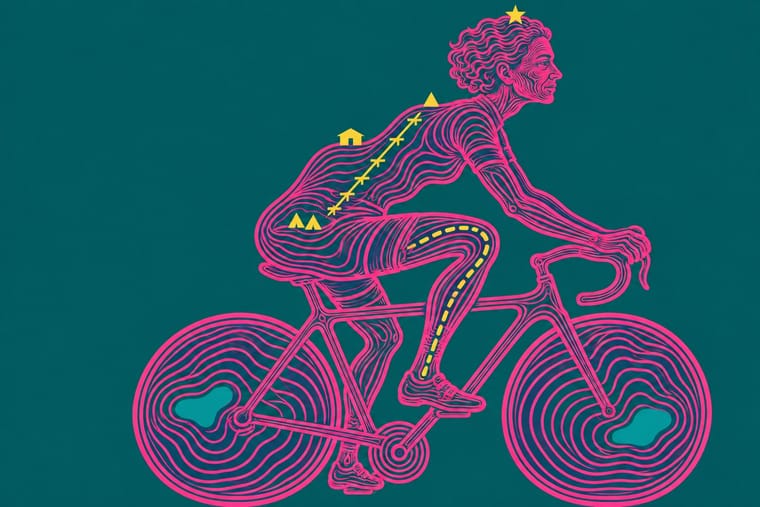
Fusion
Parts of two things joined into one object, both still recognisable.
-
Replacement
Only one thing is shown, in the place or role of another that the setting implies.

-
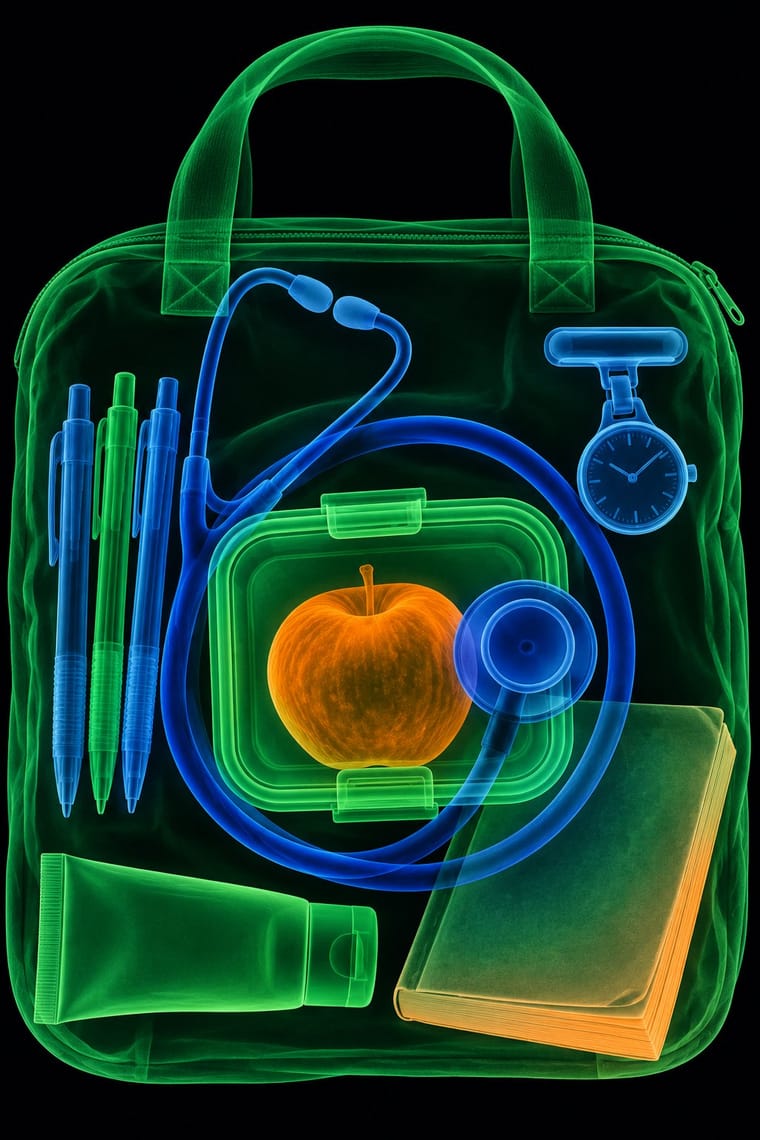
Visual pun
One shape, barely changed, reads as two different things; nothing is added or merged.
-
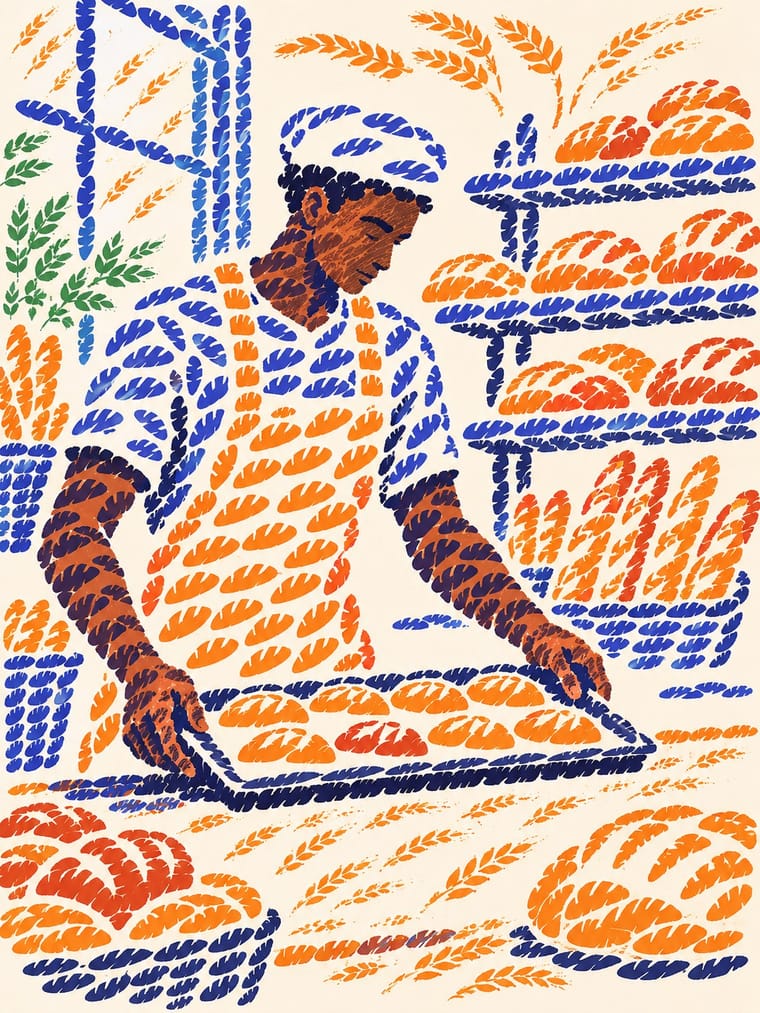
Composite figure
A figure built out of many smaller objects that belong to its story.
-
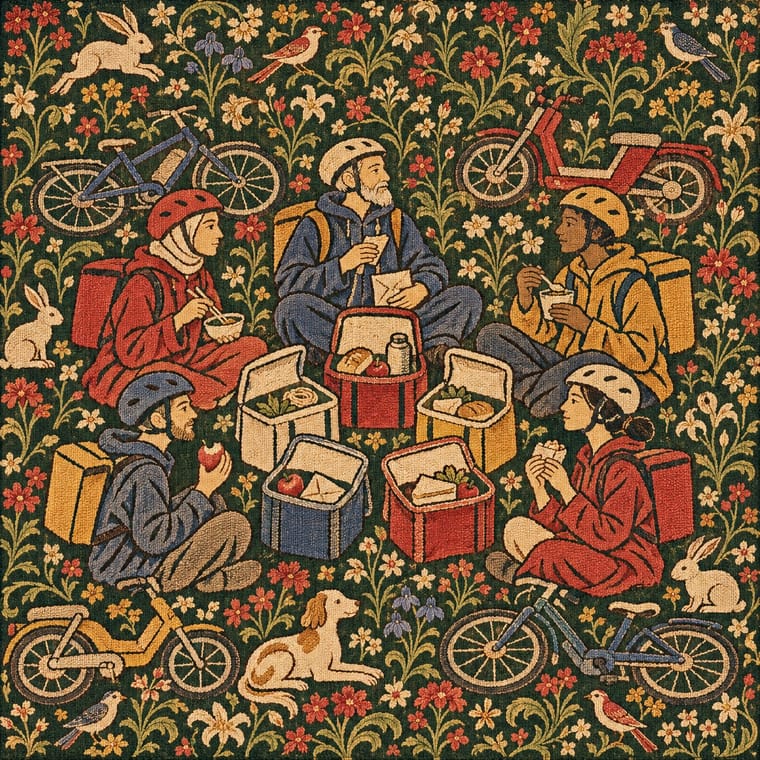
Role reversal
Two parties swap their usual roles: the hunted hunts, the tool uses its owner.
-
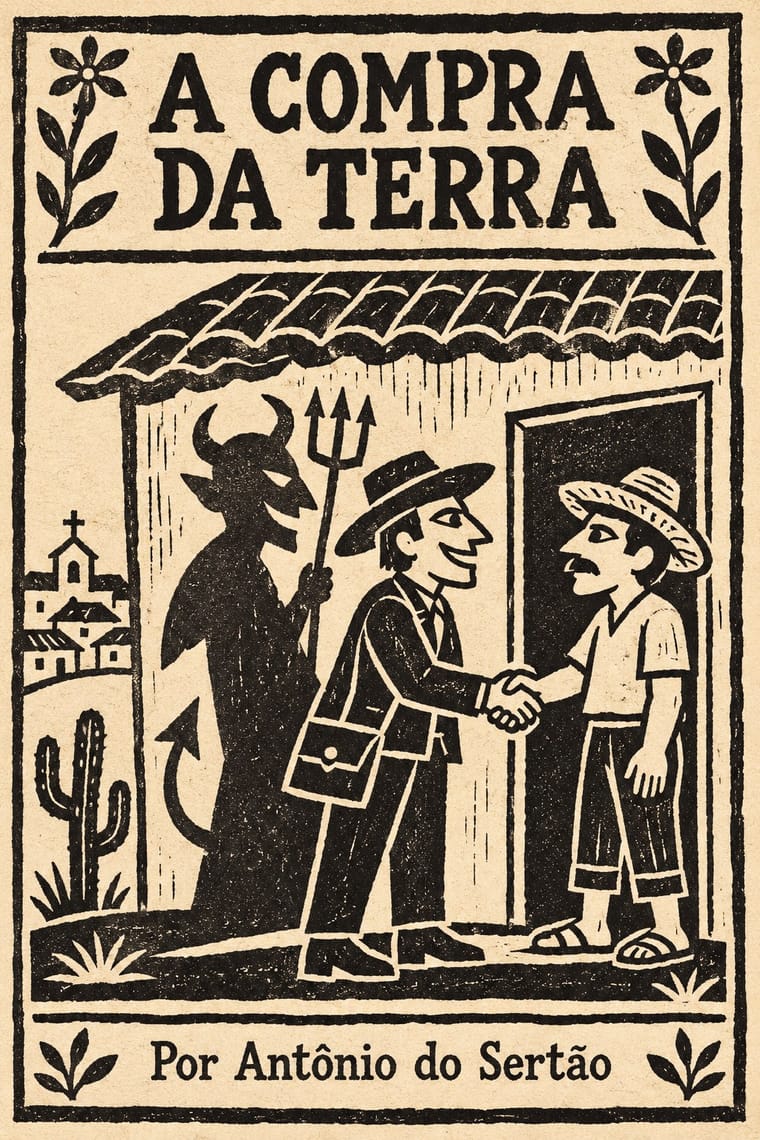
Revealing shadow
A shadow or reflection shows what the subject really is, was or will become.
-
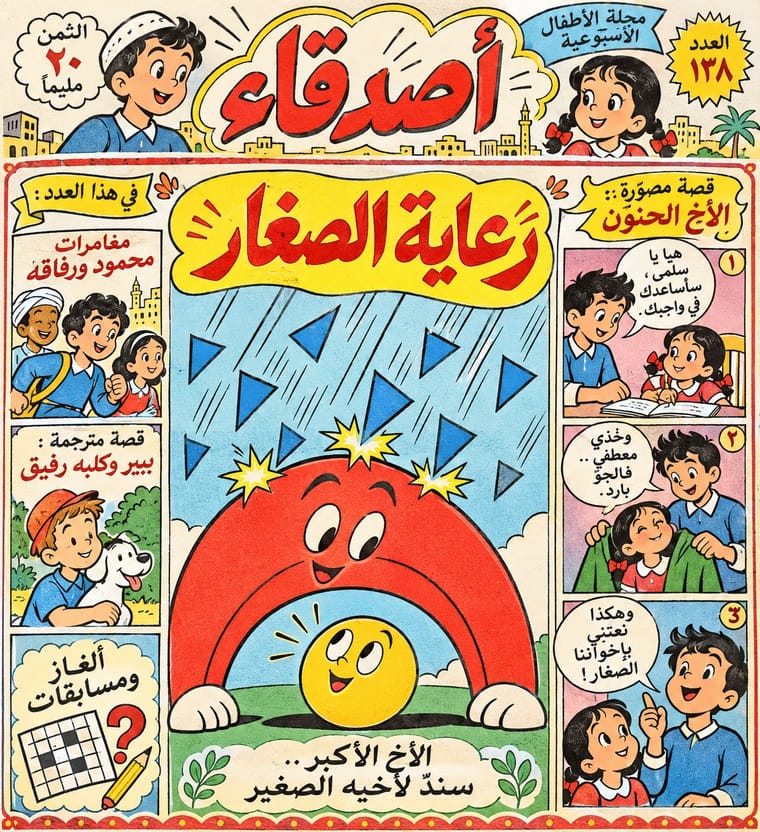
Shapes as actors
Abstract shapes stand for forces or parties and act out their relation: one pierces, crowds, lifts or shelters another.
-
Visual rhyme
Two different things in one picture repeat the same shape, pose or outline, so the eye links them and the qualities of one pass to the other.

-
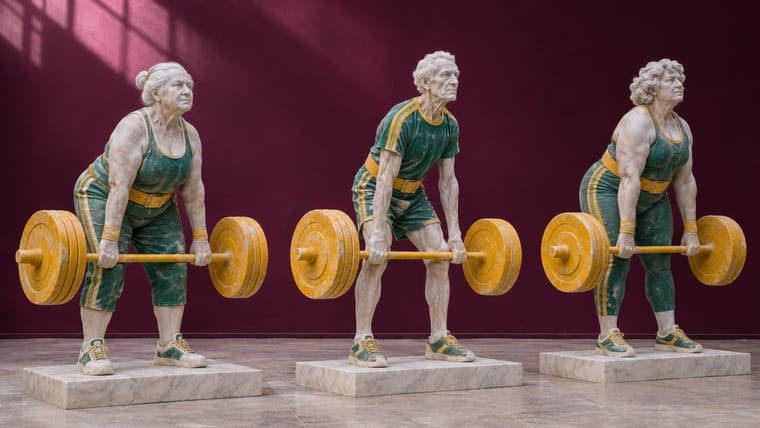
Line-up
Different things shown in a row or grid in the same pose, size and framing, so the viewer reads what they share; a newcomer placed among them is granted it too.
-
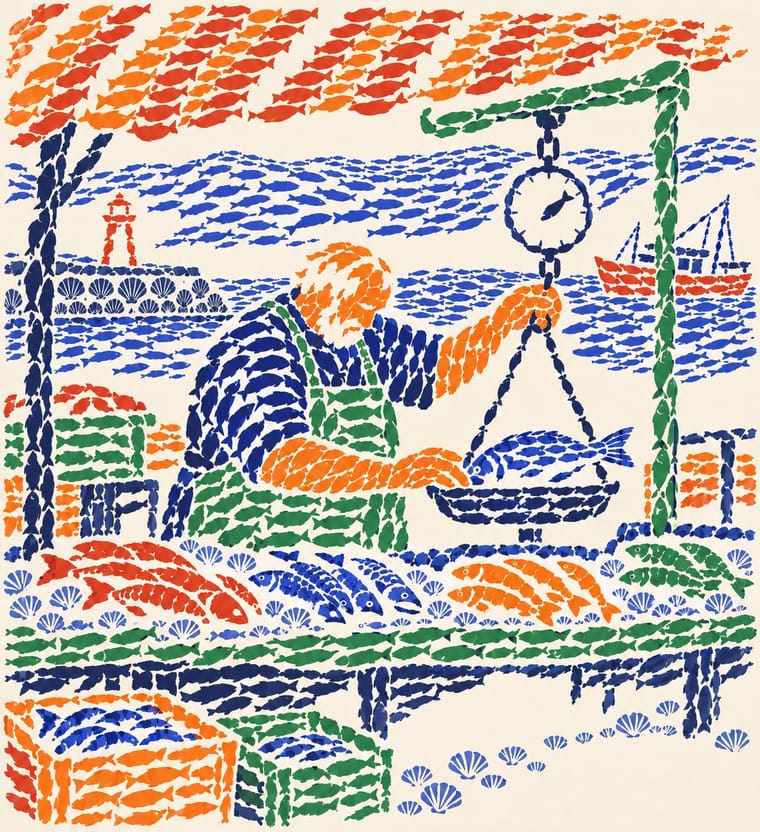
Made of something else
A thing keeps its exact shape and is made of another thing’s matter, colour or texture.
Bend reality
Which rule of the real world does the image break, and why?
Exaggerate, make the impossible look calm, give things a life of their own: a break with reality the viewer has to explain.
-
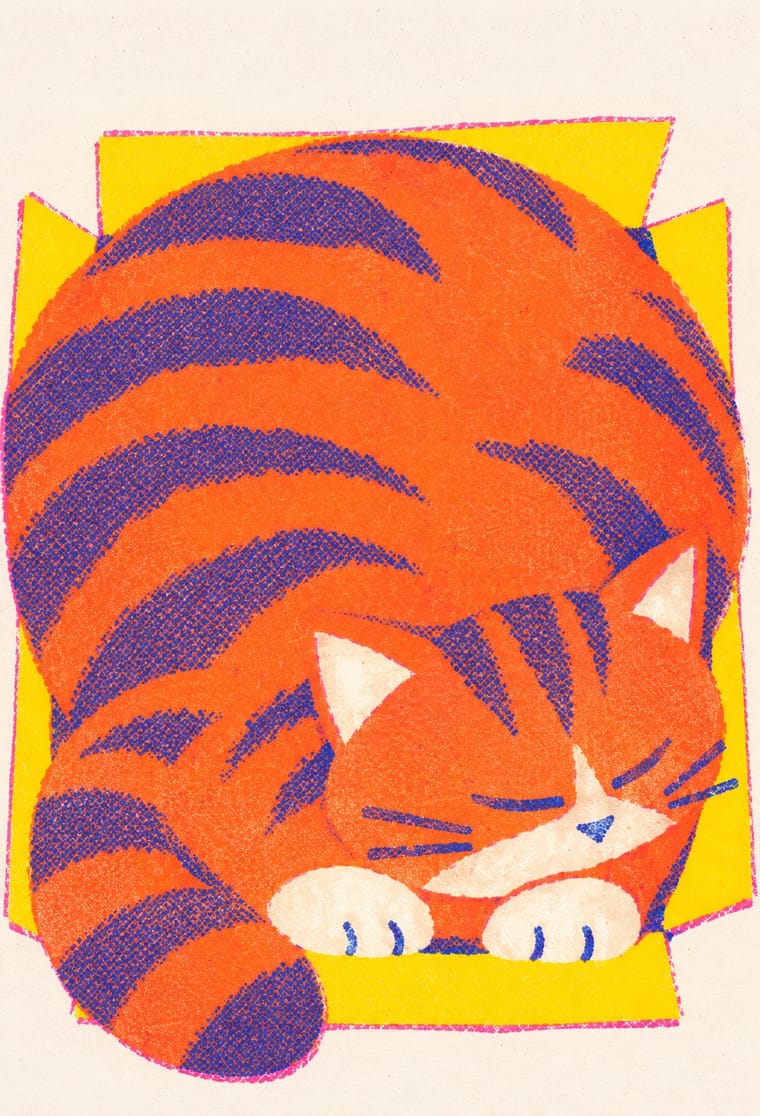
Exaggeration
Size or effect pushed far beyond reality to make the point.
-
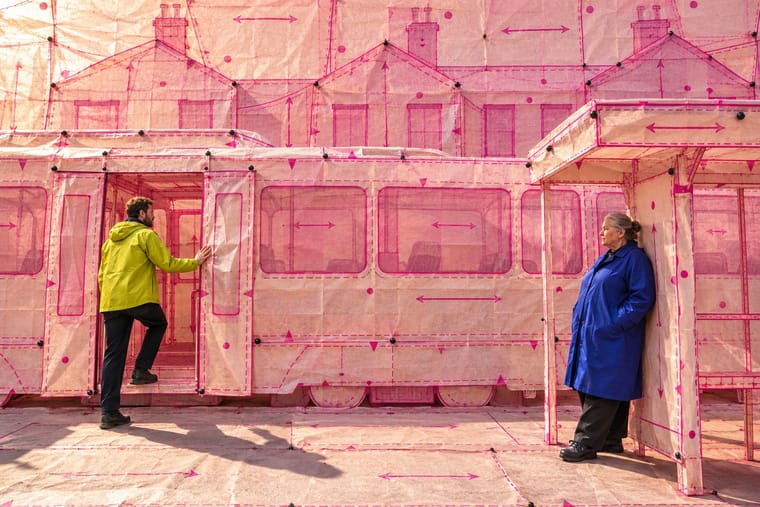
Impossible scene
A scene that cannot exist, presented calmly as if it could.
-
Personification
Objects, animals or forces given faces, bodies or human behaviour.

-
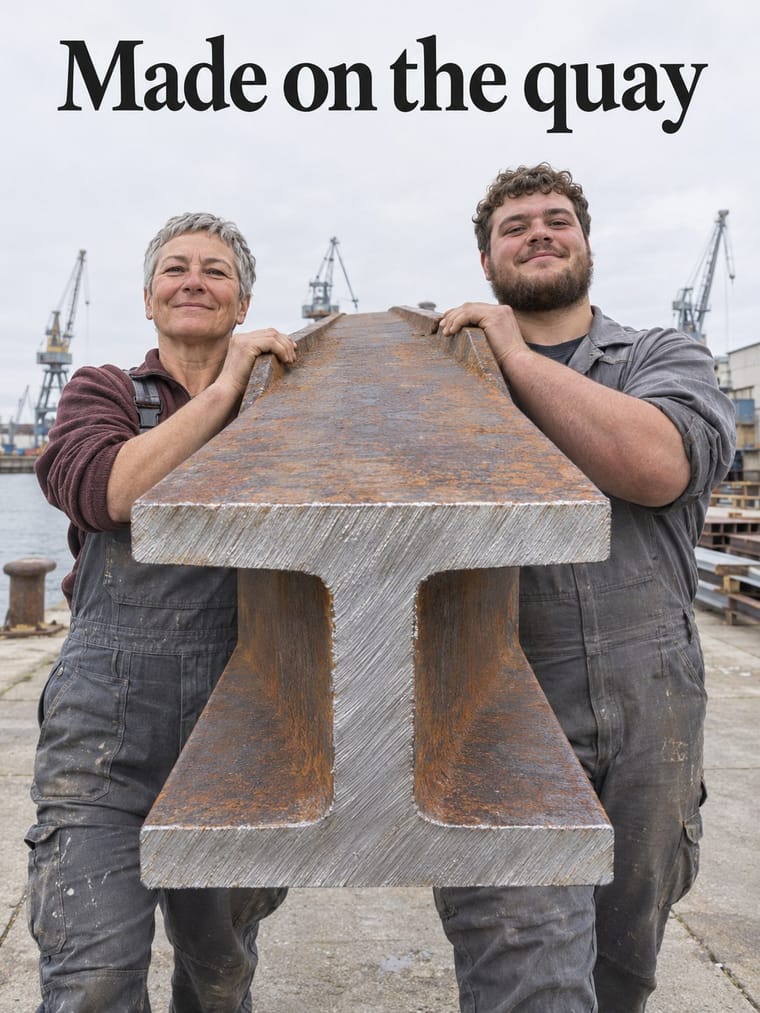
Forced perspective
Near and far things line up so they seem to touch or interact at the same scale.
-
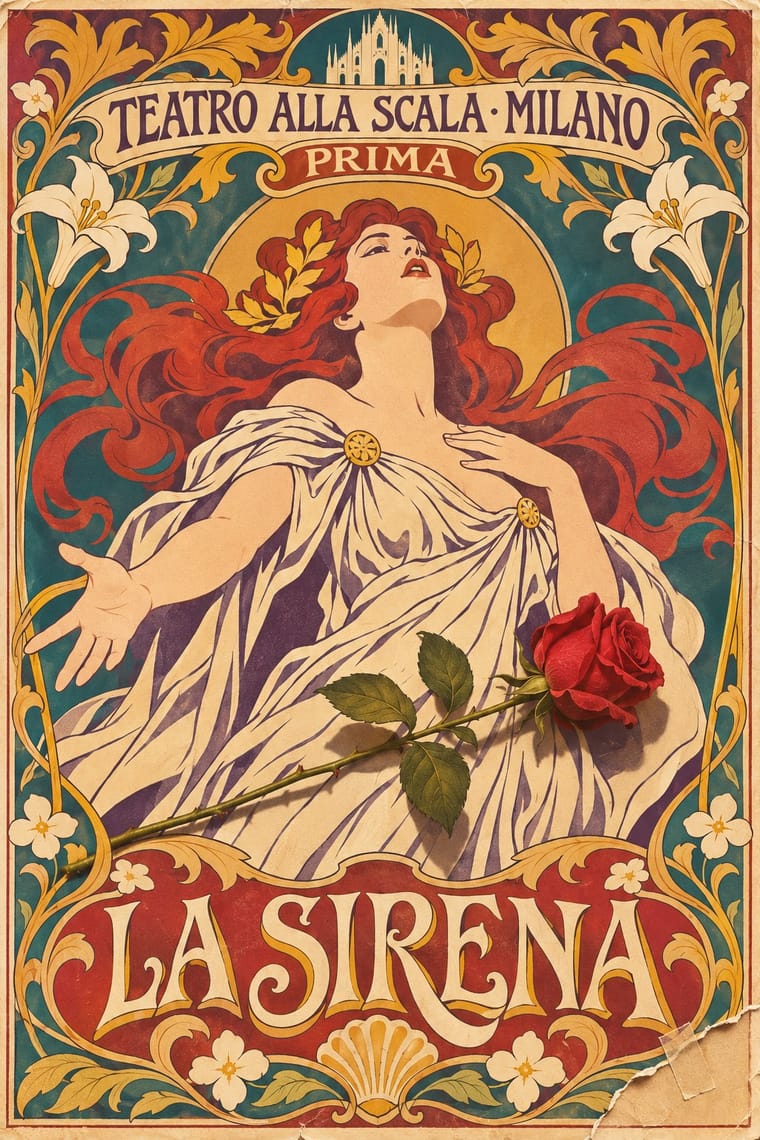
Trompe-l’œil
The flat image pretends to be a real object on its surface: torn paper, tape, a fold, a drop.
-
Breaking the frame
A figure steps, reaches or spills out of its own frame, panel or border.

-
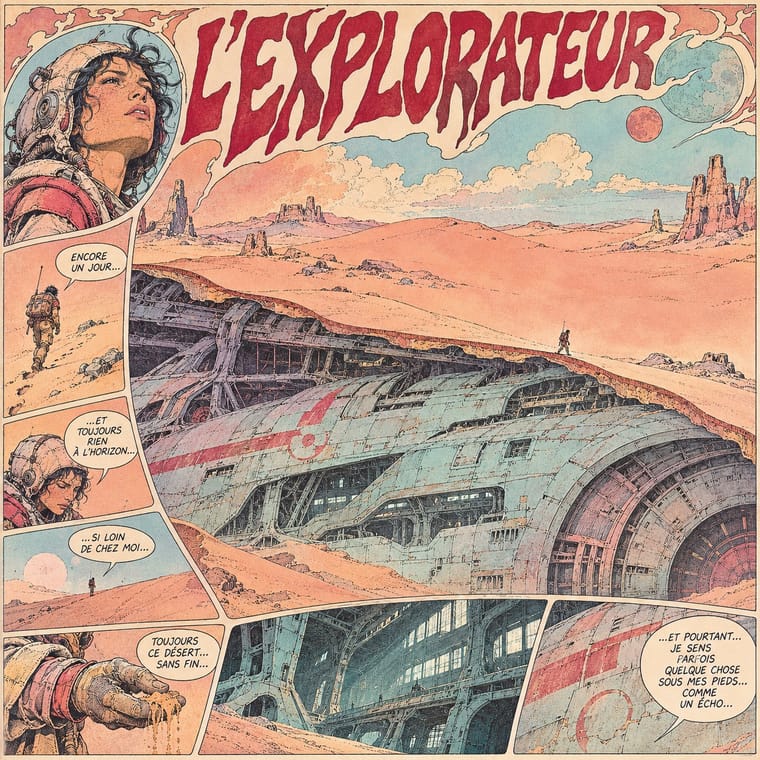
X-ray view
The inside of something shown through its surface: what it is made of, swallows or hides.
-
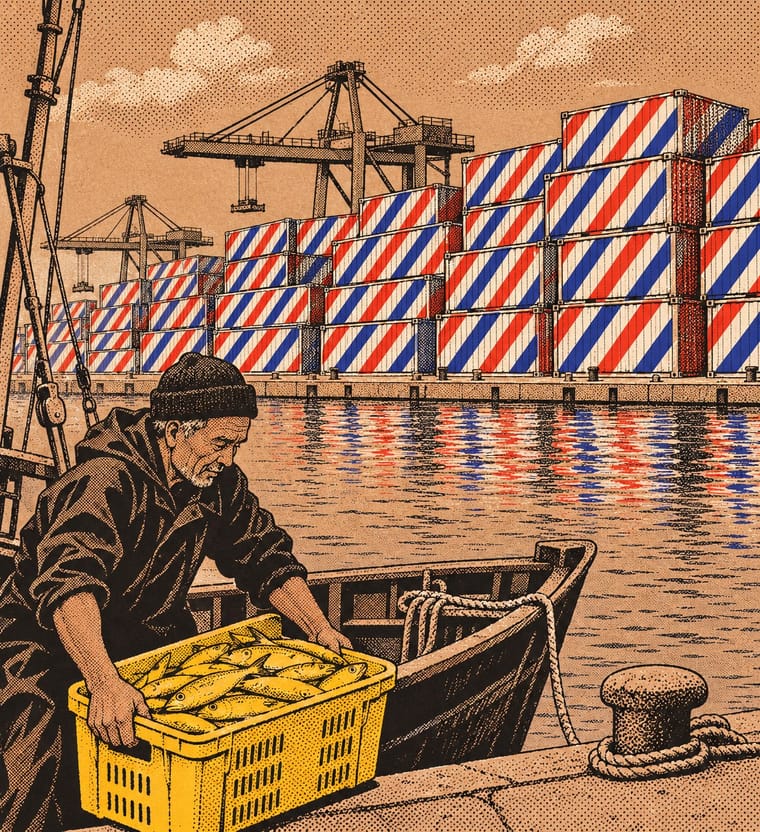
Accumulation
Many of one thing, where the count itself is the message.
-
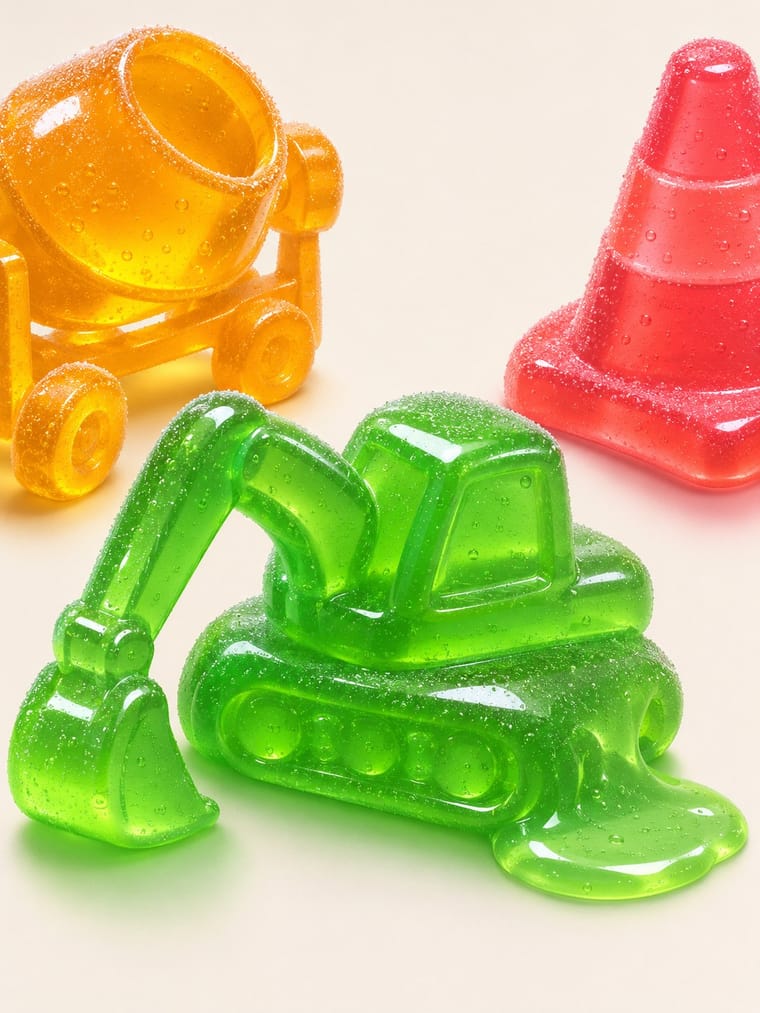
Altered object
One familiar object with its own form changed (knotted, bent, melted, cut, stretched or broken), so that the change states the idea.
-
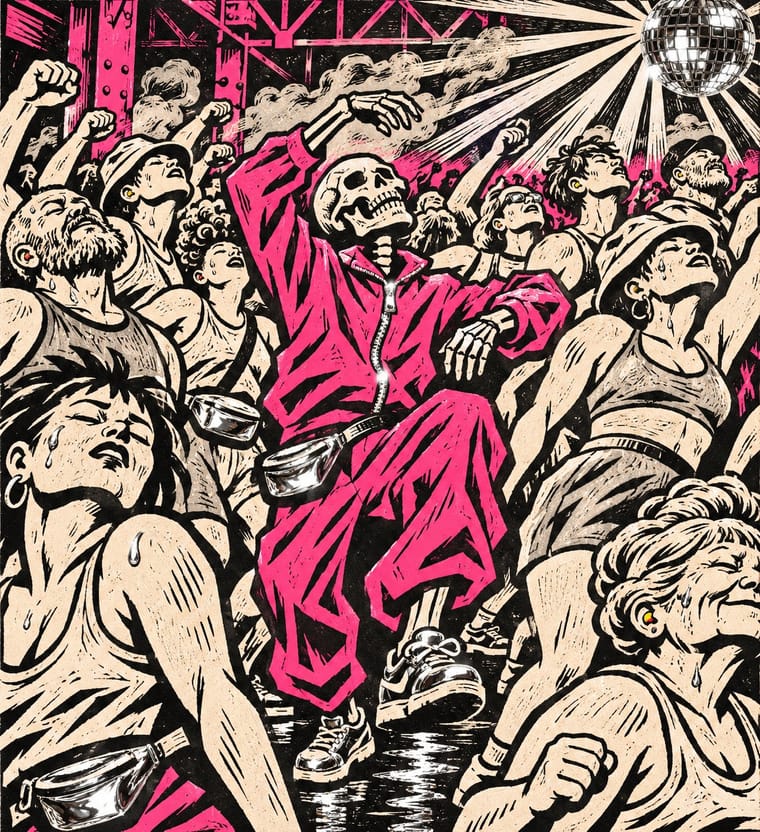
Out of place
A thing shown in a setting, time or company where it does not belong. The scene is possible; the clash between thing and setting carries the point.
Prove the point
What scene would prove the claim, or make it plain to see?
A scene staged to make one claim believable: the thing put to the test, life with and without it, the ridiculous other way, the trouble people take for it.
-
Demonstration
The subject is shown doing or surviving the very thing claimed, as a test with a visible result.

-
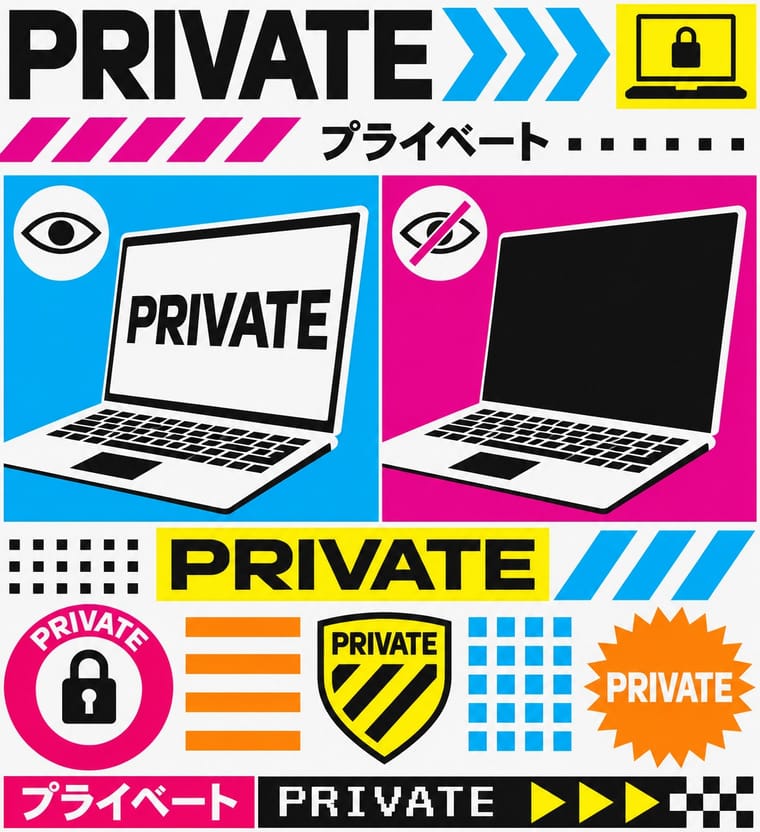
With and without
The same subject twice at the same moment, alike in everything but one thing; the difference is the claim.
-
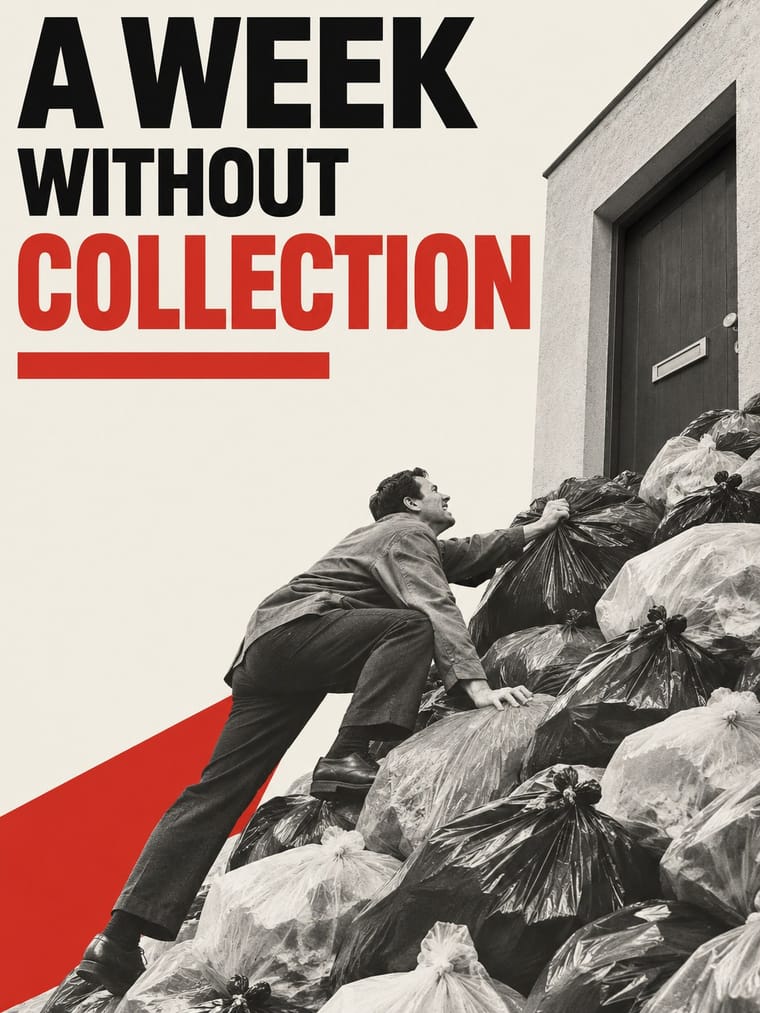
Life without it
The mishap that befalls someone who goes without the thing, pushed far enough to be a joke or a shock; the thing itself stays out of the picture.
-
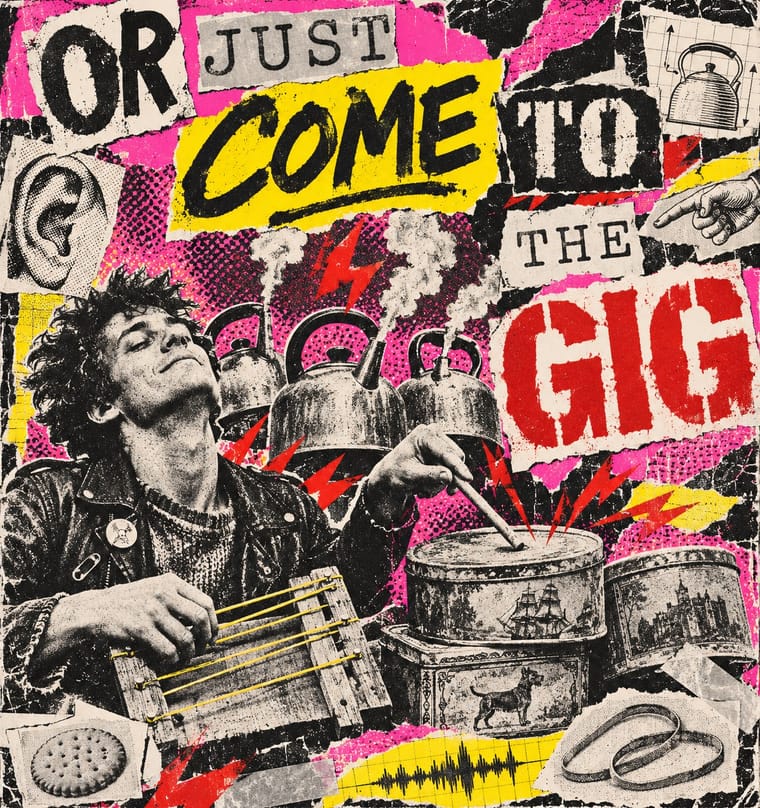
The absurd alternative
A ridiculous other way to get the same result, shown in all seriousness, so the sensible way needs no argument.
-
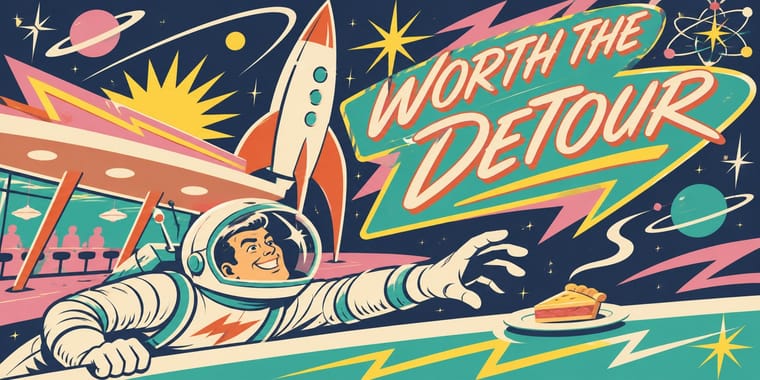
Great lengths
Someone goes to absurd trouble, or gives up something anyone would choose, to get or keep an ordinary-looking thing.
Address the viewer
What relationship does the image set up with the person looking?
Gaze, distance and angle set the relation between the picture and the viewer: asked, confided in, looked up to or looked down on.
-
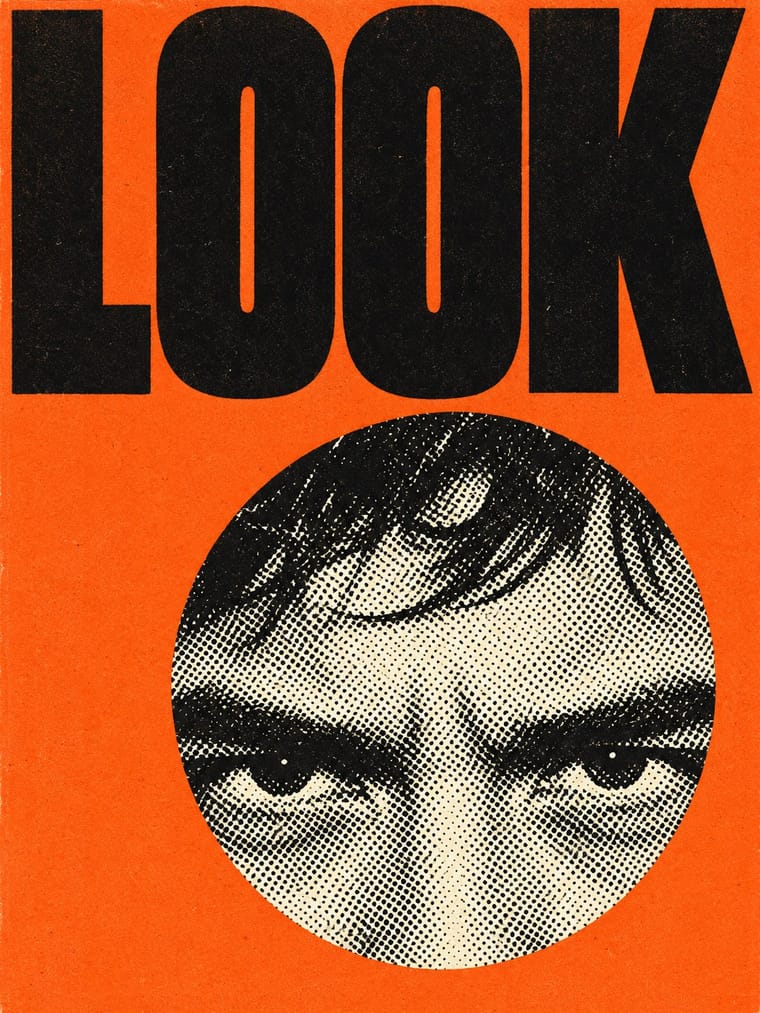
Eye contact
A figure looks (or points) straight out of the picture at the viewer, demanding a response.
-
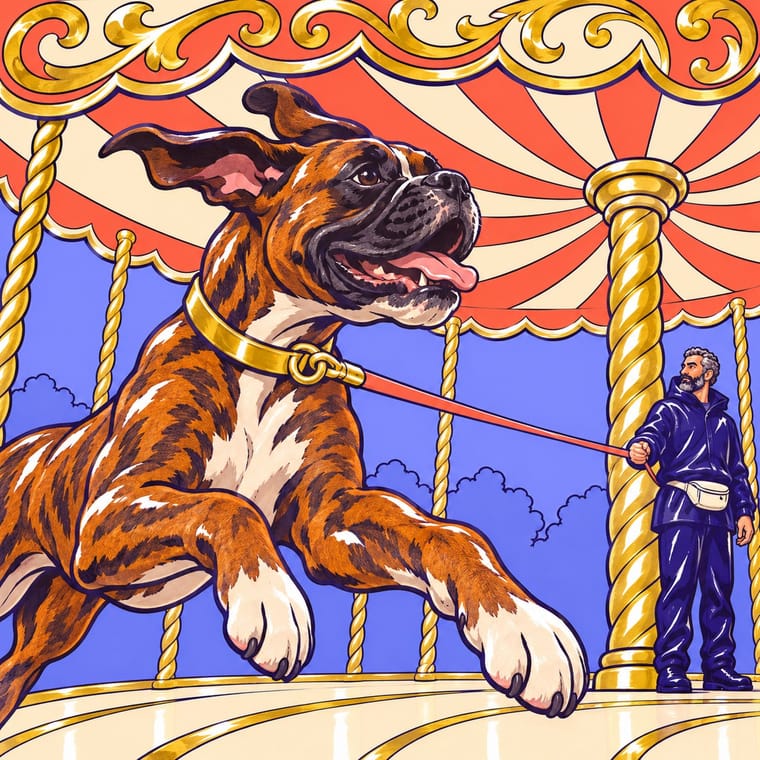
Power angle
Seen from below, a subject towers and looks heroic; seen from above, it looks small or vulnerable.
-
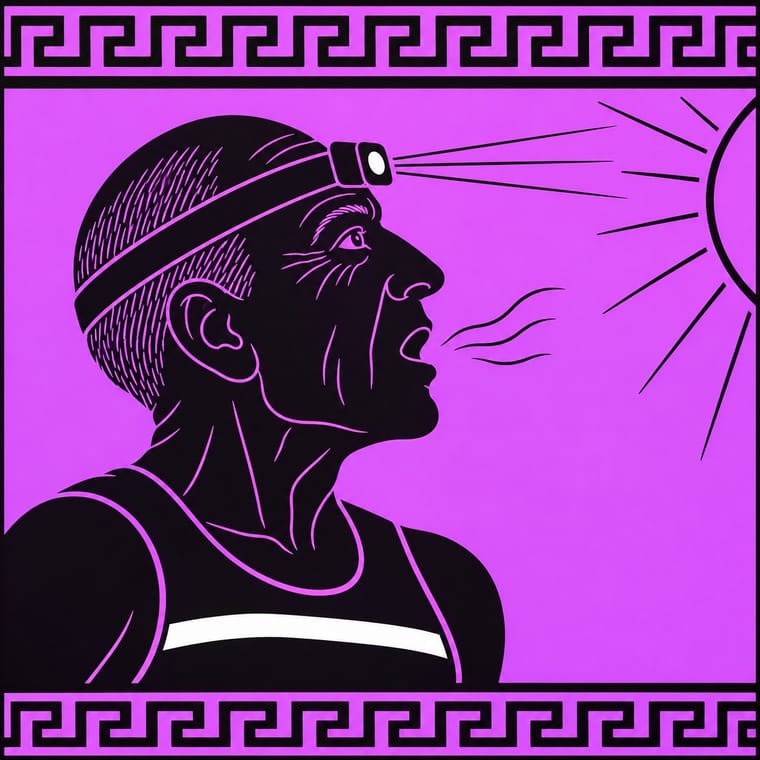
Looking ahead
A figure looks up and out of the frame, past the viewer, toward something unseen.
-
Intimate close-up
The subject fills the frame at touching distance. It is about distance, not composition.

-
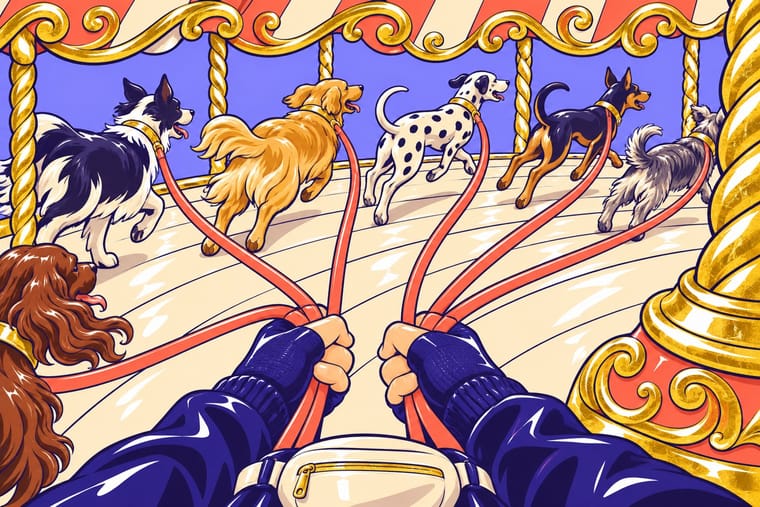
Point of view
The viewer sees the scene through a participant’s eyes: their hands, their view.
-
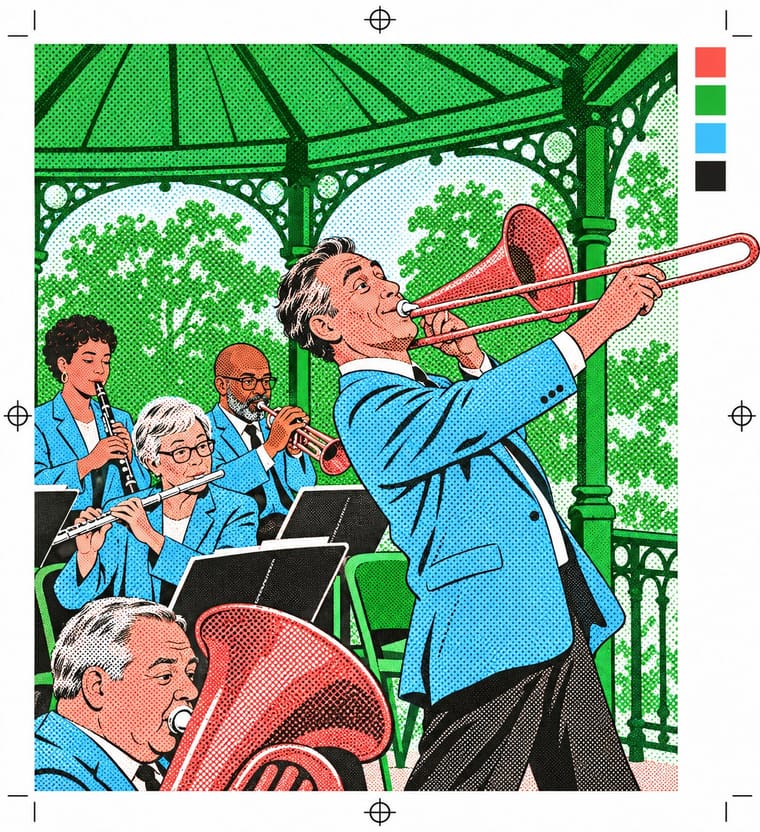
Telling gesture
One expressive pose or gesture carries the emotion: a raised fist, a flexed arm, an embrace.
-
Back view
A figure stands with their back to the viewer and looks into the scene, so the viewer looks with them and cannot see their face.

-
Something to do
The picture is a small test or task for the viewer (lines of ever-smaller text, a maze, a pair to compare), and what happens when they do it is the message.

Words and pictures
How do the words and the picture work on each other?
Text and image that say more together than apart: letters that picture, pictures that spell, words that turn the image.
-
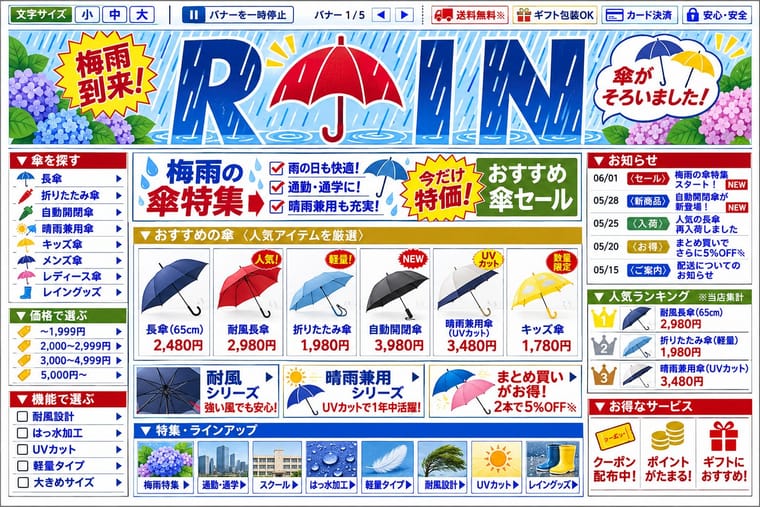
Word picture
Letters shaped or arranged so that the word shows what it means.
-
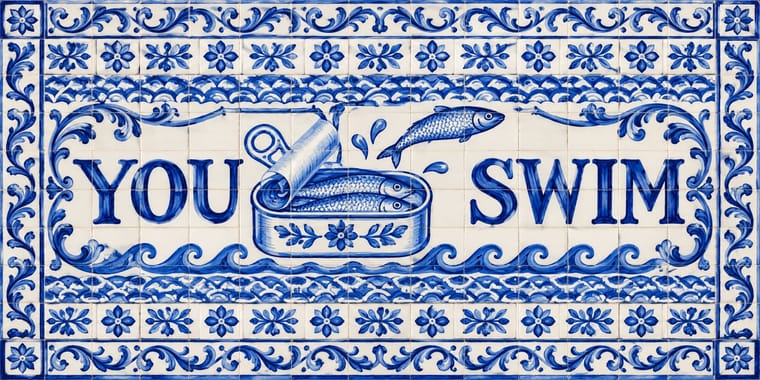
Rebus
A picture read aloud as a word or sound.
-
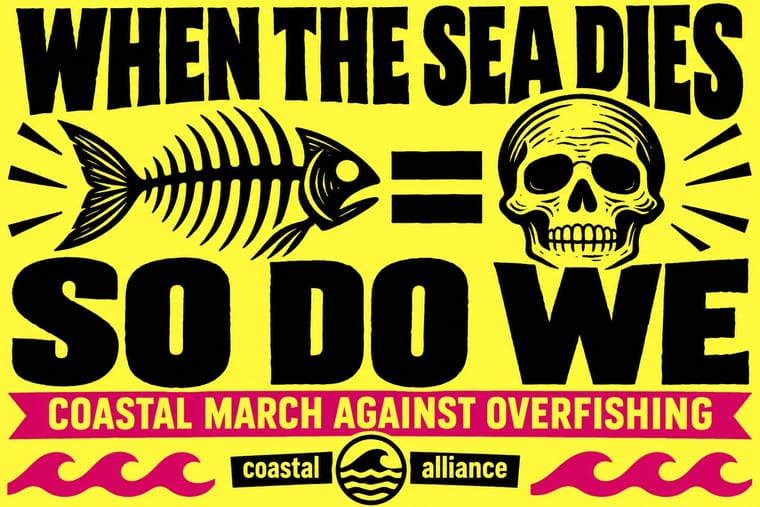
Visual equation
Words or images joined by signs (=, +, ≠, →), so the relation between them is the message.
-
Typographic voice
Size, weight and placement of letters perform how the words sound: shouted, whispered, broken.
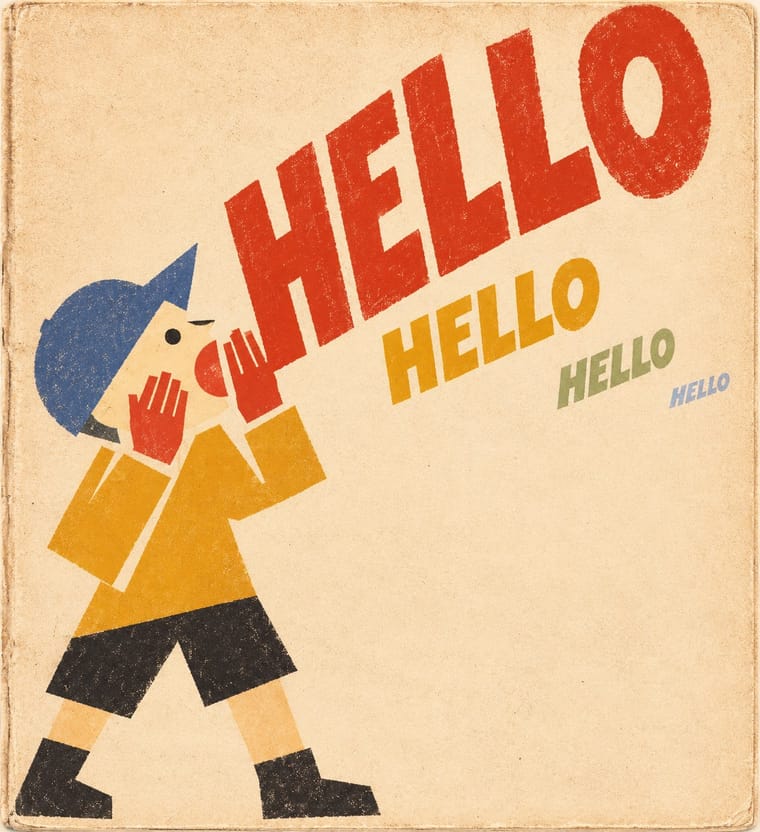
-
Words that turn the picture
A line of text contradicts or overturns what the picture seems to say.

-
Literal saying
A figure of speech or proverb drawn literally.
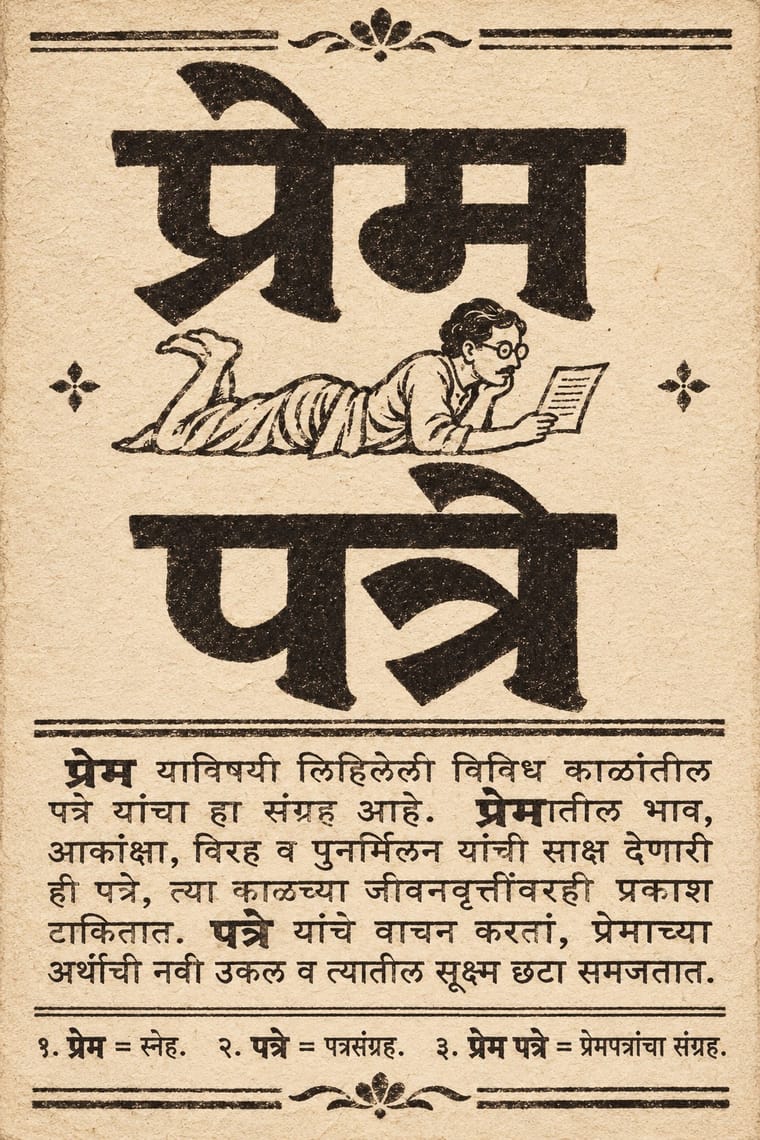
-
Picture that turns the words
A familiar phrase stands beside a picture that gives it a second meaning, so the line reads two ways at once.
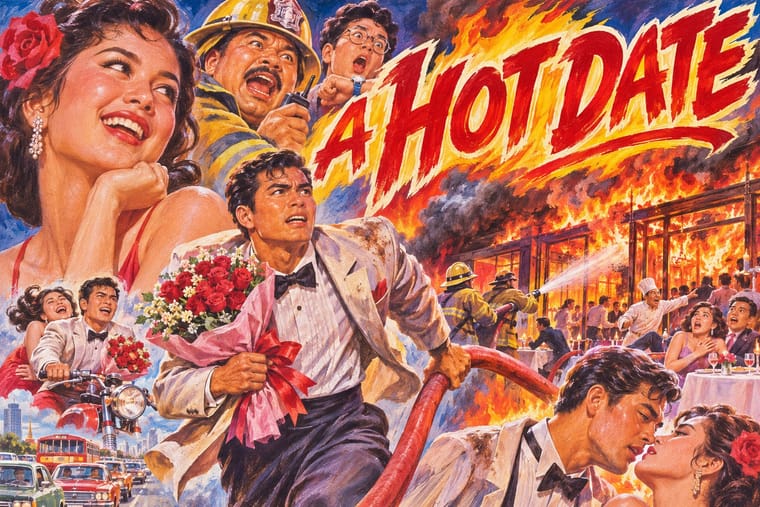
-
Words the picture finishes
The line says one half and the picture the other; neither makes the point alone, and they do not contradict.
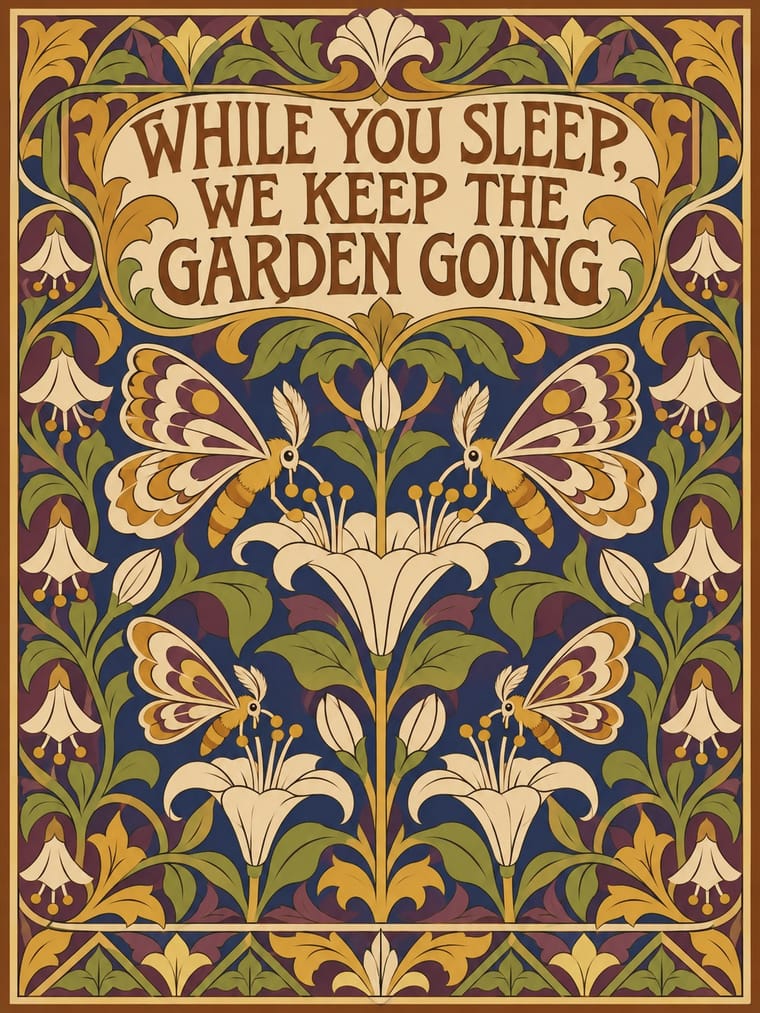
-
A label that renames
The picture shows one thing plainly; a word or caption calls it something else, and the viewer sees the first as the second.
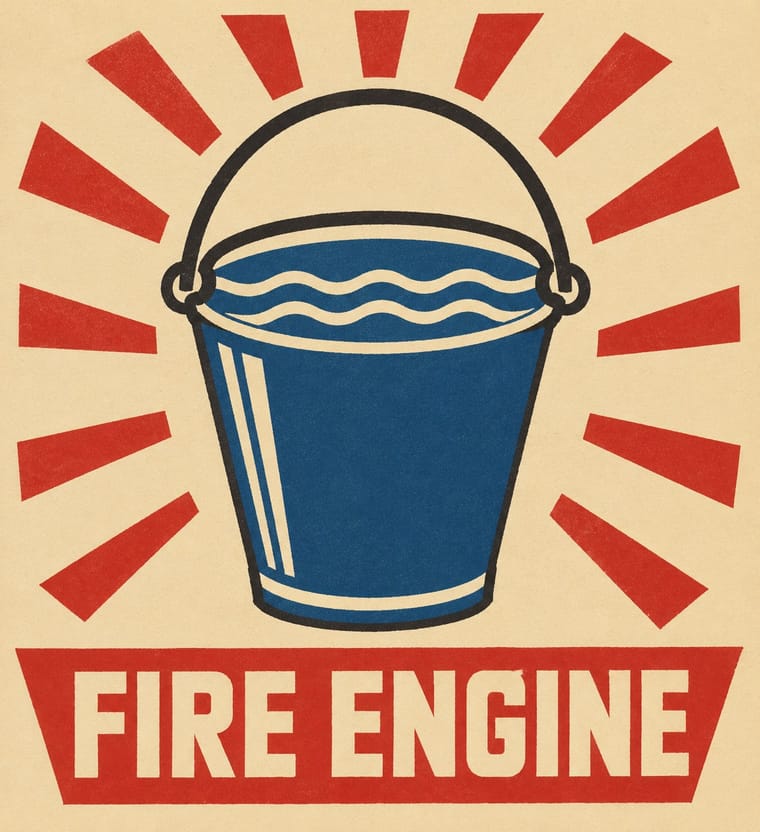
Borrow and quote
Which existing image, format or sign does it borrow, and what meaning comes with it?
Borrow something the viewer already knows, so its meaning comes along, and then shift it.
-
Quoting a famous image
One specific, widely known artwork or icon restaged, so its meaning comes along and is shifted.
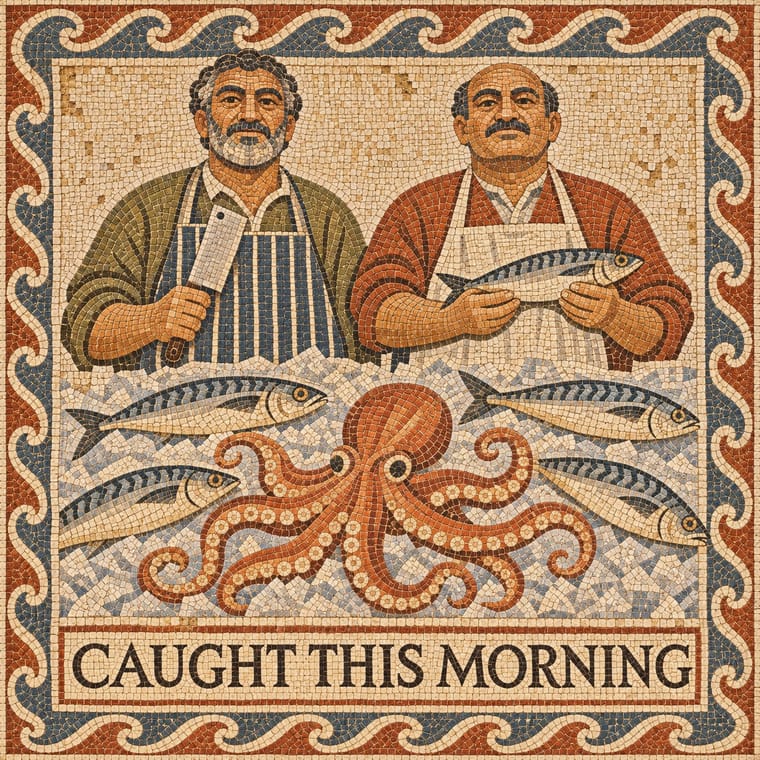
-
Borrowed format
The message dressed as another kind of artefact: a label, a ticket, a manual, a warning sign, a floppy disk.
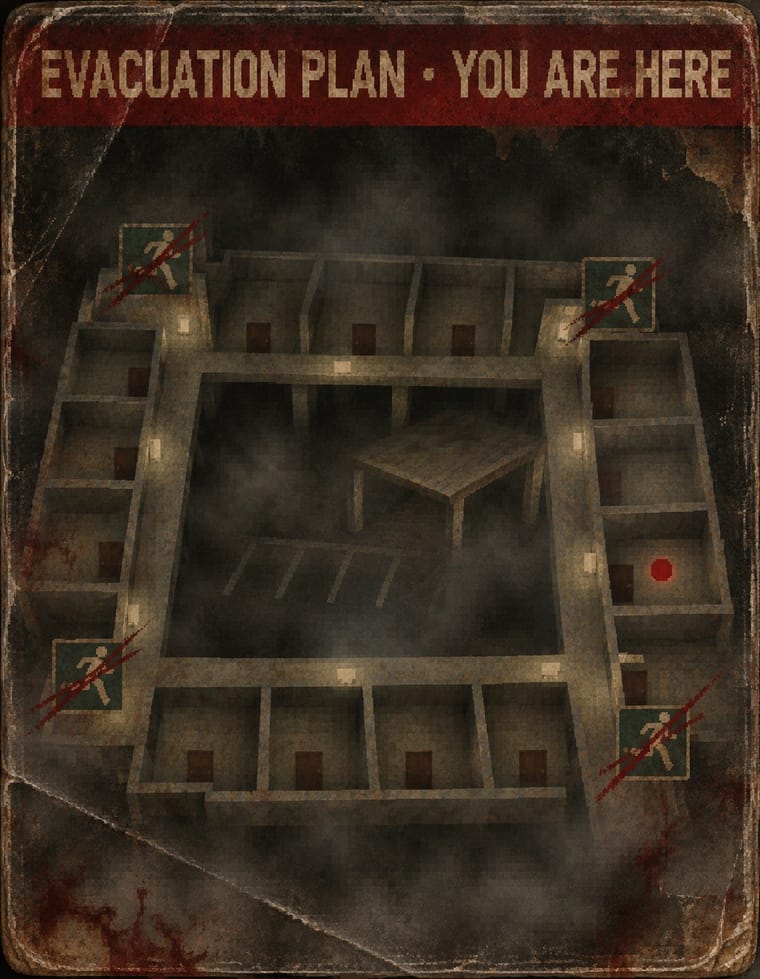
-
Détournement
An existing ad, logo or image hijacked and turned against its own message.

-
Common symbol
A widely known sign (a dove, a heart, a fist, a skull) carries the idea at a glance.

Time and change
How does a still image show time passing, or about to pass?
A single image that holds a before and an after, a movement, or the instant before something happens.
-
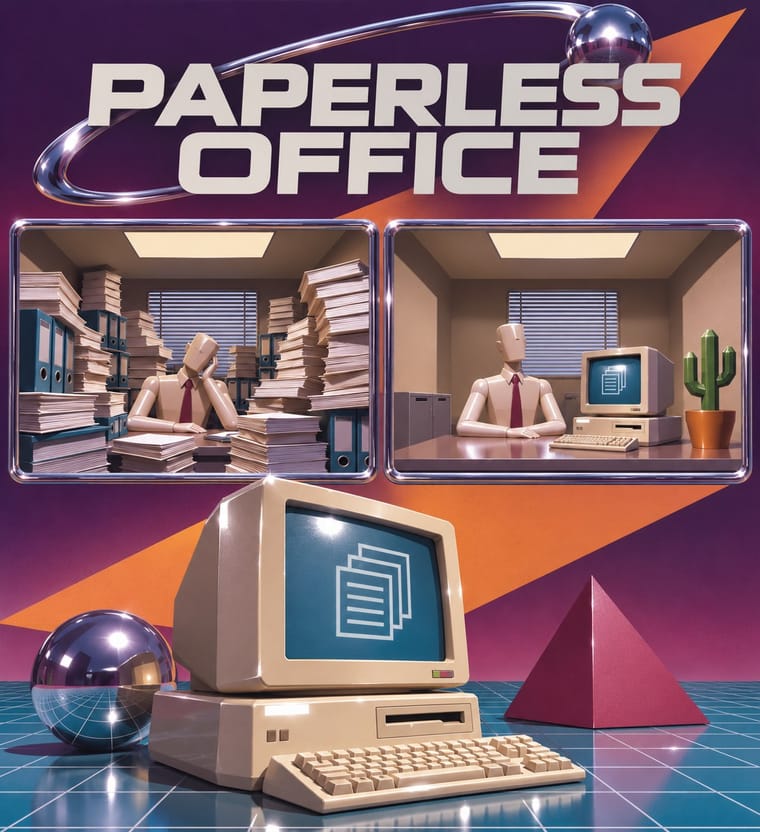
Steps and panels
The same subject at different moments: panels, steps or a before-and-after pair.
-
Movement in a still
Blur, repeated outlines or speed lines show movement within one image.

-
The whole story in one picture
Several moments or characters of one story gathered into a single image, without panels.

-
Metamorphosis
One thing turns into another across the image, step by step.

-
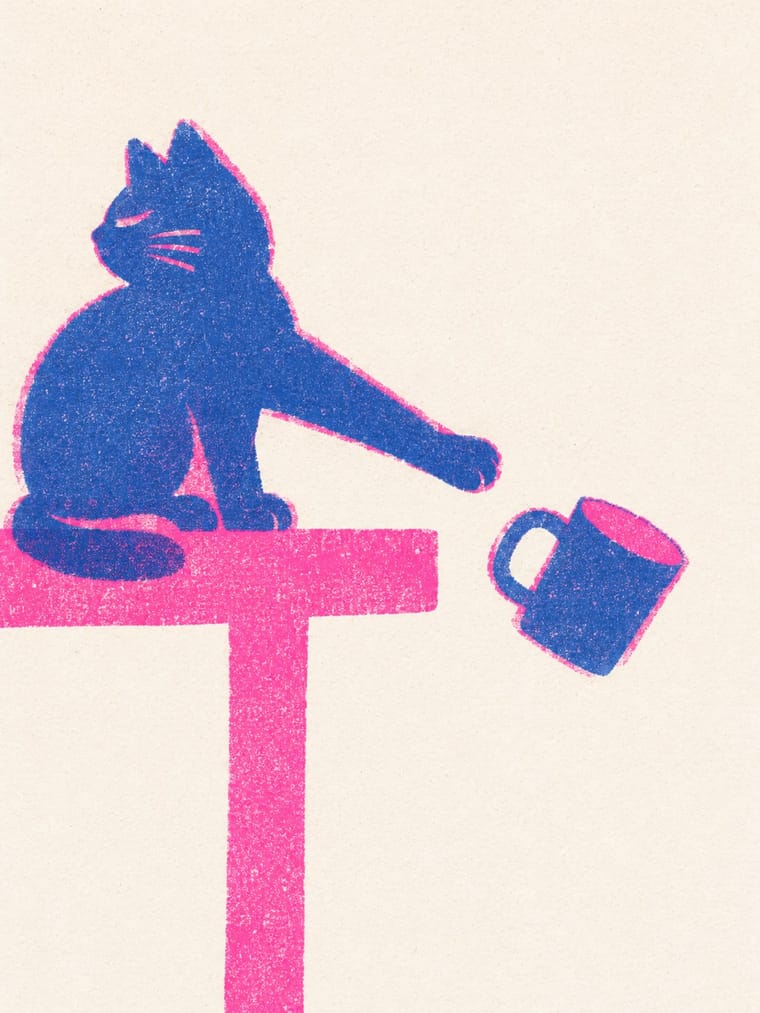
The moment before
The instant just before something happens; the viewer imagines what follows.
-
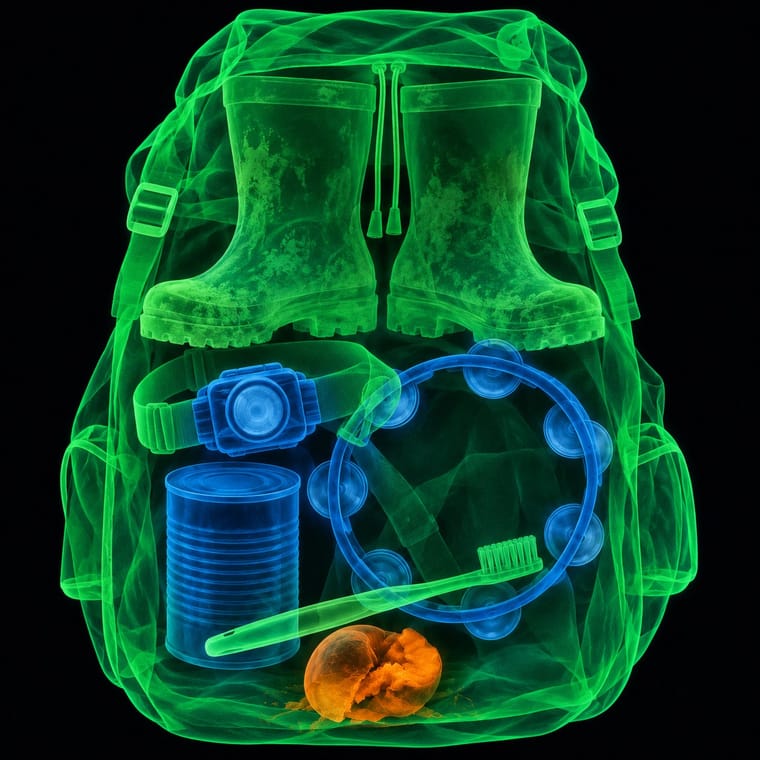
The moment after
Only the result or the trace is shown: a print, a stain, crumbs, wreckage, an empty glass. The viewer works back to what caused it.
-
A leap in time
One ordinary scene shown years too late or too early, so the viewer judges the present from there.

Where the ideas come from
The ideas are the devices that books on visual rhetoric, perception and comics describe: how a picture joins two things, leaves a gap, bends reality or speaks to the person looking. Each group and each claim rests on the work listed below.
Some styles are known for an idea. The Polish poster school joins two things into one, and Plakatstil leaves the product alone on an empty ground. Each idea’s page names the styles known for it. The research goes through the styles one by one and has reached 50 so far. None of it limits where an idea can go.
Pictures on these pages are generated by AI: a style from the atlas with an idea put on it, labelled as such. None is a real or historical work.
- Rudolf Arnheim, Art and Visual Perception (1954; revised 1974)
- Anne Treisman & Garry Gelade, “A feature-integration theory of attention”, Cognitive Psychology 12 (1980)
- Hedwig von Restorff, “Über die Wirkung von Bereichsbildungen im Spurenfeld”, Psychologische Forschung 18 (1933)
- Max Wertheimer, “Untersuchungen zur Lehre von der Gestalt II”, Psychologische Forschung 4 (1923)
- Edgar Rubin, Synsoplevede Figurer (Copenhagen, 1915)
- Scott McCloud, Understanding Comics (1993)
- Barbara J. Phillips & Edward F. McQuarrie, “Beyond visual metaphor: a new typology of visual rhetoric in advertising”, Marketing Theory 4 (2004)
- Jacques Durand, “Rhétorique et image publicitaire”, Communications 15 (1970)
- Charles Forceville, Pictorial Metaphor in Advertising (1996)
- Edward F. McQuarrie & David Glen Mick, “Visual rhetoric in advertising: text-interpretive, experimental, and reader-response analyses”, Journal of Consumer Research 26 (1999)
- E. H. Gombrich, Art and Illusion (1960)
- Jacob Goldenberg, David Mazursky & Sorin Solomon, “The fundamental templates of quality ads”, Marketing Science 18 (1999)
- Werner Gaede, Vom Wort zum Bild: Kreativ-Methoden der Visualisierung (1981)
- Mario Pricken, Creative Advertising: Ideas and Techniques from the World’s Best Campaigns (2002; German original Kribbeln im Kopf, 2001)
- Gunther Kress & Theo van Leeuwen, Reading Images: The Grammar of Visual Design (1996)
- Roland Barthes, “Rhétorique de l’image”, Communications 4 (1964): anchorage and relay
- Gui Bonsiepe, “Visuell-verbale Rhetorik” / “Visual/verbal rhetoric”, ulm 14/15/16 (1965), pp. 23–40
- Gérard Genette, Palimpsestes: la littérature au second degré (1982)
- Guy Debord & Gil J. Wolman, “Mode d’emploi du détournement”, Les Lèvres nues 8 (1956)
- Gotthold Ephraim Lessing, Laokoon (1766): the “pregnant moment”
- Margot van Mulken, Rob le Pair & Charles Forceville, “The impact of perceived complexity, deviation and comprehension on the appreciation of visual metaphor in advertising across three European countries”, Journal of Pragmatics 42 (2010)
- Margot van Mulken, Andreu van Hooft & Ulrike Nederstigt, “Finding the tipping point: visual metaphor and conceptual complexity in advertising”, Journal of Advertising 43 (2014)