Traditions & vernacular · 1930–present · Latin America & Caribbean
Lucha Libre Masks & Posters
Also known as Mexican wrestling graphics, Luchador mask design, Cartel de lucha libre
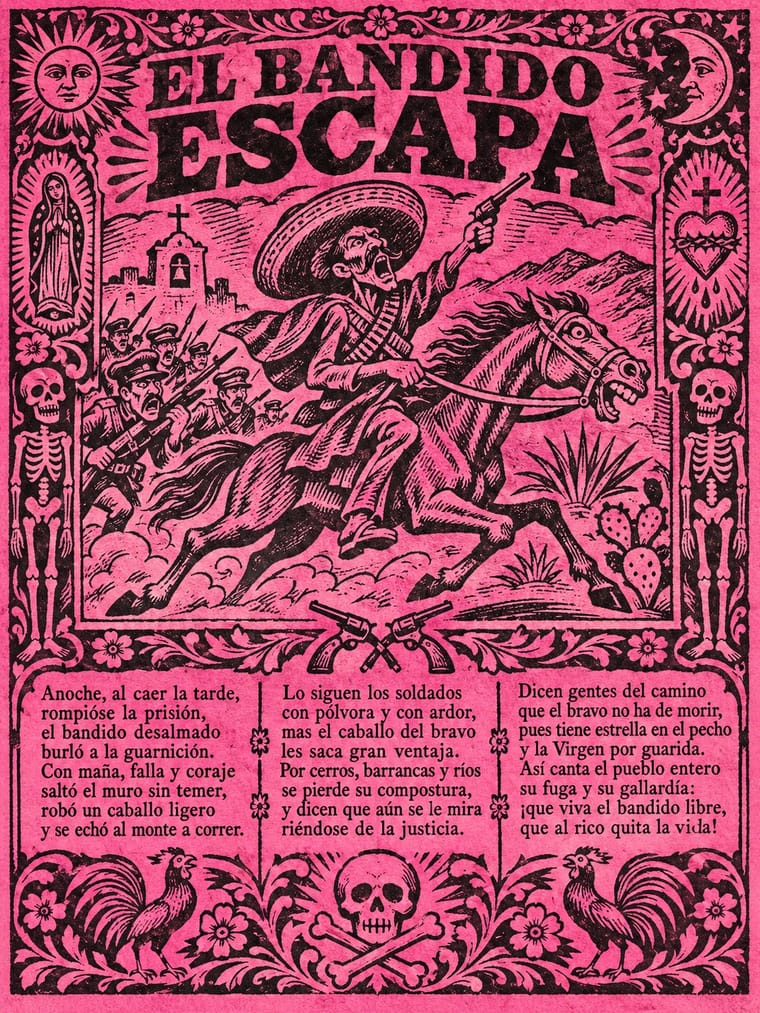
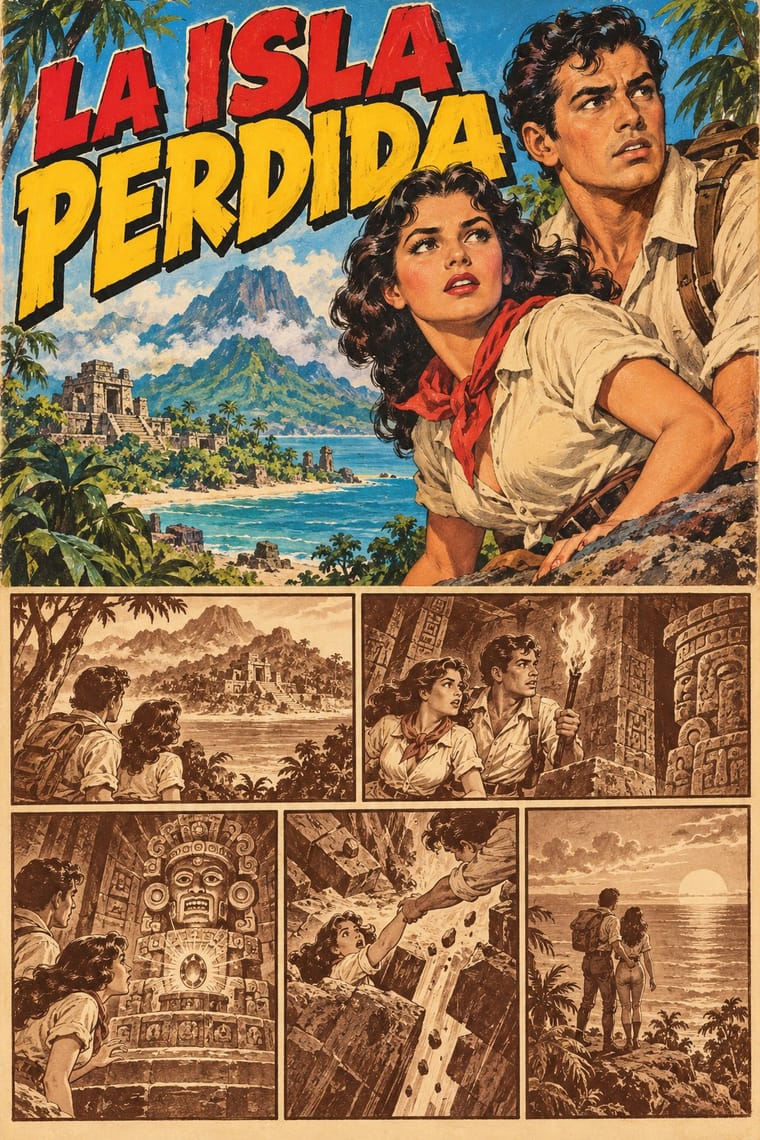
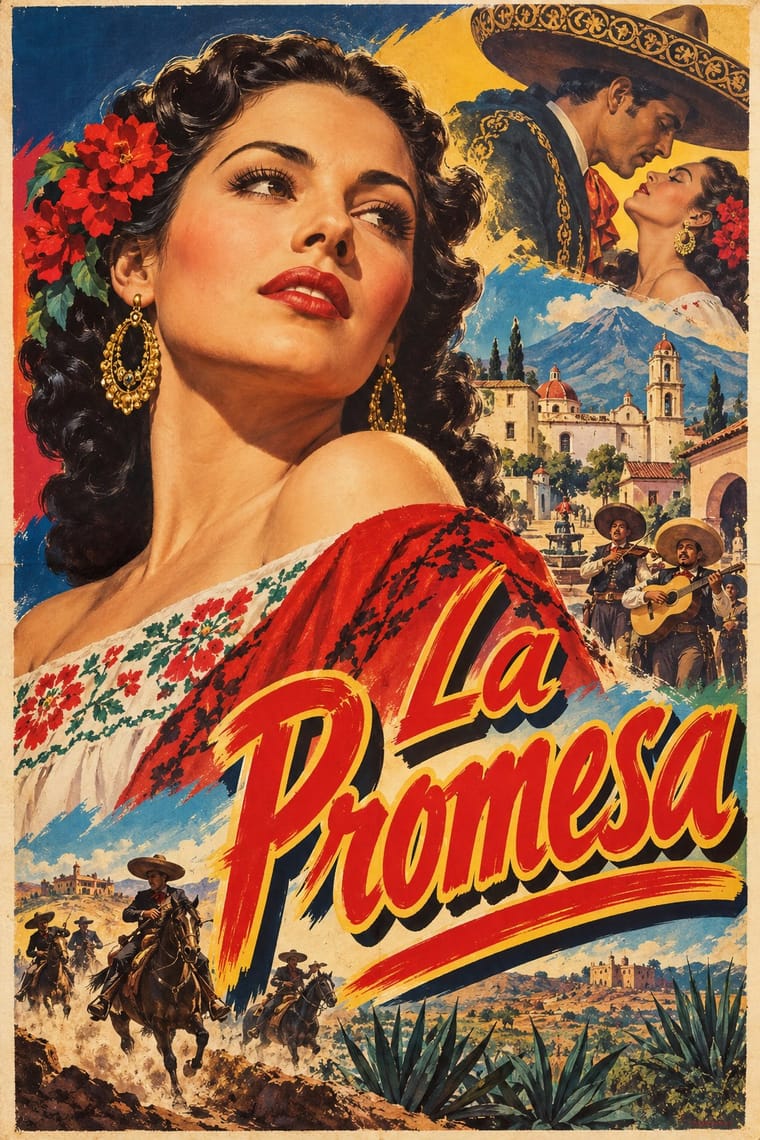
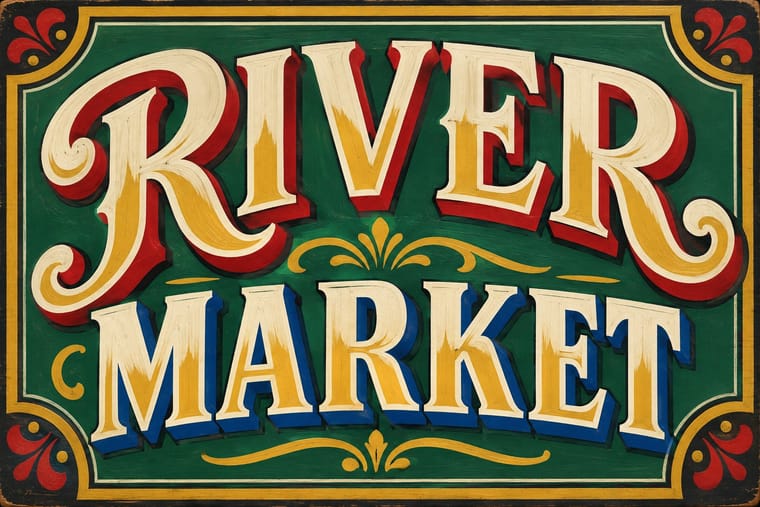
The graphic language of Mexican masked wrestling, in which the mask works as the wrestler's logo: a symmetrical face design in saturated colours, borrowed from animals, gods and heroes. Posters, comics, film bills and merchandise surround it with loud hand-lettered names, hard shadows and crowded figure-and-text compositions.
Use it with care
The mask is close to sacred in lucha culture: a wrestler's identity is staked on it, losing it in a wager match (lucha de apuestas) is a public humiliation, and El Santo was buried in his silver mask. Do not treat it as a costume trope or a joke, do not copy a living or deceased wrestler's registered mask design, name or likeness, and design original masks instead, ideally with a wrestler or mask maker (máscaras are made by specialist artisans). Avoid the stereotype of Mexico as spectacle for foreign amusement.
01
How it works
Palette
-
#c8102e -
#f2c200 -
#1b4fa0 -
#0b0b0c -
#c0c4c8 -
#f5ead0
Typefaces
-
Hand-lettered extruded poster capitals for wrestler names
-
Rótulo and showcard sign-painting traditions
-
Condensed slab and outline display faces on bills and magazines
- Design the mask as the emblem: build it on a central axis so it reads at once as a face and as a logo.
- Take the mask's motifs from animals, gods, ancient heroes or the wrestler's trade, and let two or three saturated colours carry the identity.
- Hand-letter the wrestler's name large, in heavy capitals with outlines, extrusion and hard shadows.
- Place the figure in a pose of attack or triumph, cut out or inked, against a crowded ground of text, names and bursts.
- Keep the mask's identity stable across poster, comic, film bill and merchandise, so the face is the brand.
Mexico City, where masked wrestling, said to have appeared around the 1920s, became widespread in the 1930s, and posters, comics and films built a shared look around the wrestlers
02
Its design choices
From Stylogeny’s vocabulary of design choices: defining choices make the style, characteristic ones are usual, occasional ones turn up now and then.
- Layout & composition
- Space & hierarchy
- Typography
- Colour
- Form & shape
- Surface & texture
- Imagery
- Medium & production
- Tone & intent
- Avoids
- Generous white space, Ornament-free, Grotesque & neo-grotesque, Non-representational, Pastel, Monochrome, Calm & contemplative, Rational & objective, Modular grid
How its pictures are made Systematic, Drawn & painted
Kind of picture: Systematic · Drawn & painted
Known for
-
El Santo, the Enmascarado de Plata
silver mask, film series from 1958 and the comic started by José G. Cruz (1952-1987)
-
Blue Demon, blue and silver mask and a run of starring films from the mid-1960s
-
El Murciélago Enmascarado, unmasked in one of the first wager matches at Arena México
14 July 1940
-
Francisco Delgado and Xavier Garza, contemporary artists who take lucha libre as a subject
-
Lucha libre declared intangible cultural heritage of Mexico City
2018
03
Where it comes from, and what it’s close to
Lucha Libre Masks & Posters 1930–present
No later style in the atlas grew out of it yet.
Alike in its design choices
04
Often taken for
Lucha Libre Masks & Posters has no real works recorded yet, so these are its nearest styles by its choices alone, with the choices that tell them apart.
-
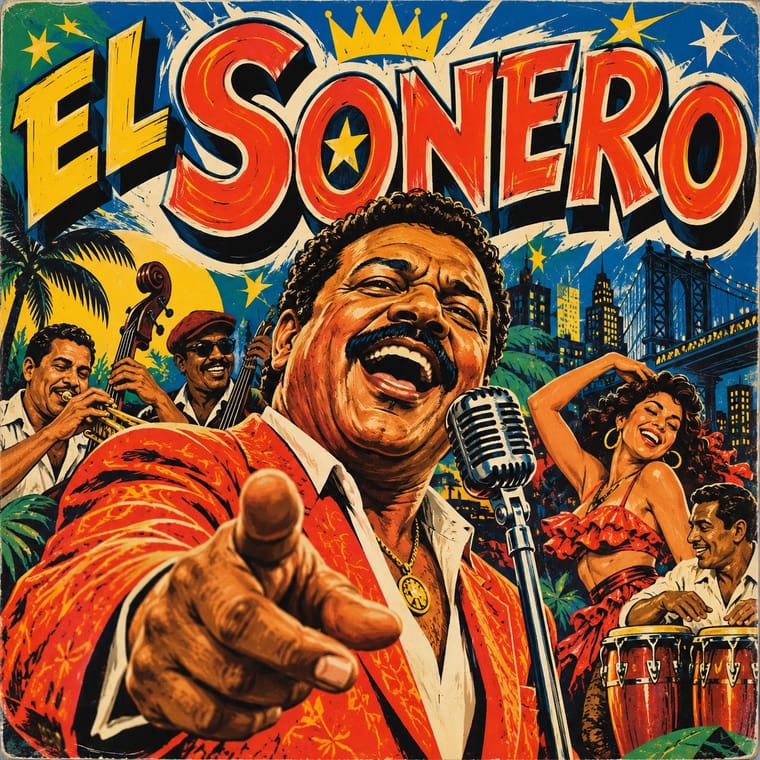
Fania and Nuyorican Salsa LP Sleeves
Fania and Nuyorican Salsa LP Sleeves is one of Lucha Libre Masks & Posters’s nearest styles by choices; no real work of either fits the other better.
Choices that tell Lucha Libre Masks and Fania and Nuyorican Salsa LP Sleeves apart Choice Lucha Libre Masks Fania and Nuyorican Salsa LP Sleeves Icons & pictograms defining — Straight photography — characteristic Stylised figuration defining occasional Photomontage — characteristic Emblems & badges defining occasional No shared descent in the atlas: they reached these choices separately.
-
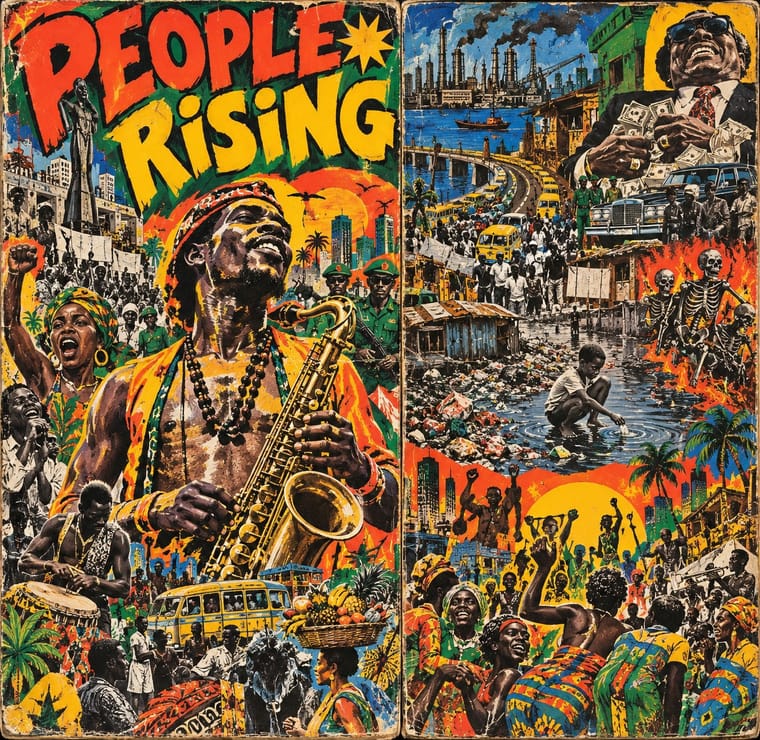
Afrobeat Sleeve Art
Afrobeat Sleeve Art is one of Lucha Libre Masks & Posters’s nearest styles by choices; no real work of either fits the other better.
Choices that tell Lucha Libre Masks and Afrobeat Sleeve Art apart Choice Lucha Libre Masks Afrobeat Sleeve Art Icons & pictograms defining — Photomontage — defining Emblems & badges defining occasional Painterly illustration occasional defining Primary triad characteristic — No shared descent in the atlas: they reached these choices separately.
-
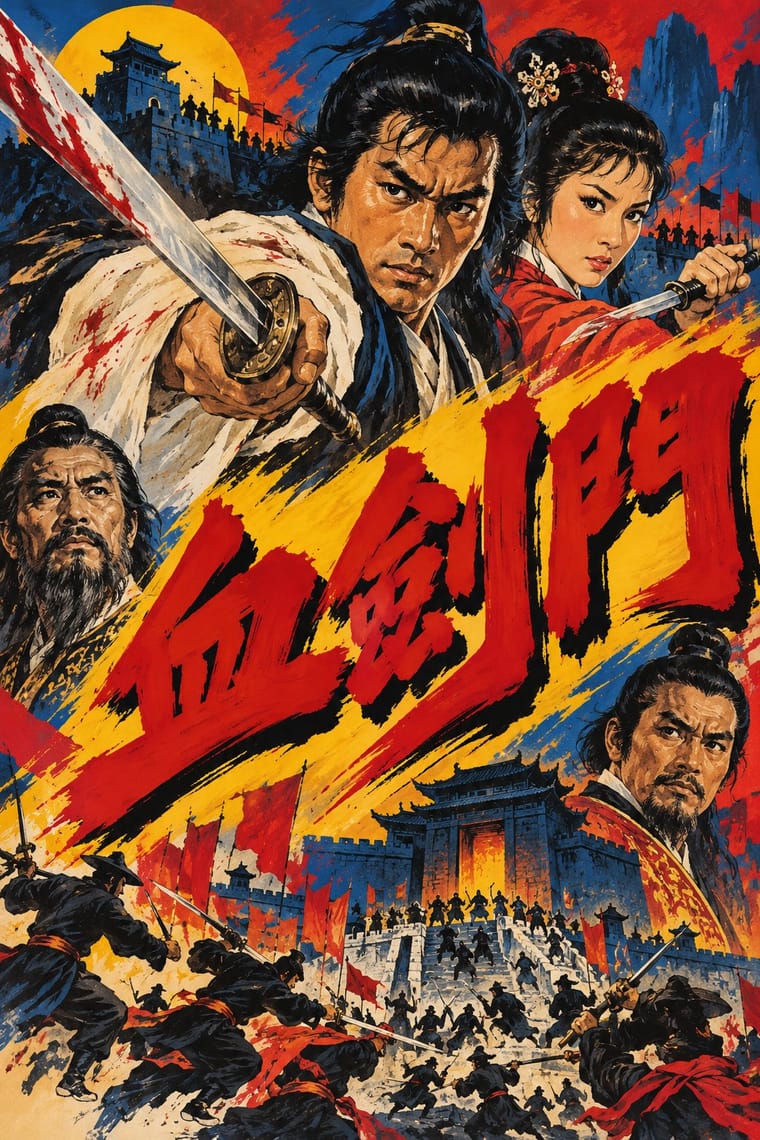
Hong Kong Cinema Poster (Shaw Brothers and Golden Harvest era)
Hong Kong Cinema Poster is one of Lucha Libre Masks & Posters’s nearest styles by choices; no real work of either fits the other better.
Choices that tell Lucha Libre Masks and Hong Kong Cinema Poster apart Choice Lucha Libre Masks Hong Kong Cinema Poster Icons & pictograms defining — Diagonal axis occasional defining Emblems & badges defining — Type as image occasional defining Distortion & exaggeration characteristic — No shared descent in the atlas: they reached these choices separately.
-
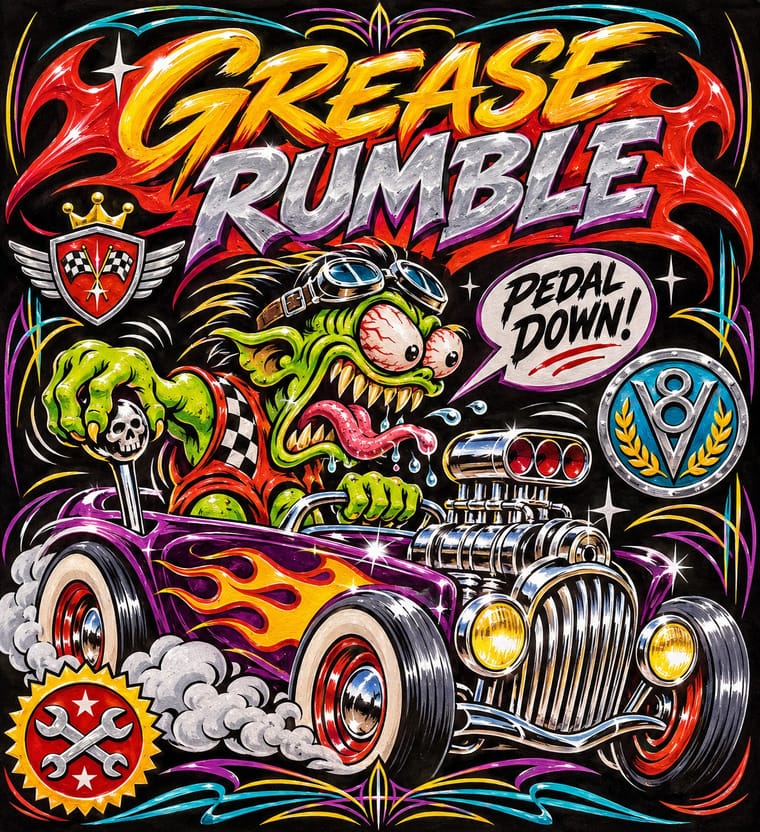
Kustom Kulture Graphics (Pinstriping, Monster Art and Hot-Rod Lettering)
Kustom Kulture Graphics is one of Lucha Libre Masks & Posters’s nearest styles by choices; no real work of either fits the other better.
Choices that tell Lucha Libre Masks and Kustom Kulture Graphics apart Choice Lucha Libre Masks Kustom Kulture Graphics Stylised figuration defining — Gloss & highlights — defining Icons & pictograms defining — Complementary clash — characteristic Flat fields characteristic — No shared descent in the atlas: they reached these choices separately.
— means the choice isn’t among the style’s recorded choices. Critics recorded each work’s choices with the styles’ descriptions in view, so this shows whether the descriptions hold together, not proof that they are right.
05
Sources
- https://en.wikipedia.org/wiki/Lucha_libre
- https://en.wikipedia.org/wiki/El_Santo
- https://en.wikipedia.org/wiki/Blue_Demon
2 more sources
How Stylogeny researches and checks a style: where the facts come from.