World region
Graphic-design styles from Sub-Saharan Africa
Styles that took shape in Sub-Saharan Africa, alone or together with other regions. Stylogeny describes 29 of them. The earliest began in antiquity, the latest in 2018. Of these, 23 are still in use.
The 29 styles
Oldest first. Each has its own page: its design choices, where it comes from, and real works.
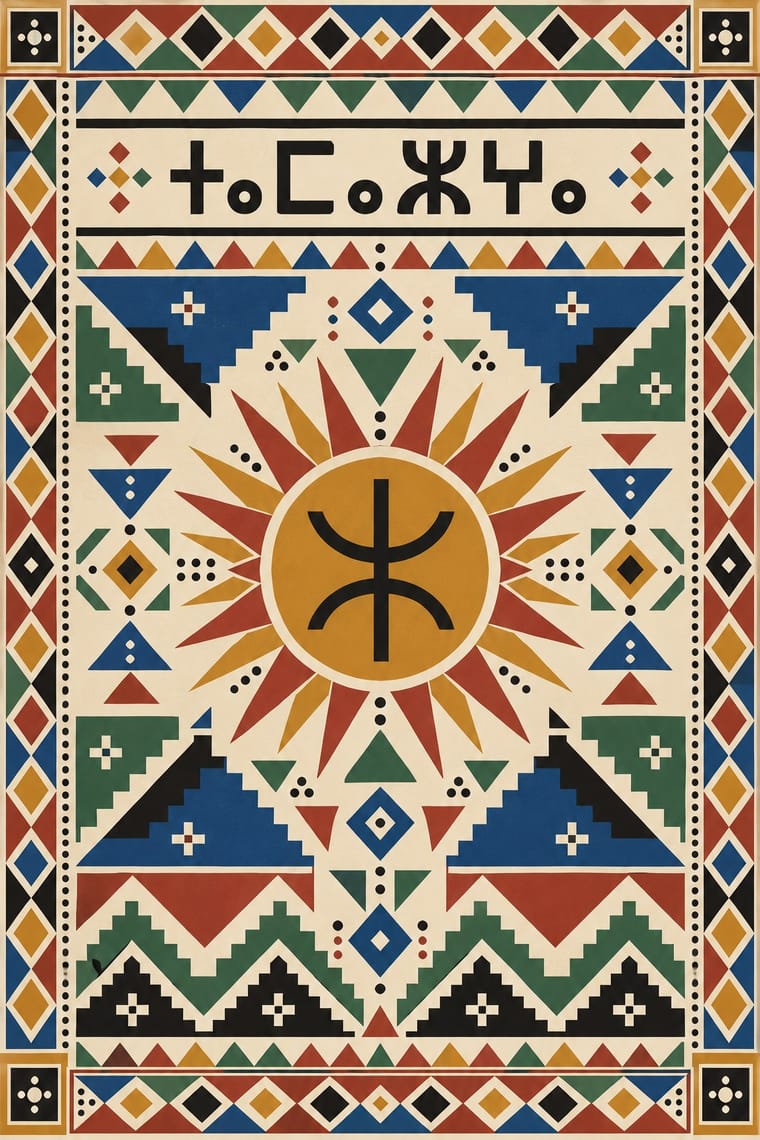
- Ethiopian Ge'ez Manuscript & Haräg IlluminationThe manuscript art of the Ethiopian and Eritrean Orthodox Tewahedo Church, written in the Ge'ez syllabary on parchment from the Garima Gospels (radiocarbon-dated to roughly the 4th–7th centuries) to the present.
- Maghrebi Script (Maghribi Calligraphy of al-Andalus and North Africa)The family of Arabic scripts of al-Andalus and North Africa, descended from early Kufic bookhands.
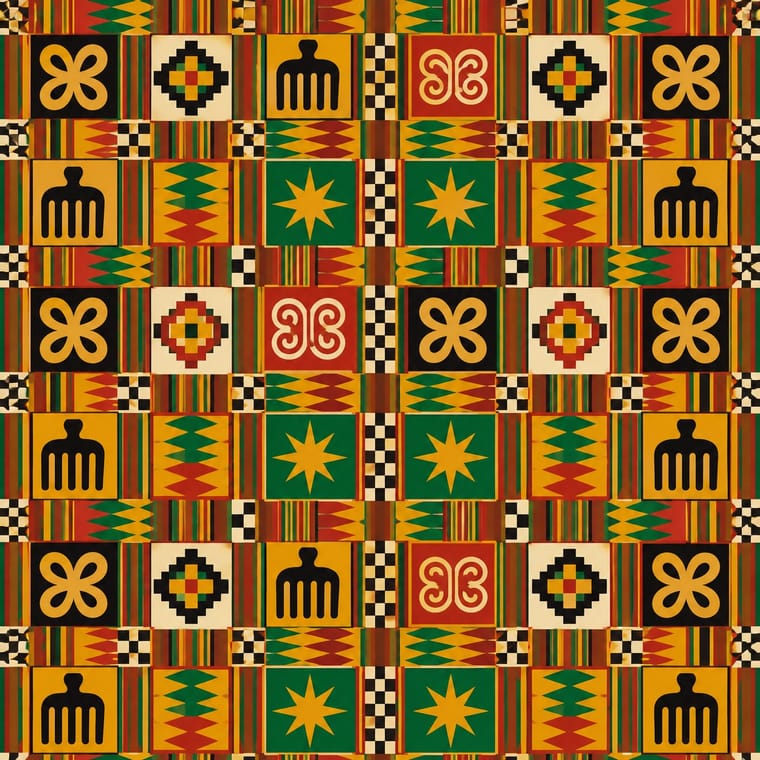
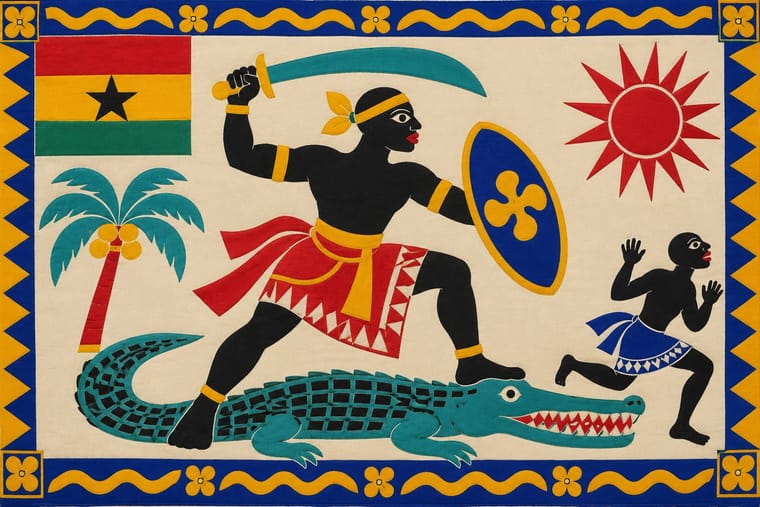
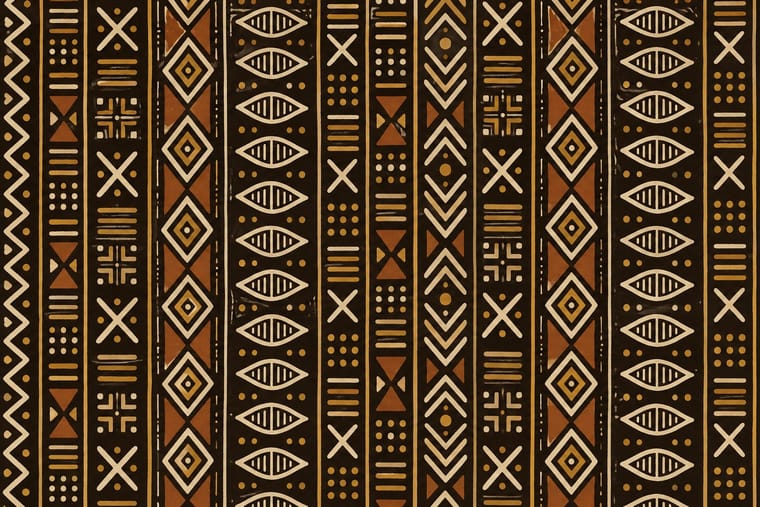
- African Wax & Fancy PrintIndustrially printed cotton made for West and Central African markets, first by Dutch and British mills that imitated Javanese batik with resin resist, and later by African mills.
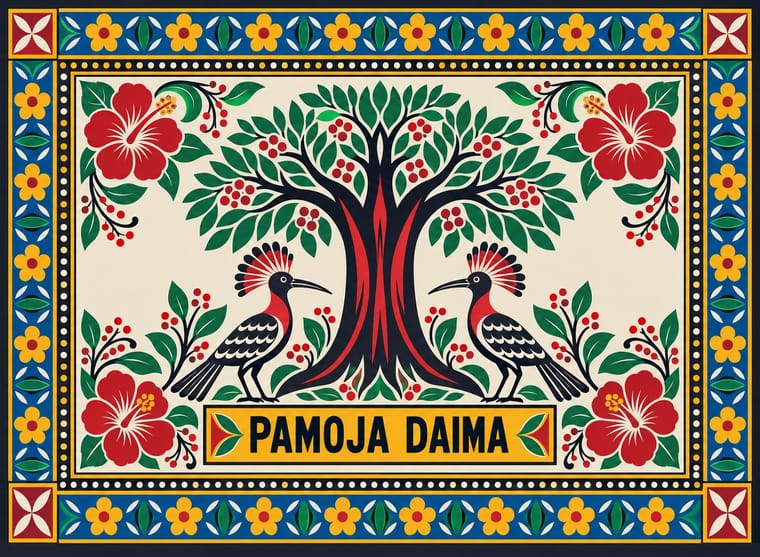
- Senegalese Sufi Devotional Imagery (Souwère Glass Painting and Amadou Bamba Portraits)The devotional imagery of Senegal's Sufi brotherhoods, above all the Mourides: reverse paintings on glass (souwère), made in Senegal's cities since about 1900, and the murals, banners, prints and photocopies that multiply one 1913 photograph of Sheikh Amadou Bamba across Dakar and Touba.
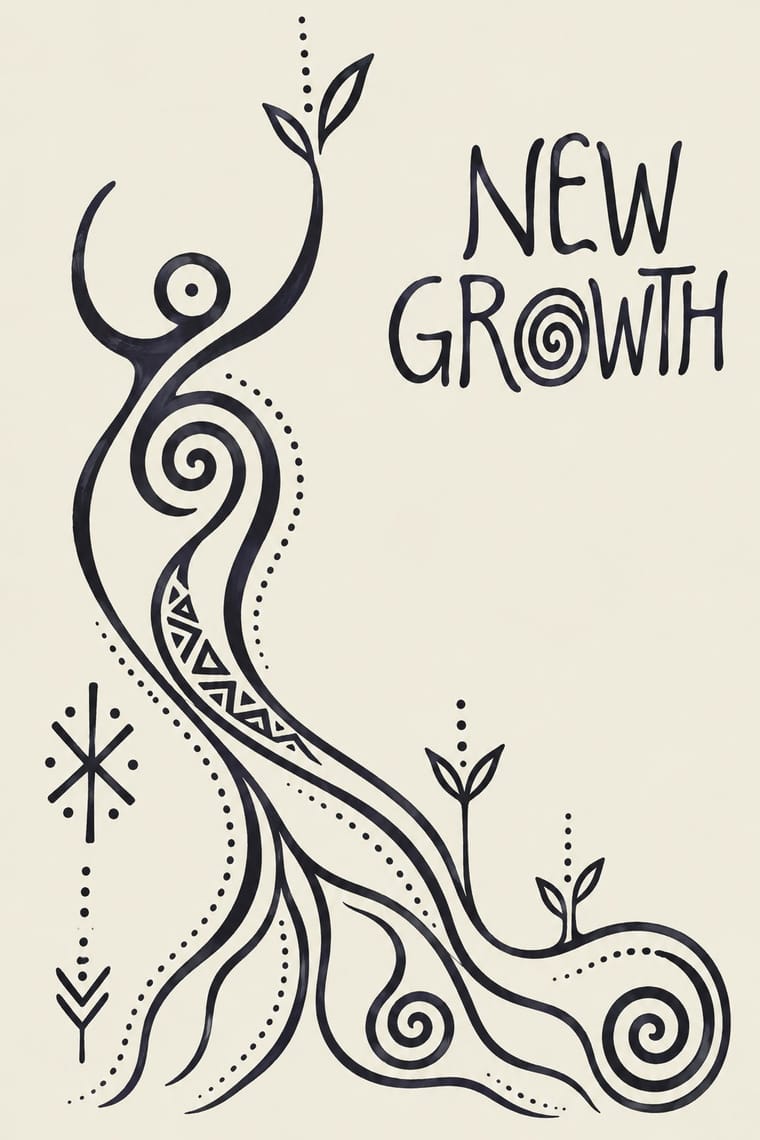
- Ndebele Geometric PaintingThe mural tradition of Southern Ndebele women, who paint homestead walls and gateways, and later canvases and objects, with bold, symmetrical geometric designs.
- Onitsha Market PamphletsCheap, stapled pamphlets of romance, advice, drama and political biography, written by students, clerks, journalists and traders and printed by jobbing letterpress shops around Onitsha Main Market in eastern Nigeria from the late 1940s.
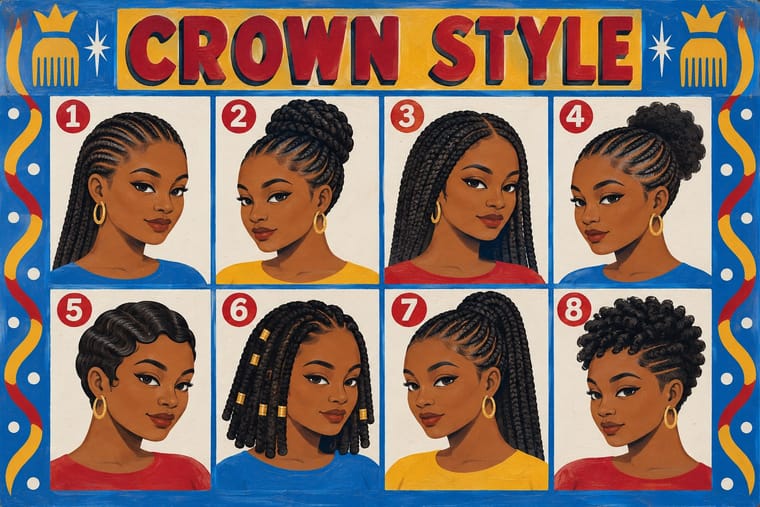
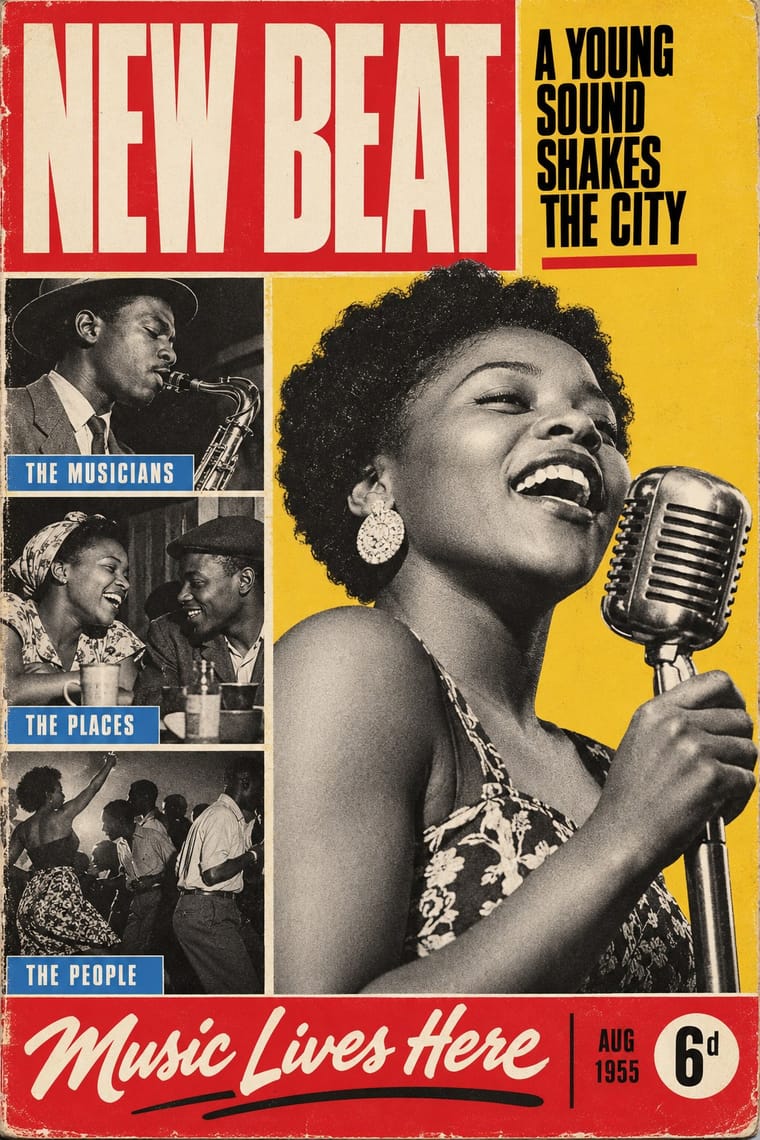
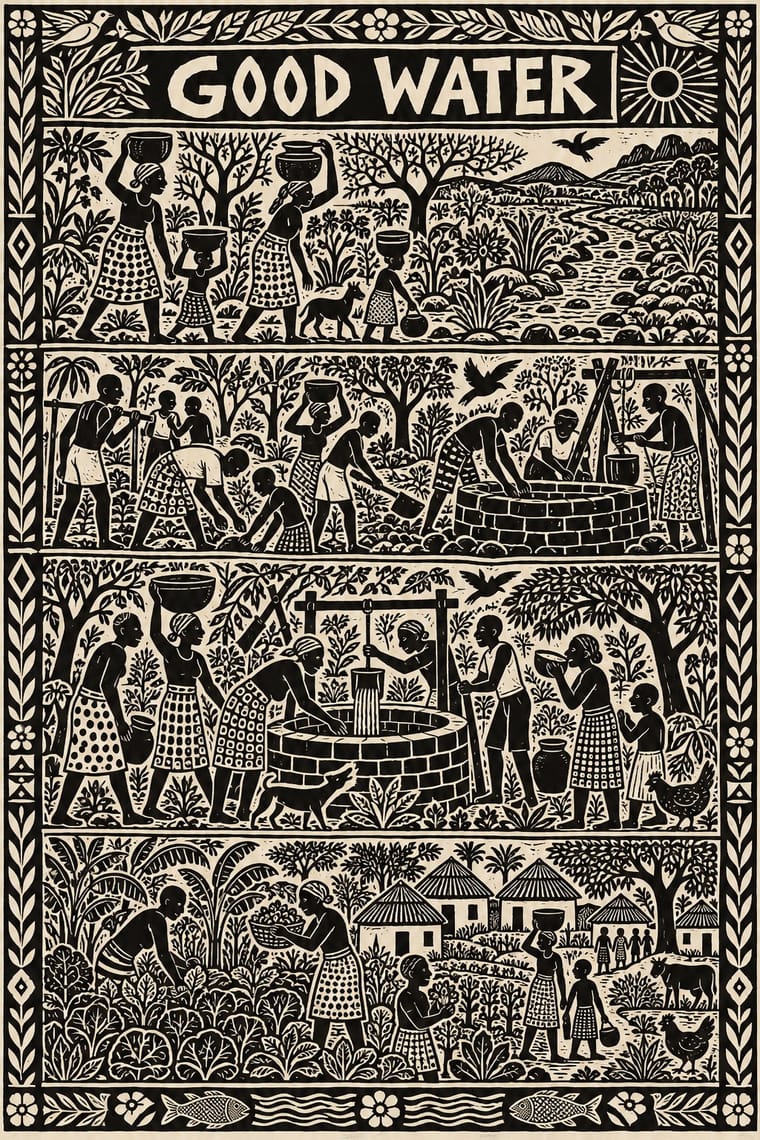
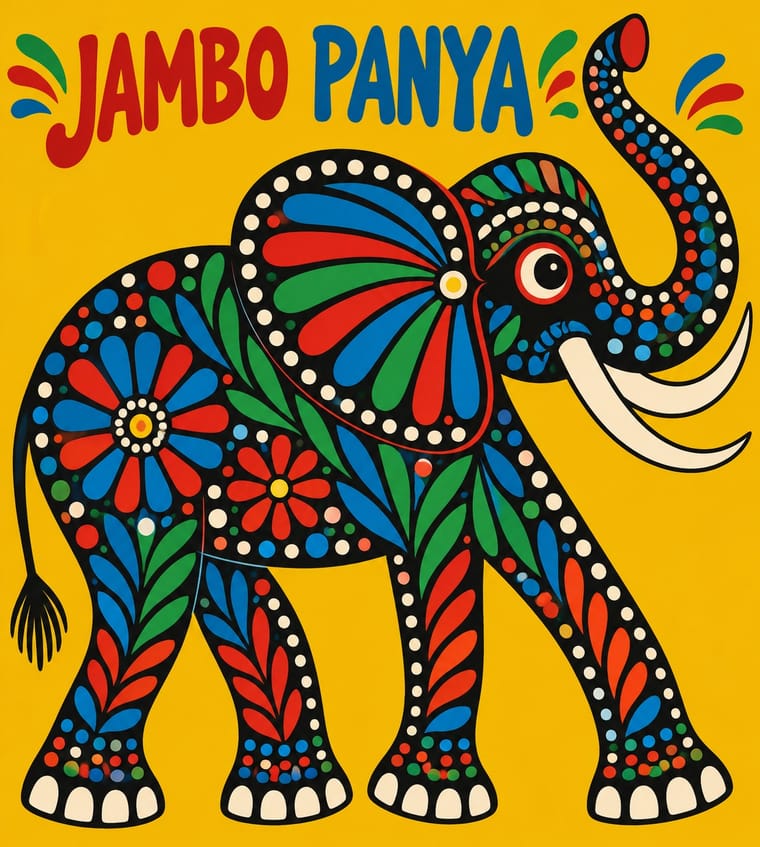
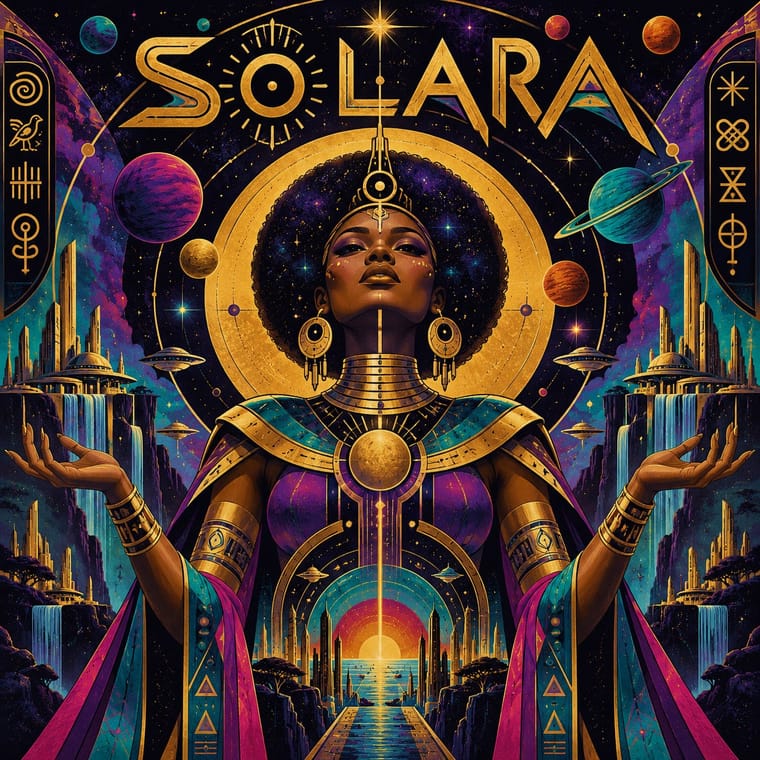
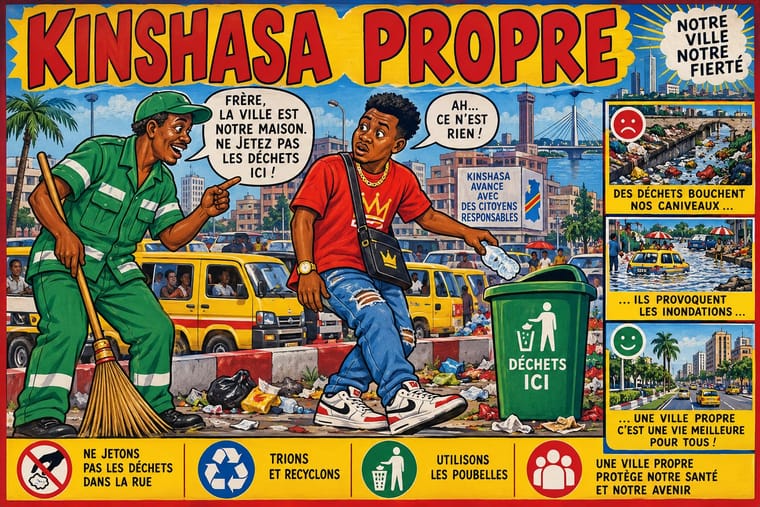
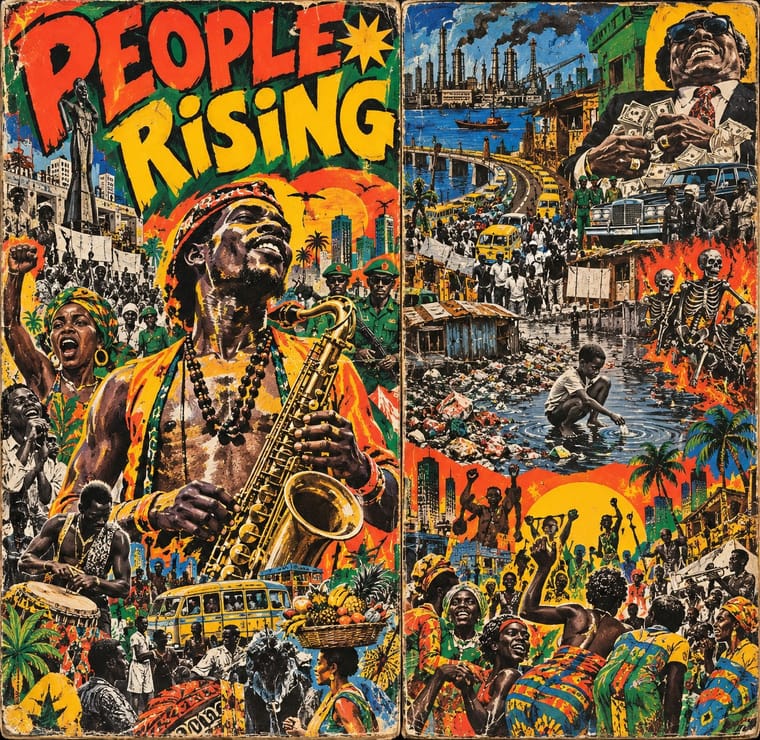
- Ethiopian Revolutionary Poster (Derg Era)The poster and mural art of the Derg military government and its successor, Mengistu's People's Democratic Republic of Ethiopia (1974–1991), made mostly by teachers and students of the Addis Ababa School of Fine Arts.
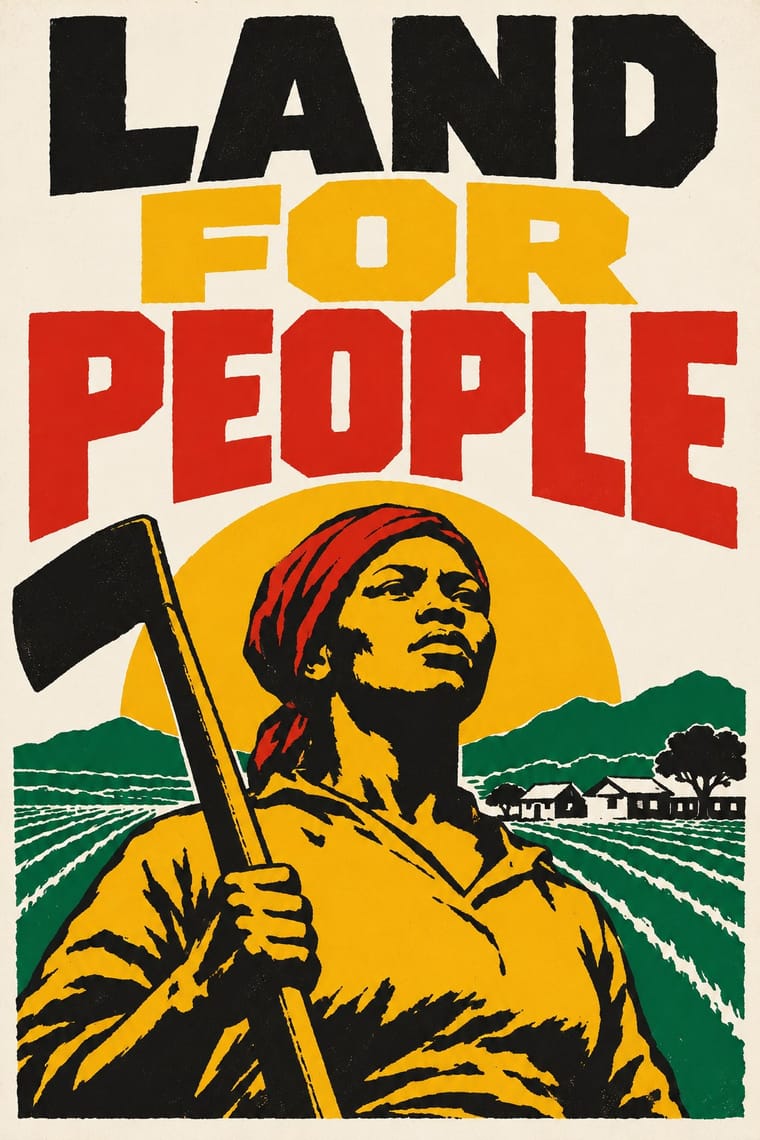
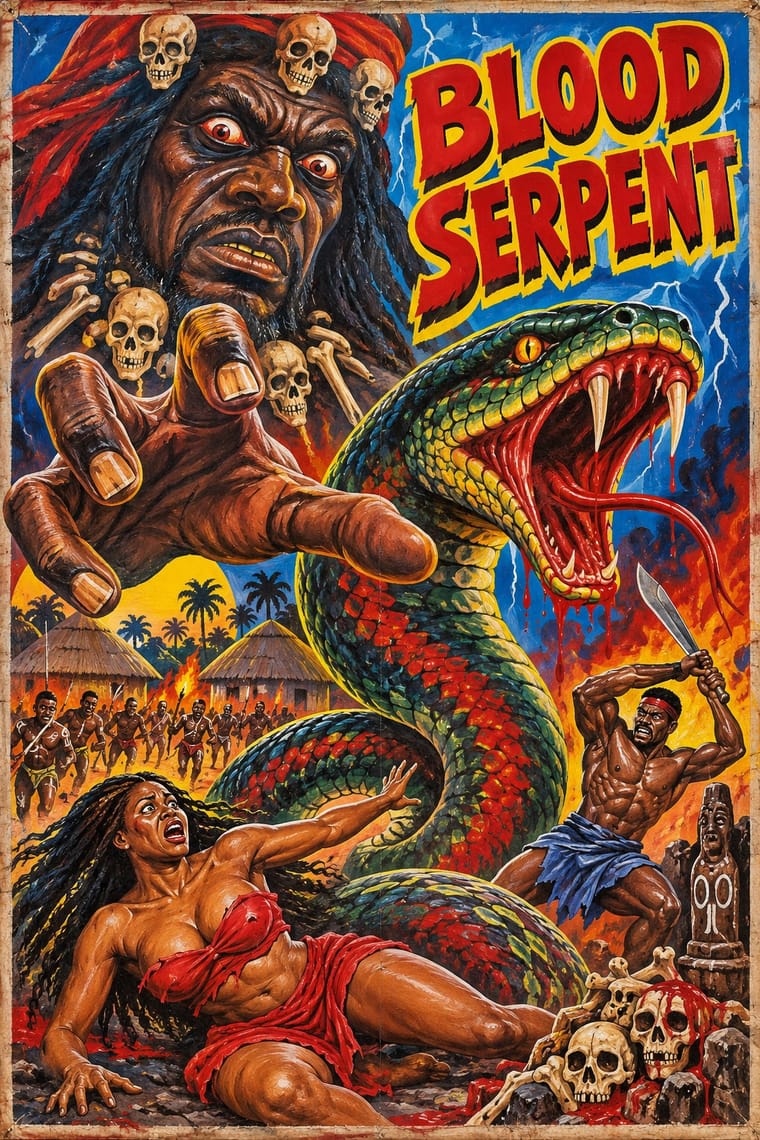
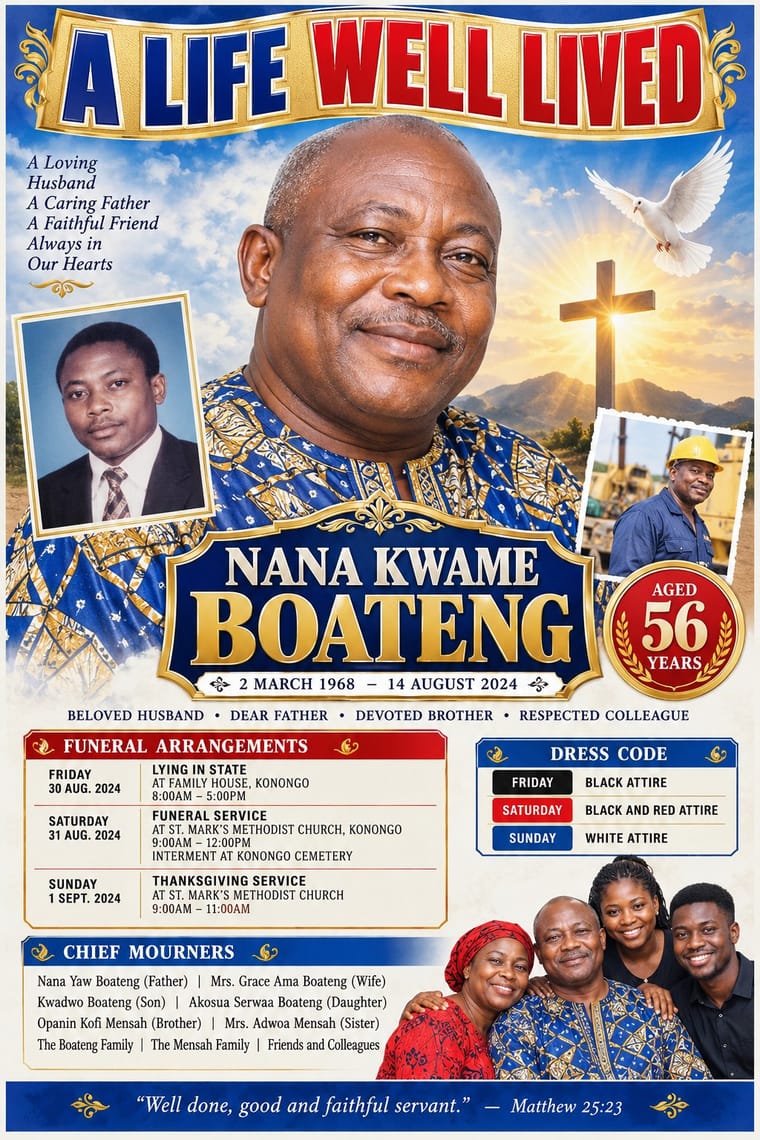
- Nigerian Pentecostal Crusade Poster & BillboardThe roadside adverts of Nigeria's Pentecostal and independent churches: billboards, banners and posters on poles, walls and bridges announcing crusades, revivals, conventions and night vigils.
- Bitterkomix (Afrikaans Underground Comics)The Afrikaans underground comics magazine founded in Stellenbosch in 1992 by Anton Kannemeyer (Joe Dog) and Conrad Botes (Konradski), with Mark Kannemeyer (Lorcan White).
- Nollywood Video Jacket & Film PosterThe cover and poster art of Nigeria's home-video boom, from Living in Bondage (1992) on.
- South African Vernacular Design (Ijusi)A post-apartheid design language launched in Durban in 1995 by Garth Walker's Orange Juice Design and its free, experimental magazine Ijusi (isiZulu for 'juice'), which asked 'What makes me South African, and what does that look like?'.
- Sudanese Revolution Graphics (Digital Illustrations and Sit-in Murals)The graphics of Sudan's December Revolution from 2018: digital illustrations and cartoons shared on Instagram and Facebook from inside Sudan and the diaspora, and the murals of the 2019 Khartoum sit-in.
The design choices they share
The choices these styles make more often than the 362 styles in the atlas as a whole, most telling first.
- Communal & popularin 26 of 29
- Horror vacuiin 22 of 29
- Framed panelsin 23 of 29
- All capsin 21 of 29
- Folk & sacred symbolsin 18 of 29
- Borders & framesin 18 of 29
- Spiritual & sacredin 17 of 29
- Full polychromein 22 of 29