Pictorial & machine age · 1937–present · Western Europe, North America
Explanatory Cutaway & Cross-Section Illustration
Also known as Cutaway illustration, Cutaway drawing, Cross-section illustration, Illustrated inside workings
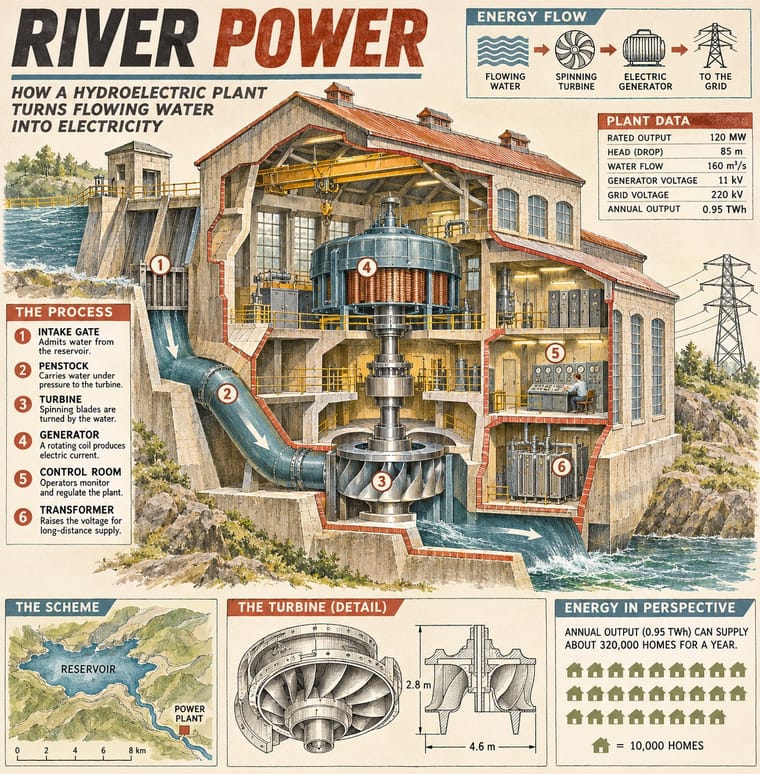
An explanatory illustration tradition that removes walls or casing from a machine, vehicle or building to show its working interior in a legible oblique view. In the V&A examples, fine ink outlines and watercolour modelling with numbered parts make it read as both picture and diagram; small working figures are common but not required.
Make something in this style Get advice in this style Mix it with another style
01
Its picture in other colours
Change a colour and every picture on this page follows. It happens in your browser, from the same pictures: nothing new is made or saved.
Choose a colour to change it
-
#f4efe2 -
#2b2b2b -
#b8442f -
#4f7a8c -
#c9a24a -
#7d8a5a
A faded colour isn’t in these pictures, so changing it changes nothing.
Light and dark stay where they are; greys hardly move.
More colours: any style’s, or your own
The pictures show the style’s own colours.
02
Make something in this style
Say what you need, and Stylogeny’s image studio draws it from Explanatory Cutaway & Cross-Section Illustration’s design choices and checks it against them. It takes about a minute, and you get a link to share.
03
How it works
Palette
-
#f4efe2ground · 29% -
#2b2b2bink · 1% -
#b8442faccent · 4% -
#4f7a8cnot in its pictures -
#c9a24anot in its pictures -
#7d8a5aaccent · 23%
Shares measured from its picture. The ground is what the pictures sit on (of the colours covering most, the most neutral), the ink stands out from it most, the rest are accents.
Typefaces
-
Applied numerals and typeset caption keys
V&A E.482-1997
-
Typeset caption lettering in magazine and book printing
- Cut away selected walls or casing, but keep enough exterior to locate the interior.
- Show connected rooms, components and processes together in one spatially legible oblique view.
- Draw with fine outlines and controlled tonal or watercolour modelling so tiny mechanisms stay readable.
- Add numbered keys, labels and captions as a second reading level.
- Often place small working figures inside to establish scale and explain use.
- Isolate the subject on a light ground so the interior carries the page.
Popular technical publishing and explanatory commercial illustration in Britain and the United States. 1937 marks L. Ashwell Wood's cross-sections of machines and factories in Modern Wonder magazine (1937 to 1941), not the invention of section drawing, which has much older antecedents.
Change it with an idea. Any of the 73 moves that make a design say something can go on this style.
04
Its design choices
From Stylogeny’s vocabulary of design choices: defining choices make the style, characteristic ones are usual, occasional ones turn up now and then.
- Layout & composition
- Space & hierarchy
- Typography
- Colour
- Surface & texture
- Medium & production
- Tone & intent
- Avoids
- Central symmetry, Straight photography, Non-representational, Gloss & highlights, Script, Abundant decoration, Experimental & distorted, Flat
How its pictures are made Drawn & painted, Systematic
Kind of picture: Drawn & painted · Systematic
Known for
-
L. Ashwell Wood, cross-sections for Modern Wonder
from 1937
-
L. Ashwell Wood, British Armoured Car, Eagle artwork (1963), V&A E.482-1997
numbered cutaway in Indian ink and watercolour
-
L. Ashwell Wood, Delta winged aircraft, Eagle artwork (1962), V&A E.483-1997
-
Frank Soltesz, Armstrong Cork Company factory and store cross-sections, produced 1947-1951 for the Saturday Evening Post
-
Stephen Biesty with Richard Platt, Incredible Cross-Sections
Dorling Kindersley, 1992
05
Where it comes from, and what it’s close to
Nothing earlier is recorded: in the atlas it is a starting point.
Explanatory Cutaway & Cross-Section Illustration 1937–present
No later style in the atlas grew out of it yet.
Alike in its design choices
06
Combine it with
Styles Explanatory Cutaway & Cross-Section Illustration pairs well with or plays against, from the research. Each is worked out as a combination: which style gives the type, the colours and the forms.
- Isometric Tech Illustration Contrasts · Both expose systems in oblique views, but flat vector tones on a grid replace the inked, watercolour-modelled interior of a real object.
- Ligne Claire (Franco-Belgian Clear Line) Contrasts · Shares clean contour line and the Eagle-era British line tradition, but ligne-claire uses flat colour and comic narrative where the cutaway uses tonal modelling to explain a mechanism.
- Wordless Flat-Pack Assembly Instructions Contrasts · Shares the isolated object, depth illusion and clean line diagram, but assembly sheets are sequential, monochrome and flat, and show steps rather than a modelled interior at work.
- Isotype Pictorial Statistics Contrasts · Explains quantities with repeated pictograms where the cutaway explains spatial mechanisms.
- Scientific-Diagram Graphics (Contemporary Revival) Contrasts · Cutaways reveal the inside of one rendered object; this idiom borrows the labelled textbook figure as graphic material, often fused with lettering.
- Utopian Scholastic (Encartacore) Contrasts · Swap the single opened-up illustrated interior for a gathering of separate photographic specimens.
07
Often taken for
Explanatory Cutaway & Cross-Section Illustration has no real works recorded yet, so these are its nearest styles by its choices alone, with the choices that tell them apart.
-
Swiss Relief Cartography (Becker–Imhof School)
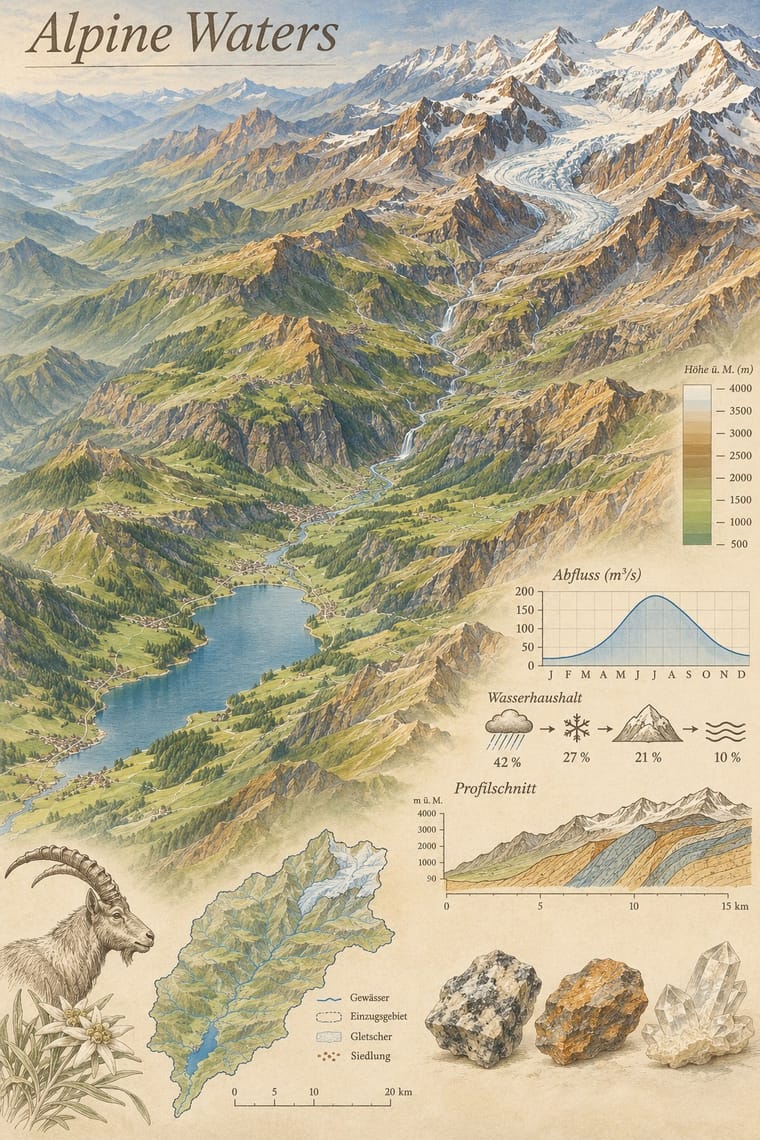
Swiss Relief Cartography is one of Explanatory Cutaway & Cross-Section Illustration’s nearest styles by choices; no real work of either fits the other better.
Choices that tell Explanatory Cutaway and Swiss Relief Cartography apart Choice Explanatory Cutaway Swiss Relief Cartography Isolated object defining — Gradients occasional defining Light ground defining occasional Biomorphic curves — characteristic Painterly illustration characteristic — No shared descent in the atlas: they reached these choices separately.
-
Botanical Specimen-Plate Illustration
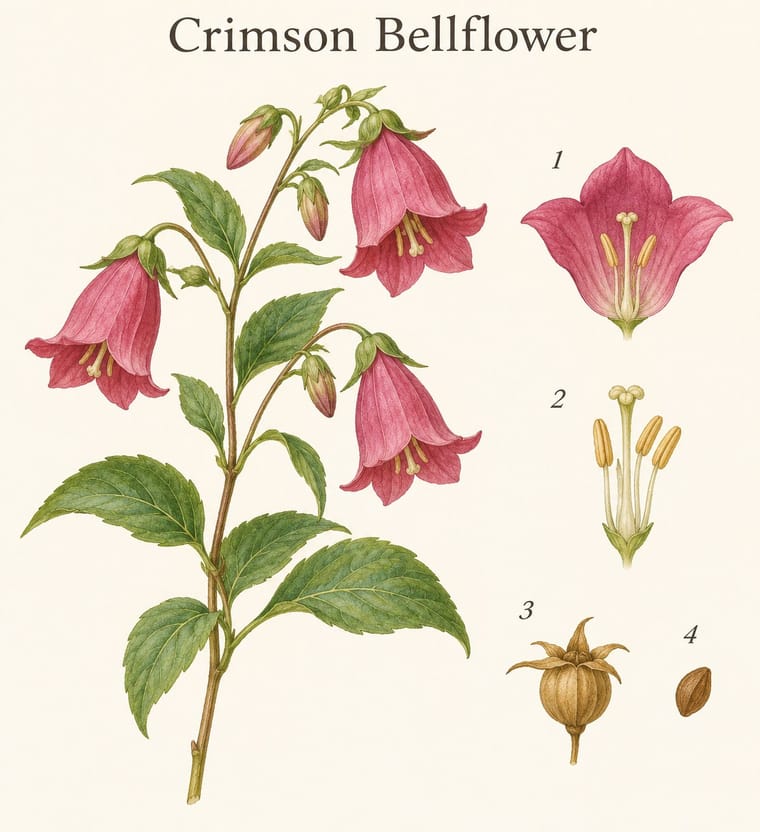
Botanical Specimen-Plate Illustration is one of Explanatory Cutaway & Cross-Section Illustration’s nearest styles by choices; no real work of either fits the other better.
Choices that tell Explanatory Cutaway and Botanical Specimen-Plate Illustration apart Choice Explanatory Cutaway Botanical Specimen-Plate Illustration Horror vacui characteristic avoids Generous white space — defining Illusion of depth defining — Biomorphic curves — characteristic Diagram & data defining occasional No shared descent in the atlas: they reached these choices separately.
-
Photorealist Painting and Illustration in Print
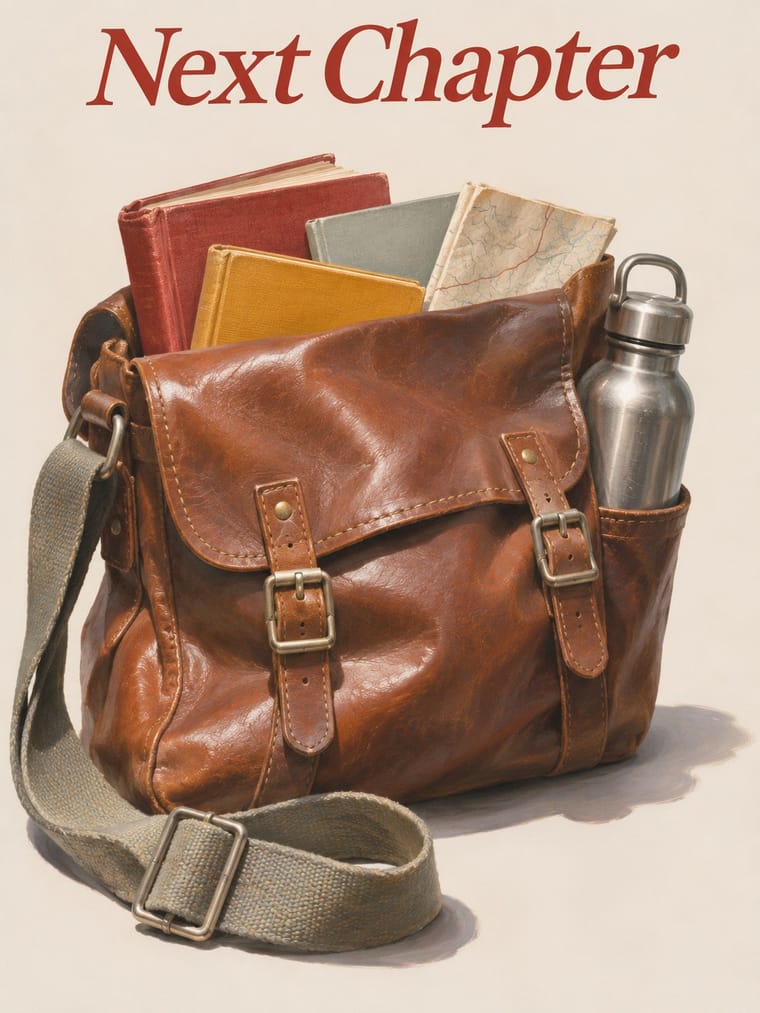
Photorealist Painting and Illustration in Print is one of Explanatory Cutaway & Cross-Section Illustration’s nearest styles by choices; no real work of either fits the other better.
Choices that tell Explanatory Cutaway and Photorealist Painting and Illustration in Print apart Choice Explanatory Cutaway Photorealist Painting and Illustration in Print Diagram & data defining — Gloss & highlights avoids characteristic Line illustration defining — Skeuomorphic material — defining Layered information defining — No shared descent in the atlas: they reached these choices separately.
-
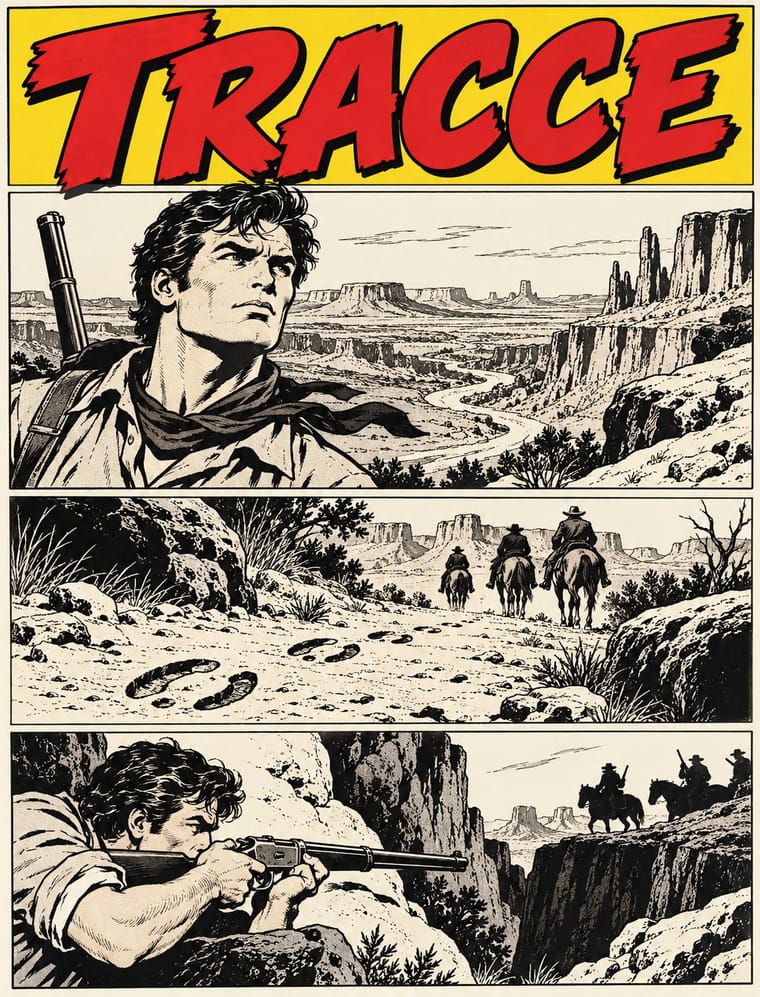
Bonelli Fumetto (Italian Popular Adventure Comics)
Bonelli Fumetto is one of Explanatory Cutaway & Cross-Section Illustration’s nearest styles by choices; no real work of either fits the other better.
Choices that tell Explanatory Cutaway and Bonelli Fumetto apart Choice Explanatory Cutaway Bonelli Fumetto Diagram & data defining — Monochrome — defining Isolated object defining — Comic & cartoon — defining Layered information defining occasional No shared descent in the atlas: they reached these choices separately.
— means the choice isn’t among the style’s recorded choices. Critics recorded each work’s choices with the styles’ descriptions in view, so this shows whether the descriptions hold together, not proof that they are right.
08
Sources
- https://collections.vam.ac.uk/item/O50070/ (L. Ashwell Wood, British Armoured Car, 1963)
- https://collections.vam.ac.uk/item/O50073/ (L. Ashwell Wood, Delta winged aircraft, 1962)
- David Seliger, Masters of the Cutaway Part 2, Core77, 27 December 2011
4 more sources
- https://en.wikipedia.org/wiki/Cutaway_drawing
- https://en.wikipedia.org/wiki/Stephen_Biesty
- https://openlibrary.org/works/OL1717271W (Richard Platt, Incredible Cross Sections, first published 1992)
- Palette is indicative, not sampled from a cited artwork.
How Stylogeny researches and checks a style: where the facts come from.