Pictorial & machine age · 1960–present · Latin America & Caribbean
Panamanian Painted Buses (Diablos Rojos) and Their Central American Kin
Also known as Diablos Rojos, Buses pintados, Camionetas (Guatemala), Painted school-bus tradition, Chicken bus art (outsider term)
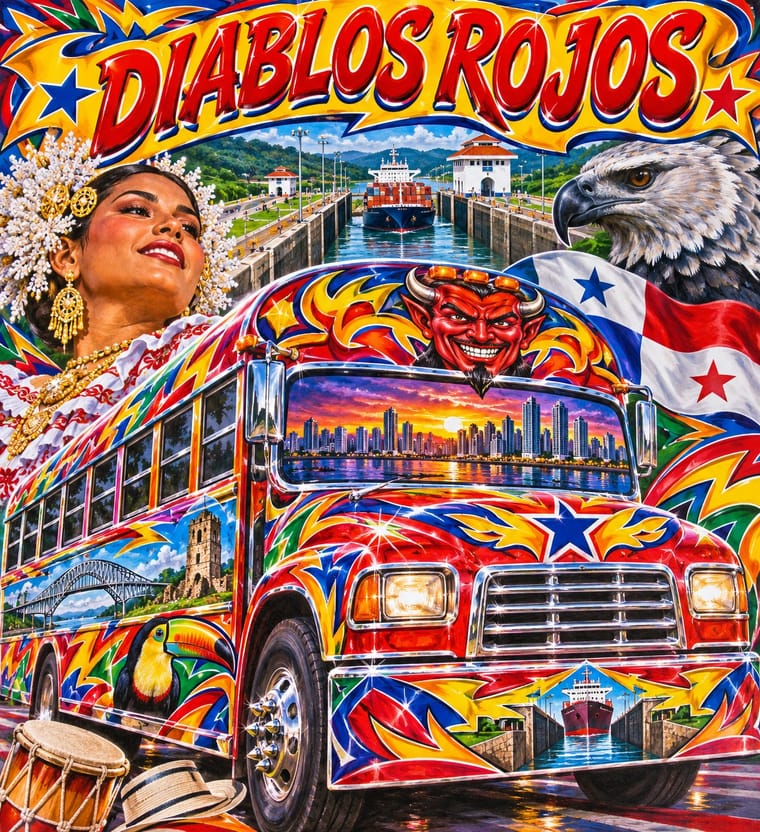
The decoration of retired North American school buses run as public transport, best documented as the Diablos Rojos of Panama and echoed in the bold paint of Guatemalan camionetas. In Panama, owners hired painters to cover the whole body in saturated colour: portraits of entertainers, sports heroes and relatives, landscapes, a pregón or motto, and the bus's name, partly to hide its age and to stand out from rival buses. The Panama City buses were phased out for MetroBus from 2008 to 2013, so the tradition is now largely heritage.
Make something in this style Get advice in this style Mix it with another style
Use it with care
'Chicken bus' is a name coined by English-speaking tourists, a foreign (gringo) term that some people find offensive; use the local names (Diablos Rojos, camioneta, buses pintados). The Panama City buses were phased out for MetroBus (2008-2013), so the Diablos Rojos are now largely a heritage and nostalgia tradition. Panama's Coaster-based 'chiva' buses are mostly left white.
01
Its picture in other colours
Change a colour and every picture on this page follows. It happens in your browser, from the same pictures: nothing new is made or saved.
Choose a colour to change it
-
#d7261e -
#f5c400 -
#1f5fbf -
#1a9b57 -
#ff7a1a -
#111111
A faded colour isn’t in these pictures, so changing it changes nothing.
Light and dark stay where they are; greys hardly move.
More colours: any style’s, or your own
The pictures show the style’s own colours.
02
Make something in this style
Say what you need, and Stylogeny’s image studio draws it from Panamanian Painted Buses (Diablos Rojos) and Their Central American Kin’s design choices and checks it against them. It takes about a minute, and you get a link to share.
03
How it works
Palette
-
#d7261eground · 16% -
#f5c400accent · 8% -
#1f5fbfaccent · 6% -
#1a9b57accent · 3% -
#ff7a1aaccent · 11% -
#111111ink · 4%
Shares measured from its picture. The ground is what the pictures sit on (of the colours covering most, the most neutral), the ink stands out from it most, the rest are accents.
Typefaces
-
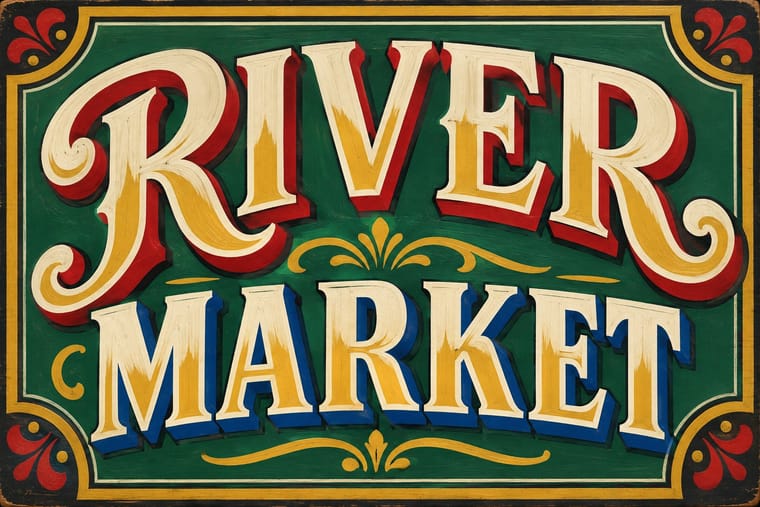
Hand-painted bus names and pregones in shaded and outlined block capitals across the arches
-
Brush-script slogans and family names painted on the rear door and arches
-
Airbrushed and chromed lettering on interiors
- Paint the whole body of the bus, not a panel: treat the vehicle as one moving canvas in saturated colour.
- Put the biggest pictures where the street sees them, on the front and rear upper arches and the rear door, as a single dominant image.
- Choose imagery the owner loves: an entertainer, a sports hero, a landmark, a rural landscape or the family's name.
- Add a pregón, a short motto or name, in bold hand-painted lettering across the arch.
- Crowd the surface and the cab with extras: airbrushed murals, decals, bells, feathers and lights.
Panama, where retired North American school buses run as public transport were painted all over from the mid-twentieth century, best documented in Panama City; related converted school buses (camionetas) run in Guatemala and neighbouring countries
Change it with an idea. Any of the 73 moves that make a design say something can go on this style.
04
Its design choices
From Stylogeny’s vocabulary of design choices: defining choices make the style, characteristic ones are usual, occasional ones turn up now and then.
- Layout & composition
- Space & hierarchy
- Typography
- Colour
- Surface & texture
- Ornament
- Imagery
- Medium & production
- Tone & intent
- Avoids
- Generous white space, Ornament-free, Modular grid, Monochrome, Grotesque & neo-grotesque, Desktop publishing, Rational & objective
How its pictures are made Drawn & painted, Systematic, Synthetic & found
Kind of picture: Drawn & painted · Systematic · Synthetic & found
Known for
-
Diablos Rojos of Panama City
retired Bluebird and International school buses; phased out of city routes 2008-2013
-
Óscar Melgar, the painter with the most buses in Panama City today
-
Cristóbal 'Piri' Merszthal Villaverde, self-taught bus painter from Pacora
-
Luis 'The Wolf' Evans, commonly credited with starting Panama's bus-painting tradition
-
Guatemalan camionetas (related case)
retired Bluebird/International school buses with bright paint and large painted company names
05
Where it comes from, and what it’s close to
Grew out of
Panamanian Painted Buses (Diablos Rojos) and Their Central American Kin 1960–present
No later style in the atlas grew out of it yet.
Alike in its design choices
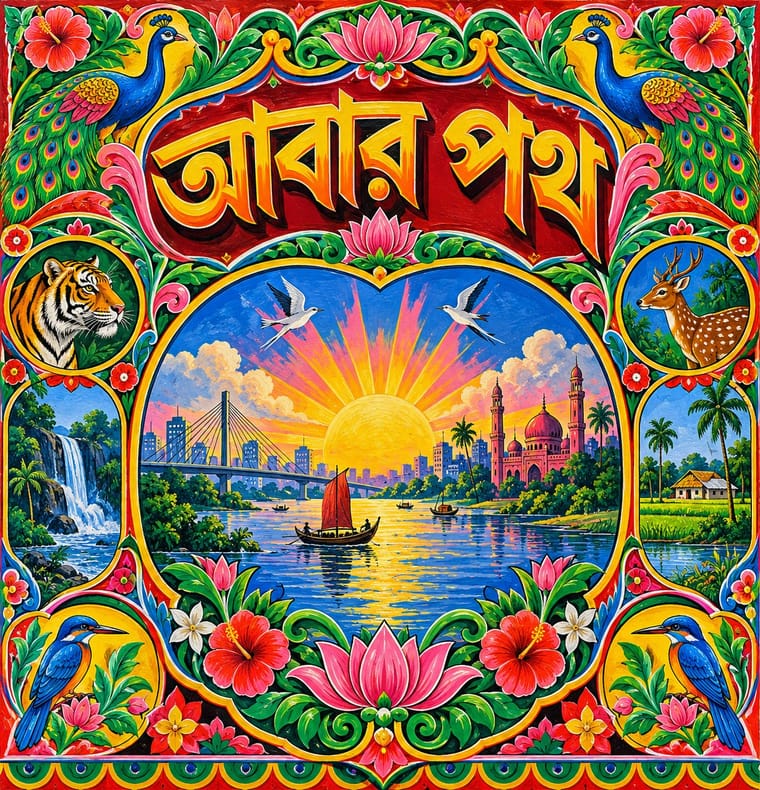
06
Combine it with
Styles Panamanian Painted Buses (Diablos Rojos) and Their Central American Kin pairs well with or plays against, from the research. Each is worked out as a combination: which style gives the type, the colours and the forms.
- International Typographic Style Contrasts · Grid, white space and neutral sans are everything the painted bus refuses; set a bus panel against a Swiss layout for deliberate shock.
- Jeepney Art Pairs well · Both turn a recycled vehicle into a crowded, owner-chosen painted showpiece; combine jeepney's ornament with the bus's big arch portraits.
- Pantura Truck Painting (Lukisan Bak Truk) Pairs well · Add the truck-back's single framed scene and ironic caption to the bus's full-body colour for a mobile mural.
- Jamaican Dancehall Signs & Sleeve Art Pairs well · Both put painted names and boasts in bold stacked lettering for the street; borrow dancehall's billing hierarchy for a bus name.
07
Often taken for
Panamanian Painted Buses and Their Central American Kin has no real works recorded yet, so these are its nearest styles by its choices alone, with the choices that tell them apart.
-
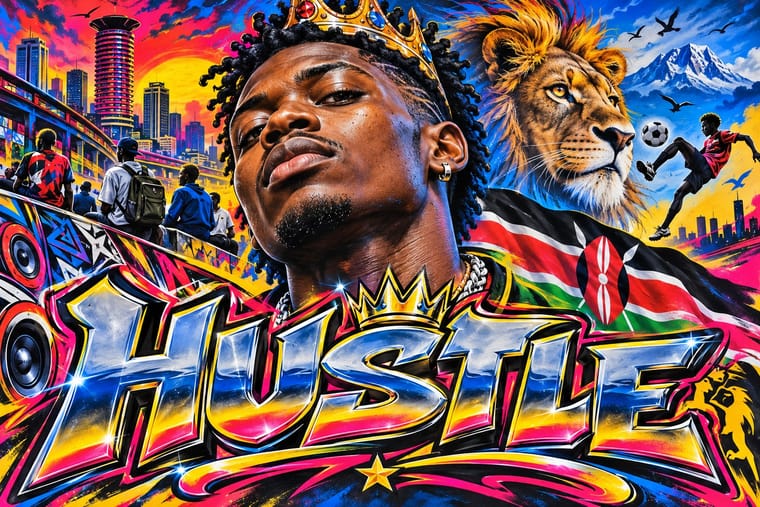
Matatu & Nganya Art
Matatu & Nganya Art is one of Panamanian Painted Buses and Their Central American Kin’s nearest styles by choices; no real work of either fits the other better.
Choices that tell Panamanian Painted Buses and Their Central American Kin and Matatu apart Choice Panamanian Painted Buses and Their Central American Kin Matatu Abundant decoration defining occasional Extreme scale contrast occasional defining Flat fields characteristic — Painterly brushwork occasional defining Icons & pictograms characteristic — Both descend from Hand-Painted Signage & Vernacular Lettering in the family tree.
-
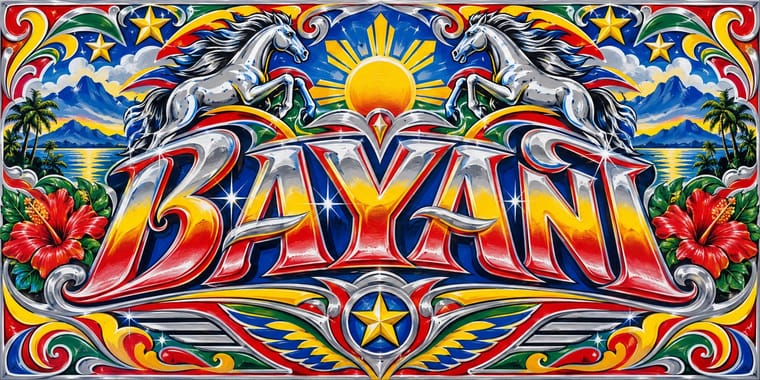
Jeepney Art
Jeepney Art is one of Panamanian Painted Buses and Their Central American Kin’s nearest styles by choices; no real work of either fits the other better.
Choices that tell Panamanian Painted Buses and Their Central American Kin and Jeepney Art apart Choice Panamanian Painted Buses and Their Central American Kin Jeepney Art Full bleed defining — Comic & cartoon — characteristic Naturalistic depiction defining occasional Central symmetry — characteristic Flat fields characteristic — Both descend from Hand-Painted Signage & Vernacular Lettering in the family tree.
-
Dhaka Rickshaw Painting
Dhaka Rickshaw Painting is one of Panamanian Painted Buses and Their Central American Kin’s nearest styles by choices; no real work of either fits the other better.
Choices that tell Panamanian Painted Buses and Their Central American Kin and Dhaka Rickshaw Painting apart Choice Panamanian Painted Buses and Their Central American Kin Dhaka Rickshaw Painting Full bleed defining — Floral & vegetal — defining Gradients characteristic — Framed panels occasional defining Layered information characteristic — Both descend from Hand-Painted Signage & Vernacular Lettering in the family tree.
-
Mexican Rótulos (Hand-Painted Shop Lettering)
Mexican Rótulos is one of Panamanian Painted Buses and Their Central American Kin’s nearest styles by choices; no real work of either fits the other better.
Choices that tell Panamanian Painted Buses and Their Central American Kin and Mexican Rótulos apart Choice Panamanian Painted Buses and Their Central American Kin Mexican Rótulos Single focal point characteristic avoids Hard offset shadow — defining Naturalistic depiction defining — Blackletter — characteristic Full bleed defining — Both descend from Hand-Painted Signage & Vernacular Lettering in the family tree.
— means the choice isn’t among the style’s recorded choices. Critics recorded each work’s choices with the styles’ descriptions in view, so this shows whether the descriptions hold together, not proof that they are right.
08
Sources
- https://en.wikipedia.org/wiki/Diablos_Rojos_(bus) (Panama: origins, owner-operators, painters, MetroBus phase-out 2008-2013, pregones, airbrush)
- https://en.wikipedia.org/wiki/Chicken_bus (names, countries, school-bus conversion; the nickname is offensive to some)
- https://folkart.org/panamanian-buses-in-spanish/ (Peter Szok on Panama's painters, celebrity portraits, landscapes, boasts, interiors, replacement plans)
1 more source
- https://www.revuemag.com/the-birth-of-camioneta/ (Guatemala: Bluebird/International conversion in workshops near Antigua, painted company names, chrome)
How Stylogeny researches and checks a style: where the facts come from.