Pictorial & machine age · 1966–1976 · East Asia
Cultural Revolution Propaganda Poster ( Red, Bright, Shining )
Also known as Hong guang liang poster, 红光亮, Mao-era poster, Cultural Revolution poster art
State-printed poster art of China's Cultural Revolution, in the mandated hong guang liang manner: red, bright and shining, with smooth warm flesh, no grey or black shading, and an idealised cast of workers, peasants and soldiers. Unlike the painterly North Korean poster, its mark is this compulsory flat, shadowless finish. Propaganda of a Mao personality cult and mass persecution, catalogued as a design record, not an endorsement.
01
How it works
Palette
-
#c8161d -
#f4d03f -
#fbe9c6 -
#e8743b -
#2f6fb0 -
#3f8f4a
Typefaces
-
Hand-drawn heiti (sans) slogan lettering
-
Hand-drawn songti (serif) lettering
-
Mao-style calligraphic headline script
- Paint the leader and the masses red, bright and shining: smooth warm flesh, even light, no grey or black shading.
- Place one idealised central figure, often the largest, against a radiant sun, sky or crowd.
- Compose heroic figures from a low viewpoint, gazing forward and upward, in stock poses.
- Set quotations and slogans in bold, hand-drawn red or gold lettering in boxes or banners.
- Fill the ground with symbolic motifs such as rays, red flags and books.
- Keep surfaces flat, saturated and clean for large offset print runs.
People's Republic of China, 1966 to 1976, mass-printed by state publishing houses
02
Its design choices
From Stylogeny’s vocabulary of design choices: defining choices make the style, characteristic ones are usual, occasional ones turn up now and then.
- Layout & composition
- Space & hierarchy
- Colour
- Form & shape
- Surface & texture
- Ornament
- Medium & production
- Tone & intent
- Avoids
- Horror vacui, Experimental & distorted, Broken grid, Ironic & self-aware, Rebellious & subversive, Monochrome, Photomontage
How its pictures are made Systematic, Drawn & painted
Kind of picture: Systematic · Drawn & painted
Known for
-
The People's Army is the Root of Victory
c. 1970, anonymous colour offset lithograph, V&A E.1759-2004
-
The sunlight of Mao Zedong Thought illuminates the road of the Great Proletarian Cultural Revolution
1966, chineseposters.net e13-644
-
Comrade Mao Zedong is the greatest Marxist-Leninist of the present age
1968, chineseposters.net e13-781
-
Long live Chairman Mao
1970, chineseposters.net e13-701
03
Where it comes from, and what it’s close to
Grew out of
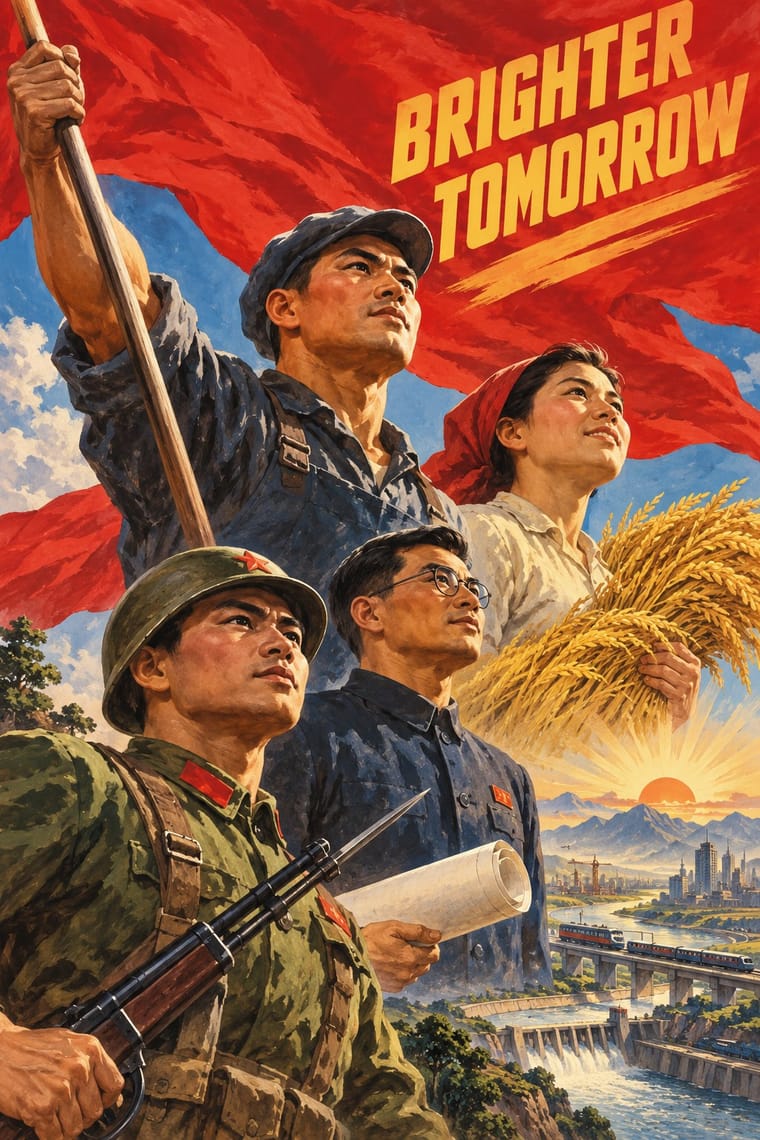
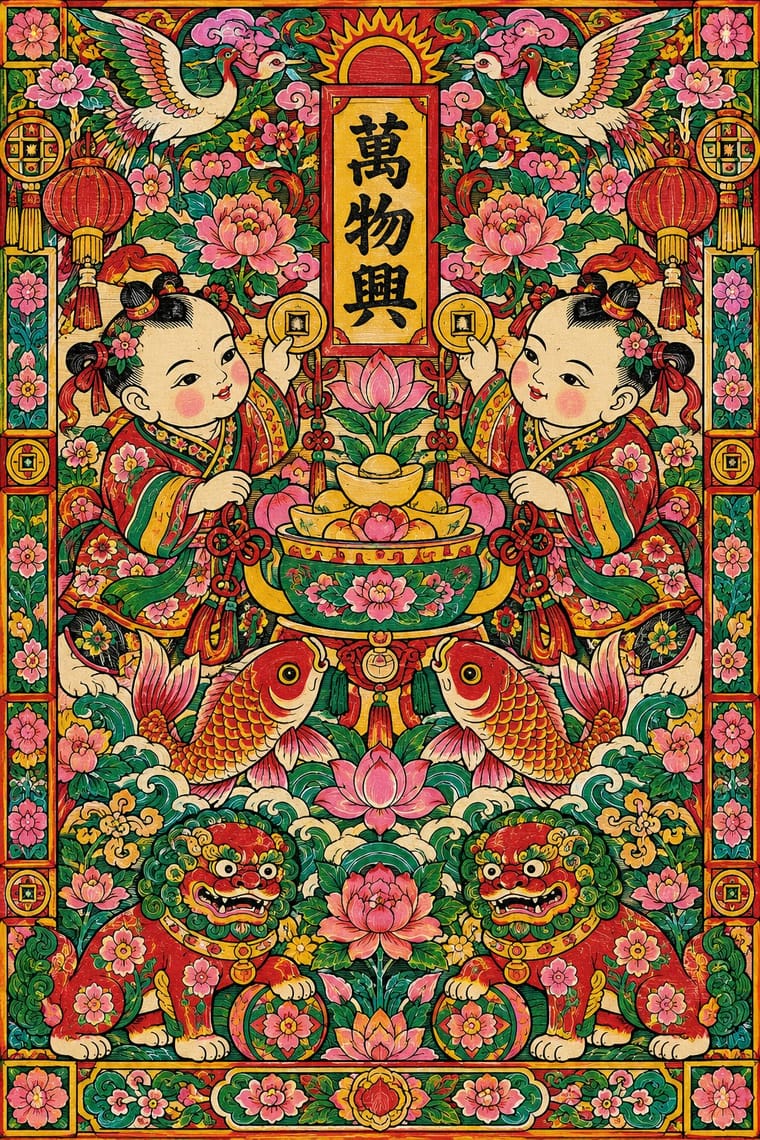
Borrowed from
Cultural Revolution Propaganda Poster (Red, Bright, Shining) 1966–1976
No later style in the atlas grew out of it yet.
Alike in its design choices
04
Often taken for
Cultural Revolution Propaganda Poster has no real works recorded yet, so these are its nearest styles by its choices alone, with the choices that tell them apart.
-
North Korean Propaganda Poster & Mansudae Studio Style
North Korean Propaganda Poster & Mansudae Studio Style is one of Cultural Revolution Propaganda Poster’s nearest styles by choices; no real work of either fits the other better.
Choices that tell Cultural Revolution Propaganda Poster and North Korean Propaganda Poster apart Choice Cultural Revolution Propaganda Poster North Korean Propaganda Poster Flat fields defining — Gradients — characteristic Flat defining — Full bleed — characteristic Stylised figuration defining occasional Both descend from Socialist Realist Propaganda Poster in the family tree.
-
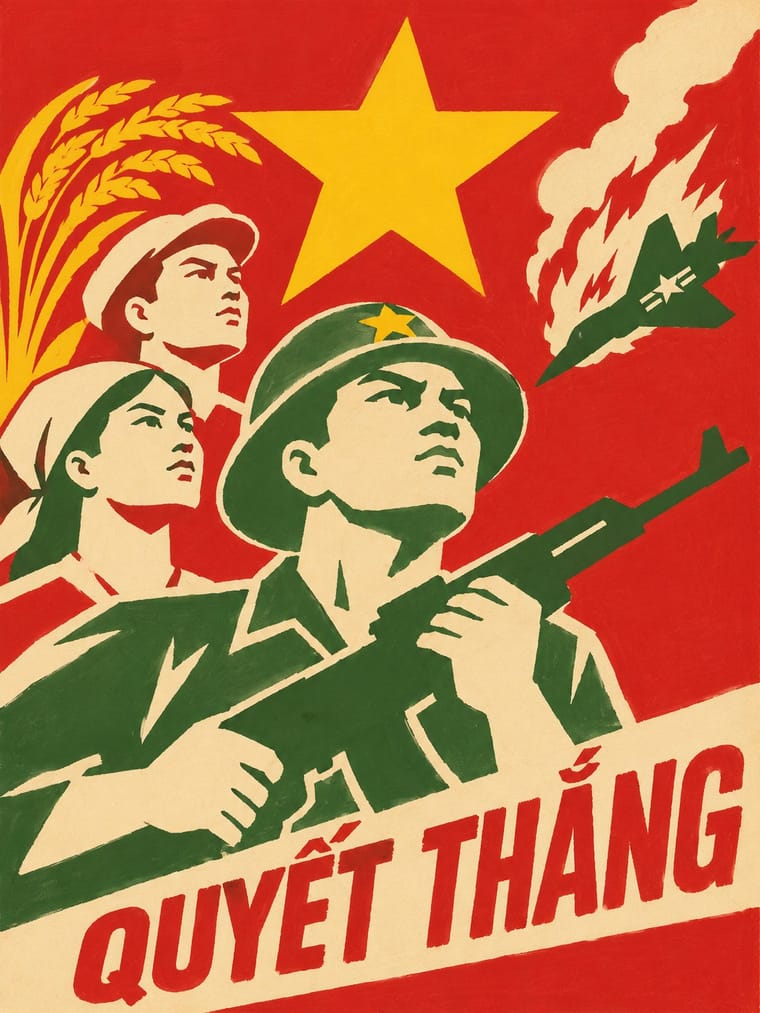
Vietnamese Propaganda Poster (Tranh cổ động)
Vietnamese Propaganda Poster is one of Cultural Revolution Propaganda Poster’s nearest styles by choices; no real work of either fits the other better.
Choices that tell Cultural Revolution Propaganda Poster and Vietnamese Propaganda Poster apart Choice Cultural Revolution Propaganda Poster Vietnamese Propaganda Poster Icons & pictograms defining — Monochrome avoids occasional Cosmic & celestial defining occasional Limited spot colours occasional defining Measured density characteristic — Both descend from Socialist Realist Propaganda Poster in the family tree.
-
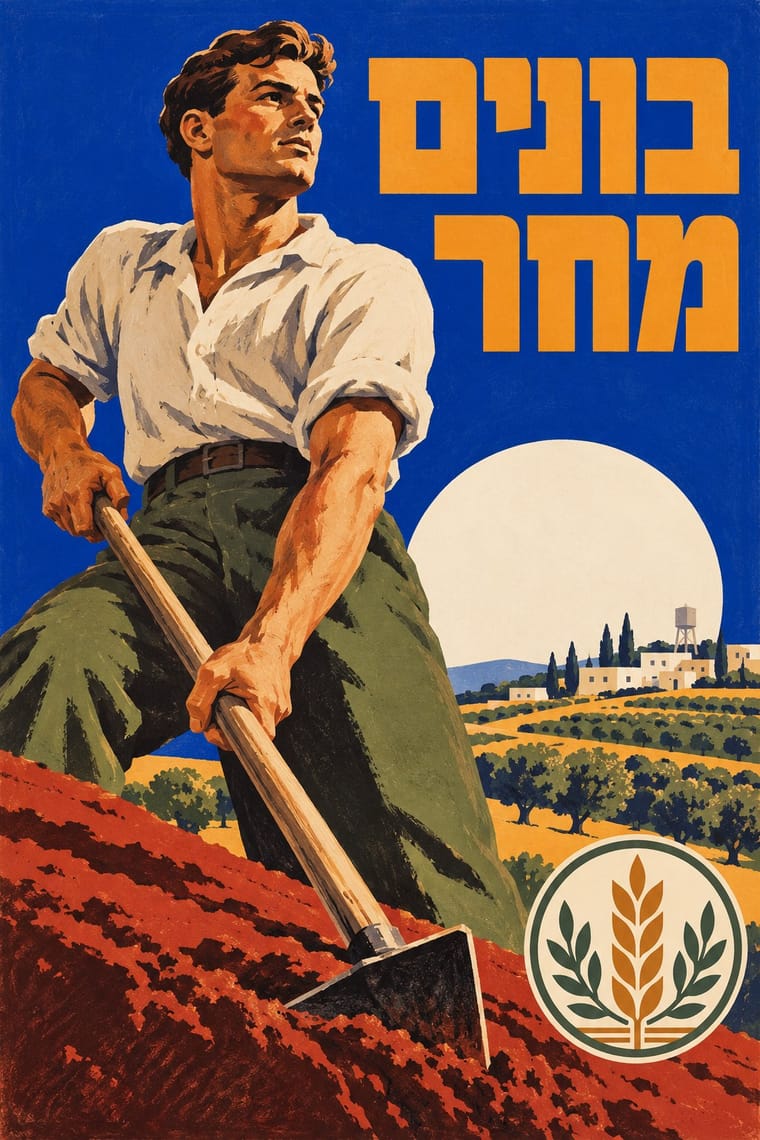
Hebrew Poster Lettering & Early Israeli State Design
Hebrew Poster Lettering & Early Israeli State Design is one of Cultural Revolution Propaganda Poster’s nearest styles by choices; no real work of either fits the other better.
Choices that tell Cultural Revolution Propaganda Poster and Hebrew Poster Lettering apart Choice Cultural Revolution Propaganda Poster Hebrew Poster Lettering Icons & pictograms defining — Dark ground — characteristic Cosmic & celestial defining — Diagonal axis — characteristic Full polychrome characteristic — No shared descent in the atlas: they reached these choices separately.
-
Palestinian Resistance Poster
Palestinian Resistance Poster is one of Cultural Revolution Propaganda Poster’s nearest styles by choices; no real work of either fits the other better.
Choices that tell Cultural Revolution Propaganda Poster and Palestinian Resistance Poster apart Choice Cultural Revolution Propaganda Poster Palestinian Resistance Poster Cosmic & celestial defining — Limited spot colours occasional defining Icons & pictograms defining occasional Folk & sacred symbols occasional defining Measured density characteristic — Both descend from Socialist Realist Propaganda Poster in the family tree.
— means the choice isn’t among the style’s recorded choices. Critics recorded each work’s choices with the styles’ descriptions in view, so this shows whether the descriptions hold together, not proof that they are right.
05
Sources
- https://chineseposters.net/themes/mao-cult
- https://collections.vam.ac.uk/item/O102651/the-peoples-army-is-the-poster-unknown/
- https://chineseposters.net/themes/mao-cult (poster titles and ids)
1 more source
- Stefan Landsberger, Paint it Red: Fifty Years of Chinese Propaganda Posters (Intermed, 1998)
How Stylogeny researches and checks a style: where the facts come from.