Pictures
How the styles make their pictures
A photograph has a lens. A pattern has a repeat. A drawing has a tool, and a way of drawing people. So Stylogeny sorts its styles by the kind of picture they are led by, and asks each kind its own questions.
The kind comes from a style’s own imagery choices, so almost every style has one, and many have two. The answers are researched style by style from real works: 39 of the 638 styles with pictures are described so far, and the rest follow.
- kinds of picture
- 5
- groups of questions
- 11
- possible answers
- 220
- styles described so far
- 39
Five kinds of picture
A style is led by a kind when one of that kind’s imagery choices defines it or is usual in it.
-
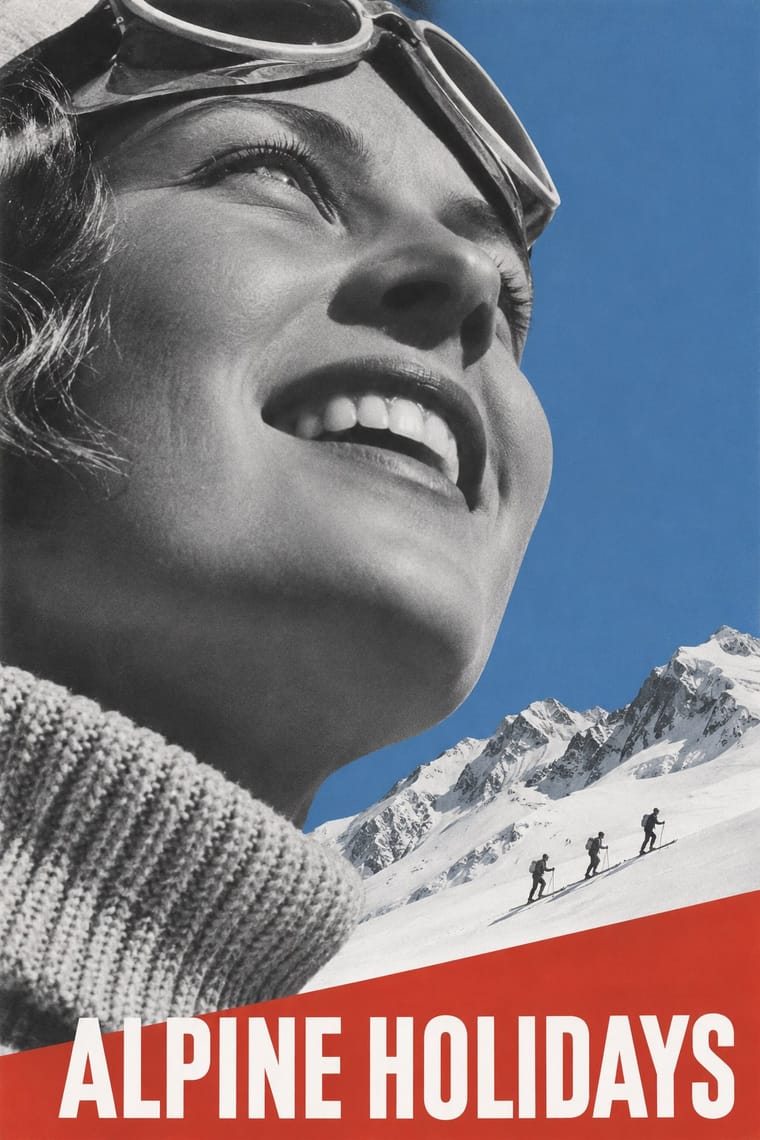
-
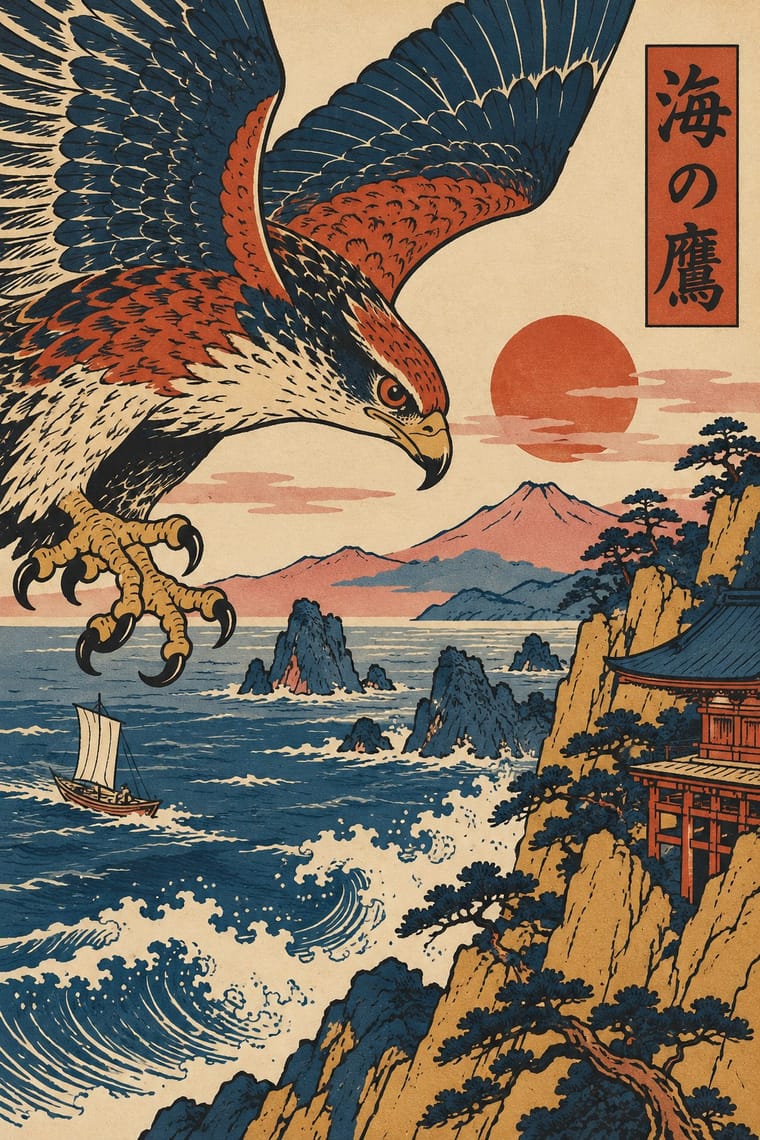
-
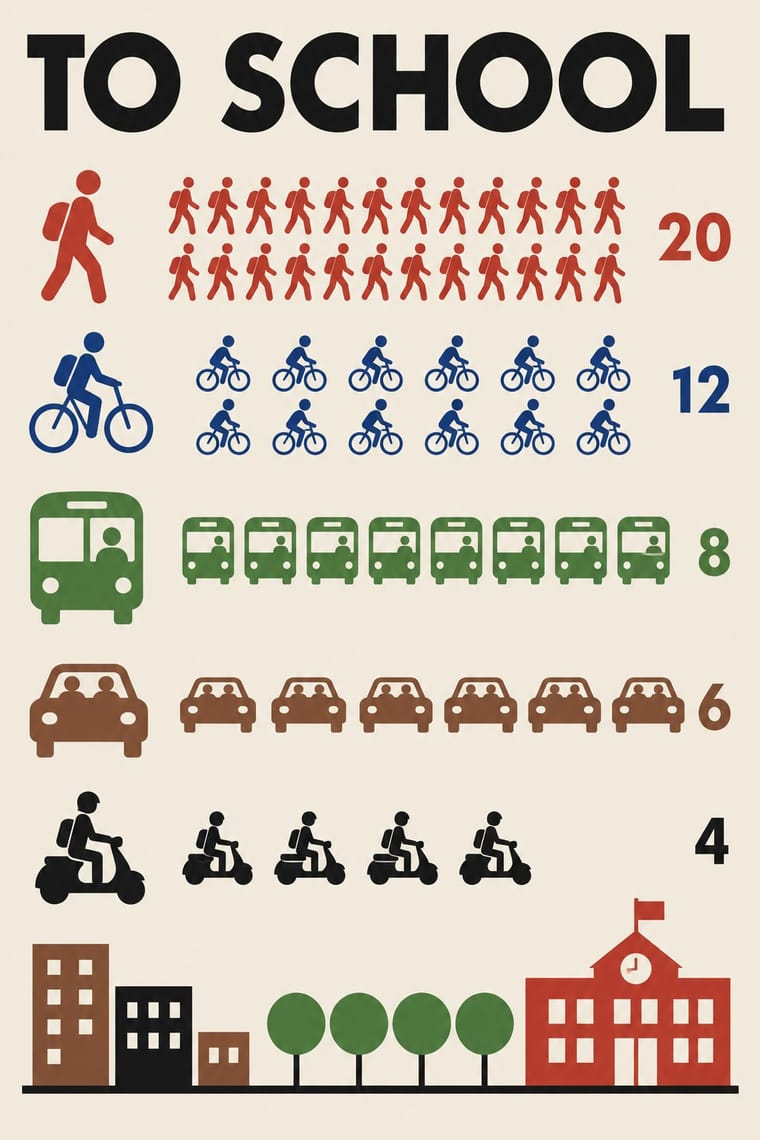
-
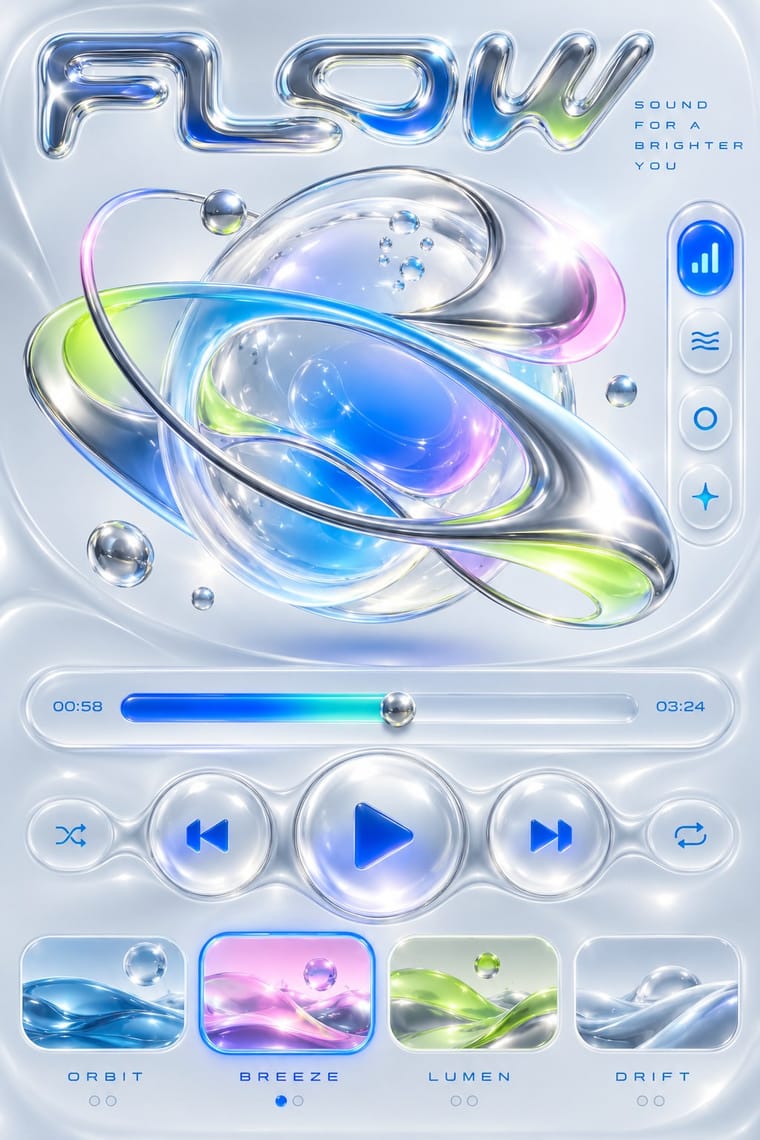
Asked: light, viewpoint, lens, pose, made with, figures, borrowed from
-
No picture to ask about: see its type choices
What is asked of a picture
11 groups, each a question. The first five use the words of Lumogeny, the atlas of photographic styles, so a photograph is described the same way in both; the other six are Stylogeny’s own, for pictures no camera made.
Light
How are the pictures lit, and what do the shadows do?
Asked of any style that shows pictures of something: 560 styles, 39 described so far. Photographic · Drawn & painted · Synthetic & found
-
Overcast & flat daylight
6 styles
Overcast or open-shade daylight, even and without a clear direction.
'Good Morning' Greeting Images (WhatsApp Forward Vernacular), ECM Sleeve Aesthetic (Munich), Bennekom–Ditting Editorial (Fantastic Man & The Gentlewoman), Blue Note Jazz Sleeve Modernism, Digital Scrapbook Collage, Drum Magazine & Sophiatown Photojournalism
-
Hard, direct sun
4 styles
Direct sunlight from a clear sky, unsoftened by cloud or shade.
Cairo Interwar Photo-Illustrated Magazine Design, Digital Scrapbook Collage, Creative Revolution Print Advertising (Classic Long-Copy Ads), Drum Magazine & Sophiatown Photojournalism
-
Golden hour
Low, warm sun near sunrise or sunset.
-
Twilight & blue hour
The blue light after sunset or before dawn.
-
Window light
2 styles
Soft directional daylight from a window.
CGI Product Visualisation (Photoreal Product Renders), Corporate Stock-Photo Look (Royalty-Free Business Imagery)
-
Direct on-camera flash
3 styles
A hard flash from the camera: flat faces, sharp shadows behind.
Conceptual Business-Magazine Covers (Businessweek, Turley Era), British Style Press (The Face, i-D and Arena), Syrian Cassette Cover Vernacular
-
Soft studio light
14 styles
Large softboxes or umbrellas: smooth, controlled light.
Claymorphism & Soft 3D, 'Good Morning' Greeting Images (WhatsApp Forward Vernacular), ACT UP & Gran Fury AIDS Activist Graphics, Bennekom–Ditting Editorial (Fantastic Man & The Gentlewoman), Biobrand (Organic Biotech CGI), British Style Press (The Face, i-D and Arena), CGI Product Visualisation (Photoreal Product Renders), Contemporary Papercraft Illustration (Layered Cut-Paper) and 6 more
-
High-key
6 styles
Bright, mostly light tones with little dark anywhere in the frame, often on white.
'Good Morning' Greeting Images (WhatsApp Forward Vernacular), ACT UP & Gran Fury AIDS Activist Graphics, Bossa Nova Sleeve Modernism (César Villela and Elenco), Contemporary Papercraft Illustration (Layered Cut-Paper), Corporate Stock-Photo Look (Royalty-Free Business Imagery), DTC 'Blanding' / Millennial Minimalism
-
Low-key & chiaroscuro
9 styles
Mostly dark; light carves out the subject.
Black Metal Graphics, Blue Note Jazz Sleeve Modernism, Brodovitch Editorial Design (Harper's Bazaar), Cyberdelia (Early Digital Psychedelic Graphics), Forum Signature Art (Sig & C4D Render Graphics), Campo Grafico Rationalist Typography, Conceptual Business-Magazine Covers (Businessweek, Turley Era), Drum Magazine & Sophiatown Photojournalism and 1 more
-
Ring light
A ring of light around the lens: shadowless faces, ring-shaped catchlights.
-
Backlight & rim
2 styles
Light from behind outlines the subject.
Forum Signature Art (Sig & C4D Render Graphics), Biobrand (Organic Biotech CGI)
-
Silhouette
1 style
The subject a dark shape against a bright background.
-
Raking side light
Light skimming across surfaces to reveal texture.
-
Night & practical light
Street lamps, neon, signs and screens as the light sources.
-
Available light in the dark
Whatever little light there is, pushed to its limit.
-
Coloured gels
1 style
Lights coloured on purpose with gels or coloured LEDs (red, magenta, cyan, a single wash of one colour), so the light itself is a colour.
-
Warm against cool
Warm and cool light in one picture, left uncorrected: a lamp-lit window at blue hour, a face lit by a tungsten lamp against daylight, a warm key light with a cool rim.
-
Uncorrected lamp colour
The tint of everyday artificial light kept rather than corrected: the orange of sodium street lamps and tungsten bulbs, the green of fluorescent tubes, the cold blue-white of mercury lamps and screens.
-
Colour bounced from the surroundings
Light takes on the colour of what it bounces off or passes through: green from grass and leaves, red from a brick wall, blue from open sky in the shade, gold from a reflector, the colour of a tent, an awning or a curtain.
-
Fog, mist & haze
1 style
Fog, mist, haze or smog veils the distance, so far things fade and pale layer by layer.
-
Light beams, smoke & dust
Smoke, steam or dust caught in a directional light, so the beams of light themselves show (god rays).
-
Rain & wet surfaces
Falling rain, drops on glass, and wet streets that mirror the lights.
-
Snow & frost
Falling or lying snow and frost that brighten and hush the scene.
-
Storm & dramatic sky
1 style
Heavy, moving cloud, a coming storm or sun breaking through, with the sky as the drama of the picture.
-
Hard-edged shadows
10 styles
Shadows with crisp outlines, cast by a small or distant light: direct sun, a bare flash, a spotlight.
Cel-Shaded Game Graphics (Toon-Shaded Real-Time 3D), Cairo Interwar Photo-Illustrated Magazine Design, Conceptual Business-Magazine Covers (Businessweek, Turley Era), Cyberdelia (Early Digital Psychedelic Graphics), Fotoromanzo (Italian Photo-Romance), Contemporary Papercraft Illustration (Layered Cut-Paper), Creative Revolution Print Advertising (Classic Long-Copy Ads), DTC 'Blanding' / Millennial Minimalism and 2 more
-
Soft-edged shadows
14 styles
Shadows that fade gradually from light to dark, cast by a large or diffused light: a window, a softbox, a cloudy sky.
Claymorphism & Soft 3D, 'Good Morning' Greeting Images (WhatsApp Forward Vernacular), AIZ Political Photomontage (Heartfield), Bennekom–Ditting Editorial (Fantastic Man & The Gentlewoman), CGI Product Visualisation (Photoreal Product Renders), Contemporary Papercraft Illustration (Layered Cut-Paper), Corporate Stock-Photo Look (Royalty-Free Business Imagery), Drum Magazine & Sophiatown Photojournalism and 6 more
-
Shadowless
2 styles
Light from all around, so almost no shadows form even under the chin or behind objects: a white cove, a light tent, a large ring light, fog over snow.
Angura Theatre Poster, ACT UP & Gran Fury AIDS Activist Graphics
-
Open, filled shadows
5 styles
Shadows kept light and full of detail by a reflector, a fill light, bounce or bright surroundings (a low lighting ratio, up to about 3:1: the shadow side at most a stop and a half darker).
CGI Product Visualisation (Photoreal Product Renders), Claymorphism & Soft 3D, Corporate Stock-Photo Look (Royalty-Free Business Imagery), Creative Revolution Print Advertising (Classic Long-Copy Ads), Fast-Food Hero Advertising Photography
-
Deep shadows
10 styles
Dark shadows that still hold some detail (a high lighting ratio, about 4:1 to 8:1: the shadow side two to three stops darker).
Afrobeat Sleeve Art, Black Metal Graphics, Blue Note Jazz Sleeve Modernism, Brodovitch Editorial Design (Harper's Bazaar), Dada, Russian Constructivism, AIZ Political Photomontage (Heartfield), British Style Press (The Face, i-D and Arena) and 2 more
-
Black shadows
8 styles
Shadows with no fill at all that fall to pure black with no detail, so parts of the subject disappear.
Black Metal Graphics, Blue Note Jazz Sleeve Modernism, Bossa Nova Sleeve Modernism (César Villela and Elenco), Cyberdelia (Early Digital Psychedelic Graphics), Grunge Typography, Biobrand (Organic Biotech CGI), Dada, Russian Constructivism
-
Coloured shadows
Shadows tinted a different colour from the lit side: blue shadows on sunlit snow or sand (lit by the sky alone), or the coloured shadows where two gelled lights overlap.
-
Rounded, modelled form
30 styles
Light turning gradually into shade across faces and objects, so their volume shows.
Biobrand (Organic Biotech CGI), CGI Product Visualisation (Photoreal Product Renders), Claymorphism & Soft 3D, Cyberdelia (Early Digital Psychedelic Graphics), ACT UP & Gran Fury AIDS Activist Graphics, Afrobeat Sleeve Art, AIZ Political Photomontage (Heartfield), Bennekom–Ditting Editorial (Fantastic Man & The Gentlewoman) and 22 more
-
Flat form
5 styles
Light from the camera’s own position (an on-camera flash, a ring light, a frontal softbox) fills every hollow, so faces and objects look flat, with little shape.
Angura Theatre Poster, Syrian Cassette Cover Vernacular, Afrobeat Sleeve Art, Blingee and Glitter-GIF Collage, Cairo Interwar Photo-Illustrated Magazine Design
-
Cast shadows as shapes
4 styles
Shadows thrown away from what casts them (a figure’s long shadow, railings on a wall) that become shapes of their own in the composition.
Contemporary Papercraft Illustration (Layered Cut-Paper), Cel-Shaded Game Graphics (Toon-Shaded Real-Time 3D), Czech Poetist Book Design (Devětsil), DTC 'Blanding' / Millennial Minimalism
-
Patterned & dappled light
Light broken into spots, stripes or grids that fall across the subject itself, by leaves, blinds, a lattice or a cut-out stencil (gobo).
-
Specular highlights & gloss
10 styles
Small, bright glints where the light reflects off wet, oily or polished surfaces: glistening food, dewy skin, the sparkle of jewellery or chrome.
Blingee and Glitter-GIF Collage, Bubblegum Bling, Cyberdelia (Early Digital Psychedelic Graphics), Fast-Food Hero Advertising Photography, Y2K Futurism, Biobrand (Organic Biotech CGI), DTC 'Blanding' / Millennial Minimalism, Forum Signature Art (Sig & C4D Render Graphics) and 2 more
-
Shaped reflections
3 styles
Clean, controlled reflections of strip lights or panels running along glass, metal and glossy packaging, drawing the object’s edges as bright or dark lines.
Bubblegum Bling, CGI Product Visualisation (Photoreal Product Renders), Y2K Futurism
-
Coloured reflections
2 styles
Reflections that carry colour of their own: neon and tail lights in wet tarmac and car paint, a coloured card reflected along a bottle, the rainbow sheen of oil, soap bubbles or a disc.
-
Prominent catchlights
2 styles
Bright, clearly shaped reflections of the light in the eyes (a window, a ring, a softbox), made a feature of the portrait.
Bennekom–Ditting Editorial (Fantastic Man & The Gentlewoman), Syrian Cassette Cover Vernacular
-
Blown highlights
The brightest parts burn out to pure white with no detail, on purpose or because the light was too strong.
-
Held highlights
1 style
Even the brightest parts (clouds, white cloth, snow) keep texture and detail.
Viewpoint
From where, how close and how deep is the scene seen?
Asked of any style that shows pictures of something: 560 styles, 39 described so far. Photographic · Drawn & painted · Synthetic & found
-
Eye level
33 styles
The camera at the height of a standing person or of the subject.
'Good Morning' Greeting Images (WhatsApp Forward Vernacular), ACT UP & Gran Fury AIDS Activist Graphics, Angura Theatre Poster, Bennekom–Ditting Editorial (Fantastic Man & The Gentlewoman), Biobrand (Organic Biotech CGI), Black Metal Graphics, Blue Note Jazz Sleeve Modernism, Bossa Nova Sleeve Modernism (César Villela and Elenco) and 25 more
-
Low angle
3 styles
Looking up: the subject towers.
Blue Note Jazz Sleeve Modernism, Fotoromanzo (Italian Photo-Romance), Gen X Soft Club
-
High angle
11 styles
Looking down on the subject.
Cel-Shaded Game Graphics (Toon-Shaded Real-Time 3D), British Style Press (The Face, i-D and Arena), Campo Grafico Rationalist Typography, Claymorphism & Soft 3D, Contemporary Papercraft Illustration (Layered Cut-Paper), Drum Magazine & Sophiatown Photojournalism, DTC 'Blanding' / Millennial Minimalism, Fast-Food Hero Advertising Photography and 3 more
-
Overhead & flat lay
1 style
Straight down onto a table, floor or ground.
-
Aerial & drone
From an aircraft, a drone or a great height.
-
Tilted angle
The horizon deliberately off level (Dutch angle).
-
Close & intimate
32 styles
Within arm’s reach: faces, hands and details fill the frame.
Fast-Food Hero Advertising Photography, 'Good Morning' Greeting Images (WhatsApp Forward Vernacular), ACT UP & Gran Fury AIDS Activist Graphics, AIZ Political Photomontage (Heartfield), Bennekom–Ditting Editorial (Fantastic Man & The Gentlewoman), Biobrand (Organic Biotech CGI), Blingee and Glitter-GIF Collage, Blue Note Jazz Sleeve Modernism and 24 more
-
Middle distance
27 styles
Whole figures and their immediate surroundings.
ACT UP & Gran Fury AIDS Activist Graphics, Afrobeat Sleeve Art, AIZ Political Photomontage (Heartfield), Angura Theatre Poster, Black Metal Graphics, Bossa Nova Sleeve Modernism (César Villela and Elenco), British Style Press (The Face, i-D and Arena), Brodovitch Editorial Design (Harper's Bazaar) and 19 more
-
Far & detached
1 style
Standing well back; people are small.
-
Layered depth
13 styles
Separate events in the foreground, middle ground and background.
Afrobeat Sleeve Art, Biobrand (Organic Biotech CGI), Cairo Interwar Photo-Illustrated Magazine Design, Cel-Shaded Game Graphics (Toon-Shaded Real-Time 3D), CGI Product Visualisation (Photoreal Product Renders), Contemporary Papercraft Illustration (Layered Cut-Paper), Cyberdelia (Early Digital Psychedelic Graphics), Black Metal Graphics and 5 more
-
Frame within a frame
Doors, windows, mirrors or arches frame the subject again.
-
Flattened planes
16 styles
Depth collapsed into pattern and flat shapes.
Blingee and Glitter-GIF Collage, Bossa Nova Sleeve Modernism (César Villela and Elenco), AIZ Political Photomontage (Heartfield), Angura Theatre Poster, Campo Grafico Rationalist Typography, Conceptual Business-Magazine Covers (Businessweek, Turley Era), Contemporary Papercraft Illustration (Layered Cut-Paper), Czech Poetist Book Design (Devětsil) and 8 more
-
Horizon as divider
1 style
A strong horizon splits the frame into bands.
-
Reflections & mirrors
The scene doubled, layered or split by its reflection in a mirror, a shop window, water or a polished surface.
Lens
What do the lens and the exposure time do to the picture?
Asked of photographs, renders and fully naturalistic painting: 244 styles, 39 described so far. Photographic · Synthetic & found
-
Wide angle
1 style
A wide view; near things loom and lines stretch towards the edges.
-
Normal lens
33 styles
Roughly the eye’s own perspective; no visible distortion.
'Good Morning' Greeting Images (WhatsApp Forward Vernacular), ACT UP & Gran Fury AIDS Activist Graphics, AIZ Political Photomontage (Heartfield), Bennekom–Ditting Editorial (Fantastic Man & The Gentlewoman), Biobrand (Organic Biotech CGI), Black Metal Graphics, Blue Note Jazz Sleeve Modernism, Bossa Nova Sleeve Modernism (César Villela and Elenco) and 25 more
-
Telephoto compression
A long lens stacks distant planes close together.
-
Fisheye
An extreme wide angle that bends straight lines into curves.
-
Macro
1 style
Very close focus: small things at life size or larger.
-
Shallow depth of field
8 styles
One plane sharp, the rest melting into blur and bokeh.
'Good Morning' Greeting Images (WhatsApp Forward Vernacular), Bennekom–Ditting Editorial (Fantastic Man & The Gentlewoman), Biobrand (Organic Biotech CGI), Corporate Stock-Photo Look (Royalty-Free Business Imagery), Forum Signature Art (Sig & C4D Render Graphics), CGI Product Visualisation (Photoreal Product Renders), Creative Revolution Print Advertising (Classic Long-Copy Ads), Frasurbane Revival
-
Deep focus
14 styles
Everything sharp from the nearest stone to the horizon.
Contemporary Papercraft Illustration (Layered Cut-Paper), Bubblegum Bling, Cairo Interwar Photo-Illustrated Magazine Design, Campo Grafico Rationalist Typography, CGI Product Visualisation (Photoreal Product Renders), Conceptual Business-Magazine Covers (Businessweek, Turley Era), Creative Revolution Print Advertising (Classic Long-Copy Ads), Cyberdelia (Early Digital Psychedelic Graphics) and 6 more
-
Soft focus & diffusion
1 style
A soft glow around highlights; edges never quite sharp.
-
Selective plane
A tilted plane of focus that makes real scenes look like models.
-
Corrected perspective
1 style
Verticals kept vertical with camera movements or correction.
-
Vignetting
1 style
The corners fall into darkness.
-
Lens flare & haze
Light striking the lens: flares, streaks and lifted contrast.
-
Pinhole & toy lens
A crude or absent lens: soft, distorted, unpredictable.
-
Motion blur
1 style
Moving things smeared across the frame.
-
Panning
The camera follows a moving subject; the background streaks.
-
Long exposure
Seconds or more: water turns to mist, lights become trails.
-
Deliberate stillness
An unmoving scene, exposed slowly and carefully.
-
Frozen instant
1 style
Movement stopped dead by a fast shutter or flash.
-
Decisive moment
Gesture and geometry peak together in one instant.
-
Snapshot
1 style
A casual, unplanned instant, taken quickly.
Pose
How do people stand, turn, look and move?
Asked of any style that shows pictures of something, when they show people: 560 styles, 39 described so far. Photographic · Drawn & painted · Synthetic & found
-
Standing straight
2 styles
Upright, weight on both feet, shoulders level: the plain, even stance of a formal sitting or a line-up.
Cairo Interwar Photo-Illustrated Magazine Design, Creative Revolution Print Advertising (Classic Long-Copy Ads)
-
Contrapposto & S-curve
1 style
Weight on one leg, the other knee relaxed, so hips tilt one way and shoulders the other and the body draws an S (the stance of classical statues).
-
Wide, grounded stance
1 style
Feet planted apart, chest open, taking up space: the power pose of streetwear, sport and authority.
-
Walking & mid-stride
1 style
Caught or posed in mid-step, one foot lifted, clothes swinging.
-
Leaning against something
3 styles
The weight resting on a wall, a doorframe, a car, a table or another person.
Brodovitch Editorial Design (Harper's Bazaar), Drum Magazine & Sophiatown Photojournalism, ECM Sleeve Aesthetic (Munich)
-
Seated upright
1 style
On a chair or stool, back straight, hands and feet placed: the formal sitting.
-
Seated loosely
1 style
Slouched, sprawled, cross-legged or perched on a step, an armrest or the floor.
-
Reclining & lying
1 style
Lying down or propped on an elbow: on a sofa, the grass, the sand or the floor.
-
Crouching, squatting & kneeling
1 style
The body folded low to the ground.
-
Jumping & mid-air
1 style
Feet off the ground: leaping, jumping or dancing at full stretch.
-
Shoulders square to the camera
7 styles
Shoulders and hips face the lens straight on: direct, symmetrical, sometimes confrontational.
Angura Theatre Poster, British Style Press (The Face, i-D and Arena), Conceptual Business-Magazine Covers (Businessweek, Turley Era), ACT UP & Gran Fury AIDS Activist Graphics, Cyberdelia (Early Digital Psychedelic Graphics), Dada, Russian Constructivism
-
Three-quarter turn
17 styles
The body, the head or both turned about 45° from the lens, so one side is nearer the camera and the far ear is hidden.
ACT UP & Gran Fury AIDS Activist Graphics, AIZ Political Photomontage (Heartfield), Bennekom–Ditting Editorial (Fantastic Man & The Gentlewoman), Black Metal Graphics, Blingee and Glitter-GIF Collage, Blue Note Jazz Sleeve Modernism, Cairo Interwar Photo-Illustrated Magazine Design, Creative Revolution Print Advertising (Classic Long-Copy Ads) and 9 more
-
Side-on profile
8 styles
Seen from the side, the face or the whole body turned 90° from the lens, like a head on a coin.
ACT UP & Gran Fury AIDS Activist Graphics, AIZ Political Photomontage (Heartfield), Brodovitch Editorial Design (Harper's Bazaar), Campo Grafico Rationalist Typography, Biobrand (Organic Biotech CGI), Cairo Interwar Photo-Illustrated Magazine Design, Czech Poetist Book Design (Devětsil), Fotoromanzo (Italian Photo-Romance)
-
Back to the camera
1 style
Seen from behind, facing into the scene, so the viewer looks with them.
-
Glance back over the shoulder
1 style
The body turned away and the head turned back over the shoulder to the lens.
-
Eyes to the lens
18 styles
Looking straight into the camera, so the subject meets the viewer’s eye.
'Good Morning' Greeting Images (WhatsApp Forward Vernacular), Bennekom–Ditting Editorial (Fantastic Man & The Gentlewoman), Blingee and Glitter-GIF Collage, British Style Press (The Face, i-D and Arena), Claymorphism & Soft 3D, Conceptual Business-Magazine Covers (Businessweek, Turley Era), Corporate Stock-Photo Look (Royalty-Free Business Imagery), Drum Magazine & Sophiatown Photojournalism and 10 more
-
Looking away
10 styles
Eyes off the frame, past the camera or into the distance, as if lost in thought.
Blue Note Jazz Sleeve Modernism, Brodovitch Editorial Design (Harper's Bazaar), Creative Revolution Print Advertising (Classic Long-Copy Ads), Czech Poetist Book Design (Devětsil), Fotoromanzo (Italian Photo-Romance), Gen X Soft Club, Syrian Cassette Cover Vernacular, 'Good Morning' Greeting Images (WhatsApp Forward Vernacular) and 2 more
-
Eyes lowered or closed
3 styles
Looking down, or eyes shut: inward, modest, asleep or praying.
Blue Note Jazz Sleeve Modernism, Bossa Nova Sleeve Modernism (César Villela and Elenco), Biobrand (Organic Biotech CGI)
-
Looking upward
2 styles
Face and eyes raised towards the light or the sky: hope, devotion, longing.
-
Tilted head
The head canted to one side: softer, curious, playful or cute.
-
Chin down, eyes up
The chin dropped and the eyes lifted to the lens: a coy or intense look, typical of selfies and beauty shots.
-
Absorbed in a task
11 styles
Attention on what the hands are doing or on a thing (working, reading, eating, playing), not on the camera.
Blue Note Jazz Sleeve Modernism, Bossa Nova Sleeve Modernism (César Villela and Elenco), Campo Grafico Rationalist Typography, Corporate Stock-Photo Look (Royalty-Free Business Imagery), Fotoromanzo (Italian Photo-Romance), Russian Constructivism, Afrobeat Sleeve Art, Black Metal Graphics and 3 more
-
Relaxed & natural
6 styles
Loose and unforced, as people stand and sit when they forget the camera, whether caught or coaxed by prompts.
'Good Morning' Greeting Images (WhatsApp Forward Vernacular), Bennekom–Ditting Editorial (Fantastic Man & The Gentlewoman), Bossa Nova Sleeve Modernism (César Villela and Elenco), Corporate Stock-Photo Look (Royalty-Free Business Imagery), Digital Scrapbook Collage, Blue Note Jazz Sleeve Modernism
-
Stiff & held still
Rigid and motionless, sometimes braced against a head rest or gripping a chair: held for a long exposure or a solemn occasion.
-
Angular & broken lines
4 styles
Elbows, knees and wrists bent into sharp angles, turning the body into a graphic shape.
Afrobeat Sleeve Art, Cel-Shaded Game Graphics (Toon-Shaded Real-Time 3D), Czech Poetist Book Design (Devětsil), Bennekom–Ditting Editorial (Fantastic Man & The Gentlewoman)
-
Elongated & stretched
1 style
Neck, back and limbs lengthened and toes pointed, so the body draws one long line, as in glamour and dance.
-
Fast, full-body movement
Running, dancing, spinning or tumbling, with hair and clothes flying; an ordinary walk is Walking & mid-stride.
-
Theatrical & acted
17 styles
Large, readable gestures and attitudes, as on a stage or in a silent film: a feeling or a story acted out.
Fotoromanzo (Italian Photo-Romance), Afrobeat Sleeve Art, AIZ Political Photomontage (Heartfield), Angura Theatre Poster, Black Metal Graphics, Cel-Shaded Game Graphics (Toon-Shaded Real-Time 3D), Czech Poetist Book Design (Devětsil), Dada and 9 more
-
Awkward & in-between
In-between moments a conventional photographer would throw away, kept on purpose: half-blinks, mid-chew, limbs at odd angles.
-
Neutral face
8 styles
Unsmiling, composed and blank: the face gives nothing away.
Bennekom–Ditting Editorial (Fantastic Man & The Gentlewoman), British Style Press (The Face, i-D and Arena), Cairo Interwar Photo-Illustrated Magazine Design, Creative Revolution Print Advertising (Classic Long-Copy Ads), Claymorphism & Soft 3D, Conceptual Business-Magazine Covers (Businessweek, Turley Era), Cyberdelia (Early Digital Psychedelic Graphics), DTC 'Blanding' / Millennial Minimalism
-
Smiling
9 styles
A smile, posed or natural, lips closed or showing teeth.
Blingee and Glitter-GIF Collage, Claymorphism & Soft 3D, Corporate Stock-Photo Look (Royalty-Free Business Imagery), Digital Scrapbook Collage, ACT UP & Gran Fury AIDS Activist Graphics, Biobrand (Organic Biotech CGI), Creative Revolution Print Advertising (Classic Long-Copy Ads), Drum Magazine & Sophiatown Photojournalism and 1 more
-
Laughing
Open-mouthed laughter, eyes creased: joy caught as it happens.
-
Smouldering look
Heavy-lidded eyes and a slow, intense, unsmiling look: the screen-idol gaze of glamour portraits.
-
Stern & intense
2 styles
A hard, searching stare or a set jaw: gravity, strength or defiance.
Black Metal Graphics, AIZ Political Photomontage (Heartfield)
-
Cute & playful faces
Pouts, puffed cheeks, wide eyes, tongues out and other faces pulled for the camera.
-
Emotion shown openly
2 styles
Tears, grief, anger, fear or elation shown openly on the face and in the body.
Finish
What does the photograph’s surface show, and how much was changed afterwards?
Asked of photographs, treated photographs and photomontage: 179 styles, 34 described so far. Photographic
-
Visible grain
8 styles
Film grain or noise you can see at normal size.
Black Metal Graphics, Blue Note Jazz Sleeve Modernism, British Style Press (The Face, i-D and Arena), Brodovitch Editorial Design (Harper's Bazaar), ECM Sleeve Aesthetic (Munich), Fotoromanzo (Italian Photo-Romance), Gen X Soft Club, Drum Magazine & Sophiatown Photojournalism
-
Clean & noiseless
12 styles
Smooth tones with no visible grain.
Bubblegum Bling, CGI Product Visualisation (Photoreal Product Renders), Contemporary Papercraft Illustration (Layered Cut-Paper), Corporate Stock-Photo Look (Royalty-Free Business Imagery), DTC 'Blanding' / Millennial Minimalism, Fast-Food Hero Advertising Photography, ACT UP & Gran Fury AIDS Activist Graphics, Bennekom–Ditting Editorial (Fantastic Man & The Gentlewoman) and 4 more
-
Hyper-detailed
Every surface resolved, more than the eye would see.
-
Halation & light leaks
Glowing edges around highlights; streaks of leaked light.
-
Scratches, dust & decay
Marks of age and handling on the image.
-
Visible film border
The film edge, rebate or frame left in the picture.
-
Compression, glitch & sensor noise
2 styles
The flaws of digital capture and sharing.
Blingee and Glitter-GIF Collage, 'Good Morning' Greeting Images (WhatsApp Forward Vernacular)
-
Straight print
Nothing changed beyond exposure and development.
-
Dodging & burning
Areas lightened and darkened by hand in printing.
-
Heavy retouching
3 styles
Perfected skin and surfaces.
Fast-Food Hero Advertising Photography, 'Good Morning' Greeting Images (WhatsApp Forward Vernacular), British Style Press (The Face, i-D and Arena)
-
Composite & montage
15 styles
Several photographs combined into one picture.
AIZ Political Photomontage (Heartfield), Blingee and Glitter-GIF Collage, Digital Scrapbook Collage, Forum Signature Art (Sig & C4D Render Graphics), Afrobeat Sleeve Art, Angura Theatre Poster, Campo Grafico Rationalist Typography, Czech Poetist Book Design (Devětsil) and 7 more
-
HDR & tone-mapped
Shadows and highlights both opened up, with a processed look.
-
Filter & preset look
2 styles
A ready-made grade laid over the whole image.
Gen X Soft Club, Forum Signature Art (Sig & C4D Render Graphics)
-
Painted, scratched or drawn on
3 styles
Marks made by hand on the negative or the print.
Afrobeat Sleeve Art, AIZ Political Photomontage (Heartfield), Drum Magazine & Sophiatown Photojournalism
-
Solarisation
1 style
Tones partly reversed, so some light areas turn dark and shapes gain thin outlines (Mackie lines), made by flashing light on the film or paper during development (the Sabattier effect) or imitated with a curve.
-
Inverted tones (negative)
Tones and colours shown reversed, dark for light, as in a negative, by choice rather than as the white silhouettes any photogram or cyanotype makes.
-
Text & graphics on the image
23 styles
Words or graphic marks added to the photograph.
'Good Morning' Greeting Images (WhatsApp Forward Vernacular), ACT UP & Gran Fury AIDS Activist Graphics, Conceptual Business-Magazine Covers (Businessweek, Turley Era), Fotoromanzo (Italian Photo-Romance), Grunge Typography, Afrobeat Sleeve Art, AIZ Political Photomontage (Heartfield), Angura Theatre Poster and 15 more
Made with
Which tool and material made the picture?
Asked of drawn, painted, modelled and generated pictures: 447 styles, 13 described so far. Drawn & painted · Synthetic & found
-
Pencil & graphite
1 style
Grey graphite line and soft shading, with the grain of the paper showing through.
-
Charcoal, chalk & crayon
1 style
Broad, dusty or waxy strokes with soft, smudged edges: charcoal, conté, pastel, lithographic crayon.
-
Pen & ink line
3 styles
Line from a nib or a technical pen, even or swelling, with hatching or stipple for tone.
Afrobeat Sleeve Art, Angura Theatre Poster, Bossa Nova Sleeve Modernism (César Villela and Elenco)
-
Brush & ink
1 style
Ink laid with a brush: strokes that swell and taper, dry-brush drag, solid blacks and grey washes.
-
Marker & felt-tip
Felt-tip, marker or ballpoint: even strokes that bleed a little, with the streaks of filling in left visible.
-
Watercolour & wash
Transparent colour on paper: blooms, soft edges and the white of the paper as the light.
-
Gouache & poster paint
1 style
Opaque, matt water paint in flat, even areas with clean edges.
-
Oil & acrylic
2 styles
Thick, opaque paint, blended smooth or left in strokes, on canvas or board.
-
Gold leaf & metallic paint
Gold or silver leaf, shell gold or metallic paint laid into the picture.
-
Airbrush
Sprayed paint: smooth gradients, soft glows and masked hard edges, without a brush mark.
-
Spray can & stencil
Aerosol paint, freehand or through a cut stencil: soft overspray, drips and the bridges of the stencil.
-
Sign & enamel paint
Glossy enamel from a signwriter’s brush, each letter and shape made in a few strokes, on board, glass, metal or a wall.
-
Cut block
Cut in wood or lino and printed: flat shapes, bold contours and the marks of the knife.
-
Engraved & etched line
Fine lines cut or bitten into a metal plate: parallel hatching, cross-hatching and stipple that build the tone.
-
Cut & torn paper
Shapes cut or torn from coloured paper and pasted down, with their edges and overlaps showing.
-
Mosaic, tile & inlay
The picture assembled from small pieces: tesserae, glazed tiles, inlaid wood or stone.
-
Stitch, weave & dye
The picture made in thread or cloth: embroidered, appliquéd, woven or resist-dyed.
-
Cel & flat animation paint
An ink outline filled with flat, even paint and one or two tones of shadow, as on animation cels.
-
Pixel by pixel
Drawn on a visible pixel grid with a small palette: stair-stepped edges, and dithering instead of blends.
-
Vector drawing
2 styles
Built from clean curves and fills in drawing software: even edges at any size, flat or gradient-filled shapes.
-
Digital painting
2 styles
Painted on a screen with pressure-sensitive brushes: soft blends and layered glows, with no paper or canvas.
Cel-Shaded Game Graphics (Toon-Shaded Real-Time 3D), Forum Signature Art (Sig & C4D Render Graphics)
-
3D modelling & render
8 styles
Modelled in three dimensions and rendered with simulated light, materials and a camera.
Biobrand (Organic Biotech CGI), Bubblegum Bling, Cel-Shaded Game Graphics (Toon-Shaded Real-Time 3D), CGI Product Visualisation (Photoreal Product Renders), Claymorphism & Soft 3D, Cyberdelia (Early Digital Psychedelic Graphics), Y2K Futurism, Forum Signature Art (Sig & C4D Render Graphics)
-
Generated by code or a model
1 style
Produced by an algorithm, a plotter script or a machine-learning model, not drawn stroke by stroke.
Figures
How are people and creatures drawn?
Asked of drawn, painted, modelled and generated pictures, when they show people or creatures: 447 styles, 13 described so far. Drawn & painted · Synthetic & found
-
Lifelike proportions
4 styles
Bodies and faces in believable proportion, with anatomy, weight and likeness observed.
Afrobeat Sleeve Art, Biobrand (Organic Biotech CGI), Black Metal Graphics, Cyberdelia (Early Digital Psychedelic Graphics)
-
Idealised & heroic
3 styles
Bodies perfected and enlarged: square jaws, long legs, flawless skin, the worker or the athlete as a monument.
Forum Signature Art (Sig & C4D Render Graphics), Y2K Futurism, Cyberdelia (Early Digital Psychedelic Graphics)
-
Elongated & elegant
2 styles
Figures stretched tall and thin, with long necks, limbs and fingers, as in fashion plates.
Y2K Futurism, Cel-Shaded Game Graphics (Toon-Shaded Real-Time 3D)
-
Caricature
3 styles
The features of a real or typical person exaggerated to mock or to characterise: big heads, noses, bellies.
Afrobeat Sleeve Art, Angura Theatre Poster, Bossa Nova Sleeve Modernism (César Villela and Elenco)
-
Cute & childlike proportions
2 styles
Large heads, big eyes and small bodies: mascots, chibi and kawaii characters.
Cel-Shaded Game Graphics (Toon-Shaded Real-Time 3D), Claymorphism & Soft 3D
-
Manga & anime conventions
3 styles
Large expressive eyes, noses and mouths reduced to a mark, hair in sharp clumps, and feelings shown with drawn symbols.
Cel-Shaded Game Graphics (Toon-Shaded Real-Time 3D), Forum Signature Art (Sig & C4D Render Graphics), Y2K Futurism
-
Naive & untrained
Drawn as a child or an untrained hand would: wobbly outlines, no perspective, proportions by feeling.
-
Flat, frontal & hieratic
1 style
Figures shown face on or in profile, without depth, and sized by importance, not by distance.
-
Built from geometric shapes
1 style
Bodies reduced to circles, cylinders, wedges and blocks.
-
Silhouette figures
People as solid flat shapes with no inner detail.
-
Faceless & simplified features
1 style
Faces left blank or reduced to dots and a line, so the figure can stand for anyone.
-
Grotesque & monstrous
3 styles
Bodies deformed, decayed or mixed with beasts and machines, to disturb or to amuse.
Afrobeat Sleeve Art, Angura Theatre Poster, Black Metal Graphics
-
Animals & hybrids as characters
1 style
Animals, or creatures part human and part animal, acting as the characters.
-
Stock type & fixed likeness
A person shown by a fixed, repeated template: the saint, the leader, the pin-up, always in the same pose, costume and attributes.
Repeat
How does the pattern repeat?
Asked of styles whose picture is a pattern: 95 styles, 0 described so far. Systematic
-
Straight grid repeat
The motif repeats in rows and columns, each directly under the last.
-
Half-drop & brick repeat
Every other column or row is shifted by half a step, so the motifs line up in diagonals.
-
Mirrored repeat
The motif flipped along one or two axes, giving symmetrical pairs and fourfold units.
-
Turned around a centre
Motifs turned around a point: rosettes, medallions, mandalas, kaleidoscope figures.
-
Stripes & bands
The pattern runs in parallel bands, each with its own motif or colour.
-
Running border
A motif repeated in a line along an edge or around a frame: meander, scroll, chain.
-
Tossed all-over
Motifs scattered at irregular angles and distances, with no visible grid.
-
Interlocking & tessellated
Shapes that fit together without gaps, the edge of each being the edge of its neighbour.
-
Trellis, ogee & diaper
A net of diamonds, ogees or interlaced lines with a motif in each cell.
-
Counterchange
Figure and ground swap colour from one unit to the next, as on a chequerboard.
-
Field with a centre and corners
One composed field: a central medallion, corner pieces and borders, as on a carpet or a book cover.
-
Modular tiles
A few tiles that can be turned and combined into many patterns.
-
Improvised & off-beat
Units repeated by eye and varied on purpose, so no two rows match.
-
Graded & self-similar
The motif changes step by step along the repeat, or returns at growing and shrinking sizes.
Signs
How are the icons and pictograms drawn?
Asked of styles with a family of icons or pictograms: 98 styles, 3 described so far. Systematic
-
Solid silhouette
1 style
Filled shapes without inner lines, read by their outline alone.
-
Even line
Drawn in a single stroke width, with open, unfilled shapes.
-
Built on a shared grid
Every sign built from the same units, angles and radii on one grid or keyline.
-
Bodies made of standard parts
People assembled from the same head, trunk and limbs in every sign, as in Olympic and transport pictograms.
-
Two-tone
A second tint or colour marks one part of each sign.
-
Shaded & dimensional
2 styles
Signs with highlights, shadows, gloss or perspective, like small objects.
-
Pictorial & detailed
2 styles
Small pictures with recognisable detail, not reduced signs.
-
Abstract mark
1 style
A sign that depicts nothing: arrows, dots, bars and invented symbols learned by convention.
-
Hand-drawn signs
Signs drawn loosely by hand, each a little different.
-
Pixel icons
Signs drawn on a small pixel grid.
-
Held in a shape
Each sign set in a circle, square, shield or roundel of the same size.
-
Emoji & expressive faces
Coloured faces and objects made to show a feeling in a line of text.
-
Traditional symbol set
A set of inherited symbols, each with a fixed meaning: adinkra, heraldic charges, alchemical and astrological marks.
Diagrams
What kind of diagram is it?
Asked of styles with charts, maps and technical drawing: 39 styles, 2 described so far. Systematic
-
Statistical chart
Bars, lines, pies and dots that show quantities.
-
Pictorial statistics
Quantities shown by rows of repeated pictograms, each standing for a fixed amount (Isotype).
-
Map
1 style
Places drawn to show where things are: geographic, thematic or pictorial.
-
Schematic route map
A network straightened into lines, fixed angles and evenly spaced stops, like a transit diagram.
-
Flow & process
Boxes, arrows and steps that show an order, a cause or a system.
-
Timeline
Events laid out along a line or a scale of time.
-
Network & tree
Nodes and links: family trees, organisation charts, mind maps.
-
Table & matrix
Rows and columns of words, figures or ticks as the picture.
-
Technical drawing
1 style
Plans, elevations, sections and dimension lines drawn to scale.
-
Exploded & cutaway view
An object opened up or pulled apart to show its parts and how they fit.
-
Scientific figure
Cross-sections, anatomical figures, orbits and structures drawn to explain how something works.
-
Specimen plate
Things laid out side by side for comparison, numbered and labelled: plants, insects, tools, typefaces.
-
Step-by-step instruction
Numbered pictures that show how to do something, with arrows and hands.
-
Cosmological & symbolic diagram
A diagram of a belief, not of a measurement: mandalas, wheels of life, zodiac and alchemical charts.
Borrowed from
Where do the borrowed pictures come from?
Asked of found imagery and photomontage: 139 styles, 15 described so far. Photographic · Synthetic & found
-
News & press photographs
6 styles
Pictures cut from newspapers, magazines and agency photographs.
AIZ Political Photomontage (Heartfield), Cairo Interwar Photo-Illustrated Magazine Design, ACT UP & Gran Fury AIDS Activist Graphics, Conceptual Business-Magazine Covers (Businessweek, Turley Era), Dada, Russian Constructivism
-
Advertising & packaging
1 style
Adverts, labels, logos and product shots taken from commerce.
-
Political imagery
7 styles
Portraits of leaders, flags, propaganda and protest pictures turned to a new use.
AIZ Political Photomontage (Heartfield), ACT UP & Gran Fury AIDS Activist Graphics, Conceptual Business-Magazine Covers (Businessweek, Turley Era), Russian Constructivism, Afrobeat Sleeve Art, Blingee and Glitter-GIF Collage, Cairo Interwar Photo-Illustrated Magazine Design
-
Old engravings & prints
Nineteenth-century wood engravings, catalogue cuts and encyclopaedia plates.
-
Art-history masterpieces
1 style
Famous paintings and sculptures quoted, cropped or altered.
-
Film, television & celebrity
3 styles
Film stills, screen grabs, publicity portraits and pin-ups.
Afrobeat Sleeve Art, Blingee and Glitter-GIF Collage, Forum Signature Art (Sig & C4D Render Graphics)
-
Comics & cartoons
Panels, characters and speech balloons lifted from printed comics.
-
Devotional & popular prints
Saints’ cards, calendar gods, votive pictures and other cheap colour prints.
-
Family & amateur snapshots
3 styles
Private photographs, albums and portraits by ordinary people.
Digital Scrapbook Collage, Afrobeat Sleeve Art, Angura Theatre Poster
-
Clip art & stock
4 styles
Ready-made pictures sold or given away to be reused.
Blingee and Glitter-GIF Collage, Corporate Stock-Photo Look (Royalty-Free Business Imagery), 'Good Morning' Greeting Images (WhatsApp Forward Vernacular), Digital Scrapbook Collage
-
Screenshots & interface parts
Windows, cursors, icons, error messages and game graphics captured from a screen.
-
Scientific & technical pictures
2 styles
Diagrams, X-rays, maps, satellite and microscope images.
AIZ Political Photomontage (Heartfield), Czech Poetist Book Design (Devětsil)
-
Documents & ephemera
4 styles
Tickets, stamps, forms, banknotes, letters and handwriting.
Digital Scrapbook Collage, Angura Theatre Poster, Czech Poetist Book Design (Devětsil), Dada
-
Memes & internet finds
2 styles
Low-resolution pictures passed around online, reposted and recompressed.
'Good Morning' Greeting Images (WhatsApp Forward Vernacular), Blingee and Glitter-GIF Collage