Kind of picture · Synthetic & found
Graphic-design styles led by built, generated and found pictures
Styles whose pictures are rendered in 3D, generated by code or a model, or taken ready-made from somewhere else: clip art, stock, screenshots and old print.
A style is here when one of this kind’s imagery choices defines it or is usual in it. 15 of the 131 have no other kind of picture; the rest mix it with another.
- styles
- 131
- defined by it
- 66
- with no other kind
- 15
- described so far
- 17
The choices in this kind
From the imagery facet of Stylogeny’s vocabulary, each with the styles here that make it.
-
3D render
40 styles
Computer-generated objects, scenes and textures.
-
Found & vernacular imagery
95 styles
Clip art, stock, screenshots, appropriated ephemera.
-
Generative imagery
9 styles
Code-, algorithm- or AI-generated pictures.
What Stylogeny asks of these pictures
7 groups of questions fit this kind. The answers are researched style by style from real works: 17 of these 131 styles are described so far, and an answer shows how many of them it is recorded for. Every answer explained
- Light How are the pictures lit, and what do the shadows do?
-
- Overcast & flat daylight 2 styles
- Hard, direct sun 1 style
- Golden hour
- Twilight & blue hour
- Window light 2 styles
- Direct on-camera flash
- Soft studio light 5 styles
- High-key 3 styles
- Low-key & chiaroscuro 2 styles
- Ring light
- Backlight & rim 2 styles
- Silhouette
- Raking side light
- Night & practical light
- Available light in the dark
- Coloured gels 1 style
- Warm against cool
- Uncorrected lamp colour
- Colour bounced from the surroundings
- Fog, mist & haze
- Light beams, smoke & dust
- Rain & wet surfaces
- Snow & frost
- Storm & dramatic sky
- Hard-edged shadows 2 styles
- Soft-edged shadows 7 styles
- Shadowless 2 styles
- Open, filled shadows 3 styles
- Deep shadows 2 styles
- Black shadows 3 styles
- Coloured shadows
- Rounded, modelled form 12 styles
- Flat form 2 styles
- Cast shadows as shapes 2 styles
- Patterned & dappled light
- Specular highlights & gloss 7 styles
- Shaped reflections 3 styles
- Coloured reflections 2 styles
- Prominent catchlights
- Blown highlights
- Held highlights
- Viewpoint From where, how close and how deep is the scene seen?
-
- Eye level 15 styles
- Low angle
- High angle 3 styles
- Overhead & flat lay
- Aerial & drone
- Tilted angle
- Close & intimate 14 styles
- Middle distance 12 styles
- Far & detached
- Layered depth 4 styles
- Frame within a frame
- Flattened planes 7 styles
- Horizon as divider
- Reflections & mirrors
- Lens What do the lens and the exposure time do to the picture?
-
- Wide angle 1 style
- Normal lens 12 styles
- Telephoto compression
- Fisheye
- Macro
- Shallow depth of field 5 styles
- Deep focus 5 styles
- Soft focus & diffusion
- Selective plane
- Corrected perspective 1 style
- Vignetting 1 style
- Lens flare & haze
- Pinhole & toy lens
- Motion blur
- Panning
- Long exposure
- Deliberate stillness
- Frozen instant
- Decisive moment
- Snapshot 1 style
- Pose How do people stand, turn, look and move?
-
- Standing straight
- Contrapposto & S-curve
- Wide, grounded stance 1 style
- Walking & mid-stride
- Leaning against something
- Seated upright
- Seated loosely
- Reclining & lying
- Crouching, squatting & kneeling
- Jumping & mid-air 1 style
- Shoulders square to the camera 4 styles
- Three-quarter turn 8 styles
- Side-on profile 4 styles
- Back to the camera
- Glance back over the shoulder
- Eyes to the lens 8 styles
- Looking away 4 styles
- Eyes lowered or closed 1 style
- Looking upward
- Tilted head
- Chin down, eyes up
- Absorbed in a task 1 style
- Relaxed & natural 3 styles
- Stiff & held still
- Angular & broken lines 2 styles
- Elongated & stretched 1 style
- Fast, full-body movement
- Theatrical & acted 8 styles
- Awkward & in-between
- Neutral face 2 styles
- Smiling 6 styles
- Laughing
- Smouldering look
- Stern & intense 1 style
- Cute & playful faces
- Emotion shown openly 1 style
- Made with Which tool and material made the picture?
-
- Pencil & graphite
- Charcoal, chalk & crayon
- Pen & ink line 1 style
- Brush & ink
- Marker & felt-tip
- Watercolour & wash
- Gouache & poster paint
- Oil & acrylic
- Gold leaf & metallic paint
- Airbrush
- Spray can & stencil
- Sign & enamel paint
- Cut block
- Engraved & etched line
- Cut & torn paper
- Mosaic, tile & inlay
- Stitch, weave & dye
- Cel & flat animation paint
- Pixel by pixel
- Vector drawing 2 styles
- Digital painting 2 styles
- 3D modelling & render 8 styles
- Generated by code or a model 1 style
- Figures How are people and creatures drawn?
-
- Lifelike proportions 2 styles
- Idealised & heroic 3 styles
- Elongated & elegant 2 styles
- Caricature 1 style
- Cute & childlike proportions 2 styles
- Manga & anime conventions 3 styles
- Naive & untrained
- Flat, frontal & hieratic 1 style
- Built from geometric shapes 1 style
- Silhouette figures
- Faceless & simplified features 1 style
- Grotesque & monstrous 1 style
- Animals & hybrids as characters 1 style
- Stock type & fixed likeness
- Borrowed from Where do the borrowed pictures come from?
-
- News & press photographs 3 styles
- Advertising & packaging 1 style
- Political imagery 3 styles
- Old engravings & prints
- Art-history masterpieces 1 style
- Film, television & celebrity 2 styles
- Comics & cartoons
- Devotional & popular prints
- Family & amateur snapshots 2 styles
- Clip art & stock 4 styles
- Screenshots & interface parts
- Scientific & technical pictures 2 styles
- Documents & ephemera 4 styles
- Memes & internet finds 2 styles
Styles defined by it 66
One of this kind’s choices is among those that make the style.
- Mavo Tokyo's anarchist avant-garde, founded in July 1923 by Murayama Tomoyoshi, back from a year in Berlin, with four former Futurists, and its magazine MAVO (seven issues, July 1924 to August 1925).
-
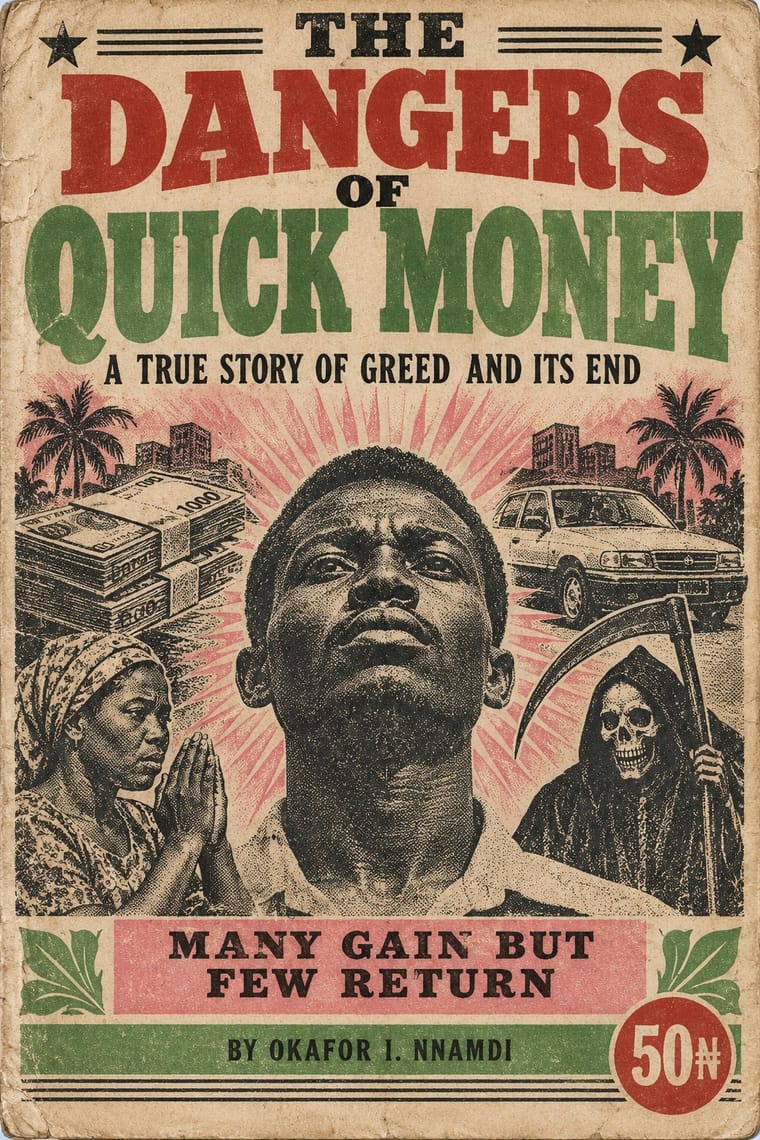
Onitsha Market Pamphlets Cheap, stapled pamphlets of romance, advice, drama and political biography, written by students, clerks, journalists and traders and printed by jobbing letterpress shops around Onitsha Main Market in eastern Nigeria from the late 1940s.
-
Pop Art Graphics Pop turned the commercial imagery of post-war consumer culture (comics, packaging, celebrity photographs and advertising) into both its subject and its method.
-
Situationist Détournement Graphics Graphics of the Letterist and Situationist Internationals (1956–1972), built on détournement: taking existing words and pictures (comic strips, advertisements, news photographs, city maps, classic texts) and turning them against their source.
-
Fluxus Graphics (Maciunas) The house graphics George Maciunas made from 1962 until his death in 1978 for Fluxus, a network of artists who staged events and sold cheap multiples.
- Mail Art (Correspondence Art, Rubber Stamps and Artistamps) Art made to travel through the post: postcards, decorated envelopes, rubber-stamp impressions, photocopies and artist-made postage (artistamps), circulated in open, unjuried networks from Ray Johnson's New York Correspondance School onward.
-
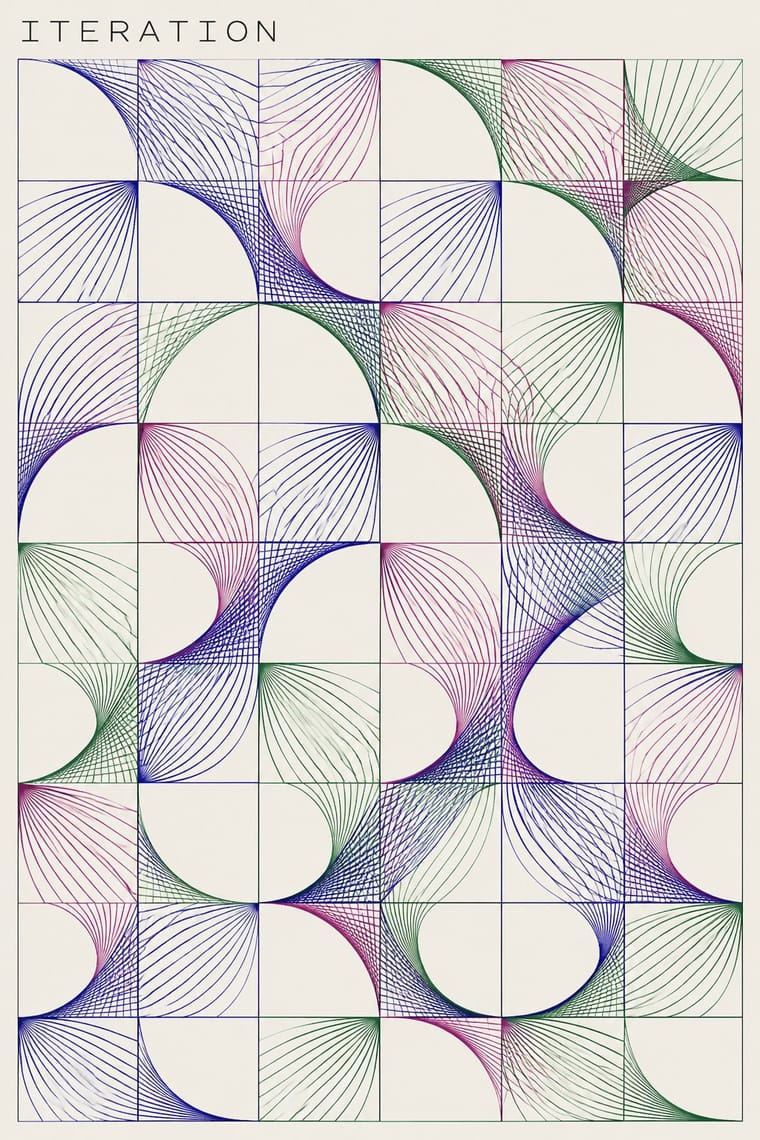
Early Computer Art & Plotter Graphics An early computational print idiom that turns explicit procedures and bounded chance into visible marks on paper.
-
Angura Theatre Poster The posters of Japan's underground (angura) theatre from the mid-1960s to the mid-1980s, made for troupes such as Kara Jūrō's Jōkyō Gekijō and Terayama Shūji's Tenjō Sajiki.
-
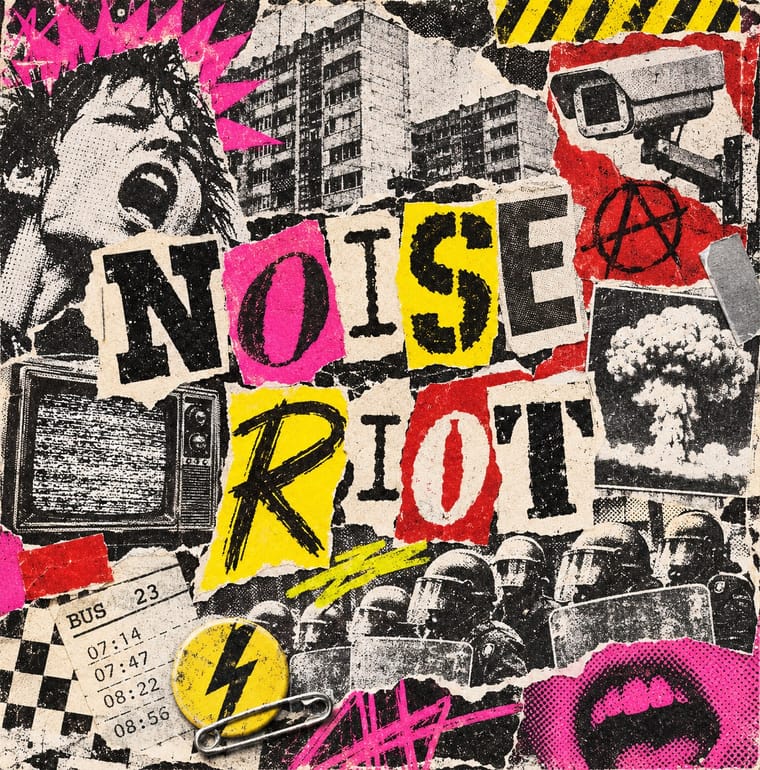
Punk & DIY Zine The graphic voice of punk rock in fanzines, record sleeves and gig flyers: images and words cut from newspapers, typed or scrawled, pasted down and run off on a photocopier.
- Post-Punk Record Sleeve (Stiff, Factory, 4AD) The record sleeves that British art-school designers made after punk, for independent labels and some majors: Barney Bubbles at Stiff, Malcolm Garrett for Buzzcocks, Peter Saville at Factory and 23 Envelope at 4AD.
-
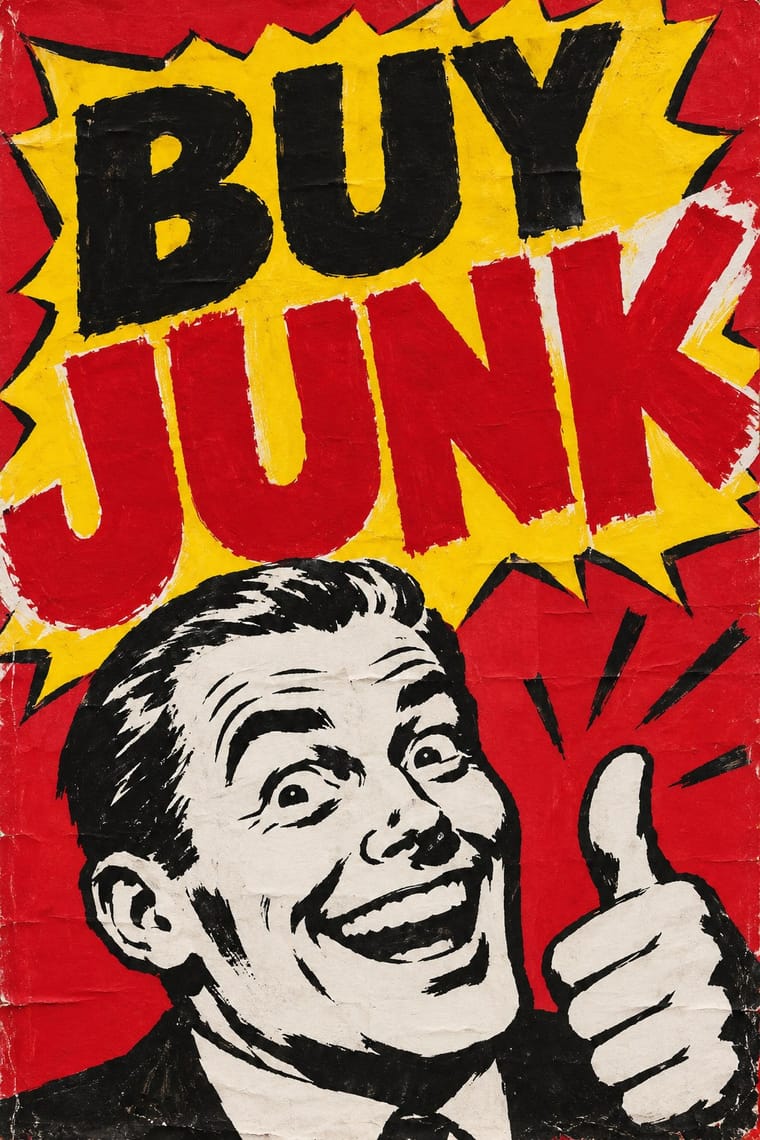
BUGA UP Billboard Alteration An Australian anti-smoking and anti-alcohol campaign of unauthorised civil disobedience that altered existing billboards, blanking some letters and adding others so the slogan turned against its product, then signed BUGA UP.
-
NSK Retro-Avant-Garde The retro-avant-garde of Neue Slowenische Kunst, founded in Ljubljana in 1984 by Laibach, IRWIN and the Scipion Nasice Sisters Theatre, with Novi kolektivizem as its design department.
-
Demoscene Graphics (Cracktros, Demos & Text-Mode Art) The graphics of the demoscene, a mainly European community of coders, graphicians and musicians that grew from the intros software crackers added to pirated Commodore 64 and Amiga games in the mid-1980s.
-
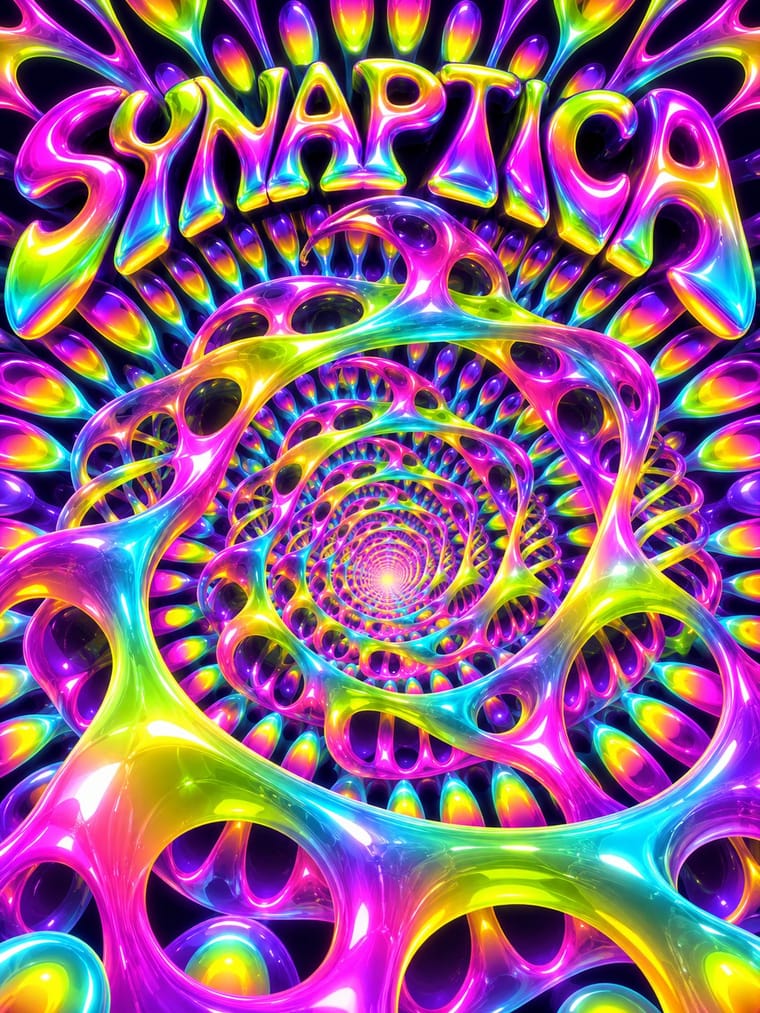
Cyberdelia (Early Digital Psychedelic Graphics) Psychedelic perception rebuilt with early computers: recursive organic forms, tunnels and kaleidoscopic repetition with synthetic highlights and spectral colour, on dance-music sleeves and CD-ROM interfaces.
-
Silicon Dreams (Early 3D Surrealism) A retrospective label for the surrealist look of early 3D computer graphics, late 1980s to late 1990s: explicitly modelled objects, glossy artificial materials and strong perspective, staging impossible inhabitants in conspicuously synthetic rooms and landscapes.
-
Industrial Americana (CSA Commercial-Vernacular Revival) A commercial-vernacular revival centred on Charles S.
-
1990s Skateboard Parody & Appropriation Graphics Deck graphics of the early 1990s that quote a familiar cartoon, celebrity, brand or national symbol and alter it into an irreverent joke or social accusation.
-
Early Web Vernacular The amateur web of the mid-1990s to early 2000s, when millions of people hand-coded personal homepages on free hosts such as GeoCities with table layouts, browser-default fonts, tiled backgrounds, animated GIFs, MIDI soundtracks, hit counters and ‘under construction’ signs.
-
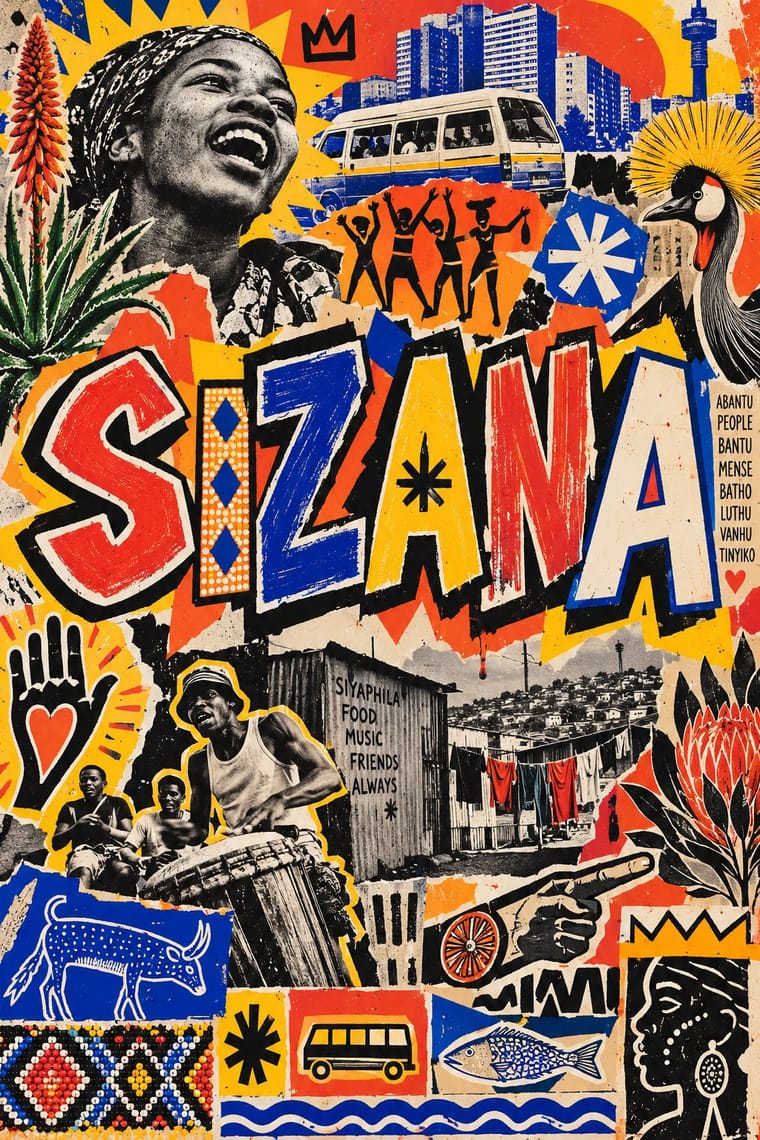
South African Vernacular Design (Ijusi) A post-apartheid design language launched in Durban in 1995 by Garth Walker's Orange Juice Design and its free, experimental magazine Ijusi (isiZulu for 'juice'), which asked 'What makes me South African, and what does that look like?'.
- Indian Pop-Kitsch Design (Desi Kitsch) Urban Indian gift and T-shirt design from the late 1990s into the 2010s that recasts the street and bazaar as ironic, affectionate icons: truck tails and 'Horn OK Please', auto-rickshaws, Ambassadors and Chetaks, cutting chai, old Bollywood stills and dialogues, Bhagat Singh in place of Che.
-
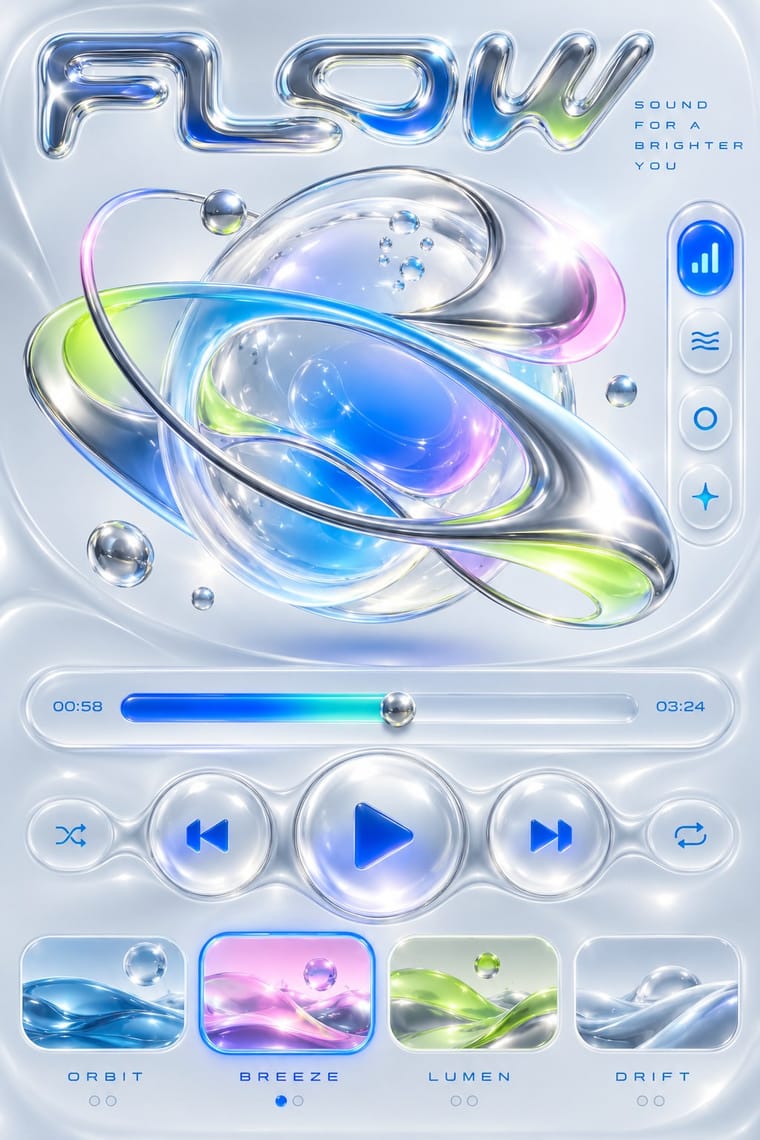
Y2K Futurism The optimistic, chrome-plated vision of the future that surrounded the turn of the millennium, spread by consumer electronics, music videos, games, fashion and dot-com branding.
-
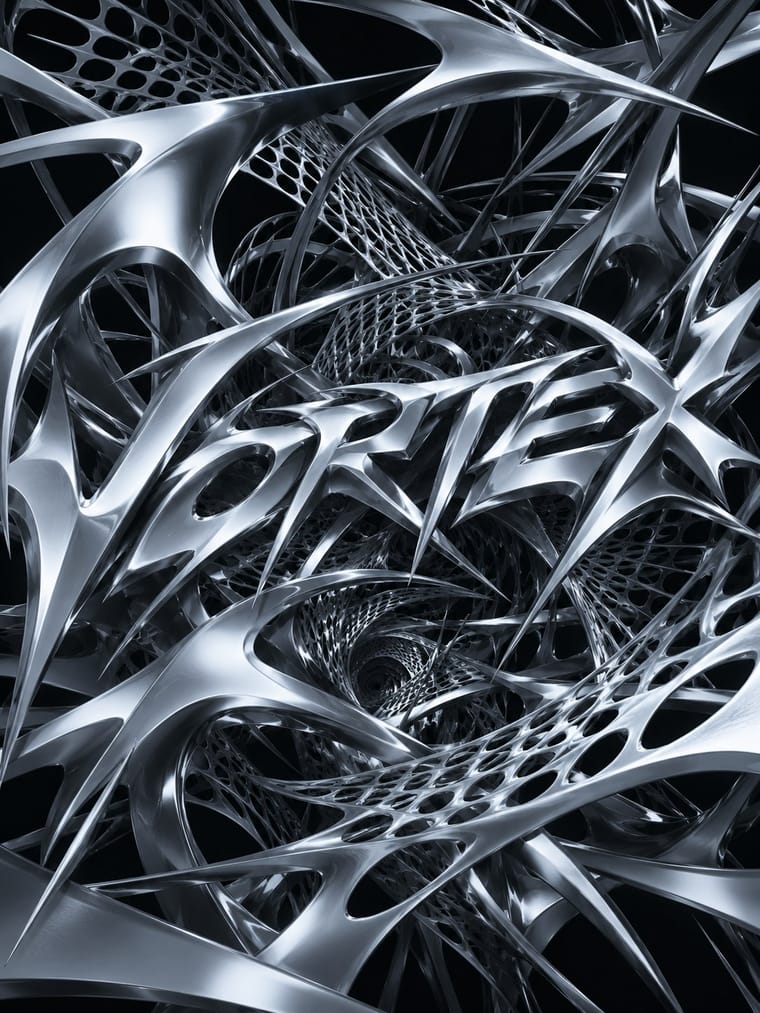
Metalheart / Abstract 3D Techno Graphics An abstract 3D graphic idiom of the late 1990s and early 2000s, spread through online design networks and the 2001 book Metalheart.
-
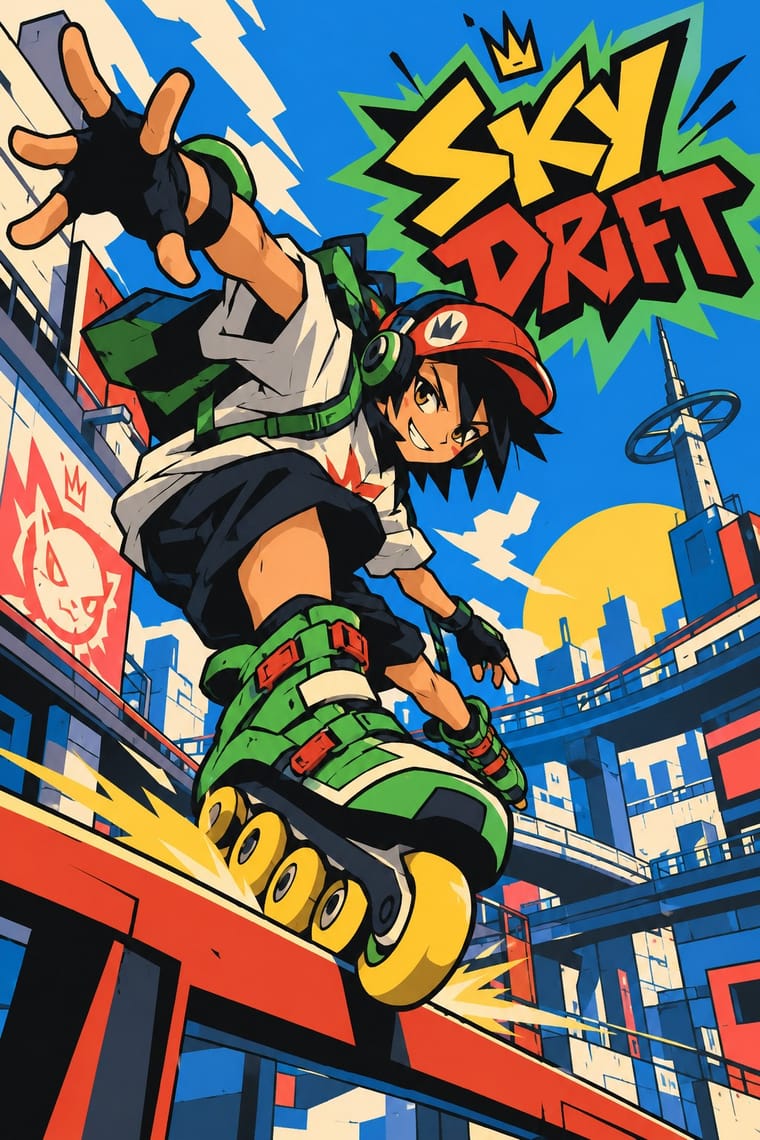
Cel-Shaded Game Graphics (Toon-Shaded Real-Time 3D) A look for real-time 3D video games in which normally lit models are quantised into two or three hard bands of flat, saturated colour and ringed with ink outlines, so a freely moving 3D world reads as a moving cartoon, anime cel or comic panel.
- La Nueva Gráfica Chilena (Independent Vernacular Print) A Santiago collective founded in 2000 by artists and designers whom no publisher would take on, so they self-published.
-
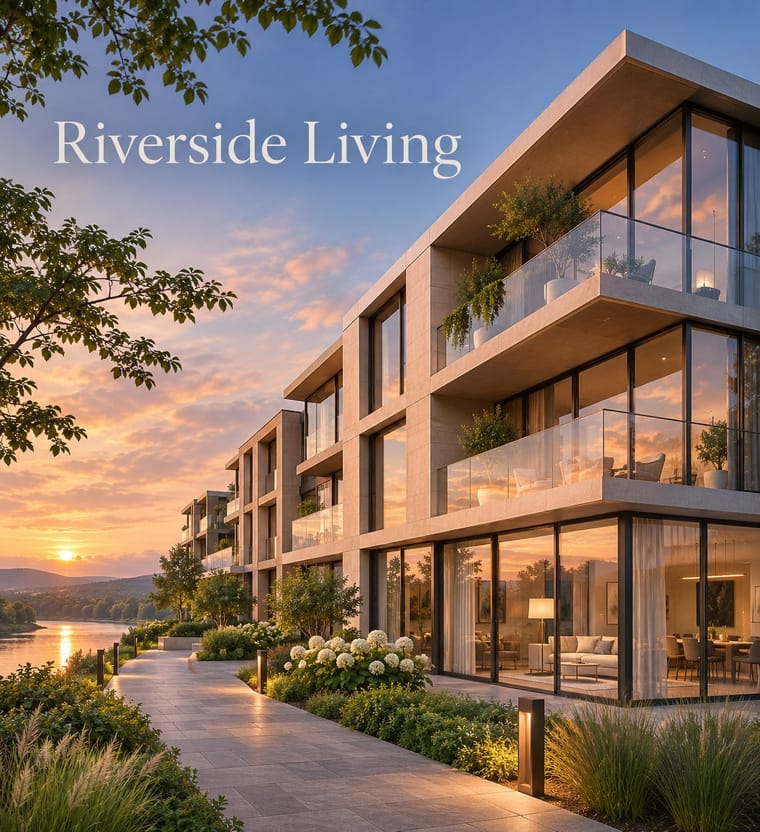
Property-Marketing Architectural Visualisation (Photoreal Archviz Renders) The photoreal computer-generated image that sells a building before it exists, on hoardings, brochures and listing websites.
- Cartonera Books (Latin American Cardboard Publishing) Books of Latin America's cartonera presses, begun by Eloísa Cartonera in Buenos Aires in 2003 after Argentina's 2001 crash: photocopied texts stapled and glued by hand into covers cut from used boxes, usually bought from cartoneros (waste pickers) above the market price.
-
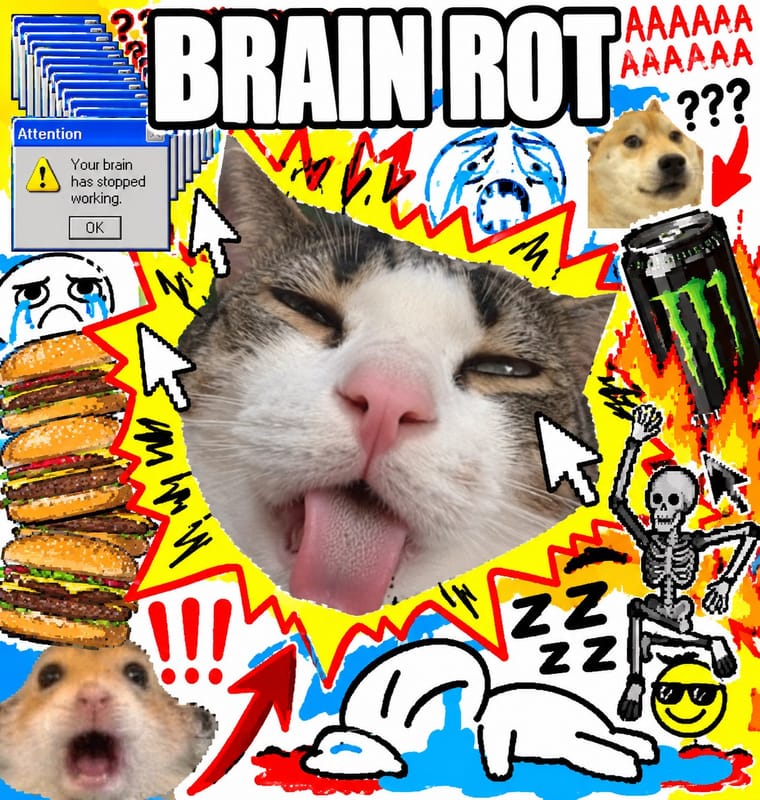
Internet Ugly & Meme Vernacular A deliberately amateur image dialect of forums, imageboards and social feeds, named 'Internet Ugly' by Nick Douglas in 2014.
-
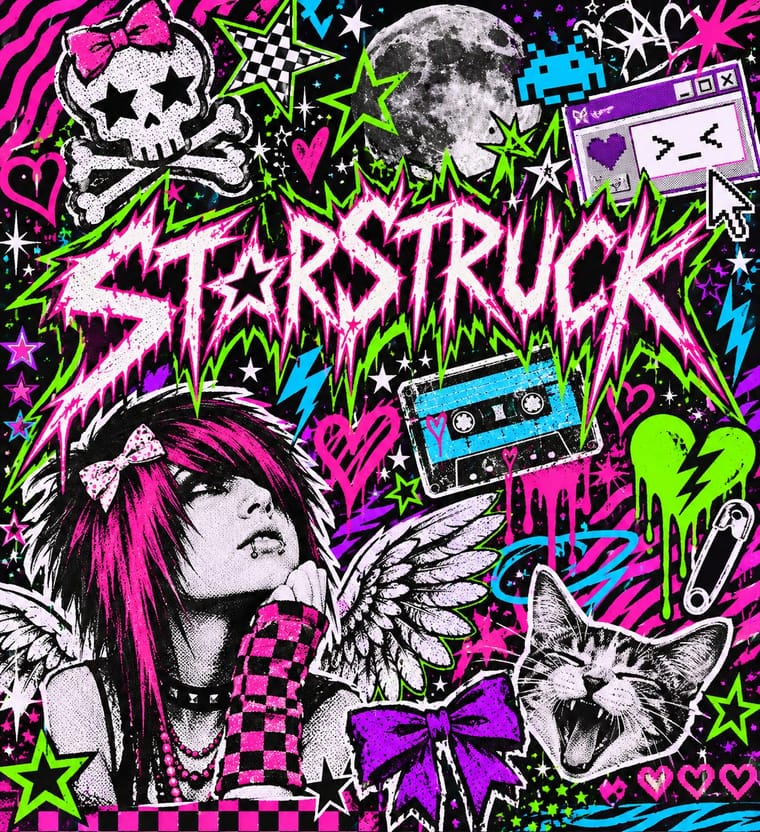
Scene and MySpace-Era Emo Graphics The graphic look of the scene subculture, which grew out of emo and hardcore punk and peaked from the mid-2000s to the early 2010s.
- Forum Signature Art (Sig & C4D Render Graphics) A banner image attached under every forum post as a personal stamp.
-
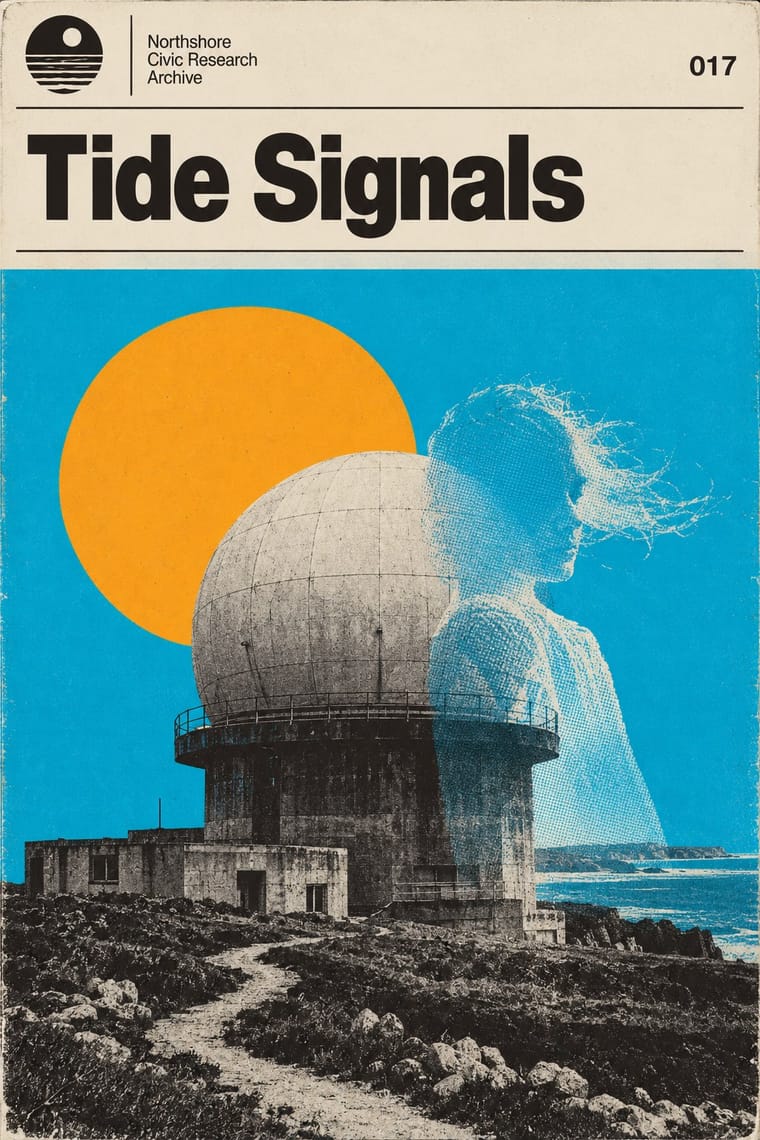
Hauntology & Ghost Box Design Sleeves and print that rebuild a misremembered British past from the public graphics of roughly 1958–1978.
-
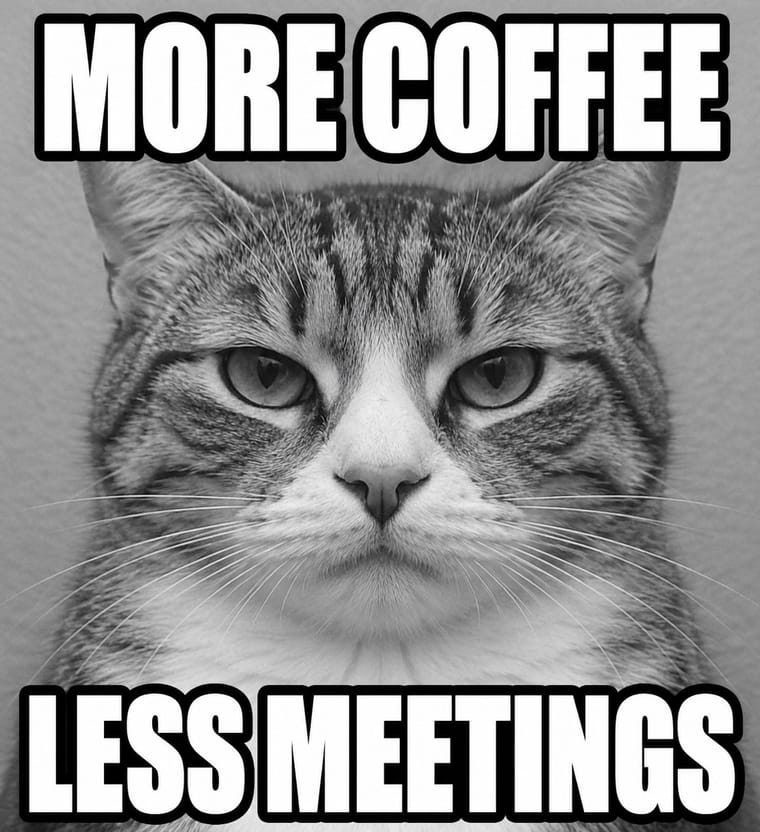
Image Macro (Impact Meme Format) A repeatable internet-meme layout: a found photograph carrying large all-caps Impact captions, usually white with a black outline, a setup line at the top and a punchline at the bottom.
-
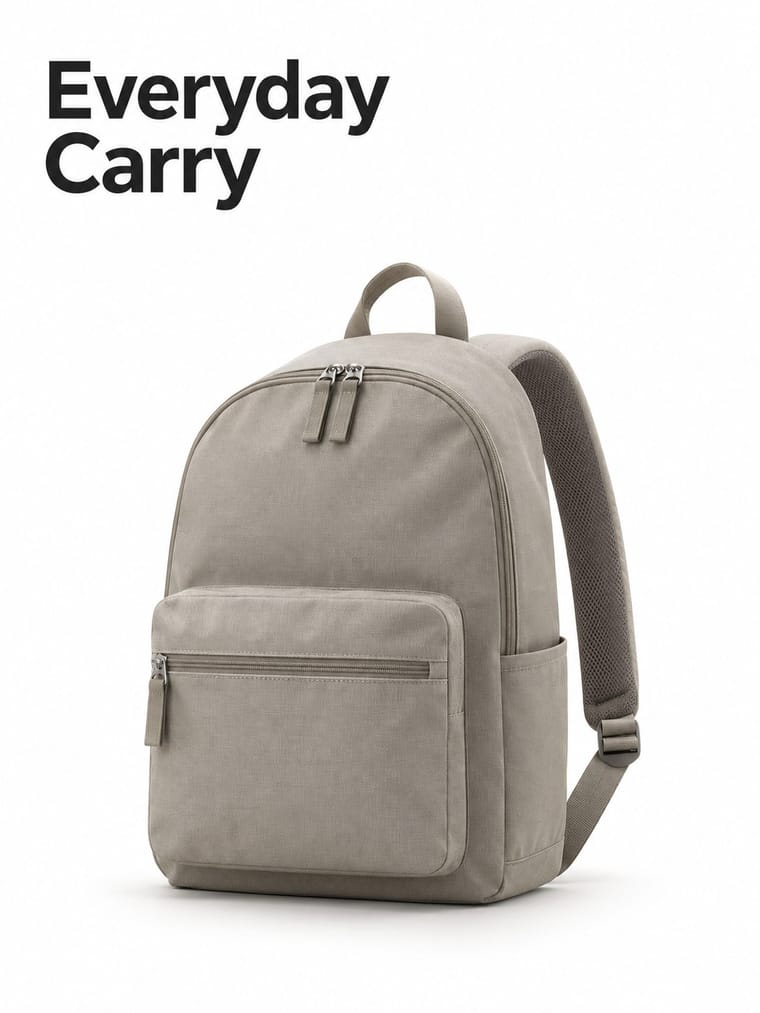
CGI Product Visualisation (Photoreal Product Renders) Catalogue pages, web-shop tiles and adverts in which a computer render stands in for a photograph and is meant to pass as one.
-
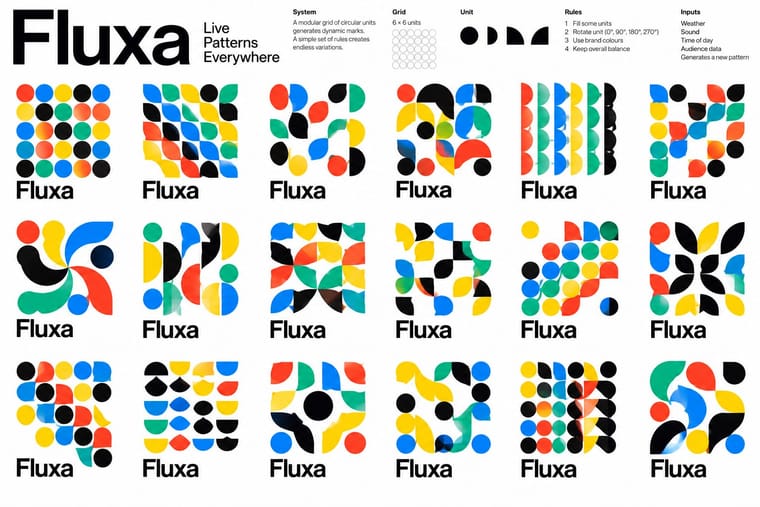
Generative & Dynamic Identities Identity systems designed as rules rather than fixed marks: logos and graphics generated by code, data or parameters so that they vary endlessly while staying recognisable.
-
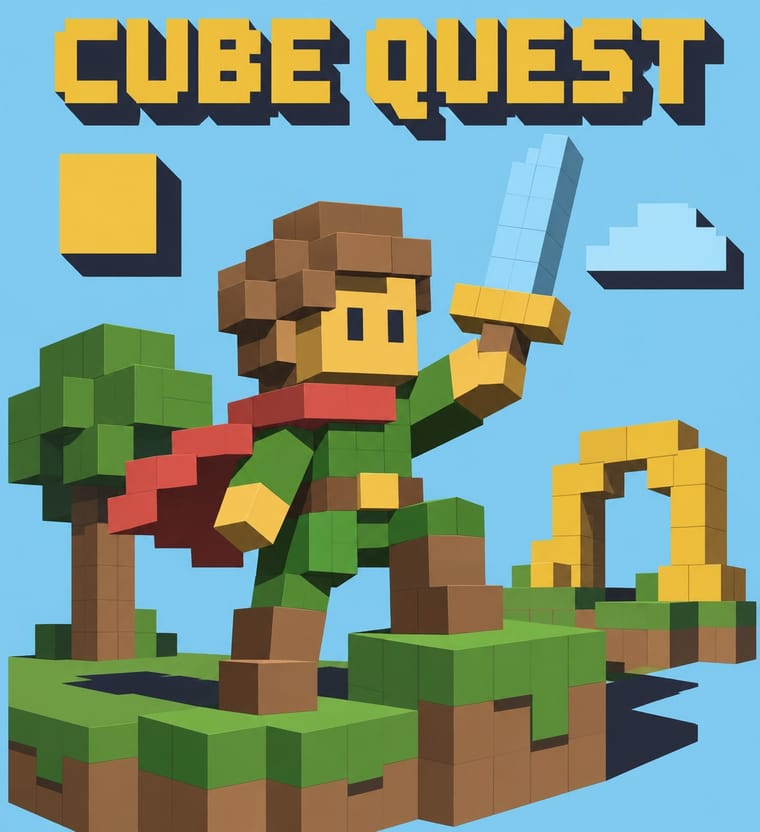
Voxel Art Scenes and characters built from uniform cubes on a three-dimensional grid, the pixel's volumetric cousin.
-
Kidcore An internet aesthetic that revisits the toys, cartoons and playground culture of the 1990s and early 2000s.
-
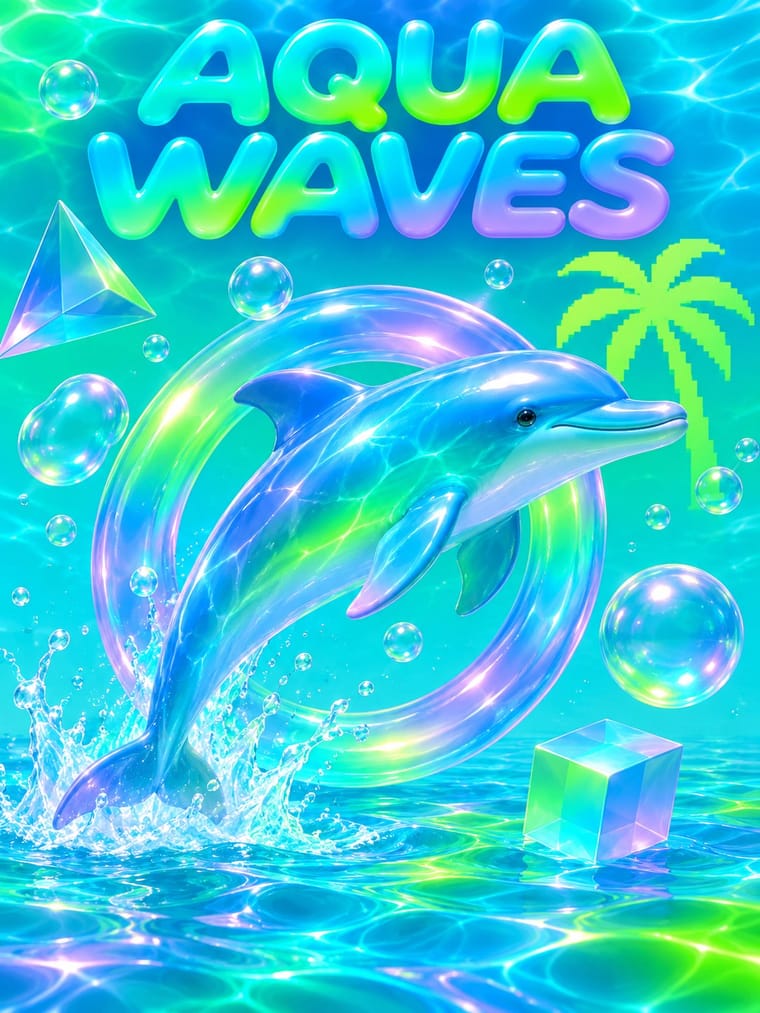
Seapunk An internet-born aesthetic of 2011-2013 that floated rotating 1990s-style 3D shapes, dolphins, shells, mermaids, yin-yangs and smiley faces over turquoise water in neon aqua, cyan and lime.
-
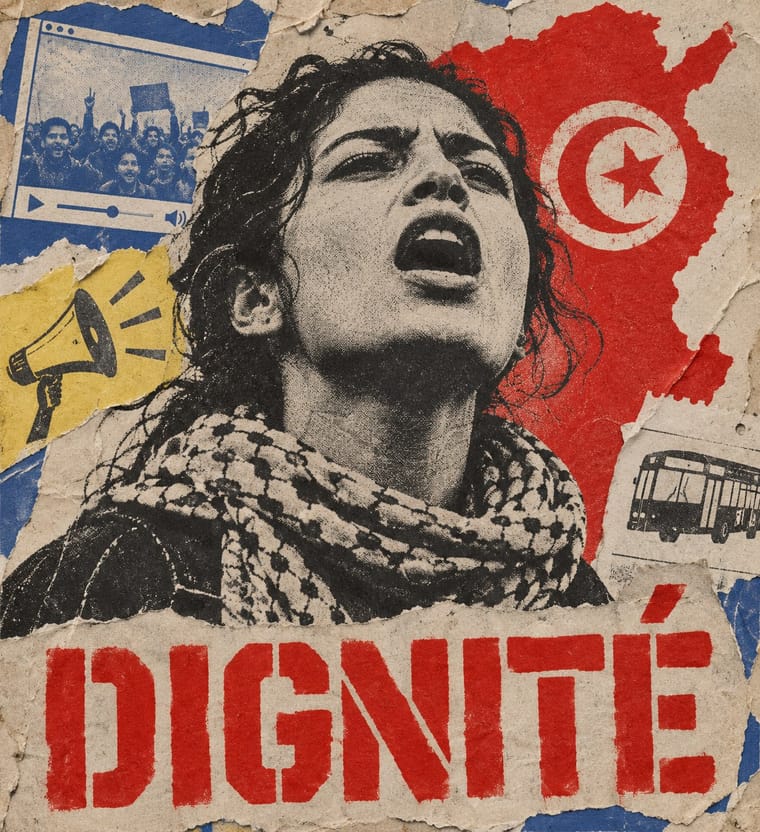
Tunisian Post-Revolution Street Graphics (Ahl El Kahf) Street graphics that emerged in Tunis in 2011, after Ben Ali's fall, when the Ahl El Kahf collective cut stencils from radiographic film and sprayed them beside the Kasbah sit-ins.
-
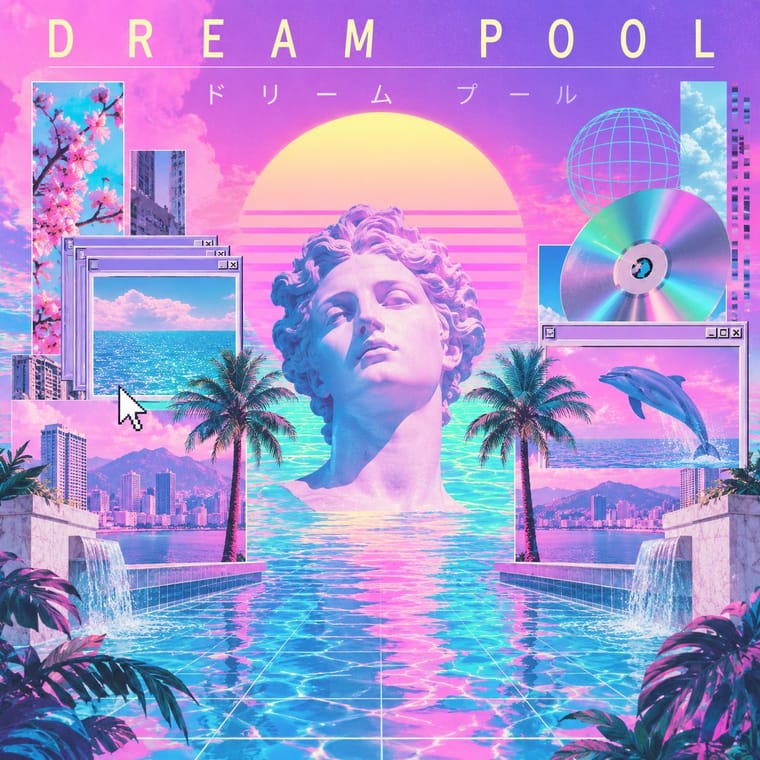
Vaporwave An internet-born microgenre and visual aesthetic that remixes the debris of late-20th-century consumer culture (Windows 95 dialogs, classical busts, palm trees, mall interiors, Japanese text, early 3D renders) in pastel pinks and cyans.
-
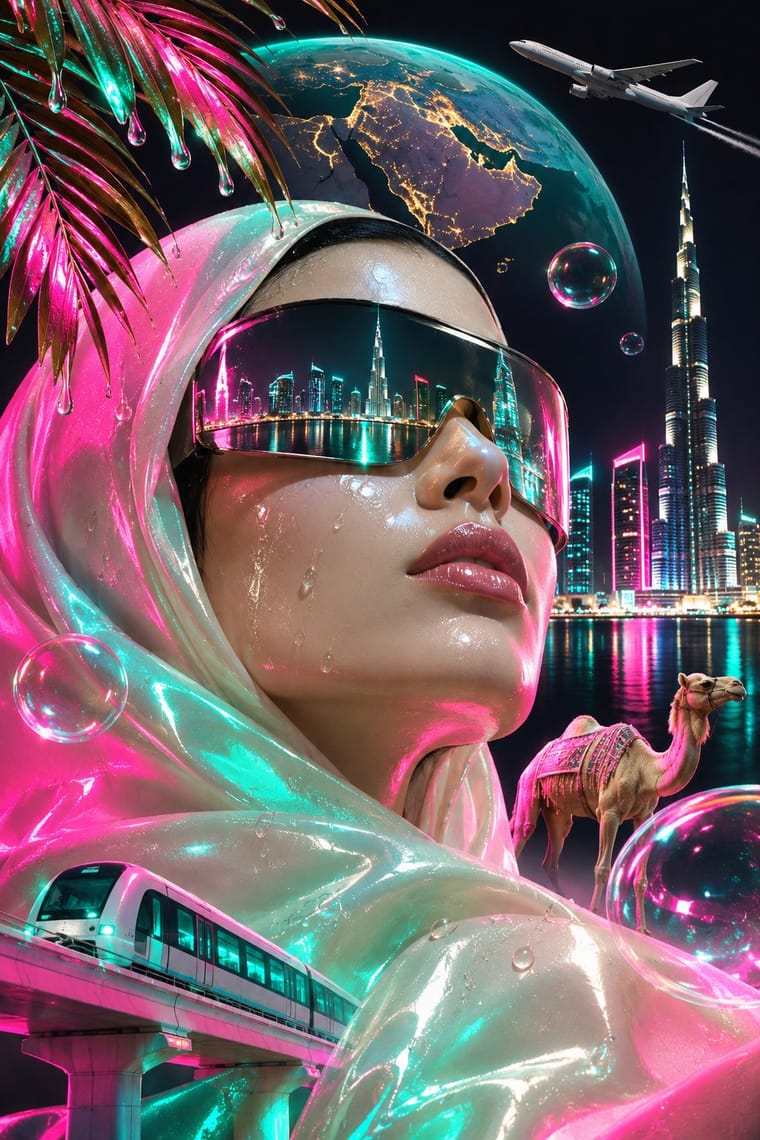
Gulf Futurism Gulf Futurism is a critical art idea, not a formal design movement: it has no fixed visual canon and lives in video, music, installation and writing.
-
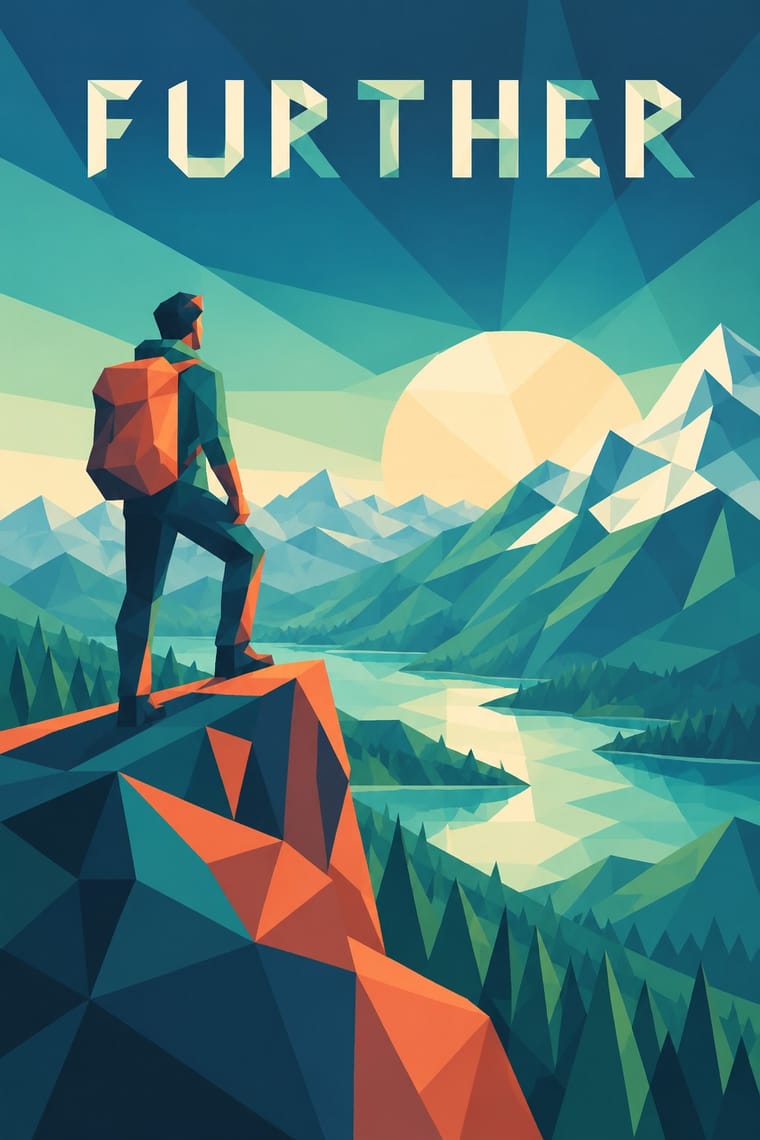
Low Poly Illustration A digital illustration and game look in which subjects are built from a visible mesh of a few flat-shaded polygons, so that animals, faces, vehicles and landscapes read as hard-edged facets with no outline or texture.
-
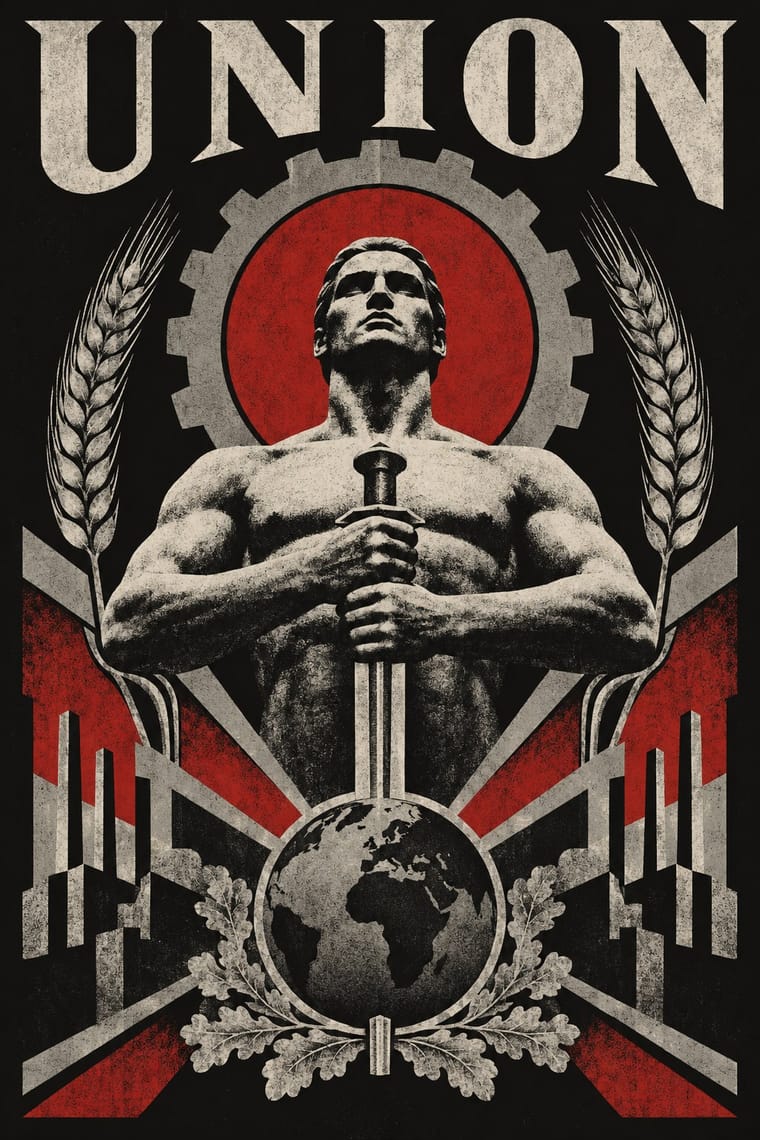
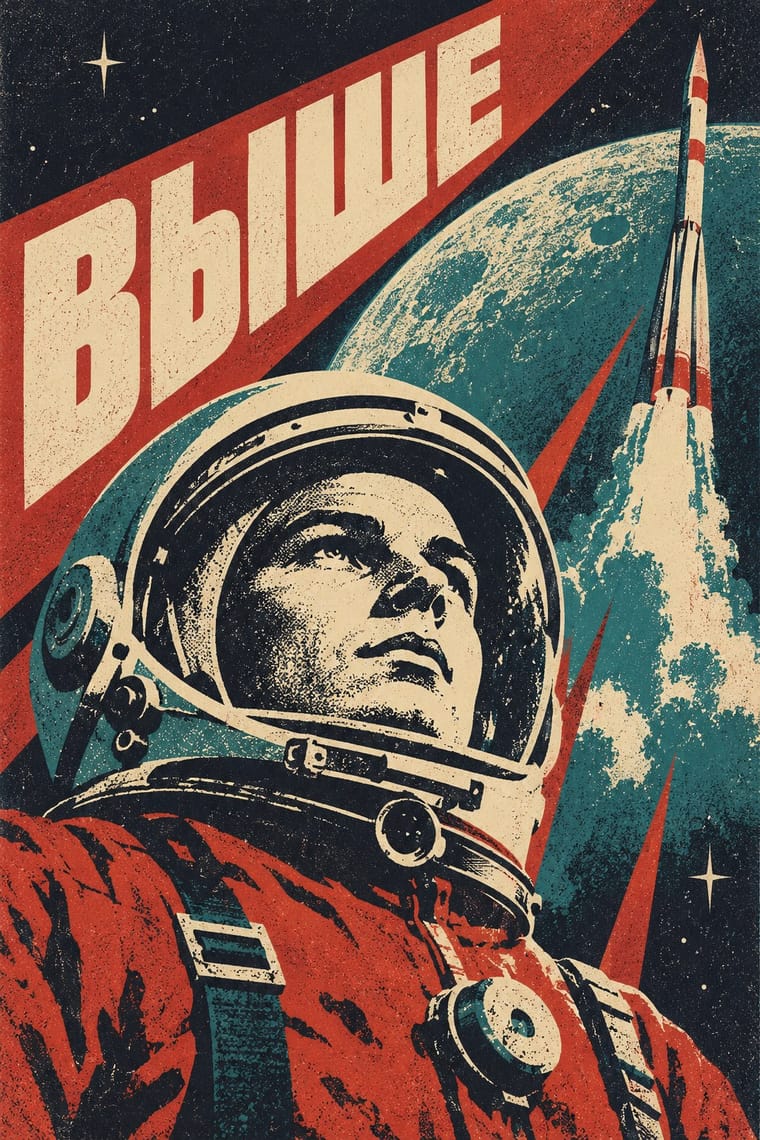
Sovietwave A post-Soviet internet aesthetic pairing synthwave's music and VHS glow with Space Age Soviet imagery and Cyrillic captions: nostalgia for the past future (Natalija Majsova), a lost technological optimism.
-
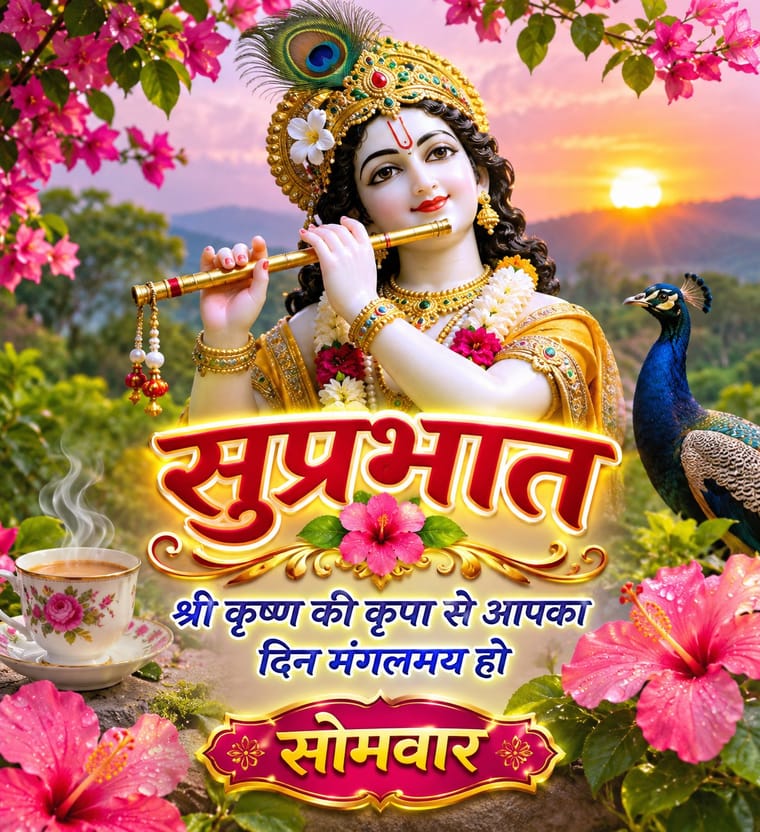
'Good Morning' Greeting Images (WhatsApp Forward Vernacular) The ready-made greeting pictures that millions of smartphone users, many of them older and new to the internet, forward to family, friends and groups each morning on WhatsApp, above all in India and Brazil.
- China Dream Folk-Art Propaganda Posters A Party propaganda campaign that swapped the Maoist hero for folk and popular art.
-
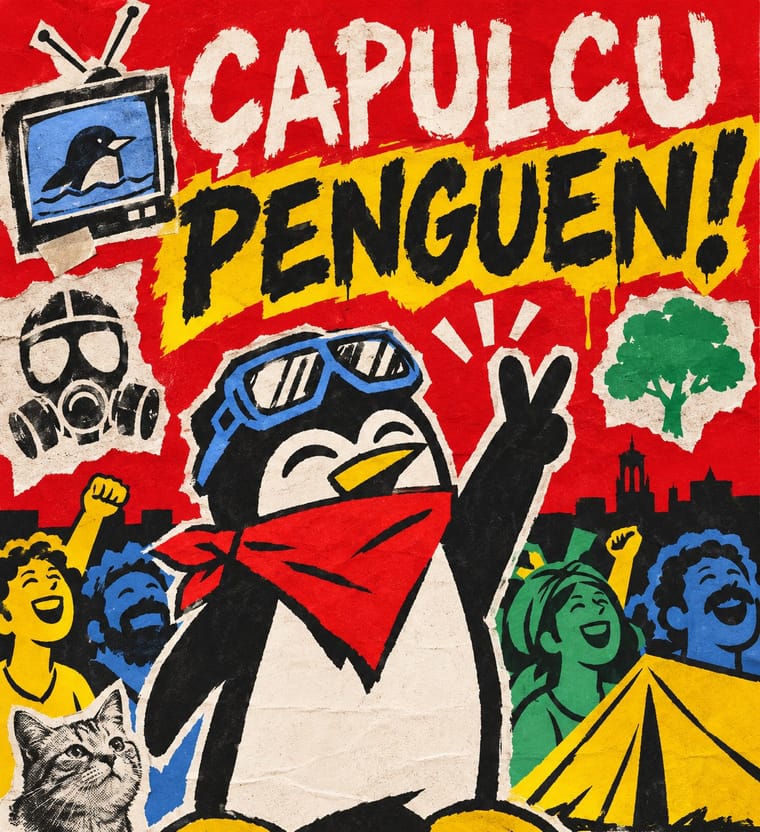
Gezi Park Protest Graphics (Turkey, 2013) The visual culture of the 2013 Gezi Park protests in Istanbul: marker and spray slogans, puns on walls, banners on the Atatürk Cultural Center, penguin mascots, gas-mask stencils and rainbow steps.
-
PC Music Graphics The release artwork of London's PC Music label (2013-2023) and its immediate circle (Diamond Wright, Sophie, Timothy Luke): early hyperpop that treats a song as a polished synthetic product, not the later glitchy, maximalist hyperpop.
-
Vietnamese Vernacular Type Revival (Republish) A type-design practice that selects found Vietnamese sign and print lettering and rebuilds it as open-source display fonts, redrawn to fit Vietnamese diacritics.
- Hong Kong Protest Art (Umbrella Movement to the 2019–20 Protests) The graphics of Hong Kong's democracy protests, from the 2014 Umbrella Movement to the national security law of 2020, in two linked media.
-
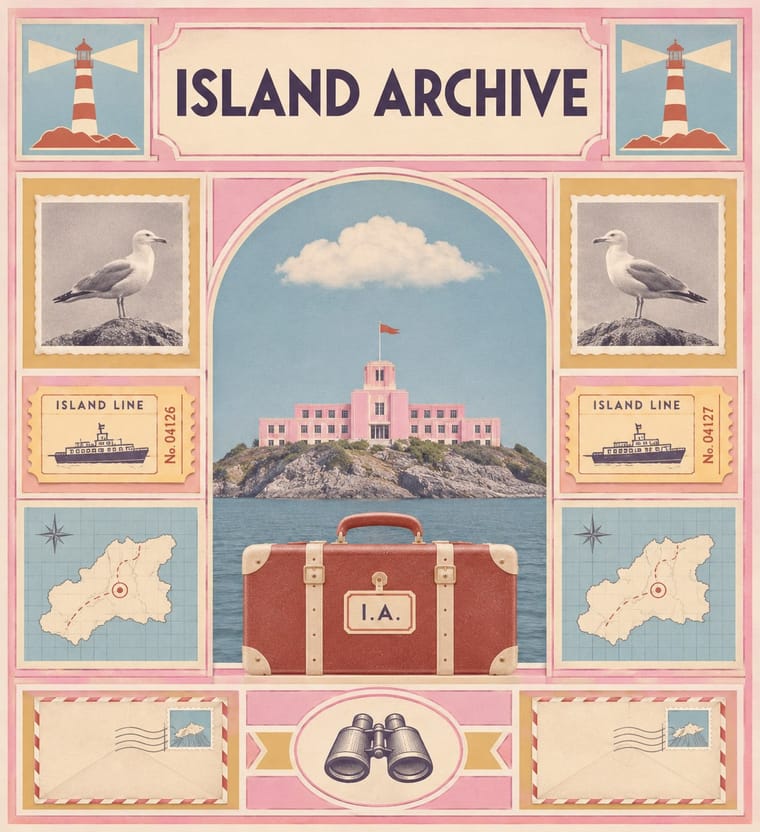
Staged Symmetry and Fictional Print Props (the Andersonian look) A recognisable look built on centred, frontal, symmetrical composition, colour-coordinated pastel palettes and a fussy set of invented period graphics: telegrams, letters, maps, packaging and storefront lettering.
-
Sticker Bombing (All-Over Sticker Collage) An all-over surface made of overlapping, differently shaped stickers, logos, slogans and cartoon cutouts packed until the support is almost hidden.
-
Analog Horror Graphics A horror genre, mostly on YouTube, that tells its stories through imitation television and home-video graphics rather than actors: emergency-alert screens, station IDs, public-service, educational and instructional tapes, set between the 1960s and early 2000s.
-
Bubblegum Bling A revival of the 2000s McBling celebrity-glamour look, filtered through PC Music and bubblegum bass: hot-pink glossy 3D objects, sparkle flares, rhinestone jewellery and cosmetics, and glowing blackletter or script titles.
-
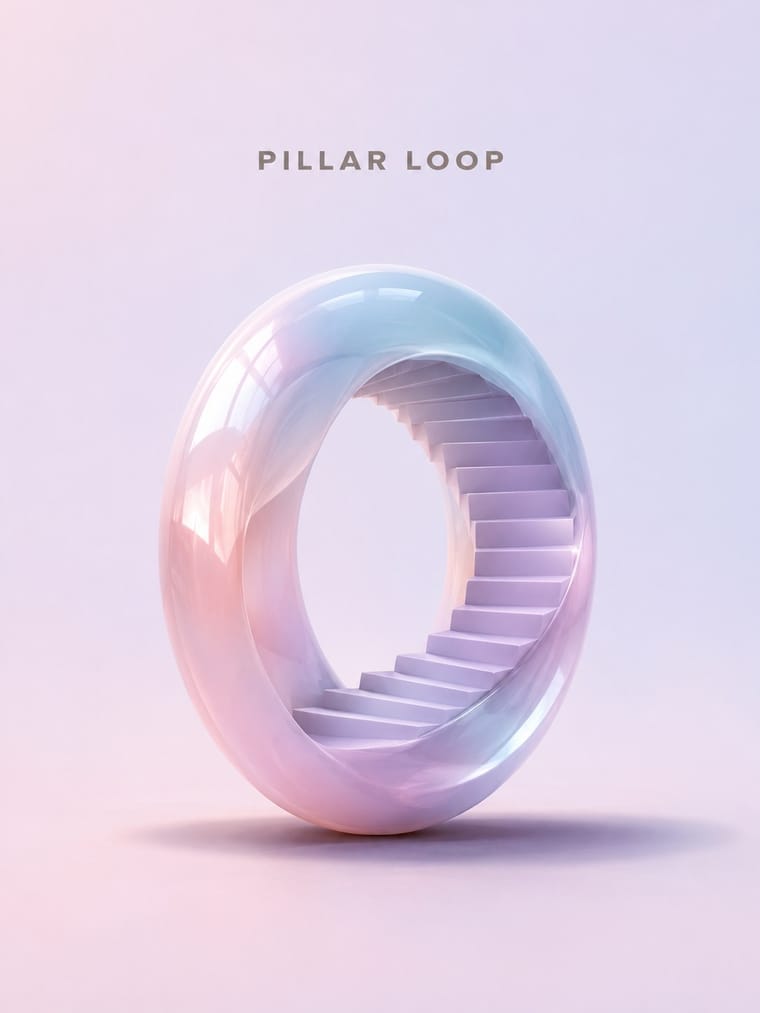
Hyperreal 3D Render Art (Cinema 4D Instagram Era) Path-traced stills and seamless loops of impossible but materially convincing scenes: pastel arches, plinths and stairs that lead nowhere, rocks that float, primitives arranged like clockwork.
-
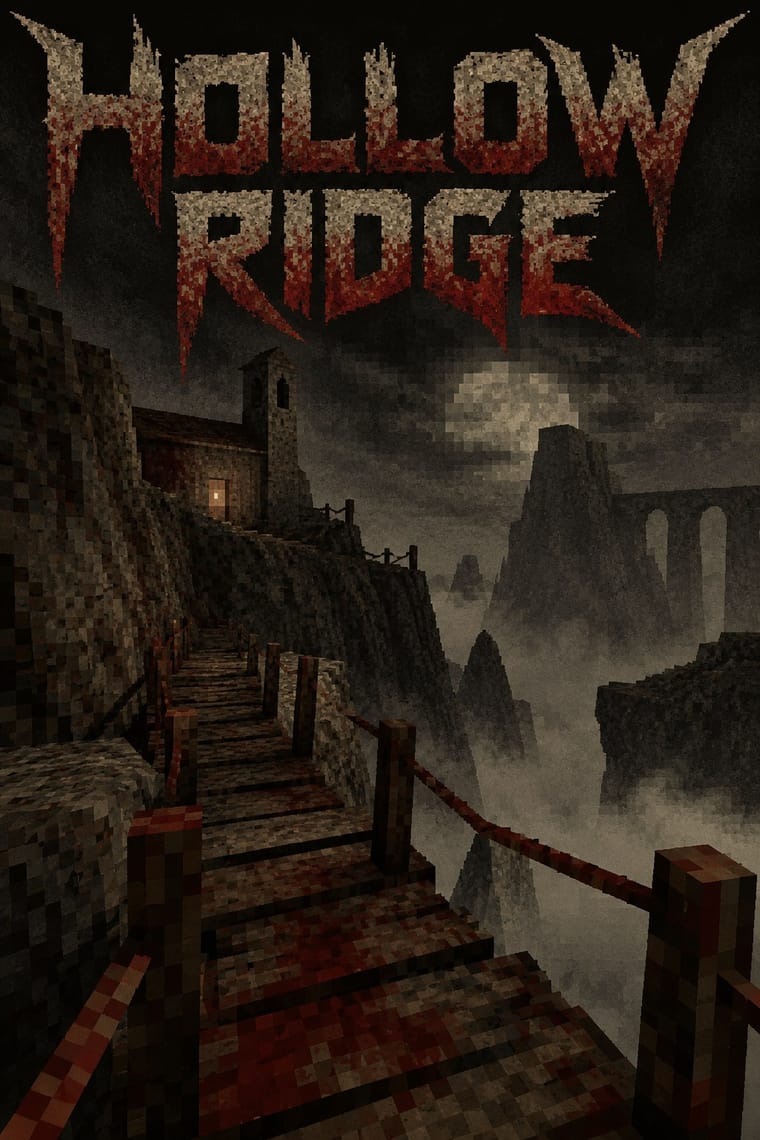
PS1 / Lo-Fi 3D Revival (PSX Aesthetic) Indie games and their artwork that rebuild the look of late-1990s console and PC 3D on modern engines: few polygons, tiny low-resolution textures that warp as the original PlayStation's affine-only mapping did, dithering, grain and distance fog over murky, dark earth tones.
-
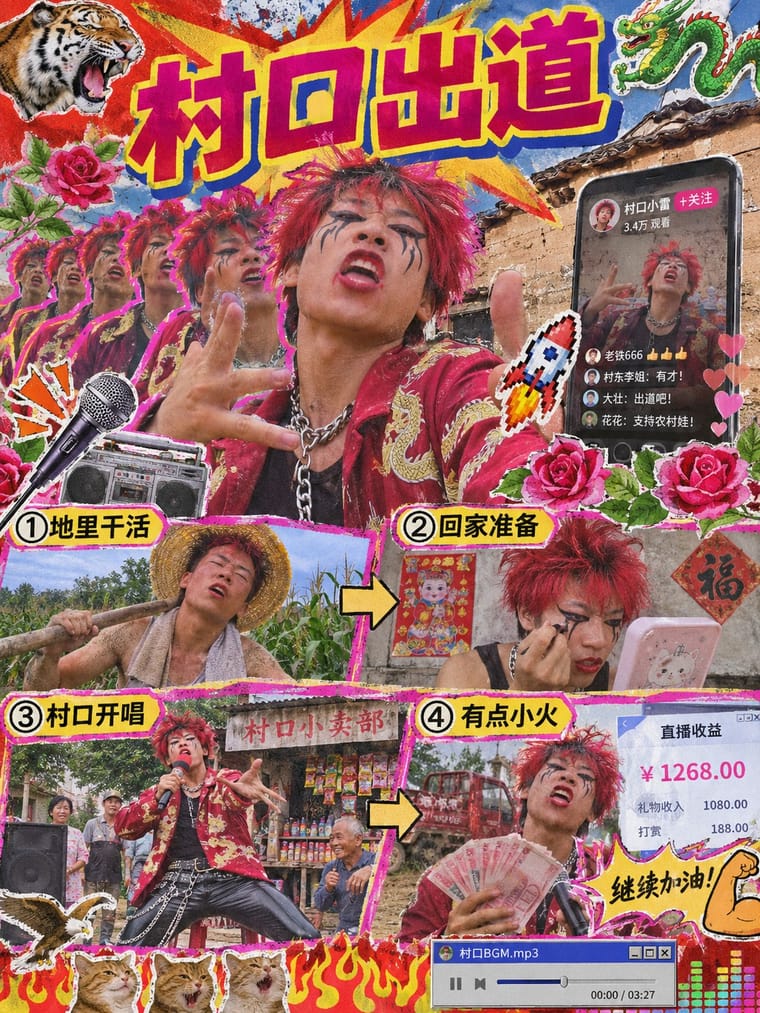
Tuwei (土味, Chinese Rural-Internet Vernacular) The look of rural and small-town Chinese short video on Kuaishou and Douyin since about 2016: vertical phone footage shot in yards, farmland, village shops and building sites, with makers in bold, mismatched costume, hair and make-up, performing shouted rap, 'social shake' dance and cement-dance skits to hypnotic beats.
-
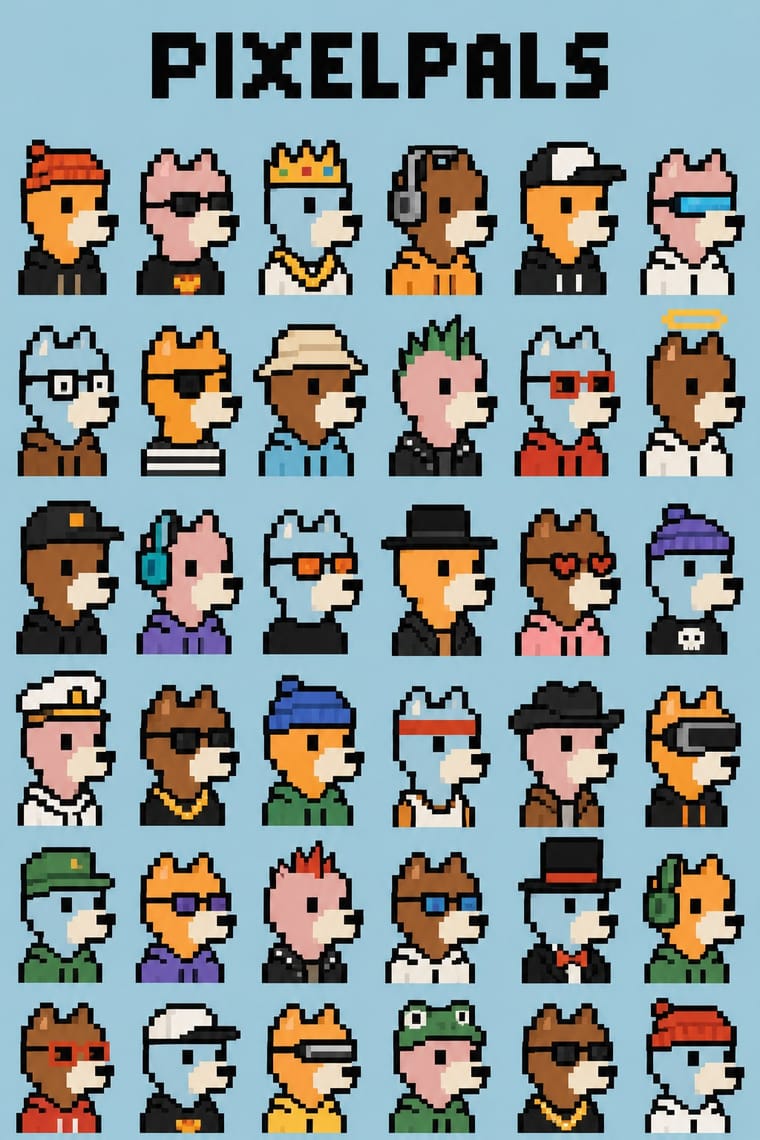
NFT Profile-Picture Collections (CryptoPunks to Bored Apes) Sets of thousands of avatar portraits that code assembles from one or two hundred hand-drawn traits, each sold as a token on a blockchain.
-
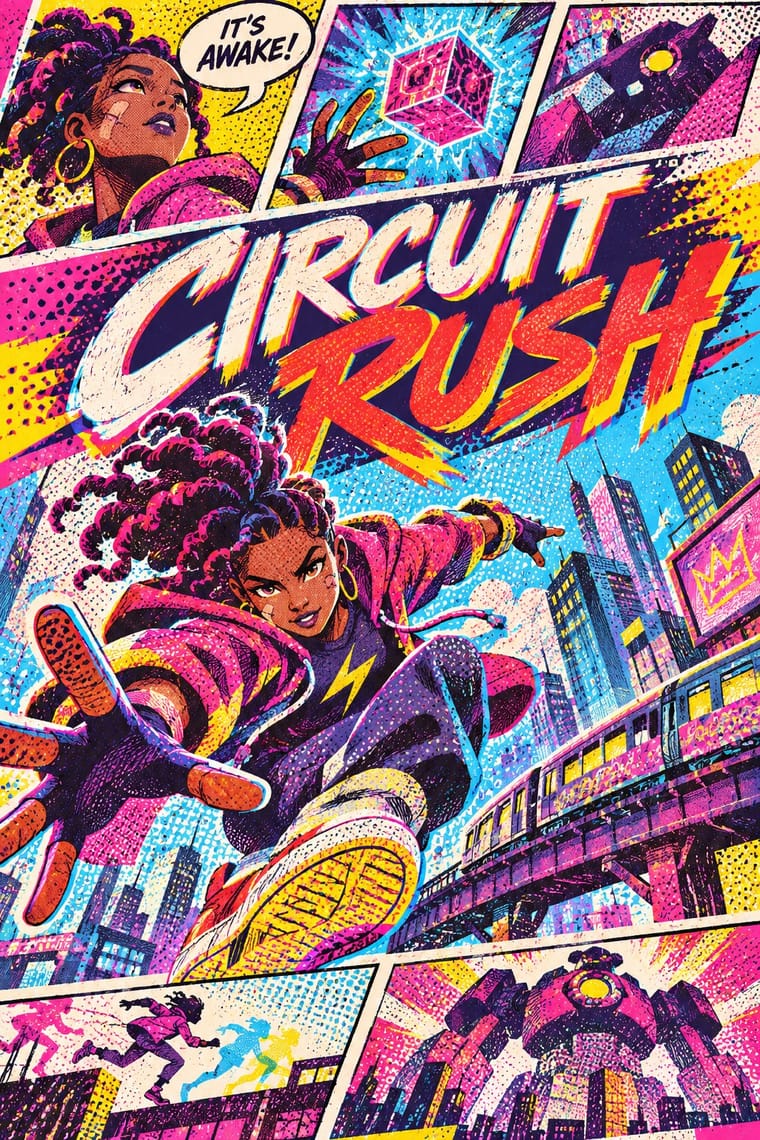
Spider-Verse Comic-Print 3D Hybrid A look for animated film and its key art in which rendered 3D characters and cities are worked over by hand in 2D, so each frame reads as a printed comic panel: Ben-Day halftone dots and line hatching carry tone in place of soft gradations, colour layers sit deliberately out of register, and motion lines, Kirby Krackle, caption boxes and onomatopoeia are drawn into the picture.
- Algerian Hirak Humorous Poster and Meme Graphics The humorous placards and online posters of Algeria's Hirak protests.
-
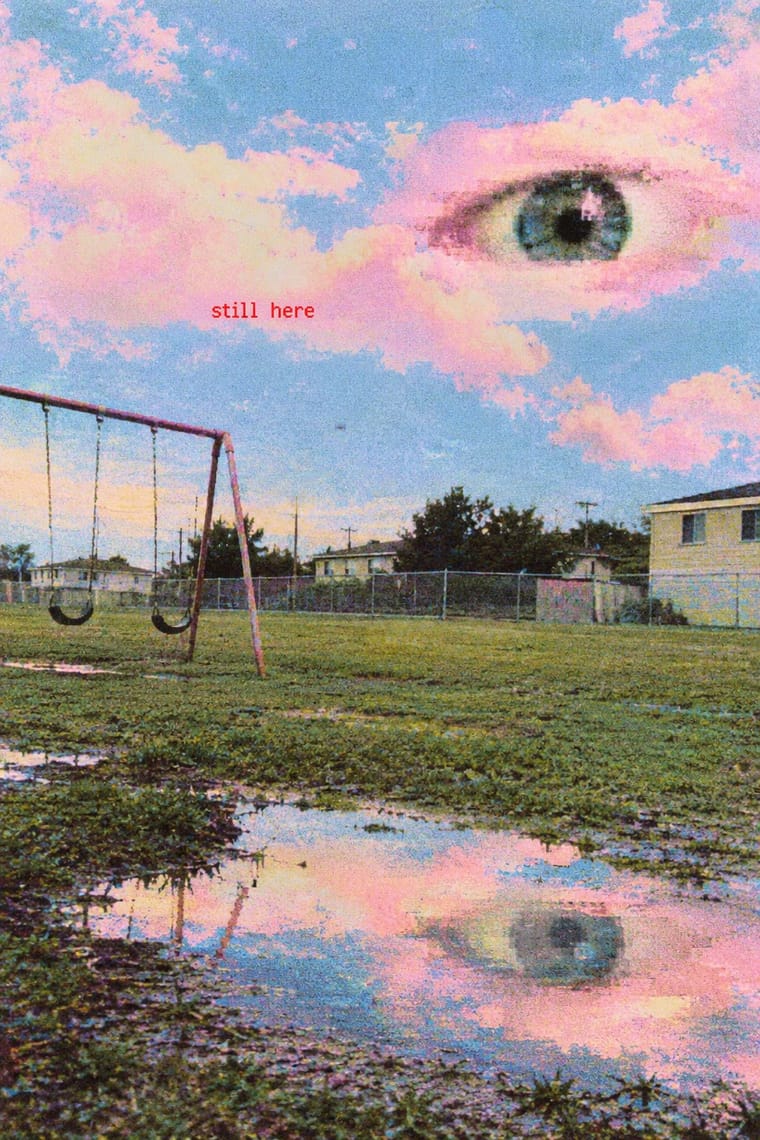
Weirdcore & Dreamcore An internet aesthetic popularised on Reddit, TikTok and YouTube in the early 2020s, with dreamcore as its softer, pastel, cloud-filled sister.
-
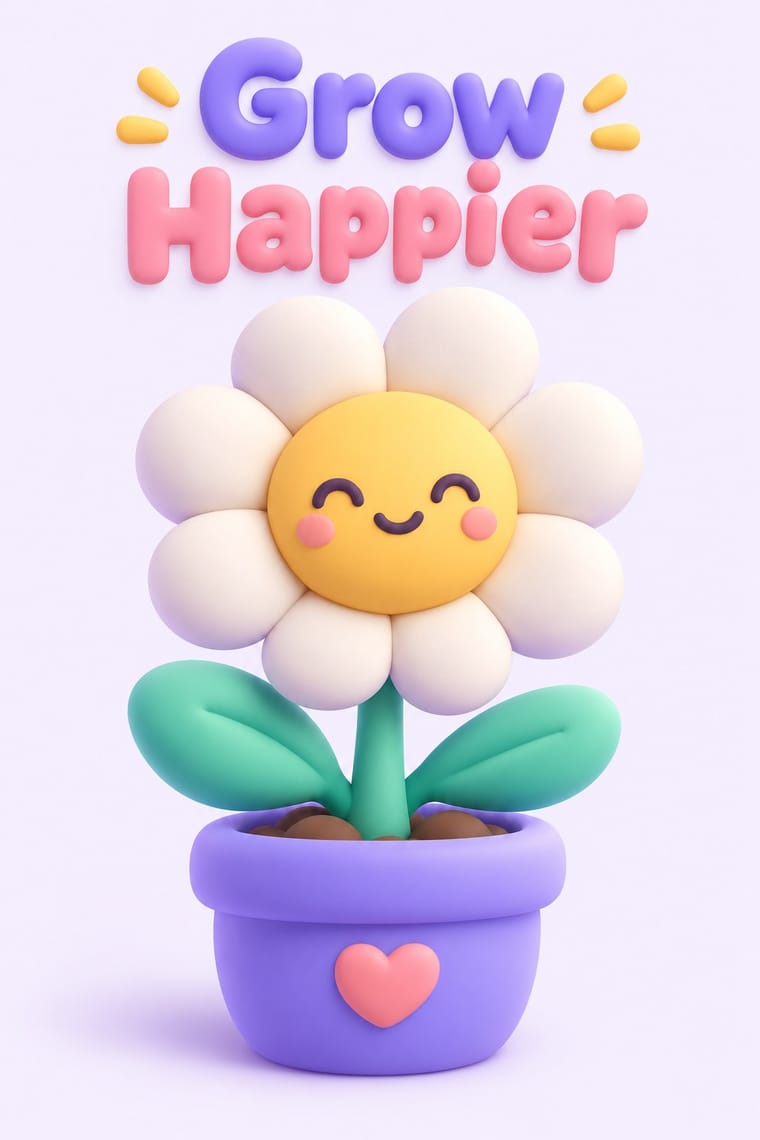
Claymorphism & Soft 3D A soft, toy-like 3D look from product design around 2020, given the name 'claymorphism' in a December 2021 article by Michał Malewicz.
-
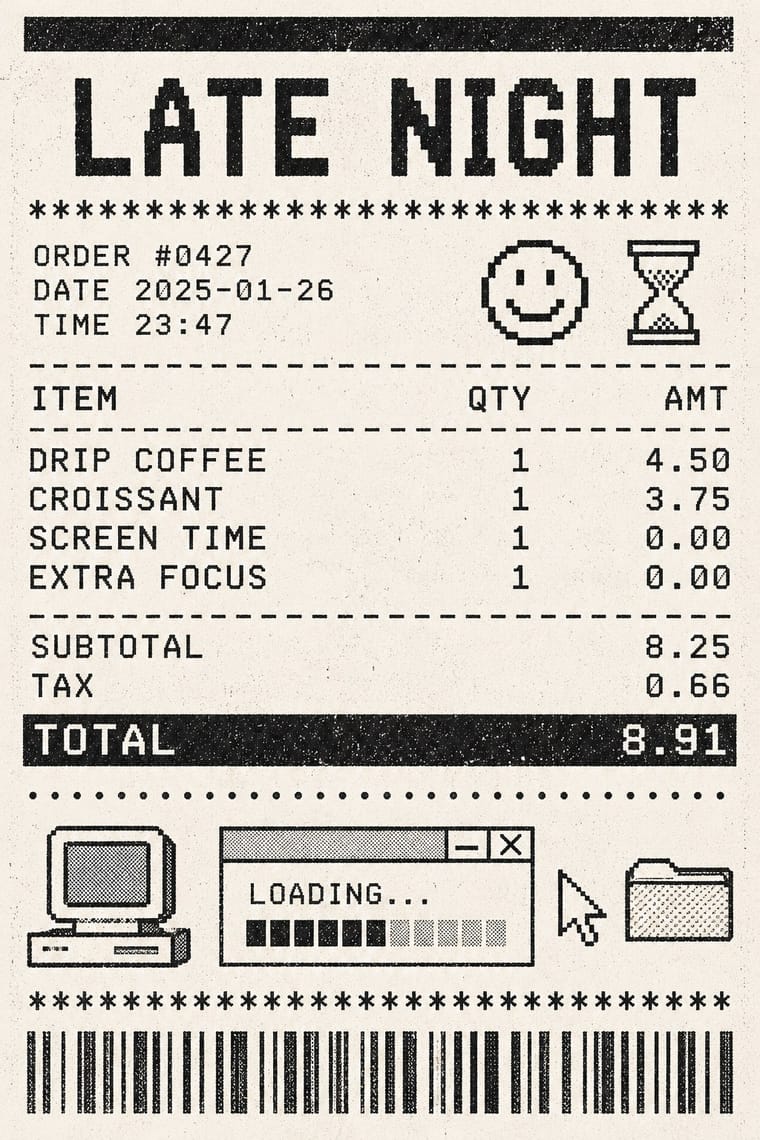
Thermal Receipt Graphics A contemporary vernacular that borrows the till slip as a designed system: a narrow vertical strip, item/quantity/amount columns, compact monospaced text, dashed separators and barcode bars, black on pale paper.
- Xpiritualism (Esoteric Internet Collage) An internet collage vernacular in which celestial motifs, kitschy esoterica, religious iconography and old-web pictures are stacked into dense, glowing, meme-inflected images.
-
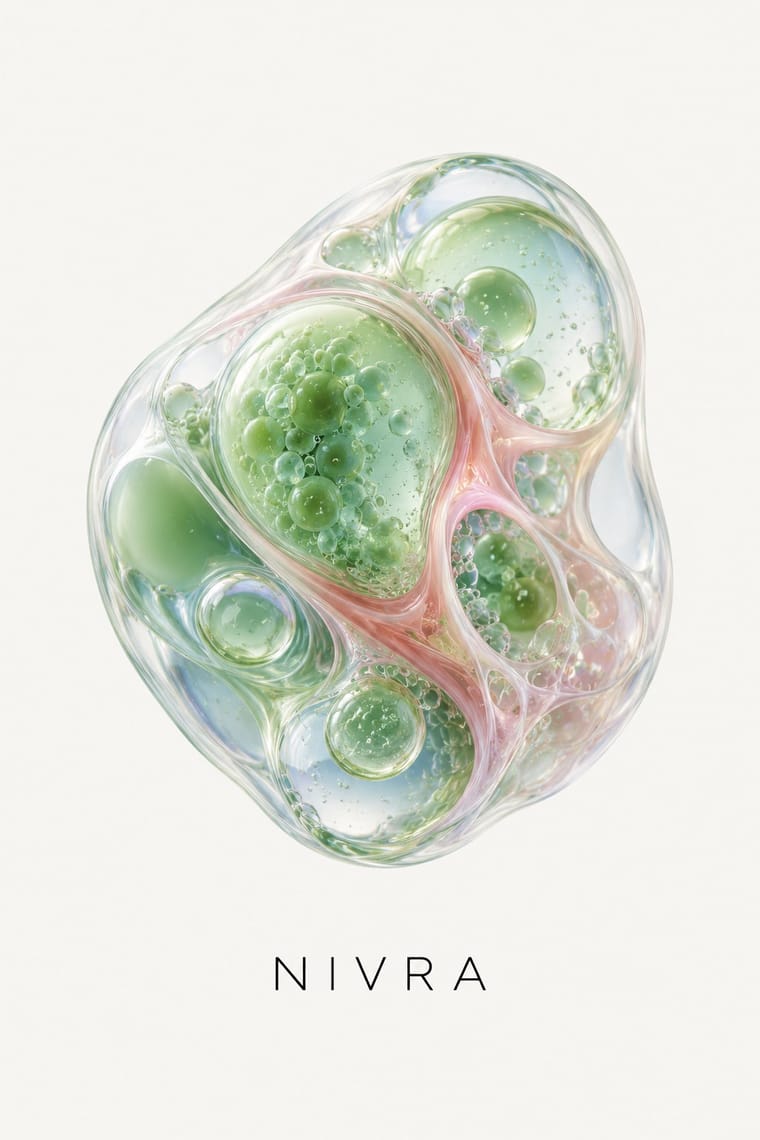
Biobrand (Organic Biotech CGI) The visual language of biotech and biomaterial start-ups: rendered cells, coral-like structures, terrariums and mycelial growth become a single glossy product metaphor, set apart on a quiet ground beside restrained sans or serif information type.
-
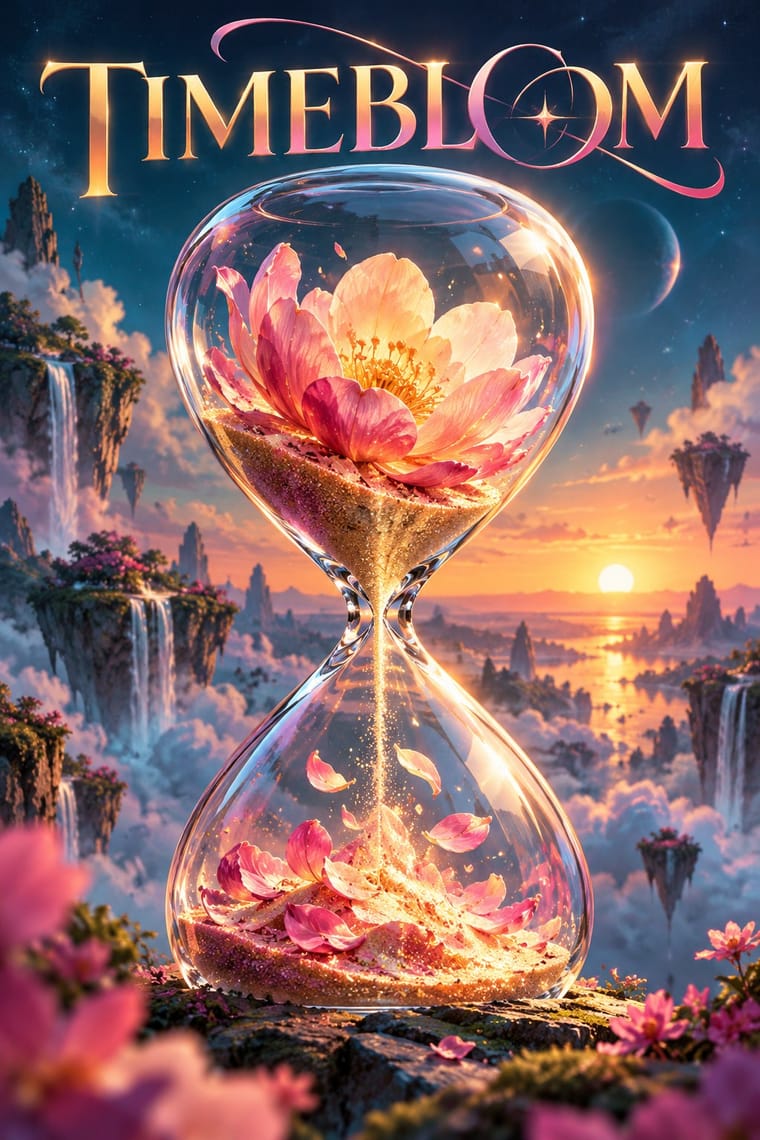
Generative-AI Image Aesthetic The house look of pictures synthesised by text-to-image diffusion models since 2022.
-
Digital Scrapbook Collage A contemporary social-media and brand look in which a poster or post imitates a personal page assembled from photographs, notes and collected paper.
-
iOS Core / Contemporary OS-Interface Graphics Contemporary promotional collage that treats a familiar Apple-like desktop as the page: photographs become files, folders label collections, and preview windows, menus and notifications frame the message.
-
Italian Brainrot (AI Meme Creatures) A cast of AI-generated hybrid creatures, animals fused with food, objects and machines, given Italianised names such as Tralalero Tralala and voiced by synthetic, overwrought Italian narration.
Styles that usually have it 65
A characteristic choice: usual in these styles, though not essential.
- Guna Mola 1900–present
- Cubist Pictorial Space 1907–1925
- Russian Futurist Book 1910–1920
- Dada 1916–1924
- Czech Poetist Book Design (Devětsil) 1922–1938
- AIZ Political Photomontage (Heartfield) 1930–1938
- Kiwiana 1930–present
- Dhaka Rickshaw Painting 1950–present
- Zagreb Modernist Graphics (EXAT 51 to Teatar &TD) 1951–1975
- Vicente Rojo & Mexican Editorial Modernism 1953–1990
- Panamanian Painted Buses (Diablos Rojos) and Their Central American Kin 1960–present
- Oz Magazine and Sydney-London Psychedelia 1963–1973
- Chicano Screenprint Poster 1965–present
- Provo Counterculture Print Graphics 1965–1967
- Psychedelic Poster 1965–1973
- Picó Sound-System Painting (Colombian Caribbean) 1967–present
- Ultras Graphics (Curva Banners and Tifo) 1968–present
- Automotive Hero Advertising (Car Photography to CGI) 1969–present
- Taller 4 Rojo (Bogotá Photo-Screenprint Posters) 1970–1973
- Il Male Newspaper-Forgery Satire 1978–1982
- Israeli Political Poster (Tartakover to Lemel) 1978–present
- Stencil Street Art 1978–present
- Cranbrook & Deconstructivist Typography 1980–1998
- Cyberpunk Visual Style 1982–present
- Techno-Futurist Graphics 1986–2002
- ACT UP & Gran Fury AIDS Activist Graphics 1987–1995
- Utopian Scholastic (Encartacore) 1987–1999
- Rave & Acid House Graphics 1988–2000
- Matatu & Nganya Art 1990–present
- Nigerian Pentecostal Crusade Poster & Billboard 1990–present
- Corporate Stock-Photo Look (Royalty-Free Business Imagery) 1991–present
- Bandung Distro Graphics 1993–present
- Hype Streetwear Graphics (Box Logo to Quotation Marks) 1993–present
- Purikura Photo-Sticker Decoration 1995–present
- Pantura Truck Painting (Lukisan Bak Truk) 1996–present
- Emoji Pictographic Language 1997–present
- Flash-Era Web Design (Flash Portfolio Sites) 1997–2010
- Media-Player & Desktop Skins (Winamp-Era Skinning) 1997–2008
- Isometric Pixel Art 1998–present
- Fantasy User Interface (FUI) & Sci-Fi HUD 1999–present
- Skeuomorphic UI 2000–2013
- Tamil Nadu Flex Banners 2000–present
- Glitch Art & Datamosh Graphics 2001–present
- Frutiger Aero 2004–2013
- Martian Script (Huoxingwen) Chinese Net Writing 2004–present
- Itasha (Anime Character Car Graphics) 2005–present
- Showa and Heisei Retro Revival (Japanese Packaging and Kissaten Graphics) 2005–present
- Blingee and Glitter-GIF Collage 2006–2024
- Danmaku Bullet-Comment Overlay 2006–present
- Indie Sleaze 2006–2012
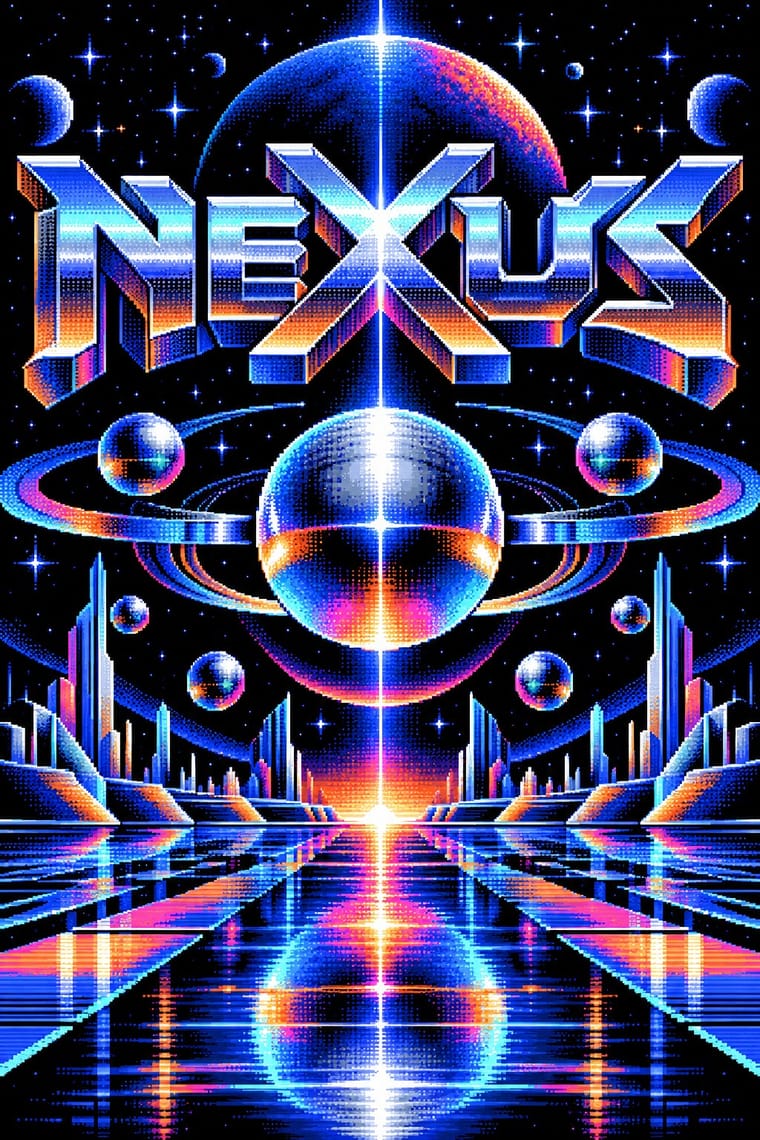
- Synthwave / Outrun 2006–present
- Atompunk / Atomic Retrofuturist Graphics 2009–present
- Soft Grunge (Tumblr Aesthetic) 2009–present
- Internet Awesomesauce (Epic-Random Meme Graphics) 2010–2013
- Witch House Graphics (Symbol Names and Haunted Web Imagery) 2010–present
- Dark Academia 2014–present
- Acid Graphics / New Ugly 2016–present
- Neoperreo Graphics (Futurist Reggaeton Club Visuals) 2016–present
- Persona UI (Atlus Kinetic Stylised Interface) 2016–present
- VTuber Avatar and Stream Graphics 2016–present
- Blind-Box Designer Toy Packaging and Character Branding 2019–present
- Chilean Estallido Social Graphics (Revuelta Popular of 2019–20) 2019–2022
- EndSARS Protest Graphics (Nigeria, 2020) 2020–2021
- Liquid Glass (Apple Interface Language) 2025–present
- Brazilian Baile Funk Digital Flyer 2026–present