Pictorial & machine age · 1776–present · East Asia
Yōkai Illustration ( Sekien to Mizuki )
Also known as Yōkai zukan, Yōkai picture catalogues, Hyakki yagyō picture books, Mizuki-style yōkai
A picture-catalogue tradition in which each creature of Japanese folklore is drawn as a named specimen. It runs in two streams: Toriyama Sekien's fine-lined Edo woodblock-printed albums (woodblock, woodcut and paper texture belong to this stream), then Mizuki Shigeru's offset-printed manga and encyclopedias (halftone, comic and framed panels belong to this one), where loose cartoon humans meet grotesque spirits against detailed backgrounds. Humour and menace are held together in one page.
Make something in this style Get advice in this style Mix it with another style
Use it with care
Yōkai are bound up with animism and local belief: a being may be a kami in one region and a yōkai in another, and some are tied to shrines or places. Credit Toriyama Sekien and Mizuki Shigeru (Mizuki's estate is active), do not present newly invented creatures as regional folklore (critics say mixing classical and new yōkai makes light of tradition and local legend), and treat shrine-linked or local beings with care.
01
Make something in this style
Say what you need, and Stylogeny’s image studio draws it from Yōkai Illustration (Sekien to Mizuki)’s design choices and checks it against them. It takes about a minute, and you get a link to share.
02
How it works
Palette
-
#efe6d2 -
#1c1814 -
#6b5b45 -
#8a2f2a -
#3f5a6b
Typefaces
-
Printed kana and kanji captions in the Edo picture-book manner
-
Manga hand lettering
-
Brush-written yōkai names and notes
- Draw each creature isolated as a named specimen, with a caption, like an entry in an encyclopedia.
- Define monsters in confident black outline with fine detail, leaving the page ground pale and mostly uncoloured.
- Let the yōkai's body warp, sag, multiply eyes or fuse with objects; make the grotesque readable at a glance.
- Pair simple, loosely drawn human figures with finely detailed backgrounds, in Mizuki's pages built up with hatching and screentone, to make the spirit the focus.
- Letter titles and explanatory notes by hand and keep a wry, explanatory voice, not pure horror.
Edo-period Japan: Toriyama Sekien's illustrated yōkai catalogues, from Gazu Hyakki Yagyō (1776) with three sequels to 1784. Revived in the twentieth century by Mizuki Shigeru (1922–2015), who began in kamishibai, then made Hakaba Kitarō (rental manga 1960, Weekly Shōnen Magazine 1965) and GeGeGe no Kitarō (renamed 1967) and his yōkai encyclopedias, including the 12-volume Mujara series.
Change it with an idea. Any of the 73 moves that make a design say something can go on this style.
03
Its design choices
From Stylogeny’s vocabulary of design choices: defining choices make the style, characteristic ones are usual, occasional ones turn up now and then.
- Layout & composition
- Space & hierarchy
- Typography
- Form & shape
- Surface & texture
- Medium & production
- Tone & intent
- Avoids
- Modular grid, Ornament-free, Grotesque & neo-grotesque, Gloss & highlights, Straight photography, Fluorescent & neon, Generous white space
How its pictures are made Drawn & painted, Systematic
Kind of picture: Drawn & painted · Systematic
Known for
-
Toriyama Sekien, Gazu Hyakki Yagyō (1776) and sequels
1779, 1780, 1784
-
Mizuki Shigeru, GeGeGe no Kitarō
from 1967
-
Mizuki Shigeru, Mujara yōkai encyclopedias
12 volumes
-
Mizuki Shigeru, Graphic World of Japanese Phantoms
1985
-
Tsukioka Yoshitoshi and Kawanabe Kyōsai
artists Wikipedia lists as inspired by Sekien's yōkai portrayals
04
Where it comes from, and what it’s close to
Grew out of
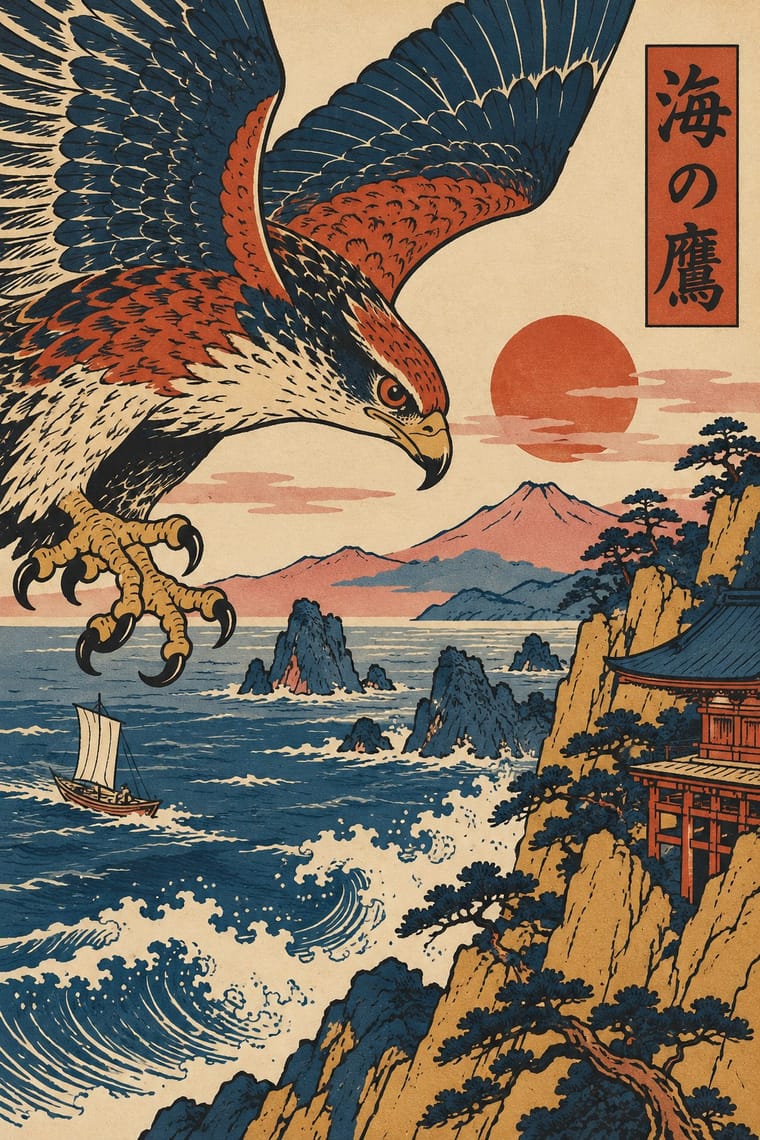
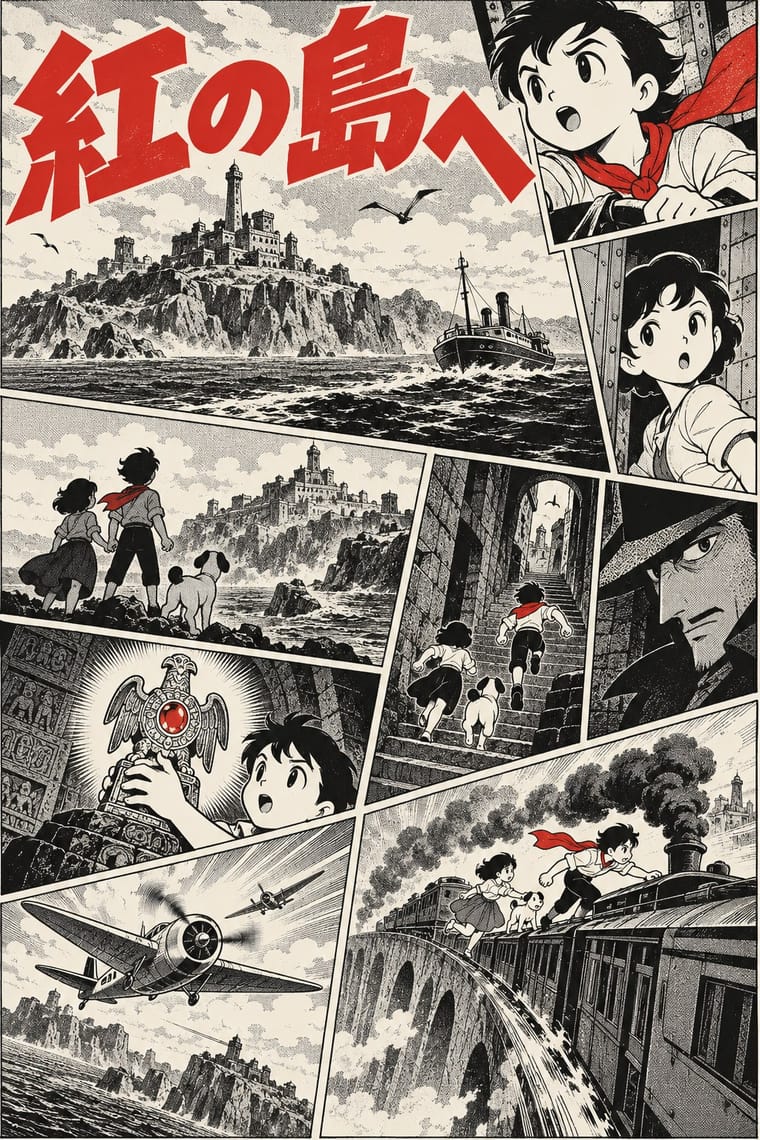
Borrowed from
Yōkai Illustration (Sekien to Mizuki) 1776–present
No later style in the atlas grew out of it yet.
Alike in its design choices
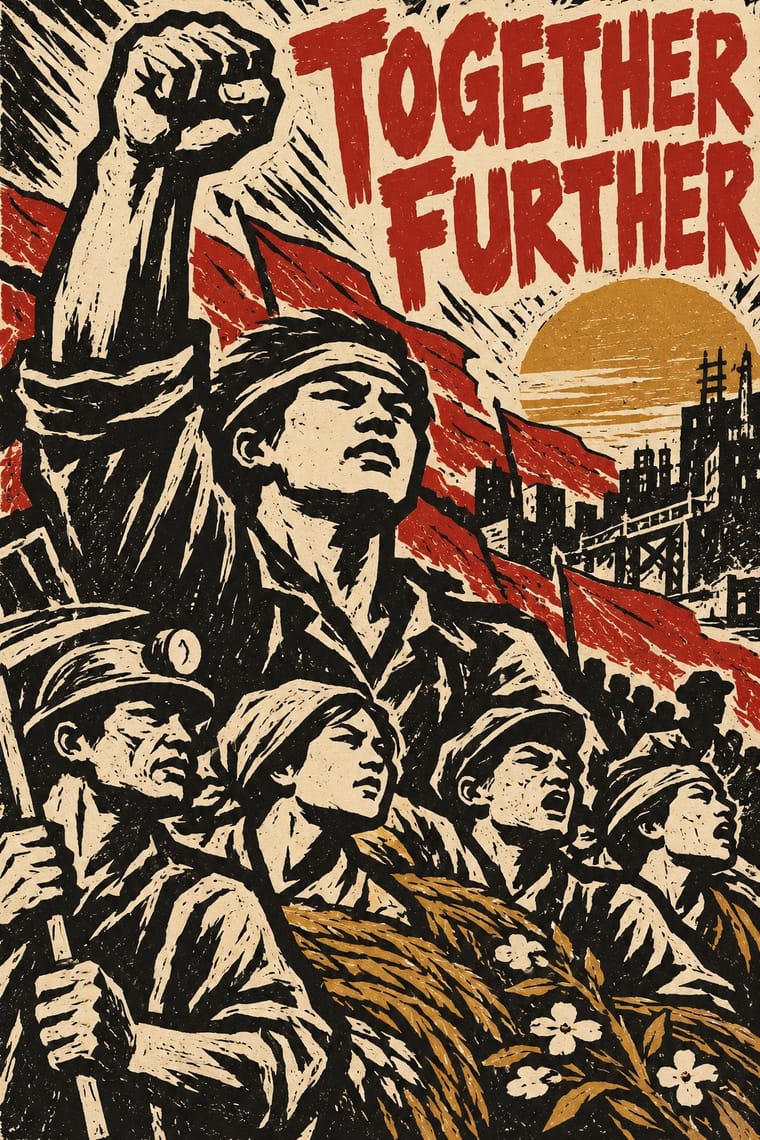
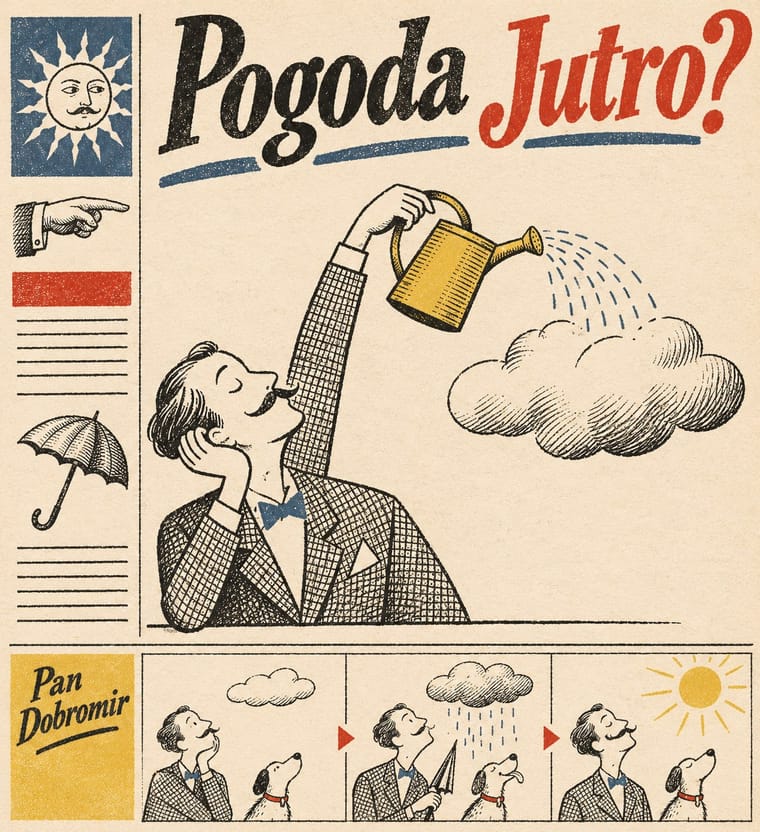
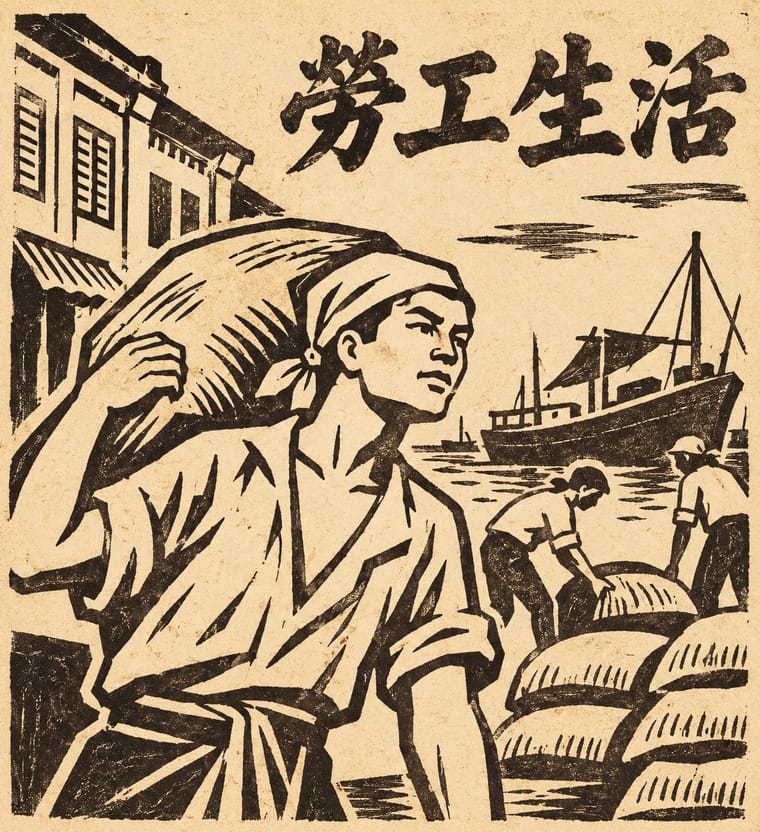
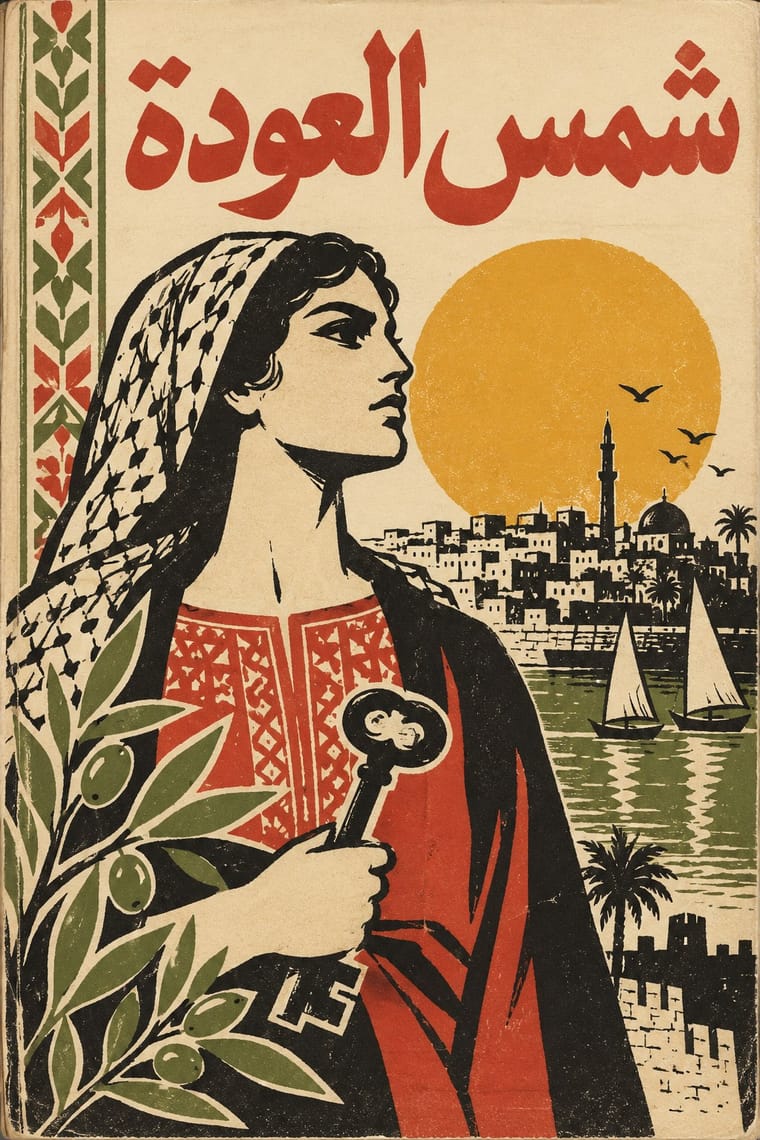
05
Combine it with
Styles Yōkai Illustration (Sekien to Mizuki) pairs well with or plays against, from the research. Each is worked out as a combination: which style gives the type, the colours and the forms.
- Kawaii Design Contrasts · Cute softness against grotesque specimens; the two contrast.
- Story Manga (Postwar Japanese Comics) Pairs well · Mizuki's pages add panels and characters to the specimen idiom.
- Ukiyo-e Woodblock Prints Pairs well · Share the woodblock line and printed-album tradition; Sekien's ghost lines carry over directly.
06
Often taken for
Yōkai Illustration has no real works recorded yet, so these are its nearest styles by its choices alone, with the choices that tell them apart.
-
Palestinian Resistance Poster
2 of Palestinian Resistance Poster’s 4 real works fit Yōkai Illustration’s choices better than their own: The Road of the Left Is the Road to Victory and Karameh – First Anniversary (Dhikra maʿrakat al-Karama).
Choices that tell Yōkai Illustration and Palestinian Resistance Poster apart Choice Yōkai Illustration Palestinian Resistance Poster Light ground defining — Limited spot colours — defining Distortion & exaggeration defining — Emblems & badges — defining Line illustration defining occasional No shared descent in the atlas: they reached these choices separately.
-
Cairo–Beirut Arab Modernist Book & Periodical Design
1 of Cairo–Beirut Arab Modernist Book & Periodical Design’s 5 real works fits Yōkai Illustration’s choices better than its own: Hiya (She) (هي), cover.
Choices that tell Yōkai Illustration and Cairo–Beirut Arab Modernist Book apart Choice Yōkai Illustration Cairo–Beirut Arab Modernist Book Light ground defining occasional Limited spot colours — defining Distortion & exaggeration defining occasional Flat fields occasional defining Monochrome characteristic — No shared descent in the atlas: they reached these choices separately.
-
Minjung Woodcut Graphics (Korean People's Art)
Minjung Woodcut Graphics is one of Yōkai Illustration’s nearest styles by choices; no real work of either fits the other better.
Choices that tell Yōkai Illustration and Minjung Woodcut Graphics apart Choice Yōkai Illustration Minjung Woodcut Graphics Isolated object defining occasional Limited spot colours — characteristic Comic & cartoon characteristic — Full bleed — characteristic Diagram & data characteristic — No shared descent in the atlas: they reached these choices separately.
-
Przekrój Magazine Illustration (Eile Era)
Przekrój Magazine Illustration is one of Yōkai Illustration’s nearest styles by choices; no real work of either fits the other better.
Choices that tell Yōkai Illustration and Przekrój Magazine Illustration apart Choice Yōkai Illustration Przekrój Magazine Illustration Painterly brushwork occasional avoids Limited spot colours — characteristic Diagram & data characteristic — Column grid — characteristic Framed panels characteristic — No shared descent in the atlas: they reached these choices separately.
— means the choice isn’t among the style’s recorded choices. Critics recorded each work’s choices with the styles’ descriptions in view, so this shows whether the descriptions hold together, not proof that they are right.
07
Sources
- https://en.wikipedia.org/wiki/Toriyama_Sekien
- https://en.wikipedia.org/wiki/Mizuki_Shigeru
- https://en.wikipedia.org/wiki/Y%C5%8Dkai
1 more source
How Stylogeny researches and checks a style: where the facts come from.