Postmodern · 2013–present · East Asia, Global / networked
Yami-Kawaii (Sick-Cute)
Also known as Yami kawaii (病みかわいい), Menhera aesthetic, Sick cute
A darker variant of kawaii that keeps pastel pinks, lavenders and rounded characters but fills them with medical and self-harm motifs: pills, syringes, razor blades, bandages and tears. Drawn as cute stickers and goods, it is both ironic and sad, and observers disagree whether it opens talk about mental health or glamorises illness.
Make something in this style Get advice in this style Mix it with another style
Use it with care
The imagery refers to mental illness and self-harm, and it is contested whether it raises awareness or glamorises them. 'Menhera' is Japanese internet slang for people with mental health problems, used from about 2001 among users of a 2channel mental health board, and often used dismissively; creators in the scene describe drawing on their own mental health experiences. Treat the motifs with care, avoid using them to mock real conditions, and follow safe-messaging practice in any commercial use.
01
How it works
- Draw a rounded, pastel character and give it a sign of distress such as tears or bandages.
- Scatter medical objects (pills, capsules, syringes, razor blades, plasters) as cute stickers among hearts and sparkles.
- Keep fills flat and outlines thin so the sweetness stays polished and the content does the unsettling.
- Set confessional phrases in soft rounded or hand-written lettering.
- Hold the tone between irony and sincere sadness; never resolve it into reassurance.
Japanese social media: the illustrator Ezaki Bisuko (born 1995) posted Menhera-chan on Twitter in 2013, and a 2014 Harajuku solo exhibition was followed by goods; the look later circulated internationally, for example through Instagram hashtags
02
Its design choices
From Stylogeny’s vocabulary of design choices: defining choices make the style, characteristic ones are usual, occasional ones turn up now and then.
- Layout & composition
- Space & hierarchy
- Colour
- Form & shape
- Surface & texture
- Imagery
- Medium & production
- Tone & intent
- Avoids
- Warm & approachable, Authoritative & institutional, Rational & objective, Angular & zigzag, Grotesque & neo-grotesque
Palette
-
#ffd1e0 -
#d9c8f2 -
#bfeedd -
#ffffff -
#e0457b -
#3b3350
Typefaces
-
Rounded gothic sans
maru-gothic
-
Japanese hand-written pop lettering
-
Rounded Latin sans-serifs
Known for
-
Ezaki Bisuko, Menhera-chan
from 2013
-
Yami-kawa senshi Menhera-chan Official Fan Book
KADOKAWA, 2018; per ja.wikipedia
-
Menhera-chan goods sold through Village Vanguard stores after the 2014 Harajuku exhibition
per ja.wikipedia
-
Menhera fashion
pastel looks with syringe and bandage accessories (Vice, 2022)
03
Make something in this style
Say what you need, and Stylogeny’s image studio draws it from Yami-Kawaii (Sick-Cute)’s design choices and checks it against them. It takes about a minute, and you get a link to share.
04
Where it comes from, and what it’s close to
After it
The styles that grew out of it.
No later style in the atlas grew out of it yet.
Alike in its design choices
Styles that make many of the same choices, related or not, besides those above.
-
-
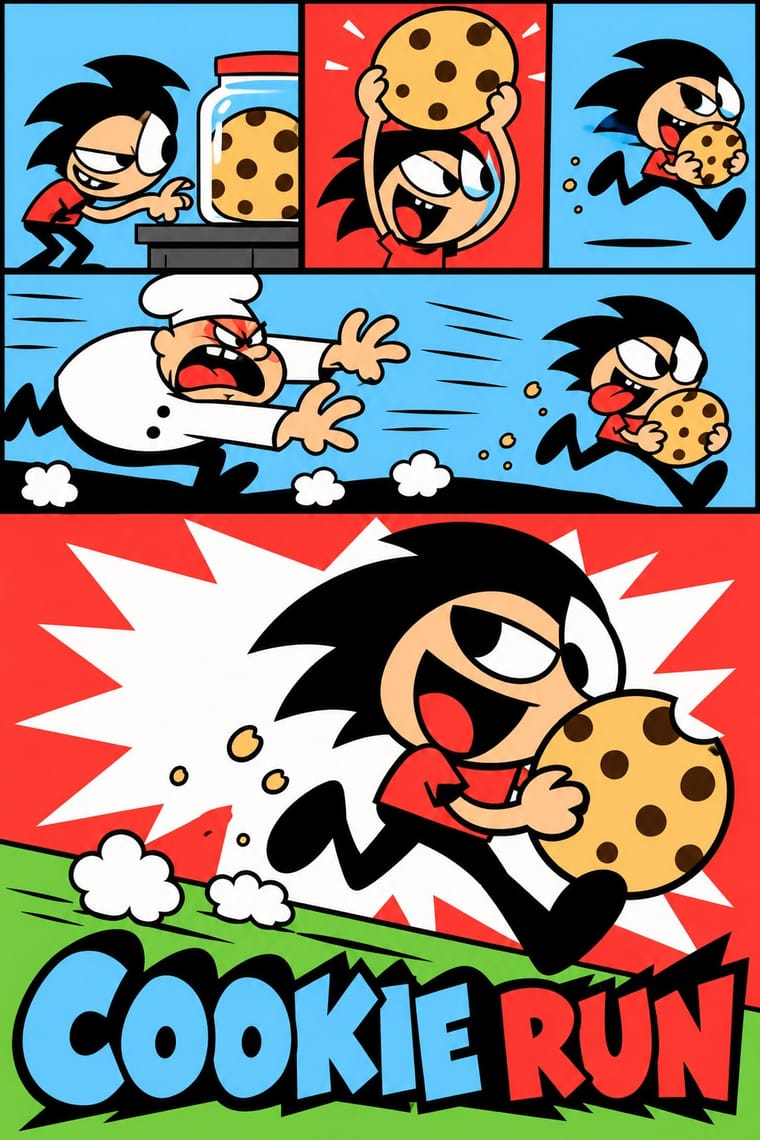
- Indian Pop-Kitsch Design (Desi Kitsch) 60% alike
-
-
-
05
Often taken for
Yami-Kawaii has no real works recorded yet, so these are its nearest styles by its choices alone, with the choices that tell them apart.
-
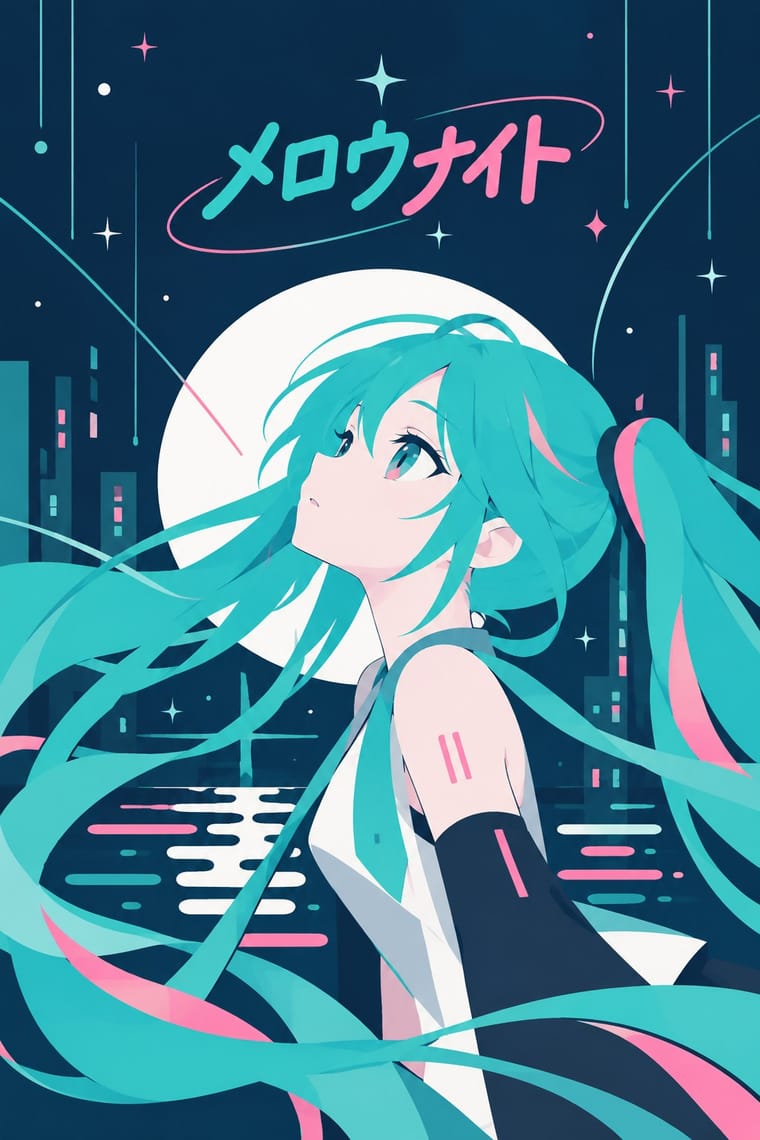
Kawaii Design
Kawaii Design is one of Yami-Kawaii’s nearest styles by choices; no real work of either fits the other better.
Choices that tell Yami-Kawaii and Kawaii Design apart Choice Yami-Kawaii Kawaii Design Analogous harmony characteristic — Full polychrome — characteristic Ironic & self-aware defining — Pattern & repeat — characteristic Web & CSS characteristic — Yami-Kawaii descends from Kawaii Design: a shared line, so the likeness is inherited.
-
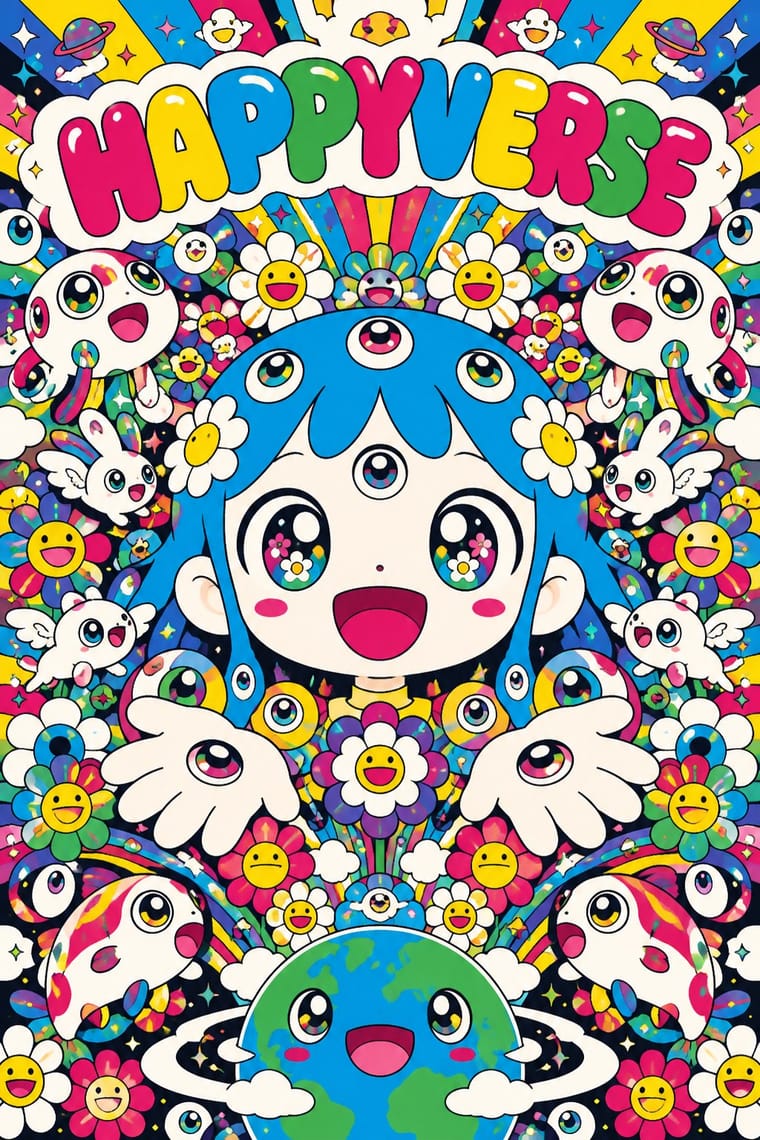
Superflat
Superflat is one of Yami-Kawaii’s nearest styles by choices; no real work of either fits the other better.
Choices that tell Yami-Kawaii and Superflat apart Choice Yami-Kawaii Superflat Pastel defining — Full polychrome — defining Rounded sans defining — Distortion & exaggeration — characteristic Analogous harmony characteristic — No shared descent in the atlas: they reached these choices separately.
-
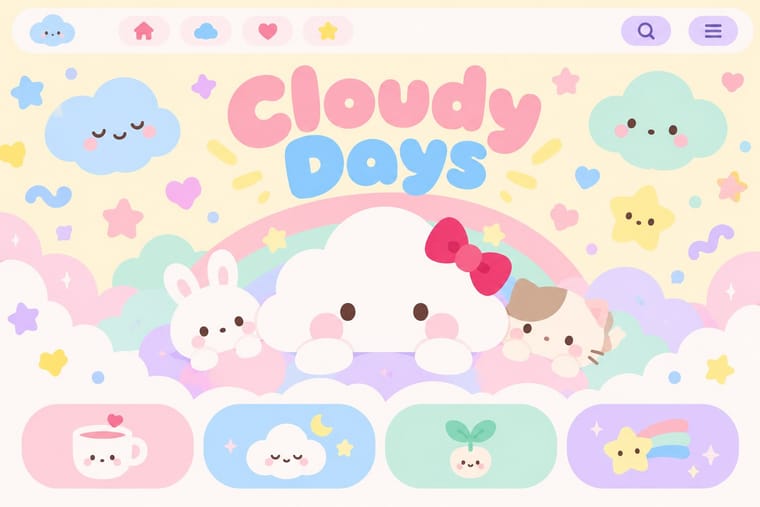
Flash Vector Cartoon (Newgrounds-Era Web Animation)
Flash Vector Cartoon is one of Yami-Kawaii’s nearest styles by choices; no real work of either fits the other better.
Choices that tell Yami-Kawaii and Flash Vector Cartoon apart Choice Yami-Kawaii Flash Vector Cartoon Pastel defining — Sequential narrative — defining Rounded sans defining occasional Full polychrome — characteristic Analogous harmony characteristic — No shared descent in the atlas: they reached these choices separately.
-
Indian Pop-Kitsch Design (Desi Kitsch)
Indian Pop-Kitsch Design is one of Yami-Kawaii’s nearest styles by choices; no real work of either fits the other better.
Choices that tell Yami-Kawaii and Indian Pop-Kitsch Design apart Choice Yami-Kawaii Indian Pop-Kitsch Design Pastel defining — Full polychrome — defining Rounded sans defining — Found & vernacular imagery — defining Rounded & pill defining occasional No shared descent in the atlas: they reached these choices separately.
— means the choice isn’t among the style’s recorded choices. Critics recorded each work’s choices with the styles’ descriptions in view, so this shows whether the descriptions hold together, not proof that they are right.
06
Combine it with
Styles Yami-Kawaii (Sick-Cute) pairs well with or plays against, from the research. Each is worked out as a combination: which style gives the type, the colours and the forms.
- Weirdcore & Dreamcore Contrasts · Uncanny low-resolution photography against polished, cute vector illustration.
- Shōjo Manga (Japanese Girls' Comics) Pairs well · Borrow shojo emotional intensity and sparkle ornament to deepen the melancholy.
- Superflat Pairs well · Loosely comparable: flat fills and character-led pop art, though no source ties menhera to the superflat movement.
- Kawaii Design Contrasts · Keep the same pastel and round forms but swap reassurance for distress to see how much mood depends on motif.
- Chat Reaction-Sticker Cartooning (LINE) Contrasts · Sick-cute sets dark feeling in pastel; reaction stickers keep the feeling comic and sendable.
07
Sources
- https://en.wikipedia.org/wiki/Menhera
- https://ja.wikipedia.org/wiki/江崎びす子
- https://ja.wikipedia.org/wiki/メンヘラ
- https://www.vice.com/en/article/what-is-menhera-fashion/
How Stylogeny researches and checks a style: where the facts come from.