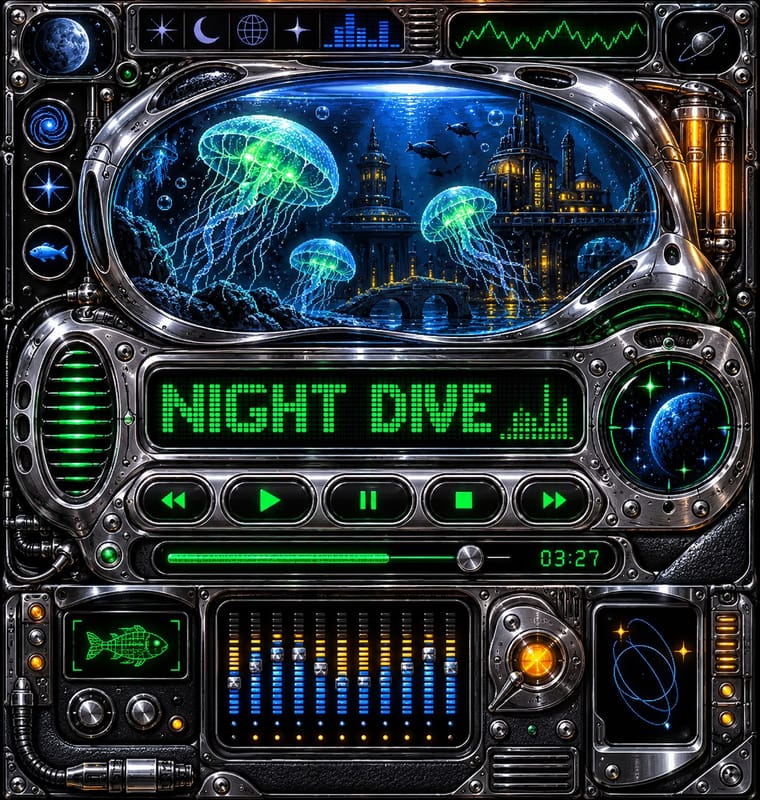
Effects
Effects and techniques
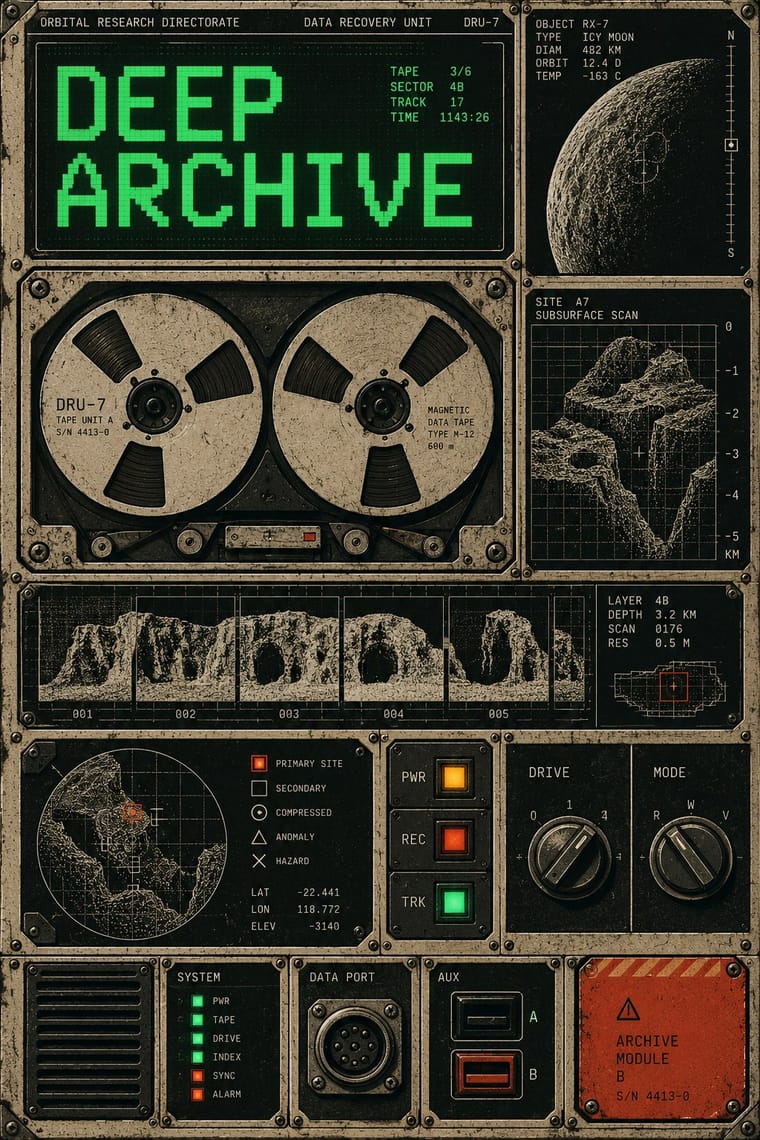
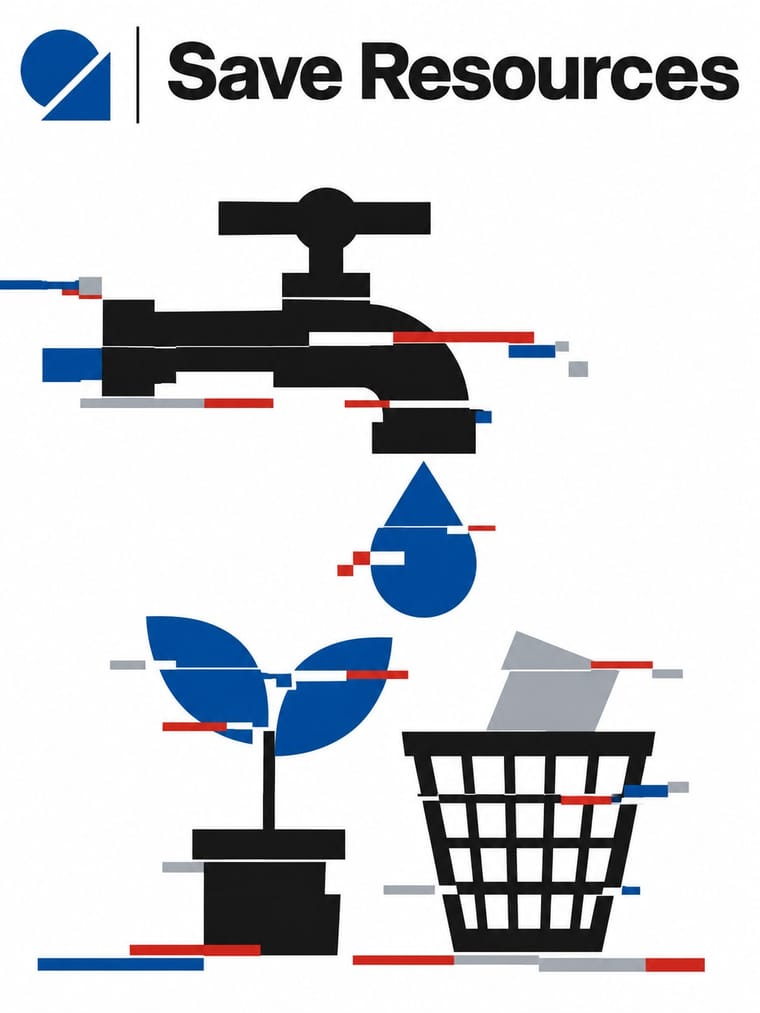
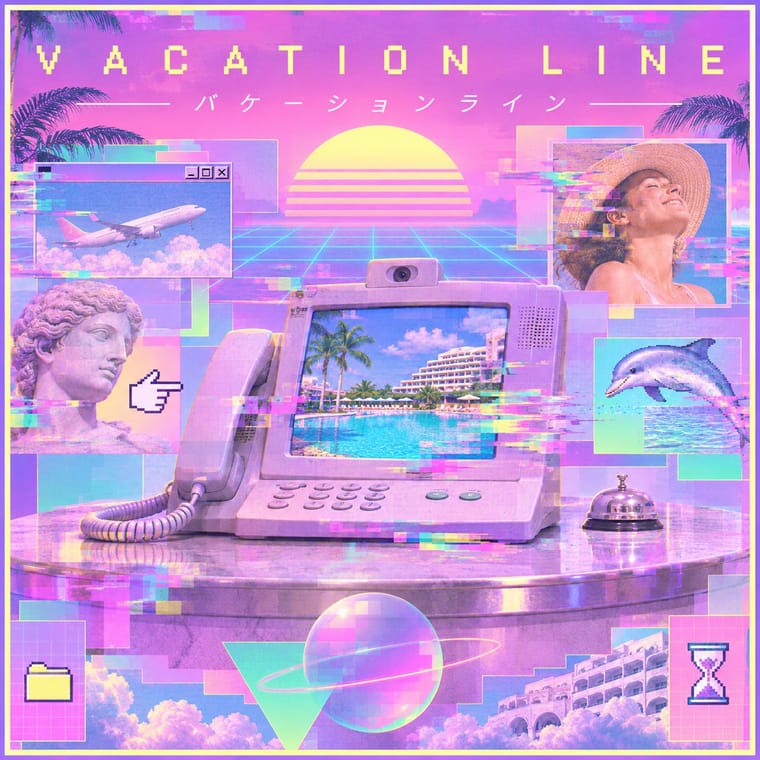
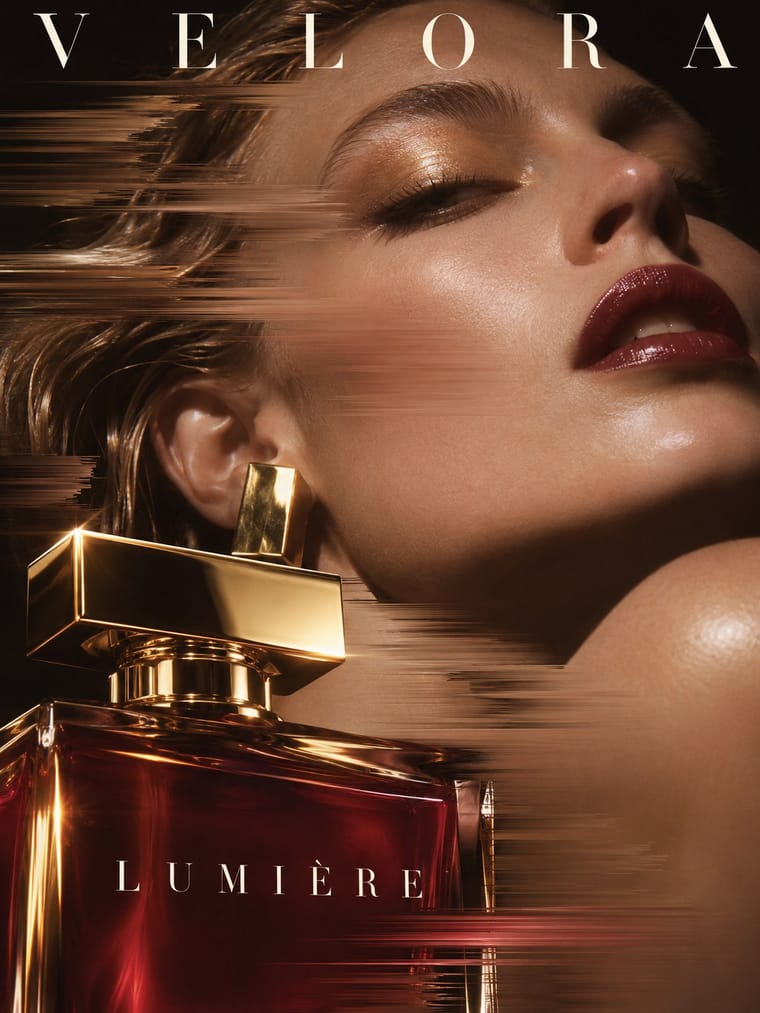
Halftone, riso grain, 1-bit dither, scanlines, datamosh, fluted glass. People often name these as styles. They are finishes: ways to treat a surface, used across many styles.
A style says how a whole design looks. An effect says how its surface is printed, shown or rendered, and any style can wear one. It is not what a picture shows, and not how a design carries an idea. Each effect here says what it is, where it comes from, which of the 702 styles use it, and where to make it yourself.
- effects
- 41
- groups
- 5
- styles that use one
- 117
- pictures
- 19
Print and reproduction 9
Marks of how a picture was printed or copied: dot screens, stencil grain, inks out of register, toner.
-
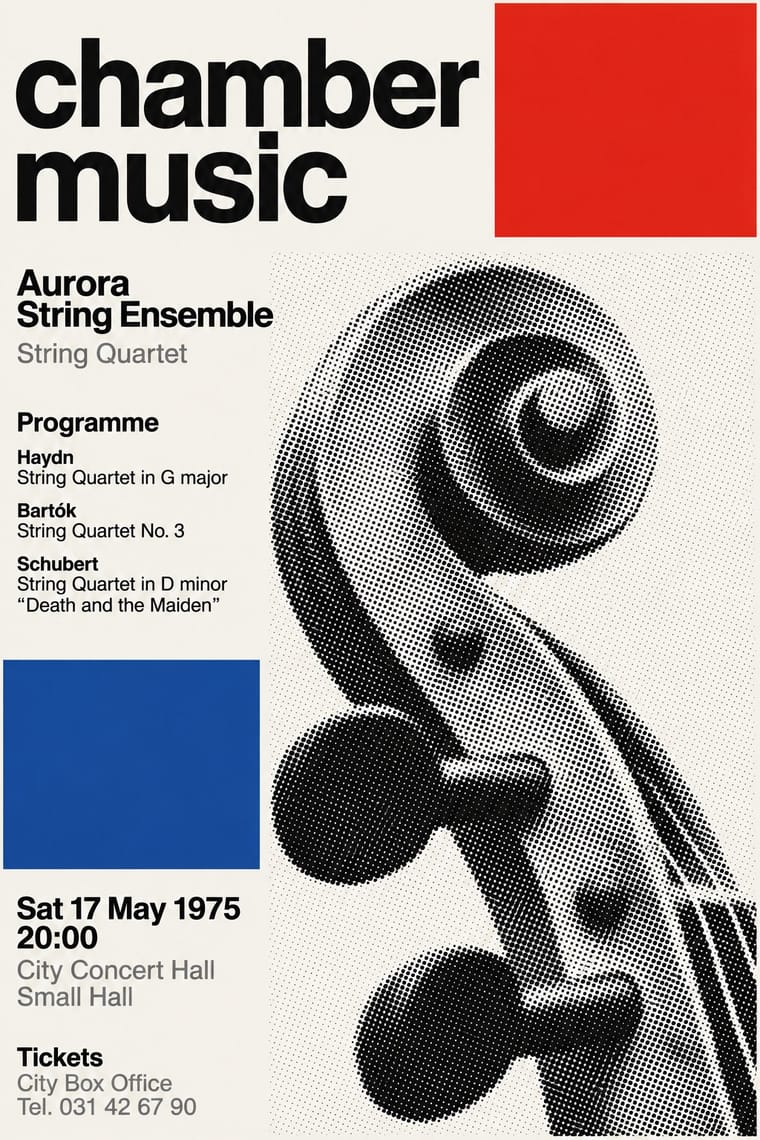
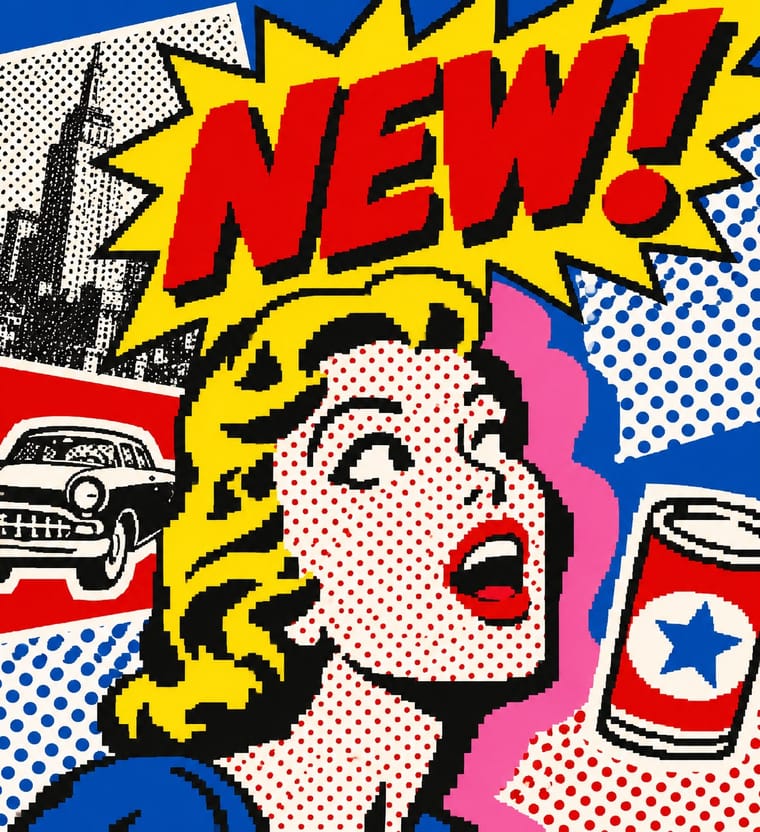
Halftone A picture broken into dots of one ink that grow and shrink to make lighter and darker tones.
-
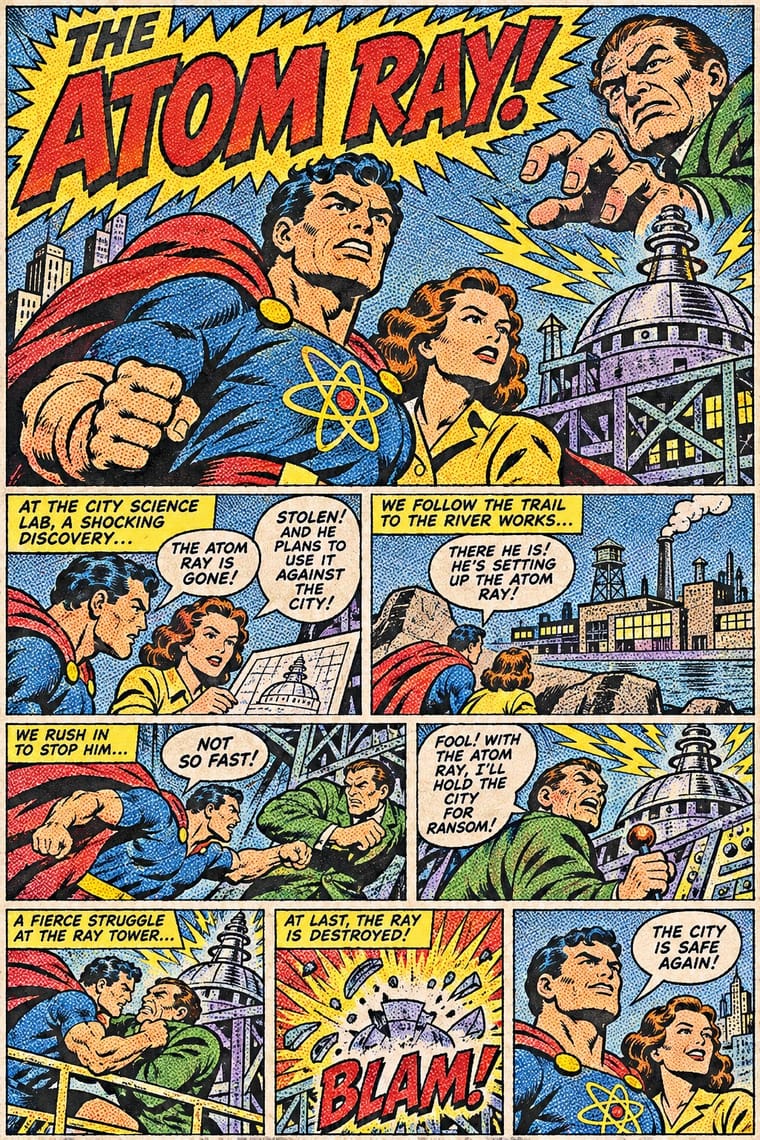
Ben-Day dots Flat areas filled with evenly spaced dots of one size, the cheap tint of old comic printing.
-
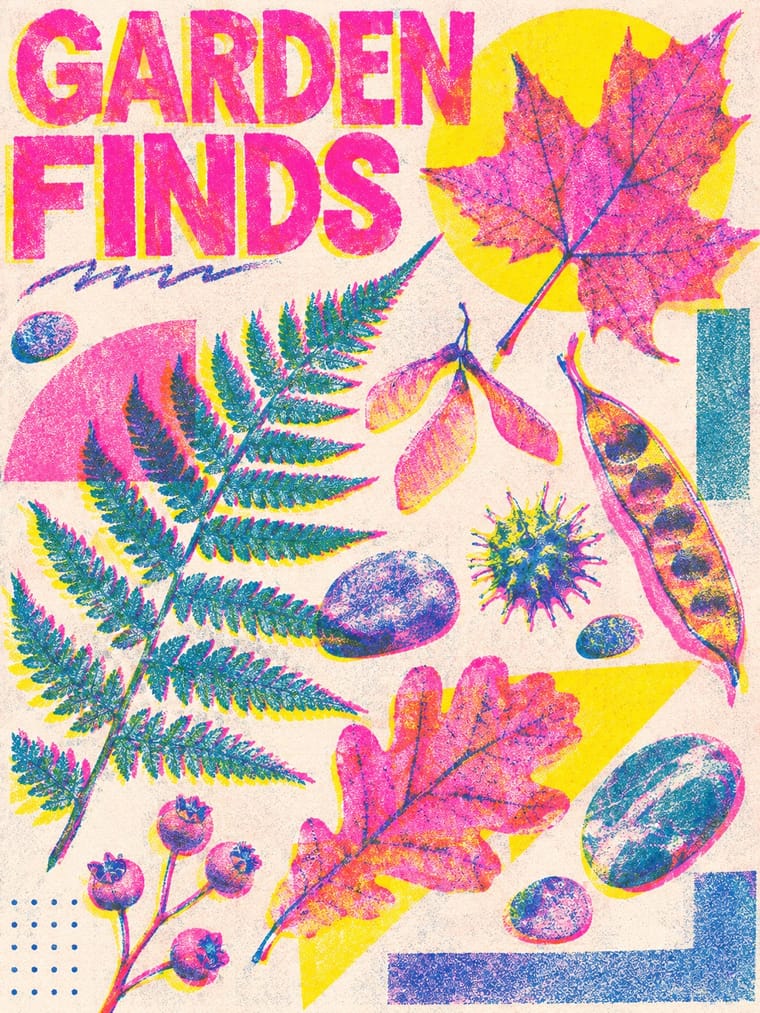
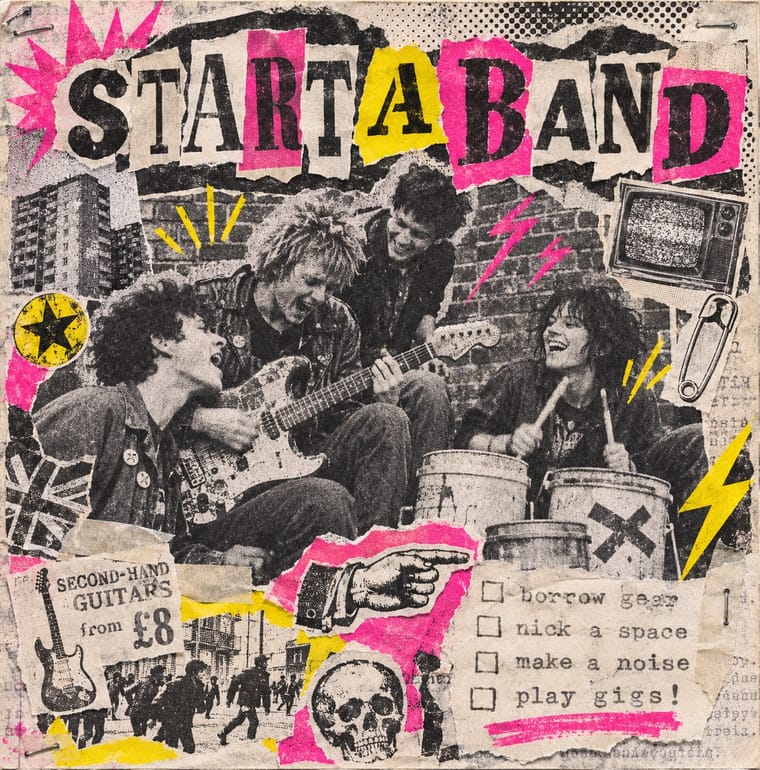
Riso grain The speckled, slightly uneven ink of a stencil duplicator: bright soy inks, grain in the solids, layers a little off.
-
Misregistration Inks printed slightly out of line with each other, so colours overlap and a sliver of paper shows between them.
-
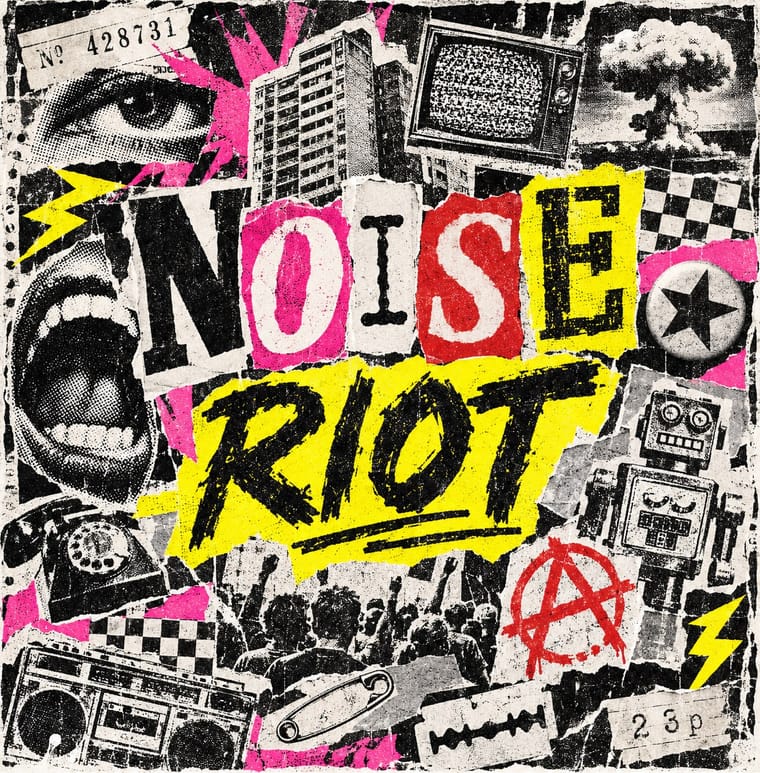
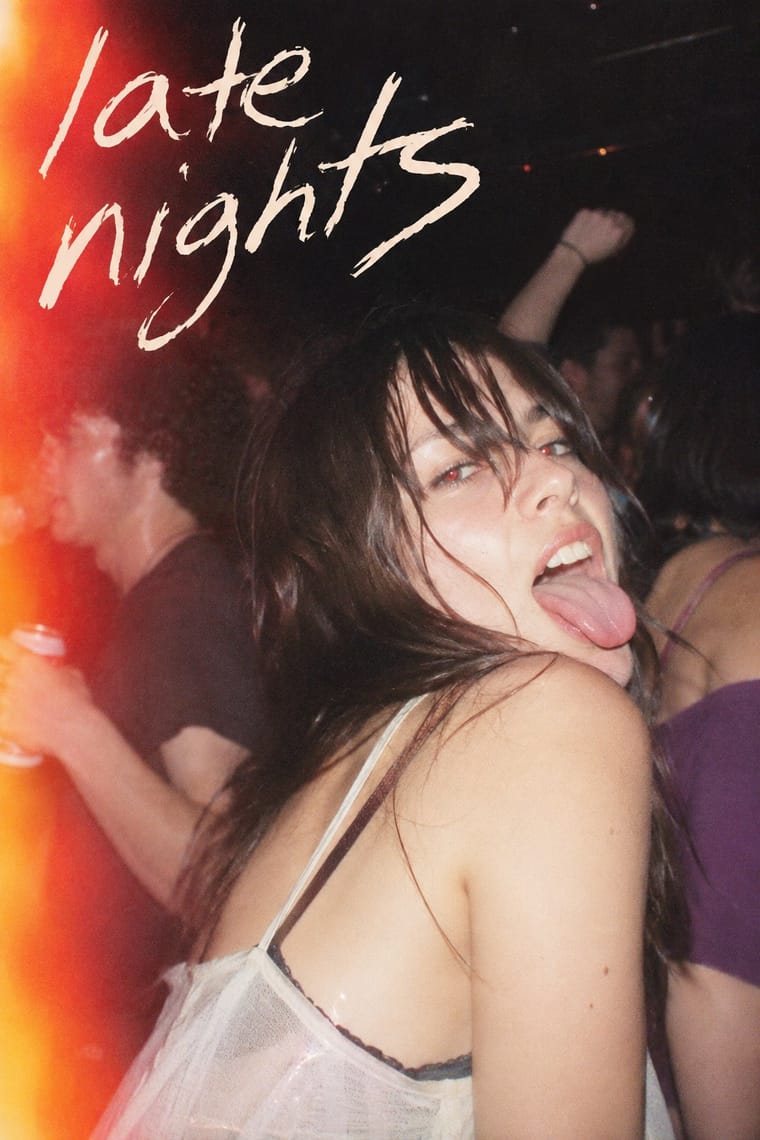
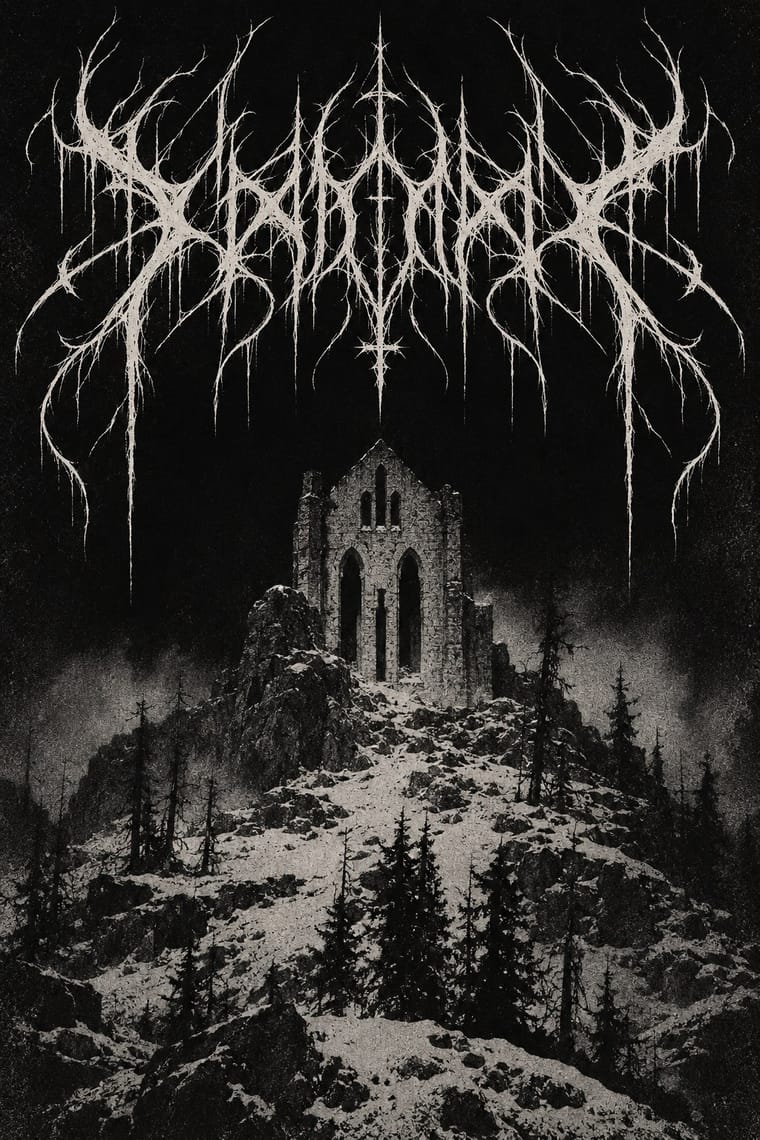
Photocopy The harsh black and white of a copier: greys lost, toner specks, streaks and edges of a page copied again and again.
-
Typewritten carbon copy A page typed on a manual typewriter through carbon paper: struck monospaced letters, uneven and fuzzy ink, on thin paper.
-
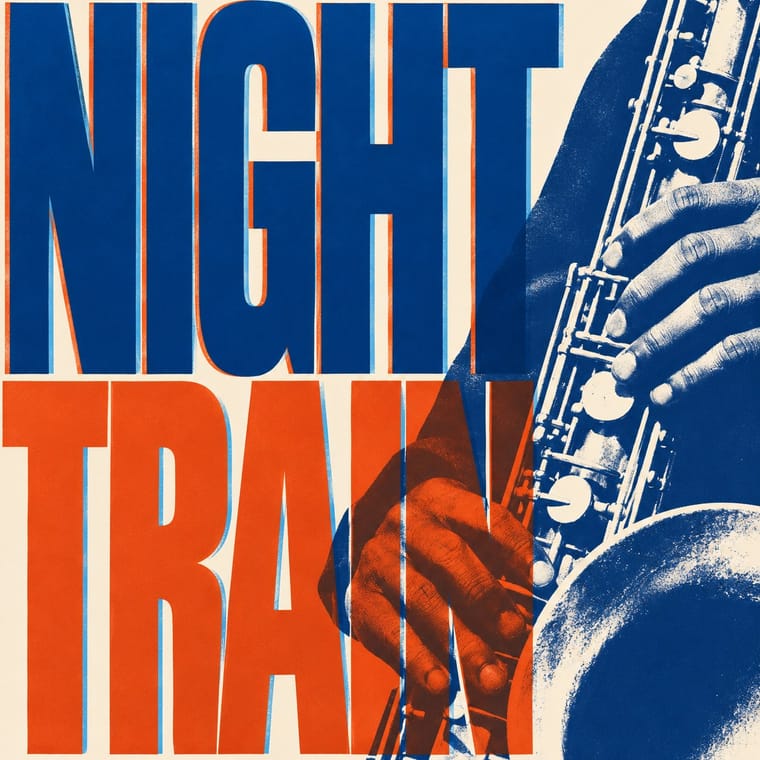
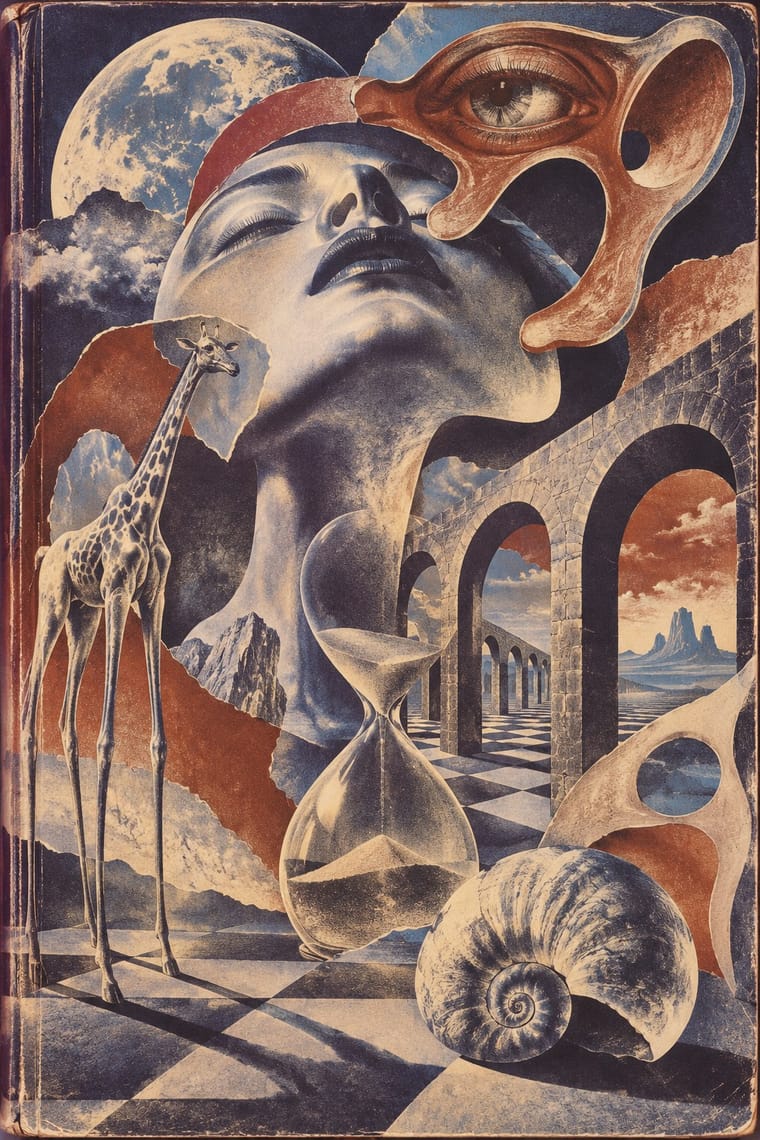
Duotone A photograph printed in two inks, its shadows in one colour and its lights in another.
-
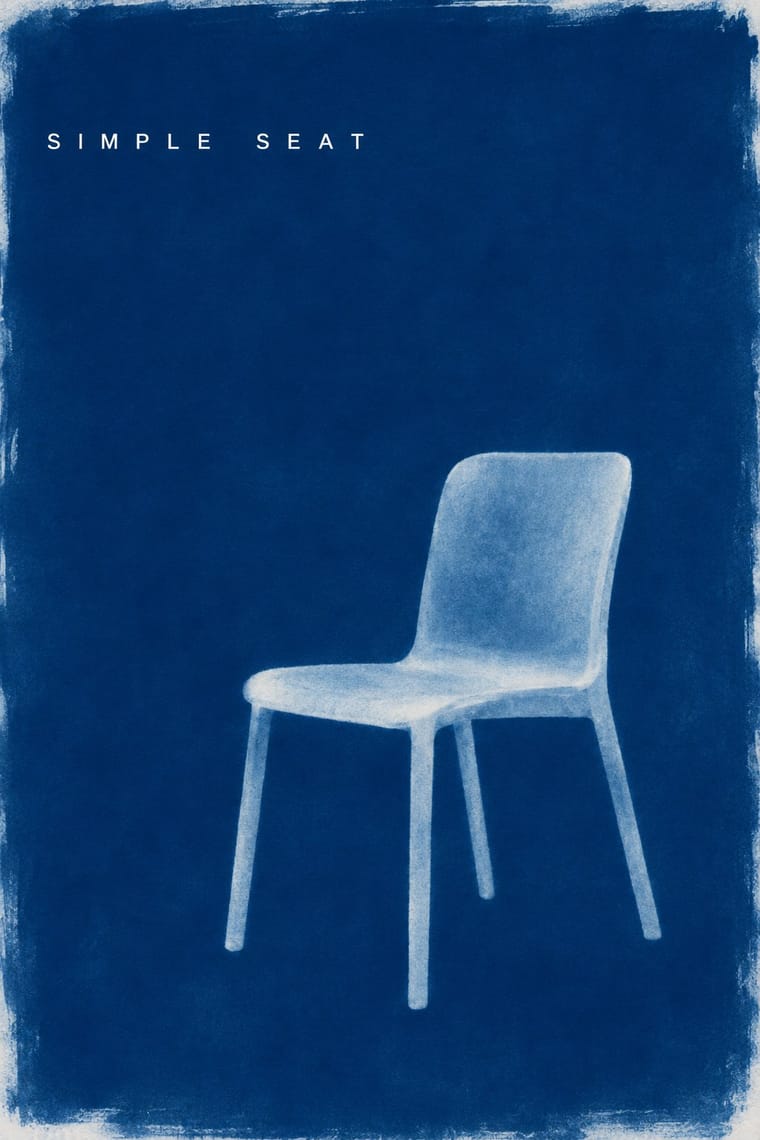
Cyanotype and blueprint White shapes on Prussian blue, the colour of an iron-salt print made by sunlight.
-
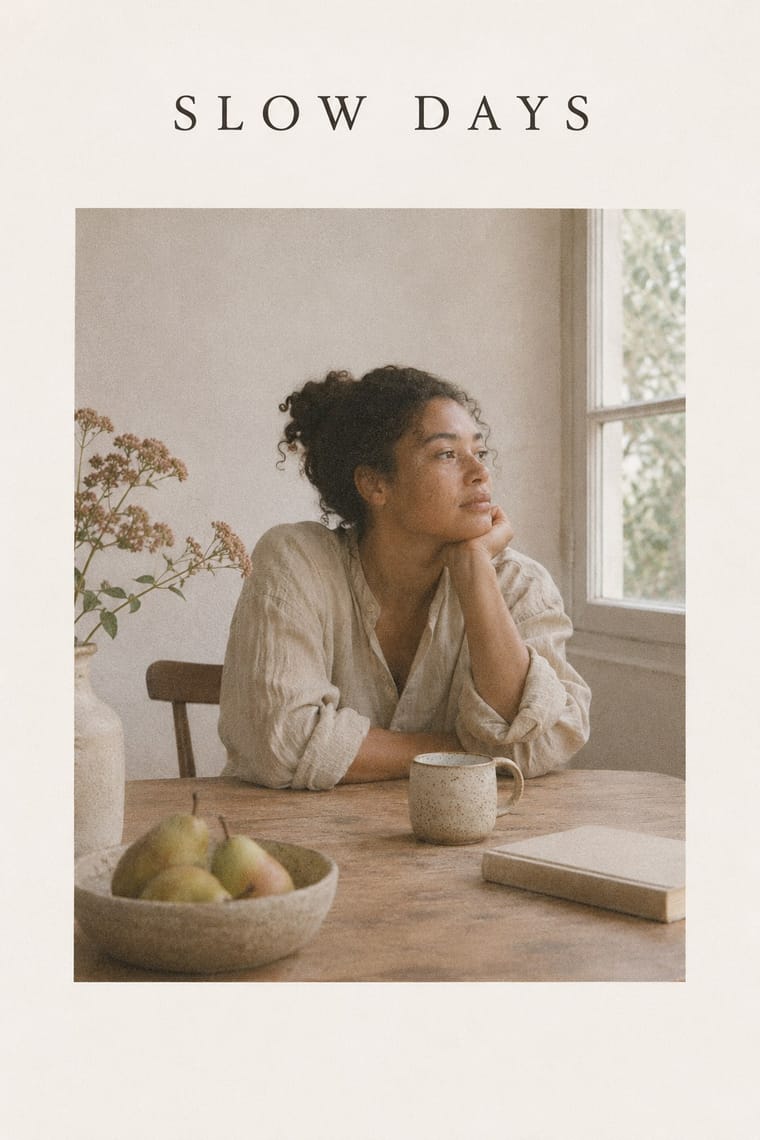
Grain and noise A fine speckle over the whole surface, like the grain of film or rough paper, often laid over smooth gradients.
Screen and signal 11
Marks of how a picture was shown, stored or sensed: pixels, scanlines, broken files, false colour.
-
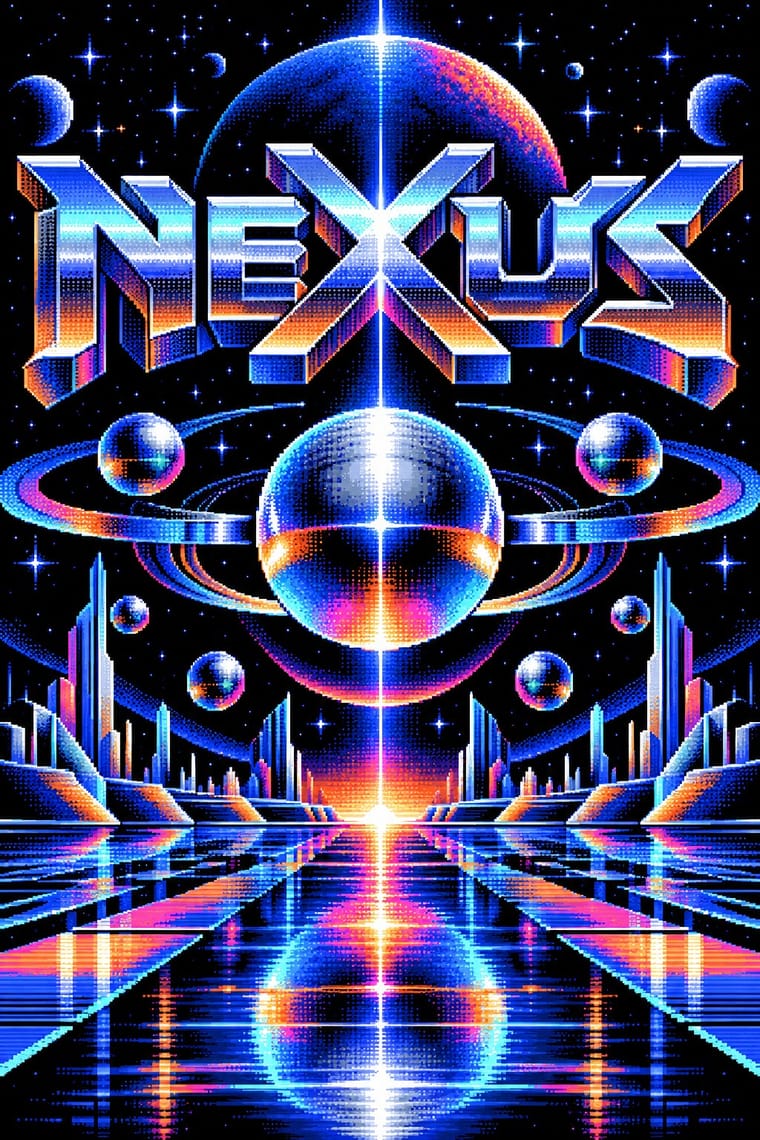
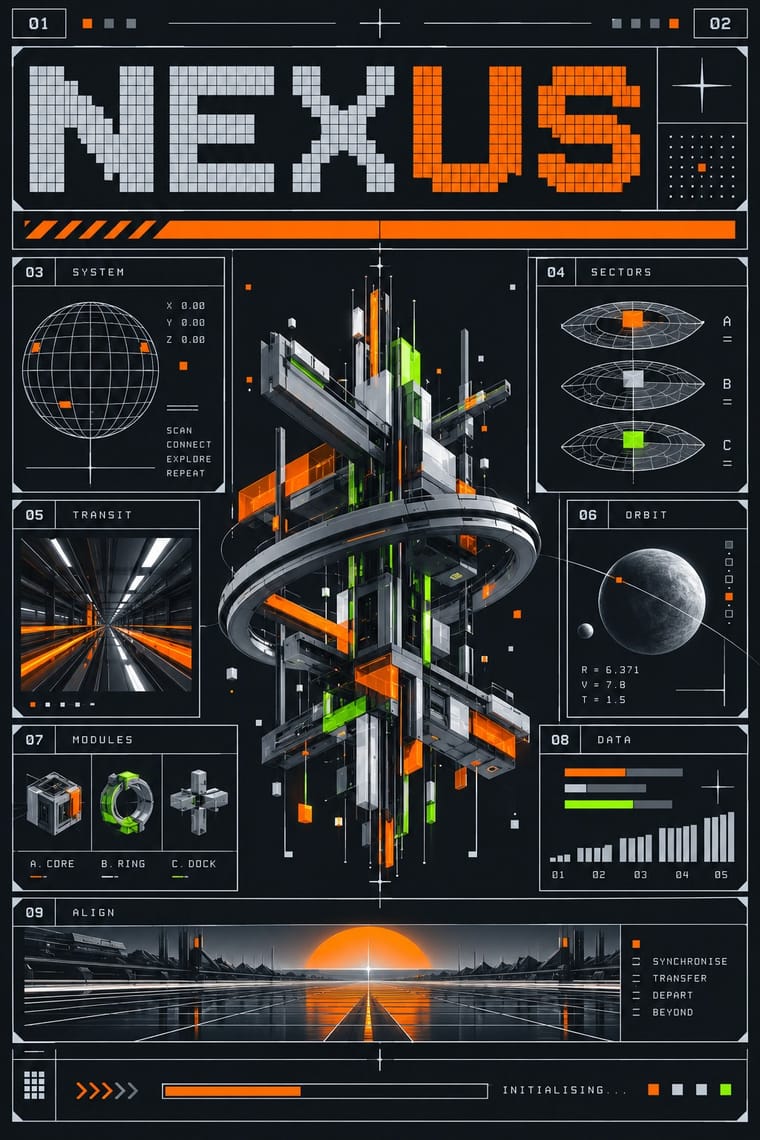
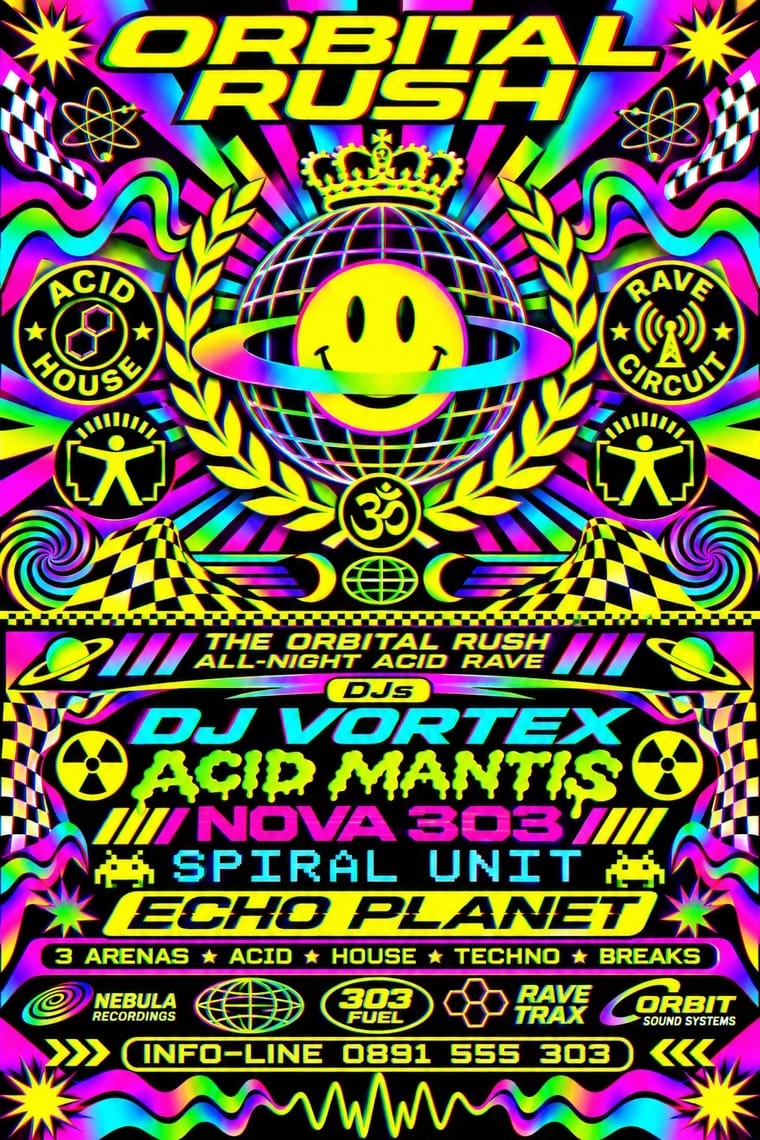
1-bit dither Greys and colours made from patterns of a few pure pixels, as on screens and printers that could show only black and white.
-
CRT scanlines Fine horizontal lines and glowing phosphor across the picture, as on an old tube television or arcade screen.
-
Glitch A picture broken as a damaged file breaks: torn slices, shifted blocks, stray colours.
-
Datamosh A video compression error made on purpose: the movement of one shot drags the pixels of another into smeared, blocky streams.
-
Pixel sorting Rows or columns of pixels sorted by brightness, so parts of the picture melt into long streaks.
-
RGB split The red, green and blue of a picture pulled apart, so edges show coloured fringes.
-
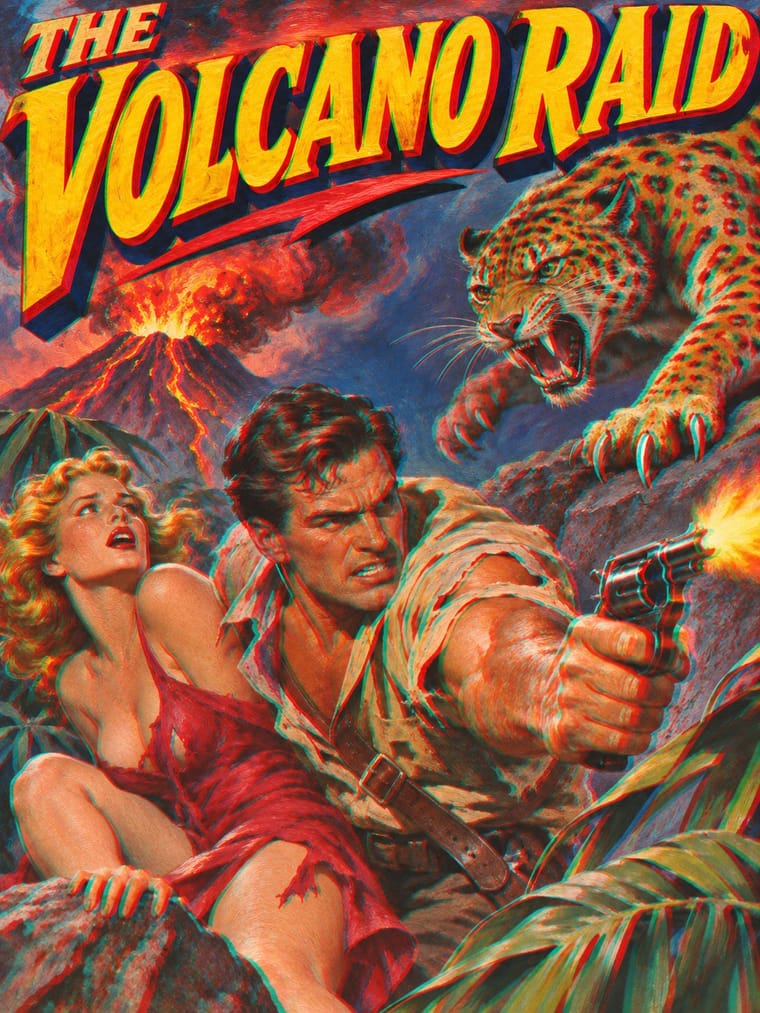
Anaglyph 3D Two views of a picture printed in red and cyan, to be seen in depth through coloured glasses.
-
Pixelation A picture shown in large square pixels, as if blown up from a tiny file.
-
ASCII art A picture rebuilt from typed characters, denser letters for darker tones.
- Thermal imaging Heat shown as colour: warm things glowing yellow and white, cool ones fading to purple and black.
-
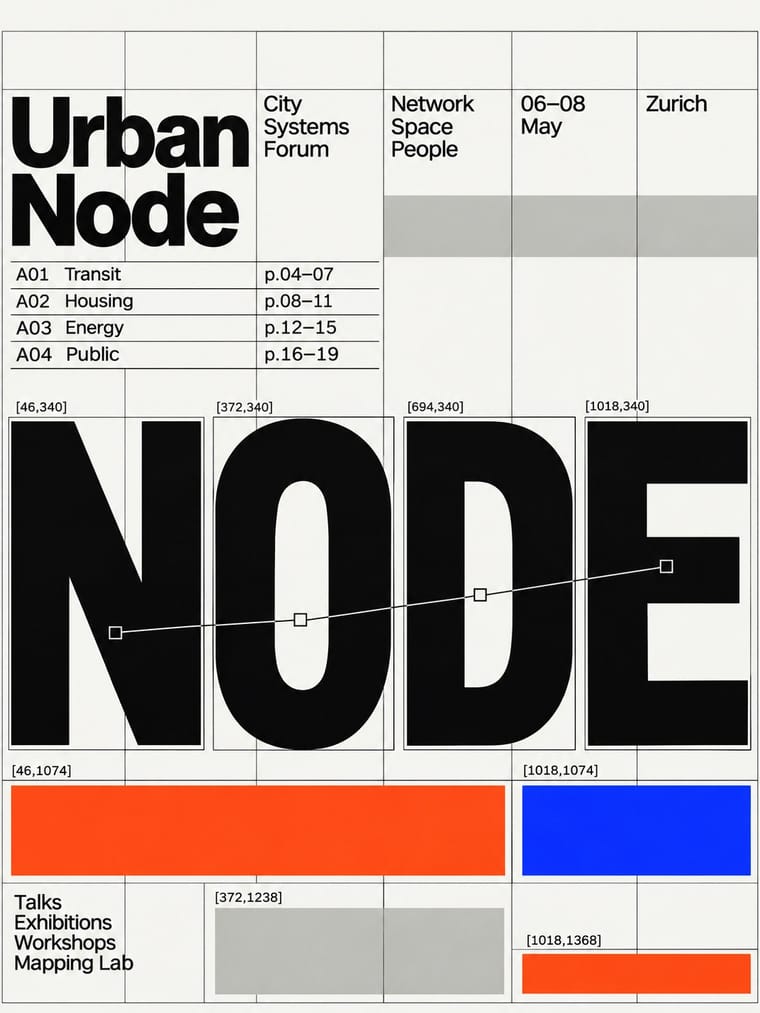
Blob tracking Boxes, labels and connecting lines drawn over moving shapes, as computer-vision software marks what it detects.
Photographic and optical 10
What a camera, a film or a darkroom does to light: exposures laid over each other, leaks, flare, blur.
-
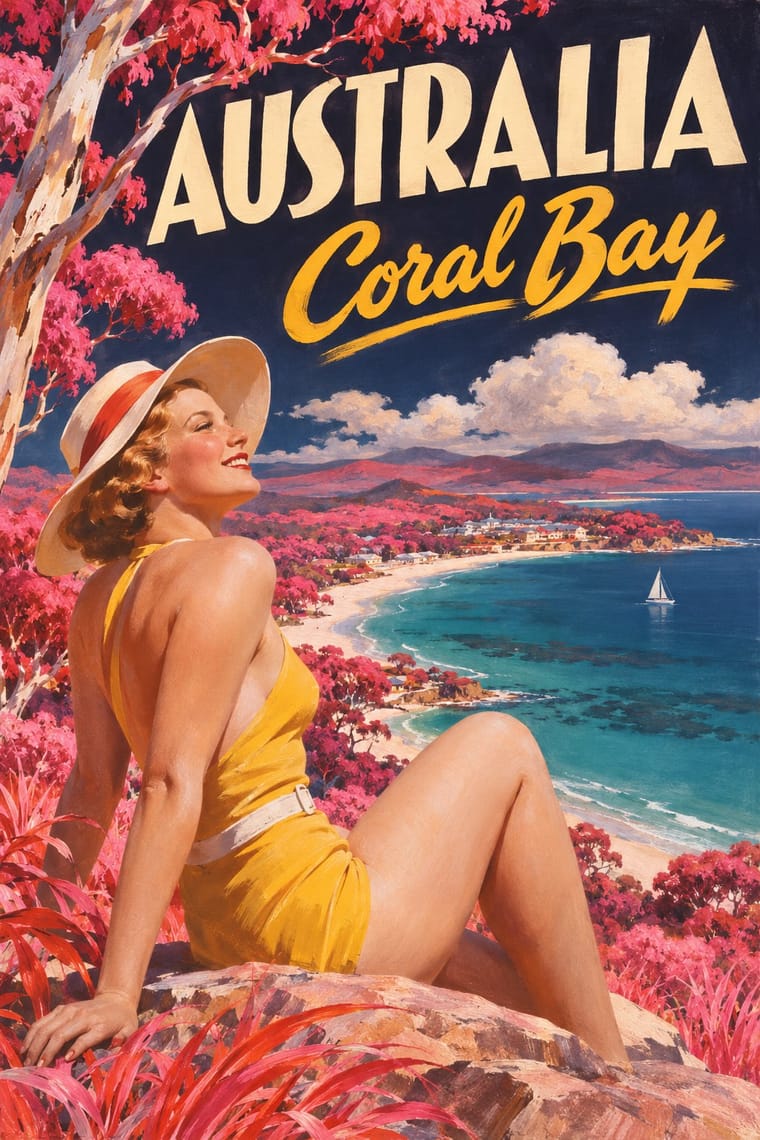
Infrared Light the eye cannot see, caught on film: leaves glow white or pink, skies turn dark.
- X-ray Things seen through, as a radiograph sees them: pale, glowing bones and parts on black.
-
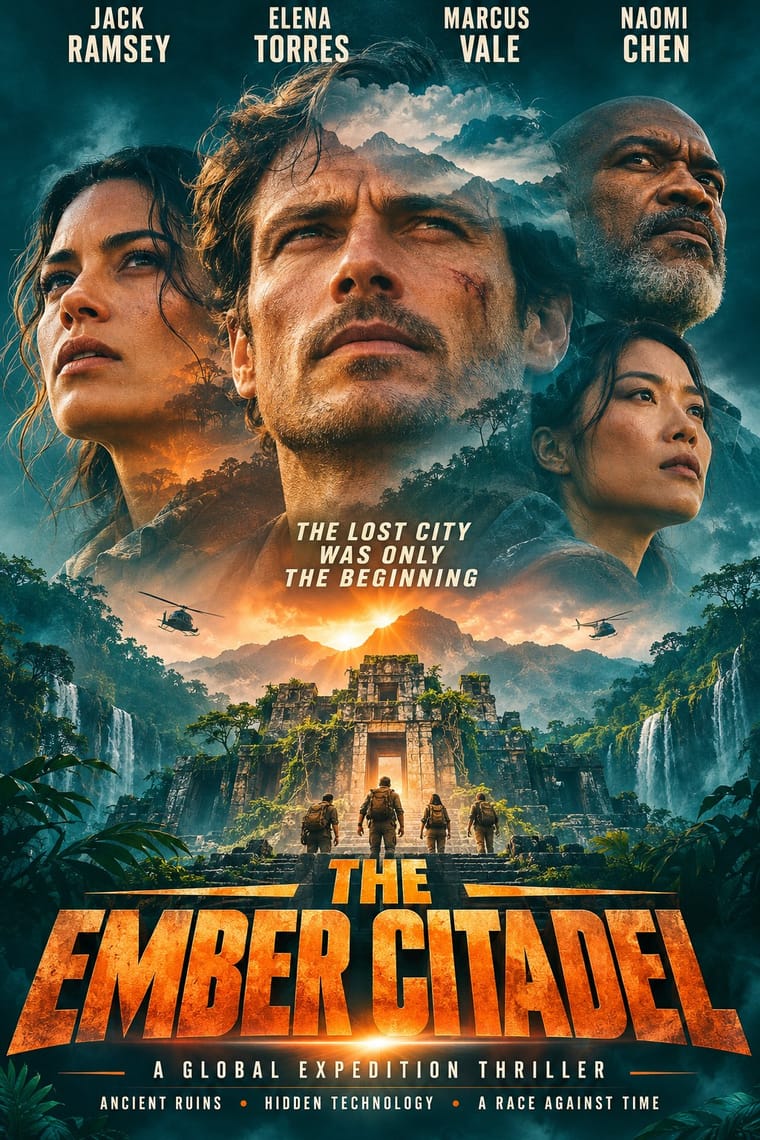
Double exposure Two pictures exposed on one frame, one showing through the other, often a landscape inside a silhouette.
-
Light leak Warm red and orange glows bleeding in from the edges of a frame, where light got into the camera.
-
Solarisation Tones partly reversed, so some shadows turn light and edges get thin dark outlines.
-
Film grain The grain of film in a photograph’s own tones, strongest in the greys and shadows.
- Lens flare Light scattered inside a lens: streaks, rings and haze from a bright source in or near the frame.
-
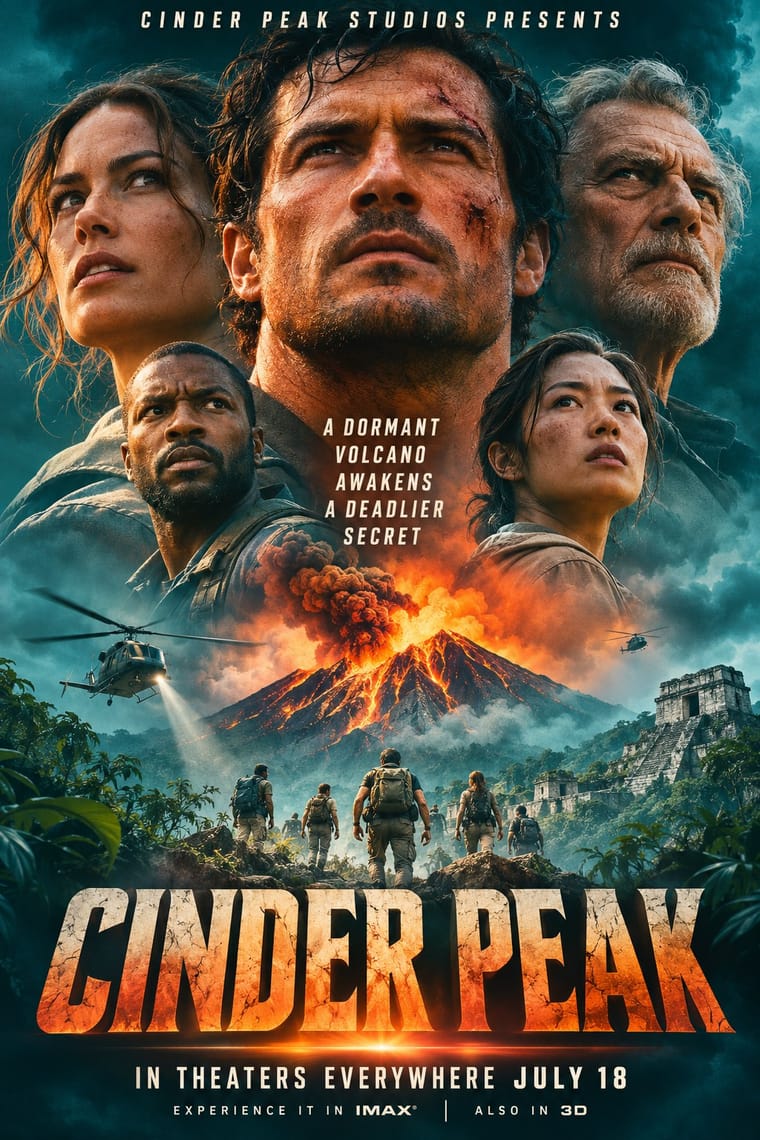
Long exposure A slow shutter: moving lights drawn as trails, moving things blurred, still things sharp.
- Tilt-shift miniature A narrow band in focus and blur above and below, so a real scene looks like a model.
-
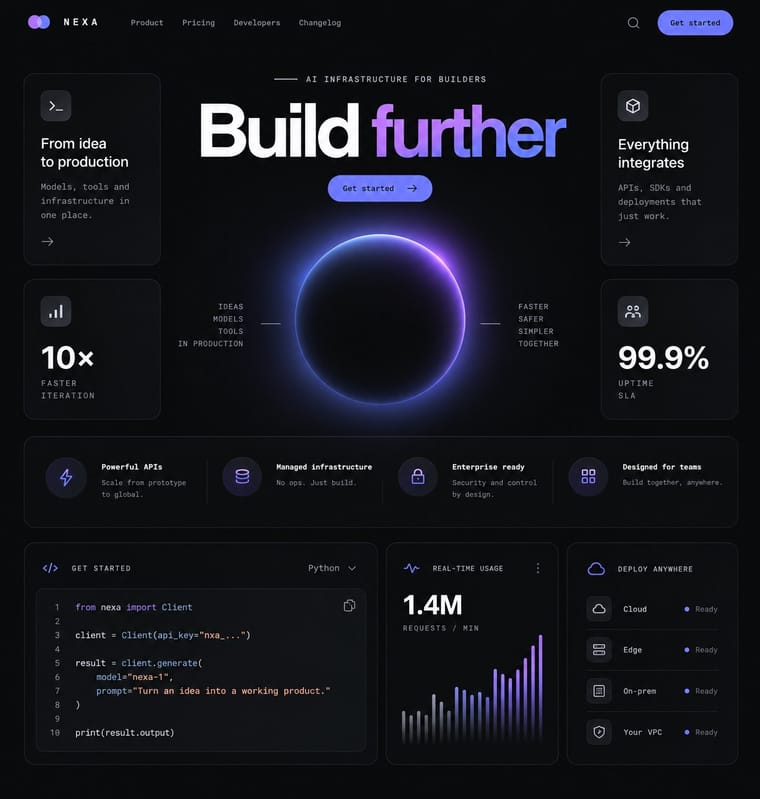
Aura blur Soft, glowing clouds of colour melting into each other, with no edges anywhere.
Rendered materials 7
Surfaces drawn or rendered as a material: chrome, frosted or fluted glass, foil, embossed paper, thin paper with its back showing through, clouds of points.
-
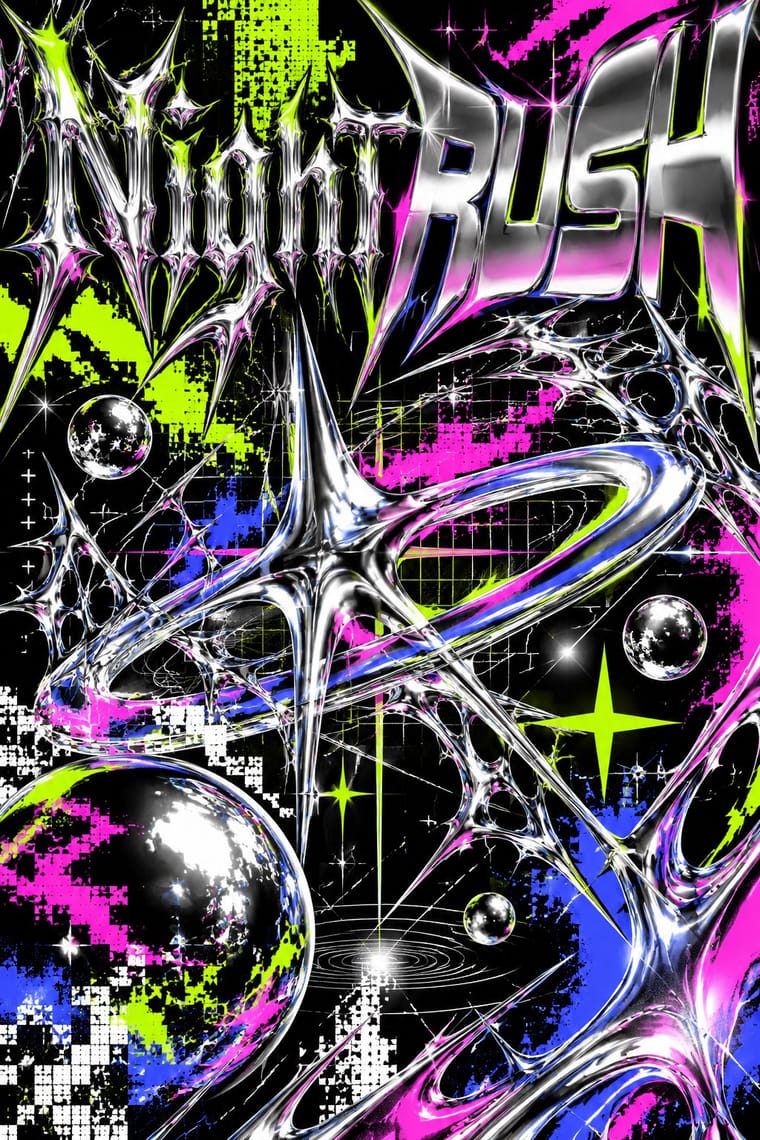
Liquid chrome A mirror-bright metal surface reflecting a sky and a horizon, on letters or objects.
-
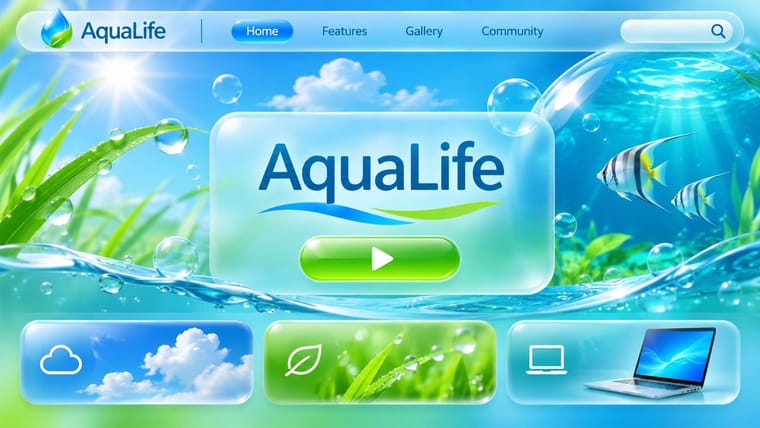
Frosted glass Translucent panels that blur whatever lies behind them, with a thin bright edge.
- Fluted glass A picture seen through ribbed glass: sliced into vertical strips, each one bending the picture a little.
-
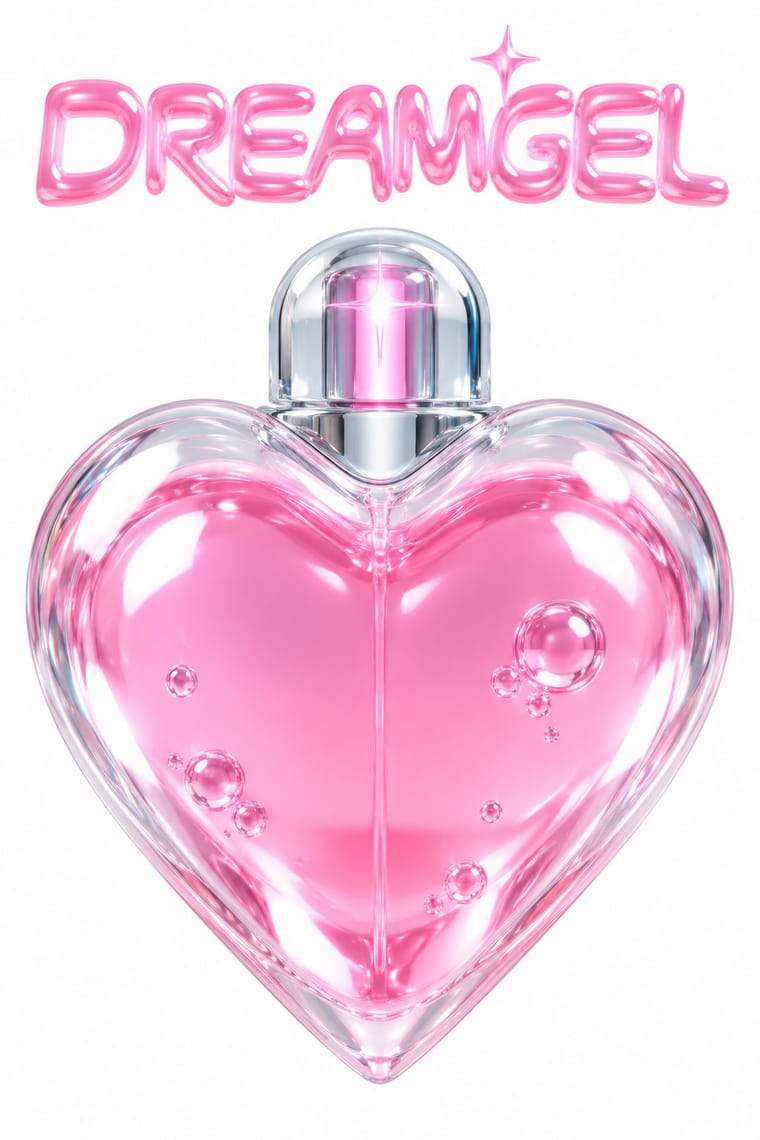
Holographic foil A shifting rainbow sheen, like foil or oil on water.
-
Emboss and deboss Shapes pressed up out of the paper or down into it, seen only by light and shadow.
- Paper show-through Thin paper with what is printed on its back showing faintly through, mirrored and soft, behind the front.
-
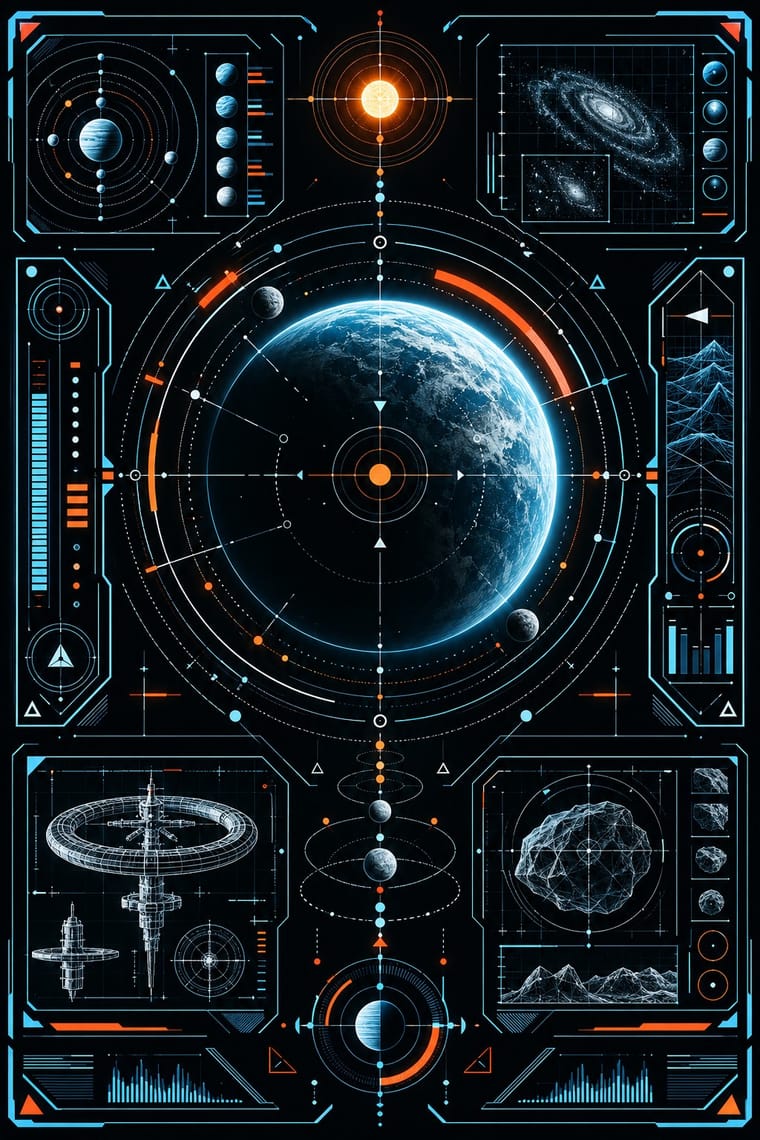
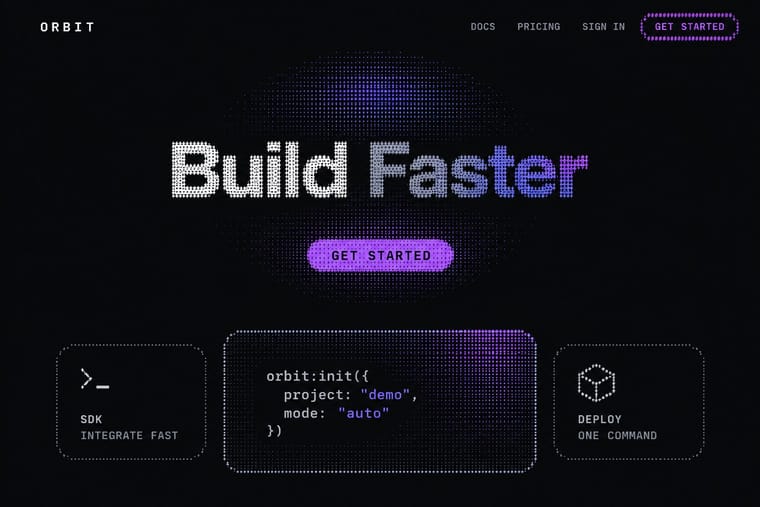
Particle field A form drawn as thousands of small points, often glowing on a dark ground.
Line and pattern 4
Pictures rebuilt from lines: a mesh, contour lines, interfering patterns, lines that swell into tone.
-
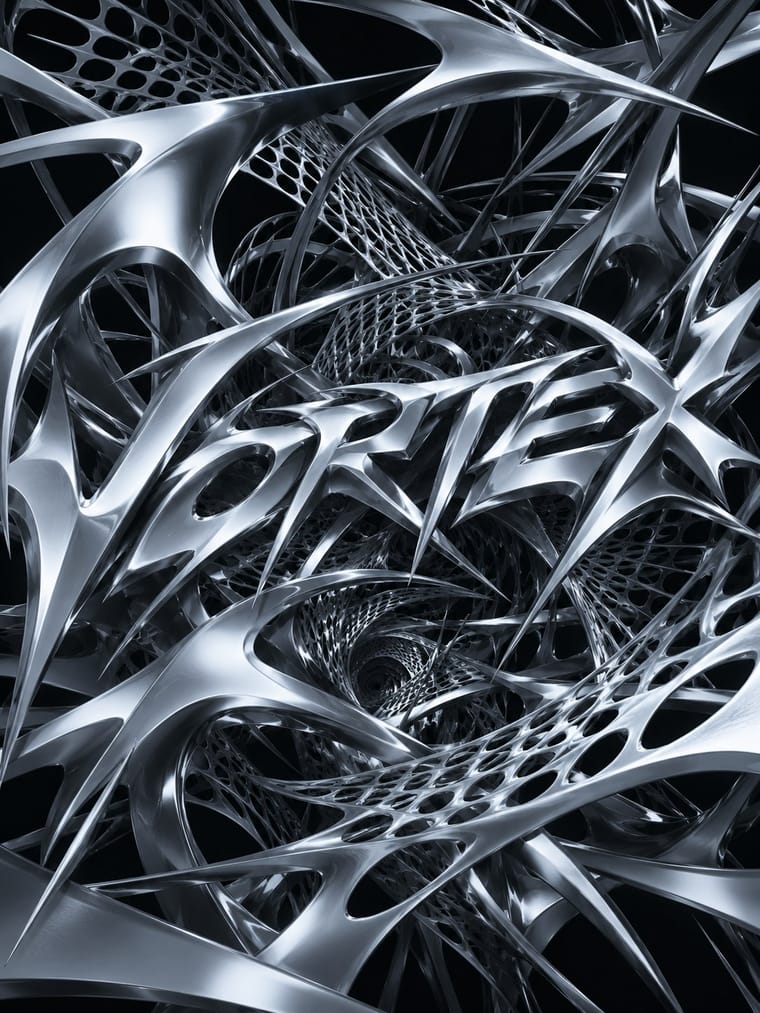
Wireframe A 3D form shown only by the lines of its mesh, see-through.
- Contour lines Lines of equal height winding around each other like a map’s relief, used as a picture or a texture.
- Moiré Large shimmering waves that appear where two fine patterns overlap at a slight angle.
- Line halftone Tone made of parallel lines that swell in the shadows and thin out in the light.
How styles get their effects
Some effects are design choices already. A style that makes the choice “Halftone & Ben-Day dots” uses halftone, and one printed on a risograph has riso grain. Those are read straight from its choices.
The rest need someone to look at the work: whether a style’s posters use Ben-Day dots or any halftone, a datamosh or any glitch. That research goes style by style, so the lists grow. 29 styles have been checked so far.
Pictures on these pages are generated by AI: a style dressed in an effect, labelled as such. None is a real or historical work.