Digital native · 1997–2008 · Global / networked, North America, Western Europe
Media-Player & Desktop Skins (Winamp-Era Skinning)
Also known as Winamp skins, Application skins, Skinning scene, Freeform skins, Desktop customisation
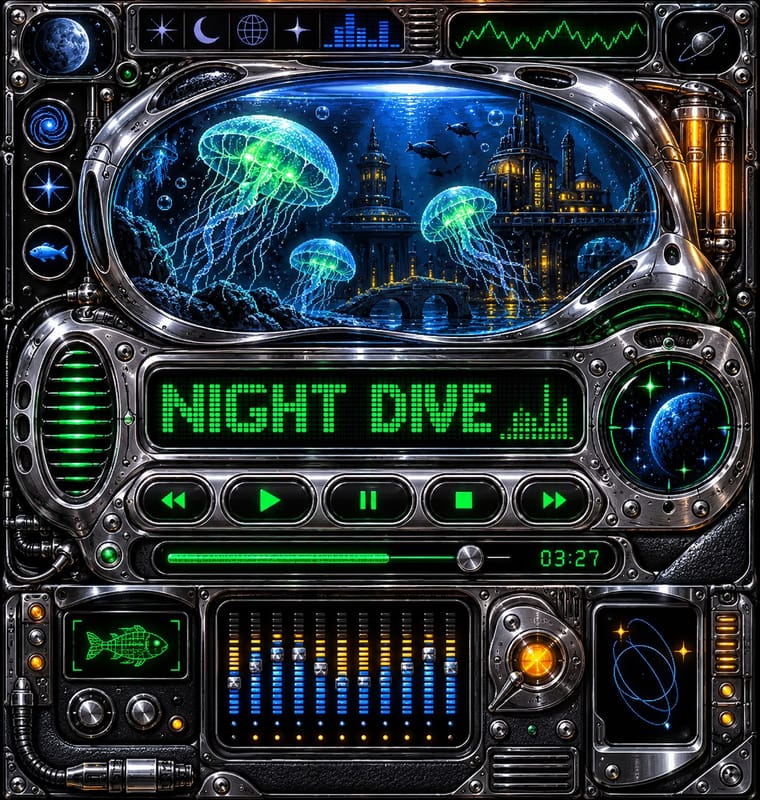
An amateur interface craft of the dial-up years in which fans repainted small software windows, above all the Winamp media player, as imaginary hardware: hi-fi faceplates, sci-fi consoles and game props in pixel-painted chrome and brushed metal, with glowing LCD readouts on dark wells, packed transport buttons and spectrum analysers. Freeform formats cut the window into blobs and pods; a large fan strand ranged from simple recolours to anime, game and band art, often in glaring colours and at the cost of legibility.
Make something in this style Get advice in this style Mix it with another style
01
How it works
- Redraw the software window as a fictional machine object floating on the desktop, not as a page or a form.
- Paint every surface by hand, pixel by pixel, as bevelled chrome, brushed metal, rivets and glossy highlights so it reads as three-dimensional.
- Set time, title and track data as glowing green, blue or amber LCD or LED digits in dark recessed wells.
- Pack transport buttons, sliders, a scrolling title and a spectrum analyser into a tight fixed bitmap, docked in framed modules.
- Break out of the rectangle where the format allows: cut the window into blobs, pods or creature shapes with soft edges.
- Put the look before the label: let fan art, theme and finish win, even in glaring colours and even when buttons lose their captions.
Nullsoft's Winamp (first released April 1997), which published skin documentation alongside Winamp 2 (September 1998) and invited users to share skins; taken up by Sonique (Mediascience, Bozeman, Montana, January 1998), Stardock's WindowBlinds, Windows Media Player 7's Skin Mode (June 2000) and fan skin sites such as skinz.org, customize.org and Winamp Facelift, which loosely inspired DeviantArt (August 2000)
02
Its design choices
From Stylogeny’s vocabulary of design choices: defining choices make the style, characteristic ones are usual, occasional ones turn up now and then.
- Layout & composition
- Space & hierarchy
- Typography
- Colour
- Form & shape
- Surface & texture
- Imagery
- Medium & production
- Tone & intent
- Avoids
- Generous white space, Flat, Paper & letterpress bite, Ornament-free, Rational & objective, Column grid, Humanist & Garalde serif, Calm & contemplative
Palette
-
#0b0d12 -
#3a3b4a -
#b8bcc6 -
#00e83a -
#ffae00 -
#2f6fd6
Typefaces
-
Seven-segment LCD and LED digit sets for time readouts
-
Hand-pixelled bitmap character sheets drawn per skin for scrolling titles
-
Extended techno sans in the Eurostile manner for chrome logos and labels
Known for
-
Winamp 2 default 'Base Skin' (1998)
time in a green LED-style font beside a spectrum analyser
-
Winamp 2 classic skins (from 1998), with skin documentation published by Nullsoft and nearly 3,000 skins shared by 2000, in categories such as 'Stereo', 'Anime' and 'Ugly'
-
Sonique (Mediascience, sold to Lycos in 1999; 1998–2002)
a highly stylised, animated player with irregular skins
-
Windows Media Player 7 skins (2000)
Headspace, Optik, Roundlet, Rusty, Toothy
-
Winamp3 (2002) and Winamp 5 (2003) 'modern' freeform skins on the Wasabi framework
-
Stardock WindowBlinds skins on WinCustomize.com
4,448 by November 2009
-
Jordan Eldredge, Webamp and the Winamp Skin Museum (2020), built on an Internet Archive collection he began with Jason Scott in 2018
over 5,000 skins at first; more than 100,000 by 2024
03
Make something in this style
Say what you need, and Stylogeny’s image studio draws it from Media-Player & Desktop Skins (Winamp-Era Skinning)’s design choices and checks it against them. It takes about a minute, and you get a link to share.
04
Where it comes from, and what it’s close to
Before it
The style it grew out of, and the styles it borrowed from.
After it
The styles that grew out of it.
No later style in the atlas grew out of it yet.
Alike in its design choices
Styles that make many of the same choices, related or not, besides those above.
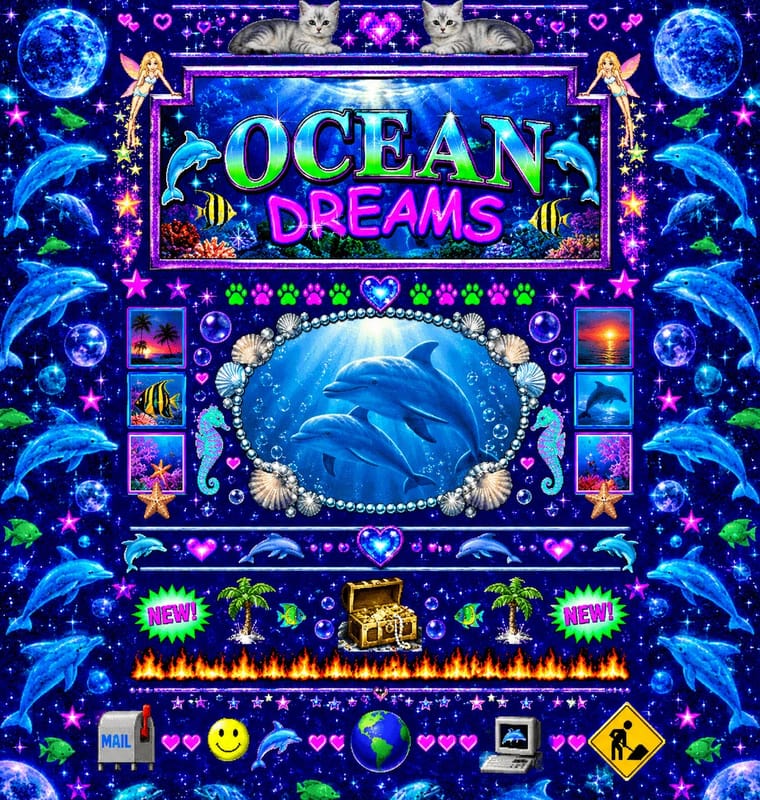
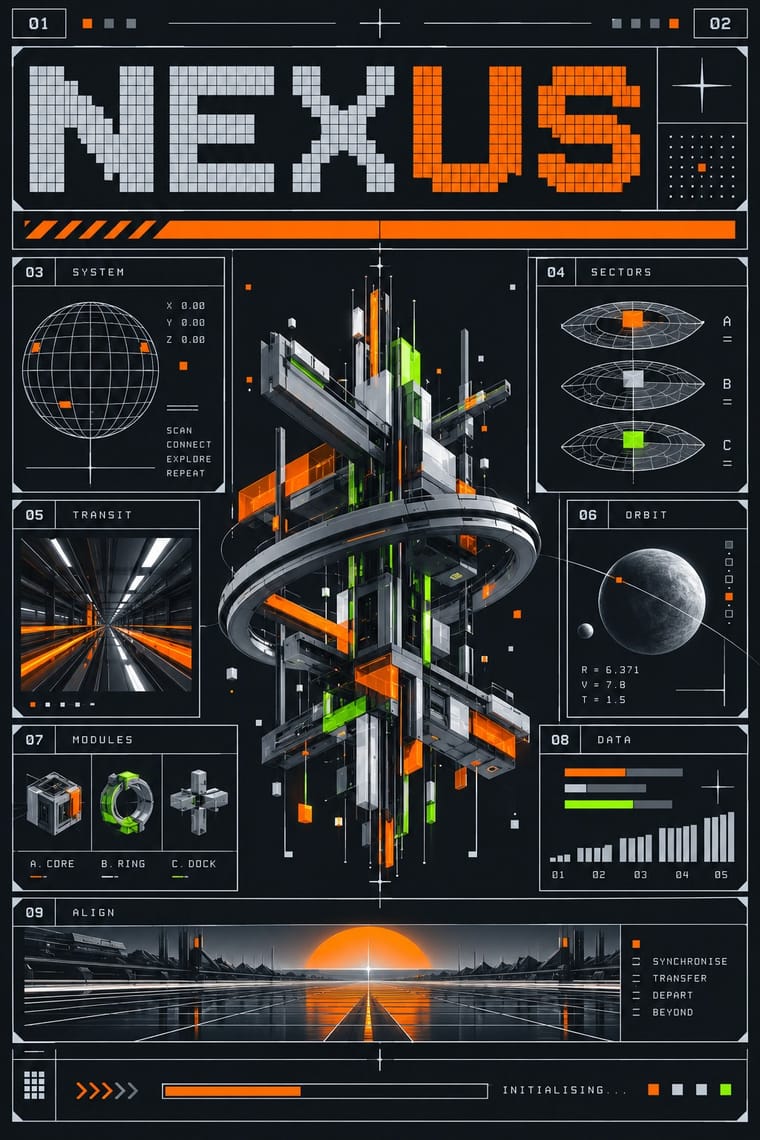
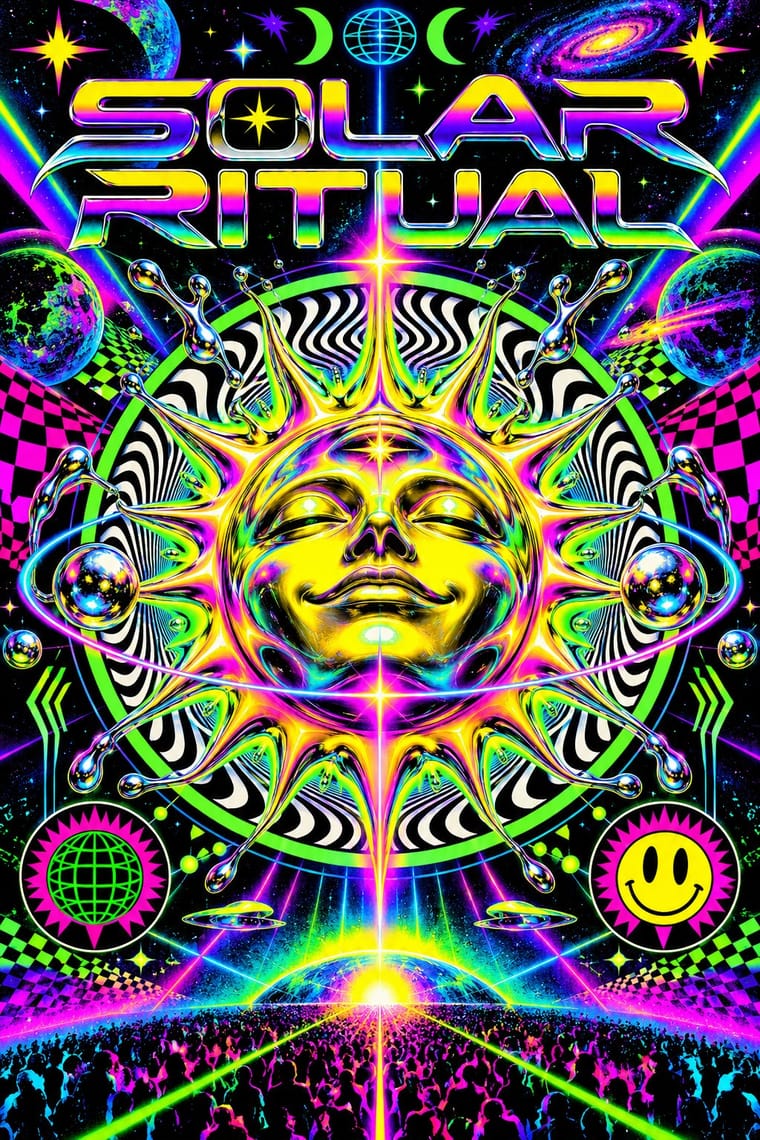
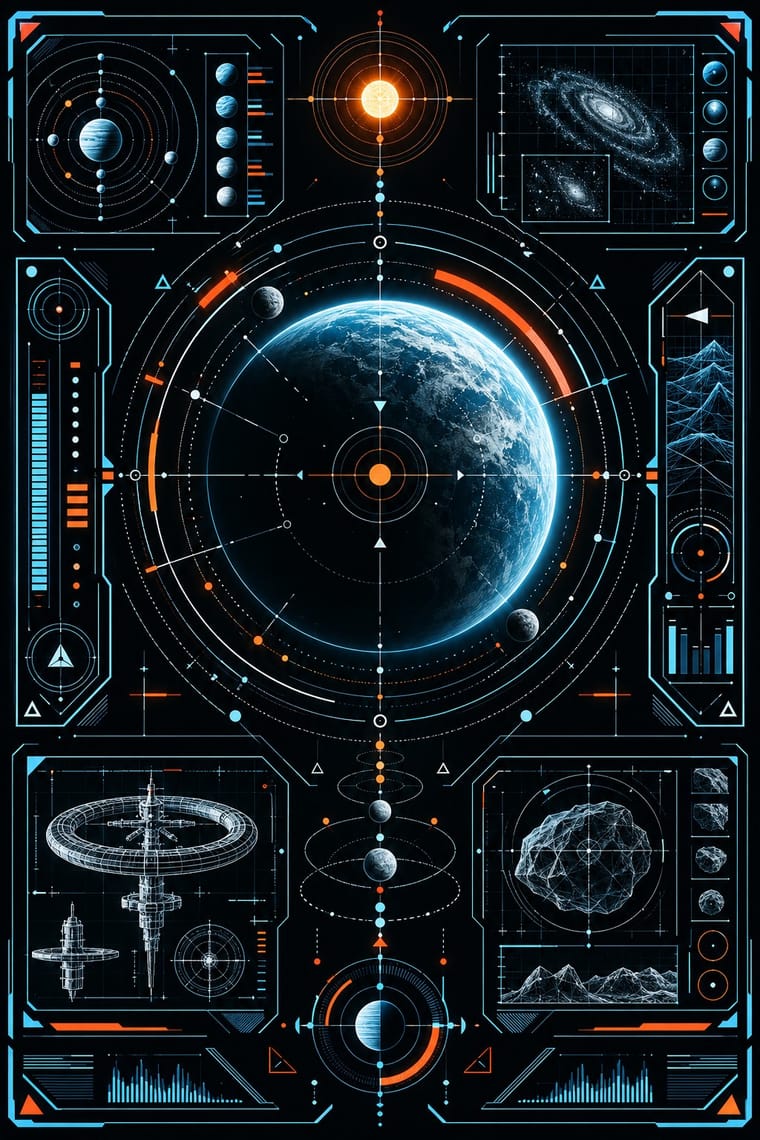
05
Often taken for
Media-Player & Desktop Skins has no real works recorded yet, so these are its nearest styles by its choices alone, with the choices that tell them apart.
-
Early Web Vernacular
Early Web Vernacular is one of Media-Player & Desktop Skins’s nearest styles by choices; no real work of either fits the other better.
Choices that tell Media-Player and Early Web Vernacular apart Choice Media-Player Early Web Vernacular Chrome & 3D render defining — Eclectic mixing — defining Skeuomorphic material defining occasional Column grid avoids occasional Biomorphic curves characteristic — Both descend from Bitmap & Pixel Graphics in the family tree.
-
Demoscene Graphics (Cracktros, Demos & Text-Mode Art)
Demoscene Graphics is one of Media-Player & Desktop Skins’s nearest styles by choices; no real work of either fits the other better.
Choices that tell Media-Player and Demoscene Graphics apart Choice Media-Player Demoscene Graphics Found & vernacular imagery characteristic avoids Generative imagery occasional defining Framed panels defining — Non-representational — characteristic Horror vacui defining — Both descend from Bitmap & Pixel Graphics in the family tree.
-
Cyberpunk Visual Style
Cyberpunk Visual Style is one of Media-Player & Desktop Skins’s nearest styles by choices; no real work of either fits the other better.
Choices that tell Media-Player and Cyberpunk Visual Style apart Choice Media-Player Cyberpunk Visual Style Framed panels defining — Eclectic mixing — defining Chrome & 3D render defining — Dynamic asymmetry — characteristic Skeuomorphic material defining — No shared descent in the atlas: they reached these choices separately.
-
Flash-Era Web Design (Flash Portfolio Sites)
Flash-Era Web Design is one of Media-Player & Desktop Skins’s nearest styles by choices; no real work of either fits the other better.
Choices that tell Media-Player and Flash-Era Web Design apart Choice Media-Player Flash-Era Web Design Found & vernacular imagery characteristic avoids Limited spot colours — characteristic Horror vacui defining — Diagram & data — characteristic Skeuomorphic material defining — Both descend from Russian Constructivism in the family tree.
— means the choice isn’t among the style’s recorded choices. Critics recorded each work’s choices with the styles’ descriptions in view, so this shows whether the descriptions hold together, not proof that they are right.
06
Combine it with
Styles Media-Player & Desktop Skins (Winamp-Era Skinning) pairs well with or plays against, from the research. Each is worked out as a combination: which style gives the type, the colours and the forms.
- Y2K Futurism Contrasts · Y2K's light candy grounds, translucency and blobs in marketing and print against the skins' dense dark-metal consoles; borrow one translucent blob to lift a heavy chrome player toward the millennium mood.
- Early Web Vernacular Pairs well · The same amateur, communal web of the late 1990s; pair a skin with a fan homepage for a full period set.
- Skeuomorphic UI Contrasts · The platform makers' coherent, usable imitation of leather and paper against the fans' oversized fictional machines.
- Demoscene Graphics (Cracktros, Demos & Text-Mode Art) Pairs well · Shares the dark ground, chrome logos and pixel type; add scene-style raster bars and starfields to a player for a cracktro feel.
- Frutiger Aero Contrasts · Airy glass, sky and nature on light grounds against dense dark-metal consoles; use one aero highlight to soften a skin.
- Flash-Era Web Design (Flash Portfolio Sites) Pairs well · The skinned player shares the era's chrome bevels, pixel-font readouts and dark consoles; its LCD panels sit naturally on a Flash stage.
07
Sources
- https://en.wikipedia.org/wiki/Winamp
- https://en.wikipedia.org/wiki/Sonique_(media_player)
- https://en.wikipedia.org/wiki/Windows_Media_Player
- https://en.wikipedia.org/wiki/WindowBlinds
- https://en.wikipedia.org/wiki/DeviantArt
- https://skins.webamp.org/about
- https://jordaneldredge.com/ia-skins/
- https://www.byteside.com/2020/11/the-winamp-skin-museum-jordan-eldredge-is-a-trip-through-time-and-bad-design-choices
- https://changelog.com/friends/57
How Stylogeny researches and checks a style: where the facts come from.