Traditions & vernacular · 1512–present · Middle East & North Africa, Southern Europe
Karagöz and Hacivat Shadow-Theatre Figures
Also known as Karagöz, Karagöz-Hacivat, Ottoman shadow puppets, Khayal al-zill (Arab shadow play)
The look of Turkish shadow theatre: small figures, about 35-40 cm tall, cut from animal hide (camel is rated best) that is thinned until translucent, then coloured so that they glow as flat silhouettes against a lit screen. The cast is a set of comic types led by the impulsive Karagöz and the educated, refined-speaking Hacivat, and it passed into Turkish print satire as a shorthand pair.
Make something in this style Get advice in this style Mix it with another style
Use it with care
Karagöz is a living performance tradition, on UNESCO's intangible heritage list, kept by puppeteers and their apprentices; its stock ethnic characters (Armenian, Greek, Arab, Albanian and other types) are historical comic types and should not be reproduced as caricature of living communities, and the figures should be credited to the tradition, not treated as free-floating clip art.
01
Make something in this style
Say what you need, and Stylogeny’s image studio draws it from Karagöz and Hacivat Shadow-Theatre Figures’s design choices and checks it against them. It takes about a minute, and you get a link to share.
02
How it works
Palette
-
#2a1d16 -
#e8a43a -
#b3322a -
#2f6f6b -
#e9d8b0
Typefaces
-
Ottoman Turkish naskh
Arabic-script print type
-
Latin-alphabet type of the Turkish magazines after the 1928 alphabet reform
- Cut every character as a flat, thin-hide silhouette in side view, small enough to be held against the screen and moved on rods.
- Colour the translucent hide so that the figure glows when lit from behind, and let the light, not painted scenery, make the picture.
- Build the cast from comic types and make the pair readable at a glance: the impulsive, street-smart Karagöz against the educated, refined Hacivat.
- Exaggerate each type's body and costume so that the joke is in the silhouette before anyone speaks.
- Keep the register popular and satirical, aimed at the coffeehouse and the crowd; whatever its claimed palace beginnings, the surviving tradition is popular.
Where and when Ottoman lands, descended from the Arab shadow play (khayal al-zill), which is background here and not an atlas entry.
Ottoman lands, descended from the Arab shadow play (khayal al-zill), which is background here and not an atlas entry. Accounts place the first performance for Sultan Selim I in Egypt after his conquest of 1517, while Evliya Çelebi claimed performance at the palace under Bayezid I (a claimed palace origin, not settled) and legend names two Bursa builders as the originals; none of this is settled. The surviving register is popular: it lived on as coffeehouse and Ramadan entertainment, and the humour magazine Karagöz ran in Turkey from 1908 to 1955.
Change it with an idea. Any of the 73 moves that make a design say something can go on this style.
03
Its design choices
From Stylogeny’s vocabulary of design choices: defining choices make the style, characteristic ones are usual, occasional ones turn up now and then.
- Layout & composition
- Space & hierarchy
- Typography
- Colour
- Form & shape
- Surface & texture
- Imagery
- Medium & production
- Tone & intent
- Avoids
- Gloss & highlights, Straight photography, Abundant decoration, Modular grid, Authoritative & institutional, Luxurious & glamorous, Illusion of depth, Spiritual & sacred
How its pictures are made Drawn & painted, Systematic
Kind of picture: Drawn & painted · Systematic
What new pictures of it show
Subjects Stylogeny draws it with, each taken from a kind of real work the style was made for.
- shadow-theatre scene A comic performance scene in which a novice boatman tries to row while his passenger clings to a leaking bucket.
- shadow-theatre scene A comic performance scene in which a would-be clerk drops a bundle of letters while trying to impress a customer.
- shadow-theatre scene A comic performance scene in which a boastful amateur doctor listens to a patient's boot instead of the patient's chest.
- shadow puppet A puppet for a comic entertainment, showing an illusionist-acrobat balancing on one foot while a ball escapes his hand.
- shadow puppet A puppet for a musical interlude, showing a cabaret singer raising one hand as she sings to the audience.
Known for
-
Karagöz and Hacivat figures cut from thinned, coloured animal hide, about 35-40 cm tall
Ottoman, 16th century onward
-
Karagöz humour magazine (Turkey, 1908-1955), which took the shadow-theatre pair for its name
-
Karagöz, inscribed on UNESCO's Representative List of the Intangible Cultural Heritage of Humanity in 2009
04
Where it comes from, and what it’s close to
Nothing earlier is recorded: in the atlas it is a starting point.
Karagöz and Hacivat Shadow-Theatre Figures 1512–present
No later style in the atlas grew out of it yet.
Alike in its design choices
05
Combine it with
Styles Karagöz and Hacivat Shadow-Theatre Figures pairs well with or plays against, from the research. Each is worked out as a combination: which style gives the type, the colours and the forms.
- Javanese Wayang Kulit (Tatah Sungging) Contrasts · Another hide shadow theatre, but gilded, punched and mythic; use it to see what Karagöz leaves out: plain, translucent, comic.
- Turkish Weekly Humour Magazines (Gırgır to Uykusuz) Pairs well · The Karagöz pair is a print-cartoon shorthand; lean on the weekly satire tradition for the page version.
- Persian Popular Narrative (Lithographs & Coffeehouse Painting) Pairs well · Both are popular, coffeehouse-linked storytelling images with stock types.
06
Often taken for
Stylogeny checks the choices recorded in each of Karagöz and Hacivat Shadow-Theatre Figures’s 2 real works against all 702 styles. All 2 fit its own choices best, so these are its nearest styles by choices, with the choices that tell them apart.
-
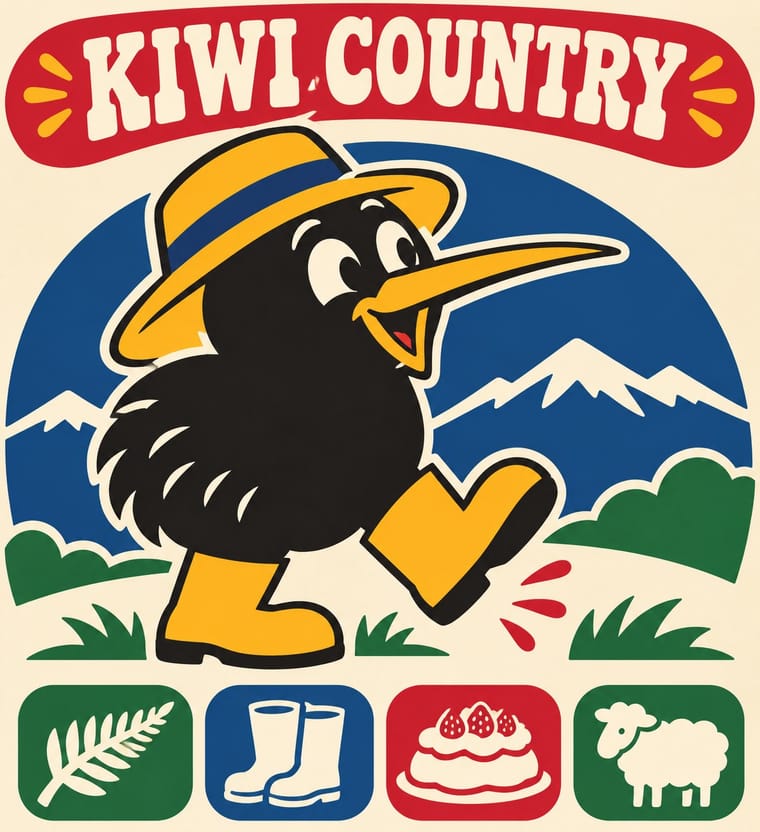
Kiwiana
Kiwiana is one of Karagöz and Hacivat Shadow-Theatre Figures’s nearest styles by choices; no real work of either fits the other better.
Choices that tell Karagöz and Hacivat Shadow-Theatre Figures and Kiwiana apart Choice Karagöz and Hacivat Shadow-Theatre Figures Kiwiana Jewel & metallic defining — Limited spot colours — characteristic Full polychrome characteristic — Found & vernacular imagery — characteristic Distortion & exaggeration characteristic — No shared descent in the atlas: they reached these choices separately.
-
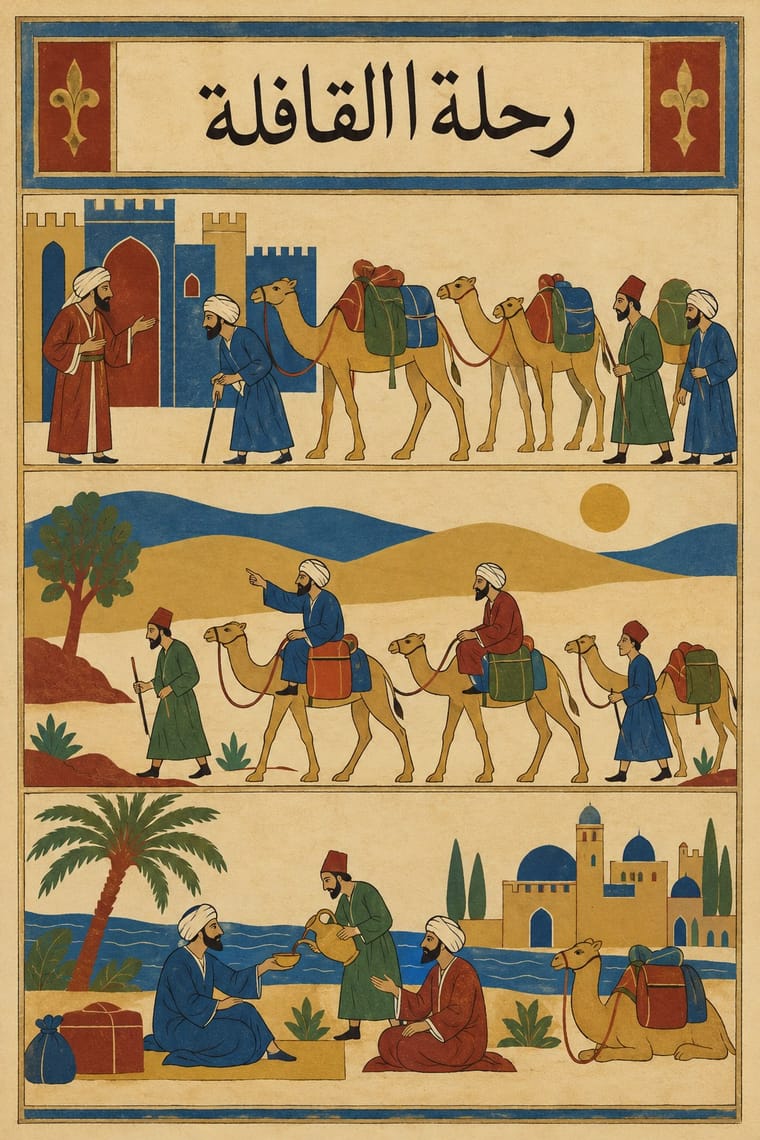
Baghdad School of Arab Book Painting (Maqamat Illustration)
Baghdad School of Arab Book Painting is one of Karagöz and Hacivat Shadow-Theatre Figures’s nearest styles by choices; no real work of either fits the other better.
Choices that tell Karagöz and Hacivat Shadow-Theatre Figures and Baghdad School of Arab Book Painting apart Choice Karagöz and Hacivat Shadow-Theatre Figures Baghdad School of Arab Book Painting Distortion & exaggeration characteristic — Painterly illustration — defining Comic & cartoon characteristic — Framed panels — defining Icons & pictograms characteristic — No shared descent in the atlas: they reached these choices separately.
-
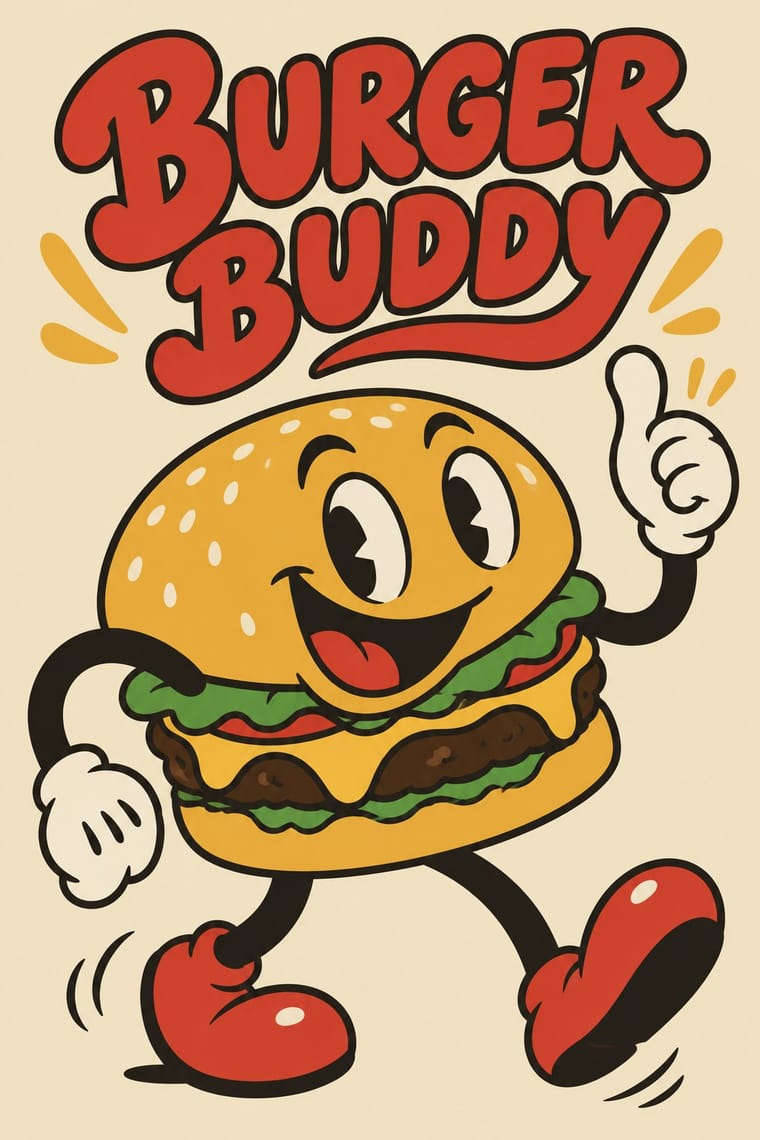
Rubber-Hose Revival (Cartoon Mascot Graphics)
Rubber-Hose Revival is one of Karagöz and Hacivat Shadow-Theatre Figures’s nearest styles by choices; no real work of either fits the other better.
Choices that tell Karagöz and Hacivat Shadow-Theatre Figures and Rubber-Hose Revival apart Choice Karagöz and Hacivat Shadow-Theatre Figures Rubber-Hose Revival Jewel & metallic defining — Single focal point — defining Icons & pictograms characteristic — Rounded & pill occasional defining Hand-painted defining — No shared descent in the atlas: they reached these choices separately.
-
Đông Hồ & Hàng Trống Folk Prints
Đông Hồ & Hàng Trống Folk Prints is one of Karagöz and Hacivat Shadow-Theatre Figures’s nearest styles by choices; no real work of either fits the other better.
Choices that tell Karagöz and Hacivat Shadow-Theatre Figures and Đông Hồ apart Choice Karagöz and Hacivat Shadow-Theatre Figures Đông Hồ Jewel & metallic defining — Earth & mineral — defining Distortion & exaggeration characteristic — Single focal point — defining Icons & pictograms characteristic — No shared descent in the atlas: they reached these choices separately.
— means the choice isn’t among the style’s recorded choices. Critics recorded each work’s choices with the styles’ descriptions in view, so this shows whether the descriptions hold together, not proof that they are right.
07
Real works
Artefacts in museums, libraries and archives that show the style, linked at their source.
- Shadow Puppet: Karagöz (3364/1) Ercan Aksakal · 2019 · Museum of Anthropology at the University of British Columbia
- Shadow Puppet: Hacivat (3364/2) Ercan Aksakal · 2019 · Museum of Anthropology at the University of British Columbia
08
Sources
- Wikipedia, Karagöz and Hacivat (https://en.wikipedia.org/wiki/Karag%C3%B6z_and_Hacivat)
- Wikipedia, Karagöz (magazine) (https://en.wikipedia.org/wiki/Karag%C3%B6z_(magazine))
- UNESCO Intangible Cultural Heritage, Karagöz, inscribed 2009 (https://ich.unesco.org/en/RL/karagoz-00180)
1 more source
- Metin And, Karagöz: Turkish Shadow Theatre (Dost Yayınları, 1975; Yapı Kredi Yayınları, 2019)
How Stylogeny researches and checks a style: where the facts come from.