Traditions & vernacular · 1923–1947 · Western Europe
Seiz Breur ( Breton Modernised Folk Design )
Also known as Unvaniez Seiz Breur, Seven Brothers, Breton Art Deco
A Breton artists' and craftspeople's association that set out to build a modern Breton art by recasting regional folk motifs in simplified, flat, deco-adjacent form. Wood engraving, stamps, posters, ceramics, embroidery and furniture shared one vocabulary of stylised figures and folk ornament. About fifty members at its height. The period follows the group's last activity to 1947-48; Wikipedia also records its closure in 1944. Unlike celtic-revival it avoids Insular interlace pastiche, and unlike art-deco it starts from Breton folk sources.
Make something in this style Get advice in this style Mix it with another style
Use it with care
Seiz Breur worked from a living regional folk culture and the Breton language movement, and the community's own heritage should be credited rather than treated as a decorative style. Some members, notably Olier Mordrel and Yann Goulet, turned to nationalism and collaboration with Nazi Germany during the occupation. Under the name Eost Breiziz the group exhibited until 1944, when sources record its closure; its chronology also gives 1947-48 as the end, which the period follows. Many members were not tied to the far right. Breton emblems such as Gwenn ha Du carry that contested history.
01
Make something in this style
Say what you need, and Stylogeny’s image studio draws it from Seiz Breur (Breton Modernised Folk Design)’s design choices and checks it against them. It takes about a minute, and you get a link to share.
02
How it works
Palette
-
#f1e9d6 -
#1c1a18 -
#a8322a -
#2b4a7a -
#c9a24a
Typefaces
-
Hand-cut wood-engraved lettering
-
Deco-influenced hand-drawn capitals
- Draw from living Breton folk art, such as costume, embroidery and carved furniture, rather than from medieval Insular pastiche.
- Simplify figures and motifs into flat, stylised shapes cut or drawn with bold outlines.
- Carry one shared vocabulary across wood engraving, print, ceramics, textiles and furniture.
- Limit each print to a few flat colours, often black with one or two accents.
- Pair regional ornament with modern, angular deco geometry so tradition reads as contemporary.
Brittany, France: founded 1923 by René-Yves Creston, Suzanne Creston and James Bouillé, building on Jeanne Malivel's earlier groundwork
Change it with an idea. Any of the 73 moves that make a design say something can go on this style.
03
Its design choices
From Stylogeny’s vocabulary of design choices: defining choices make the style, characteristic ones are usual, occasional ones turn up now and then.
- Layout & composition
- Space & hierarchy
- Colour
- Form & shape
- Surface & texture
- Ornament
- Medium & production
- Tone & intent
- Avoids
- Abundant decoration, Whiplash line, Straight photography, Gloss & highlights, Horror vacui, Blackletter, Fluorescent & neon
How its pictures are made Drawn & painted, Systematic
Kind of picture: Drawn & painted · Systematic
Known for
-
Jeanne Malivel, wood engravings for L'Histoire de notre Bretagne
1922, a precursor to the group
-
Flag of Brittany (Gwenn ha Du), designed 1923 by member Morvan Marchal
-
Suzanne Creston, ceramics
-
Journals Kornog (1928) and Keltia
1931
-
Seiz Breur exhibitions at Paris in 1925 and 1937, and Douarnenez in 1929
04
Where it comes from, and what it’s close to
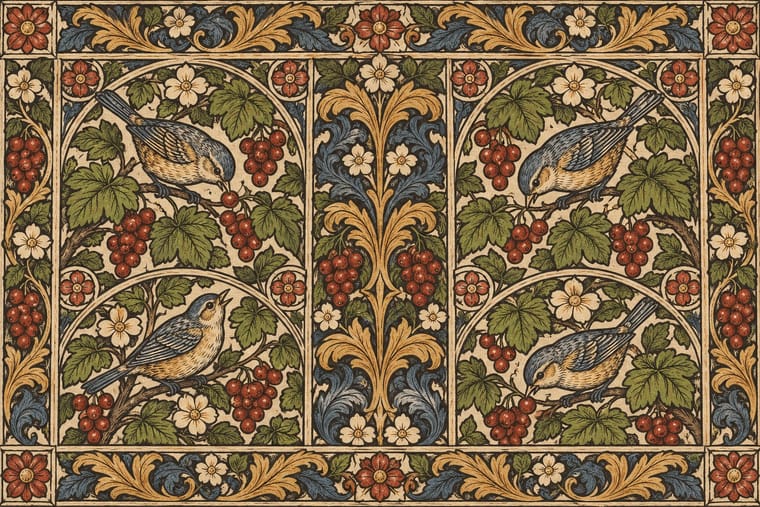
Grew out of
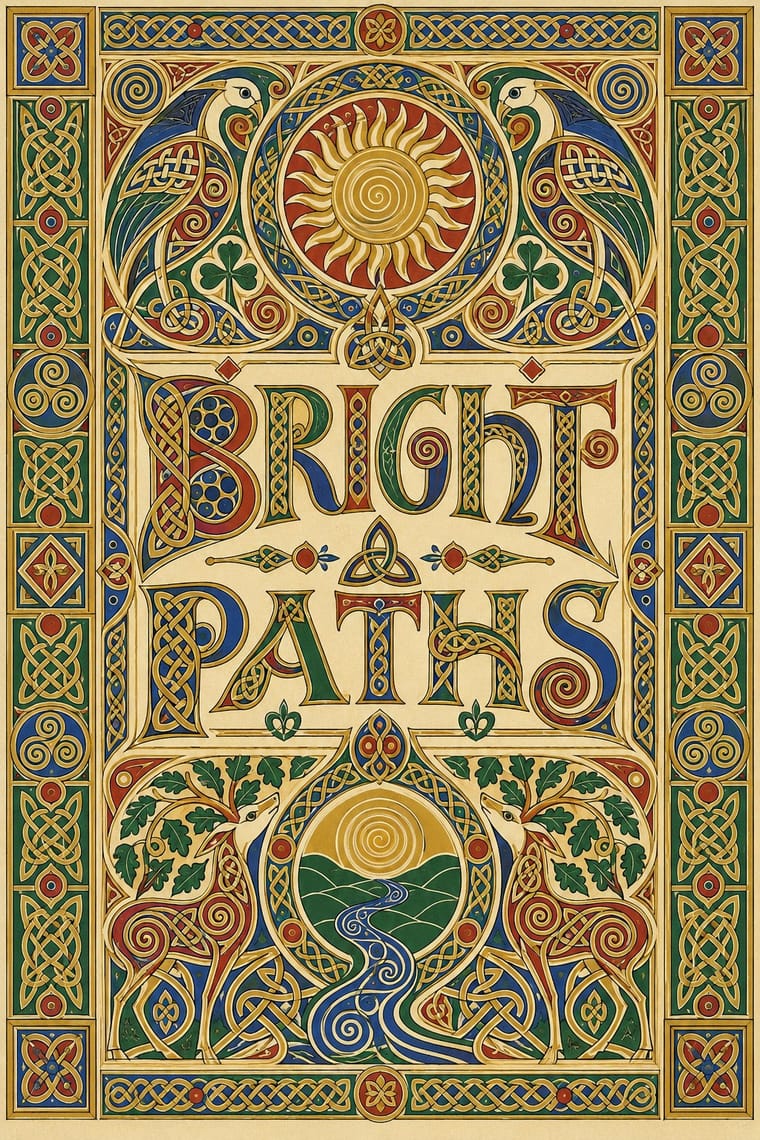
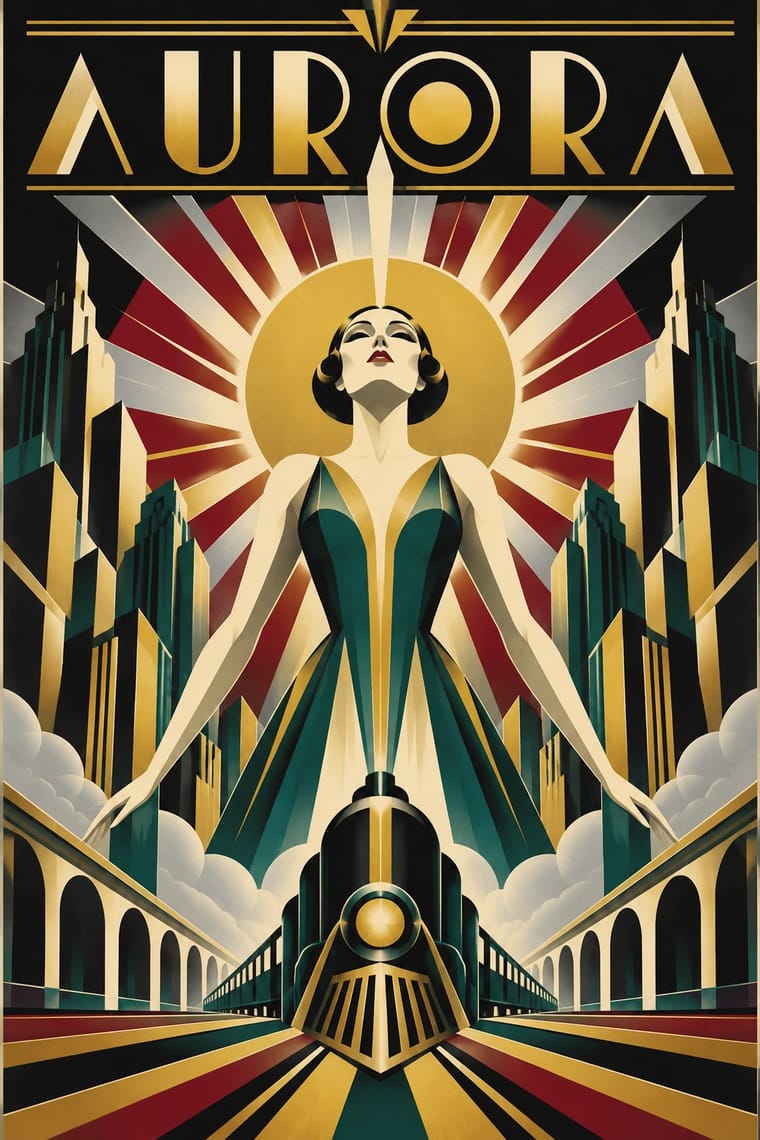
Borrowed from
Seiz Breur (Breton Modernised Folk Design) 1923–1947
No later style in the atlas grew out of it yet.
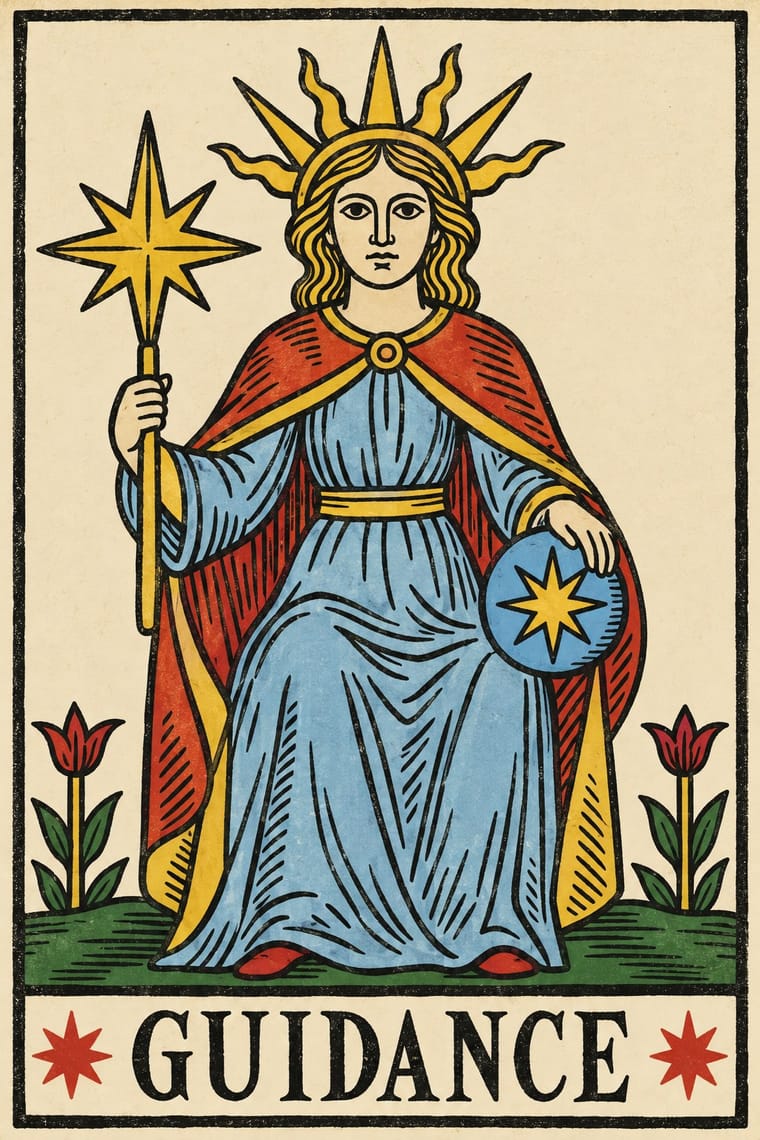
Alike in its design choices
05
Combine it with
Styles Seiz Breur (Breton Modernised Folk Design) pairs well with or plays against, from the research. Each is worked out as a combination: which style gives the type, the colours and the forms.
- Art Deco Pairs well · Borrow deco angularity and symmetry to modernise folk figures.
- Celtic Revival Illumination & Lettering Pairs well · Use Insular interlace sparingly as accents on a flat folk-figure base to keep a Celtic reference without pastiche.
- Estado Novo Folk Modernism (SPN) Contrasts · Also modernises vernacular motifs, but under state sponsorship; a useful comparison for regional versus official folk modernism.
- Contemporary Folk Botanical Illustration (Elemental Folk) Contrasts · Separate these curving botanical commercial pictures from the Breton association's regional programme, angular forms and carved-line print vocabulary.
06
Often taken for
Seiz Breur has no real works recorded yet, so these are its nearest styles by its choices alone, with the choices that tell them apart.
-
Peruvian Indigenista Graphics (Amauta and Neo-Peruvian Design)
Peruvian Indigenista Graphics is one of Seiz Breur’s nearest styles by choices; no real work of either fits the other better.
Choices that tell Seiz Breur and Peruvian Indigenista Graphics apart Choice Seiz Breur Peruvian Indigenista Graphics Icons & pictograms characteristic — Monochrome — defining Emblems & badges characteristic — Isolated object — characteristic Communal & popular defining occasional No shared descent in the atlas: they reached these choices separately.
-
Tarot de Marseille Woodcut Cards
Tarot de Marseille Woodcut Cards is one of Seiz Breur’s nearest styles by choices; no real work of either fits the other better.
Choices that tell Seiz Breur and Tarot de Marseille Woodcut Cards apart Choice Seiz Breur Tarot de Marseille Woodcut Cards Limited spot colours defining occasional Primary triad — characteristic Angular & zigzag characteristic — Isolated object — characteristic Flat characteristic — No shared descent in the atlas: they reached these choices separately.
-
Literatura de Cordel Woodcut
Literatura de Cordel Woodcut is one of Seiz Breur’s nearest styles by choices; no real work of either fits the other better.
Choices that tell Seiz Breur and Literatura de Cordel Woodcut apart Choice Seiz Breur Literatura de Cordel Woodcut Limited spot colours defining occasional Monochrome — defining Hand-lettering defining occasional Distortion & exaggeration — characteristic Icons & pictograms characteristic — No shared descent in the atlas: they reached these choices separately.
-
Swiss Alpine Scherenschnitt (Pays-d’Enhaut & Saanenland)
Swiss Alpine Scherenschnitt is one of Seiz Breur’s nearest styles by choices; no real work of either fits the other better.
Choices that tell Seiz Breur and Swiss Alpine Scherenschnitt apart Choice Seiz Breur Swiss Alpine Scherenschnitt Line illustration defining — Monochrome — characteristic Carved line defining — Biomorphic curves — characteristic Limited spot colours defining occasional No shared descent in the atlas: they reached these choices separately.
— means the choice isn’t among the style’s recorded choices. Critics recorded each work’s choices with the styles’ descriptions in view, so this shows whether the descriptions hold together, not proof that they are right.
07
Sources
- https://en.wikipedia.org/wiki/Seiz_Breur
- https://en.wikipedia.org/wiki/Jeanne_Malivel
- https://en.wikipedia.org/wiki/Flag_of_Brittany
How Stylogeny researches and checks a style: where the facts come from.