World region
Global and networked graphic-design styles
Styles that took shape across borders rather than in one region: through global media, trade, networks and the web. Stylogeny describes 66 of them. The earliest began in c. 1180, the latest in 2022. Of these, 54 are still in use.
The 66 styles
Oldest first. Each has its own page: its design choices, where it comes from, and real works.
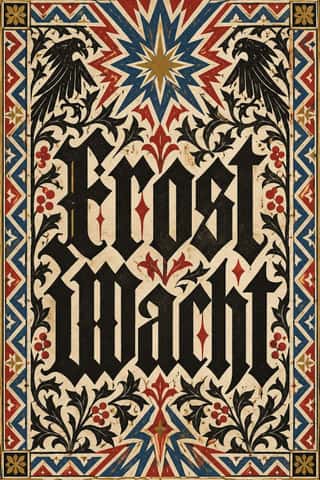
Gothic Blackletter & Fraktur TraditionThe broken scripts of the Latin West.
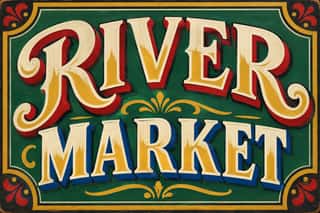
Hand-Painted Signage & Vernacular LetteringLetters painted by trained sign writers on fascias, windows, walls, vehicles and showcards, from Victorian gold leaf on glass to Mexican rótulos, Indian bazaar boards and Ghanaian barbershop signs.
Art DecoThe glamorous modern style named after the 1925 Paris Exposition des Arts Décoratifs, which disciplined ornament into geometry: sunbursts, chevrons, stepped forms and sleek stylised figures rendered in lacquer-smooth colour with metallic accents.
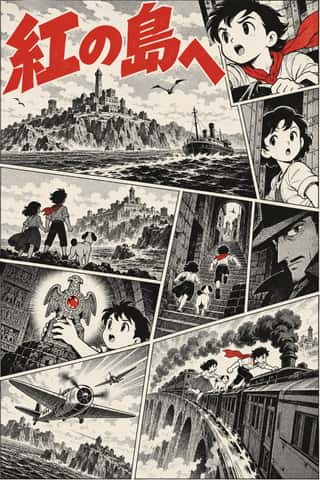
Story Manga (Postwar Japanese Comics)The black-and-white narrative comic of postwar Japan, from Tezuka Osamu's Shin Takarajima (1947) to the weekly boys' magazines of 1959 and 1968 and the paperbacks that collect them.
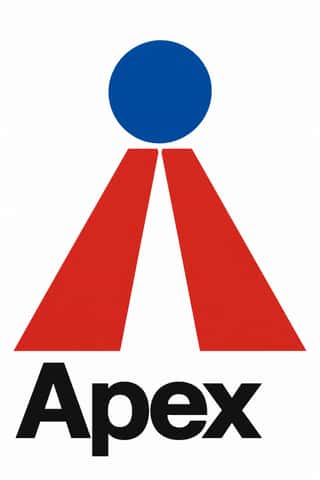
Corporate Identity ModernismModernist reduction applied to corporate communication.
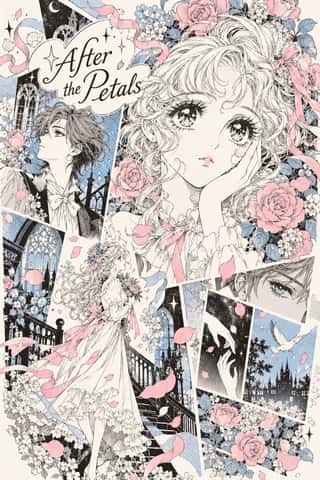
Shōjo Manga (Japanese Girls' Comics)The look of Japan's girls' comics (strictly a readership, not a style), which Takahashi Macoto fixed in 1958 from the lyrical illustration (jojōga) of Nakahara Jun'ichi and the Year 24 Group remade in the 1970s.
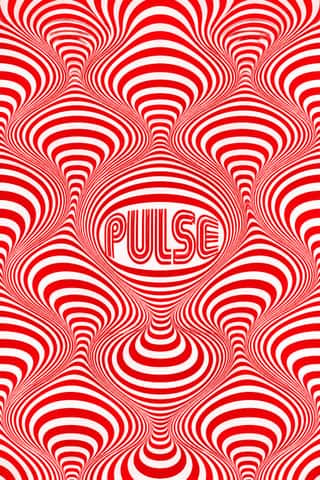
Op Art GraphicsA 1960s style that turned perceptual research into graphic effect: precisely drawn lines, checks, concentric rings and modular grids, usually black and white or complementaries of equal value, that seem to vibrate, swell or move.
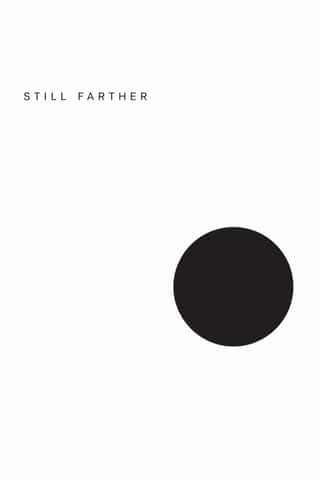
Minimalist Graphic DesignModernism reduced to its barest means, informed by 1960s Minimal art and Japanese emptiness: one image or line of type, vast white or neutral space, a monochrome or near-monochrome palette and meticulous typographic detail.
Afrofuturist DesignA visual language of Black futures that fuses African and diasporic iconography (pyramids and ankhs, Adinkra and Nsibidi glyphs, textile patterning) with spacecraft, cosmic fields and technology.
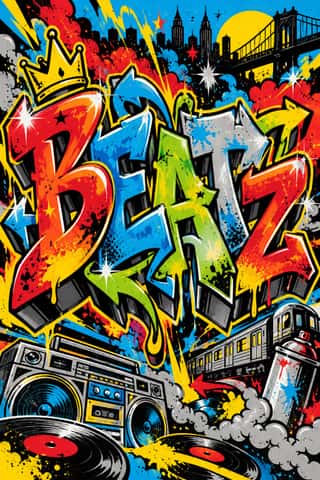
Graffiti & Hip-Hop GraphicsBorn on New York's subway cars and Bronx party flyers, graffiti writing turns the writer's name into a monumental letter-sculpture: bubble, block and wildstyle letters with arrows, 3D drop shadows, fades and highlights, painted freehand in aerosol.
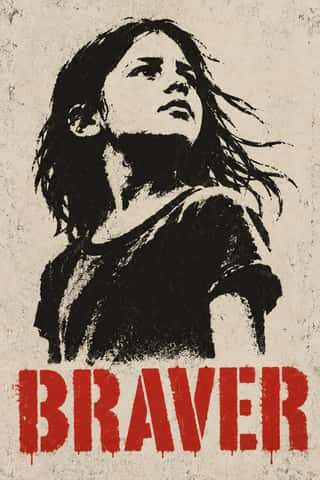
Stencil Street ArtPictures cut rather than drawn: a photograph is reduced to two or three flat tones, cut into card and sprayed onto a wall, usually uninvited, so one hard-edged figure appears in the street, in black with at most one accent colour.
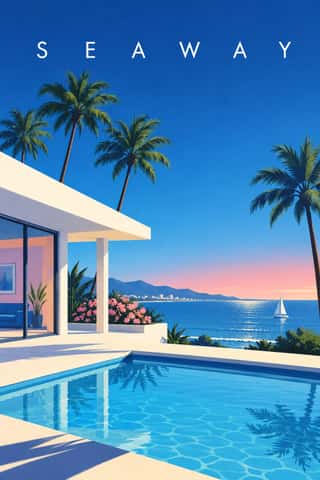
City Pop IllustrationThe painted look of Japanese city pop record sleeves and magazine covers, fixed by Hiroshi Nagai's sleeve for Eiichi Ohtaki's A Long Vacation (1981) and Eizin Suzuki's for Tatsuro Yamashita's For You (1982).
Demoscene Graphics (Cracktros, Demos & Text-Mode Art)The graphics of the demoscene, a mainly European community of coders, graphicians and musicians that grew from the intros software crackers added to pirated Commodore 64 and Amiga games in the mid-1980s.
- Madinah Mushaf (King Fahd Complex Qur'an Page)One fixed page for the Qur'an across much of the Muslim world: Uthman Taha's fully vowelled Naskh in fifteen justified lines, written so that every page ends at the end of a verse (the late Ottoman âyet-berkenar layout), inside a floral frame, with sura titles in framed cartouches and verse numbers in small round medallions.
- Black Metal GraphicsThe visual language of black metal, fixed by Norway's second wave in the early 1990s, now worldwide, since the 2010s borrowed by mainstream acts (Szpajdel's Rihanna and Metallica logos, 2016).
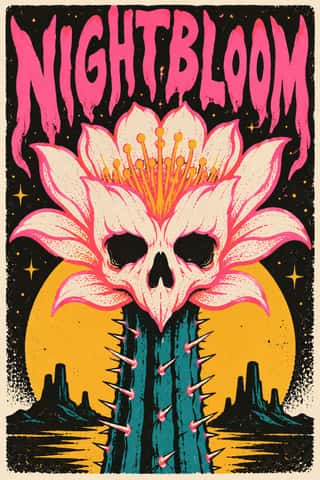
Screenprinted Gig & Alt-Movie PosterHand-pulled, numbered screenprints that revived the rock poster in Austin from 1991, led by Frank Kozik, and spread via Flatstock fairs and, from 2004, Mondo to 'alternative' film posters, for collectors as much as the show.
Hype Streetwear Graphics (Box Logo to Quotation Marks)The logo-led graphics of streetwear since the 1990s: one wordmark or emblem on a plain T-shirt, hoodie or object is the product.
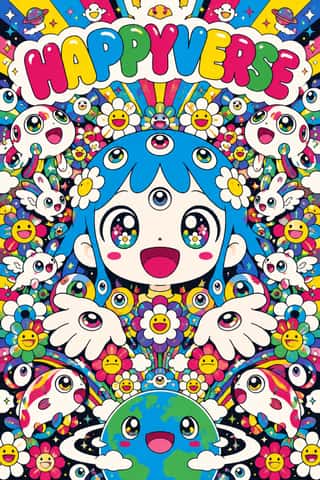
SuperflatThe flat, saturated, cartoon-crowded look that Takashi Murakami named in his exhibition and manifesto Superflat (Tokyo, 2000; US tour 2001).
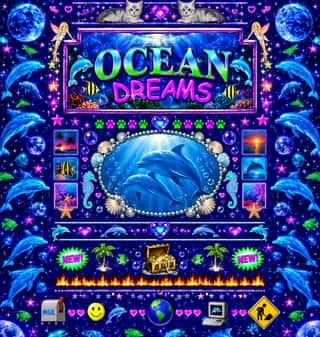
Early Web VernacularThe amateur web of the mid-1990s to early 2000s, when millions of people hand-coded personal homepages on free hosts such as GeoCities with table layouts, browser-default fonts, tiled backgrounds, animated GIFs, MIDI soundtracks, hit counters and ‘under construction’ signs.
Emoji Pictographic LanguagePictographs typed as characters and set inline in running text.
Y2K FuturismThe optimistic, chrome-plated vision of the future that surrounded the turn of the millennium, spread by consumer electronics, music videos, games, fashion and dot-com branding.
Fantasy User Interface (FUI) & Sci-Fi HUDFantasy user interfaces are the screen graphics of films and series: computer screens, holograms and helmet HUDs made to be watched for a few seconds, not used.
Skeuomorphic UIInterface design that imitates physical materials and objects (stitched leather, linen, wooden shelves, brushed aluminium, felt, paper and glass) so that digital tools look and behave like their real-world counterparts.
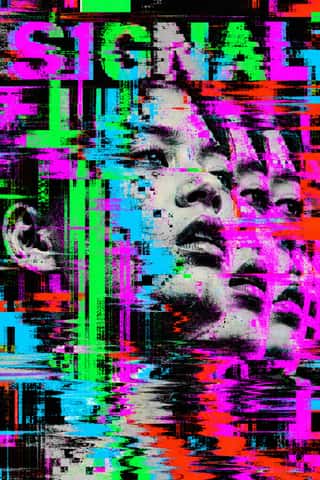
Glitch Art & Datamosh GraphicsAn art and design practice that makes digital failure the picture.
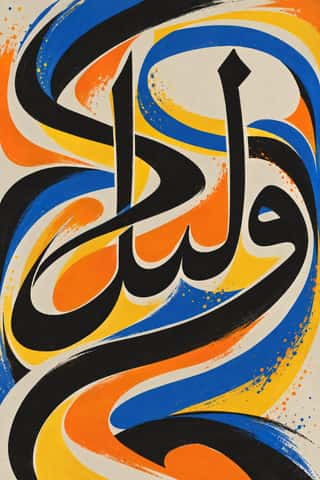
Arabic CalligraffitiArabic letters sprayed, rolled and brushed at the scale of buildings.
Korean Webtoon GraphicsThe full-colour, vertical-scroll comic that Korean web portals made standard in the 2000s and smartphone apps took worldwide.
- Internet Ugly & Meme VernacularA deliberately amateur image dialect of forums, imageboards and social feeds, named 'Internet Ugly' by Nick Douglas in 2014.
Contemporary Arabic & Dual-Script Type DesignA twenty-first-century type culture that redraws Arabic as a family matched to a Latin companion in weight, proportion and contrast, so the two scripts can share a page, screen or sign as equals.
- Frutiger AeroThe glossy, optimistic look of consumer technology from the mid-2000s to the early 2010s, retrospectively named in 2017 by the Consumer Aesthetics Research Institute after Windows Vista's Aero interface and Adrian Frutiger's humanist sans.
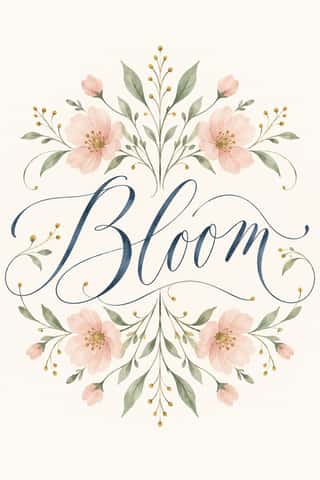
Modern Calligraphy and Brush LetteringThe loose pointed-pen and brush-pen script of wedding stationery and the 2010s craft boom.
Neo-Swiss RevivalA contemporary revival of the International Typographic Style, fuelled by digital re-releases of neo-grotesques and by studios such as Experimental Jetset and Norm: modular grids, flush-left grotesque type, huge tightly set headlines and flat fields of black, white and one signal colour.
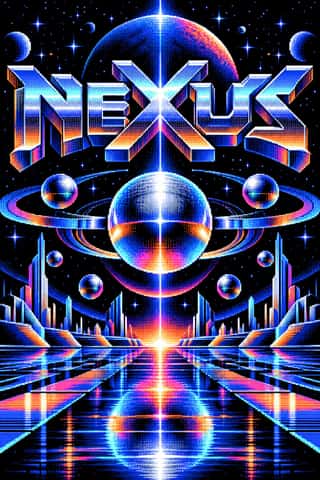
Synthwave / OutrunThe retro-futurist look of synthwave music: a 1980s revival that grew from mid-2000s French electro and online synth scenes, took its other name from Sega's arcade racer Out Run (1986) and reached the mainstream with Drive (2011).
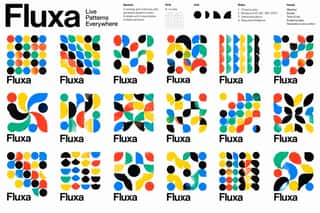
Generative & Dynamic IdentitiesIdentity systems designed as rules rather than fixed marks: logos and graphics generated by code, data or parameters so that they vary endlessly while staying recognisable.
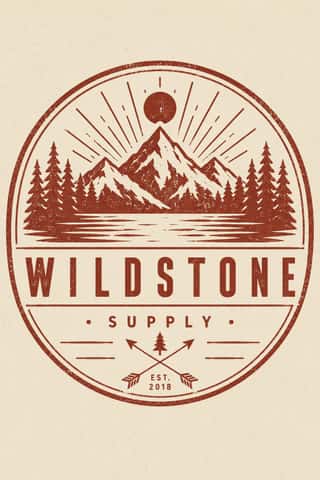
Hipster Artisanal RevivalThe trade-mark look of the 2007–2018 craft boom, which dressed new coffee roasters, breweries and stationers as nineteenth- and early-twentieth-century firms.
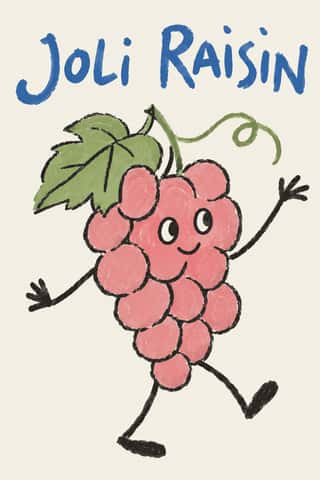
Natural Wine Label ArtThe labels of the natural (low-intervention) wine scene, which grew from Beaujolais into a worldwide network of small growers, bars and importers.
Risograph & Indie Print CultureA contemporary culture of zines, art books, posters and prints made on Japanese Risograph stencil duplicators, whose soy-based spot inks (fluorescent pink, yellow, blue, teal) are laid down one drum at a time.
Flat DesignAn interface and illustration language that stripped screens of simulated materials, replacing bevels, gloss and textures with solid fields of colour, clean sans-serif type and reduced pictograms.
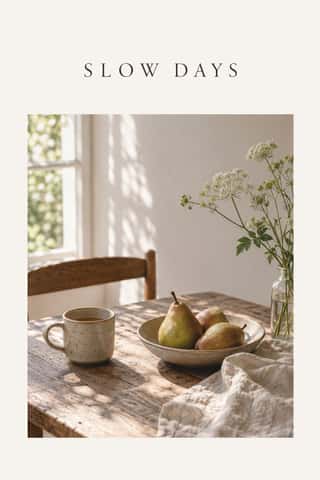
Slow-Living Editorial (the Kinfolk Look)The look of Kinfolk, the slow-living quarterly founded in Portland in 2011 and run from Copenhagen since 2015, and of the indie lifestyle titles and Instagram feeds that copied it.
VaporwaveAn internet-born microgenre and visual aesthetic that remixes the debris of late-20th-century consumer culture (Windows 95 dialogs, classical busts, palm trees, mall interiors, Japanese text, early 3D renders) in pastel pinks and cyans.
DTC 'Blanding' / Millennial MinimalismThe friendly, frictionless minimalism of 2010s direct-to-consumer start-ups, built for the phone screen, the Instagram feed and the unboxing.
Low Poly IllustrationA digital illustration and game look in which subjects are built from a visible mesh of a few flat-shaded polygons, so that animals, faces, vehicles and landscapes read as hard-edged facets with no outline or texture.
Plain Tobacco PackagingA packaging language written into law to strip tobacco of persuasion.
- YouTube Thumbnail Style (the 'YouTube Face')The custom thumbnail of YouTube's creator economy: a 16:9 still made to be read at fingernail size in a feed of recommendations.
Brutalist Web DesignA reaction against templated, conversion-optimised web design that exposes the raw materials of the browser: default system fonts, blue underlined links, visible borders, unstyled forms and plain document flow.
Material DesignGoogle's design system, launched in 2014, which reintroduced controlled depth to flat design through the metaphor of 'material': sheets of digital paper and ink that sit at defined elevations, cast consistent shadows and move with meaningful motion.
SolarpunkHopeful eco-futurist imagery born online.
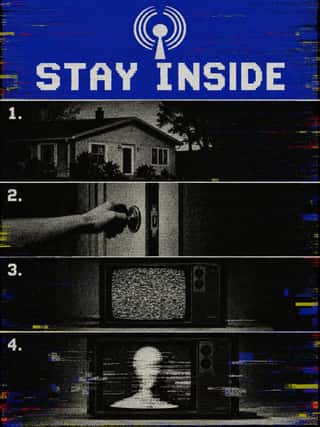
Analog Horror GraphicsA horror genre, mostly on YouTube, that tells its stories through imitation television and home-video graphics rather than actors: emergency-alert screens, station IDs, public-service, educational and instructional tapes, set between the 1960s and early 2000s.
Acid Graphics / New UglyA late-2010s club and poster style that updates 1990s rave graphics with modern 3D tools: liquid-chrome and melting lettering, neo-tribal spikes, wireframes, op-art patterns and acid-green palettes on black, mixed with blackletter and stretched grotesques.
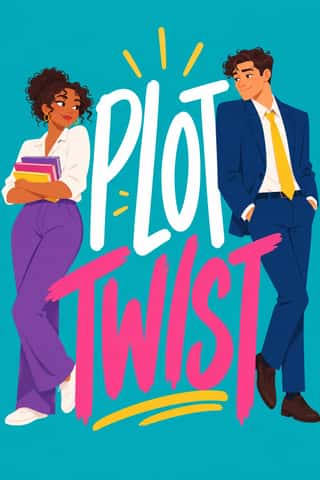
Illustrated Rom-Com Book Cover (Cartoon Couple Cover)The illustrated cover of the contemporary romantic comedy: a couple drawn as flat cartoon figures with simplified faces, from silhouettes and hidden faces to a few cartoon features, caught in one gesture that states the premise, on a single saturated ground of teal, pink, yellow or purple, under a hand-lettered title so large that the figures often lean on it.
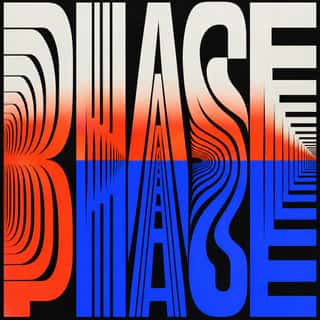
Kinetic Typography & Variable TypeTypography as the moving image: letterforms that stretch, squash, rotate and morph along variable-font axes, loop seamlessly and cut to the beat of music, used for identities, social-media posters and digital out-of-home screens.
- VTuber Avatar and Stream GraphicsThe graphic kit of virtual YouTubers, streamers who perform behind an animated anime-style character instead of their own face.
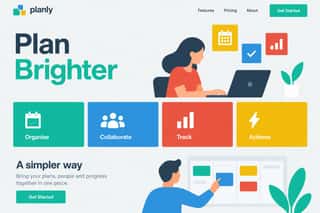
Corporate MemphisThe flat vector illustration style that became the default visual voice of big tech in the late 2010s: faceless, ethnically non-specific figures with elongated limbs and tiny heads, drawn in bright flat colour among blobs, leaves and confetti.
- Lo-fi Anime AestheticThe look of YouTube's 24/7 lo-fi hip hop streams.
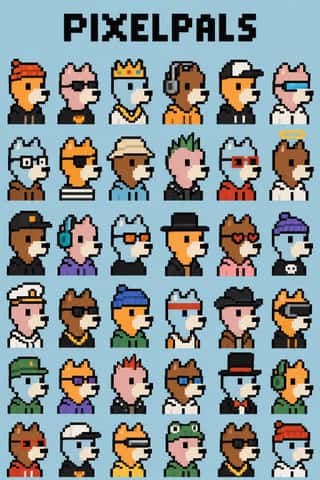
NFT Profile-Picture Collections (CryptoPunks to Bored Apes)Sets of thousands of avatar portraits that code assembles from one or two hundred hand-drawn traits, each sold as a token on a blockchain.
Extinction Rebellion GraphicsThe visual identity of Extinction Rebellion, the climate movement founded in Stroud in 2018, built by its volunteer Art Group as a free kit anyone may print.
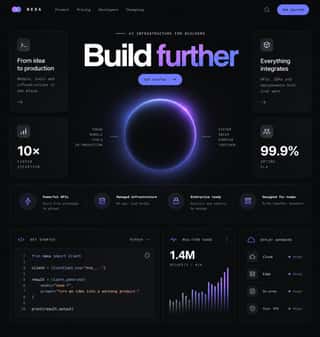
Dark Tech MinimalismThe dark, restrained aesthetic of developer tools and SaaS landing pages since about 2019: near-black grounds, grey type ramps, a neutral grotesque such as Inter, hairline borders, soft radial glows and bento grids of crisp product screenshots.
NeumorphismA short-lived interface trend in which controls are extruded from, or pressed into, a background of the same colour and modelled only by paired soft shadows.
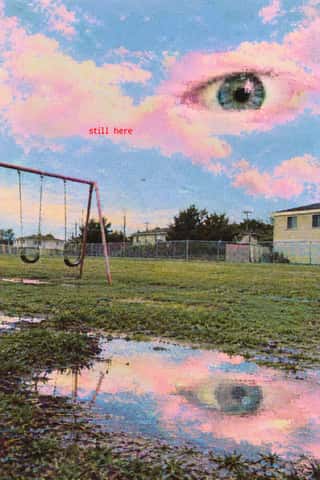
Weirdcore & DreamcoreAn internet aesthetic popularised on Reddit, TikTok and YouTube in the early 2020s, with dreamcore as its softer, pastel, cloud-filled sister.
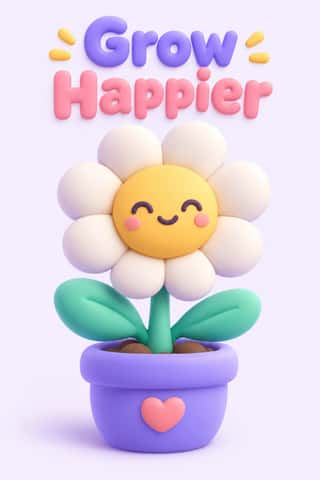
Claymorphism & Soft 3DA soft, toy-like 3D look from product design around 2020, given the name 'claymorphism' in a December 2021 article by Michał Malewicz.
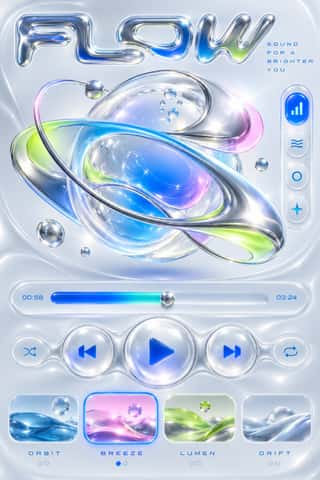
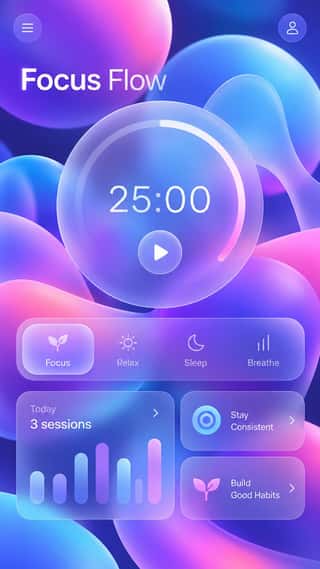
GlassmorphismAn interface style of translucent, frosted panels floating over vivid, blurred backgrounds, so that depth and hierarchy come from layered transparency.
Instagram Slideshow Activism (Social-Justice Infographics)The text-led explainer slideshows that filled Instagram after George Floyd's murder in May 2020.
- Neo-BrutalismA friendly, commercial descendant of web brutalism that keeps its blunt boxes but adds candy colour: thick black outlines, hard unblurred offset shadows, flat saturated fills and chunky sans-serif type on conventional, usable layouts.
- Palestinian Watermelon and Keffiyeh GraphicsGraphics of Palestinian identity and of solidarity with Palestinians, made by Palestinian artists, the diaspora and supporters worldwide and shared mainly online, above all since the Gaza war began in October 2023.
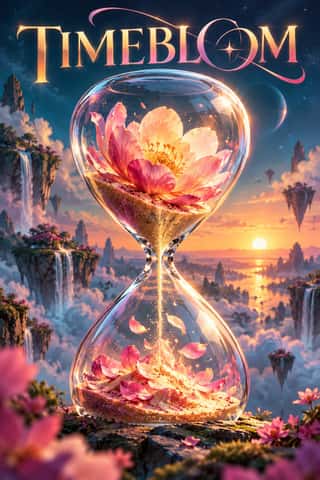
Generative-AI Image AestheticThe house look of pictures synthesised by text-to-image diffusion models since 2022.
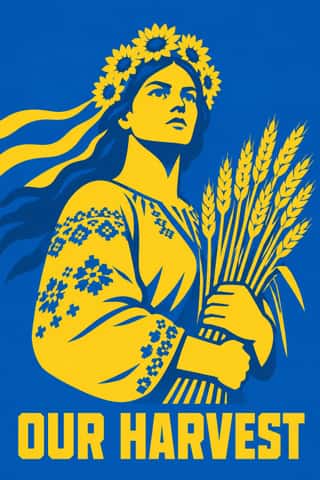
Ukrainian Wartime Graphics (Saint Javelin, War Stamps and Be Brave Like Ukraine)The graphics of Ukraine's defence since Russia's full-scale invasion in February 2022, made by the state, the national post, agencies, illustrators and volunteers at home and abroad.
- Woman, Life, Freedom Protest Graphics (Iran and the Diaspora)Posters and digital graphics made in Iran and the diaspora after Mahsa (Jina) Amini died in morality-police custody in September 2022.
The design choices they share
The choices these styles make more often than the 359 styles in the atlas as a whole, most telling first.
- Web & CSSin 45 of 66
- Motion & broadcastin 29 of 66
- 3D renderin 24 of 66
- App & OS interfacein 25 of 66
- Gradientsin 34 of 66
- Illusion of depthin 33 of 66
- Technological & futuristin 27 of 66
- Fluorescent & neonin 24 of 66