Traditions & vernacular · c. 1400–1517 · Middle East & North Africa
Mamluk Playing-Card Design ( Mulūk wa-Nuwwāb )
Also known as Mamluk cards, Muluk wa-nuwwab, Kings and deputies cards
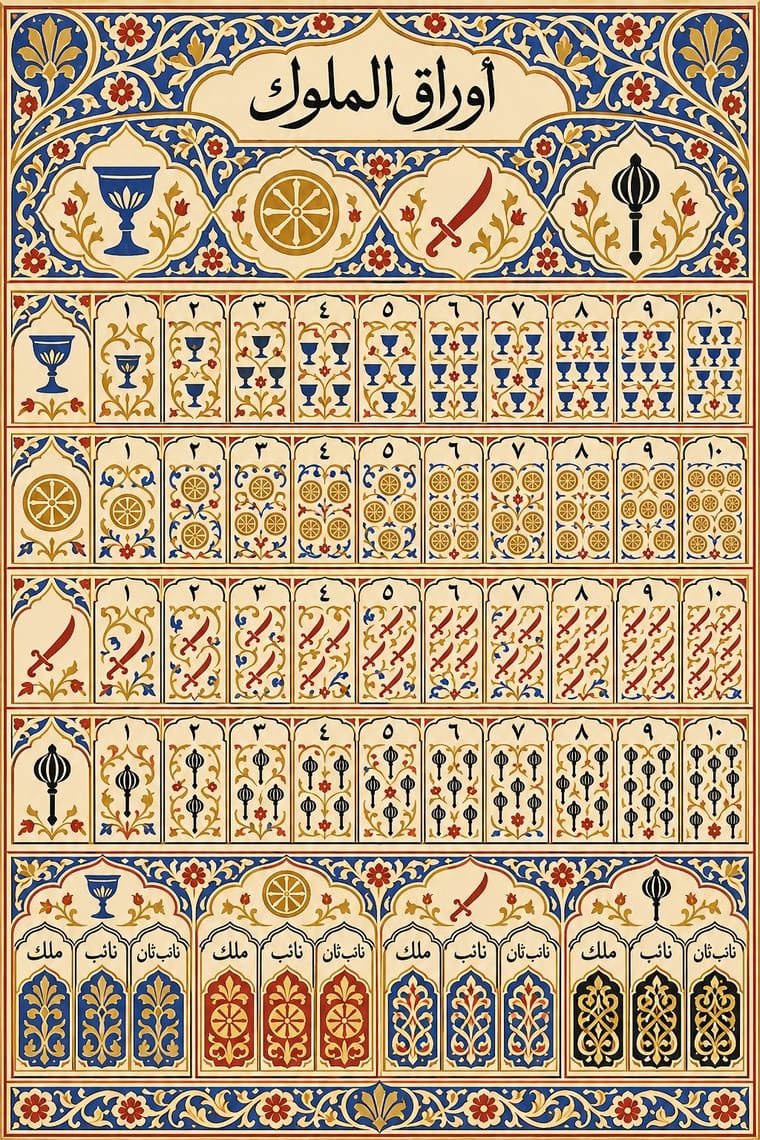
A hand-painted playing-card system of the late Mamluk period, known from one pack in the Topkapı Palace Museum that is a composite of up to three packs. Four suits of coins, cups, swords and polo-sticks run from pips to king, deputy and second deputy, with arabesque filling the pips; the blue panels with gold writing are partly later additions, so the look described is the pack as it survives, not its first state. The dates are a bracket, not an object date.
Make something in this style Get advice in this style Mix it with another style
Use it with care
The pack is a mixed, partly replaced survival (a composite of up to three packs): sources disagree on how many cards remain and how ranks were assigned, the blue and gold panels are partly later additions, many reproductions are the flawed 1972 facsimile or colourised photographs, and the dates are a bracket. The absence of portraits in this pack is not a rule for all Islamic card traditions.
01
Its picture in other colours
Change a colour and every picture on this page follows. It happens in your browser, from the same pictures: nothing new is made or saved.
Choose a colour to change it
-
#f1e6cc -
#1f3f8c -
#c9a24a -
#a8332b -
#1b1b1b
A faded colour isn’t in these pictures, so changing it changes nothing.
Light and dark stay where they are; greys hardly move.
More colours: any style’s, or your own
The pictures show the style’s own colours.
02
Make something in this style
Say what you need, and Stylogeny’s image studio draws it from Mamluk Playing-Card Design (Mulūk wa-Nuwwāb)’s design choices and checks it against them. It takes about a minute, and you get a link to share.
03
How it works
Palette
-
#f1e6ccaccent · 25% -
#1f3f8cnot in its pictures -
#c9a24aground · 51% -
#a8332bink · 2% -
#1b1b1bnot in its pictures
Shares measured from its picture. The ground is what the pictures sit on (of the colours covering most, the most neutral), the ink stands out from it most, the rest are accents.
Typefaces
-
Arabic calligraphic bands of verse in gold on blue along the tops of the cards
partly later additions; the verse is unrelated to the cards
-
Rank inscriptions in a plain Arabic hand (malik, nāʾib, nāʾib thānī) in bottom blue panels, added later
- Build the pack as a closed sign system: four suit emblems, ranks one to ten, then king, deputy and second deputy, each readable at a glance.
- Fill every pip field with the suit emblem repeated and interlaced with scrolling arabesque, so that count and ornament are one drawing.
- Give some court cards a framed field with a horseshoe-arch or concave-sided border, with abstract design or calligraphy rather than a portrait.
- Set a verse band along the tops of the courts and a rank inscription below; both panels are partly later additions, so treat the blue-and-gold look as the pack as it survives, not its first state.
- Paint with a few flat mineral colours and gold on a plain light card, and leave the back blank.
Mamluk Egypt; the surviving pack is in the Topkapı Palace Museum, Istanbul; exact workshop provenance unconfirmed
Change it with an idea. Any of the 73 moves that make a design say something can go on this style.
04
Its design choices
From Stylogeny’s vocabulary of design choices: defining choices make the style, characteristic ones are usual, occasional ones turn up now and then.
- Layout & composition
- Space & hierarchy
- Colour
- Form & shape
- Surface & texture
- Ornament
- Imagery
- Medium & production
- Tone & intent
- Avoids
- Naturalistic depiction, Illusion of depth, Straight photography, Dynamic asymmetry, Gloss & highlights, Eclectic mixing, Ornament-free
How its pictures are made Systematic
Kind of picture: Systematic
Known for
-
Mulūk wa-nuwwāb pack, Topkapı Palace Museum, Istanbul
fifteenth or early sixteenth century; suits of coins, cups, swords and polo-sticks; some cards are replacements from other packs
-
L. A. Mayer, Mamluk Playing Cards, ed. R. Ettinghausen and O. Kurz (Leiden: Brill, 1971), the standard scholarly study of the pack
-
Facsimile edition published by Aurelia Books, Brussels and Louvain, 1972
a reconstruction with known errors, a research aid and not an original
05
Where it comes from, and what it’s close to
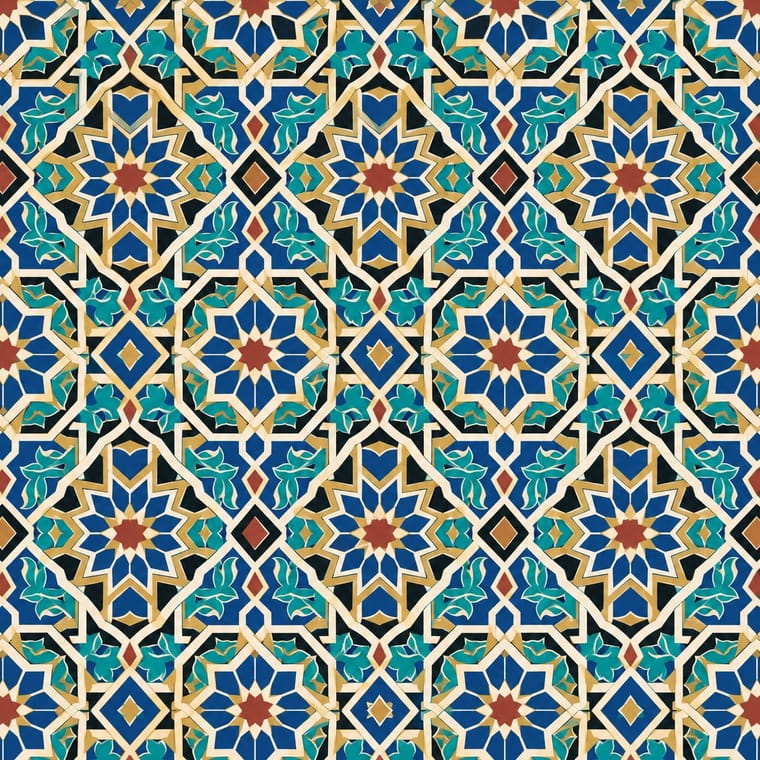
Mamluk Playing-Card Design (Mulūk wa-Nuwwāb) c. 1400–1517
No later style in the atlas grew out of it yet.
Alike in its design choices
06
Combine it with
Styles Mamluk Playing-Card Design (Mulūk wa-Nuwwāb) pairs well with or plays against, from the research. Each is worked out as a combination: which style gives the type, the colours and the forms.
- Islamic Geometric & Calligraphic Tradition Pairs well · Borrow its arabesque and calligraphic bands, but confine them to fixed rank panels instead of letting a tiling run on without limit.
- Hanafuda Card Design (Japanese Flower Cards) Pairs well · Another non-European card system where emblem, rank and seasonal or suit identity are carried by flat painted signs.
- French-Pattern Playing Cards (Court Cards and Indices) Contrasts · Same job of ranking suit and court at a glance, but this one names courts in script and emblem where the French pattern draws double-headed figures with corner indices.
07
Often taken for
Stylogeny checks the choices recorded in each of Mamluk Playing-Card Design’s 3 real works against all 702 styles. All 3 fit its own choices best, so these are its nearest styles by choices, with the choices that tell them apart.
-
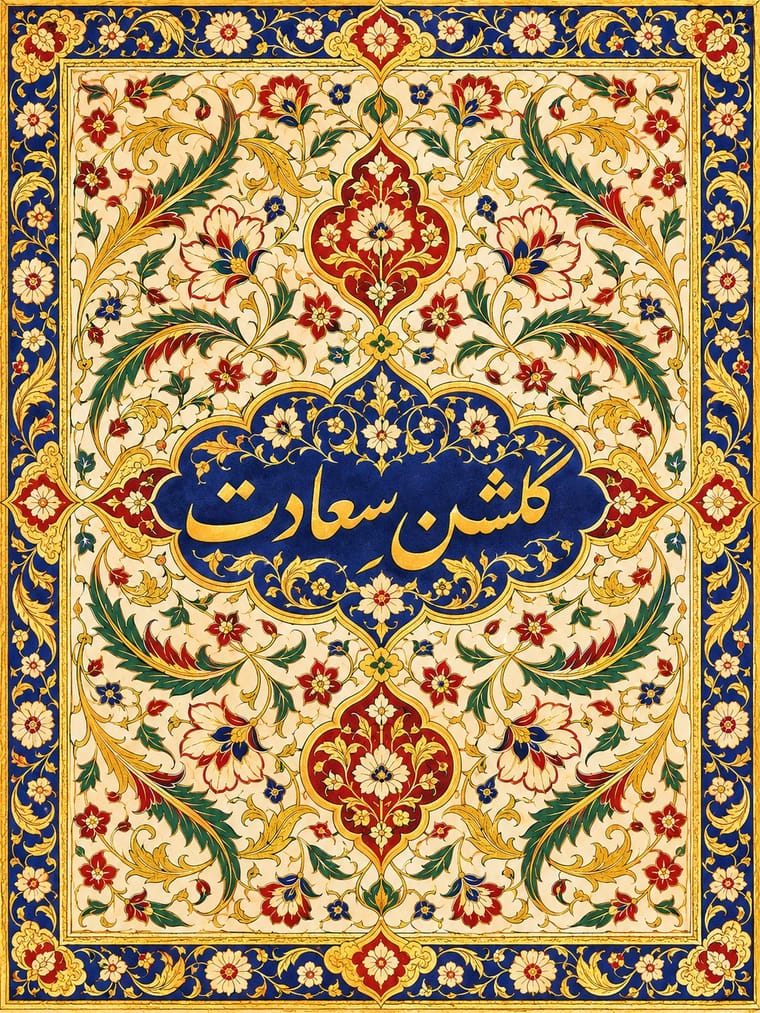
Ottoman Tezhip & Saz Illumination
Ottoman Tezhip & Saz Illumination is one of Mamluk Playing-Card Design’s nearest styles by choices; no real work of either fits the other better.
Choices that tell Mamluk Playing-Card Design and Ottoman Tezhip apart Choice Mamluk Playing-Card Design Ottoman Tezhip Pictogram defining — Naturalistic depiction avoids occasional Icons & pictograms defining — Jewel & metallic occasional defining Light ground characteristic — Both descend from Islamic Geometric & Calligraphic Tradition in the family tree.
-
Jain Manuscript Painting (Kalpa Sutra)
Jain Manuscript Painting is one of Mamluk Playing-Card Design’s nearest styles by choices; no real work of either fits the other better.
Choices that tell Mamluk Playing-Card Design and Jain Manuscript Painting apart Choice Mamluk Playing-Card Design Jain Manuscript Painting Pictogram defining — Angular & zigzag — defining Light ground characteristic — Painterly illustration — defining Limited spot colours characteristic — No shared descent in the atlas: they reached these choices separately.
-
Ancient Egyptian Hieroglyphic & Register Composition
Ancient Egyptian Hieroglyphic & Register Composition is one of Mamluk Playing-Card Design’s nearest styles by choices; no real work of either fits the other better.
Choices that tell Mamluk Playing-Card Design and Ancient Egyptian Hieroglyphic apart Choice Mamluk Playing-Card Design Ancient Egyptian Hieroglyphic Biomorphic curves characteristic — Earth & mineral — defining Abundant decoration characteristic — Column grid — defining Measured density characteristic — No shared descent in the atlas: they reached these choices separately.
-
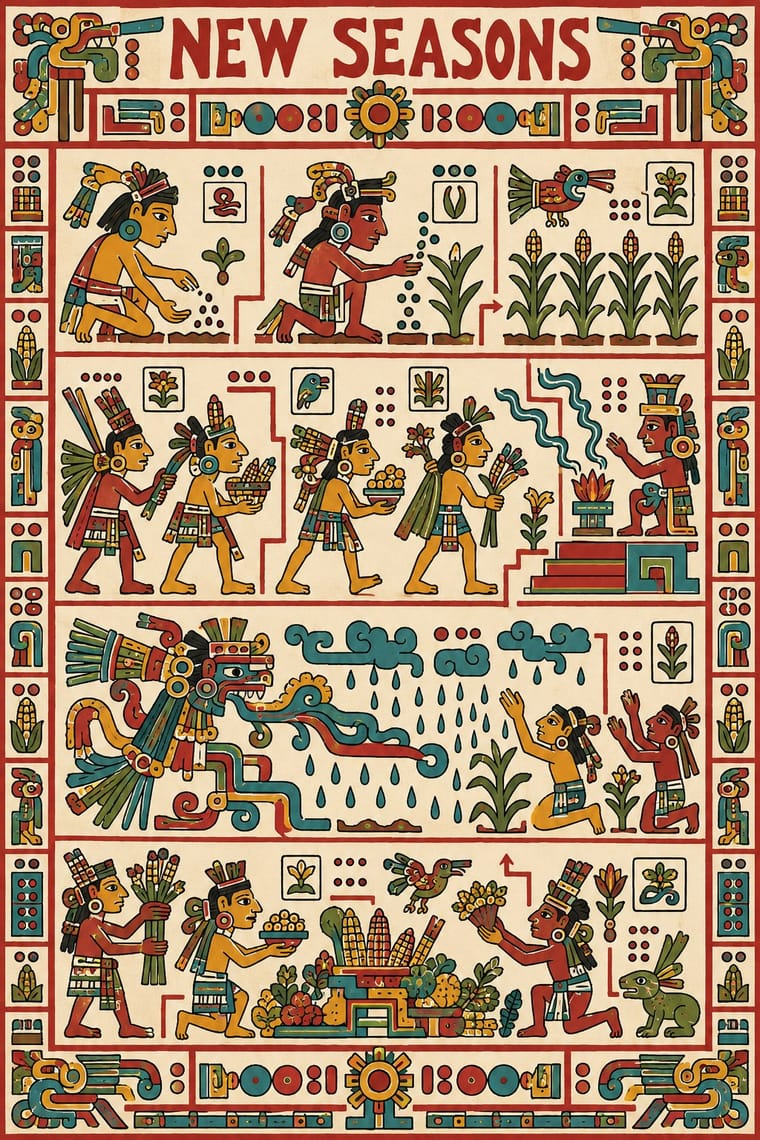
Mixteca-Puebla Codex Painting
Mixteca-Puebla Codex Painting is one of Mamluk Playing-Card Design’s nearest styles by choices; no real work of either fits the other better.
Choices that tell Mamluk Playing-Card Design and Mixteca-Puebla Codex Painting apart Choice Mamluk Playing-Card Design Mixteca-Puebla Codex Painting Limited spot colours characteristic — Line illustration — defining Biomorphic curves characteristic — Folk & sacred symbols — defining Borders & frames characteristic — No shared descent in the atlas: they reached these choices separately.
— means the choice isn’t among the style’s recorded choices. Critics recorded each work’s choices with the styles’ descriptions in view, so this shows whether the descriptions hold together, not proof that they are right.
08
Real works
Artefacts in museums, libraries and archives that show the style, linked at their source.
- Two of polo-sticks, Mulūk wa-nuwwāb pack (presumed original rank) ca. 1500 · Topkapı Palace Museum, Istanbul; documented by Tor Gjerde, Mamluk cards, ca. 1500
- Two of cups, Mulūk wa-nuwwāb pack (presumed original rank) ca. 1500 · Topkapı Palace Museum, Istanbul; documented by Tor Gjerde, Mamluk cards, ca. 1500
- Three of swords, Mulūk wa-nuwwāb pack (presumed original rank) ca. 1500 · Topkapı Palace Museum, Istanbul; documented by Tor Gjerde, Mamluk cards, ca. 1500
09
Sources
- Simon Wintle, World of Playing Cards: Mamluk Playing Cards, https://www.wopc.co.uk/egypt/mamluk-playing-cards
- Mulūk wa-nuwwāb analysis, https://cards.old.no/1500-mamluk/
- L. A. Mayer, Mamluk Playing Cards, ed. R. Ettinghausen and O. Kurz (Leiden: Brill, 1971)
How Stylogeny researches and checks a style: where the facts come from.