Period
1910s graphic-design styles
Styles that began in the 1910s, by the year the atlas gives for when each took shape. Stylogeny describes 16 of them. The earliest began in 1910, the latest in 1919. Of these, 1 is still in use.
The 16 styles
Oldest first. Each has its own page: its design choices, where it comes from, and real works.

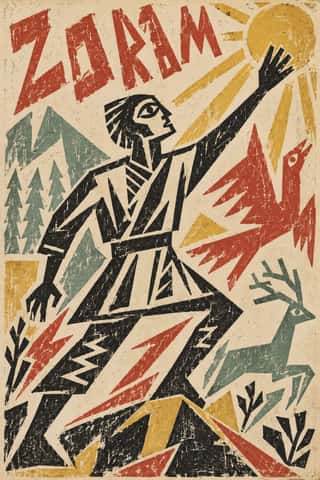

- Taishō Roman & Lyrical IllustrationThe lyrical illustration (jojōga) of late-Meiji to early-Shōwa Japan, led by Takehisa Yumeji: willowy, large-eyed women in kimono drawn with an Art Nouveau contour, set among camellias and kimono patterns and lettered by hand.
- Arnhem Land Bark Painting & RarrkPainting in ochres on flattened stringybark by Yolŋu, Kunwinjku, Kuninjku and other clans of Arnhem Land, carrying ceremonial designs into portable form; collected from 1912, painted through art centres since the 1970s.
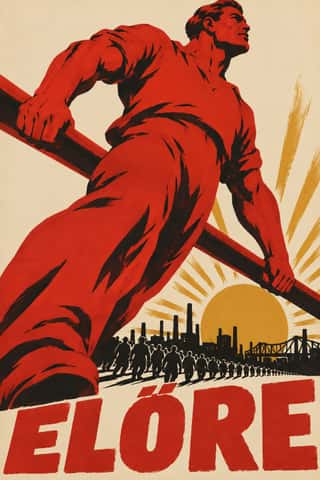
- Vorticism & BLAST TypographyLondon's short-lived rival to Futurism, launched by Wyndham Lewis with BLAST (dated 20 June 1914; War Number, July 1915).
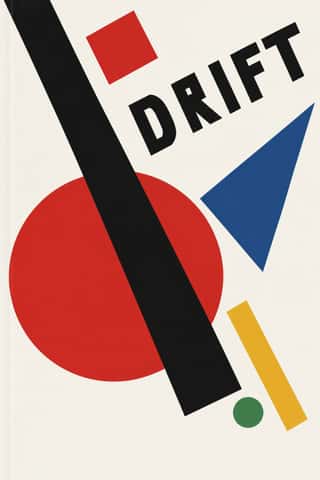
- DadaBorn in wartime Zurich at the Cabaret Voltaire in 1916 and spreading to Berlin, Hanover, Cologne and Paris, Dada used chance, absurdity and provocation against the culture that had produced the war.

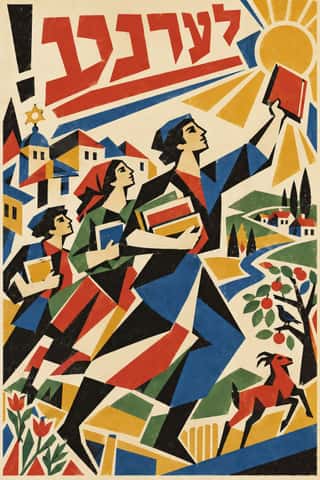
- Russian ConstructivismConstructivism rejected art for art's sake in favour of the artist-engineer building useful things for the new Soviet society.

- BauhausThe German school founded by Walter Gropius in 1919 moved from Expressionist craft ideals to a programme of 'art and technology' after 1923, when Moholy-Nagy, Herbert Bayer and Joost Schmidt made its printing and advertising workshops a laboratory for functional communication.


The design choices they share
The choices these styles make more often than the 359 styles in the atlas as a whole, most telling first.
- Diagonal axisin 12 of 16
- Lithographyin 11 of 16
- Letterpressin 9 of 16
- Dynamic asymmetryin 10 of 16
- Non-representationalin 9 of 16
- Angular & zigzagin 8 of 16
- Rotated & vertical settingin 8 of 16
- Utopian & idealisticin 8 of 16