Digital native · 2017–present · Global / networked, North America
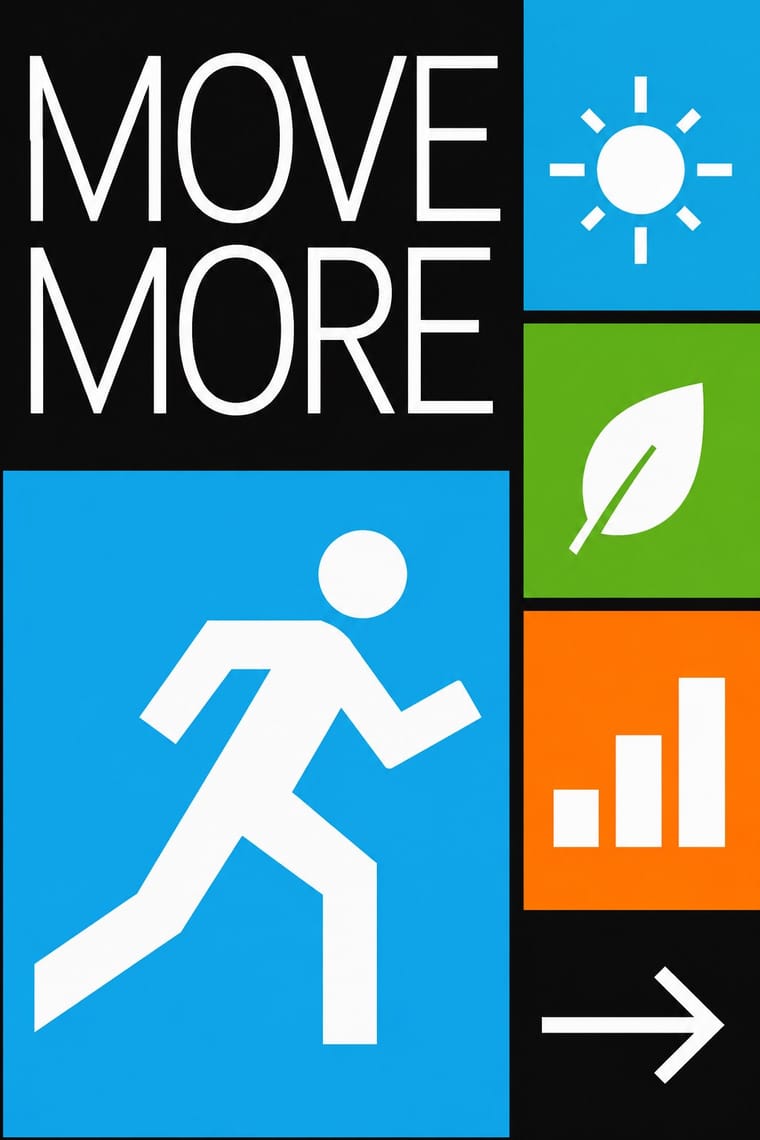
Fluent Design System ( Microsoft Acrylic and Mica )
Also known as Fluent Design, Project Neon, Windows 11 design language
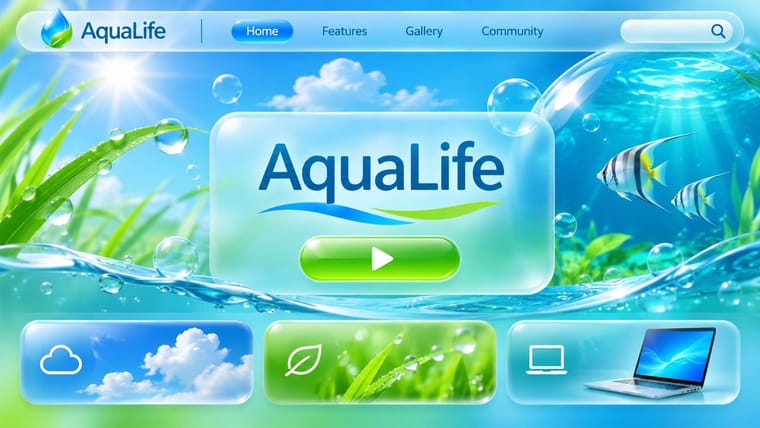
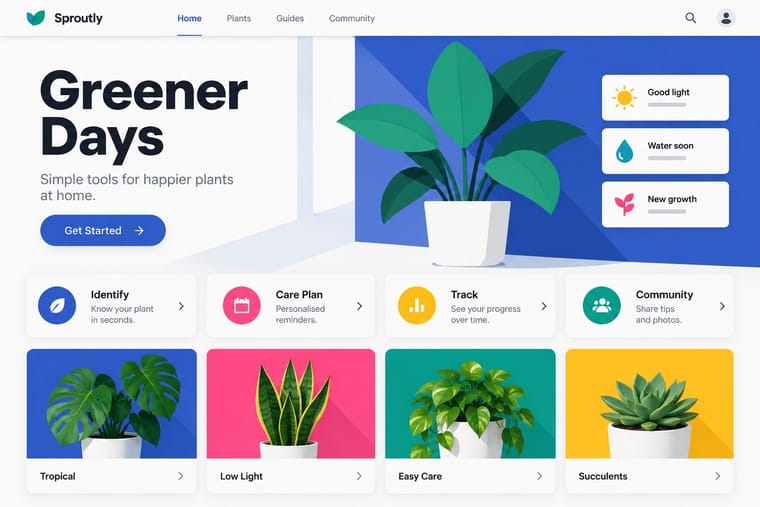
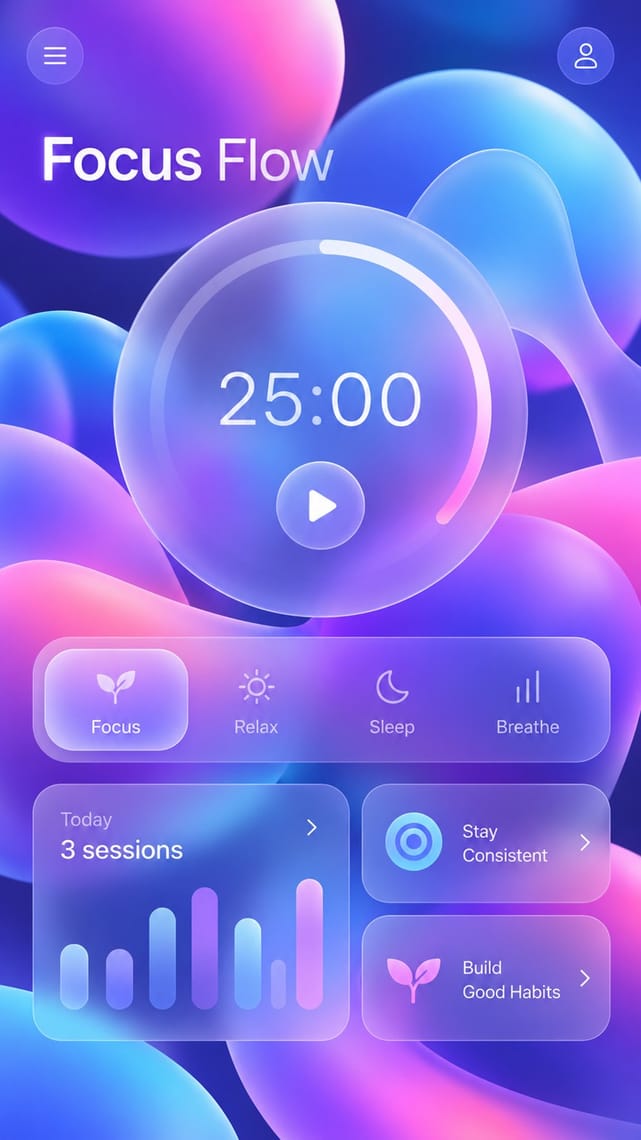
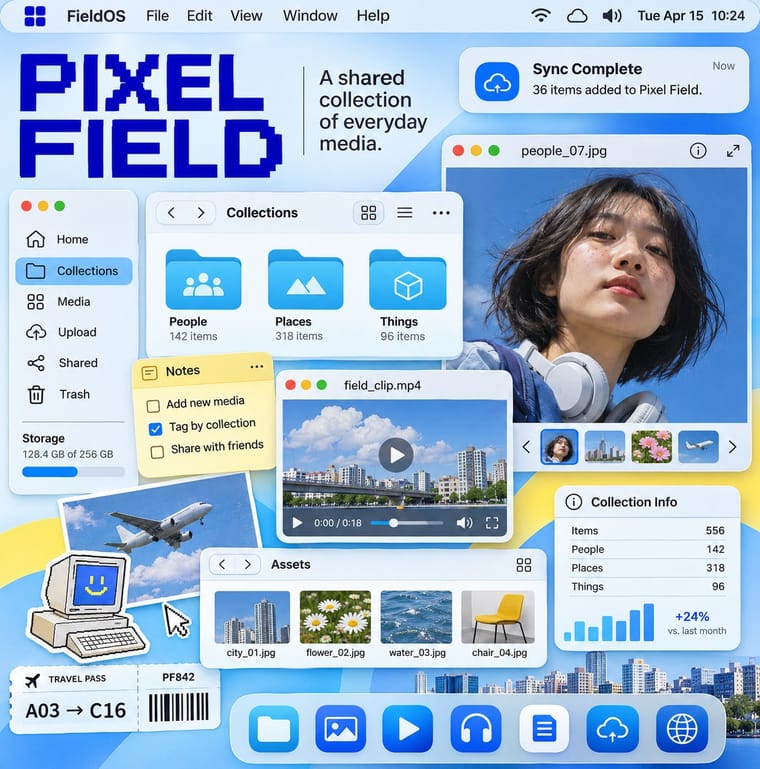
Microsoft's cross-device interface language, announced in 2017 to revamp Metro. It keeps Metro's clear type and rational order but adds depth, motion, light (a reveal highlight that followed the pointer in Windows 10, later discontinued in WinUI 2.6 and reduced in Windows 11), and layered materials: blurred translucent Acrylic for transient surfaces and opaque, wallpaper-tinted Mica for main windows. Corners are softly rounded.
Make something in this style Get advice in this style Mix it with another style
01
Make something in this style
Say what you need, and Stylogeny’s image studio draws it from Fluent Design System (Microsoft Acrylic and Mica)’s design choices and checks it against them. It takes about a minute, and you get a link to share.
02
How it works
Palette
-
#f3f3f3 -
#202020 -
#0067c0 -
#60cdff -
#e5e5e5 -
#c42b1c
Typefaces
-
Segoe UI
-
Segoe UI Variable
-
Segoe Fluent Icons
- Build the interface from the five declared components: light, depth, motion, material and scale.
- Make transient surfaces such as menus and flyouts translucent Acrylic, and long-lived window backgrounds opaque Mica tinted by the wallpaper.
- Order content on a layered z-axis, using soft shadow elevation to show what sits above what.
- In Windows 10, light up controls with a reveal highlight that follows the pointer (discontinued in WinUI 2.6; Windows 11 reduced light effects in favour of animation), and answer every press with motion feedback.
- Round corners gently and set text in a neutral humanist sans such as Segoe UI, with line icons of uniform weight.
Microsoft, announced in May 2017 under the codename Project Neon; first shipped in the Windows 10 Fall Creators Update in October 2017
Effects on its surface Frosted glass
- Frosted glass signature From its design choice “Frosted glass”.
Change it with an idea. Any of the 73 moves that make a design say something can go on this style.
03
Its design choices
From Stylogeny’s vocabulary of design choices: defining choices make the style, characteristic ones are usual, occasional ones turn up now and then.
- Layout & composition
- Space & hierarchy
- Surface & texture
- Medium & production
- Avoids
- Skeuomorphic material, Gloss & highlights, Hard offset shadow, Abundant decoration, Ornamented display
How its pictures are made Systematic
Kind of picture: Systematic
Known for
-
Windows 10 Fall Creators Update
October 2017
-
Windows 11 shell and in-box apps such as Notepad and Calculator
-
Microsoft Office app icons redesigned 2018-2019, revealed December 2019
-
Fluent emoji
3D redesign announced 2021, open-sourced 2022
-
Segoe UI Variable and Segoe Fluent Icons
04
Where it comes from, and what it’s close to
Grew out of
Borrowed from
Fluent Design System (Microsoft Acrylic and Mica) 2017–present
No later style in the atlas grew out of it yet.
Alike in its design choices
05
Combine it with
Styles Fluent Design System (Microsoft Acrylic and Mica) pairs well with or plays against, from the research. Each is worked out as a combination: which style gives the type, the colours and the forms.
- Metro (Microsoft Design Language) Pairs well · Keep Metro's humanist sans and plain hierarchy, then add depth, rounding and translucent material.
- Glassmorphism Pairs well · Borrow frosted translucency, but ground it in a restrained, functional system rather than colourful gradients.
- Material Design Contrasts · Both layer surfaces on a z-axis, but Material uses opaque paper and shadow where Fluent uses blur and light.
- Liquid Glass (Apple Interface Language) Contrasts · Apple's glass is glossy and refractive; Fluent's Acrylic is a matte blur tied to window focus.
06
Often taken for
Fluent Design System has no real works recorded yet, so these are its nearest styles by its choices alone, with the choices that tell them apart.
-
Material Design
Material Design is one of Fluent Design System’s nearest styles by choices; no real work of either fits the other better.
Choices that tell Fluent Design System and Material Design apart Choice Fluent Design System Material Design Frosted glass defining — Flat fields — defining Humanist sans defining — Modular grid — defining Framed panels characteristic — Both descend from Flat Design in the family tree.
-
Glassmorphism
Glassmorphism is one of Fluent Design System’s nearest styles by choices; no real work of either fits the other better.
Choices that tell Fluent Design System and Glassmorphism apart Choice Fluent Design System Glassmorphism Flush left, ragged right defining — Gradients — defining Humanist sans defining — Gloss & highlights avoids occasional Light ground characteristic — Both descend from International Typographic Style in the family tree.
-
iOS Core / Contemporary OS-Interface Graphics
iOS Core / Contemporary OS-Interface Graphics is one of Fluent Design System’s nearest styles by choices; no real work of either fits the other better.
Choices that tell Fluent Design System and iOS Core apart Choice Fluent Design System iOS Core Ornament-free defining — Found & vernacular imagery — defining Humanist sans defining — Straight photography — defining Frosted glass defining occasional No shared descent in the atlas: they reached these choices separately.
-
Bento Feature-Grid Design
Bento Feature-Grid Design is one of Fluent Design System’s nearest styles by choices; no real work of either fits the other better.
Choices that tell Fluent Design System and Bento Feature-Grid Design apart Choice Fluent Design System Bento Feature-Grid Design Measured density defining — Cards & bento tiles — defining Illusion of depth defining — Flat fields — characteristic Frosted glass defining — Both descend from Flat Design in the family tree.
— means the choice isn’t among the style’s recorded choices. Critics recorded each work’s choices with the styles’ descriptions in view, so this shows whether the descriptions hold together, not proof that they are right.
07
Sources
- https://en.wikipedia.org/wiki/Fluent_Design_System
- https://learn.microsoft.com/en-us/windows/apps/design/signature-experiences/materials
How Stylogeny researches and checks a style: where the facts come from.