Period
Graphic-design styles from the 1800s
Styles that began in the 1800s, by the year the atlas gives for when each took shape. Stylogeny describes 30 of them. The earliest began in 1800, the latest in 1898. Of these, 11 are still in use.
The 30 styles
Oldest first. Each has its own page: its design choices, where it comes from, and real works.
-
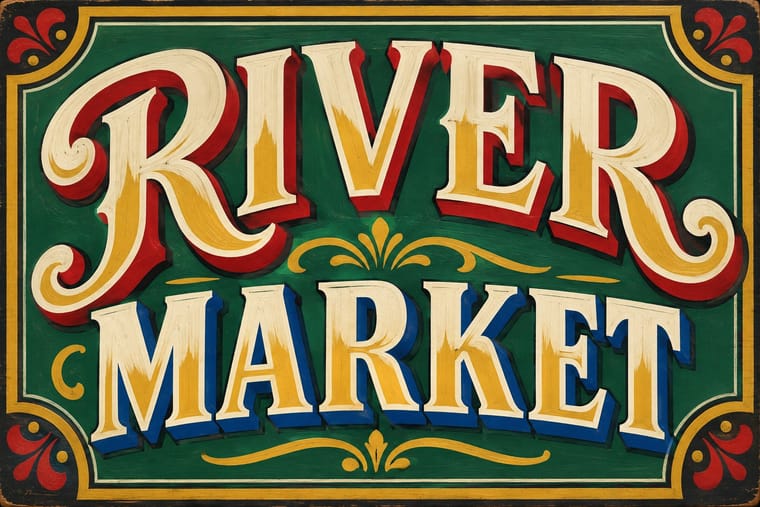
Hand-Painted Signage & Vernacular Lettering Letters painted by trained sign writers on fascias, windows, walls, vehicles and showcards, from Victorian gold leaf on glass to Mexican rótulos, Indian bazaar boards and Ghanaian barbershop signs.
-
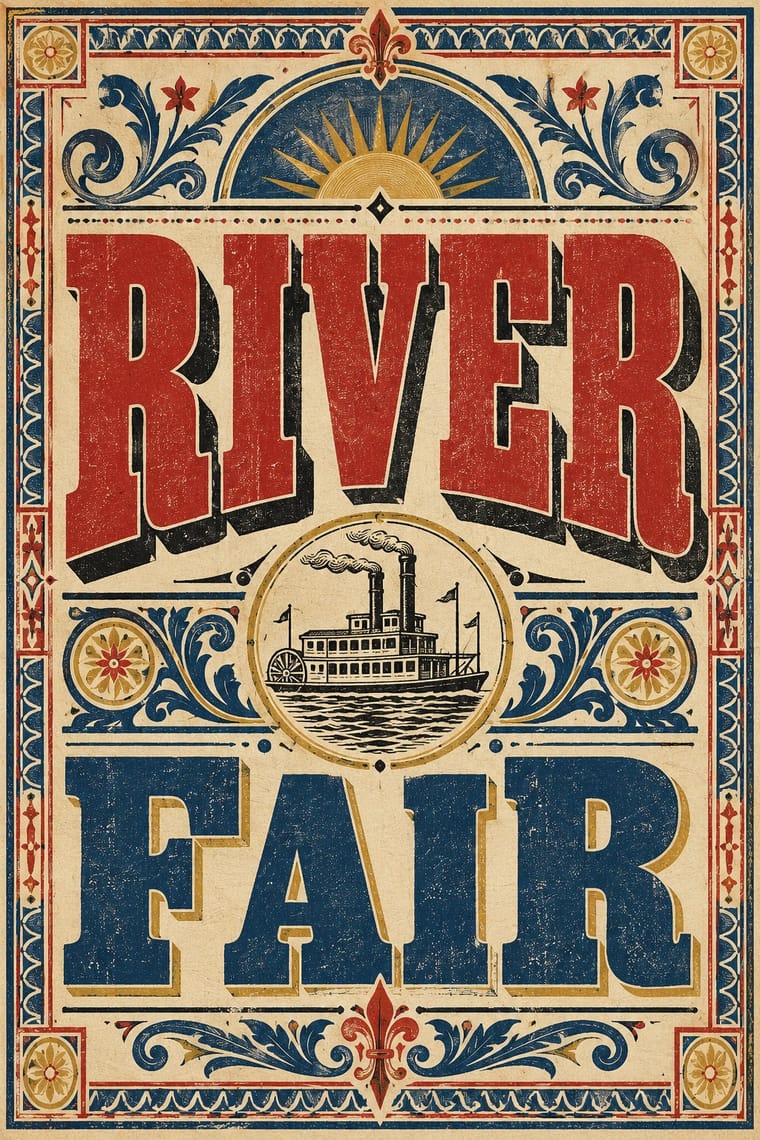
Victorian Letterpress & Wood Type The commercial jobbing print of the industrial century: posters, playbills, auction notices and ephemera built from a flood of new display types (fat faces, Egyptians, grotesques, Tuscans and condensed wood type).
-
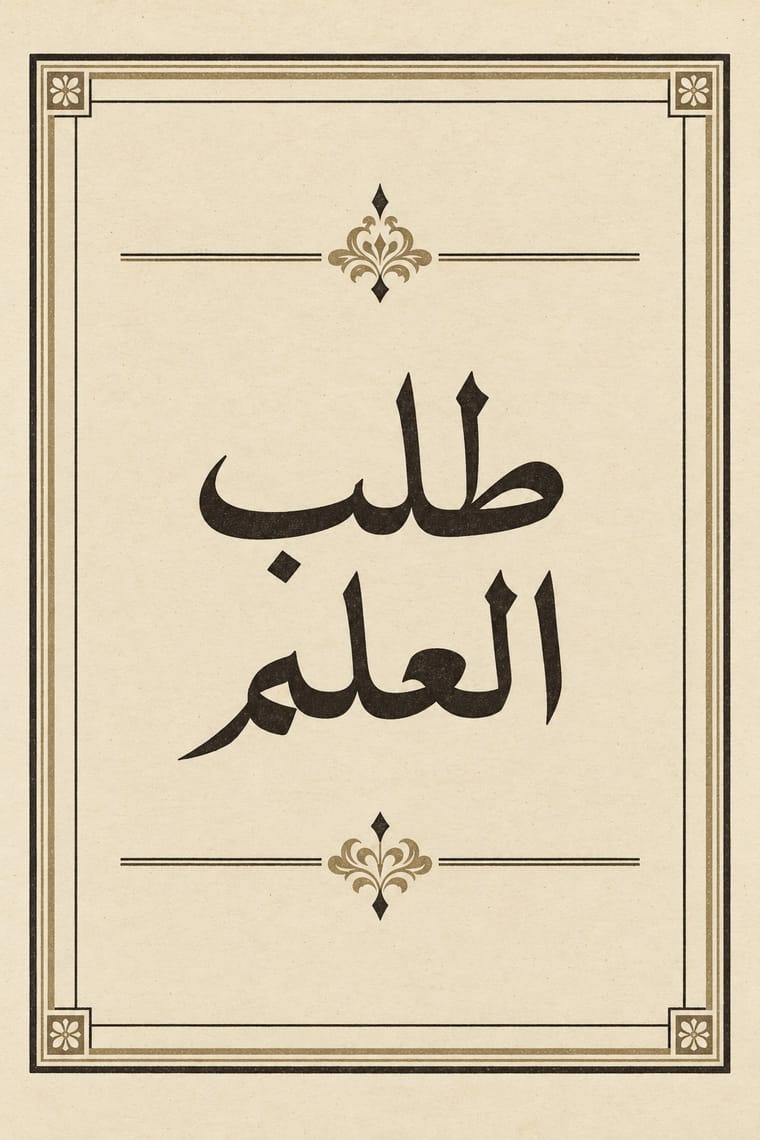
Bulaq (Amiriyya) Naskh Book Printing The page of the Arabic printed book as Egypt's state press at Bulaq shaped it from 1822: justified blocks of black Naskh type on pale paper, often boxed in a ruled frame, with an ornamental headpiece on the opening page, headings set larger or in a second script such as Nastaʿlīq, and almost no pictures.
- Kalighat Pat & Battala Bazaar Prints The bazaar art of nineteenth-century Calcutta: watercolours sold to pilgrims by patua painters at the Kalighat temple, and the cheap woodcuts and metal engravings that Battala presses printed for chapbooks and almanacs.
- Urdu Katib Lithography For about a century and a half Urdu chose lithography over movable type, because metal type could not reproduce the sloping, stacked ligatures of Nastaʿlīq.
- Persian Popular Narrative (Lithographs & Coffeehouse Painting) Iran's popular picture-stories in two media.
-
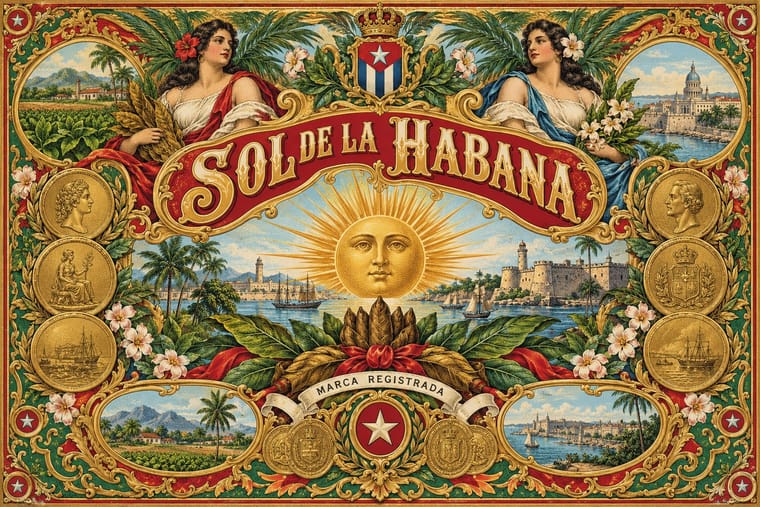
Cuban Tobacco Lithography (Habilitaciones & Marquillas) The chromolithographed dress of Havana tobacco.
-
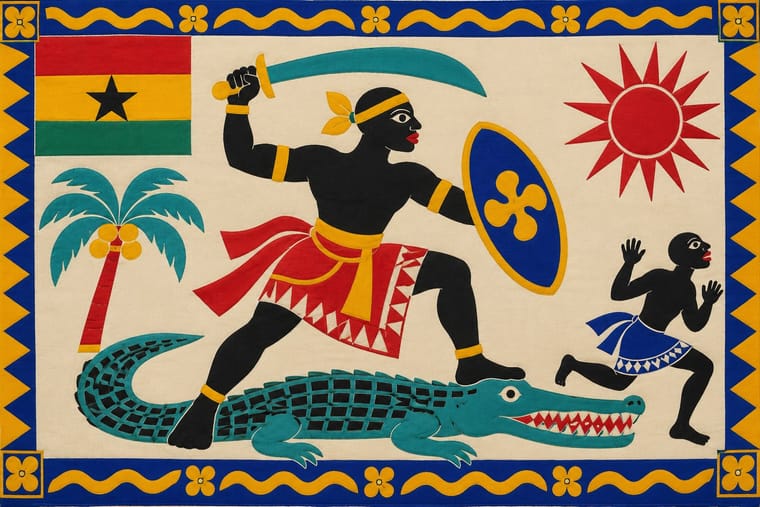
Fante Asafo Flags (Frankaa) The company flags (frankaa) of the Fante asafo, the old warrior companies of Ghana's central coast, widely adopted from the mid-nineteenth century.
-
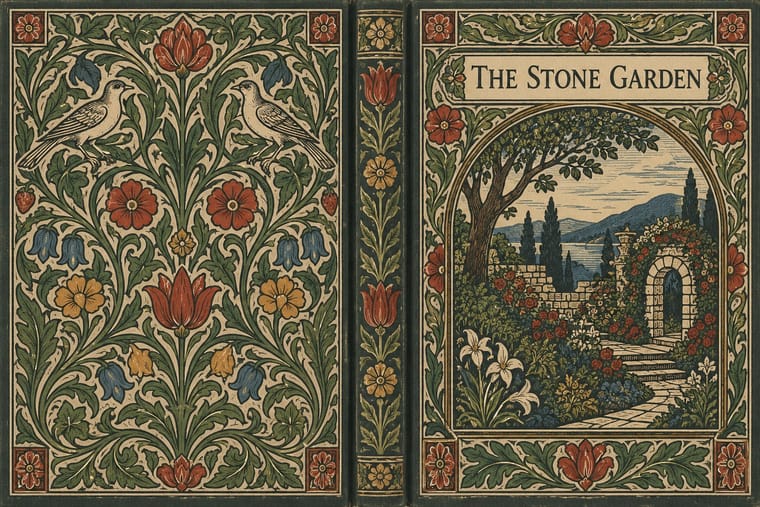
Arts & Crafts Movement A British-led reform movement that answered industrial shoddiness with honest handcraft, medieval models and the ideal of joy in labour.
-
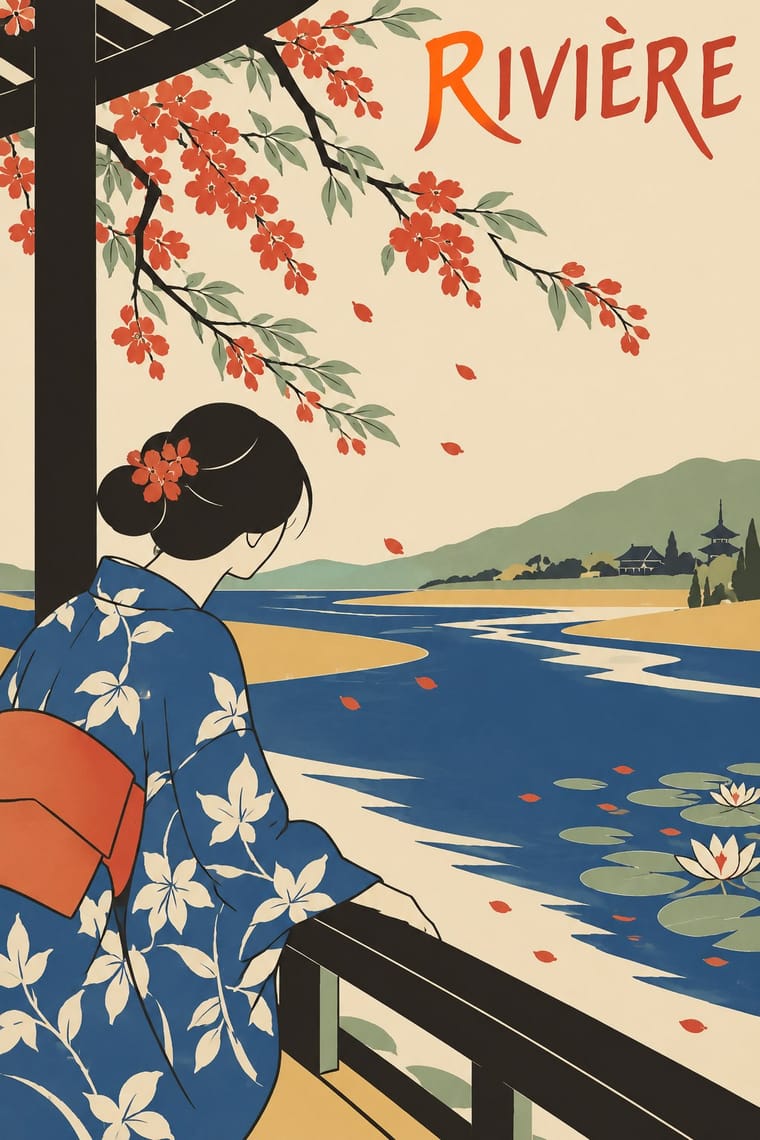
Japonisme The Western absorption of Japanese woodblock prints, textiles and crafts after Japan reopened to trade in the 1850s.
-
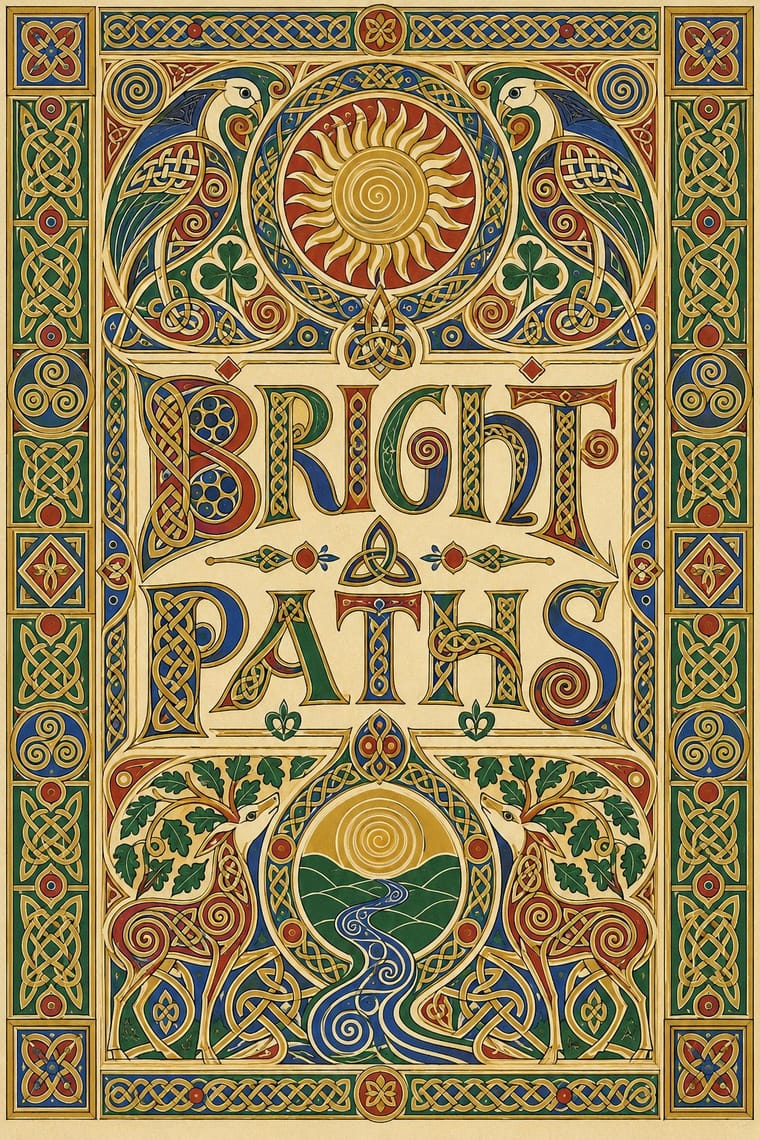
Celtic Revival Illumination & Lettering Ornament and lettering of the Celtic Revival in Ireland, Scotland and the Isle of Man, modelled on Insular gospel books such as Kells and on carved stone crosses.
-
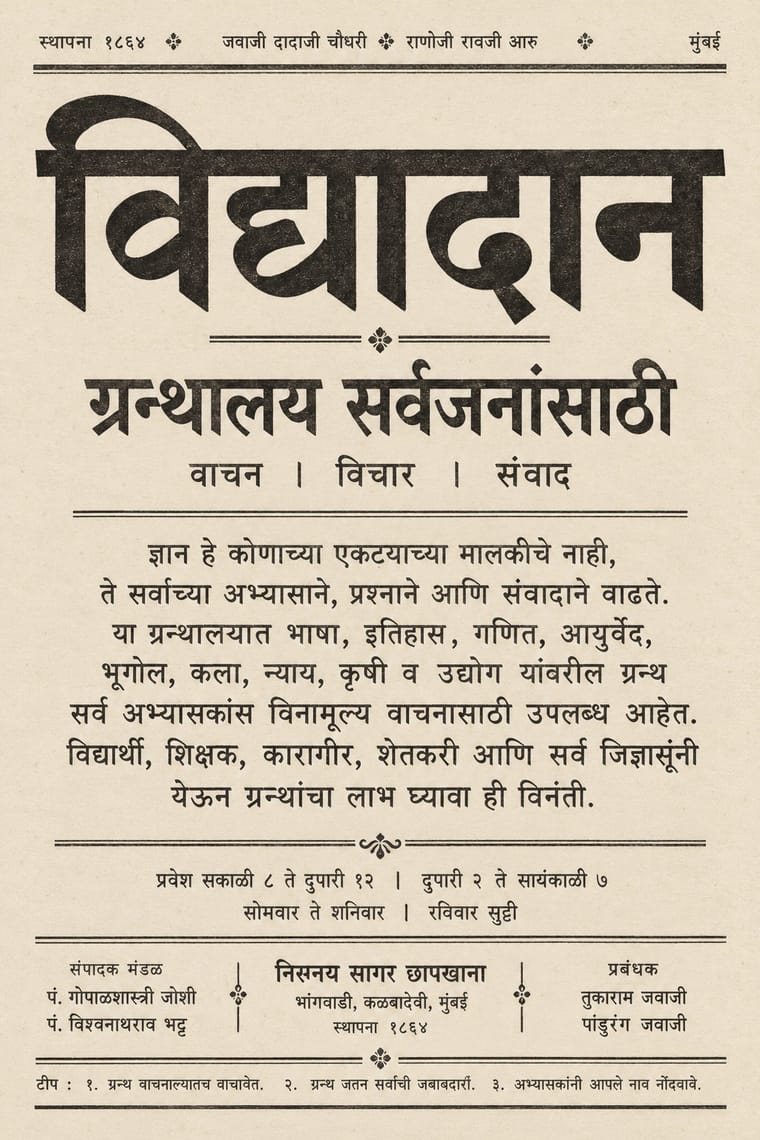
Nirnaya Sagar Devanagari Typography (Bombay Metal Type) Devanagari as Javaji Dadaji's Bombay type foundry (1864) and Nirnaya Sagar Press (1869) cut and printed it: upright metal type with a strong headline, cut with the punch-cutter Ranoji Aru, and enough conjunct and 'Akhand' sorts to set Sanskrit, Vedic accents and Marathi whole.
-
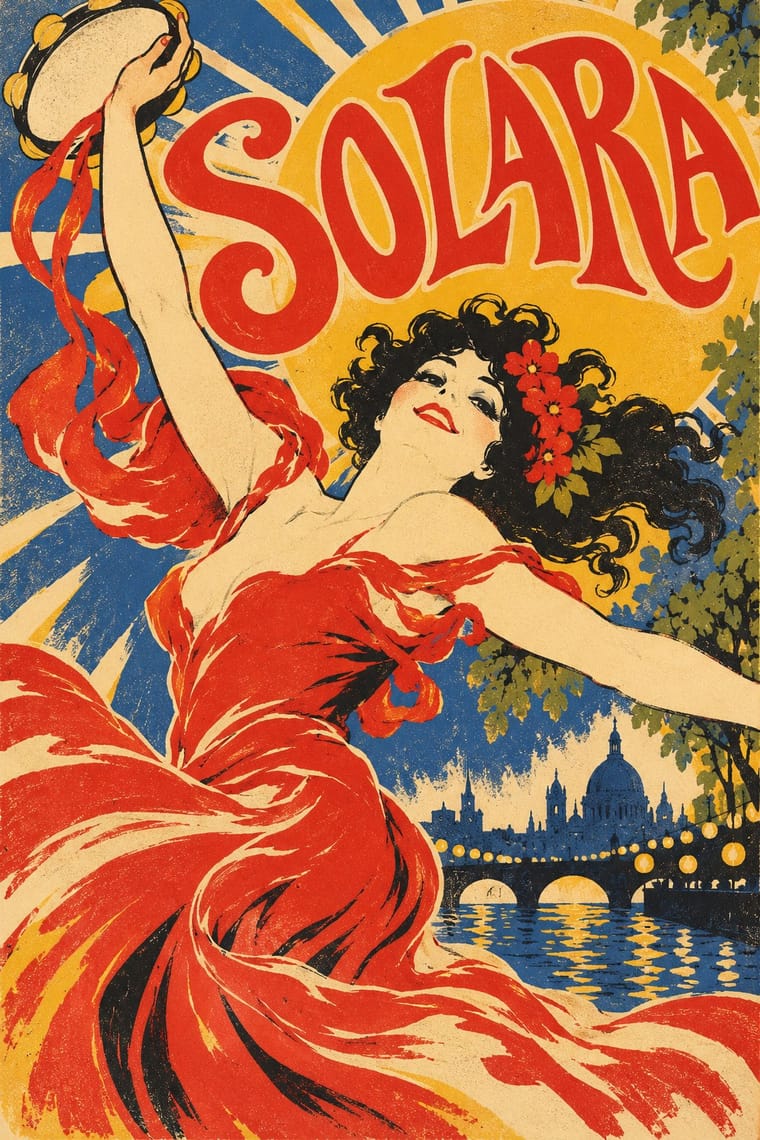
Belle Époque Lithographic Poster The large colour lithographic street poster that turned Paris into an open-air gallery, from Jules Chéret's first posters of 1866 to Leonetto Cappiello before the First World War.
- Lira Popular (Chilean Illustrated Verse Broadsheets) Loose verse sheets printed and sold in Chile's cities from 1866, peaking around 1890 and declining after 1920, though some were still printed into the 1940s.
-
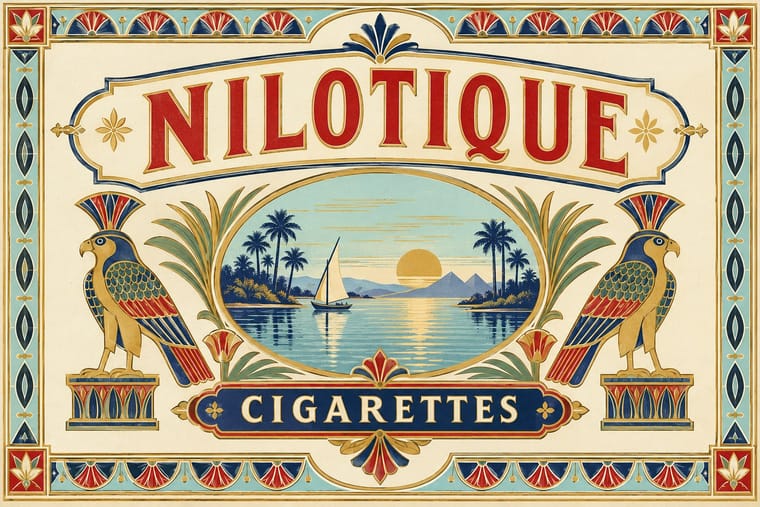
Egyptian Cigarette Packaging (Cairo Tobacco Houses) The flat tins and slide boxes in which Cairo's tobacco houses, most of them Greek-run, sold hand-made Egyptian cigarettes to the world.
- Indian Calendar & Bazaar Art Mass-printed images of Hindu deities, epic scenes, saints, nationalist heroes and film stars, sold in bazaars and given away as business calendars, from the chromolithographs of the Calcutta Art Studio and Ravi Varma Press to Sivakasi offset.
-
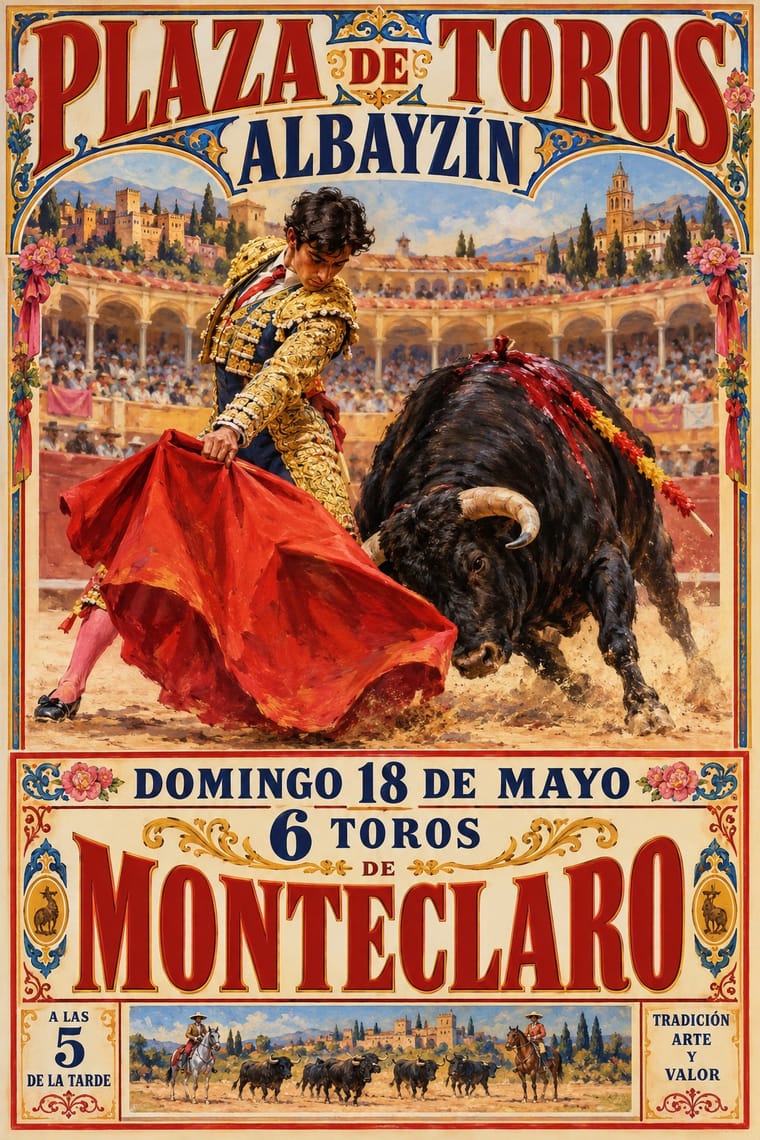
Spanish Bullfight Poster (Cartel Taurino) The Spanish bullfight poster in its illustrated form, from Marcelino de Unceta's lithographs (from 1879) to the Valencian house of Ortega, which supplied rings across Spain.
- African Wax & Fancy Print Industrially printed cotton made for West and Central African markets, first by Dutch and British mills that imitated Javanese batik with resin resist, and later by African mills.
- Mexican Popular Graphics (Posada) Cheap broadsheets, chapbooks and gazettes sold on the streets of Porfirian Mexico City by the publisher Antonio Vanegas Arroyo and illustrated by Manuel Manilla and José Guadalupe Posada.
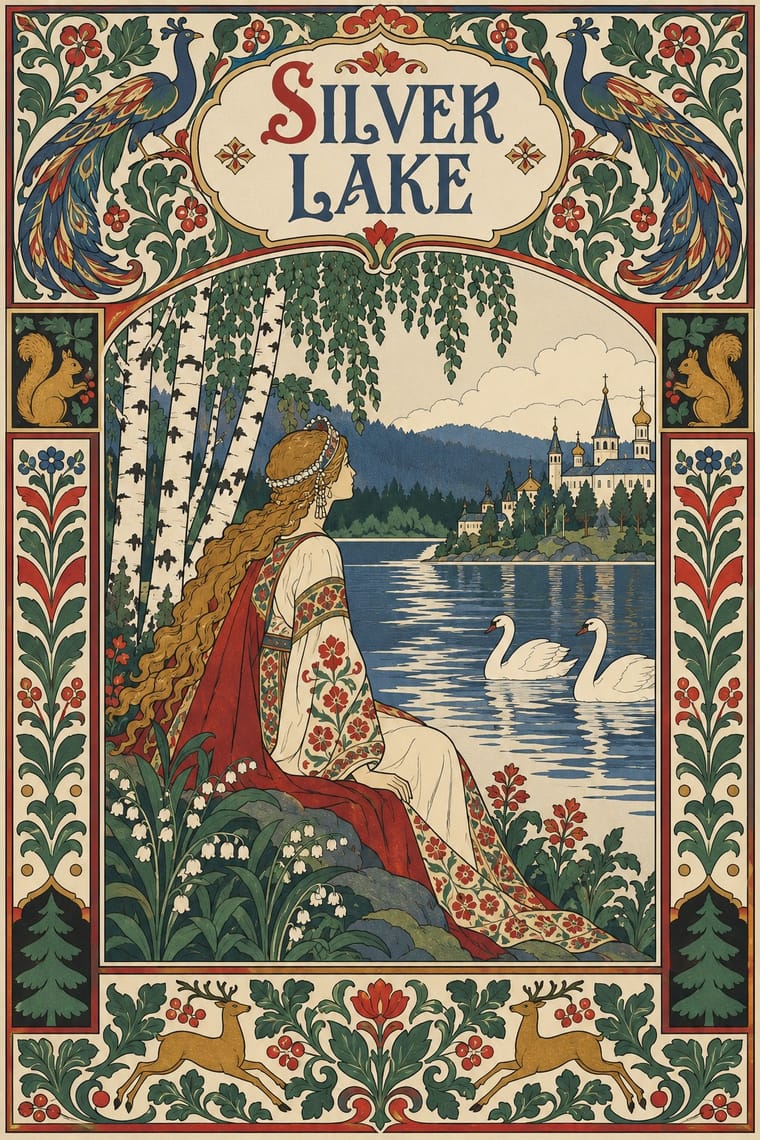
- Norwegian and Finnish National Romantic Graphics (Munthe & Karelianism) The flat, decorative branch of Norway's and Finland's national romanticism, which turned Viking carving, the sagas, the Kalevala and old peasant weaving into modern ornament.
-
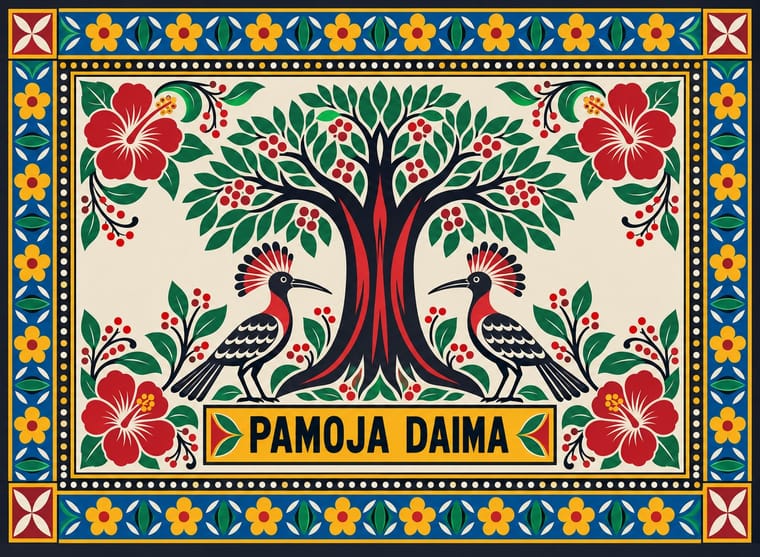
Kanga (Swahili Message Cloth) Printed cotton wraps worn by women of the Swahili coast and its hinterland since the late nineteenth century, bought in pairs.
-
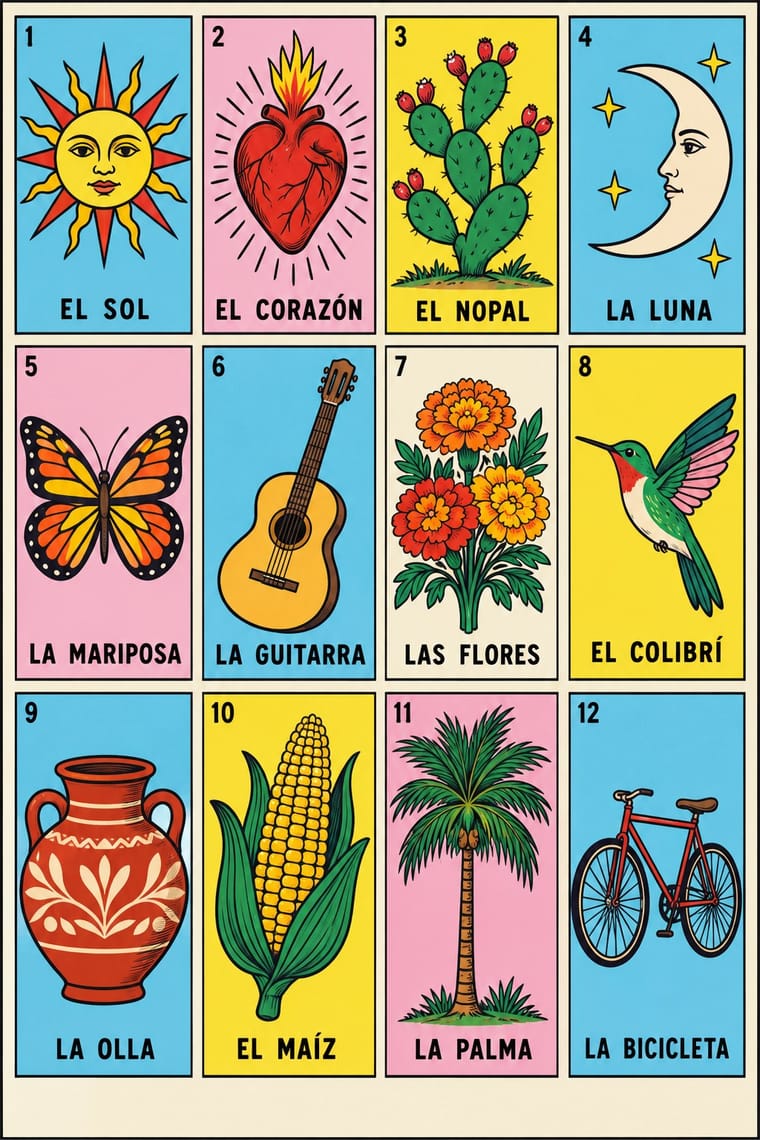
Lotería Card Imagery (Mexican Lotería) The picture deck of Mexico's lotería, a bingo-like game of chance.
-
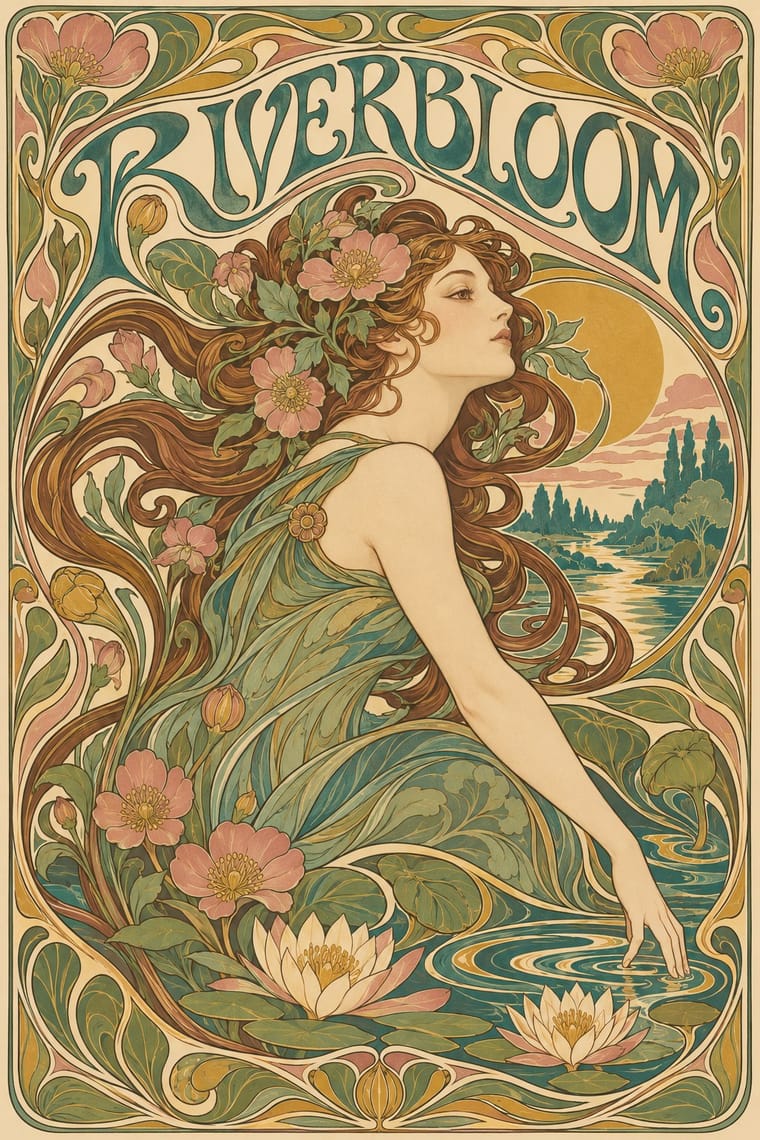
Art Nouveau An international 'new art' that sought a modern style free of historical revival, drawing its forms from plant growth and the female figure.
-
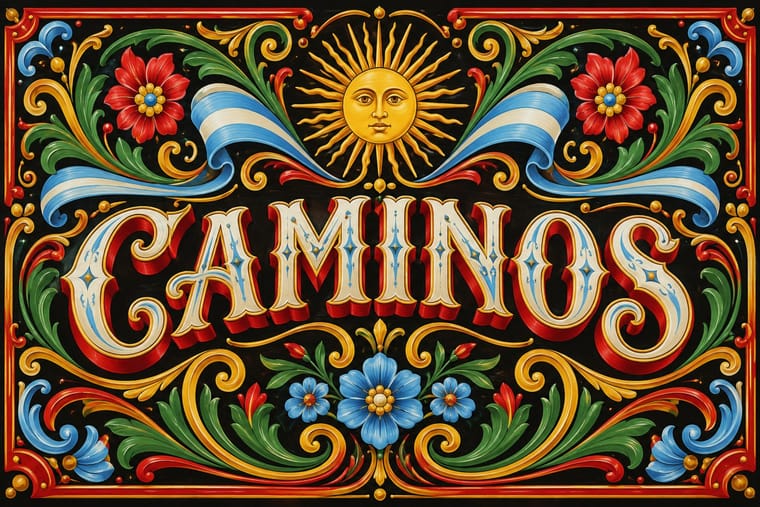
Fileteado Porteño A Buenos Aires tradition of ornamental brush painting that began around 1900 on the grey-painted trade carts of Italian immigrant coachbuilders and spread to trucks, colectivo buses, shop signs and gallery panels.
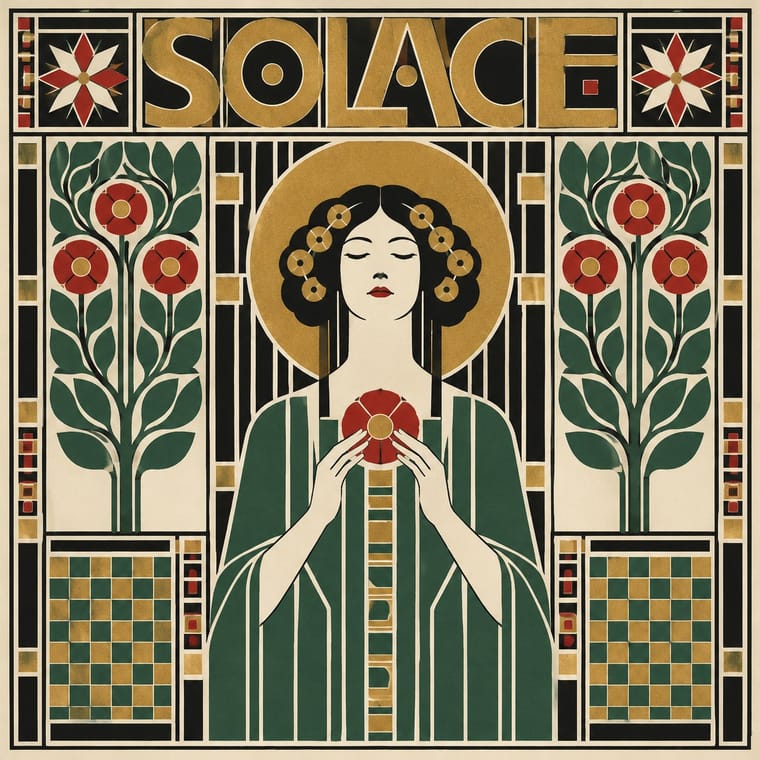
- Glasgow Style Glasgow's distinctive answer to Art Nouveau, formed around Charles Rennie Mackintosh, Margaret and Frances Macdonald and Herbert MacNair at the Glasgow School of Art.
-
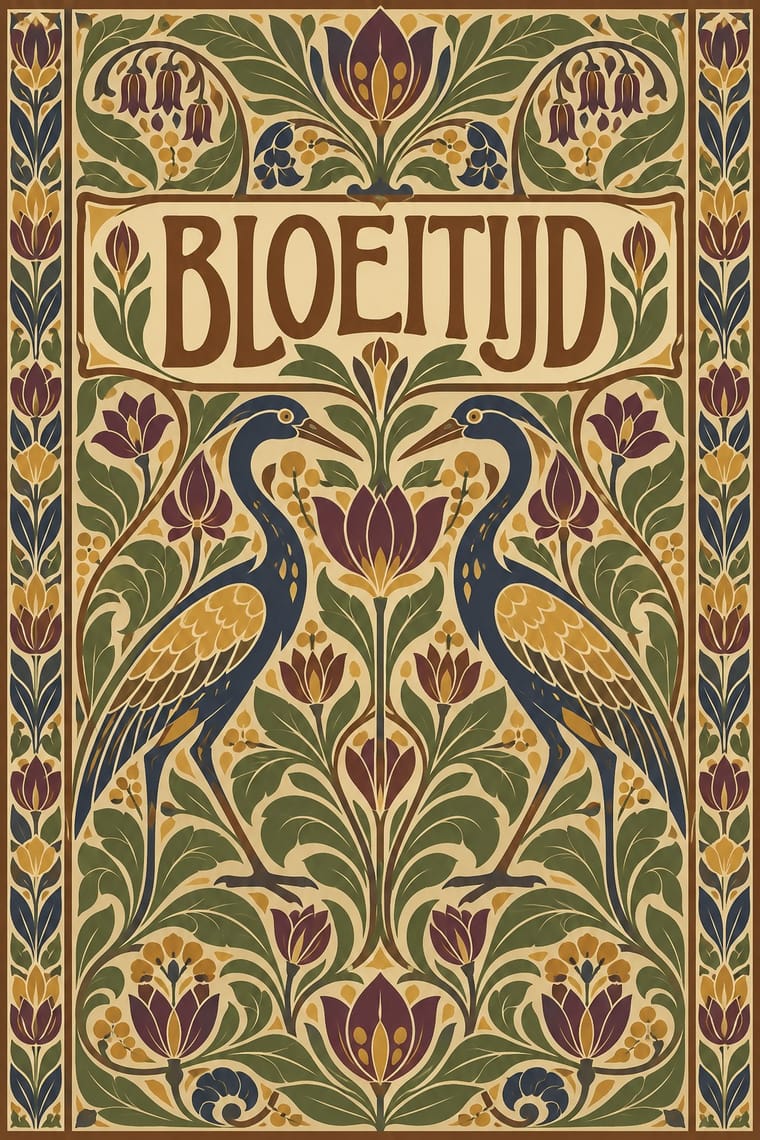
Nieuwe Kunst (Dutch Art Nouveau) The Dutch branch of Art Nouveau, seen mostly in book covers, vignettes and posters.
- German Book Art Movement (Buchkunstbewegung) The German reform of the book, from the magazine Pan (1895) to the private presses that ended around 1933.
-
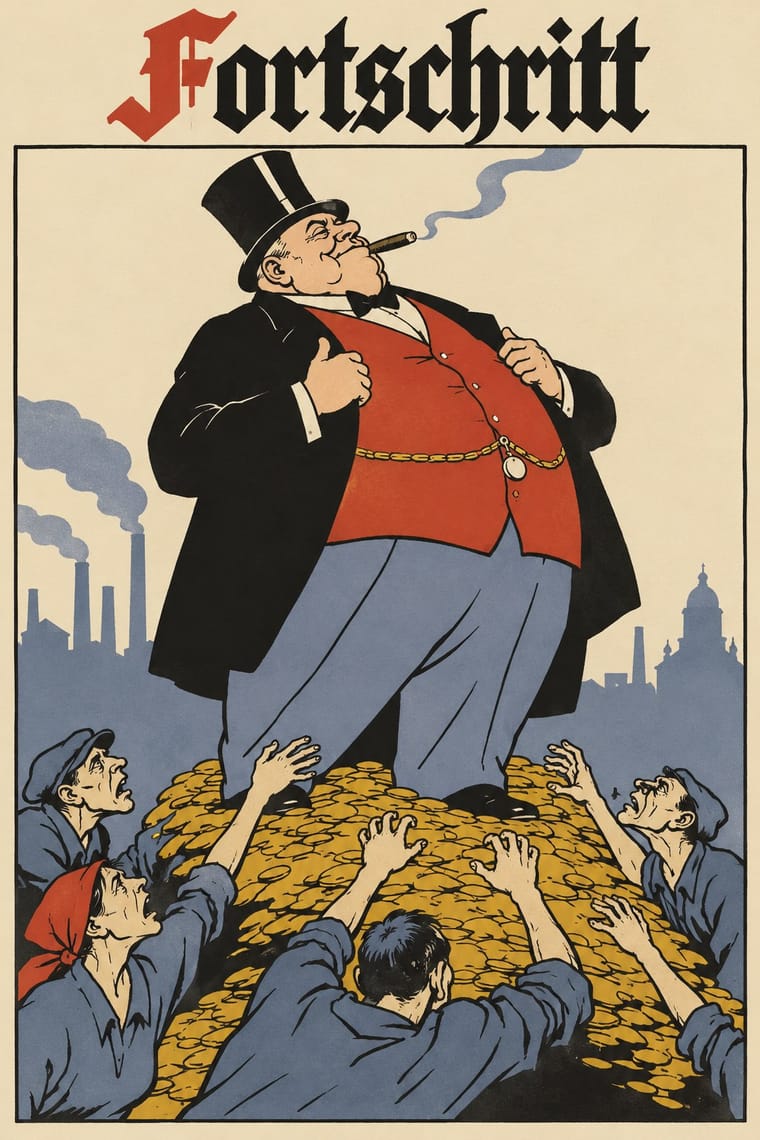
Simplicissimus Satirical Style (Munich) The house style of the Munich satirical weekly Simplicissimus, set by Th.
-
Vienna Secession The Viennese break with academic art led by Gustav Klimt, Koloman Moser, Josef Hoffmann and Alfred Roller, which pulled Art Nouveau toward the square, the grid and the flat plane.
-
Mir iskusstva Book Art The graphic idiom of the St Petersburg World of Art circle (journal 1898–1904, exhibitions until Paris 1927) and the book artists around it.
The design choices they share
The choices these styles make more often than the 374 styles in the atlas as a whole, most telling first.
- Floral & vegetal in 22 of 30
- Lithography in 19 of 30
- Borders & frames in 24 of 30
- Framed panels in 27 of 30
- Letterpress in 16 of 30
- Romantic & sensual in 17 of 30
- Central symmetry in 27 of 30
- Line illustration in 24 of 30