Traditions & vernacular · 1800–present · Sub-Saharan Africa
Fon Appliqué Banners of Abomey ( Dahomey )
Also known as Dahomey appliqué, Abomey royal banners, Fon appliqué hangings
Appliquéd cotton banners, umbrellas, hats and wall hangings of the Fon court of Dahomey, made by guild families. Cut pieces of trade cloth are sewn to a base cloth to show birds, fish, animals, ships, plants and royal insignia that recall a king's reign, a praise name or a proverb. Each king has his own emblem, so the cloth works as a dynastic record in picture form, and is now also made for sale.
Use it with care
These cloths come from the royal court of Abomey, made by guild families of the Fon, and each king's emblem and the stories it carries belong to a living heritage that descendants of the royal and guild families continue to keep. Learn what an emblem and a praise name stand for before using them, never take a king's emblem as a logo or a decorative pattern, and do not pass off a banner made for the tourist trade as a historic court cloth. Commission and credit living appliqué makers, and respect the sensitivity of the palaces and their museum, whose collections have suffered fire (set by Behanzin in 1892 or 1894, by differing accounts), storm and later looting.
01
How it works
Palette
-
#f3ead3 -
#c1272d -
#1f4e9c -
#f2b31b -
#2e7d4f -
#161616
Typefaces
-
Little or no lettering
images stand in for text, so praise names and proverbs are carried by emblems and figures rather than by inscriptions
-
Any letters would be cut or stitched by hand, never set type; no source read describes lettering on these cloths, so type.hand-lettered is held at the lowest weight only because the atlas check (check-draft) requires a type trait
- Represent each king by his own emblem animal, plant or object, as the sign of his reign.
- Cut figures from flat cloth and sew them onto a ground, in saturated colours, keeping forms simple and bold.
- Set the emblem and its attributes as a self-contained scene or a row of scenes on one rectangular cloth.
- Let each design recall an event, a praise name or a proverb, so that the picture does the work of a written record.
- Echo the carved relief patterns of the palace walls in the silhouettes.
- Make the cloth to order within a family workshop for a person of rank, never as anonymous decoration.
Abomey, capital of the Kingdom of Dahomey (now Benin), where family guilds of men cut and sewed cloth appliqué for the court on commission
02
Its design choices
From Stylogeny’s vocabulary of design choices: defining choices make the style, characteristic ones are usual, occasional ones turn up now and then.
- Layout & composition
- Space & hierarchy
- Typography
- Form & shape
- Surface & texture
- Ornament
- Imagery
- Medium & production
- Tone & intent
- Avoids
- Gradients, Illusion of depth, Naturalistic depiction, Straight photography, Modular grid, Gloss & highlights, Grotesque & neo-grotesque
How its pictures are made Systematic
Kind of picture: Systematic
Known for
-
Banner of King Glèlè as a lion devouring his enemies
with the royal panther ancestor and soldiers, made by the Yémadjé family in 1911 or 1912 as a copy of a palace banner (as pictured in a post on Quai Branly West African textiles at Adire African Textiles, citing Artistes d'Abomey, Fondation Zinsou, 2009)
-
Dahomey appliqué banner by a Fon artist, c. 1968 to 1972, cotton
High Museum of Art, Atlanta, 2022.44
-
Musée historique d'Abomey, in the Royal Palaces of Abomey (UNESCO World Heritage Site, 1985), founded 1943, with an appliquéd quilt for each king
-
'Twelve Kings of Dahomey Royal Dynasty Banner', 1997
listed by Indigo Arts Gallery, Philadelphia
-
Banner of King Guezo, 1997
listed by Indigo Arts Gallery
03
Where it comes from, and what it’s close to
Nothing earlier is recorded: in the atlas it is a starting point.
Fon Appliqué Banners of Abomey (Dahomey) 1800–present
No later style in the atlas grew out of it yet.
Alike in its design choices
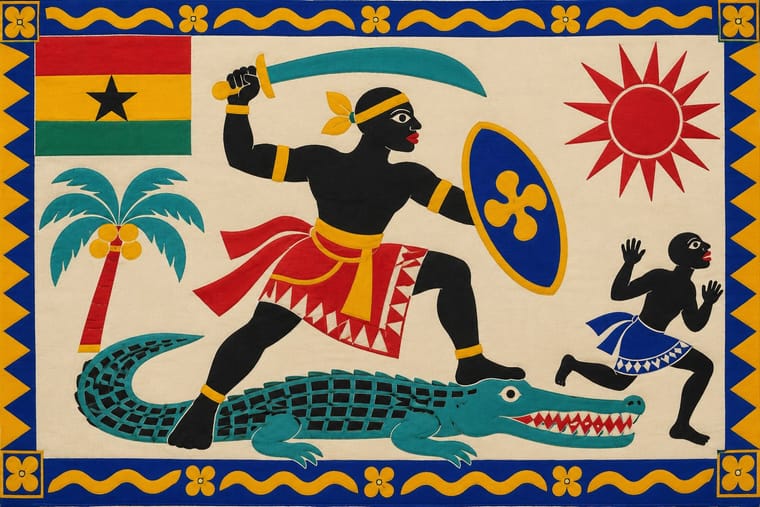
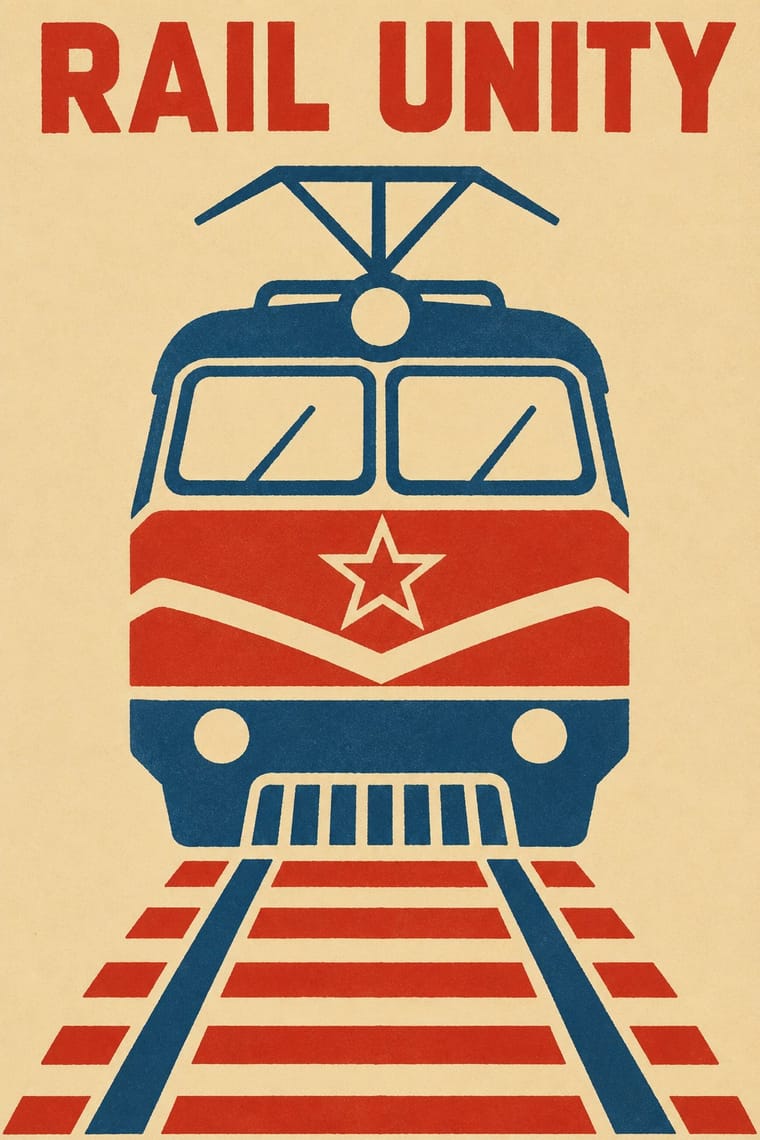
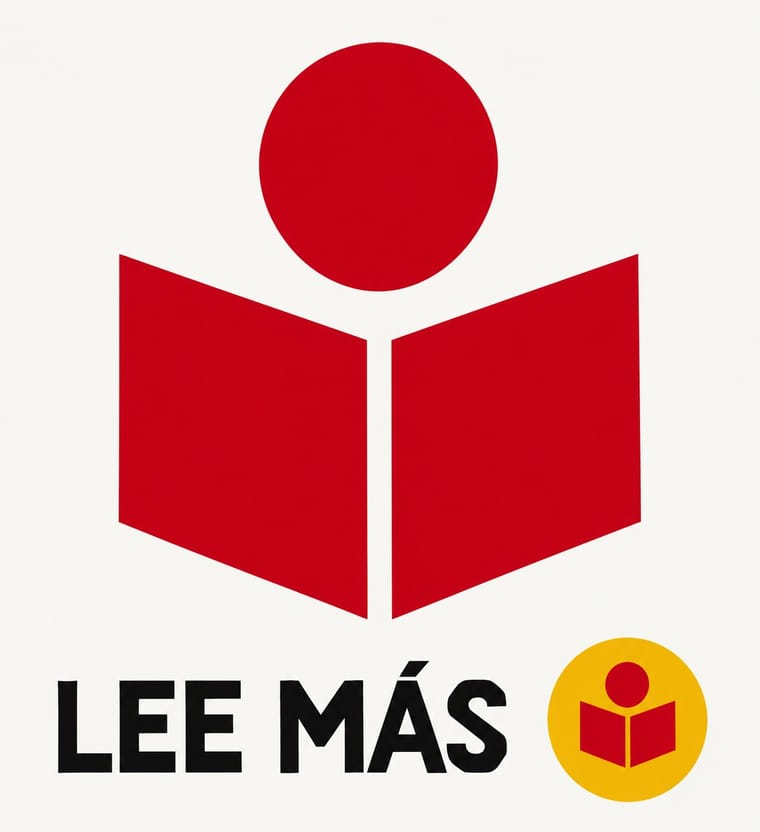
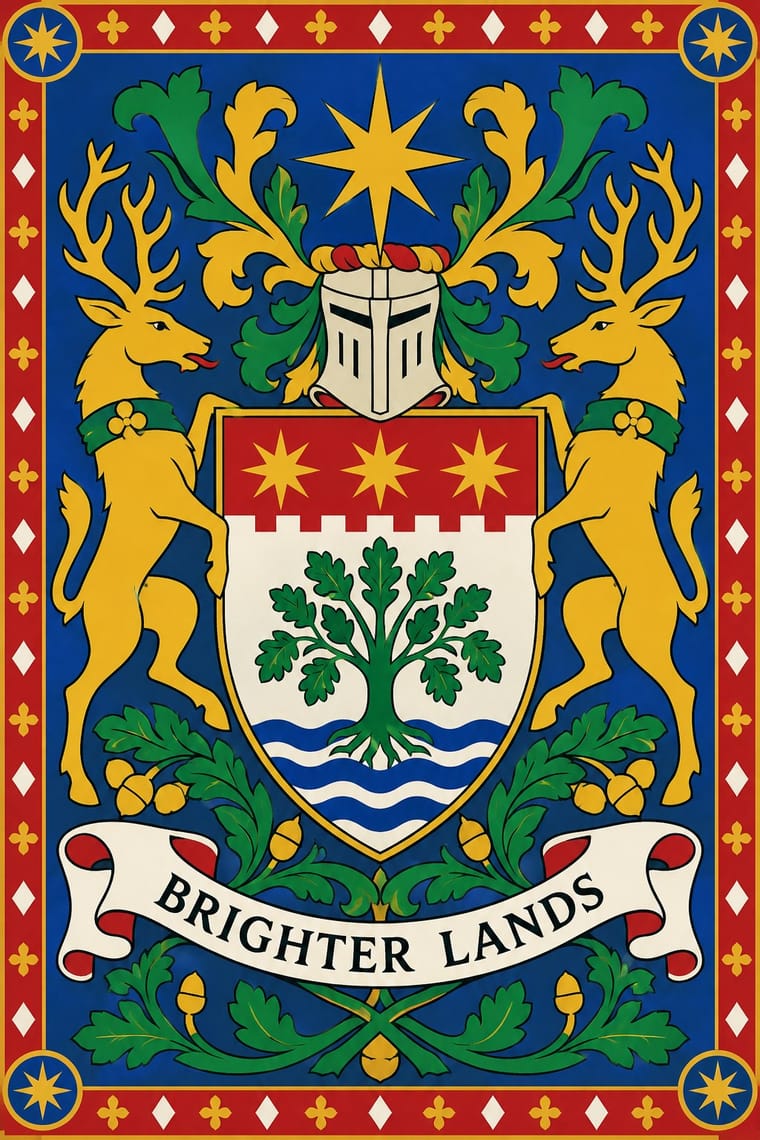
04
Often taken for
Fon Appliqué Banners of Abomey has no real works recorded yet, so these are its nearest styles by its choices alone, with the choices that tell them apart.
-
Fante Asafo Flags (Frankaa)
Fante Asafo Flags is one of Fon Appliqué Banners of Abomey’s nearest styles by choices; no real work of either fits the other better.
Choices that tell Fon Appliqué Banners of Abomey and Fante Asafo Flags apart Choice Fon Appliqué Banners of Abomey Fante Asafo Flags Sequential narrative characteristic — Dynamic asymmetry — characteristic Framed panels — characteristic Extreme scale contrast — characteristic Agitational & persuasive — defining No shared descent in the atlas: they reached these choices separately.
-
Soviet and Eastern Bloc Matchbox Labels
Soviet and Eastern Bloc Matchbox Labels is one of Fon Appliqué Banners of Abomey’s nearest styles by choices; no real work of either fits the other better.
Choices that tell Fon Appliqué Banners of Abomey and Soviet and Eastern Bloc Matchbox Labels apart Choice Fon Appliqué Banners of Abomey Soviet and Eastern Bloc Matchbox Labels Full polychrome defining — Limited spot colours — defining Emblems & badges defining occasional Line illustration — defining Folk & sacred symbols characteristic — No shared descent in the atlas: they reached these choices separately.
-
Cruz Novillo Institutional Identity (Spain After Franco)
Cruz Novillo Institutional Identity is one of Fon Appliqué Banners of Abomey’s nearest styles by choices; no real work of either fits the other better.
Choices that tell Fon Appliqué Banners of Abomey and Cruz Novillo Institutional Identity apart Choice Fon Appliqué Banners of Abomey Cruz Novillo Institutional Identity Full polychrome defining — Limited spot colours — defining Stylised figuration defining occasional Pictogram — defining Folk & sacred symbols characteristic — No shared descent in the atlas: they reached these choices separately.
-
European Heraldry
European Heraldry is one of Fon Appliqué Banners of Abomey’s nearest styles by choices; no real work of either fits the other better.
Choices that tell Fon Appliqué Banners of Abomey and European Heraldry apart Choice Fon Appliqué Banners of Abomey European Heraldry Full polychrome defining occasional Central symmetry — defining Folk & sacred symbols characteristic — Modular grid avoids occasional Restrained accents characteristic — No shared descent in the atlas: they reached these choices separately.
— means the choice isn’t among the style’s recorded choices. Critics recorded each work’s choices with the styles’ descriptions in view, so this shows whether the descriptions hold together, not proof that they are right.
05
Sources
- High Museum of Art, Dahomey applique banner, ca. 1968-1972, Fon artist, cotton, accession 2022.44: https://high.org/collection/dahomey-applique-banner/
- Indigo Arts Gallery, Fon Appliqué Banners from Benin (appliqués made on commission by family guilds, by men, from European trade cloth; designs of birds, fish, animals, plants, ships and royal insignia recalling reigns, proverbs and praise names; some echo palace relief carvings; now produced for tourists; 1997 banners of the Twelve Kings and of King Guezo): https://indigoarts.com/galleries/fon-applique-banners-benin
- Wikipedia, Royal Palaces of Abomey (UNESCO inscription 1985; Abomey Historical Museum founded 1943; bas-reliefs as the Fon record book; fire in 1892 or 1894 set by Behanzin; 1984 tornado; appliquéd quilt per king): https://en.wikipedia.org/wiki/Royal_Palaces_of_Abomey
2 more sources
- Adire African Textiles, Quai Branly West African textile collections part three (Glèlè lion banner, Yémadjé family, 1911 or 1912): http://adireafricantextiles.blogspot.com/2013/05/exploring-west-african-textile_29.html
- Period: start 1800 is the scout's guess, read as c. 19th century; no source on the pages read gives an earliest date
How Stylogeny researches and checks a style: where the facts come from.