Colour · Strategy
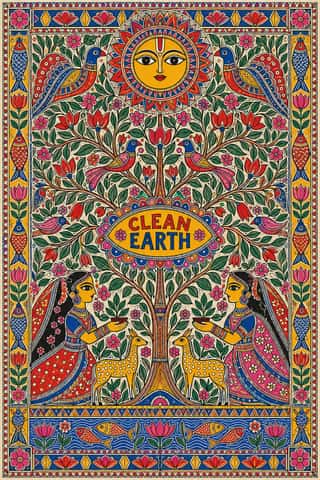
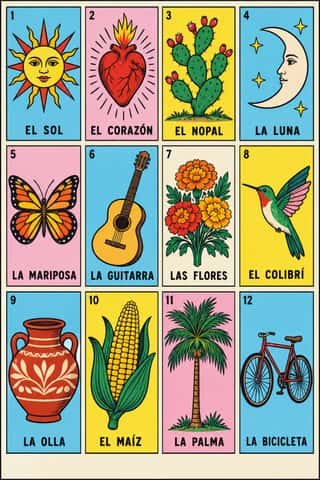
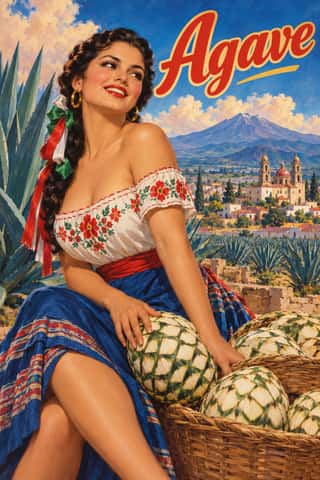
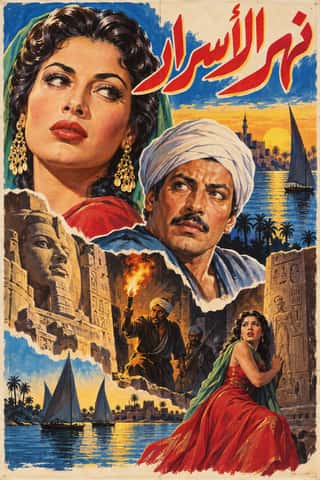
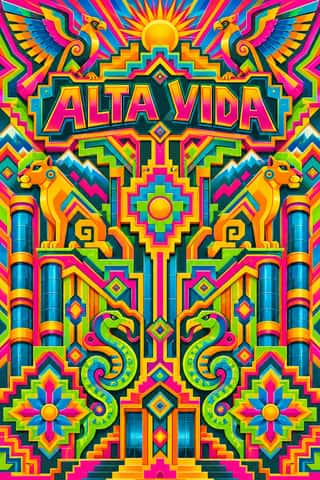
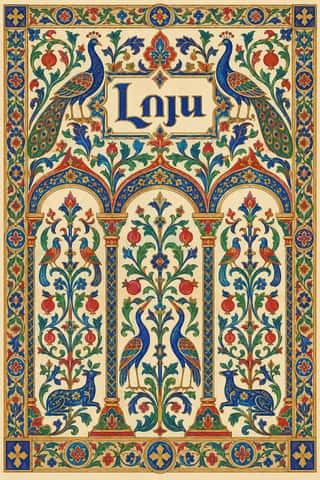
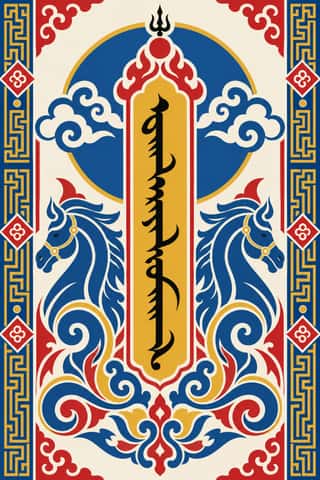
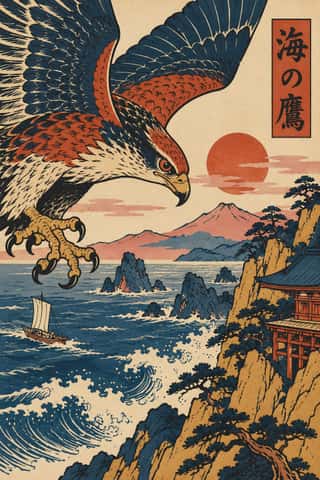
Full polychrome
Many saturated hues at once.
A design choice in Stylogeny’s vocabulary, under colour: what is the colour strategy?
- styles make it
- 186
- as a defining choice
- 45
- as a usual one
- 89
- now and then
- 52
- avoid it
- 50
Styles defined by it 45
For these styles it is one of the choices that make the style.
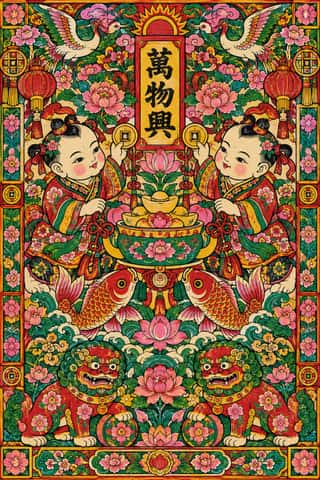
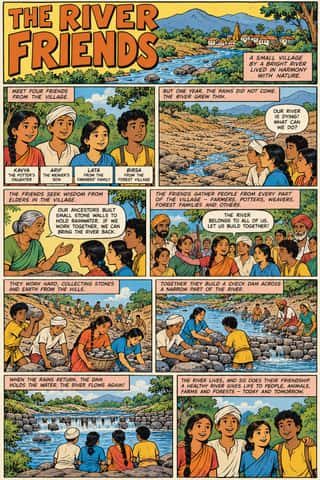
Nianhua & Chinese Folk PrintWoodblock pictures bought each New Year and pasted on doors, walls and kitchen shrines to invite luck and ward off harm: paired door gods, plump babies with carp, the Kitchen God, opera scenes and auspicious rebuses.
Persian Miniature (Ilkhanid, Timurid and Safavid Book Painting)The court book painting of Iran and Timurid Herat, formed in Mongol Tabriz from Islamic, Byzantine and Chinese models: from Rashid al-Din's Jamiʿ al-tawarikh (1314) and the Great Mongol Shahnama to Behzad's Herat and the Shahnama of Shah Tahmasp, ending in the album pages of Safavid Isfahan.
Mithila (Madhubani) PaintingWomen's ritual wall and floor painting from Mithila in north Bihar and Nepal's Terai, attested from at least the 14th century, seen by W.
- Indian Calendar & Bazaar ArtMass-printed images of Hindu deities, epic scenes, saints, nationalist heroes and film stars, sold in bazaars and given away as business calendars, from the chromolithographs of the Calcutta Art Studio and Ravi Varma Press to Sivakasi offset.
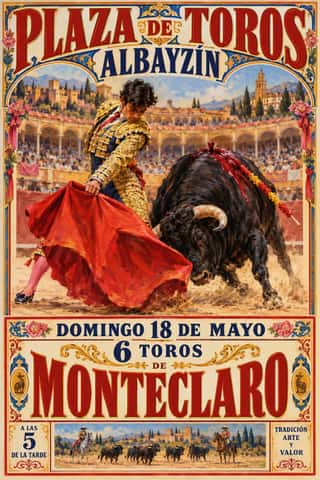
Spanish Bullfight Poster (Cartel Taurino)The Spanish bullfight poster in its illustrated form, from Marcelino de Unceta's lithographs (from 1879) to the Valencian house of Ortega, which supplied rings across Spain.
Lotería Card Imagery (Mexican Lotería)The picture deck of Mexico's lotería, a bingo-like game of chance.
- Guna MolaThe reverse-appliqué blouse panels of Guna women in Panama, made by cutting through two to seven stacked layers of cotton so that every shape is ringed by echoing bands of the colours beneath.
- Senegalese Sufi Devotional Imagery (Souwère Glass Painting and Amadou Bamba Portraits)The devotional imagery of Senegal's Sufi brotherhoods, above all the Mourides: reverse paintings on glass (souwère), made in Senegal's cities since about 1900, and the murals, banners, prints and photocopies that multiply one 1913 photograph of Sheikh Amadou Bamba across Dakar and Touba.
- Amazonian Boat Lettering (Abridores de Letras)The painted boat names of Pará's rivers in the Brazilian Amazon, made for about a century by self-taught riverside painters (abridores de letras).
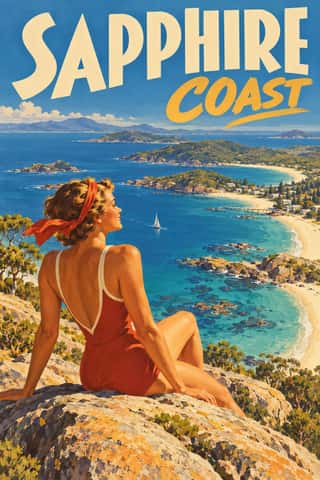
Australian Travel Poster (ANTA Era)The pictorial posters that the Australian National Travel Association (ANTA, 1929), state tourist bureaux, railways and shipping lines commissioned to sell Australia abroad and at home.
Mexican Calendar Chromo (Cromos calendáricos)Mexico's give-away advertising calendars, at their height from the 1930s to the late 1960s.
Egyptian Painted Film PosterThe painted publicity of Egyptian cinema from the early talkies to the 1990s, designed outside the studios by artist-printers such as Hassan Mazhar Gassour and printed as colour lithographs in Cairo.
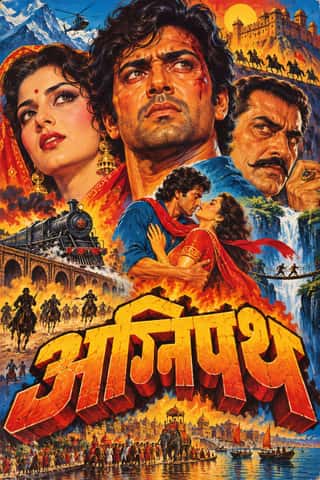
Hand-Painted Bollywood PosterThe painted publicity of Bombay's Hindi film industry, at its height from the 1940s to the 1980s.
- Ndebele Geometric PaintingThe mural tradition of Southern Ndebele women, who paint homestead walls and gateways, and later canvases and objects, with bold, symmetrical geometric designs.
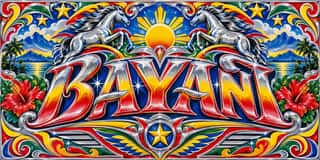
Jeepney ArtThe decoration of the Philippine jeepney, the shared taxi built from surplus US Army jeeps after 1945 and later from locally fabricated stainless-steel bodies by firms such as Sarao and Francisco Motors.
- Pakistani Truck ArtThe total decoration of Pakistan's trucks and buses, which grew from company marks and saints' portraits painted in the late 1940s into a workshop art in which painters, metalworkers, woodcarvers and reflective-tape specialists collaborate on each vehicle.
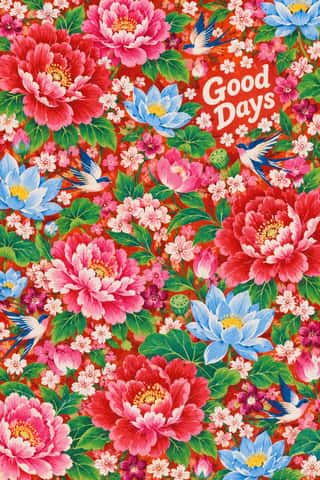
Taiwan Floral Cloth (Huabu)Cheap printed cotton covered edge to edge in large, full-blown peonies with lotuses, phoenixes, dragons, mandarin ducks, small florets and auspicious emblems on saturated vermilion, bright pink or sky-blue grounds.
Arab Children's Comic Magazines (Samir to Majid)Arabic children's comics weeklies, from Dar al-Hilal's Samir in Cairo (1956) to Abu Dhabi's Majid (1979), mixing translated Western strips with house characters by Egyptian, Lebanese, Armenian and European artists.
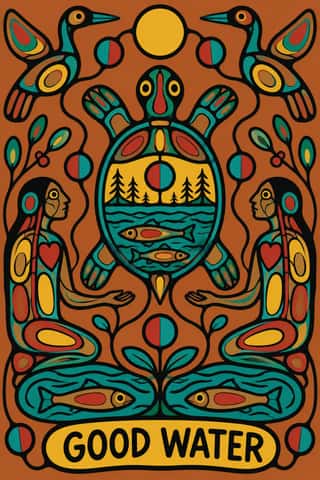
Woodland School (Legend Painting)A school of painting from northwestern Ontario, made public when Norval Morrisseau showed at Toronto's Pollock Gallery in 1962 and carried on by Ojibwe, Odawa, Oji-Cree and Cree artists such as Daphne Odjig and Carl Ray.
Angura Theatre PosterThe posters of Japan's underground (angura) theatre from the mid-1960s to the mid-1980s, made for troupes such as Kara Jūrō's Jōkyō Gekijō and Terayama Shūji's Tenjō Sajiki.
- Picó Sound-System Painting (Colombian Caribbean)The hand-painted fronts of the picós, the giant sound systems that play dances in the barrios of Barranquilla and Cartagena.
AfriCOBRAThe Black Arts Movement collective founded in Chicago in 1968 by Jeff Donaldson, Wadsworth and Jae Jarrell, Barbara Jones-Hogu and Gerald Williams, after OBAC's Wall of Respect mural.
Tingatinga PaintingA Tanzanian popular painting school begun in Dar es Salaam by Edward Tingatinga (1932–1972), who from 1968 painted animals, birds and village scenes in glossy bicycle enamel on square hardboard ceiling boards for residents and tourists.
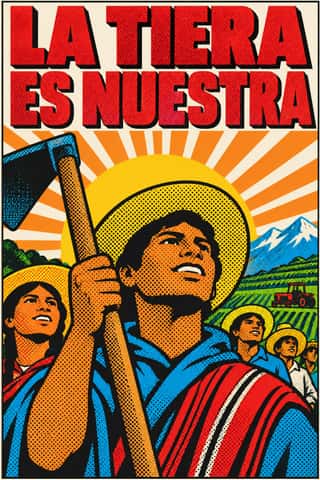
Pop Achorado (Peruvian Agrarian Reform Posters)Posters for the Peruvian military government's agrarian reform, made in Lima from 1969 by Jesús Ruiz Durand and colleagues at the state's reform publicity office.
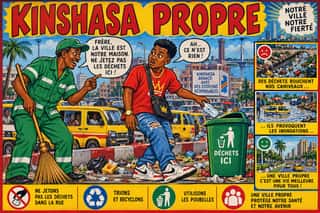
Kinshasa Popular PaintingA school of easel painting founded in Kinshasa in the early 1970s by Chéri Samba, Moké, Chéri Chérin and Pierre Bodo, largely self-taught painters, several of them trained in Kinshasa's billboard and sign workshops.
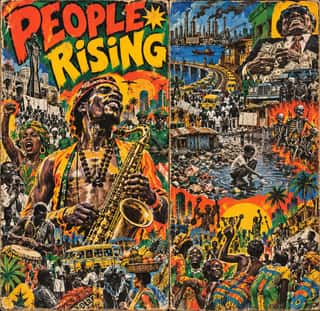
Afrobeat Sleeve ArtThe painted and collaged record covers of Nigerian Afrobeat, defined by Lemi Ghariokwu's sleeves for Fela Kuti from Alagbon Close (1974) onward.
Dutch Expressive Postmodernism (Studio Dumbar & Hard Werken)An anti-functionalist current in Dutch graphic design led by Studio Dumbar in The Hague (from 1977) and the Rotterdam collective Hard Werken (magazine from 1979, design office 1982–1994).
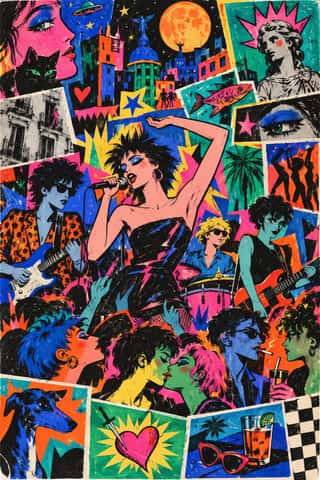
La Movida Madrileña GraphicsThe graphics of Madrid's Movida, the post-Franco scene of new-wave bands, fanzines and night life usually dated from the Canito concert of 9 February 1980 and later backed by the city council.
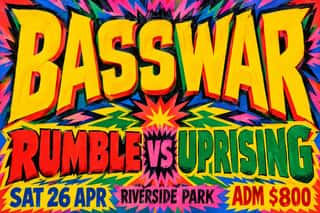
Jamaican Dancehall Signs & Sleeve ArtThe street graphics of Jamaica's dancehall era.
- Pardhan Gond Painting (Jangarh Kalam)Painting on paper and canvas by Pardhan Gond artists of Patangarh and Bhopal, begun when Bharat Bhavan, Bhopal, recruited Jangarh Singh Shyam in 1981; the style was later named Jangarh Kalam after him.
Matatu & Nganya ArtThe commissioned livery of Kenya's privately owned minibus taxis, at its most elaborate the Nairobi nganya.
- Nigerian Pentecostal Crusade Poster & BillboardThe roadside adverts of Nigeria's Pentecostal and independent churches: billboards, banners and posters on poles, walls and bridges announcing crusades, revivals, conventions and night vigils.
- Nollywood Video Jacket & Film PosterThe cover and poster art of Nigeria's home-video boom, from Living in Bondage (1992) on.
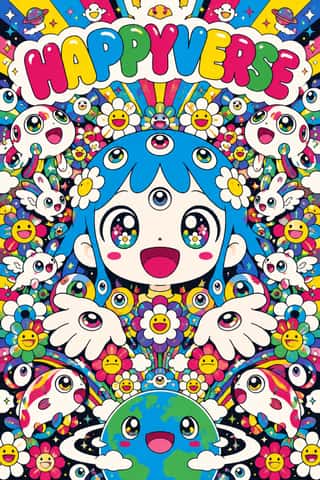
SuperflatThe flat, saturated, cartoon-crowded look that Takashi Murakami named in his exhibition and manifesto Superflat (Tokyo, 2000; US tour 2001).
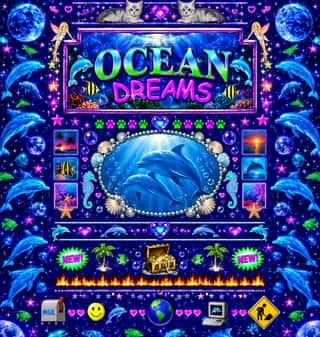
Early Web VernacularThe amateur web of the mid-1990s to early 2000s, when millions of people hand-coded personal homepages on free hosts such as GeoCities with table layouts, browser-default fonts, tiled backgrounds, animated GIFs, MIDI soundtracks, hit counters and ‘under construction’ signs.
Emoji Pictographic LanguagePictographs typed as characters and set inline in running text.
- Indian Pop-Kitsch Design (Desi Kitsch)Urban Indian gift and T-shirt design from the late 1990s into the 2010s that recasts the street and bazaar as ironic, affectionate icons: truck tails and 'Horn OK Please', auto-rickshaws, Ambassadors and Chetaks, cutting chai, old Bollywood stills and dialogues, Bhagat Singh in place of Che.
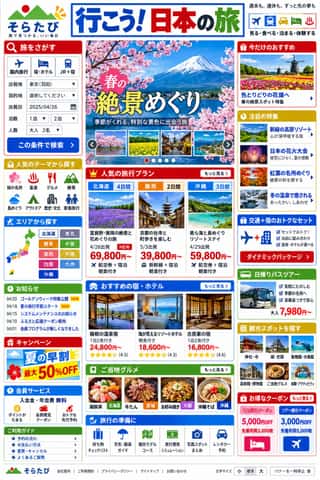
Japanese Dense Web DesignThe information-packed look of Japan's big portals, shops, airlines and ministries: three or more narrow columns of boxed modules, crowded with small Japanese text, blue links, tiny thumbnails, dated news lists and rotating ad banners, in bright colours on a white page.
- Tamil Nadu Flex BannersThe digitally printed vinyl boards, locally called flex banners, that fan clubs, party cadres, businesses and families have put up along the roads of Tamil Nadu since about 2000, as flex displaced hand-painted cinema banners and cut-outs over the following decade.
Korean Webtoon GraphicsThe full-colour, vertical-scroll comic that Korean web portals made standard in the 2000s and smartphone apps took worldwide.
- Cartonera Books (Latin American Cardboard Publishing)Books of Latin America's cartonera presses, begun by Eloísa Cartonera in Buenos Aires in 2003 after Argentina's 2001 crash: photocopied texts stapled and glued by hand into covers cut from used boxes, usually bought from cartoneros (waste pickers) above the market price.
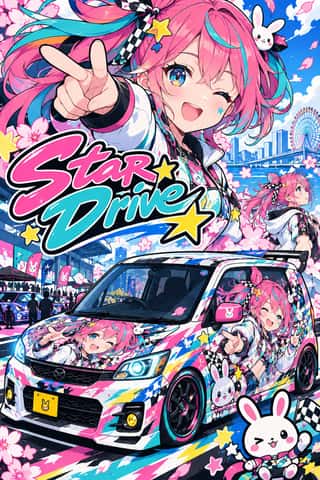
Itasha (Anime Character Car Graphics)Private cars, motorbikes and bicycles that Japanese fans of anime, manga and games cover with their favourite characters, named by the mid-2000s with the self-mocking word itasha, 'painful car'.
Neo-Andean Architecture (Cholets)The facades and party halls of El Alto, Bolivia, begun by the Aymara builder-architect Freddy Mamani in 2005 for a new Aymara merchant class.
- YouTube Thumbnail Style (the 'YouTube Face')The custom thumbnail of YouTube's creator economy: a 16:9 still made to be read at fingernail size in a feed of recommendations.
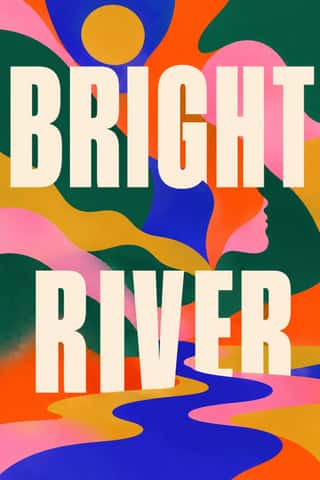
Book Blob (Abstract Colour-Blob Literary Fiction Cover)The default jacket of US literary fiction around 2019–2023: soft, overlapping blobs of saturated colour fill the cover edge to edge (cobalt, pink, orange-red, deep green, mustard).
Styles that often use it 89
A characteristic choice: usual in these styles, though not essential.
- Ancient Egyptian Hieroglyphic & Register CompositionThe visual system of pharaonic Egypt, in which writing is made of pictures and pictures are ruled like writing.
- Ethiopian Ge'ez Manuscript & Haräg IlluminationThe manuscript art of the Ethiopian and Eritrean Orthodox Tewahedo Church, written in the Ge'ez syllabary on parchment from the Garima Gospels (radiocarbon-dated to roughly the 4th–7th centuries) to the present.
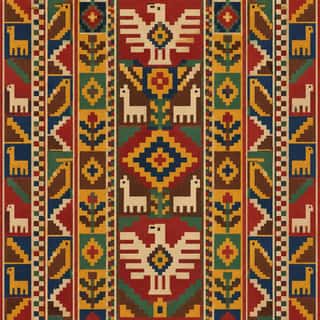
Andean Woven Graphic SystemsThe graphic systems of Andean cloth, the region's most prestigious medium, in which every motif is built on the warp-and-weft grid.
Islamic Geometric & Calligraphic TraditionA visual system shared across the Islamic world in which proportioned calligraphy, compass-and-straightedge geometry and the vegetal arabesque carry meaning and beauty in place of figurative imagery.
Armenian Manuscript IlluminationThe illuminated books of the Armenian Church, from the Gospel of Queen Mlke (c. 862) and the Etchmiadzin Gospels (989) to the last manuscripts around 1800.
Mixteca-Puebla Codex PaintingThe painted screenfold books of Postclassic southern and central Mexico (not the Maya codices): long strips of gesso-coated deerskin, folded like a screen and painted on both sides.
Mongol Bichig Calligraphy & Ugalz OrnamentMongolia's classical script and the auspicious ornament that frames it on state, Buddhist and household objects.
- Tibetan Woodblock Print Culture (Pecha & Prayer Flags)Tibetan Buddhist and Bön woodblock printing, from the first printed Kangyur (1410, cut in China) and the 15th-century presses of Gungthang to the great printing houses of Narthang, Derge and Lhasa.
- Javanese Wayang Kulit (Tatah Sungging)The visual language of Javanese shadow puppets: flat figures cut from buffalo parchment, with head and legs in profile, shoulders turned to the front and long jointed arms worked by horn rods.
- Sápmi Graphic Identity (Duodji & Gákti Colour Code)Duodji is Sámi handicraft: hard work in wood, horn and bone, soft work in skin and cloth; drums painted with alder-bark figures survive from the 17th and 18th centuries.
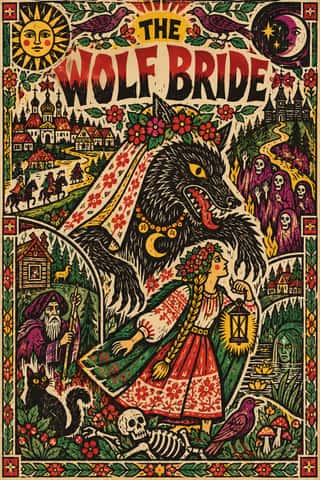
Lubok Popular PrintCheap single-sheet Russian popular prints sold at fairs and by pedlars from the later 17th century: woodcut, later engraved and lithographed pictures of saints, fables, heroes, battles and satire in which text and image share one sheet.
Ukiyo-e Woodblock PrintsMass-produced Edo-period woodblock prints of actors, courtesans, legends and landscapes, designed by an artist, cut and printed by specialist craftsmen and sold cheaply by commercial publishers.
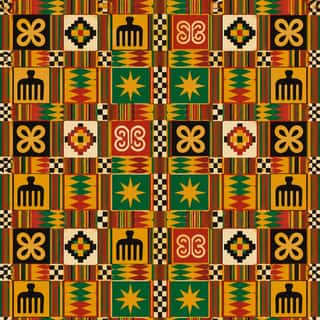
Adinkra & Kente Symbol SystemsThe Akan textile languages of Ghana.
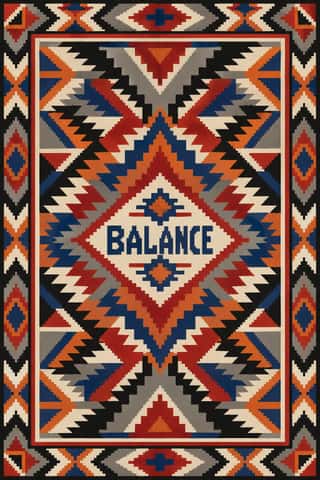
Diné (Navajo) Weaving DesignThe tapestry-woven design tradition of Diné (Navajo) weavers, recorded in Spanish sources from the early 18th century.
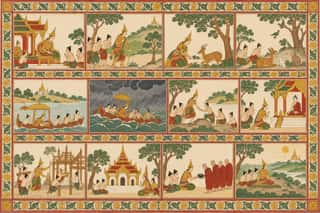
Burmese Parabaik Painting (Konbaung Folding Books)Painted Burmese folding books of the Konbaung court and its monasteries.
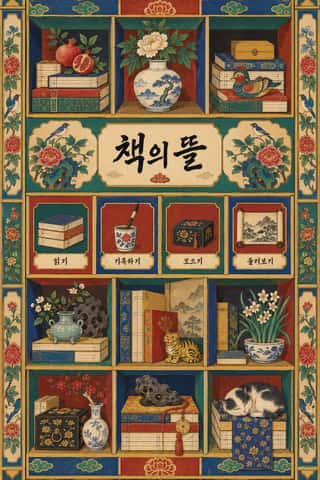
Chaekgeori & Minhwa Screen PaintingKorean painted folding screens of the late Joseon period.
Imagerie d'Épinal & European BilderbogenCheap single-sheet popular prints sold by pedlars across 19th-century Europe, led by the Pellerin imagerie at Épinal and the Neuruppin Bilderbogen.
- Persian Popular Narrative (Lithographs & Coffeehouse Painting)Iran's popular picture-stories in two media.
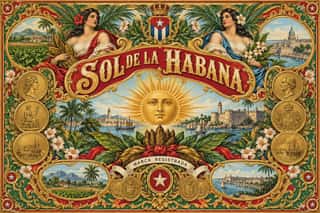
Cuban Tobacco Lithography (Habilitaciones & Marquillas)The chromolithographed dress of Havana tobacco.
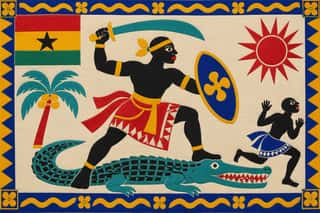
Fante Asafo Flags (Frankaa)The company flags (frankaa) of the Fante asafo, the old warrior companies of Ghana's central coast, widely adopted from the mid-nineteenth century.
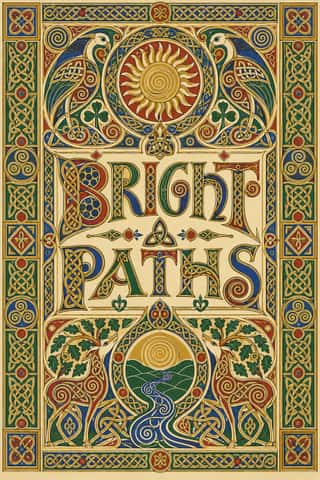
Celtic Revival Illumination & LetteringOrnament and lettering of the Celtic Revival in Ireland, Scotland and the Isle of Man, modelled on Insular gospel books such as Kells and on carved stone crosses.
- African Wax & Fancy PrintIndustrially printed cotton made for West and Central African markets, first by Dutch and British mills that imitated Javanese batik with resin resist, and later by African mills.
Kanga (Swahili Message Cloth)Printed cotton wraps worn by women of the Swahili coast and its hinterland since the late nineteenth century, bought in pairs.
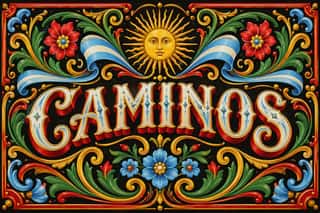
Fileteado PorteñoA Buenos Aires tradition of ornamental brush painting that began around 1900 on the grey-painted trade carts of Italian immigrant coachbuilders and spread to trucks, colectivo buses, shop signs and gallery panels.
- Bezalel SchoolThe house style of the Bezalel School of Arts and Crafts, opened in Jerusalem by Boris Schatz in 1906 with E.
- London Transport DesignThe design programme Frank Pick built for London's Underground from 1908 and the London Passenger Transport Board (1933–40), continued by Harold Hutchison (1947–66).
- Italian FuturismLaunched by Marinetti's 1909 manifesto, Futurism glorified speed, machines, the city and war, and turned the printed page into an explosive, noisy field.
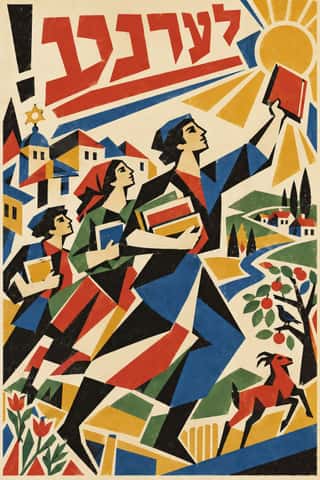
Kultur-Lige & Yiddish Avant-Garde Book DesignThe Yiddish modernist book of the Kultur-Lige, the secular Jewish culture league founded in Kyiv in 1918, and its circle: El Lissitzky, Issachar Ber Ryback, Iosif Chaikov, Boris Aronson and others, who sought a new Jewish art in the shtetl synagogues and tombstones they had recorded and in Cubo-Futurism and Suprematism.
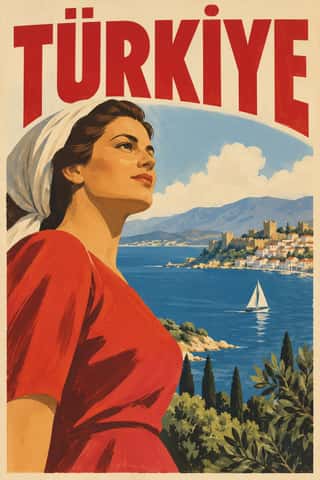
Early Turkish Republican Graphic DesignThe pictorial poster, label and ticket art of the young Turkish Republic, led by İhap Hulusi Görey after his Munich training in Ludwig Hohlwein's orbit, with Münif Fehim Özarman and, after 1943, Kenan Temizan.
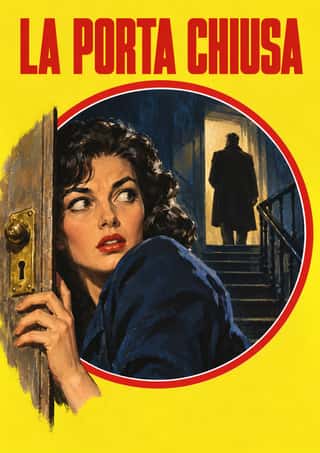
Giallo Mondadori Covers (I Libri Gialli)The cover system of Mondadori's crime series, Milan, from I Libri Gialli of 1929 to Il Giallo Mondadori today.
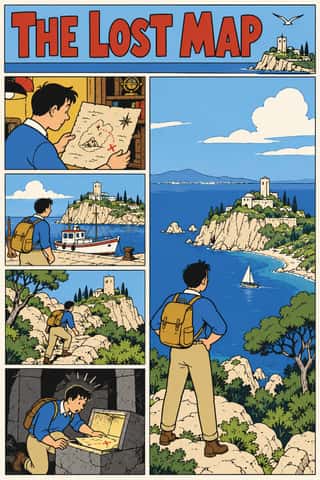
Ligne Claire (Franco-Belgian Clear Line)The comic drawing style of Hergé's Tintin and the Brussels school, named 'klare lijn' by Joost Swarte in 1977.
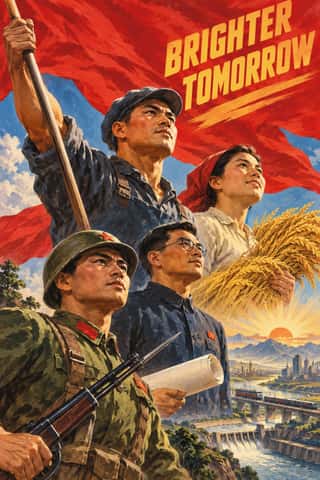
Socialist Realist Propaganda PosterThe official art doctrine of the Soviet Union from 1932, later exported across the socialist world, which replaced avant-garde experiment with legible, heroic realism 'national in form, socialist in content'.
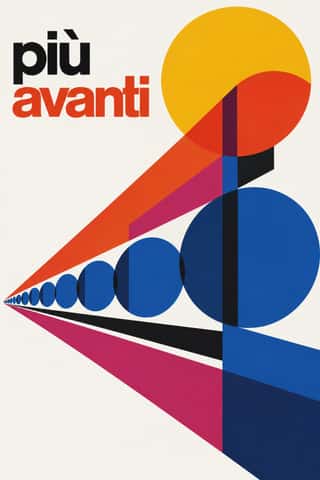
Milanese Industrial Modernism (Olivetti, Pirelli, Studio Boggeri)The Milan-centred school that married Bauhaus- and Swiss-trained discipline with Italian painterly wit for enlightened industrial patrons such as Olivetti, Pirelli and La Rinascente.
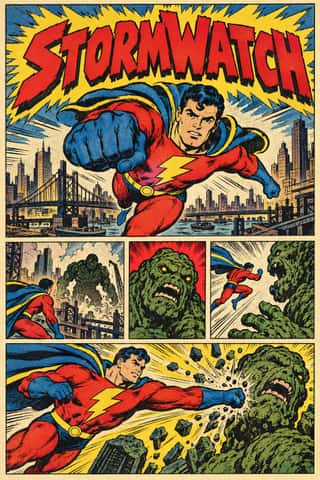
American Four-Colour Comic Book (Golden to Bronze Age)The American newsstand comic book from Famous Funnies (1934) and Action Comics #1 (1938) through the Golden, Silver and Bronze Ages, and past the Bronze Age's end in 1985 until computer colour replaced hand separations in the early 1990s.
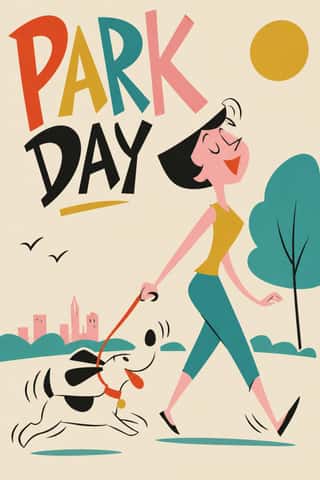
UPA & Cartoon ModernThe modern cartoon of United Productions of America (UPA) and the 1950s films, commercials and books it inspired.
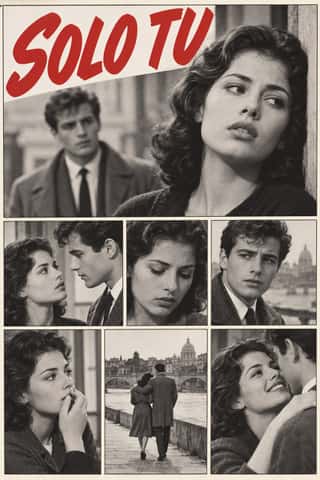
Fotoromanzo (Italian Photo-Romance)The photo-romance of the Italian women's weeklies: a melodrama told in staged photographs, first printed by Il mio sogno and Bolero Film in May 1947 and copied from France to Brazil.
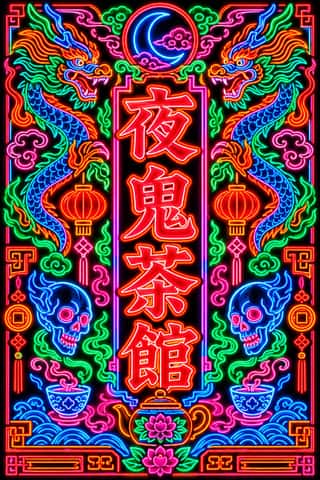
Hong Kong Neon & Beiwei Shop-Sign LetteringThe night-time signscape of Hong Kong's Kowloon streets.
West African Barbershop & Hair Salon SignsHand-painted boards advertising barbershops and braiding salons across West and Central Africa, made by self-taught, often anonymous sign painters since the mid-20th century.
Push Pin StyleThe eclectic illustrative style of New York's Push Pin Studios, founded by Seymour Chwast, Milton Glaser and Edward Sorel.
Pop Art GraphicsPop turned the commercial imagery of post-war consumer culture (comics, packaging, celebrity photographs and advertising) into both its subject and its method.
Chinese National-Style Animation (Shanghai Animation Film Studio)The 'national style' of the Shanghai Animation Film Studio, which turned from Disney and Soviet models to Chinese media: Peking-opera masks and movement, paper-cut and folded-paper figures, mural and New Year print colour and, from 1960, ink-wash painting set in motion after Qi Baishi and Li Keran.
Cuban Revolutionary Poster (OSPAAAL & ICAIC)The poster culture of revolutionary Cuba, produced for the film institute ICAIC and the solidarity organisation OSPAAAL.
- Greek Tourism Modernism (EOT)The modernist image of Greece made for the National Tourism Organisation (EOT) by Michalis Katzourakis, its art adviser in 1960-1967, and by Frederick Carabott, who advised it until 1967; in 1962 the two also founded the K&K Athens Advertising Centre.
- Casablanca School Graphic ModernismA postcolonial modernism formed at the Casablanca fine-art school under Farid Belkahia, where Mohamed Melehi, Mohammed Chabâa and colleagues set Amazigh rugs and jewellery, painted ceilings and calligraphy beside a Bauhaus-style merging of art, craft and design.
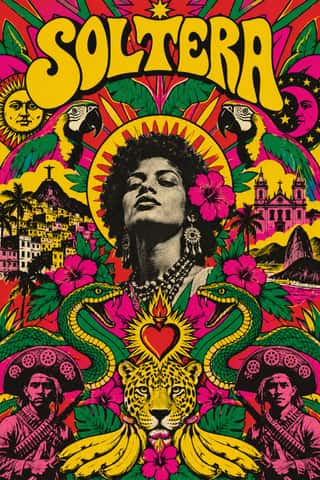
Tropicália Graphic DesignThe graphic language of Brazil's Tropicália, foreshadowed by Rogério Duarte's poster for Deus e o Diabo na Terra do Sol (1964), which already devours Ulm modernism, and set by his 1968 covers for Caetano Veloso and Gilberto Gil.
Chicano Screenprint PosterThe screenprinted poster of the Chicano Movement and its heirs, made from the mid-1960s in community workshops across California and the Southwest for farmworker strikes and boycotts, teatro, dances, anti-war marches and immigrant rights.
Psychedelic PosterThe concert-poster language of the 1960s counterculture, born in San Francisco's Fillmore and Avalon ballrooms and echoed in London's underground press.
- Mexico 68 Olympic & Metro IdentityThe graphic programme of the 1968 Mexico City Olympics and the city's first Metro line.
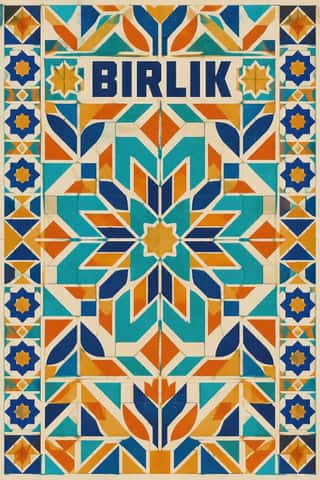
Soviet Central Asian Ornamental ModernismThe monumental art of Soviet Central Asia after the 1966 Tashkent earthquake: a strand of Socialist Realism mixed with Islamic and national ornament.
Amar Chitra Katha ComicsThe Bombay comic-book series that from 1967 retold Hindu myth and epic, Buddhist and Jain tales, saints, folk legends, the jests of the court wits Birbal and Tenali Raman, and Indian history for children, in English and Indian languages, with well over 500 titles by the early 1990s.
Afrofuturist DesignA visual language of Black futures that fuses African and diasporic iconography (pyramids and ankhs, Adinkra and Nsibidi glyphs, textile patterning) with spacecraft, cosmic fields and technology.
- Grapus (French Militant Graphic Collective)The posters and identities of Grapus, a Paris collective founded in 1970 by Communist Party members who had met in the 1968 poster workshops.
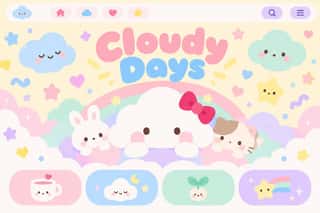
Kawaii DesignJapan's culture of cuteness, which grew from 1970s teenage rounded handwriting and shōjo fancy goods into a global design language through Sanrio, character merchandise and emoji.
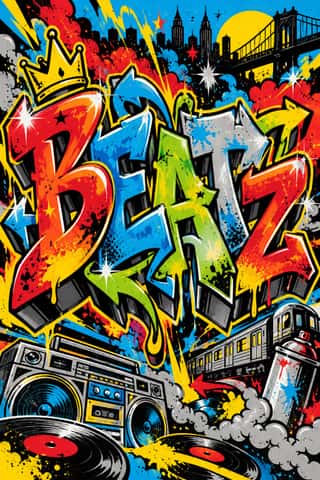
Graffiti & Hip-Hop GraphicsBorn on New York's subway cars and Bronx party flyers, graffiti writing turns the writer's name into a monumental letter-sculpture: bubble, block and wildstyle letters with arrows, 3D drop shadows, fades and highlights, painted freehand in aerosol.
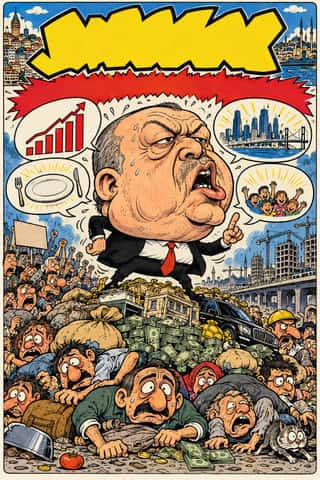
Turkish Weekly Humour Magazines (Gırgır to Uykusuz)Istanbul's weekly cartoon magazines, from the Aral brothers' Gırgır (1972), which sold up to about half a million copies, through the chain of breakaways that followed it: Limon, LeMan, Penguen and Uykusuz.
- Ethiopian Revolutionary Poster (Derg Era)The poster and mural art of the Derg military government and its successor, Mengistu's People's Democratic Republic of Ethiopia (1974–1991), made mostly by teachers and students of the Addis Ababa School of Fine Arts.
Métal hurlant Science-Fiction Comics (Mœbius, Druillet & Les Humanoïdes Associés)The adult science-fiction comics of Métal hurlant, the Paris magazine founded in 1974 by Mœbius, Philippe Druillet, Jean-Pierre Dionnet and Bernard Farkas.
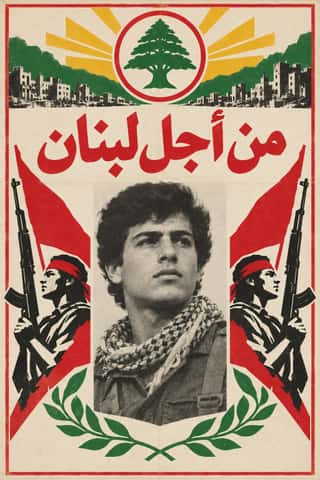
Lebanese Civil War Party PosterThe posters that some twenty parties and militias pasted on the walls of Beirut and other towns between 1975 and 1990, marking each quarter as one faction's territory.
- Iranian Revolutionary & Sacred Defence PosterPosters, murals and stamps of the 1978–79 Iranian Revolution and the 1980–88 war with Iraq, which fused the red-white-black international revolutionary poster with Persian miniature and coffeehouse narrative painting.
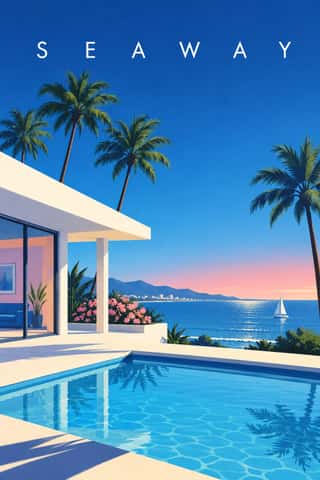
City Pop IllustrationThe painted look of Japanese city pop record sleeves and magazine covers, fixed by Hiroshi Nagai's sleeve for Eiichi Ohtaki's A Long Vacation (1981) and Eizin Suzuki's for Tatsuro Yamashita's For You (1982).
- Chicha PosterFluorescent screen-printed street posters that emerged in the 1980s to promote chicha (Andean cumbia) concerts in Lima, made by printers from Andean migrant communities.
Memphis DesignThe Milan collective founded by Ettore Sottsass, whose furniture, laminates and objects (first shown in September 1981) became a graphic language of their own.
Demoscene Graphics (Cracktros, Demos & Text-Mode Art)The graphics of the demoscene, a mainly European community of coders, graphicians and musicians that grew from the intros software crackers added to pirated Commodore 64 and Amiga games in the mid-1980s.
Ghanaian Movie PosterHand-painted posters commissioned by Ghana's mobile video clubs from about 1985, painted by apprenticed sign painters on stitched flour sacks to advertise VHS screenings of Hollywood, Hong Kong, Nigerian and Indian films.
Techno-Futurist GraphicsElectronic-music and video-game graphics of the late 1980s and 1990s that turned corporate modernism into a sci-fi consumer fantasy.
Rave & Acid House GraphicsThe pocket-sized promotional art of acid house, rave and early techno, handed out in record shops and car parks to advertise all-night parties.
- South African Vernacular Design (Ijusi)A post-apartheid design language launched in Durban in 1995 by Garth Walker's Orange Juice Design and its free, experimental magazine Ijusi (isiZulu for 'juice'), which asked 'What makes me South African, and what does that look like?'.
- Indonesian Woodcut Activism (Taring Padi)The protest graphics of Taring Padi, the collective founded by students and activists in Yogyakarta in 1998 as Suharto fell, and of the punk and activist woodcut scenes around it.
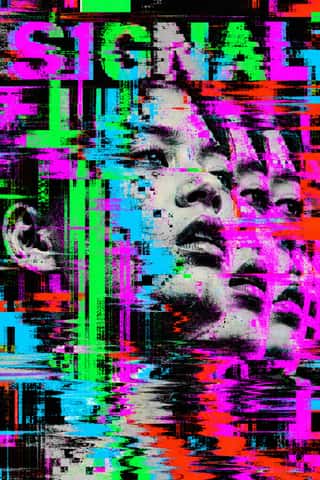
Glitch Art & Datamosh GraphicsAn art and design practice that makes digital failure the picture.
Arabic CalligraffitiArabic letters sprayed, rolled and brushed at the scale of buildings.
- Internet Ugly & Meme VernacularA deliberately amateur image dialect of forums, imageboards and social feeds, named 'Internet Ugly' by Nick Douglas in 2014.
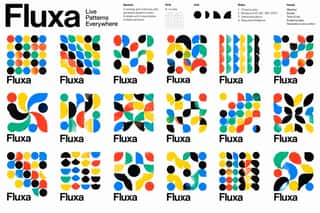
Generative & Dynamic IdentitiesIdentity systems designed as rules rather than fixed marks: logos and graphics generated by code, data or parameters so that they vary endlessly while staying recognisable.
Natural Wine Label ArtThe labels of the natural (low-intervention) wine scene, which grew from Beaujolais into a worldwide network of small growers, bars and importers.
Polish Information Picture Book (Dwie Siostry)Mostly large-format information picture books made since 2008 by the Warsaw publisher Dwie Siostry with young illustrators led by Aleksandra and Daniel Mizieliński, graduates of the city's Academy of Fine Arts: atlases, cross-sections, labyrinths, activity books and wordless seek-and-find board books.
Flat DesignAn interface and illustration language that stripped screens of simulated materials, replacing bevels, gloss and textures with solid fields of colour, clean sans-serif type and reduced pictograms.
Egyptian Revolutionary Street Art (Mohamed Mahmoud Murals)The street art of Egypt's 2011 revolution and the years after it, when Cairo's walls, above all around Tahrir and Mohamed Mahmoud Street, became what Ammar Abo Bakr called a newspaper.
- 'Good Morning' Greeting Images (WhatsApp Forward Vernacular)The ready-made greeting pictures that millions of smartphone users, many of them older and new to the internet, forward to family, friends and groups each morning on WhatsApp, above all in India and Brazil.
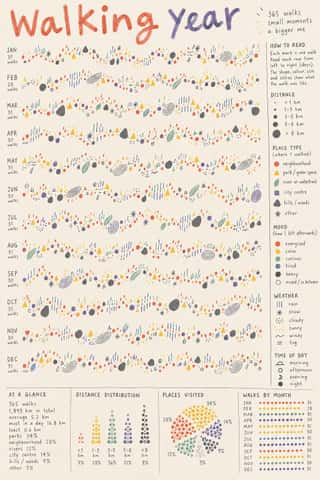
Data HumanismAn information-design approach that draws data rather than charting it, treating numbers as personal, approximate and human.
- Hong Kong Protest Art (Umbrella Movement to the 2019–20 Protests)The graphics of Hong Kong's democracy protests, from the 2014 Umbrella Movement to the national security law of 2020, in two linked media.
- Front-of-Pack Warning Octagons (Latin American Food Warning Seals)A state warning system stacked on commercial food packs.
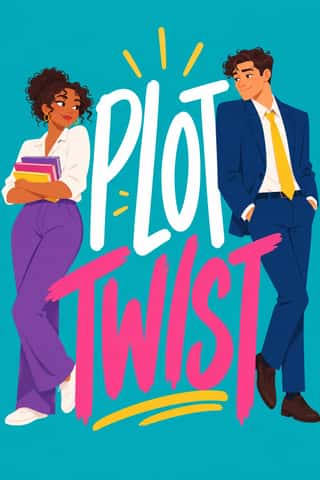
Illustrated Rom-Com Book Cover (Cartoon Couple Cover)The illustrated cover of the contemporary romantic comedy: a couple drawn as flat cartoon figures with simplified faces, from silhouettes and hidden faces to a few cartoon features, caught in one gesture that states the premise, on a single saturated ground of teal, pink, yellow or purple, under a hand-lettered title so large that the figures often lean on it.
- VTuber Avatar and Stream GraphicsThe graphic kit of virtual YouTubers, streamers who perform behind an animated anime-style character instead of their own face.
Corporate MemphisThe flat vector illustration style that became the default visual voice of big tech in the late 2010s: faceless, ethnically non-specific figures with elongated limbs and tiny heads, drawn in bright flat colour among blobs, leaves and confetti.
NFT Profile-Picture Collections (CryptoPunks to Bored Apes)Sets of thousands of avatar portraits that code assembles from one or two hundred hand-drawn traits, each sold as a token on a blockchain.
Chilean Estallido Social Graphics (Revuelta Popular of 2019–20)The street graphics of Chile's popular revolt, from 18 October 2019 to the March 2020 lockdowns, when a leaderless movement covered Santiago's Plaza de la Dignidad, the Alameda and other cities' walls.
Black Lives Matter Street MuralsA single protest slogan painted along the roadway in capitals 20 to 35 feet tall, filling the street from kerb to kerb, so it reads whole only from rooftops, drones and helicopters.
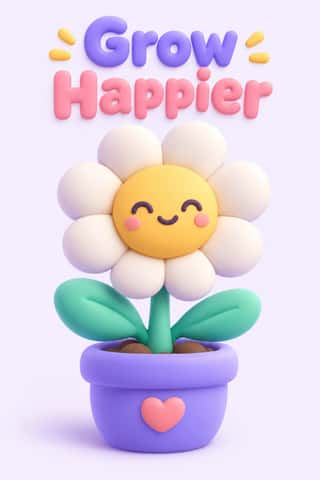
Claymorphism & Soft 3DA soft, toy-like 3D look from product design around 2020, given the name 'claymorphism' in a December 2021 article by Michał Malewicz.
- Neo-BrutalismA friendly, commercial descendant of web brutalism that keeps its blunt boxes but adds candy colour: thick black outlines, hard unblurred offset shadows, flat saturated fills and chunky sans-serif type on conventional, usable layouts.
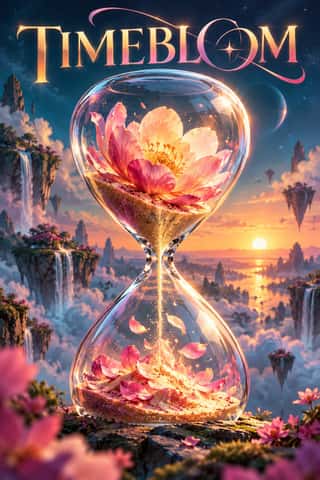
Generative-AI Image AestheticThe house look of pictures synthesised by text-to-image diffusion models since 2022.
Styles that use it now and then 52
An occasional choice in these styles.
- Amazigh Sign System & Tifinaghc. 0–present
- Chinese Paper-Cut (Jianzhi)c. 500–present
- European Heraldryc. 1140–present
- Vyaz (Ornamental Slavonic Lettering)c. 1230–present
- Zoomorphic & Figural Calligraphy (Islamic Calligrams)1500–present
- Batik Pattern Tradition1600–present
- Đông Hồ & Hàng Trống Folk Prints1600–present
- Rinpa & Saga-bon1600–present
- Tarot de Marseille Woodcut Cards1639–present
- Edo-moji Commercial Lettering (Kanteiryū, Yose-moji, Sumō-ji)1779–present
- Hand-Painted Signage & Vernacular Lettering1800–present
- Mir iskusstva Book Art1898–1927
- Shanghai Modern & Yuefenpai1910–1949
- Suprematism1915–1925
- Estridentismo (Stridentist) Graphics1921–1927
- Brazilian Modernismo Graphics (Klaxon and the Semana de 22)1922–1929
- Czech Poetist Book Design (Devětsil)1922–1938
- Leningrad Avant-Garde Picture Book1922–1936
- Lianhuanhua Picture-Story Books1925–1990
- Filipino Komiks1929–1999
- Chinese Modern Woodcut Movement1931–1949
- Estado Novo Folk Modernism (SPN)1933–1949
- Nippon Kōbō & Tōhōsha Photo-Propaganda Magazines (NIPPON & FRONT)1933–1945
- Tiki Pop (Polynesian Pop)1934–present
- Vietnamese Propaganda Poster (Tranh cổ động)1945–present
- Puerto Rican Silkscreen Poster (DIVEDCO & ICP)1946–1989
- Escuela Bruguera (Spanish Humour Comics)1947–1986
- Story Manga (Postwar Japanese Comics)1947–present
- Bonelli Fumetto (Italian Popular Adventure Comics)1948–present
- Finnish Bold Print (Marimekko Modernism)1951–present
- Cairo–Beirut Arab Modernist Book & Periodical Design1952–1990
- Zagreb School of Animated Film1954–1980
- Turkish Modernist Poster & Graphic Design1959–2000
- Op Art Graphics1960–1975
- Palestinian Resistance Poster1965–1993
- Chilean Unidad Popular & Nueva Canción Graphics1967–1973
- Underground Comix1968–1982
- Western Desert Iconography1971–present
- Roman-like Thai Typography (modern loopless Thai)1973–present
- Roots Reggae Sleeve Art & Rasta Iconography1973–1985
- Ghanaian Funeral Poster & Banner1990–present
- Bitterkomix (Afrikaans Underground Comics)1992–present
- Yuru-chara (Japanese Local Mascot Design)2000–present
- Danmaku Bullet-Comment Overlay2006–present
- Oaxacan Protest Printmaking & Street Graphics (ASARO)2006–present
- Arab Independent Comics (Samandal, TokTok, Lab619, Skefkef)2007–present
- Lucerne Poster Scene (Neubad & Südpol Posters)2007–present
- Low Poly Illustration2012–present
- Material Design2014–present
- Analog Horror Graphics2015–present
- Extinction Rebellion Graphics2018–present
- Glassmorphism2020–present
It often goes with
Choices that the styles making it make more often than the atlas as a whole.
- Complementary clashin 65 of 186
- Communal & popularin 124 of 186
- Hand-paintedin 80 of 186
- Folk & sacred symbolsin 88 of 186
- Painterly illustrationin 91 of 186
- Playful & wittyin 120 of 186
Styles that avoid it
Styles that deliberately leave it out.
- Chinese Calligraphy & Seal Carving (Shufa & Zhuanke)c. 0–present
- Hebrew Micrographyc. 895–present
- Song–Ming Woodblock Book Typography (Songti / Mincho)c. 960–present
- Kamon (Japanese Family Crests)c. 1100–present
- Renaissance Book Typographyc. 1460–1600
- Kōwhaiwhai & Toi Māori Design1500–present
- Ma & Wabi-sabi Aesthetics1500–present
- Emblem Book (Motto, Picture & Epigram)1531–1724
- Ten Bamboo Studio Colour Woodblock (Douban & Gonghua)1626–present
- Pacific Barkcloth (Tapa) Design1700–present
- Thai Yantra (Yant) Diagrams1700–present
- Neoclassical Book Typography1757–1830
- Bulaq (Amiriyya) Naskh Book Printing1822–1956
- Urdu Katib Lithography1837–present
- Nirnaya Sagar Devanagari Typography (Bombay Metal Type)1864–present
- Glasgow Style1890–1914
- Bògòlanfini Mud Cloth1900–present
- Uli & Nsibidi Line and Sign Tradition1900–present
- Arnhem Land Bark Painting & Rarrk1912–present
- Republican Chinese Book Cover Design (Lu Xun & Tao Yuanqing)1923–1949
- AIZ Political Photomontage (Heartfield)1930–1938
- Machine-Age Simplified Arabic Type1947–present
- Onitsha Market Pamphlets1947–1980
- Dazibao (Big-Character Posters)1957–1980
- Bossa Nova Sleeve Modernism (César Villela and Elenco)1960–1968
- Di Tella Graphic Design (Instituto Torcuato Di Tella)1960–1970
- Fluxus Graphics (Maciunas)1962–1978
- Rorke's Drift Linocut1962–1982
- Baybayin Revival Graphics1963–present
- Minimalist Graphic Design1965–present
- Atelier Populaire (May '68 Screenprint Poster)1968
- Gráfica del 68 (Mexican Student Movement Graphics)1968
- ECM Sleeve Aesthetic (Munich)1969–present
- Warli Painting1970–present
- South African Resistance Poster1978–1994
- Stencil Street Art1978–present
- NSK Retro-Avant-Garde1980–present
- Pixação (São Paulo Tag Reto)1980–present
- Solidarność & Polish Underground Graphics1980–1989
- Black Metal Graphics1990–present
- L'Association and French Alternative Comics1990–present
- Korean Commercial Calligraphy (Kaelligeurapi)1999–present
- Hipster Artisanal Revival2007–2018
- Newsroom Data Graphics & Scrollytelling2009–present
- Slow-Living Editorial (the Kinfolk Look)2011–present
- Syrian Revolution Graphics (Kafranbel Banners & Poster Collectives)2011–2024
- Latin American Feminist Protest Graphics (Ni Una Menos and the Green Wave)2015–present
- Dark Tech Minimalism2019–present
- Neumorphism2019–2021
- Palestinian Watermelon and Keffiyeh Graphics2021–present