Colour · Key & temperature
Jewel & metallic
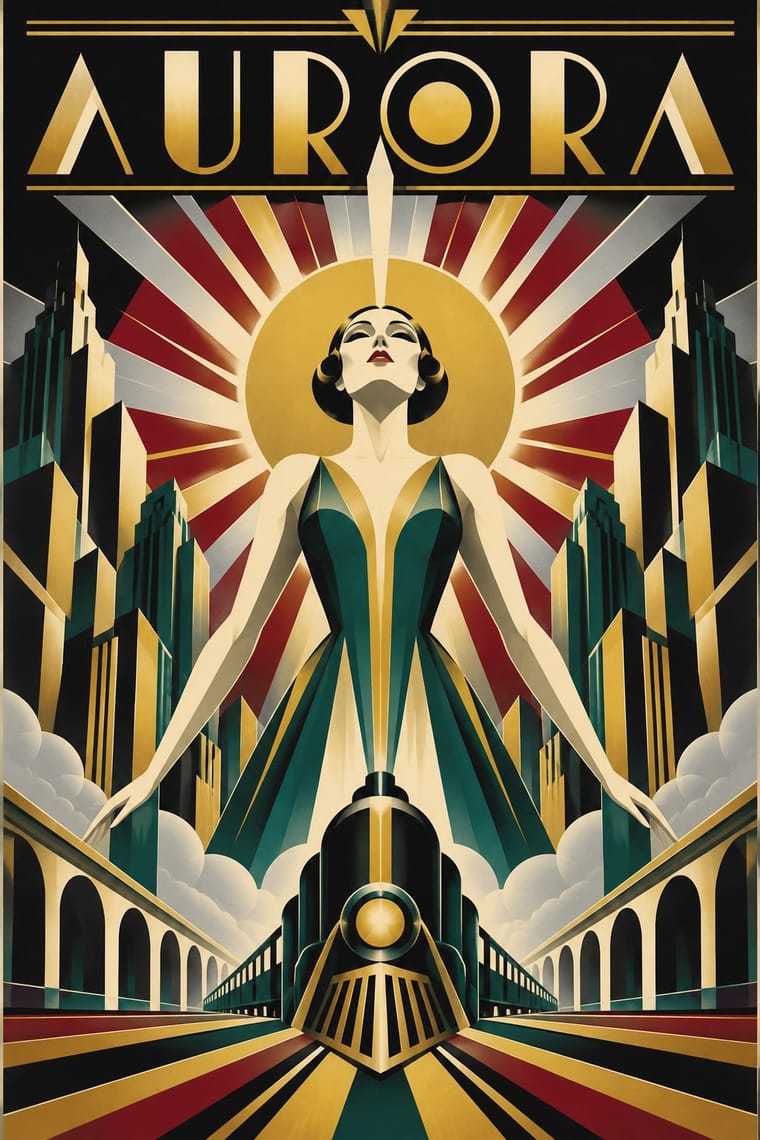
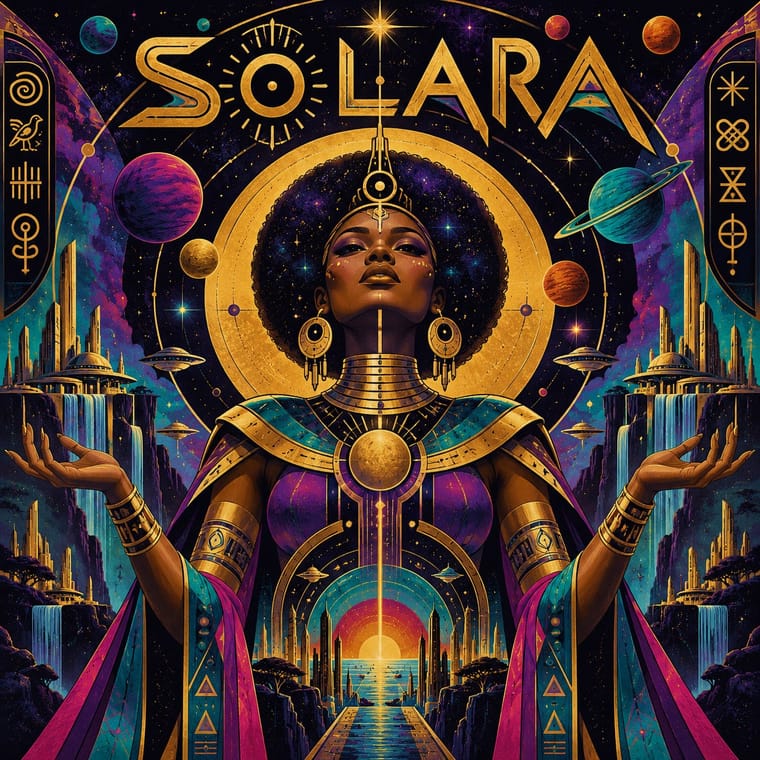
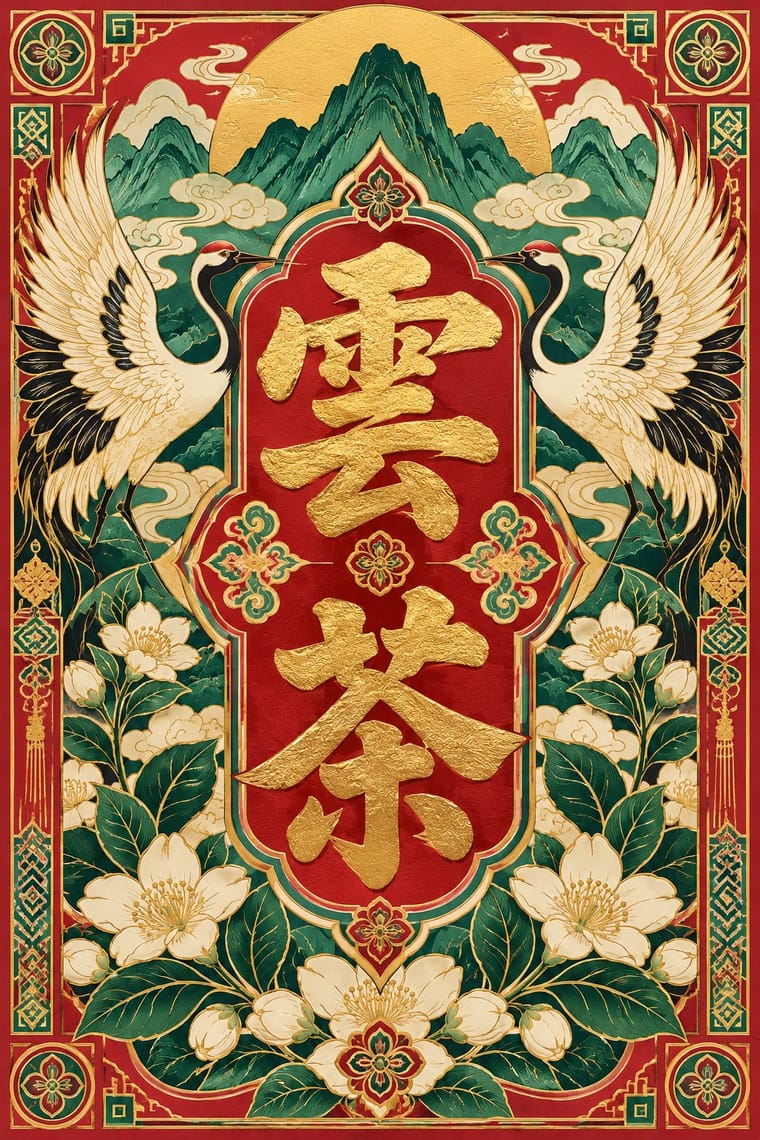
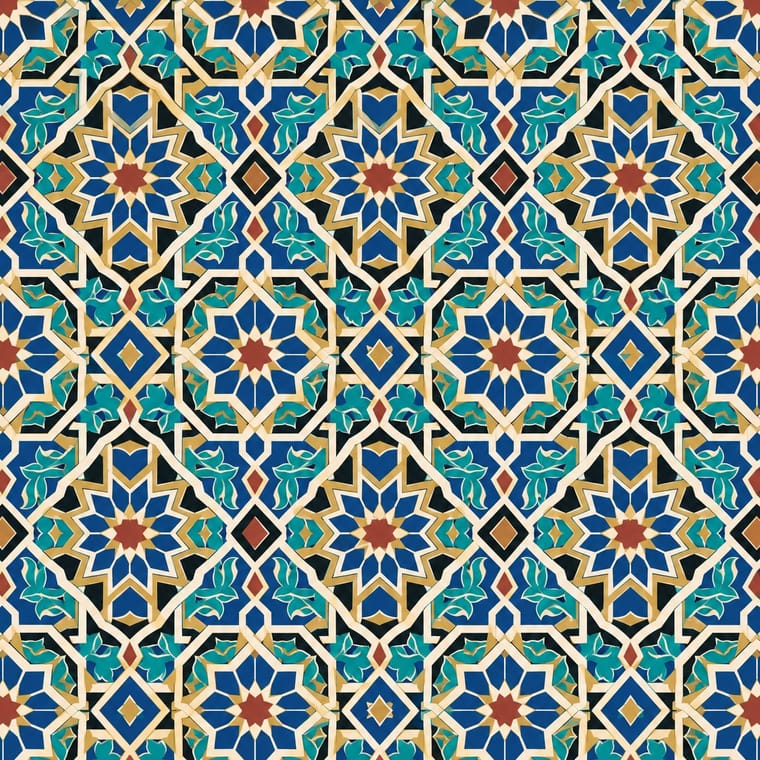
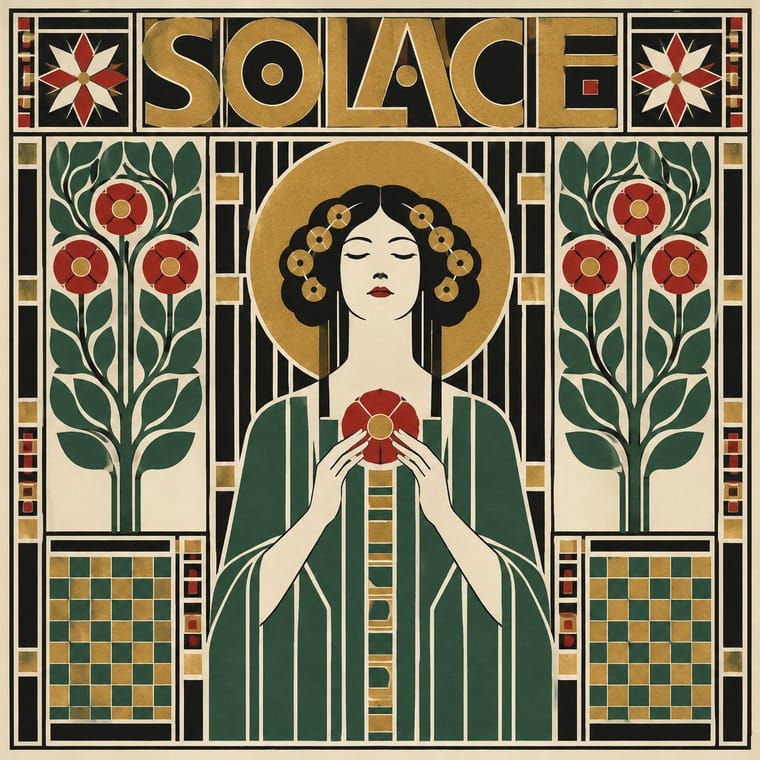
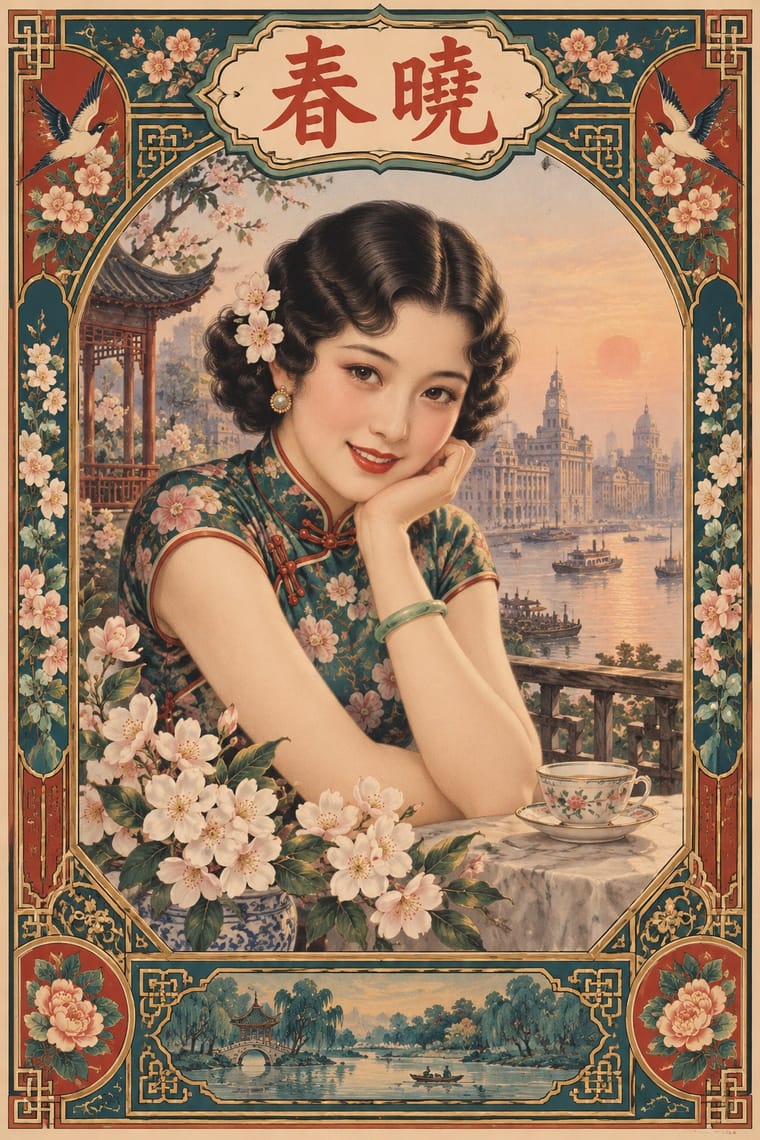
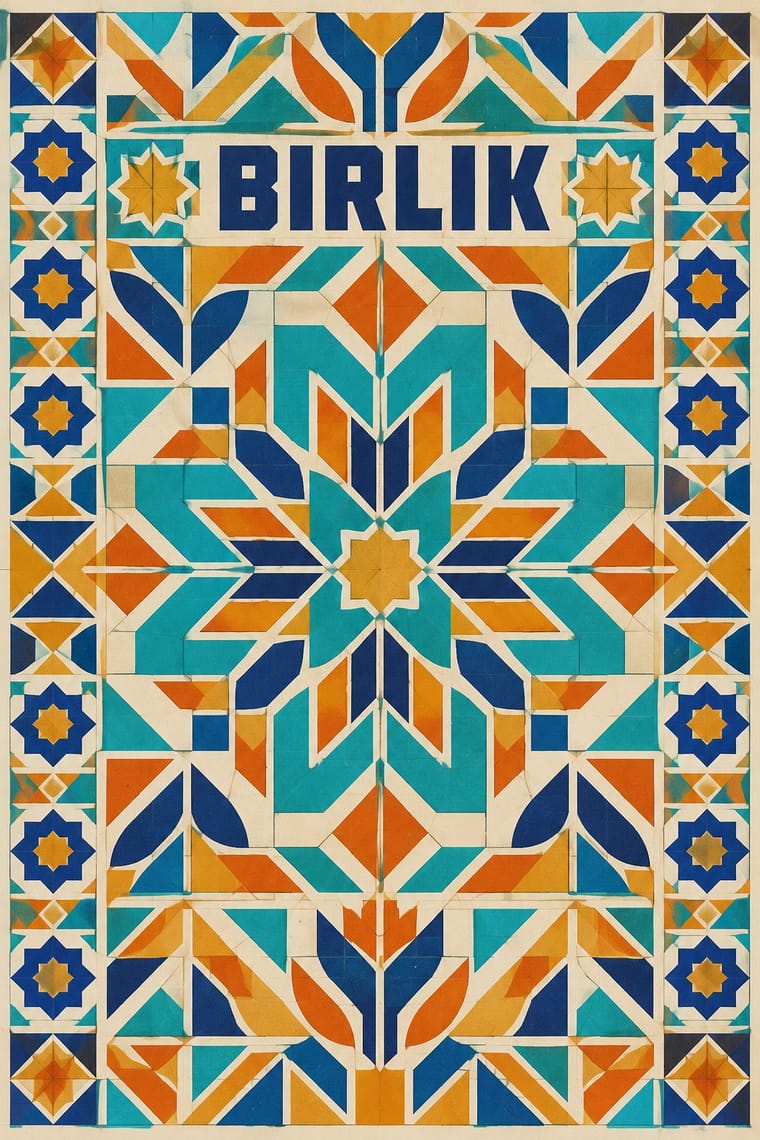
Deep, rich jewel tones, often with gold or silver.
A design choice in Stylogeny’s vocabulary, under colour: what is the colour strategy?
- styles make it
- 57
- as a defining choice
- 9
- as a usual one
- 15
- now and then
- 33
- avoid it
- 4
Styles defined by it 9
For these styles it is one of the choices that make the style.
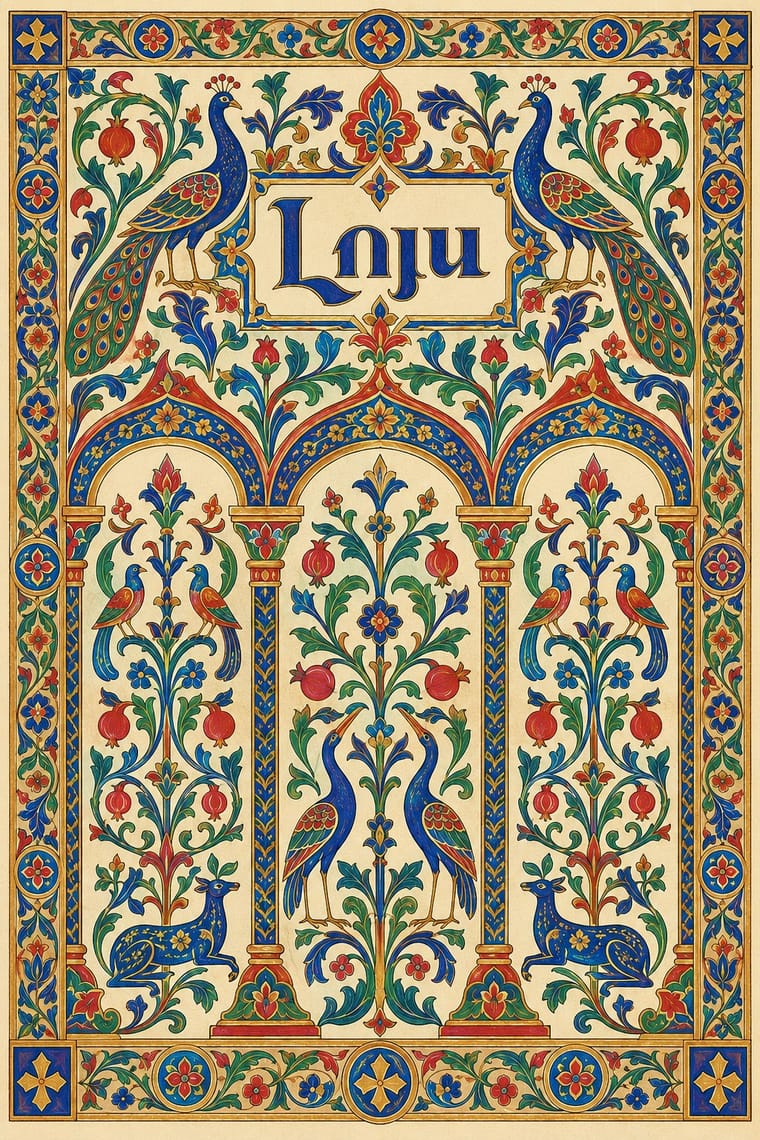
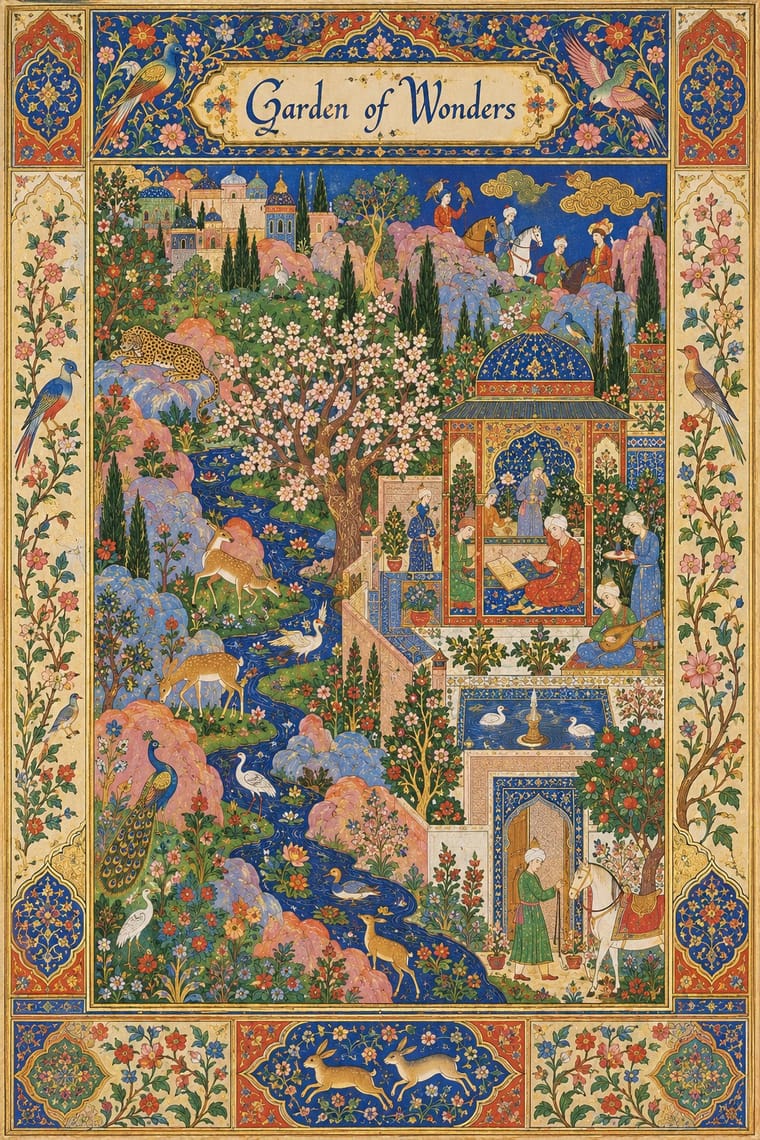
- Javanese Wayang Kulit (Tatah Sungging)The visual language of Javanese shadow puppets: flat figures cut from buffalo parchment, with head and legs in profile, shoulders turned to the front and long jointed arms worked by horn rods.
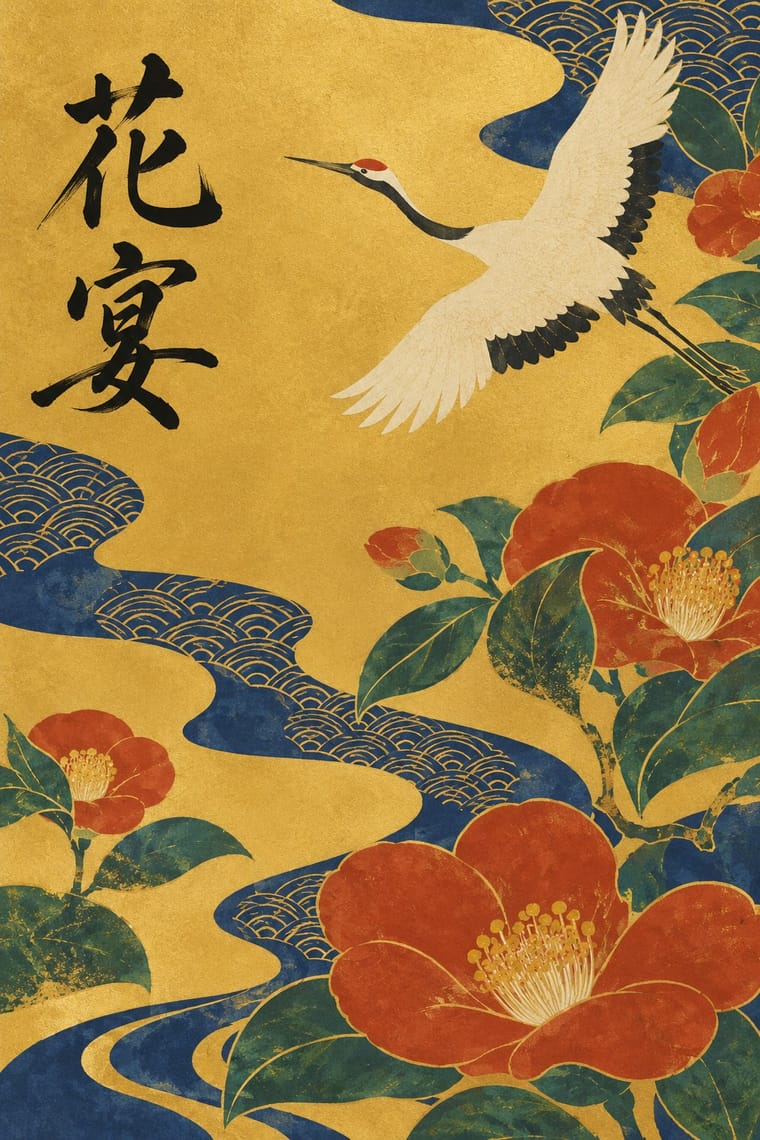
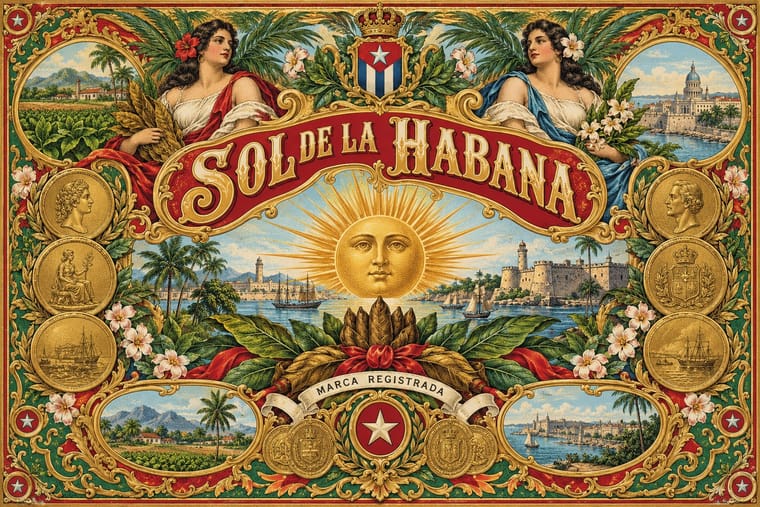
- Bezalel SchoolThe house style of the Bezalel School of Arts and Crafts, opened in Jerusalem by Boris Schatz in 1906 with E.
Styles that often use it 15
A characteristic choice: usual in these styles, though not essential.
- Hebrew MicrographyA Jewish scribal art in which lines of minute Hebrew script, usually the Masoretic notes that guard the biblical text, are written so that the line itself draws: interlaced frames and star rosettes on full carpet pages, and animals, knights, fish and grotesques in the margins.
- Maghrebi Script (Maghribi Calligraphy of al-Andalus and North Africa)The family of Arabic scripts of al-Andalus and North Africa, descended from early Kufic bookhands.
- Square Kufic (Bannāʾī)Square Kufic builds Arabic script on a square grid: straight lines and right angles only, with every stroke as wide as the gap beside it.
- Ottoman Tughra & Dîvânî Chancery CalligraphyThe Ottoman sultan's calligraphic monogram and the chancery hand written beneath it.
- Persian Nastaʿlīq Calligraphy (Qiṭʿa, Chalipa and Siyāh-mashq)The 'hanging' script of Persian poetry and an art of the single sheet.
- Indian Calendar & Bazaar ArtMass-printed images of Hindu deities, epic scenes, saints, nationalist heroes and film stars, sold in bazaars and given away as business calendars, from the chromolithographs of the Calcutta Art Studio and Ravi Varma Press to Sivakasi offset.
Styles that use it now and then 33
An occasional choice in these styles.
- Amazigh Sign System & Tifinaghc. 0–present
- Ancient Egyptian Hieroglyphic & Register Compositionc. 0–394
- Chinese Paper-Cut (Jianzhi)c. 500–present
- Kamon (Japanese Family Crests)c. 1100–present
- Gothic Blackletter & Fraktur Traditionc. 1180–present
- Zoomorphic & Figural Calligraphy (Islamic Calligrams)1500–present
- Sápmi Graphic Identity (Duodji & Gákti Colour Code)1600–present
- Hand-Painted Signage & Vernacular Lettering1800–present
- Norwegian and Finnish National Romantic Graphics (Munthe & Karelianism)1880–1922
- Art Nouveau1890–1910
- Nieuwe Kunst (Dutch Art Nouveau)1892–1914
- Mir iskusstva Book Art1898–1927
- Santiniketan & Bengal School Graphics1905–1954
- Wendingen & Amsterdam School Typography1918–1932
- Mexican Calendar Chromo (Cromos calendáricos)1930–1970
- Streamline Moderne1930–1945
- Hurufiyya Calligraphic Modernism1949–present
- Japanese Postwar Modernism1950–1990
- Zagreb Modernist Graphics (EXAT 51 to Teatar &TD)1951–1975
- Chinese National-Style Animation (Shanghai Animation Film Studio)1956–1989
- Situationist Détournement Graphics1956–1972
- Baybayin Revival Graphics1963–present
- Amar Chitra Katha Comics1967–present
- Roots Reggae Sleeve Art & Rasta Iconography1973–1985
- Métal hurlant Science-Fiction Comics (Mœbius, Druillet & Les Humanoïdes Associés)1974–1987
- Post-Punk Record Sleeve (Stiff, Factory, 4AD)1977–1990
- Demoscene Graphics (Cracktros, Demos & Text-Mode Art)1985–present
- Ghanaian Funeral Poster & Banner1990–present
- Superflat1993–present
- Contemporary Chinese Book Design ('Most Beautiful Books of China')2003–present
- 'Good Morning' Greeting Images (WhatsApp Forward Vernacular)2013–present
- Solarpunk2014–present
- Generative-AI Image Aesthetic2022–present
It often goes with
Choices that the styles making it make more often than the atlas as a whole.
- Floral & vegetalin 35 of 57
- Borders & framesin 40 of 57
- Spiritual & sacredin 37 of 57
- Biomorphic curvesin 34 of 57
- Geometric tessellationin 24 of 57
- Luxurious & glamorousin 23 of 57
Styles that avoid it
Styles that deliberately leave it out.