Colour · Key & temperature
Earth & mineral
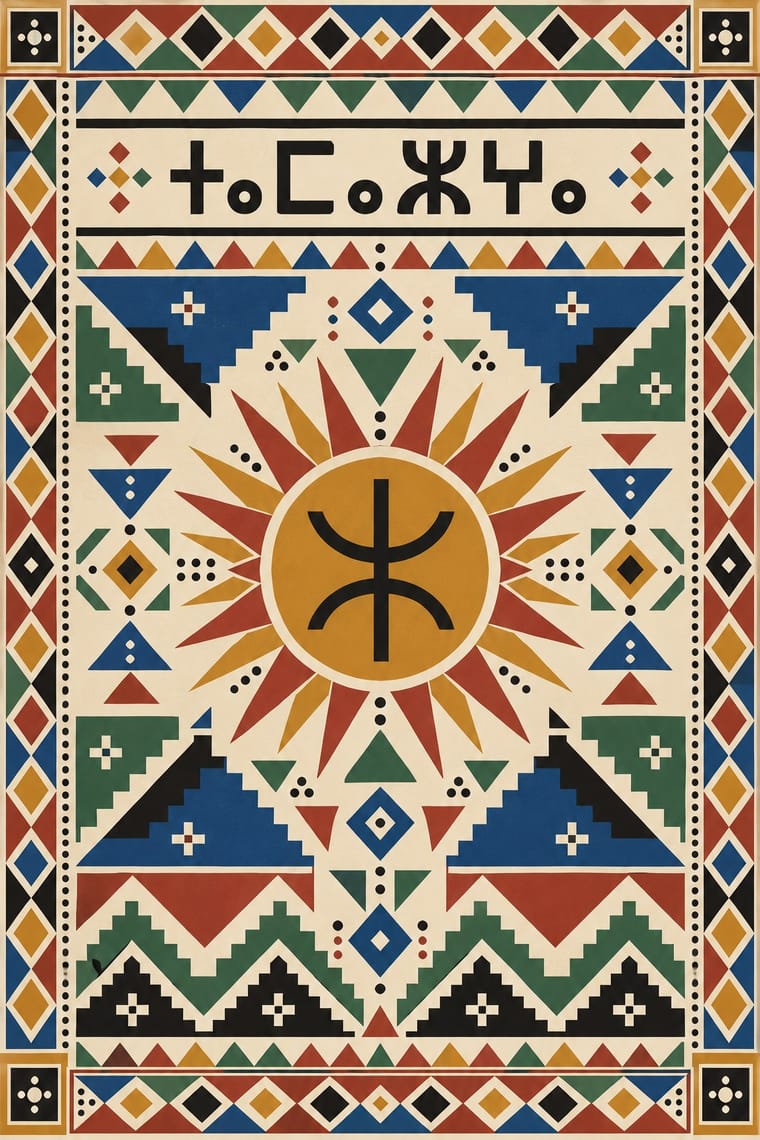
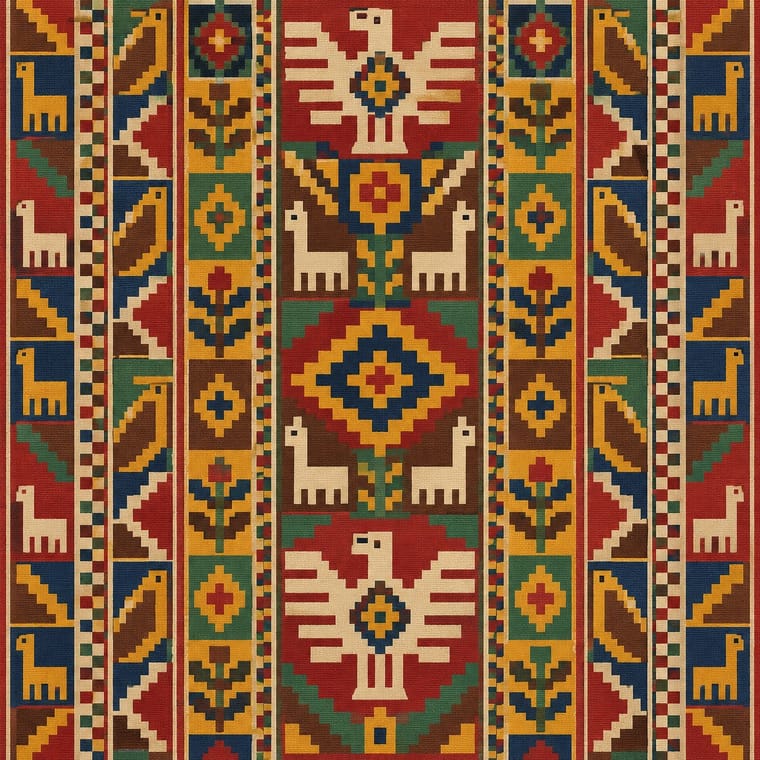
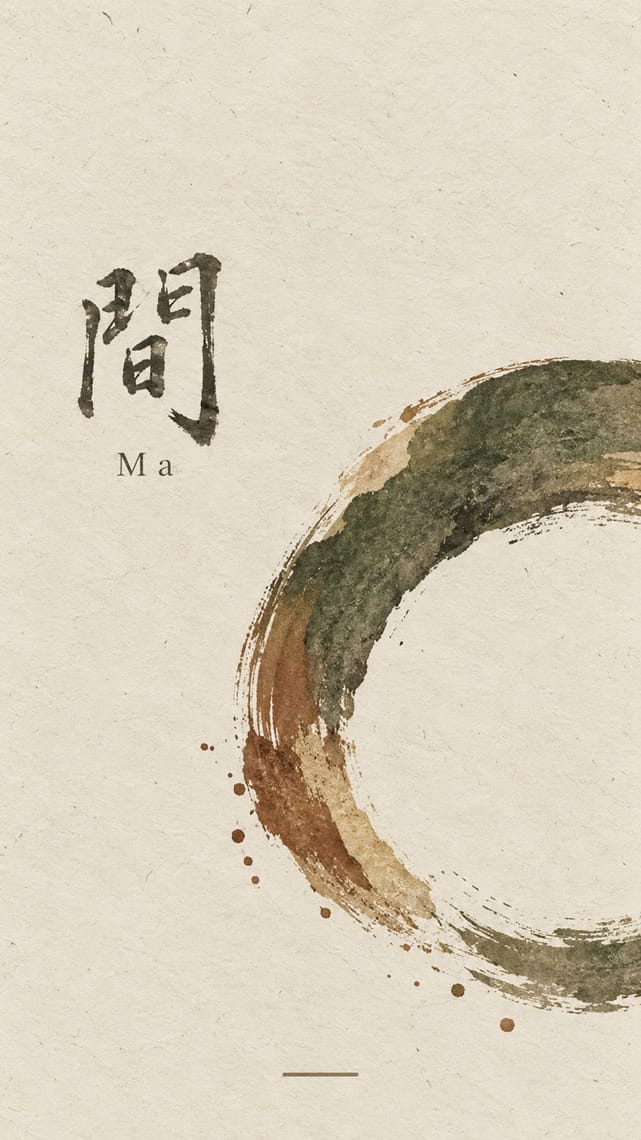
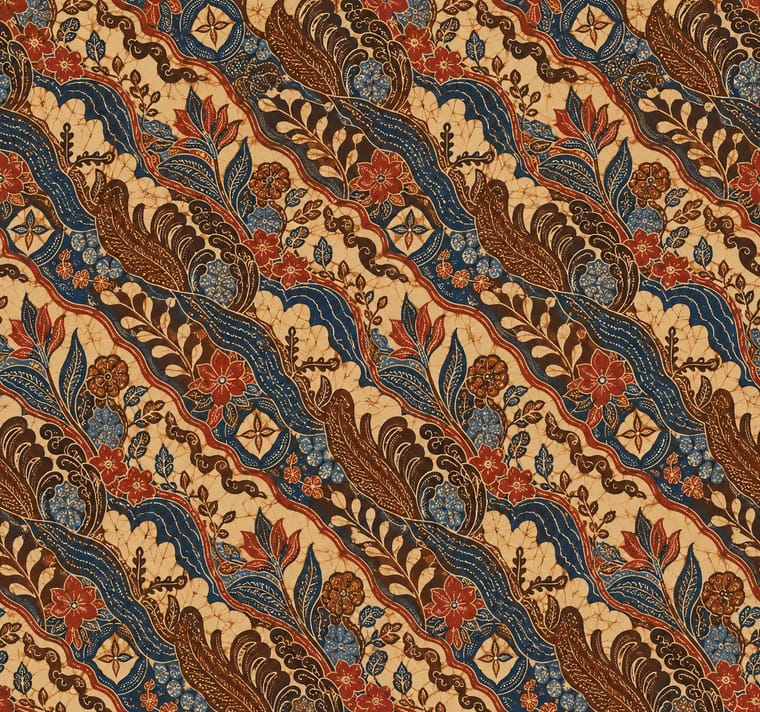
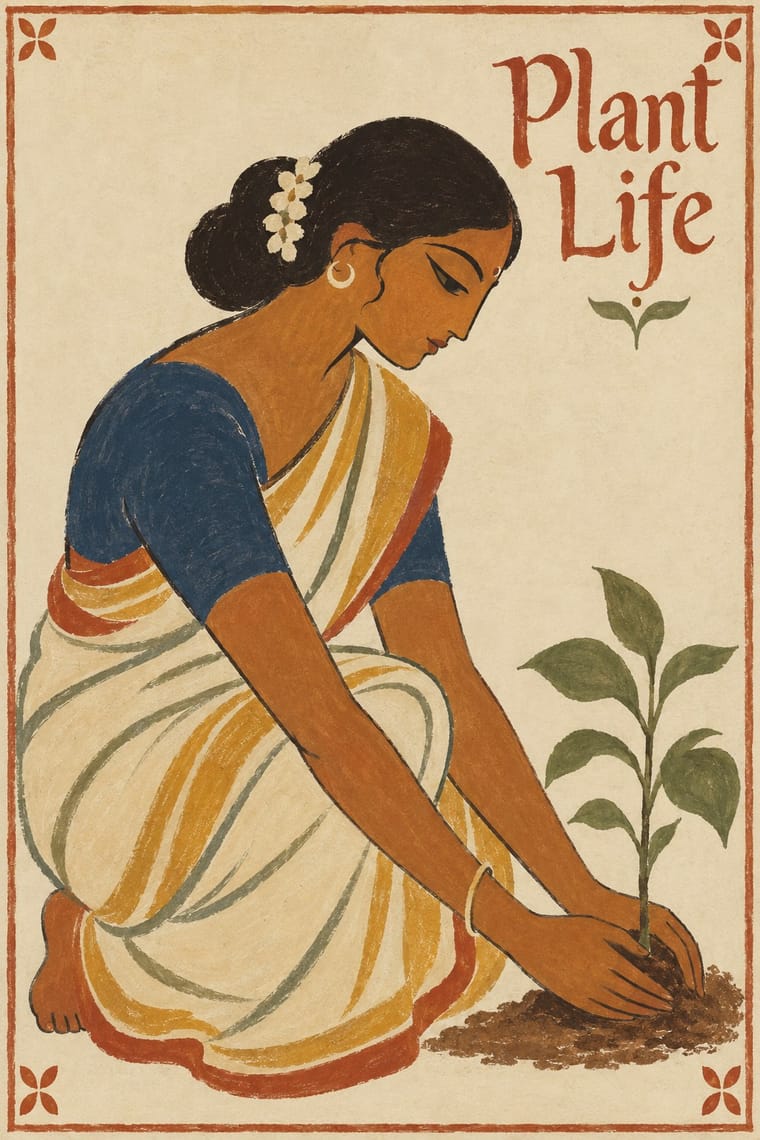
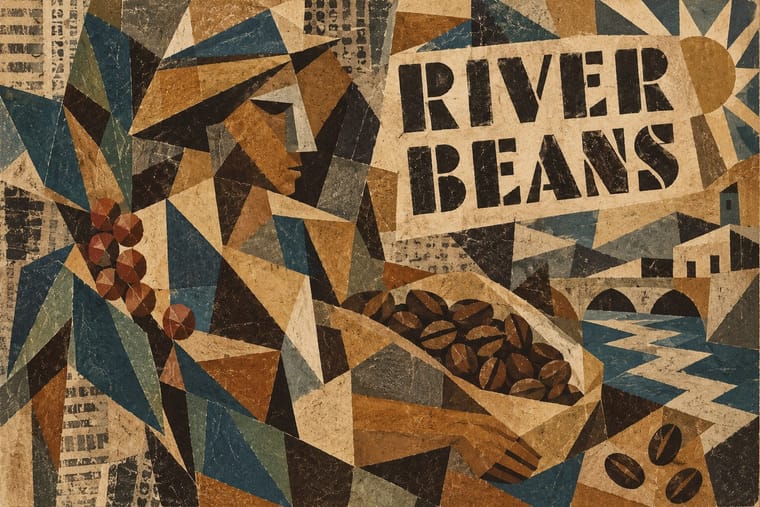
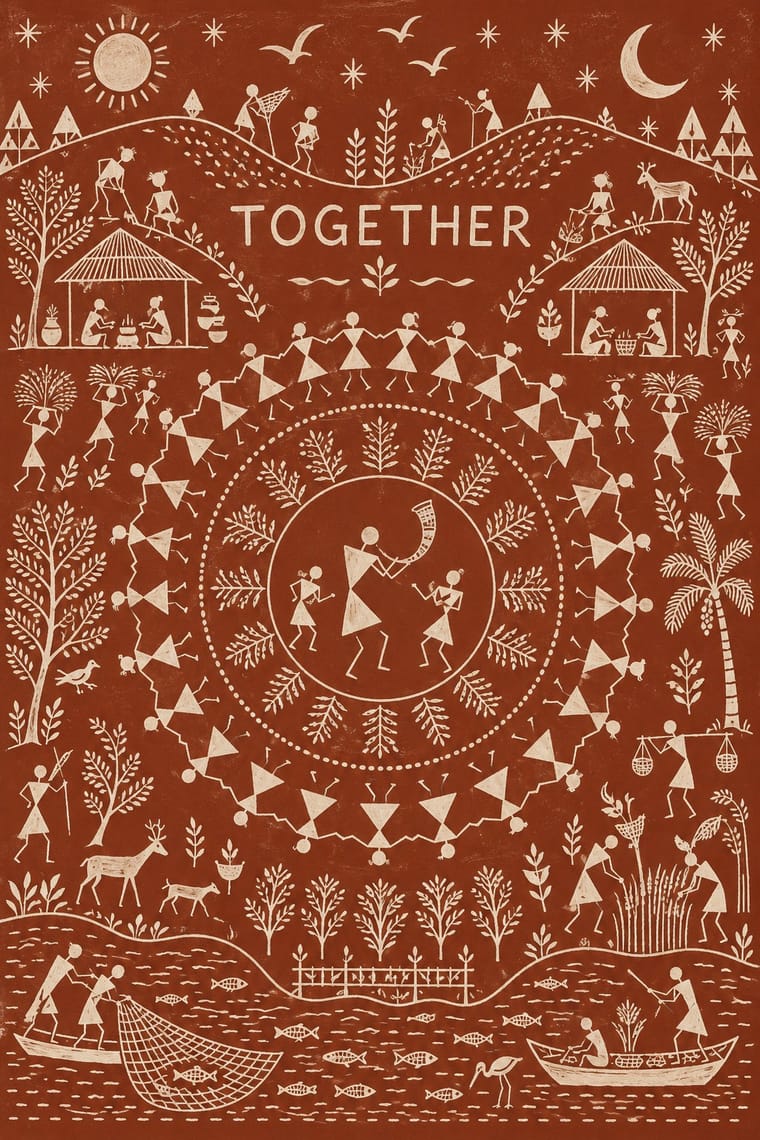
Ochres, umbers, olive, terracotta, indigo.
A design choice in Stylogeny’s vocabulary, under colour: what is the colour strategy?
- styles make it
- 96
- as a defining choice
- 18
- as a usual one
- 35
- now and then
- 43
- avoid it
- 21
Styles defined by it 18
For these styles it is one of the choices that make the style.
- Ancient Egyptian Hieroglyphic & Register CompositionThe visual system of pharaonic Egypt, in which writing is made of pictures and pictures are ruled like writing.
- Đông Hồ & Hàng Trống Folk PrintsVietnam's two classic folk-print schools, bought for Tết. Đông Hồ families press each colour from its own carved block onto giấy điệp, dó paper brushed with ground scallop shell whose streaked, faintly sparkling surface serves as the white, and print the black line last.
- Arnhem Land Bark Painting & RarrkPainting in ochres on flattened stringybark by Yolŋu, Kunwinjku, Kuninjku and other clans of Arnhem Land, carrying ceremonial designs into portable form; collected from 1912, painted through art centres since the 1970s.
- Western Desert IconographyThe acrylic painting movement that took form at Papunya in 1971, when men there painted the Honey Ant Dreaming on the school wall and then on board, carrying an older practice of sand, body and ceremonial designs into lasting form. 'Western Desert' is an umbrella name: the movement also includes Warlpiri, Anmatyerre and Arrernte painters of the Central Desert.
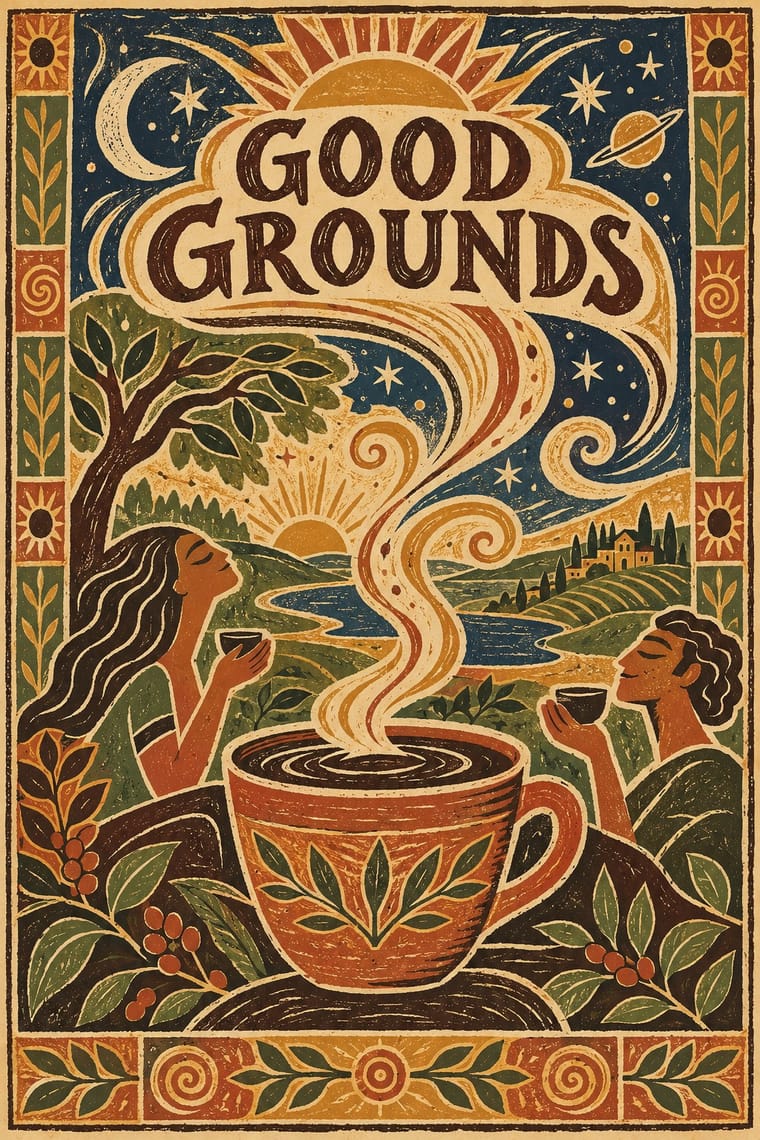
Styles that often use it 35
A characteristic choice: usual in these styles, though not essential.
- Ethiopian Ge'ez Manuscript & Haräg IlluminationThe manuscript art of the Ethiopian and Eritrean Orthodox Tewahedo Church, written in the Ge'ez syllabary on parchment from the Garima Gospels (radiocarbon-dated to roughly the 4th–7th centuries) to the present.
- Hebrew MicrographyA Jewish scribal art in which lines of minute Hebrew script, usually the Masoretic notes that guard the biblical text, are written so that the line itself draws: interlaced frames and star rosettes on full carpet pages, and animals, knights, fish and grotesques in the margins.
- Maghrebi Script (Maghribi Calligraphy of al-Andalus and North Africa)The family of Arabic scripts of al-Andalus and North Africa, descended from early Kufic bookhands.
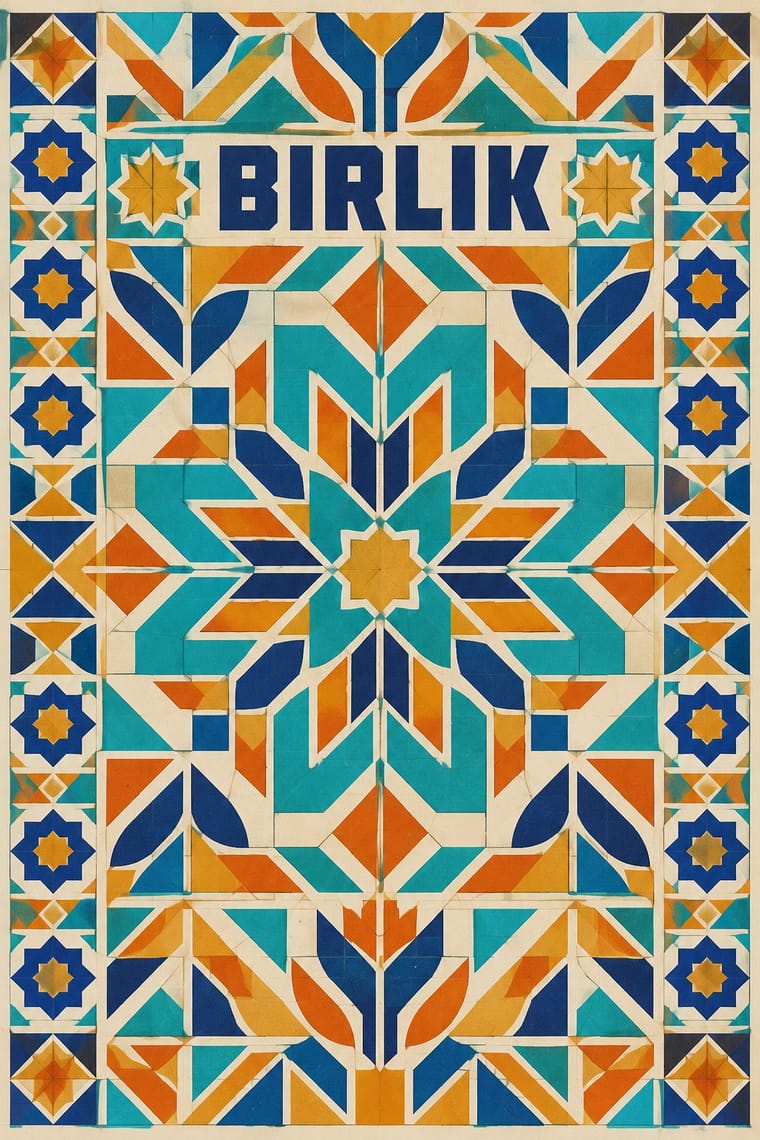
- Square Kufic (Bannāʾī)Square Kufic builds Arabic script on a square grid: straight lines and right angles only, with every stroke as wide as the gap beside it.
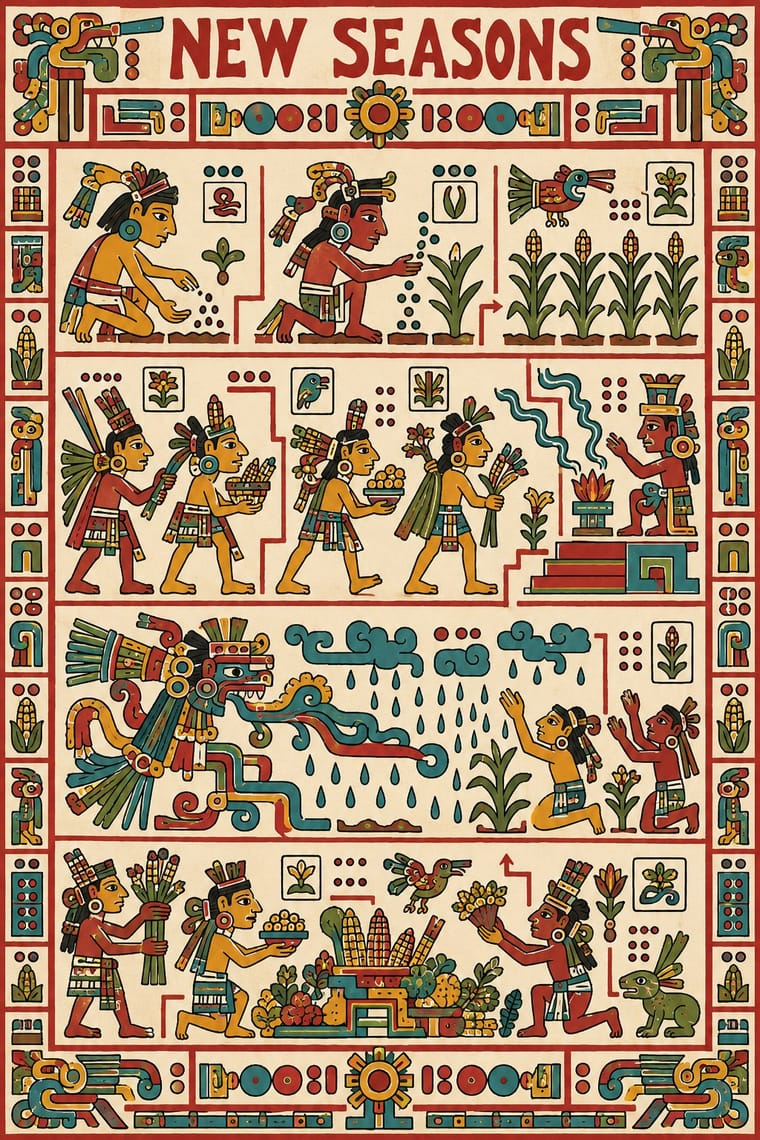
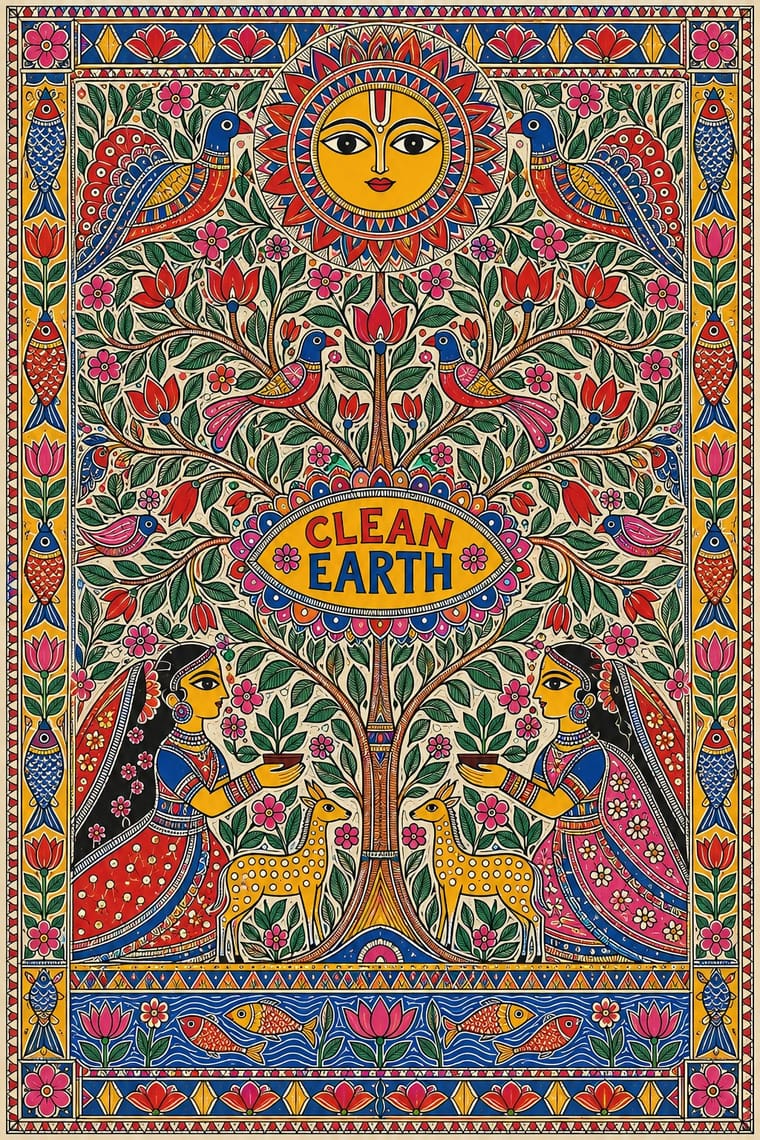
- Kōwhaiwhai & Toi Māori DesignToi Māori, the visual arts of the tangata whenua of Aotearoa, of which kōwhaiwhai, the painted scroll patterns of paddles and meeting-house rafters, is the most graphic strand.
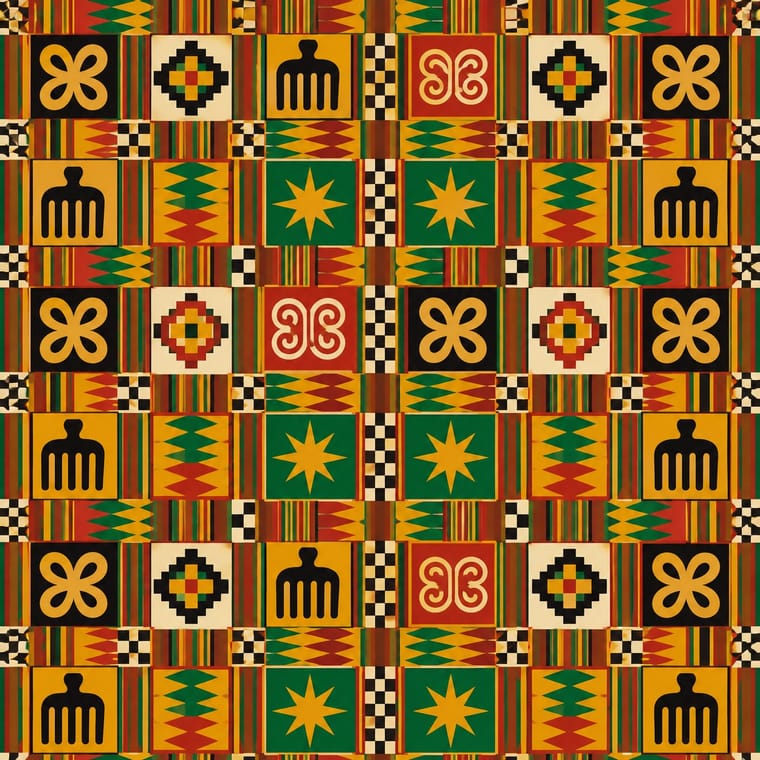
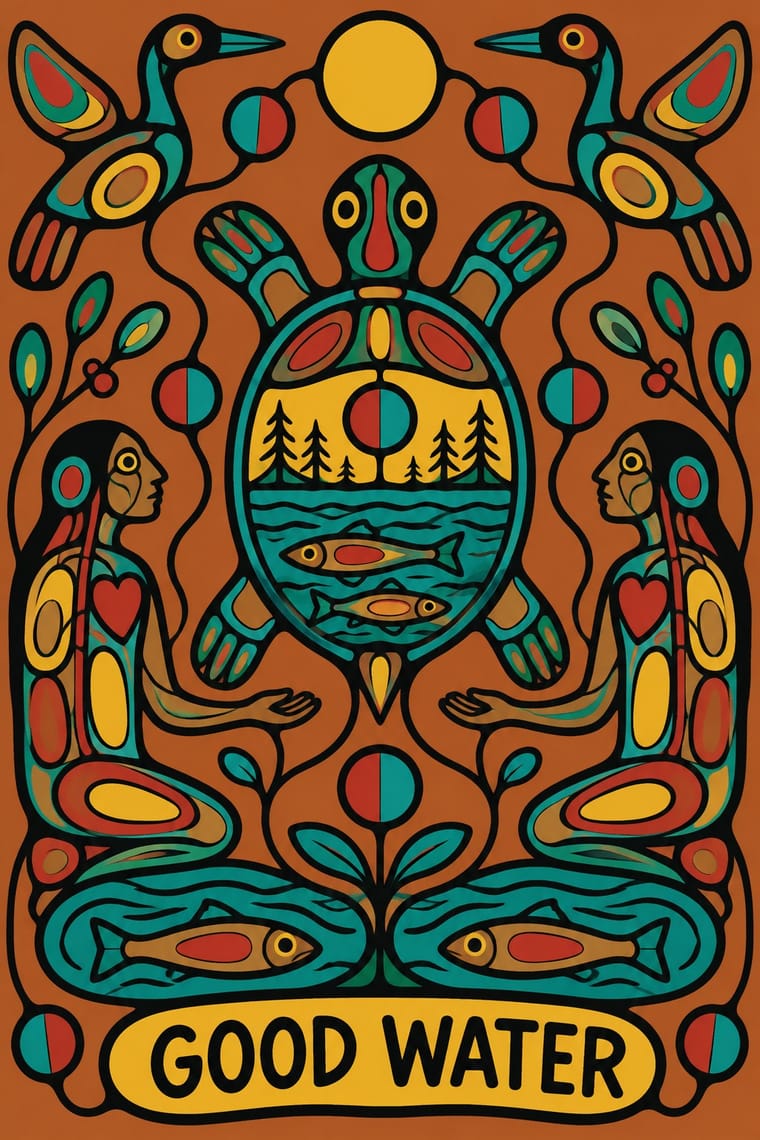
- Northwest Coast Formline DesignThe two-dimensional design system of the northern Northwest Coast nations, painted, carved and woven onto boxes, house fronts, robes and hats, and printed as serigraphs since the 1960s.
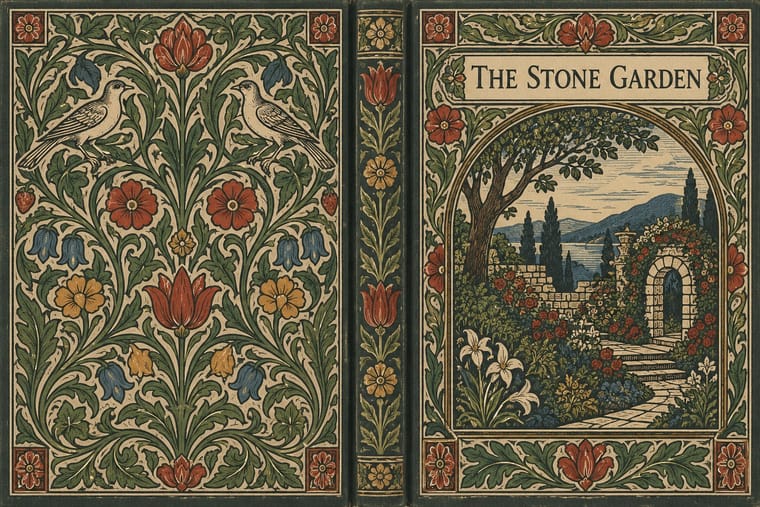
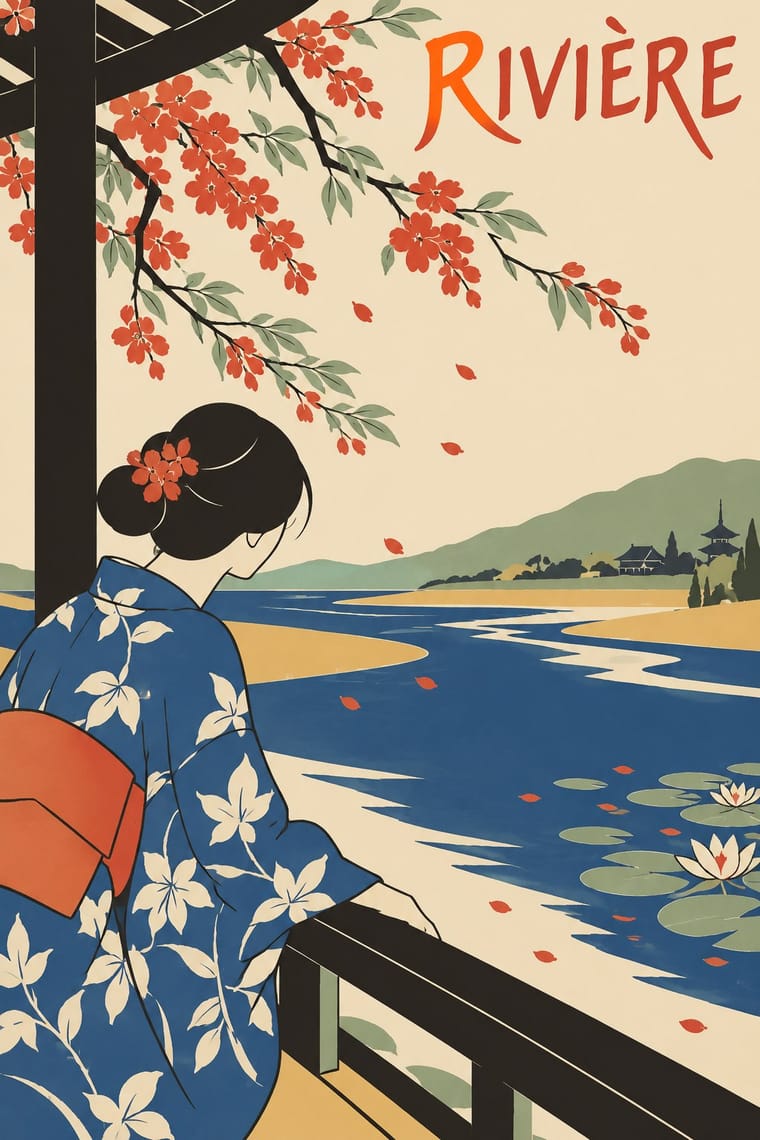
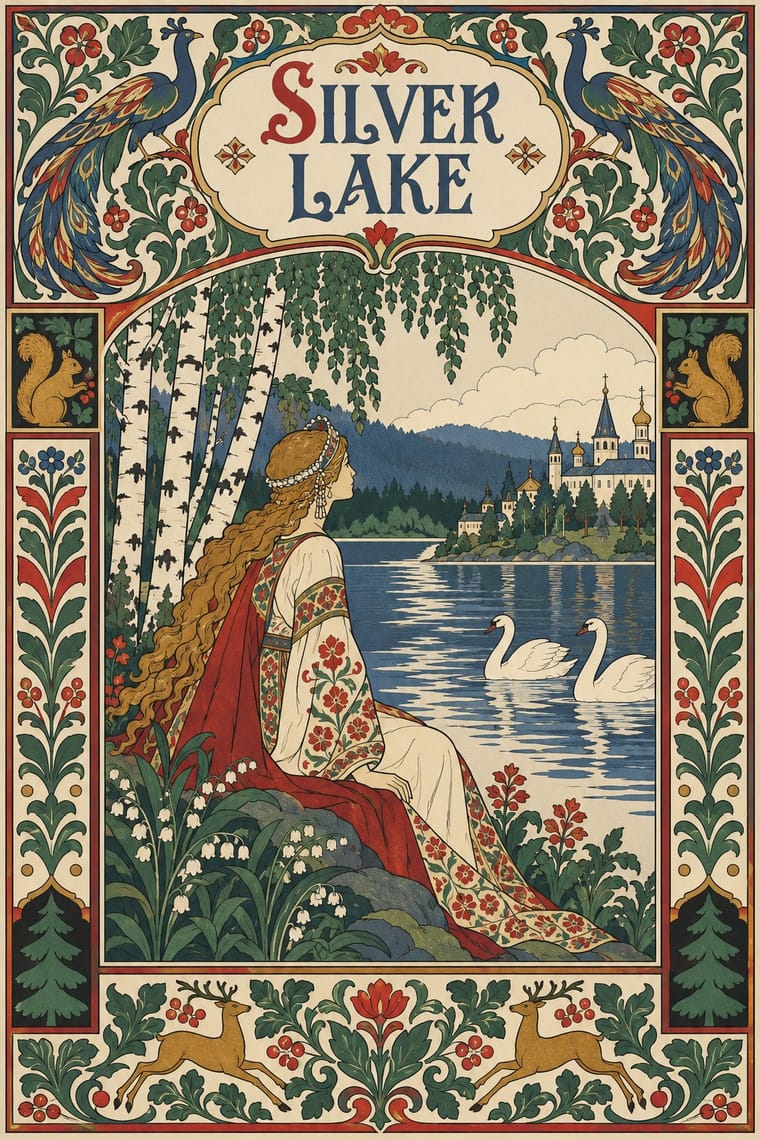
- Norwegian and Finnish National Romantic Graphics (Munthe & Karelianism)The flat, decorative branch of Norway's and Finland's national romanticism, which turned Viking carving, the sagas, the Kalevala and old peasant weaving into modern ornament.
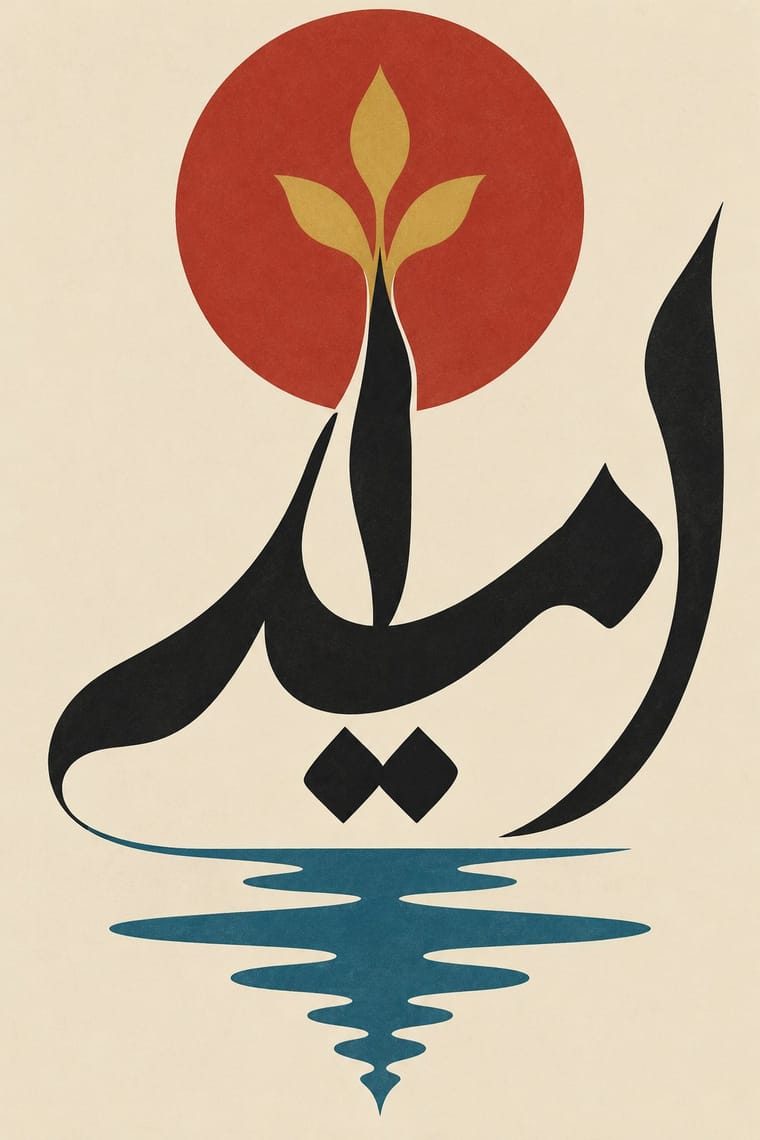
- Hurufiyya Calligraphic ModernismA pan-Arab and Iranian modern-art movement, begun by Madiha Omar in the late 1940s, that freed the letters of the Arabic script from text and used them as abstract visual units.
- Roots Reggae Sleeve Art & Rasta IconographyThe record sleeves of roots reggae, from Catch a Fire (1973) until dancehall took over in the 1980s.
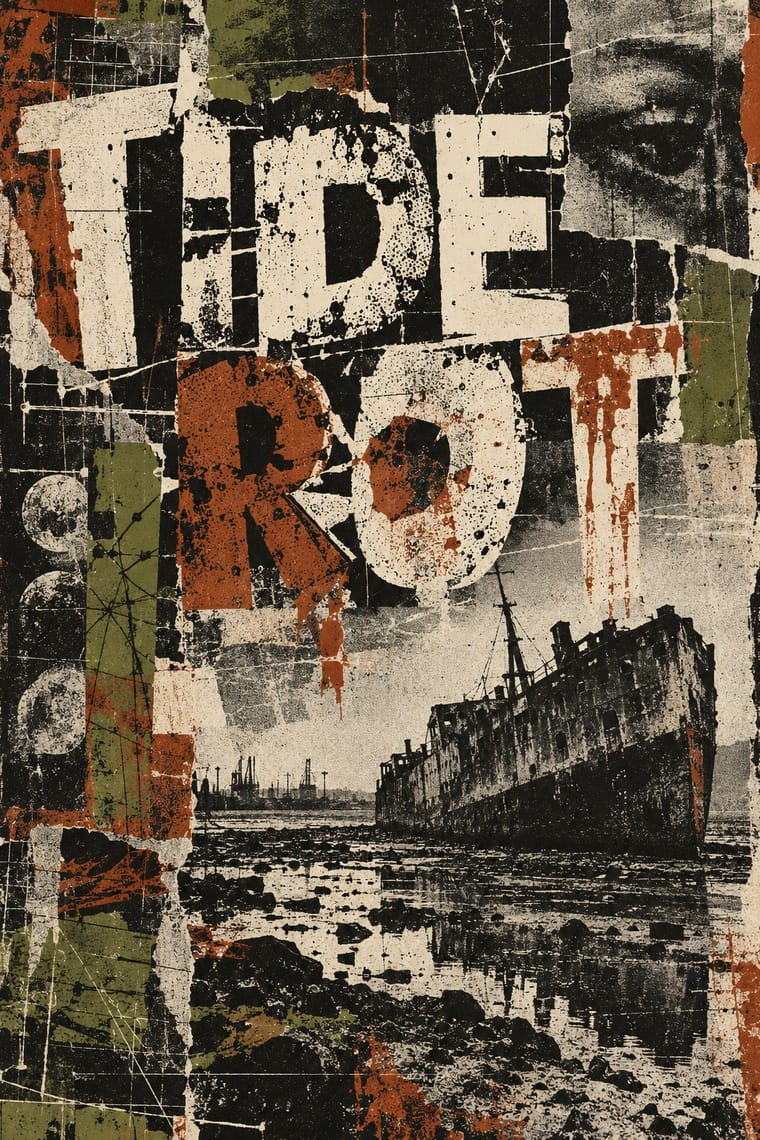
- Cartonera Books (Latin American Cardboard Publishing)Books of Latin America's cartonera presses, begun by Eloísa Cartonera in Buenos Aires in 2003 after Argentina's 2001 crash: photocopied texts stapled and glued by hand into covers cut from used boxes, usually bought from cartoneros (waste pickers) above the market price.
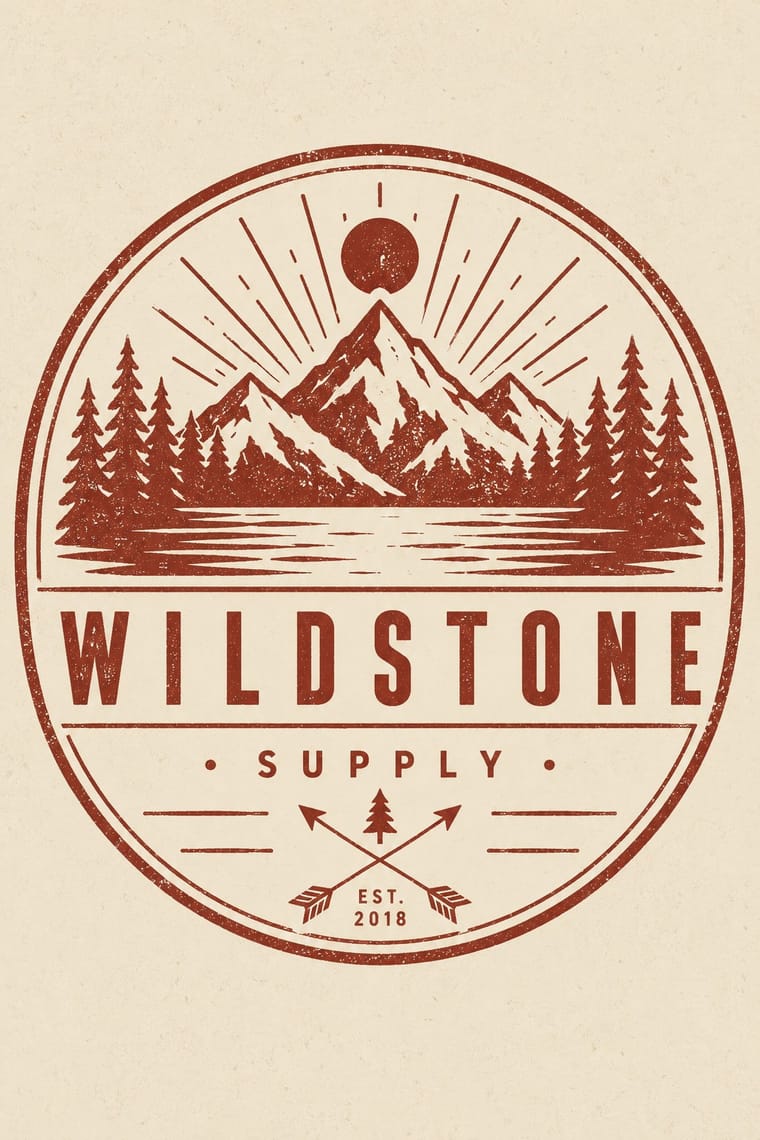
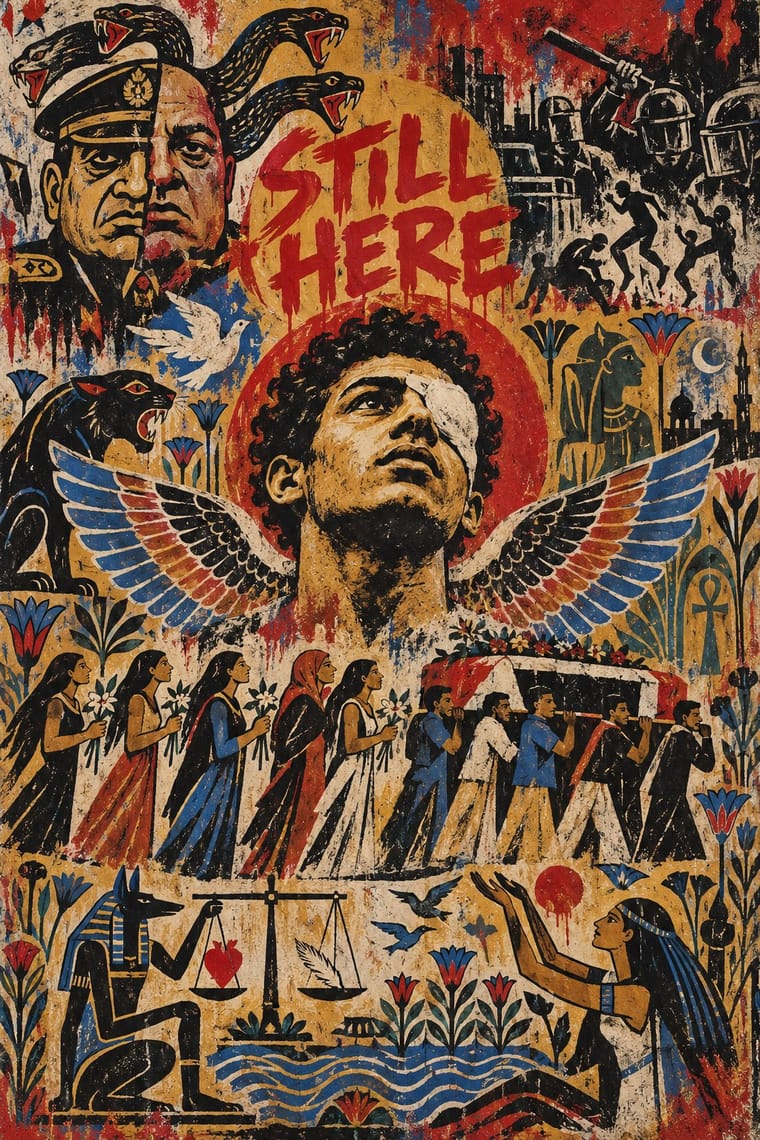
- Contemporary Chinese Book Design ('Most Beautiful Books of China')Chinese book design since 2003, when Shanghai founded the yearly 'Most Beautiful Books of China' award, whose winners go on to Leipzig.
Styles that use it now and then 43
An occasional choice in these styles.
- Sápmi Graphic Identity (Duodji & Gákti Colour Code)1600–present
- Ten Bamboo Studio Colour Woodblock (Douban & Gonghua)1626–present
- Ukiyo-e Woodblock Prints1670–1900
- Burmese Parabaik Painting (Konbaung Folding Books)1752–1885
- Chaekgeori & Minhwa Screen Painting1776–present
- Spanish Bullfight Poster (Cartel Taurino)1879–present
- Bezalel School1906–1929
- Hungarian Revolutionary Poster1912–1919
- Estridentismo (Stridentist) Graphics1921–1927
- Italian Fascist Graphics (Romanità & Exhibition Photomontage)1921–1943
- Surrealist Graphics1924–1960
- Early Turkish Republican Graphic Design1925–1960
- Harlem Renaissance Graphic Art1925–1940
- Isotype Pictorial Statistics1925–1971
- Mexican Calendar Chromo (Cromos calendáricos)1930–1970
- Scandinavian Functionalism1930–present
- Hebrew Poster Lettering & Early Israeli State Design1934–1974
- Spanish Civil War Poster1936–1939
- Taller de Gráfica Popular1937–1977
- Ndebele Geometric Painting1940–present
- Puerto Rican Silkscreen Poster (DIVEDCO & ICP)1946–1989
- Polish Poster School1950–1990
- Cairo–Beirut Arab Modernist Book & Periodical Design1952–1990
- Indian Institutional Modernism (NID)1961–1990
- Casablanca School Graphic Modernism1962–1987
- Fluxus Graphics (Maciunas)1962–1978
- Baybayin Revival Graphics1963–present
- Palestinian Resistance Poster1965–1993
- Hipgnosis Photographic Concept Sleeve1968–1983
- ECM Sleeve Aesthetic (Munich)1969–present
- Métal hurlant Science-Fiction Comics (Mœbius, Druillet & Les Humanoïdes Associés)1974–1987
- Post-Punk Record Sleeve (Stiff, Factory, 4AD)1977–1990
- Pardhan Gond Painting (Jangarh Kalam)1981–present
- Hype Streetwear Graphics (Box Logo to Quotation Marks)1993–present
- Hauntology & Ghost Box Design2004–present
- Natural Wine Label Art2007–present
- Polish Information Picture Book (Dwie Siostry)2008–present
- Syrian Revolution Graphics (Kafranbel Banners & Poster Collectives)2011–2024
- DTC 'Blanding' / Millennial Minimalism2012–2022
- Lo-fi Anime Aesthetic2017–present
- Book Blob (Abstract Colour-Blob Literary Fiction Cover)2019–2023
- Instagram Slideshow Activism (Social-Justice Infographics)2020–present
- Ukrainian Wartime Graphics (Saint Javelin, War Stamps and Be Brave Like Ukraine)2022–present
It often goes with
Choices that the styles making it make more often than the atlas as a whole.
- Folk & sacred symbolsin 56 of 96
- Spiritual & sacredin 49 of 96
- Line illustrationin 59 of 96
- Angular & zigzagin 34 of 96
- Calm & contemplativein 30 of 96
- Geometric tessellationin 26 of 96
Styles that avoid it
Styles that deliberately leave it out.
- Googie & Atomic Age1945–1965
- Hong Kong Neon & Beiwei Shop-Sign Lettering1950–present
- Pop Art Graphics1955–1975
- Picó Sound-System Painting (Colombian Caribbean)1967–present
- Pop Achorado (Peruvian Agrarian Reform Posters)1969–1975
- Kawaii Design1970–present
- Chicha Poster1980–present
- Memphis Design1981–1988
- Techno-Futurist Graphics1986–2002
- Rave & Acid House Graphics1988–2000
- Y2K Futurism1997–2005
- Fantasy User Interface (FUI) & Sci-Fi HUD1999–present
- Frutiger Aero2004–2013
- Neo-Andean Architecture (Cholets)2005–present
- Synthwave / Outrun2006–present
- Vaporwave2011–2017
- Acid Graphics / New Ugly2016–present
- VTuber Avatar and Stream Graphics2016–present
- Post-Binary Typography (Bye Bye Binary and Inclusive French Type)2018–present
- Dark Tech Minimalism2019–present
- Glassmorphism2020–present