Colour · Strategy
Complementary clash
Vibrating opposites placed edge to edge.
A design choice in Stylogeny’s vocabulary, under colour: what is the colour strategy?
- styles make it
- 73
- as a defining choice
- 2
- as a usual one
- 33
- now and then
- 38
- avoid it
- 13
Styles defined by it 2
For these styles it is one of the choices that make the style.
Psychedelic PosterThe concert-poster language of the 1960s counterculture, born in San Francisco's Fillmore and Avalon ballrooms and echoed in London's underground press.
Memphis DesignThe Milan collective founded by Ettore Sottsass, whose furniture, laminates and objects (first shown in September 1981) became a graphic language of their own.
Styles that often use it 33
A characteristic choice: usual in these styles, though not essential.
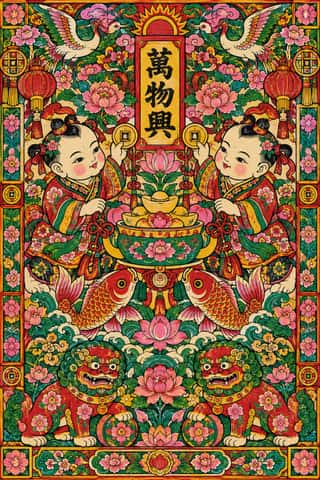
Nianhua & Chinese Folk PrintWoodblock pictures bought each New Year and pasted on doors, walls and kitchen shrines to invite luck and ward off harm: paired door gods, plump babies with carp, the Kitchen God, opera scenes and auspicious rebuses.
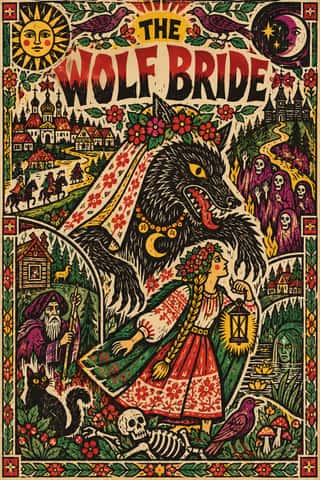
Lubok Popular PrintCheap single-sheet Russian popular prints sold at fairs and by pedlars from the later 17th century: woodcut, later engraved and lithographed pictures of saints, fables, heroes, battles and satire in which text and image share one sheet.
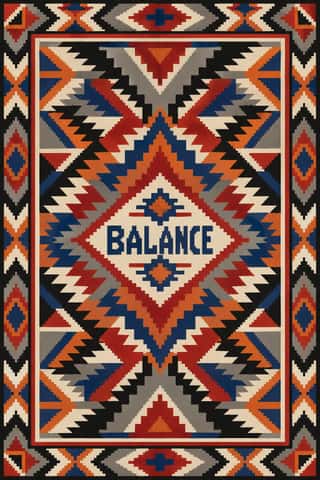
Diné (Navajo) Weaving DesignThe tapestry-woven design tradition of Diné (Navajo) weavers, recorded in Spanish sources from the early 18th century.
- Guna MolaThe reverse-appliqué blouse panels of Guna women in Panama, made by cutting through two to seven stacked layers of cotton so that every shape is ringed by echoing bands of the colours beneath.
- Amazonian Boat Lettering (Abridores de Letras)The painted boat names of Pará's rivers in the Brazilian Amazon, made for about a century by self-taught riverside painters (abridores de letras).
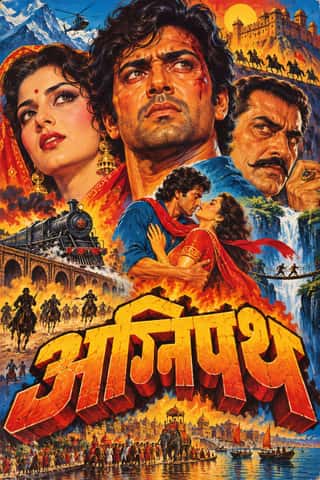
Hand-Painted Bollywood PosterThe painted publicity of Bombay's Hindi film industry, at its height from the 1940s to the 1980s.
- Pakistani Truck ArtThe total decoration of Pakistan's trucks and buses, which grew from company marks and saints' portraits painted in the late 1940s into a workshop art in which painters, metalworkers, woodcarvers and reflective-tape specialists collaborate on each vehicle.
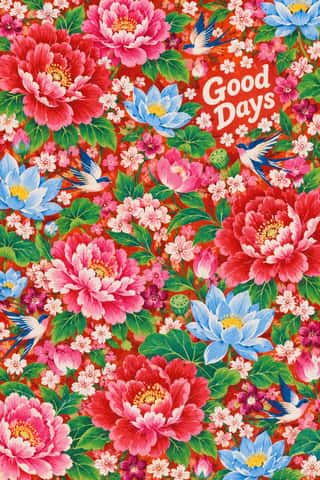
Taiwan Floral Cloth (Huabu)Cheap printed cotton covered edge to edge in large, full-blown peonies with lotuses, phoenixes, dragons, mandarin ducks, small florets and auspicious emblems on saturated vermilion, bright pink or sky-blue grounds.
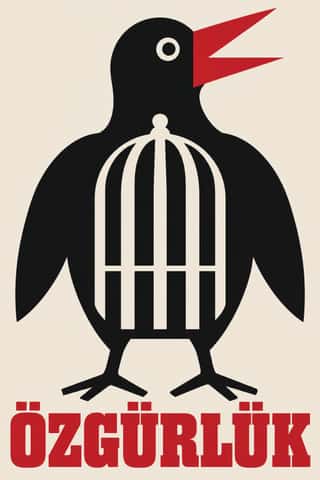
Turkish Modernist Poster & Graphic DesignThe posters of Istanbul's first generation of professional graphic designers for theatres, films, festivals and exhibitions.
Cuban Revolutionary Poster (OSPAAAL & ICAIC)The poster culture of revolutionary Cuba, produced for the film institute ICAIC and the solidarity organisation OSPAAAL.
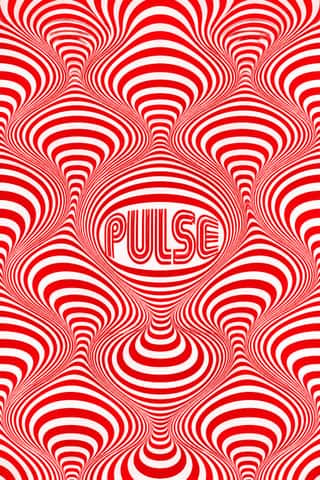
Op Art GraphicsA 1960s style that turned perceptual research into graphic effect: precisely drawn lines, checks, concentric rings and modular grids, usually black and white or complementaries of equal value, that seem to vibrate, swell or move.
- Casablanca School Graphic ModernismA postcolonial modernism formed at the Casablanca fine-art school under Farid Belkahia, where Mohamed Melehi, Mohammed Chabâa and colleagues set Amazigh rugs and jewellery, painted ceilings and calligraphy beside a Bauhaus-style merging of art, craft and design.
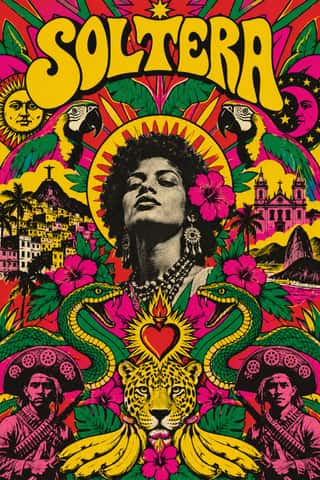
Tropicália Graphic DesignThe graphic language of Brazil's Tropicália, foreshadowed by Rogério Duarte's poster for Deus e o Diabo na Terra do Sol (1964), which already devours Ulm modernism, and set by his 1968 covers for Caetano Veloso and Gilberto Gil.
Angura Theatre PosterThe posters of Japan's underground (angura) theatre from the mid-1960s to the mid-1980s, made for troupes such as Kara Jūrō's Jōkyō Gekijō and Terayama Shūji's Tenjō Sajiki.
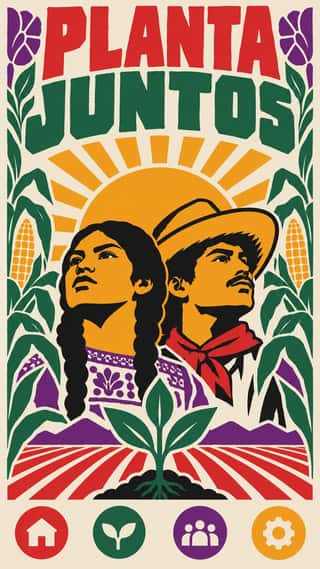
Chicano Screenprint PosterThe screenprinted poster of the Chicano Movement and its heirs, made from the mid-1960s in community workshops across California and the Southwest for farmworker strikes and boycotts, teatro, dances, anti-war marches and immigrant rights.
- Picó Sound-System Painting (Colombian Caribbean)The hand-painted fronts of the picós, the giant sound systems that play dances in the barrios of Barranquilla and Cartagena.
Tingatinga PaintingA Tanzanian popular painting school begun in Dar es Salaam by Edward Tingatinga (1932–1972), who from 1968 painted animals, birds and village scenes in glossy bicycle enamel on square hardboard ceiling boards for residents and tourists.
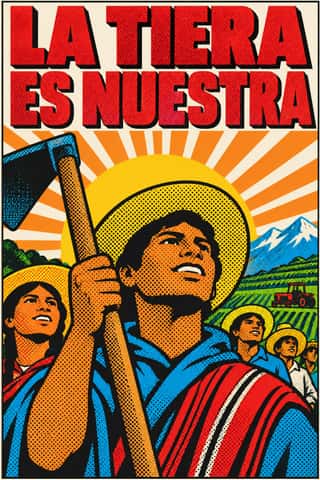
Pop Achorado (Peruvian Agrarian Reform Posters)Posters for the Peruvian military government's agrarian reform, made in Lima from 1969 by Jesús Ruiz Durand and colleagues at the state's reform publicity office.
Australian Poster Collective ScreenprintsScreenprinted posters from the political poster collectives and community workshops that spread across Australia from Sydney's Tin Sheds, where Earthworks began in 1971.
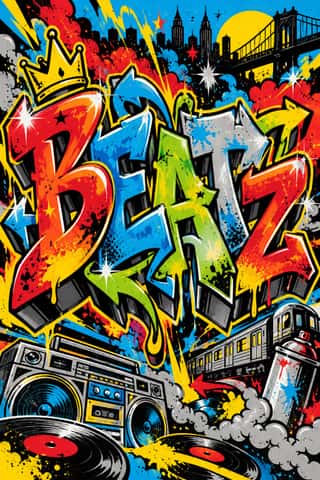
Graffiti & Hip-Hop GraphicsBorn on New York's subway cars and Bronx party flyers, graffiti writing turns the writer's name into a monumental letter-sculpture: bubble, block and wildstyle letters with arrows, 3D drop shadows, fades and highlights, painted freehand in aerosol.
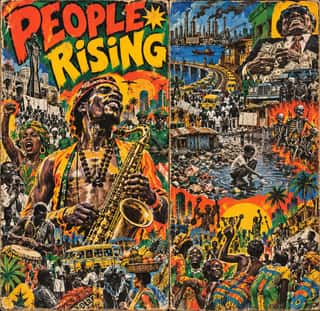
Afrobeat Sleeve ArtThe painted and collaged record covers of Nigerian Afrobeat, defined by Lemi Ghariokwu's sleeves for Fela Kuti from Alagbon Close (1974) onward.
Dutch Expressive Postmodernism (Studio Dumbar & Hard Werken)An anti-functionalist current in Dutch graphic design led by Studio Dumbar in The Hague (from 1977) and the Rotterdam collective Hard Werken (magazine from 1979, design office 1982–1994).
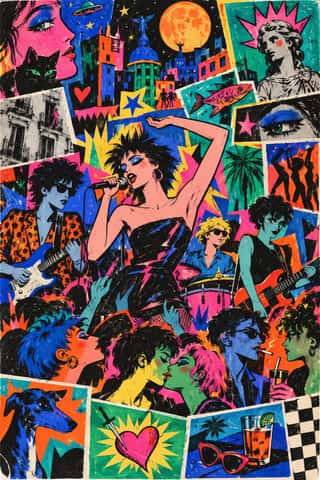
La Movida Madrileña GraphicsThe graphics of Madrid's Movida, the post-Franco scene of new-wave bands, fanzines and night life usually dated from the Canito concert of 9 February 1980 and later backed by the city council.
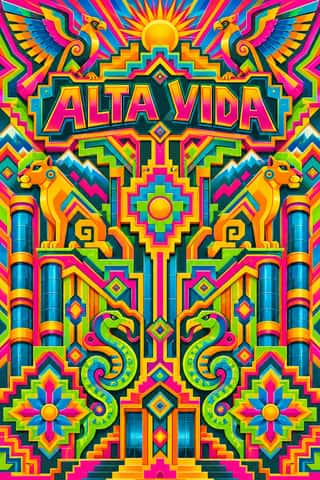
- Chicha PosterFluorescent screen-printed street posters that emerged in the 1980s to promote chicha (Andean cumbia) concerts in Lima, made by printers from Andean migrant communities.
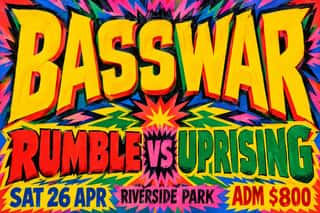
Jamaican Dancehall Signs & Sleeve ArtThe street graphics of Jamaica's dancehall era.
Ghanaian Movie PosterHand-painted posters commissioned by Ghana's mobile video clubs from about 1985, painted by apprenticed sign painters on stitched flour sacks to advertise VHS screenings of Hollywood, Hong Kong, Nigerian and Indian films.
- Nollywood Video Jacket & Film PosterThe cover and poster art of Nigeria's home-video boom, from Living in Bondage (1992) on.
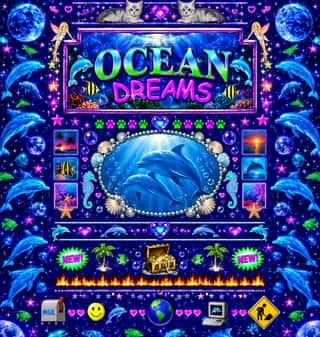
Early Web VernacularThe amateur web of the mid-1990s to early 2000s, when millions of people hand-coded personal homepages on free hosts such as GeoCities with table layouts, browser-default fonts, tiled backgrounds, animated GIFs, MIDI soundtracks, hit counters and ‘under construction’ signs.
- Indian Pop-Kitsch Design (Desi Kitsch)Urban Indian gift and T-shirt design from the late 1990s into the 2010s that recasts the street and bazaar as ironic, affectionate icons: truck tails and 'Horn OK Please', auto-rickshaws, Ambassadors and Chetaks, cutting chai, old Bollywood stills and dialogues, Bhagat Singh in place of Che.
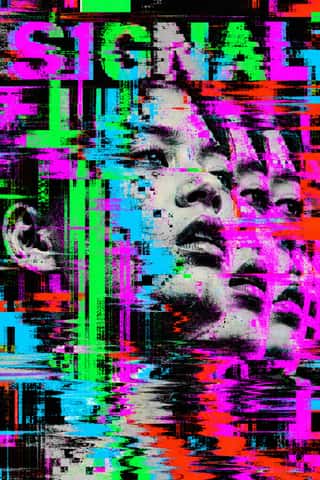
Glitch Art & Datamosh GraphicsAn art and design practice that makes digital failure the picture.
Neo-Andean Architecture (Cholets)The facades and party halls of El Alto, Bolivia, begun by the Aymara builder-architect Freddy Mamani in 2005 for a new Aymara merchant class.
- YouTube Thumbnail Style (the 'YouTube Face')The custom thumbnail of YouTube's creator economy: a 16:9 still made to be read at fingernail size in a feed of recommendations.
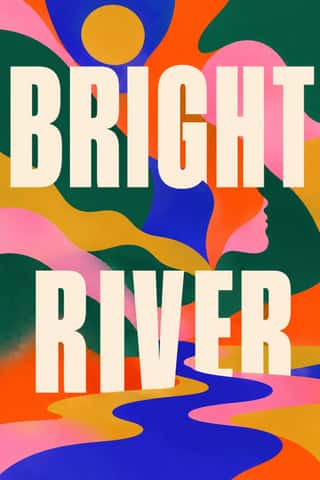
Book Blob (Abstract Colour-Blob Literary Fiction Cover)The default jacket of US literary fiction around 2019–2023: soft, overlapping blobs of saturated colour fill the cover edge to edge (cobalt, pink, orange-red, deep green, mustard).
Styles that use it now and then 38
An occasional choice in these styles.
- Chinese Paper-Cut (Jianzhi)c. 500–present
- Andean Woven Graphic Systemsc. 600–present
- Adinkra & Kente Symbol Systems1700–present
- Fante Asafo Flags (Frankaa)1850–present
- Indian Calendar & Bazaar Art1878–present
- African Wax & Fancy Print1880–present
- Expressionist Woodcut Graphics1905–1925
- Plakatstil / Sachplakat1905–1920
- Italian Futurism1909–1944
- Egyptian Painted Film Poster1932–1996
- American Four-Colour Comic Book (Golden to Bronze Age)1934–1993
- Ndebele Geometric Painting1940–present
- UPA & Cartoon Modern1944–1960
- Jeepney Art1946–present
- Puerto Rican Silkscreen Poster (DIVEDCO & ICP)1946–1989
- Hong Kong Neon & Beiwei Shop-Sign Lettering1950–present
- Polish Poster School1950–1990
- Zagreb Modernist Graphics (EXAT 51 to Teatar &TD)1951–1975
- Push Pin Style1954–1980
- Pop Art Graphics1955–1975
- Woodland School (Legend Painting)1962–present
- Mexico 68 Olympic & Metro Identity1966–1970
- AfriCOBRA1968–present
- Underground Comix1968–1982
- Kinshasa Popular Painting1970–present
- Punk & DIY Zine1976–1986
- Pardhan Gond Painting (Jangarh Kalam)1981–present
- Matatu & Nganya Art1990–present
- Nigerian Pentecostal Crusade Poster & Billboard1990–present
- Screenprinted Gig & Alt-Movie Poster1991–present
- Superflat1993–present
- Indonesian Woodcut Activism (Taring Padi)1998–present
- Japanese Dense Web Design1999–present
- Tamil Nadu Flex Banners2000–present
- Arabic Calligraffiti2002–present
- Illustrated Rom-Com Book Cover (Cartoon Couple Cover)2016–present
- Generative-AI Image Aesthetic2022–present
- Woman, Life, Freedom Protest Graphics (Iran and the Diaspora)2022–present
It often goes with
Choices that the styles making it make more often than the atlas as a whole.
- Full polychromein 65 of 73
- Horror vacuiin 49 of 73
- Communal & popularin 53 of 73
- Abundant decorationin 30 of 73
- Ornamented displayin 34 of 73
- Hard offset shadowin 23 of 73
Styles that avoid it
Styles that deliberately leave it out.
- Ten Bamboo Studio Colour Woodblock (Douban & Gonghua)1626–present
- Santiniketan & Bengal School Graphics1905–1954
- Scandinavian Functionalism1930–present
- Munich 1972 Olympic Design (Otl Aicher)1966–1972
- Hipgnosis Photographic Concept Sleeve1968–1983
- ECM Sleeve Aesthetic (Munich)1969–present
- Global Village Coffeehouse1988–2003
- Black Metal Graphics1990–present
- Contemporary Chinese Book Design ('Most Beautiful Books of China')2003–present
- DTC 'Blanding' / Millennial Minimalism2012–2022
- Lo-fi Anime Aesthetic2017–present
- Neumorphism2019–2021
- Instagram Slideshow Activism (Social-Justice Infographics)2020–present