Imagery · Photographic
Straight photography
Documentary, portrait or product photography.
A design choice in Stylogeny’s vocabulary, under imagery: what kind of pictures, if any?
- styles make it
- 95
- as a defining choice
- 13
- as a usual one
- 40
- now and then
- 42
- avoid it
- 136
Styles defined by it 13
For these styles it is one of the choices that make the style.
- Nippon Kōbō & Tōhōsha Photo-Propaganda Magazines (NIPPON & FRONT)Luxury photo-propaganda magazines that imperial Japan sent abroad, 1934–45.
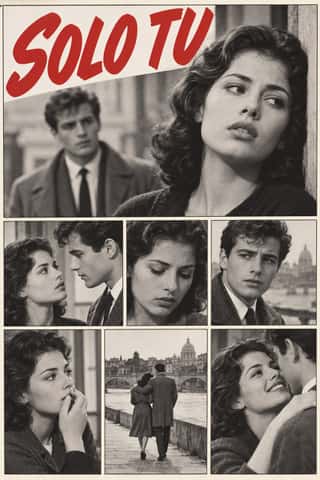
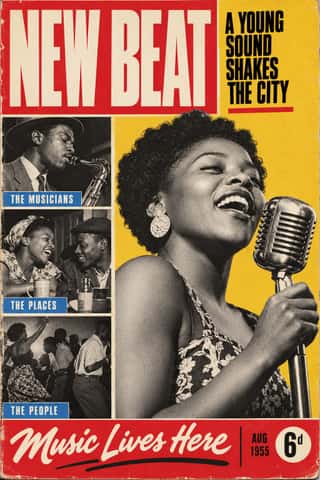
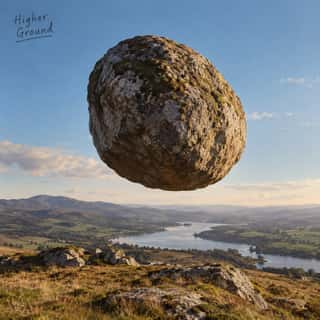
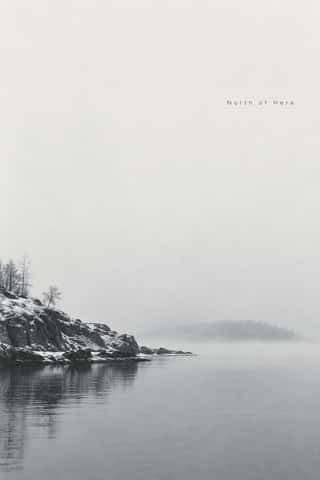
- Roots Reggae Sleeve Art & Rasta IconographyThe record sleeves of roots reggae, from Catch a Fire (1973) until dancehall took over in the 1980s.
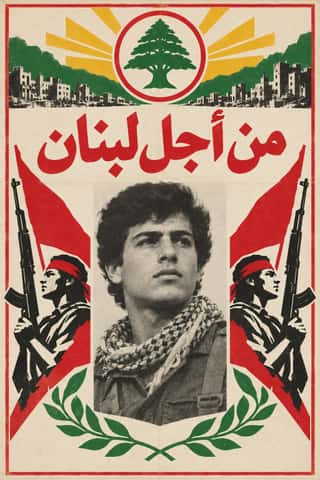
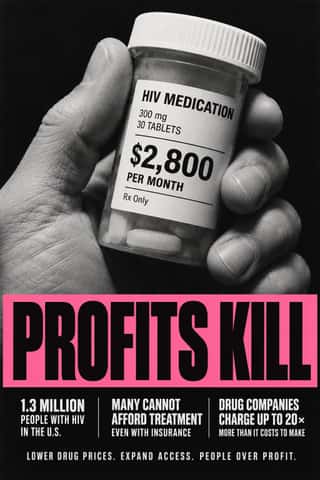
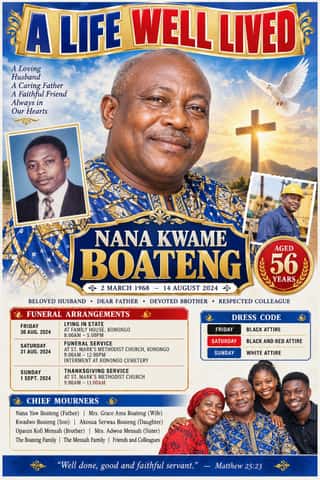
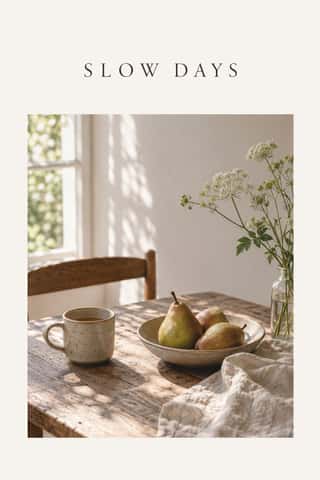


- 'Good Morning' Greeting Images (WhatsApp Forward Vernacular)The ready-made greeting pictures that millions of smartphone users, many of them older and new to the internet, forward to family, friends and groups each morning on WhatsApp, above all in India and Brazil.


Styles that often use it 40
A characteristic choice: usual in these styles, though not essential.
- Russian ConstructivismConstructivism rejected art for art's sake in favour of the artist-engineer building useful things for the new Soviet society.

- BauhausThe German school founded by Walter Gropius in 1919 moved from Expressionist craft ideals to a programme of 'art and technology' after 1923, when Moholy-Nagy, Herbert Bayer and Joost Schmidt made its printing and advertising workshops a laboratory for functional communication.

- AIZ Political Photomontage (Heartfield)The political photomontage John Heartfield made for the communist weekly AIZ from 1930 to 1938, in Berlin and, from 1933, in Prague exile.

- Onitsha Market PamphletsCheap, stapled pamphlets of romance, advice, drama and political biography, written by students, clerks, journalists and traders and printed by jobbing letterpress shops around Onitsha Main Market in eastern Nigeria from the late 1940s.

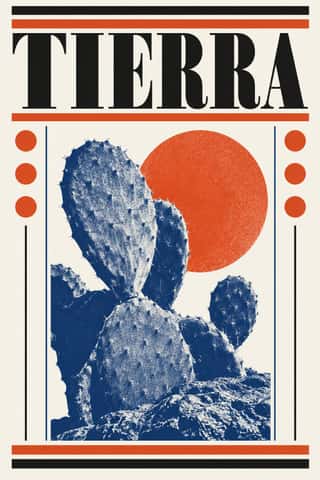
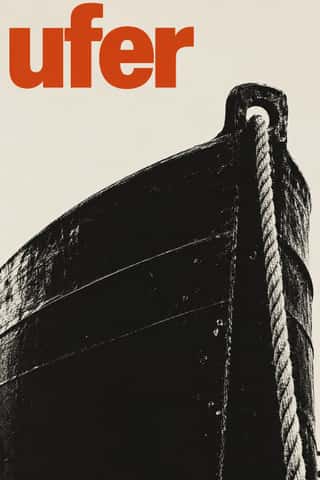
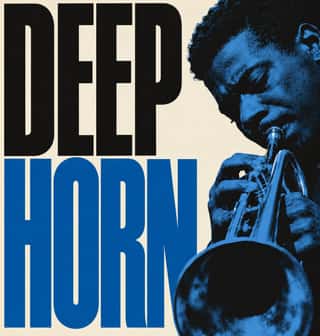
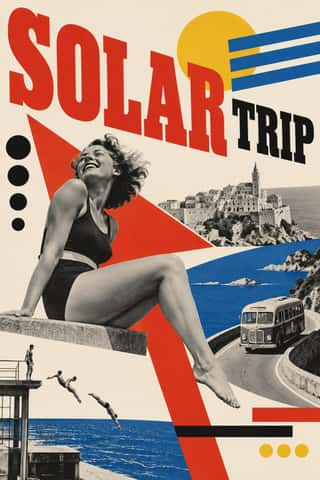
- Greek Tourism Modernism (EOT)The modernist image of Greece made for the National Tourism Organisation (EOT) by Michalis Katzourakis, its art adviser in 1960-1967, and by Frederick Carabott, who advised it until 1967; in 1962 the two also founded the K&K Athens Advertising Centre.

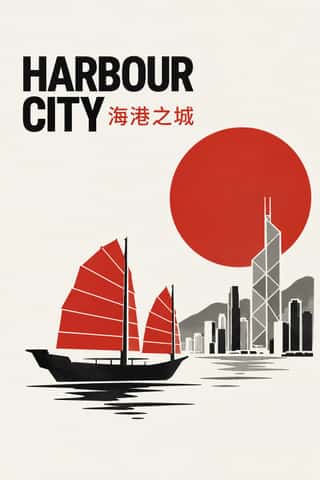
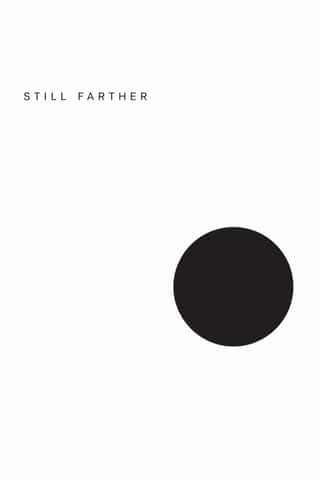


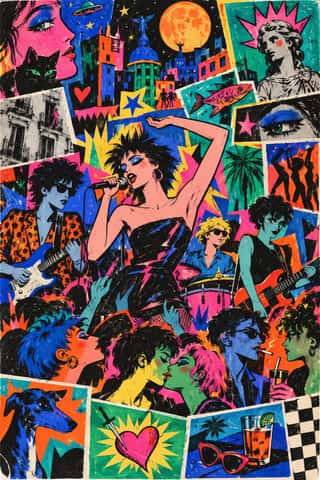
- Post-Punk Record Sleeve (Stiff, Factory, 4AD)The record sleeves that British art-school designers made after punk, for independent labels and some majors: Barney Bubbles at Stiff, Malcolm Garrett for Buzzcocks, Peter Saville at Factory and 23 Envelope at 4AD.
- Iranian Revolutionary & Sacred Defence PosterPosters, murals and stamps of the 1978–79 Iranian Revolution and the 1980–88 war with Iraq, which fused the red-white-black international revolutionary poster with Persian miniature and coffeehouse narrative painting.
- Black Metal GraphicsThe visual language of black metal, fixed by Norway's second wave in the early 1990s, now worldwide, since the 2010s borrowed by mainstream acts (Szpajdel's Rihanna and Metallica logos, 2016).

- Nigerian Pentecostal Crusade Poster & BillboardThe roadside adverts of Nigeria's Pentecostal and independent churches: billboards, banners and posters on poles, walls and bridges announcing crusades, revivals, conventions and night vigils.
- Nollywood Video Jacket & Film PosterThe cover and poster art of Nigeria's home-video boom, from Living in Bondage (1992) on.
- South African Vernacular Design (Ijusi)A post-apartheid design language launched in Durban in 1995 by Garth Walker's Orange Juice Design and its free, experimental magazine Ijusi (isiZulu for 'juice'), which asked 'What makes me South African, and what does that look like?'.
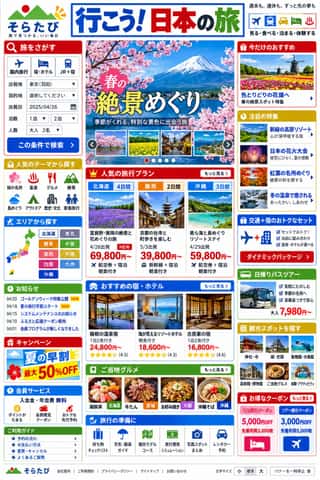
- Tamil Nadu Flex BannersThe digitally printed vinyl boards, locally called flex banners, that fan clubs, party cadres, businesses and families have put up along the roads of Tamil Nadu since about 2000, as flex displaced hand-painted cinema banners and cut-outs over the following decade.
- Contemporary Chinese Book Design ('Most Beautiful Books of China')Chinese book design since 2003, when Shanghai founded the yearly 'Most Beautiful Books of China' award, whose winners go on to Leipzig.
- Frutiger AeroThe glossy, optimistic look of consumer technology from the mid-2000s to the early 2010s, retrospectively named in 2017 by the Consumer Aesthetics Research Institute after Windows Vista's Aero interface and Adrian Frutiger's humanist sans.

- YouTube Thumbnail Style (the 'YouTube Face')The custom thumbnail of YouTube's creator economy: a 16:9 still made to be read at fingernail size in a feed of recommendations.

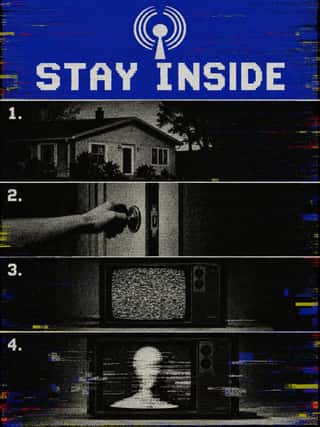
- Front-of-Pack Warning Octagons (Latin American Food Warning Seals)A state warning system stacked on commercial food packs.



Styles that use it now and then 42
An occasional choice in these styles.
- Ma & Wabi-sabi Aesthetics1500–present
- Spanish Bullfight Poster (Cartel Taurino)1879–present
- Senegalese Sufi Devotional Imagery (Souwère Glass Painting and Amadou Bamba Portraits)1900–present
- Shanghai Modern & Yuefenpai1910–1949
- Estridentismo (Stridentist) Graphics1921–1927
- Italian Fascist Graphics (Romanità & Exhibition Photomontage)1921–1943
- Mavo1923–1925
- Lianhuanhua Picture-Story Books1925–1990
- Giallo Mondadori Covers (I Libri Gialli)1929–present
- Streamline Moderne1930–1945
- Socialist Realist Propaganda Poster1932–1989
- Estado Novo Folk Modernism (SPN)1933–1949
- Tiki Pop (Polynesian Pop)1934–present
- Machine-Age Simplified Arabic Type1947–present
- Zagreb School of Animated Film1954–1980
- Corporate Identity Modernism1955–1990
- Arab Children's Comic Magazines (Samir to Majid)1956–present
- Indian Institutional Modernism (NID)1961–1990
- Fluxus Graphics (Maciunas)1962–1978
- Total Design & Dutch Functionalism1963–1990
- Palestinian Resistance Poster1965–1993
- Afrofuturist Design1970–present
- Grapus (French Militant Graphic Collective)1970–1990
- Graffiti & Hip-Hop Graphics1972–present
- Chicha Poster1980–present
- Solidarność & Polish Underground Graphics1980–1989
- Memphis Design1981–1988
- Matatu & Nganya Art1990–present
- Hype Streetwear Graphics (Box Logo to Quotation Marks)1993–present
- Y2K Futurism1997–2005
- Korean Commercial Calligraphy (Kaelligeurapi)1999–present
- Skeuomorphic UI2000–2013
- Yuru-chara (Japanese Local Mascot Design)2000–present
- Internet Ugly & Meme Vernacular2003–present
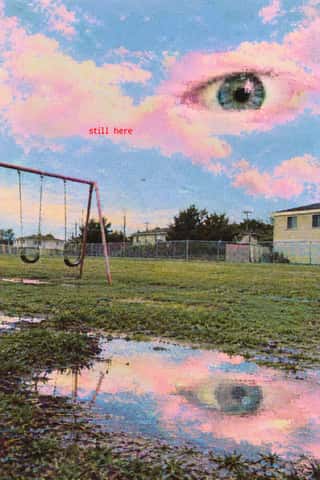
- Hauntology & Ghost Box Design2004–present
- Newsroom Data Graphics & Scrollytelling2009–present
- Flat Design2010–2016
- GOV.UK Design (GDS Style)2012–present
- Brutalist Web Design2014–present
- Latin American Feminist Protest Graphics (Ni Una Menos and the Green Wave)2015–present
- Glassmorphism2020–present
- Instagram Slideshow Activism (Social-Justice Infographics)2020–present
It often goes with
Choices that the styles making it make more often than the atlas as a whole.
- Grotesque & neo-grotesquein 55 of 95
- Photomontagein 38 of 95
- Offset printingin 60 of 95
- Rules & barsin 40 of 95
- Treated photographyin 34 of 95
- Rectilinearin 43 of 95
Styles that avoid it
Styles that deliberately leave it out.
- Ancient Egyptian Hieroglyphic & Register Compositionc. 0–394
- Chinese Calligraphy & Seal Carving (Shufa & Zhuanke)c. 0–present
- Chinese Paper-Cut (Jianzhi)c. 500–present
- Ethiopian Ge'ez Manuscript & Haräg Illuminationc. 500–present
- Andean Woven Graphic Systemsc. 600–present
- Islamic Geometric & Calligraphic Traditionc. 690–present
- Armenian Manuscript Illuminationc. 862–1800
- Hebrew Micrographyc. 895–present
- Maghrebi Script (Maghribi Calligraphy of al-Andalus and North Africa)c. 900–present
- Kamon (Japanese Family Crests)c. 1100–present
- Nianhua & Chinese Folk Printc. 1100–present
- European Heraldryc. 1140–present
- Mixteca-Puebla Codex Paintingc. 1200–1560
- Mongol Bichig Calligraphy & Ugalz Ornamentc. 1204–present
- Vyaz (Ornamental Slavonic Lettering)c. 1230–present
- Persian Miniature (Ilkhanid, Timurid and Safavid Book Painting)c. 1300–1700
- Ottoman Tughra & Dîvânî Chancery Calligraphyc. 1324–present
- Mithila (Madhubani) Paintingc. 1350–present
- Persian Nastaʿlīq Calligraphy (Qiṭʿa, Chalipa and Siyāh-mashq)c. 1400–present
- Tibetan Woodblock Print Culture (Pecha & Prayer Flags)c. 1410–present
- Javanese Wayang Kulit (Tatah Sungging)1500–present
- Kōwhaiwhai & Toi Māori Design1500–present
- Zoomorphic & Figural Calligraphy (Islamic Calligrams)1500–present
- Batik Pattern Tradition1600–present
- Đông Hồ & Hàng Trống Folk Prints1600–present
- Rinpa & Saga-bon1600–present
- Sápmi Graphic Identity (Duodji & Gákti Colour Code)1600–present
- Tarot de Marseille Woodcut Cards1639–present
- Lubok Popular Print1650–1920
- Ukiyo-e Woodblock Prints1670–1900
- Adinkra & Kente Symbol Systems1700–present
- Diné (Navajo) Weaving Design1700–present
- Northwest Coast Formline Design1700–present
- Pacific Barkcloth (Tapa) Design1700–present
- Thai Yantra (Yant) Diagrams1700–present
- Burmese Parabaik Painting (Konbaung Folding Books)1752–1885
- Chaekgeori & Minhwa Screen Painting1776–present
- Imagerie d'Épinal & European Bilderbogen1796–1939
- Hand-Painted Signage & Vernacular Lettering1800–present
- Kalighat Pat & Battala Bazaar Prints1830–1930
- Persian Popular Narrative (Lithographs & Coffeehouse Painting)1843–2012
- Cuban Tobacco Lithography (Habilitaciones & Marquillas)1845–present
- Fante Asafo Flags (Frankaa)1850–present
- Arts & Crafts Movement1860–1920
- Japonisme1860–1910
- Celtic Revival Illumination & Lettering1861–1951
- Belle Époque Lithographic Poster1866–1914
- Mexican Popular Graphics (Posada)1880–1917
- Norwegian and Finnish National Romantic Graphics (Munthe & Karelianism)1880–1922
- Lotería Card Imagery (Mexican Lotería)1887–present
- Fileteado Porteño1890–present
- Nieuwe Kunst (Dutch Art Nouveau)1892–1914
- German Book Art Movement (Buchkunstbewegung)1895–1933
- Simplicissimus Satirical Style (Munich)1896–1944
- Vienna Secession1897–1918
- Mir iskusstva Book Art1898–1927
- Bògòlanfini Mud Cloth1900–present
- Guna Mola1900–present
- Uli & Nsibidi Line and Sign Tradition1900–present
- Expressionist Woodcut Graphics1905–1925
- Plakatstil / Sachplakat1905–1920
- Santiniketan & Bengal School Graphics1905–1954
- Bezalel School1906–1929
- Russian Futurist Book1910–1920
- Taishō Roman & Lyrical Illustration1910–1940
- Arnhem Land Bark Painting & Rarrk1912–present
- Hungarian Revolutionary Poster1912–1919
- Suprematism1915–1925
- Kultur-Lige & Yiddish Avant-Garde Book Design1917–1924
- Basel Object Poster (Swiss Sachplakat)1919–1955
- ROSTA Windows1919–1922
- Republican Chinese Book Cover Design (Lu Xun & Tao Yuanqing)1923–1949
- Amazonian Boat Lettering (Abridores de Letras)1925–present
- Harlem Renaissance Graphic Art1925–1940
- Filipino Komiks1929–1999
- Chinese Modern Woodcut Movement1931–1949
- Taller de Gráfica Popular1937–1977
- Literatura de Cordel Woodcut1940–present
- Bengali Modernist Book Cover (Prachchhad)1943–present
- UPA & Cartoon Modern1944–1960
- Vietnamese Propaganda Poster (Tranh cổ động)1945–present
- Puerto Rican Silkscreen Poster (DIVEDCO & ICP)1946–1989
- Escuela Bruguera (Spanish Humour Comics)1947–1986
- Story Manga (Postwar Japanese Comics)1947–present
- Bonelli Fumetto (Italian Popular Adventure Comics)1948–present
- French Post-War Visual-Gag Poster (Savignac, Villemot, Morvan)1948–1979
- Hurufiyya Calligraphic Modernism1949–present
- Hong Kong Neon & Beiwei Shop-Sign Lettering1950–present
- Polish Poster School1950–1990
- Taiwan Floral Cloth (Huabu)1950–present
- West African Barbershop & Hair Salon Signs1950–present
- Finnish Bold Print (Marimekko Modernism)1951–present
- Cairo–Beirut Arab Modernist Book & Periodical Design1952–1990
- Push Pin Style1954–1980
- Chinese National-Style Animation (Shanghai Animation Film Studio)1956–1989
- Polish Cold War Neon (PRL Neonisation)1956–1981
- Dazibao (Big-Character Posters)1957–1980
- Kinngait (Cape Dorset) Inuit Printmaking1957–present
- British Road Signage (Kinneir & Calvert)1958–present
- Shōjo Manga (Japanese Girls' Comics)1958–present
- Cuban Revolutionary Poster (OSPAAAL & ICAIC)1960–1990
- Op Art Graphics1960–1975
- Rorke's Drift Linocut1962–1982
- Woodland School (Legend Painting)1962–present
- Baybayin Revival Graphics1963–present
- Soviet Central Asian Ornamental Modernism1966–1999
- Picó Sound-System Painting (Colombian Caribbean)1967–present
- AfriCOBRA1968–present
- Atelier Populaire (May '68 Screenprint Poster)1968
- Tingatinga Painting1968–present
- Underground Comix1968–1982
- Kinshasa Popular Painting1970–present
- Warli Painting1970–present
- Western Desert Iconography1971–present
- Métal hurlant Science-Fiction Comics (Mœbius, Druillet & Les Humanoïdes Associés)1974–1987
- Bitmap & Pixel Graphics1977–1995
- Pardhan Gond Painting (Jangarh Kalam)1981–present
- Ghanaian Movie Poster1985–2005
- Madinah Mushaf (King Fahd Complex Qur'an Page)1985–present
- L'Association and French Alternative Comics1990–present
- Screenprinted Gig & Alt-Movie Poster1991–present
- Torres Strait Islander Linocut1991–present
- Bitterkomix (Afrikaans Underground Comics)1992–present
- Emoji Pictographic Language1997–present
- Indonesian Woodcut Activism (Taring Padi)1998–present
- Arabic Calligraffiti2002–present
- Natural Wine Label Art2007–present
- Polish Information Picture Book (Dwie Siostry)2008–present
- Risograph & Indie Print Culture2008–present
- Low Poly Illustration2012–present
- Illustrated Rom-Com Book Cover (Cartoon Couple Cover)2016–present
- VTuber Avatar and Stream Graphics2016–present
- Corporate Memphis2017–present
- NFT Profile-Picture Collections (CryptoPunks to Bored Apes)2017–present
- Book Blob (Abstract Colour-Blob Literary Fiction Cover)2019–2023
- Black Lives Matter Street Murals2020–present