Imagery · Photographic
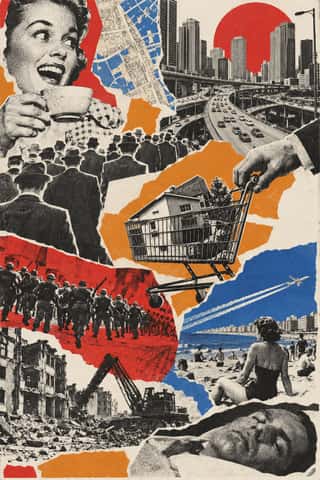
Photomontage
Cut and recombined photographs.
A design choice in Stylogeny’s vocabulary, under imagery: what kind of pictures, if any?
- styles make it
- 74
- as a defining choice
- 15
- as a usual one
- 31
- now and then
- 28
- avoid it
- 30
Styles defined by it 15
For these styles it is one of the choices that make the style.
- DadaBorn in wartime Zurich at the Cabaret Voltaire in 1916 and spreading to Berlin, Hanover, Cologne and Paris, Dada used chance, absurdity and provocation against the culture that had produced the war.
- Russian ConstructivismConstructivism rejected art for art's sake in favour of the artist-engineer building useful things for the new Soviet society.
- Italian Fascist Graphics (Romanità & Exhibition Photomontage)The visual language of Italian Fascism, which turned modernist means to a cult of Rome and of the Duce.
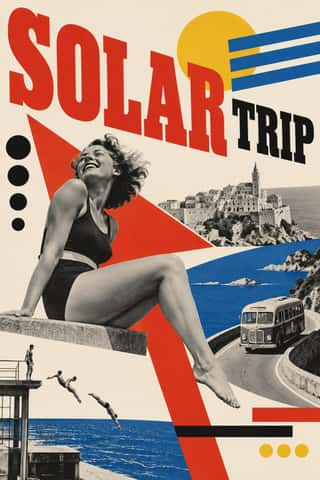
- AIZ Political Photomontage (Heartfield)The political photomontage John Heartfield made for the communist weekly AIZ from 1930 to 1938, in Berlin and, from 1933, in Prague exile.
- Nippon Kōbō & Tōhōsha Photo-Propaganda Magazines (NIPPON & FRONT)Luxury photo-propaganda magazines that imperial Japan sent abroad, 1934–45.
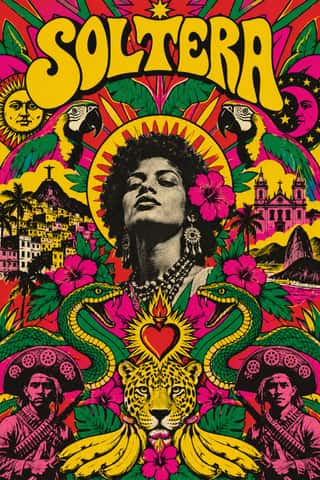

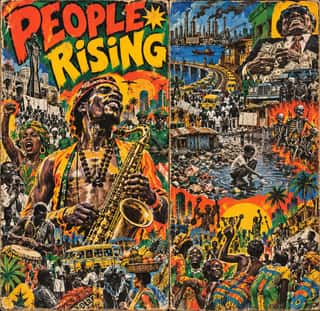
- Nigerian Pentecostal Crusade Poster & BillboardThe roadside adverts of Nigeria's Pentecostal and independent churches: billboards, banners and posters on poles, walls and bridges announcing crusades, revivals, conventions and night vigils.
- Nollywood Video Jacket & Film PosterThe cover and poster art of Nigeria's home-video boom, from Living in Bondage (1992) on.
- Tamil Nadu Flex BannersThe digitally printed vinyl boards, locally called flex banners, that fan clubs, party cadres, businesses and families have put up along the roads of Tamil Nadu since about 2000, as flex displaced hand-painted cinema banners and cut-outs over the following decade.

- YouTube Thumbnail Style (the 'YouTube Face')The custom thumbnail of YouTube's creator economy: a 16:9 still made to be read at fingernail size in a feed of recommendations.


Styles that often use it 31
A characteristic choice: usual in these styles, though not essential.
- BauhausThe German school founded by Walter Gropius in 1919 moved from Expressionist craft ideals to a programme of 'art and technology' after 1923, when Moholy-Nagy, Herbert Bayer and Joost Schmidt made its printing and advertising workshops a laboratory for functional communication.

- MavoTokyo's anarchist avant-garde, founded in July 1923 by Murayama Tomoyoshi, back from a year in Berlin, with four former Futurists, and its magazine MAVO (seven issues, July 1924 to August 1925).
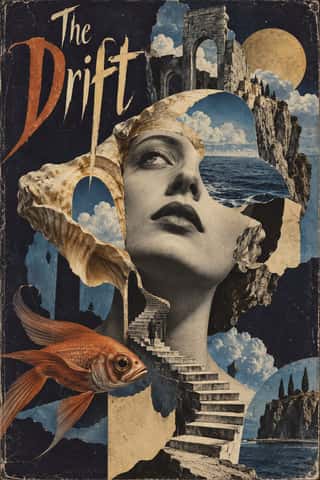
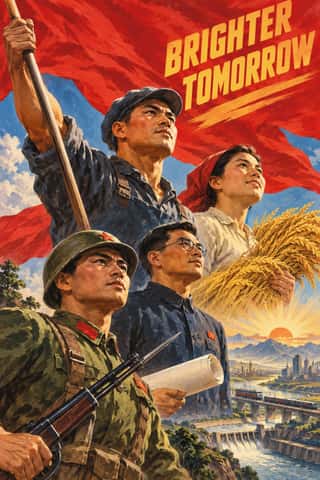
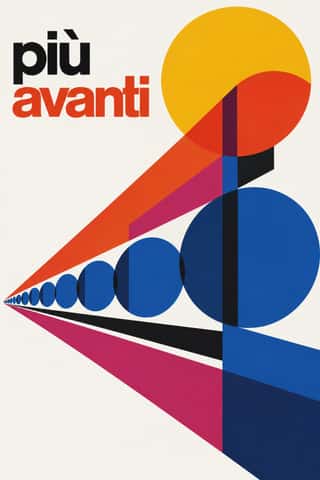
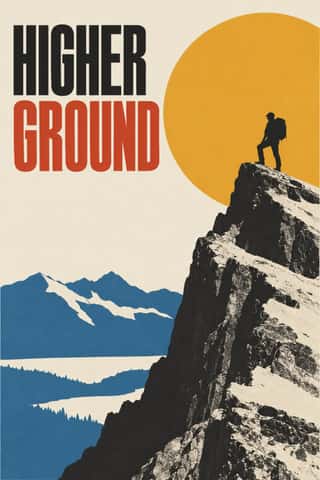


- Greek Tourism Modernism (EOT)The modernist image of Greece made for the National Tourism Organisation (EOT) by Michalis Katzourakis, its art adviser in 1960-1967, and by Frederick Carabott, who advised it until 1967; in 1962 the two also founded the K&K Athens Advertising Centre.
- Black Panther Party GraphicsThe visual language of the Black Panther Party, created largely by its Minister of Culture, Emory Douglas, for the weekly newspaper The Black Panther.
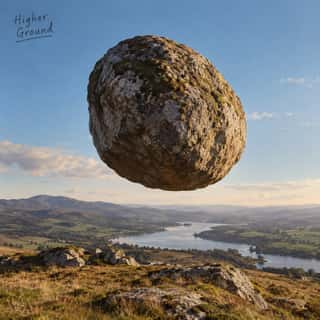
- Swiss Punk / New Wave TypographyA rebellion from inside the Swiss school: Wolfgang Weingart and his Basel students kept the grotesque and the grid but set them in motion with extreme letterspacing, stepped and angled lines, rules and bars, enlarged halftone screens and layered film montage.

- Grapus (French Militant Graphic Collective)The posters and identities of Grapus, a Paris collective founded in 1970 by Communist Party members who had met in the 1968 poster workshops.
- Punk & DIY ZineThe graphic voice of punk rock in fanzines, record sleeves and gig flyers: images and words cut from newspapers, typed or scrawled, pasted down and run off on a photocopier.

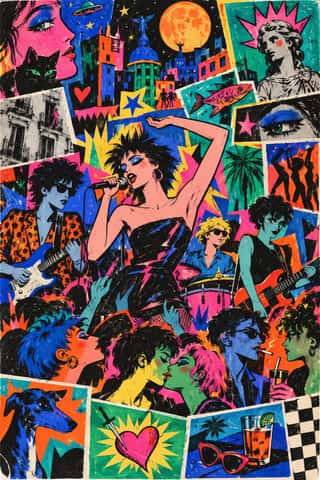
- Iranian Revolutionary & Sacred Defence PosterPosters, murals and stamps of the 1978–79 Iranian Revolution and the 1980–88 war with Iraq, which fused the red-white-black international revolutionary poster with Persian miniature and coffeehouse narrative painting.

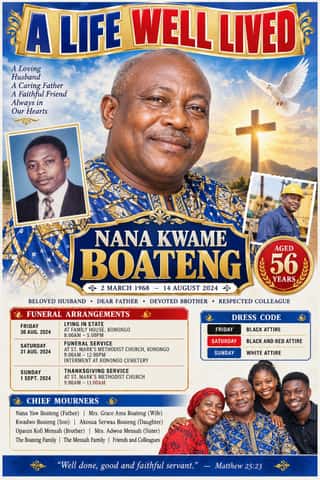
- South African Vernacular Design (Ijusi)A post-apartheid design language launched in Durban in 1995 by Garth Walker's Orange Juice Design and its free, experimental magazine Ijusi (isiZulu for 'juice'), which asked 'What makes me South African, and what does that look like?'.
- Internet Ugly & Meme VernacularA deliberately amateur image dialect of forums, imageboards and social feeds, named 'Internet Ugly' by Nick Douglas in 2014.

- 'Good Morning' Greeting Images (WhatsApp Forward Vernacular)The ready-made greeting pictures that millions of smartphone users, many of them older and new to the internet, forward to family, friends and groups each morning on WhatsApp, above all in India and Brazil.
- Hong Kong Protest Art (Umbrella Movement to the 2019–20 Protests)The graphics of Hong Kong's democracy protests, from the 2014 Umbrella Movement to the national security law of 2020, in two linked media.


Styles that use it now and then 28
An occasional choice in these styles.
- Indian Calendar & Bazaar Art1878–present
- Italian Futurism1909–1944
- Australian Travel Poster (ANTA Era)1929–1959
- Egyptian Painted Film Poster1932–1996
- Estado Novo Folk Modernism (SPN)1933–1949
- Penguin Paperback Design (Three Bands to the Marber Grid)1935–1972
- Spanish Civil War Poster1936–1939
- Drum Magazine & Sophiatown Photojournalism1951–1965
- Zagreb School of Animated Film1954–1980
- Turkish Modernist Poster & Graphic Design1959–2000
- Bossa Nova Sleeve Modernism (César Villela and Elenco)1960–1968
- Di Tella Graphic Design (Instituto Torcuato Di Tella)1960–1970
- Hong Kong East–West Graphic Modernism1964–present
- Psychedelic Poster1965–1973
- Gráfica del 68 (Mexican Student Movement Graphics)1968
- Turkish Weekly Humour Magazines (Gırgır to Uykusuz)1972–2025
- Ethiopian Revolutionary Poster (Derg Era)1974–1991
- Lebanese Civil War Party Poster1975–1990
- Post-Punk Record Sleeve (Stiff, Factory, 4AD)1977–1990
- Stencil Street Art1978–present
- NSK Retro-Avant-Garde1980–present
- Solidarność & Polish Underground Graphics1980–1989
- Out-of-Square Hangul Typography1985–present
- ACT UP & Gran Fury AIDS Activist Graphics1987–1995
- Grunge Typography1990–2000
- Indian Pop-Kitsch Design (Desi Kitsch)1997–present
- Syrian Revolution Graphics (Kafranbel Banners & Poster Collectives)2011–2024
- Ukrainian Wartime Graphics (Saint Javelin, War Stamps and Be Brave Like Ukraine)2022–present
It often goes with
Choices that the styles making it make more often than the atlas as a whole.
- Collage & layeringin 58 of 74
- Treated photographyin 42 of 74
- Found & vernacular imageryin 38 of 74
- Ironic & self-awarein 38 of 74
- Extreme scale contrastin 54 of 74
- Straight photographyin 38 of 74
Styles that avoid it
Styles that deliberately leave it out.
- Urdu Katib Lithography1837–present
- Nirnaya Sagar Devanagari Typography (Bombay Metal Type)1864–present
- Spanish Bullfight Poster (Cartel Taurino)1879–present
- Simplicissimus Satirical Style (Munich)1896–1944
- Russian Futurist Book1910–1920
- Hungarian Revolutionary Poster1912–1919
- Vorticism & BLAST Typography1914–1920
- Kultur-Lige & Yiddish Avant-Garde Book Design1917–1924
- Wendingen & Amsterdam School Typography1918–1932
- Basel Object Poster (Swiss Sachplakat)1919–1955
- ROSTA Windows1919–1922
- Brazilian Modernismo Graphics (Klaxon and the Semana de 22)1922–1929
- Leningrad Avant-Garde Picture Book1922–1936
- Ligne Claire (Franco-Belgian Clear Line)1929–present
- Mexican Calendar Chromo (Cromos calendáricos)1930–1970
- Chinese Modern Woodcut Movement1931–1949
- Puerto Rican Silkscreen Poster (DIVEDCO & ICP)1946–1989
- Escuela Bruguera (Spanish Humour Comics)1947–1986
- Fotoromanzo (Italian Photo-Romance)1947–present
- French Post-War Visual-Gag Poster (Savignac, Villemot, Morvan)1948–1979
- Chinese National-Style Animation (Shanghai Animation Film Studio)1956–1989
- Woodland School (Legend Painting)1962–present
- Soviet Central Asian Ornamental Modernism1966–1999
- Kinshasa Popular Painting1970–present
- Pardhan Gond Painting (Jangarh Kalam)1981–present
- L'Association and French Alternative Comics1990–present
- Bitterkomix (Afrikaans Underground Comics)1992–present
- Polish Information Picture Book (Dwie Siostry)2008–present
- Illustrated Rom-Com Book Cover (Cartoon Couple Cover)2016–present
- Book Blob (Abstract Colour-Blob Literary Fiction Cover)2019–2023