Ornament · Level
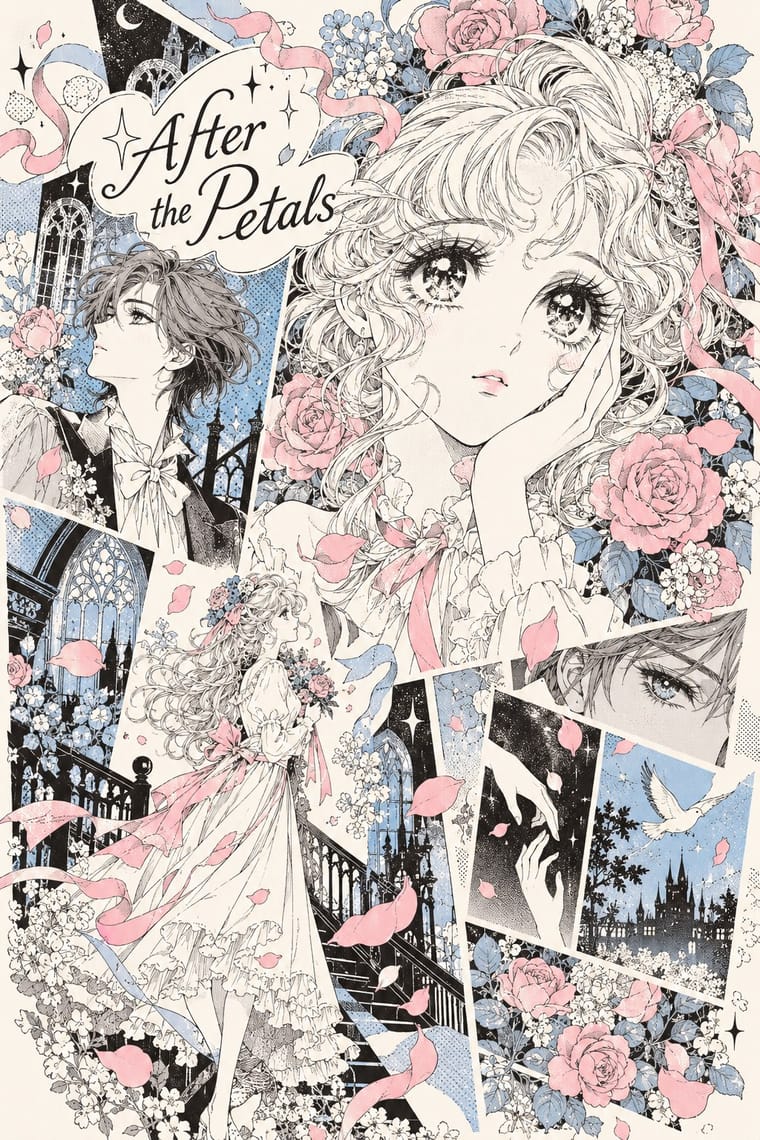
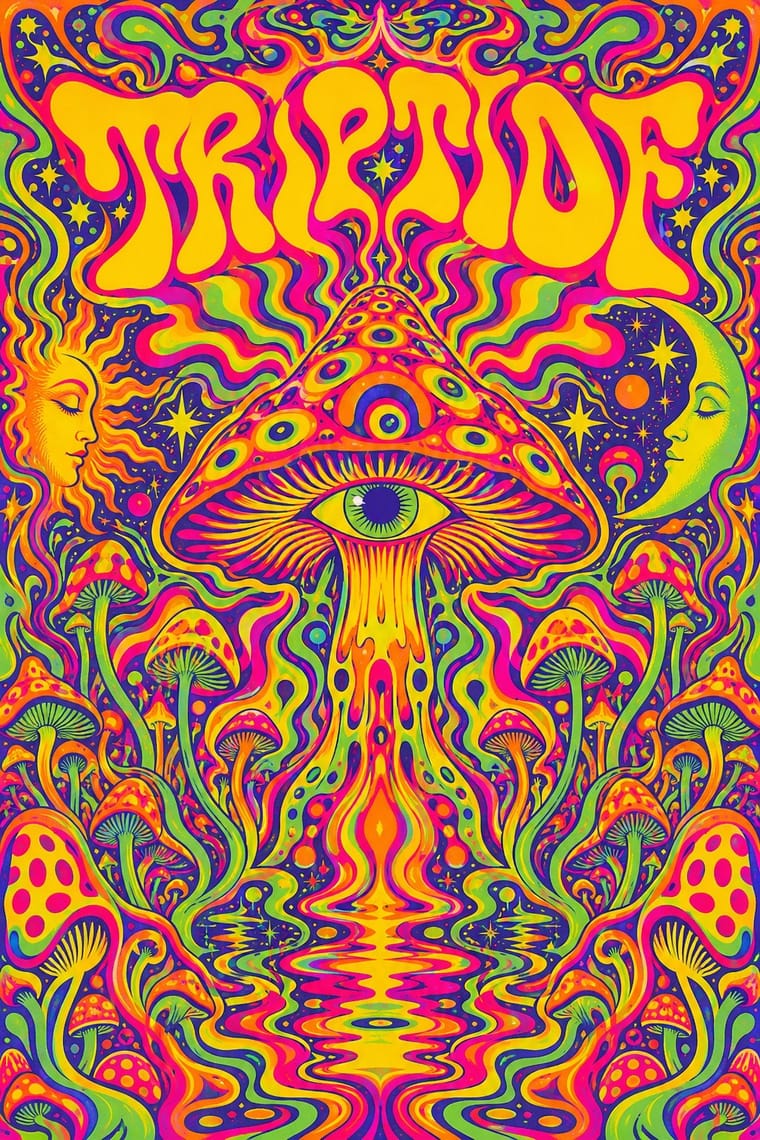
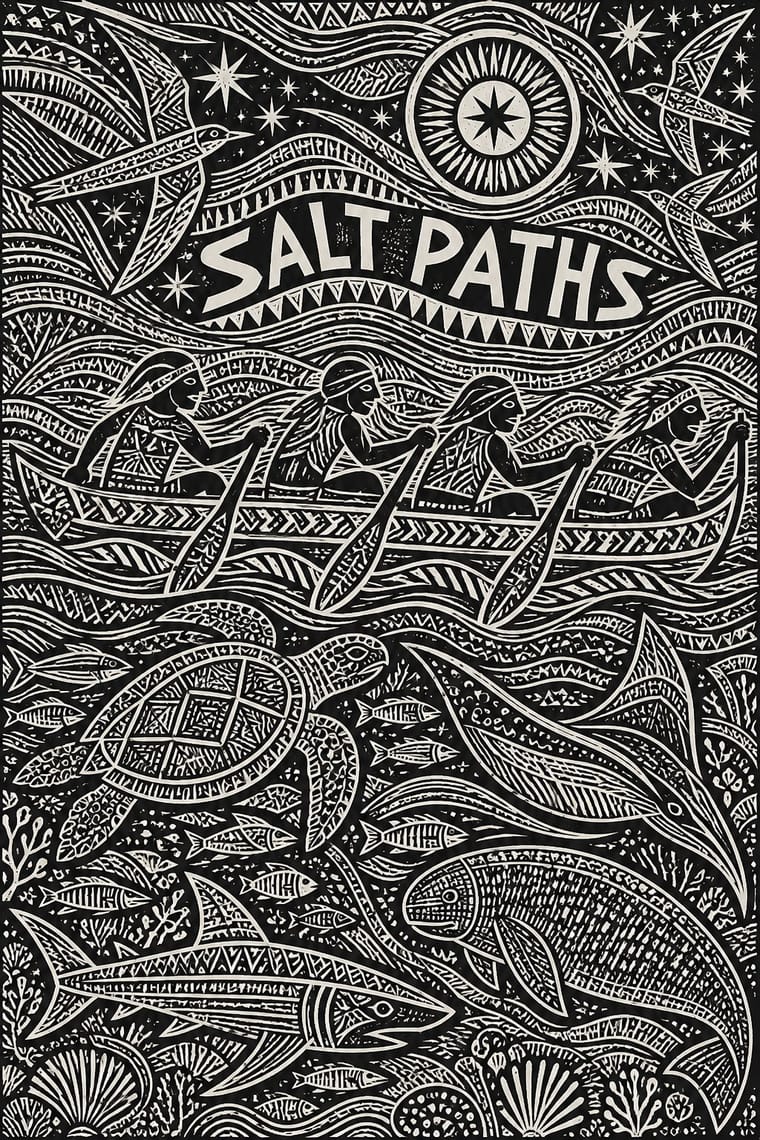
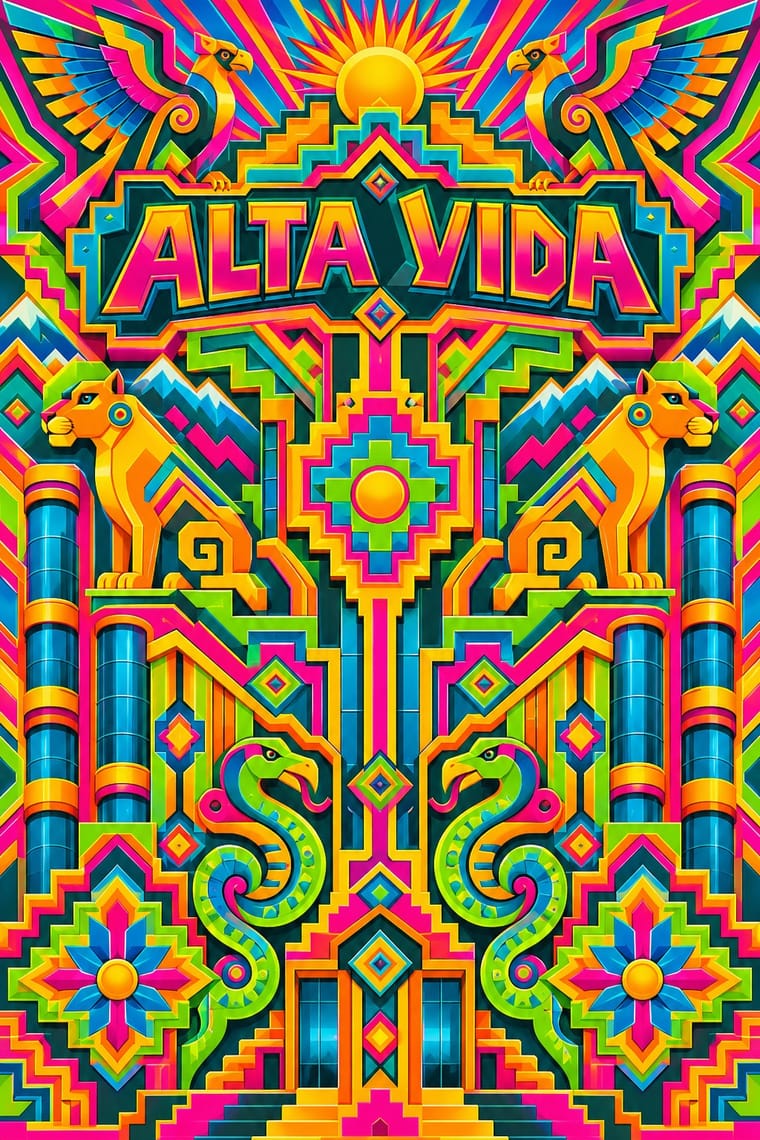
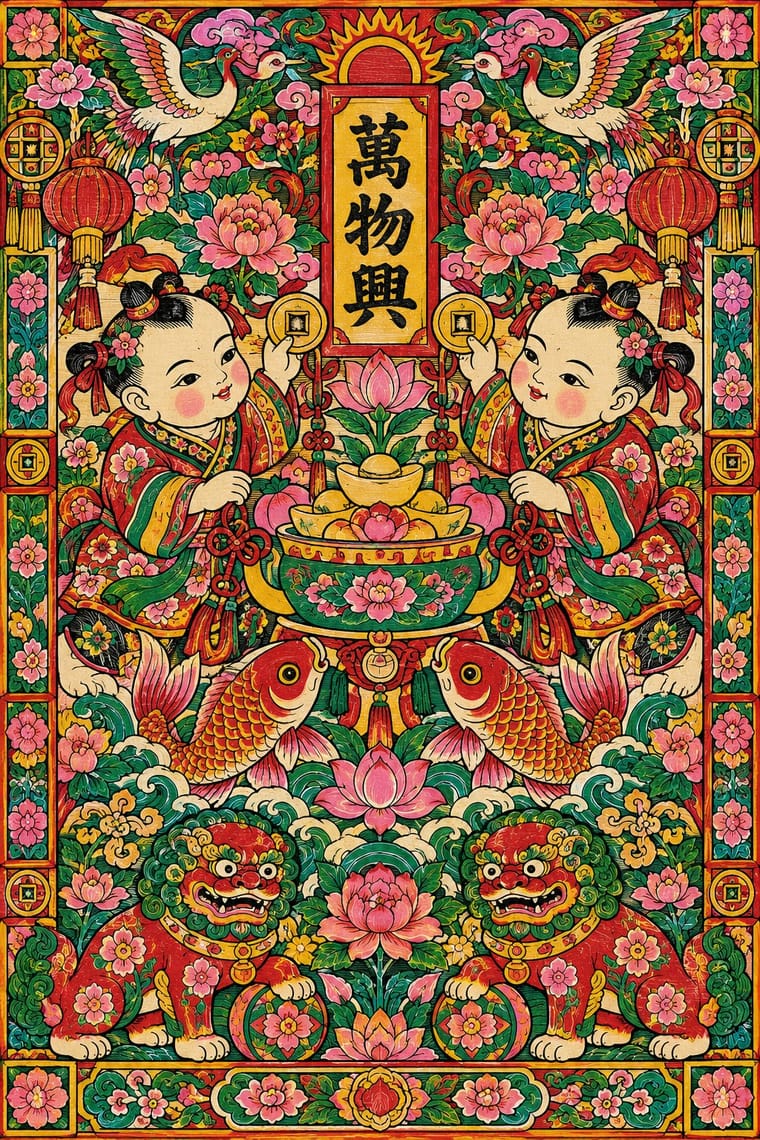
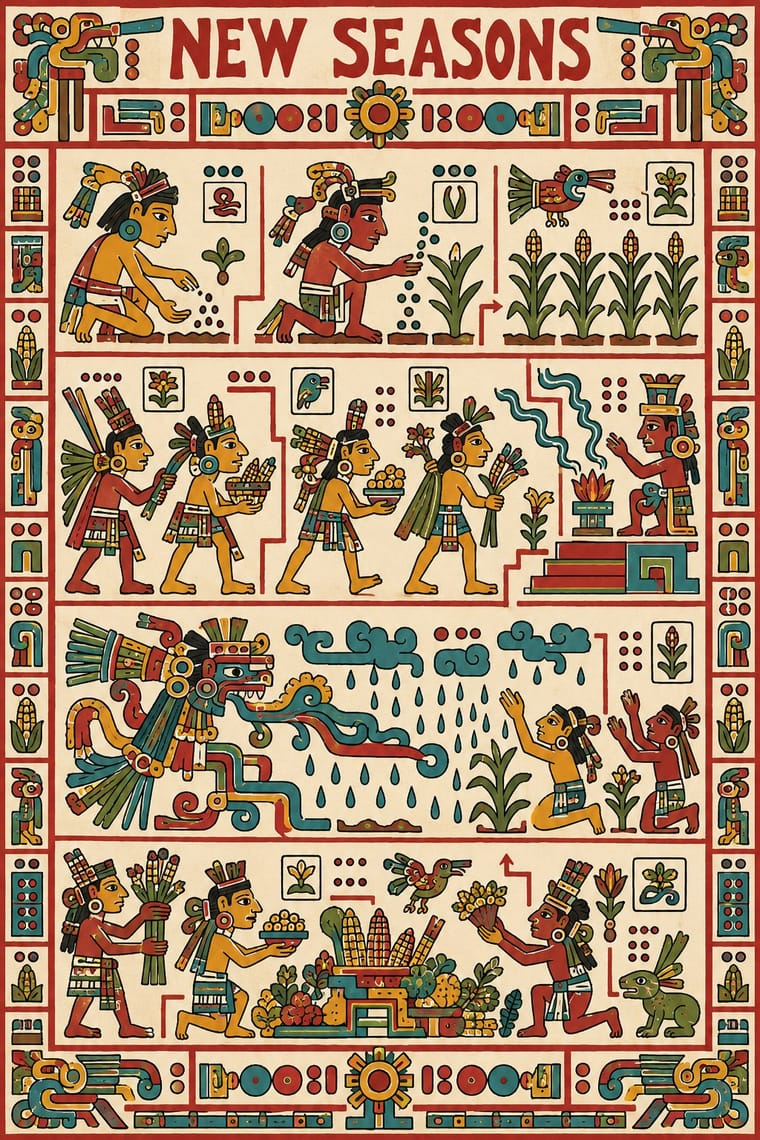
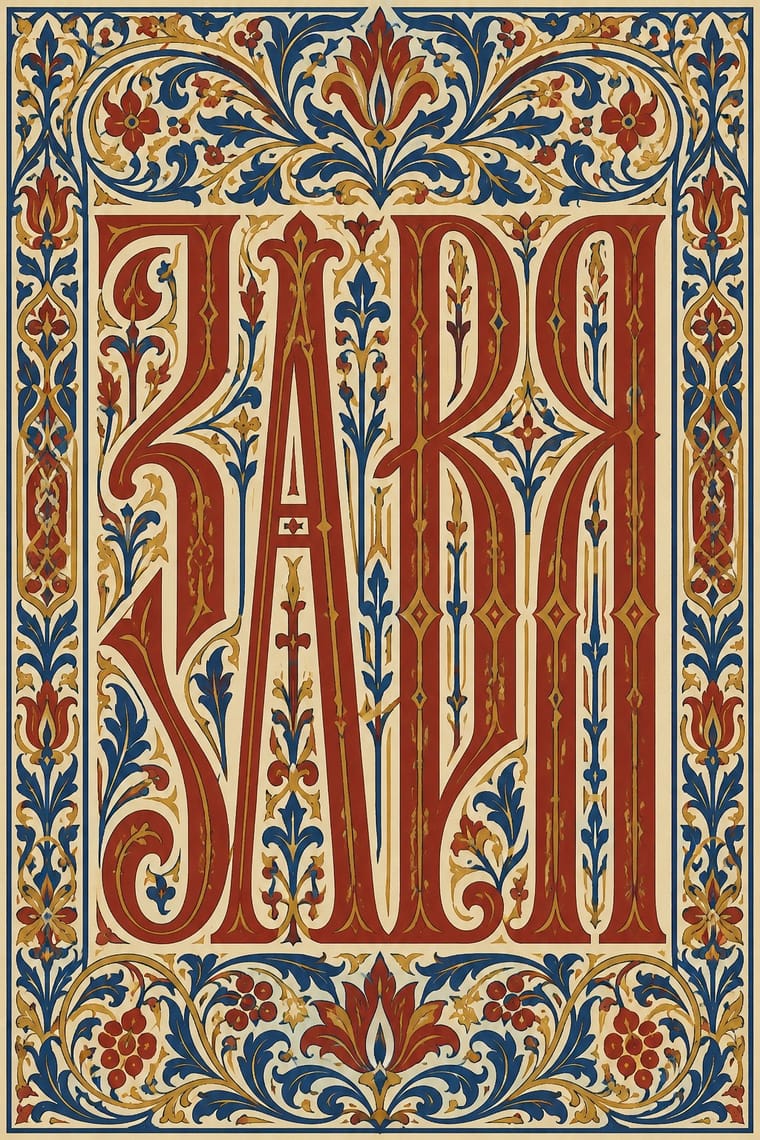
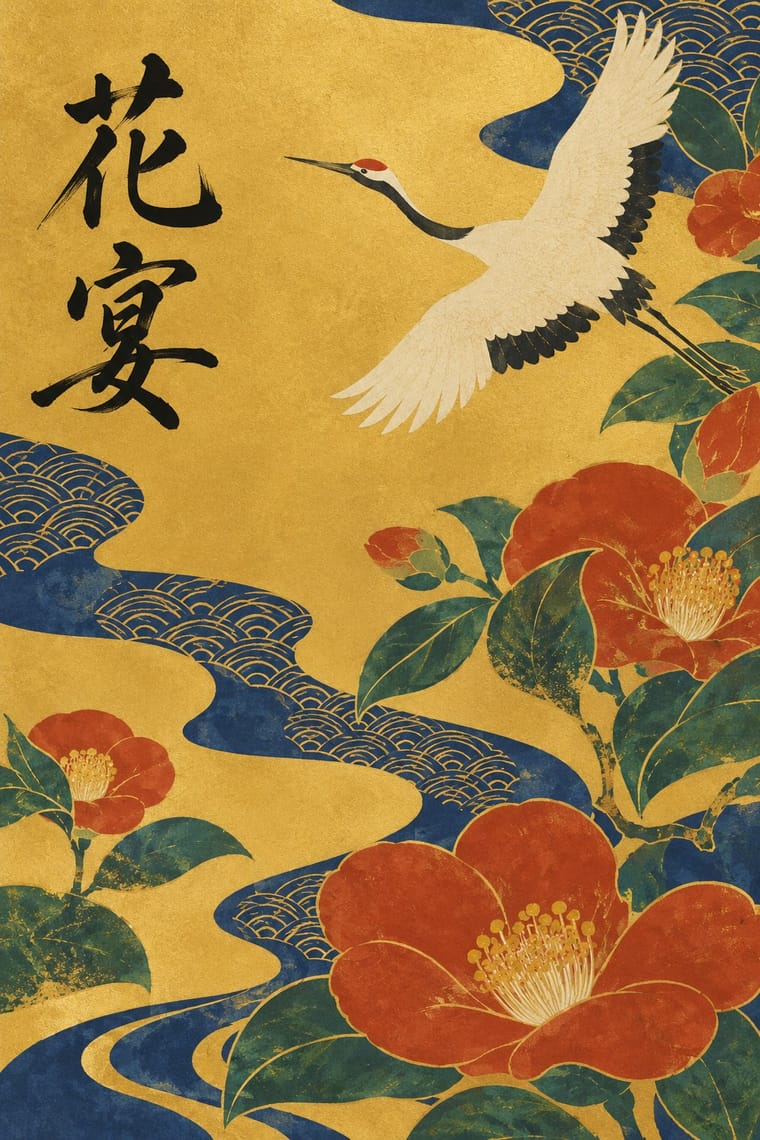
Abundant decoration
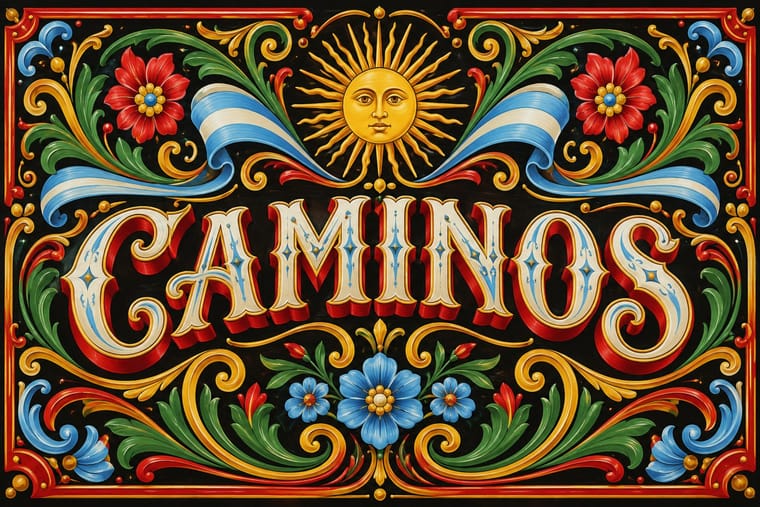
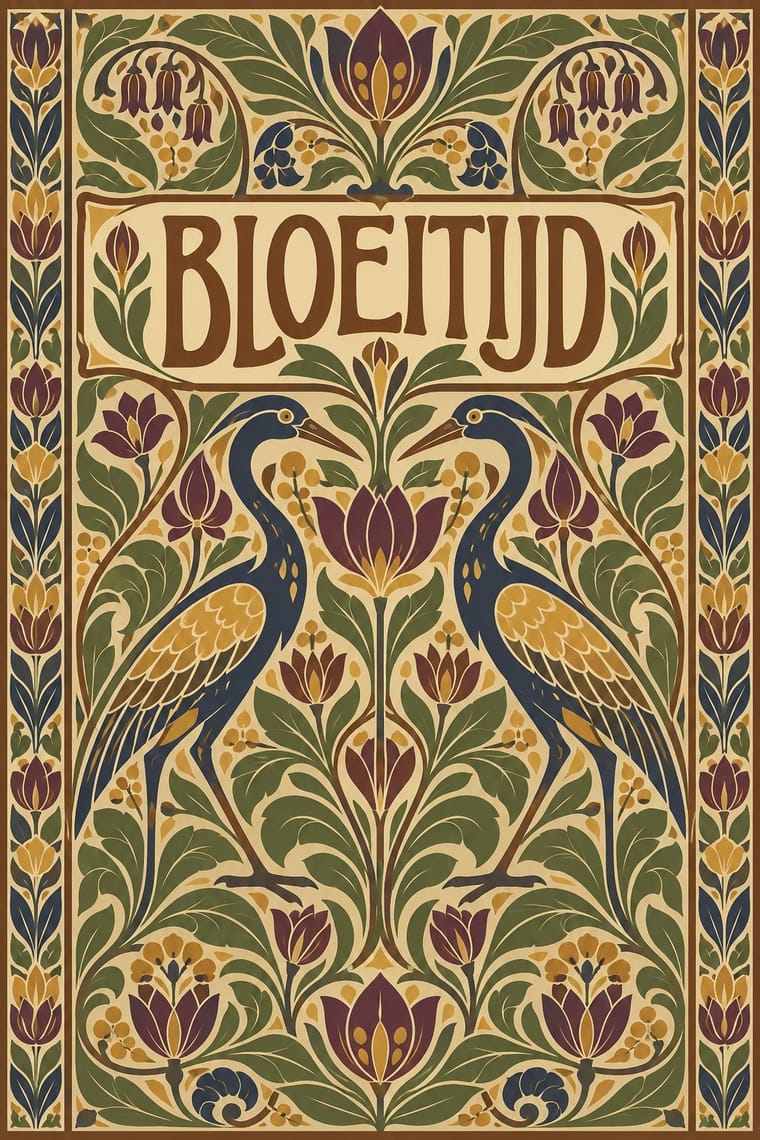
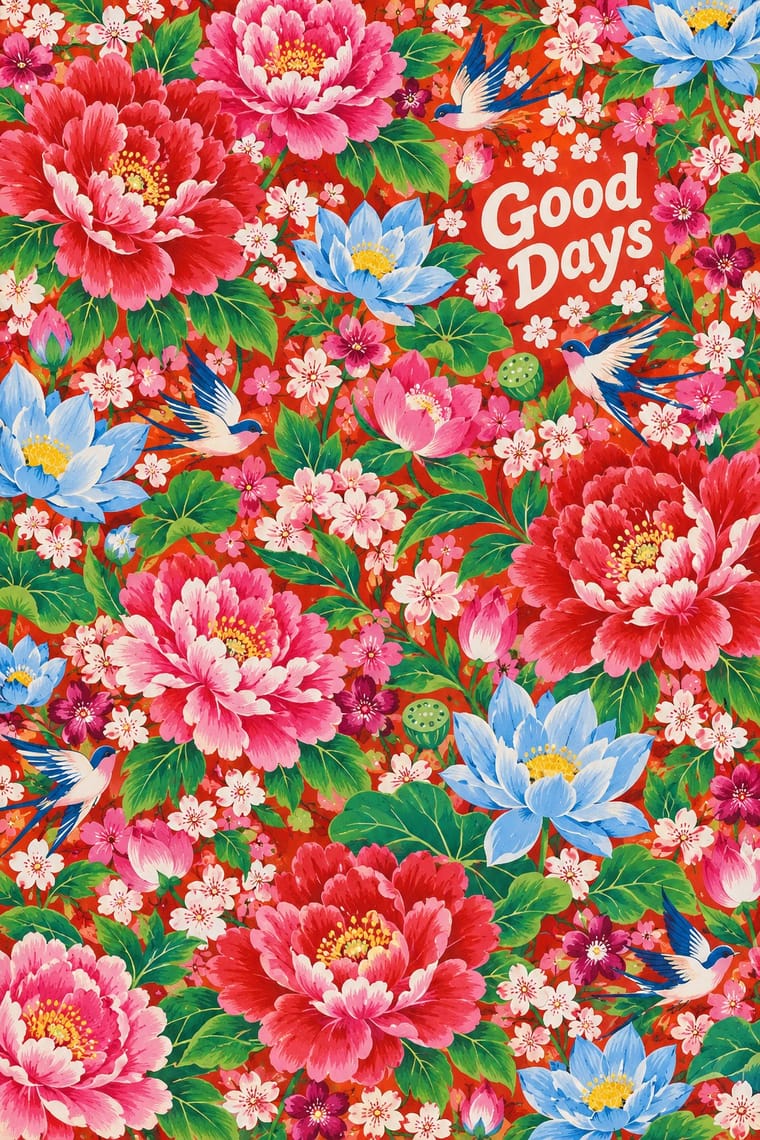
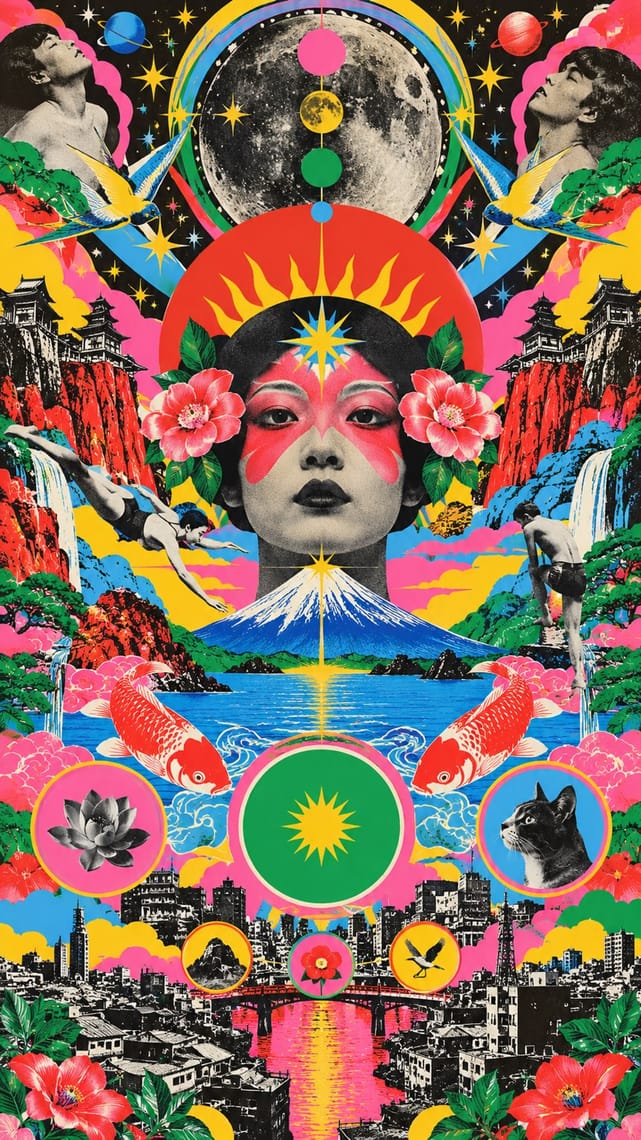
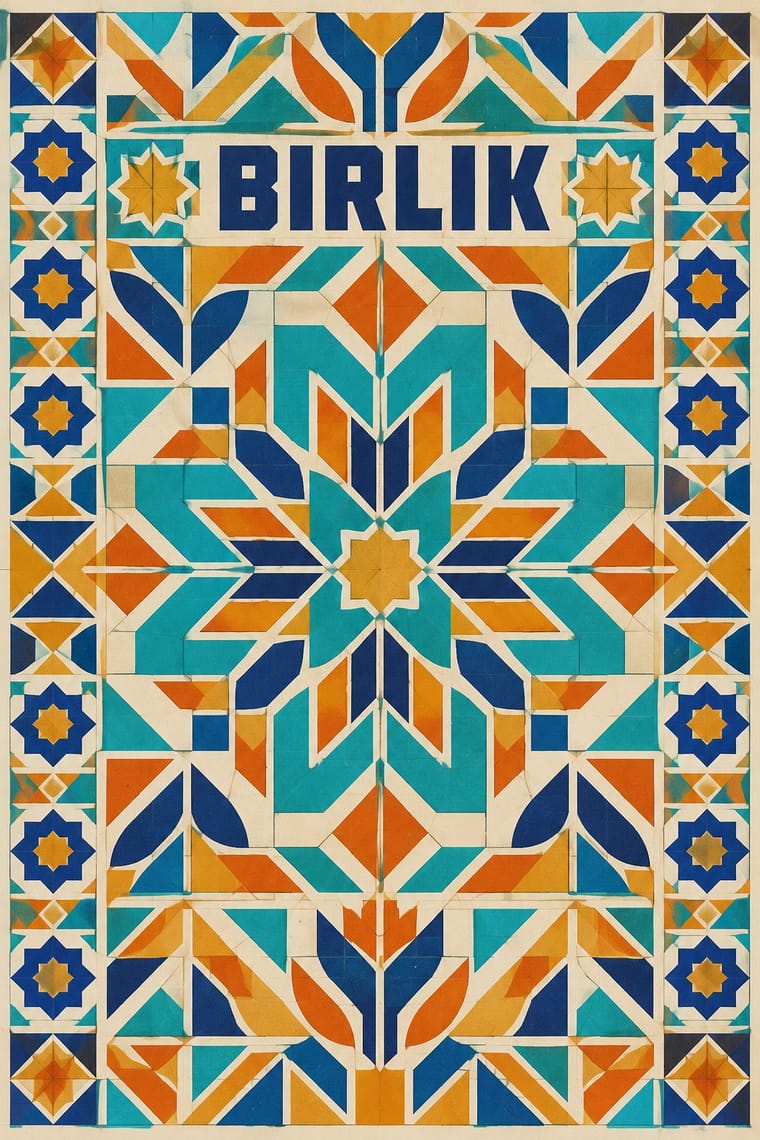
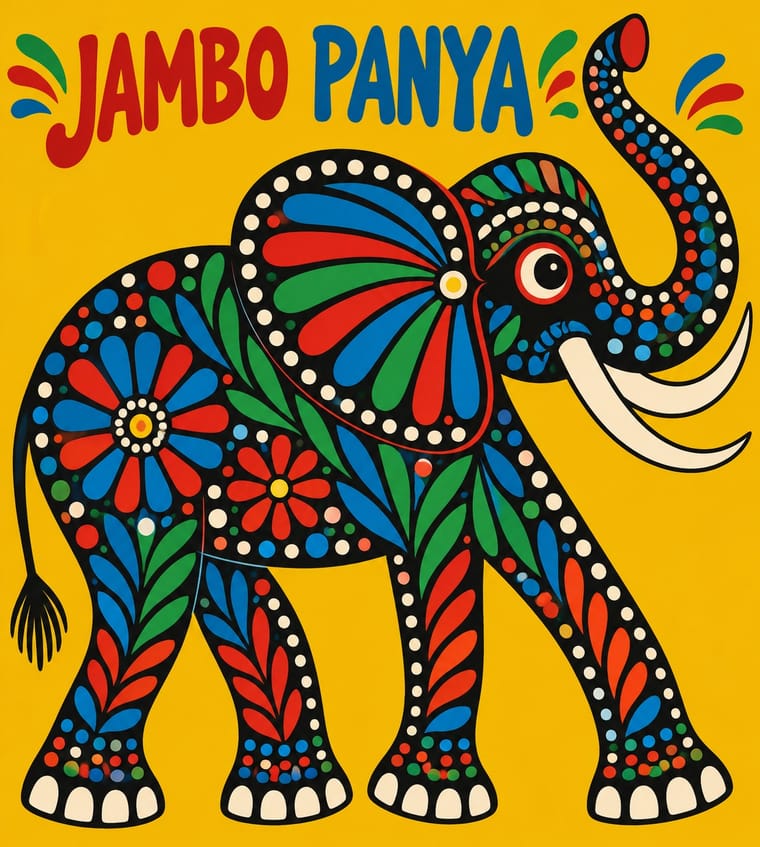
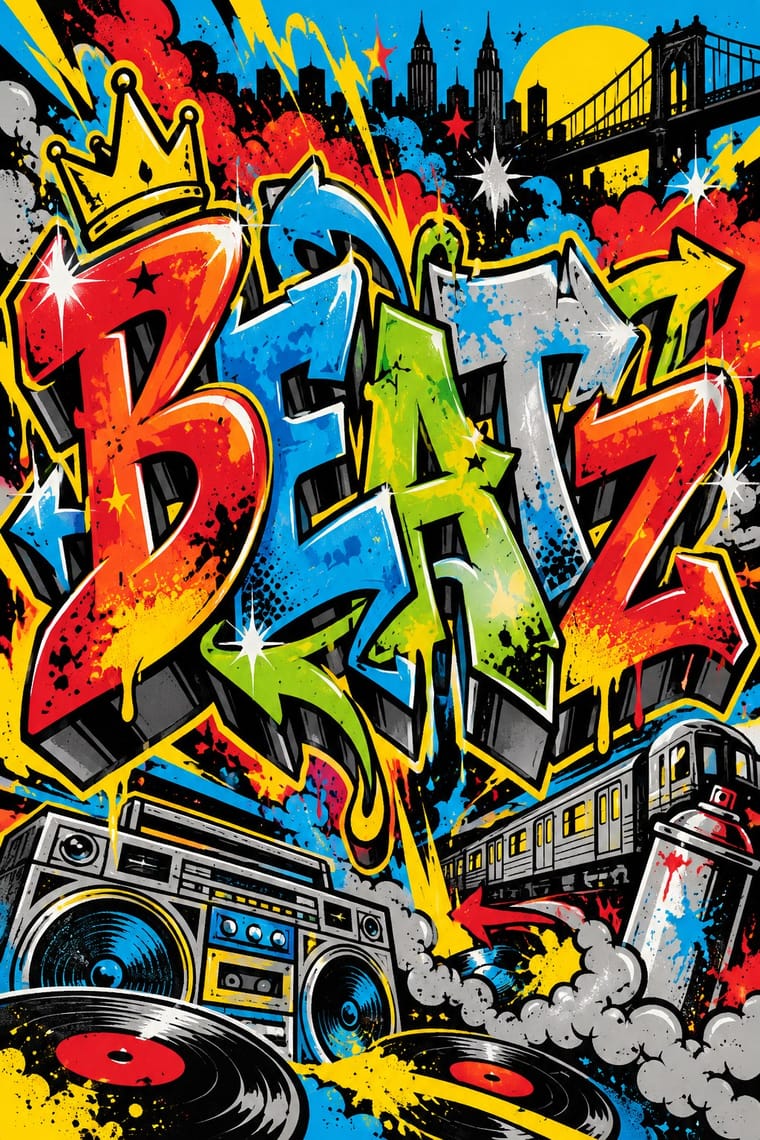
Decoration is primary content.
A design choice in Stylogeny’s vocabulary, under ornament: how much decoration, and of what kind?
- styles make it
- 81
- as a defining choice
- 20
- as a usual one
- 38
- now and then
- 23
- avoid it
- 136
Styles defined by it 20
For these styles it is one of the choices that make the style.
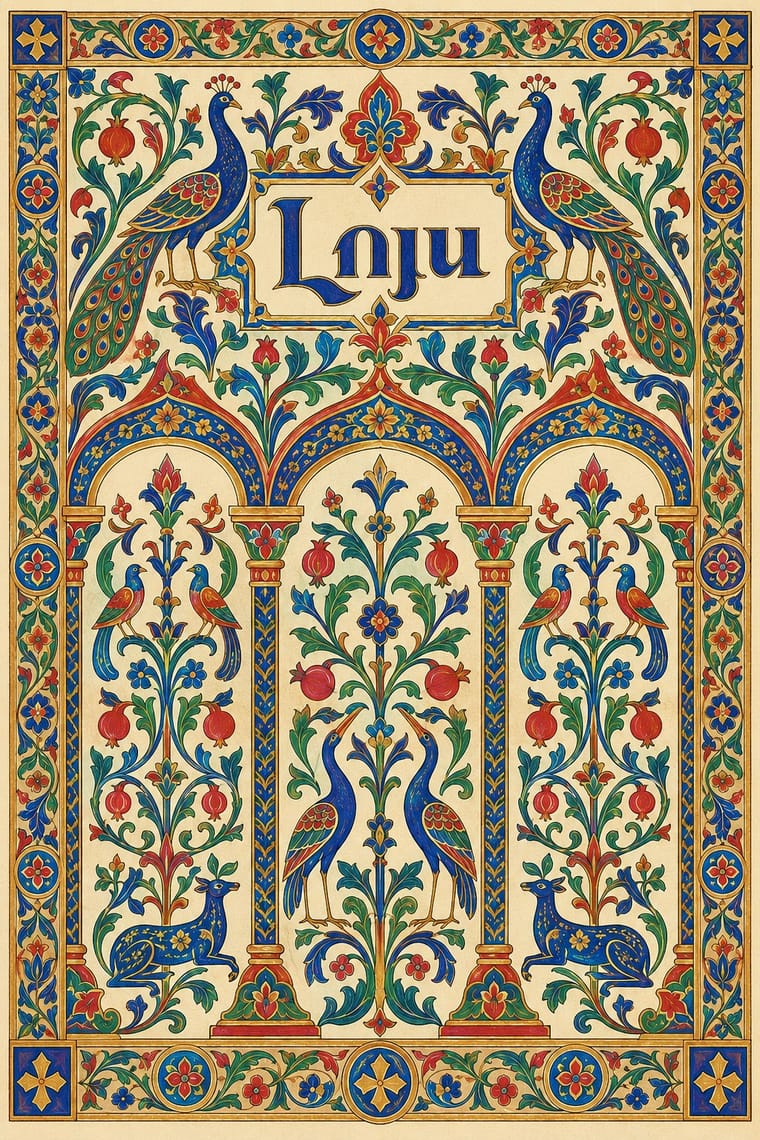
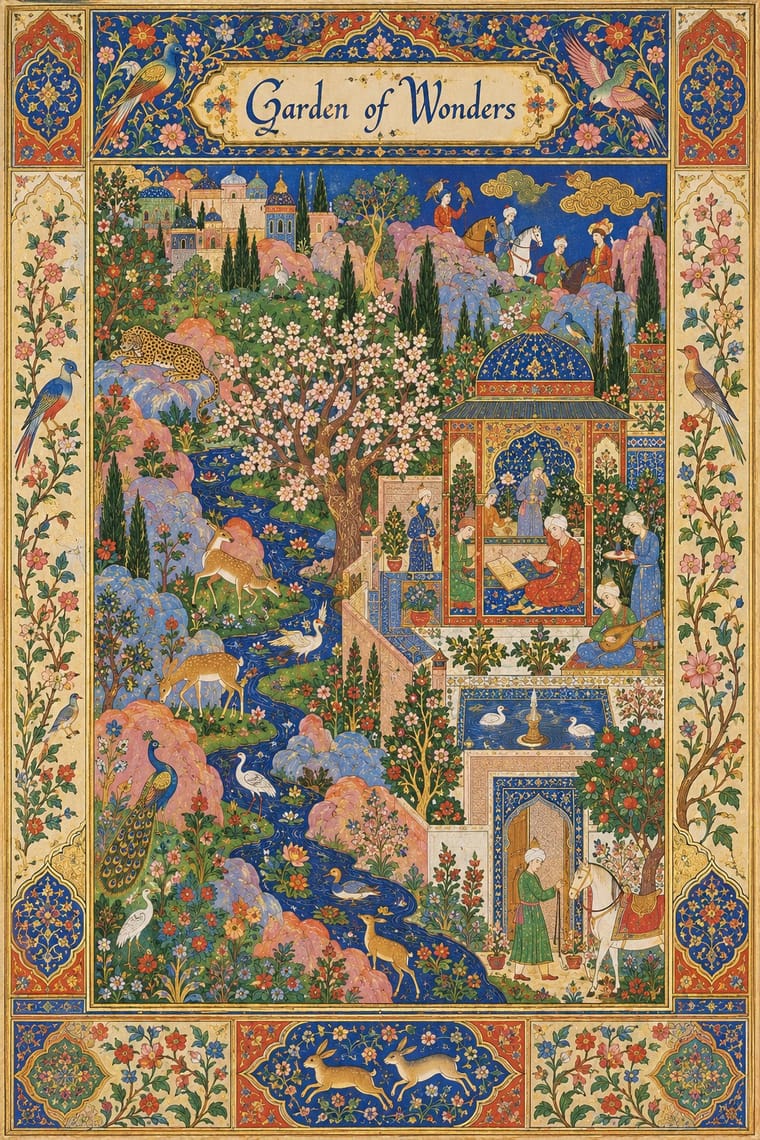
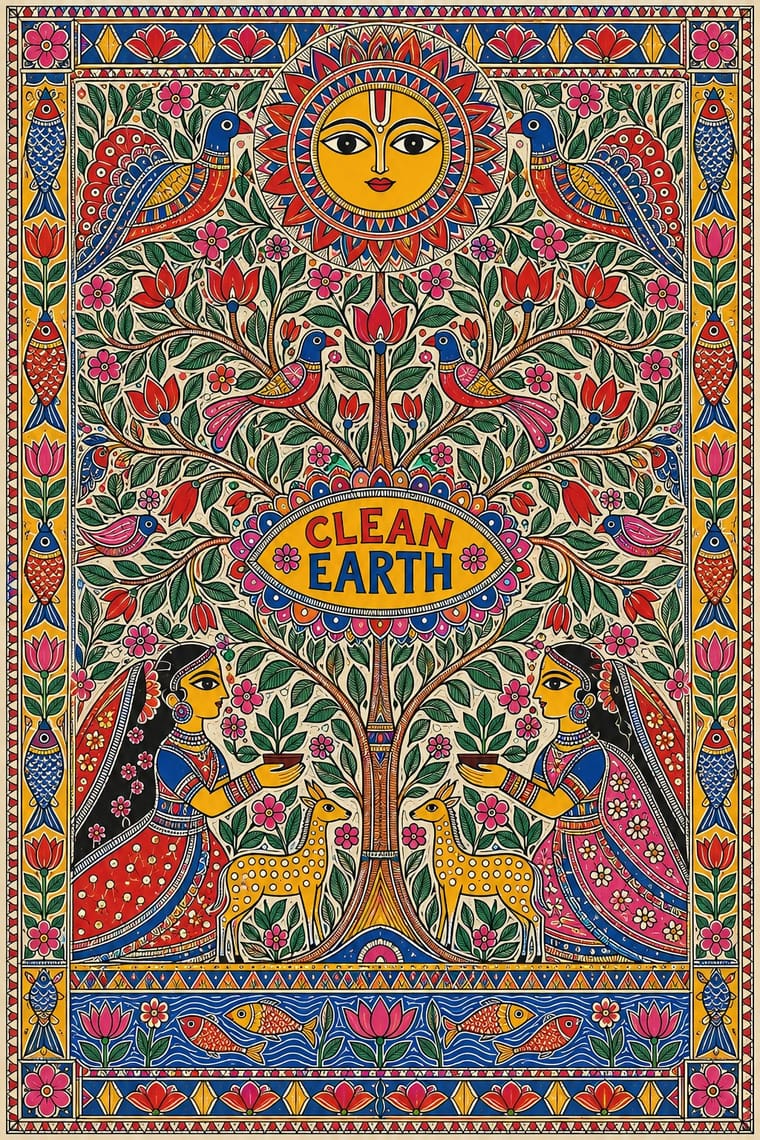
- Javanese Wayang Kulit (Tatah Sungging)The visual language of Javanese shadow puppets: flat figures cut from buffalo parchment, with head and legs in profile, shoulders turned to the front and long jointed arms worked by horn rods.
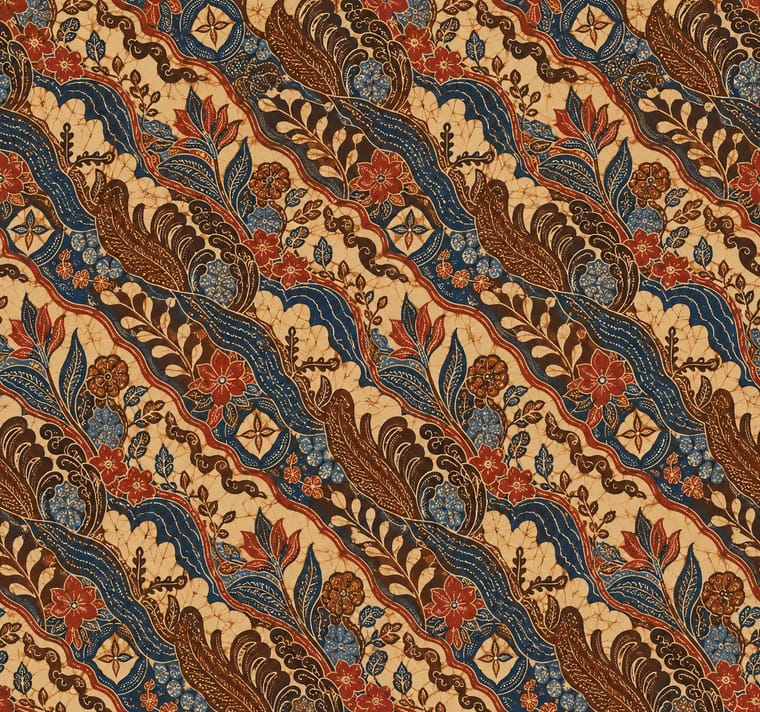
- Guna MolaThe reverse-appliqué blouse panels of Guna women in Panama, made by cutting through two to seven stacked layers of cotton so that every shape is ringed by echoing bands of the colours beneath.
- Bezalel SchoolThe house style of the Bezalel School of Arts and Crafts, opened in Jerusalem by Boris Schatz in 1906 with E.
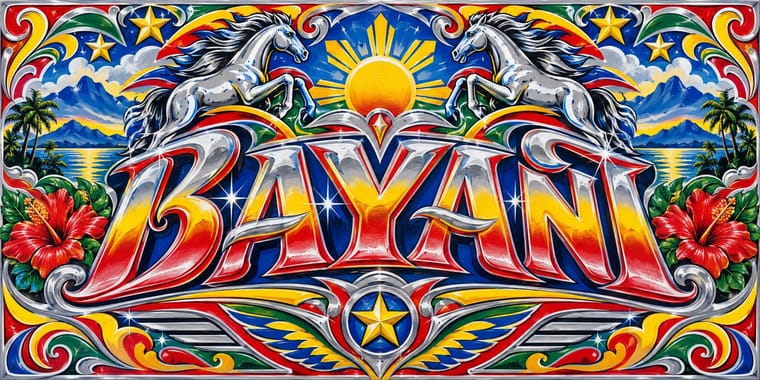
- Pakistani Truck ArtThe total decoration of Pakistan's trucks and buses, which grew from company marks and saints' portraits painted in the late 1940s into a workshop art in which painters, metalworkers, woodcarvers and reflective-tape specialists collaborate on each vehicle.
Styles that often use it 38
A characteristic choice: usual in these styles, though not essential.
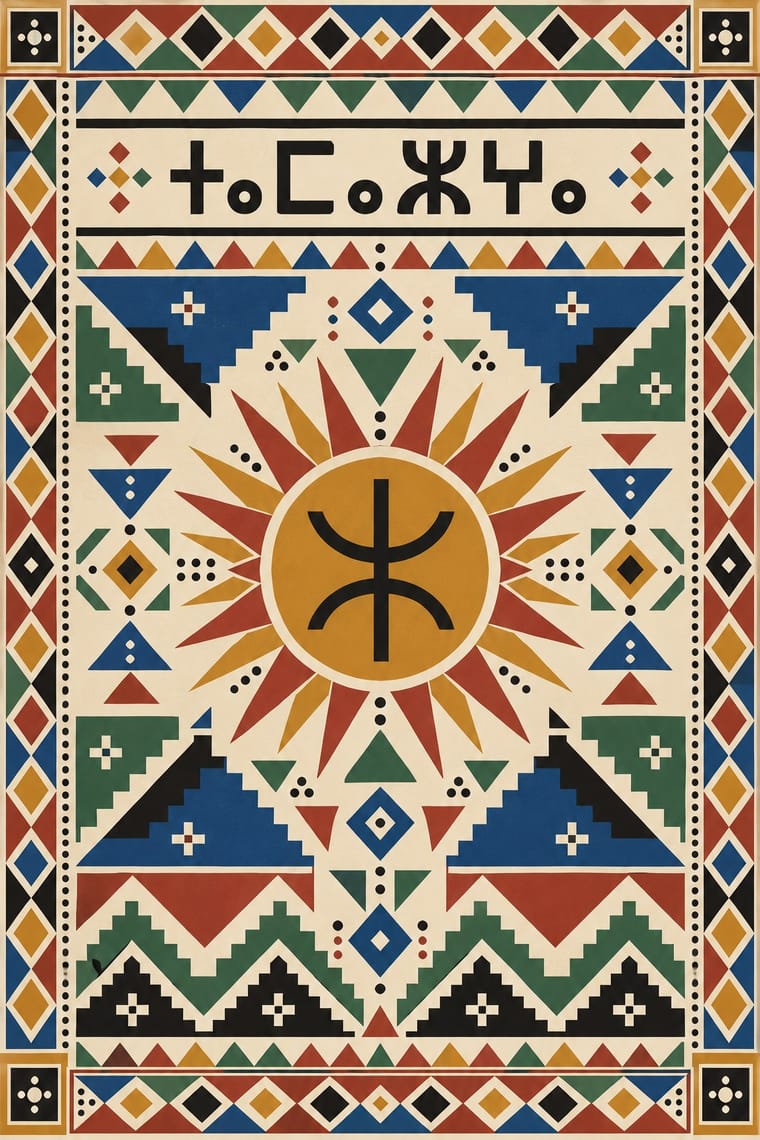
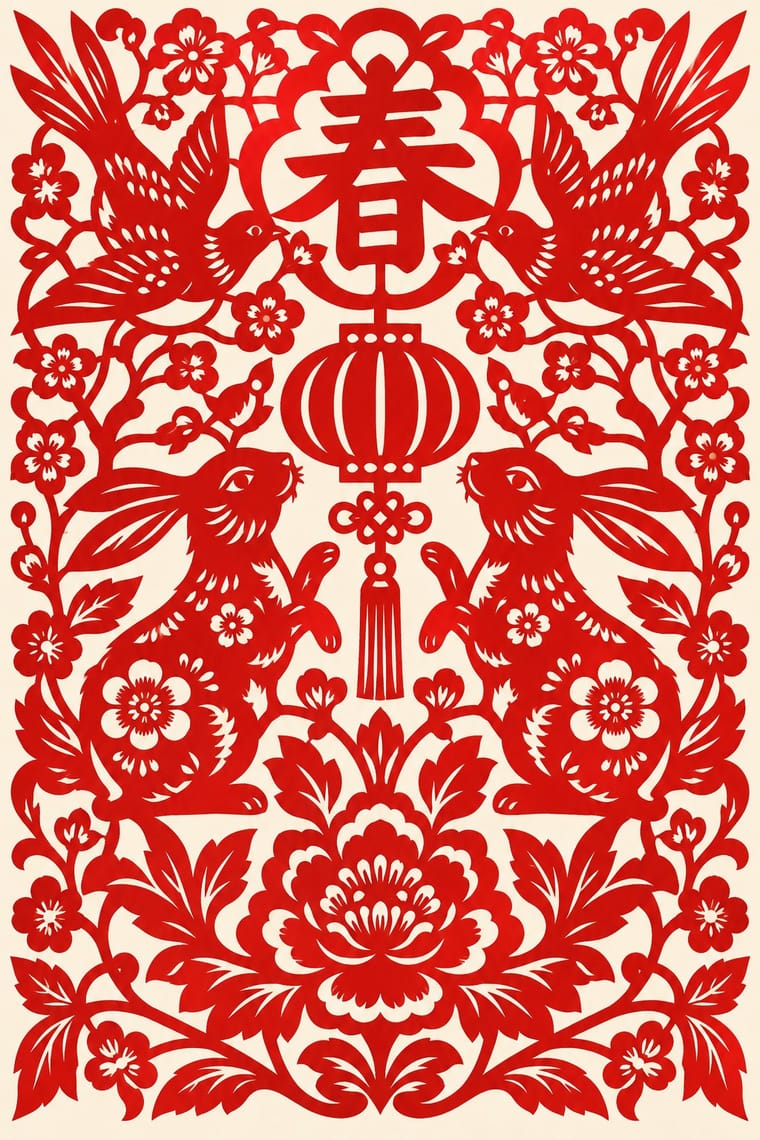
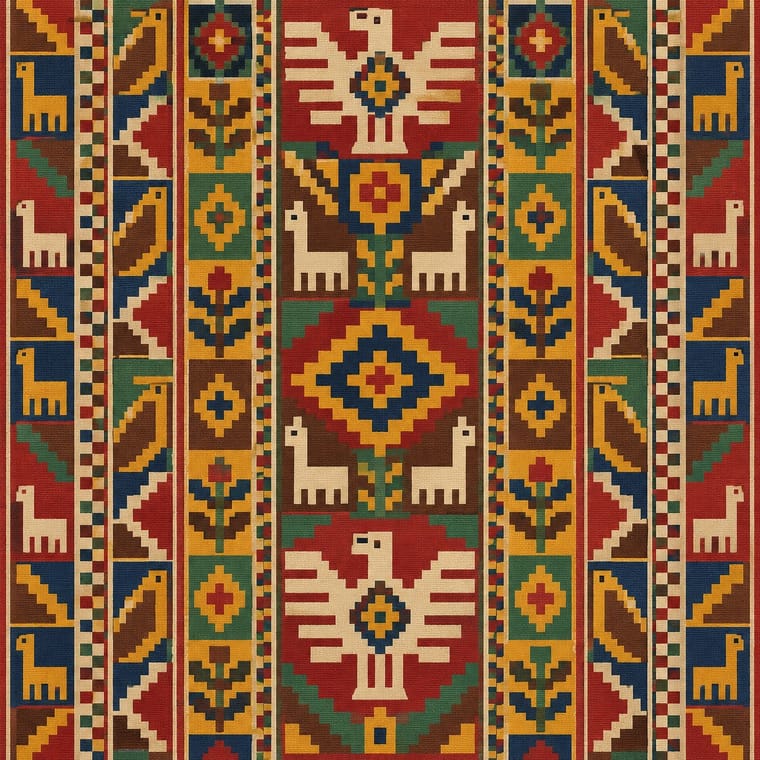
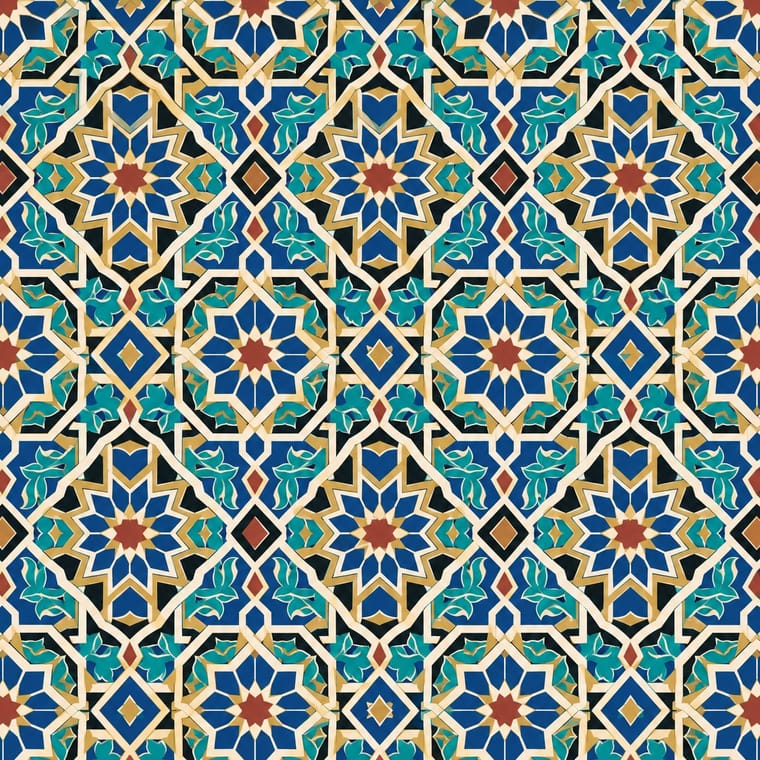
- Hebrew MicrographyA Jewish scribal art in which lines of minute Hebrew script, usually the Masoretic notes that guard the biblical text, are written so that the line itself draws: interlaced frames and star rosettes on full carpet pages, and animals, knights, fish and grotesques in the margins.
- Ottoman Tughra & Dîvânî Chancery CalligraphyThe Ottoman sultan's calligraphic monogram and the chancery hand written beneath it.
- Kōwhaiwhai & Toi Māori DesignToi Māori, the visual arts of the tangata whenua of Aotearoa, of which kōwhaiwhai, the painted scroll patterns of paddles and meeting-house rafters, is the most graphic strand.
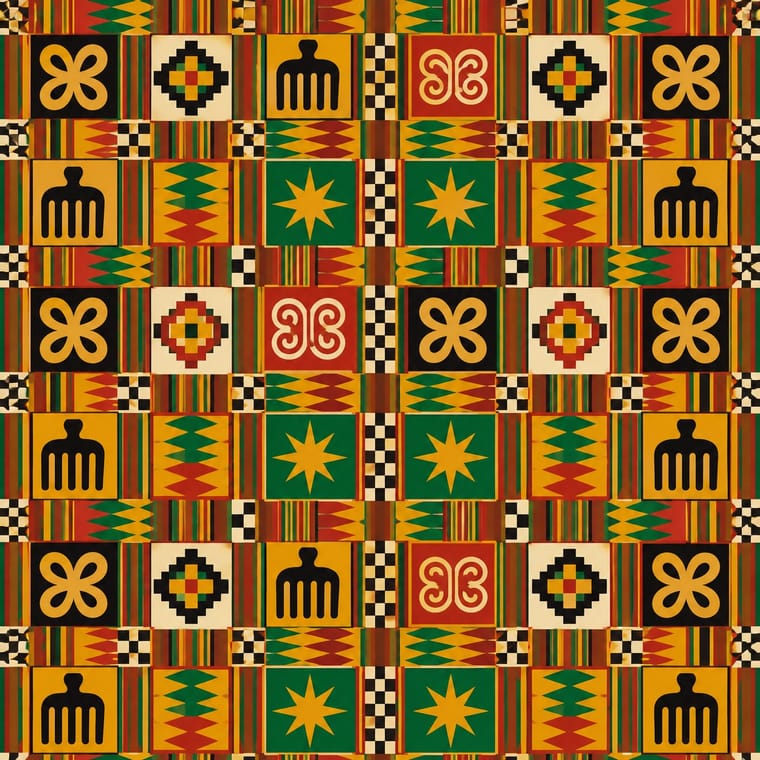
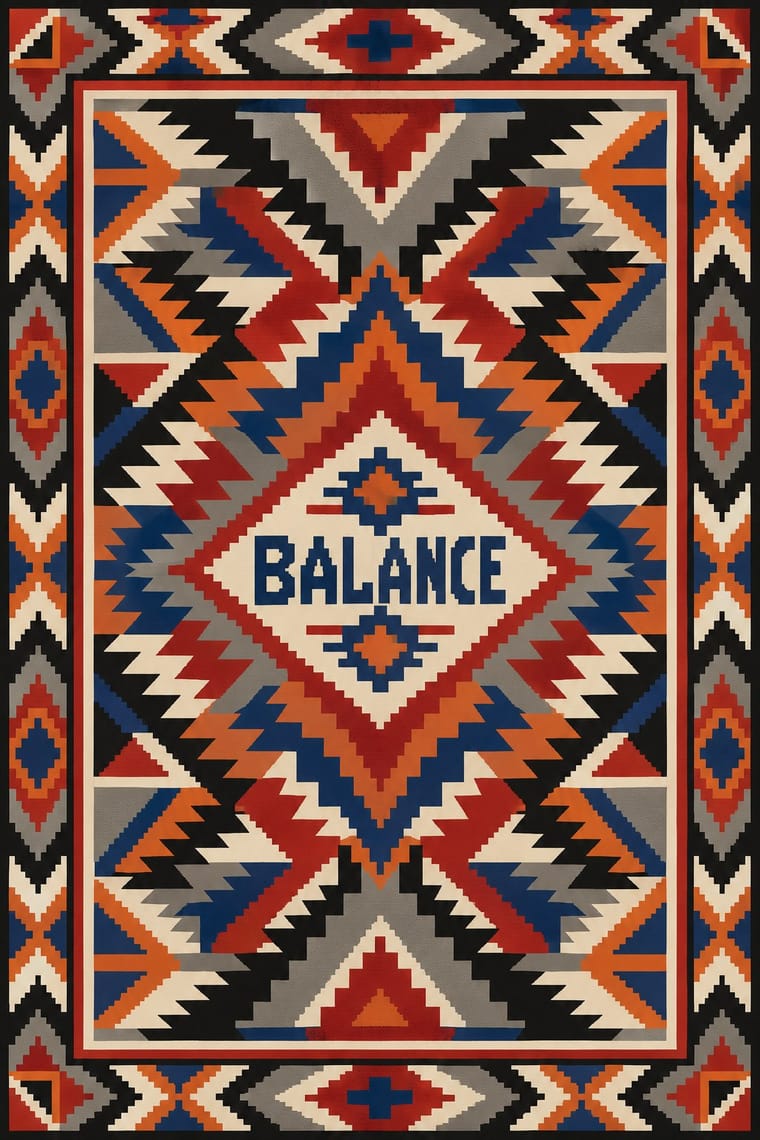
- Northwest Coast Formline DesignThe two-dimensional design system of the northern Northwest Coast nations, painted, carved and woven onto boxes, house fronts, robes and hats, and printed as serigraphs since the 1960s.
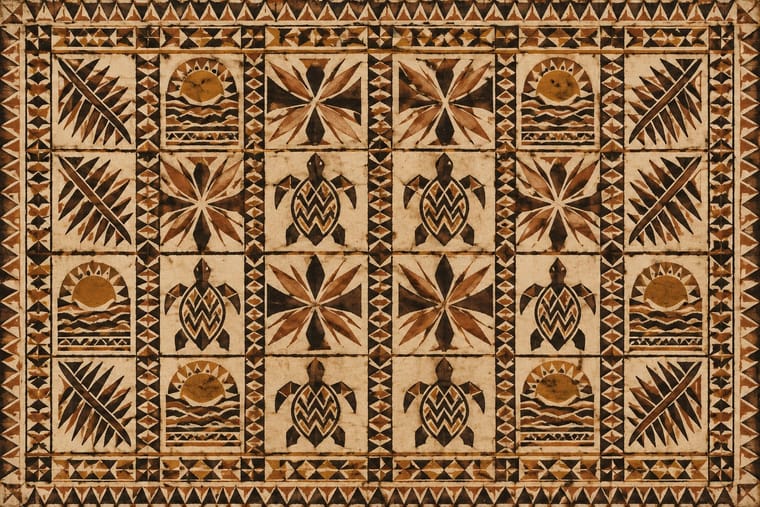
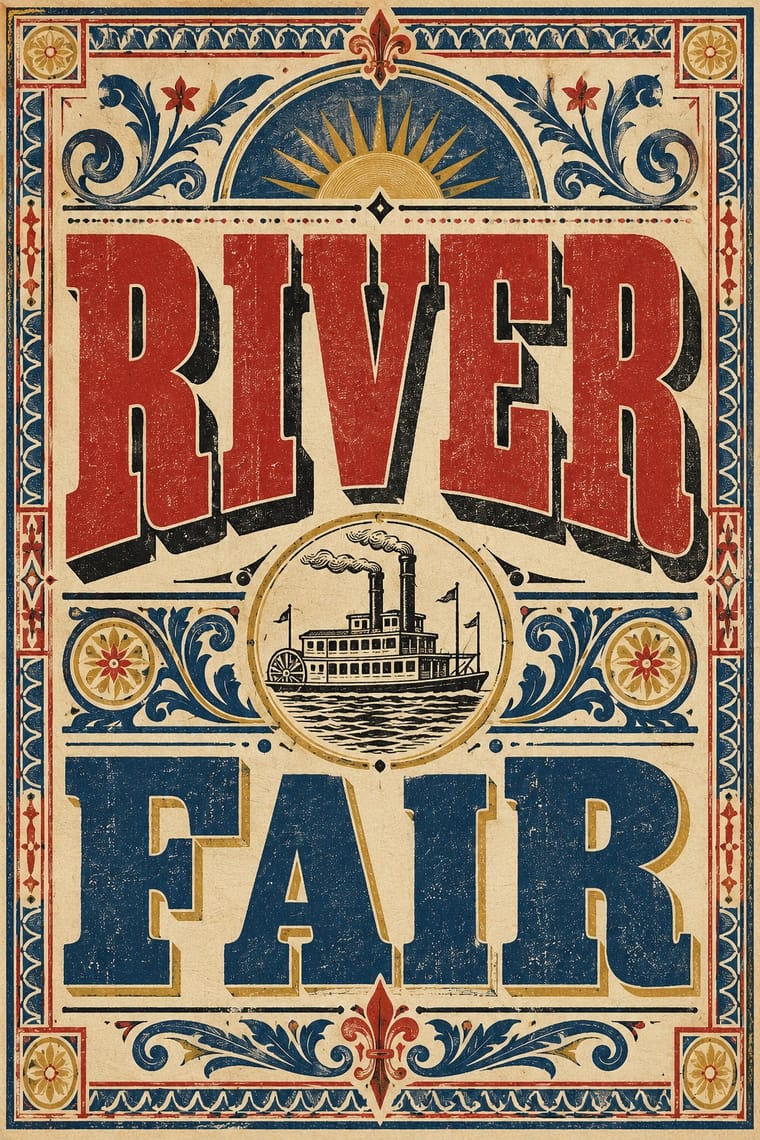
- Indian Calendar & Bazaar ArtMass-printed images of Hindu deities, epic scenes, saints, nationalist heroes and film stars, sold in bazaars and given away as business calendars, from the chromolithographs of the Calcutta Art Studio and Ravi Varma Press to Sivakasi offset.
- African Wax & Fancy PrintIndustrially printed cotton made for West and Central African markets, first by Dutch and British mills that imitated Javanese batik with resin resist, and later by African mills.
- Norwegian and Finnish National Romantic Graphics (Munthe & Karelianism)The flat, decorative branch of Norway's and Finland's national romanticism, which turned Viking carving, the sagas, the Kalevala and old peasant weaving into modern ornament.
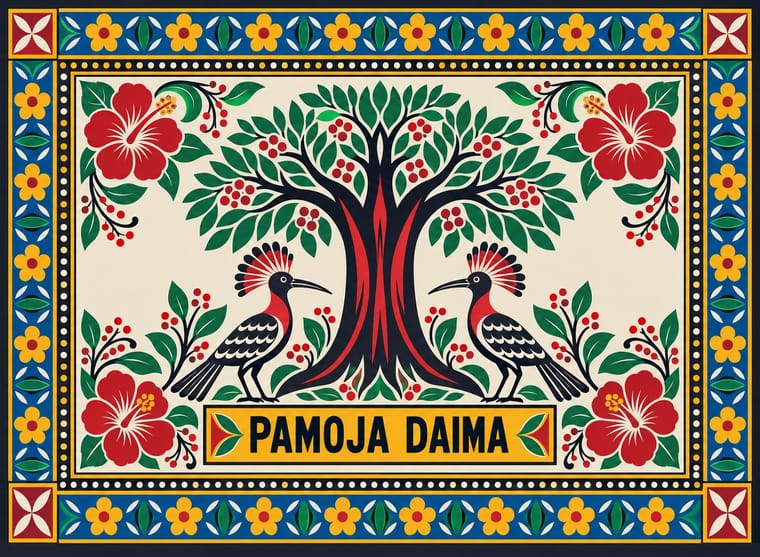
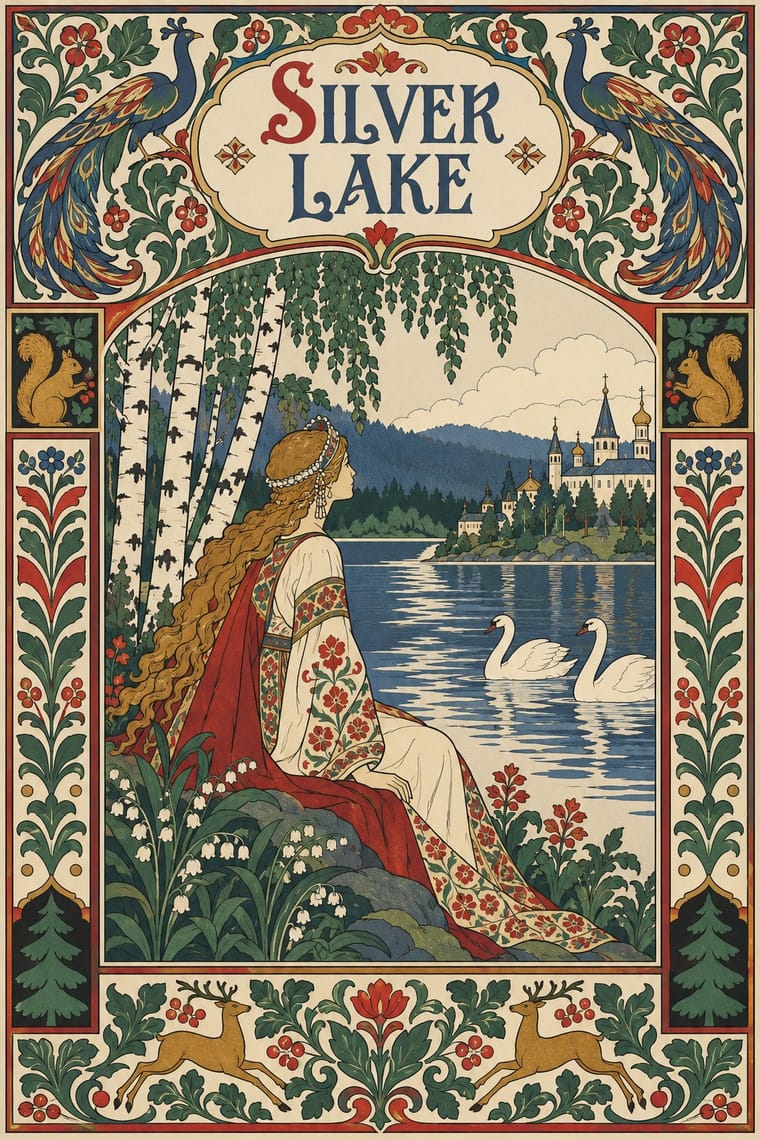
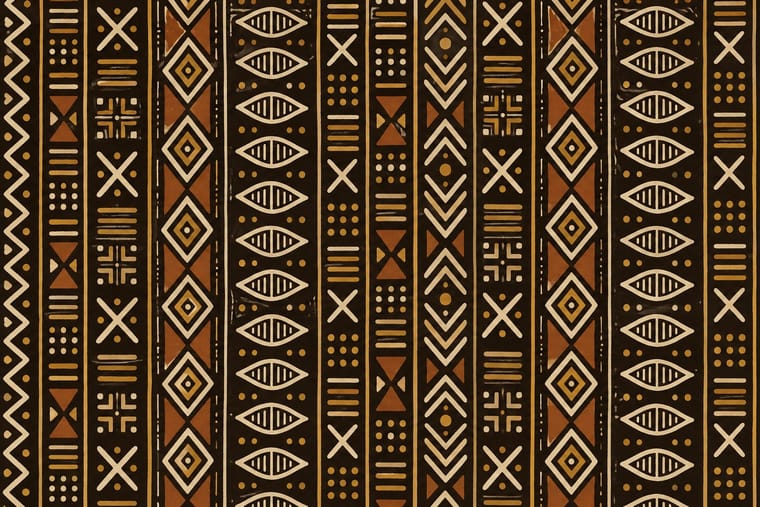
- Arnhem Land Bark Painting & RarrkPainting in ochres on flattened stringybark by Yolŋu, Kunwinjku, Kuninjku and other clans of Arnhem Land, carrying ceremonial designs into portable form; collected from 1912, painted through art centres since the 1970s.
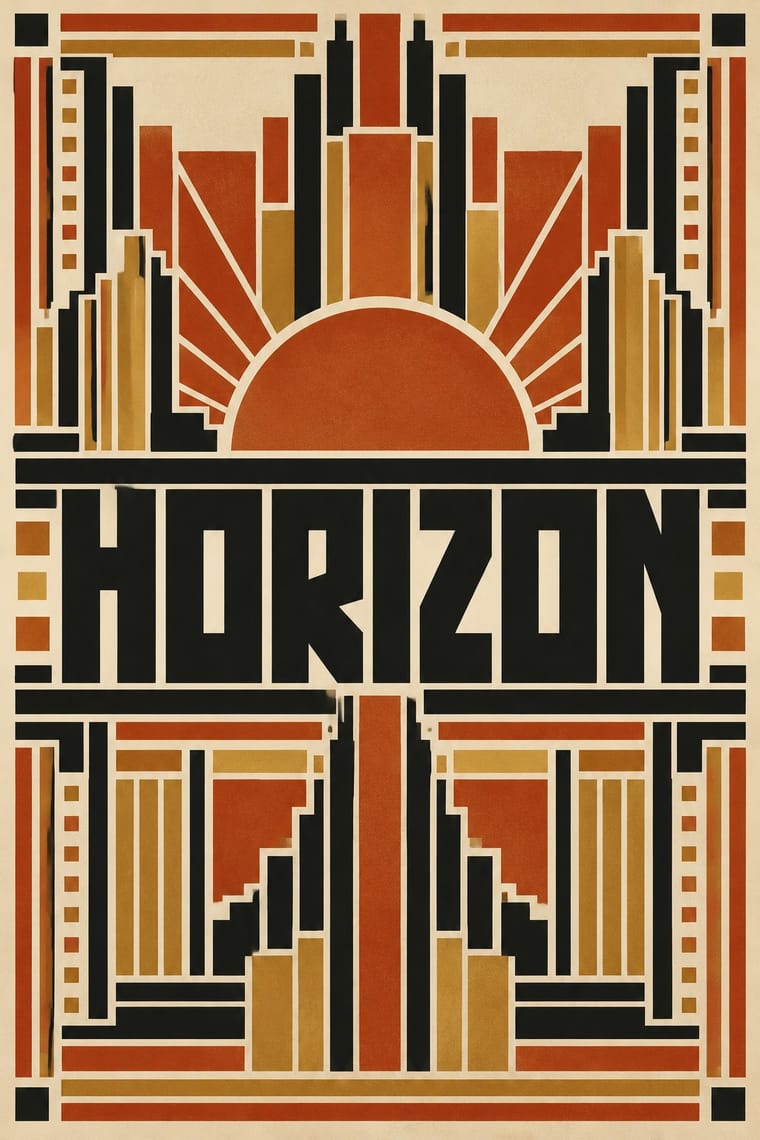
- Ndebele Geometric PaintingThe mural tradition of Southern Ndebele women, who paint homestead walls and gateways, and later canvases and objects, with bold, symmetrical geometric designs.
- Pardhan Gond Painting (Jangarh Kalam)Painting on paper and canvas by Pardhan Gond artists of Patangarh and Bhopal, begun when Bharat Bhavan, Bhopal, recruited Jangarh Singh Shyam in 1981; the style was later named Jangarh Kalam after him.
Styles that use it now and then 23
An occasional choice in these styles.
- European Heraldryc. 1140–present
- Mongol Bichig Calligraphy & Ugalz Ornamentc. 1204–present
- Persian Nastaʿlīq Calligraphy (Qiṭʿa, Chalipa and Siyāh-mashq)c. 1400–present
- Emblem Book (Motto, Picture & Epigram)1531–1724
- Lubok Popular Print1650–1920
- Chaekgeori & Minhwa Screen Painting1776–present
- Cairo–Beirut Arab Modernist Book & Periodical Design1952–1990
- Picó Sound-System Painting (Colombian Caribbean)1967–present
- AfriCOBRA1968–present
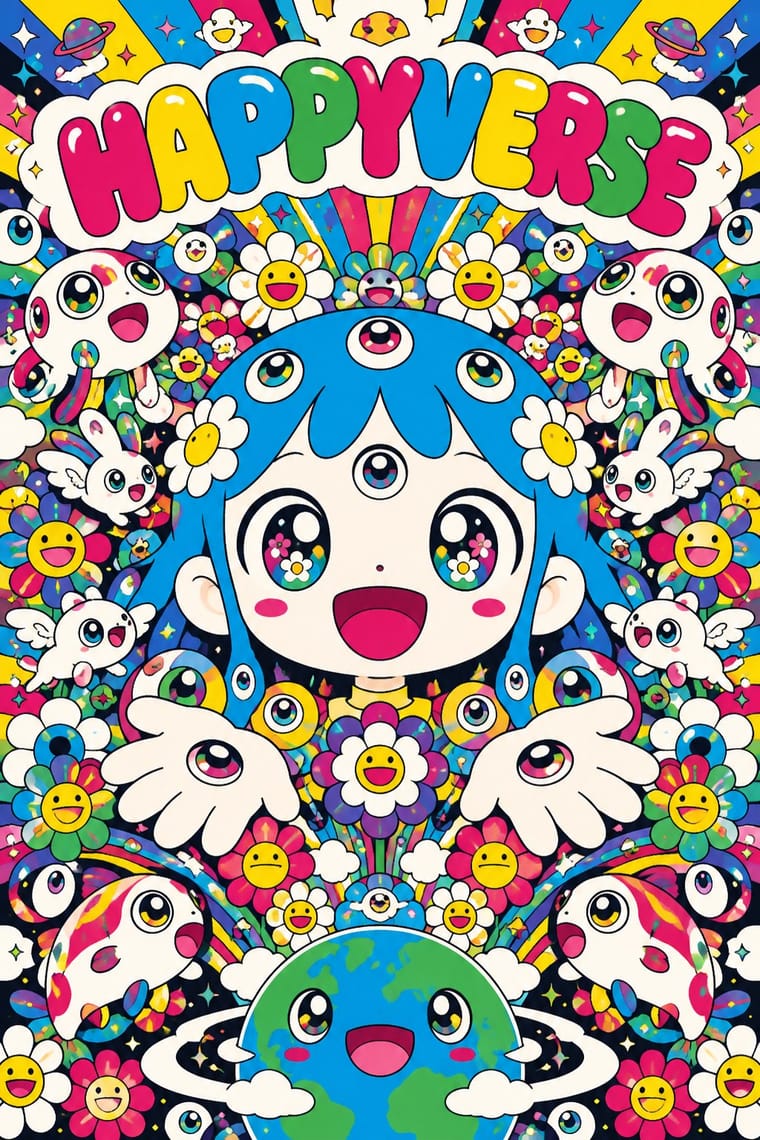
- Kawaii Design1970–present
- Western Desert Iconography1971–present
- Métal hurlant Science-Fiction Comics (Mœbius, Druillet & Les Humanoïdes Associés)1974–1987
- La Movida Madrileña Graphics1977–1988
- Madinah Mushaf (King Fahd Complex Qur'an Page)1985–present
- Global Village Coffeehouse1988–2003
- Rave & Acid House Graphics1988–2000
- Matatu & Nganya Art1990–present
- Indian Pop-Kitsch Design (Desi Kitsch)1997–present
- Japanese Dense Web Design1999–present
- Egyptian Revolutionary Street Art (Mohamed Mahmoud Murals)2011–2014
- 'Good Morning' Greeting Images (WhatsApp Forward Vernacular)2013–present
- Post-Binary Typography (Bye Bye Binary and Inclusive French Type)2018–present
- Generative-AI Image Aesthetic2022–present
It often goes with
Choices that the styles making it make more often than the atlas as a whole.
- Horror vacuiin 68 of 81
- Pattern & repeatin 51 of 81
- Floral & vegetalin 50 of 81
- Biomorphic curvesin 50 of 81
- Borders & framesin 55 of 81
- Geometric tessellationin 35 of 81
Styles that avoid it
Styles that deliberately leave it out.
- Chinese Calligraphy & Seal Carving (Shufa & Zhuanke)c. 0–present
- Song–Ming Woodblock Book Typography (Songti / Mincho)c. 960–present
- Kamon (Japanese Family Crests)c. 1100–present
- Ma & Wabi-sabi Aesthetics1500–present
- Đông Hồ & Hàng Trống Folk Prints1600–present
- Ten Bamboo Studio Colour Woodblock (Douban & Gonghua)1626–present
- Neoclassical Book Typography1757–1830
- Imagerie d'Épinal & European Bilderbogen1796–1939
- Bulaq (Amiriyya) Naskh Book Printing1822–1956
- Kalighat Pat & Battala Bazaar Prints1830–1930
- Nirnaya Sagar Devanagari Typography (Bombay Metal Type)1864–present
- Lira Popular (Chilean Illustrated Verse Broadsheets)1866–1930
- Lotería Card Imagery (Mexican Lotería)1887–present
- Glasgow Style1890–1914
- German Book Art Movement (Buchkunstbewegung)1895–1933
- Simplicissimus Satirical Style (Munich)1896–1944
- Expressionist Woodcut Graphics1905–1925
- Plakatstil / Sachplakat1905–1920
- Cubist Pictorial Space1907–1925
- London Transport Design1908–1966
- Taishō Roman & Lyrical Illustration1910–1940
- Hungarian Revolutionary Poster1912–1919
- Vorticism & BLAST Typography1914–1920
- Suprematism1915–1925
- Russian Constructivism1917–1934
- Basel Object Poster (Swiss Sachplakat)1919–1955
- Bauhaus1919–1933
- ROSTA Windows1919–1922
- Estridentismo (Stridentist) Graphics1921–1927
- Brazilian Modernismo Graphics (Klaxon and the Semana de 22)1922–1929
- Czech Poetist Book Design (Devětsil)1922–1938
- Leningrad Avant-Garde Picture Book1922–1936
- Die Neue Typographie1923–1940
- Republican Chinese Book Cover Design (Lu Xun & Tao Yuanqing)1923–1949
- Early Turkish Republican Graphic Design1925–1960
- Isotype Pictorial Statistics1925–1971
- Australian Travel Poster (ANTA Era)1929–1959
- Giallo Mondadori Covers (I Libri Gialli)1929–present
- Mexican Calendar Chromo (Cromos calendáricos)1930–1970
- Scandinavian Functionalism1930–present
- Streamline Moderne1930–1945
- Milanese Industrial Modernism (Olivetti, Pirelli, Studio Boggeri)1933–1975
- Nippon Kōbō & Tōhōsha Photo-Propaganda Magazines (NIPPON & FRONT)1933–1945
- Hebrew Poster Lettering & Early Israeli State Design1934–1974
- Penguin Paperback Design (Three Bands to the Marber Grid)1935–1972
- WPA Silkscreen Posters1935–1943
- Spanish Civil War Poster1936–1939
- American Mid-Century Modernism1940–1970
- Bengali Modernist Book Cover (Prachchhad)1943–present
- UPA & Cartoon Modern1944–1960
- Vietnamese Propaganda Poster (Tranh cổ động)1945–present
- Escuela Bruguera (Spanish Humour Comics)1947–1986
- Fotoromanzo (Italian Photo-Romance)1947–present
- Machine-Age Simplified Arabic Type1947–present
- Onitsha Market Pamphlets1947–1980
- Argentine Adventure Historieta (Oesterheld–Breccia)1948–1996
- French Post-War Visual-Gag Poster (Savignac, Villemot, Morvan)1948–1979
- International Typographic Style1950–1975
- Japanese Postwar Modernism1950–1990
- Polish Poster School1950–1990
- Brazilian Concrete Design1951–1975
- HfG Ulm Systematic Design1953–1968
- Vicente Rojo & Mexican Editorial Modernism1953–1990
- West German Conceptual Film & Culture Poster (Hillmann and Rambow)1953–1990
- Saul and Elaine Bass Conceptual Film Graphics1954–1995
- Zagreb School of Animated Film1954–1980
- Corporate Identity Modernism1955–1990
- Blue Note Jazz Sleeve Modernism1956–1967
- Polish Cold War Neon (PRL Neonisation)1956–1981
- Situationist Détournement Graphics1956–1972
- Thaw Modernism (Soviet and Czechoslovak)1956–1968
- Dazibao (Big-Character Posters)1957–1980
- Kinngait (Cape Dorset) Inuit Printmaking1957–present
- British Road Signage (Kinneir & Calvert)1958–present
- Turkish Modernist Poster & Graphic Design1959–2000
- Bossa Nova Sleeve Modernism (César Villela and Elenco)1960–1968
- Cuban Revolutionary Poster (OSPAAAL & ICAIC)1960–1990
- Di Tella Graphic Design (Instituto Torcuato Di Tella)1960–1970
- Greek Tourism Modernism (EOT)1960–1974
- Indian Institutional Modernism (NID)1961–1990
- Fluxus Graphics (Maciunas)1962–1978
- Baybayin Revival Graphics1963–present
- Total Design & Dutch Functionalism1963–1990
- Hong Kong East–West Graphic Modernism1964–present
- Minimalist Graphic Design1965–present
- Munich 1972 Olympic Design (Otl Aicher)1966–1972
- Black Panther Party Graphics1967–1980
- Atelier Populaire (May '68 Screenprint Poster)1968
- Hipgnosis Photographic Concept Sleeve1968–1983
- Swiss Punk / New Wave Typography1968–1990
- ECM Sleeve Aesthetic (Munich)1969–present
- Grapus (French Militant Graphic Collective)1970–1990
- Roman-like Thai Typography (modern loopless Thai)1973–present
- Lebanese Civil War Party Poster1975–1990
- Post-Punk Record Sleeve (Stiff, Factory, 4AD)1977–1990
- South African Resistance Poster1978–1994
- Stencil Street Art1978–present
- Solidarność & Polish Underground Graphics1980–1989
- Out-of-Square Hangul Typography1985–present
- ACT UP & Gran Fury AIDS Activist Graphics1987–1995
- Bitterkomix (Afrikaans Underground Comics)1992–present
- Hype Streetwear Graphics (Box Logo to Quotation Marks)1993–present
- Korean Commercial Calligraphy (Kaelligeurapi)1999–present
- Korean Webtoon Graphics2002–present
- Contemporary Chinese Book Design ('Most Beautiful Books of China')2003–present
- Contemporary Arabic & Dual-Script Type Design2004–present
- Hauntology & Ghost Box Design2004–present
- Neo-Swiss Revival2005–present
- Seoul Independent Graphic Design (Small-Studio Scene)2005–present
- Arab Independent Comics (Samandal, TokTok, Lab619, Skefkef)2007–present
- Hipster Artisanal Revival2007–2018
- Lucerne Poster Scene (Neubad & Südpol Posters)2007–present
- Natural Wine Label Art2007–present
- Newsroom Data Graphics & Scrollytelling2009–present
- Flat Design2010–2016
- Slow-Living Editorial (the Kinfolk Look)2011–present
- Syrian Revolution Graphics (Kafranbel Banners & Poster Collectives)2011–2024
- DTC 'Blanding' / Millennial Minimalism2012–2022
- GOV.UK Design (GDS Style)2012–present
- Low Poly Illustration2012–present
- Plain Tobacco Packaging2012–present
- YouTube Thumbnail Style (the 'YouTube Face')2012–present
- Material Design2014–present
- Analog Horror Graphics2015–present
- Latin American Feminist Protest Graphics (Ni Una Menos and the Green Wave)2015–present
- Illustrated Rom-Com Book Cover (Cartoon Couple Cover)2016–present
- Kinetic Typography & Variable Type2016–present
- Extinction Rebellion Graphics2018–present
- Sudanese Revolution Graphics (Digital Illustrations and Sit-in Murals)2018–present
- Dark Tech Minimalism2019–present
- Neumorphism2019–2021
- Weirdcore & Dreamcore2019–present
- Glassmorphism2020–present
- Instagram Slideshow Activism (Social-Justice Infographics)2020–present
- Palestinian Watermelon and Keffiyeh Graphics2021–present
- Woman, Life, Freedom Protest Graphics (Iran and the Diaspora)2022–present