Space & hierarchy · Density
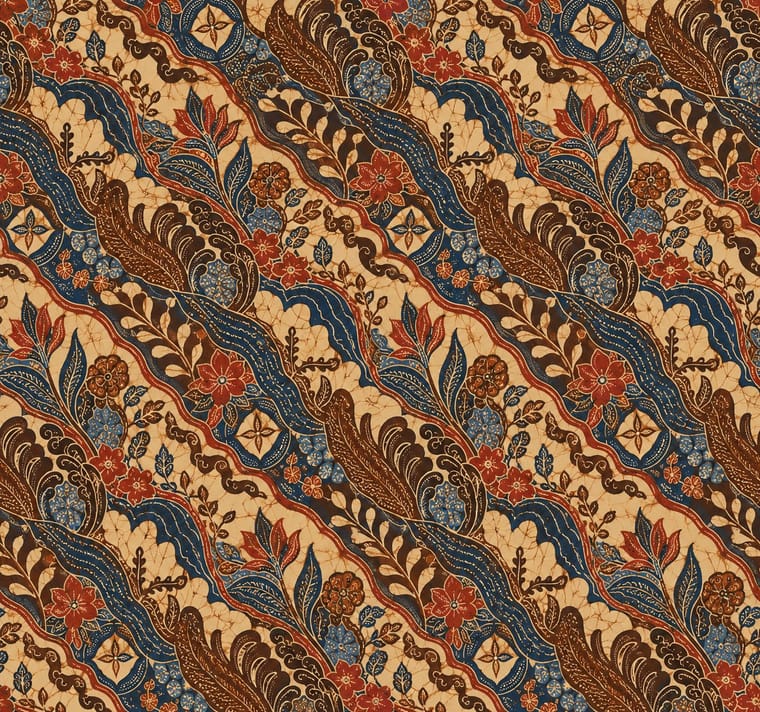
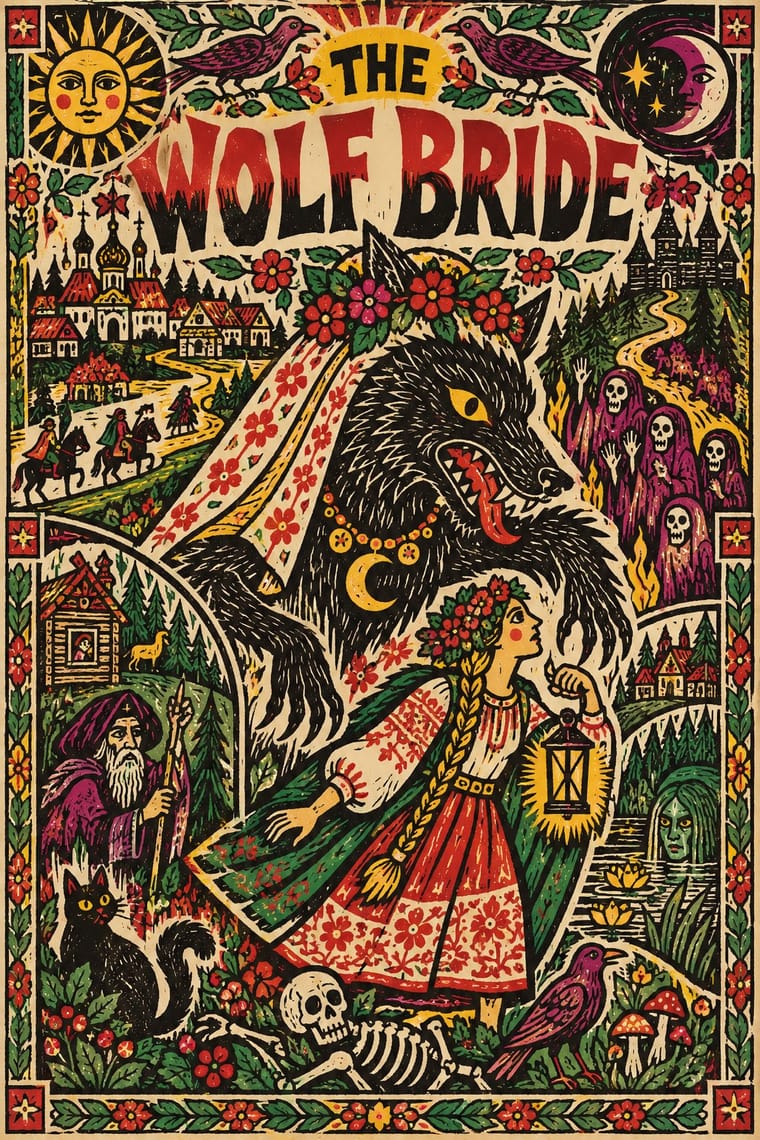
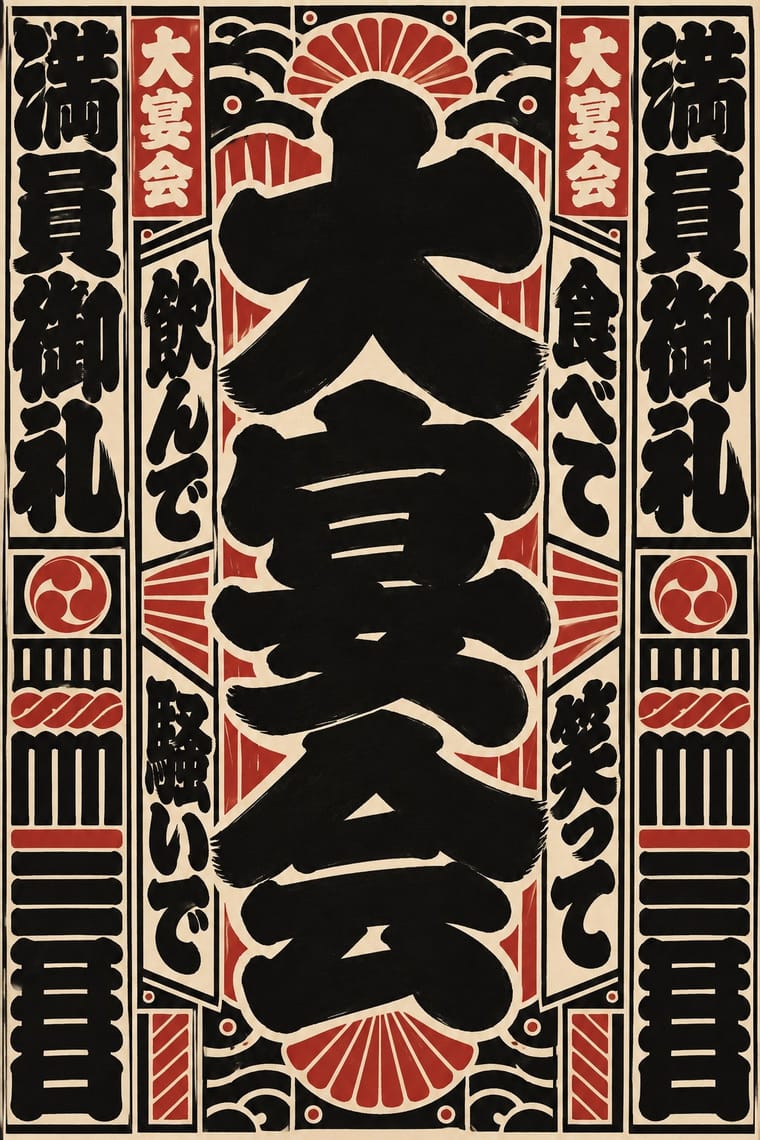
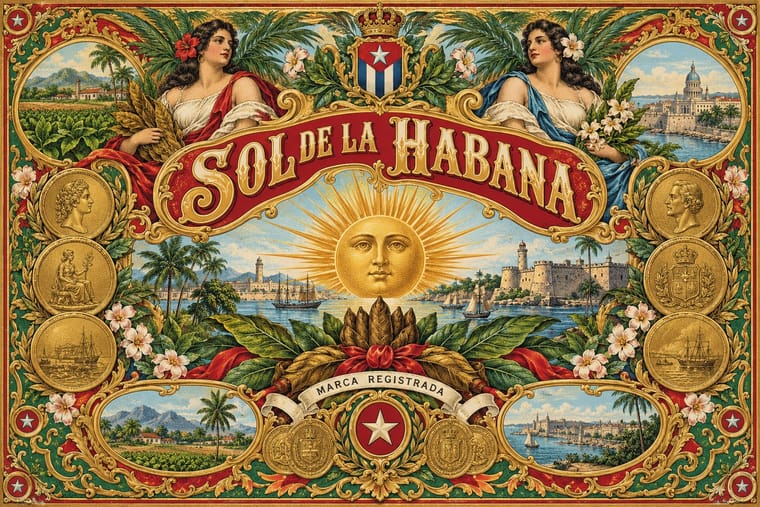
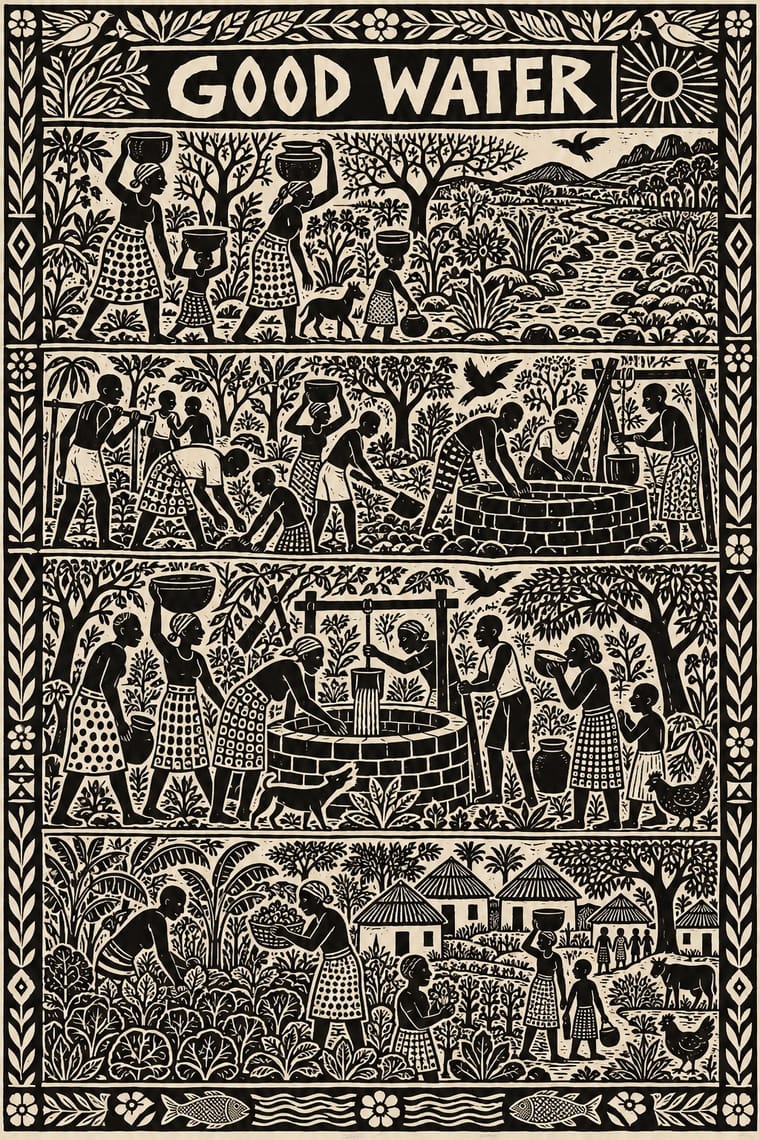
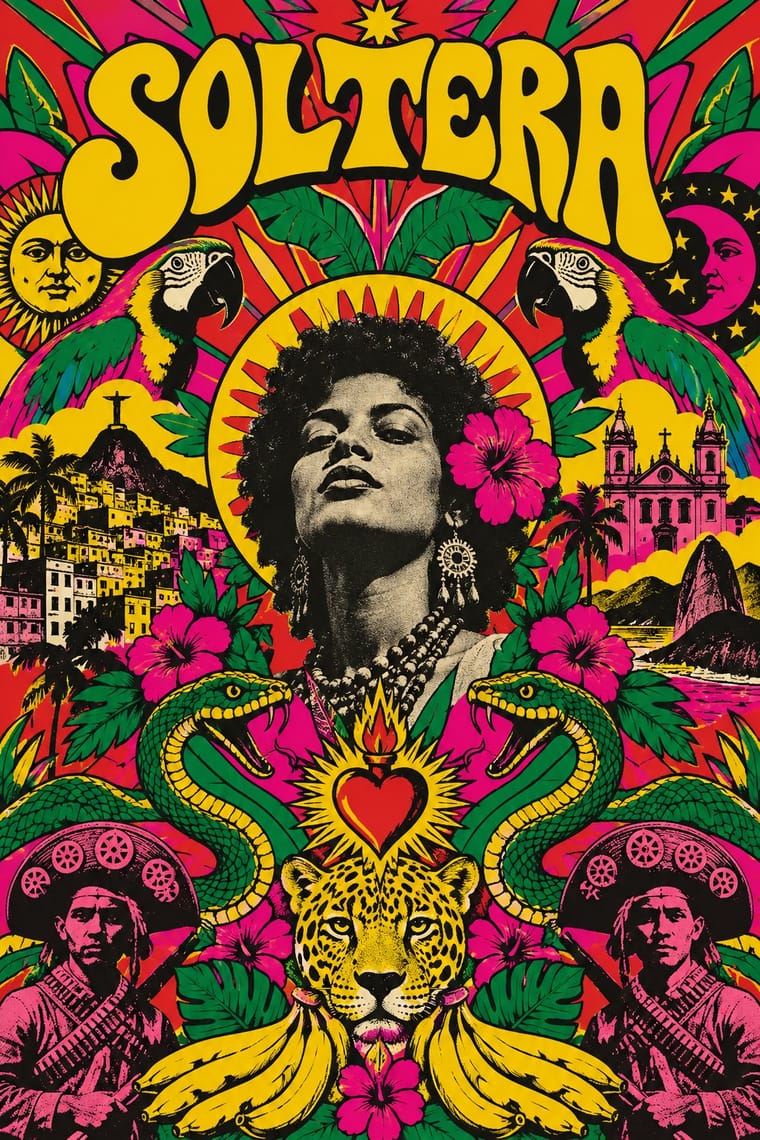
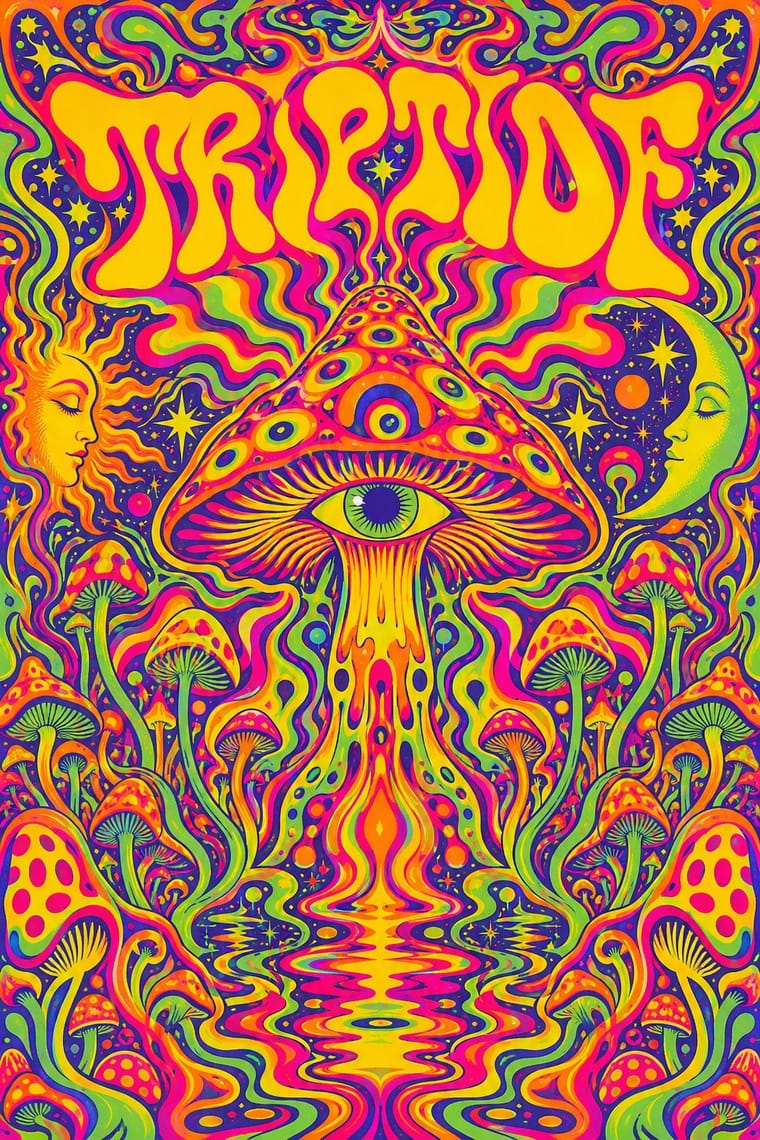
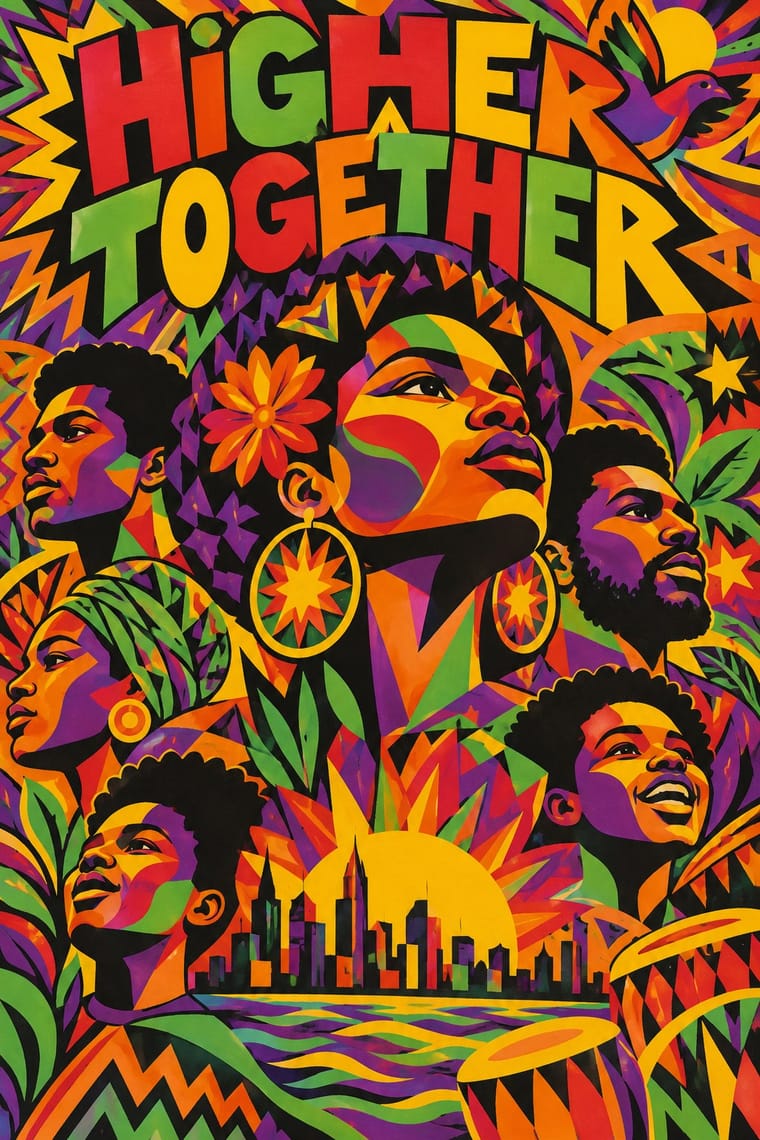
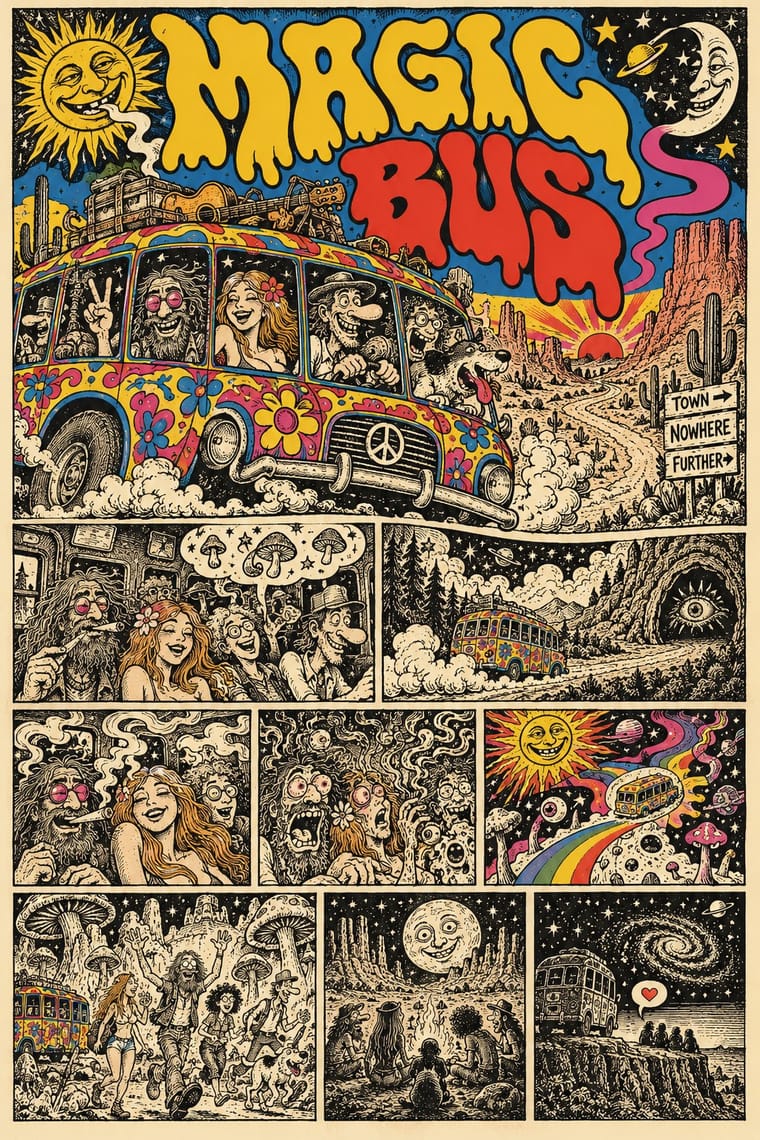
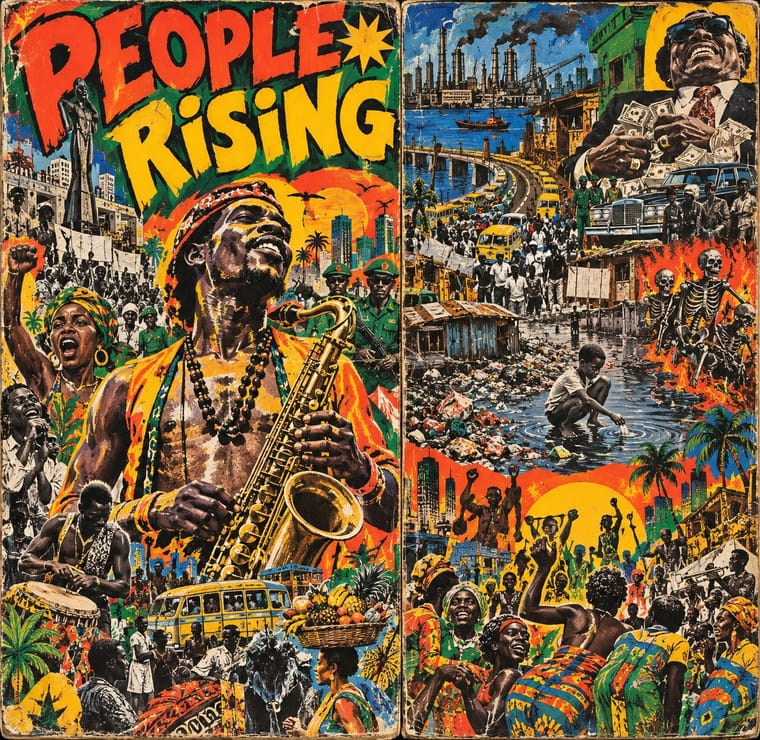
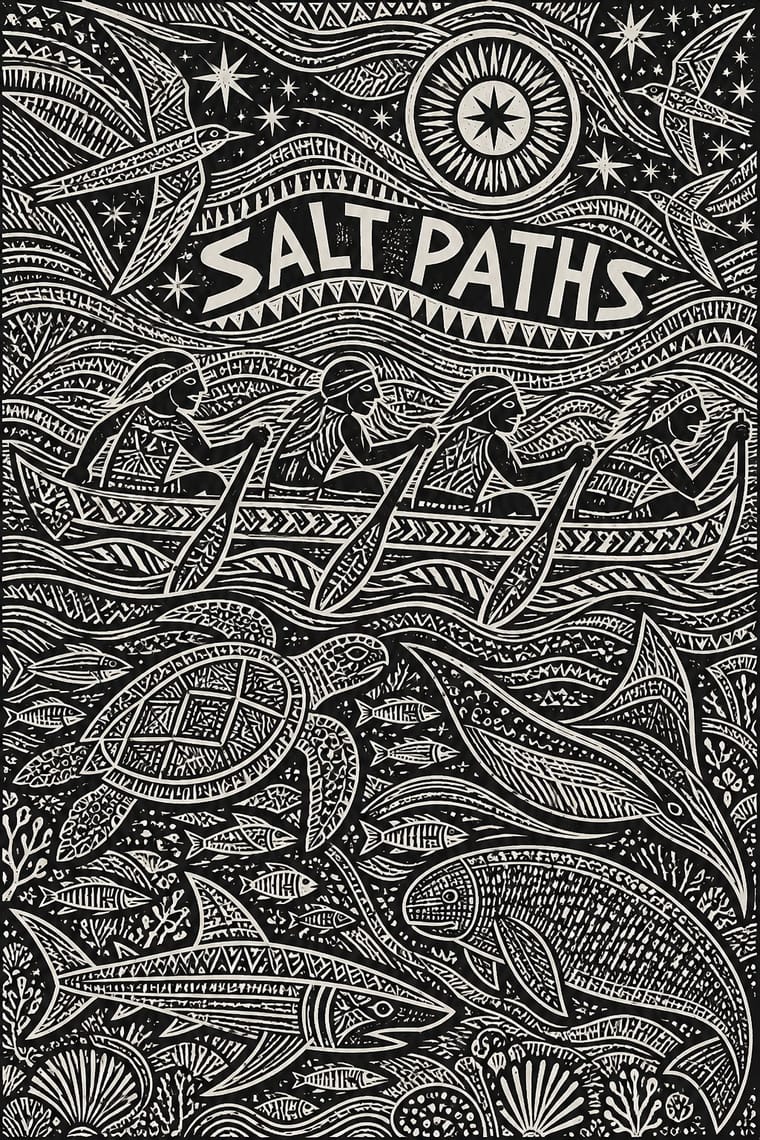
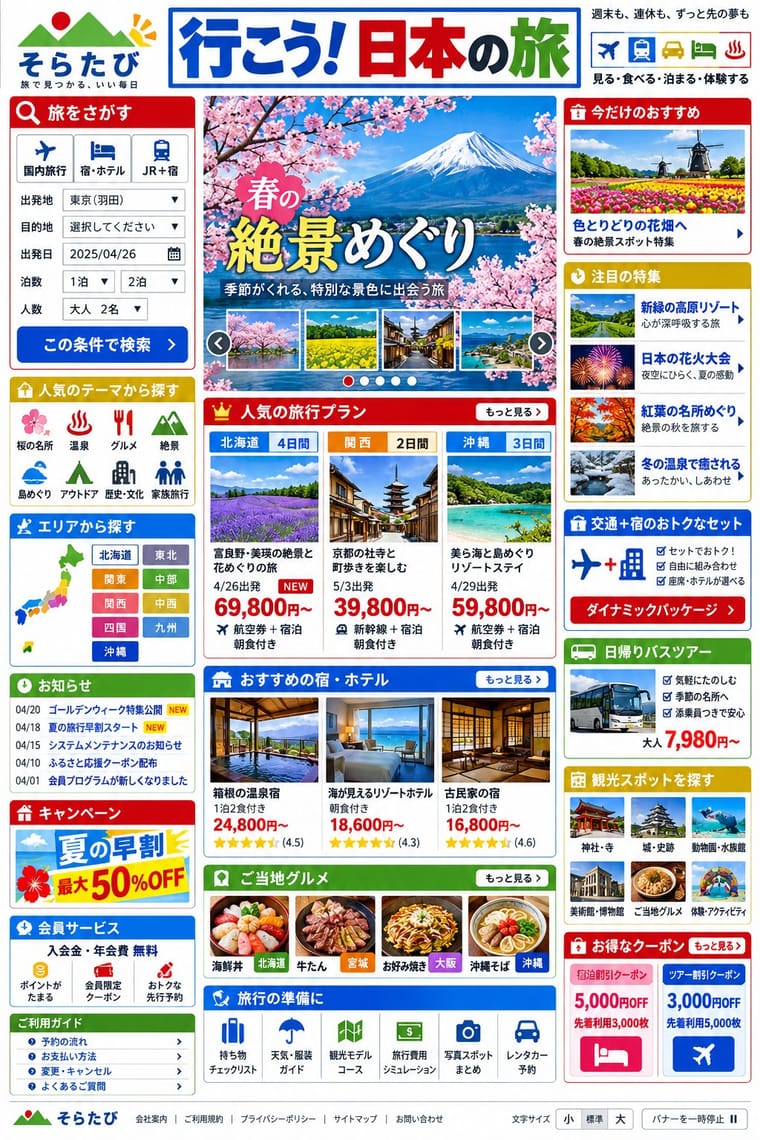
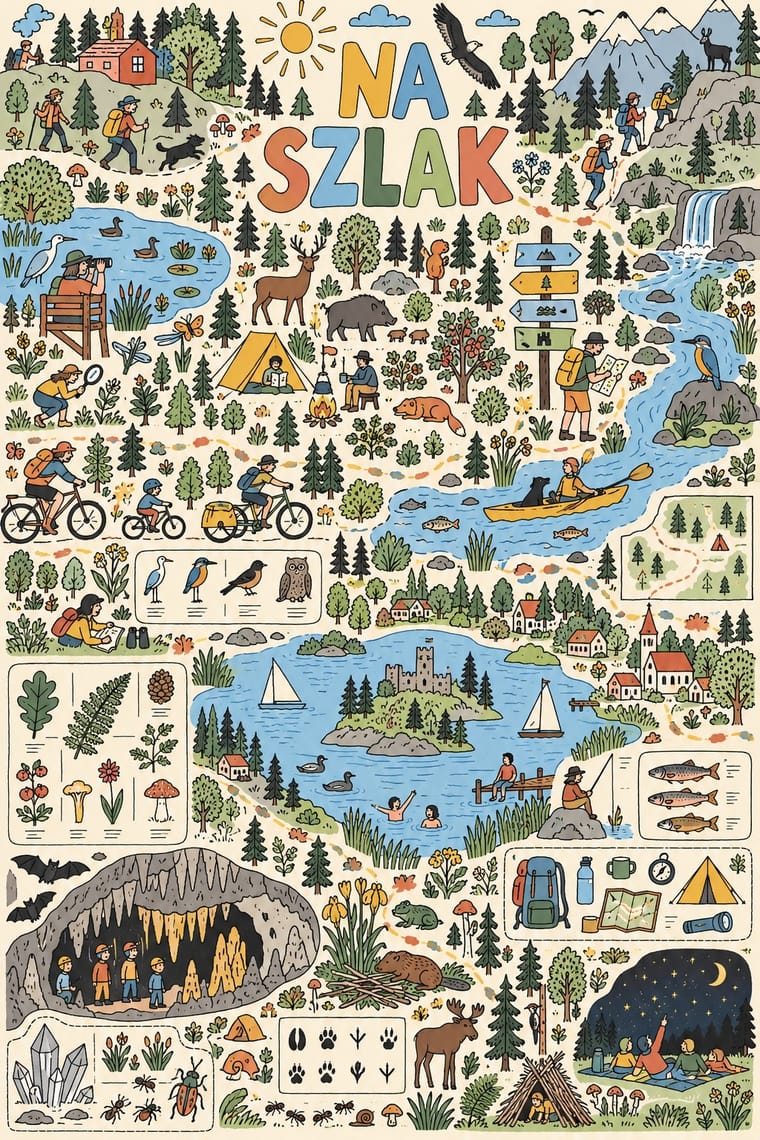
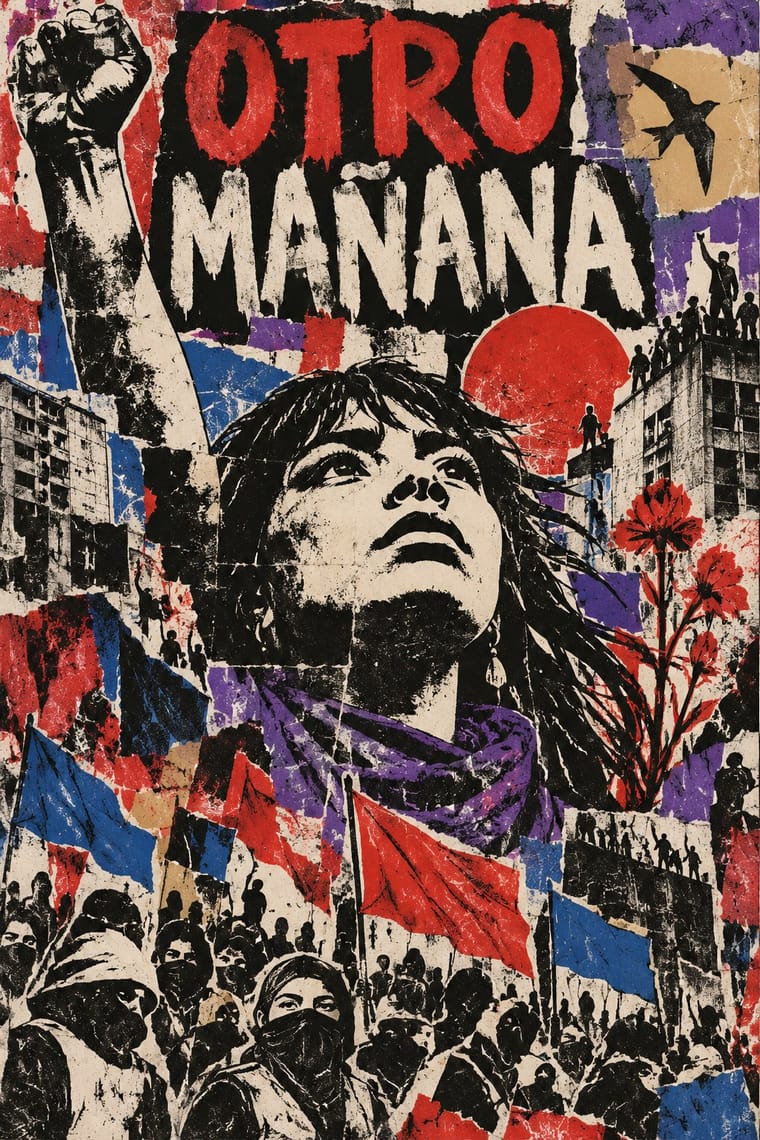
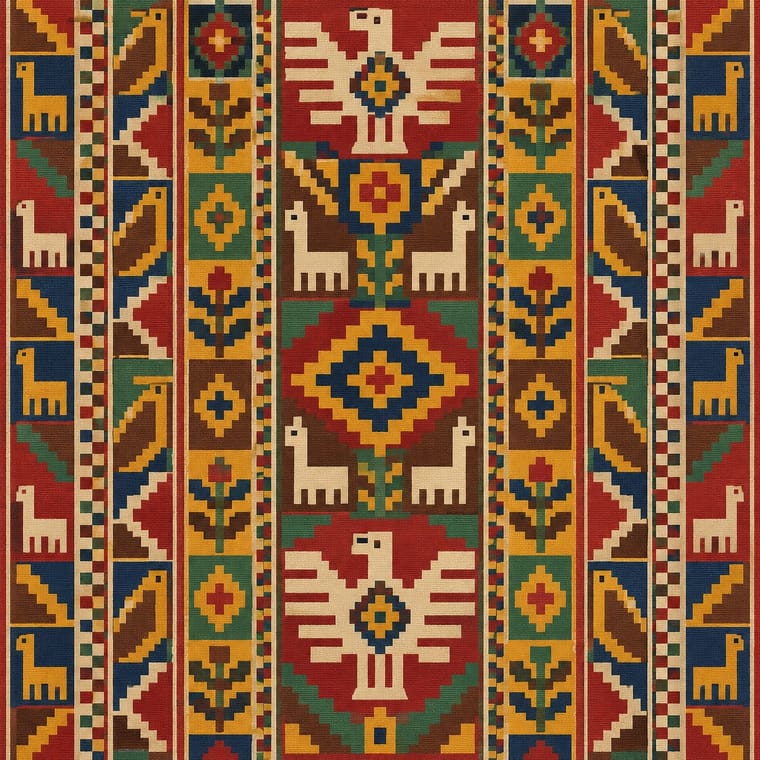
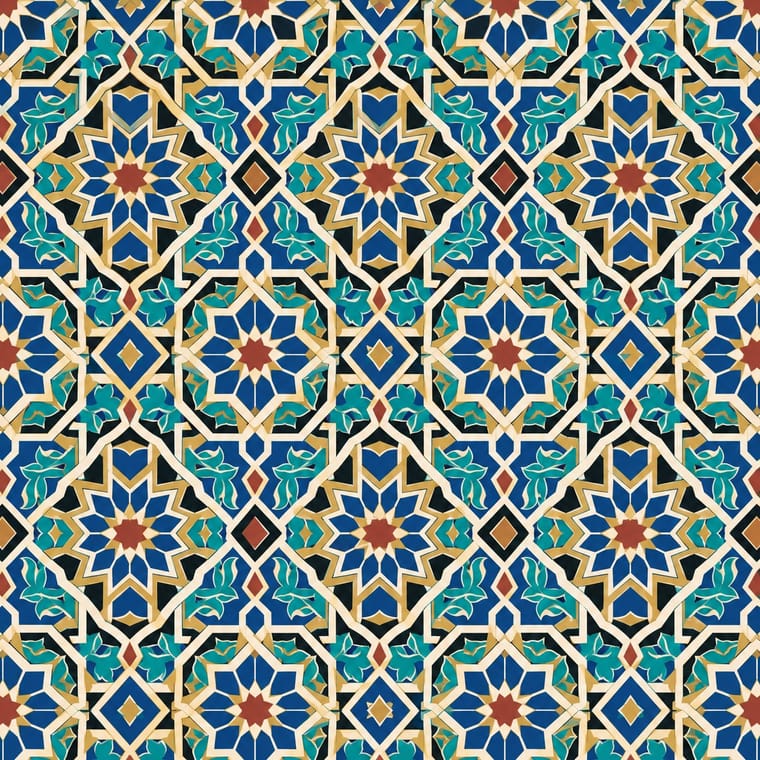
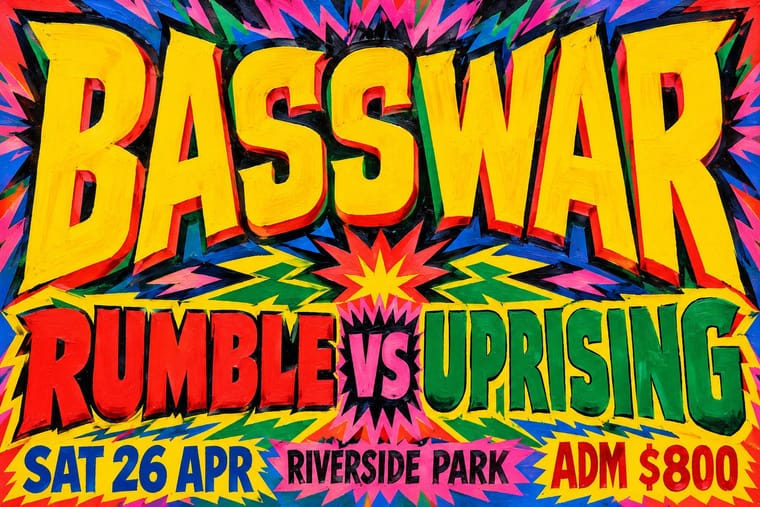
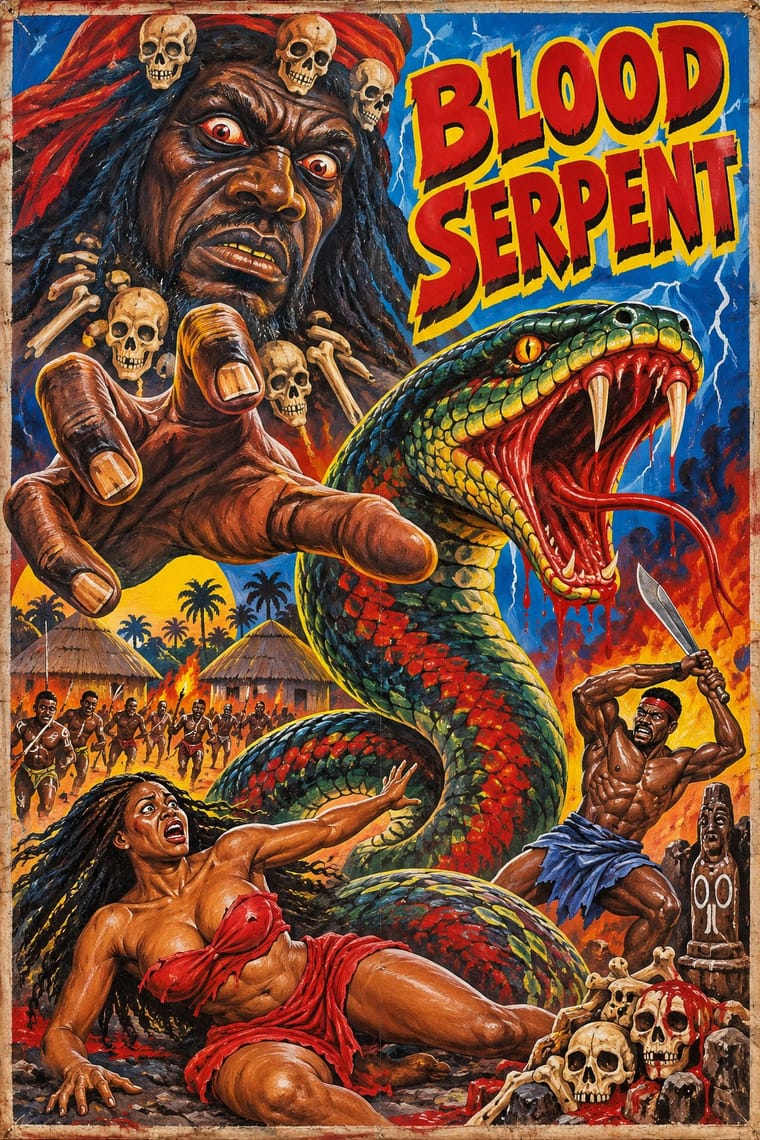
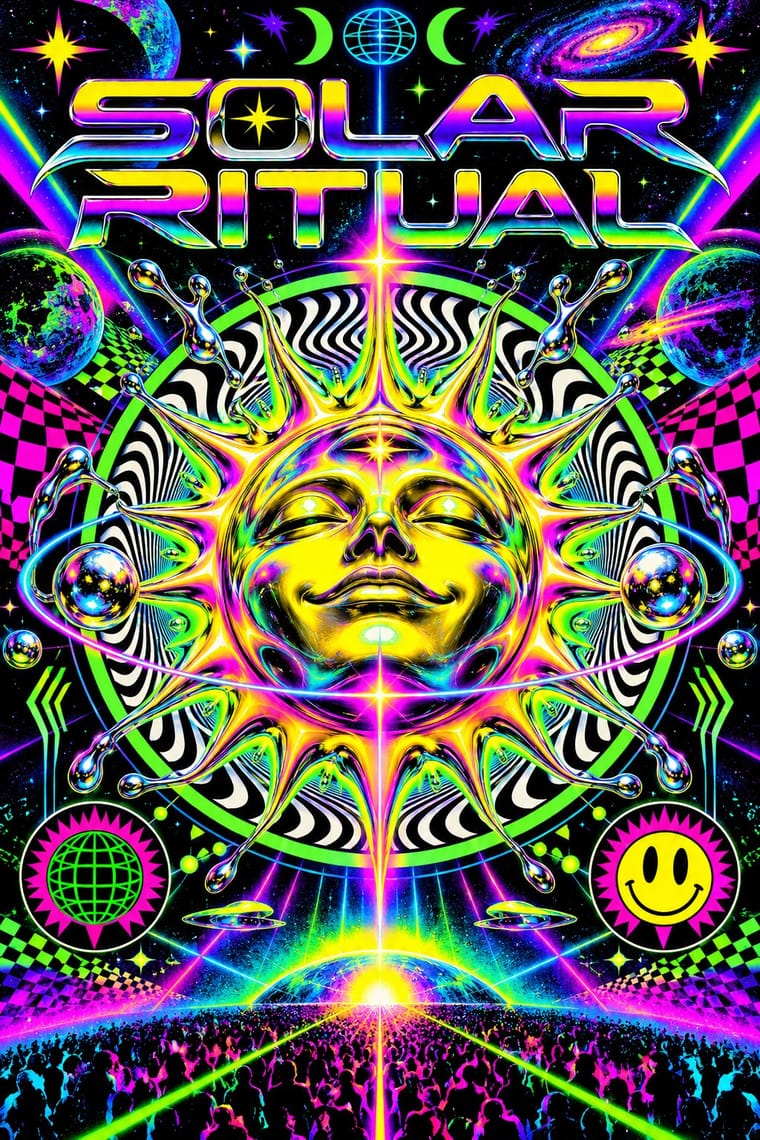
Horror vacui
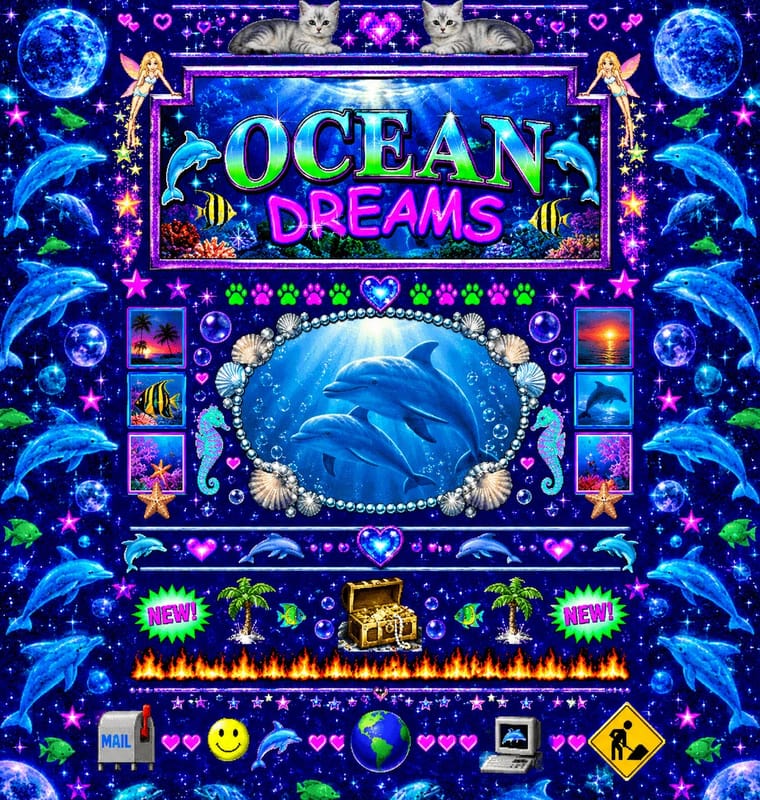
Every area is filled; abundant, crowded, layered.
A design choice in Stylogeny’s vocabulary, under space & hierarchy: how is attention distributed?
- styles make it
- 154
- as a defining choice
- 32
- as a usual one
- 74
- now and then
- 48
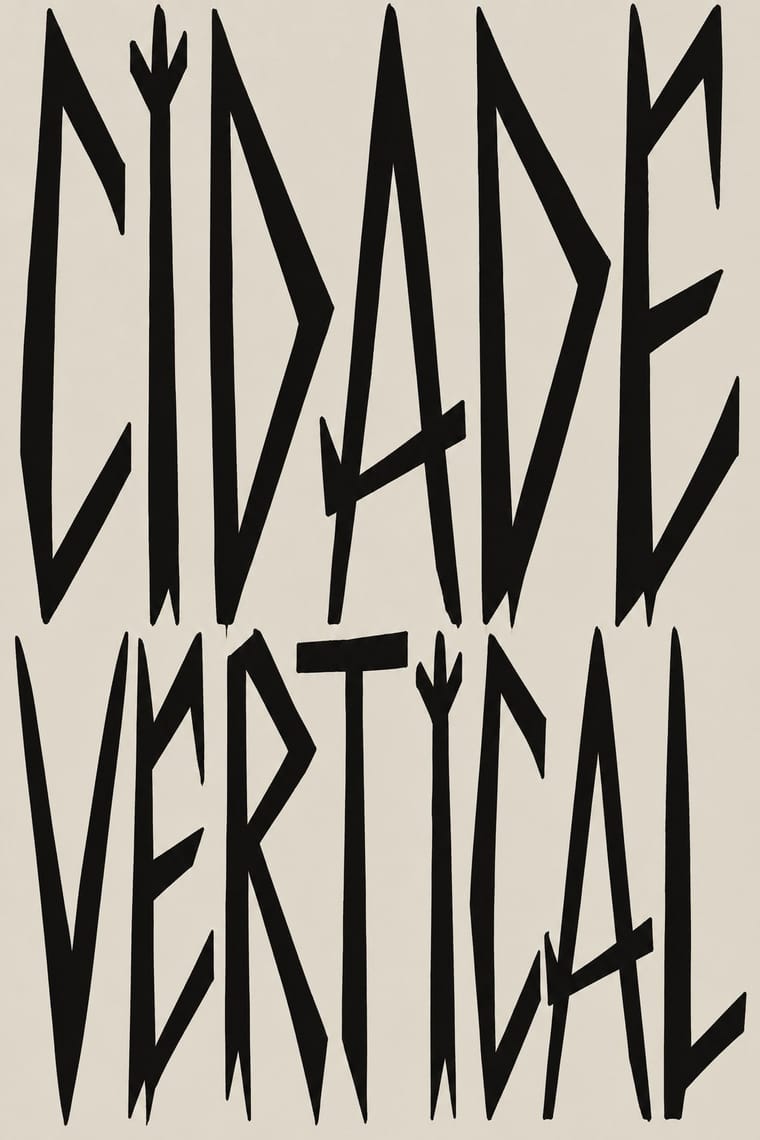
- avoid it
- 81
Styles defined by it 32
For these styles it is one of the choices that make the style.
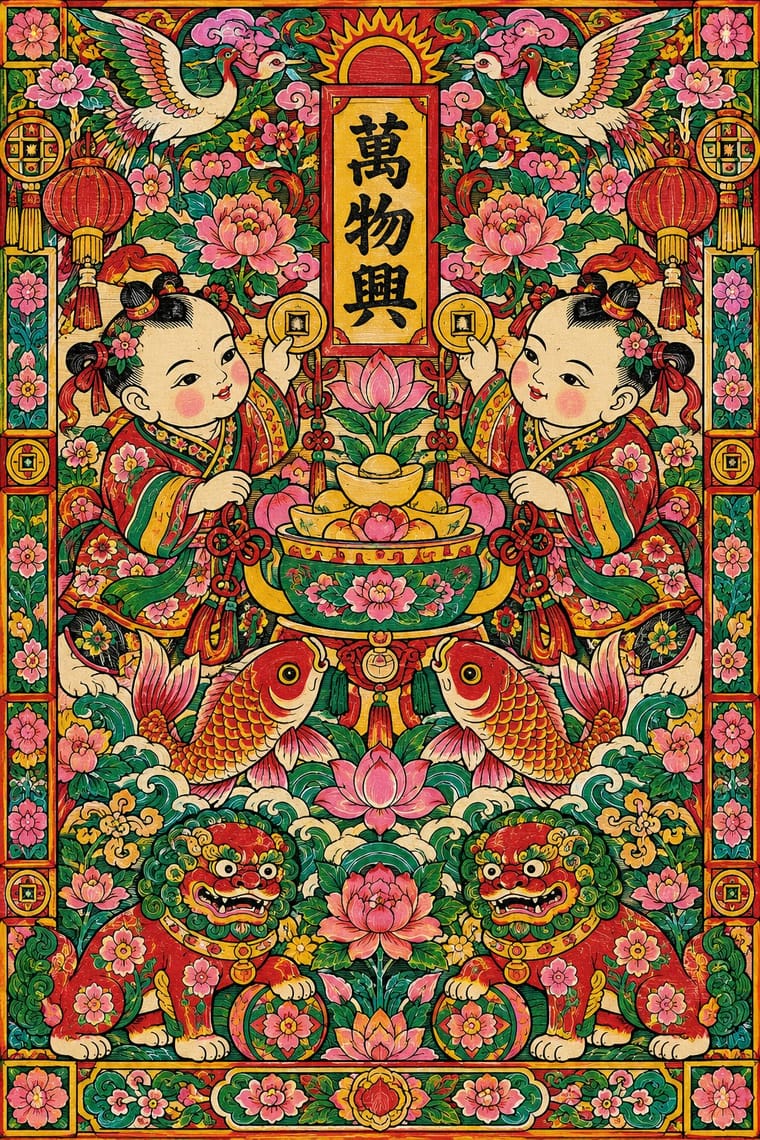
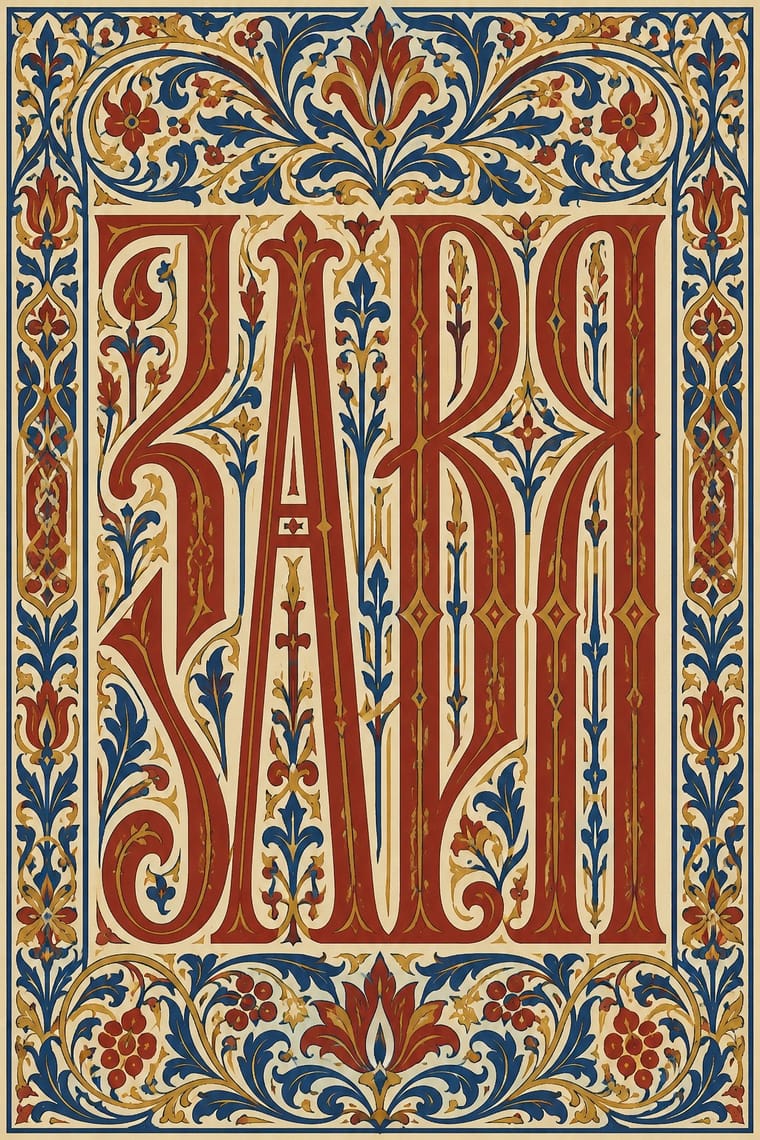
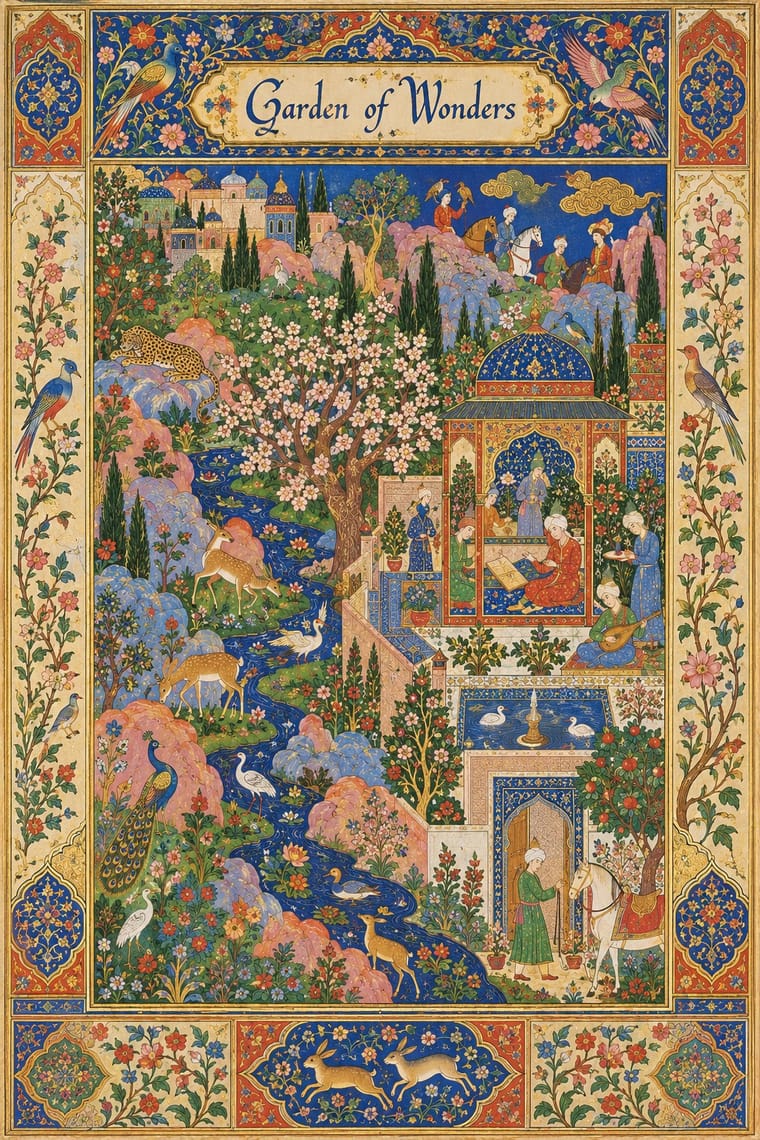
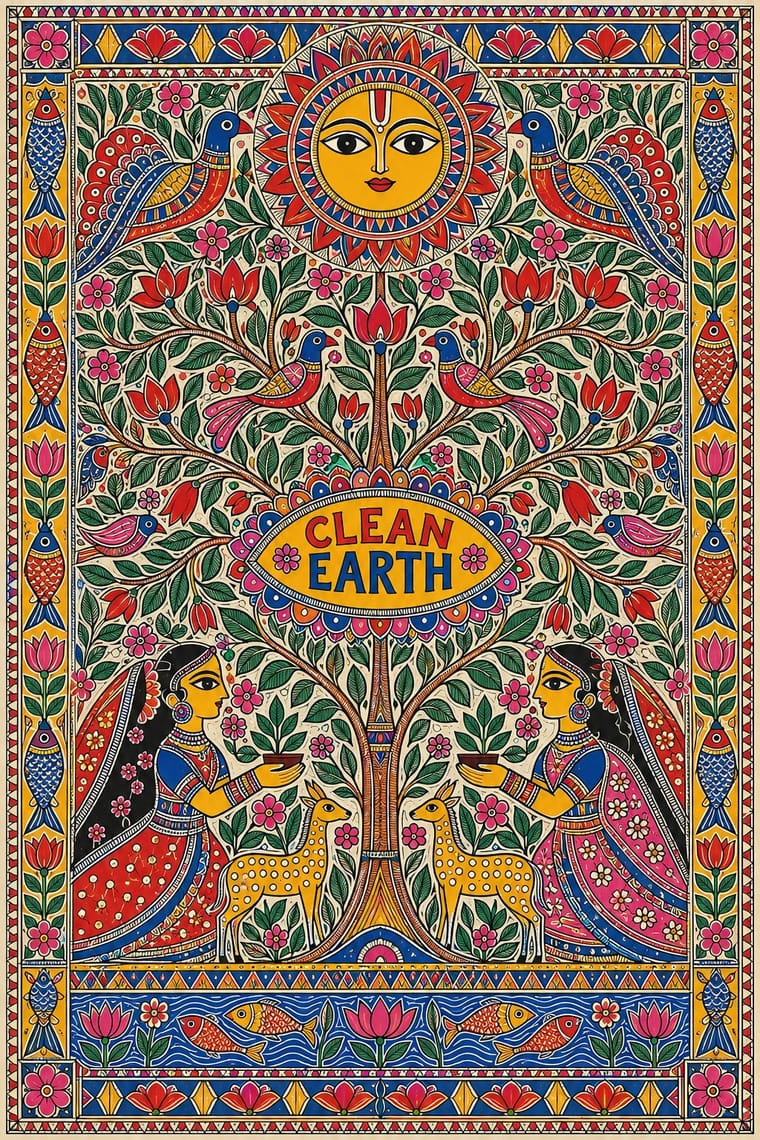
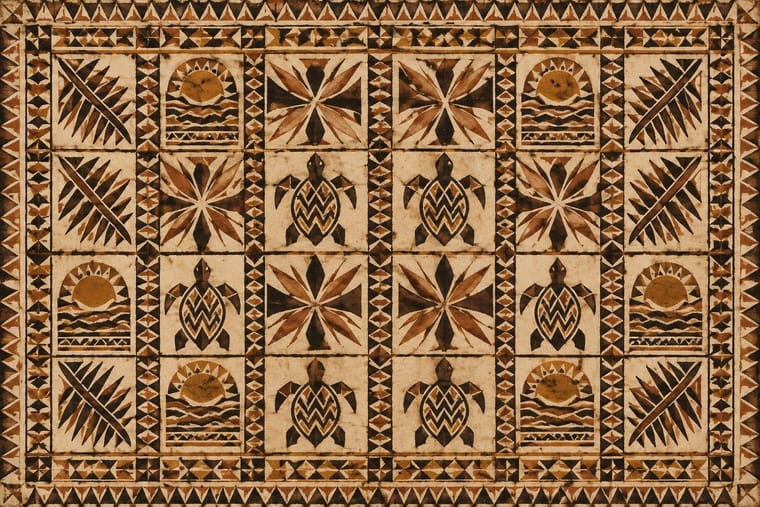
- Northwest Coast Formline DesignThe two-dimensional design system of the northern Northwest Coast nations, painted, carved and woven onto boxes, house fronts, robes and hats, and printed as serigraphs since the 1960s.
- Urdu Katib LithographyFor about a century and a half Urdu chose lithography over movable type, because metal type could not reproduce the sloping, stacked ligatures of Nastaʿlīq.
- Persian Popular Narrative (Lithographs & Coffeehouse Painting)Iran's popular picture-stories in two media.
- Guna MolaThe reverse-appliqué blouse panels of Guna women in Panama, made by cutting through two to seven stacked layers of cotton so that every shape is ringed by echoing bands of the colours beneath.
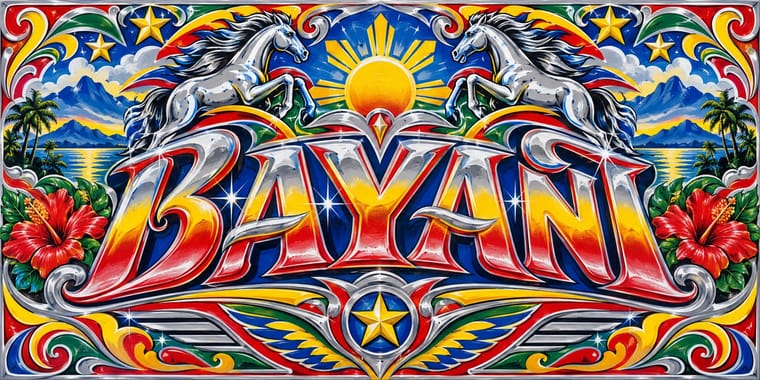
- Pakistani Truck ArtThe total decoration of Pakistan's trucks and buses, which grew from company marks and saints' portraits painted in the late 1940s into a workshop art in which painters, metalworkers, woodcarvers and reflective-tape specialists collaborate on each vehicle.
- Western Desert IconographyThe acrylic painting movement that took form at Papunya in 1971, when men there painted the Honey Ant Dreaming on the school wall and then on board, carrying an older practice of sand, body and ceremonial designs into lasting form. 'Western Desert' is an umbrella name: the movement also includes Warlpiri, Anmatyerre and Arrernte painters of the Central Desert.
- Chicha PosterFluorescent screen-printed street posters that emerged in the 1980s to promote chicha (Andean cumbia) concerts in Lima, made by printers from Andean migrant communities.
- Nollywood Video Jacket & Film PosterThe cover and poster art of Nigeria's home-video boom, from Living in Bondage (1992) on.
- Indonesian Woodcut Activism (Taring Padi)The protest graphics of Taring Padi, the collective founded by students and activists in Yogyakarta in 1998 as Suharto fell, and of the punk and activist woodcut scenes around it.
- Hong Kong Protest Art (Umbrella Movement to the 2019–20 Protests)The graphics of Hong Kong's democracy protests, from the 2014 Umbrella Movement to the national security law of 2020, in two linked media.
Styles that often use it 74
A characteristic choice: usual in these styles, though not essential.
- Ancient Egyptian Hieroglyphic & Register CompositionThe visual system of pharaonic Egypt, in which writing is made of pictures and pictures are ruled like writing.
- Hebrew MicrographyA Jewish scribal art in which lines of minute Hebrew script, usually the Masoretic notes that guard the biblical text, are written so that the line itself draws: interlaced frames and star rosettes on full carpet pages, and animals, knights, fish and grotesques in the margins.
- Square Kufic (Bannāʾī)Square Kufic builds Arabic script on a square grid: straight lines and right angles only, with every stroke as wide as the gap beside it.
- Tibetan Woodblock Print Culture (Pecha & Prayer Flags)Tibetan Buddhist and Bön woodblock printing, from the first printed Kangyur (1410, cut in China) and the 15th-century presses of Gungthang to the great printing houses of Narthang, Derge and Lhasa.
- Javanese Wayang Kulit (Tatah Sungging)The visual language of Javanese shadow puppets: flat figures cut from buffalo parchment, with head and legs in profile, shoulders turned to the front and long jointed arms worked by horn rods.
- Kōwhaiwhai & Toi Māori DesignToi Māori, the visual arts of the tangata whenua of Aotearoa, of which kōwhaiwhai, the painted scroll patterns of paddles and meeting-house rafters, is the most graphic strand.
- Thai Yantra (Yant) DiagramsThai protective diagrams in which Pali formulae, written in Khom, a sacred script derived from Khmer, are packed into squares, circles, triangles, spires and the outlines of Buddhas, monks and tigers, often framed by lines of script.
- Indian Calendar & Bazaar ArtMass-printed images of Hindu deities, epic scenes, saints, nationalist heroes and film stars, sold in bazaars and given away as business calendars, from the chromolithographs of the Calcutta Art Studio and Ravi Varma Press to Sivakasi offset.
- African Wax & Fancy PrintIndustrially printed cotton made for West and Central African markets, first by Dutch and British mills that imitated Javanese batik with resin resist, and later by African mills.
- Mexican Popular Graphics (Posada)Cheap broadsheets, chapbooks and gazettes sold on the streets of Porfirian Mexico City by the publisher Antonio Vanegas Arroyo and illustrated by Manuel Manilla and José Guadalupe Posada.
- Bezalel SchoolThe house style of the Bezalel School of Arts and Crafts, opened in Jerusalem by Boris Schatz in 1906 with E.
- Arnhem Land Bark Painting & RarrkPainting in ochres on flattened stringybark by Yolŋu, Kunwinjku, Kuninjku and other clans of Arnhem Land, carrying ceremonial designs into portable form; collected from 1912, painted through art centres since the 1970s.
- Vorticism & BLAST TypographyLondon's short-lived rival to Futurism, launched by Wyndham Lewis with BLAST (dated 20 June 1914; War Number, July 1915).
- DadaBorn in wartime Zurich at the Cabaret Voltaire in 1916 and spreading to Berlin, Hanover, Cologne and Paris, Dada used chance, absurdity and provocation against the culture that had produced the war.
- MavoTokyo's anarchist avant-garde, founded in July 1923 by Murayama Tomoyoshi, back from a year in Berlin, with four former Futurists, and its magazine MAVO (seven issues, July 1924 to August 1925).
- Ndebele Geometric PaintingThe mural tradition of Southern Ndebele women, who paint homestead walls and gateways, and later canvases and objects, with bold, symmetrical geometric designs.
- Machine-Age Simplified Arabic TypeArabic redrawn for the machine rather than the reed pen.
- Onitsha Market PamphletsCheap, stapled pamphlets of romance, advice, drama and political biography, written by students, clerks, journalists and traders and printed by jobbing letterpress shops around Onitsha Main Market in eastern Nigeria from the late 1940s.
- Hurufiyya Calligraphic ModernismA pan-Arab and Iranian modern-art movement, begun by Madiha Omar in the late 1940s, that freed the letters of the Arabic script from text and used them as abstract visual units.
- Dazibao (Big-Character Posters)Handwritten wall posters in large brush characters that turned the walls of Mao-era China into a public forum for criticism, denunciation and, at the Democracy Wall, dissent.
- Picó Sound-System Painting (Colombian Caribbean)The hand-painted fronts of the picós, the giant sound systems that play dances in the barrios of Barranquilla and Cartagena.
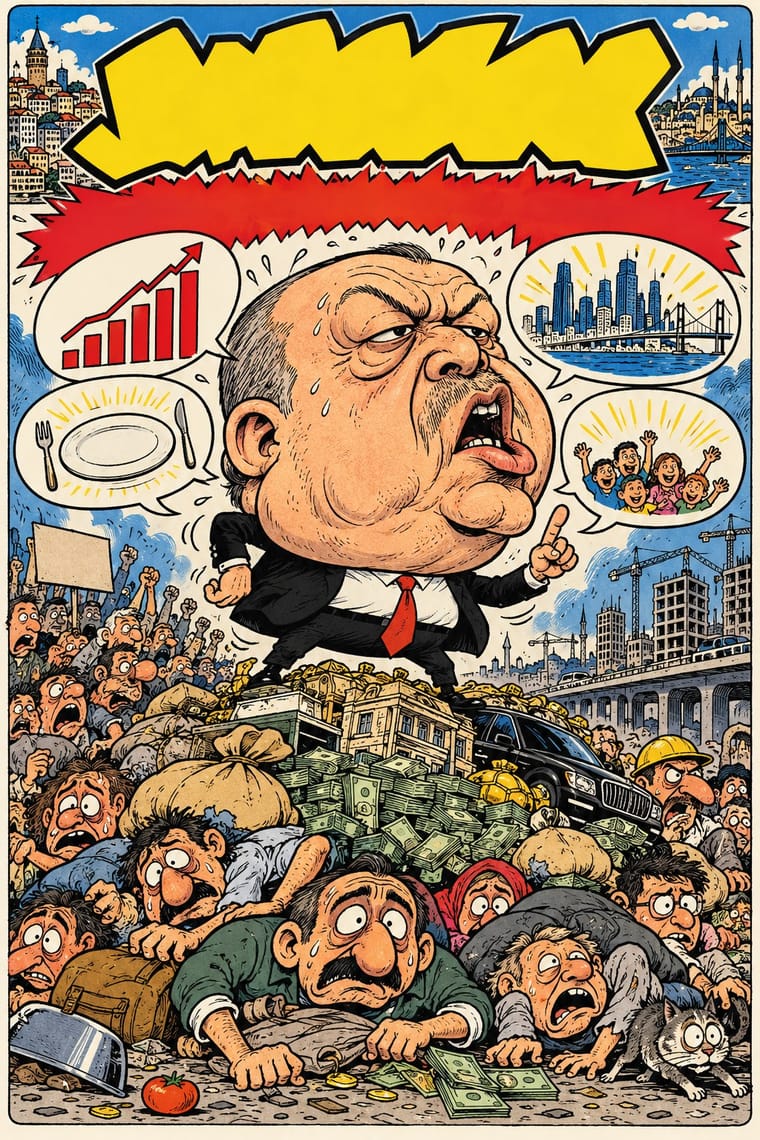
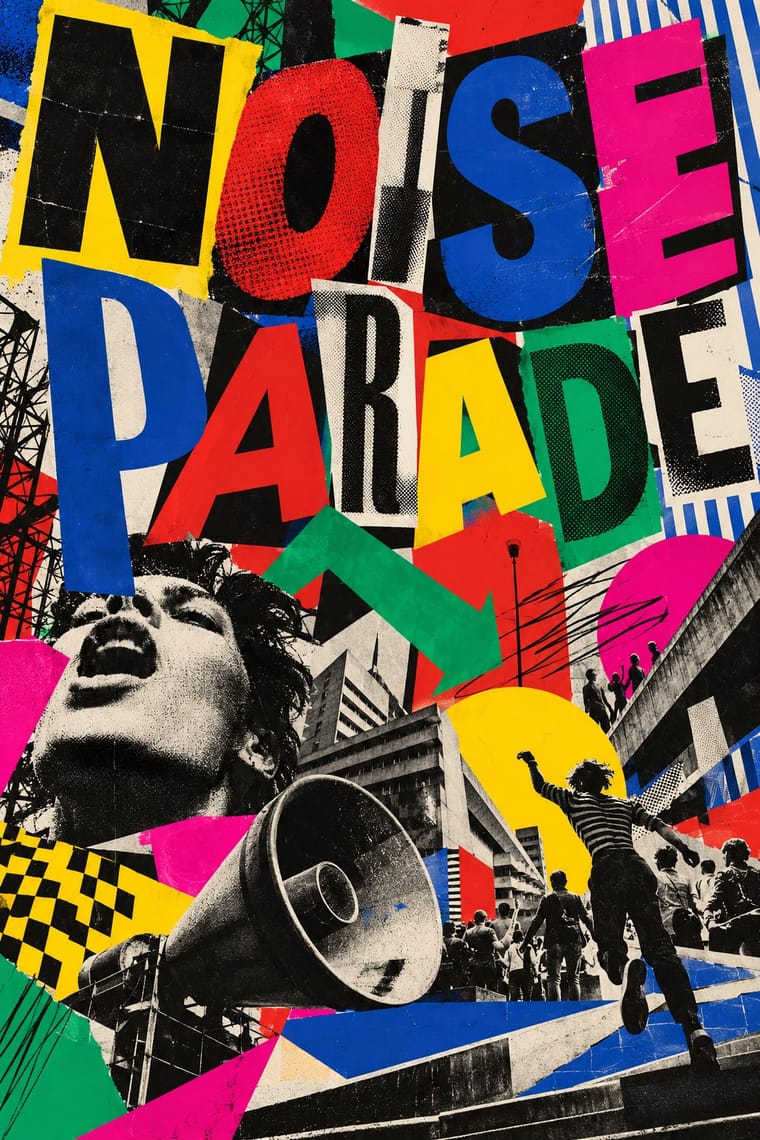
- Punk & DIY ZineThe graphic voice of punk rock in fanzines, record sleeves and gig flyers: images and words cut from newspapers, typed or scrawled, pasted down and run off on a photocopier.
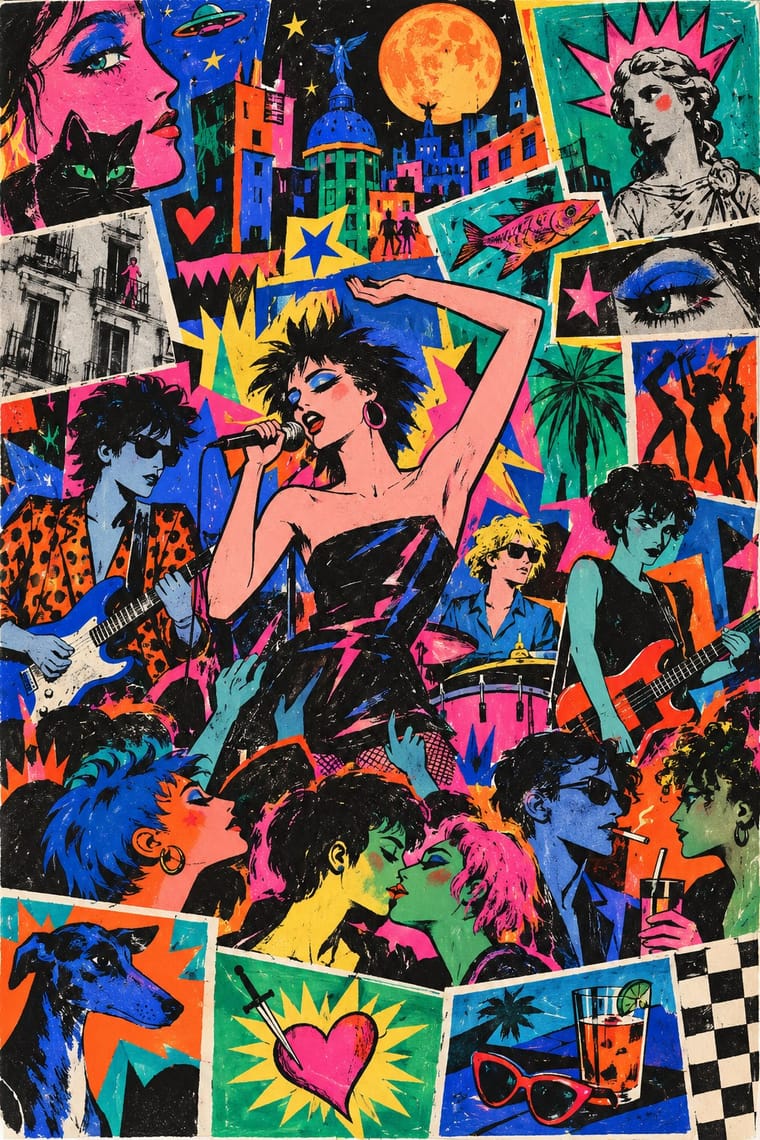
- Iranian Revolutionary & Sacred Defence PosterPosters, murals and stamps of the 1978–79 Iranian Revolution and the 1980–88 war with Iraq, which fused the red-white-black international revolutionary poster with Persian miniature and coffeehouse narrative painting.
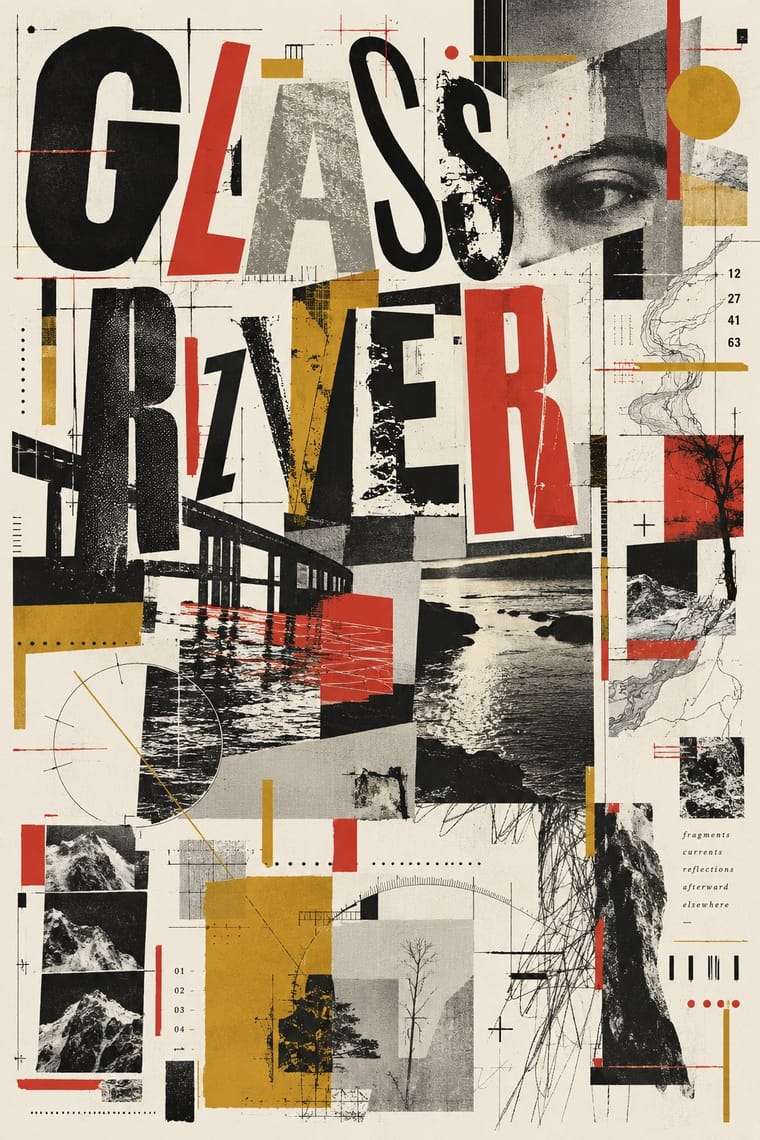
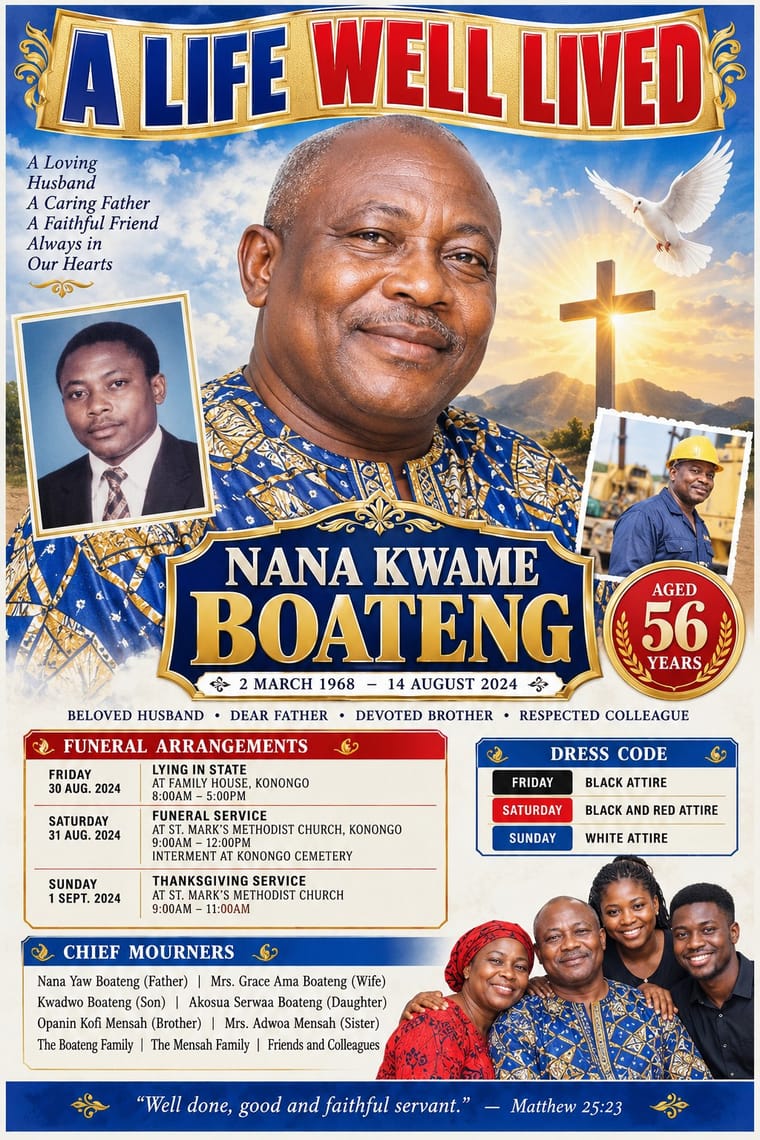
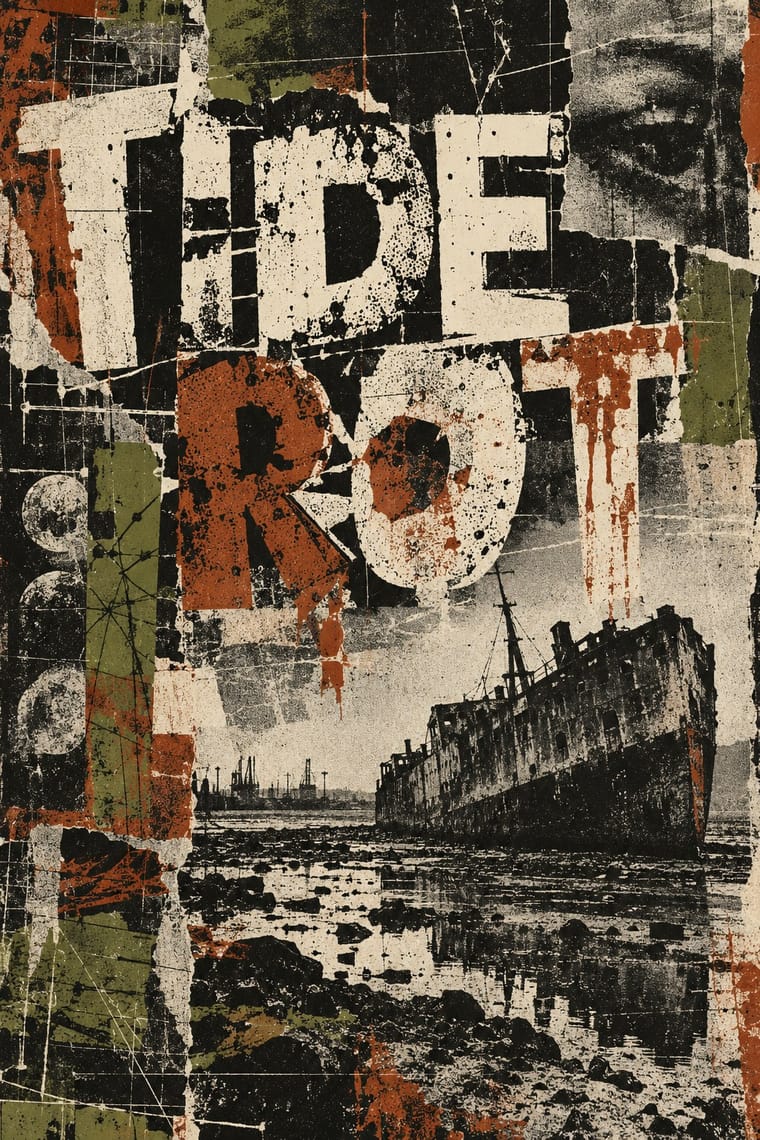
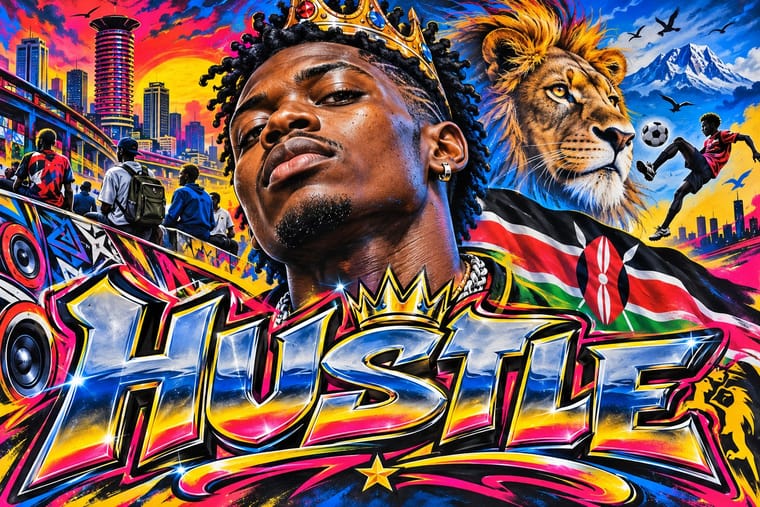
- Nigerian Pentecostal Crusade Poster & BillboardThe roadside adverts of Nigeria's Pentecostal and independent churches: billboards, banners and posters on poles, walls and bridges announcing crusades, revivals, conventions and night vigils.
- Bitterkomix (Afrikaans Underground Comics)The Afrikaans underground comics magazine founded in Stellenbosch in 1992 by Anton Kannemeyer (Joe Dog) and Conrad Botes (Konradski), with Mark Kannemeyer (Lorcan White).
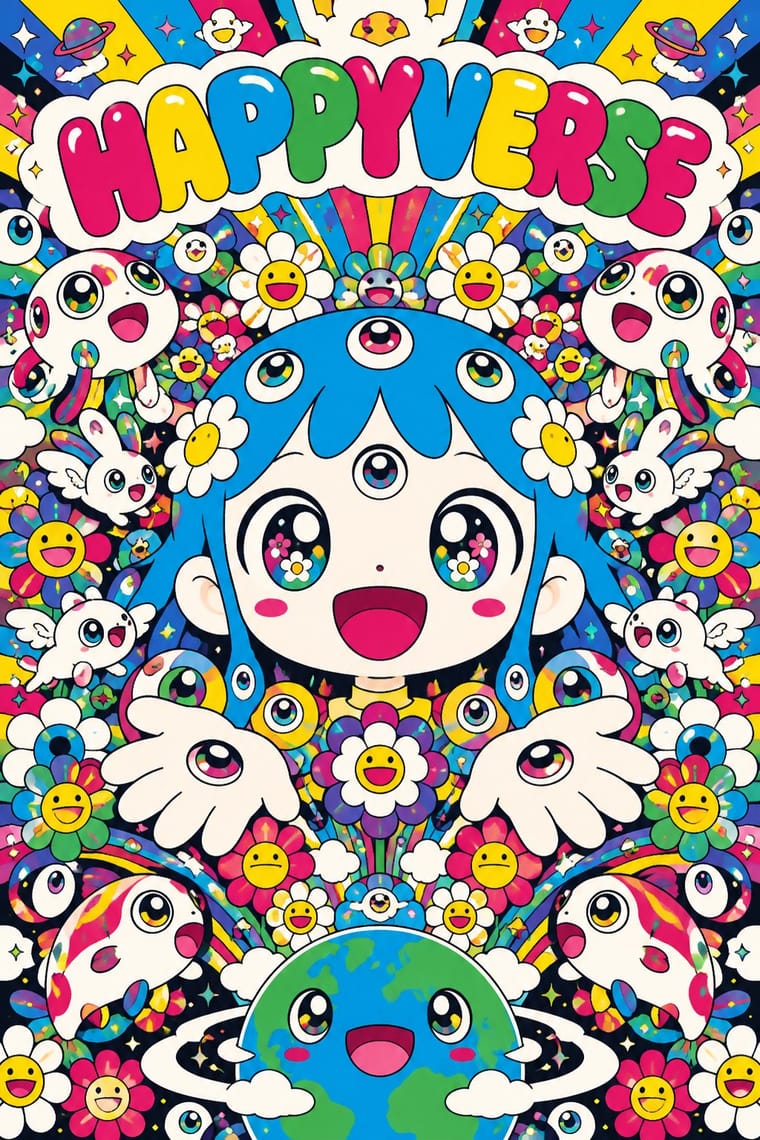
- South African Vernacular Design (Ijusi)A post-apartheid design language launched in Durban in 1995 by Garth Walker's Orange Juice Design and its free, experimental magazine Ijusi (isiZulu for 'juice'), which asked 'What makes me South African, and what does that look like?'.
- Tamil Nadu Flex BannersThe digitally printed vinyl boards, locally called flex banners, that fan clubs, party cadres, businesses and families have put up along the roads of Tamil Nadu since about 2000, as flex displaced hand-painted cinema banners and cut-outs over the following decade.
- Cartonera Books (Latin American Cardboard Publishing)Books of Latin America's cartonera presses, begun by Eloísa Cartonera in Buenos Aires in 2003 after Argentina's 2001 crash: photocopied texts stapled and glued by hand into covers cut from used boxes, usually bought from cartoneros (waste pickers) above the market price.
- Danmaku Bullet-Comment OverlayThe bullet-comment layer of Japanese and Chinese video sites, begun on Niconico in December 2006 and taken up by AcFun and Bilibili in 2008–2009.
- Oaxacan Protest Printmaking & Street Graphics (ASARO)The street graphics of Oaxaca City since the 2006 teachers' strike and APPO uprising, when ASARO, the stencil collective Lapiztola and later workshops such as Colectivo Subterráneos made the colonial centre's walls a newspaper.
Styles that use it now and then 48
An occasional choice in these styles.
- Chinese Paper-Cut (Jianzhi)c. 500–present
- Maghrebi Script (Maghribi Calligraphy of al-Andalus and North Africa)c. 900–present
- Song–Ming Woodblock Book Typography (Songti / Mincho)c. 960–present
- Persian Nastaʿlīq Calligraphy (Qiṭʿa, Chalipa and Siyāh-mashq)c. 1400–present
- Diné (Navajo) Weaving Design1700–present
- Chaekgeori & Minhwa Screen Painting1776–present
- Hand-Painted Signage & Vernacular Lettering1800–present
- Bulaq (Amiriyya) Naskh Book Printing1822–1956
- Nirnaya Sagar Devanagari Typography (Bombay Metal Type)1864–present
- Spanish Bullfight Poster (Cartel Taurino)1879–present
- Norwegian and Finnish National Romantic Graphics (Munthe & Karelianism)1880–1922
- Kanga (Swahili Message Cloth)1886–present
- Mir iskusstva Book Art1898–1927
- Expressionist Woodcut Graphics1905–1925
- Italian Futurism1909–1944
- Russian Futurist Book1910–1920
- Italian Fascist Graphics (Romanità & Exhibition Photomontage)1921–1943
- Egyptian Painted Film Poster1932–1996
- Puerto Rican Silkscreen Poster (DIVEDCO & ICP)1946–1989
- Escuela Bruguera (Spanish Humour Comics)1947–1986
- West African Barbershop & Hair Salon Signs1950–present
- Drum Magazine & Sophiatown Photojournalism1951–1965
- Arab Children's Comic Magazines (Samir to Majid)1956–present
- Iranian Modernist Graphic Design1960–present
- Phototype Expressive Typography (Lubalin & U&lc)1962–1985
- Black Panther Party Graphics1967–1980
- Chilean Unidad Popular & Nueva Canción Graphics1967–1973
- Ultras Graphics (Curva Banners and Tifo)1968–present
- Kawaii Design1970–present
- Ethiopian Revolutionary Poster (Derg Era)1974–1991
- Métal hurlant Science-Fiction Comics (Mœbius, Druillet & Les Humanoïdes Associés)1974–1987
- South African Resistance Poster1978–1994
- Solidarność & Polish Underground Graphics1980–1989
- Pardhan Gond Painting (Jangarh Kalam)1981–present
- Emigre & Early Digital Type1984–1998
- L'Association and French Alternative Comics1990–present
- Indian Pop-Kitsch Design (Desi Kitsch)1997–present
- Arabic Calligraffiti2002–present
- Itasha (Anime Character Car Graphics)2005–present
- Arab Independent Comics (Samandal, TokTok, Lab619, Skefkef)2007–present
- 'Good Morning' Greeting Images (WhatsApp Forward Vernacular)2013–present
- Brutalist Web Design2014–present
- Latin American Feminist Protest Graphics (Ni Una Menos and the Green Wave)2015–present
- Acid Graphics / New Ugly2016–present
- Front-of-Pack Warning Octagons (Latin American Food Warning Seals)2016–present
- VTuber Avatar and Stream Graphics2016–present
- Post-Binary Typography (Bye Bye Binary and Inclusive French Type)2018–present
- Generative-AI Image Aesthetic2022–present
It often goes with
Choices that the styles making it make more often than the atlas as a whole.
- Abundant decorationin 68 of 154
- Spiritual & sacredin 75 of 154
- Communal & popularin 105 of 154
- Framed panelsin 100 of 154
- Borders & framesin 80 of 154
- Hand-paintedin 70 of 154
Styles that avoid it
Styles that deliberately leave it out.
- Renaissance Book Typographyc. 1460–1600
- Ma & Wabi-sabi Aesthetics1500–present
- Rinpa & Saga-bon1600–present
- Sápmi Graphic Identity (Duodji & Gákti Colour Code)1600–present
- Ten Bamboo Studio Colour Woodblock (Douban & Gonghua)1626–present
- Tarot de Marseille Woodcut Cards1639–present
- Burmese Parabaik Painting (Konbaung Folding Books)1752–1885
- Kalighat Pat & Battala Bazaar Prints1830–1930
- Japonisme1860–1910
- Lotería Card Imagery (Mexican Lotería)1887–present
- Glasgow Style1890–1914
- Simplicissimus Satirical Style (Munich)1896–1944
- Plakatstil / Sachplakat1905–1920
- Santiniketan & Bengal School Graphics1905–1954
- London Transport Design1908–1966
- Taishō Roman & Lyrical Illustration1910–1940
- Hungarian Revolutionary Poster1912–1919
- Suprematism1915–1925
- De Stijl1917–1931
- Basel Object Poster (Swiss Sachplakat)1919–1955
- Leningrad Avant-Garde Picture Book1922–1936
- Republican Chinese Book Cover Design (Lu Xun & Tao Yuanqing)1923–1949
- Amazonian Boat Lettering (Abridores de Letras)1925–present
- Scandinavian Functionalism1930–present
- Hebrew Poster Lettering & Early Israeli State Design1934–1974
- Penguin Paperback Design (Three Bands to the Marber Grid)1935–1972
- WPA Silkscreen Posters1935–1943
- American Mid-Century Modernism1940–1970
- Bengali Modernist Book Cover (Prachchhad)1943–present
- UPA & Cartoon Modern1944–1960
- French Post-War Visual-Gag Poster (Savignac, Villemot, Morvan)1948–1979
- International Typographic Style1950–1975
- Japanese Postwar Modernism1950–1990
- Finnish Bold Print (Marimekko Modernism)1951–present
- Vicente Rojo & Mexican Editorial Modernism1953–1990
- West German Conceptual Film & Culture Poster (Hillmann and Rambow)1953–1990
- Zagreb School of Animated Film1954–1980
- Corporate Identity Modernism1955–1990
- Chinese National-Style Animation (Shanghai Animation Film Studio)1956–1989
- Polish Cold War Neon (PRL Neonisation)1956–1981
- Thaw Modernism (Soviet and Czechoslovak)1956–1968
- Kinngait (Cape Dorset) Inuit Printmaking1957–present
- British Road Signage (Kinneir & Calvert)1958–present
- Turkish Modernist Poster & Graphic Design1959–2000
- Bossa Nova Sleeve Modernism (César Villela and Elenco)1960–1968
- Cuban Revolutionary Poster (OSPAAAL & ICAIC)1960–1990
- Greek Tourism Modernism (EOT)1960–1974
- Indian Institutional Modernism (NID)1961–1990
- Baybayin Revival Graphics1963–present
- Hong Kong East–West Graphic Modernism1964–present
- Minimalist Graphic Design1965–present
- Hipgnosis Photographic Concept Sleeve1968–1983
- ECM Sleeve Aesthetic (Munich)1969–present
- Grapus (French Militant Graphic Collective)1970–1990
- Post-Punk Record Sleeve (Stiff, Factory, 4AD)1977–1990
- Stencil Street Art1978–present
- City Pop Illustration1979–present
- Korean Commercial Calligraphy (Kaelligeurapi)1999–present
- Korean Webtoon Graphics2002–present
- Contemporary Chinese Book Design ('Most Beautiful Books of China')2003–present
- Contemporary Arabic & Dual-Script Type Design2004–present
- Frutiger Aero2004–2013
- Hauntology & Ghost Box Design2004–present
- Modern Calligraphy and Brush Lettering2005–present
- Neo-Swiss Revival2005–present
- Synthwave / Outrun2006–present
- Slow-Living Editorial (the Kinfolk Look)2011–present
- Syrian Revolution Graphics (Kafranbel Banners & Poster Collectives)2011–2024
- DTC 'Blanding' / Millennial Minimalism2012–2022
- Low Poly Illustration2012–present
- YouTube Thumbnail Style (the 'YouTube Face')2012–present
- Analog Horror Graphics2015–present
- Illustrated Rom-Com Book Cover (Cartoon Couple Cover)2016–present
- Corporate Memphis2017–present
- Neumorphism2019–2021
- Weirdcore & Dreamcore2019–present
- Claymorphism & Soft 3D2020–present
- Glassmorphism2020–present
- Palestinian Watermelon and Keffiyeh Graphics2021–present
- Ukrainian Wartime Graphics (Saint Javelin, War Stamps and Be Brave Like Ukraine)2022–present
- Woman, Life, Freedom Protest Graphics (Iran and the Diaspora)2022–present