Form & shape · Representation
Naturalistic depiction
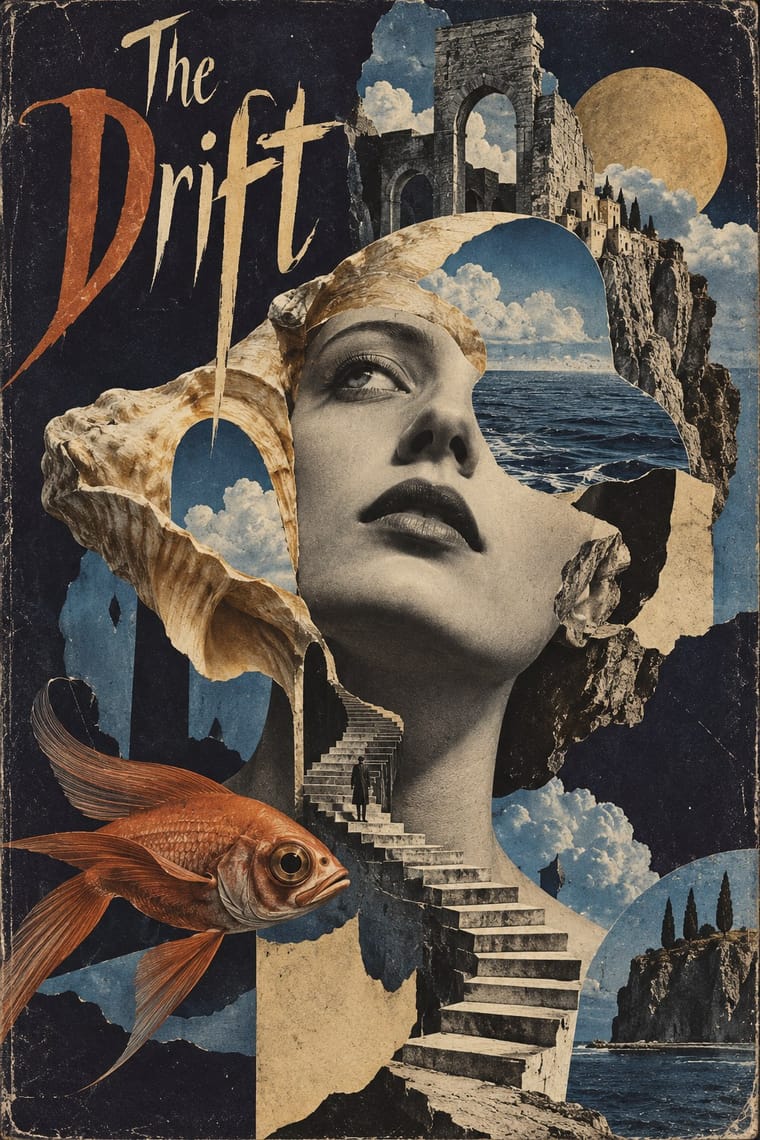
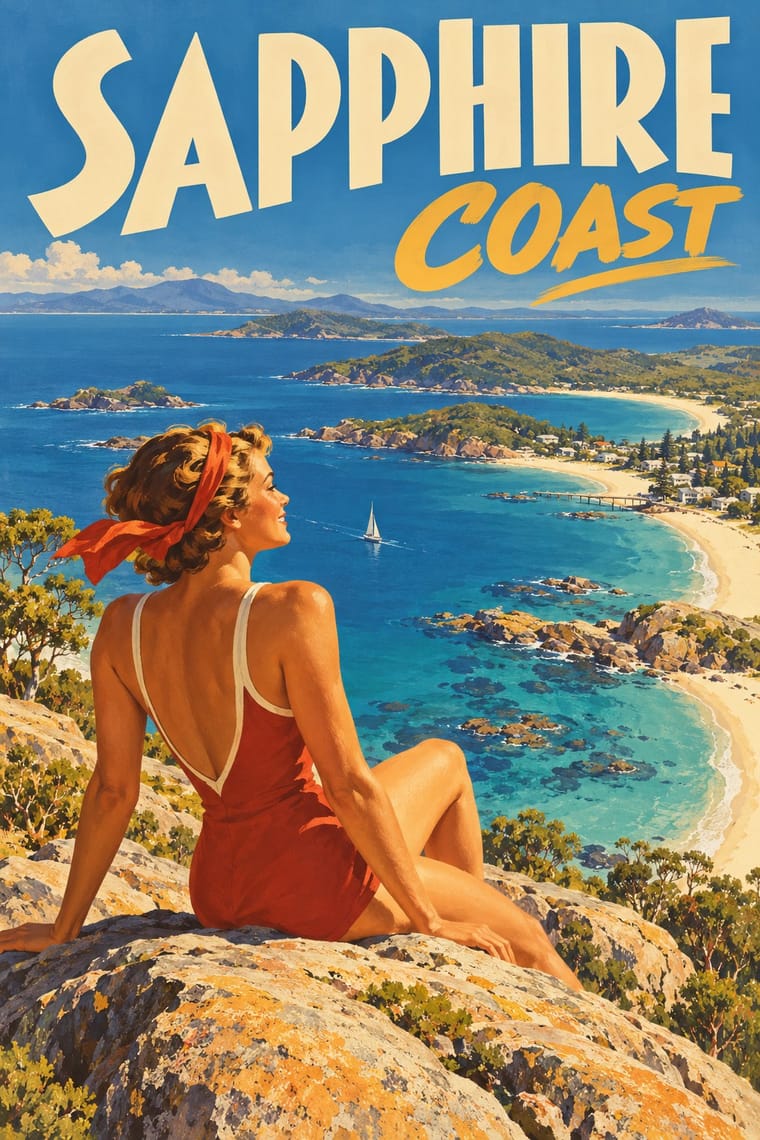
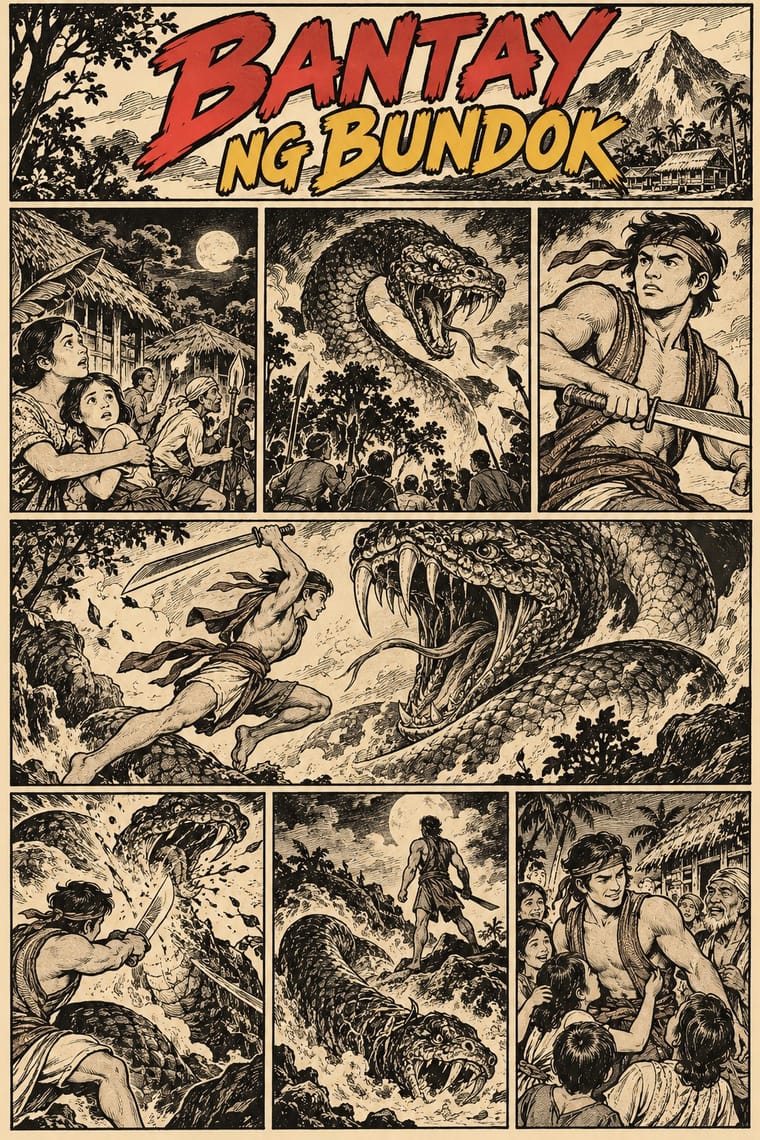
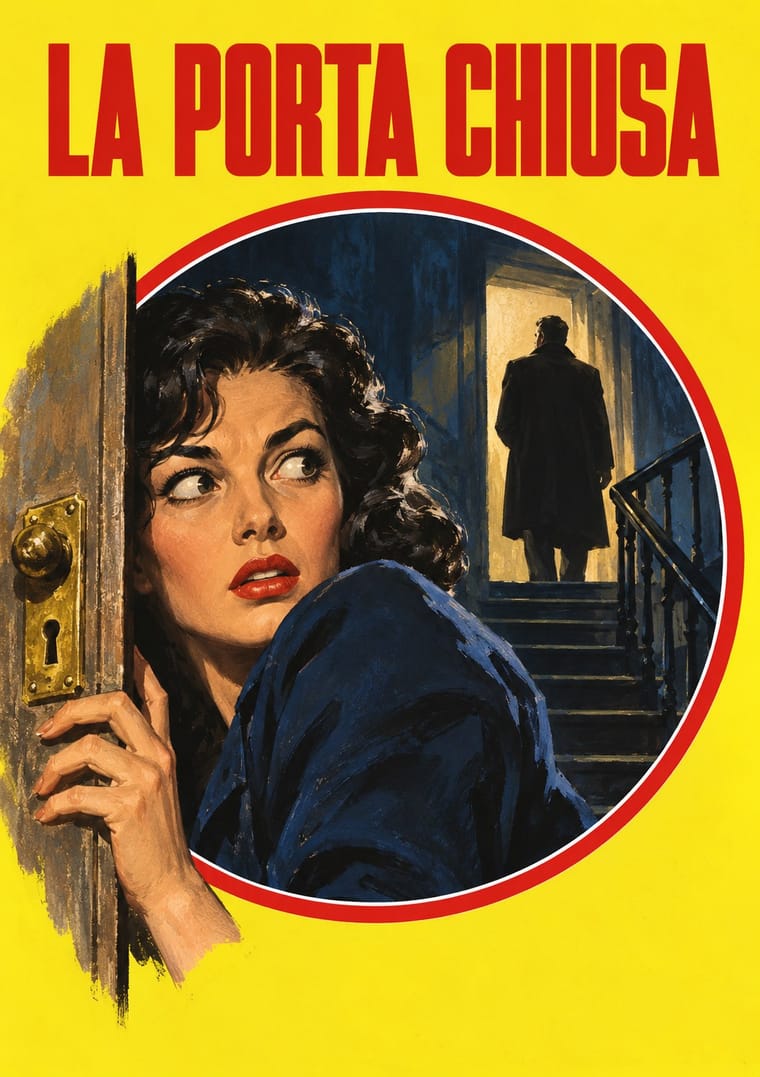
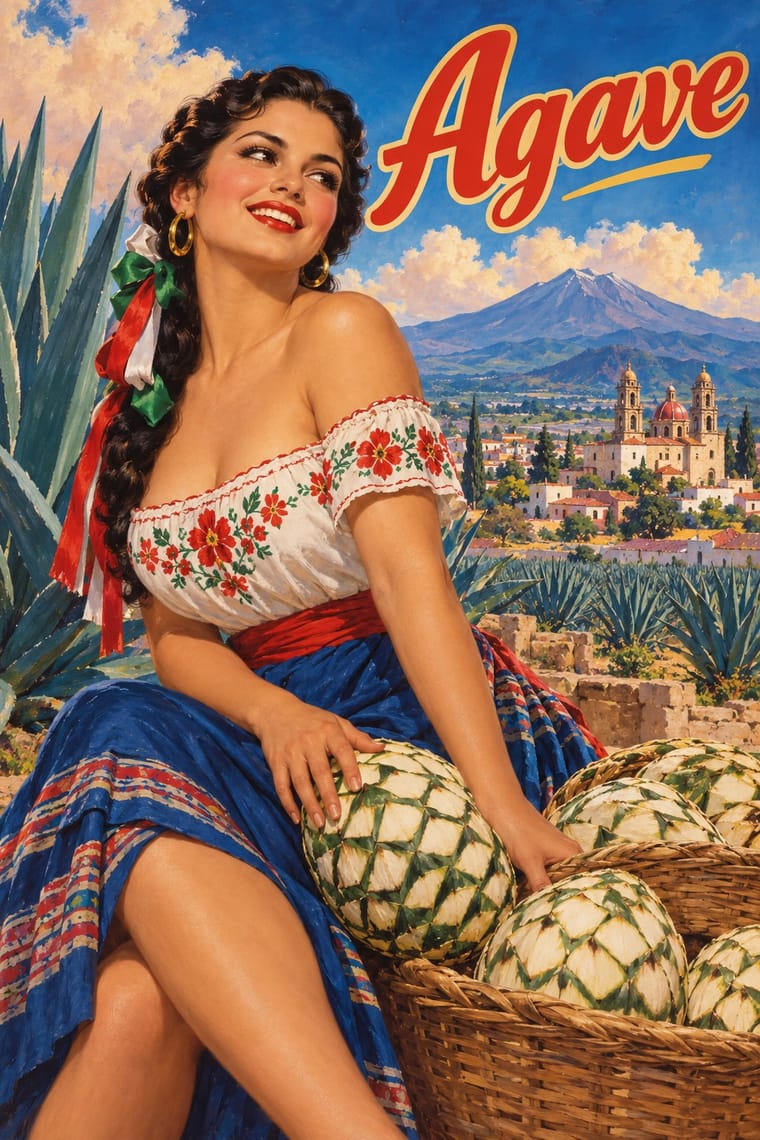
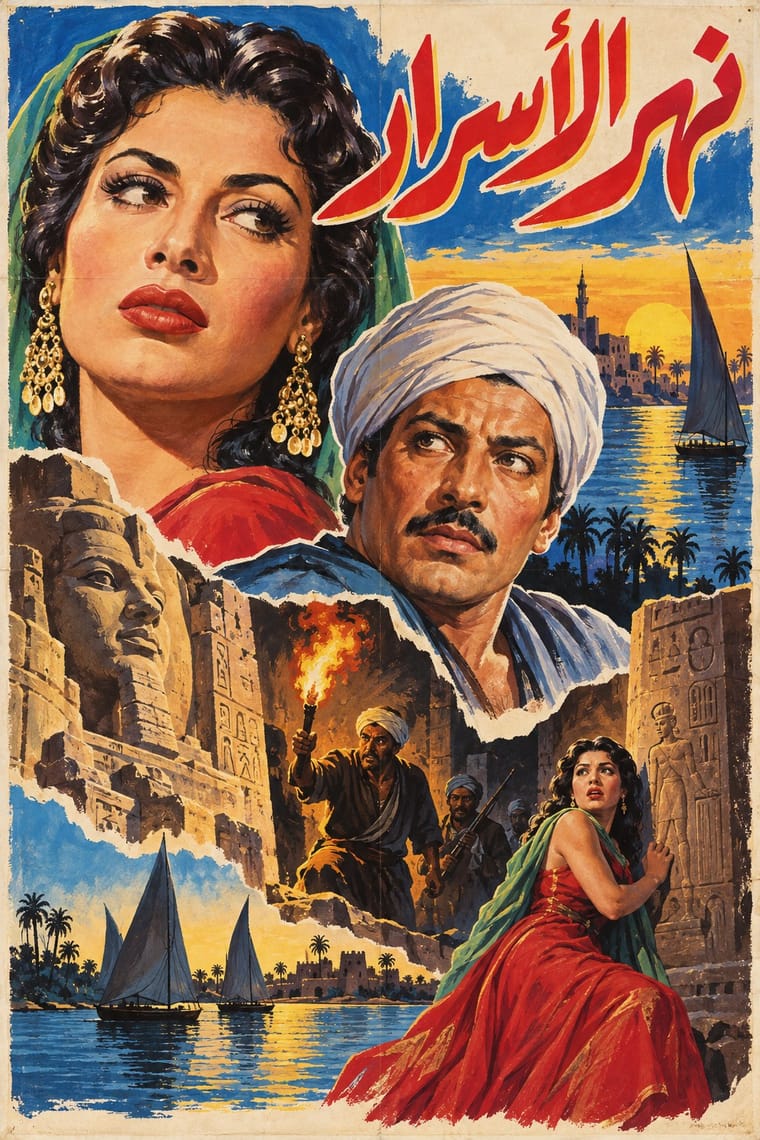
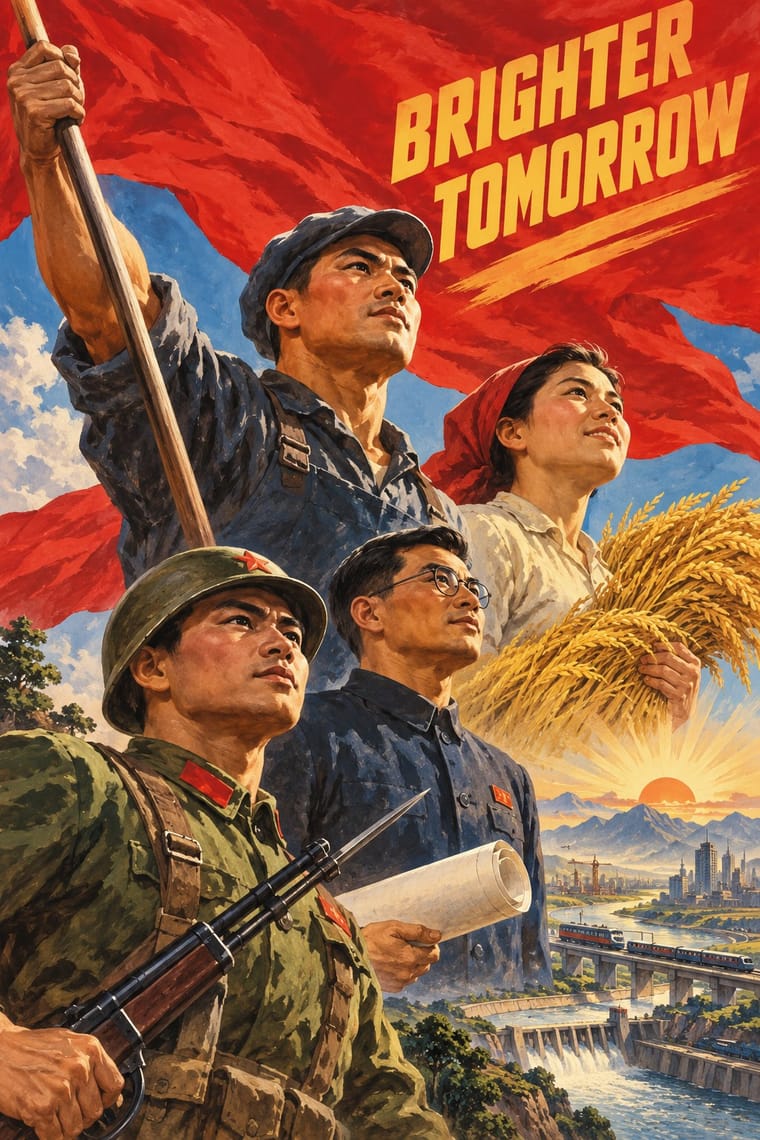
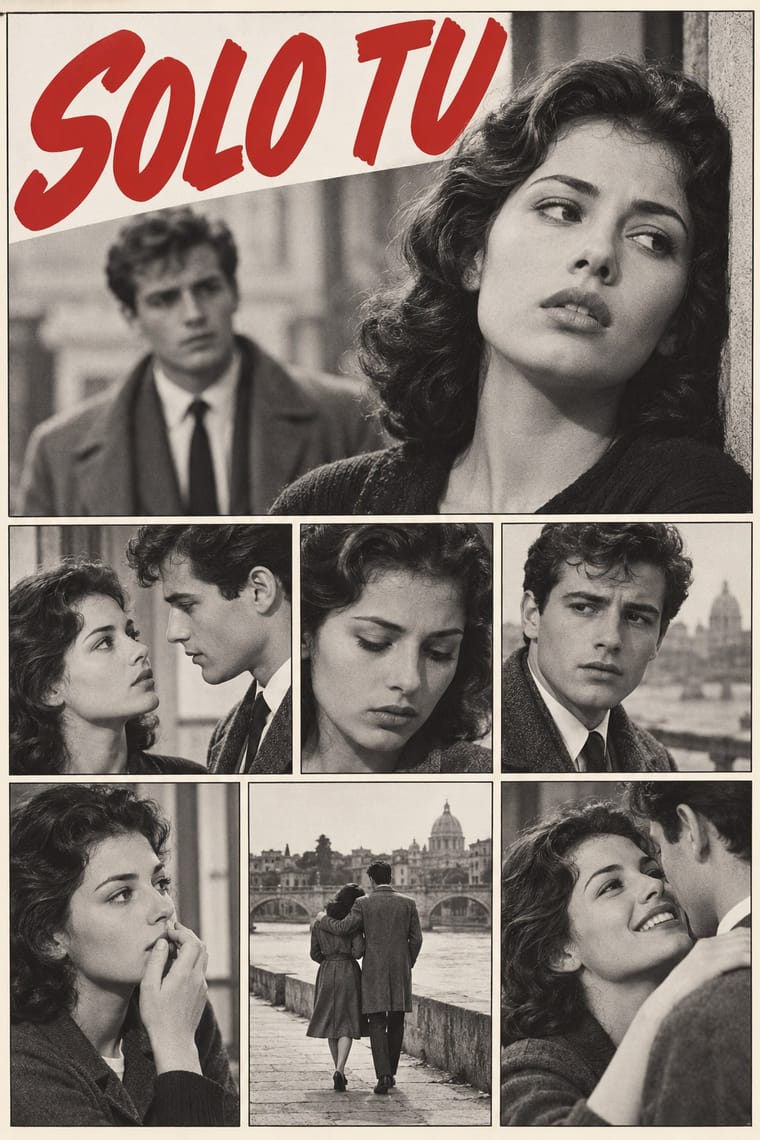
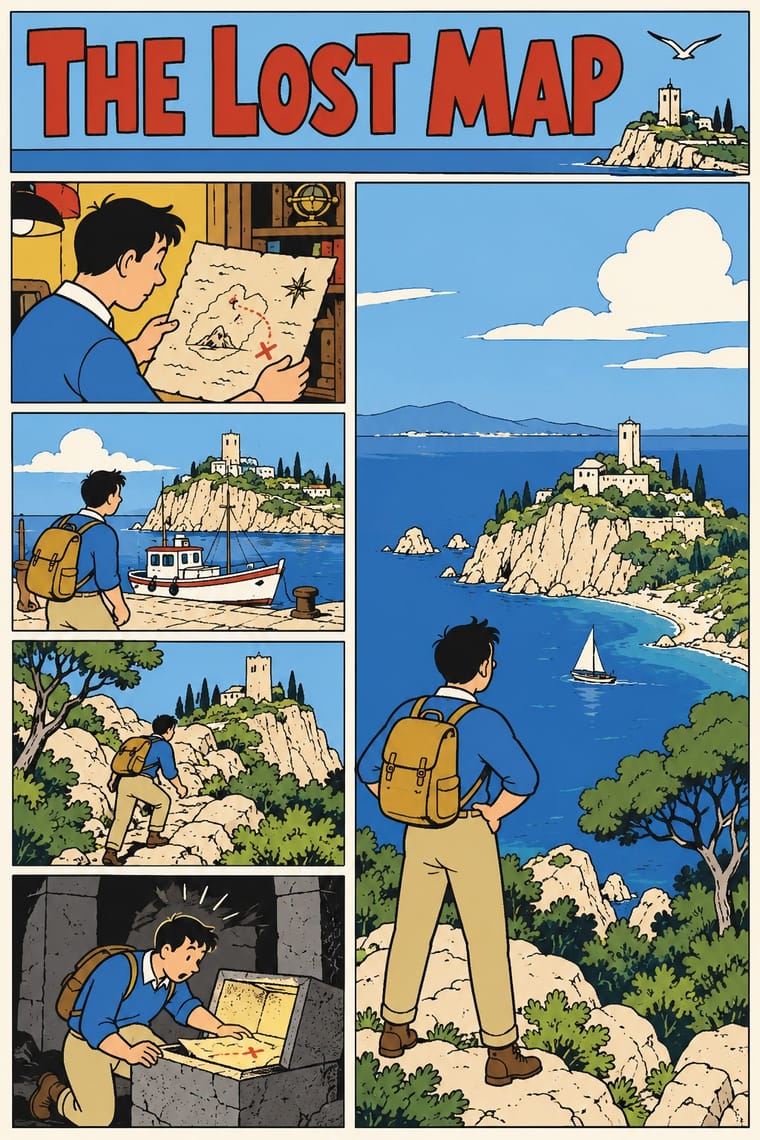
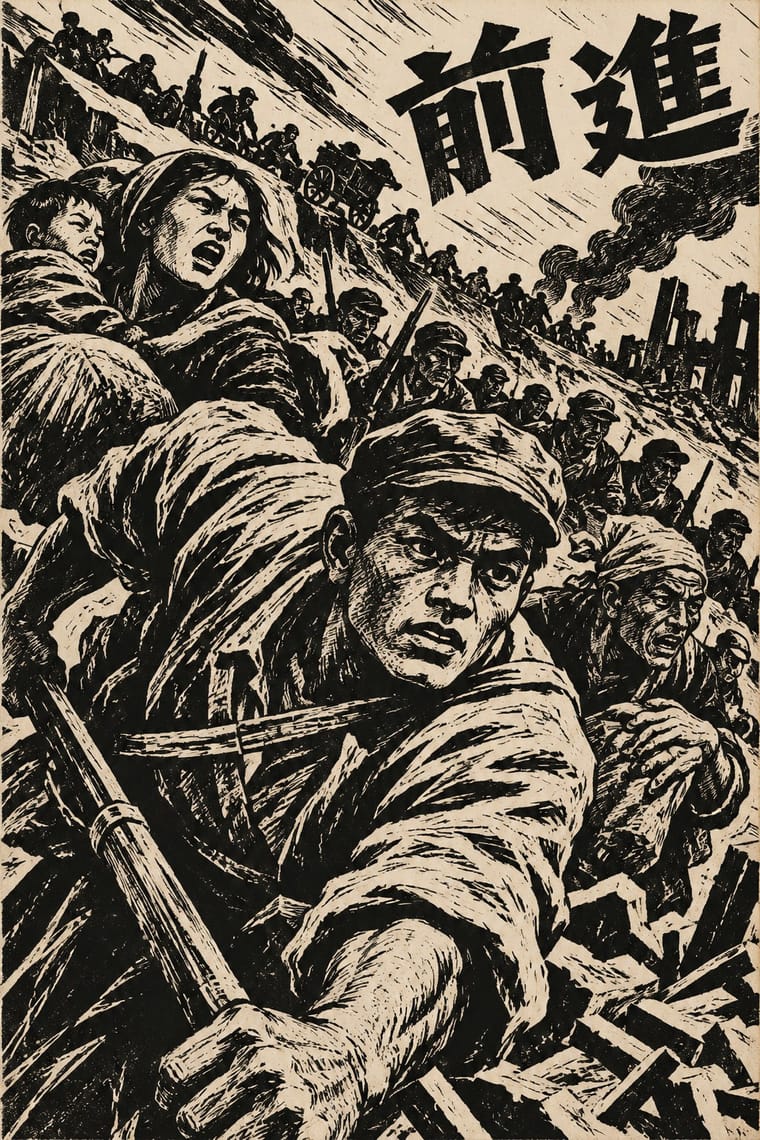
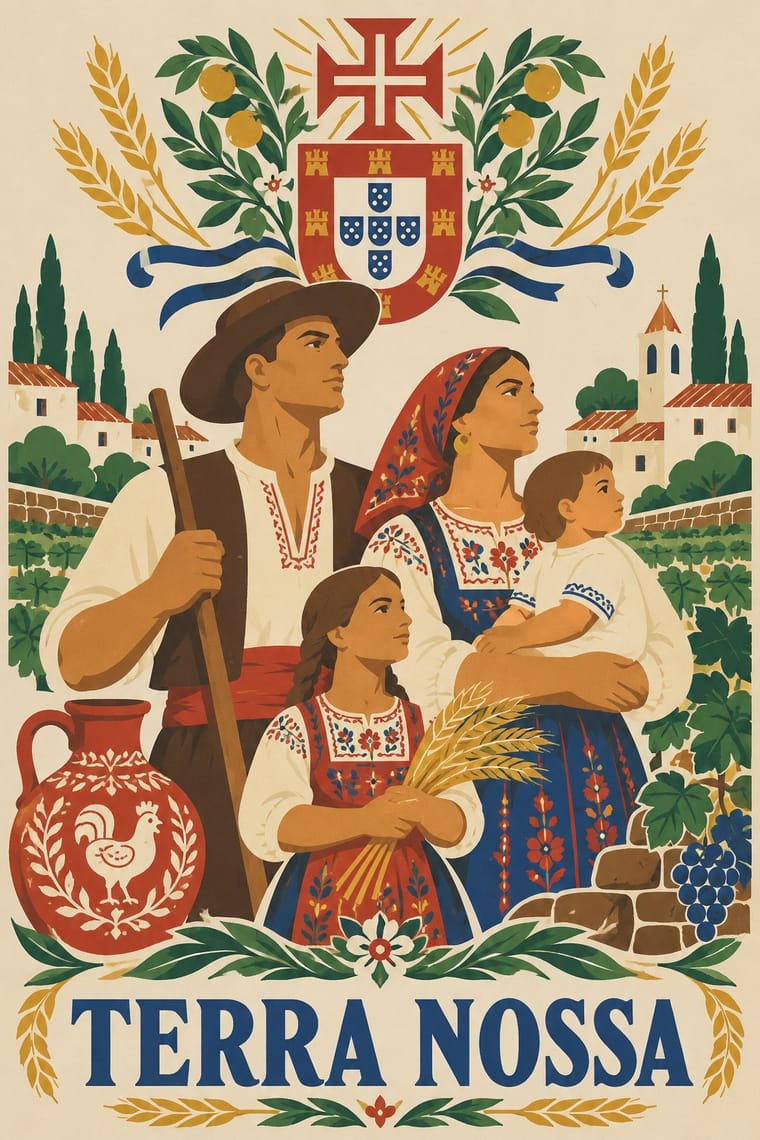
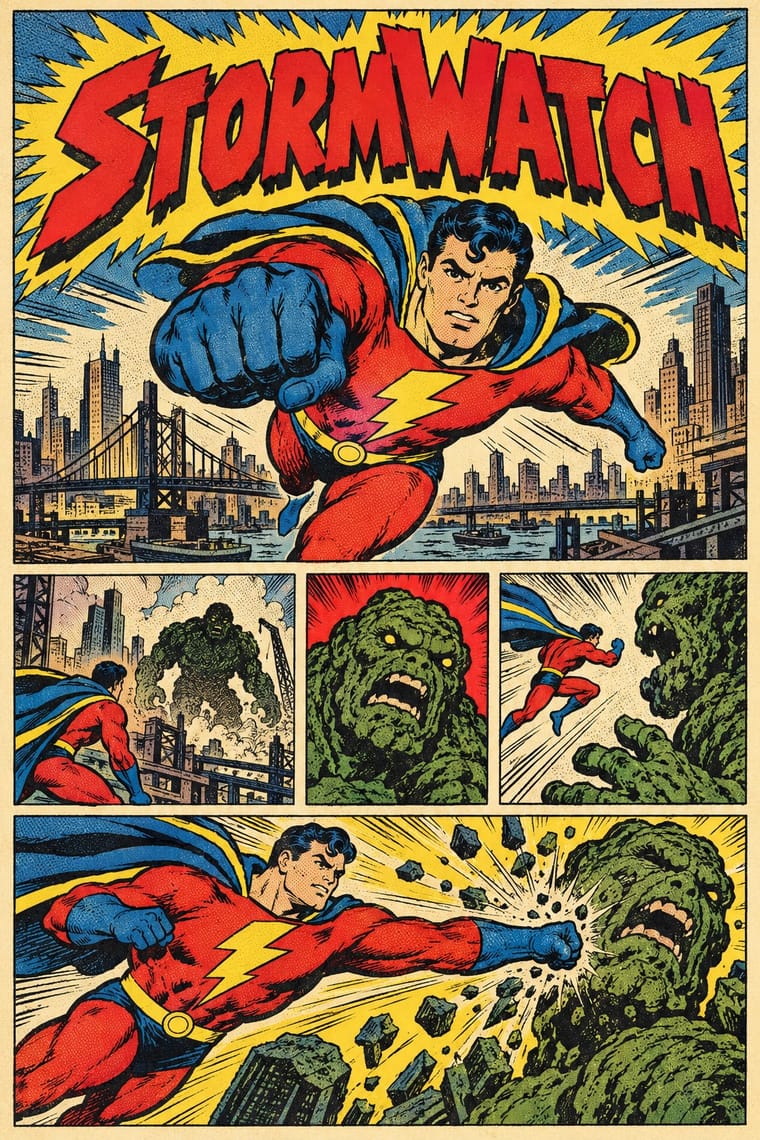
Realistic, illusionistic rendering.
A design choice in Stylogeny’s vocabulary, under form & shape: what is the shape language?
- styles make it
- 133
- as a defining choice
- 28
- as a usual one
- 51
- now and then
- 54
- avoid it
- 89
Styles defined by it 28
For these styles it is one of the choices that make the style.
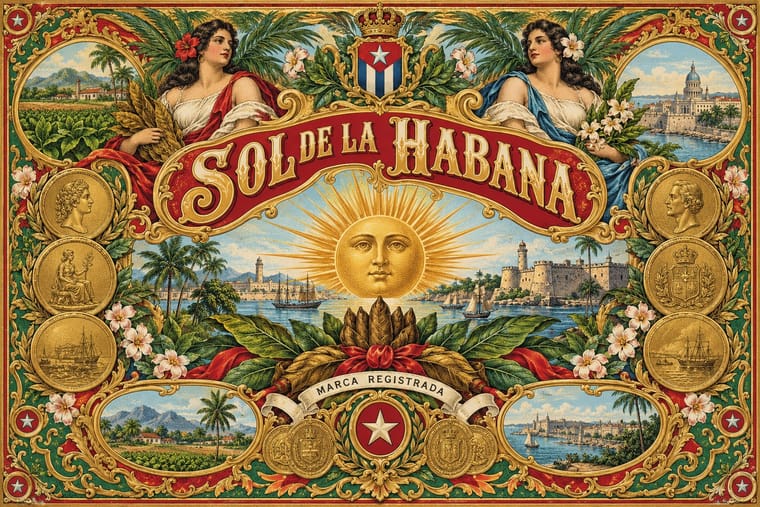
- Indian Calendar & Bazaar ArtMass-printed images of Hindu deities, epic scenes, saints, nationalist heroes and film stars, sold in bazaars and given away as business calendars, from the chromolithographs of the Calcutta Art Studio and Ravi Varma Press to Sivakasi offset.
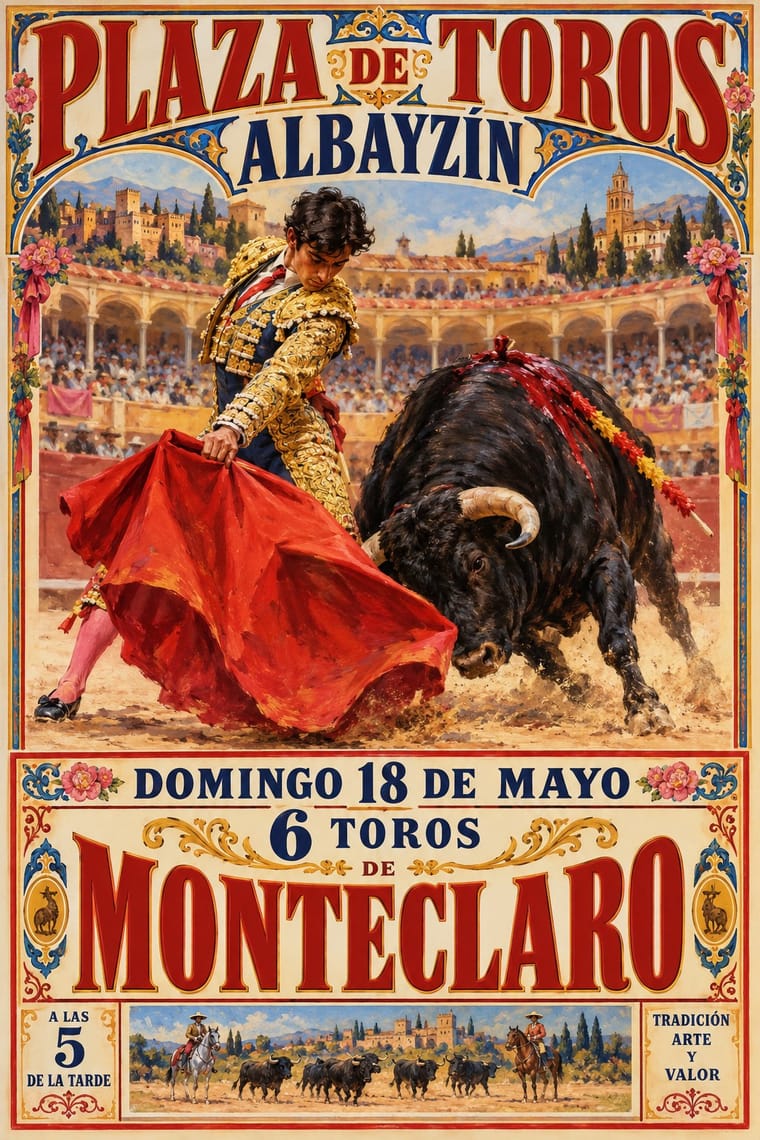
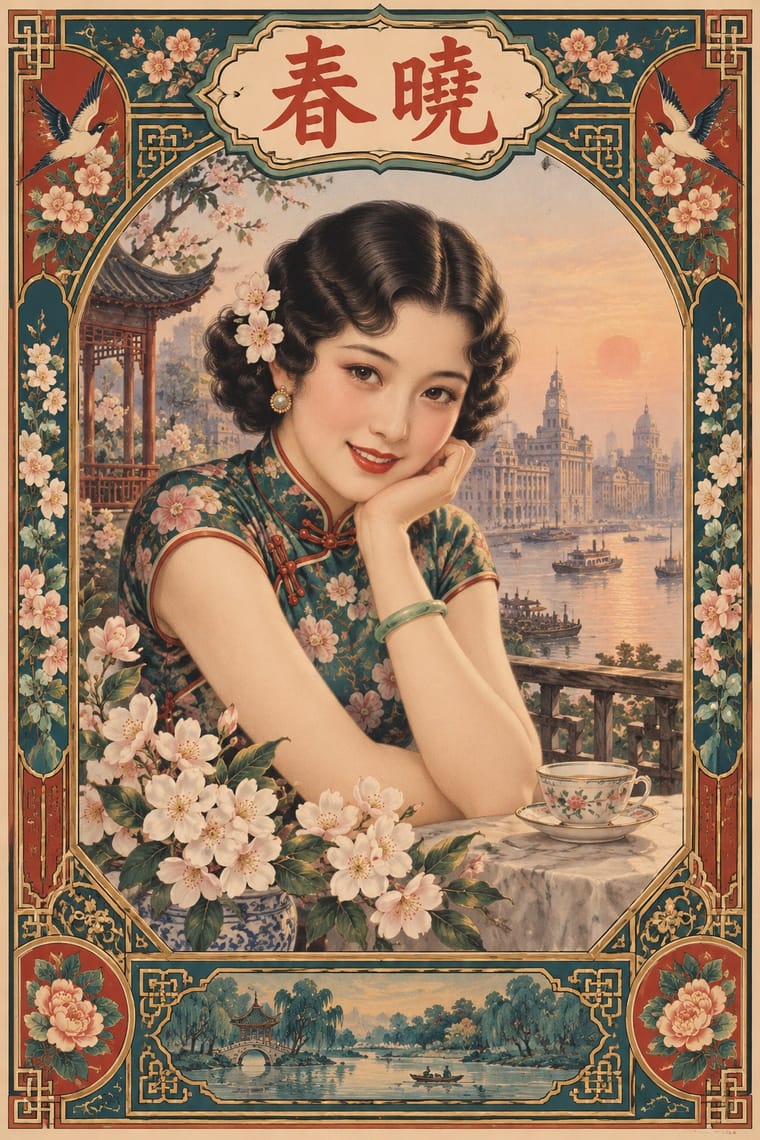
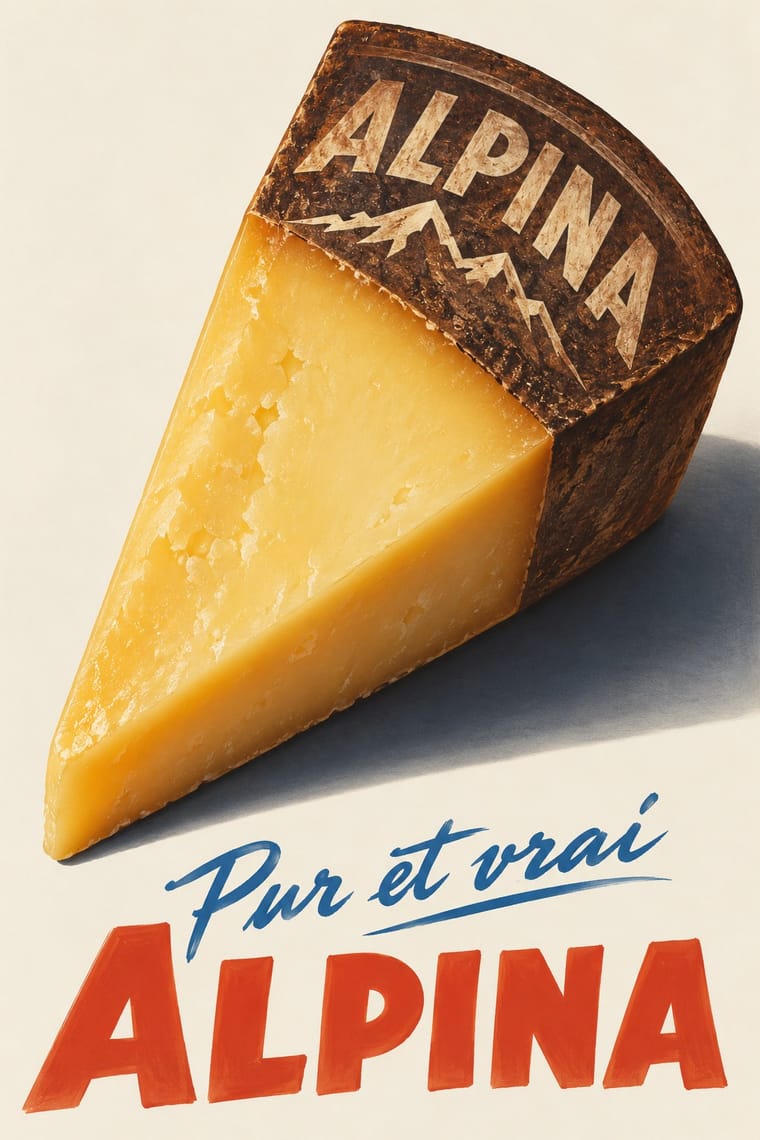
- AIZ Political Photomontage (Heartfield)The political photomontage John Heartfield made for the communist weekly AIZ from 1930 to 1938, in Berlin and, from 1933, in Prague exile.
- Nippon Kōbō & Tōhōsha Photo-Propaganda Magazines (NIPPON & FRONT)Luxury photo-propaganda magazines that imperial Japan sent abroad, 1934–45.
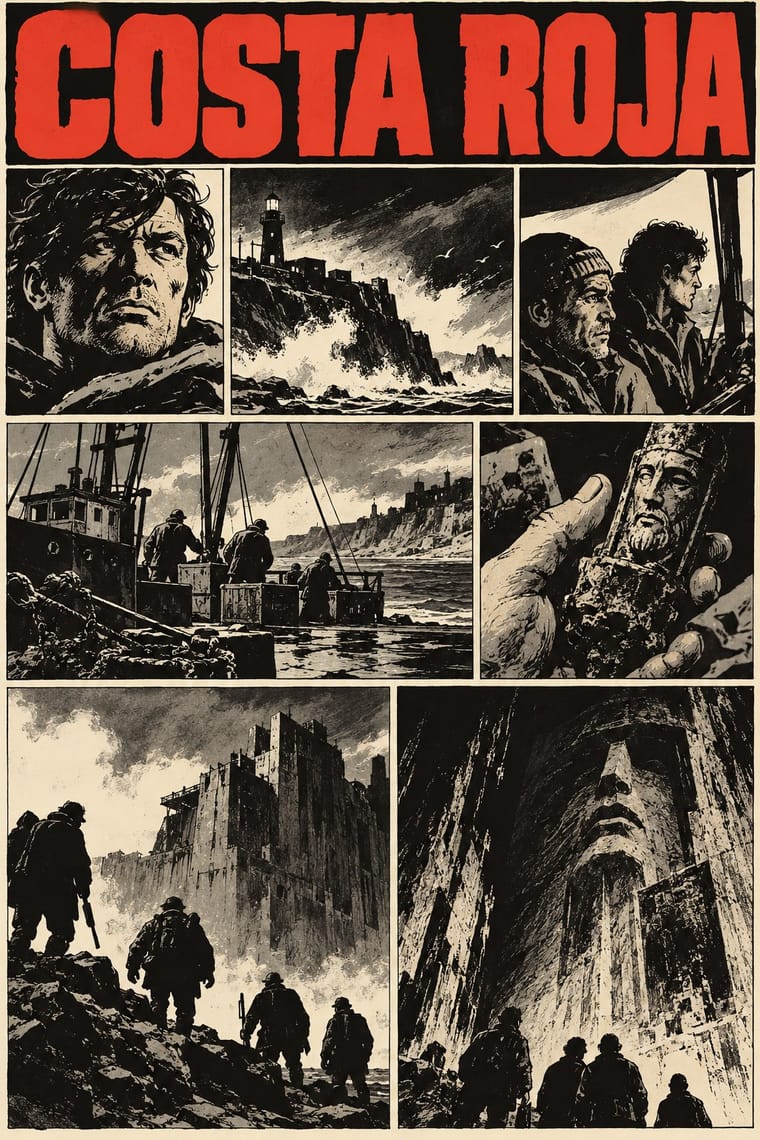
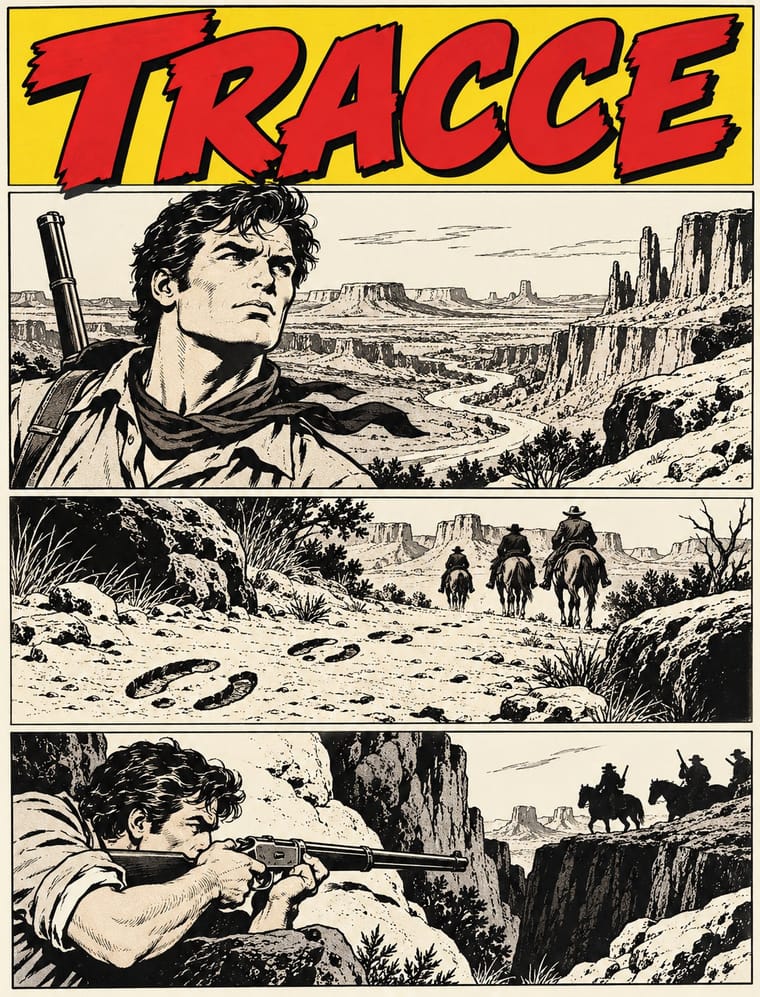
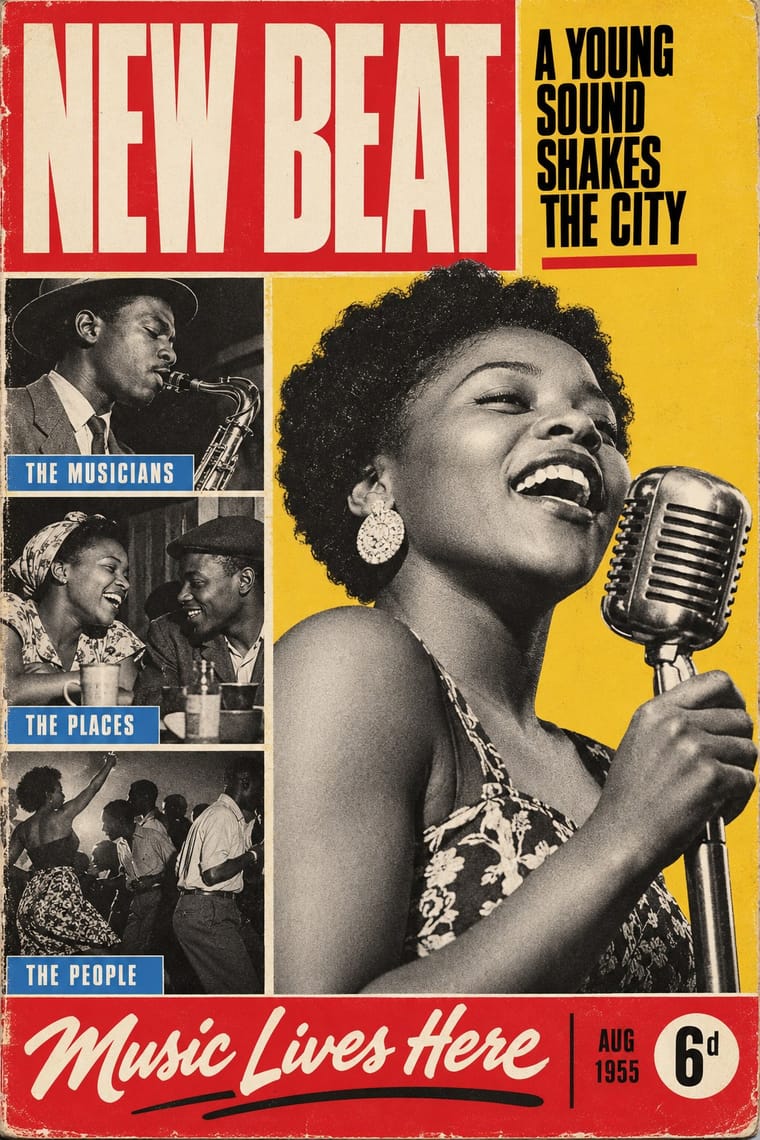
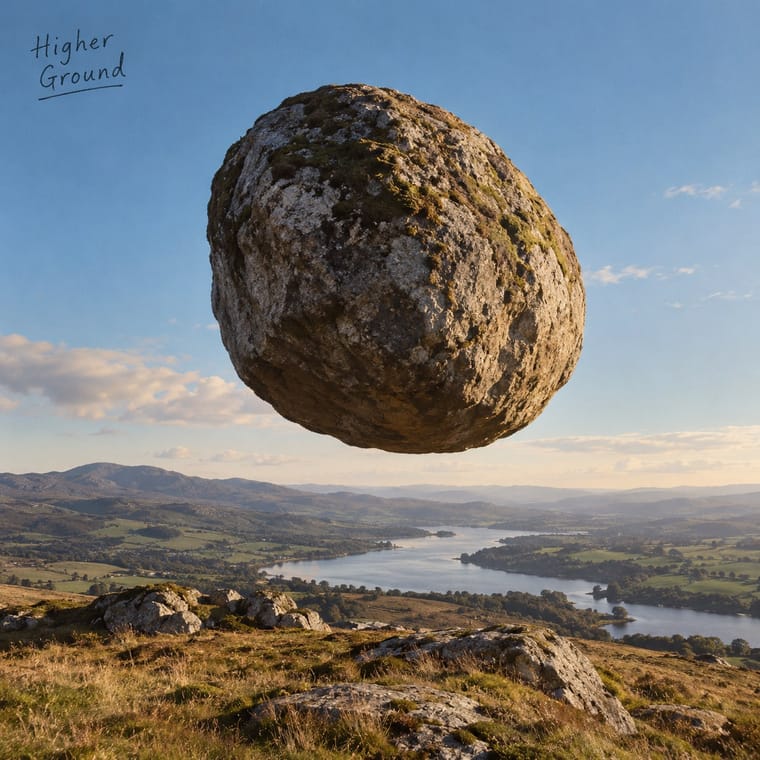
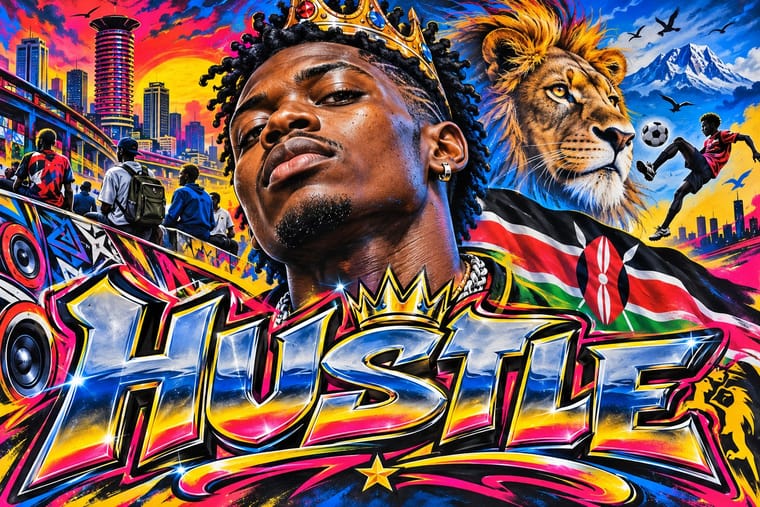
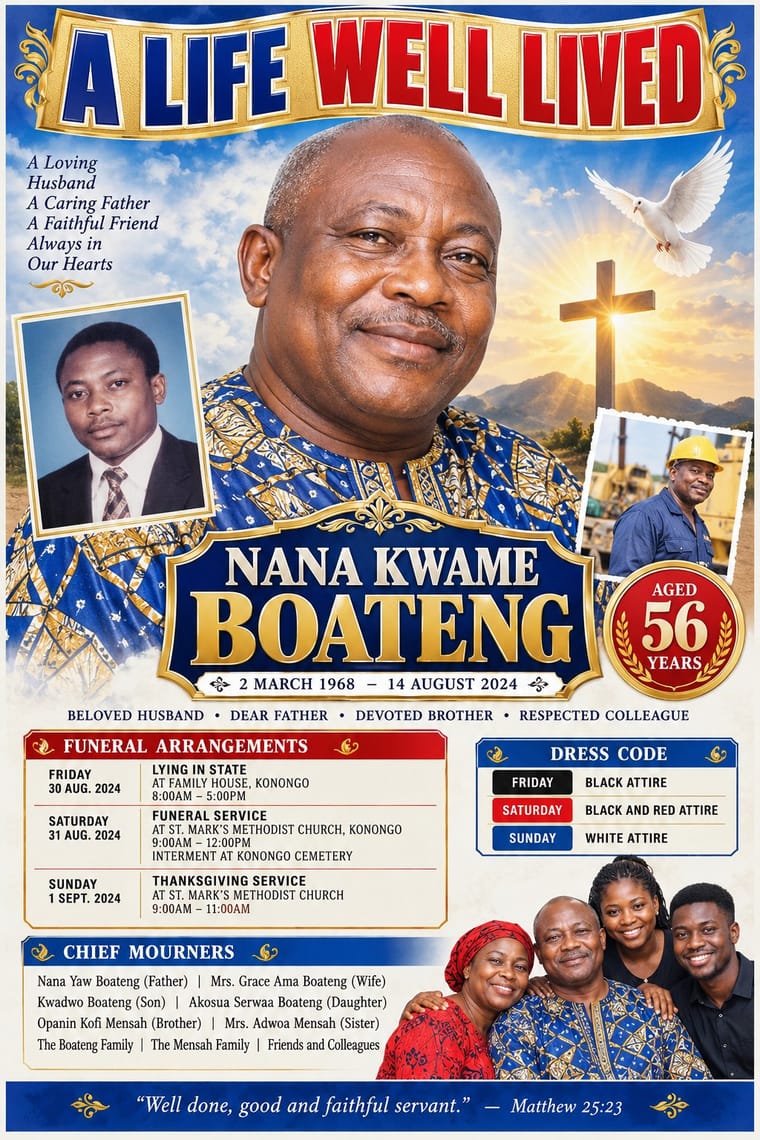
- Nigerian Pentecostal Crusade Poster & BillboardThe roadside adverts of Nigeria's Pentecostal and independent churches: billboards, banners and posters on poles, walls and bridges announcing crusades, revivals, conventions and night vigils.
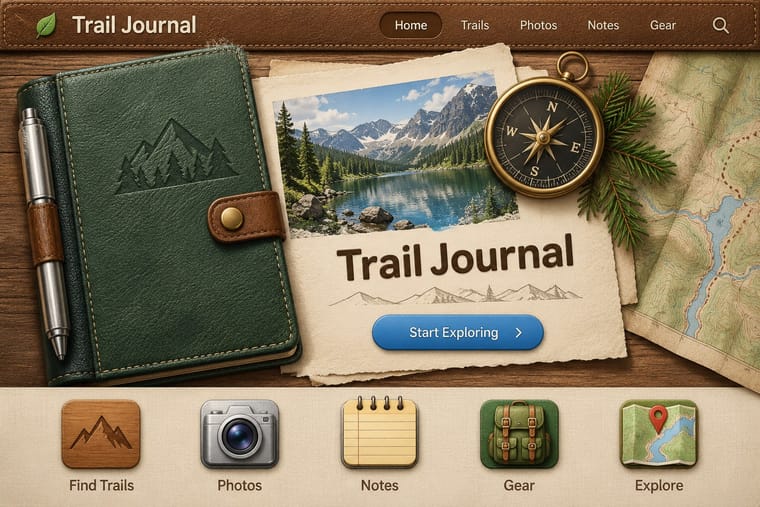
- Tamil Nadu Flex BannersThe digitally printed vinyl boards, locally called flex banners, that fan clubs, party cadres, businesses and families have put up along the roads of Tamil Nadu since about 2000, as flex displaced hand-painted cinema banners and cut-outs over the following decade.
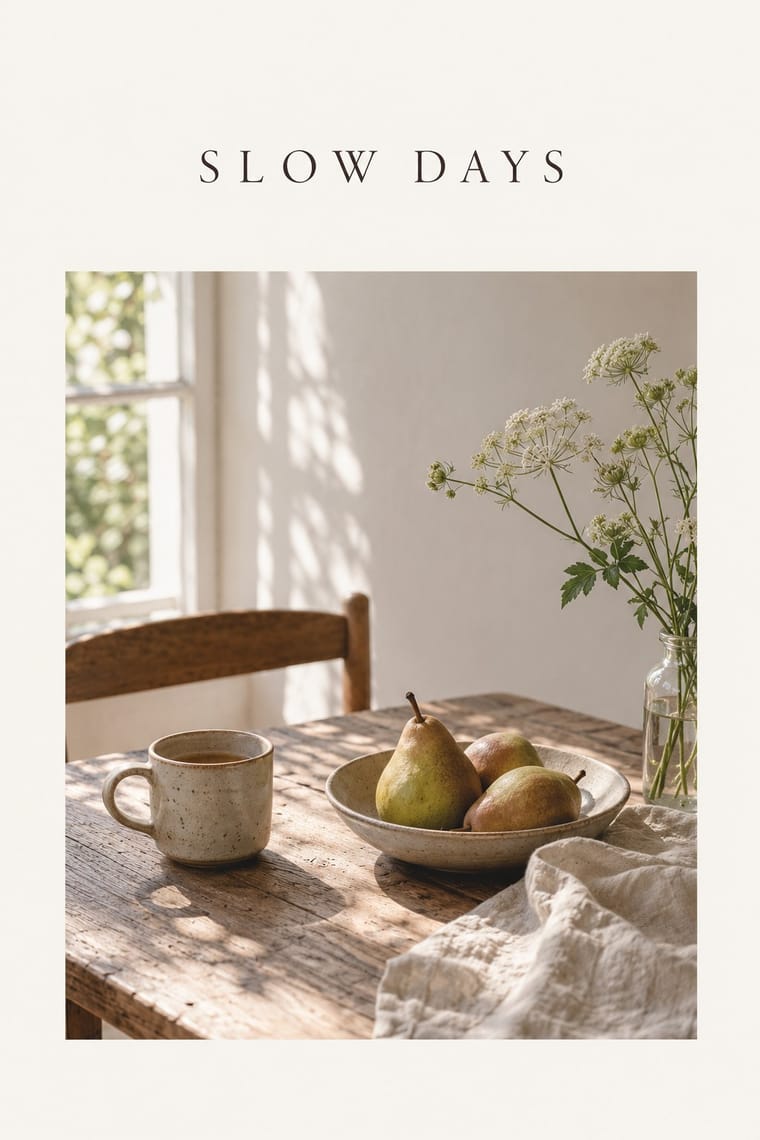
- YouTube Thumbnail Style (the 'YouTube Face')The custom thumbnail of YouTube's creator economy: a 16:9 still made to be read at fingernail size in a feed of recommendations.
- 'Good Morning' Greeting Images (WhatsApp Forward Vernacular)The ready-made greeting pictures that millions of smartphone users, many of them older and new to the internet, forward to family, friends and groups each morning on WhatsApp, above all in India and Brazil.
Styles that often use it 51
A characteristic choice: usual in these styles, though not essential.
- Ten Bamboo Studio Colour Woodblock (Douban & Gonghua)A kind of colour woodblock printing begun in late-Ming Nanjing, made so that a print looks like a brush painting.
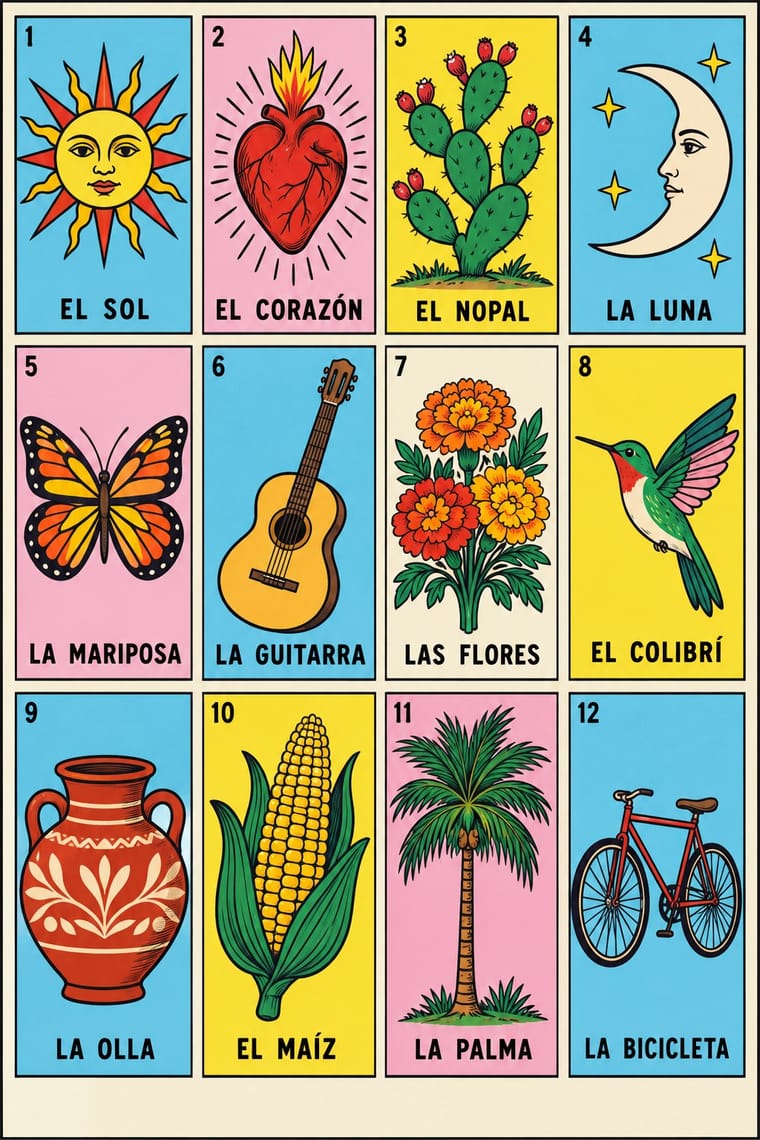
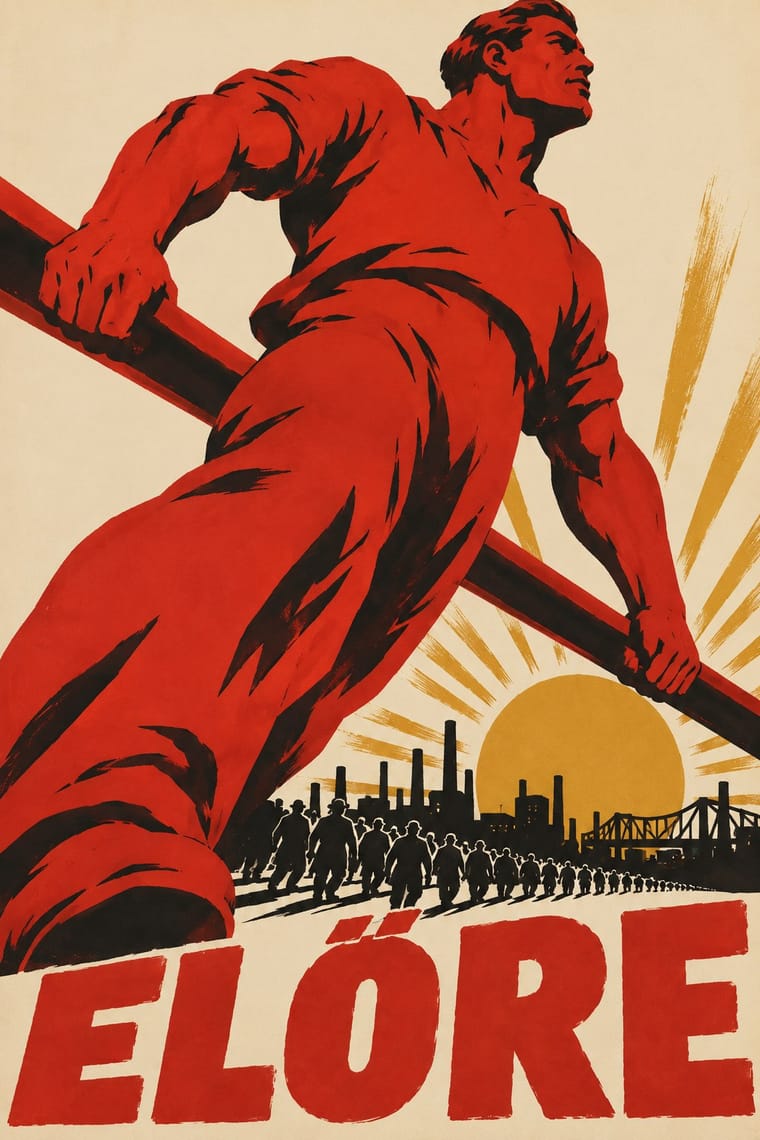
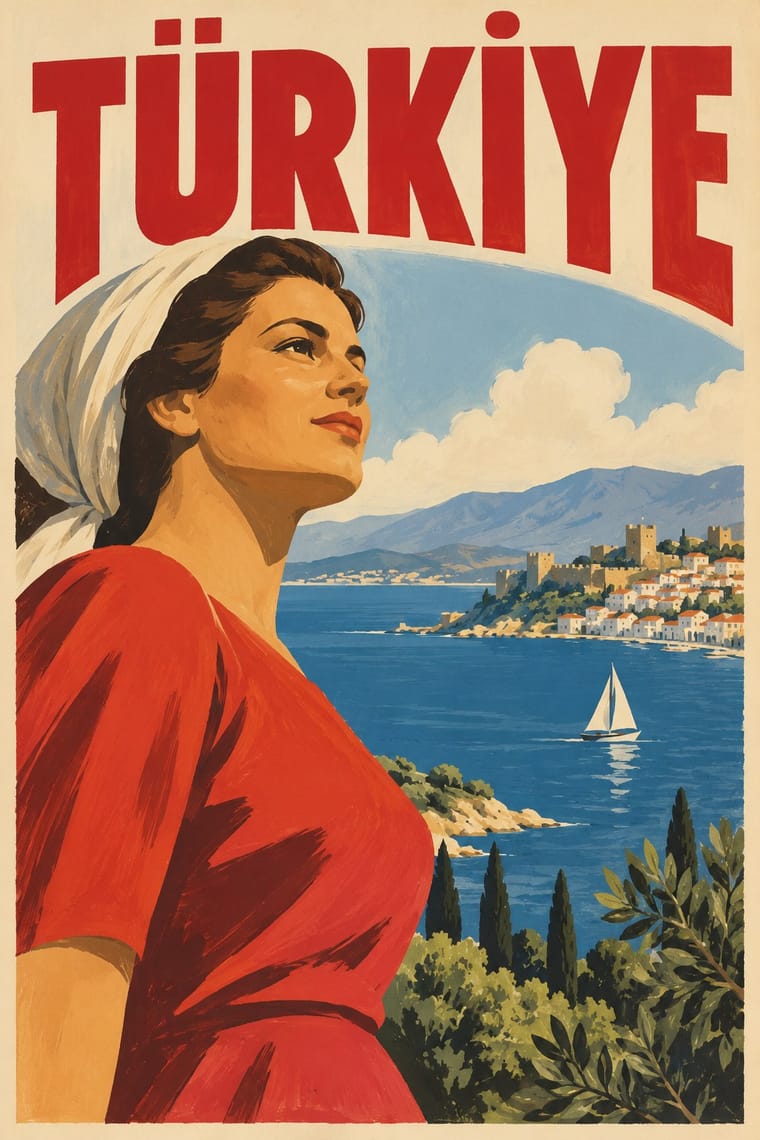
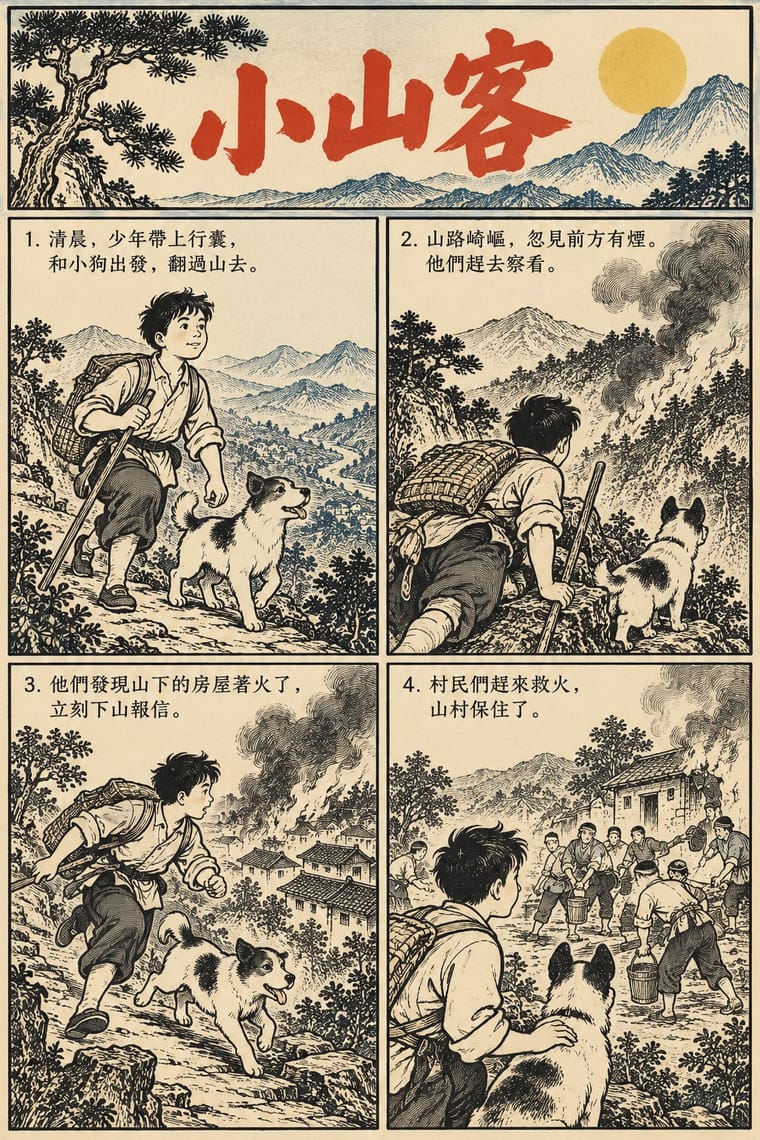
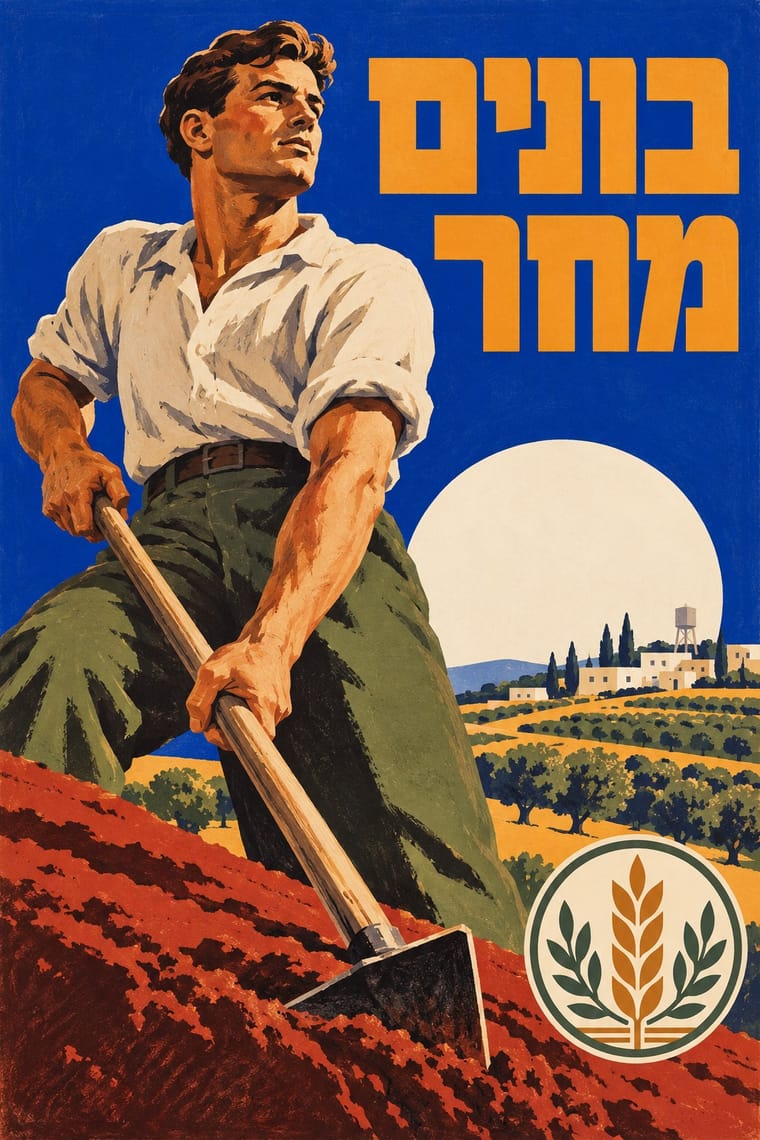
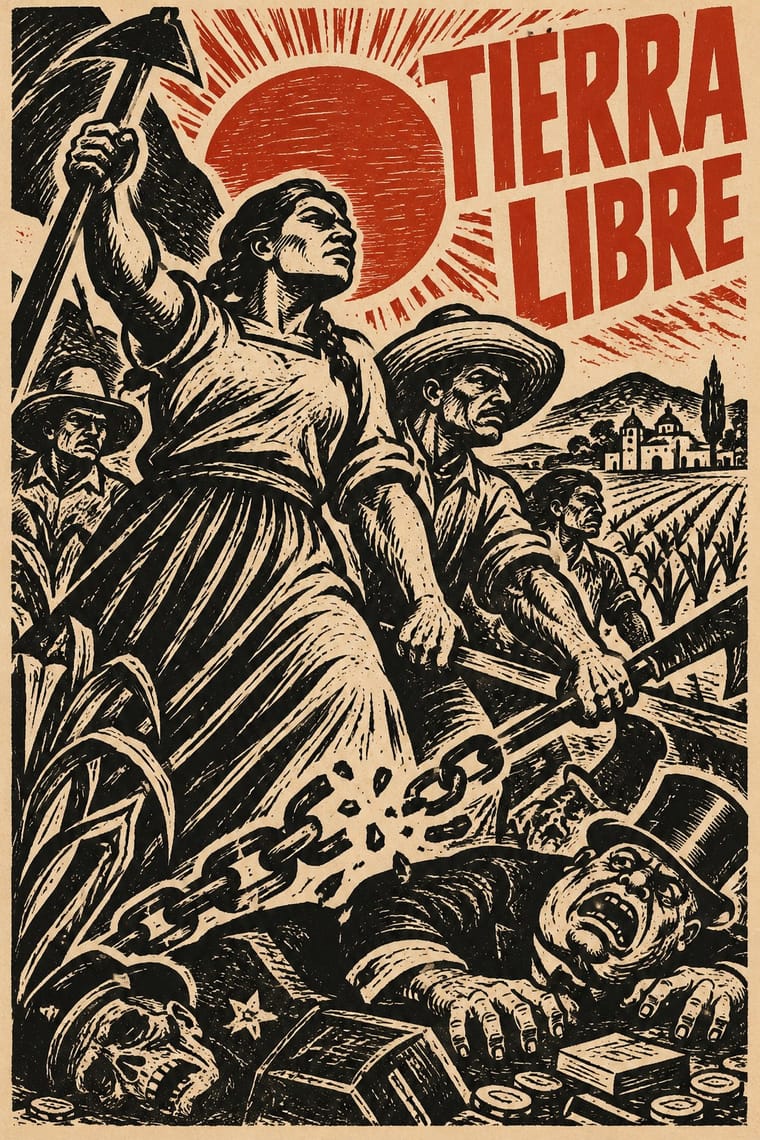
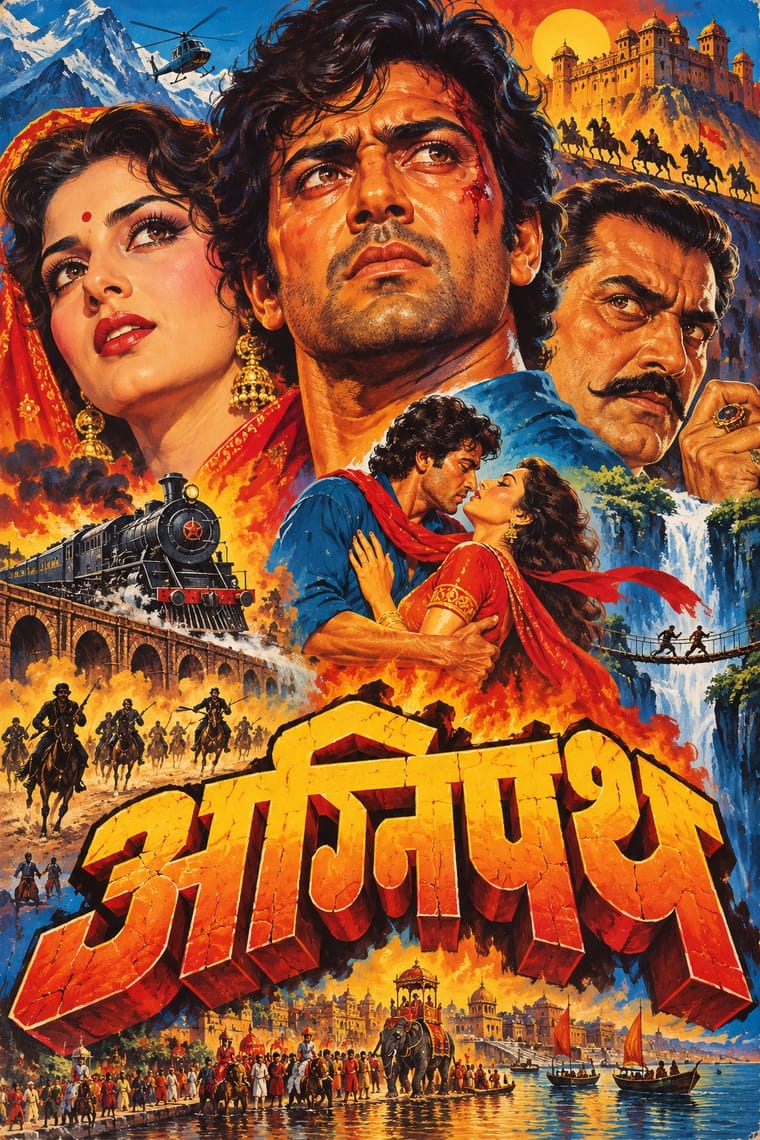
- Onitsha Market PamphletsCheap, stapled pamphlets of romance, advice, drama and political biography, written by students, clerks, journalists and traders and printed by jobbing letterpress shops around Onitsha Main Market in eastern Nigeria from the late 1940s.
- Pakistani Truck ArtThe total decoration of Pakistan's trucks and buses, which grew from company marks and saints' portraits painted in the late 1940s into a workshop art in which painters, metalworkers, woodcarvers and reflective-tape specialists collaborate on each vehicle.
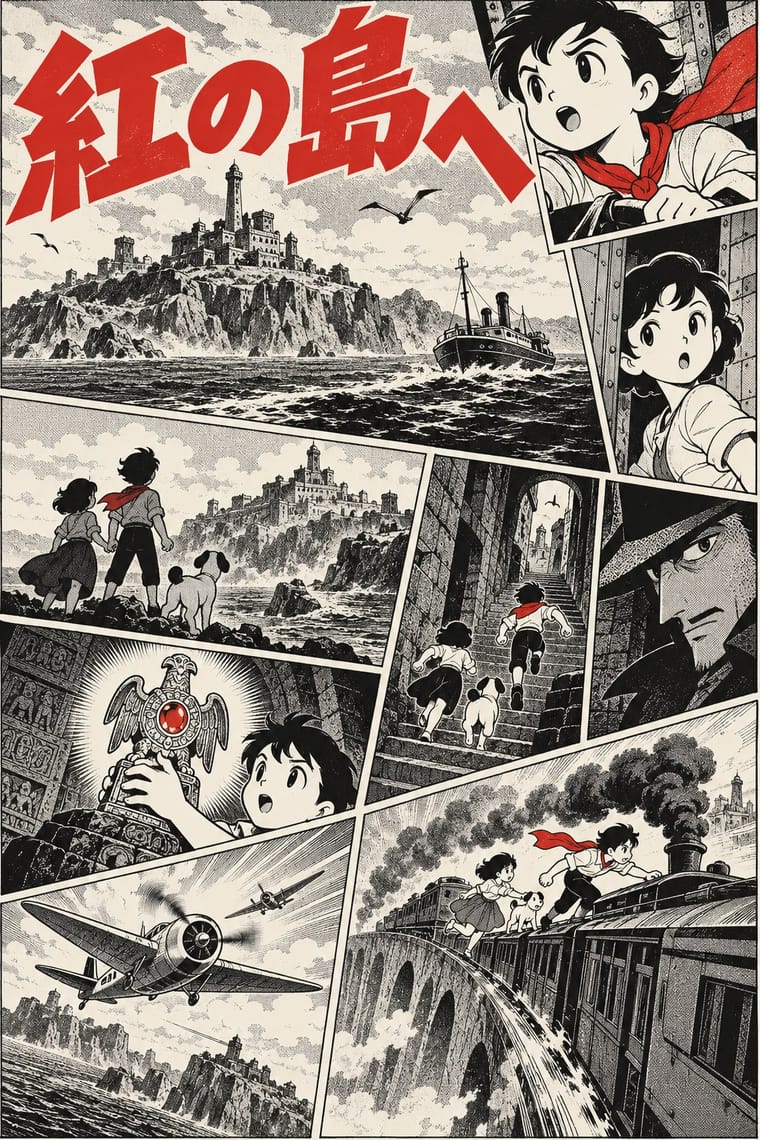
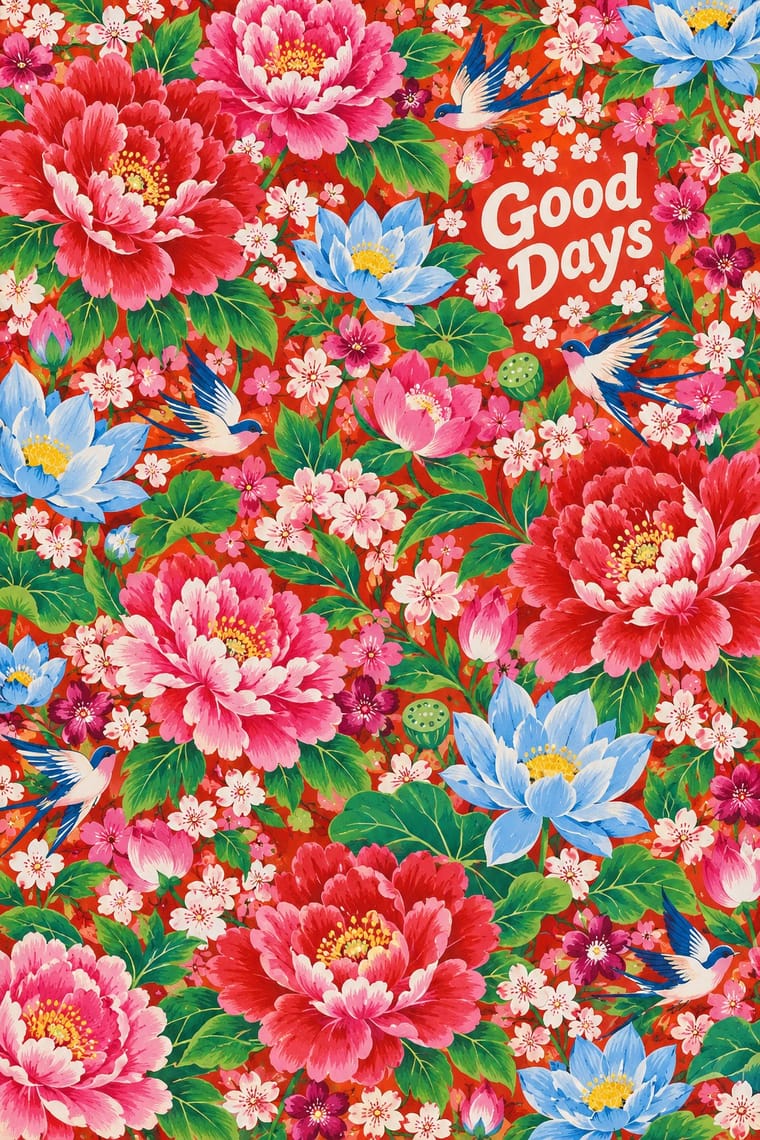
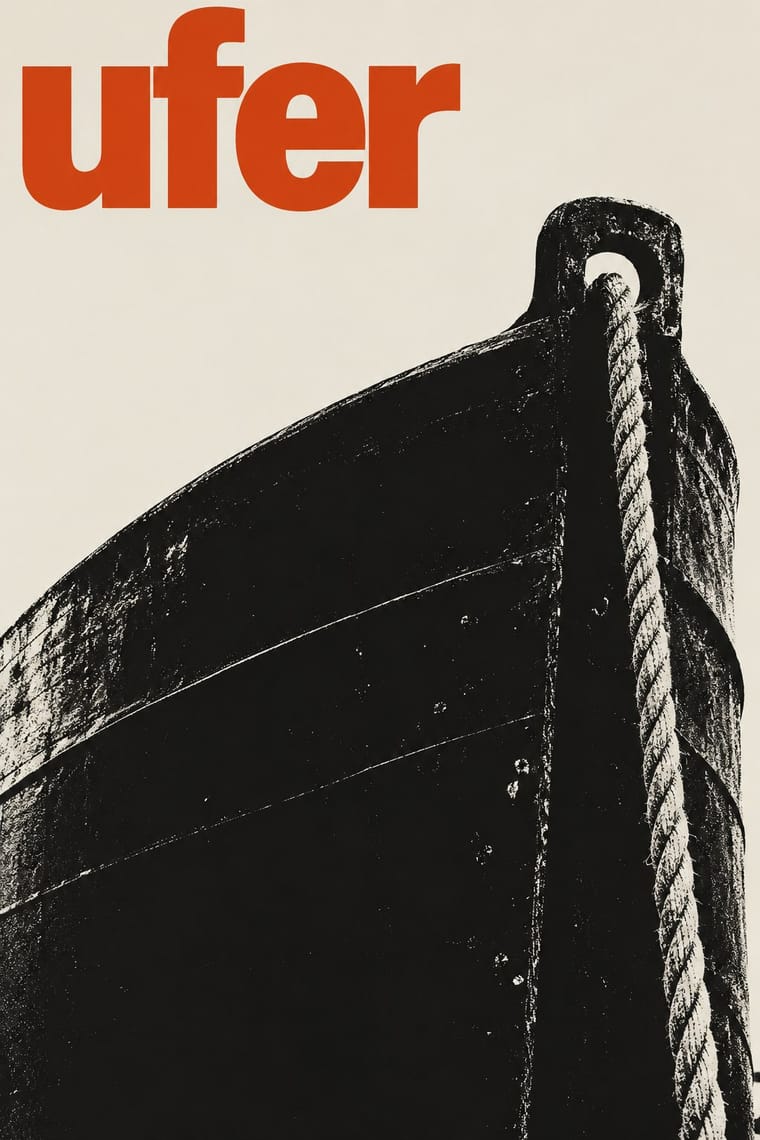
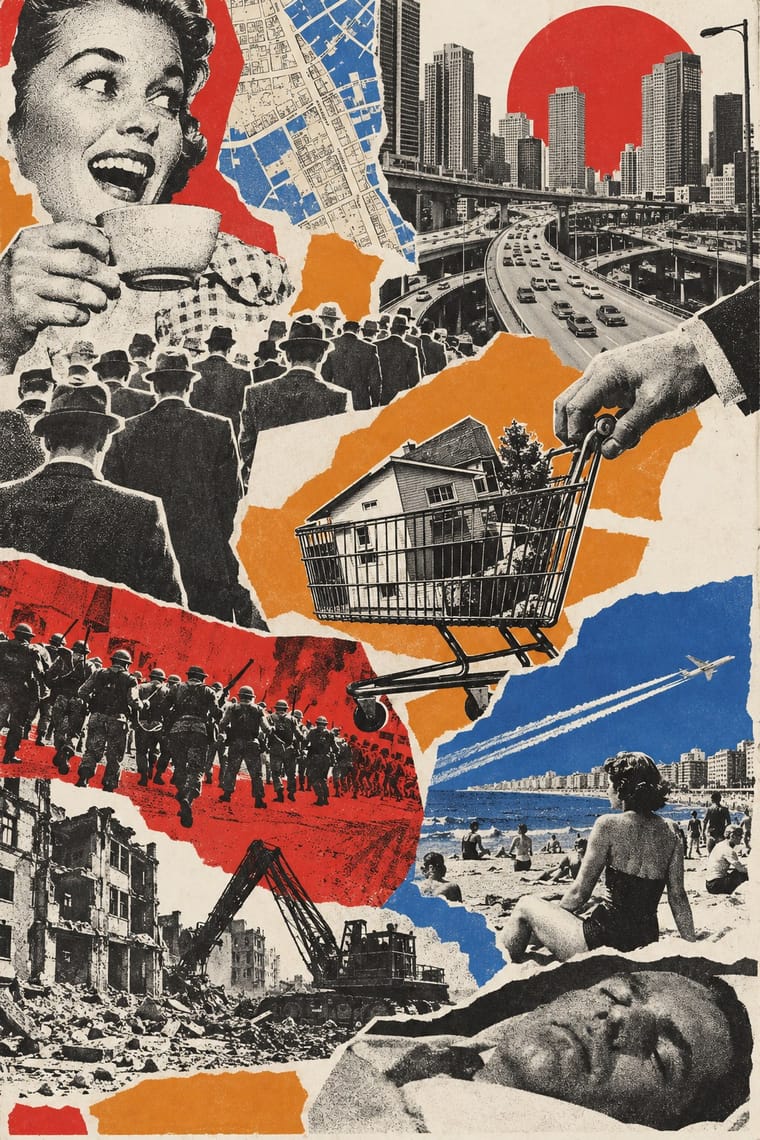
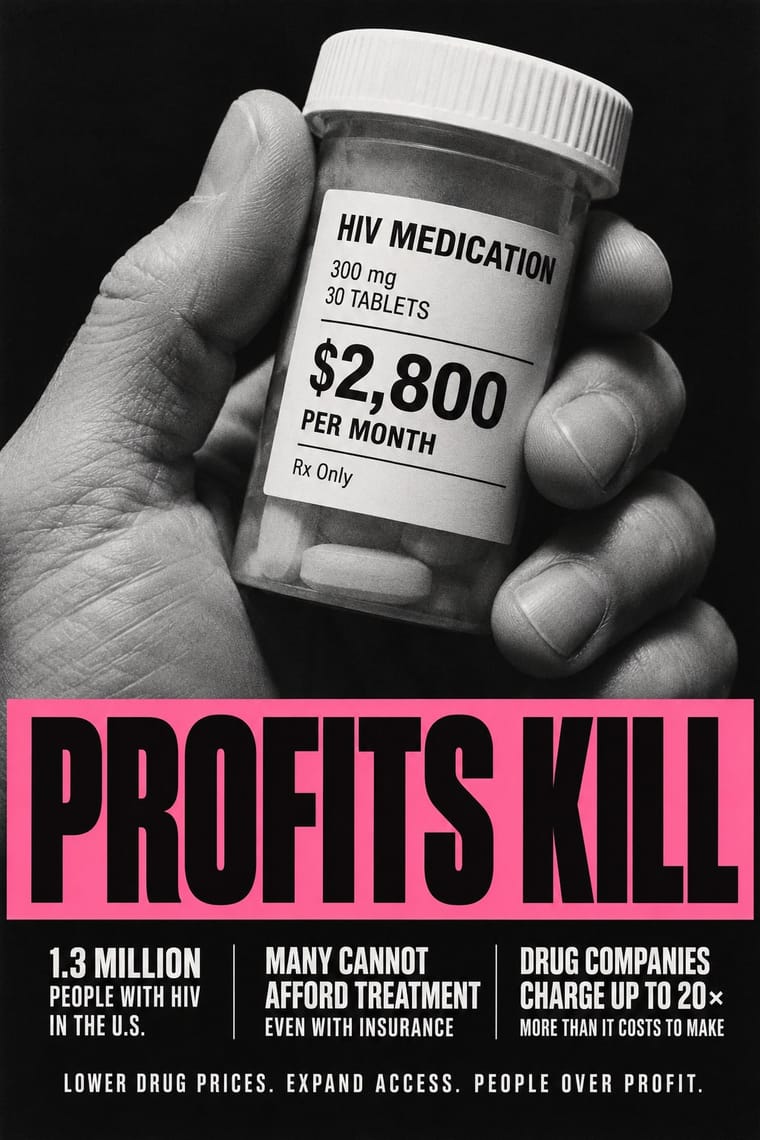
- Palestinian Resistance PosterThe poster culture of the Palestinian national movement after 1965, issued by the PLO and its factions from Beirut and other Arab capitals for refugee camps, homes and solidarity audiences abroad.
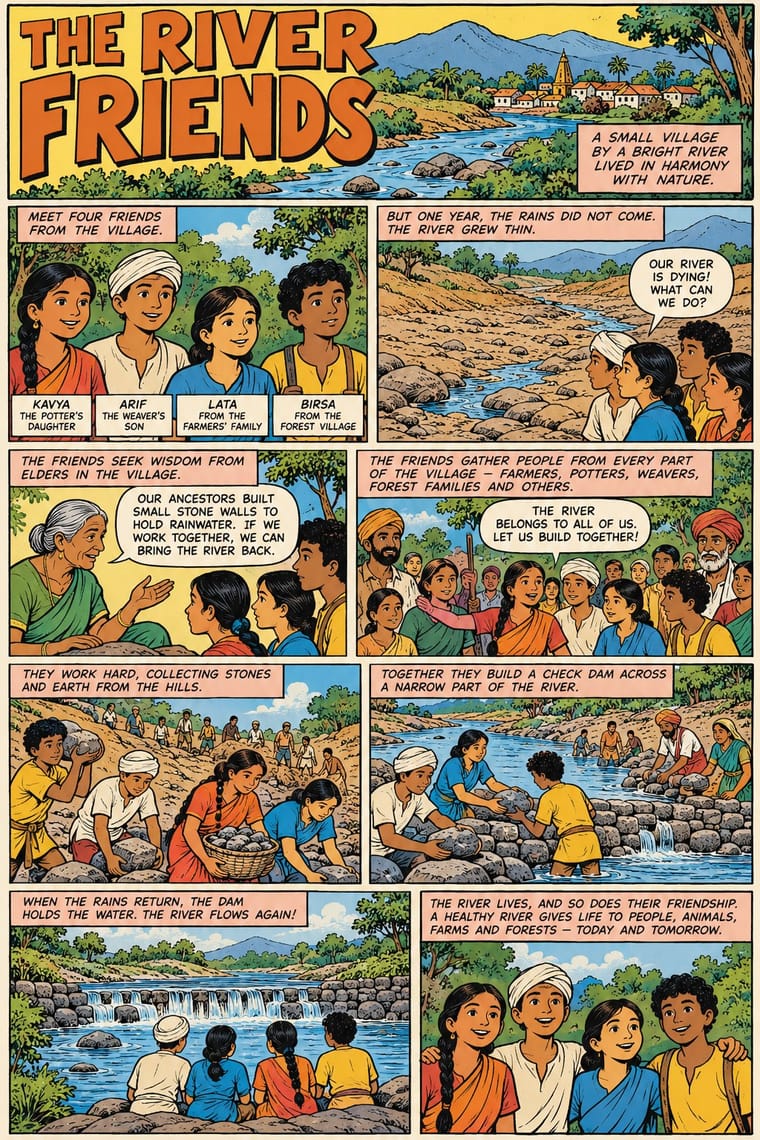
- Picó Sound-System Painting (Colombian Caribbean)The hand-painted fronts of the picós, the giant sound systems that play dances in the barrios of Barranquilla and Cartagena.
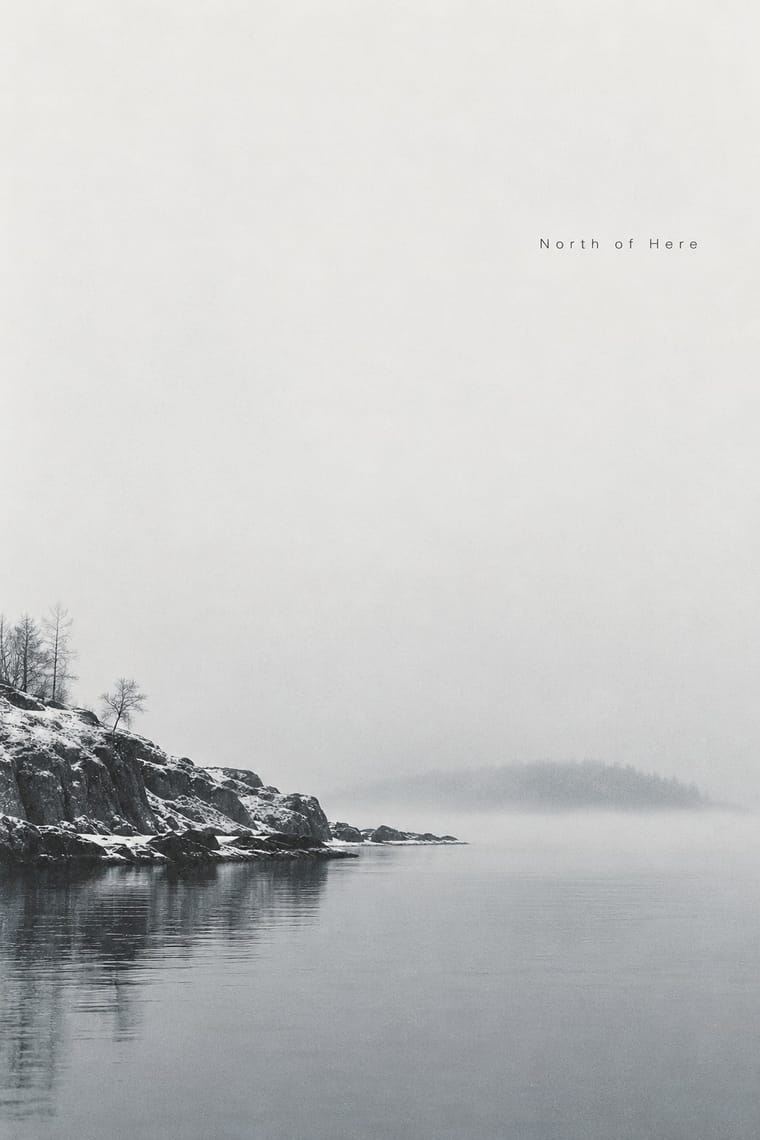
- Roots Reggae Sleeve Art & Rasta IconographyThe record sleeves of roots reggae, from Catch a Fire (1973) until dancehall took over in the 1980s.
- Post-Punk Record Sleeve (Stiff, Factory, 4AD)The record sleeves that British art-school designers made after punk, for independent labels and some majors: Barney Bubbles at Stiff, Malcolm Garrett for Buzzcocks, Peter Saville at Factory and 23 Envelope at 4AD.
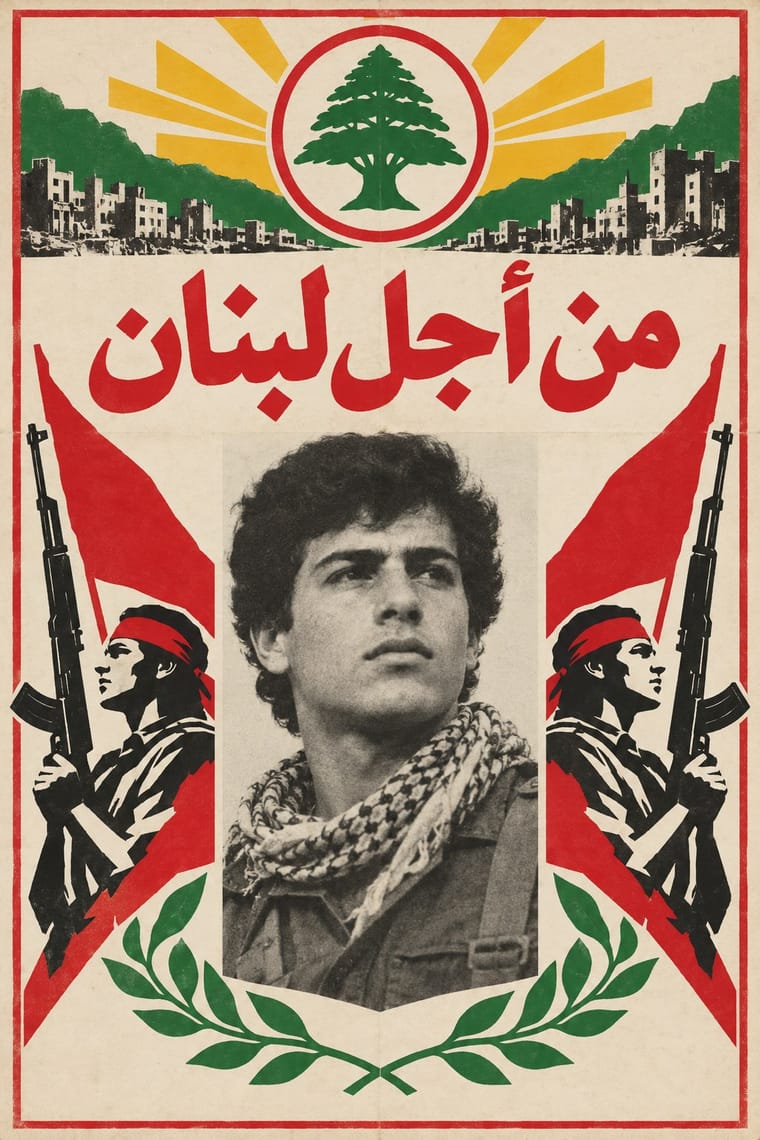
- Iranian Revolutionary & Sacred Defence PosterPosters, murals and stamps of the 1978–79 Iranian Revolution and the 1980–88 war with Iraq, which fused the red-white-black international revolutionary poster with Persian miniature and coffeehouse narrative painting.
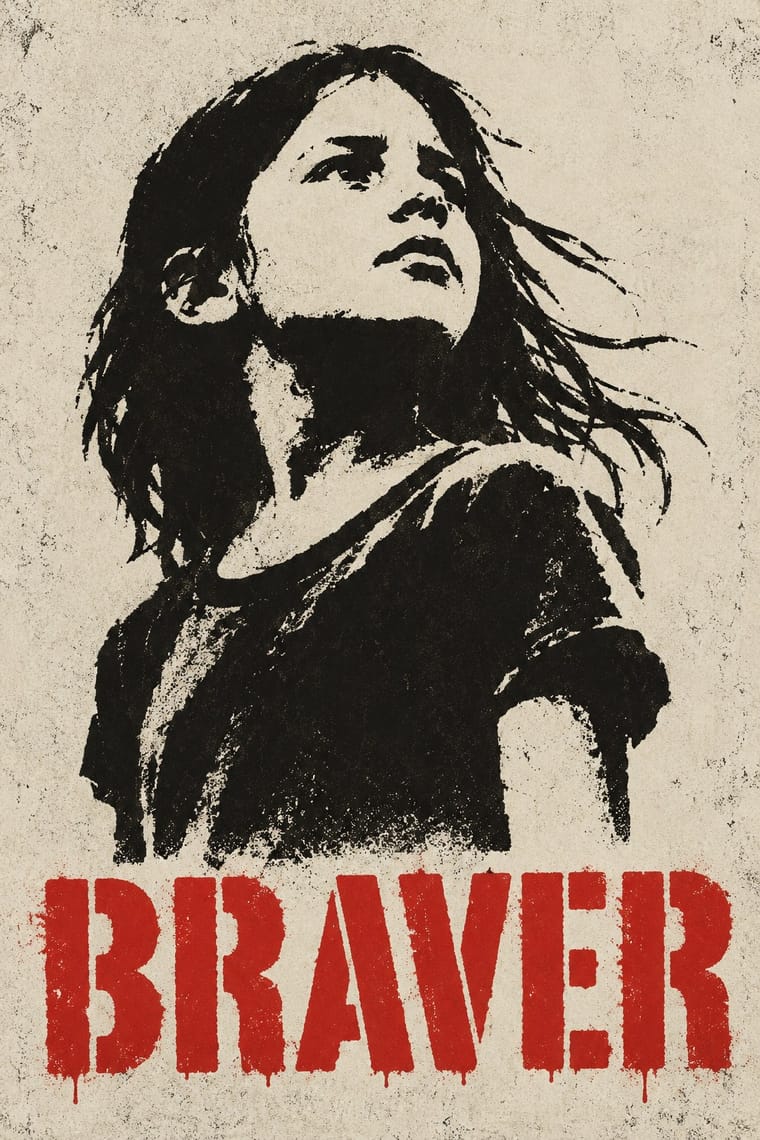
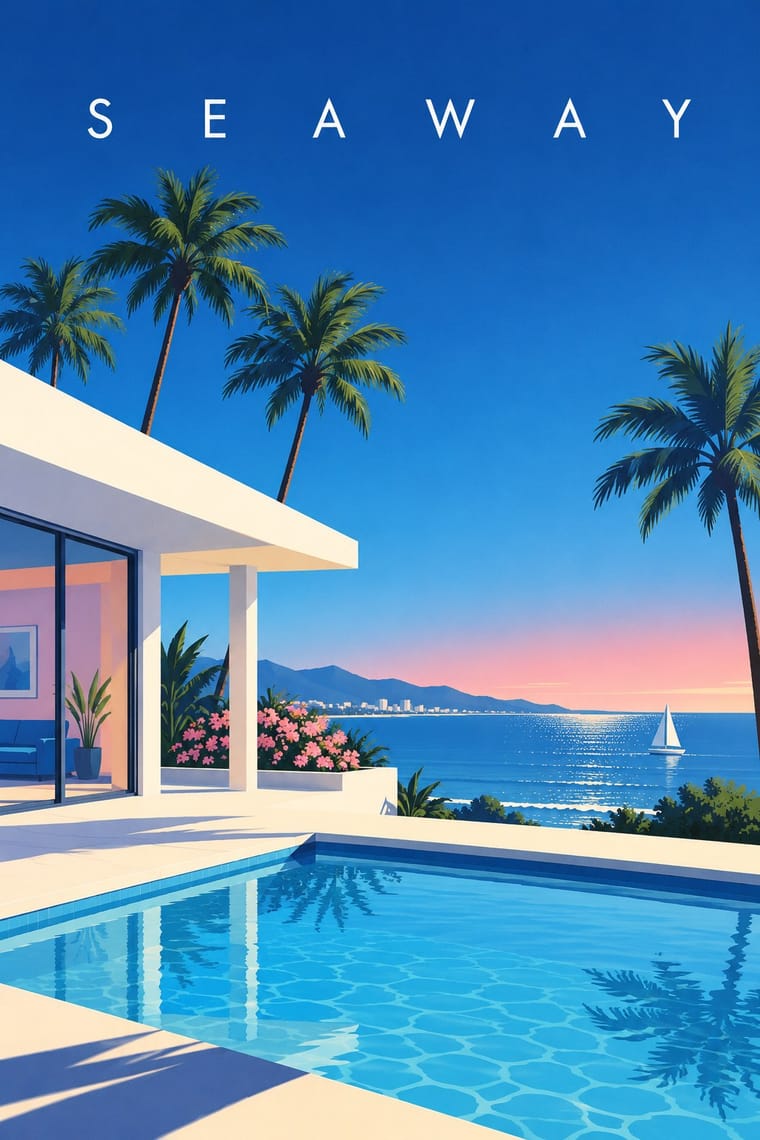
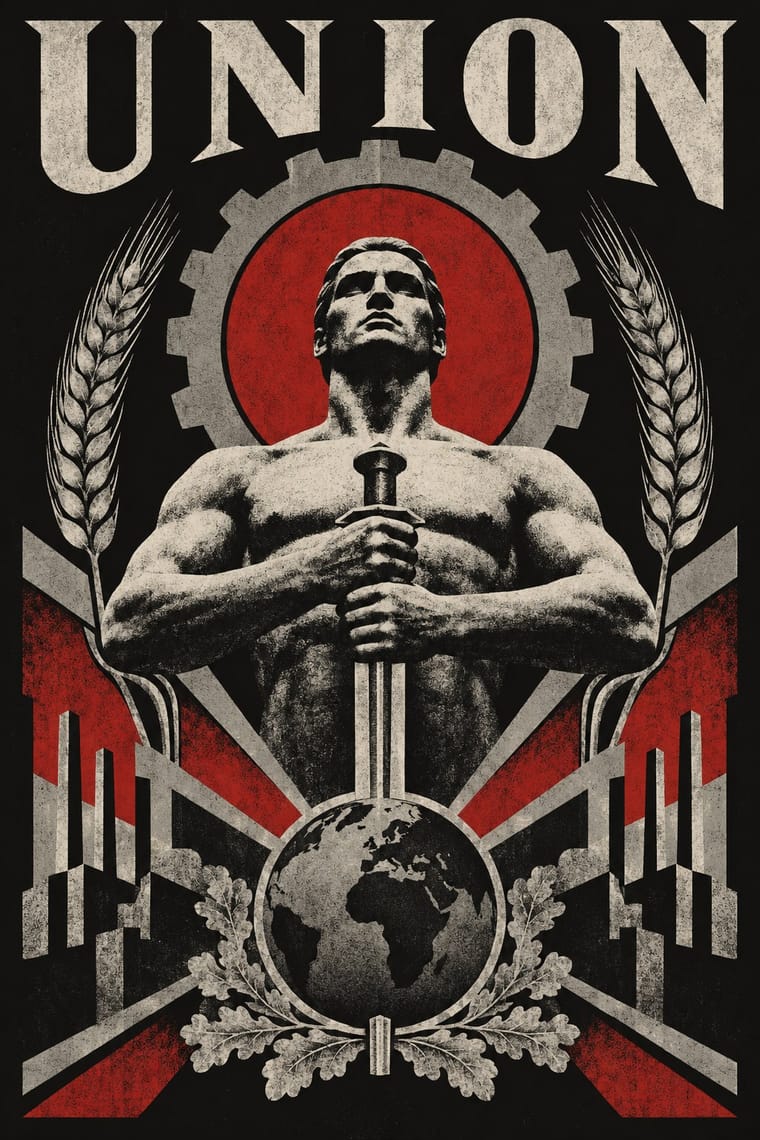
- Black Metal GraphicsThe visual language of black metal, fixed by Norway's second wave in the early 1990s, now worldwide, since the 2010s borrowed by mainstream acts (Szpajdel's Rihanna and Metallica logos, 2016).
- Bitterkomix (Afrikaans Underground Comics)The Afrikaans underground comics magazine founded in Stellenbosch in 1992 by Anton Kannemeyer (Joe Dog) and Conrad Botes (Konradski), with Mark Kannemeyer (Lorcan White).
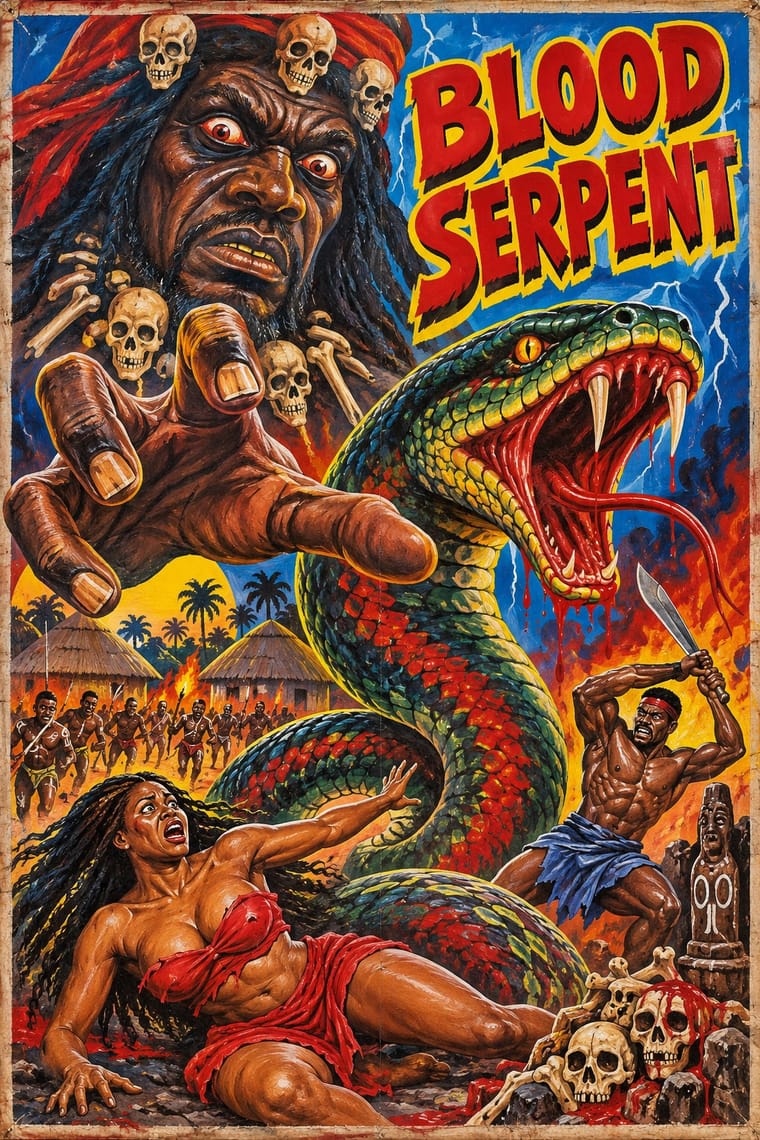
- Nollywood Video Jacket & Film PosterThe cover and poster art of Nigeria's home-video boom, from Living in Bondage (1992) on.
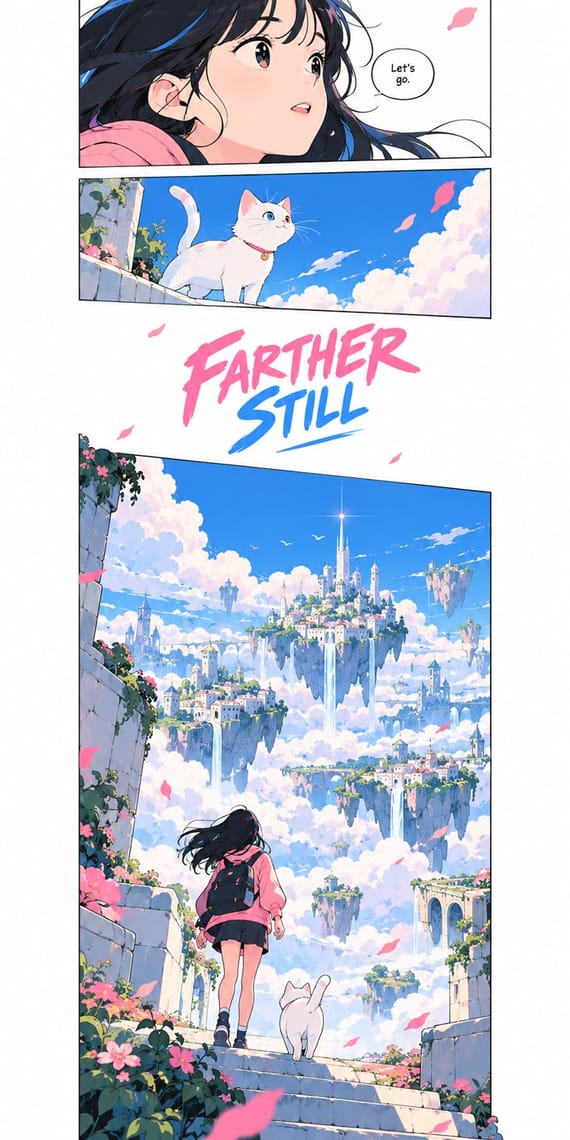
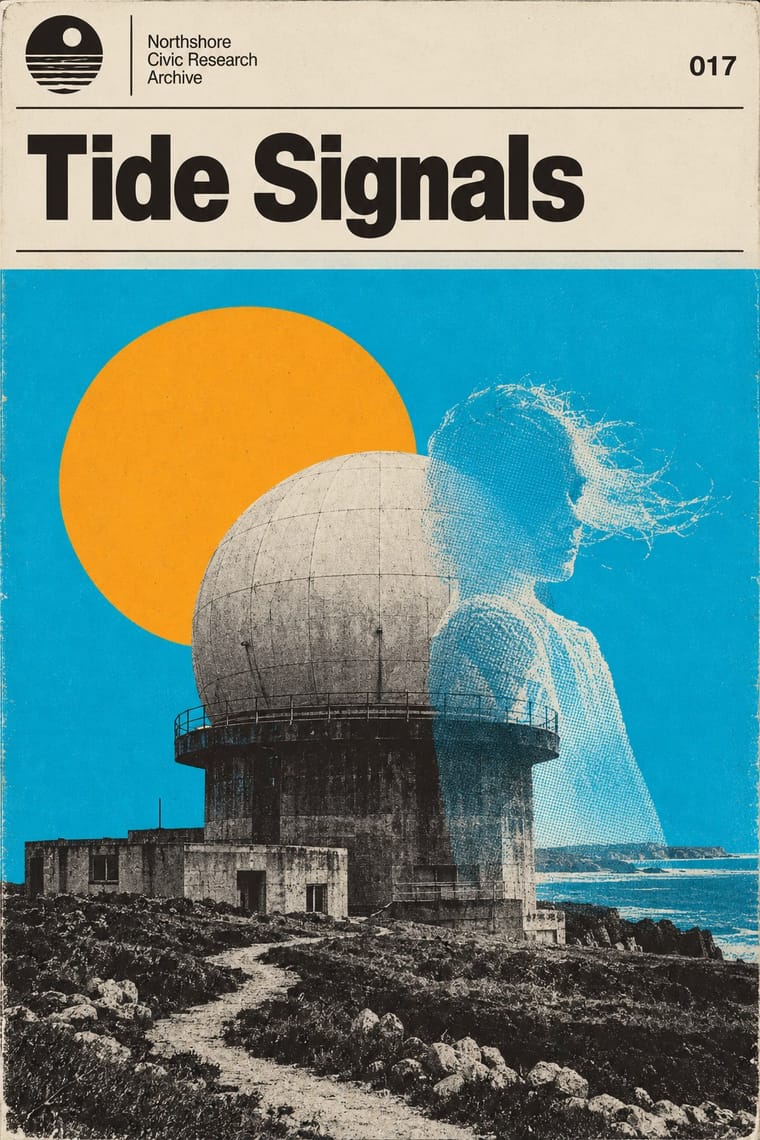
- Oaxacan Protest Printmaking & Street Graphics (ASARO)The street graphics of Oaxaca City since the 2006 teachers' strike and APPO uprising, when ASARO, the stencil collective Lapiztola and later workshops such as Colectivo Subterráneos made the colonial centre's walls a newspaper.
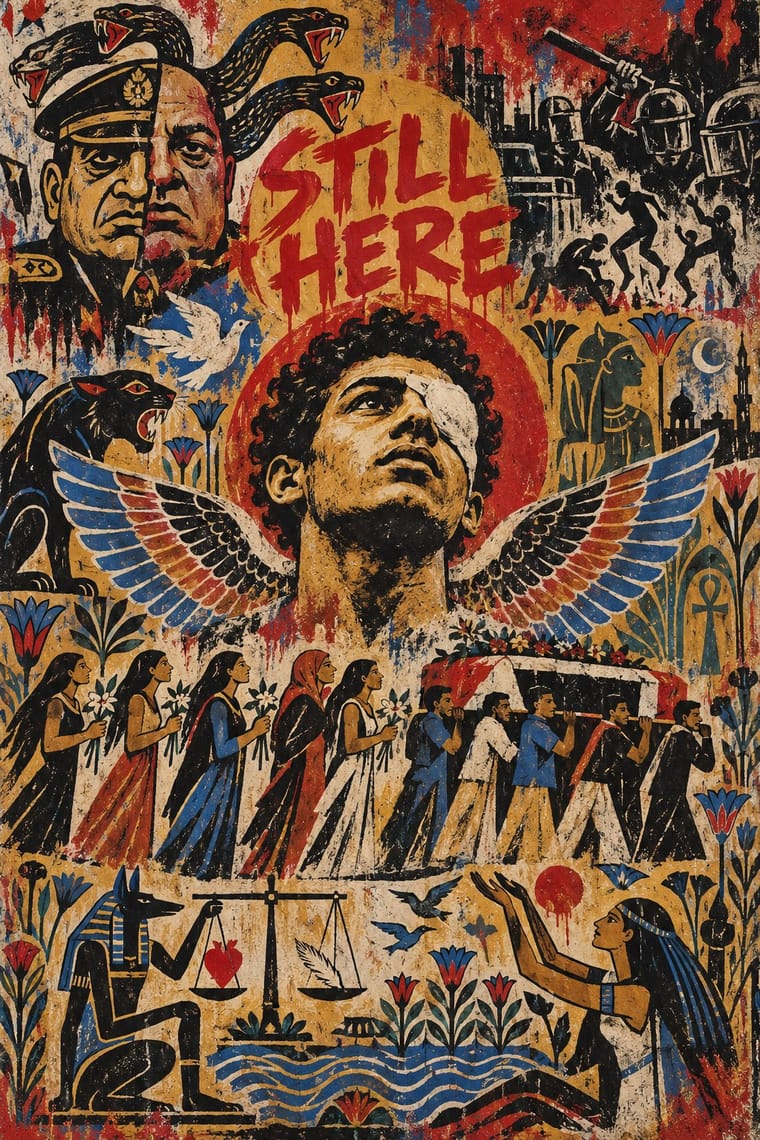
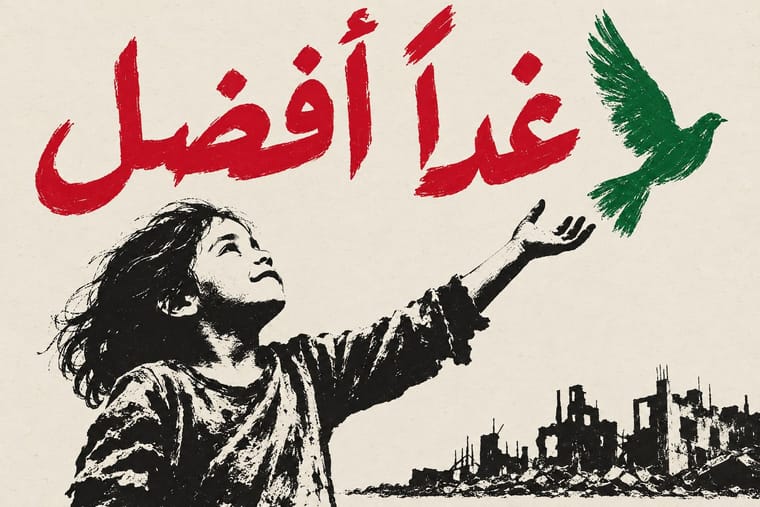
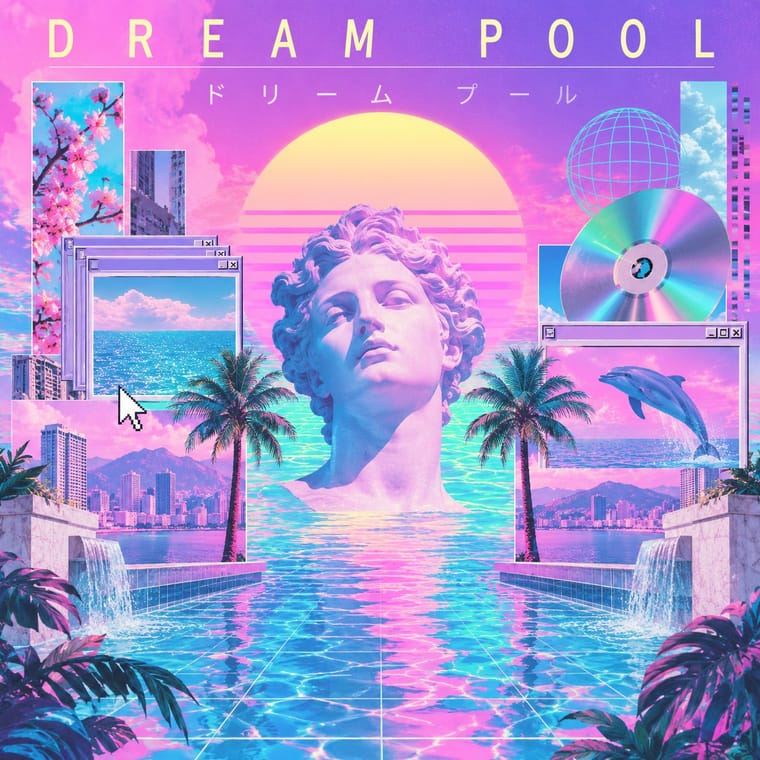
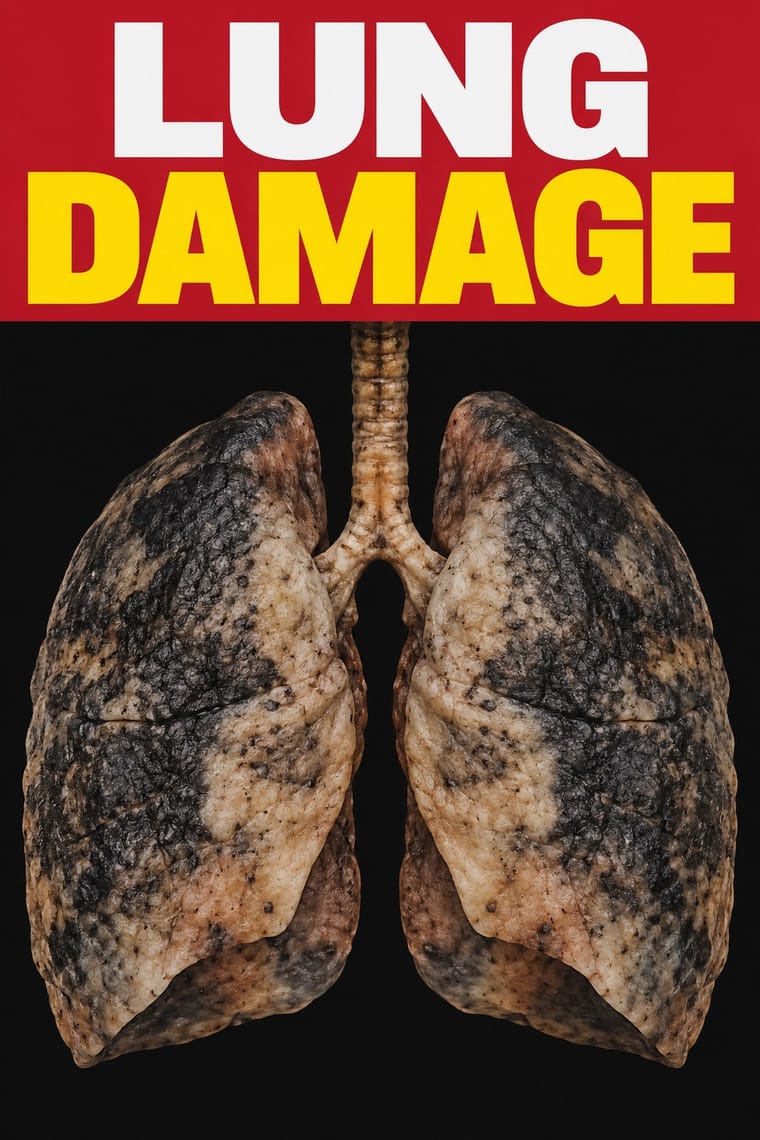
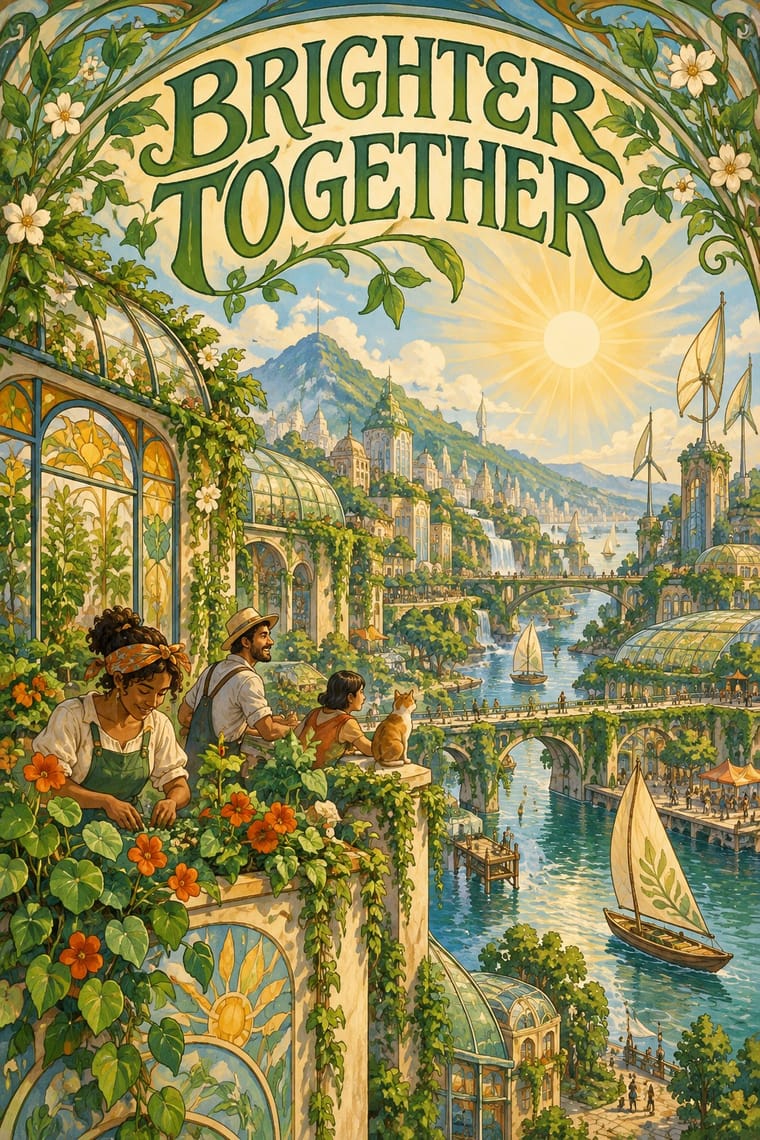
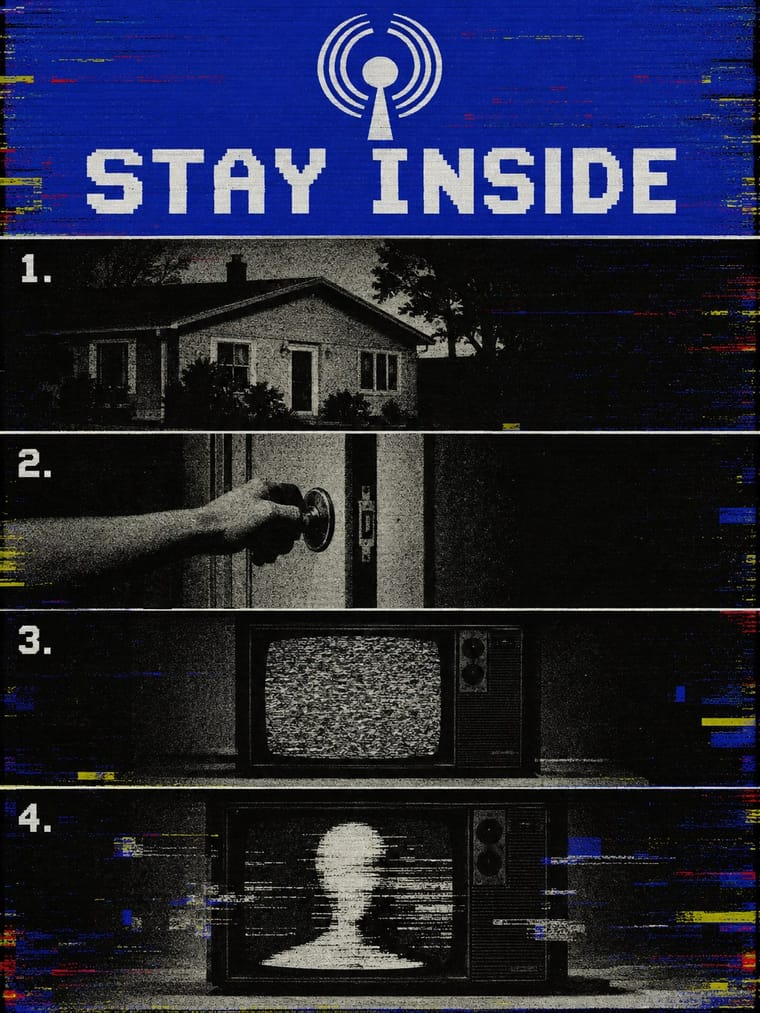
- Front-of-Pack Warning Octagons (Latin American Food Warning Seals)A state warning system stacked on commercial food packs.
- Lo-fi Anime AestheticThe look of YouTube's 24/7 lo-fi hip hop streams.
- Sudanese Revolution Graphics (Digital Illustrations and Sit-in Murals)The graphics of Sudan's December Revolution from 2018: digital illustrations and cartoons shared on Instagram and Facebook from inside Sudan and the diaspora, and the murals of the 2019 Khartoum sit-in.
Styles that use it now and then 54
An occasional choice in these styles.
- Armenian Manuscript Illuminationc. 862–1800
- Renaissance Book Typographyc. 1460–1600
- Zoomorphic & Figural Calligraphy (Islamic Calligrams)1500–present
- Ukiyo-e Woodblock Prints1670–1900
- Burmese Parabaik Painting (Konbaung Folding Books)1752–1885
- Neoclassical Book Typography1757–1830
- Victorian Letterpress & Wood Type1810–1900
- Persian Popular Narrative (Lithographs & Coffeehouse Painting)1843–2012
- African Wax & Fancy Print1880–present
- Mexican Popular Graphics (Posada)1880–1917
- Kanga (Swahili Message Cloth)1886–present
- Art Nouveau1890–1910
- Simplicissimus Satirical Style (Munich)1896–1944
- Mir iskusstva Book Art1898–1927
- Senegalese Sufi Devotional Imagery (Souwère Glass Painting and Amadou Bamba Portraits)1900–present
- Bezalel School1906–1929
- London Transport Design1908–1966
- Taishō Roman & Lyrical Illustration1910–1940
- Tiki Pop (Polynesian Pop)1934–present
- Penguin Paperback Design (Three Bands to the Marber Grid)1935–1972
- Spanish Civil War Poster1936–1939
- Vietnamese Propaganda Poster (Tranh cổ động)1945–present
- Jeepney Art1946–present
- Puerto Rican Silkscreen Poster (DIVEDCO & ICP)1946–1989
- West African Barbershop & Hair Salon Signs1950–present
- Arab Children's Comic Magazines (Samir to Majid)1956–present
- Blue Note Jazz Sleeve Modernism1956–1967
- Shōjo Manga (Japanese Girls' Comics)1958–present
- Bossa Nova Sleeve Modernism (César Villela and Elenco)1960–1968
- Fluxus Graphics (Maciunas)1962–1978
- Tropicália Graphic Design1964–1975
- Chicano Screenprint Poster1965–present
- Gráfica del 68 (Mexican Student Movement Graphics)1968
- Ultras Graphics (Curva Banners and Tifo)1968–present
- Underground Comix1968–1982
- Kinshasa Popular Painting1970–present
- Turkish Weekly Humour Magazines (Gırgır to Uykusuz)1972–2025
- Afrobeat Sleeve Art1974–present
- Ethiopian Revolutionary Poster (Derg Era)1974–1991
- La Movida Madrileña Graphics1977–1988
- South African Resistance Poster1978–1994
- Demoscene Graphics (Cracktros, Demos & Text-Mode Art)1985–present
- Screenprinted Gig & Alt-Movie Poster1991–present
- Emoji Pictographic Language1997–present
- Indonesian Woodcut Activism (Taring Padi)1998–present
- Contemporary Chinese Book Design ('Most Beautiful Books of China')2003–present
- Synthwave / Outrun2006–present
- Arab Independent Comics (Samandal, TokTok, Lab619, Skefkef)2007–present
- Low Poly Illustration2012–present
- Chilean Estallido Social Graphics (Revuelta Popular of 2019–20)2019–2022
- Black Lives Matter Street Murals2020–present
- Palestinian Watermelon and Keffiyeh Graphics2021–present
- Ukrainian Wartime Graphics (Saint Javelin, War Stamps and Be Brave Like Ukraine)2022–present
- Woman, Life, Freedom Protest Graphics (Iran and the Diaspora)2022–present
It often goes with
Choices that the styles making it make more often than the atlas as a whole.
- Painterly illustrationin 84 of 133
- All capsin 90 of 133
- Illusion of depthin 61 of 133
- Full bleedin 71 of 133
- Agitational & persuasivein 67 of 133
- Framed panelsin 86 of 133
Styles that avoid it
Styles that deliberately leave it out.
- Amazigh Sign System & Tifinaghc. 0–present
- Ancient Egyptian Hieroglyphic & Register Compositionc. 0–394
- Chinese Paper-Cut (Jianzhi)c. 500–present
- Ethiopian Ge'ez Manuscript & Haräg Illuminationc. 500–present
- Andean Woven Graphic Systemsc. 600–present
- Islamic Geometric & Calligraphic Traditionc. 690–present
- Maghrebi Script (Maghribi Calligraphy of al-Andalus and North Africa)c. 900–present
- Kamon (Japanese Family Crests)c. 1100–present
- Square Kufic (Bannāʾī)c. 1100–present
- European Heraldryc. 1140–present
- Mixteca-Puebla Codex Paintingc. 1200–1560
- Mongol Bichig Calligraphy & Ugalz Ornamentc. 1204–present
- Ottoman Tughra & Dîvânî Chancery Calligraphyc. 1324–present
- Mithila (Madhubani) Paintingc. 1350–present
- Tibetan Woodblock Print Culture (Pecha & Prayer Flags)c. 1410–present
- Javanese Wayang Kulit (Tatah Sungging)1500–present
- Kōwhaiwhai & Toi Māori Design1500–present
- Batik Pattern Tradition1600–present
- Sápmi Graphic Identity (Duodji & Gákti Colour Code)1600–present
- Tarot de Marseille Woodcut Cards1639–present
- Adinkra & Kente Symbol Systems1700–present
- Diné (Navajo) Weaving Design1700–present
- Northwest Coast Formline Design1700–present
- Pacific Barkcloth (Tapa) Design1700–present
- Thai Yantra (Yant) Diagrams1700–present
- Kalighat Pat & Battala Bazaar Prints1830–1930
- Fante Asafo Flags (Frankaa)1850–present
- Japonisme1860–1910
- Glasgow Style1890–1914
- Nieuwe Kunst (Dutch Art Nouveau)1892–1914
- Bògòlanfini Mud Cloth1900–present
- Guna Mola1900–present
- Uli & Nsibidi Line and Sign Tradition1900–present
- Expressionist Woodcut Graphics1905–1925
- Santiniketan & Bengal School Graphics1905–1954
- Cubist Pictorial Space1907–1925
- Russian Futurist Book1910–1920
- Arnhem Land Bark Painting & Rarrk1912–present
- Suprematism1915–1925
- De Stijl1917–1931
- Kultur-Lige & Yiddish Avant-Garde Book Design1917–1924
- ROSTA Windows1919–1922
- Leningrad Avant-Garde Picture Book1922–1936
- Mavo1923–1925
- Republican Chinese Book Cover Design (Lu Xun & Tao Yuanqing)1923–1949
- Isotype Pictorial Statistics1925–1971
- Literatura de Cordel Woodcut1940–present
- Ndebele Geometric Painting1940–present
- UPA & Cartoon Modern1944–1960
- Escuela Bruguera (Spanish Humour Comics)1947–1986
- French Post-War Visual-Gag Poster (Savignac, Villemot, Morvan)1948–1979
- Polish Poster School1950–1990
- Brazilian Concrete Design1951–1975
- Zagreb Modernist Graphics (EXAT 51 to Teatar &TD)1951–1975
- Zagreb School of Animated Film1954–1980
- Thaw Modernism (Soviet and Czechoslovak)1956–1968
- Dazibao (Big-Character Posters)1957–1980
- British Road Signage (Kinneir & Calvert)1958–present
- Turkish Modernist Poster & Graphic Design1959–2000
- Cuban Revolutionary Poster (OSPAAAL & ICAIC)1960–1990
- Di Tella Graphic Design (Instituto Torcuato Di Tella)1960–1970
- Op Art Graphics1960–1975
- Indian Institutional Modernism (NID)1961–1990
- Casablanca School Graphic Modernism1962–1987
- Rorke's Drift Linocut1962–1982
- Woodland School (Legend Painting)1962–present
- Baybayin Revival Graphics1963–present
- Mexico 68 Olympic & Metro Identity1966–1970
- Soviet Central Asian Ornamental Modernism1966–1999
- Chilean Unidad Popular & Nueva Canción Graphics1967–1973
- AfriCOBRA1968–present
- Tingatinga Painting1968–present
- Pop Achorado (Peruvian Agrarian Reform Posters)1969–1975
- Warli Painting1970–present
- Western Desert Iconography1971–present
- Memphis Design1981–1988
- Pardhan Gond Painting (Jangarh Kalam)1981–present
- Madinah Mushaf (King Fahd Complex Qur'an Page)1985–present
- Torres Strait Islander Linocut1991–present
- Superflat1993–present
- Indian Pop-Kitsch Design (Desi Kitsch)1997–present
- Yuru-chara (Japanese Local Mascot Design)2000–present
- Generative & Dynamic Identities2007–present
- Natural Wine Label Art2007–present
- Polish Information Picture Book (Dwie Siostry)2008–present
- Illustrated Rom-Com Book Cover (Cartoon Couple Cover)2016–present
- Kinetic Typography & Variable Type2016–present
- Corporate Memphis2017–present
- Book Blob (Abstract Colour-Blob Literary Fiction Cover)2019–2023