Form & shape · Geometric
Optical pattern
Repeated lines and modules that vibrate or warp perception.
A design choice in Stylogeny’s vocabulary, under form & shape: what is the shape language?
- styles make it
- 29
- as a defining choice
- 4
- as a usual one
- 12
- now and then
- 13
- avoid it
- 2
Styles defined by it 4
For these styles it is one of the choices that make the style.
- Arnhem Land Bark Painting & RarrkPainting in ochres on flattened stringybark by Yolŋu, Kunwinjku, Kuninjku and other clans of Arnhem Land, carrying ceremonial designs into portable form; collected from 1912, painted through art centres since the 1970s.
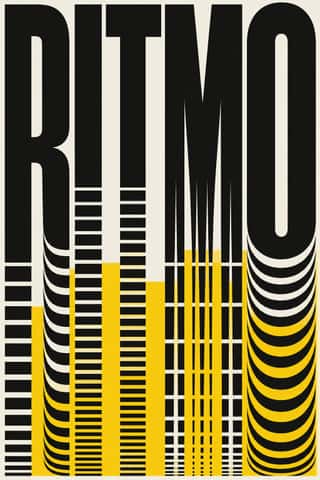
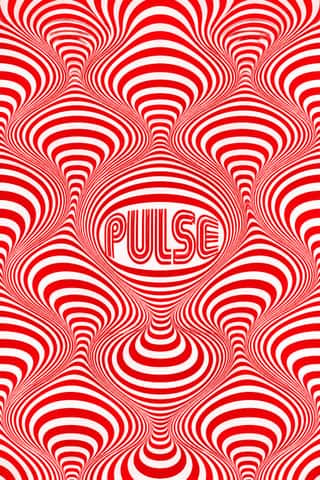
- Mexico 68 Olympic & Metro IdentityThe graphic programme of the 1968 Mexico City Olympics and the city's first Metro line.


Styles that often use it 12
A characteristic choice: usual in these styles, though not essential.
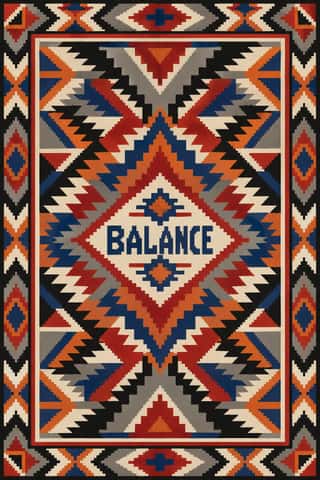
- Guna MolaThe reverse-appliqué blouse panels of Guna women in Panama, made by cutting through two to seven stacked layers of cotton so that every shape is ringed by echoing bands of the colours beneath.
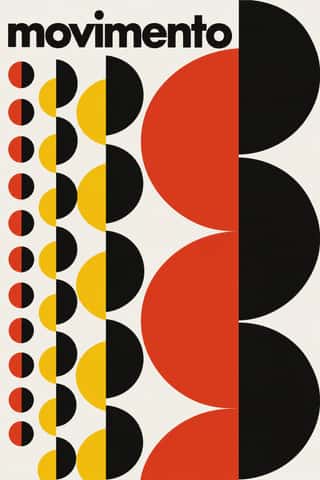
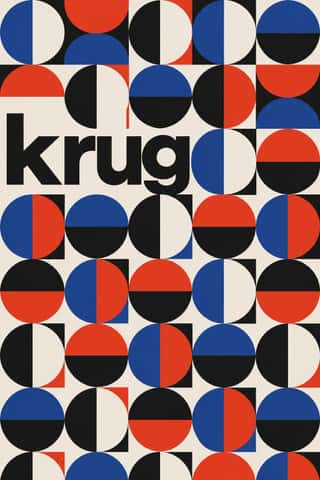

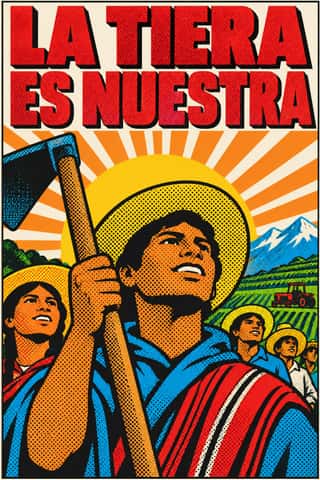
- Western Desert IconographyThe acrylic painting movement that took form at Papunya in 1971, when men there painted the Honey Ant Dreaming on the school wall and then on board, carrying an older practice of sand, body and ceremonial designs into lasting form. 'Western Desert' is an umbrella name: the movement also includes Warlpiri, Anmatyerre and Arrernte painters of the Central Desert.
- Pardhan Gond Painting (Jangarh Kalam)Painting on paper and canvas by Pardhan Gond artists of Patangarh and Bhopal, begun when Bharat Bhavan, Bhopal, recruited Jangarh Singh Shyam in 1981; the style was later named Jangarh Kalam after him.
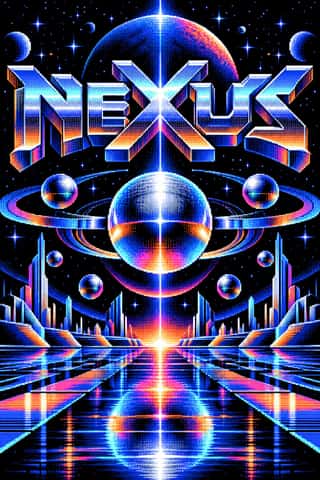
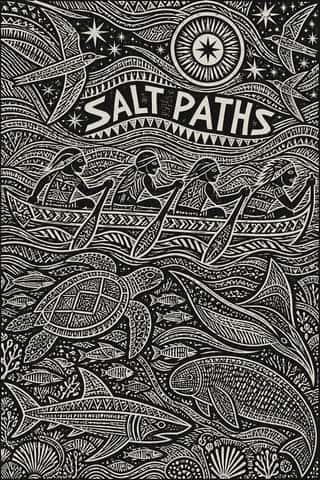


Styles that use it now and then 13
An occasional choice in these styles.
- Square Kufic (Bannāʾī)c. 1100–present
- Kōwhaiwhai & Toi Māori Design1500–present
- Vorticism & BLAST Typography1914–1920
- Wendingen & Amsterdam School Typography1918–1932
- Milanese Industrial Modernism (Olivetti, Pirelli, Studio Boggeri)1933–1975
- Cuban Revolutionary Poster (OSPAAAL & ICAIC)1960–1990
- Casablanca School Graphic Modernism1962–1987
- Gráfica del 68 (Mexican Student Movement Graphics)1968
- Glitch Art & Datamosh Graphics2001–present
- Hauntology & Ghost Box Design2004–present
- Acid Graphics / New Ugly2016–present
- Kinetic Typography & Variable Type2016–present
- Weirdcore & Dreamcore2019–present
It often goes with
Choices that the styles making it make more often than the atlas as a whole.
- Non-representationalin 21 of 29
- Pattern & repeatin 19 of 29
- All-over fieldin 17 of 29
- Repetition & rhythmin 26 of 29
- Experimental & distortedin 13 of 29
- Technological & futuristin 11 of 29
Styles that avoid it
Styles that deliberately leave it out.