Form & shape · Representation
Pictogram
Reduced, systematic signs.
A design choice in Stylogeny’s vocabulary, under form & shape: what is the shape language?
- styles make it
- 66
- as a defining choice
- 15
- as a usual one
- 19
- now and then
- 32
- avoid it
- 3
Styles defined by it 15
For these styles it is one of the choices that make the style.
- Ancient Egyptian Hieroglyphic & Register CompositionThe visual system of pharaonic Egypt, in which writing is made of pictures and pictures are ruled like writing.
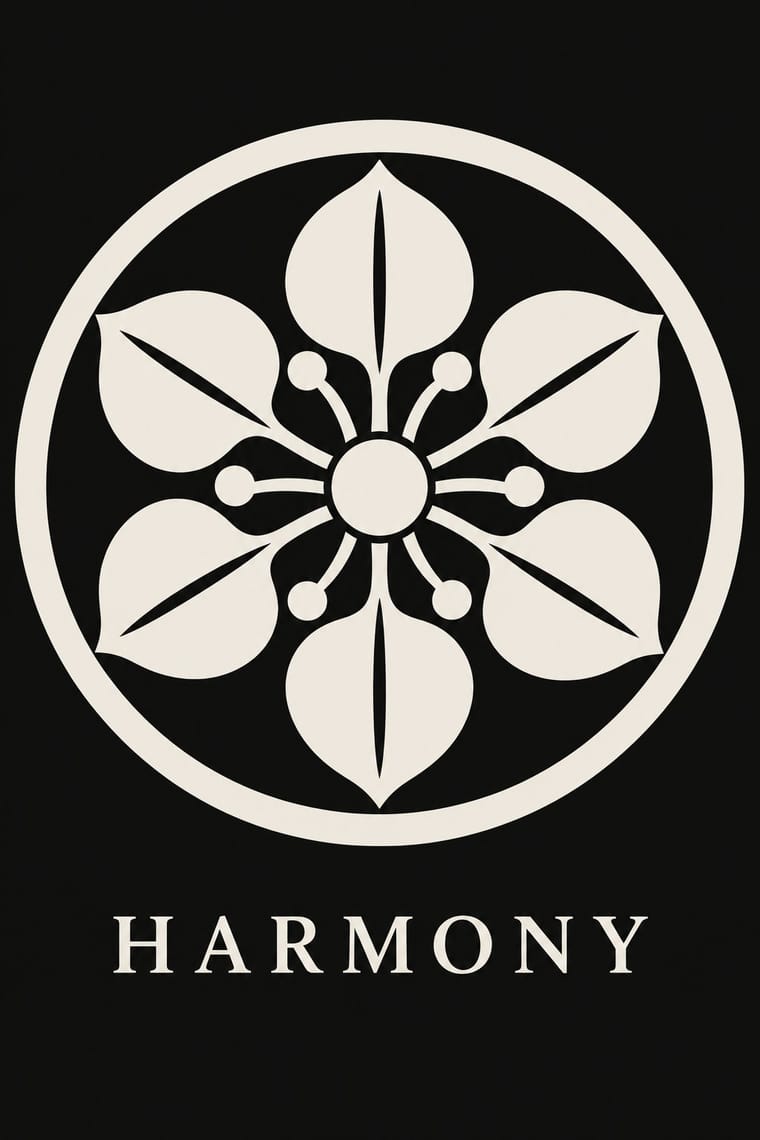
Kamon (Japanese Family Crests)Japan's family crests: small one-colour emblems that reduce a plant, animal, tool or pattern to a flat silhouette, mirrored or repeated around a centre, often ringed and drawn with compass and brush.
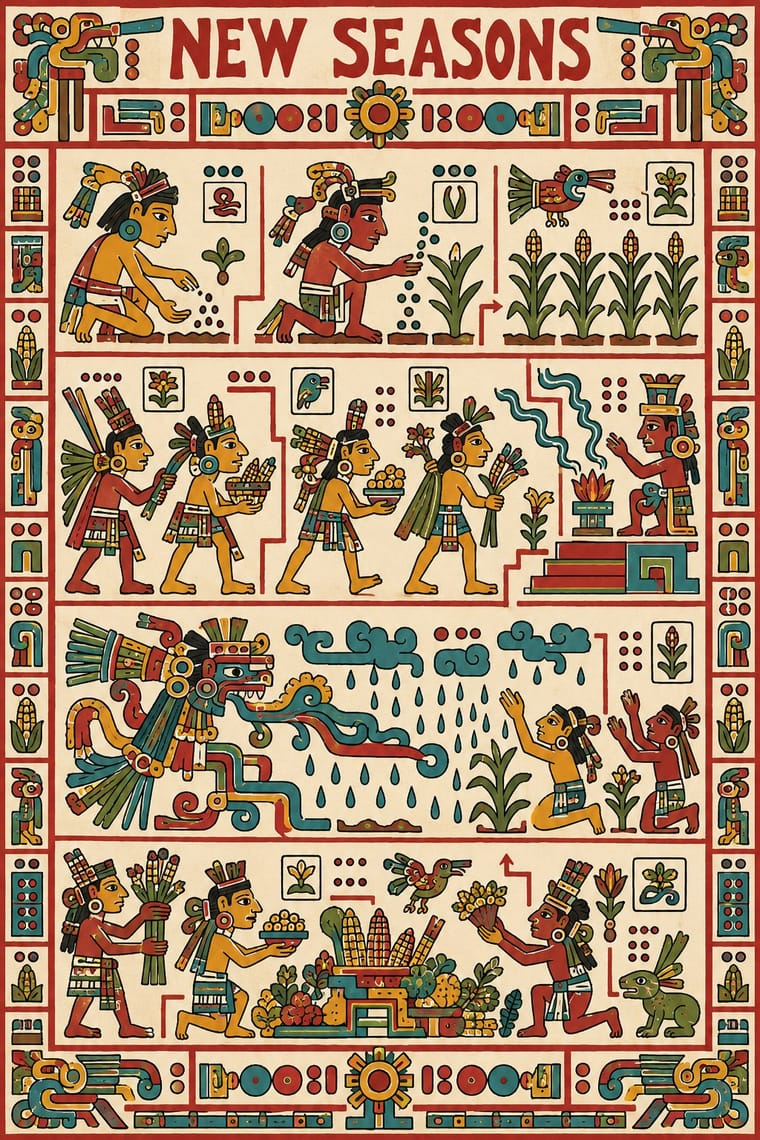
Mixteca-Puebla Codex PaintingThe painted screenfold books of Postclassic southern and central Mexico (not the Maya codices): long strips of gesso-coated deerskin, folded like a screen and painted on both sides.
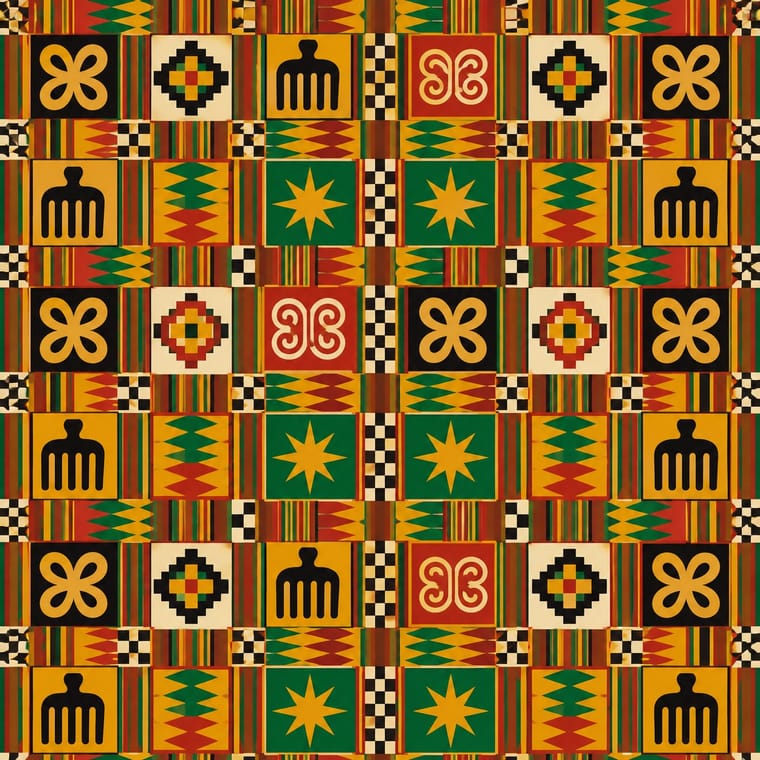
Adinkra & Kente Symbol SystemsThe Akan textile languages of Ghana.
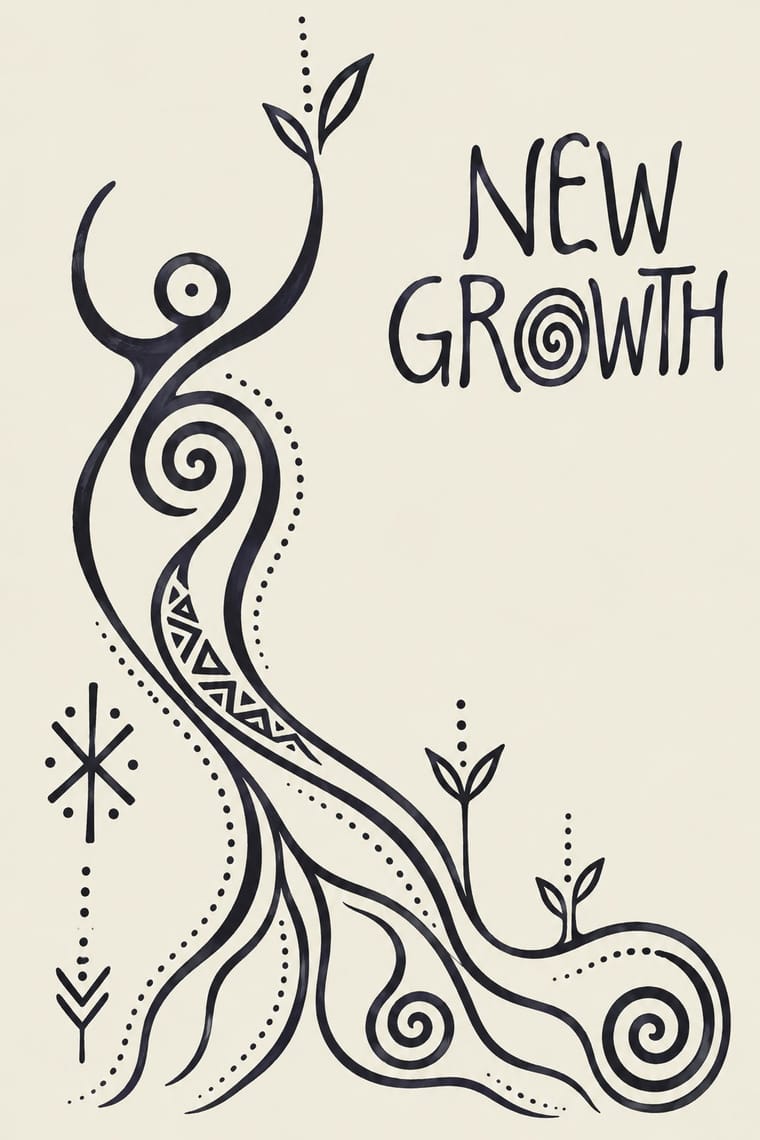
Uli & Nsibidi Line and Sign TraditionTwo linked graphic languages of southeastern Nigeria.
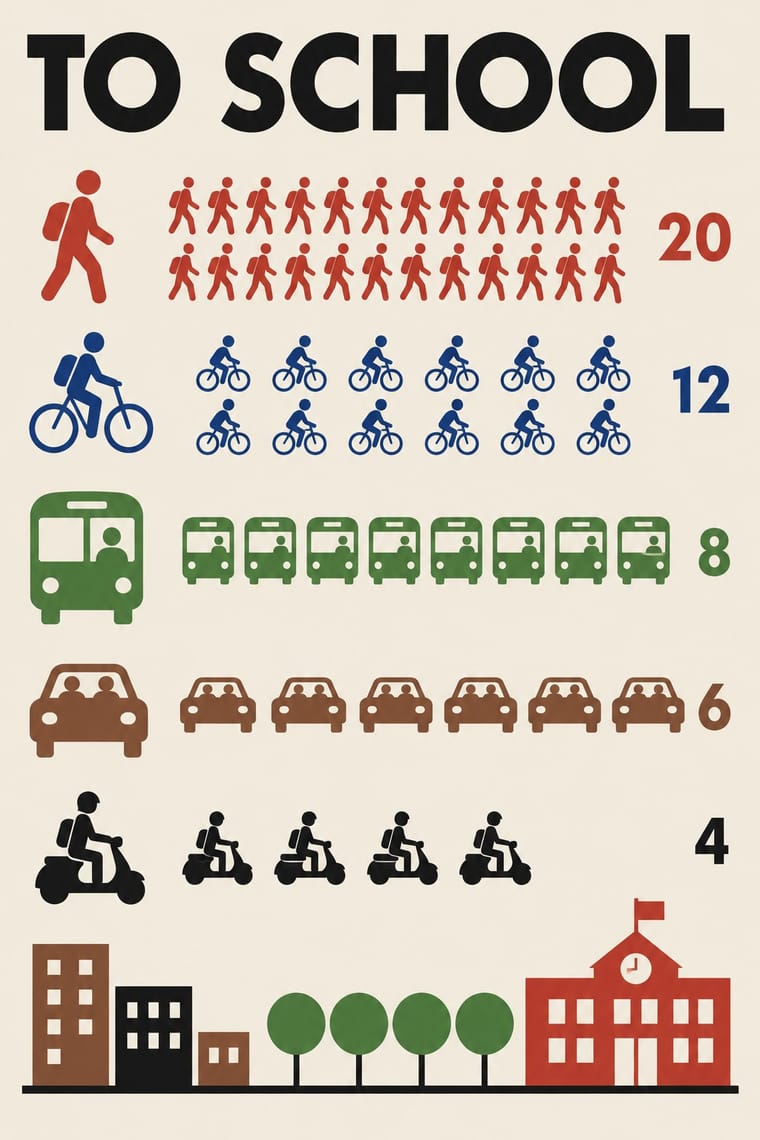
Isotype Pictorial StatisticsA method of visual education developed by Otto Neurath, Marie Neurath (Reidemeister) and Gerd Arntz in Red Vienna from 1925, which turns statistics into rows of identical pictograms where a greater quantity is shown by more signs, never by bigger ones.
British Road Signage (Kinneir & Calvert)The national sign system Jock Kinneir and Margaret Calvert designed for Britain's motorways, first used on the Preston By-pass in 1958, and through the Worboys Committee for all roads from 1 January 1965.
- Mexico 68 Olympic & Metro IdentityThe graphic programme of the 1968 Mexico City Olympics and the city's first Metro line.
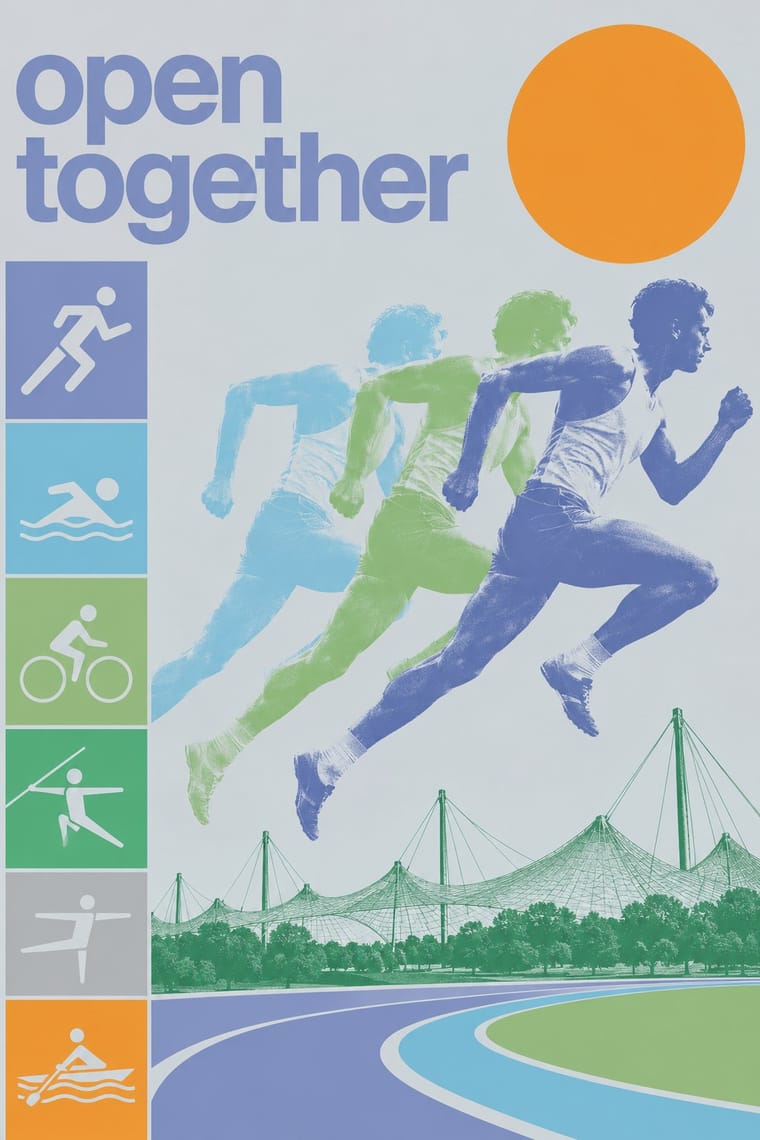
Munich 1972 Olympic Design (Otl Aicher)The visual programme Otl Aicher's department made for the 1972 Munich Olympics, the 'cheerful Games' meant to show a democratic, modest West Germany.
- Western Desert IconographyThe acrylic painting movement that took form at Papunya in 1971, when men there painted the Honey Ant Dreaming on the school wall and then on board, carrying an older practice of sand, body and ceremonial designs into lasting form. 'Western Desert' is an umbrella name: the movement also includes Warlpiri, Anmatyerre and Arrernte painters of the Central Desert.
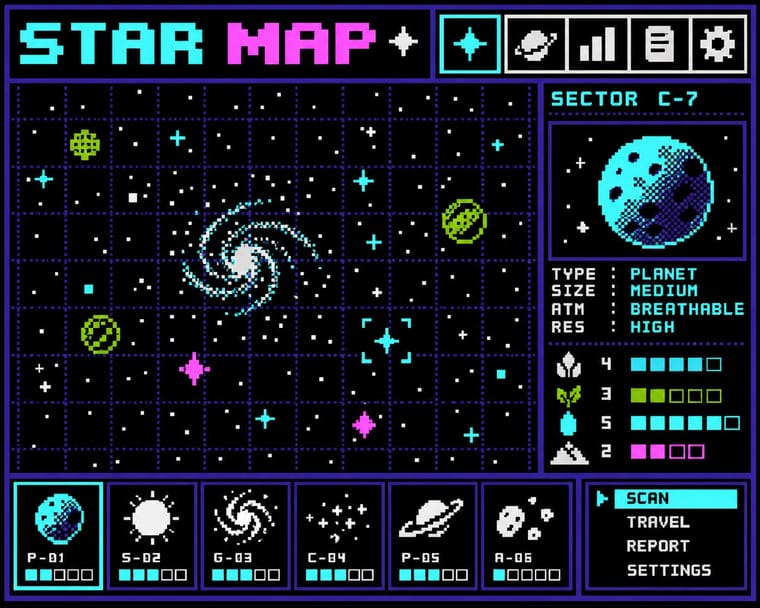
Bitmap & Pixel GraphicsGraphics and lettering built from the square pixels of low-resolution screens (arcade and console sprites, home-computer displays and the first graphical user interfaces), where every dot was placed by hand within tight limits of memory, resolution and palette.
Techno-Futurist GraphicsElectronic-music and video-game graphics of the late 1980s and 1990s that turned corporate modernism into a sci-fi consumer fantasy.
Emoji Pictographic LanguagePictographs typed as characters and set inline in running text.
Flat DesignAn interface and illustration language that stripped screens of simulated materials, replacing bevels, gloss and textures with solid fields of colour, clean sans-serif type and reduced pictograms.
- Palestinian Watermelon and Keffiyeh GraphicsGraphics of Palestinian identity and of solidarity with Palestinians, made by Palestinian artists, the diaspora and supporters worldwide and shared mainly online, above all since the Gaza war began in October 2023.
Styles that often use it 19
A characteristic choice: usual in these styles, though not essential.
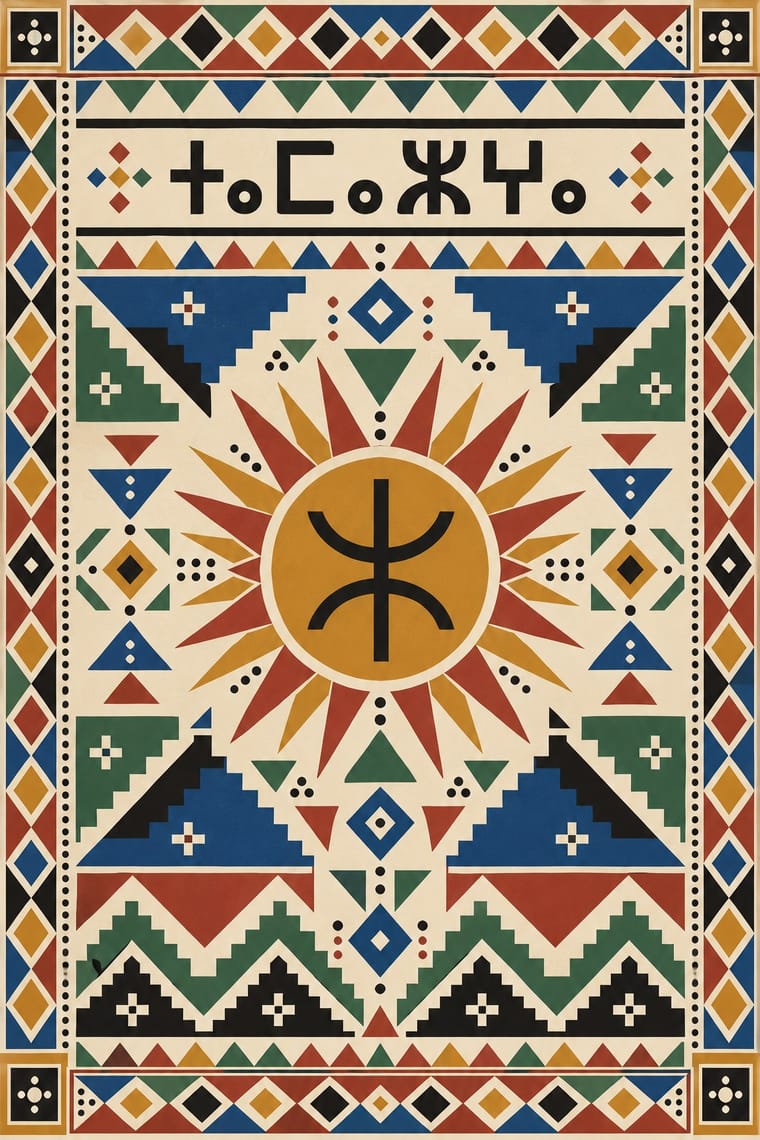
Amazigh Sign System & TifinaghThe visual language shared by Amazigh communities from the Rif, Atlas and Kabylie to the Aurès and the Tuareg Sahara.
European HeraldryThe hereditary identifying devices of medieval Europe's knights and seals, codified into a rule-bound grammar still used by states, cities, churches, universities and families.
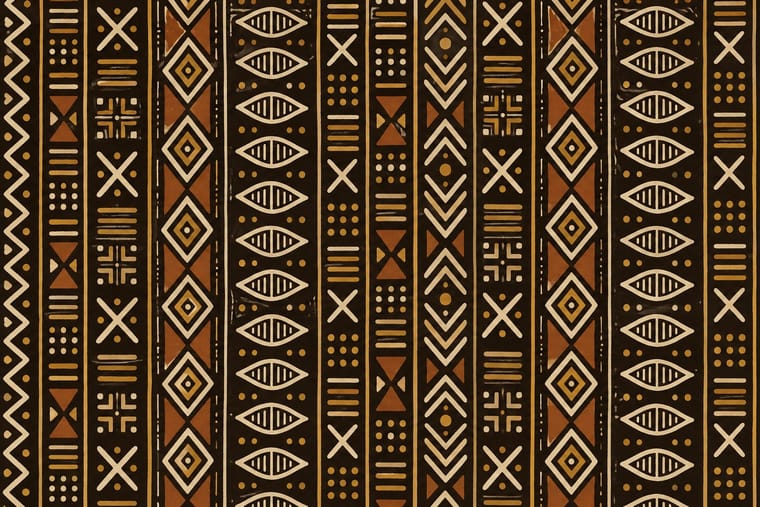
Bògòlanfini Mud ClothThe mud-dyed cotton cloth of the Bamana and other Malian peoples, in which the ground rather than the motif is painted: cloth dyed yellow with n'gallama leaves is covered around each sign with fermented iron-rich mud, and the unpainted signs are then bleached pale.
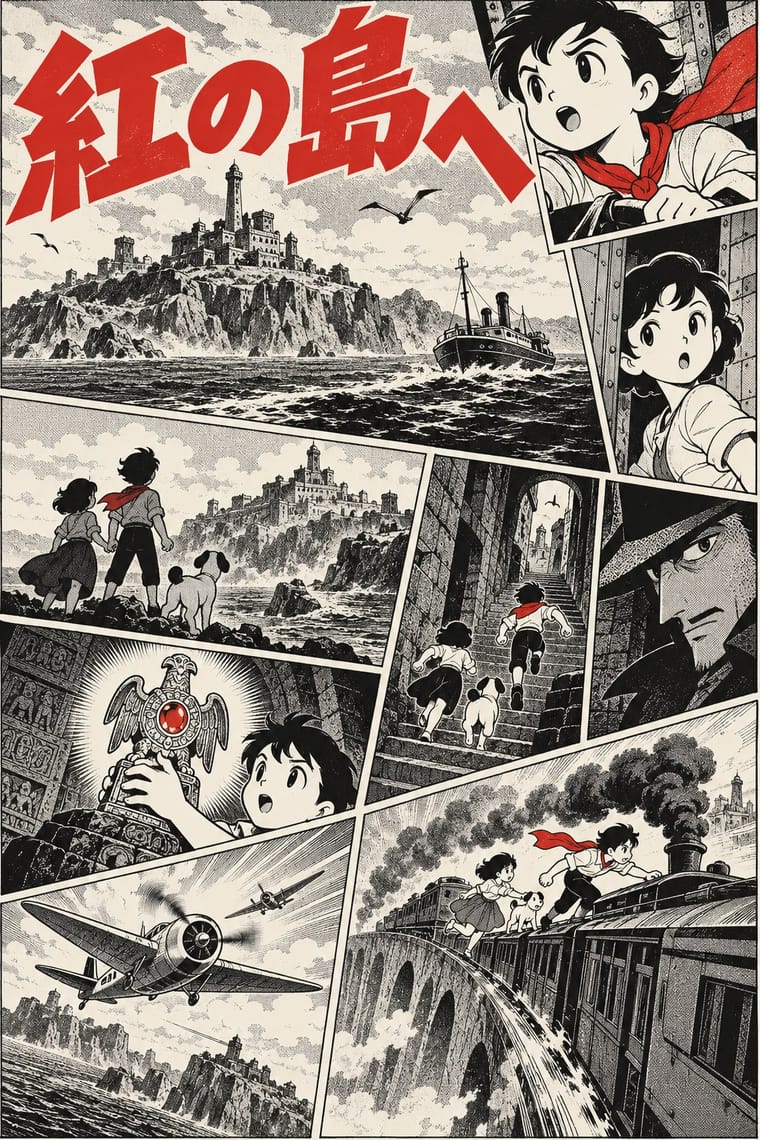
Story Manga (Postwar Japanese Comics)The black-and-white narrative comic of postwar Japan, from Tezuka Osamu's Shin Takarajima (1947) to the weekly boys' magazines of 1959 and 1968 and the paperbacks that collect them.
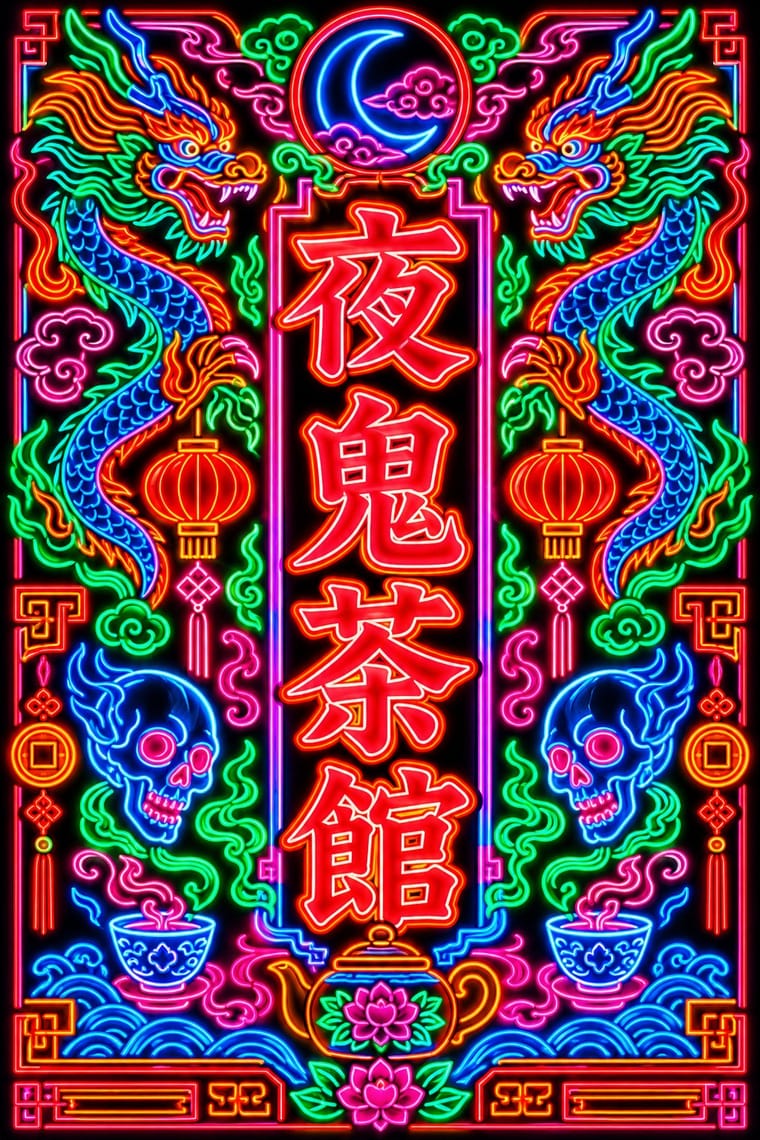
Hong Kong Neon & Beiwei Shop-Sign LetteringThe night-time signscape of Hong Kong's Kowloon streets.
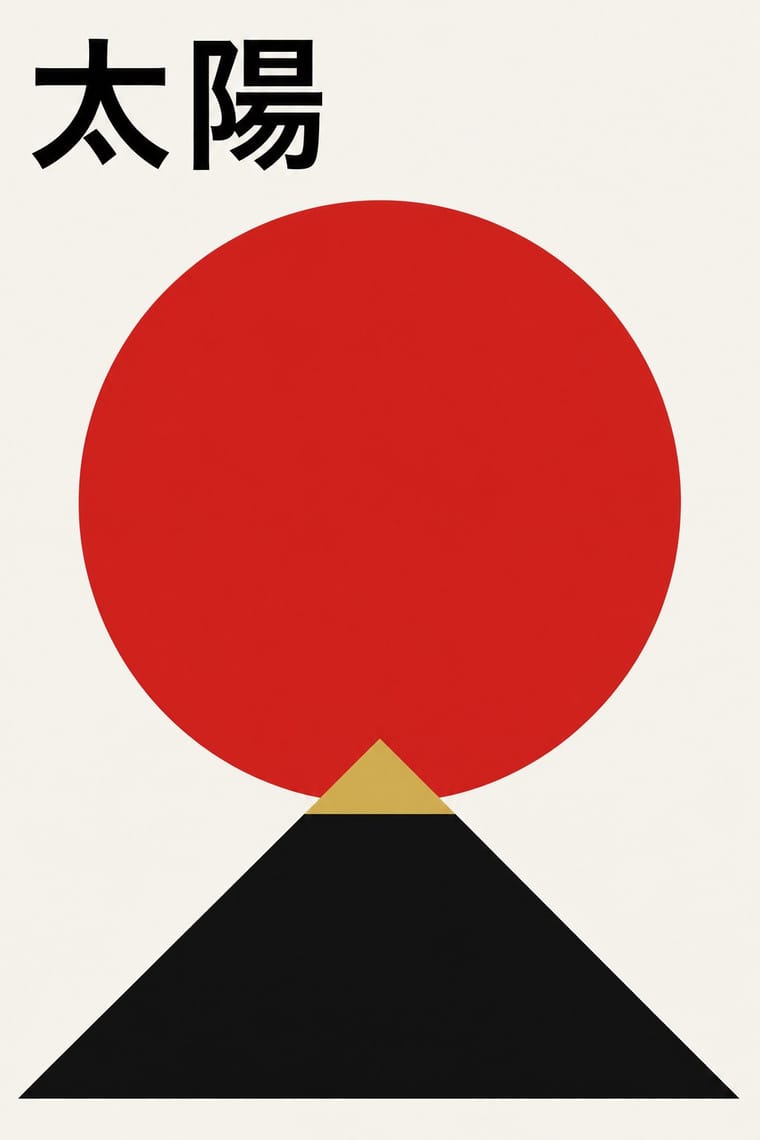
Japanese Postwar ModernismBuilding on the New Typography that Hiromu Hara and the Nippon Kobo circle had absorbed in the 1930s, Japan's postwar graphic designers fused the grid, sans-serif and objective photography of European modernism with indigenous traditions of family crests (kamon), asymmetry and charged emptiness (ma).
HfG Ulm Systematic DesignThe Hochschule für Gestaltung Ulm (1953–1968) was founded as the successor to the Bauhaus.
Corporate Identity ModernismModernist reduction applied to corporate communication.
Indian Institutional Modernism (NID)The design culture of independent India's public institutions, banks and broadcasters.
Gráfica del 68 (Mexican Student Movement Graphics)The graphics of the 1968 Mexican student movement, made in days by brigades in the print workshops of San Carlos and La Esmeralda and in improvised school workshops.
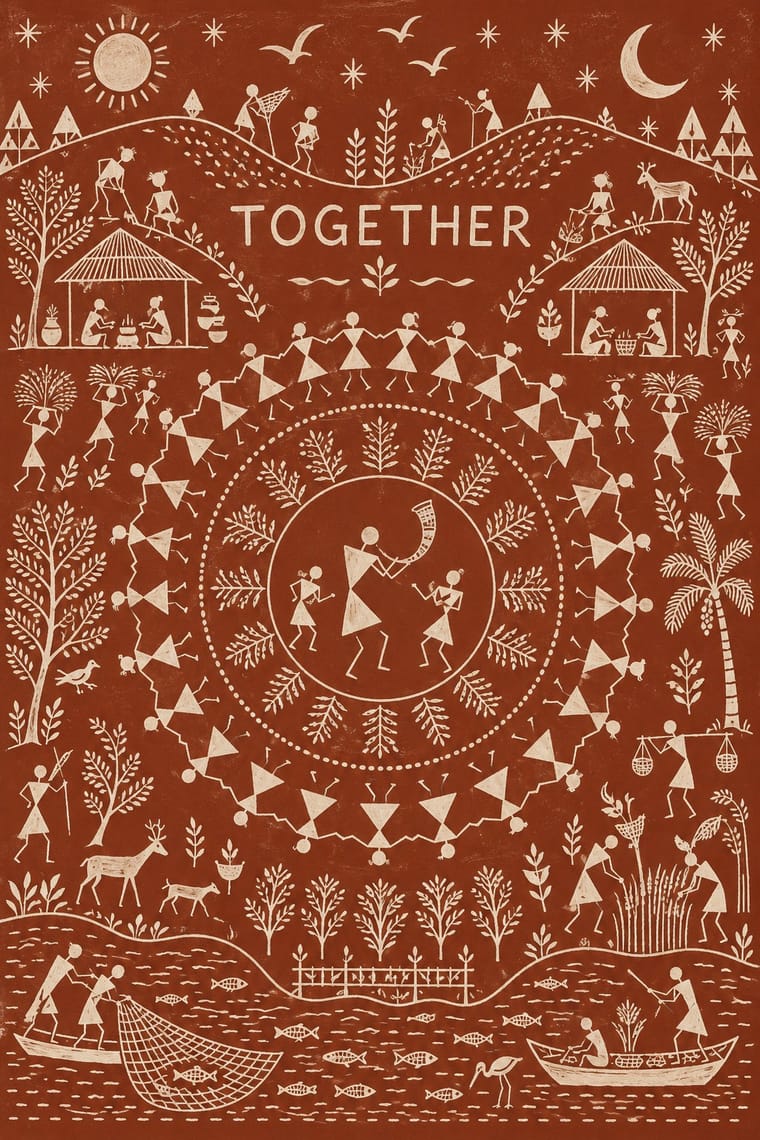
Warli PaintingThe ritual wall painting of the Warli, an Adivasi people of the northern Sahyadri in Maharashtra, carried onto paper and canvas from the 1970s by Jivya Soma Mashe and others.
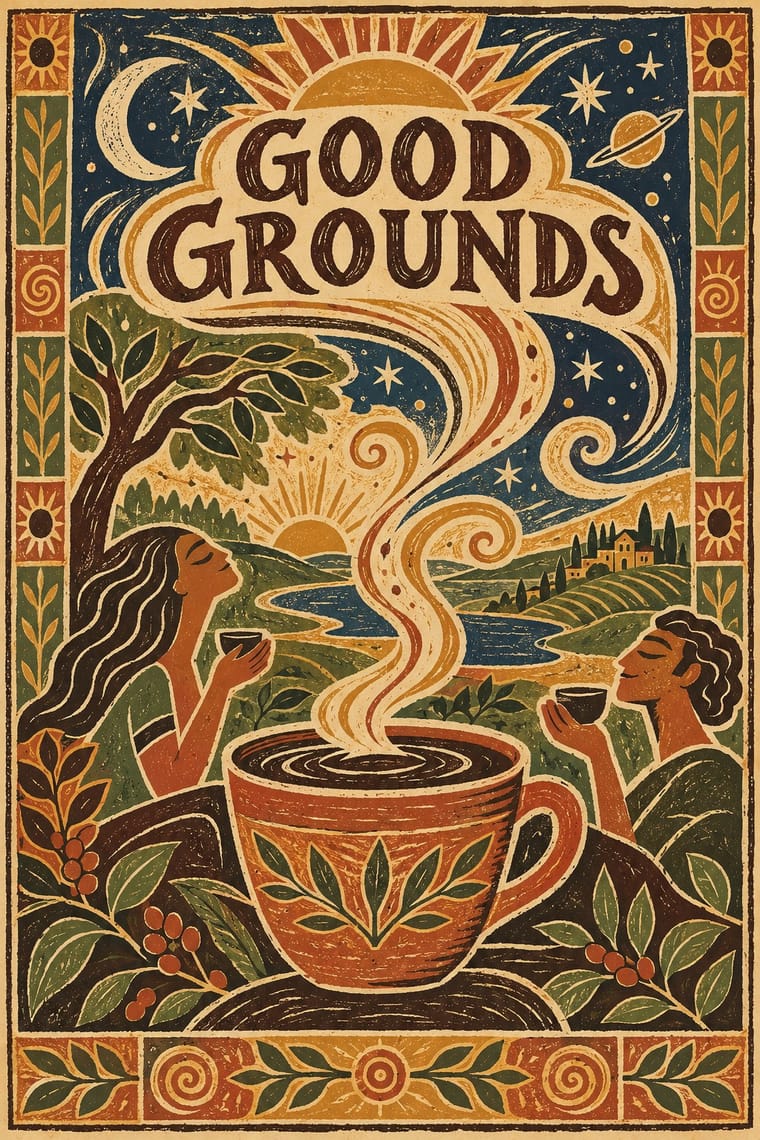
Global Village CoffeehouseThe faux-naive, earth-toned illustration style that late-1980s American designers set against Memphis, and that chain cafés, bookstores, packaging and clip art spread through the 1990s.
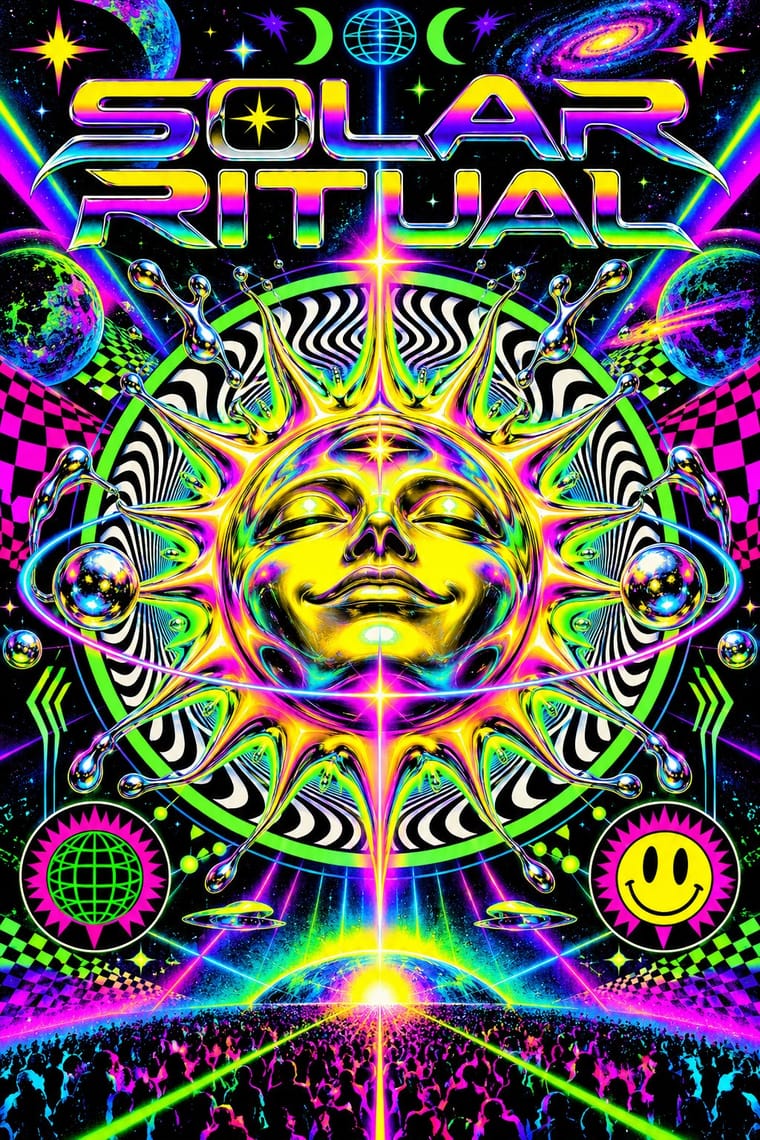
Rave & Acid House GraphicsThe pocket-sized promotional art of acid house, rave and early techno, handed out in record shops and car parks to advertise all-night parties.
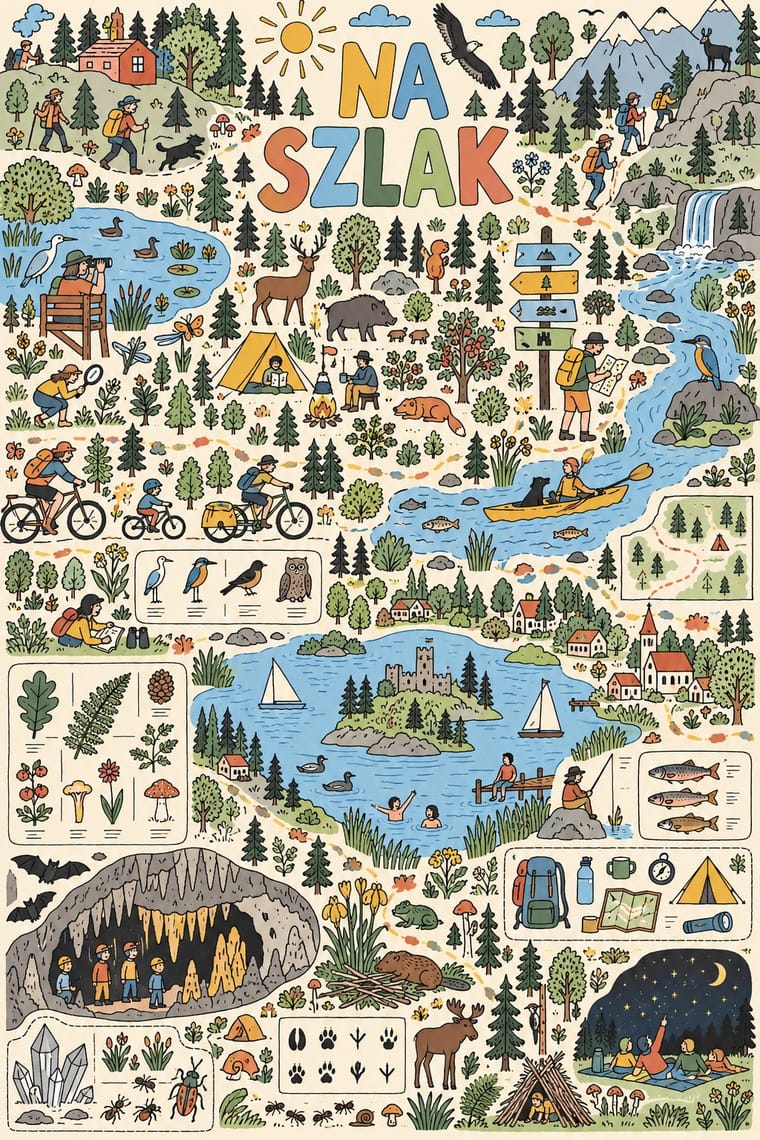
Polish Information Picture Book (Dwie Siostry)Mostly large-format information picture books made since 2008 by the Warsaw publisher Dwie Siostry with young illustrators led by Aleksandra and Daniel Mizieliński, graduates of the city's Academy of Fine Arts: atlases, cross-sections, labyrinths, activity books and wordless seek-and-find board books.
- Hong Kong Protest Art (Umbrella Movement to the 2019–20 Protests)The graphics of Hong Kong's democracy protests, from the 2014 Umbrella Movement to the national security law of 2020, in two linked media.
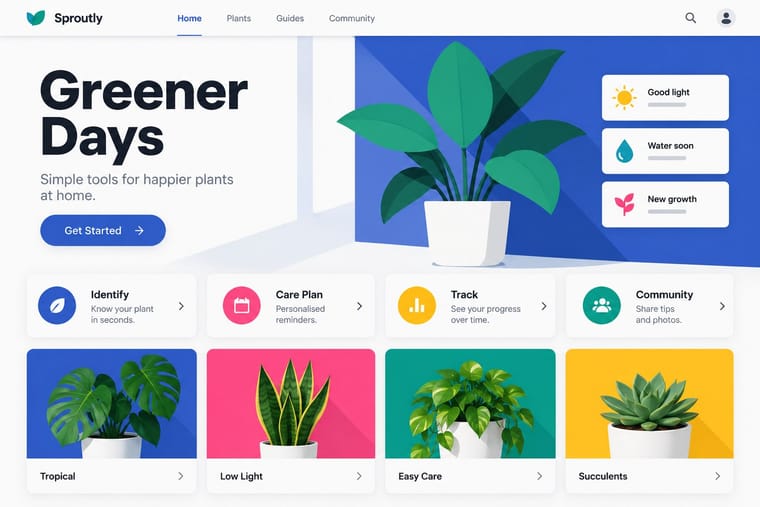
Material DesignGoogle's design system, launched in 2014, which reintroduced controlled depth to flat design through the metaphor of 'material': sheets of digital paper and ink that sit at defined elevations, cast consistent shadows and move with meaningful motion.
Latin American Feminist Protest Graphics (Ni Una Menos and the Green Wave)The graphics of Latin America's feminist tide, a mass movement since Ni Una Menos (Buenos Aires, 3 June 2015) and the 2018 'marea verde' for legal abortion, though its scarf dates from 2003.
Extinction Rebellion GraphicsThe visual identity of Extinction Rebellion, the climate movement founded in Stroud in 2018, built by its volunteer Art Group as a free kit anyone may print.
NeumorphismA short-lived interface trend in which controls are extruded from, or pressed into, a background of the same colour and modelled only by paired soft shadows.
Styles that use it now and then 32
An occasional choice in these styles.
- Andean Woven Graphic Systemsc. 600–present
- Javanese Wayang Kulit (Tatah Sungging)1500–present
- Tarot de Marseille Woodcut Cards1639–present
- Thai Yantra (Yant) Diagrams1700–present
- Lotería Card Imagery (Mexican Lotería)1887–present
- ROSTA Windows1919–1922
- Leningrad Avant-Garde Picture Book1922–1936
- Woodland School (Legend Painting)1962–present
- Hong Kong East–West Graphic Modernism1964–present
- Palestinian Resistance Poster1965–1993
- Chilean Unidad Popular & Nueva Canción Graphics1967–1973
- Atelier Populaire (May '68 Screenprint Poster)1968
- ECM Sleeve Aesthetic (Munich)1969–present
- Grapus (French Militant Graphic Collective)1970–1990
- Kawaii Design1970–present
- Pixação (São Paulo Tag Reto)1980–present
- Solidarność & Polish Underground Graphics1980–1989
- Hype Streetwear Graphics (Box Logo to Quotation Marks)1993–present
- South African Vernacular Design (Ijusi)1995–present
- Indian Pop-Kitsch Design (Desi Kitsch)1997–present
- Fantasy User Interface (FUI) & Sci-Fi HUD1999–present
- Japanese Dense Web Design1999–present
- Danmaku Bullet-Comment Overlay2006–present
- Hipster Artisanal Revival2007–2018
- Data Humanism2014–present
- Front-of-Pack Warning Octagons (Latin American Food Warning Seals)2016–present
- VTuber Avatar and Stream Graphics2016–present
- Newtro (Korean New-Retro)2017–present
- NFT Profile-Picture Collections (CryptoPunks to Bored Apes)2017–present
- Claymorphism & Soft 3D2020–present
- Instagram Slideshow Activism (Social-Justice Infographics)2020–present
- Woman, Life, Freedom Protest Graphics (Iran and the Diaspora)2022–present
It often goes with
Choices that the styles making it make more often than the atlas as a whole.
- Icons & pictogramsin 44 of 66
- Modular gridin 32 of 66
- Repetition & rhythmin 51 of 66
- Emblems & badgesin 40 of 66
- Geometric primitivesin 34 of 66
- Rational & objectivein 22 of 66
Styles that avoid it
Styles that deliberately leave it out.