Form & shape · Representation
Non-representational
Pure form with no depicted subject.
A design choice in Stylogeny’s vocabulary, under form & shape: what is the shape language?
- styles make it
- 101
- as a defining choice
- 11
- as a usual one
- 52
- now and then
- 38
- avoid it
- 70
Styles defined by it 11
For these styles it is one of the choices that make the style.

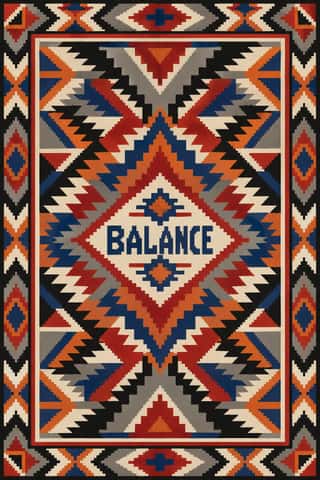
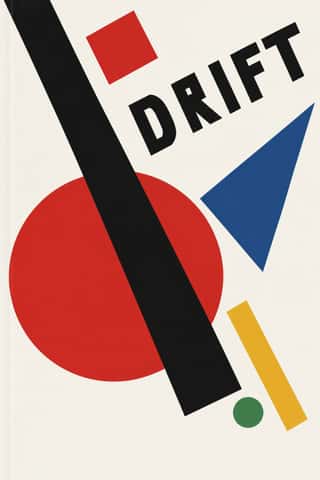

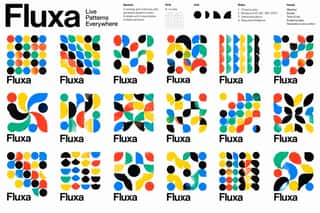
- MavoTokyo's anarchist avant-garde, founded in July 1923 by Murayama Tomoyoshi, back from a year in Berlin, with four former Futurists, and its magazine MAVO (seven issues, July 1924 to August 1925).
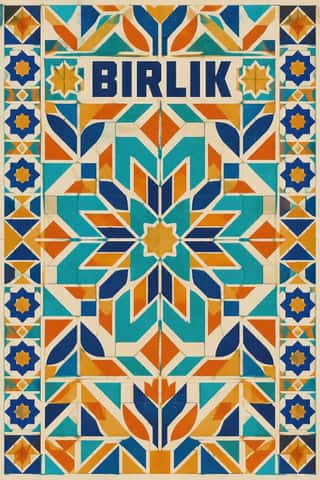
- Hurufiyya Calligraphic ModernismA pan-Arab and Iranian modern-art movement, begun by Madiha Omar in the late 1940s, that freed the letters of the Arabic script from text and used them as abstract visual units.
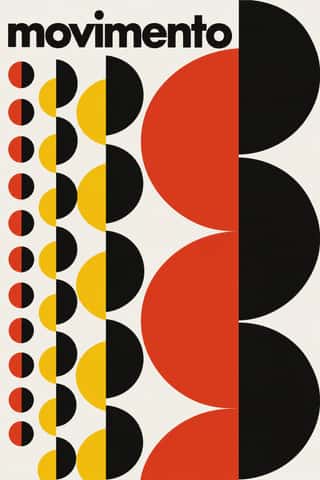
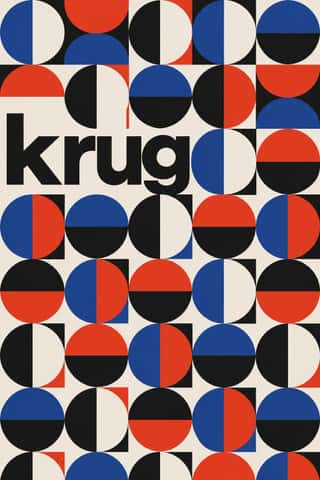
- Casablanca School Graphic ModernismA postcolonial modernism formed at the Casablanca fine-art school under Farid Belkahia, where Mohamed Melehi, Mohammed Chabâa and colleagues set Amazigh rugs and jewellery, painted ceilings and calligraphy beside a Bauhaus-style merging of art, craft and design.


Styles that often use it 52
A characteristic choice: usual in these styles, though not essential.
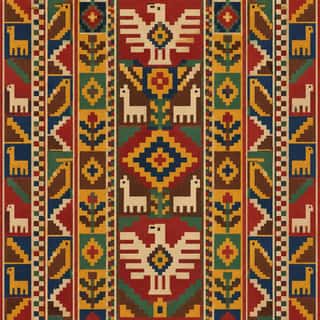
- Hebrew MicrographyA Jewish scribal art in which lines of minute Hebrew script, usually the Masoretic notes that guard the biblical text, are written so that the line itself draws: interlaced frames and star rosettes on full carpet pages, and animals, knights, fish and grotesques in the margins.
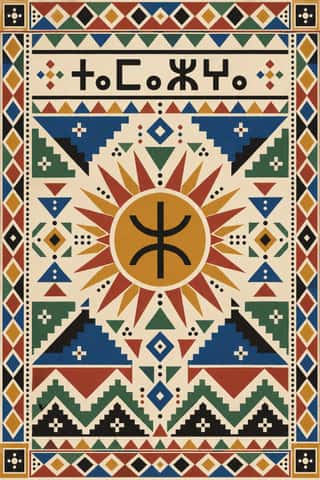
- Square Kufic (Bannāʾī)Square Kufic builds Arabic script on a square grid: straight lines and right angles only, with every stroke as wide as the gap beside it.
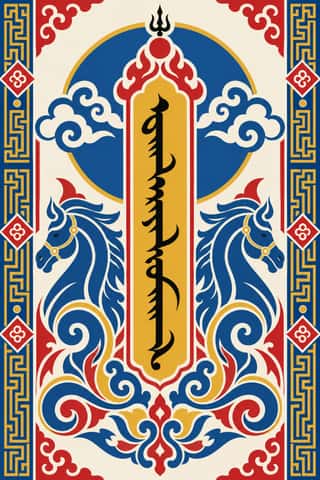

- Ottoman Tughra & Dîvânî Chancery CalligraphyThe Ottoman sultan's calligraphic monogram and the chancery hand written beneath it.
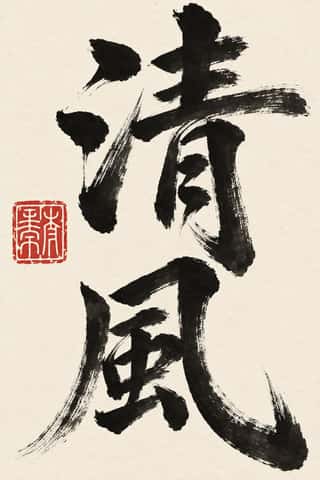
- Persian Nastaʿlīq Calligraphy (Qiṭʿa, Chalipa and Siyāh-mashq)The 'hanging' script of Persian poetry and an art of the single sheet.
- Kōwhaiwhai & Toi Māori DesignToi Māori, the visual arts of the tangata whenua of Aotearoa, of which kōwhaiwhai, the painted scroll patterns of paddles and meeting-house rafters, is the most graphic strand.


- Sápmi Graphic Identity (Duodji & Gákti Colour Code)Duodji is Sámi handicraft: hard work in wood, horn and bone, soft work in skin and cloth; drums painted with alder-bark figures survive from the 17th and 18th centuries.
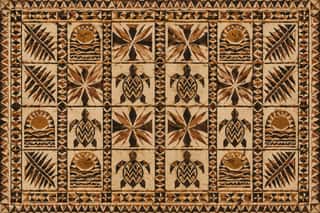
- Thai Yantra (Yant) DiagramsThai protective diagrams in which Pali formulae, written in Khom, a sacred script derived from Khmer, are packed into squares, circles, triangles, spires and the outlines of Buddhas, monks and tigers, often framed by lines of script.
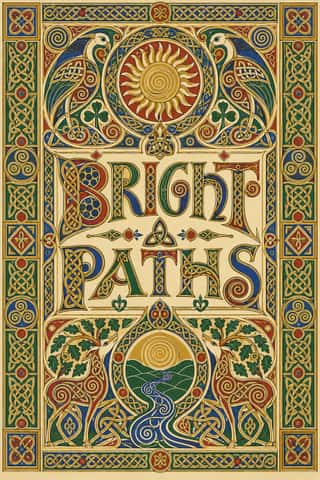
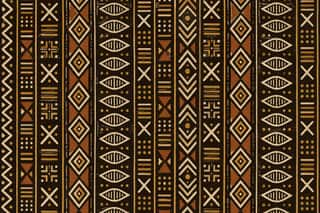
- Guna MolaThe reverse-appliqué blouse panels of Guna women in Panama, made by cutting through two to seven stacked layers of cotton so that every shape is ringed by echoing bands of the colours beneath.

- Arnhem Land Bark Painting & RarrkPainting in ochres on flattened stringybark by Yolŋu, Kunwinjku, Kuninjku and other clans of Arnhem Land, carrying ceremonial designs into portable form; collected from 1912, painted through art centres since the 1970s.
- Vorticism & BLAST TypographyLondon's short-lived rival to Futurism, launched by Wyndham Lewis with BLAST (dated 20 June 1914; War Number, July 1915).

- BauhausThe German school founded by Walter Gropius in 1919 moved from Expressionist craft ideals to a programme of 'art and technology' after 1923, when Moholy-Nagy, Herbert Bayer and Joost Schmidt made its printing and advertising workshops a laboratory for functional communication.
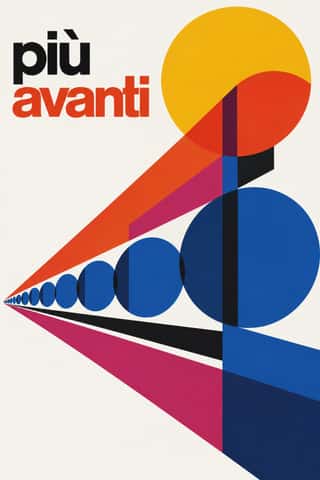
- Ndebele Geometric PaintingThe mural tradition of Southern Ndebele women, who paint homestead walls and gateways, and later canvases and objects, with bold, symmetrical geometric designs.
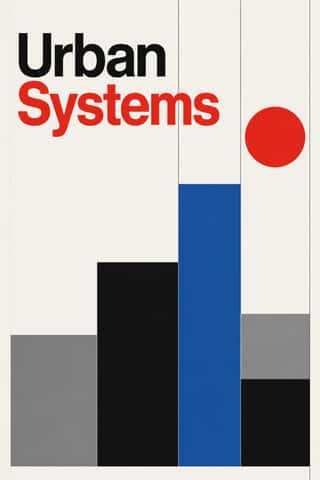
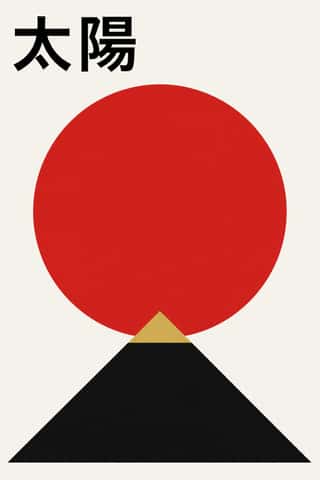
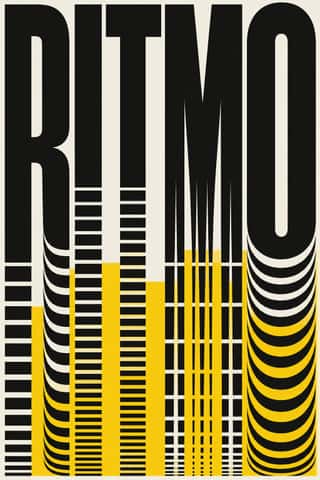

- Swiss Punk / New Wave TypographyA rebellion from inside the Swiss school: Wolfgang Weingart and his Basel students kept the grotesque and the grid but set them in motion with extreme letterspacing, stepped and angled lines, rules and bars, enlarged halftone screens and layered film montage.
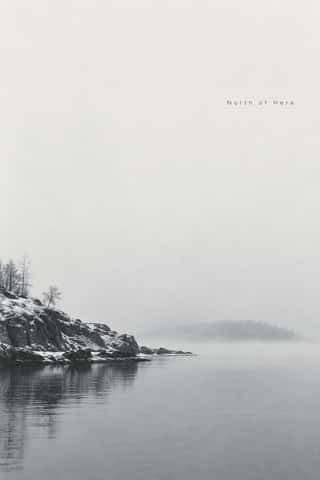
- Post-Punk Record Sleeve (Stiff, Factory, 4AD)The record sleeves that British art-school designers made after punk, for independent labels and some majors: Barney Bubbles at Stiff, Malcolm Garrett for Buzzcocks, Peter Saville at Factory and 23 Envelope at 4AD.

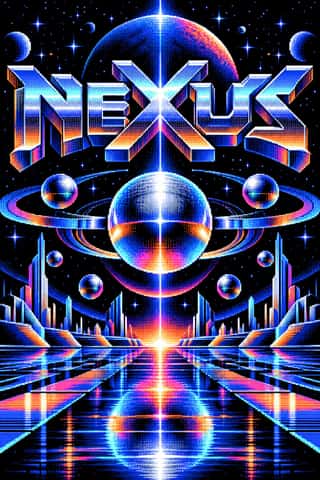
- Madinah Mushaf (King Fahd Complex Qur'an Page)One fixed page for the Qur'an across much of the Muslim world: Uthman Taha's fully vowelled Naskh in fifteen justified lines, written so that every page ends at the end of a verse (the late Ottoman âyet-berkenar layout), inside a floral frame, with sura titles in framed cartouches and verse numbers in small round medallions.
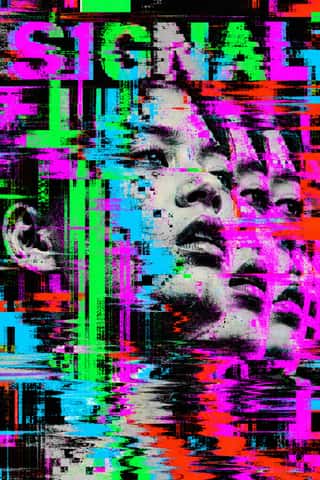
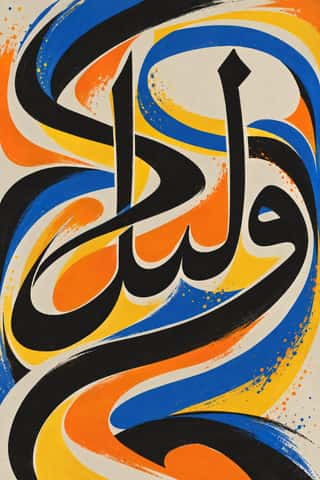

- Seoul Independent Graphic Design (Small-Studio Scene)Graphic design by Seoul's small, self-run studios, which from about 2005 chose to stay small.



Styles that use it now and then 38
An occasional choice in these styles.
- Ethiopian Ge'ez Manuscript & Haräg Illuminationc. 500–present
- Armenian Manuscript Illuminationc. 862–1800
- Maghrebi Script (Maghribi Calligraphy of al-Andalus and North Africa)c. 900–present
- Kamon (Japanese Family Crests)c. 1100–present
- European Heraldryc. 1140–present
- Rinpa & Saga-bon1600–present
- Adinkra & Kente Symbol Systems1700–present
- Northwest Coast Formline Design1700–present
- Nieuwe Kunst (Dutch Art Nouveau)1892–1914
- Expressionist Woodcut Graphics1905–1925
- Cubist Pictorial Space1907–1925
- London Transport Design1908–1966
- Italian Futurism1909–1944
- Russian Futurist Book1910–1920
- Dada1916–1924
- Kultur-Lige & Yiddish Avant-Garde Book Design1917–1924
- Estridentismo (Stridentist) Graphics1921–1927
- Die Neue Typographie1923–1940
- Republican Chinese Book Cover Design (Lu Xun & Tao Yuanqing)1923–1949
- Penguin Paperback Design (Three Bands to the Marber Grid)1935–1972
- UPA & Cartoon Modern1944–1960
- West German Conceptual Film & Culture Poster (Hillmann and Rambow)1953–1990
- Zagreb School of Animated Film1954–1980
- Blue Note Jazz Sleeve Modernism1956–1967
- Turkish Modernist Poster & Graphic Design1959–2000
- Iranian Modernist Graphic Design1960–present
- Hong Kong East–West Graphic Modernism1964–present
- Western Desert Iconography1971–present
- Dutch Expressive Postmodernism (Studio Dumbar & Hard Werken)1977–1994
- Cranbrook & Deconstructivist Typography1980–1998
- Grunge Typography1990–2000
- Y2K Futurism1997–2005
- Cartonera Books (Latin American Cardboard Publishing)2003–present
- Contemporary Chinese Book Design ('Most Beautiful Books of China')2003–present
- Hauntology & Ghost Box Design2004–present
- Low Poly Illustration2012–present
- Kinetic Typography & Variable Type2016–present
- Dark Tech Minimalism2019–present
It often goes with
Choices that the styles making it make more often than the atlas as a whole.
- Geometric primitivesin 63 of 101
- Typography onlyin 56 of 101
- Pattern & repeatin 48 of 101
- All-over fieldin 38 of 101
- Rotated & vertical settingin 41 of 101
- Rectilinearin 49 of 101
Styles that avoid it
Styles that deliberately leave it out.
- Nianhua & Chinese Folk Printc. 1100–present
- Zoomorphic & Figural Calligraphy (Islamic Calligrams)1500–present
- Emblem Book (Motto, Picture & Epigram)1531–1724
- Đông Hồ & Hàng Trống Folk Prints1600–present
- Tarot de Marseille Woodcut Cards1639–present
- Lubok Popular Print1650–1920
- Burmese Parabaik Painting (Konbaung Folding Books)1752–1885
- Chaekgeori & Minhwa Screen Painting1776–present
- Imagerie d'Épinal & European Bilderbogen1796–1939
- Persian Popular Narrative (Lithographs & Coffeehouse Painting)1843–2012
- Cuban Tobacco Lithography (Habilitaciones & Marquillas)1845–present
- Belle Époque Lithographic Poster1866–1914
- Indian Calendar & Bazaar Art1878–present
- Spanish Bullfight Poster (Cartel Taurino)1879–present
- Mexican Popular Graphics (Posada)1880–1917
- Lotería Card Imagery (Mexican Lotería)1887–present
- Simplicissimus Satirical Style (Munich)1896–1944
- Senegalese Sufi Devotional Imagery (Souwère Glass Painting and Amadou Bamba Portraits)1900–present
- Bezalel School1906–1929
- Shanghai Modern & Yuefenpai1910–1949
- Basel Object Poster (Swiss Sachplakat)1919–1955
- Early Turkish Republican Graphic Design1925–1960
- Lianhuanhua Picture-Story Books1925–1990
- Australian Travel Poster (ANTA Era)1929–1959
- Filipino Komiks1929–1999
- Giallo Mondadori Covers (I Libri Gialli)1929–present
- Mexican Calendar Chromo (Cromos calendáricos)1930–1970
- Chinese Modern Woodcut Movement1931–1949
- Egyptian Painted Film Poster1932–1996
- Socialist Realist Propaganda Poster1932–1989
- American Four-Colour Comic Book (Golden to Bronze Age)1934–1993
- Tiki Pop (Polynesian Pop)1934–present
- Taller de Gráfica Popular1937–1977
- Hand-Painted Bollywood Poster1940–1999
- Vietnamese Propaganda Poster (Tranh cổ động)1945–present
- Story Manga (Postwar Japanese Comics)1947–present
- Taiwan Floral Cloth (Huabu)1950–present
- Drum Magazine & Sophiatown Photojournalism1951–1965
- Pop Art Graphics1955–1975
- Arab Children's Comic Magazines (Samir to Majid)1956–present
- Shōjo Manga (Japanese Girls' Comics)1958–present
- Woodland School (Legend Painting)1962–present
- Palestinian Resistance Poster1965–1993
- Amar Chitra Katha Comics1967–present
- Black Panther Party Graphics1967–1980
- Gráfica del 68 (Mexican Student Movement Graphics)1968
- Tingatinga Painting1968–present
- Underground Comix1968–1982
- Kinshasa Popular Painting1970–present
- Warli Painting1970–present
- Turkish Weekly Humour Magazines (Gırgır to Uykusuz)1972–2025
- Roots Reggae Sleeve Art & Rasta Iconography1973–1985
- Ethiopian Revolutionary Poster (Derg Era)1974–1991
- Lebanese Civil War Party Poster1975–1990
- Pardhan Gond Painting (Jangarh Kalam)1981–present
- Ghanaian Movie Poster1985–2005
- Ghanaian Funeral Poster & Banner1990–present
- Nigerian Pentecostal Crusade Poster & Billboard1990–present
- Bitterkomix (Afrikaans Underground Comics)1992–present
- Skeuomorphic UI2000–2013
- Tamil Nadu Flex Banners2000–present
- Yuru-chara (Japanese Local Mascot Design)2000–present
- Itasha (Anime Character Car Graphics)2005–present
- Oaxacan Protest Printmaking & Street Graphics (ASARO)2006–present
- 'Good Morning' Greeting Images (WhatsApp Forward Vernacular)2013–present
- NFT Profile-Picture Collections (CryptoPunks to Bored Apes)2017–present
- Guochao (China-Chic National Trend)2018–present
- Palestinian Watermelon and Keffiyeh Graphics2021–present
- Generative-AI Image Aesthetic2022–present
- Ukrainian Wartime Graphics (Saint Javelin, War Stamps and Be Brave Like Ukraine)2022–present