Space & hierarchy · Rhythm & depth
Illusion of depth
Perspective, overlap, shadow or parallax create a z-axis.
A design choice in Stylogeny’s vocabulary, under space & hierarchy: how is attention distributed?
- styles make it
- 95
- as a defining choice
- 23
- as a usual one
- 39
- now and then
- 33
- avoid it
- 64
Styles defined by it 23
For these styles it is one of the choices that make the style.
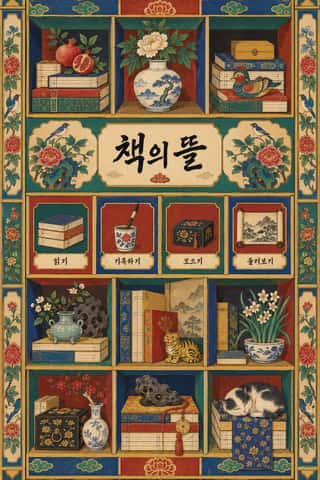
Chaekgeori & Minhwa Screen PaintingKorean painted folding screens of the late Joseon period.
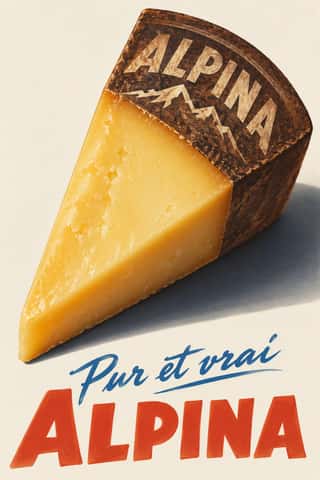
Basel Object Poster (Swiss Sachplakat)The Swiss descendant of the German object poster, made in Zurich and above all Basel from 1919 to the early 1950s.
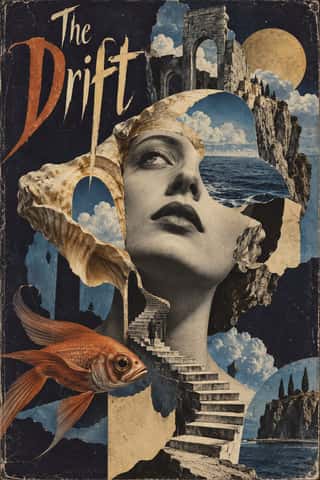
Surrealist GraphicsLaunched by André Breton's 1924 manifesto, Surrealism sought the marvellous in dreams, chance and the unconscious.
- Amazonian Boat Lettering (Abridores de Letras)The painted boat names of Pará's rivers in the Brazilian Amazon, made for about a century by self-taught riverside painters (abridores de letras).
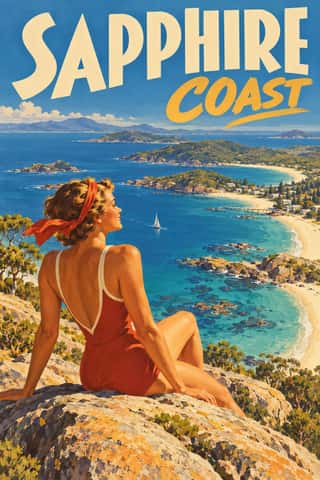
Australian Travel Poster (ANTA Era)The pictorial posters that the Australian National Travel Association (ANTA, 1929), state tourist bureaux, railways and shipping lines commissioned to sell Australia abroad and at home.
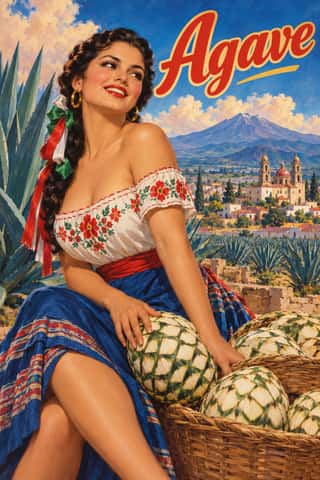
Mexican Calendar Chromo (Cromos calendáricos)Mexico's give-away advertising calendars, at their height from the 1930s to the late 1960s.
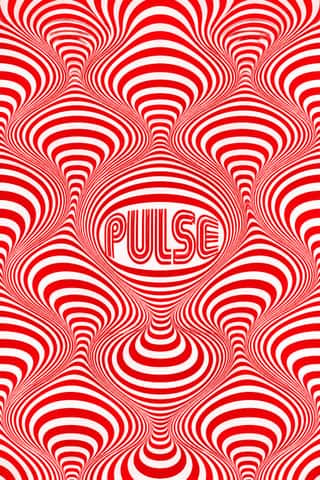
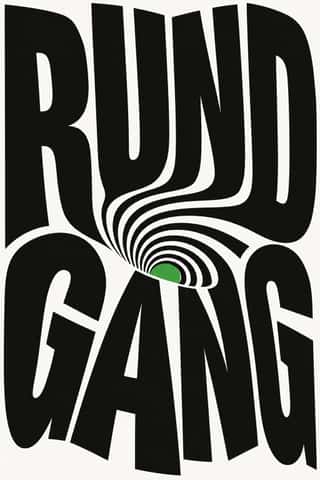
Op Art GraphicsA 1960s style that turned perceptual research into graphic effect: precisely drawn lines, checks, concentric rings and modular grids, usually black and white or complementaries of equal value, that seem to vibrate, swell or move.
Hipgnosis Photographic Concept SleeveThe sleeves the London studio Hipgnosis made for Pink Floyd, Led Zeppelin, Genesis, Peter Gabriel, 10cc and others from 1968 to 1983.
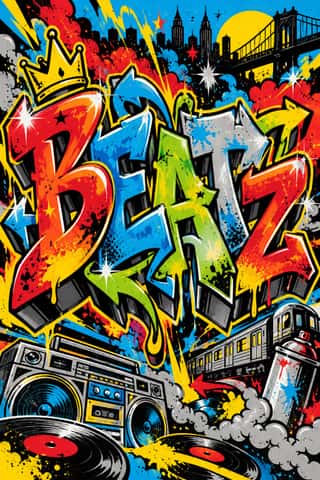
Graffiti & Hip-Hop GraphicsBorn on New York's subway cars and Bronx party flyers, graffiti writing turns the writer's name into a monumental letter-sculpture: bubble, block and wildstyle letters with arrows, 3D drop shadows, fades and highlights, painted freehand in aerosol.
Métal hurlant Science-Fiction Comics (Mœbius, Druillet & Les Humanoïdes Associés)The adult science-fiction comics of Métal hurlant, the Paris magazine founded in 1974 by Mœbius, Philippe Druillet, Jean-Pierre Dionnet and Bernard Farkas.
Dutch Expressive Postmodernism (Studio Dumbar & Hard Werken)An anti-functionalist current in Dutch graphic design led by Studio Dumbar in The Hague (from 1977) and the Rotterdam collective Hard Werken (magazine from 1979, design office 1982–1994).
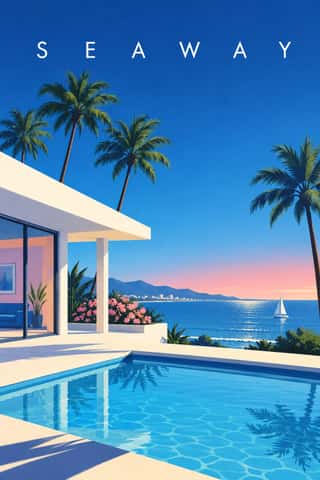
City Pop IllustrationThe painted look of Japanese city pop record sleeves and magazine covers, fixed by Hiroshi Nagai's sleeve for Eiichi Ohtaki's A Long Vacation (1981) and Eizin Suzuki's for Tatsuro Yamashita's For You (1982).
Demoscene Graphics (Cracktros, Demos & Text-Mode Art)The graphics of the demoscene, a mainly European community of coders, graphicians and musicians that grew from the intros software crackers added to pirated Commodore 64 and Amiga games in the mid-1980s.
Skeuomorphic UIInterface design that imitates physical materials and objects (stitched leather, linen, wooden shelves, brushed aluminium, felt, paper and glass) so that digital tools look and behave like their real-world counterparts.
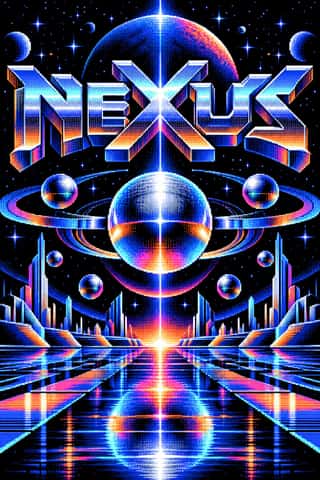
Synthwave / OutrunThe retro-futurist look of synthwave music: a 1980s revival that grew from mid-2000s French electro and online synth scenes, took its other name from Sega's arcade racer Out Run (1986) and reached the mainstream with Drive (2011).
Lucerne Poster Scene (Neubad & Südpol Posters)Lucerne's poster culture for small non-commercial venues (Südpol, Neubad, Treibhaus) and the Weltformat festival.
Low Poly IllustrationA digital illustration and game look in which subjects are built from a visible mesh of a few flat-shaded polygons, so that animals, faces, vehicles and landscapes read as hard-edged facets with no outline or texture.
Material DesignGoogle's design system, launched in 2014, which reintroduced controlled depth to flat design through the metaphor of 'material': sheets of digital paper and ink that sit at defined elevations, cast consistent shadows and move with meaningful motion.
SolarpunkHopeful eco-futurist imagery born online.
NeumorphismA short-lived interface trend in which controls are extruded from, or pressed into, a background of the same colour and modelled only by paired soft shadows.
Claymorphism & Soft 3DA soft, toy-like 3D look from product design around 2020, given the name 'claymorphism' in a December 2021 article by Michał Malewicz.
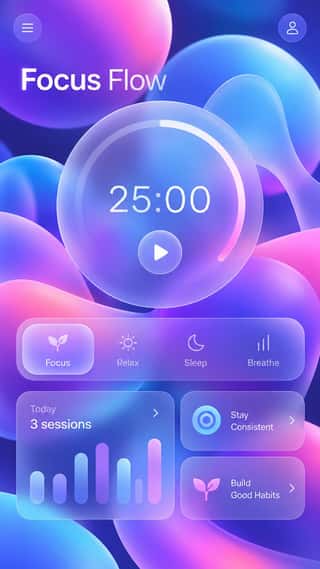
GlassmorphismAn interface style of translucent, frosted panels floating over vivid, blurred backgrounds, so that depth and hierarchy come from layered transparency.
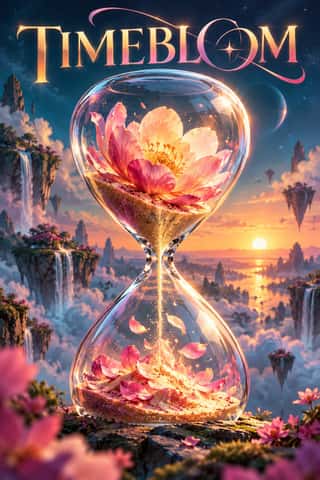
Generative-AI Image AestheticThe house look of pictures synthesised by text-to-image diffusion models since 2022.
Styles that often use it 39
A characteristic choice: usual in these styles, though not essential.
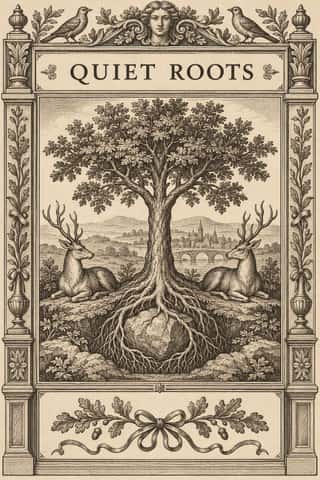
Emblem Book (Motto, Picture & Epigram)A European book genre in which, from Chrestien Wechel's Paris edition of 1534 on, every page or opening repeats one fixed unit: a short motto, an allegorical picture and an explanatory verse, which only together yield a moral, amorous or religious meaning.
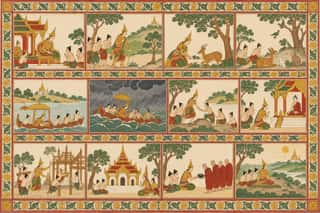
Burmese Parabaik Painting (Konbaung Folding Books)Painted Burmese folding books of the Konbaung court and its monasteries.
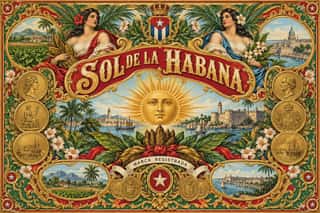
Cuban Tobacco Lithography (Habilitaciones & Marquillas)The chromolithographed dress of Havana tobacco.
- Indian Calendar & Bazaar ArtMass-printed images of Hindu deities, epic scenes, saints, nationalist heroes and film stars, sold in bazaars and given away as business calendars, from the chromolithographs of the Calcutta Art Studio and Ravi Varma Press to Sivakasi offset.
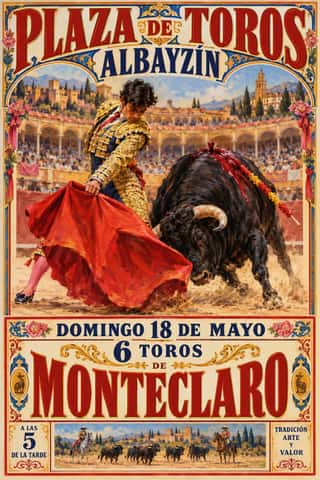
Spanish Bullfight Poster (Cartel Taurino)The Spanish bullfight poster in its illustrated form, from Marcelino de Unceta's lithographs (from 1879) to the Valencian house of Ortega, which supplied rings across Spain.
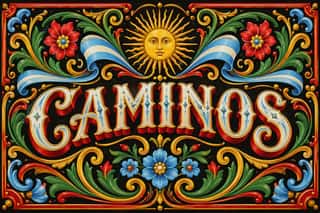
Fileteado PorteñoA Buenos Aires tradition of ornamental brush painting that began around 1900 on the grey-painted trade carts of Italian immigrant coachbuilders and spread to trucks, colectivo buses, shop signs and gallery panels.
Art DecoThe glamorous modern style named after the 1925 Paris Exposition des Arts Décoratifs, which disciplined ornament into geometry: sunbursts, chevrons, stepped forms and sleek stylised figures rendered in lacquer-smooth colour with metallic accents.
Shanghai Modern & YuefenpaiThe commercial art of treaty-port Shanghai.
- Estridentismo (Stridentist) GraphicsMexico's first avant-garde (1921-27), launched when Manuel Maples Arce pasted his manifesto Actual No. 1 on Mexico City walls.
- Italian Fascist Graphics (Romanità & Exhibition Photomontage)The visual language of Italian Fascism, which turned modernist means to a cult of Rome and of the Duce.
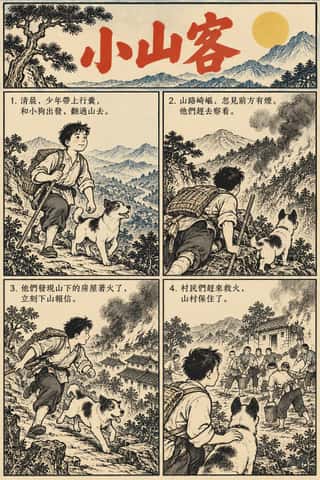
Lianhuanhua Picture-Story BooksPalm-sized Chinese picture books, about three by five inches, that tell a novel, opera, film or revolutionary story in hundreds of single framed drawings, one to a page, each with a short caption.
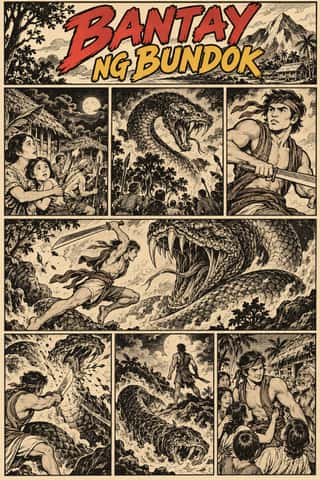
Filipino KomiksThe Philippines' newsstand comics magazines, from Kenkoy in Liwayway (1929) and Ace's Pilipino Komiks (1947) to the fall of the Roces titles in the late 1990s.
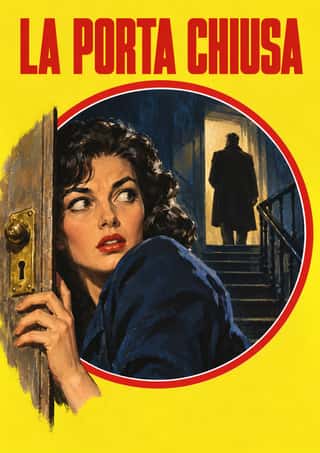
Giallo Mondadori Covers (I Libri Gialli)The cover system of Mondadori's crime series, Milan, from I Libri Gialli of 1929 to Il Giallo Mondadori today.
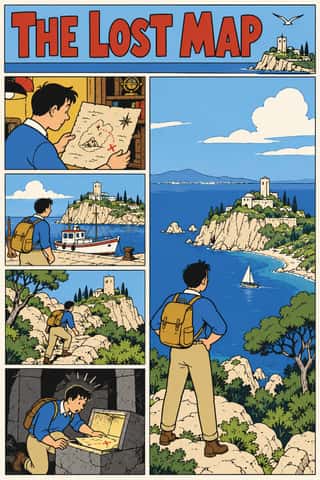
Ligne Claire (Franco-Belgian Clear Line)The comic drawing style of Hergé's Tintin and the Brussels school, named 'klare lijn' by Joost Swarte in 1977.
- AIZ Political Photomontage (Heartfield)The political photomontage John Heartfield made for the communist weekly AIZ from 1930 to 1938, in Berlin and, from 1933, in Prague exile.
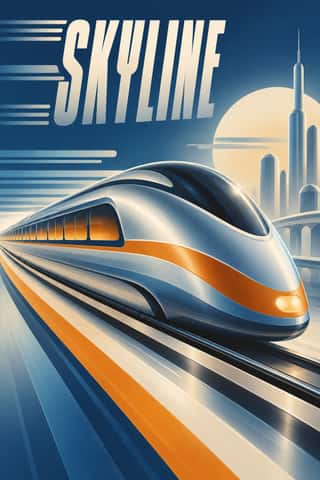
Streamline ModerneThe late, chiefly American phase of Art Deco, in which aerodynamic science became a visual language for a Depression-era culture hungry for progress.
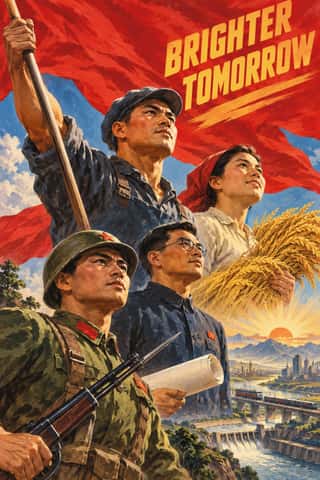
Socialist Realist Propaganda PosterThe official art doctrine of the Soviet Union from 1932, later exported across the socialist world, which replaced avant-garde experiment with legible, heroic realism 'national in form, socialist in content'.
- Nippon Kōbō & Tōhōsha Photo-Propaganda Magazines (NIPPON & FRONT)Luxury photo-propaganda magazines that imperial Japan sent abroad, 1934–45.
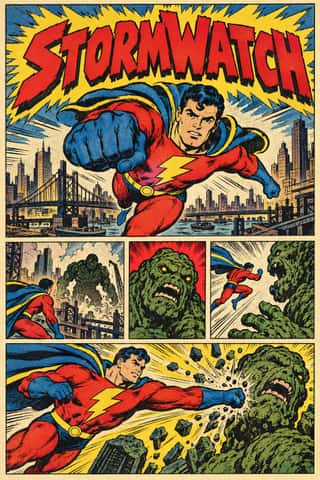
American Four-Colour Comic Book (Golden to Bronze Age)The American newsstand comic book from Famous Funnies (1934) and Action Comics #1 (1938) through the Golden, Silver and Bronze Ages, and past the Bronze Age's end in 1985 until computer colour replaced hand separations in the early 1990s.
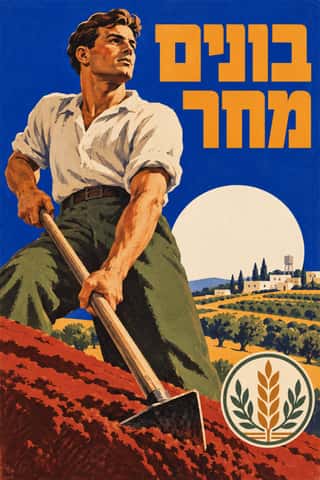
Hebrew Poster Lettering & Early Israeli State DesignThe commercial and state graphics of the Jewish community in Mandate Palestine and early Israel, made in Tel Aviv from 1934 by designers who had trained in Berlin and Vienna: Franz Krausz, Otte Wallish and the Shamir brothers.
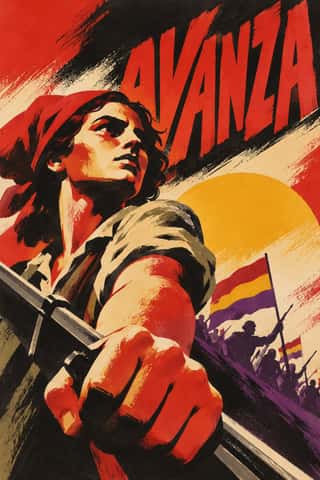
Spanish Civil War PosterThe poster war waged by the Spanish Republic, its unions and its anarchist, communist and socialist parties against Franco's uprising.
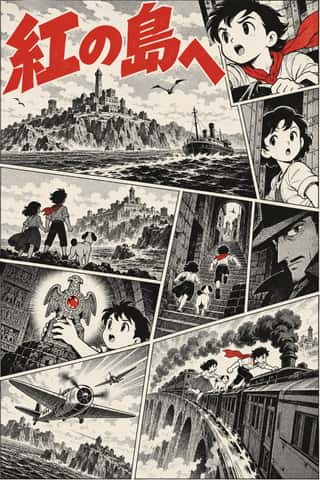
Story Manga (Postwar Japanese Comics)The black-and-white narrative comic of postwar Japan, from Tezuka Osamu's Shin Takarajima (1947) to the weekly boys' magazines of 1959 and 1968 and the paperbacks that collect them.
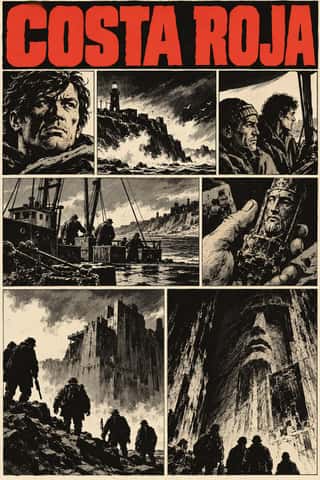
Argentine Adventure Historieta (Oesterheld–Breccia)The adult adventure comics of Buenos Aires newsstand magazines, from Misterix (1948) and Oesterheld's Hora Cero (1957) to Skorpio and Fierro; the humour line of Patoruzú, Rico Tipo and Mafalda is another tradition.
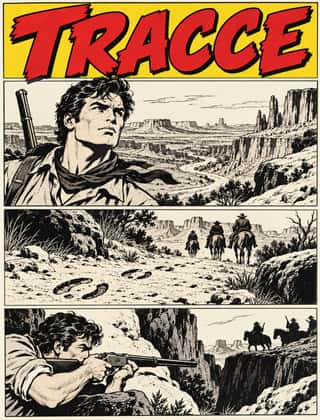
Bonelli Fumetto (Italian Popular Adventure Comics)The house format of Milan's Bonelli publishing house and its imitators (Tex, Zagor, Dylan Dog, Nathan Never): monthly newsstand paperbacks of 16 x 21 cm with about a hundred black-and-white pages, each a long episode of a serial hero.
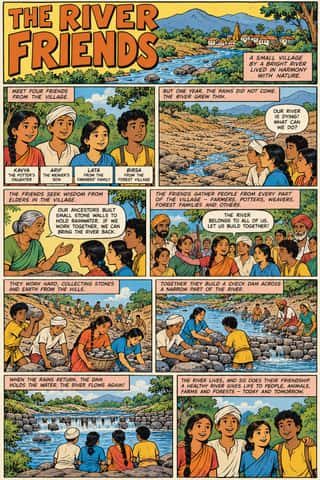
Amar Chitra Katha ComicsThe Bombay comic-book series that from 1967 retold Hindu myth and epic, Buddhist and Jain tales, saints, folk legends, the jests of the court wits Birbal and Tenali Raman, and Indian history for children, in English and Indian languages, with well over 500 titles by the early 1990s.
- Picó Sound-System Painting (Colombian Caribbean)The hand-painted fronts of the picós, the giant sound systems that play dances in the barrios of Barranquilla and Cartagena.
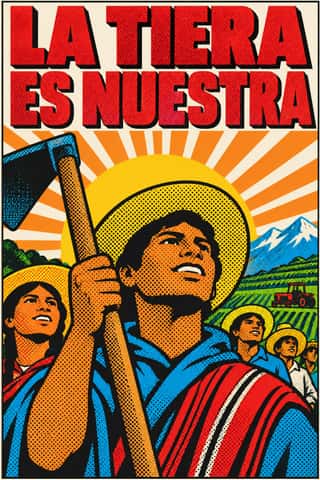
Pop Achorado (Peruvian Agrarian Reform Posters)Posters for the Peruvian military government's agrarian reform, made in Lima from 1969 by Jesús Ruiz Durand and colleagues at the state's reform publicity office.
Afrofuturist DesignA visual language of Black futures that fuses African and diasporic iconography (pyramids and ankhs, Adinkra and Nsibidi glyphs, textile patterning) with spacecraft, cosmic fields and technology.
Matatu & Nganya ArtThe commissioned livery of Kenya's privately owned minibus taxis, at its most elaborate the Nairobi nganya.
Y2K FuturismThe optimistic, chrome-plated vision of the future that surrounded the turn of the millennium, spread by consumer electronics, music videos, games, fashion and dot-com branding.
Fantasy User Interface (FUI) & Sci-Fi HUDFantasy user interfaces are the screen graphics of films and series: computer screens, holograms and helmet HUDs made to be watched for a few seconds, not used.
Korean Webtoon GraphicsThe full-colour, vertical-scroll comic that Korean web portals made standard in the 2000s and smartphone apps took worldwide.
- Frutiger AeroThe glossy, optimistic look of consumer technology from the mid-2000s to the early 2010s, retrospectively named in 2017 by the Consumer Aesthetics Research Institute after Windows Vista's Aero interface and Adrian Frutiger's humanist sans.
VaporwaveAn internet-born microgenre and visual aesthetic that remixes the debris of late-20th-century consumer culture (Windows 95 dialogs, classical busts, palm trees, mall interiors, Japanese text, early 3D renders) in pastel pinks and cyans.
- YouTube Thumbnail Style (the 'YouTube Face')The custom thumbnail of YouTube's creator economy: a 16:9 still made to be read at fingernail size in a feed of recommendations.
- 'Good Morning' Greeting Images (WhatsApp Forward Vernacular)The ready-made greeting pictures that millions of smartphone users, many of them older and new to the internet, forward to family, friends and groups each morning on WhatsApp, above all in India and Brazil.
- VTuber Avatar and Stream GraphicsThe graphic kit of virtual YouTubers, streamers who perform behind an animated anime-style character instead of their own face.
- Lo-fi Anime AestheticThe look of YouTube's 24/7 lo-fi hip hop streams.
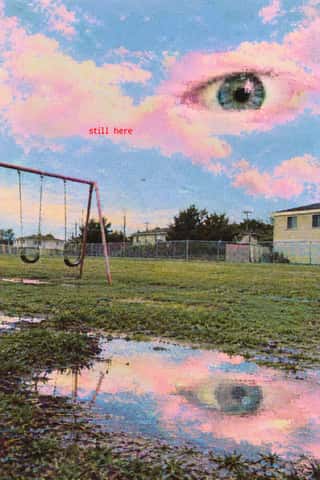
Weirdcore & DreamcoreAn internet aesthetic popularised on Reddit, TikTok and YouTube in the early 2020s, with dreamcore as its softer, pastel, cloud-filled sister.
Styles that use it now and then 33
An occasional choice in these styles.
- Ten Bamboo Studio Colour Woodblock (Douban & Gonghua)1626–present
- Ukiyo-e Woodblock Prints1670–1900
- Imagerie d'Épinal & European Bilderbogen1796–1939
- Mir iskusstva Book Art1898–1927
- Hungarian Revolutionary Poster1912–1919
- Suprematism1915–1925
- Egyptian Painted Film Poster1932–1996
- Milanese Industrial Modernism (Olivetti, Pirelli, Studio Boggeri)1933–1975
- Tiki Pop (Polynesian Pop)1934–present
- WPA Silkscreen Posters1935–1943
- Hand-Painted Bollywood Poster1940–1999
- Hong Kong Neon & Beiwei Shop-Sign Lettering1950–present
- West German Conceptual Film & Culture Poster (Hillmann and Rambow)1953–1990
- Chinese National-Style Animation (Shanghai Animation Film Studio)1956–1989
- Di Tella Graphic Design (Instituto Torcuato Di Tella)1960–1970
- Angura Theatre Poster1965–1985
- Palestinian Resistance Poster1965–1993
- Swiss Punk / New Wave Typography1968–1990
- Underground Comix1968–1982
- Kinshasa Popular Painting1970–present
- Turkish Weekly Humour Magazines (Gırgır to Uykusuz)1972–2025
- Stencil Street Art1978–present
- Black Metal Graphics1990–present
- Ghanaian Funeral Poster & Banner1990–present
- Screenprinted Gig & Alt-Movie Poster1991–present
- Emoji Pictographic Language1997–present
- Arabic Calligraffiti2002–present
- Neo-Andean Architecture (Cholets)2005–present
- Danmaku Bullet-Comment Overlay2006–present
- Egyptian Revolutionary Street Art (Mohamed Mahmoud Murals)2011–2014
- Acid Graphics / New Ugly2016–present
- Kinetic Typography & Variable Type2016–present
- Dark Tech Minimalism2019–present
It often goes with
Choices that the styles making it make more often than the atlas as a whole.
- Gradientsin 57 of 95
- Naturalistic depictionin 61 of 95
- Painterly illustrationin 55 of 95
- Technological & futuristin 33 of 95
- Ornamented displayin 41 of 95
- Painterly brushworkin 51 of 95
Styles that avoid it
Styles that deliberately leave it out.
- Amazigh Sign System & Tifinaghc. 0–present
- Ancient Egyptian Hieroglyphic & Register Compositionc. 0–394
- Chinese Calligraphy & Seal Carving (Shufa & Zhuanke)c. 0–present
- Chinese Paper-Cut (Jianzhi)c. 500–present
- Ethiopian Ge'ez Manuscript & Haräg Illuminationc. 500–present
- Andean Woven Graphic Systemsc. 600–present
- Islamic Geometric & Calligraphic Traditionc. 690–present
- Hebrew Micrographyc. 895–present
- Maghrebi Script (Maghribi Calligraphy of al-Andalus and North Africa)c. 900–present
- Kamon (Japanese Family Crests)c. 1100–present
- Mixteca-Puebla Codex Paintingc. 1200–1560
- Mongol Bichig Calligraphy & Ugalz Ornamentc. 1204–present
- Persian Miniature (Ilkhanid, Timurid and Safavid Book Painting)c. 1300–1700
- Mithila (Madhubani) Paintingc. 1350–present
- Persian Nastaʿlīq Calligraphy (Qiṭʿa, Chalipa and Siyāh-mashq)c. 1400–present
- Javanese Wayang Kulit (Tatah Sungging)1500–present
- Kōwhaiwhai & Toi Māori Design1500–present
- Đông Hồ & Hàng Trống Folk Prints1600–present
- Rinpa & Saga-bon1600–present
- Sápmi Graphic Identity (Duodji & Gákti Colour Code)1600–present
- Tarot de Marseille Woodcut Cards1639–present
- Lubok Popular Print1650–1920
- Adinkra & Kente Symbol Systems1700–present
- Diné (Navajo) Weaving Design1700–present
- Northwest Coast Formline Design1700–present
- Pacific Barkcloth (Tapa) Design1700–present
- Thai Yantra (Yant) Diagrams1700–present
- Kalighat Pat & Battala Bazaar Prints1830–1930
- Fante Asafo Flags (Frankaa)1850–present
- Norwegian and Finnish National Romantic Graphics (Munthe & Karelianism)1880–1922
- Kanga (Swahili Message Cloth)1886–present
- Nieuwe Kunst (Dutch Art Nouveau)1892–1914
- Vienna Secession1897–1918
- Bògòlanfini Mud Cloth1900–present
- Guna Mola1900–present
- Uli & Nsibidi Line and Sign Tradition1900–present
- Cubist Pictorial Space1907–1925
- Arnhem Land Bark Painting & Rarrk1912–present
- ROSTA Windows1919–1922
- Leningrad Avant-Garde Picture Book1922–1936
- Republican Chinese Book Cover Design (Lu Xun & Tao Yuanqing)1923–1949
- Isotype Pictorial Statistics1925–1971
- Literatura de Cordel Woodcut1940–present
- Ndebele Geometric Painting1940–present
- Vietnamese Propaganda Poster (Tranh cổ động)1945–present
- Finnish Bold Print (Marimekko Modernism)1951–present
- Zagreb School of Animated Film1954–1980
- Thaw Modernism (Soviet and Czechoslovak)1956–1968
- Kinngait (Cape Dorset) Inuit Printmaking1957–present
- Casablanca School Graphic Modernism1962–1987
- Rorke's Drift Linocut1962–1982
- Woodland School (Legend Painting)1962–present
- Soviet Central Asian Ornamental Modernism1966–1999
- Tingatinga Painting1968–present
- Warli Painting1970–present
- Western Desert Iconography1971–present
- Pixação (São Paulo Tag Reto)1980–present
- Pardhan Gond Painting (Jangarh Kalam)1981–present
- Torres Strait Islander Linocut1991–present
- Superflat1993–present
- Polish Information Picture Book (Dwie Siostry)2008–present
- Flat Design2010–2016
- GOV.UK Design (GDS Style)2012–present
- Brutalist Web Design2014–present