Surface & texture · Hand & machine marks
Painterly brushwork
Visible brush, airbrush or paint handling.
A design choice in Stylogeny’s vocabulary, under surface & texture: what is the material finish?
- styles make it
- 143
- as a defining choice
- 15
- as a usual one
- 70
- now and then
- 58
- avoid it
- 30
Styles defined by it 15
For these styles it is one of the choices that make the style.
-
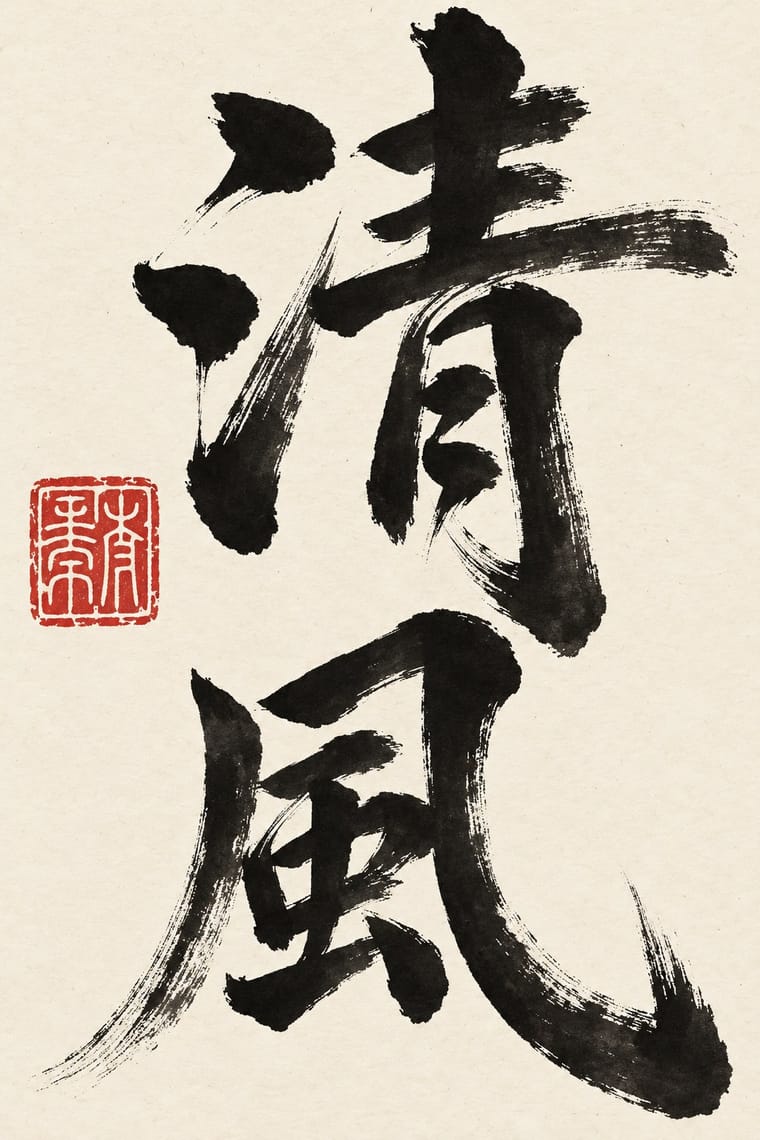
Chinese Calligraphy & Seal Carving (Shufa & Zhuanke) The written art of China and the root of East Asian lettering.
-
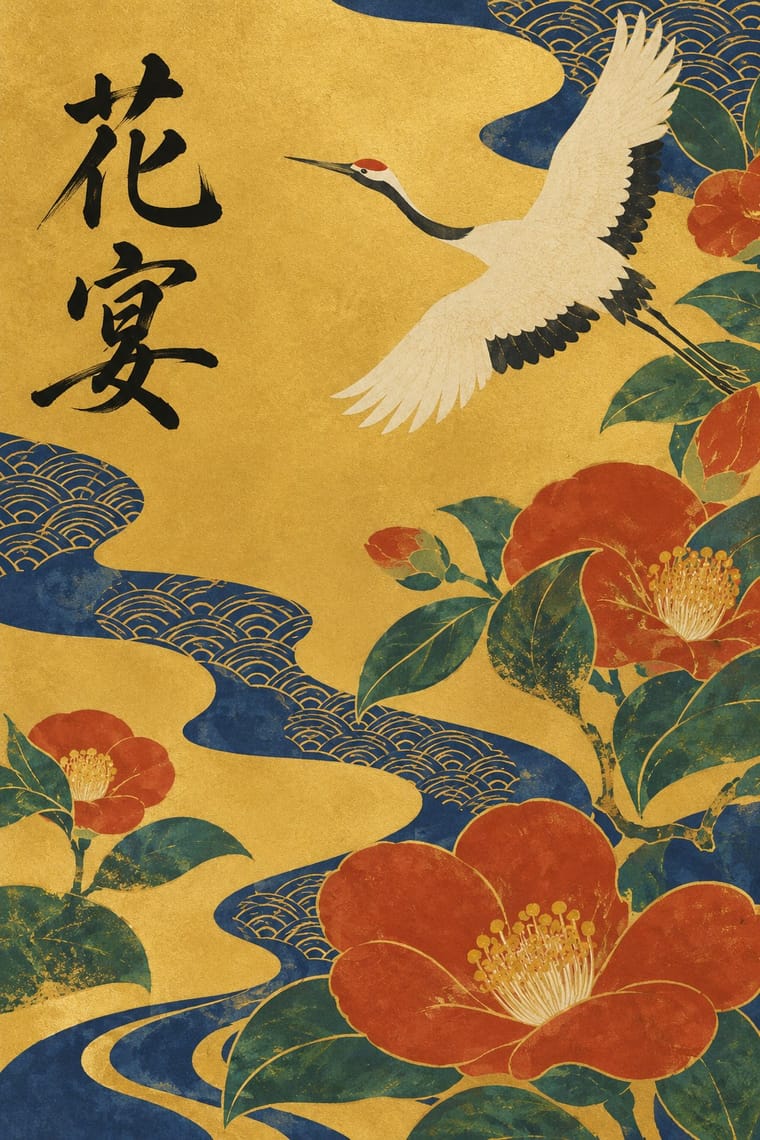
Rinpa & Saga-bon A Kyoto school of decorative design that revived the poetry and court painting of the Heian period, begun around 1600 by the calligrapher Hon'ami Kōetsu and the painter Tawaraya Sōtatsu and carried on less by teaching than by admiration across generations: Ogata Kōrin, Sakai Hōitsu, Kamisaka Sekka.
- Ten Bamboo Studio Colour Woodblock (Douban & Gonghua) A kind of colour woodblock printing begun in late-Ming Nanjing, made so that a print looks like a brush painting.
- Kalighat Pat & Battala Bazaar Prints The bazaar art of nineteenth-century Calcutta: watercolours sold to pilgrims by patua painters at the Kalighat temple, and the cheap woodcuts and metal engravings that Battala presses printed for chapbooks and almanacs.
-
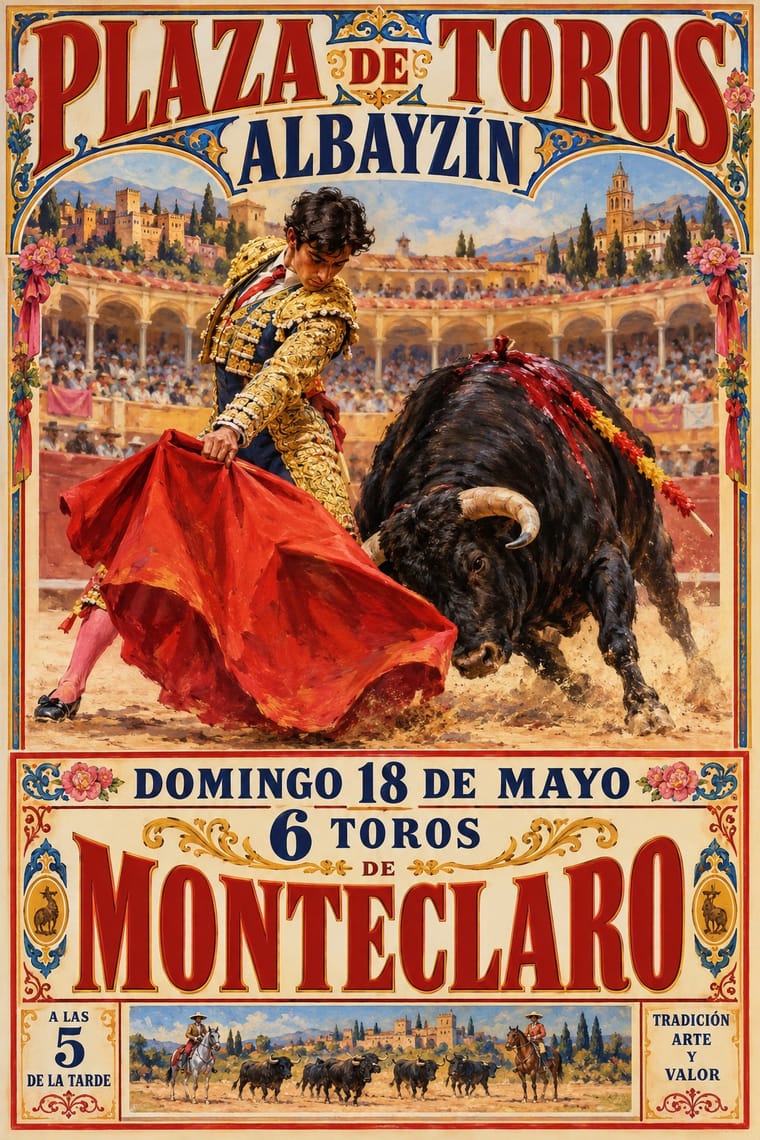
Spanish Bullfight Poster (Cartel Taurino) The Spanish bullfight poster in its illustrated form, from Marcelino de Unceta's lithographs (from 1879) to the Valencian house of Ortega, which supplied rings across Spain.
-
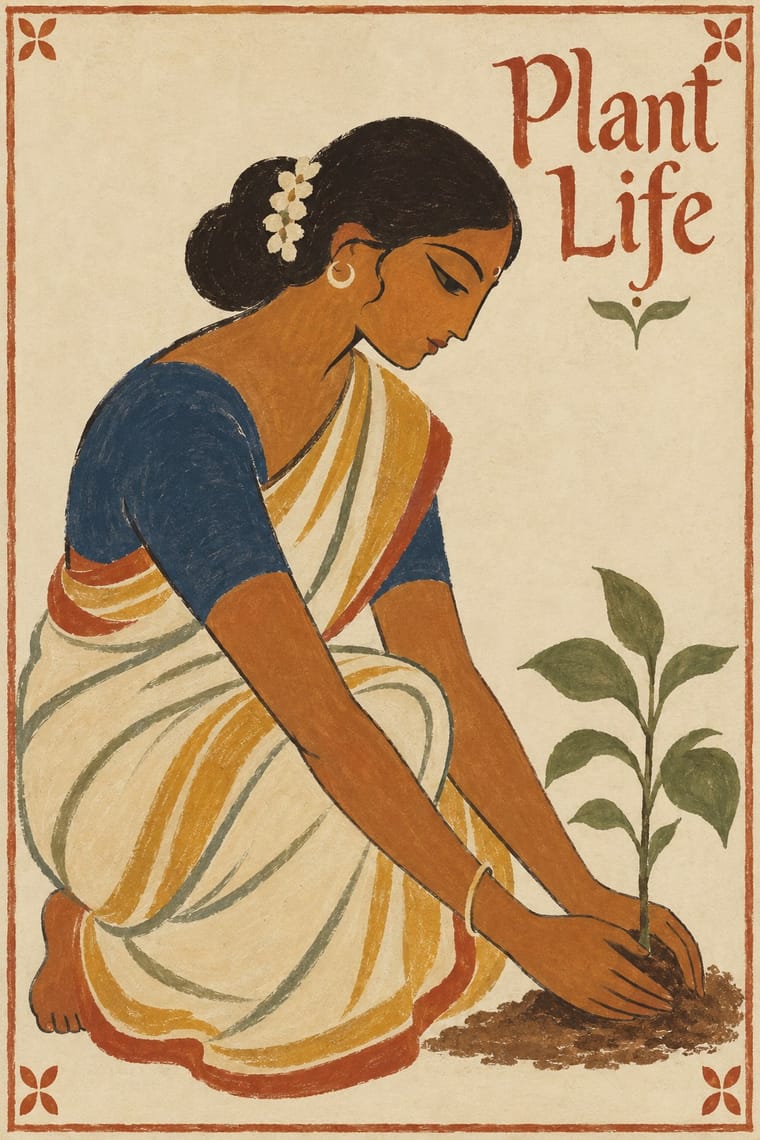
Santiniketan & Bengal School Graphics The nationalist, anti-academic art of Calcutta and Santiniketan, which turned from oil-paint naturalism and chromolithograph gloss to Indian and pan-Asian sources.
-
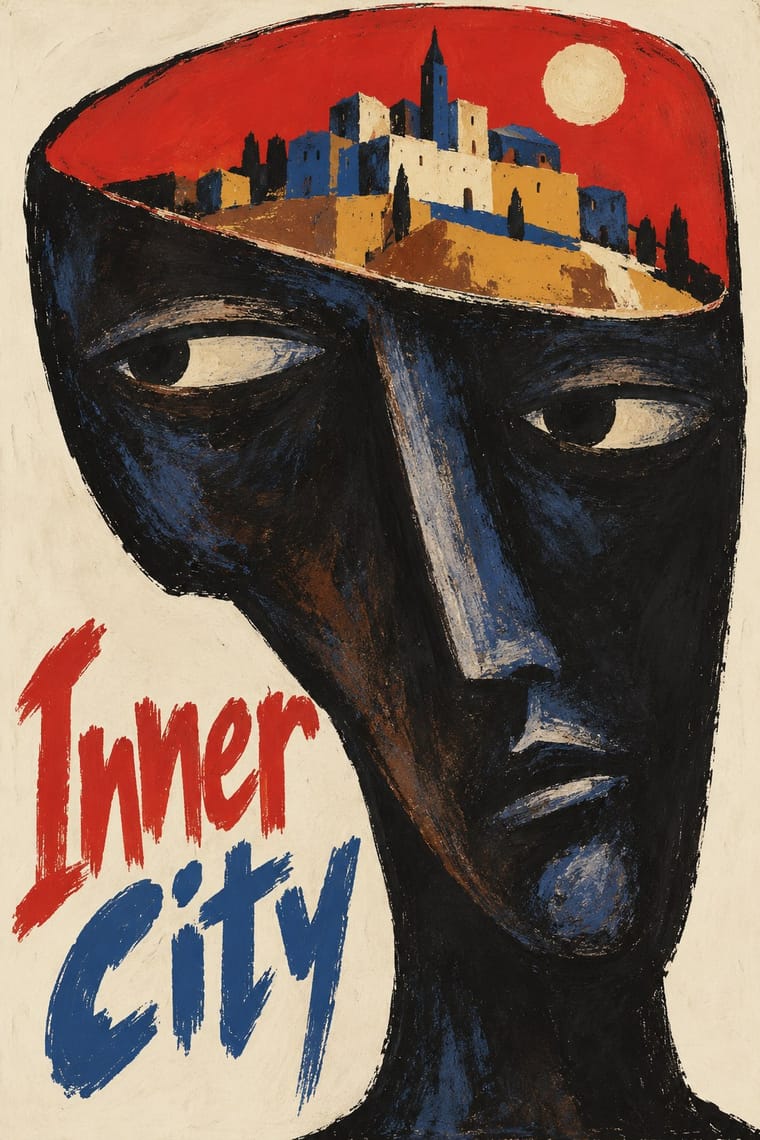
Polish Poster School A painterly, metaphorical poster culture that flourished in communist Poland, chiefly for film, theatre, opera and circus.
-
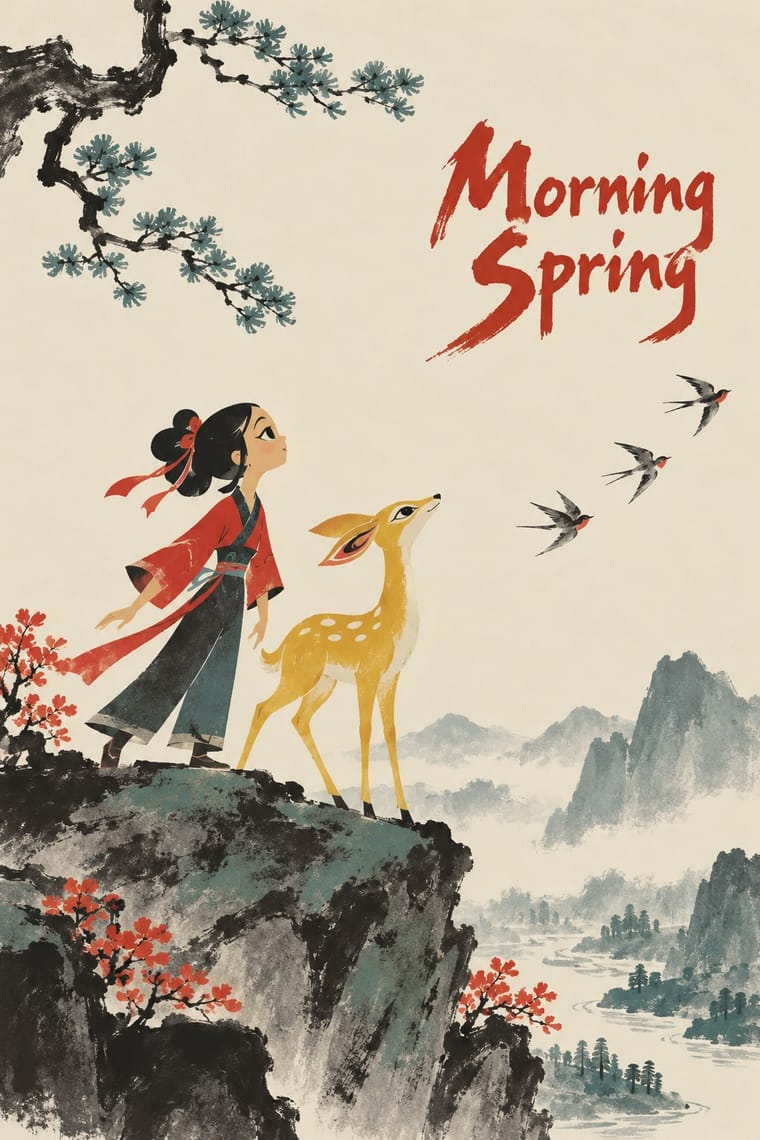
Chinese National-Style Animation (Shanghai Animation Film Studio) The 'national style' of the Shanghai Animation Film Studio, which turned from Disney and Soviet models to Chinese media: Peking-opera masks and movement, paper-cut and folded-paper figures, mural and New Year print colour and, from 1960, ink-wash painting set in motion after Qi Baishi and Li Keran.
- Dazibao (Big-Character Posters) Handwritten wall posters in large brush characters that turned the walls of Mao-era China into a public forum for criticism, denunciation and, at the Democracy Wall, dissent.
- Picó Sound-System Painting (Colombian Caribbean) The hand-painted fronts of the picós, the giant sound systems that play dances in the barrios of Barranquilla and Cartagena.
-
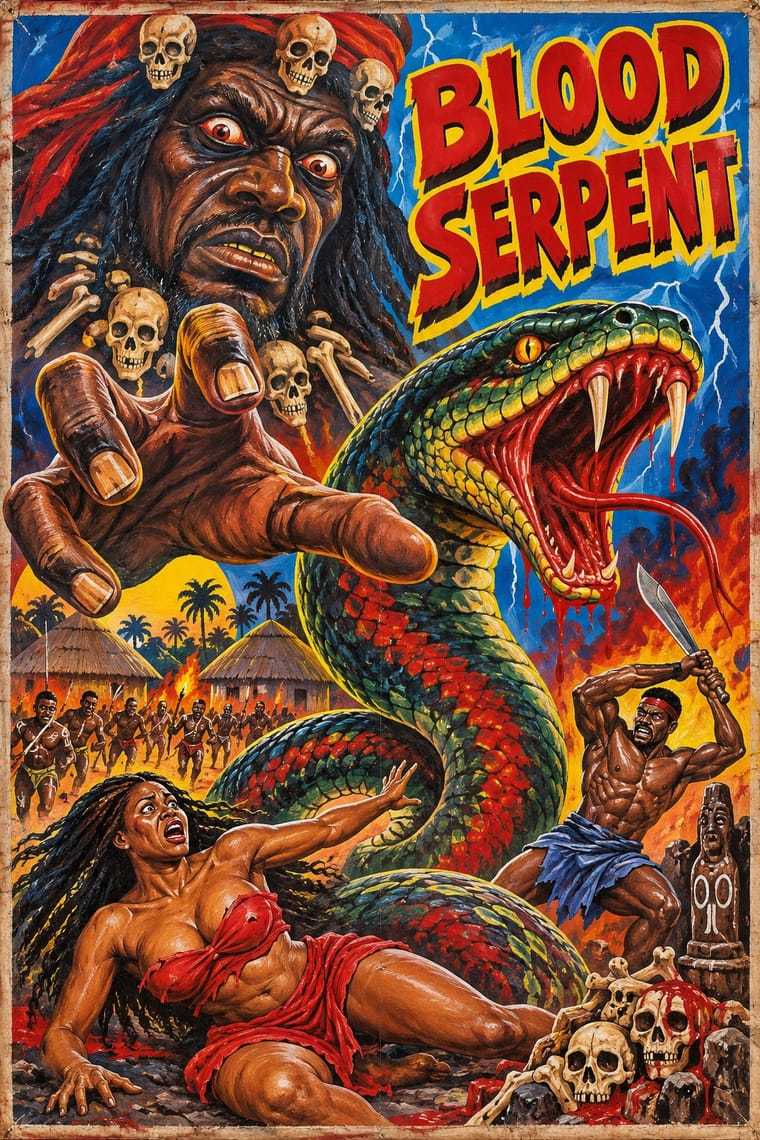
Ghanaian Movie Poster Hand-painted posters commissioned by Ghana's mobile video clubs from about 1985, painted by apprenticed sign painters on stitched flour sacks to advertise VHS screenings of Hollywood, Hong Kong, Nigerian and Indian films.
-
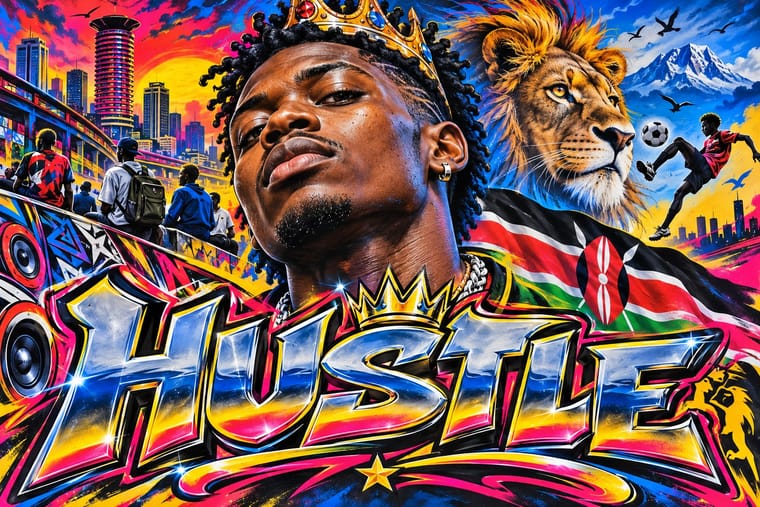
Matatu & Nganya Art The commissioned livery of Kenya's privately owned minibus taxis, at its most elaborate the Nairobi nganya.
-
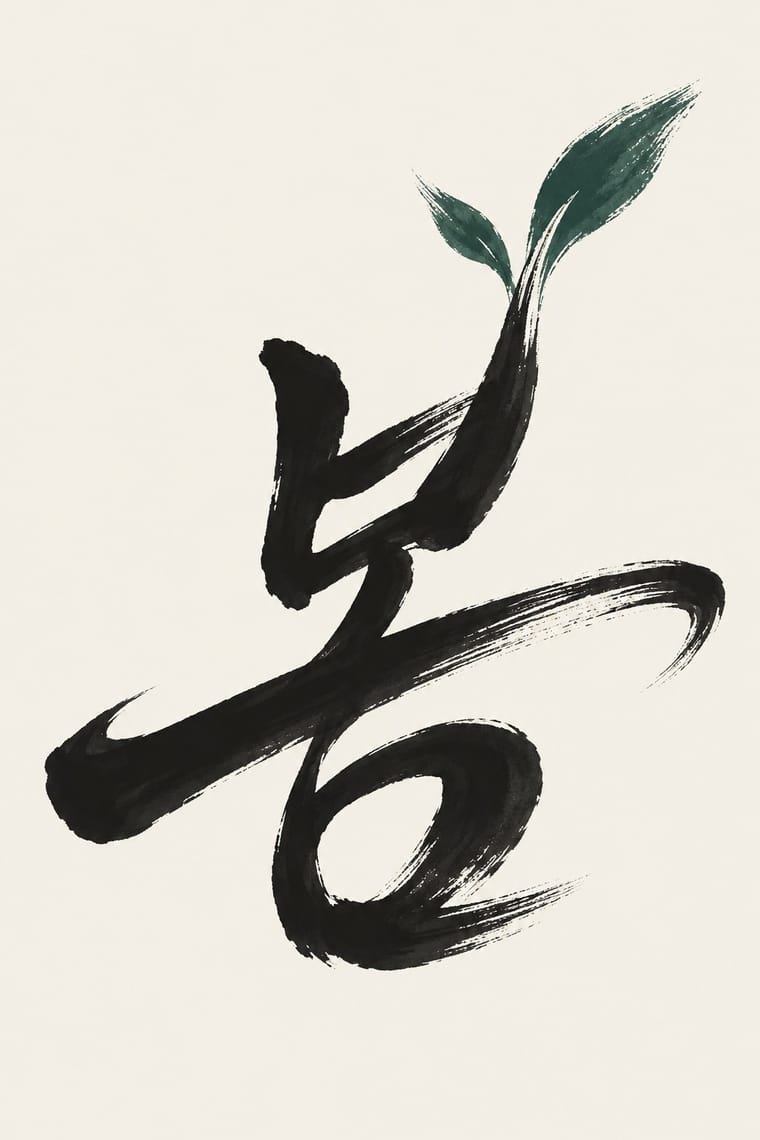
Korean Commercial Calligraphy (Kaelligeurapi) Brush-written Hangul made for commerce, not the scroll.
- Cartonera Books (Latin American Cardboard Publishing) Books of Latin America's cartonera presses, begun by Eloísa Cartonera in Buenos Aires in 2003 after Argentina's 2001 crash: photocopied texts stapled and glued by hand into covers cut from used boxes, usually bought from cartoneros (waste pickers) above the market price.
-
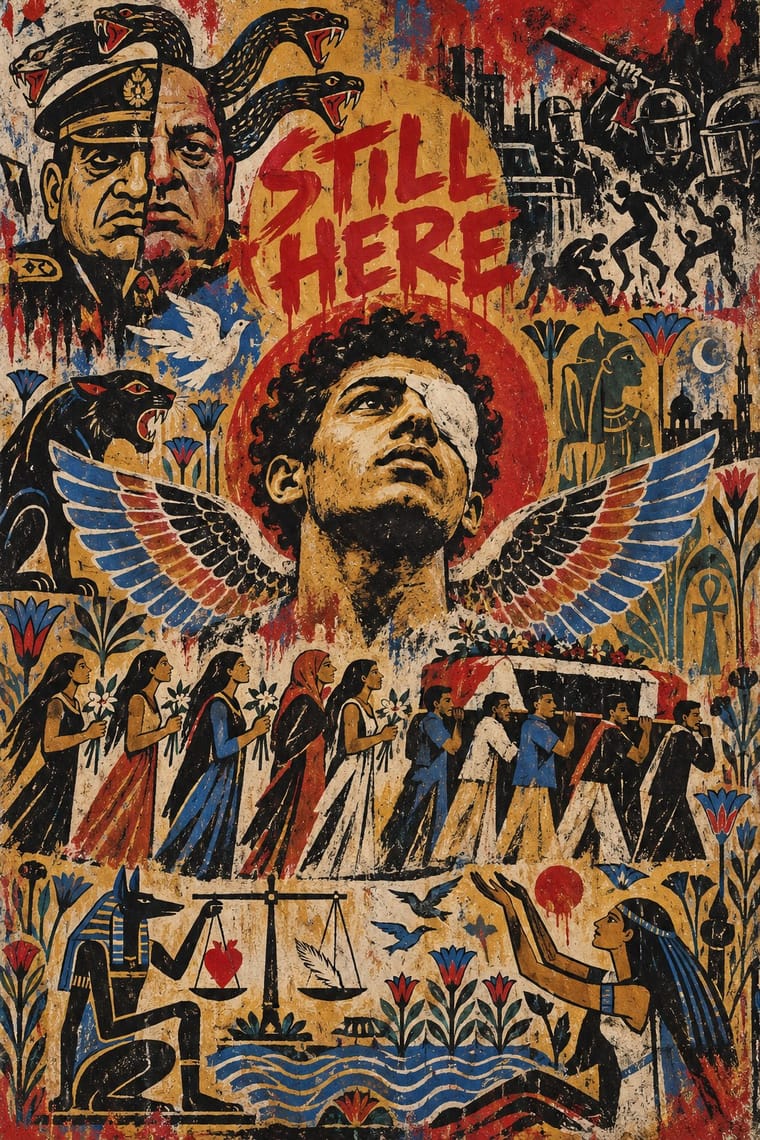
Egyptian Revolutionary Street Art (Mohamed Mahmoud Murals) The street art of Egypt's 2011 revolution and the years after it, when Cairo's walls, above all around Tahrir and Mohamed Mahmoud Street, became what Ammar Abo Bakr called a newspaper.
Styles that often use it 70
A characteristic choice: usual in these styles, though not essential.
-
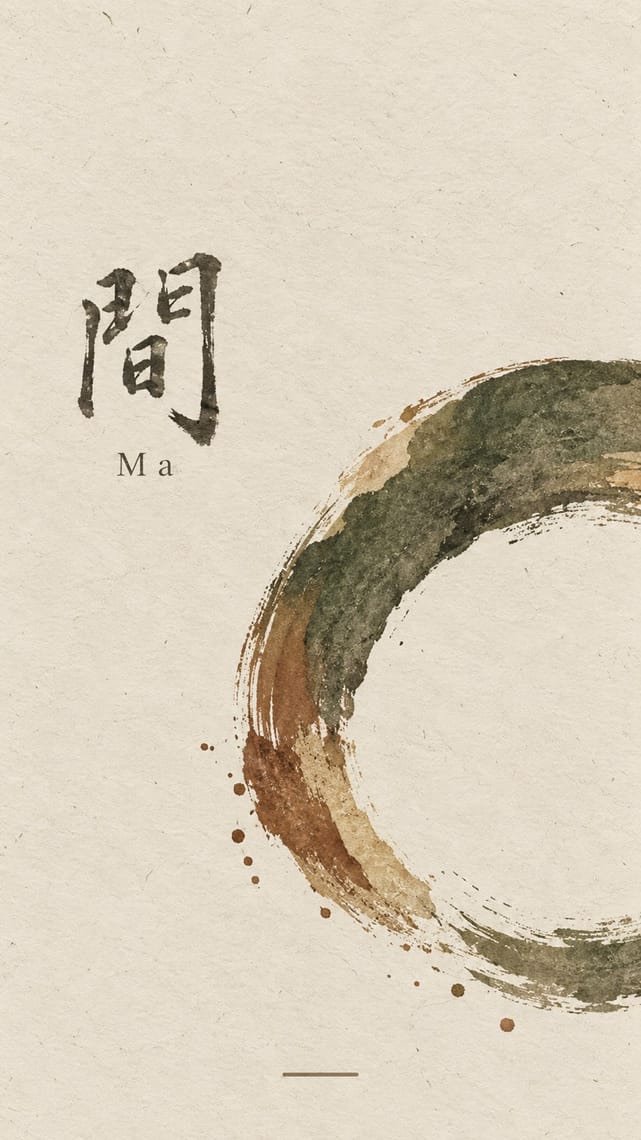
Ma & Wabi-sabi Aesthetics A Japanese aesthetic rooted in Zen and the wabi tea ceremony that prizes austerity, imperfection, impermanence and the charged interval (ma) between things.
-
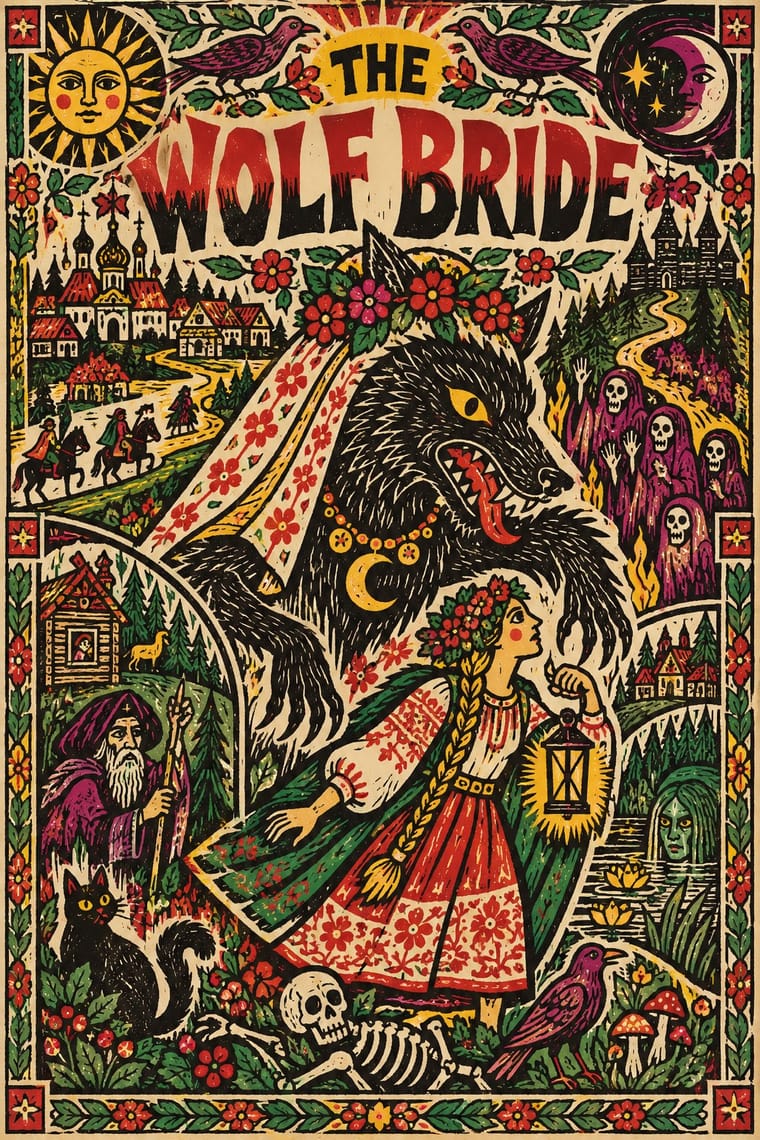
Lubok Popular Print Cheap single-sheet Russian popular prints sold at fairs and by pedlars from the later 17th century: woodcut, later engraved and lithographed pictures of saints, fables, heroes, battles and satire in which text and image share one sheet.
-
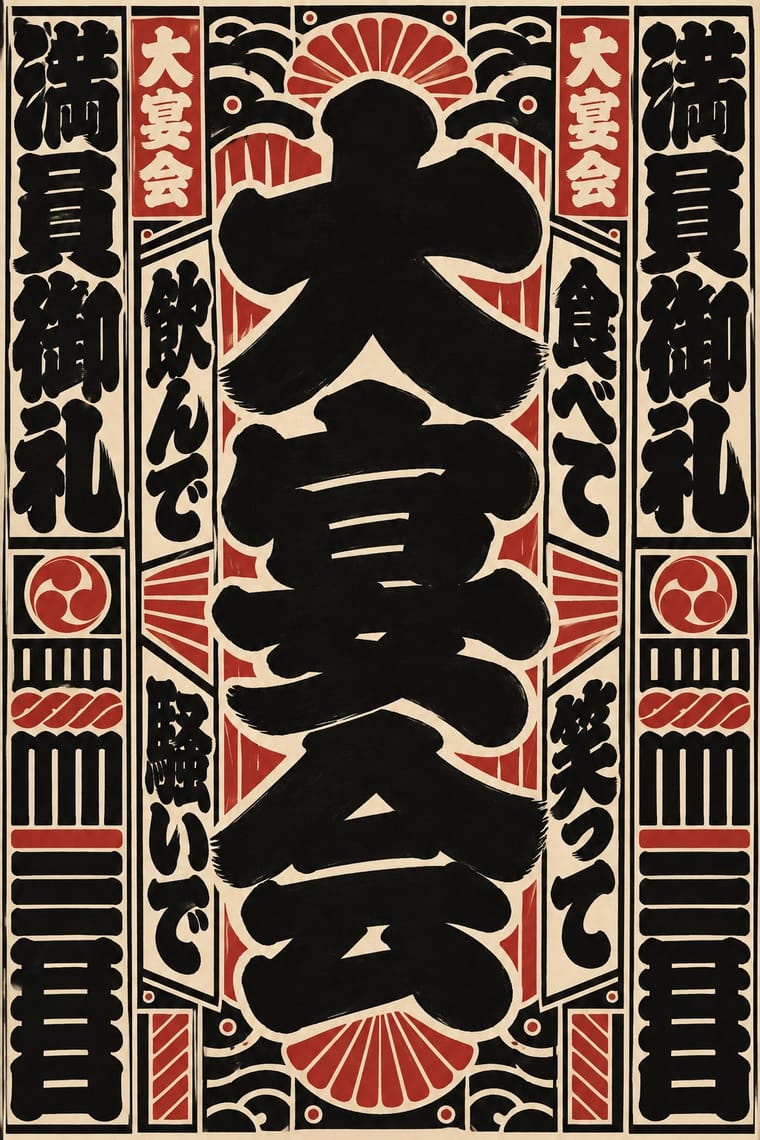
Edo-moji Commercial Lettering (Kanteiryū, Yose-moji, Sumō-ji) The fat, ink-heavy brush hands that Edo's professional sign and bill writers made for the city's entertainments: Kanteiryū for kabuki signboards and playbills from 1779, yose-moji for rakugo halls, sumō-ji for sumo ranking sheets, and squarish kago-moji for votive name slips.
-
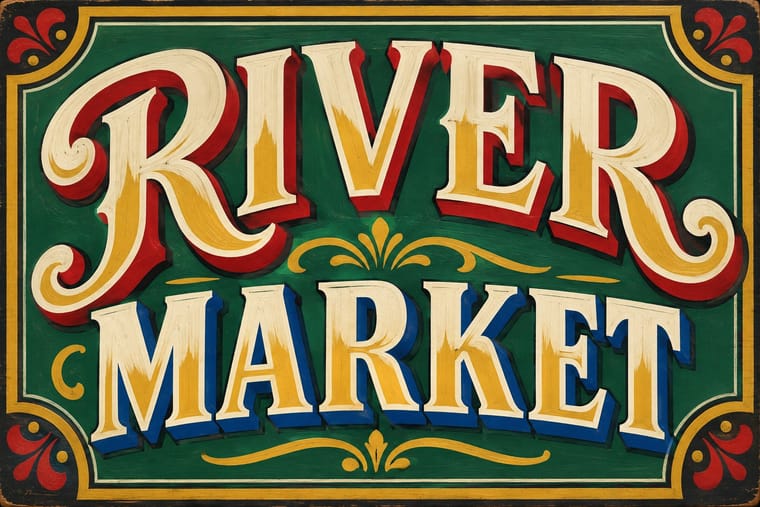
Hand-Painted Signage & Vernacular Lettering Letters painted by trained sign writers on fascias, windows, walls, vehicles and showcards, from Victorian gold leaf on glass to Mexican rótulos, Indian bazaar boards and Ghanaian barbershop signs.
- Persian Popular Narrative (Lithographs & Coffeehouse Painting) Iran's popular picture-stories in two media.
-
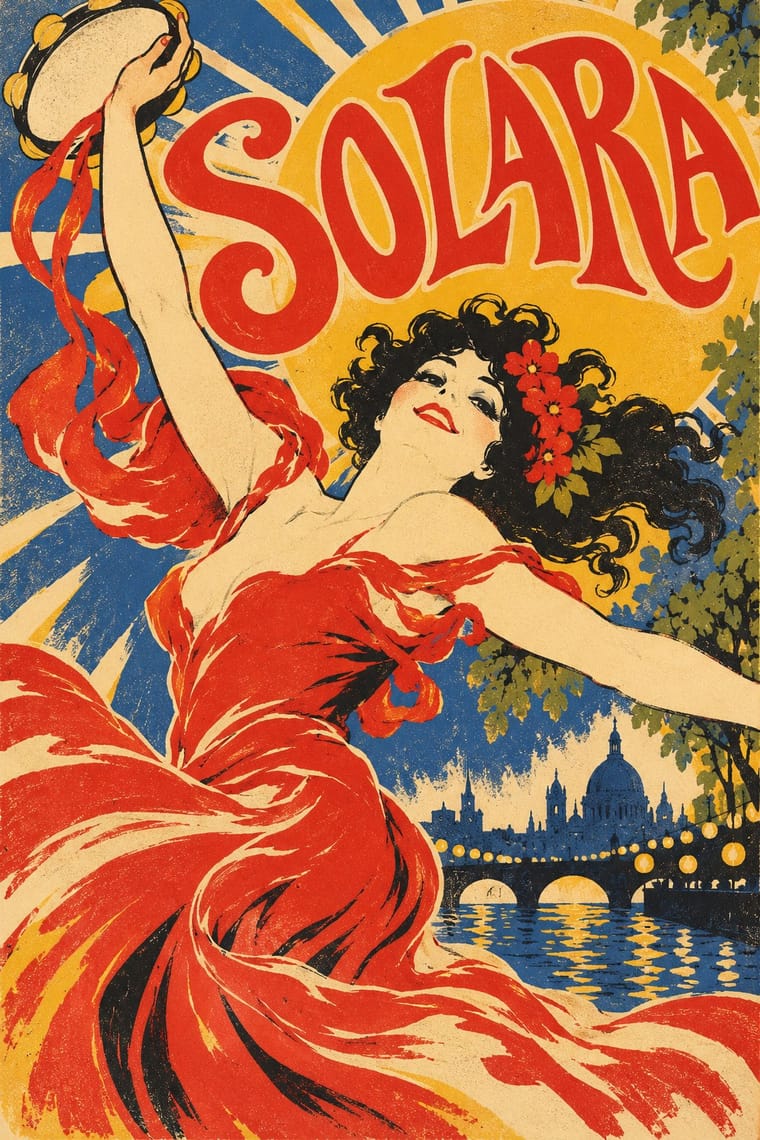
Belle Époque Lithographic Poster The large colour lithographic street poster that turned Paris into an open-air gallery, from Jules Chéret's first posters of 1866 to Leonetto Cappiello before the First World War.
- Indian Calendar & Bazaar Art Mass-printed images of Hindu deities, epic scenes, saints, nationalist heroes and film stars, sold in bazaars and given away as business calendars, from the chromolithographs of the Calcutta Art Studio and Ravi Varma Press to Sivakasi offset.
-
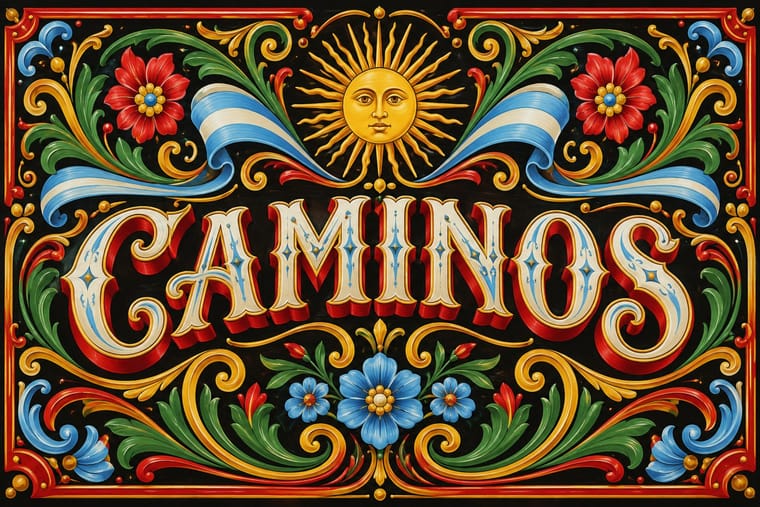
Fileteado Porteño A Buenos Aires tradition of ornamental brush painting that began around 1900 on the grey-painted trade carts of Italian immigrant coachbuilders and spread to trucks, colectivo buses, shop signs and gallery panels.
-
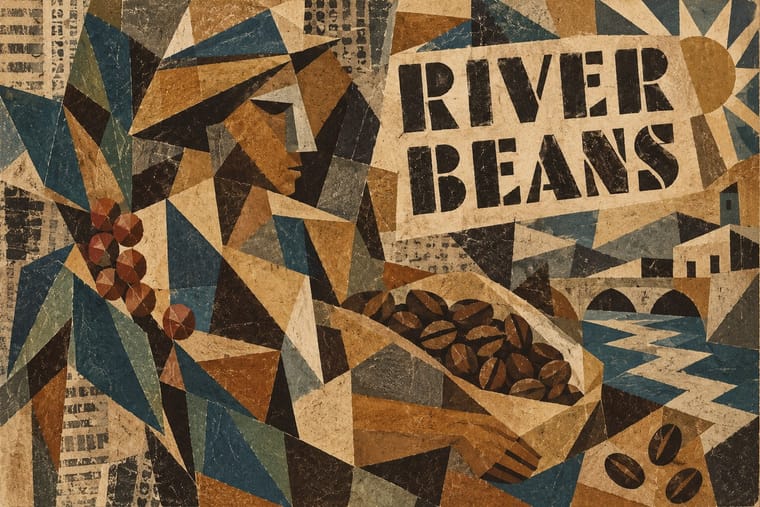
Cubist Pictorial Space The pictorial revolution of Picasso and Braque that shattered single-point perspective into overlapping, faceted planes seen from several viewpoints at once.
-
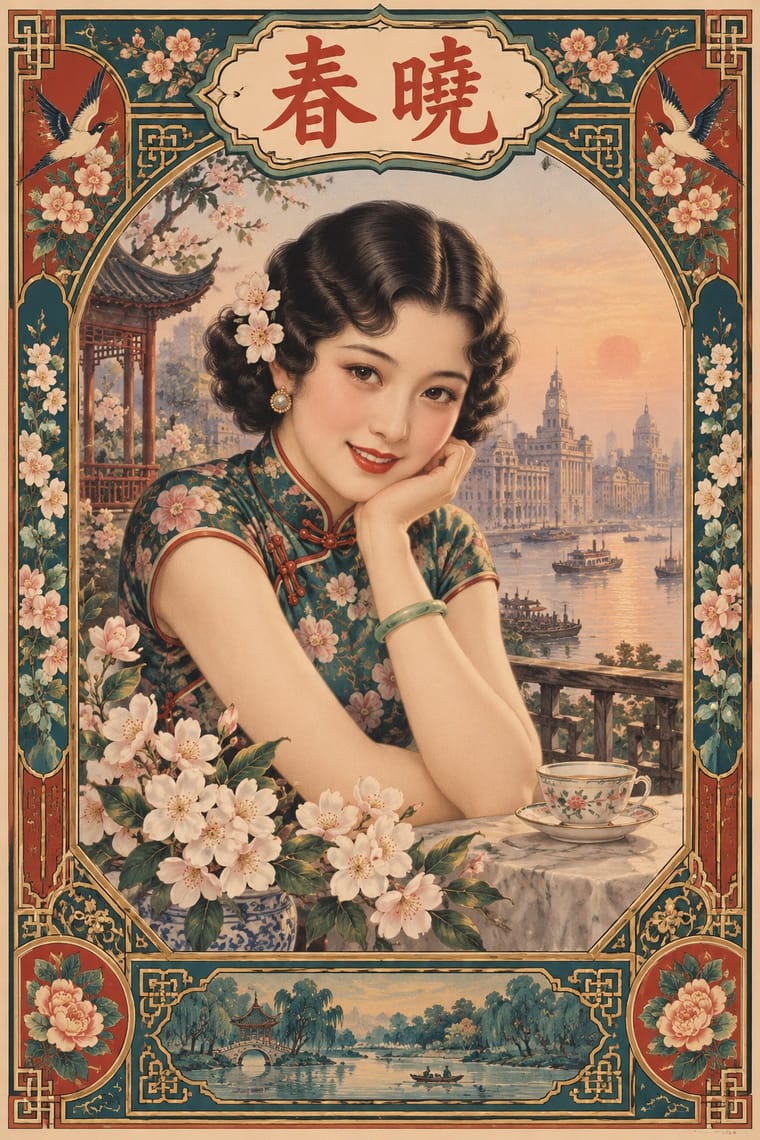
Shanghai Modern & Yuefenpai The commercial art of treaty-port Shanghai.
-
Hungarian Revolutionary Poster The political posters of Hungary's revolutions.
-
Basel Object Poster (Swiss Sachplakat) The Swiss descendant of the German object poster, made in Zurich and above all Basel from 1919 to the early 1950s.
- Italian Fascist Graphics (Romanità & Exhibition Photomontage) The visual language of Italian Fascism, which turned modernist means to a cult of Rome and of the Duce.
- Amazonian Boat Lettering (Abridores de Letras) The painted boat names of Pará's rivers in the Brazilian Amazon, made for about a century by self-taught riverside painters (abridores de letras).
-
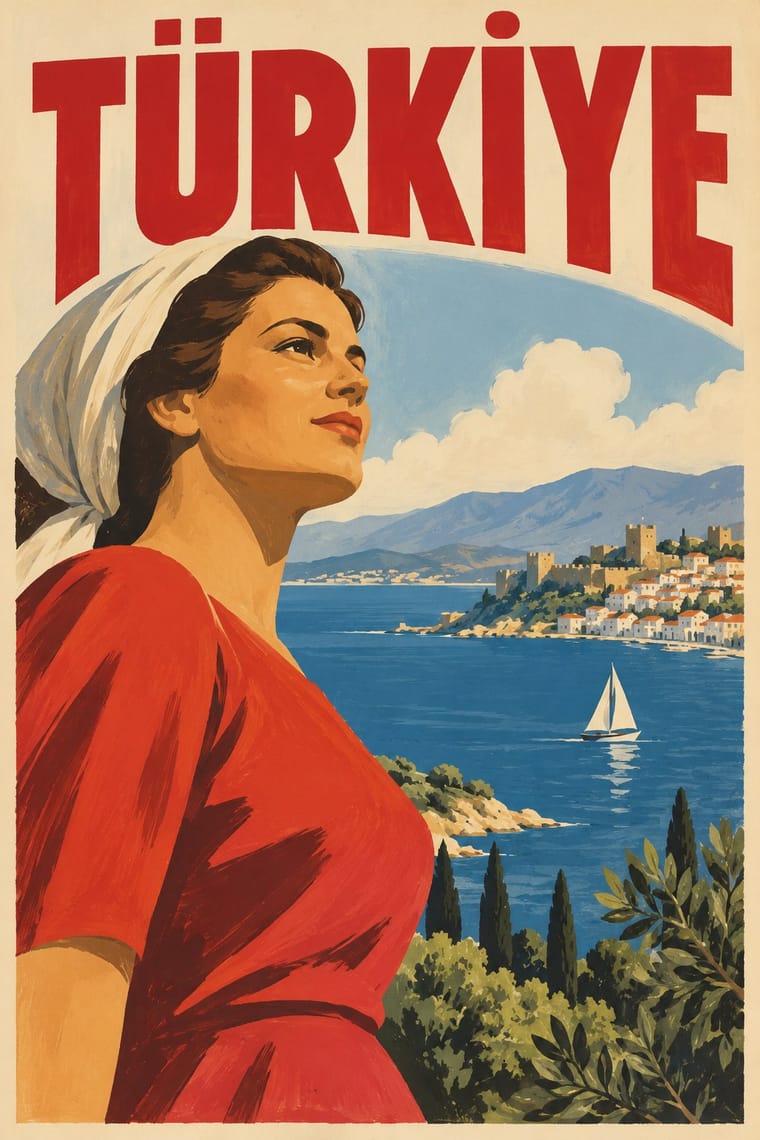
Early Turkish Republican Graphic Design The pictorial poster, label and ticket art of the young Turkish Republic, led by İhap Hulusi Görey after his Munich training in Ludwig Hohlwein's orbit, with Münif Fehim Özarman and, after 1943, Kenan Temizan.
-
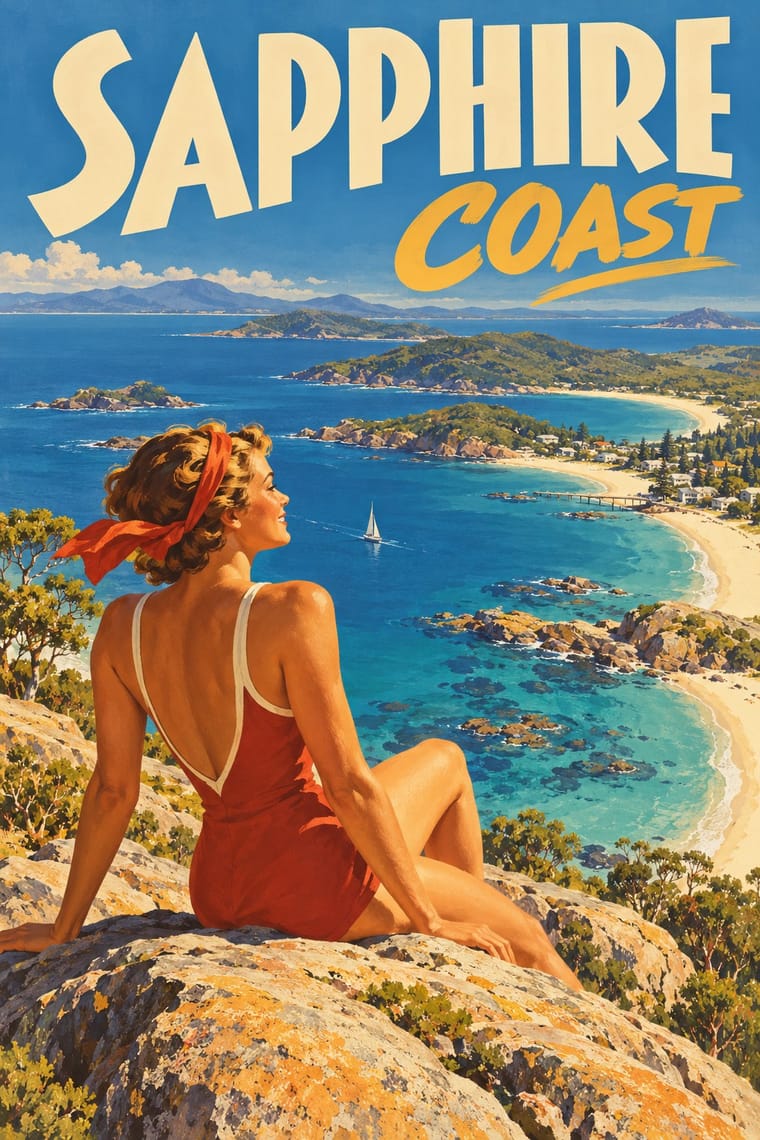
Australian Travel Poster (ANTA Era) The pictorial posters that the Australian National Travel Association (ANTA, 1929), state tourist bureaux, railways and shipping lines commissioned to sell Australia abroad and at home.
-
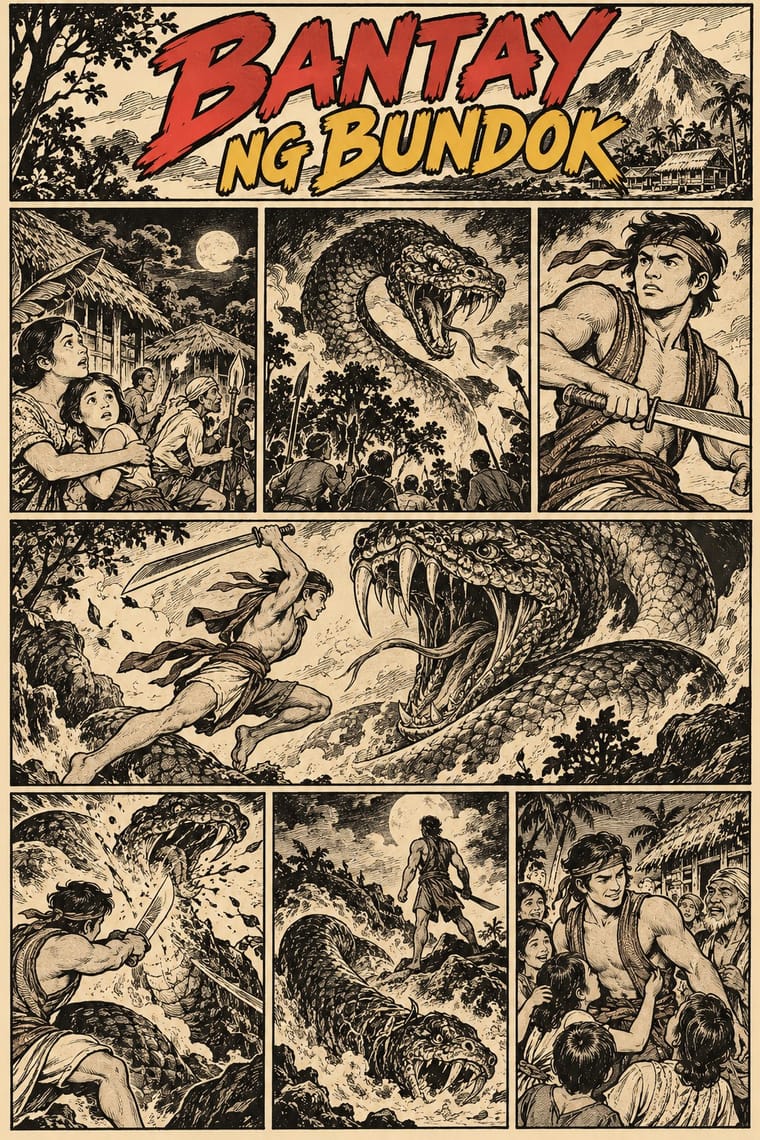
Filipino Komiks The Philippines' newsstand comics magazines, from Kenkoy in Liwayway (1929) and Ace's Pilipino Komiks (1947) to the fall of the Roces titles in the late 1990s.
-
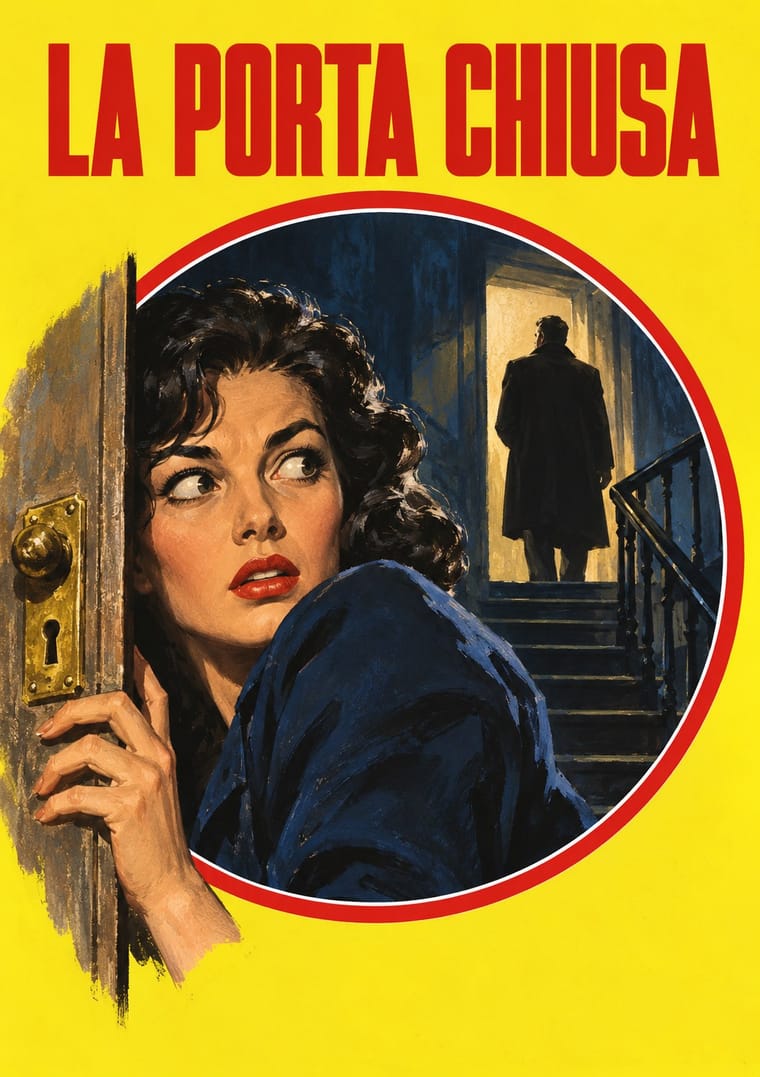
Giallo Mondadori Covers (I Libri Gialli) The cover system of Mondadori's crime series, Milan, from I Libri Gialli of 1929 to Il Giallo Mondadori today.
-
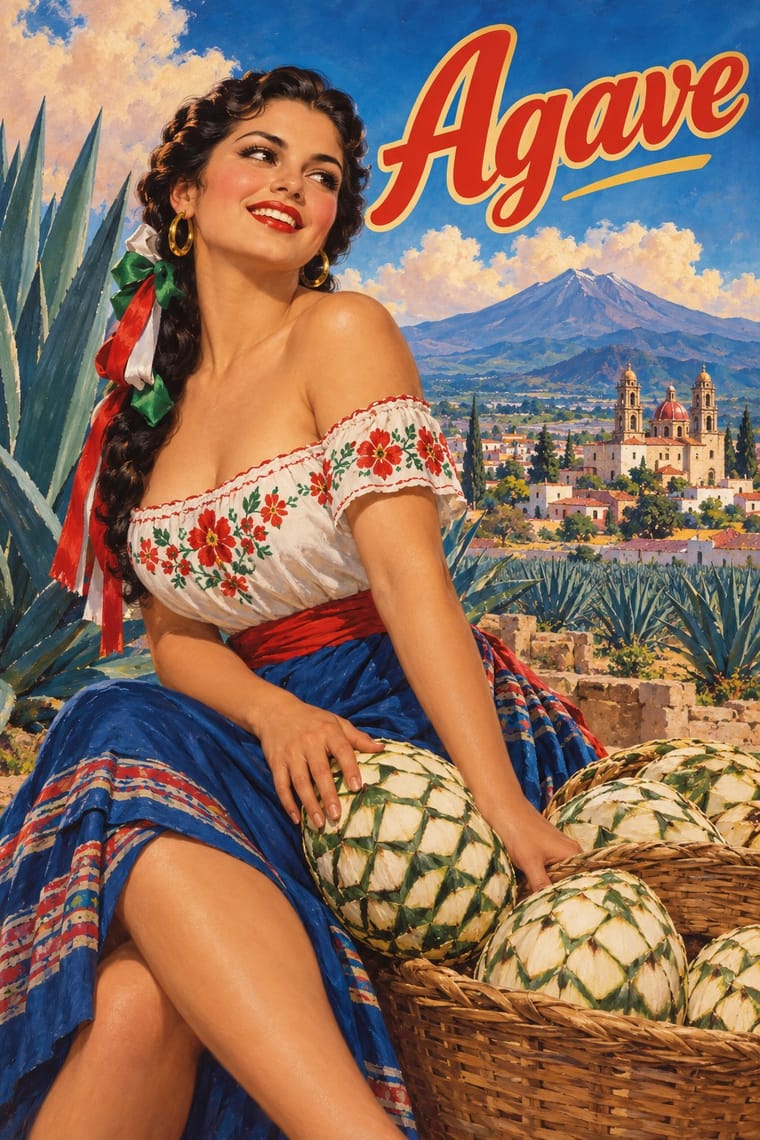
Mexican Calendar Chromo (Cromos calendáricos) Mexico's give-away advertising calendars, at their height from the 1930s to the late 1960s.
-
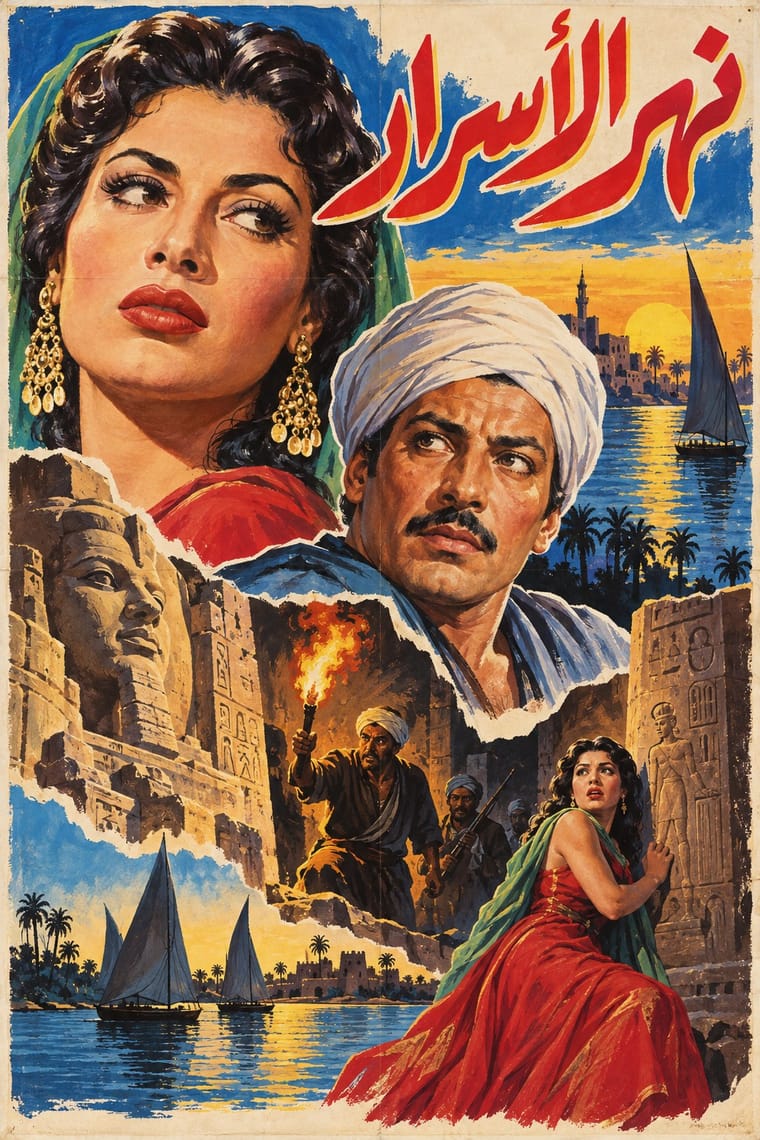
Egyptian Painted Film Poster The painted publicity of Egyptian cinema from the early talkies to the 1990s, designed outside the studios by artist-printers such as Hassan Mazhar Gassour and printed as colour lithographs in Cairo.
-
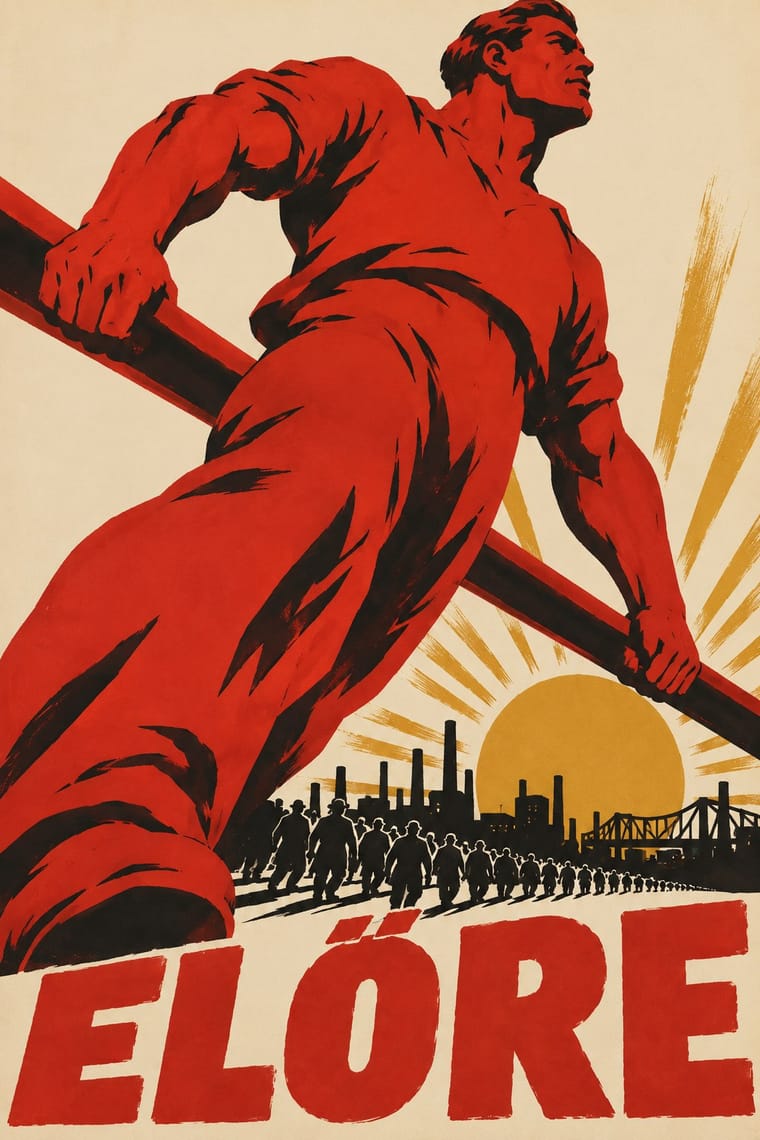
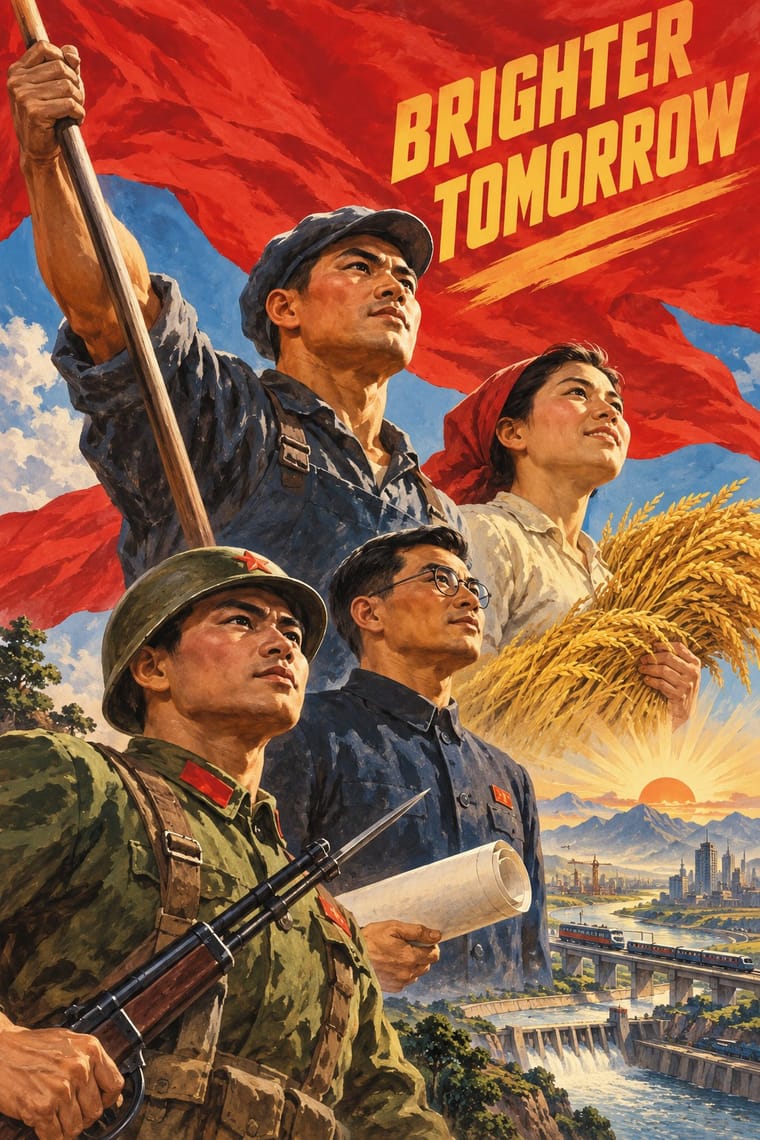
Socialist Realist Propaganda Poster The official art doctrine of the Soviet Union from 1932, later exported across the socialist world, which replaced avant-garde experiment with legible, heroic realism 'national in form, socialist in content'.
- Nippon Kōbō & Tōhōsha Photo-Propaganda Magazines (NIPPON & FRONT) Luxury photo-propaganda magazines that imperial Japan sent abroad, 1934–45.
-
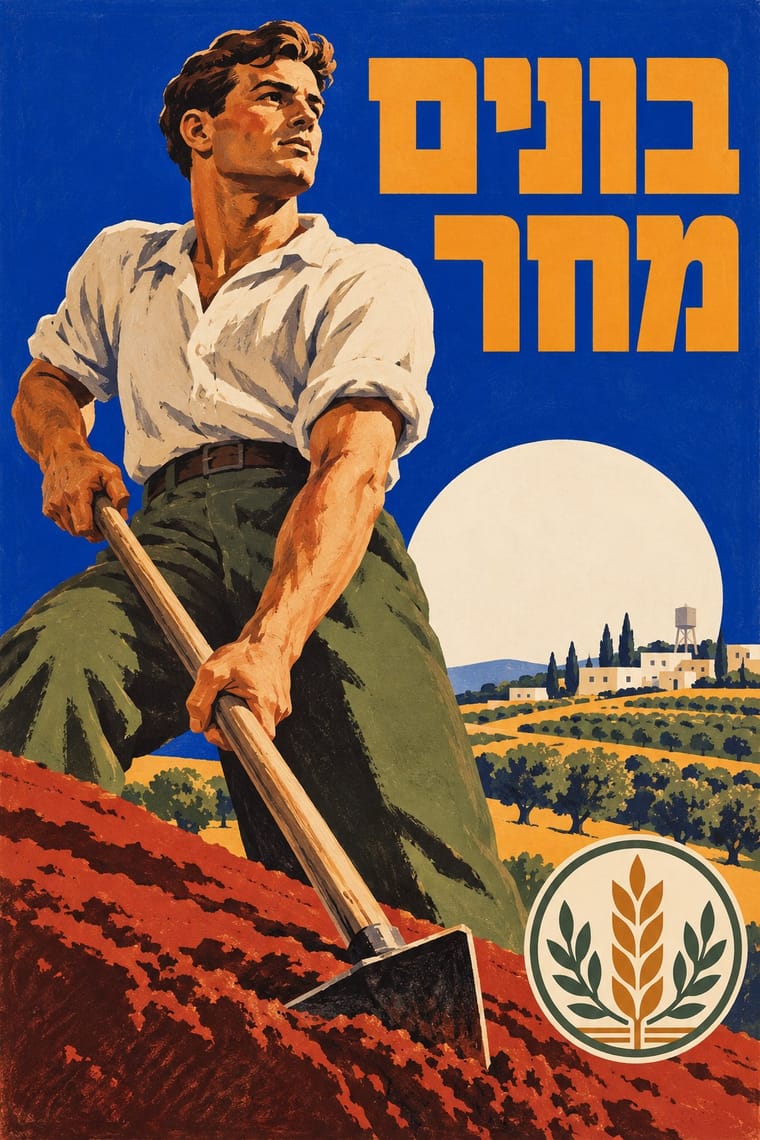
Hebrew Poster Lettering & Early Israeli State Design The commercial and state graphics of the Jewish community in Mandate Palestine and early Israel, made in Tel Aviv from 1934 by designers who had trained in Berlin and Vienna: Franz Krausz, Otte Wallish and the Shamir brothers.
-
Mexican Historieta (Pepines to Sensacionales) The mass newsstand comics of Mexico, read by adults as much as children, whose format shrank from the large pepines of the 1930s to pocket digests.
-
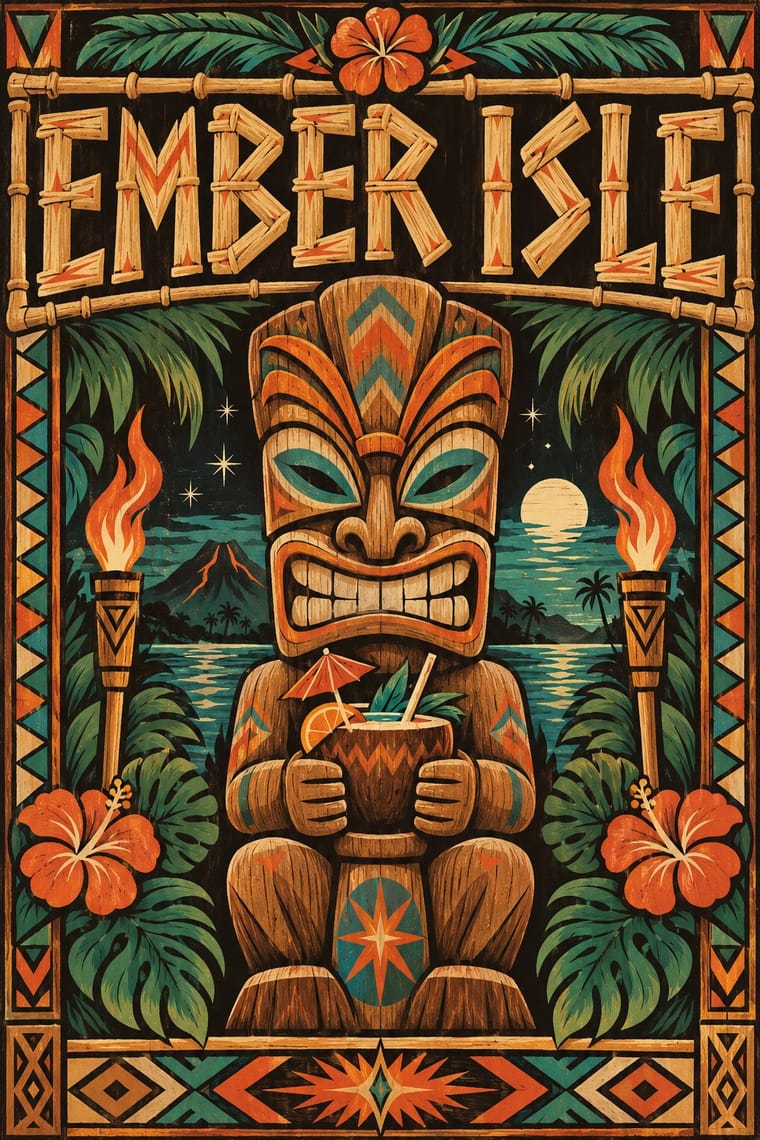
Tiki Pop (Polynesian Pop) The mainland American fantasy of the South Seas, begun by Don the Beachcomber's Hollywood bar (about 1934) and Trader Vic's in Oakland and at its height in the Polynesian restaurants of the 1950s and 60s.
-
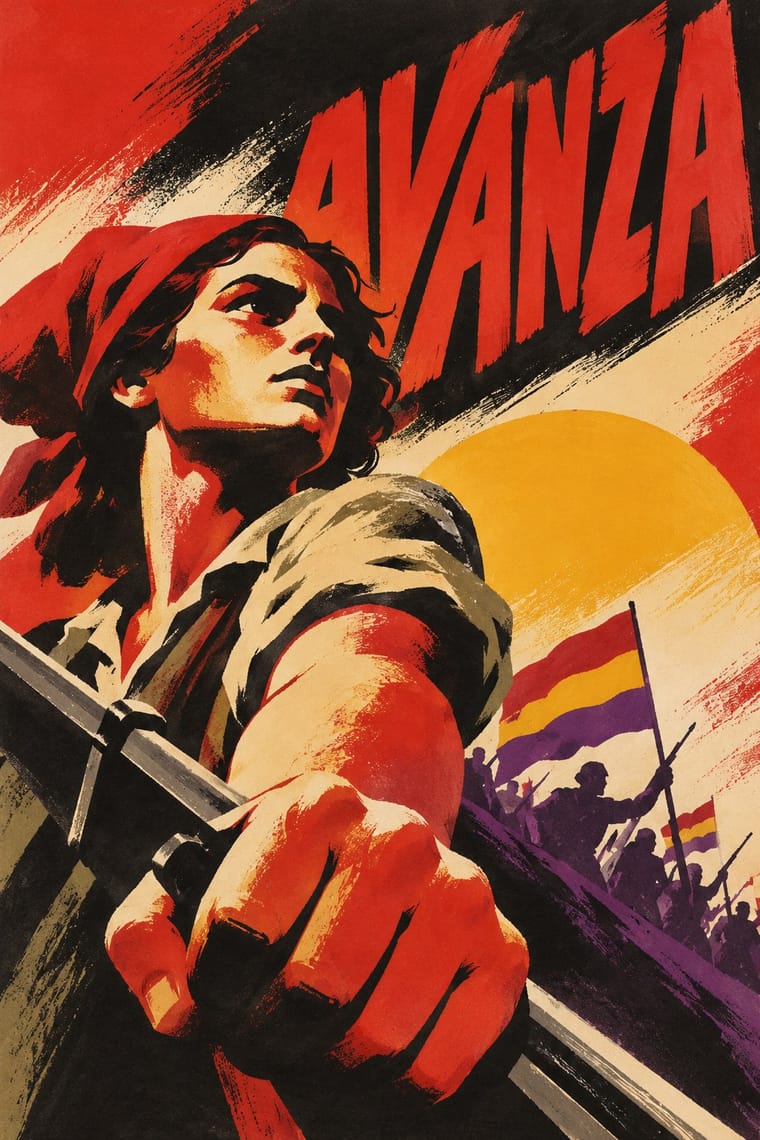
Spanish Civil War Poster The poster war waged by the Spanish Republic, its unions and its anarchist, communist and socialist parties against Franco's uprising.
-
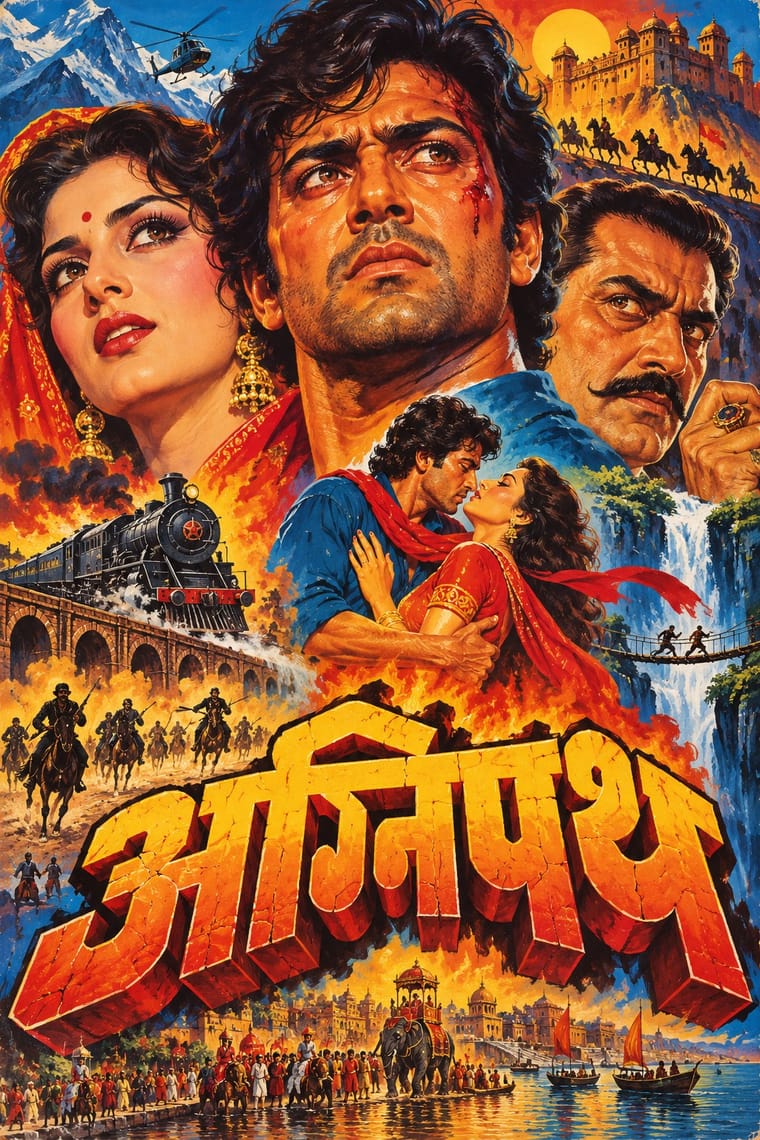
Hand-Painted Bollywood Poster The painted publicity of Bombay's Hindi film industry, at its height from the 1940s to the 1980s.
-
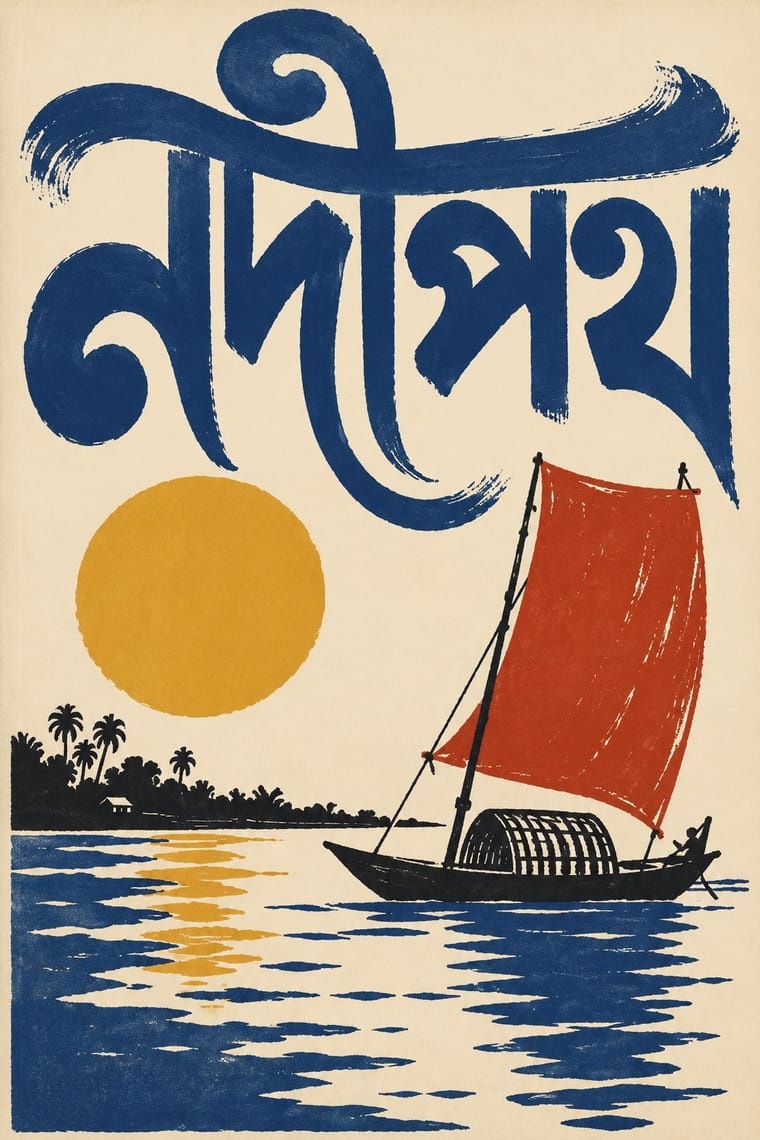
Bengali Modernist Book Cover (Prachchhad) A literary book-jacket culture that began at Calcutta's Signet Press in 1943, where Satyajit Ray and later Purnendu Pattrea made the hand-drawn Bengali title the main image of the cover.
- Vietnamese Propaganda Poster (Tranh cổ động) The state poster art of Vietnam from the 1945 August Revolution to today.
-
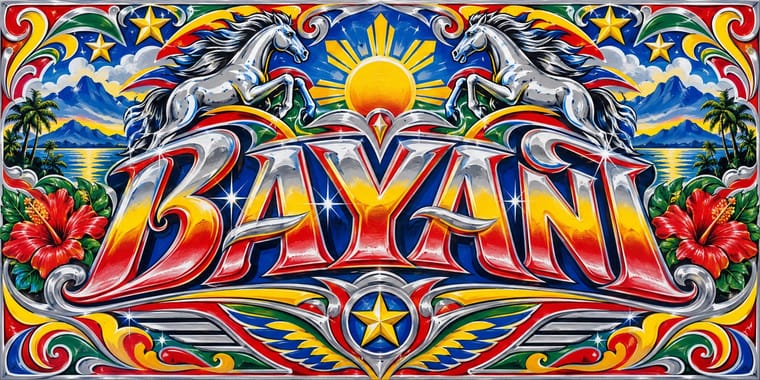
Jeepney Art The decoration of the Philippine jeepney, the shared taxi built from surplus US Army jeeps after 1945 and later from locally fabricated stainless-steel bodies by firms such as Sarao and Francisco Motors.
-
Argentine Adventure Historieta (Oesterheld–Breccia) The adult adventure comics of Buenos Aires newsstand magazines, from Misterix (1948) and Oesterheld's Hora Cero (1957) to Skorpio and Fierro; the humour line of Patoruzú, Rico Tipo and Mafalda is another tradition.
-
French Post-War Visual-Gag Poster (Savignac, Villemot, Morvan) The humorous street poster of post-war Paris, which took off in 1949 when Raymond Savignac and Bernard Villemot showed their rejected projects together and Savignac's Monsavon cow, its udder filling a bar of soap, went up on the walls.
- Hurufiyya Calligraphic Modernism A pan-Arab and Iranian modern-art movement, begun by Madiha Omar in the late 1940s, that freed the letters of the Arabic script from text and used them as abstract visual units.
-
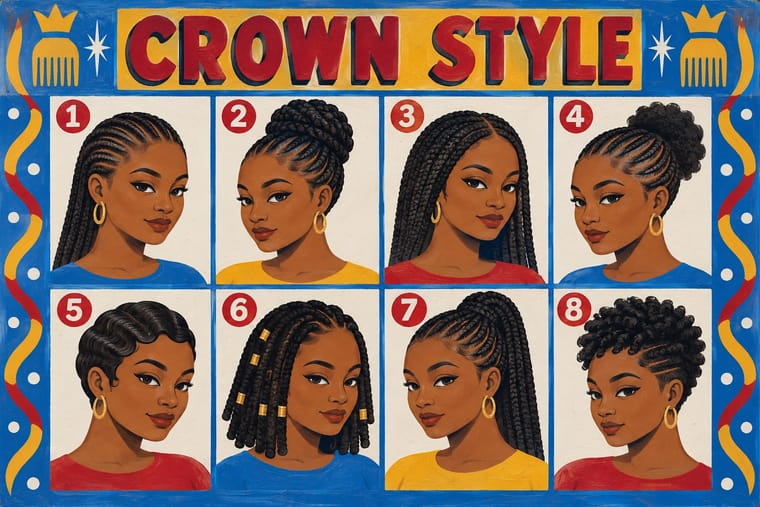
West African Barbershop & Hair Salon Signs Hand-painted boards advertising barbershops and braiding salons across West and Central Africa, made by self-taught, often anonymous sign painters since the mid-20th century.
-
Finnish Bold Print (Marimekko Modernism) The printed-cotton modernism of Marimekko, founded in Helsinki in 1951 by Armi and Viljo Ratia out of Viljo's printing firm Printex.
-
Cairo–Beirut Arab Modernist Book & Periodical Design The illustrated book, magazine and children's-book culture that ran from Cairo's post-1952 publishing houses to the Arab nationalist and leftist presses of Beirut.
-
Zagreb School of Animated Film The modernist animation of Zagreb Film's Studio for Animated Film, grown from reduced-animation advertisements of 1954-1955 and named the 'Zagreb school' by Georges Sadoul and André Martin after Cannes 1958.
-
Situationist Détournement Graphics Graphics of the Letterist and Situationist Internationals (1956–1972), built on détournement: taking existing words and pictures (comic strips, advertisements, news photographs, city maps, classic texts) and turning them against their source.
-
Baybayin Revival Graphics The revival of baybayin, the precolonial Tagalog abugida, as a mark of Filipino identity.
-
Hong Kong East–West Graphic Modernism The studio design of Hong Kong from the 1960s, made for banks, developers, trade bodies, hotels and cultural events in a city that had to speak Chinese and English at once.
- Palestinian Resistance Poster The poster culture of the Palestinian national movement after 1965, issued by the PLO and its factions from Beirut and other Arab capitals for refugee camps, homes and solidarity audiences abroad.
-
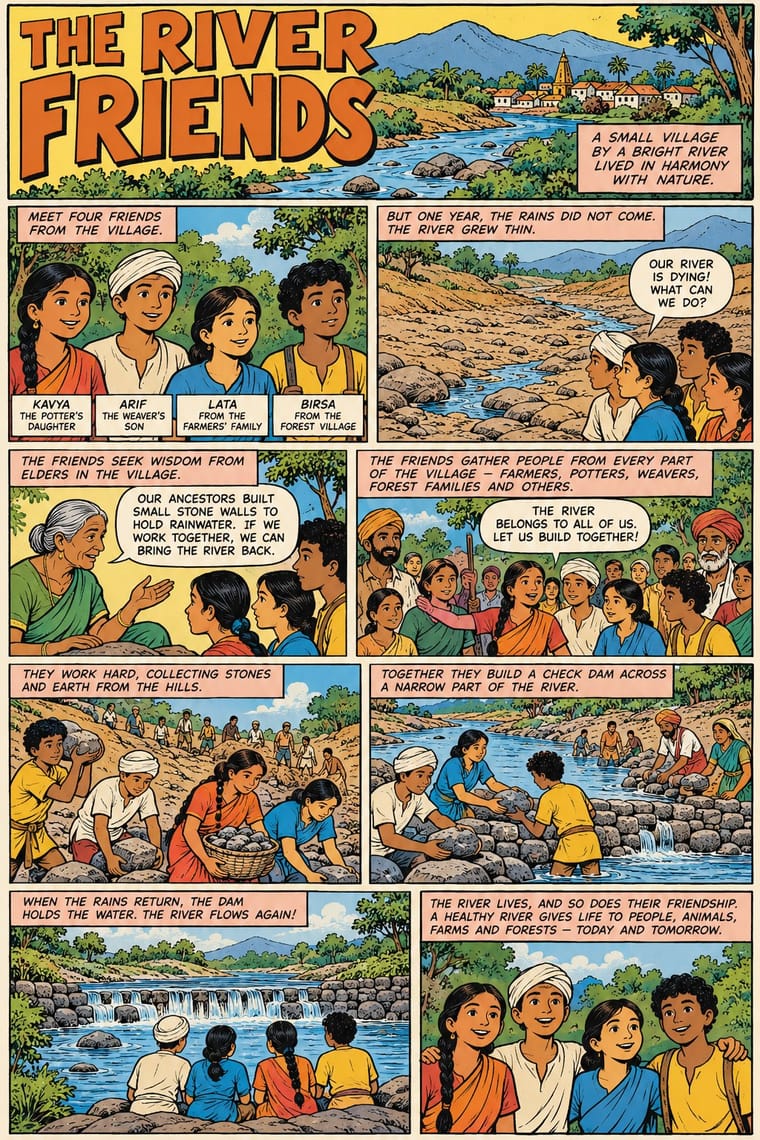
Amar Chitra Katha Comics The Bombay comic-book series that from 1967 retold Hindu myth and epic, Buddhist and Jain tales, saints, folk legends, the jests of the court wits Birbal and Tenali Raman, and Indian history for children, in English and Indian languages, with well over 500 titles by the early 1990s.
-
AfriCOBRA The Black Arts Movement collective founded in Chicago in 1968 by Jeff Donaldson, Wadsworth and Jae Jarrell, Barbara Jones-Hogu and Gerald Williams, after OBAC's Wall of Respect mural.
- Atelier Populaire (May '68 Screenprint Poster) The posters of the Atelier populaire, set up when students, teachers and artists occupied the École des Beaux-Arts in Paris on 14 May 1968, until police cleared the school on 27 June.
- Ultras Graphics (Curva Banners and Tifo) The graphic language of Italy's organised football supporters, the ultras, from the late 1960s, and of the groups that copied them across Europe, North Africa and beyond.
-
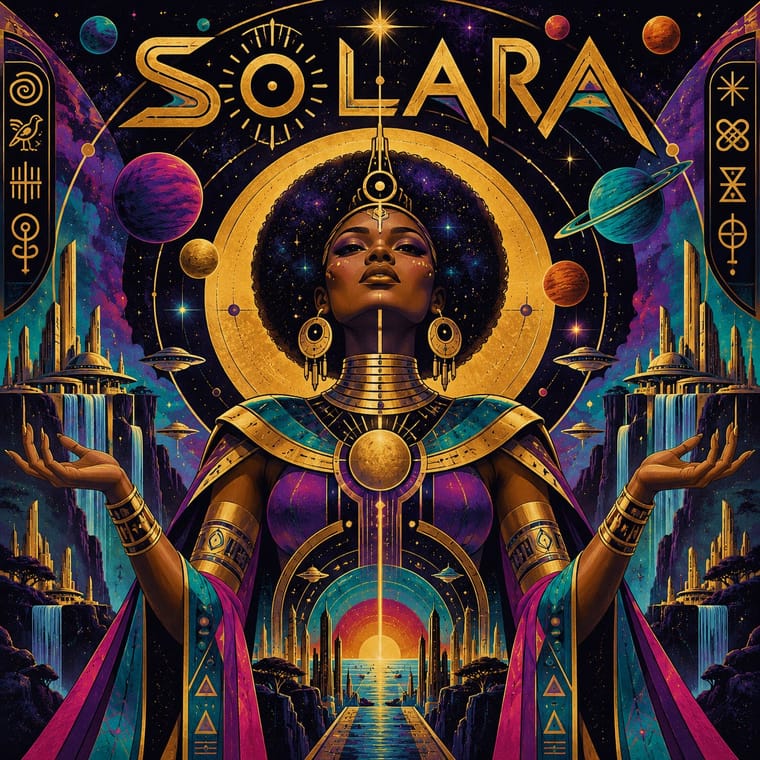
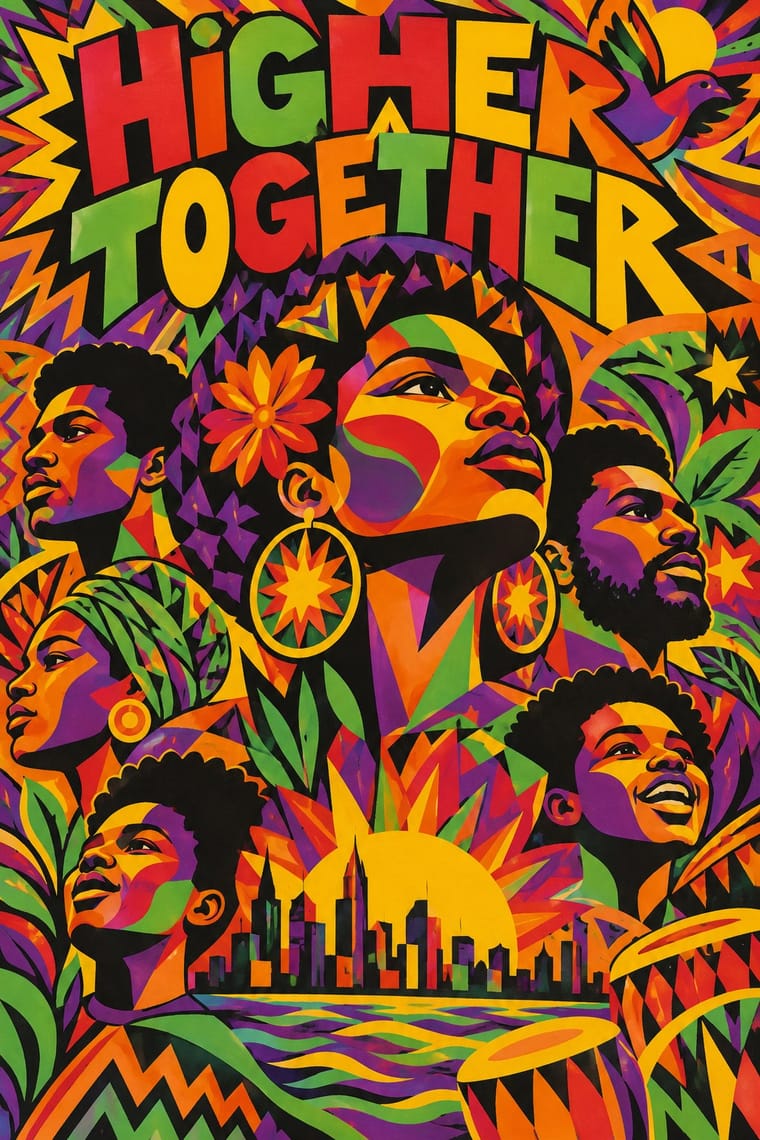
Afrofuturist Design A visual language of Black futures that fuses African and diasporic iconography (pyramids and ankhs, Adinkra and Nsibidi glyphs, textile patterning) with spacecraft, cosmic fields and technology.
- Grapus (French Militant Graphic Collective) The posters and identities of Grapus, a Paris collective founded in 1970 by Communist Party members who had met in the 1968 poster workshops.
-
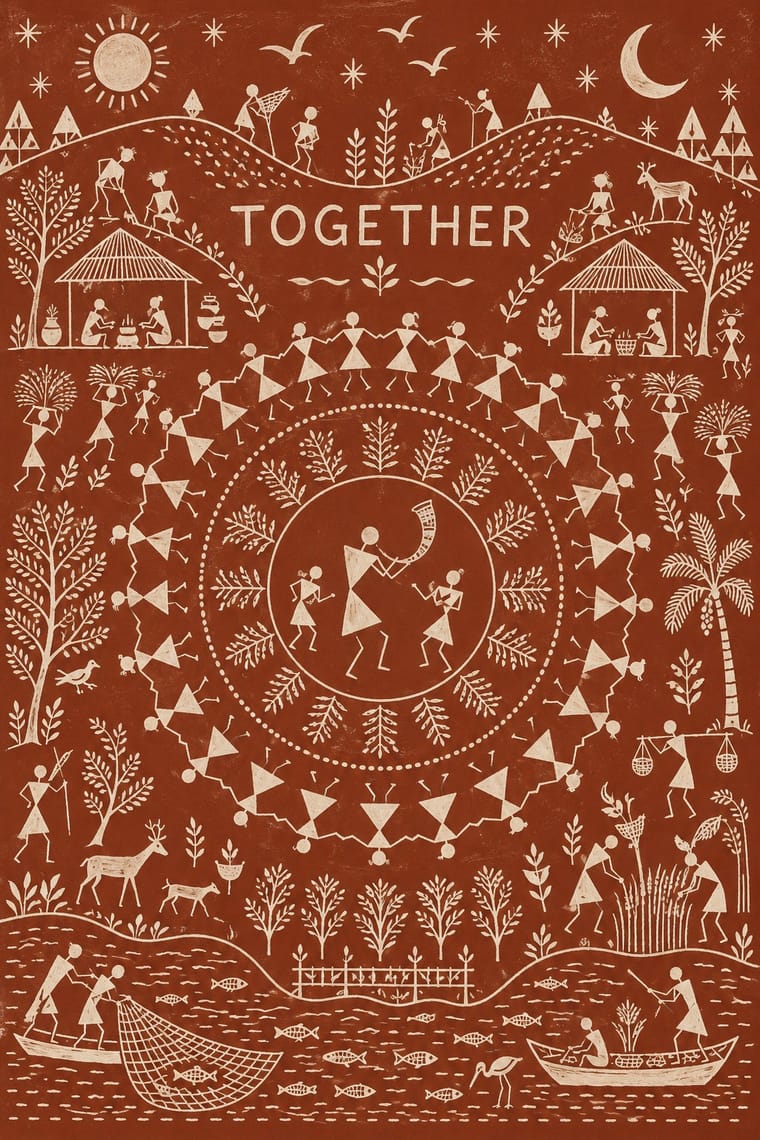
Warli Painting The ritual wall painting of the Warli, an Adivasi people of the northern Sahyadri in Maharashtra, carried onto paper and canvas from the 1970s by Jivya Soma Mashe and others.
-
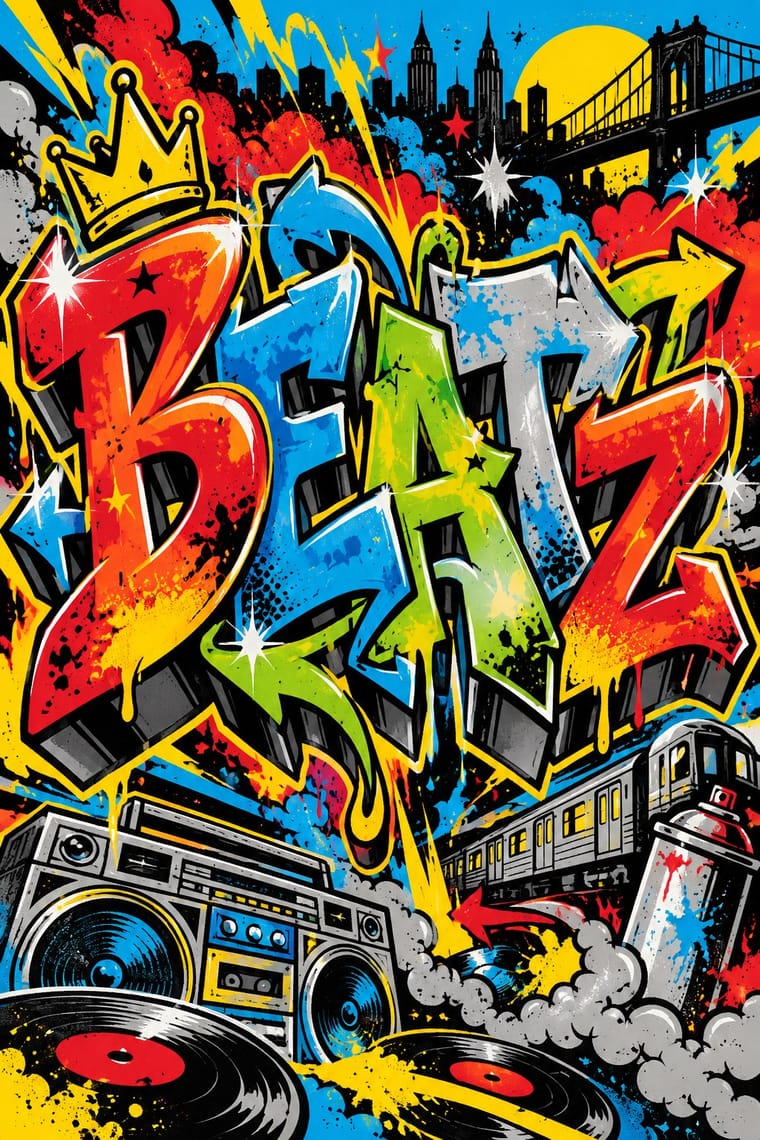
Graffiti & Hip-Hop Graphics Born on New York's subway cars and Bronx party flyers, graffiti writing turns the writer's name into a monumental letter-sculpture: bubble, block and wildstyle letters with arrows, 3D drop shadows, fades and highlights, painted freehand in aerosol.
- Roots Reggae Sleeve Art & Rasta Iconography The record sleeves of roots reggae, from Catch a Fire (1973) until dancehall took over in the 1980s.
-
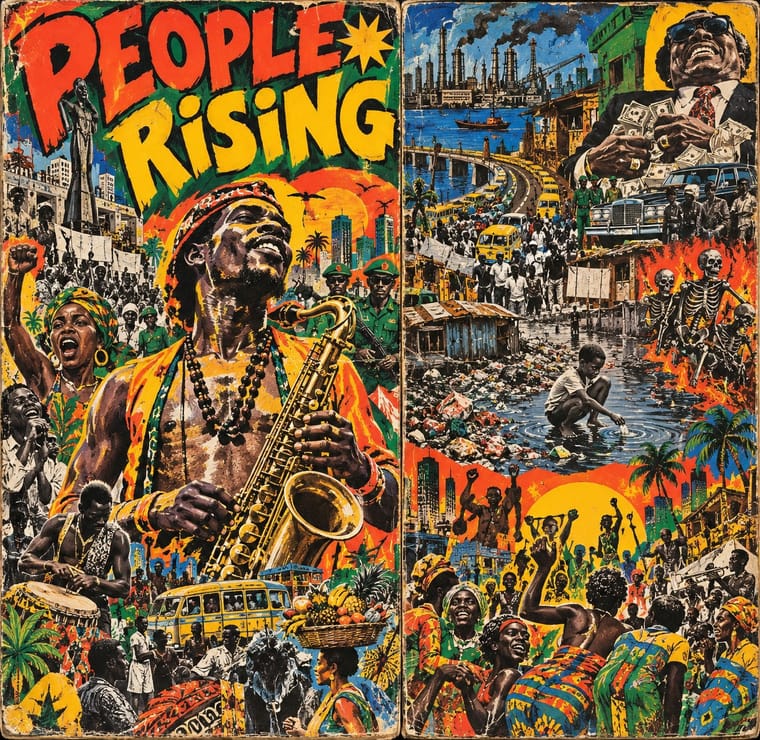
Afrobeat Sleeve Art The painted and collaged record covers of Nigerian Afrobeat, defined by Lemi Ghariokwu's sleeves for Fela Kuti from Alagbon Close (1974) onward.
-
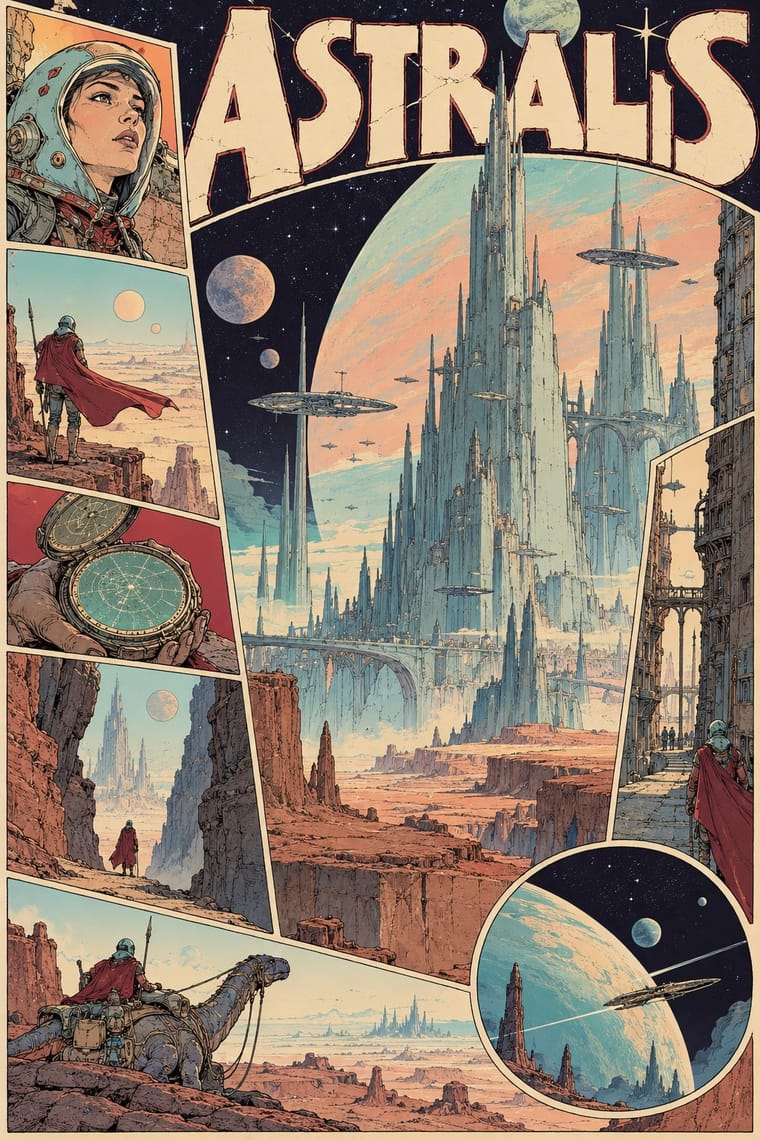
Métal hurlant Science-Fiction Comics (Mœbius, Druillet & Les Humanoïdes Associés) The adult science-fiction comics of Métal hurlant, the Paris magazine founded in 1974 by Mœbius, Philippe Druillet, Jean-Pierre Dionnet and Bernard Farkas.
-
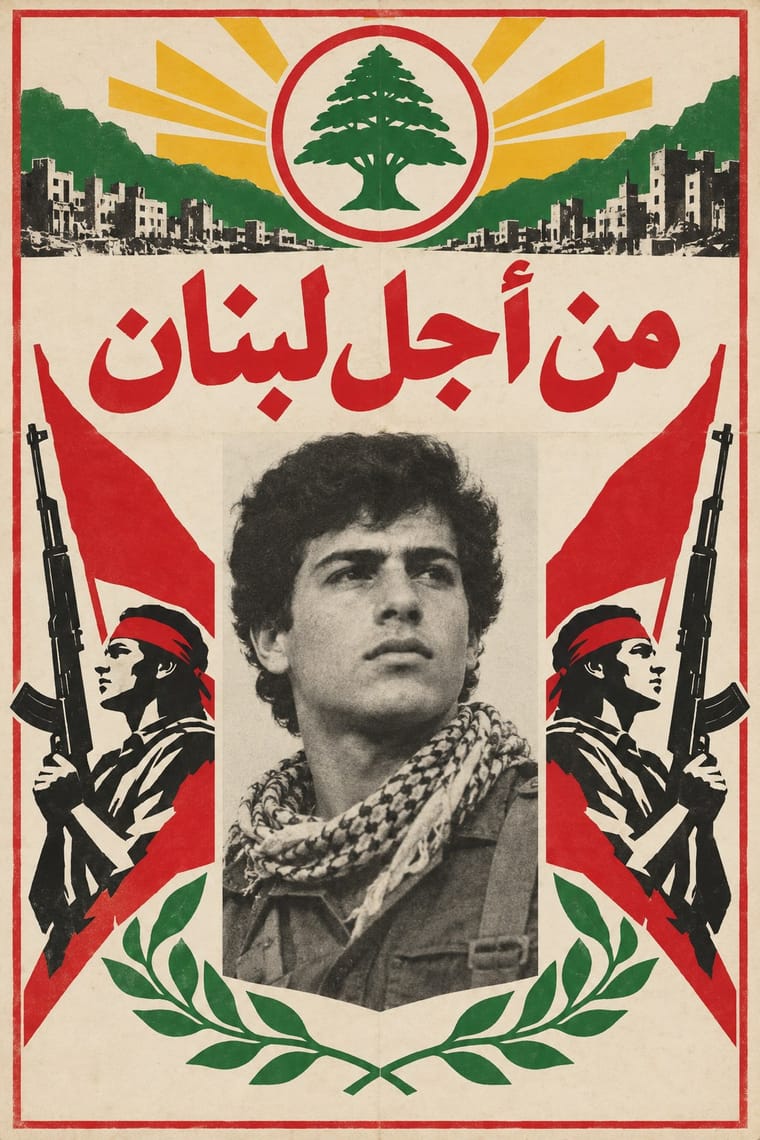
Lebanese Civil War Party Poster The posters that some twenty parties and militias pasted on the walls of Beirut and other towns between 1975 and 1990, marking each quarter as one faction's territory.
-
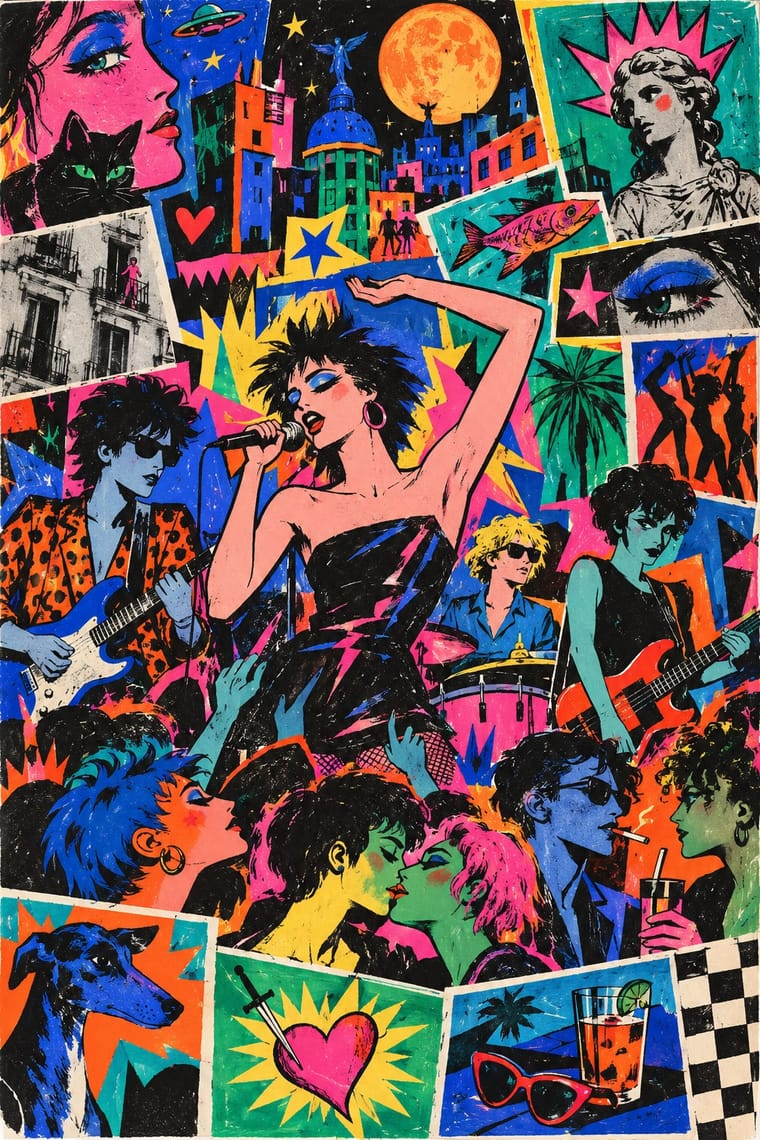
La Movida Madrileña Graphics The graphics of Madrid's Movida, the post-Franco scene of new-wave bands, fanzines and night life usually dated from the Canito concert of 9 February 1980 and later backed by the city council.
- Iranian Revolutionary & Sacred Defence Poster Posters, murals and stamps of the 1978–79 Iranian Revolution and the 1980–88 war with Iraq, which fused the red-white-black international revolutionary poster with Persian miniature and coffeehouse narrative painting.
-
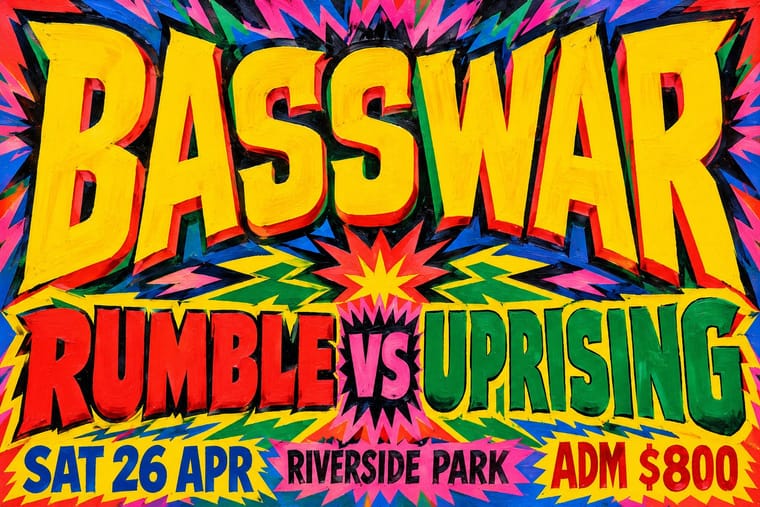
Jamaican Dancehall Signs & Sleeve Art The street graphics of Jamaica's dancehall era.
-
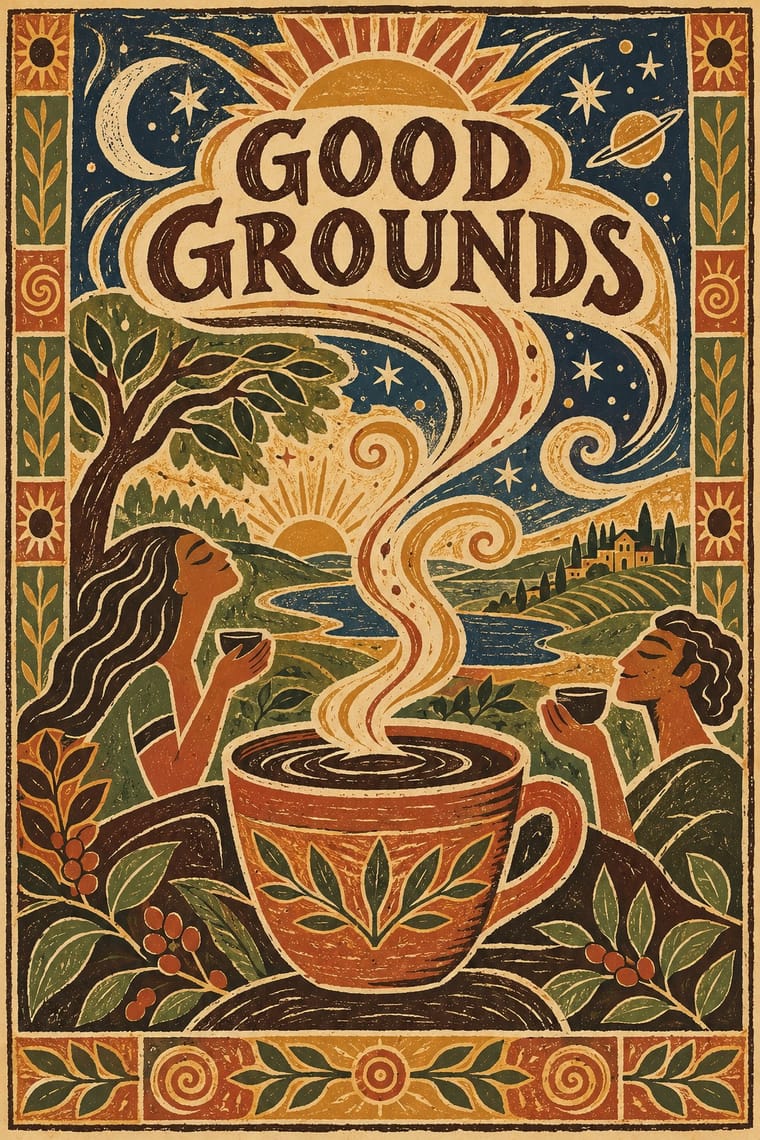
Global Village Coffeehouse The faux-naive, earth-toned illustration style that late-1980s American designers set against Memphis, and that chain cafés, bookstores, packaging and clip art spread through the 1990s.
-
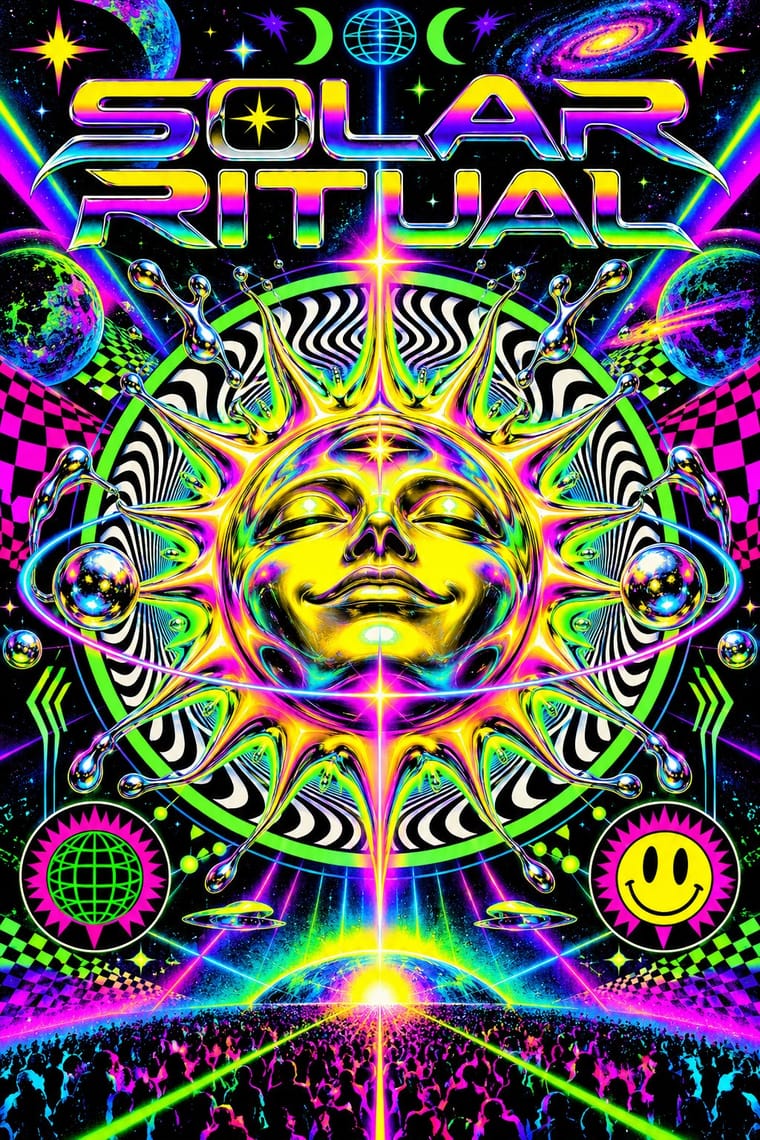
Rave & Acid House Graphics The pocket-sized promotional art of acid house, rave and early techno, handed out in record shops and car parks to advertise all-night parties.
- Indonesian Woodcut Activism (Taring Padi) The protest graphics of Taring Padi, the collective founded by students and activists in Yogyakarta in 1998 as Suharto fell, and of the punk and activist woodcut scenes around it.
-
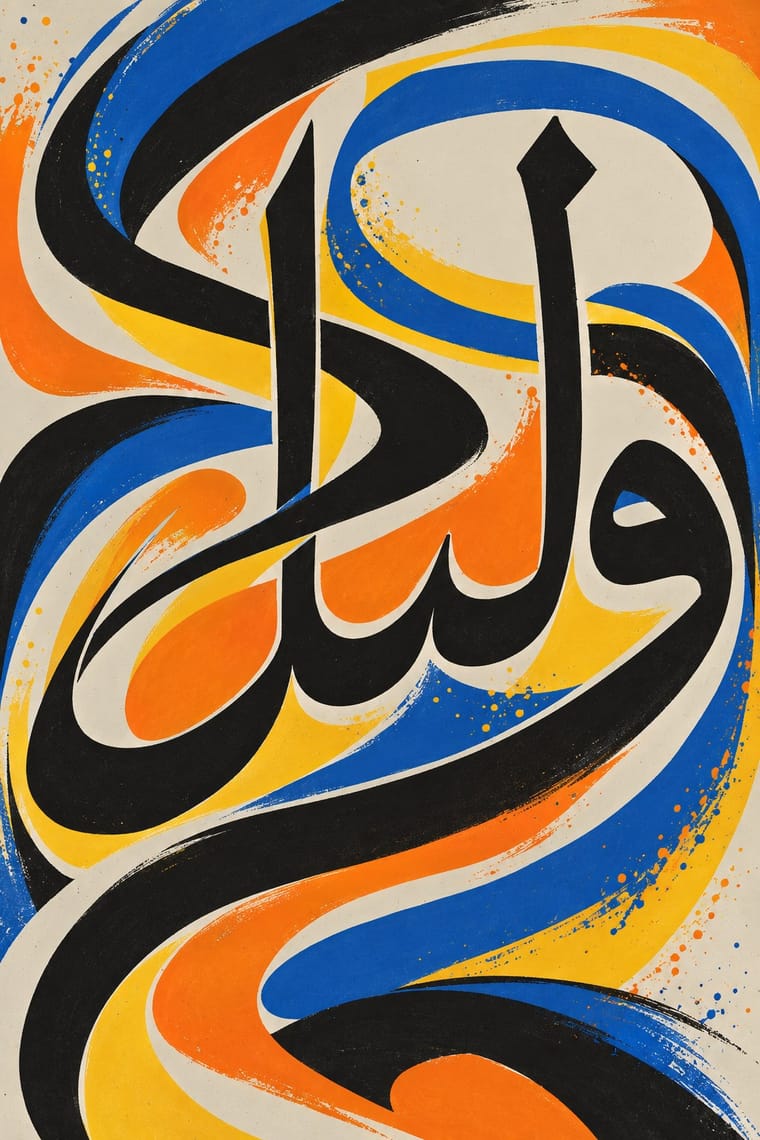
Arabic Calligraffiti Arabic letters sprayed, rolled and brushed at the scale of buildings.
-
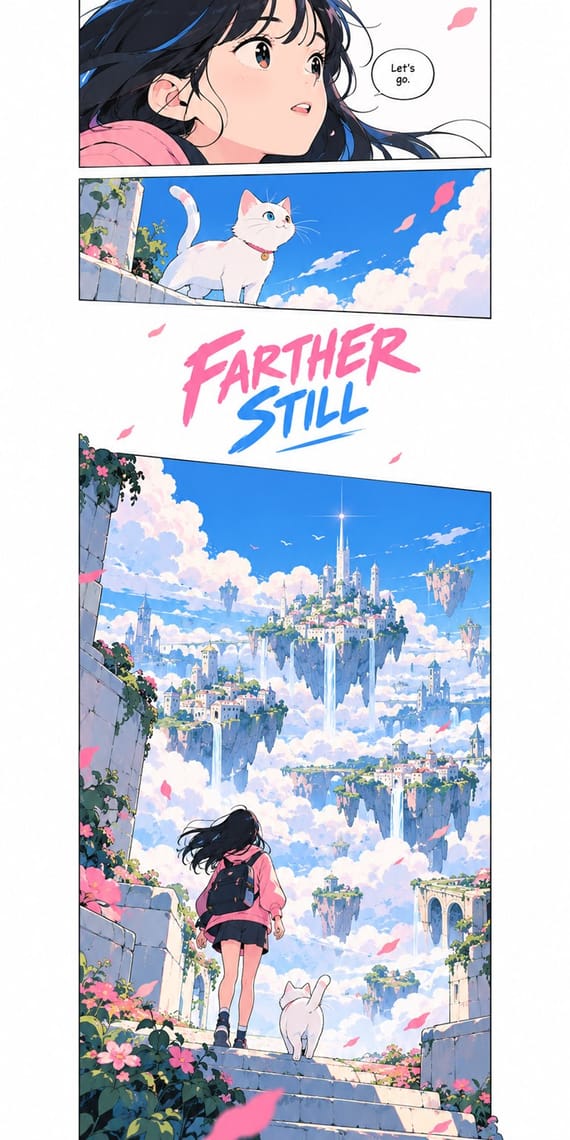
Korean Webtoon Graphics The full-colour, vertical-scroll comic that Korean web portals made standard in the 2000s and smartphone apps took worldwide.
- Contemporary Chinese Book Design ('Most Beautiful Books of China') Chinese book design since 2003, when Shanghai founded the yearly 'Most Beautiful Books of China' award, whose winners go on to Leipzig.
-
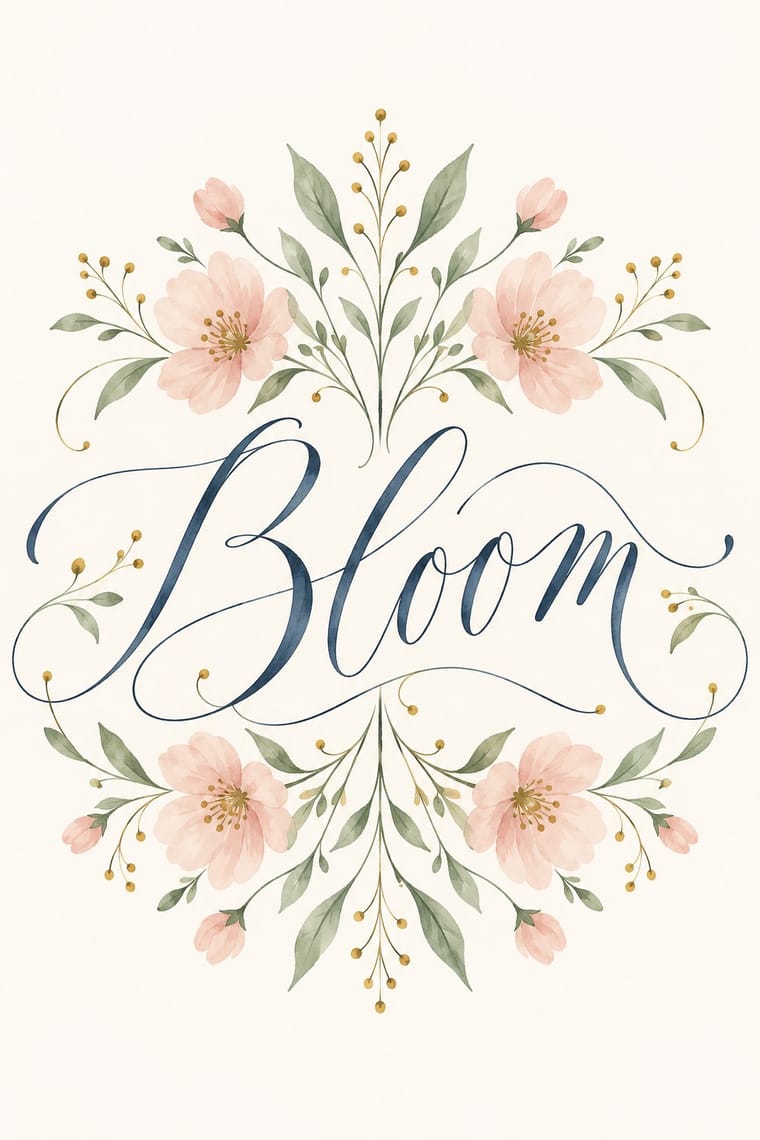
Modern Calligraphy and Brush Lettering The loose pointed-pen and brush-pen script of wedding stationery and the 2010s craft boom.
-
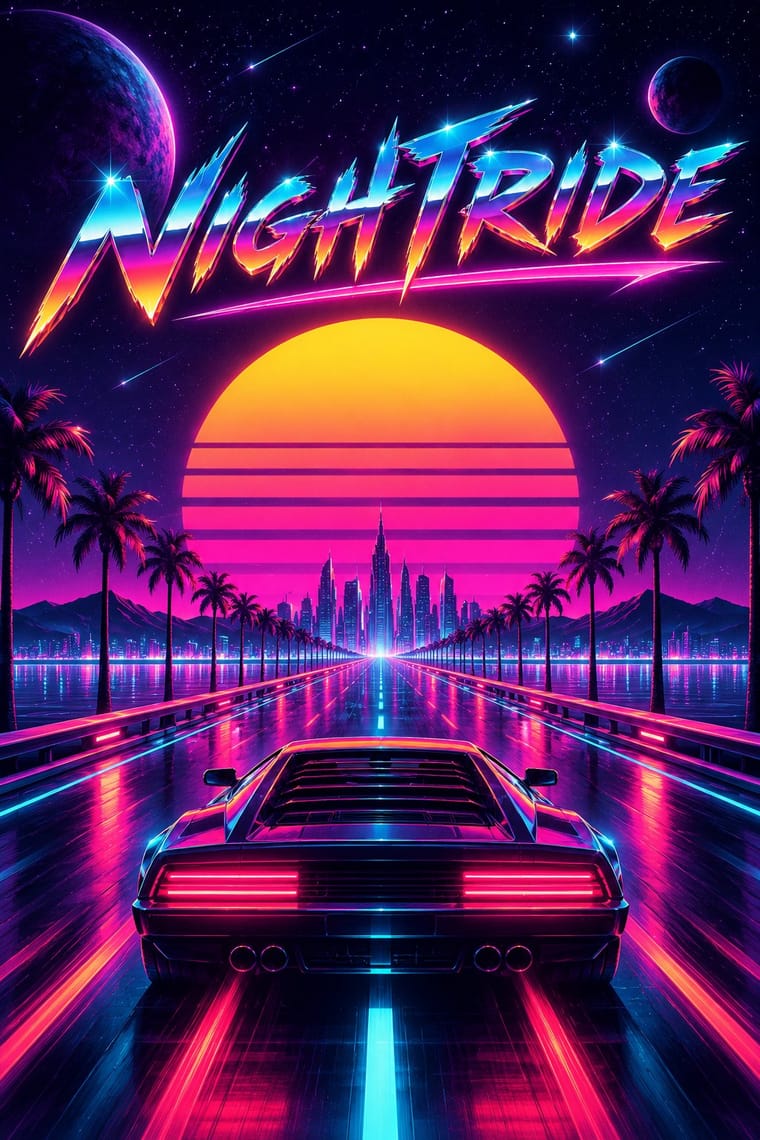
Synthwave / Outrun The retro-futurist look of synthwave music: a 1980s revival that grew from mid-2000s French electro and online synth scenes, took its other name from Sega's arcade racer Out Run (1986) and reached the mainstream with Drive (2011).
-
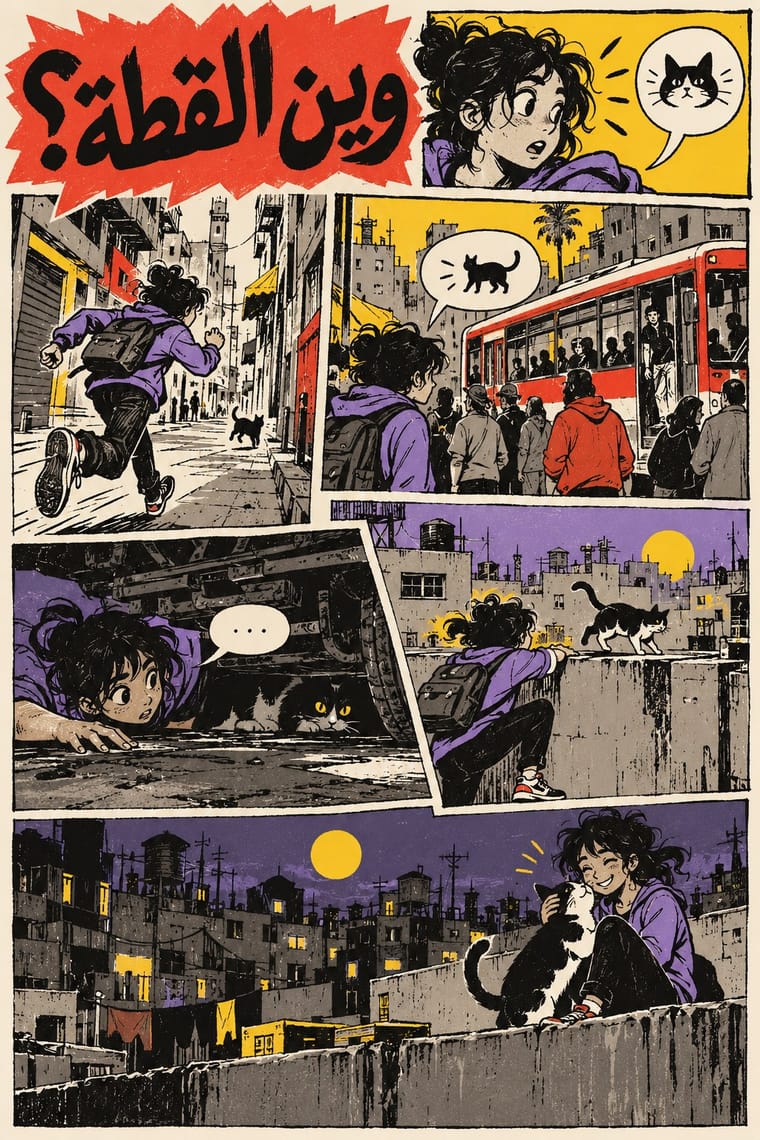
Arab Independent Comics (Samandal, TokTok, Lab619, Skefkef) Adult comics magazines edited by Arab artists' collectives since 2007, at times with a ministry grant or an NGO partner: Samandal in Beirut, TokTok in Cairo, Lab619 in Tunis and Skefkef in Casablanca.
-
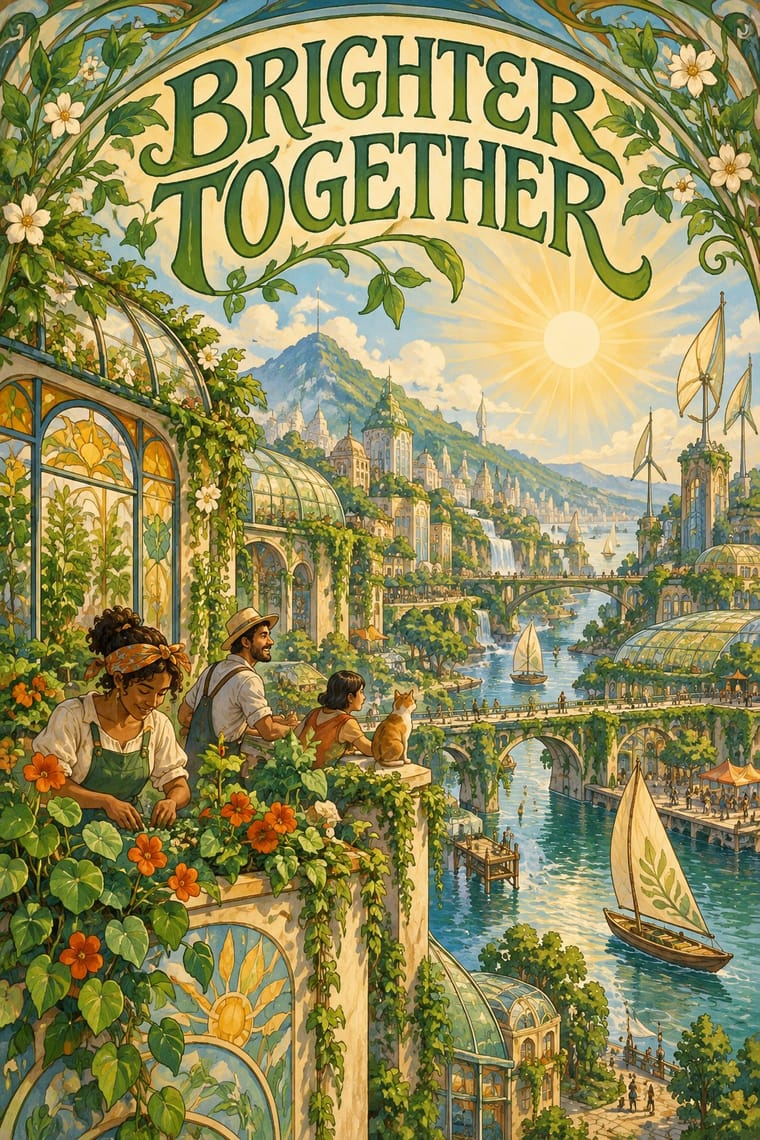
Solarpunk Hopeful eco-futurist imagery born online.
- Lo-fi Anime Aesthetic The look of YouTube's 24/7 lo-fi hip hop streams.
-
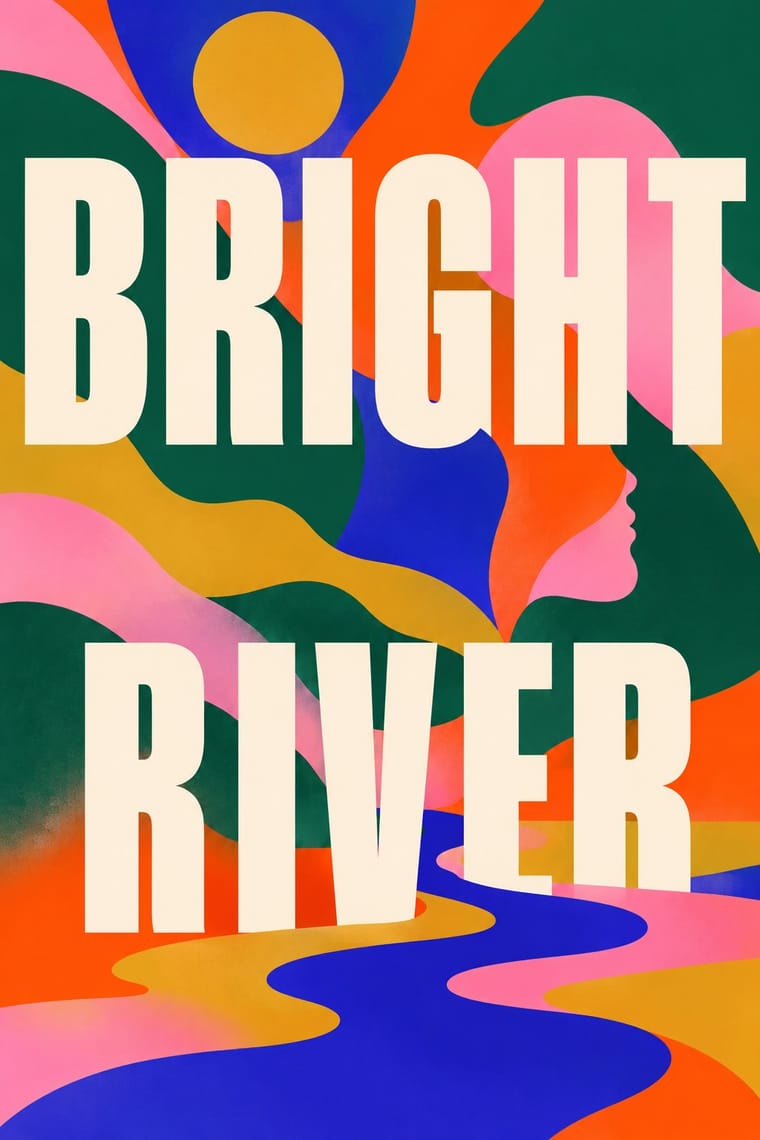
Book Blob (Abstract Colour-Blob Literary Fiction Cover) The default jacket of US literary fiction around 2019–2023: soft, overlapping blobs of saturated colour fill the cover edge to edge (cobalt, pink, orange-red, deep green, mustard).
-
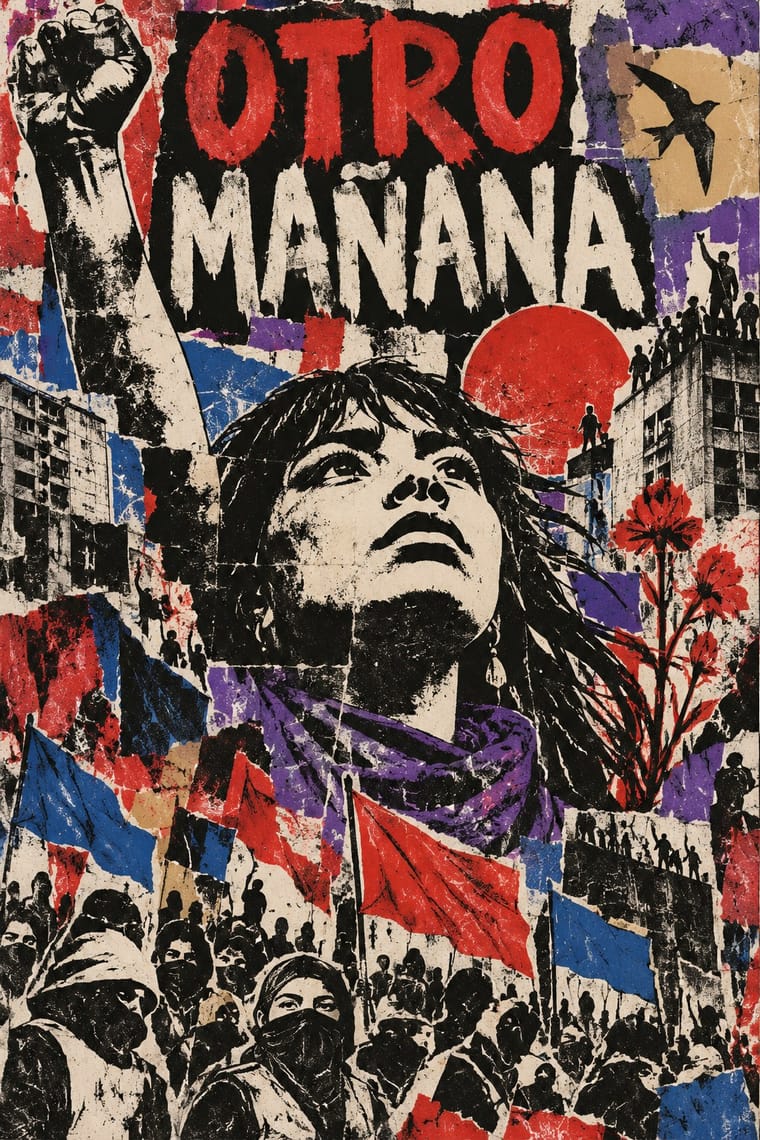
Chilean Estallido Social Graphics (Revuelta Popular of 2019–20) The street graphics of Chile's popular revolt, from 18 October 2019 to the March 2020 lockdowns, when a leaderless movement covered Santiago's Plaza de la Dignidad, the Alameda and other cities' walls.
-
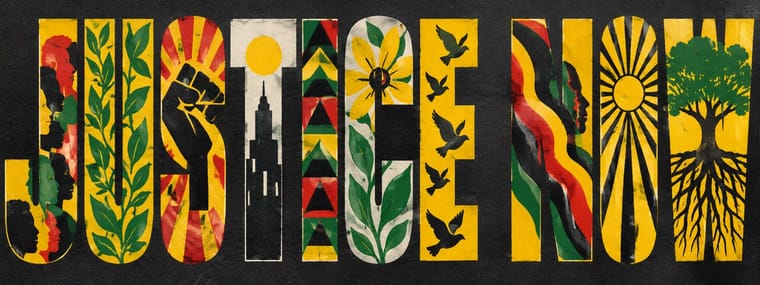
Black Lives Matter Street Murals A single protest slogan painted along the roadway in capitals 20 to 35 feet tall, filling the street from kerb to kerb, so it reads whole only from rooftops, drones and helicopters.
Styles that use it now and then 58
An occasional choice in these styles.
- Mongol Bichig Calligraphy & Ugalz Ornament c. 1204–present
- Kōwhaiwhai & Toi Māori Design 1500–present
- Đông Hồ & Hàng Trống Folk Prints 1600–present
- Pacific Barkcloth (Tapa) Design 1700–present
- Burmese Parabaik Painting (Konbaung Folding Books) 1752–1885
- Imagerie d'Épinal & European Bilderbogen 1796–1939
- Simplicissimus Satirical Style (Munich) 1896–1944
- Mir iskusstva Book Art 1898–1927
- Bògòlanfini Mud Cloth 1900–present
- Senegalese Sufi Devotional Imagery (Souwère Glass Painting and Amadou Bamba Portraits) 1900–present
- Uli & Nsibidi Line and Sign Tradition 1900–present
- Russian Futurist Book 1910–1920
- Taishō Roman & Lyrical Illustration 1910–1940
- Arnhem Land Bark Painting & Rarrk 1912–present
- Suprematism 1915–1925
- Kultur-Lige & Yiddish Avant-Garde Book Design 1917–1924
- ROSTA Windows 1919–1922
- Republican Chinese Book Cover Design (Lu Xun & Tao Yuanqing) 1923–1949
- Arab Press Caricature (Rose al-Yusuf to Naji al-Ali) 1925–present
- AIZ Political Photomontage (Heartfield) 1930–1938
- Streamline Moderne 1930–1945
- Ndebele Geometric Painting 1940–present
- UPA & Cartoon Modern 1944–1960
- Puerto Rican Silkscreen Poster (DIVEDCO & ICP) 1946–1989
- Pakistani Truck Art 1947–present
- Bonelli Fumetto (Italian Popular Adventure Comics) 1948–present
- West German Conceptual Film & Culture Poster (Hillmann and Rambow) 1953–1990
- Shōjo Manga (Japanese Girls' Comics) 1958–present
- Turkish Modernist Poster & Graphic Design 1959–2000
- Woodland School (Legend Painting) 1962–present
- Chilean Unidad Popular & Nueva Canción Graphics 1967–1973
- Gráfica del 68 (Mexican Student Movement Graphics) 1968
- Hipgnosis Photographic Concept Sleeve 1968–1983
- Tingatinga Painting 1968–present
- ECM Sleeve Aesthetic (Munich) 1969–present
- Kinshasa Popular Painting 1970–present
- Western Desert Iconography 1971–present
- Turkish Weekly Humour Magazines (Gırgır to Uykusuz) 1972–2025
- Ethiopian Revolutionary Poster (Derg Era) 1974–1991
- Dutch Expressive Postmodernism (Studio Dumbar & Hard Werken) 1977–1994
- Stencil Street Art 1978–present
- Minjung Woodcut Graphics (Korean People's Art) 1979–1994
- Pixação (São Paulo Tag Reto) 1980–present
- Solidarność & Polish Underground Graphics 1980–1989
- Black Metal Graphics 1990–present
- L'Association and French Alternative Comics 1990–present
- Bitterkomix (Afrikaans Underground Comics) 1992–present
- South African Vernacular Design (Ijusi) 1995–present
- Oaxacan Protest Printmaking & Street Graphics (ASARO) 2006–present
- Natural Wine Label Art 2007–present
- Data Humanism 2014–present
- Hong Kong Protest Art (Umbrella Movement to the 2019–20 Protests) 2014–2020
- Latin American Feminist Protest Graphics (Ni Una Menos and the Green Wave) 2015–present
- Illustrated Rom-Com Book Cover (Cartoon Couple Cover) 2016–present
- VTuber Avatar and Stream Graphics 2016–present
- Sudanese Revolution Graphics (Digital Illustrations and Sit-in Murals) 2018–present
- Generative-AI Image Aesthetic 2022–present
- Woman, Life, Freedom Protest Graphics (Iran and the Diaspora) 2022–present
It often goes with
Choices that the styles making it make more often than the atlas as a whole.
- Painterly illustration in 106 of 143
- Hand-painted in 77 of 143
- Hand-lettering in 128 of 143
- Communal & popular in 98 of 143
- Naturalistic depiction in 74 of 143
- Stylised figuration in 114 of 143
Styles that avoid it
Styles that deliberately leave it out.
- Kamon (Japanese Family Crests) c. 1100–present
- Square Kufic (Bannāʾī) c. 1100–present
- Mixteca-Puebla Codex Painting c. 1200–1560
- Ukiyo-e Woodblock Prints 1670–1900
- Thai Yantra (Yant) Diagrams 1700–present
- Ligne Claire (Franco-Belgian Clear Line) 1929–present
- Machine-Age Simplified Arabic Type 1947–present
- Brazilian Concrete Design 1951–1975
- Zagreb Modernist Graphics (EXAT 51 to Teatar &TD) 1951–1975
- HfG Ulm Systematic Design 1953–1968
- Pop Art Graphics 1955–1975
- Polish Cold War Neon (PRL Neonisation) 1956–1981
- Op Art Graphics 1960–1975
- Casablanca School Graphic Modernism 1962–1987
- Fluxus Graphics (Maciunas) 1962–1978
- Mexico 68 Olympic & Metro Identity 1966–1970
- Pop Achorado (Peruvian Agrarian Reform Posters) 1969–1975
- Roman-like Thai Typography (modern loopless Thai) 1973–present
- Bitmap & Pixel Graphics 1977–1995
- ACT UP & Gran Fury AIDS Activist Graphics 1987–1995
- Nollywood Video Jacket & Film Poster 1992–present
- Hype Streetwear Graphics (Box Logo to Quotation Marks) 1993–present
- Superflat 1993–present
- Y2K Futurism 1997–2005
- Tamil Nadu Flex Banners 2000–present
- Contemporary Arabic & Dual-Script Type Design 2004–present
- Polish Information Picture Book (Dwie Siostry) 2008–present
- Low Poly Illustration 2012–present
- PC Music Graphics 2013–present
- NFT Profile-Picture Collections (CryptoPunks to Bored Apes) 2017–present