Surface & texture · Print artefacts
Paper & letterpress bite
Visible fibre, impression and ink spread.
A design choice in Stylogeny’s vocabulary, under surface & texture: what is the material finish?
- styles make it
- 115
- as a defining choice
- 11
- as a usual one
- 43
- now and then
- 61
- avoid it
- 18
Styles defined by it 11
For these styles it is one of the choices that make the style.
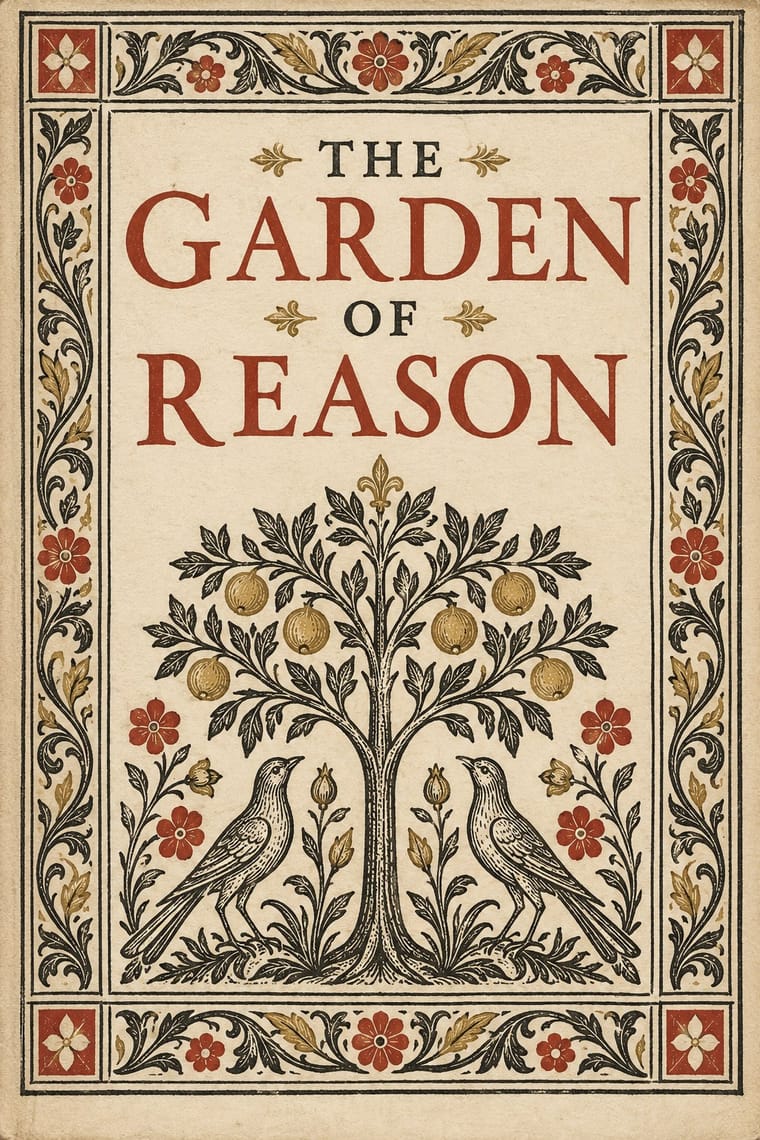
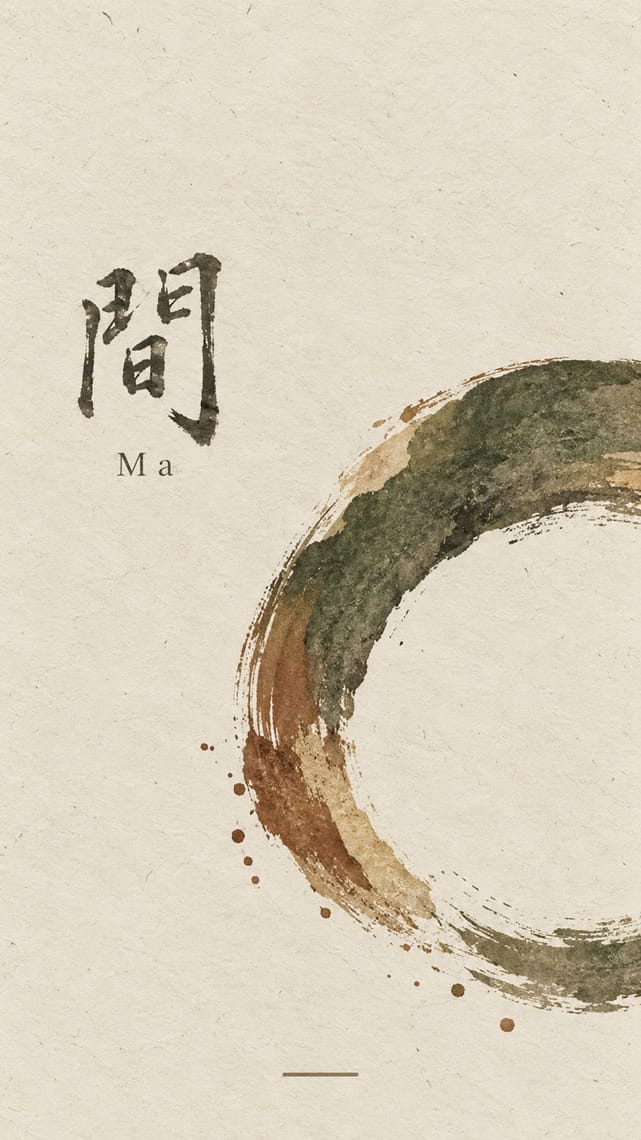
- Đông Hồ & Hàng Trống Folk PrintsVietnam's two classic folk-print schools, bought for Tết. Đông Hồ families press each colour from its own carved block onto giấy điệp, dó paper brushed with ground scallop shell whose streaked, faintly sparkling surface serves as the white, and print the black line last.
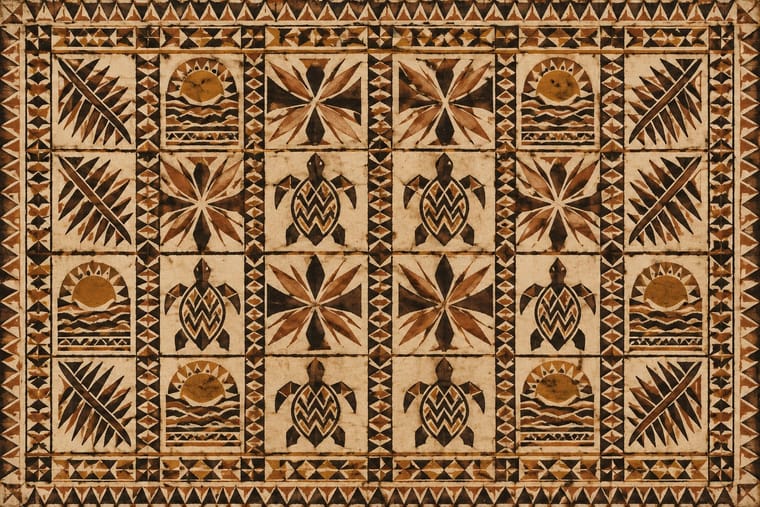
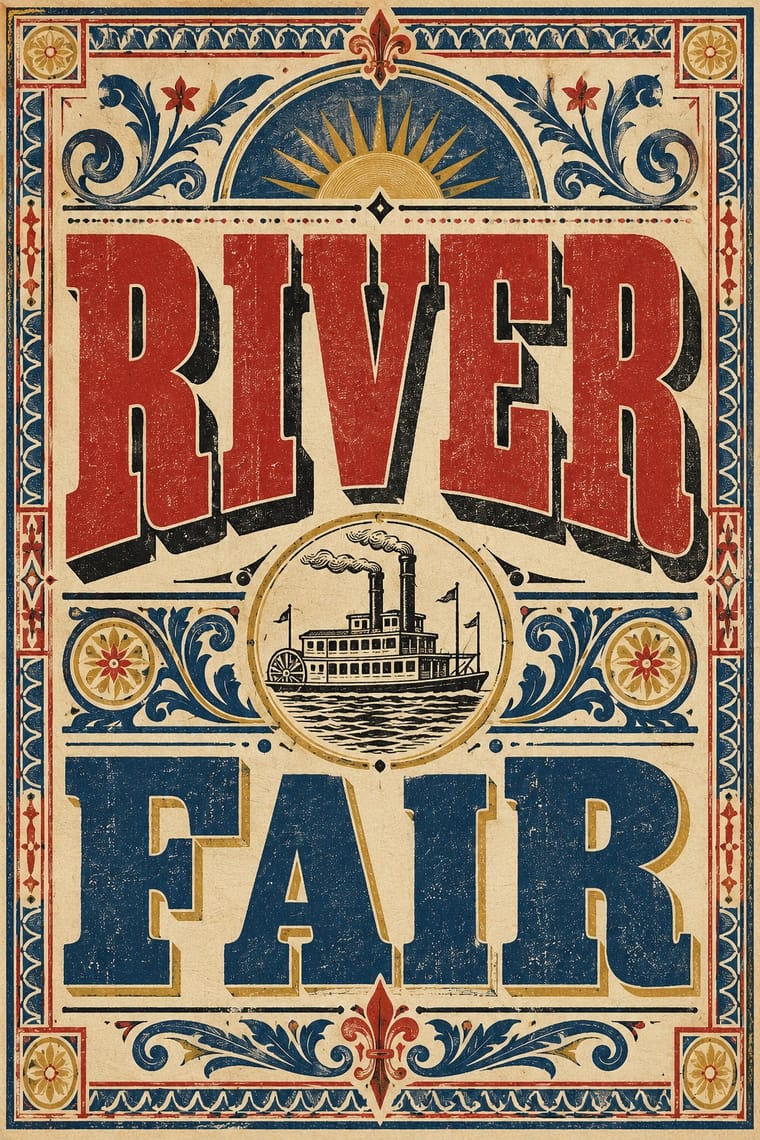
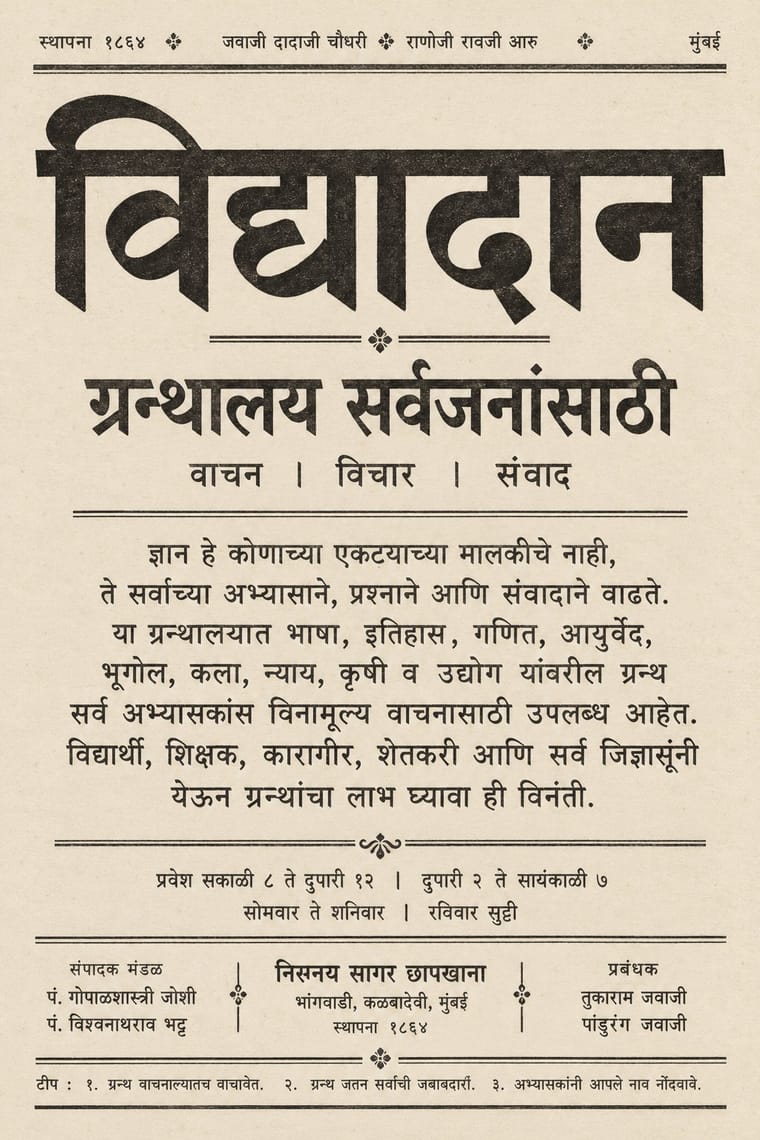
- German Book Art Movement (Buchkunstbewegung)The German reform of the book, from the magazine Pan (1895) to the private presses that ended around 1933.
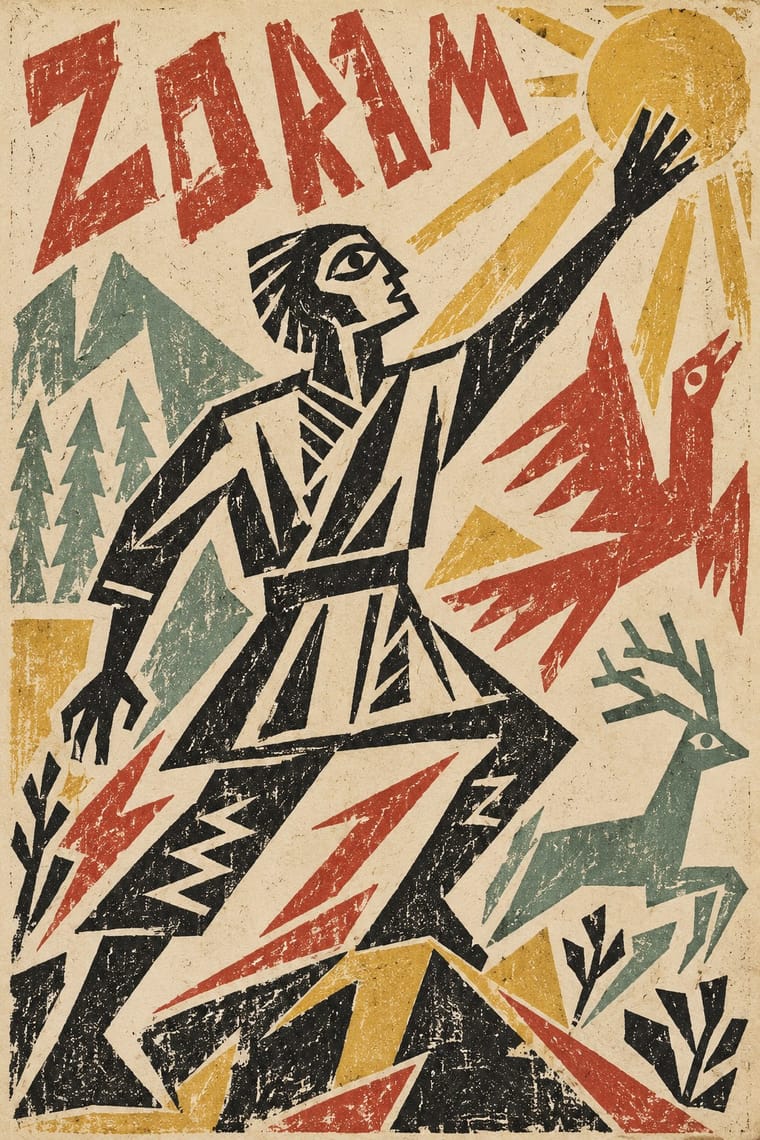
- Onitsha Market PamphletsCheap, stapled pamphlets of romance, advice, drama and political biography, written by students, clerks, journalists and traders and printed by jobbing letterpress shops around Onitsha Main Market in eastern Nigeria from the late 1940s.
- Cartonera Books (Latin American Cardboard Publishing)Books of Latin America's cartonera presses, begun by Eloísa Cartonera in Buenos Aires in 2003 after Argentina's 2001 crash: photocopied texts stapled and glued by hand into covers cut from used boxes, usually bought from cartoneros (waste pickers) above the market price.
- Contemporary Chinese Book Design ('Most Beautiful Books of China')Chinese book design since 2003, when Shanghai founded the yearly 'Most Beautiful Books of China' award, whose winners go on to Leipzig.
Styles that often use it 43
A characteristic choice: usual in these styles, though not essential.
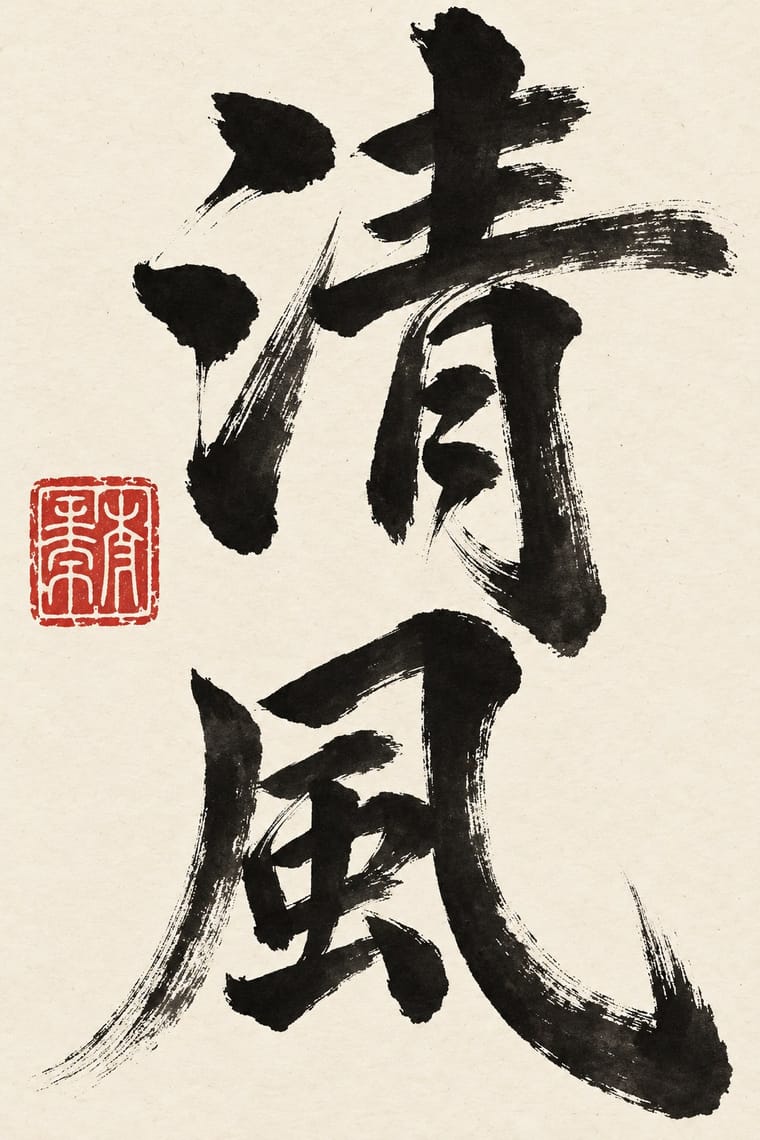
- Hebrew MicrographyA Jewish scribal art in which lines of minute Hebrew script, usually the Masoretic notes that guard the biblical text, are written so that the line itself draws: interlaced frames and star rosettes on full carpet pages, and animals, knights, fish and grotesques in the margins.
- Maghrebi Script (Maghribi Calligraphy of al-Andalus and North Africa)The family of Arabic scripts of al-Andalus and North Africa, descended from early Kufic bookhands.
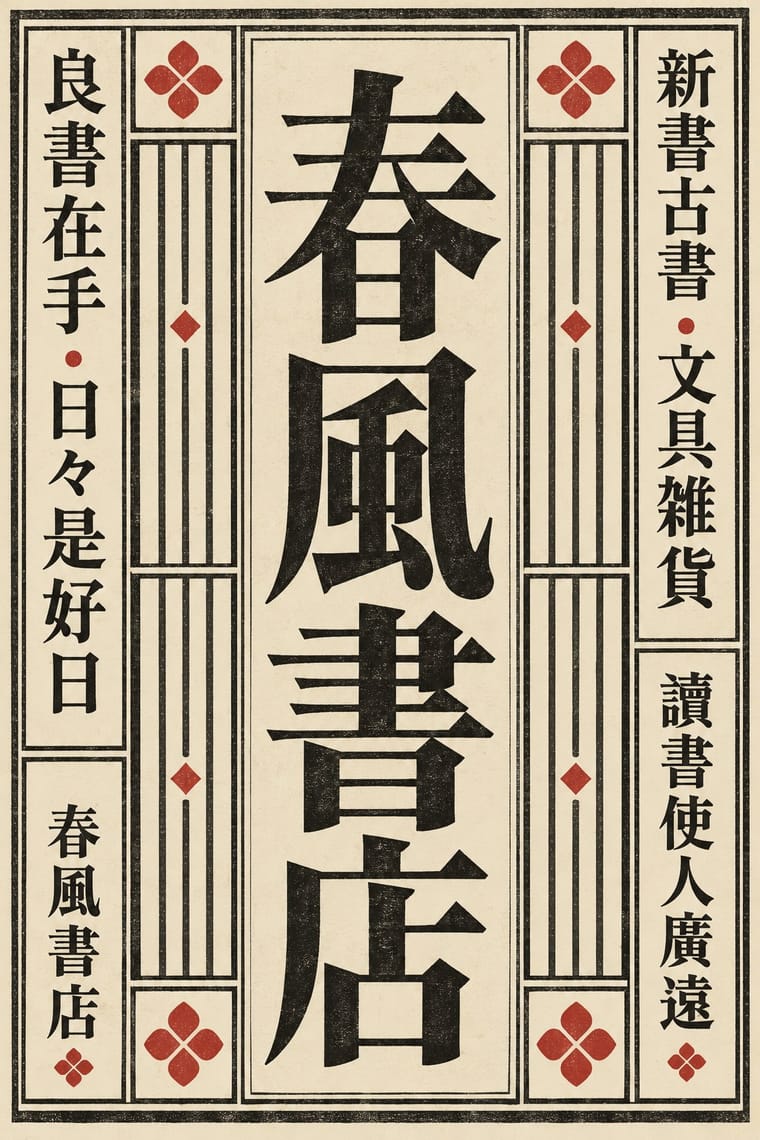
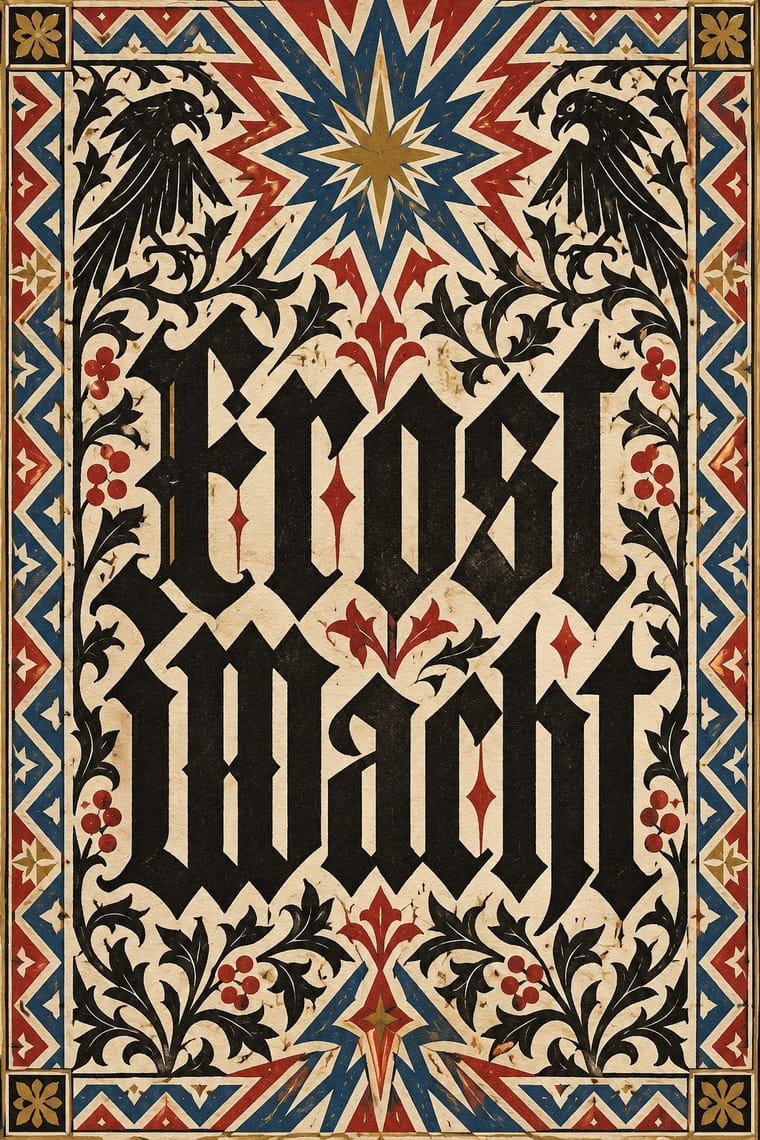
- Tibetan Woodblock Print Culture (Pecha & Prayer Flags)Tibetan Buddhist and Bön woodblock printing, from the first printed Kangyur (1410, cut in China) and the 15th-century presses of Gungthang to the great printing houses of Narthang, Derge and Lhasa.
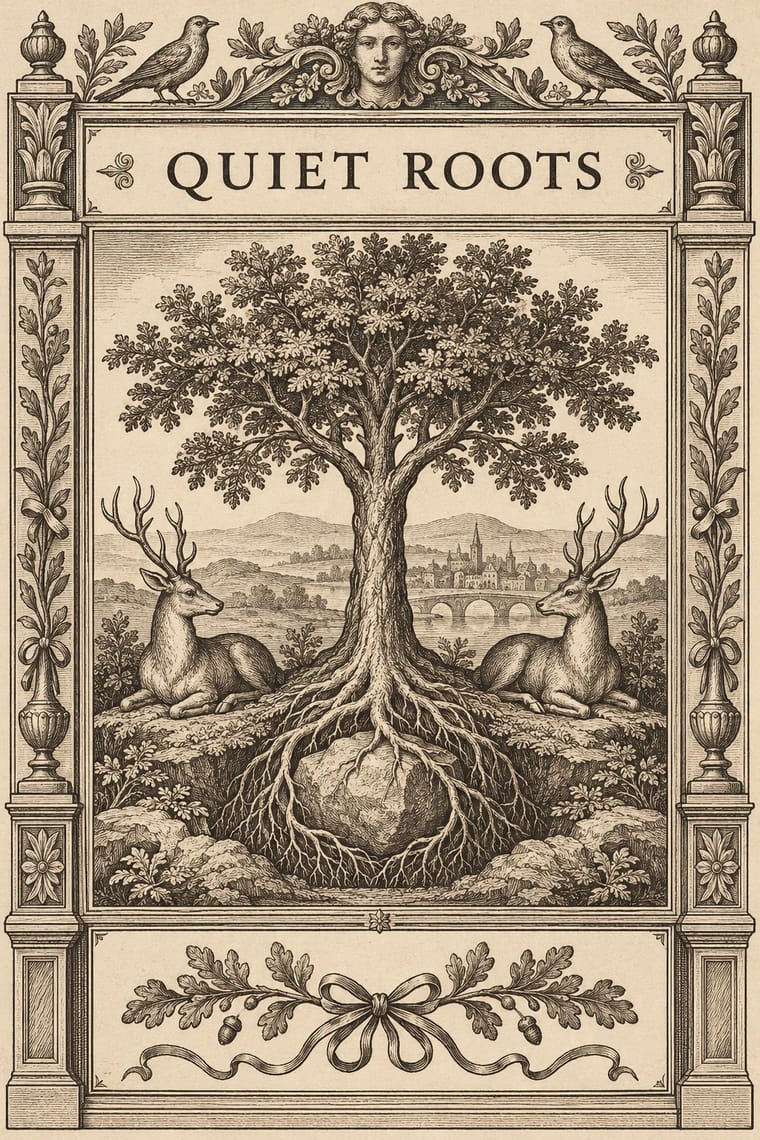
- Ten Bamboo Studio Colour Woodblock (Douban & Gonghua)A kind of colour woodblock printing begun in late-Ming Nanjing, made so that a print looks like a brush painting.
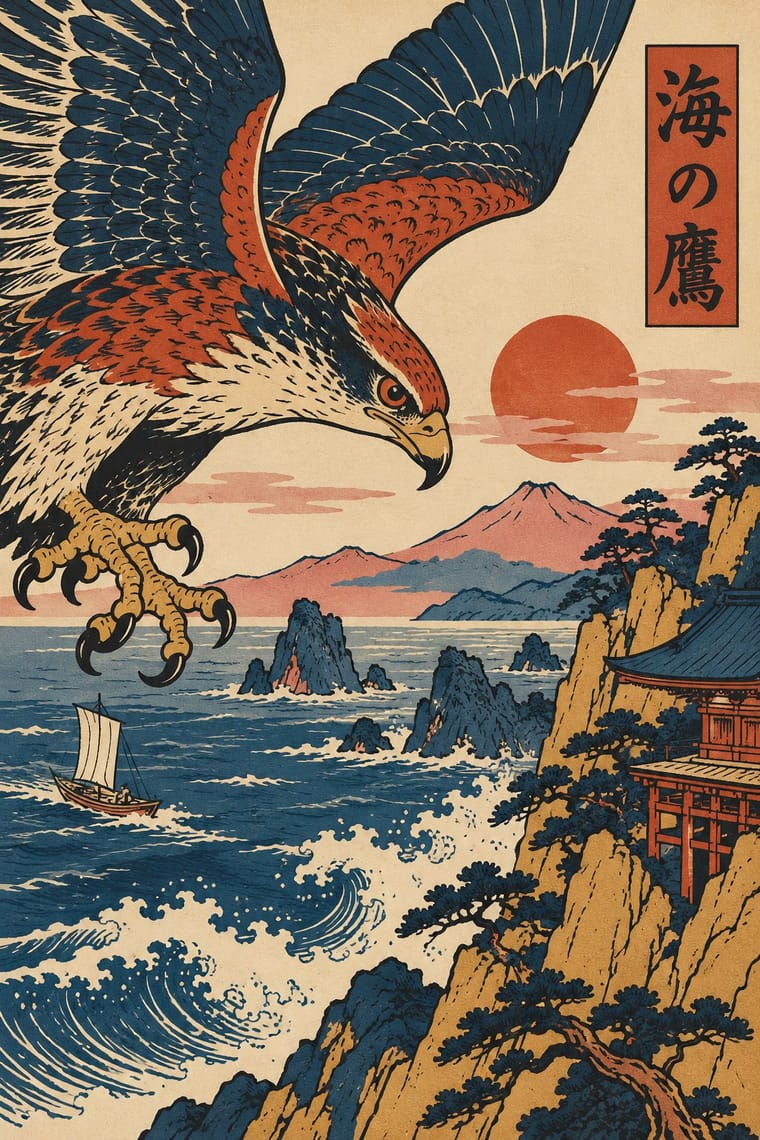
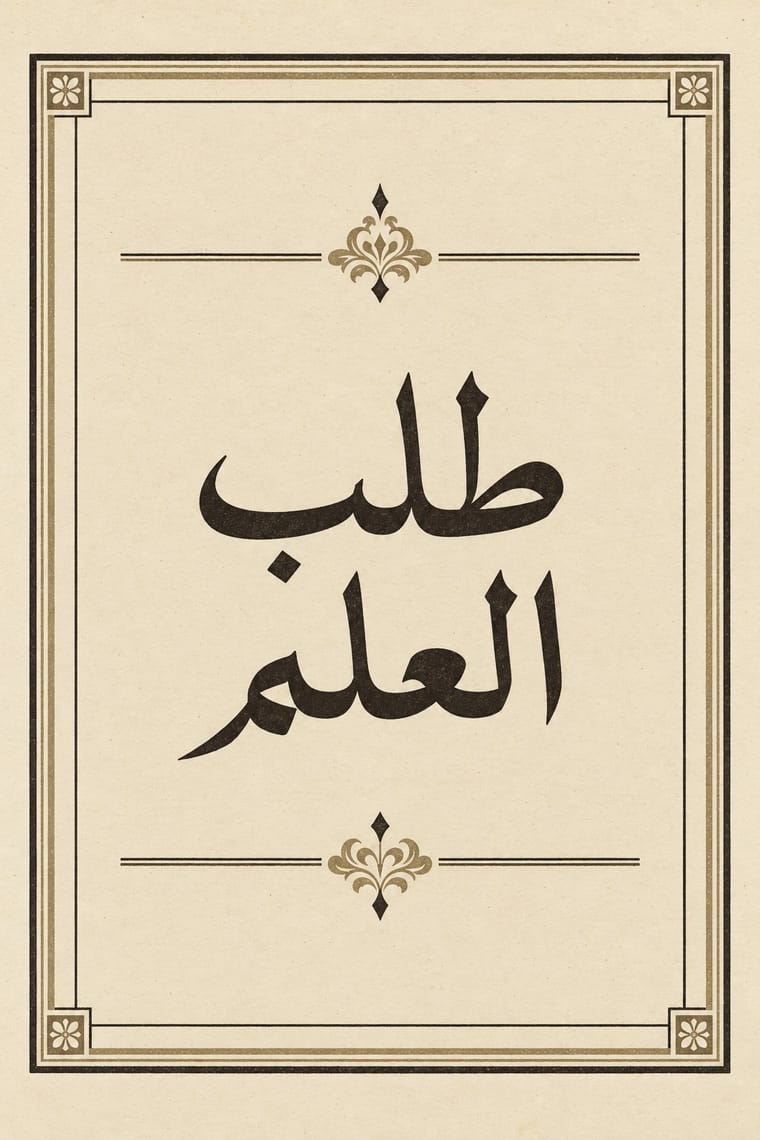
- Urdu Katib LithographyFor about a century and a half Urdu chose lithography over movable type, because metal type could not reproduce the sloping, stacked ligatures of Nastaʿlīq.
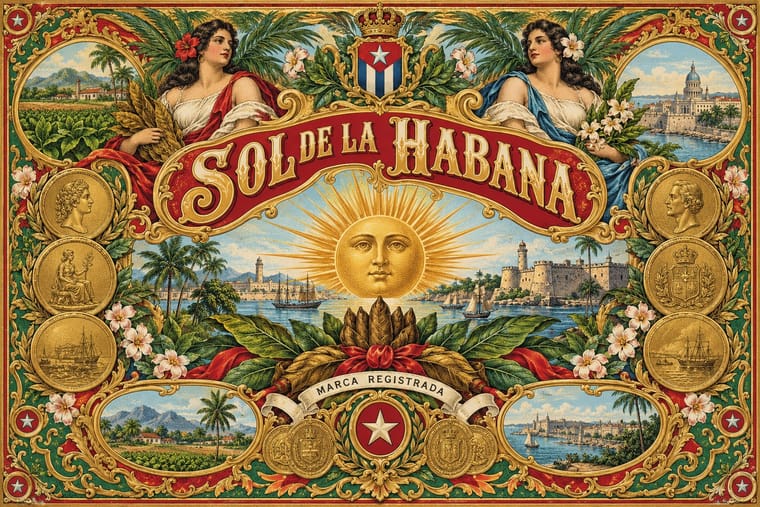
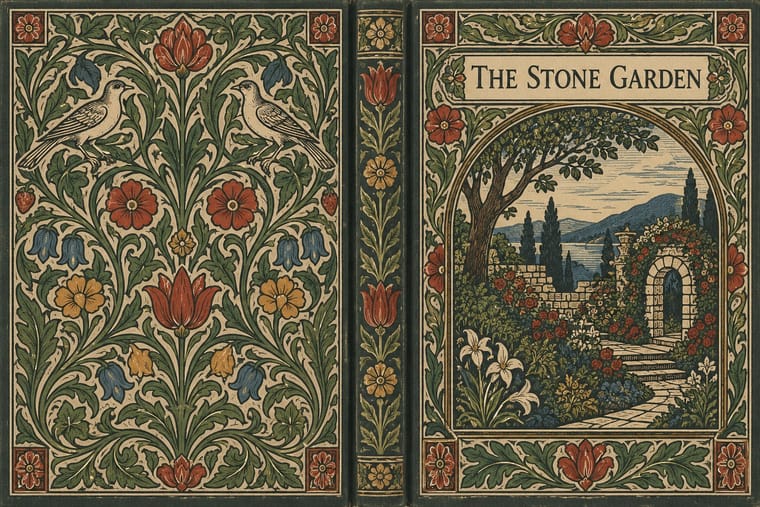
- Lira Popular (Chilean Illustrated Verse Broadsheets)Loose verse sheets printed and sold in Chile's cities from 1866, peaking around 1890 and declining after 1920, though some were still printed into the 1940s.
- Mexican Popular Graphics (Posada)Cheap broadsheets, chapbooks and gazettes sold on the streets of Porfirian Mexico City by the publisher Antonio Vanegas Arroyo and illustrated by Manuel Manilla and José Guadalupe Posada.
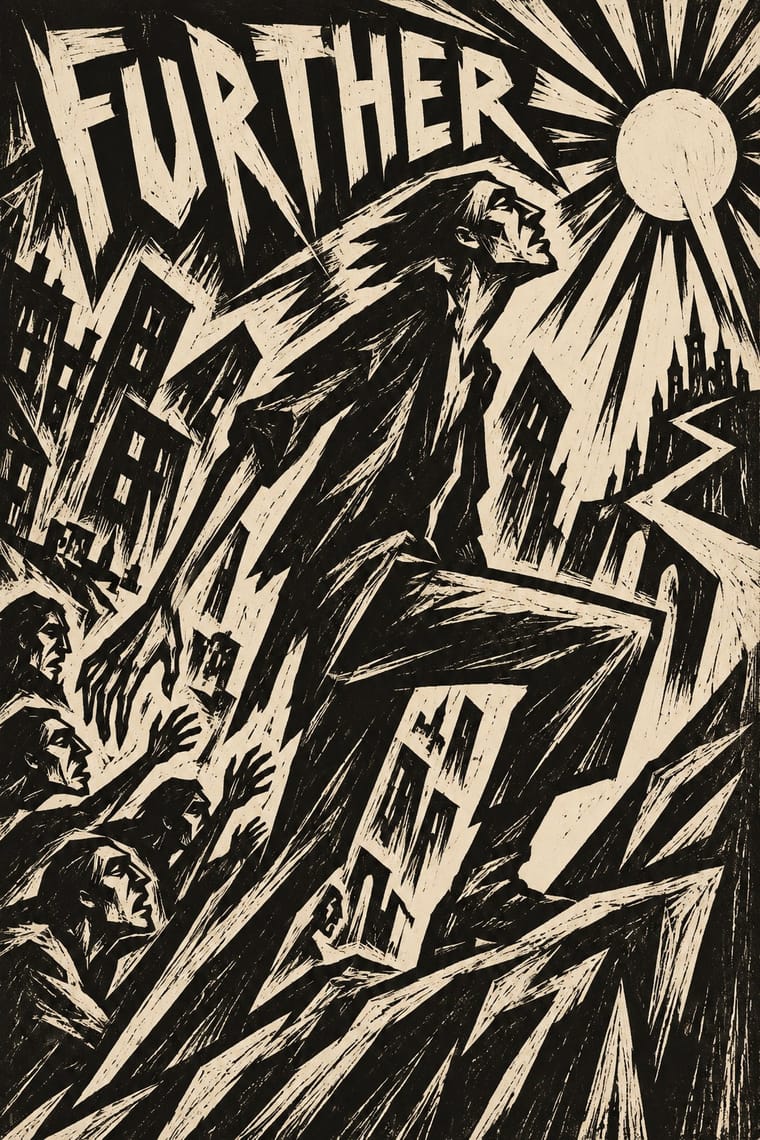
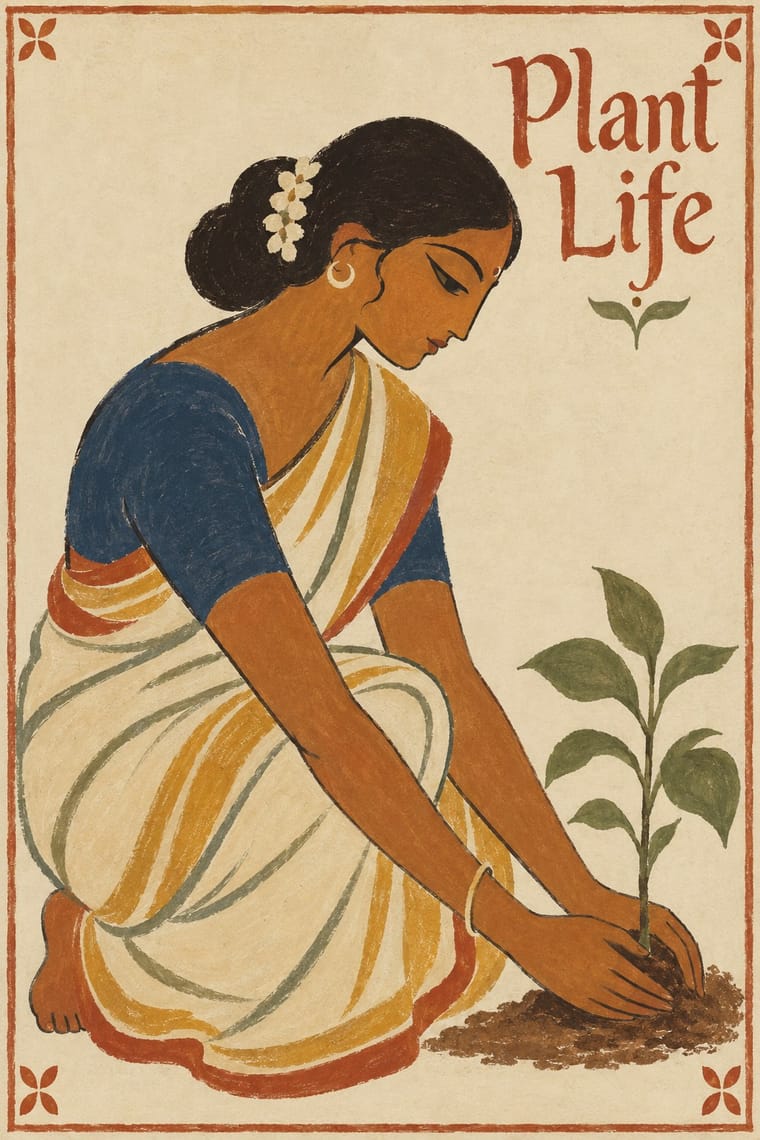
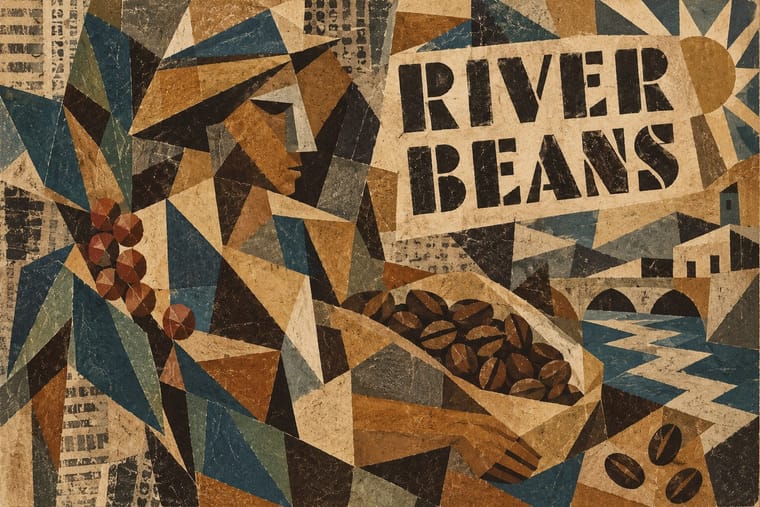
- DadaBorn in wartime Zurich at the Cabaret Voltaire in 1916 and spreading to Berlin, Hanover, Cologne and Paris, Dada used chance, absurdity and provocation against the culture that had produced the war.
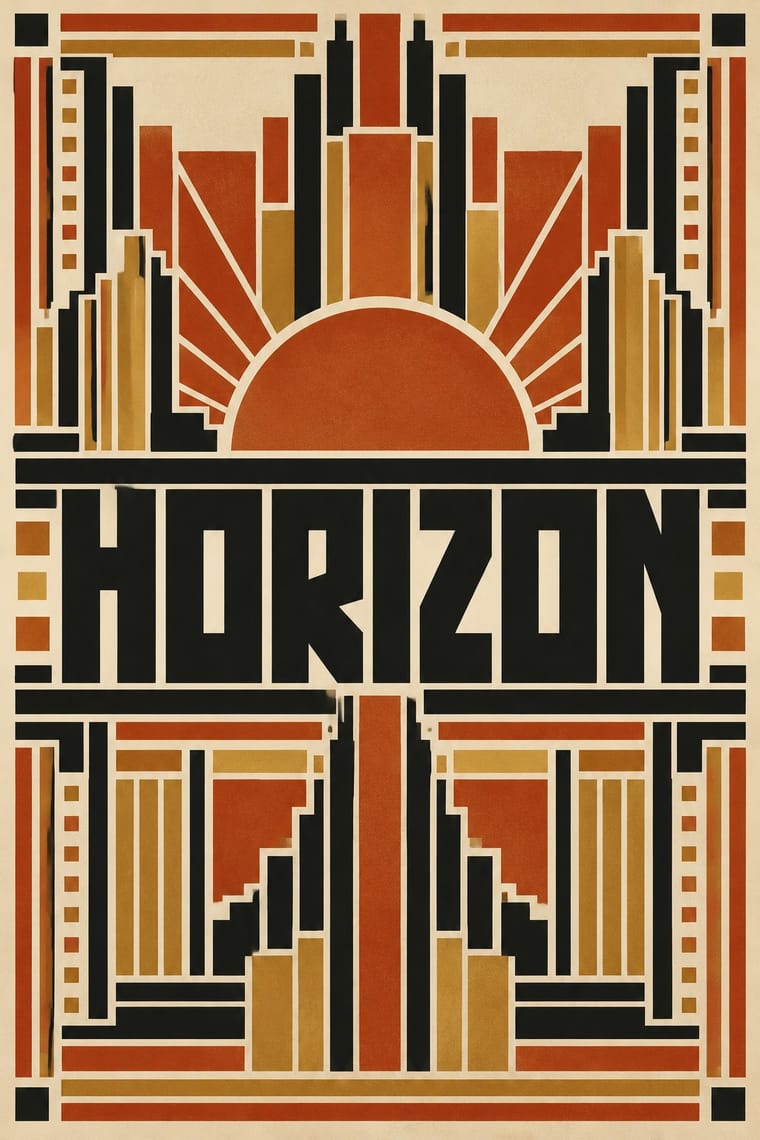
- Estridentismo (Stridentist) GraphicsMexico's first avant-garde (1921-27), launched when Manuel Maples Arce pasted his manifesto Actual No. 1 on Mexico City walls.
- Brazilian Modernismo Graphics (Klaxon and the Semana de 22)The print side of São Paulo's Modernismo (1922-29), set in jobbing print shops.
- MavoTokyo's anarchist avant-garde, founded in July 1923 by Murayama Tomoyoshi, back from a year in Berlin, with four former Futurists, and its magazine MAVO (seven issues, July 1924 to August 1925).
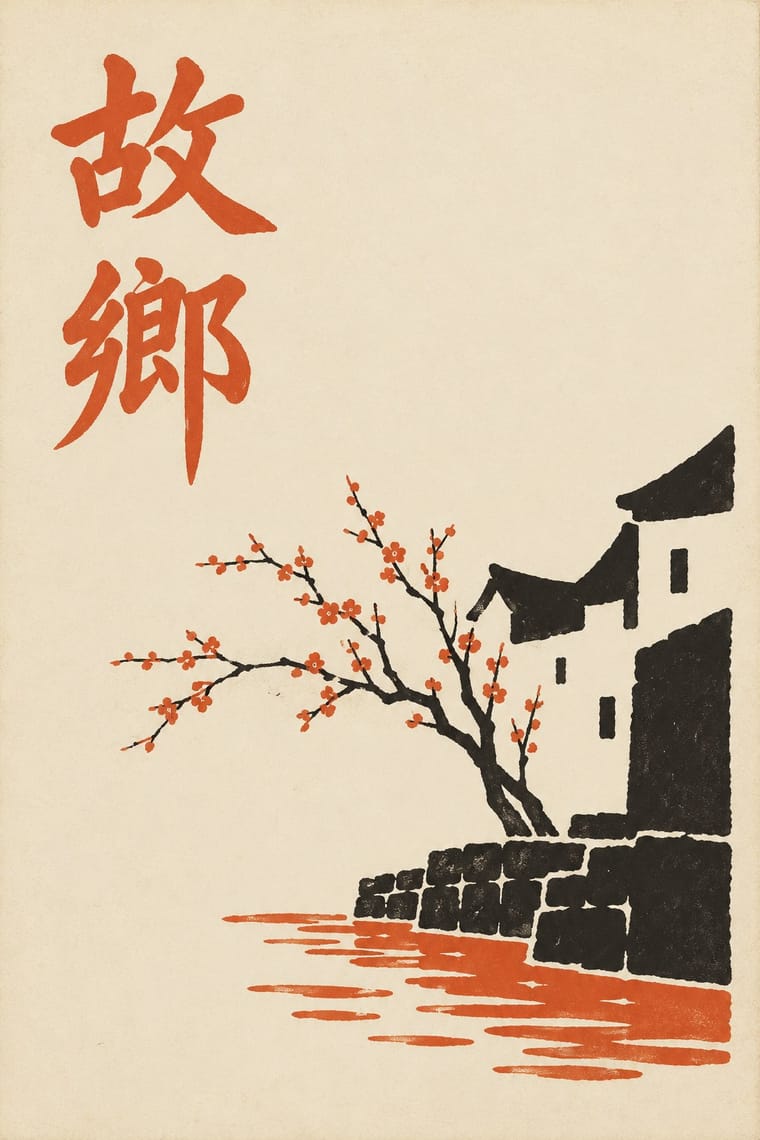
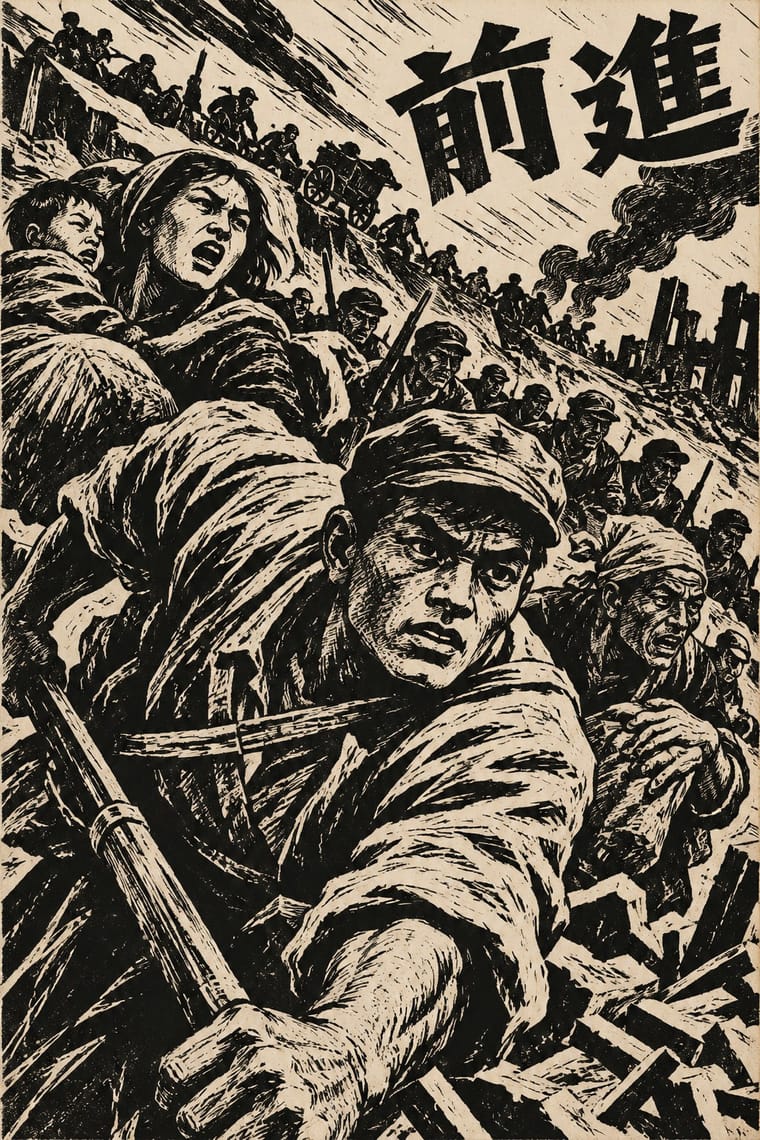
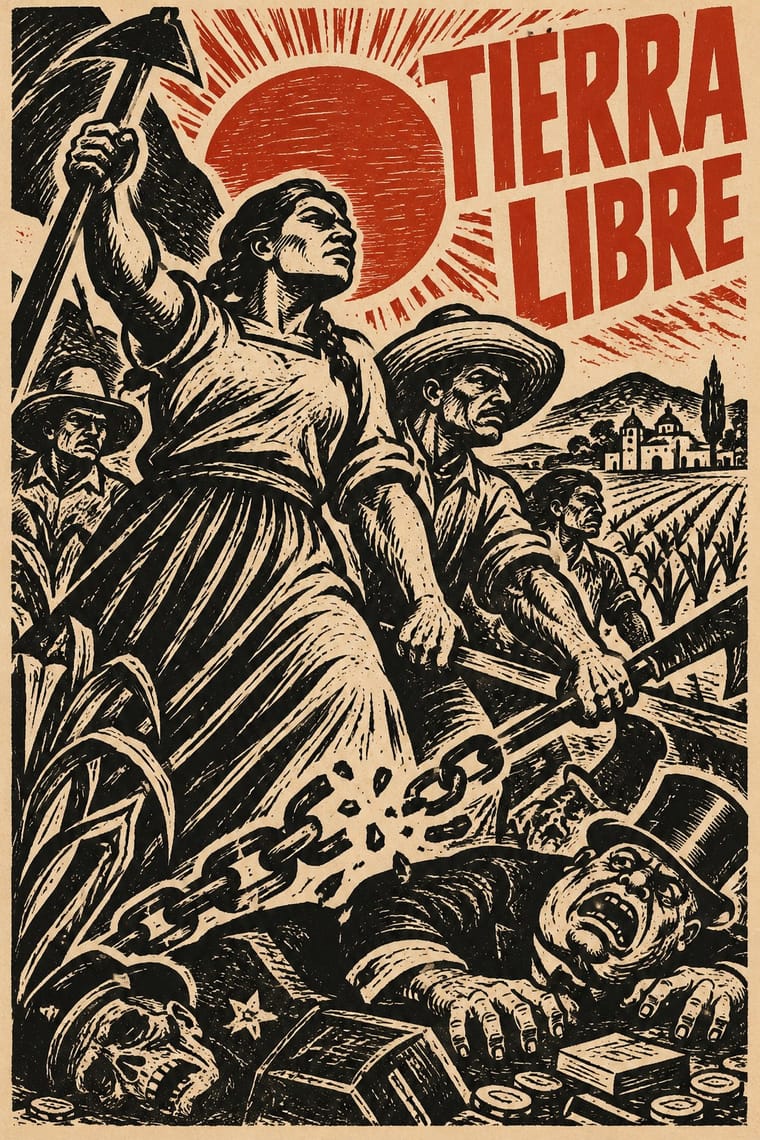
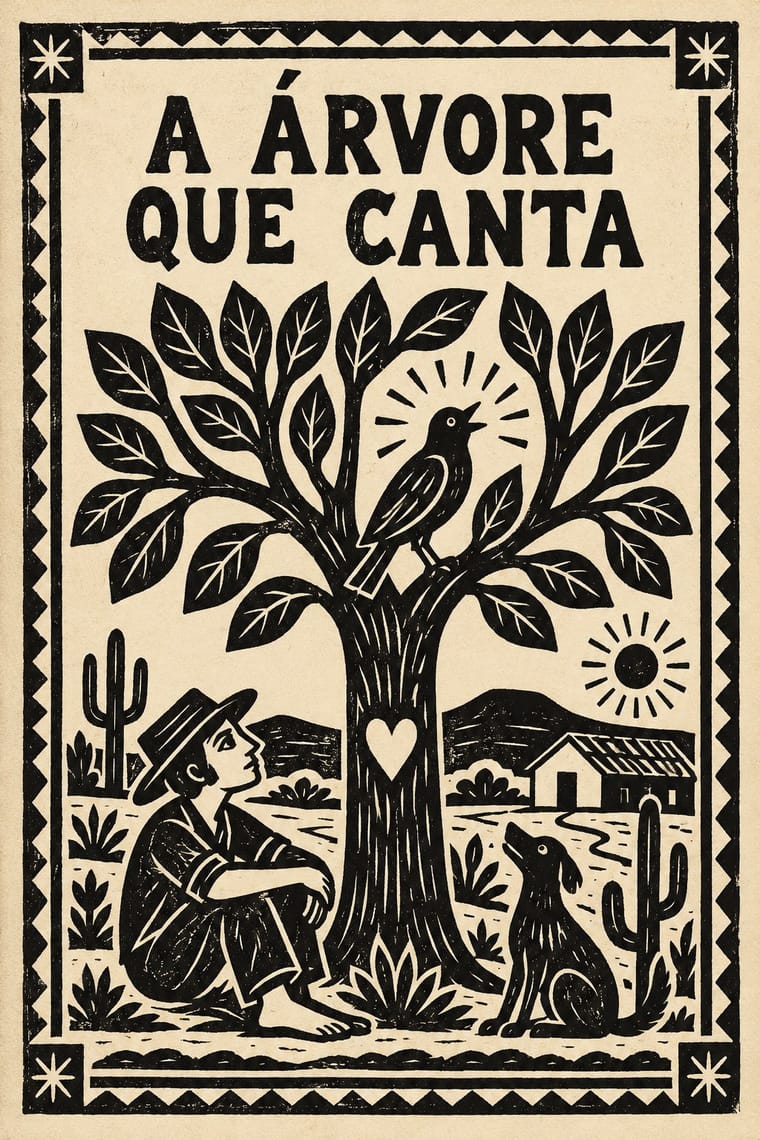
- Machine-Age Simplified Arabic TypeArabic redrawn for the machine rather than the reed pen.
- Hurufiyya Calligraphic ModernismA pan-Arab and Iranian modern-art movement, begun by Madiha Omar in the late 1940s, that freed the letters of the Arabic script from text and used them as abstract visual units.
- Dazibao (Big-Character Posters)Handwritten wall posters in large brush characters that turned the walls of Mao-era China into a public forum for criticism, denunciation and, at the Democracy Wall, dissent.
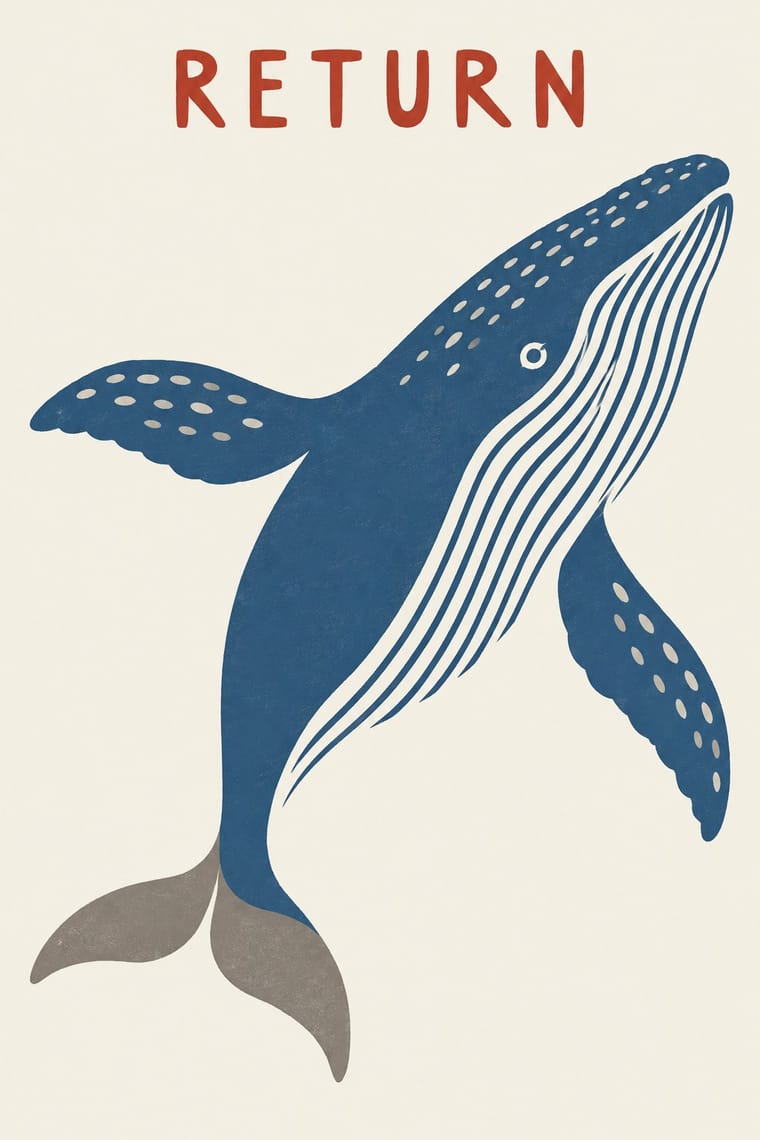
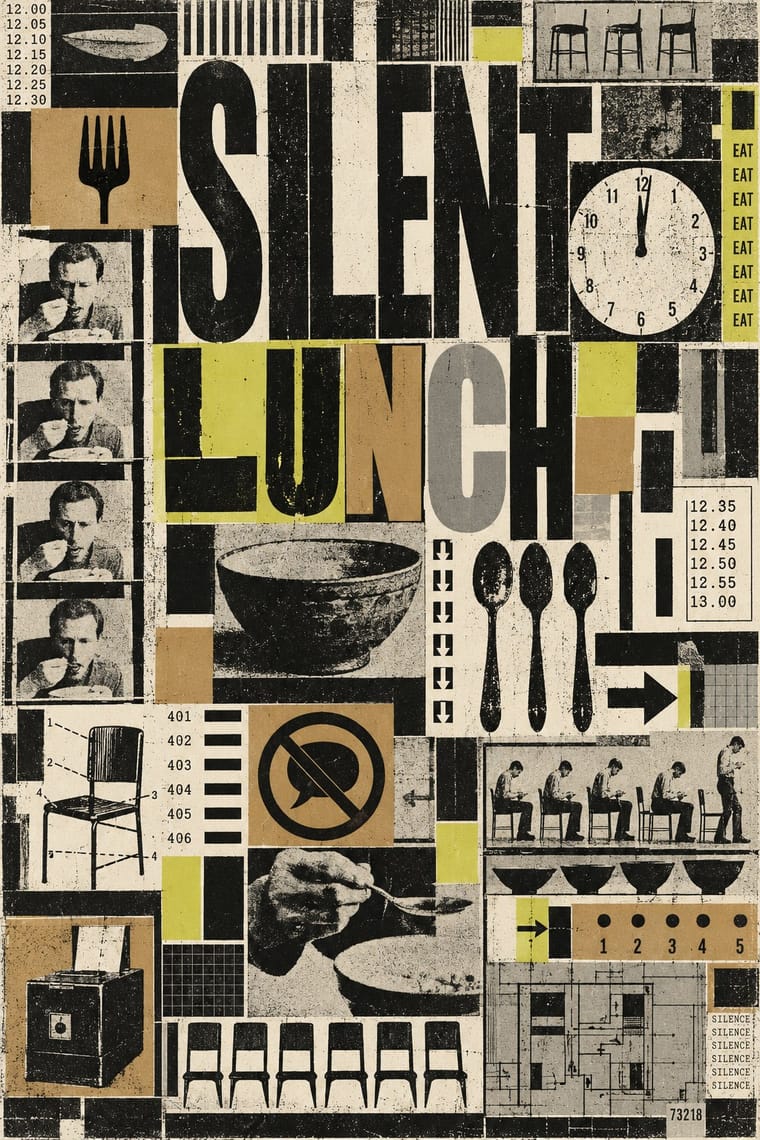
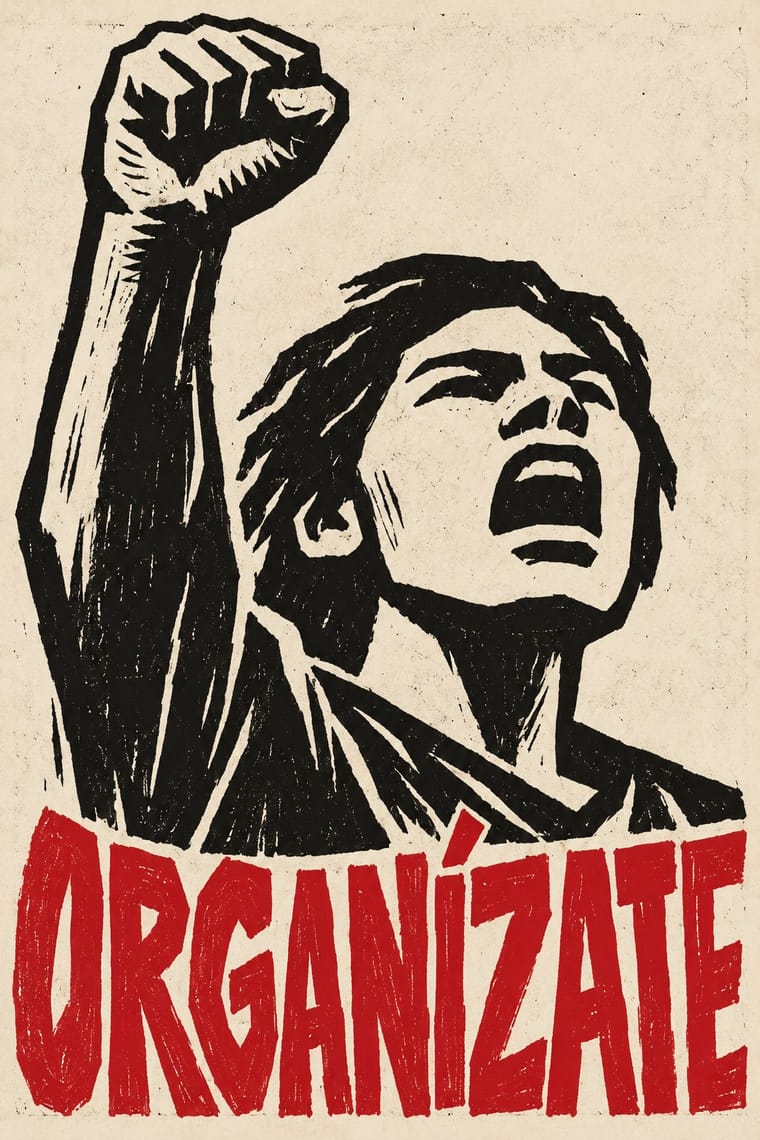
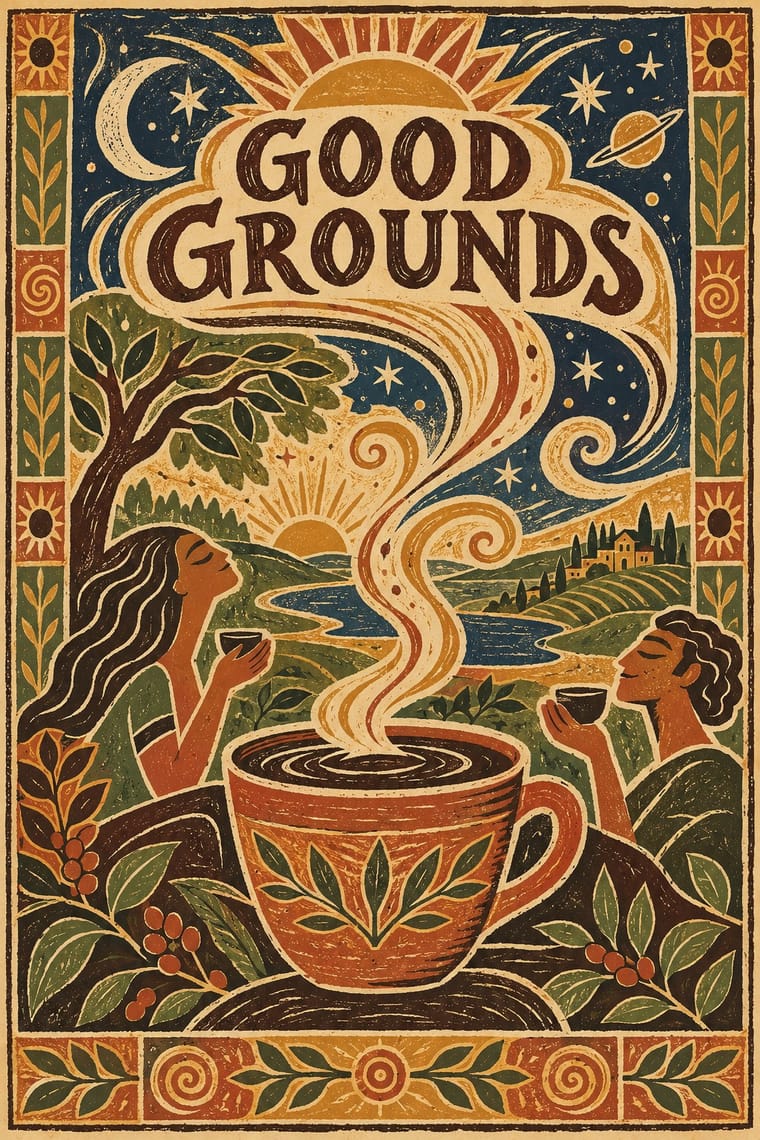
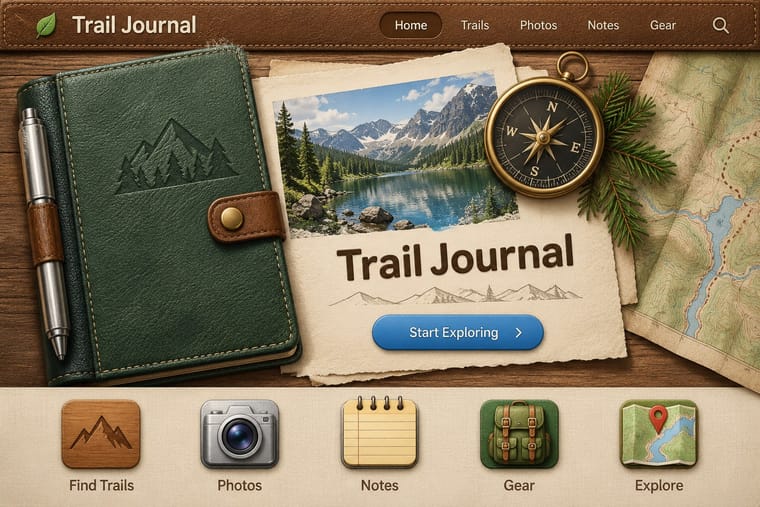
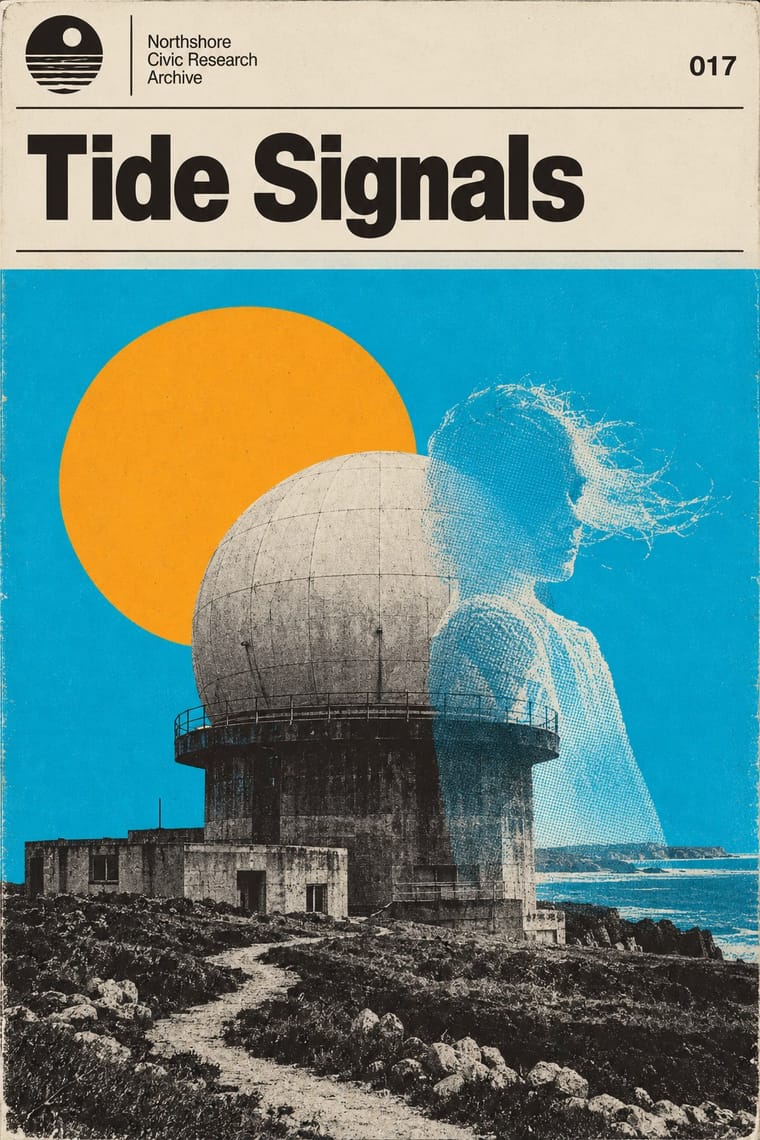
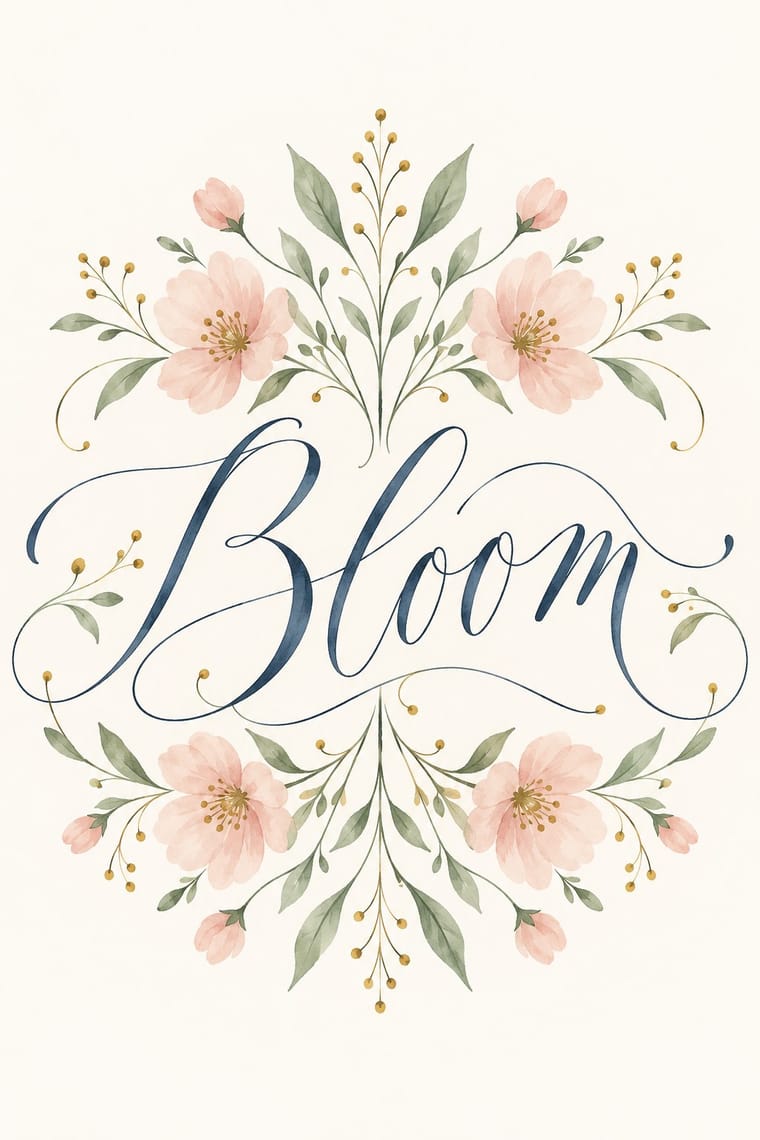
- Oaxacan Protest Printmaking & Street Graphics (ASARO)The street graphics of Oaxaca City since the 2006 teachers' strike and APPO uprising, when ASARO, the stencil collective Lapiztola and later workshops such as Colectivo Subterráneos made the colonial centre's walls a newspaper.
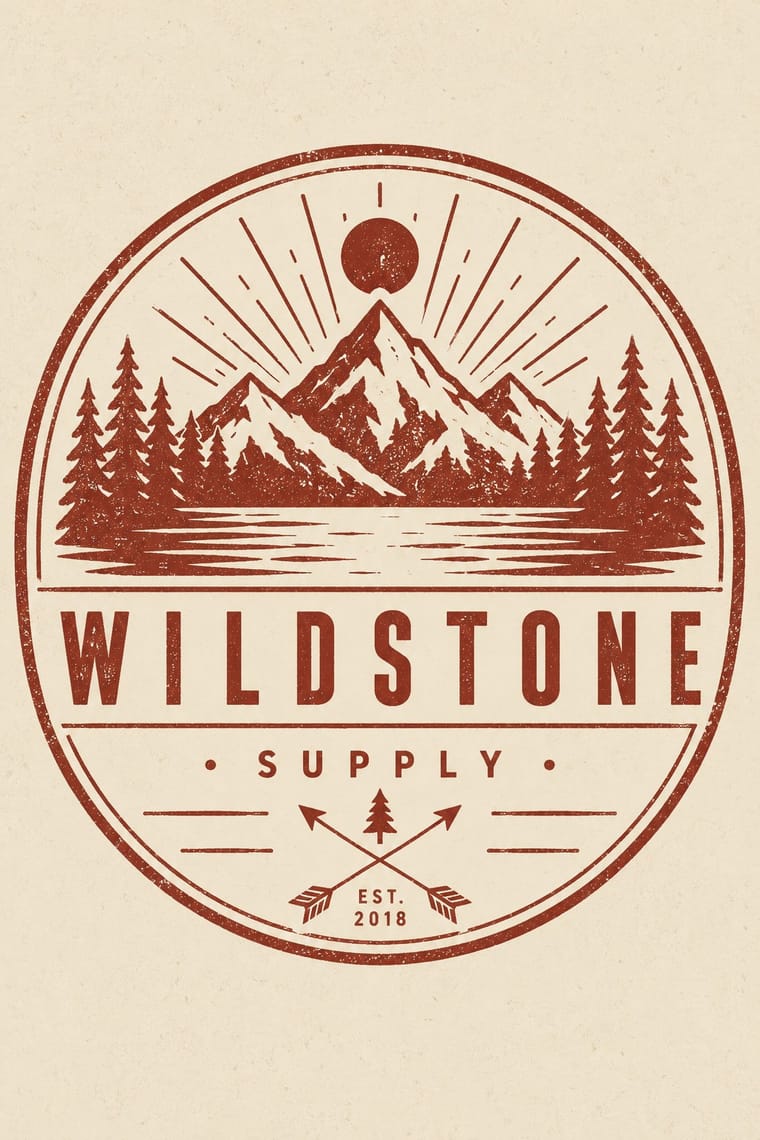
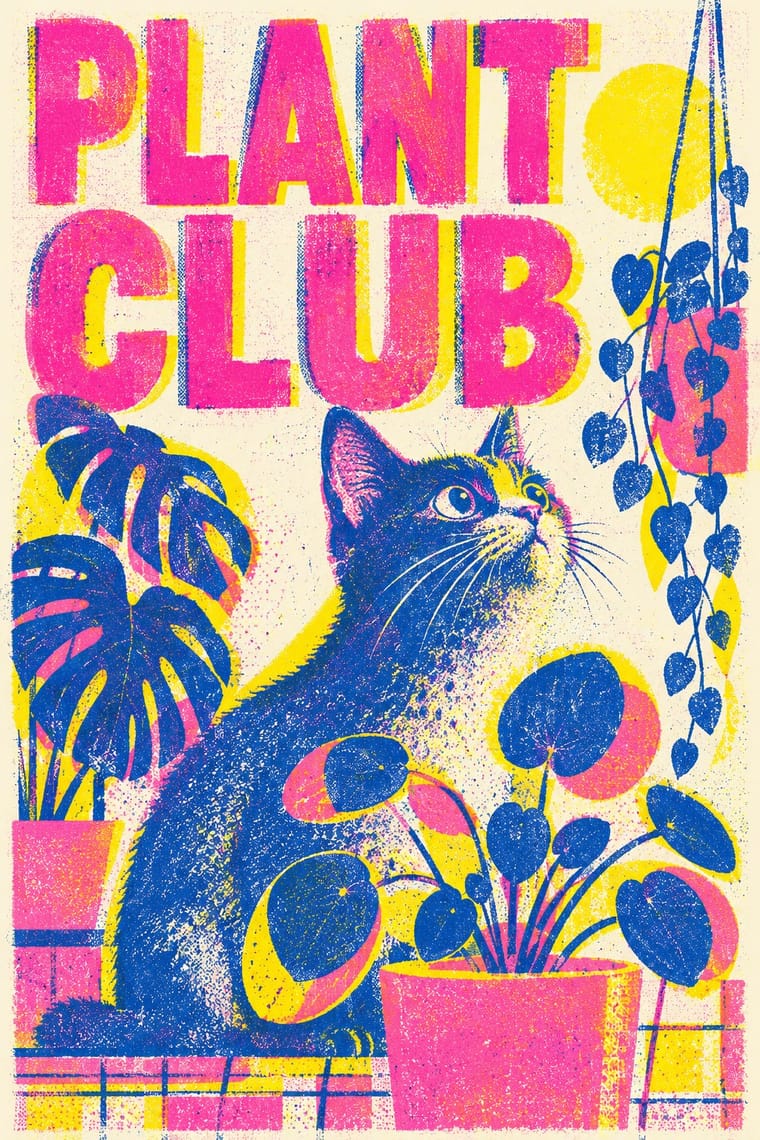
Styles that use it now and then 61
An occasional choice in these styles.
- Ancient Egyptian Hieroglyphic & Register Compositionc. 0–394
- Chinese Paper-Cut (Jianzhi)c. 500–present
- Ethiopian Ge'ez Manuscript & Haräg Illuminationc. 500–present
- Nianhua & Chinese Folk Printc. 1100–present
- Vyaz (Ornamental Slavonic Lettering)c. 1230–present
- Mithila (Madhubani) Paintingc. 1350–present
- Persian Nastaʿlīq Calligraphy (Qiṭʿa, Chalipa and Siyāh-mashq)c. 1400–present
- Zoomorphic & Figural Calligraphy (Islamic Calligrams)1500–present
- Rinpa & Saga-bon1600–present
- Tarot de Marseille Woodcut Cards1639–present
- Lubok Popular Print1650–1920
- Thai Yantra (Yant) Diagrams1700–present
- Burmese Parabaik Painting (Konbaung Folding Books)1752–1885
- Chaekgeori & Minhwa Screen Painting1776–present
- Edo-moji Commercial Lettering (Kanteiryū, Yose-moji, Sumō-ji)1779–present
- Imagerie d'Épinal & European Bilderbogen1796–1939
- Kalighat Pat & Battala Bazaar Prints1830–1930
- Persian Popular Narrative (Lithographs & Coffeehouse Painting)1843–2012
- Celtic Revival Illumination & Lettering1861–1951
- Spanish Bullfight Poster (Cartel Taurino)1879–present
- Norwegian and Finnish National Romantic Graphics (Munthe & Karelianism)1880–1922
- Lotería Card Imagery (Mexican Lotería)1887–present
- Art Nouveau1890–1910
- Mir iskusstva Book Art1898–1927
- Italian Futurism1909–1944
- Taishō Roman & Lyrical Illustration1910–1940
- Vorticism & BLAST Typography1914–1920
- Kultur-Lige & Yiddish Avant-Garde Book Design1917–1924
- ROSTA Windows1919–1922
- Lianhuanhua Picture-Story Books1925–1990
- Filipino Komiks1929–1999
- American Four-Colour Comic Book (Golden to Bronze Age)1934–1993
- American Mid-Century Modernism1940–1970
- Bengali Modernist Book Cover (Prachchhad)1943–present
- Vietnamese Propaganda Poster (Tranh cổ động)1945–present
- Argentine Adventure Historieta (Oesterheld–Breccia)1948–1996
- Polish Poster School1950–1990
- Cairo–Beirut Arab Modernist Book & Periodical Design1952–1990
- Vicente Rojo & Mexican Editorial Modernism1953–1990
- Zagreb School of Animated Film1954–1980
- Chinese National-Style Animation (Shanghai Animation Film Studio)1956–1989
- Di Tella Graphic Design (Instituto Torcuato Di Tella)1960–1970
- Rorke's Drift Linocut1962–1982
- Atelier Populaire (May '68 Screenprint Poster)1968
- Underground Comix1968–1982
- Warli Painting1970–present
- Turkish Weekly Humour Magazines (Gırgır to Uykusuz)1972–2025
- Post-Punk Record Sleeve (Stiff, Factory, 4AD)1977–1990
- Solidarność & Polish Underground Graphics1980–1989
- Pardhan Gond Painting (Jangarh Kalam)1981–present
- Ghanaian Movie Poster1985–2005
- Screenprinted Gig & Alt-Movie Poster1991–present
- Torres Strait Islander Linocut1991–present
- South African Vernacular Design (Ijusi)1995–present
- Korean Commercial Calligraphy (Kaelligeurapi)1999–present
- Arab Independent Comics (Samandal, TokTok, Lab619, Skefkef)2007–present
- Natural Wine Label Art2007–present
- Slow-Living Editorial (the Kinfolk Look)2011–present
- Syrian Revolution Graphics (Kafranbel Banners & Poster Collectives)2011–2024
- Solarpunk2014–present
- Newtro (Korean New-Retro)2017–present
It often goes with
Choices that the styles making it make more often than the atlas as a whole.
- Line illustrationin 92 of 115
- Letterpressin 46 of 115
- Monochromein 79 of 115
- Carved linein 47 of 115
- Woodblock & linocutin 44 of 115
- Light groundin 97 of 115
Styles that avoid it
Styles that deliberately leave it out.
- Phototype Expressive Typography (Lubalin & U&lc)1962–1985
- Demoscene Graphics (Cracktros, Demos & Text-Mode Art)1985–present
- Madinah Mushaf (King Fahd Complex Qur'an Page)1985–present
- Emoji Pictographic Language1997–present
- Y2K Futurism1997–2005
- Fantasy User Interface (FUI) & Sci-Fi HUD1999–present
- Glitch Art & Datamosh Graphics2001–present
- Korean Webtoon Graphics2002–present
- Danmaku Bullet-Comment Overlay2006–present
- Synthwave / Outrun2006–present
- Flat Design2010–2016
- Vaporwave2011–2017
- Low Poly Illustration2012–present
- Analog Horror Graphics2015–present
- Acid Graphics / New Ugly2016–present
- NFT Profile-Picture Collections (CryptoPunks to Bored Apes)2017–present
- Glassmorphism2020–present
- Generative-AI Image Aesthetic2022–present