Surface & texture · Hand & machine marks
Carved line
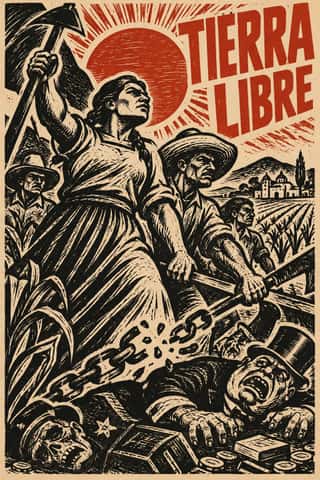
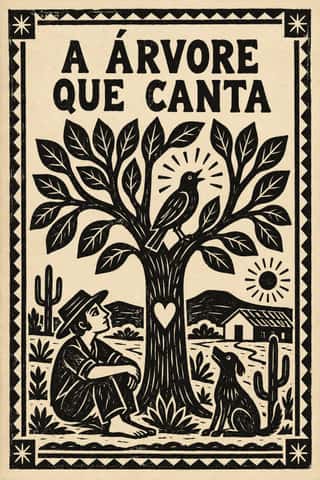
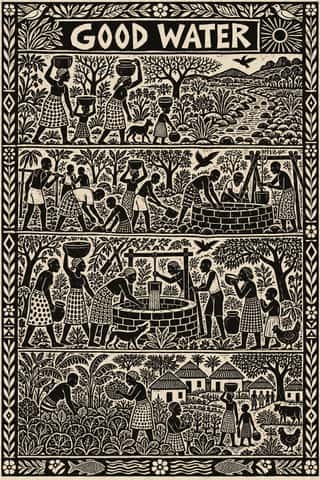
Woodcut, linocut or engraving marks.
A design choice in Stylogeny’s vocabulary, under surface & texture: what is the material finish?
- styles make it
- 67
- as a defining choice
- 23
- as a usual one
- 21
- now and then
- 23
- avoid it
- 8
Styles defined by it 23
For these styles it is one of the choices that make the style.
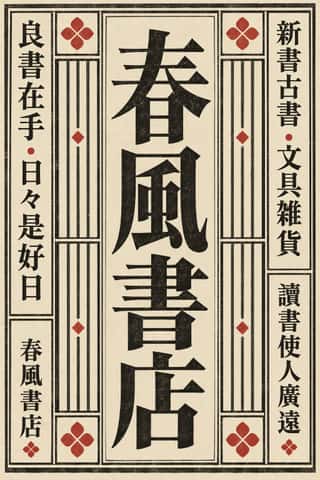
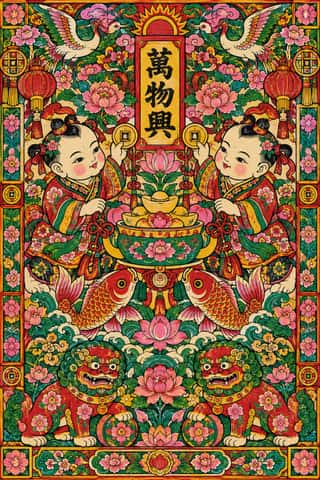
- Tibetan Woodblock Print Culture (Pecha & Prayer Flags)Tibetan Buddhist and Bön woodblock printing, from the first printed Kangyur (1410, cut in China) and the 15th-century presses of Gungthang to the great printing houses of Narthang, Derge and Lhasa.
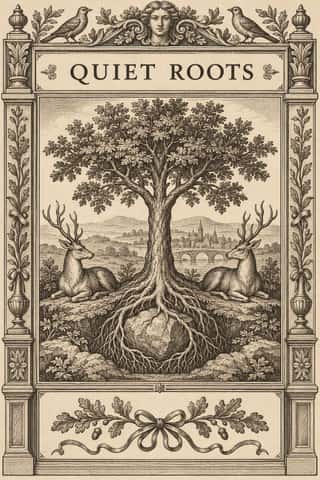
- Đông Hồ & Hàng Trống Folk PrintsVietnam's two classic folk-print schools, bought for Tết. Đông Hồ families press each colour from its own carved block onto giấy điệp, dó paper brushed with ground scallop shell whose streaked, faintly sparkling surface serves as the white, and print the black line last.

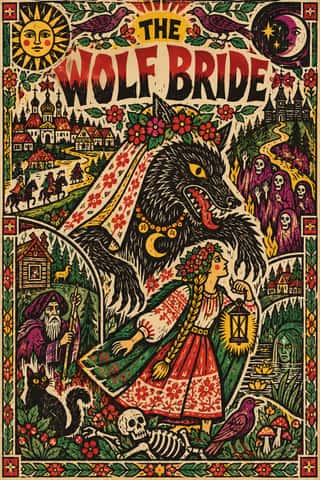
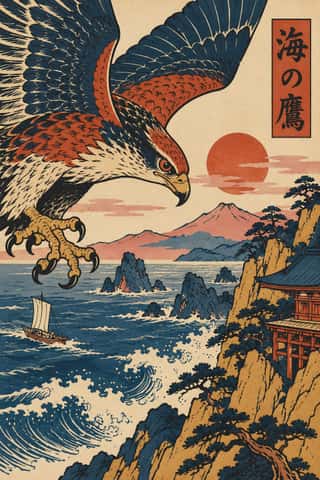
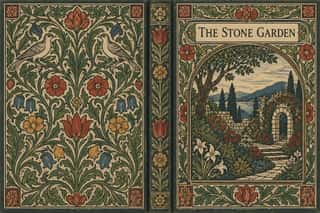
- Mexican Popular Graphics (Posada)Cheap broadsheets, chapbooks and gazettes sold on the streets of Porfirian Mexico City by the publisher Antonio Vanegas Arroyo and illustrated by Manuel Manilla and José Guadalupe Posada.
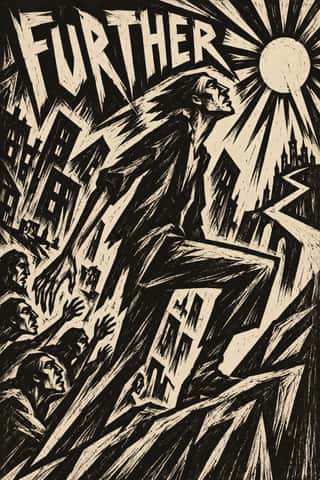
- Estridentismo (Stridentist) GraphicsMexico's first avant-garde (1921-27), launched when Manuel Maples Arce pasted his manifesto Actual No. 1 on Mexico City walls.
- MavoTokyo's anarchist avant-garde, founded in July 1923 by Murayama Tomoyoshi, back from a year in Berlin, with four former Futurists, and its magazine MAVO (seven issues, July 1924 to August 1925).
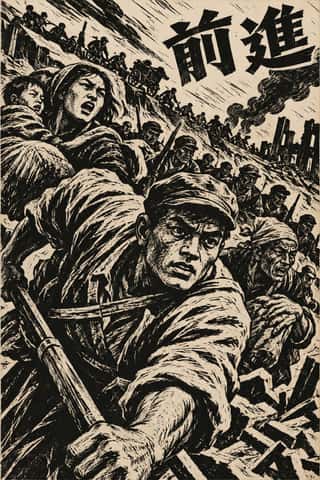
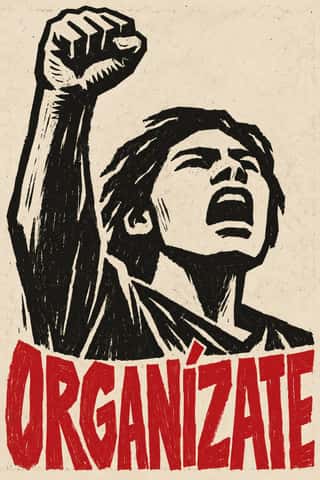
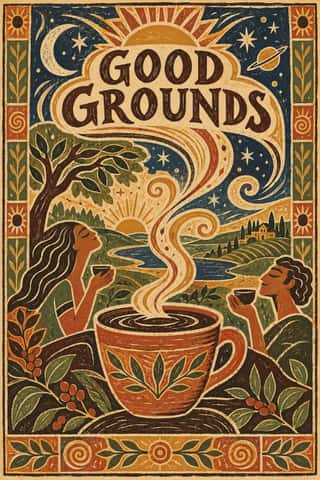
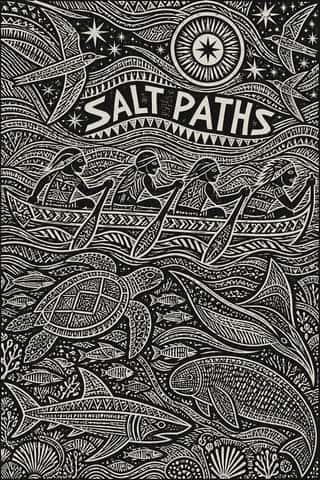
- Indonesian Woodcut Activism (Taring Padi)The protest graphics of Taring Padi, the collective founded by students and activists in Yogyakarta in 1998 as Suharto fell, and of the punk and activist woodcut scenes around it.
- Oaxacan Protest Printmaking & Street Graphics (ASARO)The street graphics of Oaxaca City since the 2006 teachers' strike and APPO uprising, when ASARO, the stencil collective Lapiztola and later workshops such as Colectivo Subterráneos made the colonial centre's walls a newspaper.


Styles that often use it 21
A characteristic choice: usual in these styles, though not essential.
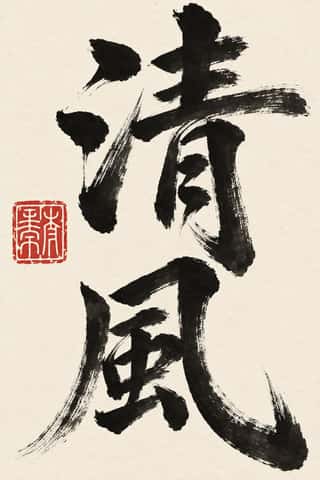
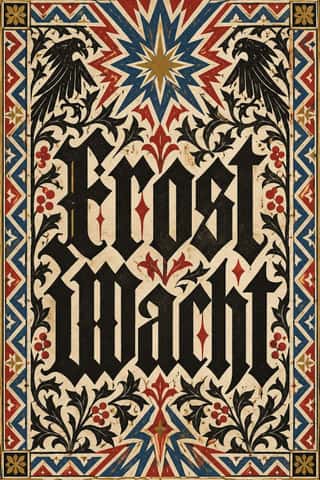
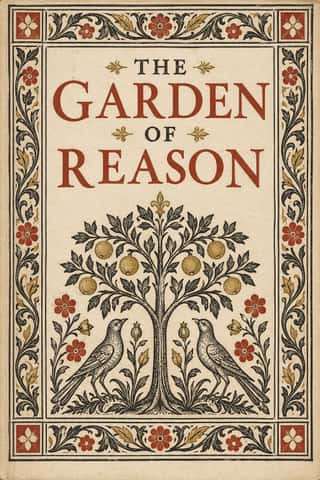
- Javanese Wayang Kulit (Tatah Sungging)The visual language of Javanese shadow puppets: flat figures cut from buffalo parchment, with head and legs in profile, shoulders turned to the front and long jointed arms worked by horn rods.
- Kōwhaiwhai & Toi Māori DesignToi Māori, the visual arts of the tangata whenua of Aotearoa, of which kōwhaiwhai, the painted scroll patterns of paddles and meeting-house rafters, is the most graphic strand.
- Sápmi Graphic Identity (Duodji & Gákti Colour Code)Duodji is Sámi handicraft: hard work in wood, horn and bone, soft work in skin and cloth; drums painted with alder-bark figures survive from the 17th and 18th centuries.
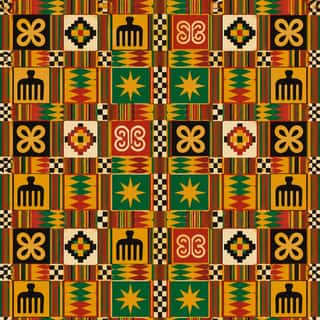
- Northwest Coast Formline DesignThe two-dimensional design system of the northern Northwest Coast nations, painted, carved and woven onto boxes, house fronts, robes and hats, and printed as serigraphs since the 1960s.
- Thai Yantra (Yant) DiagramsThai protective diagrams in which Pali formulae, written in Khom, a sacred script derived from Khmer, are packed into squares, circles, triangles, spires and the outlines of Buddhas, monks and tigers, often framed by lines of script.

- Kalighat Pat & Battala Bazaar PrintsThe bazaar art of nineteenth-century Calcutta: watercolours sold to pilgrims by patua painters at the Kalighat temple, and the cheap woodcuts and metal engravings that Battala presses printed for chapbooks and almanacs.
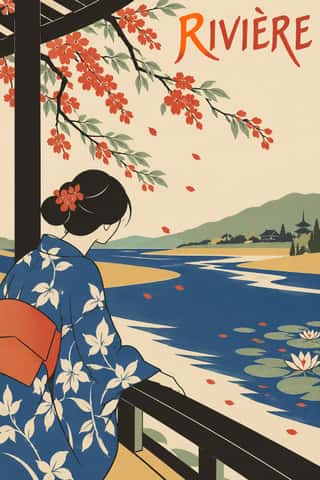
- Norwegian and Finnish National Romantic Graphics (Munthe & Karelianism)The flat, decorative branch of Norway's and Finland's national romanticism, which turned Viking carving, the sagas, the Kalevala and old peasant weaving into modern ornament.
- German Book Art Movement (Buchkunstbewegung)The German reform of the book, from the magazine Pan (1895) to the private presses that ended around 1933.
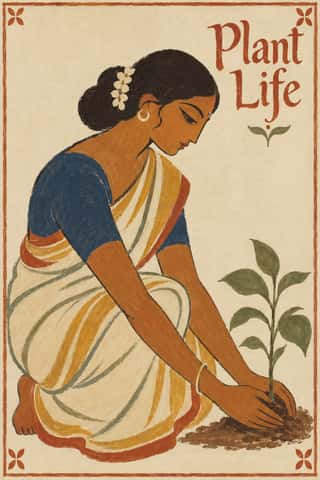
- Vorticism & BLAST TypographyLondon's short-lived rival to Futurism, launched by Wyndham Lewis with BLAST (dated 20 June 1914; War Number, July 1915).



Styles that use it now and then 23
An occasional choice in these styles.
- Amazigh Sign System & Tifinaghc. 0–present
- Ancient Egyptian Hieroglyphic & Register Compositionc. 0–394
- European Heraldryc. 1140–present
- Mongol Bichig Calligraphy & Ugalz Ornamentc. 1204–present
- Vyaz (Ornamental Slavonic Lettering)c. 1230–present
- Edo-moji Commercial Lettering (Kanteiryū, Yose-moji, Sumō-ji)1779–present
- Victorian Letterpress & Wood Type1810–1900
- Persian Popular Narrative (Lithographs & Coffeehouse Painting)1843–2012
- Celtic Revival Illumination & Lettering1861–1951
- Nieuwe Kunst (Dutch Art Nouveau)1892–1914
- Vienna Secession1897–1918
- Russian Futurist Book1910–1920
- Republican Chinese Book Cover Design (Lu Xun & Tao Yuanqing)1923–1949
- Surrealist Graphics1924–1960
- Isotype Pictorial Statistics1925–1971
- Filipino Komiks1929–1999
- Vietnamese Propaganda Poster (Tranh cổ động)1945–present
- Argentine Adventure Historieta (Oesterheld–Breccia)1948–1996
- Push Pin Style1954–1980
- Fluxus Graphics (Maciunas)1962–1978
- Palestinian Resistance Poster1965–1993
- Contemporary Chinese Book Design ('Most Beautiful Books of China')2003–present
- Latin American Feminist Protest Graphics (Ni Una Menos and the Green Wave)2015–present
It often goes with
Choices that the styles making it make more often than the atlas as a whole.
- Woodblock & linocutin 47 of 67
- Line illustrationin 58 of 67
- Paper & letterpress bitein 46 of 67
- Spiritual & sacredin 40 of 67
- Framed panelsin 51 of 67
- Monochromein 48 of 67
Styles that avoid it
Styles that deliberately leave it out.