Space & hierarchy · Hierarchy
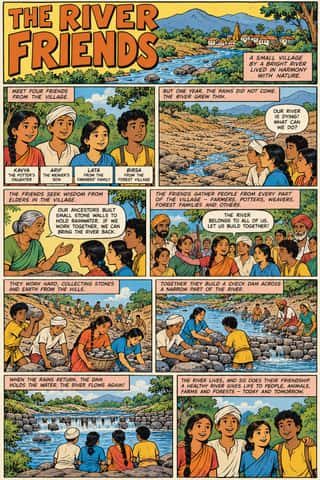
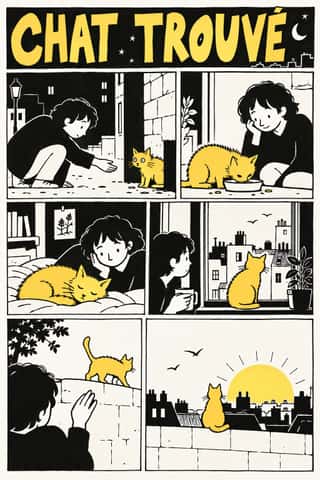
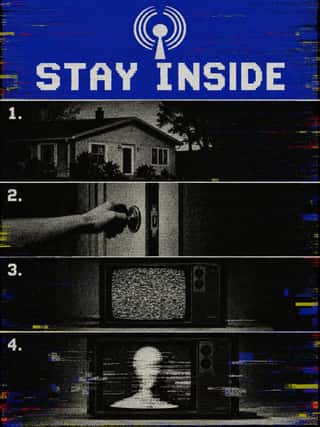
Sequential narrative
Read as a sequence or story: panels, pages, scrolling, frames.
A design choice in Stylogeny’s vocabulary, under space & hierarchy: how is attention distributed?
- styles make it
- 98
- as a defining choice
- 27
- as a usual one
- 29
- now and then
- 42
- avoid it
- 2
Styles defined by it 27
For these styles it is one of the choices that make the style.
Mixteca-Puebla Codex PaintingThe painted screenfold books of Postclassic southern and central Mexico (not the Maya codices): long strips of gesso-coated deerskin, folded like a screen and painted on both sides.
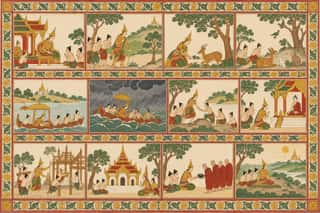
Burmese Parabaik Painting (Konbaung Folding Books)Painted Burmese folding books of the Konbaung court and its monasteries.
- Persian Popular Narrative (Lithographs & Coffeehouse Painting)Iran's popular picture-stories in two media.
ROSTA WindowsHand-stencilled satirical news posters made by the Russian Telegraph Agency during the Civil War and hung in empty shop windows, first in Moscow, then in Petrograd and provincial towns.
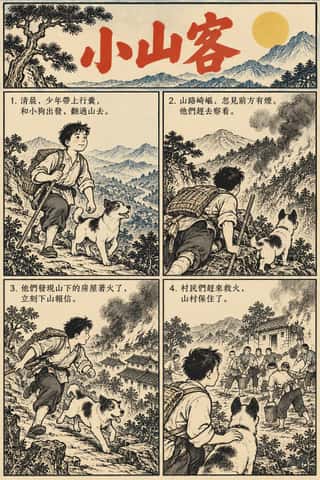
Lianhuanhua Picture-Story BooksPalm-sized Chinese picture books, about three by five inches, that tell a novel, opera, film or revolutionary story in hundreds of single framed drawings, one to a page, each with a short caption.
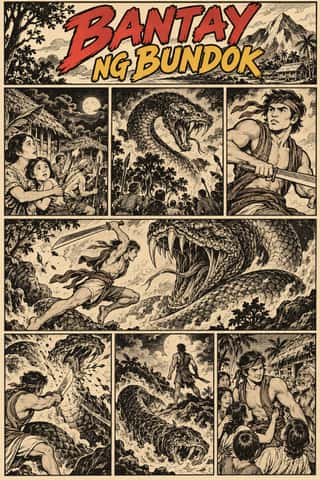
Filipino KomiksThe Philippines' newsstand comics magazines, from Kenkoy in Liwayway (1929) and Ace's Pilipino Komiks (1947) to the fall of the Roces titles in the late 1990s.
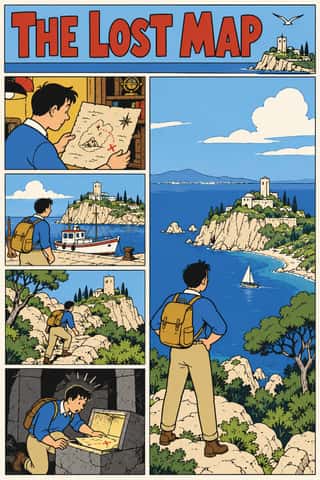
Ligne Claire (Franco-Belgian Clear Line)The comic drawing style of Hergé's Tintin and the Brussels school, named 'klare lijn' by Joost Swarte in 1977.
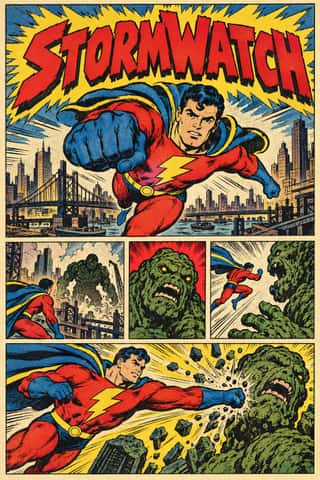
American Four-Colour Comic Book (Golden to Bronze Age)The American newsstand comic book from Famous Funnies (1934) and Action Comics #1 (1938) through the Golden, Silver and Bronze Ages, and past the Bronze Age's end in 1985 until computer colour replaced hand separations in the early 1990s.
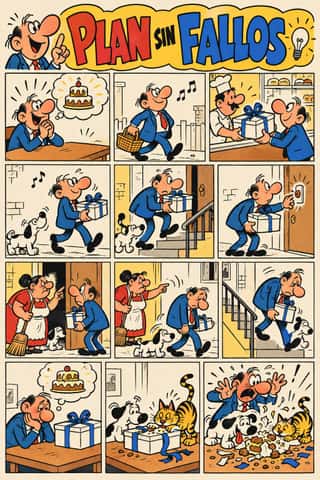
Escuela Bruguera (Spanish Humour Comics)The house style of Editorial Bruguera's humour cartoonists in Barcelona from 1947 to 1986, named the 'Escuela Bruguera' by Terenci Moix in 1968.
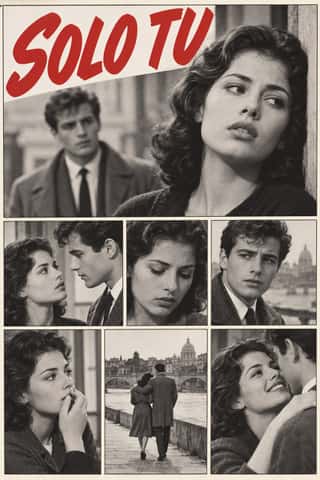
Fotoromanzo (Italian Photo-Romance)The photo-romance of the Italian women's weeklies: a melodrama told in staged photographs, first printed by Il mio sogno and Bolero Film in May 1947 and copied from France to Brazil.
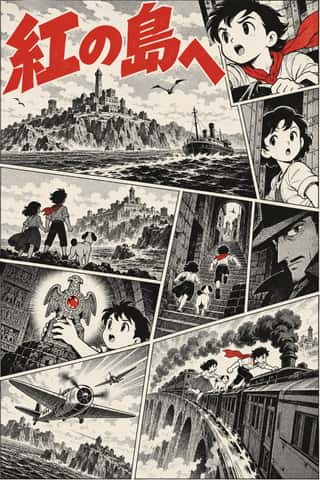
Story Manga (Postwar Japanese Comics)The black-and-white narrative comic of postwar Japan, from Tezuka Osamu's Shin Takarajima (1947) to the weekly boys' magazines of 1959 and 1968 and the paperbacks that collect them.
Argentine Adventure Historieta (Oesterheld–Breccia)The adult adventure comics of Buenos Aires newsstand magazines, from Misterix (1948) and Oesterheld's Hora Cero (1957) to Skorpio and Fierro; the humour line of Patoruzú, Rico Tipo and Mafalda is another tradition.
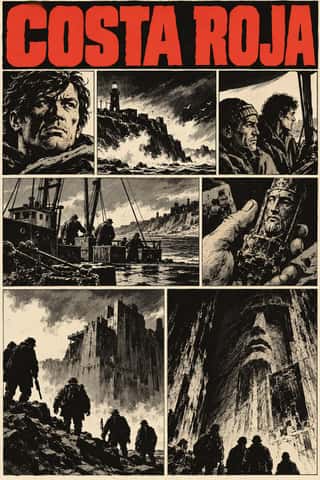
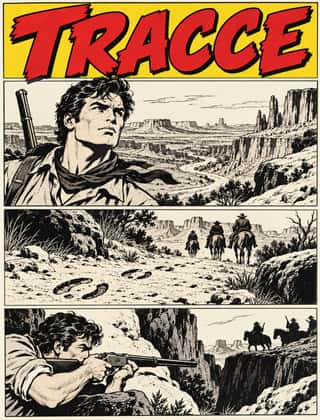
Bonelli Fumetto (Italian Popular Adventure Comics)The house format of Milan's Bonelli publishing house and its imitators (Tex, Zagor, Dylan Dog, Nathan Never): monthly newsstand paperbacks of 16 x 21 cm with about a hundred black-and-white pages, each a long episode of a serial hero.
Arab Children's Comic Magazines (Samir to Majid)Arabic children's comics weeklies, from Dar al-Hilal's Samir in Cairo (1956) to Abu Dhabi's Majid (1979), mixing translated Western strips with house characters by Egyptian, Lebanese, Armenian and European artists.
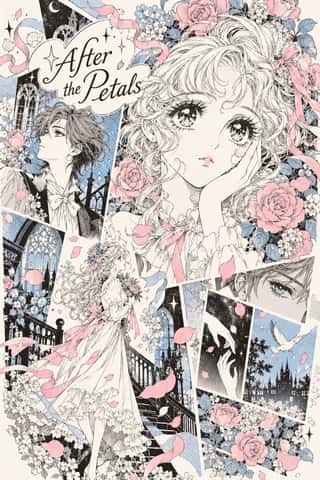
Shōjo Manga (Japanese Girls' Comics)The look of Japan's girls' comics (strictly a readership, not a style), which Takahashi Macoto fixed in 1958 from the lyrical illustration (jojōga) of Nakahara Jun'ichi and the Year 24 Group remade in the 1970s.
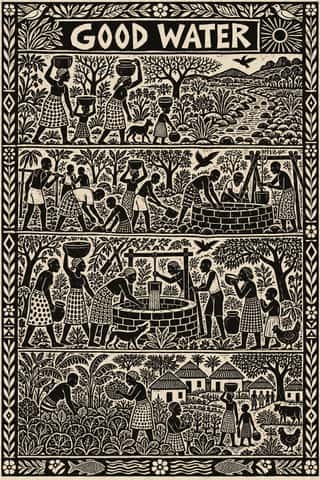
Rorke's Drift LinocutThe prints of the Lutheran art centre that Swedish teachers Peder and Ulla Gowenius started at Ceza Hospital in 1962 and moved to Rorke's Drift in 1963: under apartheid, which denied Black South Africans formal fine-art education, the chief training ground for many Black artists.
Amar Chitra Katha ComicsThe Bombay comic-book series that from 1967 retold Hindu myth and epic, Buddhist and Jain tales, saints, folk legends, the jests of the court wits Birbal and Tenali Raman, and Indian history for children, in English and Indian languages, with well over 500 titles by the early 1990s.
Underground ComixSelf-published, adults-only comic books from the San Francisco counterculture, made outside the Comics Code on the newsstand comic's format.
Métal hurlant Science-Fiction Comics (Mœbius, Druillet & Les Humanoïdes Associés)The adult science-fiction comics of Métal hurlant, the Paris magazine founded in 1974 by Mœbius, Philippe Druillet, Jean-Pierre Dionnet and Bernard Farkas.
L'Association and French Alternative ComicsThe black-and-white auteur comics of L'Association, the Paris publisher founded by seven cartoonists in 1990, and the 1990s small-press scene it led.
- Bitterkomix (Afrikaans Underground Comics)The Afrikaans underground comics magazine founded in Stellenbosch in 1992 by Anton Kannemeyer (Joe Dog) and Conrad Botes (Konradski), with Mark Kannemeyer (Lorcan White).
Korean Webtoon GraphicsThe full-colour, vertical-scroll comic that Korean web portals made standard in the 2000s and smartphone apps took worldwide.
- Contemporary Chinese Book Design ('Most Beautiful Books of China')Chinese book design since 2003, when Shanghai founded the yearly 'Most Beautiful Books of China' award, whose winners go on to Leipzig.
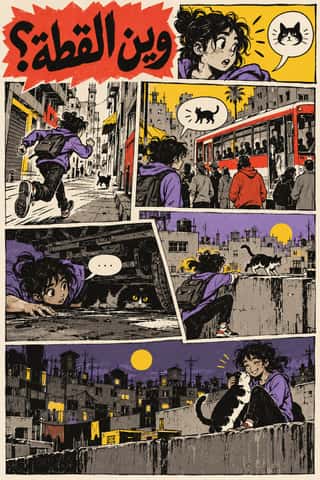
Arab Independent Comics (Samandal, TokTok, Lab619, Skefkef)Adult comics magazines edited by Arab artists' collectives since 2007, at times with a ministry grant or an NGO partner: Samandal in Beirut, TokTok in Cairo, Lab619 in Tunis and Skefkef in Casablanca.
Analog Horror GraphicsA horror genre, mostly on YouTube, that tells its stories through imitation television and home-video graphics rather than actors: emergency-alert screens, station IDs, public-service, educational and instructional tapes, set between the 1960s and early 2000s.
Kinetic Typography & Variable TypeTypography as the moving image: letterforms that stretch, squash, rotate and morph along variable-font axes, loop seamlessly and cut to the beat of music, used for identities, social-media posters and digital out-of-home screens.
Instagram Slideshow Activism (Social-Justice Infographics)The text-led explainer slideshows that filled Instagram after George Floyd's murder in May 2020.
Styles that often use it 29
A characteristic choice: usual in these styles, though not essential.
- Ancient Egyptian Hieroglyphic & Register CompositionThe visual system of pharaonic Egypt, in which writing is made of pictures and pictures are ruled like writing.
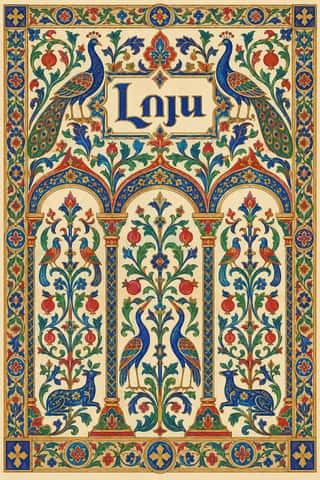
Armenian Manuscript IlluminationThe illuminated books of the Armenian Church, from the Gospel of Queen Mlke (c. 862) and the Etchmiadzin Gospels (989) to the last manuscripts around 1800.
Persian Miniature (Ilkhanid, Timurid and Safavid Book Painting)The court book painting of Iran and Timurid Herat, formed in Mongol Tabriz from Islamic, Byzantine and Chinese models: from Rashid al-Din's Jamiʿ al-tawarikh (1314) and the Great Mongol Shahnama to Behzad's Herat and the Shahnama of Shah Tahmasp, ending in the album pages of Safavid Isfahan.
- Đông Hồ & Hàng Trống Folk PrintsVietnam's two classic folk-print schools, bought for Tết. Đông Hồ families press each colour from its own carved block onto giấy điệp, dó paper brushed with ground scallop shell whose streaked, faintly sparkling surface serves as the white, and print the black line last.
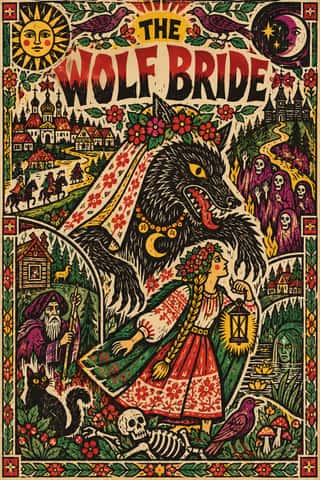
Lubok Popular PrintCheap single-sheet Russian popular prints sold at fairs and by pedlars from the later 17th century: woodcut, later engraved and lithographed pictures of saints, fables, heroes, battles and satire in which text and image share one sheet.
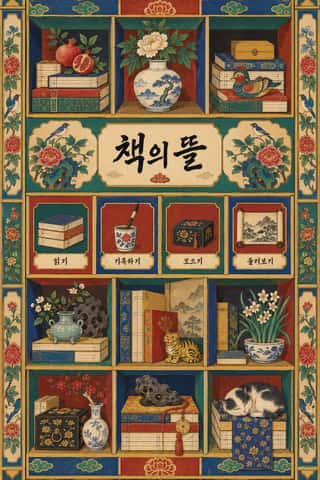
Chaekgeori & Minhwa Screen PaintingKorean painted folding screens of the late Joseon period.
Imagerie d'Épinal & European BilderbogenCheap single-sheet popular prints sold by pedlars across 19th-century Europe, led by the Pellerin imagerie at Épinal and the Neuruppin Bilderbogen.
- Norwegian and Finnish National Romantic Graphics (Munthe & Karelianism)The flat, decorative branch of Norway's and Finland's national romanticism, which turned Viking carving, the sagas, the Kalevala and old peasant weaving into modern ornament.
Mir iskusstva Book ArtThe graphic idiom of the St Petersburg World of Art circle (journal 1898–1904, exhibitions until Paris 1927) and the book artists around it.
- Senegalese Sufi Devotional Imagery (Souwère Glass Painting and Amadou Bamba Portraits)The devotional imagery of Senegal's Sufi brotherhoods, above all the Mourides: reverse paintings on glass (souwère), made in Senegal's cities since about 1900, and the murals, banners, prints and photocopies that multiply one 1913 photograph of Sheikh Amadou Bamba across Dakar and Touba.
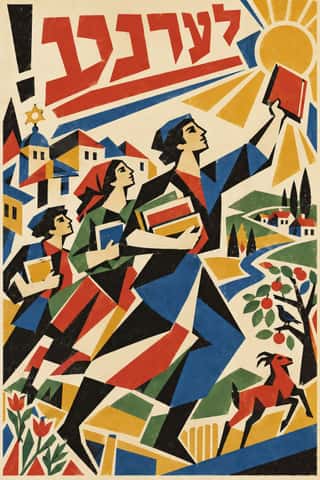
Kultur-Lige & Yiddish Avant-Garde Book DesignThe Yiddish modernist book of the Kultur-Lige, the secular Jewish culture league founded in Kyiv in 1918, and its circle: El Lissitzky, Issachar Ber Ryback, Iosif Chaikov, Boris Aronson and others, who sought a new Jewish art in the shtetl synagogues and tombstones they had recorded and in Cubo-Futurism and Suprematism.
Leningrad Avant-Garde Picture BookThin, large picture books made in Petrograd/Leningrad from 1922 to the mid-1930s for Raduga and the Gosizdat children's department led by Samuil Marshak, with Vladimir Lebedev as art editor.
- Nippon Kōbō & Tōhōsha Photo-Propaganda Magazines (NIPPON & FRONT)Luxury photo-propaganda magazines that imperial Japan sent abroad, 1934–45.
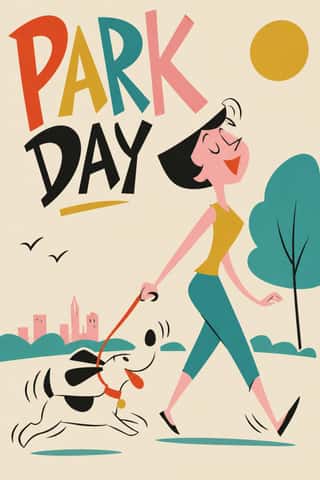
UPA & Cartoon ModernThe modern cartoon of United Productions of America (UPA) and the 1950s films, commercials and books it inspired.
Drum Magazine & Sophiatown PhotojournalismThe picture magazine of Black urban Africa in the 1950s.
Cairo–Beirut Arab Modernist Book & Periodical DesignThe illustrated book, magazine and children's-book culture that ran from Cairo's post-1952 publishing houses to the Arab nationalist and leftist presses of Beirut.
Zagreb School of Animated FilmThe modernist animation of Zagreb Film's Studio for Animated Film, grown from reduced-animation advertisements of 1954-1955 and named the 'Zagreb school' by Georges Sadoul and André Martin after Cannes 1958.
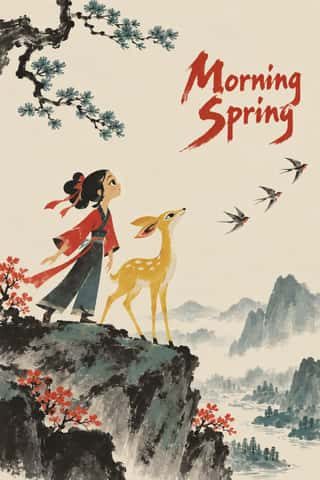
Chinese National-Style Animation (Shanghai Animation Film Studio)The 'national style' of the Shanghai Animation Film Studio, which turned from Disney and Soviet models to Chinese media: Peking-opera masks and movement, paper-cut and folded-paper figures, mural and New Year print colour and, from 1960, ink-wash painting set in motion after Qi Baishi and Li Keran.
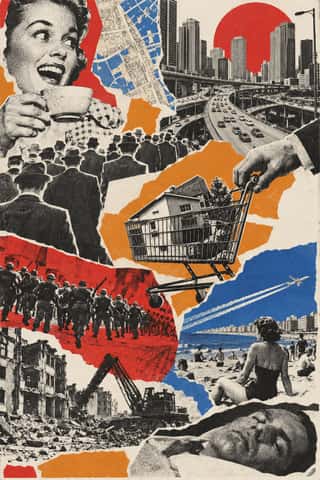
Situationist Détournement GraphicsGraphics of the Letterist and Situationist Internationals (1956–1972), built on détournement: taking existing words and pictures (comic strips, advertisements, news photographs, city maps, classic texts) and turning them against their source.
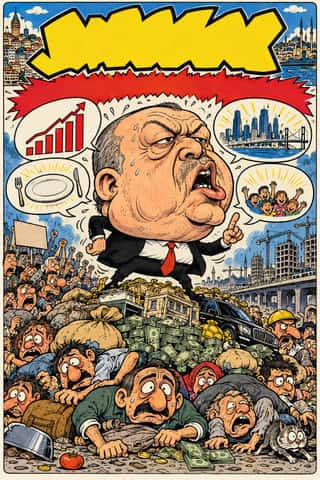
Turkish Weekly Humour Magazines (Gırgır to Uykusuz)Istanbul's weekly cartoon magazines, from the Aral brothers' Gırgır (1972), which sold up to about half a million copies, through the chain of breakaways that followed it: Limon, LeMan, Penguen and Uykusuz.
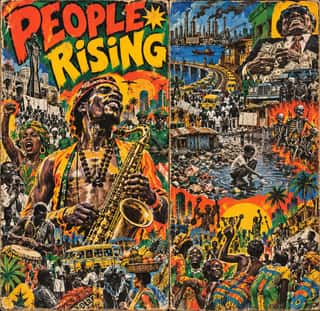
Afrobeat Sleeve ArtThe painted and collaged record covers of Nigerian Afrobeat, defined by Lemi Ghariokwu's sleeves for Fela Kuti from Alagbon Close (1974) onward.
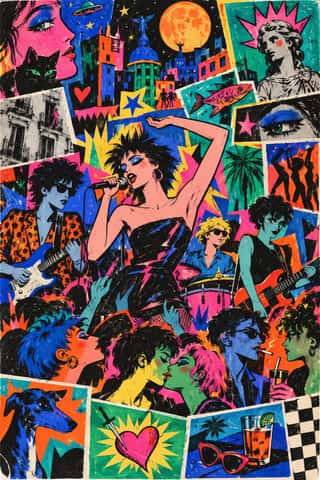
La Movida Madrileña GraphicsThe graphics of Madrid's Movida, the post-Franco scene of new-wave bands, fanzines and night life usually dated from the Canito concert of 9 February 1980 and later backed by the city council.
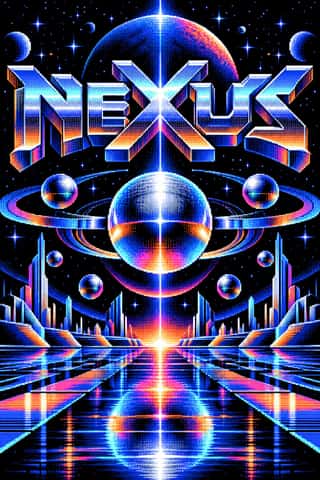
Demoscene Graphics (Cracktros, Demos & Text-Mode Art)The graphics of the demoscene, a mainly European community of coders, graphicians and musicians that grew from the intros software crackers added to pirated Commodore 64 and Amiga games in the mid-1980s.
- Internet Ugly & Meme VernacularA deliberately amateur image dialect of forums, imageboards and social feeds, named 'Internet Ugly' by Nick Douglas in 2014.
- Danmaku Bullet-Comment OverlayThe bullet-comment layer of Japanese and Chinese video sites, begun on Niconico in December 2006 and taken up by AcFun and Bilibili in 2008–2009.
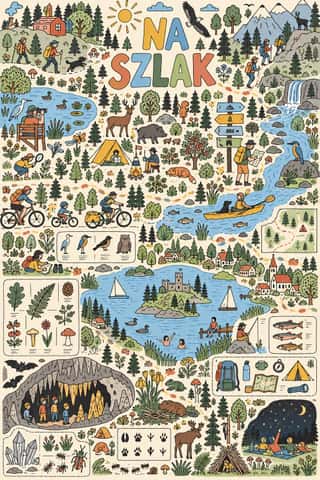
Polish Information Picture Book (Dwie Siostry)Mostly large-format information picture books made since 2008 by the Warsaw publisher Dwie Siostry with young illustrators led by Aleksandra and Daniel Mizieliński, graduates of the city's Academy of Fine Arts: atlases, cross-sections, labyrinths, activity books and wordless seek-and-find board books.
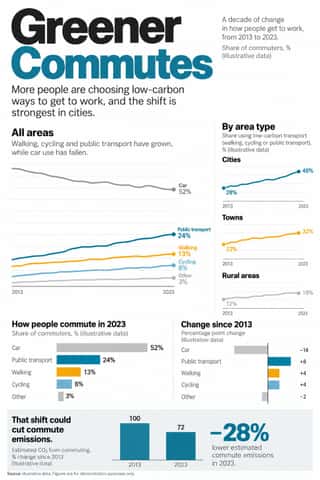
Newsroom Data Graphics & ScrollytellingThe house style of newspaper graphics desks since about 2009–2011 (the New York Times graphics desk, D3.js, the Guardian Datablog): conventional charts drawn from the data, on a white or pale paper ground with light grey gridlines and no axis titles, lines labelled directly in place of a legend where possible and short annotations saying what to look at.
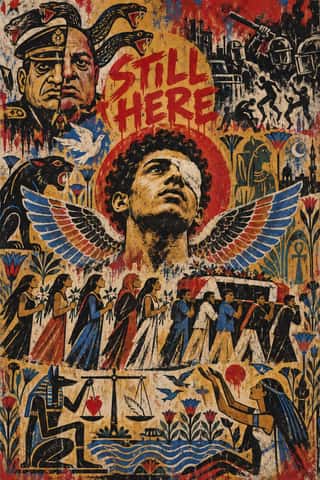
Egyptian Revolutionary Street Art (Mohamed Mahmoud Murals)The street art of Egypt's 2011 revolution and the years after it, when Cairo's walls, above all around Tahrir and Mohamed Mahmoud Street, became what Ammar Abo Bakr called a newspaper.
GOV.UK Design (GDS Style)The text-led design of GOV.UK, the UK government's single website, built by the Government Digital Service from 2012 and codified in the GOV.UK Design System (2018).
Styles that use it now and then 42
An occasional choice in these styles.
- Nianhua & Chinese Folk Printc. 1100–present
- Mithila (Madhubani) Paintingc. 1350–present
- Javanese Wayang Kulit (Tatah Sungging)1500–present
- Emblem Book (Motto, Picture & Epigram)1531–1724
- Rinpa & Saga-bon1600–present
- Ukiyo-e Woodblock Prints1670–1900
- Kalighat Pat & Battala Bazaar Prints1830–1930
- Cuban Tobacco Lithography (Habilitaciones & Marquillas)1845–present
- Simplicissimus Satirical Style (Munich)1896–1944
- Expressionist Woodcut Graphics1905–1925
- Santiniketan & Bengal School Graphics1905–1954
- Bezalel School1906–1929
- Russian Futurist Book1910–1920
- Taishō Roman & Lyrical Illustration1910–1940
- Arnhem Land Bark Painting & Rarrk1912–present
- Czech Poetist Book Design (Devětsil)1922–1938
- Harlem Renaissance Graphic Art1925–1940
- Chinese Modern Woodcut Movement1931–1949
- Estado Novo Folk Modernism (SPN)1933–1949
- Taller de Gráfica Popular1937–1977
- Literatura de Cordel Woodcut1940–present
- Polish Cold War Neon (PRL Neonisation)1956–1981
- Thaw Modernism (Soviet and Czechoslovak)1956–1968
- British Road Signage (Kinneir & Calvert)1958–present
- Woodland School (Legend Painting)1962–present
- Soviet Central Asian Ornamental Modernism1966–1999
- Hipgnosis Photographic Concept Sleeve1968–1983
- Ultras Graphics (Curva Banners and Tifo)1968–present
- Kinshasa Popular Painting1970–present
- Warli Painting1970–present
- Ethiopian Revolutionary Poster (Derg Era)1974–1991
- Iranian Revolutionary & Sacred Defence Poster1978–1988
- Pardhan Gond Painting (Jangarh Kalam)1981–present
- Torres Strait Islander Linocut1991–present
- Nollywood Video Jacket & Film Poster1992–present
- South African Vernacular Design (Ijusi)1995–present
- Generative & Dynamic Identities2007–present
- Slow-Living Editorial (the Kinfolk Look)2011–present
- Data Humanism2014–present
- Solarpunk2014–present
- Weirdcore & Dreamcore2019–present
- Black Lives Matter Street Murals2020–present
It often goes with
Choices that the styles making it make more often than the atlas as a whole.
- Framed panelsin 74 of 98
- Line illustrationin 71 of 98
- Distortion & exaggerationin 52 of 98
- Comic & cartoonin 50 of 98
- Stylised figurationin 83 of 98
- Naturalistic depictionin 52 of 98
Styles that avoid it
Styles that deliberately leave it out.