Space & hierarchy · Rhythm & depth
Visual tension
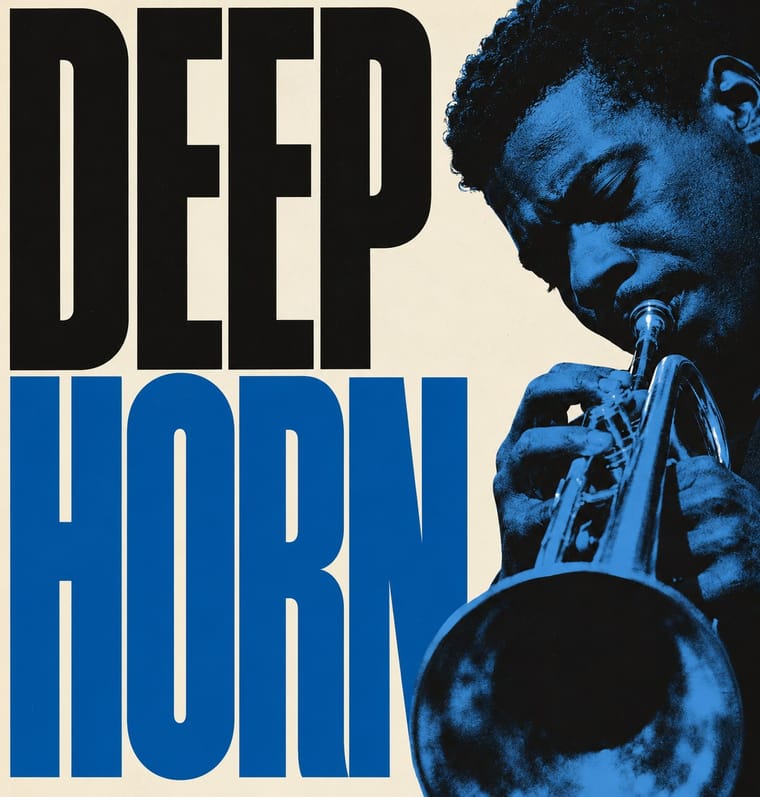
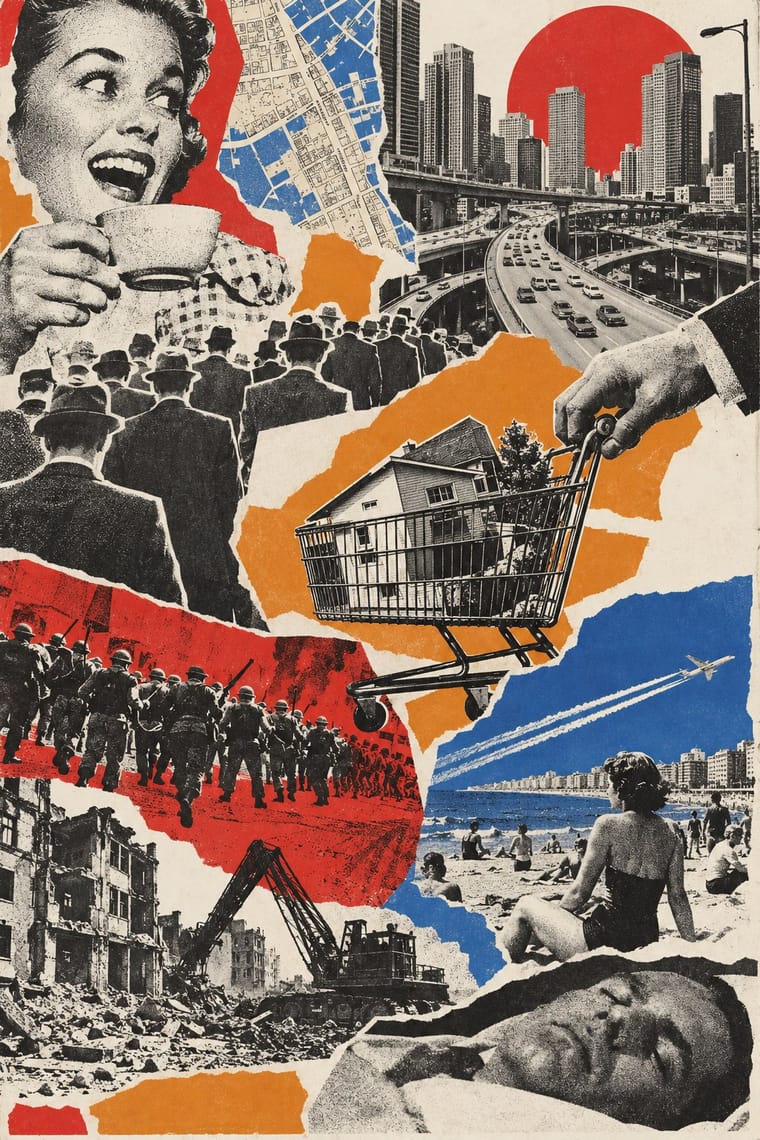
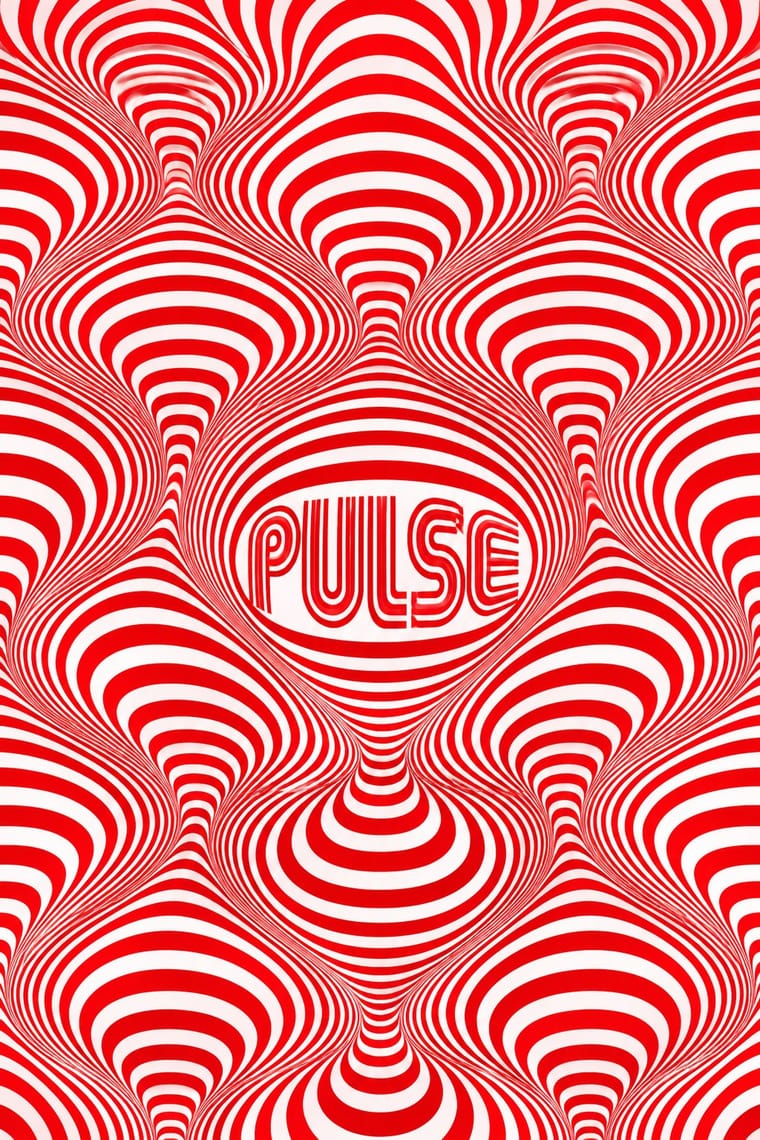
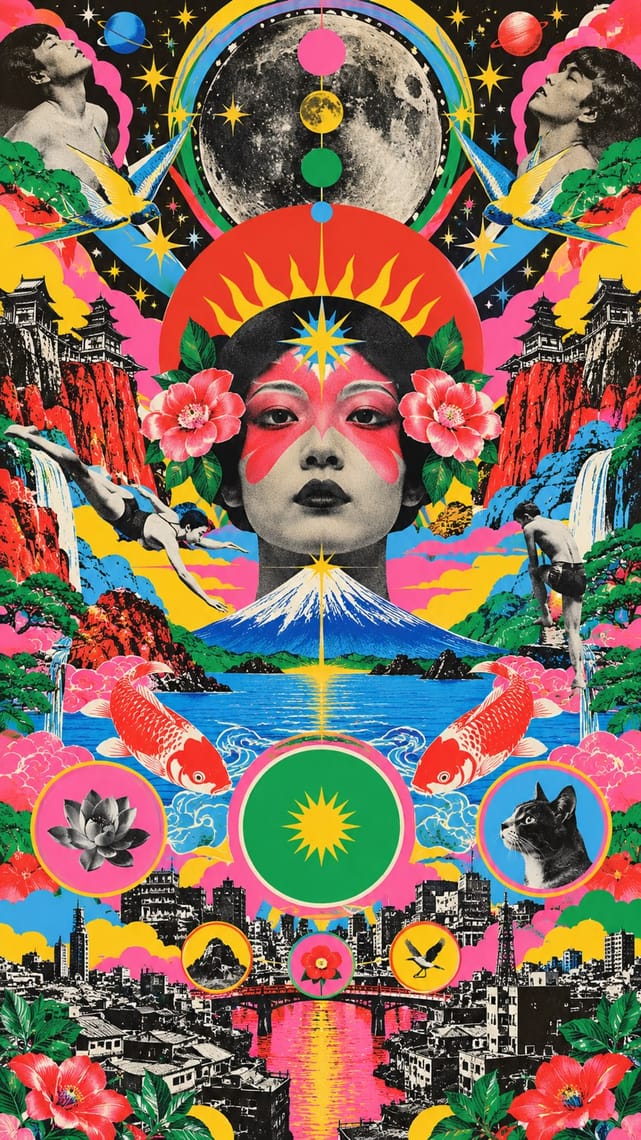
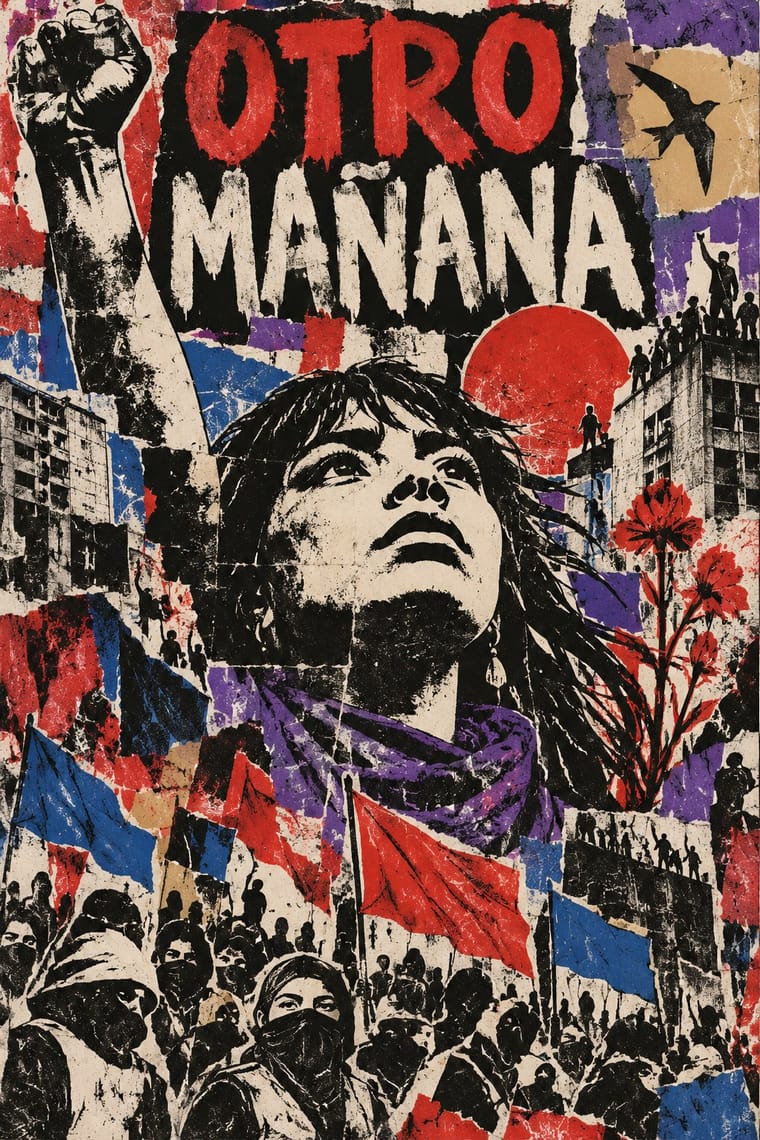
Deliberate instability: crowded edges, clashes, near-collisions.
A design choice in Stylogeny’s vocabulary, under space & hierarchy: how is attention distributed?
- styles make it
- 62
- as a defining choice
- 6
- as a usual one
- 24
- now and then
- 32
- avoid it
- 15
Styles defined by it 6
For these styles it is one of the choices that make the style.
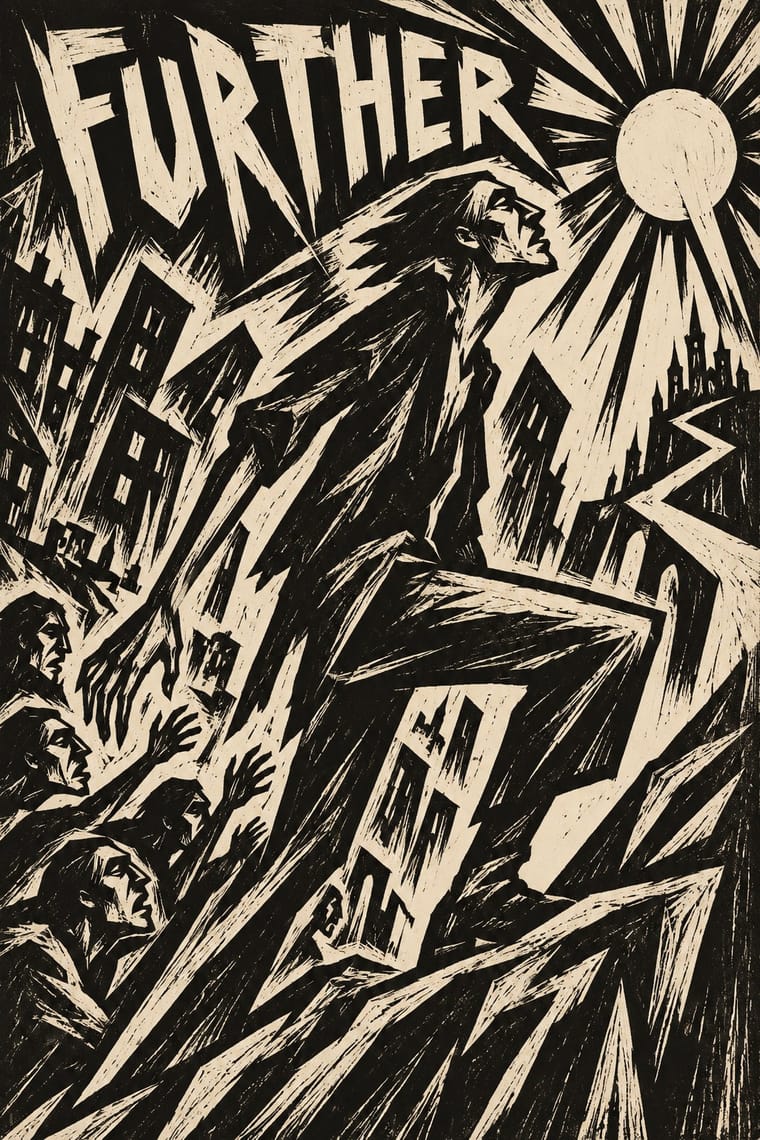
- Italian FuturismLaunched by Marinetti's 1909 manifesto, Futurism glorified speed, machines, the city and war, and turned the printed page into an explosive, noisy field.
- DadaBorn in wartime Zurich at the Cabaret Voltaire in 1916 and spreading to Berlin, Hanover, Cologne and Paris, Dada used chance, absurdity and provocation against the culture that had produced the war.
- MavoTokyo's anarchist avant-garde, founded in July 1923 by Murayama Tomoyoshi, back from a year in Berlin, with four former Futurists, and its magazine MAVO (seven issues, July 1924 to August 1925).
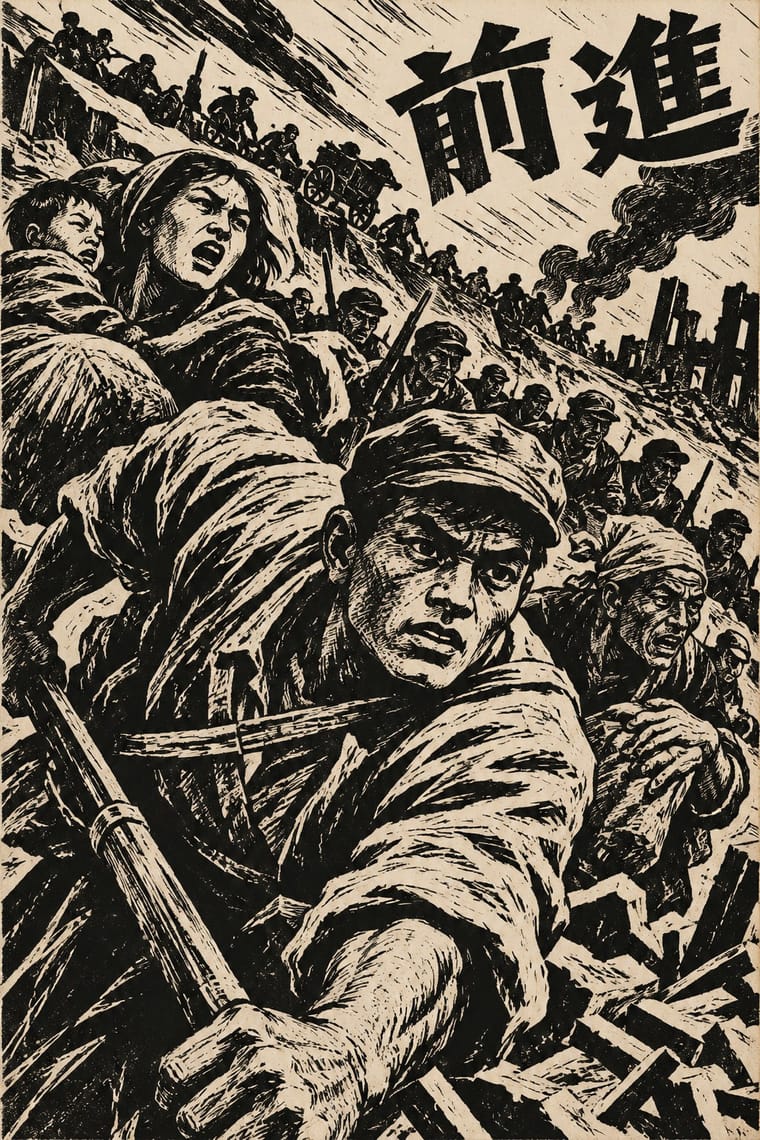
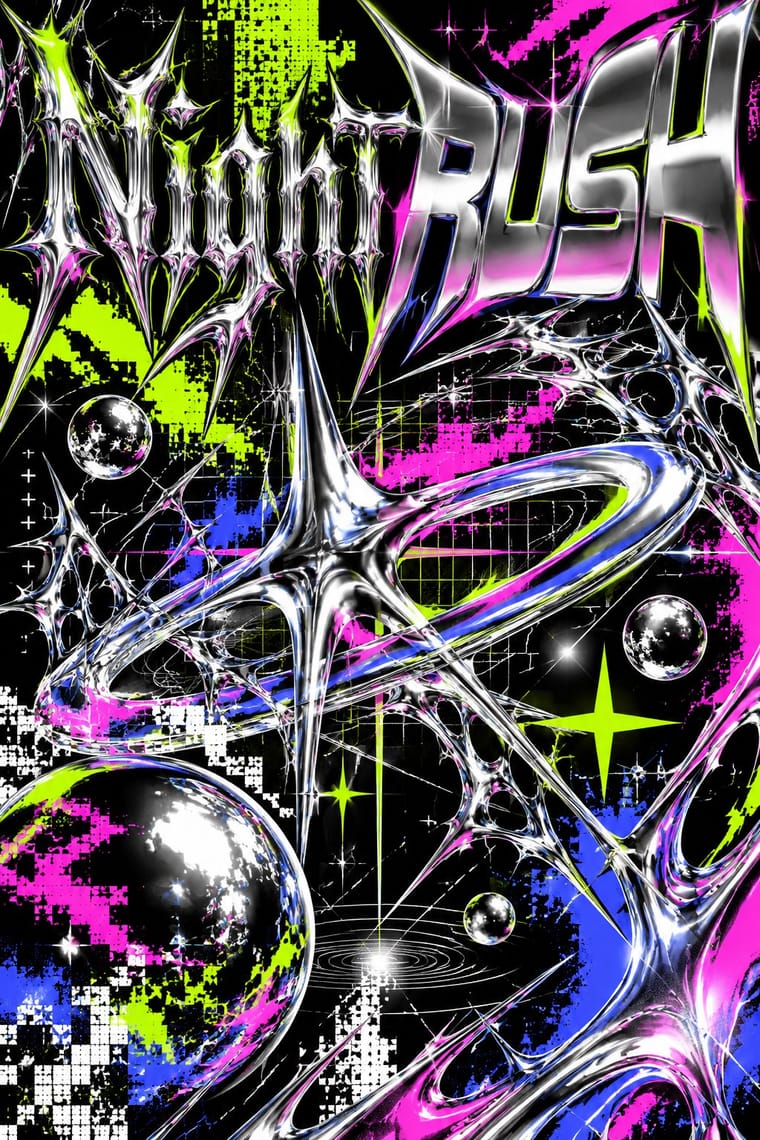
Styles that often use it 24
A characteristic choice: usual in these styles, though not essential.
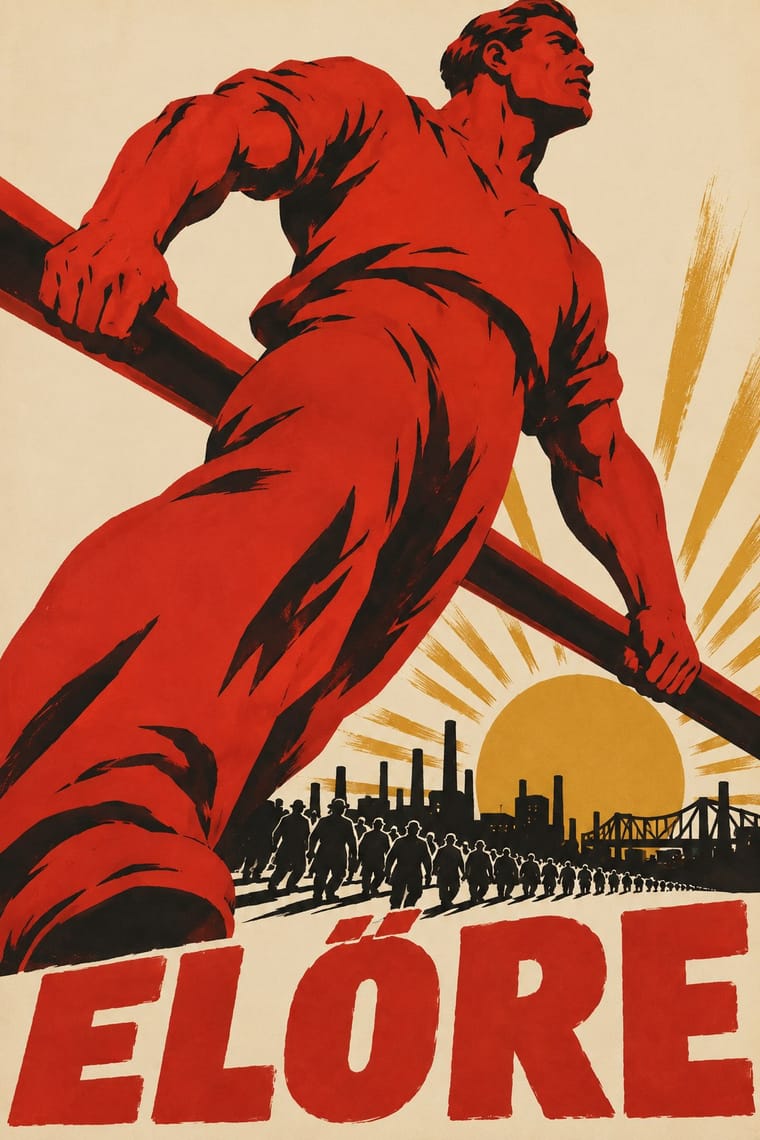
- Vorticism & BLAST TypographyLondon's short-lived rival to Futurism, launched by Wyndham Lewis with BLAST (dated 20 June 1914; War Number, July 1915).
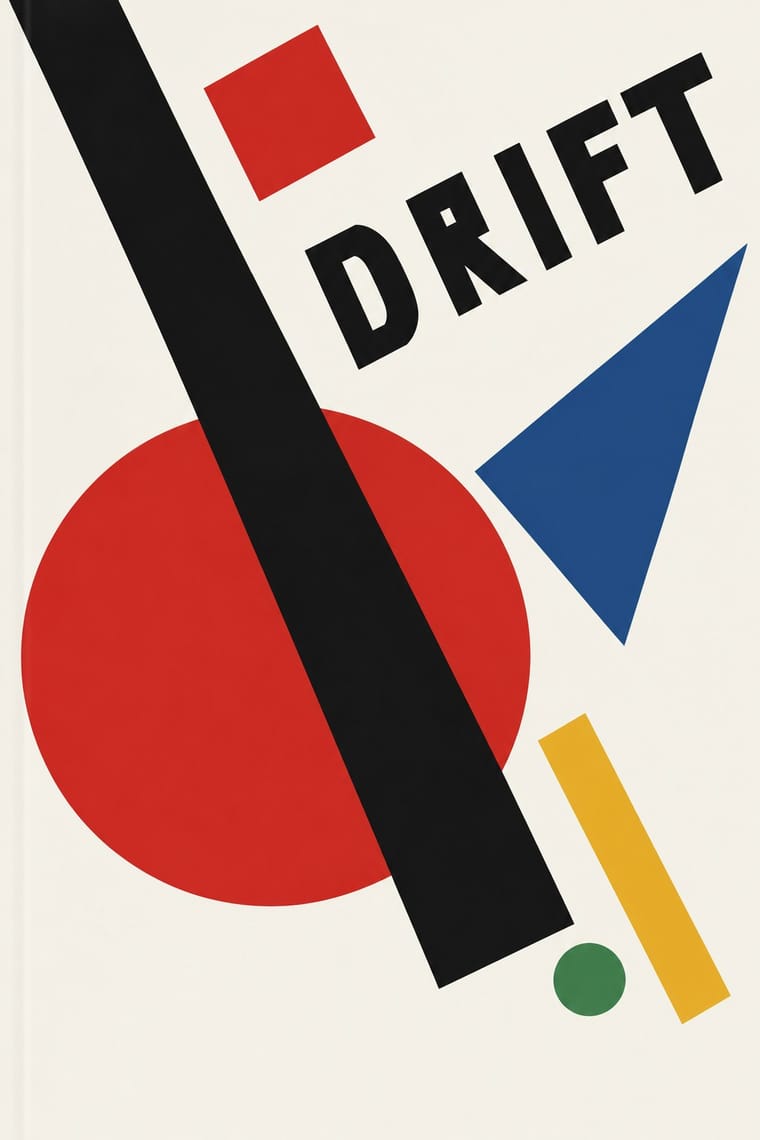
- Russian ConstructivismConstructivism rejected art for art's sake in favour of the artist-engineer building useful things for the new Soviet society.
- Estridentismo (Stridentist) GraphicsMexico's first avant-garde (1921-27), launched when Manuel Maples Arce pasted his manifesto Actual No. 1 on Mexico City walls.
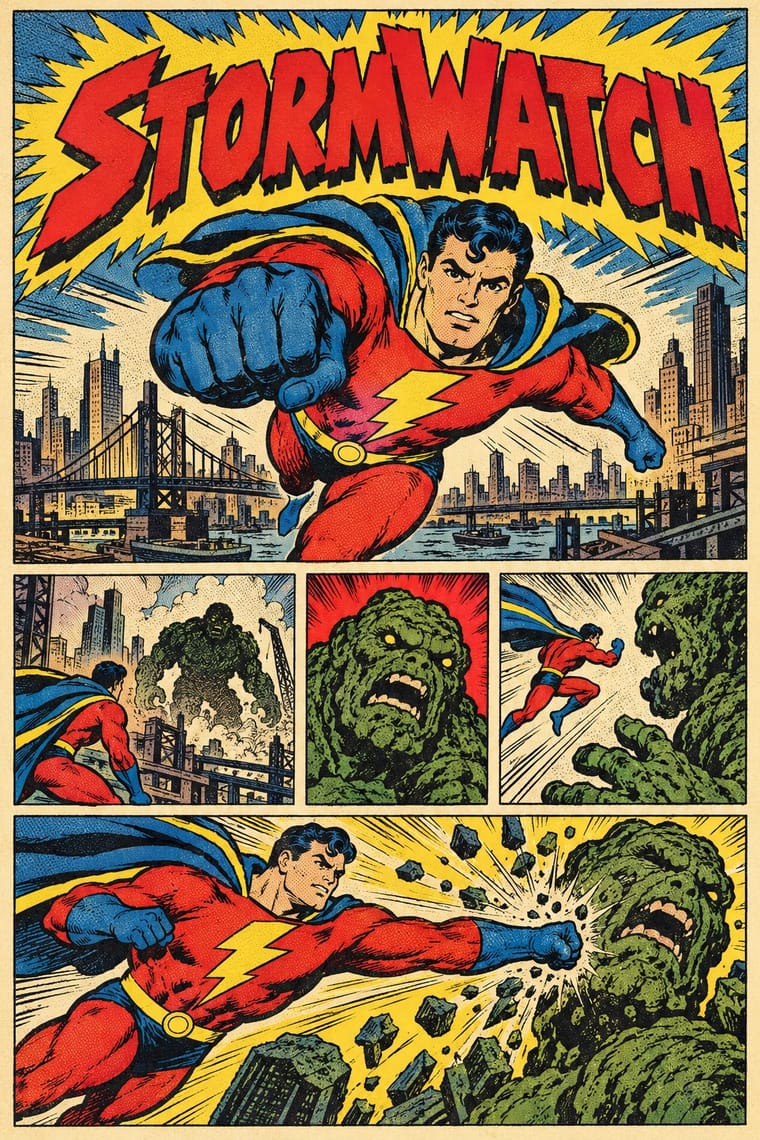
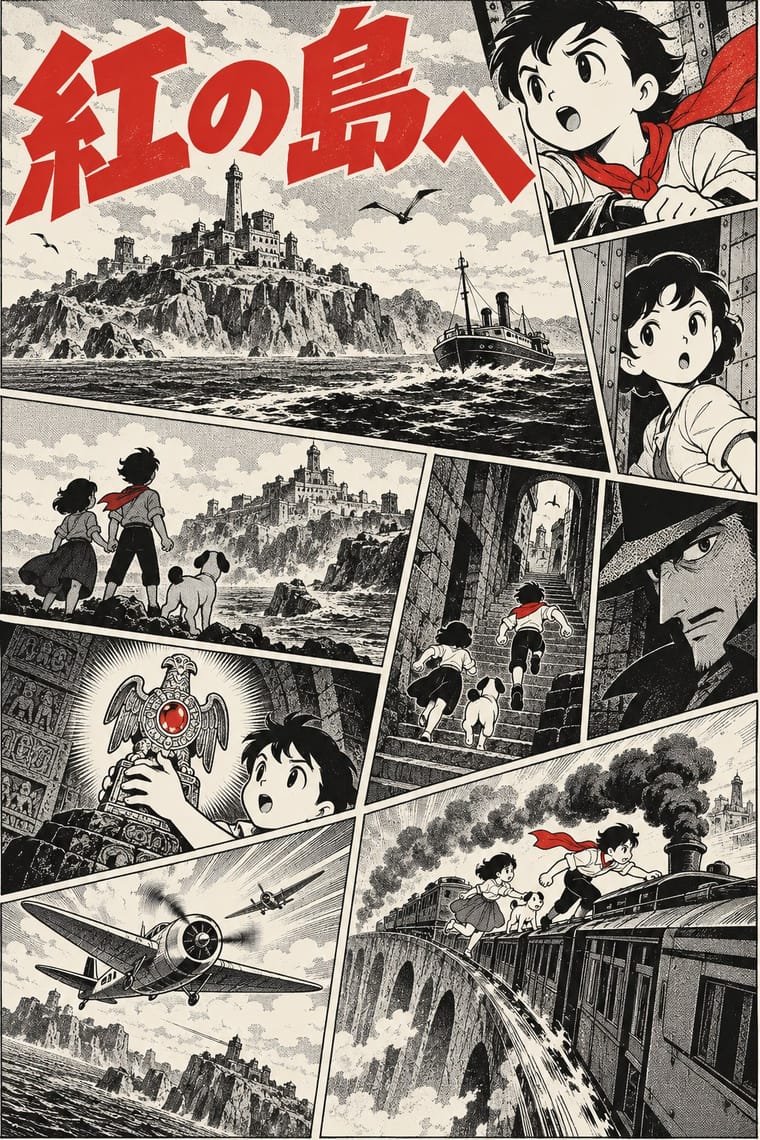
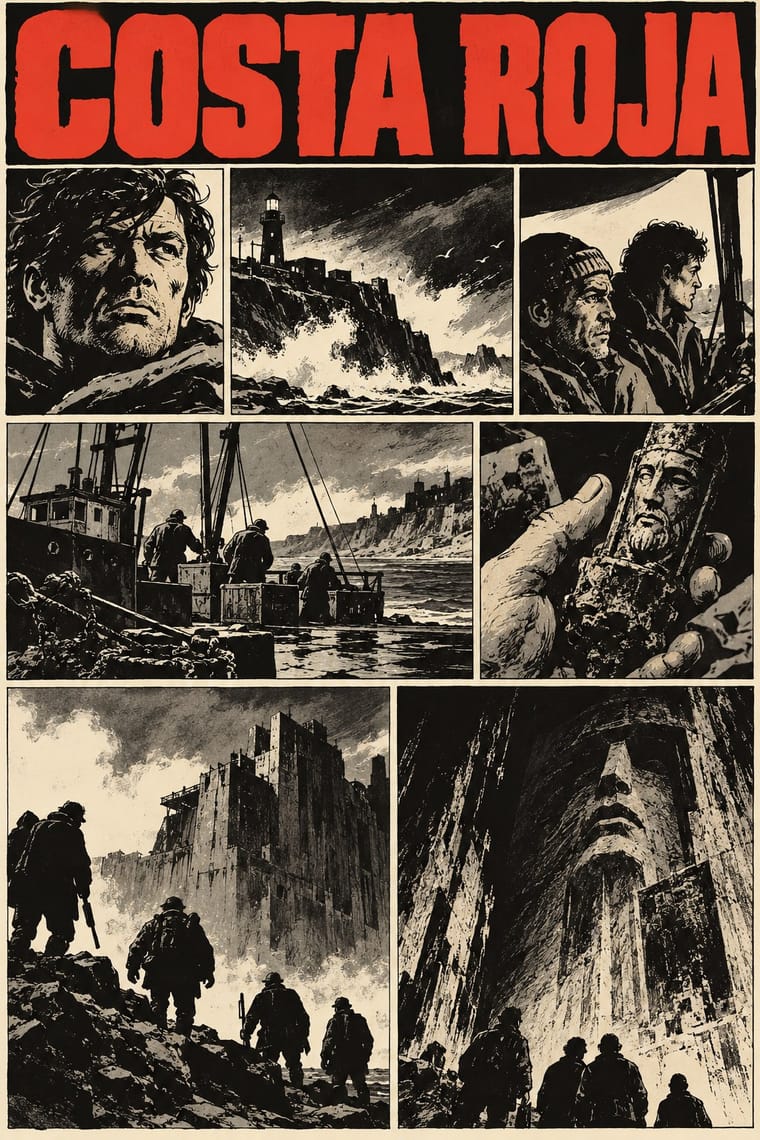
- Swiss Punk / New Wave TypographyA rebellion from inside the Swiss school: Wolfgang Weingart and his Basel students kept the grotesque and the grid but set them in motion with extreme letterspacing, stepped and angled lines, rules and bars, enlarged halftone screens and layered film montage.
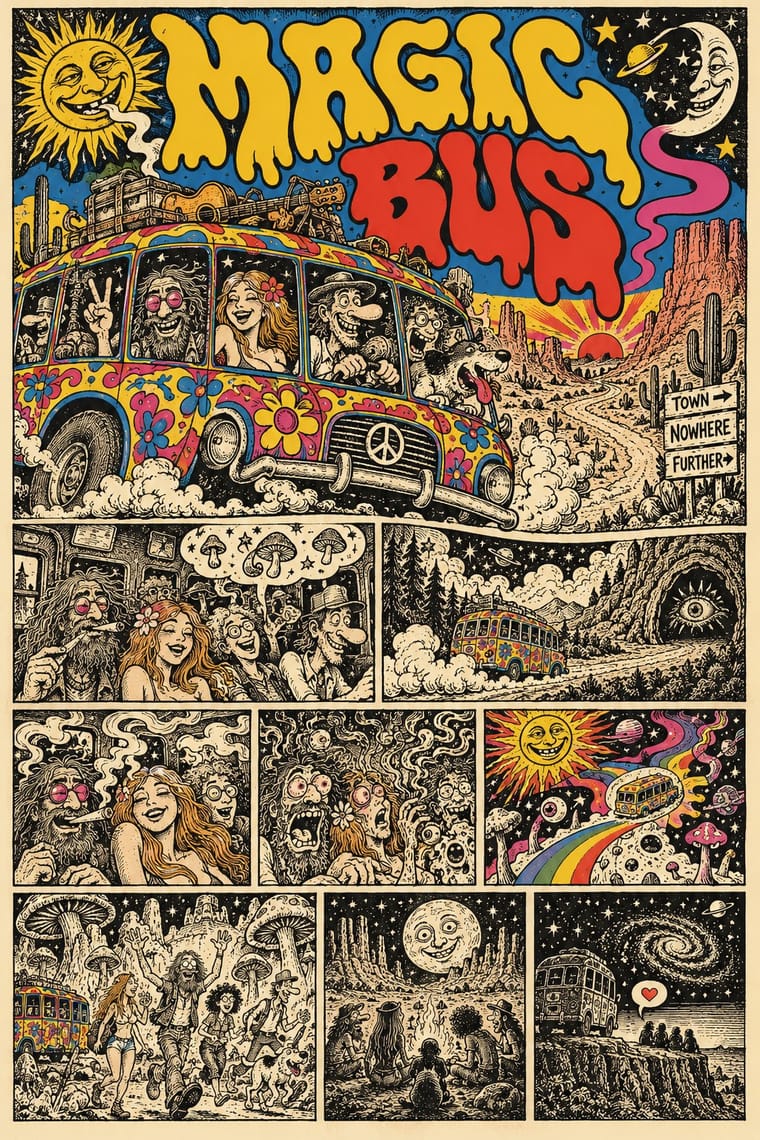
- Punk & DIY ZineThe graphic voice of punk rock in fanzines, record sleeves and gig flyers: images and words cut from newspapers, typed or scrawled, pasted down and run off on a photocopier.
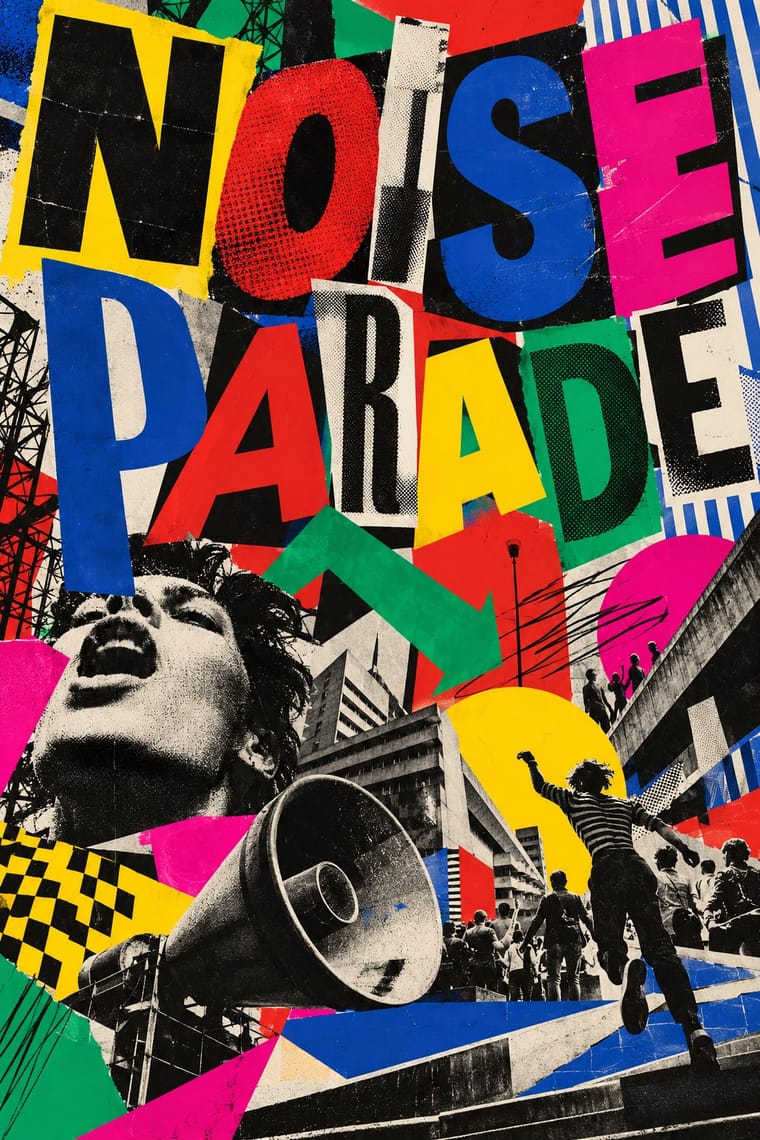
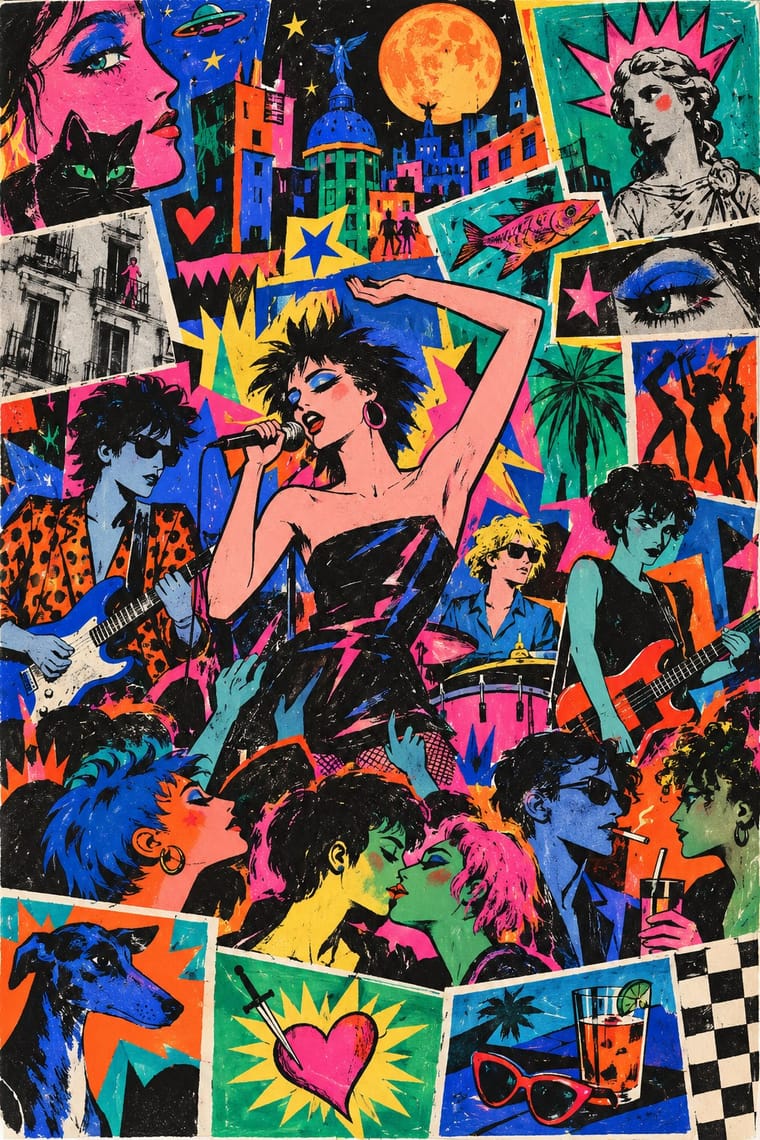
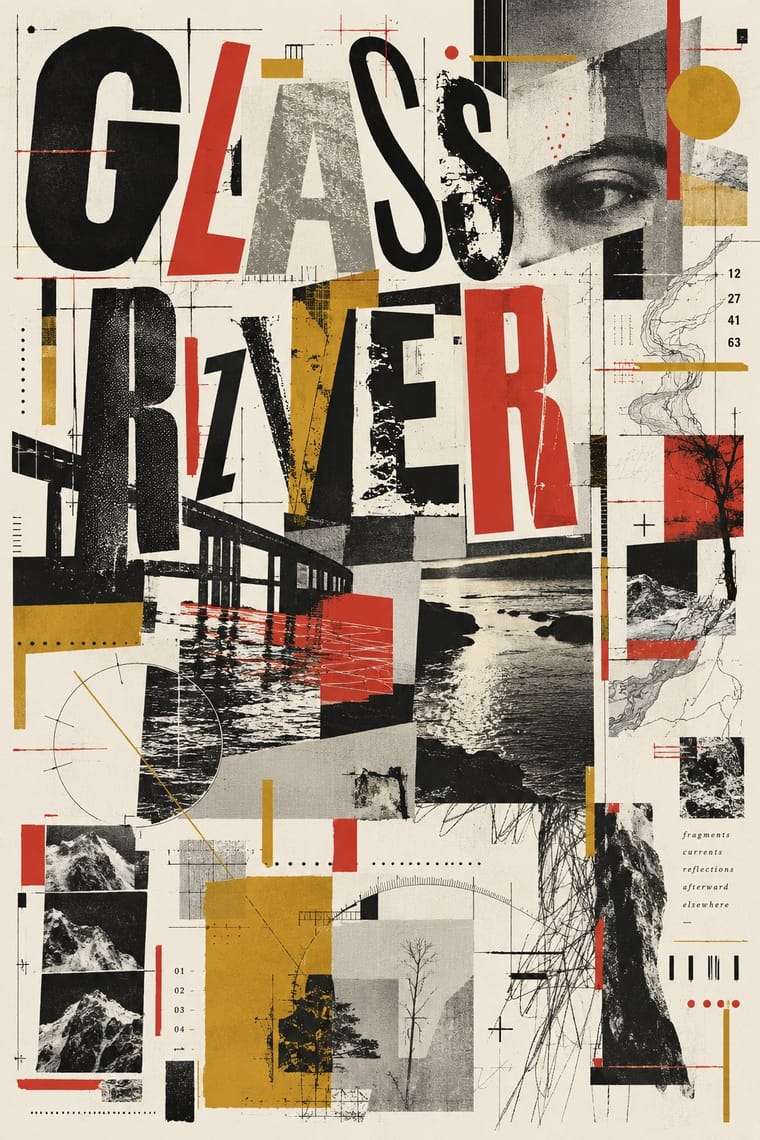
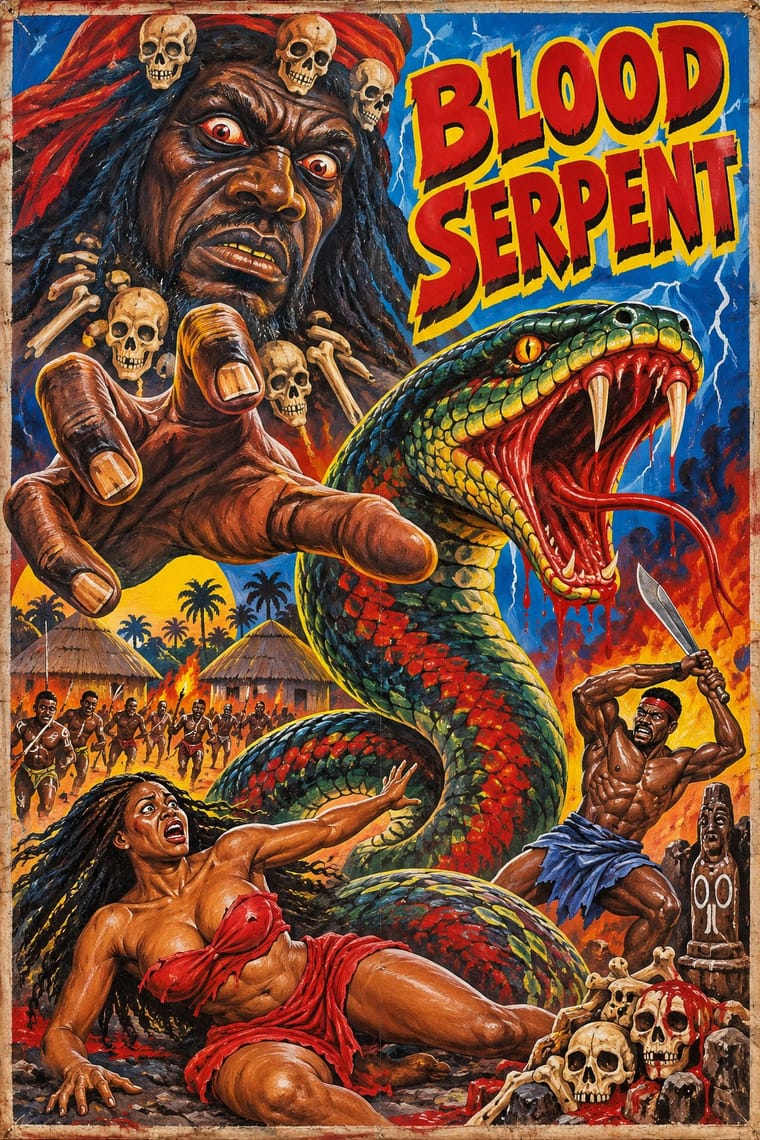
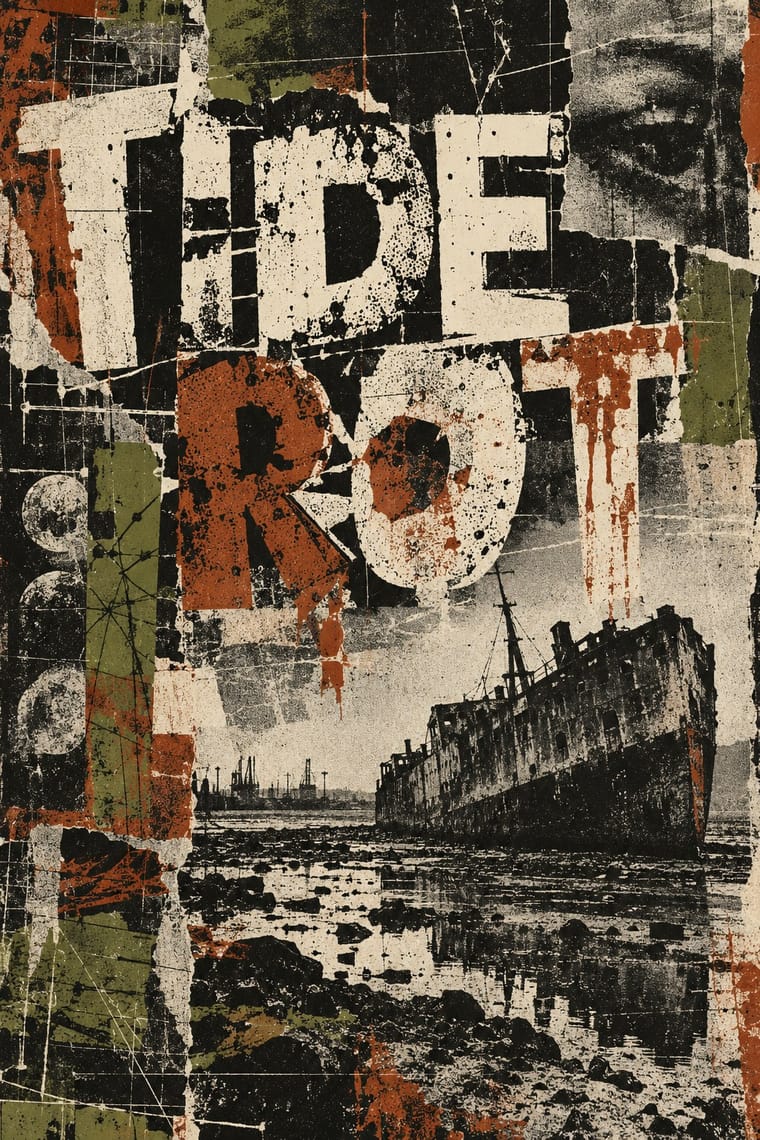
- Indonesian Woodcut Activism (Taring Padi)The protest graphics of Taring Padi, the collective founded by students and activists in Yogyakarta in 1998 as Suharto fell, and of the punk and activist woodcut scenes around it.
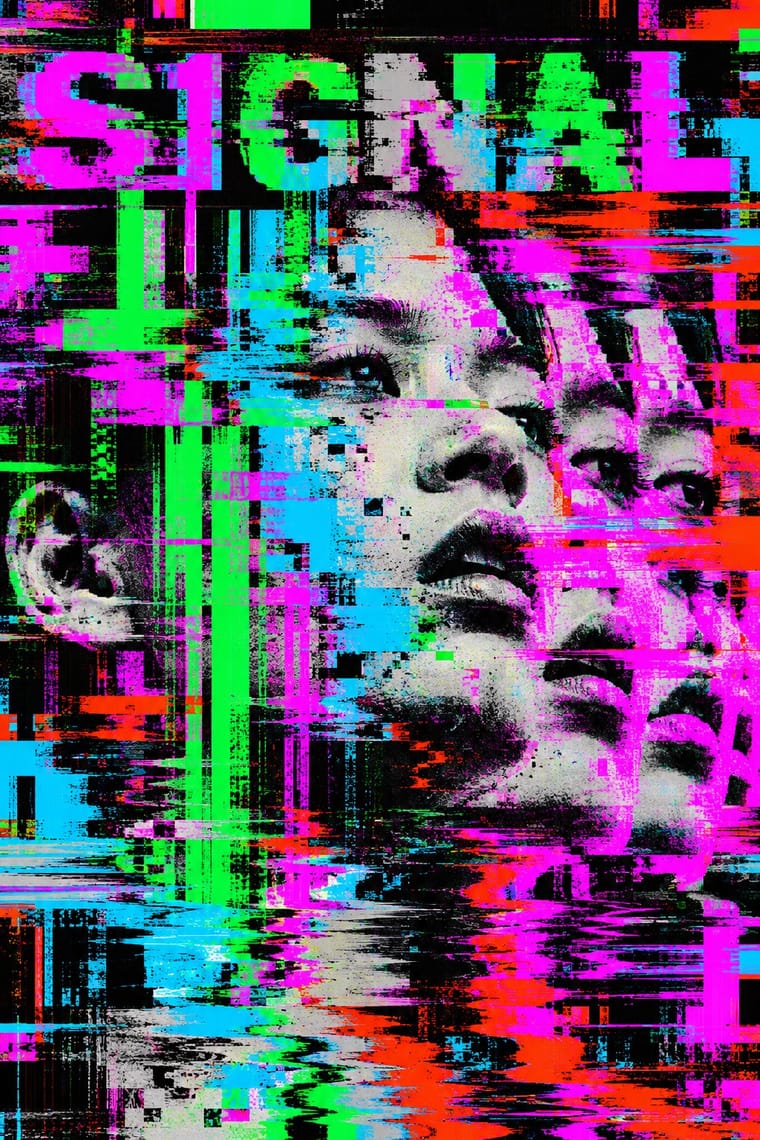
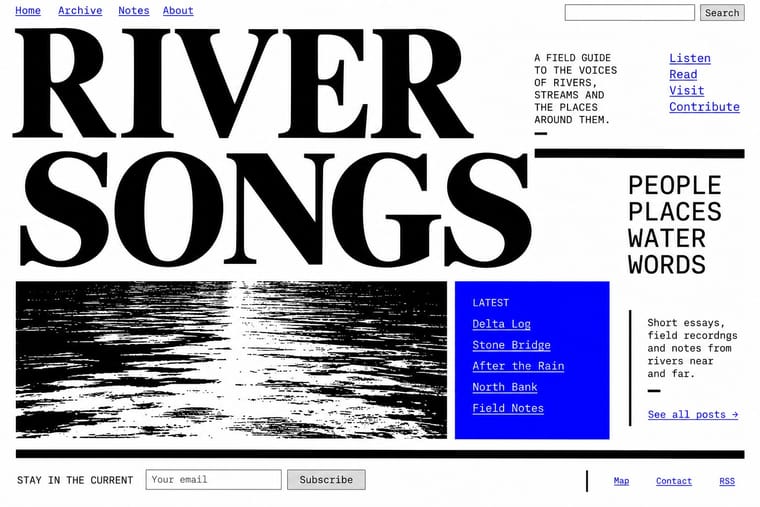
Styles that use it now and then 32
An occasional choice in these styles.
- Diné (Navajo) Weaving Design1700–present
- Fante Asafo Flags (Frankaa)1850–present
- Japonisme1860–1910
- Cubist Pictorial Space1907–1925
- Russian Futurist Book1910–1920
- Kultur-Lige & Yiddish Avant-Garde Book Design1917–1924
- Czech Poetist Book Design (Devětsil)1922–1938
- Surrealist Graphics1924–1960
- Spanish Civil War Poster1936–1939
- Escuela Bruguera (Spanish Humour Comics)1947–1986
- Hurufiyya Calligraphic Modernism1949–present
- Polish Poster School1950–1990
- Brazilian Concrete Design1951–1975
- West German Conceptual Film & Culture Poster (Hillmann and Rambow)1953–1990
- Zagreb School of Animated Film1954–1980
- Phototype Expressive Typography (Lubalin & U&lc)1962–1985
- Tropicália Graphic Design1964–1975
- AfriCOBRA1968–present
- Grapus (French Militant Graphic Collective)1970–1990
- Turkish Weekly Humour Magazines (Gırgır to Uykusuz)1972–2025
- Bitterkomix (Afrikaans Underground Comics)1992–present
- Nollywood Video Jacket & Film Poster1992–present
- Korean Webtoon Graphics2002–present
- Cartonera Books (Latin American Cardboard Publishing)2003–present
- Danmaku Bullet-Comment Overlay2006–present
- Arab Independent Comics (Samandal, TokTok, Lab619, Skefkef)2007–present
- Lucerne Poster Scene (Neubad & Südpol Posters)2007–present
- Analog Horror Graphics2015–present
- Front-of-Pack Warning Octagons (Latin American Food Warning Seals)2016–present
- Kinetic Typography & Variable Type2016–present
- Weirdcore & Dreamcore2019–present
- Neo-Brutalism2020–present
It often goes with
Choices that the styles making it make more often than the atlas as a whole.
- Experimental & distortedin 34 of 62
- Rebellious & subversivein 39 of 62
- Collage & layeringin 35 of 62
- Rotated & vertical settingin 30 of 62
- Distortion & exaggerationin 33 of 62
- Ironic & self-awarein 28 of 62
Styles that avoid it
Styles that deliberately leave it out.
- Song–Ming Woodblock Book Typography (Songti / Mincho)c. 960–present
- Bulaq (Amiriyya) Naskh Book Printing1822–1956
- Nirnaya Sagar Devanagari Typography (Bombay Metal Type)1864–present
- Mir iskusstva Book Art1898–1927
- Senegalese Sufi Devotional Imagery (Souwère Glass Painting and Amadou Bamba Portraits)1900–present
- Bezalel School1906–1929
- Estado Novo Folk Modernism (SPN)1933–1949
- West African Barbershop & Hair Salon Signs1950–present
- ECM Sleeve Aesthetic (Munich)1969–present
- Kawaii Design1970–present
- Madinah Mushaf (King Fahd Complex Qur'an Page)1985–present
- Emoji Pictographic Language1997–present
- Slow-Living Editorial (the Kinfolk Look)2011–present
- Lo-fi Anime Aesthetic2017–present
- Instagram Slideshow Activism (Social-Justice Infographics)2020–present