Space & hierarchy · Hierarchy
Layered information
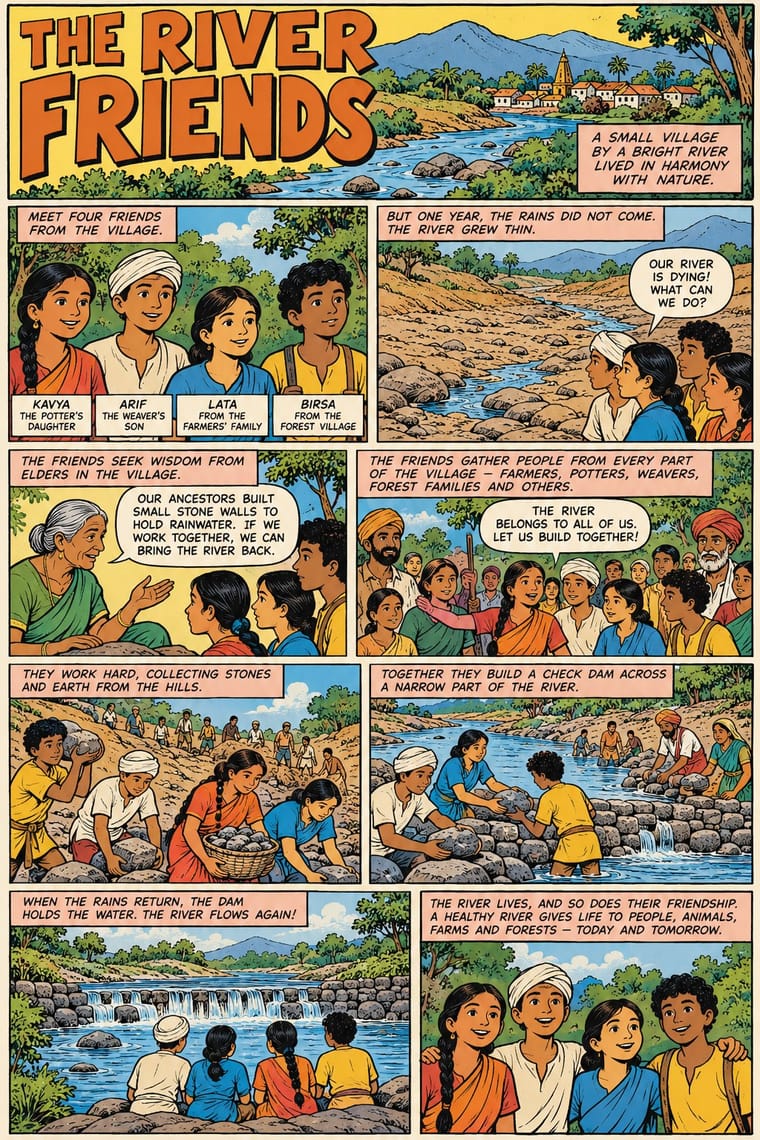
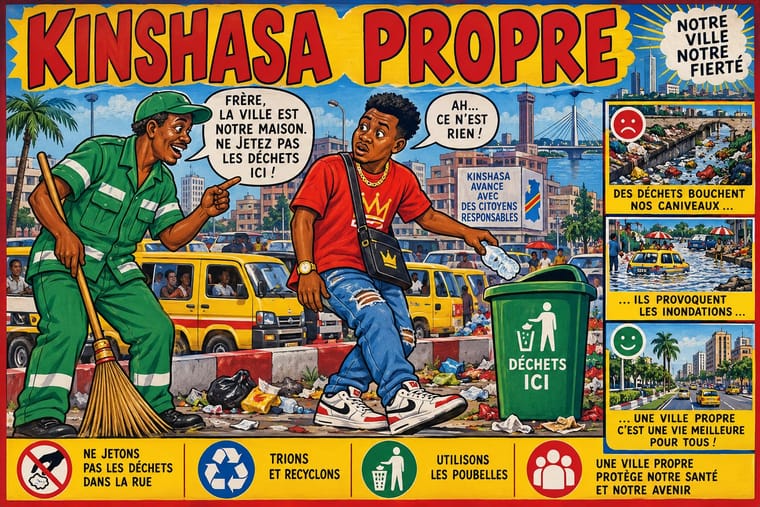
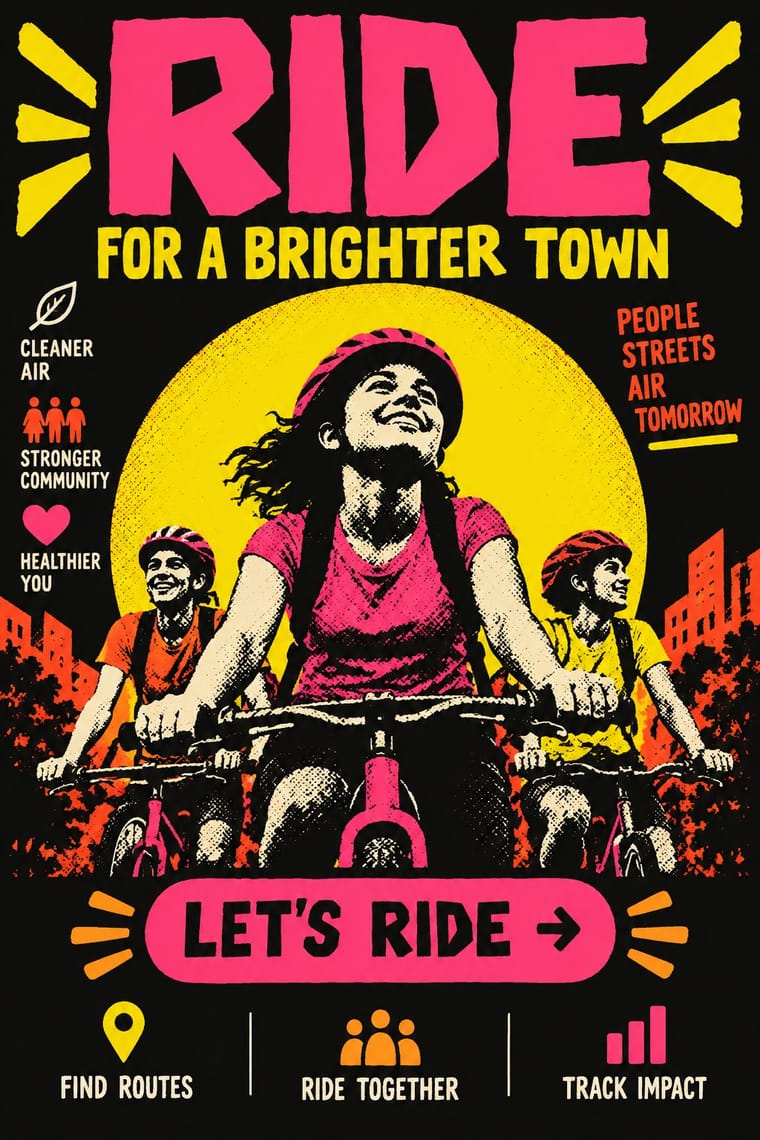
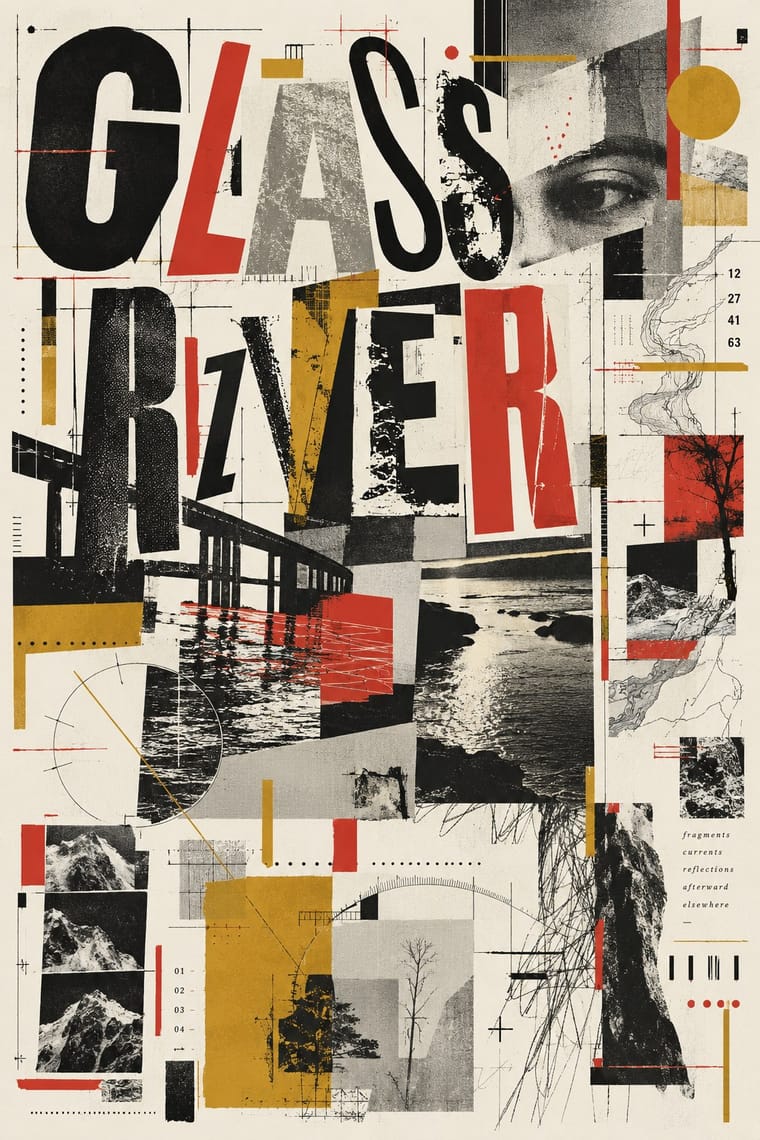
Several reading levels: headline, deck, captions, data.
A design choice in Stylogeny’s vocabulary, under space & hierarchy: how is attention distributed?
- styles make it
- 124
- as a defining choice
- 24
- as a usual one
- 63
- now and then
- 37
- avoid it
- 4
Styles defined by it 24
For these styles it is one of the choices that make the style.
- Hebrew MicrographyA Jewish scribal art in which lines of minute Hebrew script, usually the Masoretic notes that guard the biblical text, are written so that the line itself draws: interlaced frames and star rosettes on full carpet pages, and animals, knights, fish and grotesques in the margins.
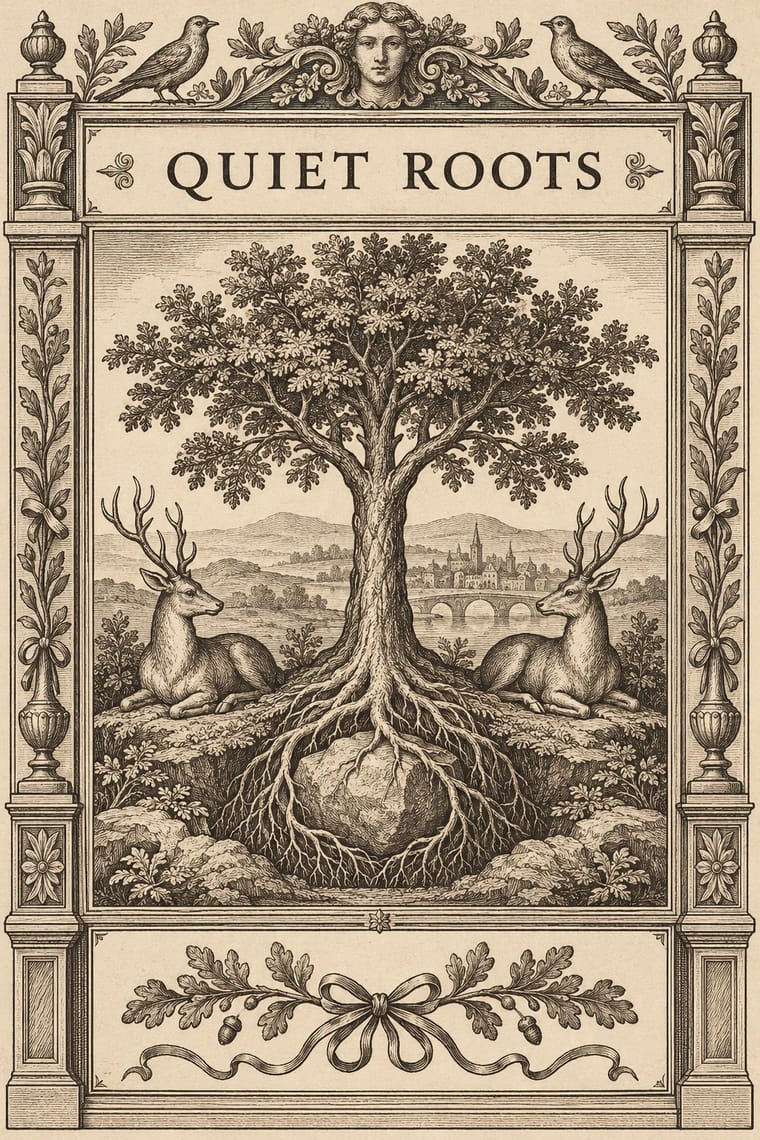
Emblem Book (Motto, Picture & Epigram)A European book genre in which, from Chrestien Wechel's Paris edition of 1534 on, every page or opening repeats one fixed unit: a short motto, an allegorical picture and an explanatory verse, which only together yield a moral, amorous or religious meaning.
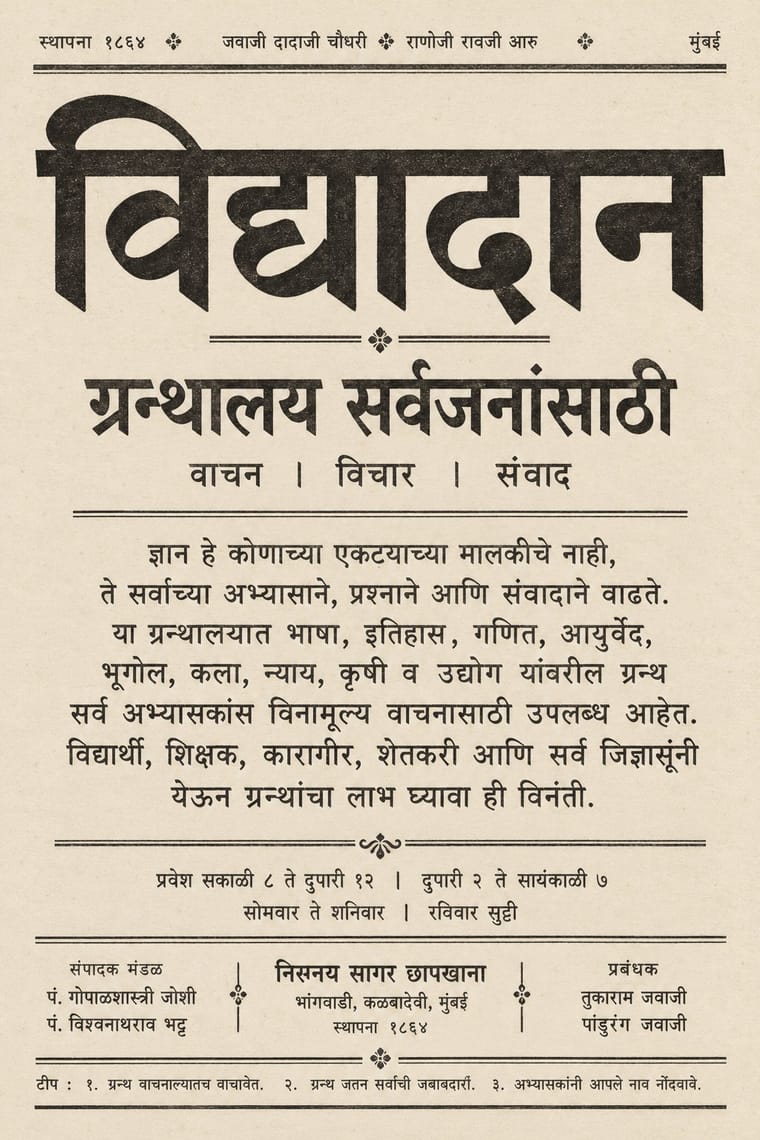
Nirnaya Sagar Devanagari Typography (Bombay Metal Type)Devanagari as Javaji Dadaji's Bombay type foundry (1864) and Nirnaya Sagar Press (1869) cut and printed it: upright metal type with a strong headline, cut with the punch-cutter Ranoji Aru, and enough conjunct and 'Akhand' sorts to set Sanskrit, Vedic accents and Marathi whole.
- Lira Popular (Chilean Illustrated Verse Broadsheets)Loose verse sheets printed and sold in Chile's cities from 1866, peaking around 1890 and declining after 1920, though some were still printed into the 1940s.
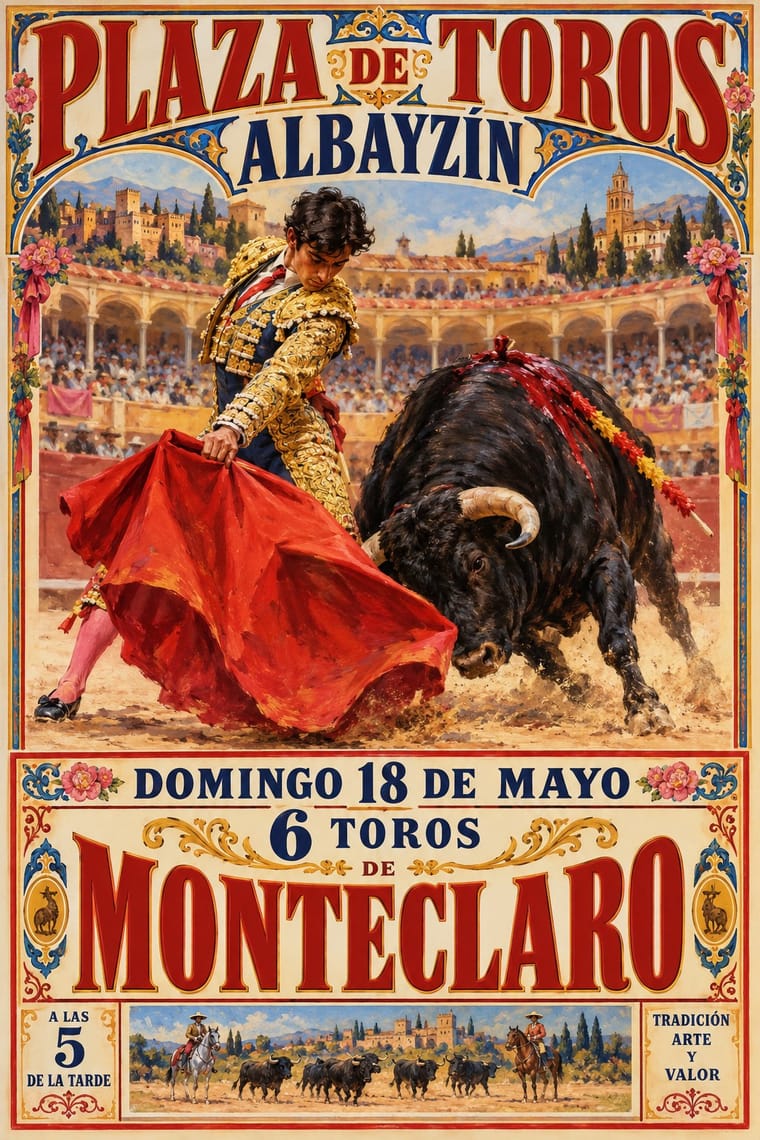
Spanish Bullfight Poster (Cartel Taurino)The Spanish bullfight poster in its illustrated form, from Marcelino de Unceta's lithographs (from 1879) to the Valencian house of Ortega, which supplied rings across Spain.
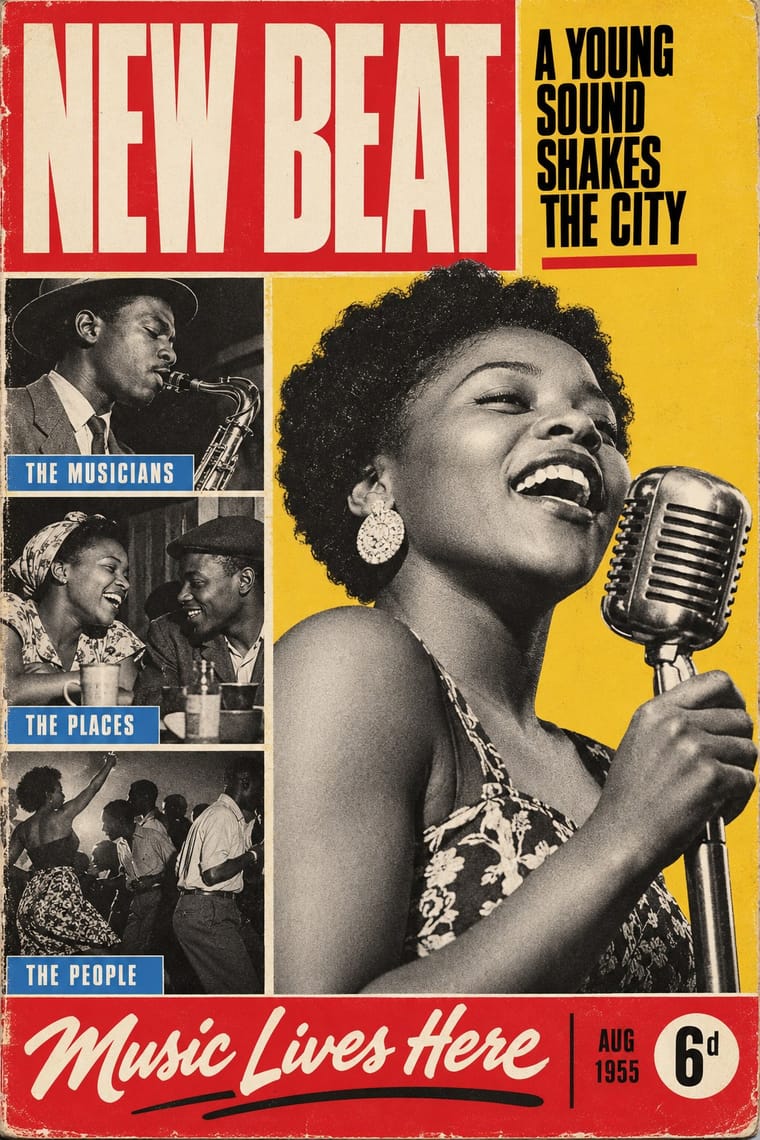
Drum Magazine & Sophiatown PhotojournalismThe picture magazine of Black urban Africa in the 1950s.
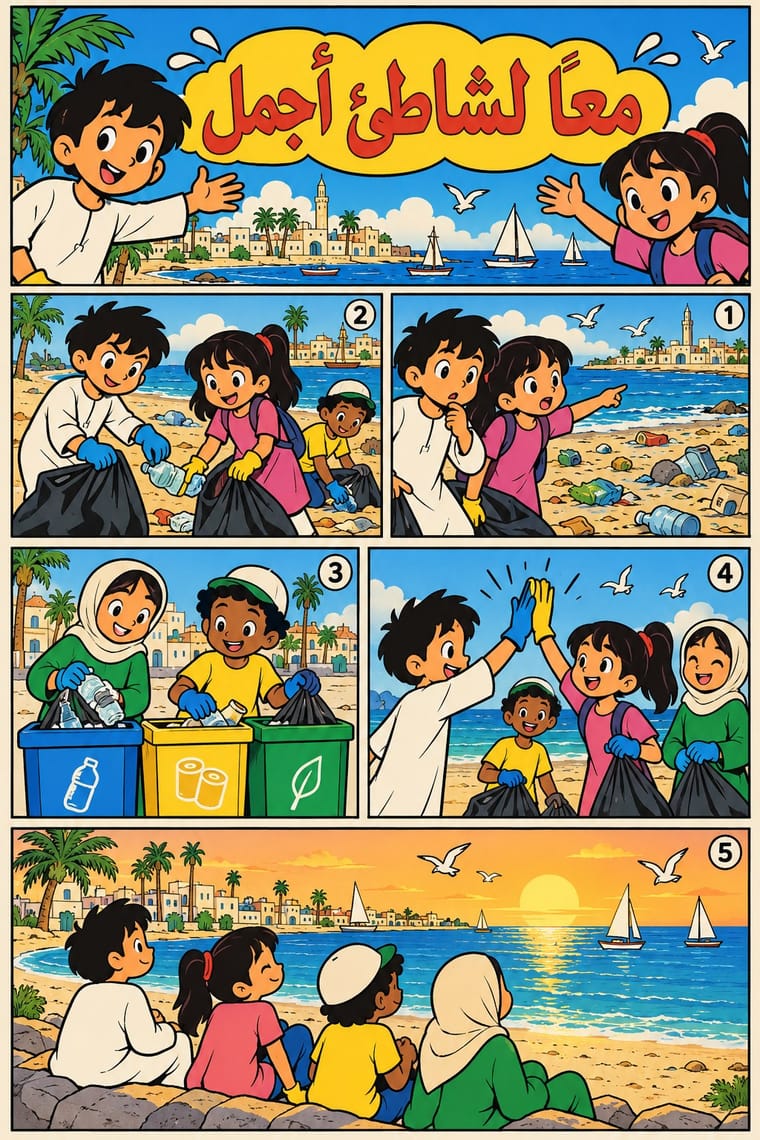
Arab Children's Comic Magazines (Samir to Majid)Arabic children's comics weeklies, from Dar al-Hilal's Samir in Cairo (1956) to Abu Dhabi's Majid (1979), mixing translated Western strips with house characters by Egyptian, Lebanese, Armenian and European artists.
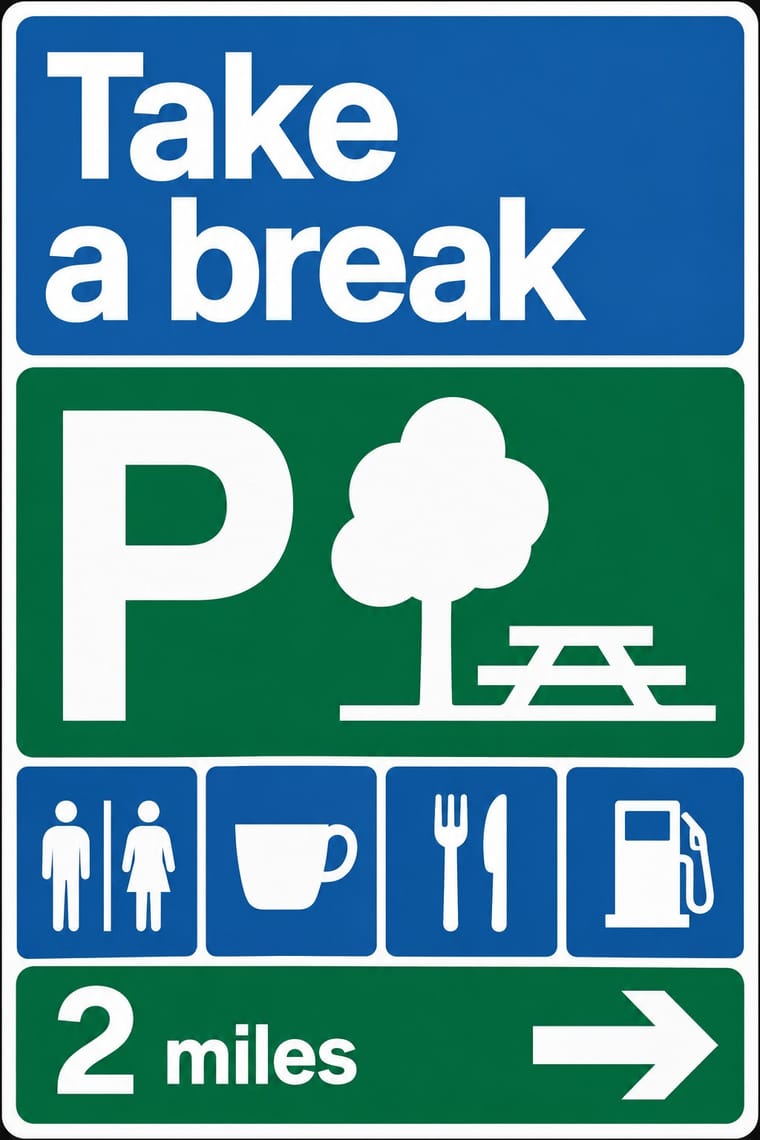
British Road Signage (Kinneir & Calvert)The national sign system Jock Kinneir and Margaret Calvert designed for Britain's motorways, first used on the Preston By-pass in 1958, and through the Worboys Committee for all roads from 1 January 1965.
Amar Chitra Katha ComicsThe Bombay comic-book series that from 1967 retold Hindu myth and epic, Buddhist and Jain tales, saints, folk legends, the jests of the court wits Birbal and Tenali Raman, and Indian history for children, in English and Indian languages, with well over 500 titles by the early 1990s.
Kinshasa Popular PaintingA school of easel painting founded in Kinshasa in the early 1970s by Chéri Samba, Moké, Chéri Chérin and Pierre Bodo, largely self-taught painters, several of them trained in Kinshasa's billboard and sign workshops.
Australian Poster Collective ScreenprintsScreenprinted posters from the political poster collectives and community workshops that spread across Australia from Sydney's Tin Sheds, where Earthworks began in 1971.
Cranbrook & Deconstructivist TypographyGraduate-school experimentation, centred on Katherine and Michael McCoy's Cranbrook design programme, that applied post-structuralist literary theory to the page.
Jamaican Dancehall Signs & Sleeve ArtThe street graphics of Jamaica's dancehall era.
ACT UP & Gran Fury AIDS Activist GraphicsThe graphics of New York's AIDS activist movement: the SILENCE=DEATH poster of 1987, a pink triangle above white capitals on black, and the posters, stickers, T-shirts, billboards and bus ads of Gran Fury (1988–1995), ACT UP's 'unofficial propaganda ministry'.
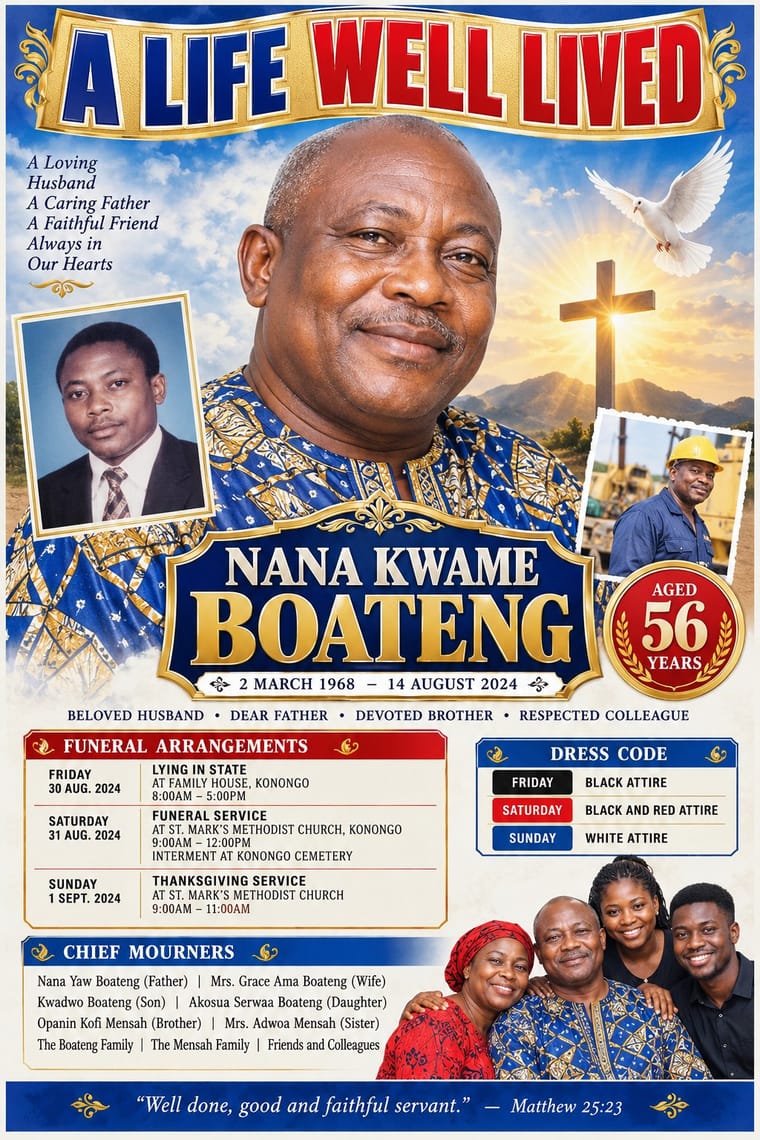
Ghanaian Funeral Poster & BannerThe printed death announcements of southern Ghana, also found elsewhere in West Africa: colour posters, mostly A2, pasted on walls, trees, poles and vehicles, and by the mid-2010s large PVC banners hung at the family house.
- Nigerian Pentecostal Crusade Poster & BillboardThe roadside adverts of Nigeria's Pentecostal and independent churches: billboards, banners and posters on poles, walls and bridges announcing crusades, revivals, conventions and night vigils.
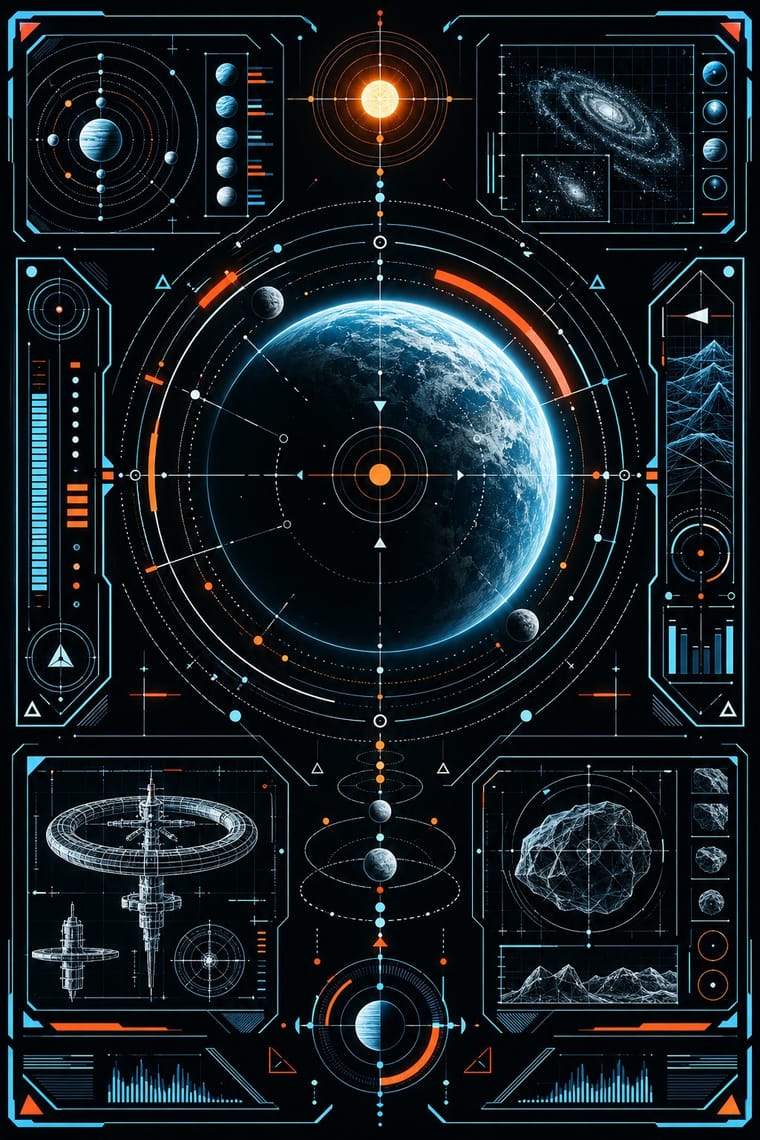
Fantasy User Interface (FUI) & Sci-Fi HUDFantasy user interfaces are the screen graphics of films and series: computer screens, holograms and helmet HUDs made to be watched for a few seconds, not used.
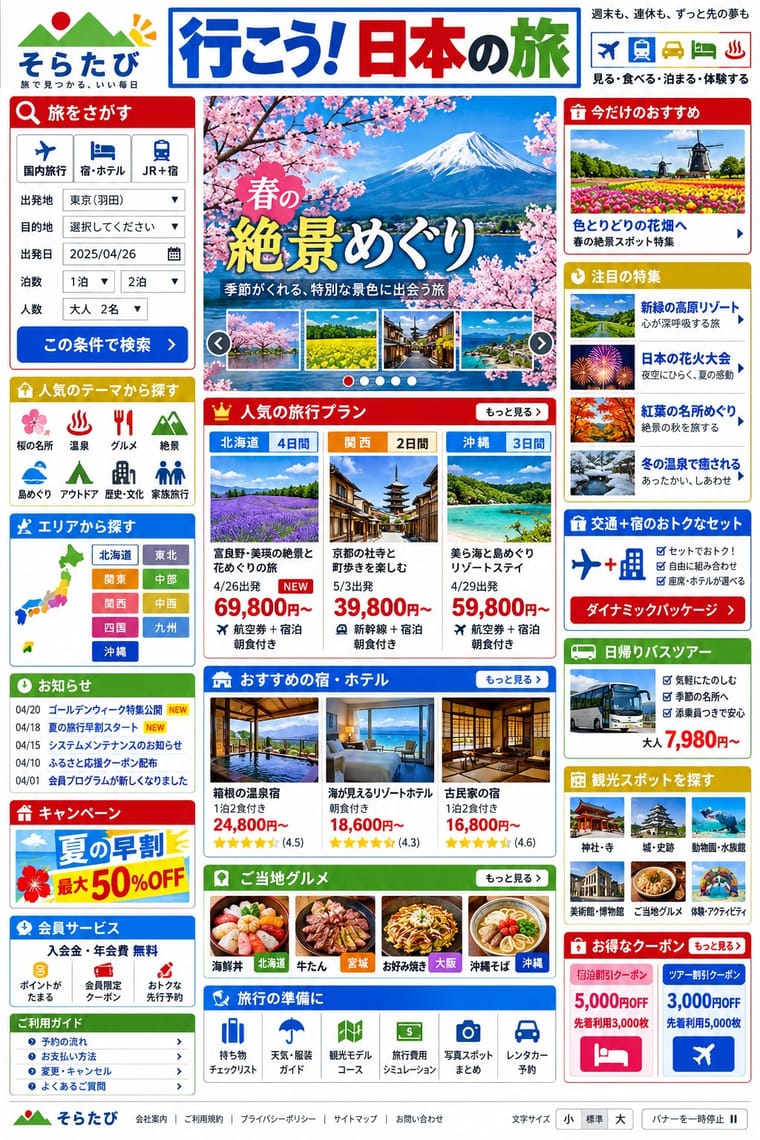
Japanese Dense Web DesignThe information-packed look of Japan's big portals, shops, airlines and ministries: three or more narrow columns of boxed modules, crowded with small Japanese text, blue links, tiny thumbnails, dated news lists and rotating ad banners, in bright colours on a white page.
- Danmaku Bullet-Comment OverlayThe bullet-comment layer of Japanese and Chinese video sites, begun on Niconico in December 2006 and taken up by AcFun and Bilibili in 2008–2009.
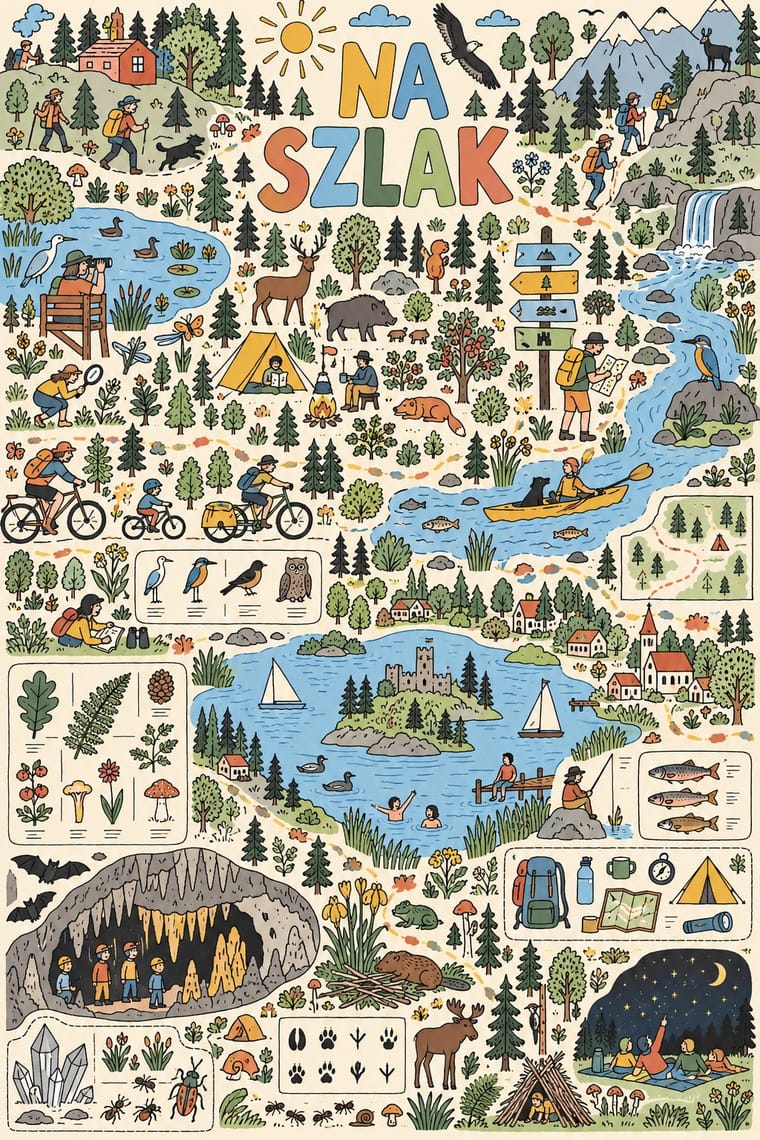
Polish Information Picture Book (Dwie Siostry)Mostly large-format information picture books made since 2008 by the Warsaw publisher Dwie Siostry with young illustrators led by Aleksandra and Daniel Mizieliński, graduates of the city's Academy of Fine Arts: atlases, cross-sections, labyrinths, activity books and wordless seek-and-find board books.
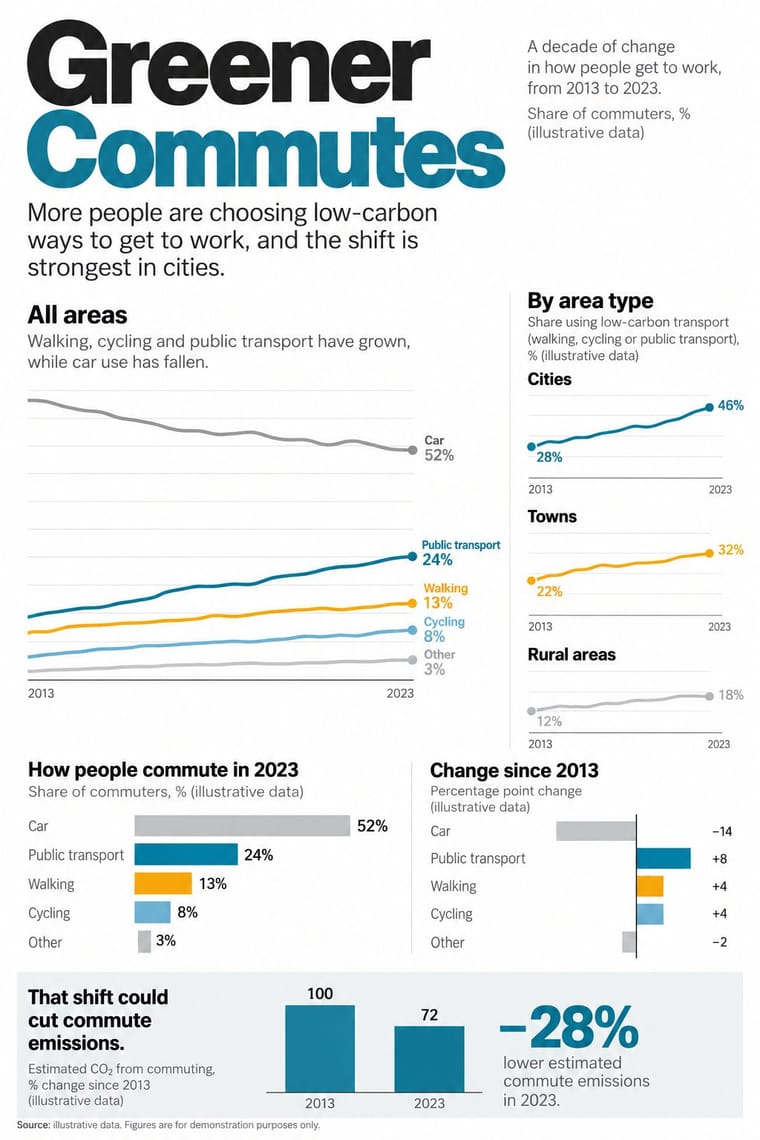
Newsroom Data Graphics & ScrollytellingThe house style of newspaper graphics desks since about 2009–2011 (the New York Times graphics desk, D3.js, the Guardian Datablog): conventional charts drawn from the data, on a white or pale paper ground with light grey gridlines and no axis titles, lines labelled directly in place of a legend where possible and short annotations saying what to look at.
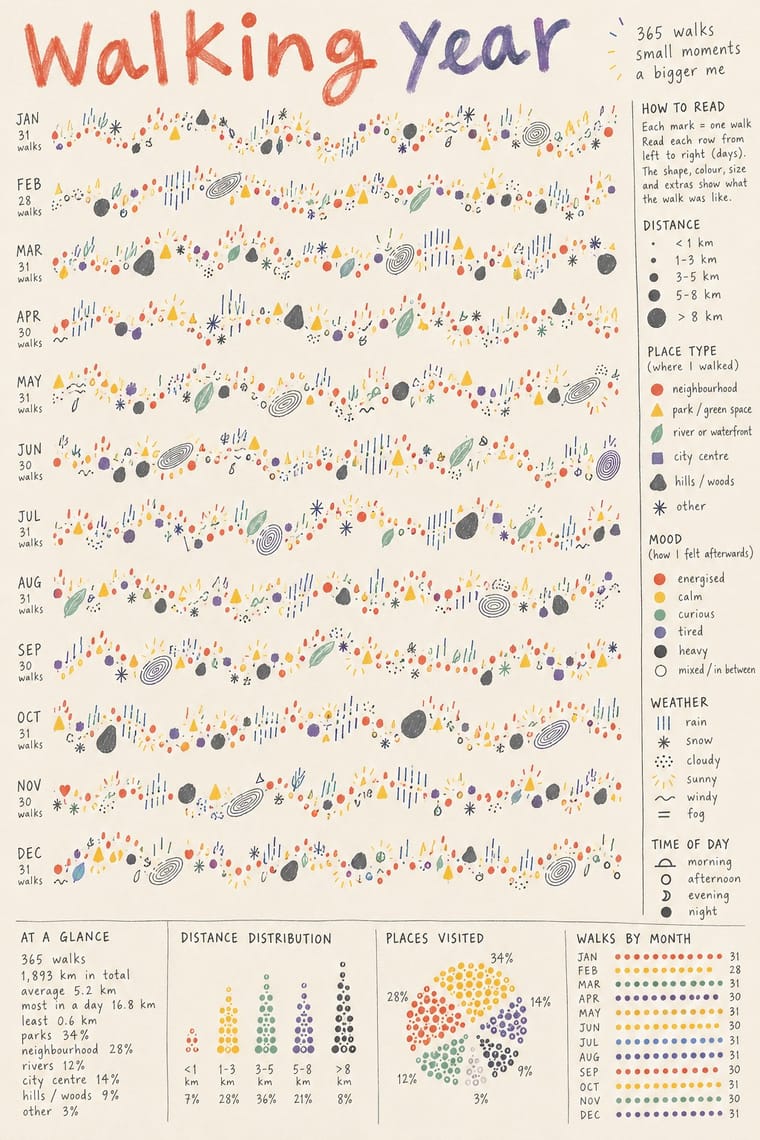
Data HumanismAn information-design approach that draws data rather than charting it, treating numbers as personal, approximate and human.
- Front-of-Pack Warning Octagons (Latin American Food Warning Seals)A state warning system stacked on commercial food packs.
- VTuber Avatar and Stream GraphicsThe graphic kit of virtual YouTubers, streamers who perform behind an animated anime-style character instead of their own face.
Styles that often use it 63
A characteristic choice: usual in these styles, though not essential.
- Ancient Egyptian Hieroglyphic & Register CompositionThe visual system of pharaonic Egypt, in which writing is made of pictures and pictures are ruled like writing.
- Ethiopian Ge'ez Manuscript & Haräg IlluminationThe manuscript art of the Ethiopian and Eritrean Orthodox Tewahedo Church, written in the Ge'ez syllabary on parchment from the Garima Gospels (radiocarbon-dated to roughly the 4th–7th centuries) to the present.
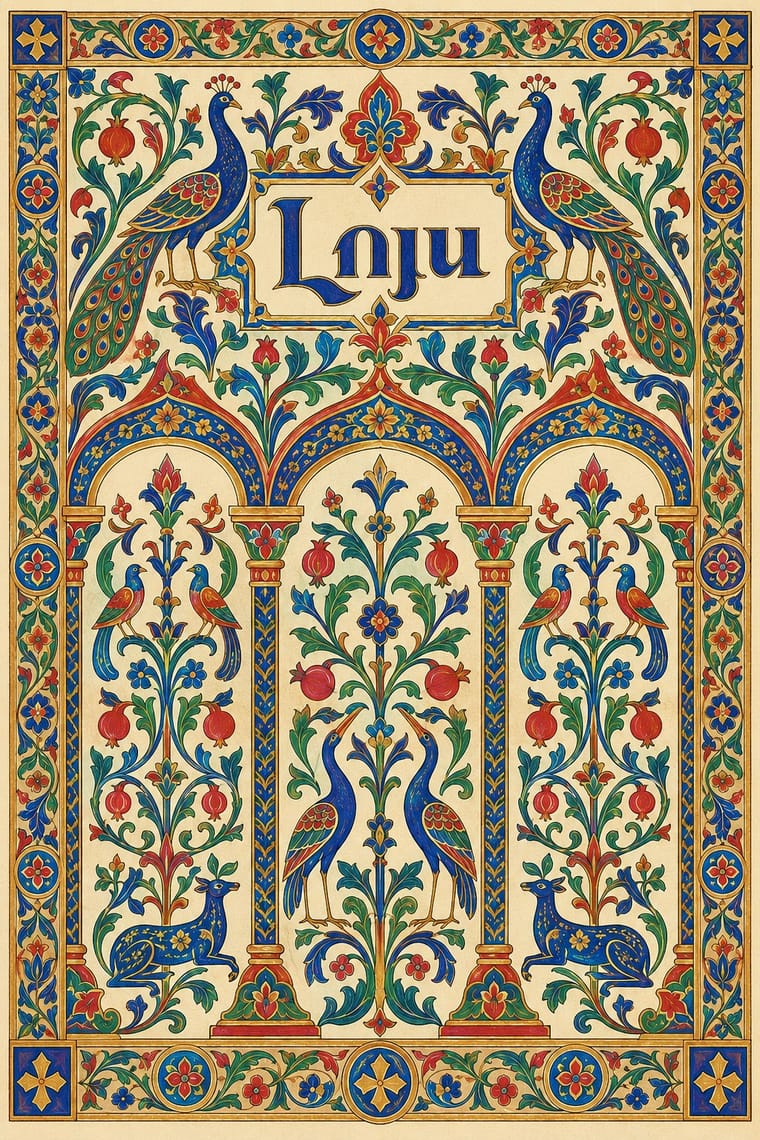
Armenian Manuscript IlluminationThe illuminated books of the Armenian Church, from the Gospel of Queen Mlke (c. 862) and the Etchmiadzin Gospels (989) to the last manuscripts around 1800.
- Maghrebi Script (Maghribi Calligraphy of al-Andalus and North Africa)The family of Arabic scripts of al-Andalus and North Africa, descended from early Kufic bookhands.
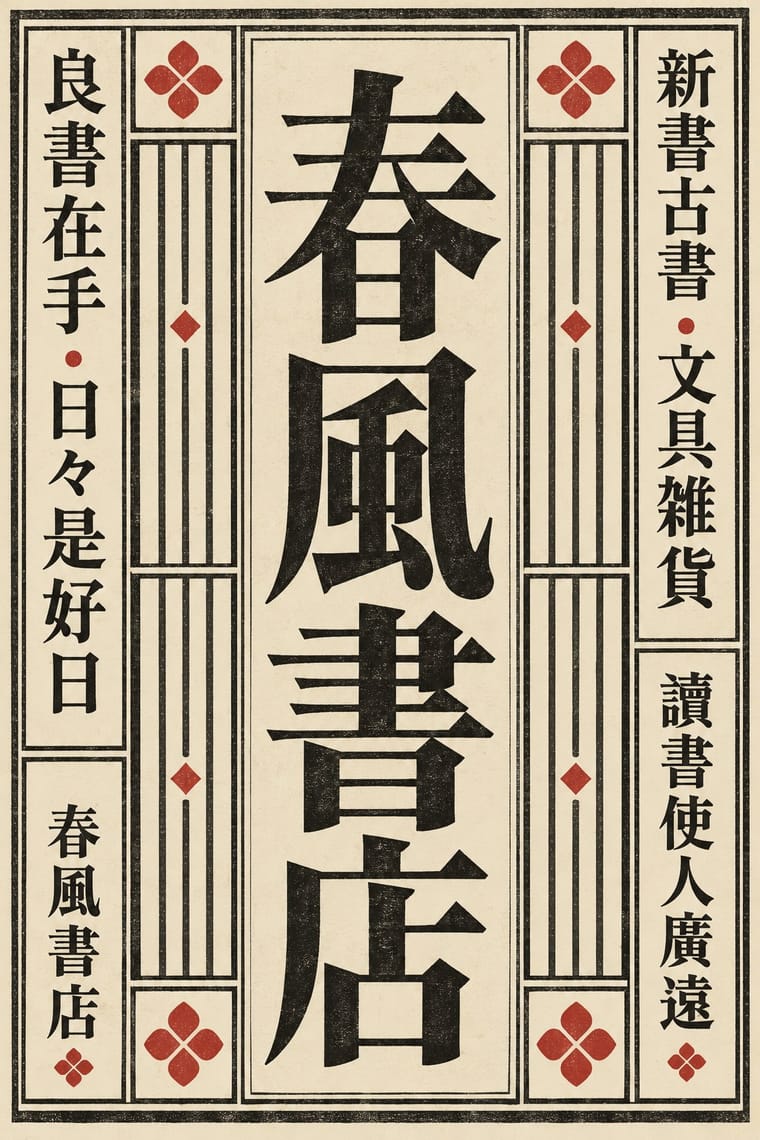
Song–Ming Woodblock Book Typography (Songti / Mincho)The page and letter of the East Asian book.
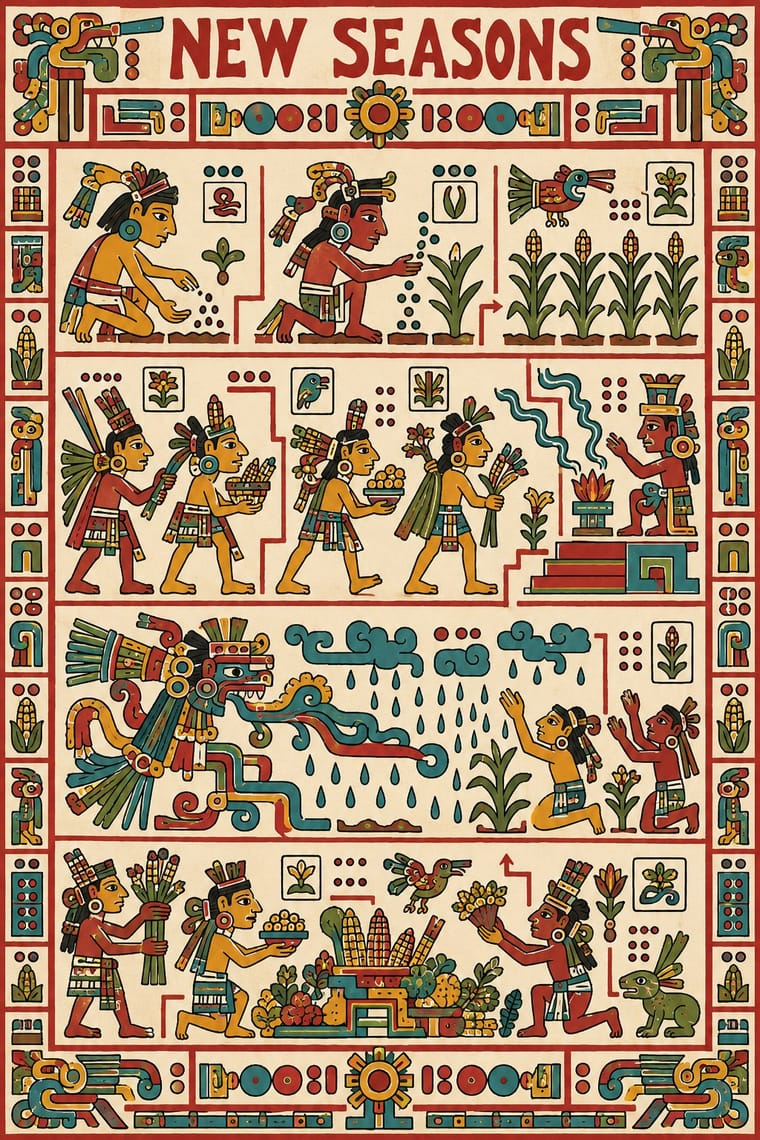
Mixteca-Puebla Codex PaintingThe painted screenfold books of Postclassic southern and central Mexico (not the Maya codices): long strips of gesso-coated deerskin, folded like a screen and painted on both sides.
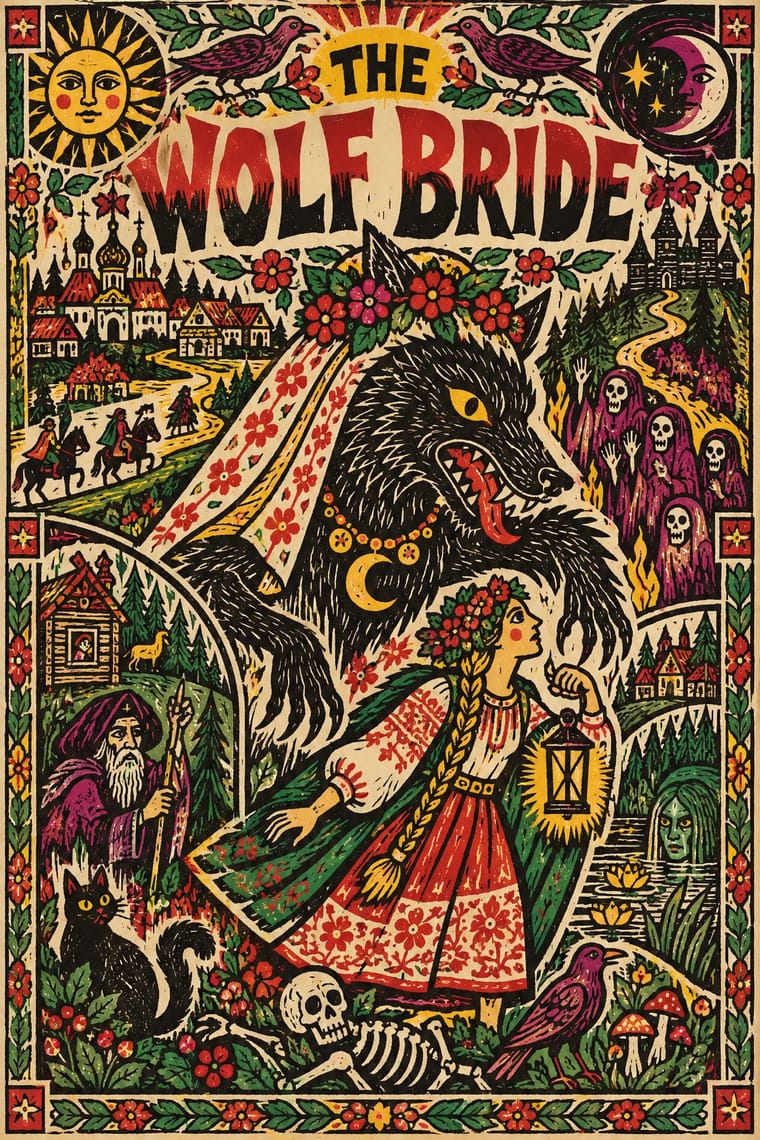
Lubok Popular PrintCheap single-sheet Russian popular prints sold at fairs and by pedlars from the later 17th century: woodcut, later engraved and lithographed pictures of saints, fables, heroes, battles and satire in which text and image share one sheet.
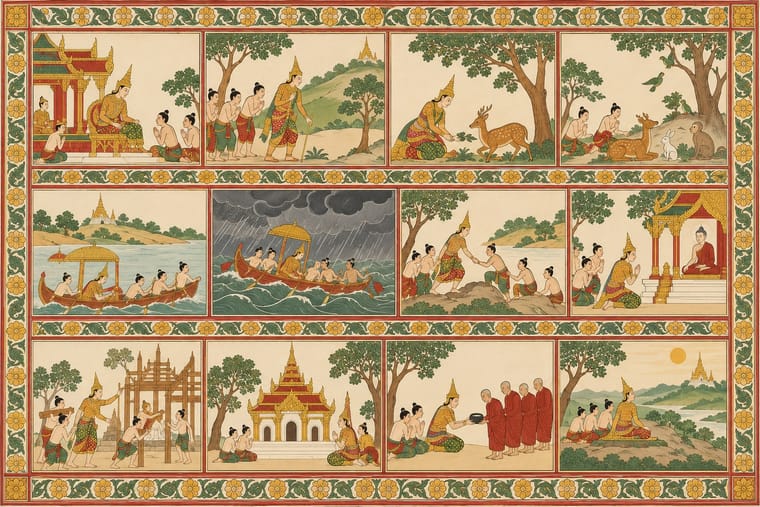
Burmese Parabaik Painting (Konbaung Folding Books)Painted Burmese folding books of the Konbaung court and its monasteries.
Edo-moji Commercial Lettering (Kanteiryū, Yose-moji, Sumō-ji)The fat, ink-heavy brush hands that Edo's professional sign and bill writers made for the city's entertainments: Kanteiryū for kabuki signboards and playbills from 1779, yose-moji for rakugo halls, sumō-ji for sumo ranking sheets, and squarish kago-moji for votive name slips.
Imagerie d'Épinal & European BilderbogenCheap single-sheet popular prints sold by pedlars across 19th-century Europe, led by the Pellerin imagerie at Épinal and the Neuruppin Bilderbogen.
Victorian Letterpress & Wood TypeThe commercial jobbing print of the industrial century: posters, playbills, auction notices and ephemera built from a flood of new display types (fat faces, Egyptians, grotesques, Tuscans and condensed wood type).
Bulaq (Amiriyya) Naskh Book PrintingThe page of the Arabic printed book as Egypt's state press at Bulaq shaped it from 1822: justified blocks of black Naskh type on pale paper, often boxed in a ruled frame, with an ornamental headpiece on the opening page, headings set larger or in a second script such as Nastaʿlīq, and almost no pictures.
- Urdu Katib LithographyFor about a century and a half Urdu chose lithography over movable type, because metal type could not reproduce the sloping, stacked ligatures of Nastaʿlīq.
- Persian Popular Narrative (Lithographs & Coffeehouse Painting)Iran's popular picture-stories in two media.
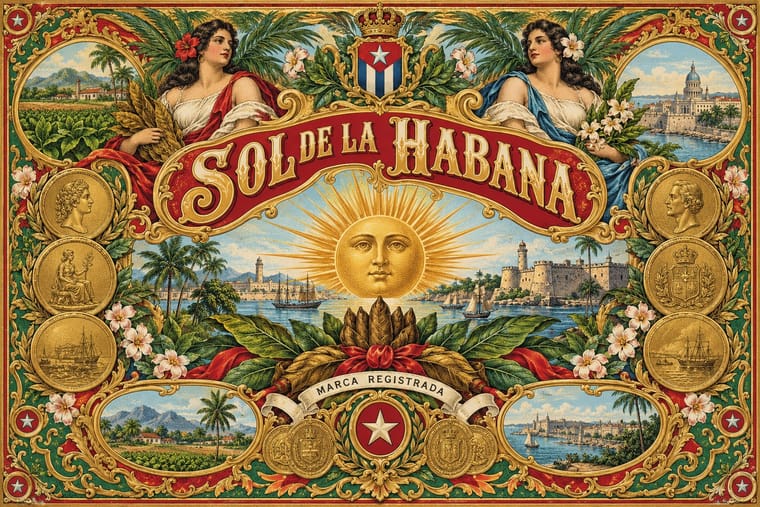
Cuban Tobacco Lithography (Habilitaciones & Marquillas)The chromolithographed dress of Havana tobacco.
- Mexican Popular Graphics (Posada)Cheap broadsheets, chapbooks and gazettes sold on the streets of Porfirian Mexico City by the publisher Antonio Vanegas Arroyo and illustrated by Manuel Manilla and José Guadalupe Posada.
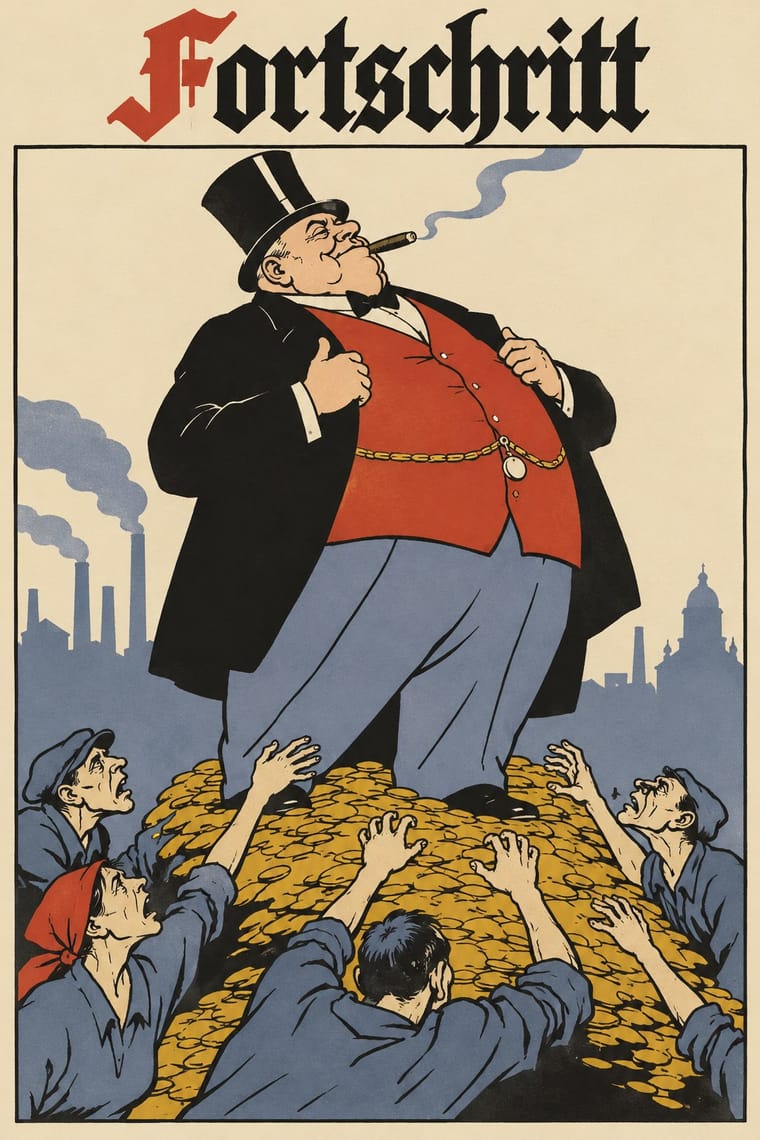
Simplicissimus Satirical Style (Munich)The house style of the Munich satirical weekly Simplicissimus, set by Th.
- London Transport DesignThe design programme Frank Pick built for London's Underground from 1908 and the London Passenger Transport Board (1933–40), continued by Harold Hutchison (1947–66).
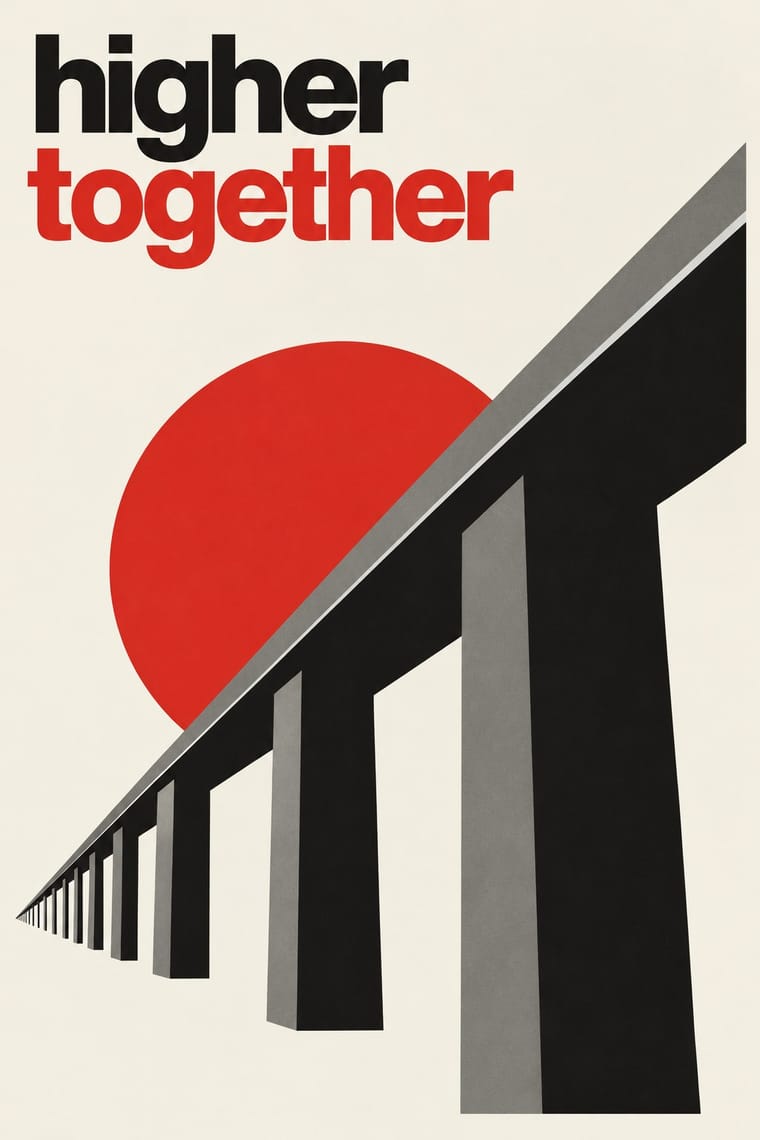
Die Neue TypographieThe programme that turned avant-garde experiment into a functional typographic method, named by Moholy-Nagy in 1923 and codified in Jan Tschichold's 'elementare typographie' (1925) and Die neue Typographie (1928).
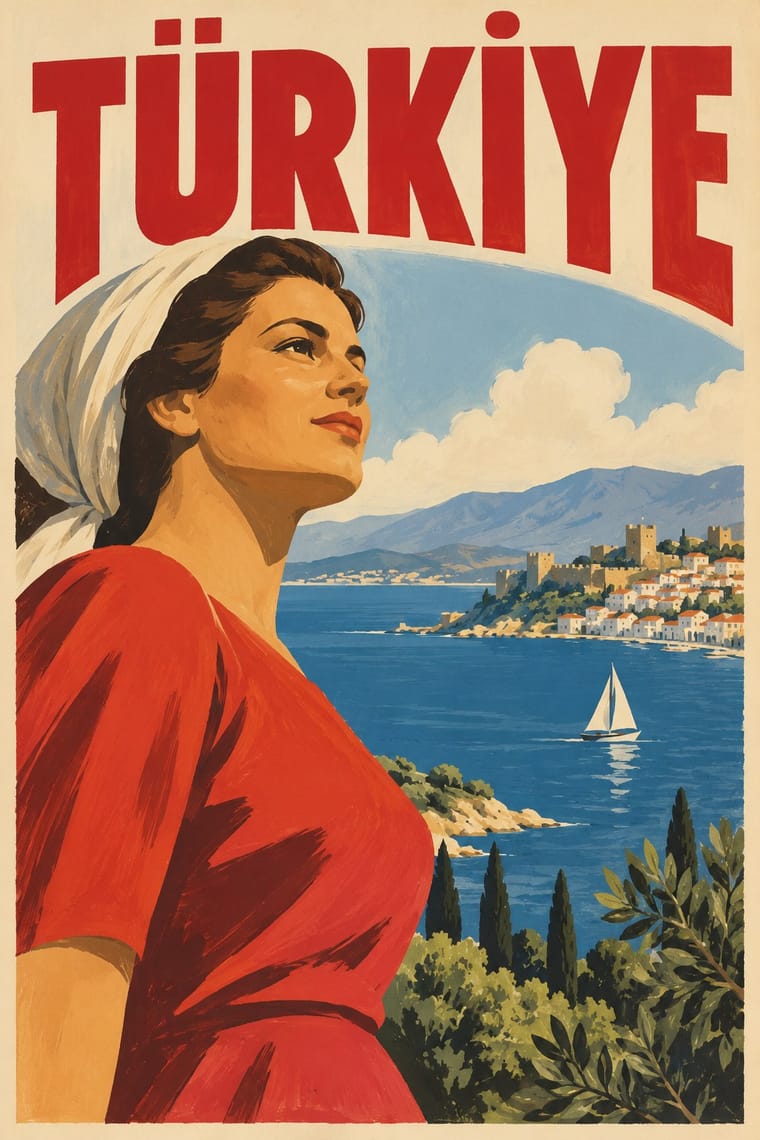
Early Turkish Republican Graphic DesignThe pictorial poster, label and ticket art of the young Turkish Republic, led by İhap Hulusi Görey after his Munich training in Ludwig Hohlwein's orbit, with Münif Fehim Özarman and, after 1943, Kenan Temizan.
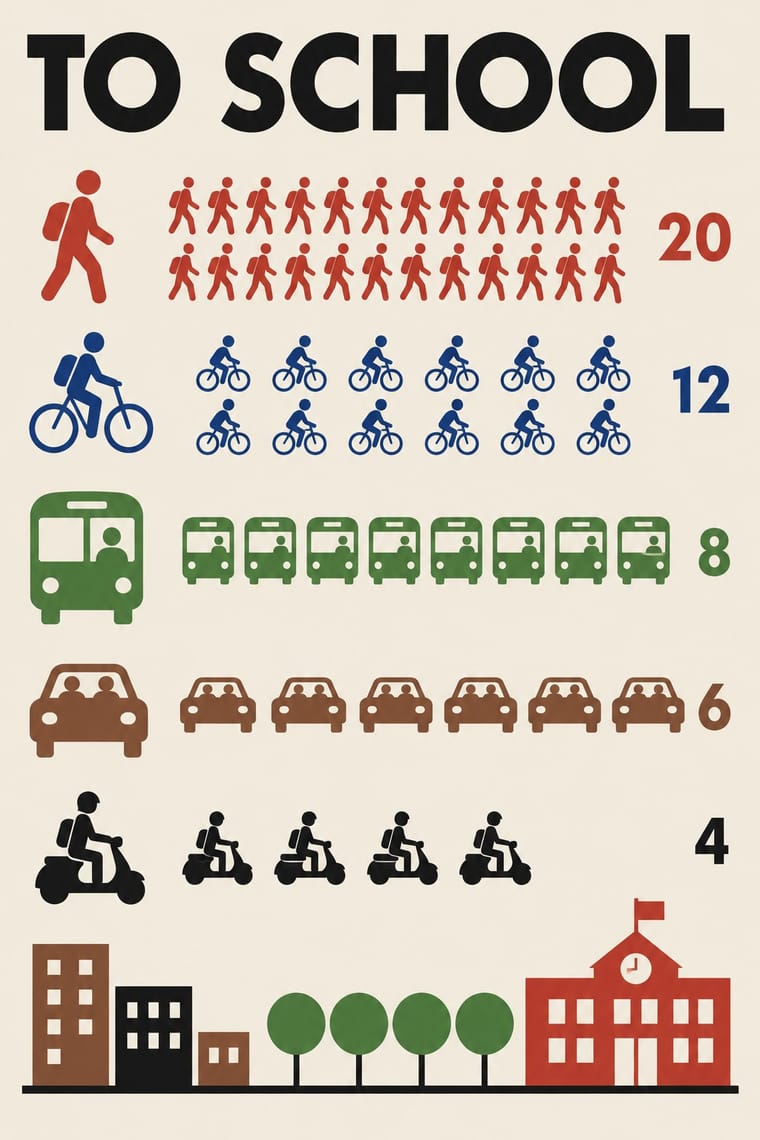
Isotype Pictorial StatisticsA method of visual education developed by Otto Neurath, Marie Neurath (Reidemeister) and Gerd Arntz in Red Vienna from 1925, which turns statistics into rows of identical pictograms where a greater quantity is shown by more signs, never by bigger ones.
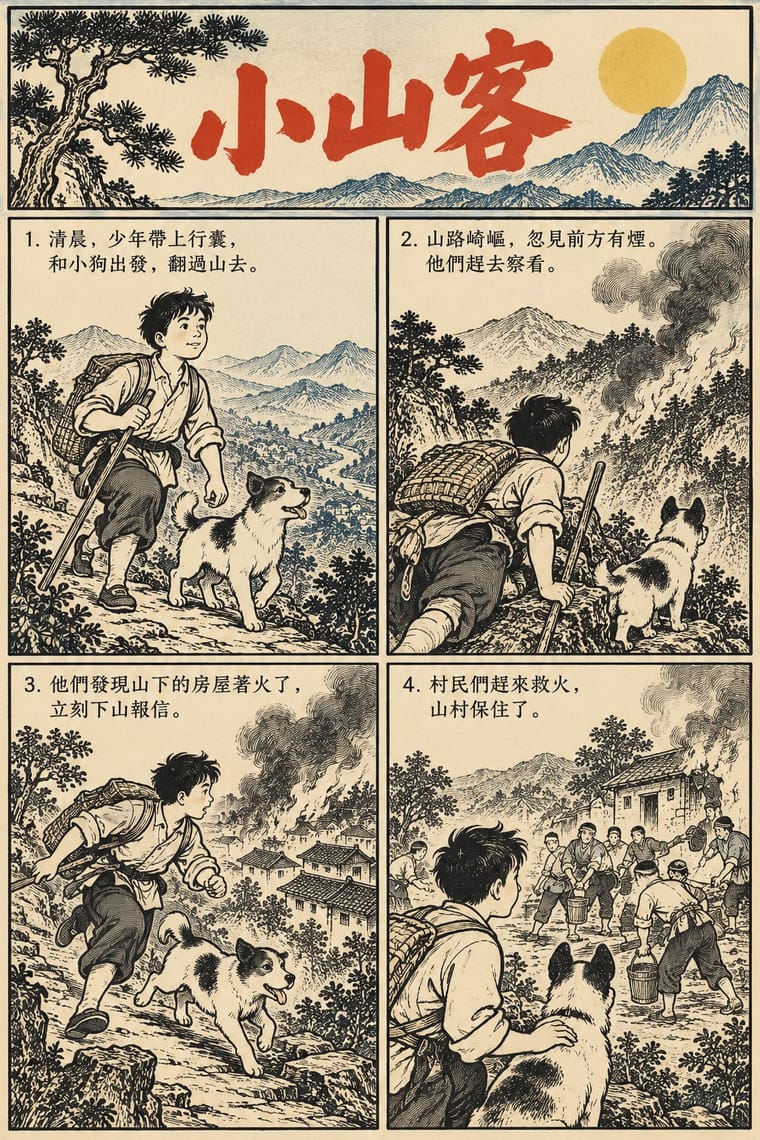
Lianhuanhua Picture-Story BooksPalm-sized Chinese picture books, about three by five inches, that tell a novel, opera, film or revolutionary story in hundreds of single framed drawings, one to a page, each with a short caption.
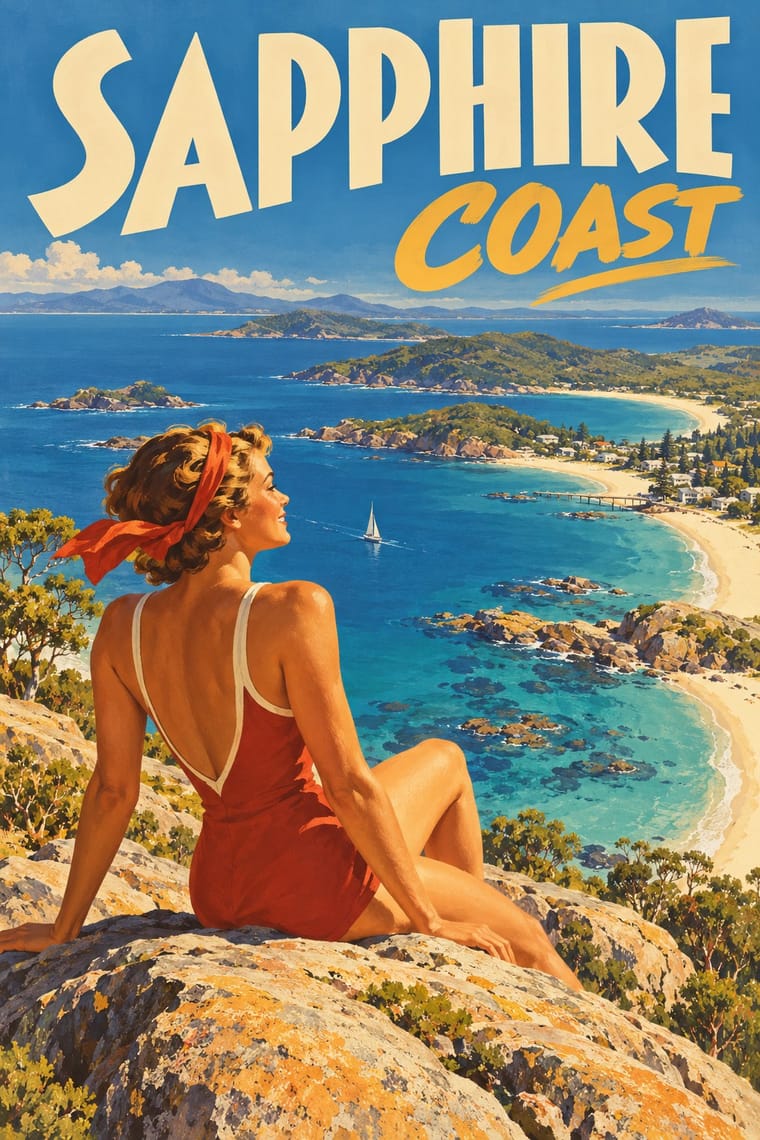
Australian Travel Poster (ANTA Era)The pictorial posters that the Australian National Travel Association (ANTA, 1929), state tourist bureaux, railways and shipping lines commissioned to sell Australia abroad and at home.
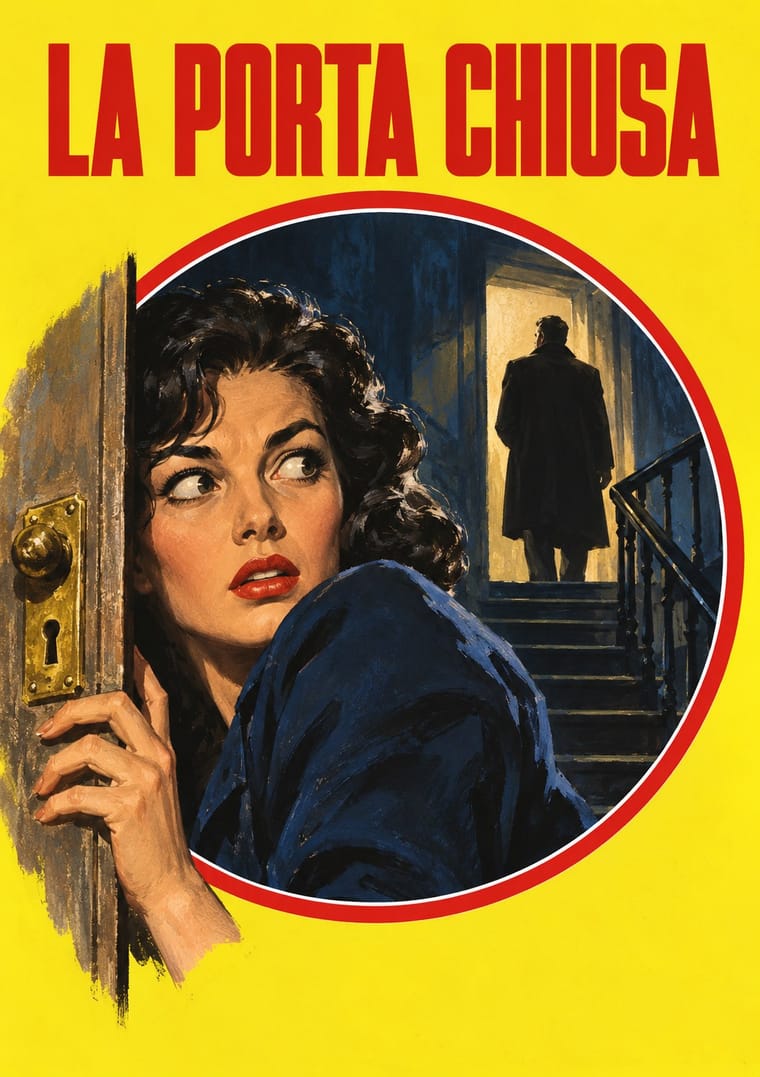
Giallo Mondadori Covers (I Libri Gialli)The cover system of Mondadori's crime series, Milan, from I Libri Gialli of 1929 to Il Giallo Mondadori today.
- AIZ Political Photomontage (Heartfield)The political photomontage John Heartfield made for the communist weekly AIZ from 1930 to 1938, in Berlin and, from 1933, in Prague exile.
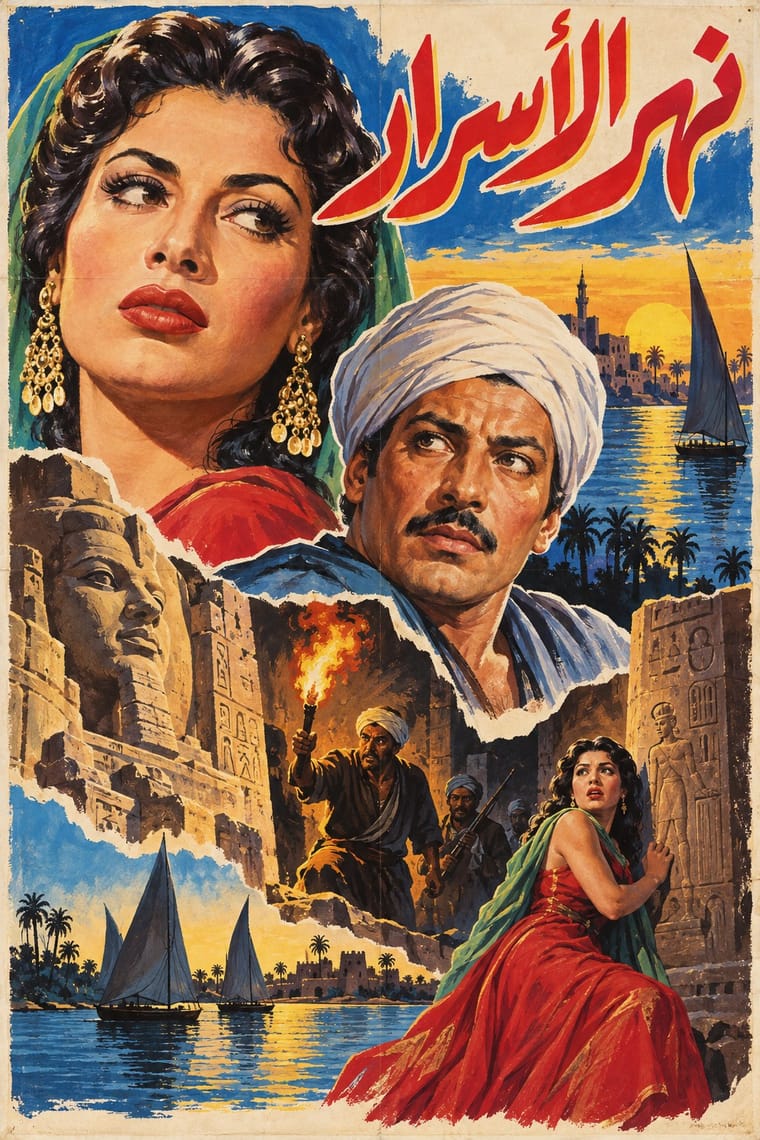
Egyptian Painted Film PosterThe painted publicity of Egyptian cinema from the early talkies to the 1990s, designed outside the studios by artist-printers such as Hassan Mazhar Gassour and printed as colour lithographs in Cairo.
- Nippon Kōbō & Tōhōsha Photo-Propaganda Magazines (NIPPON & FRONT)Luxury photo-propaganda magazines that imperial Japan sent abroad, 1934–45.
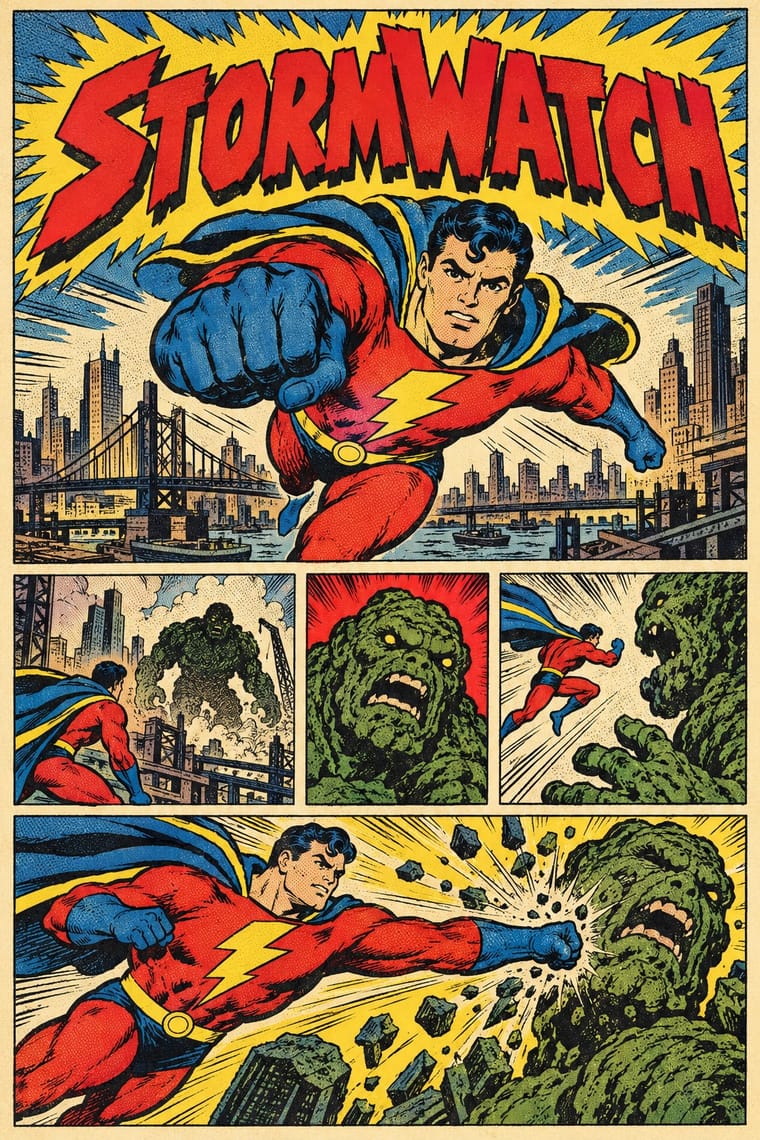
American Four-Colour Comic Book (Golden to Bronze Age)The American newsstand comic book from Famous Funnies (1934) and Action Comics #1 (1938) through the Golden, Silver and Bronze Ages, and past the Bronze Age's end in 1985 until computer colour replaced hand separations in the early 1990s.
Penguin Paperback Design (Three Bands to the Marber Grid)The cover system of Penguin Books, London, from 1935 until Germano Facetti left in 1972.
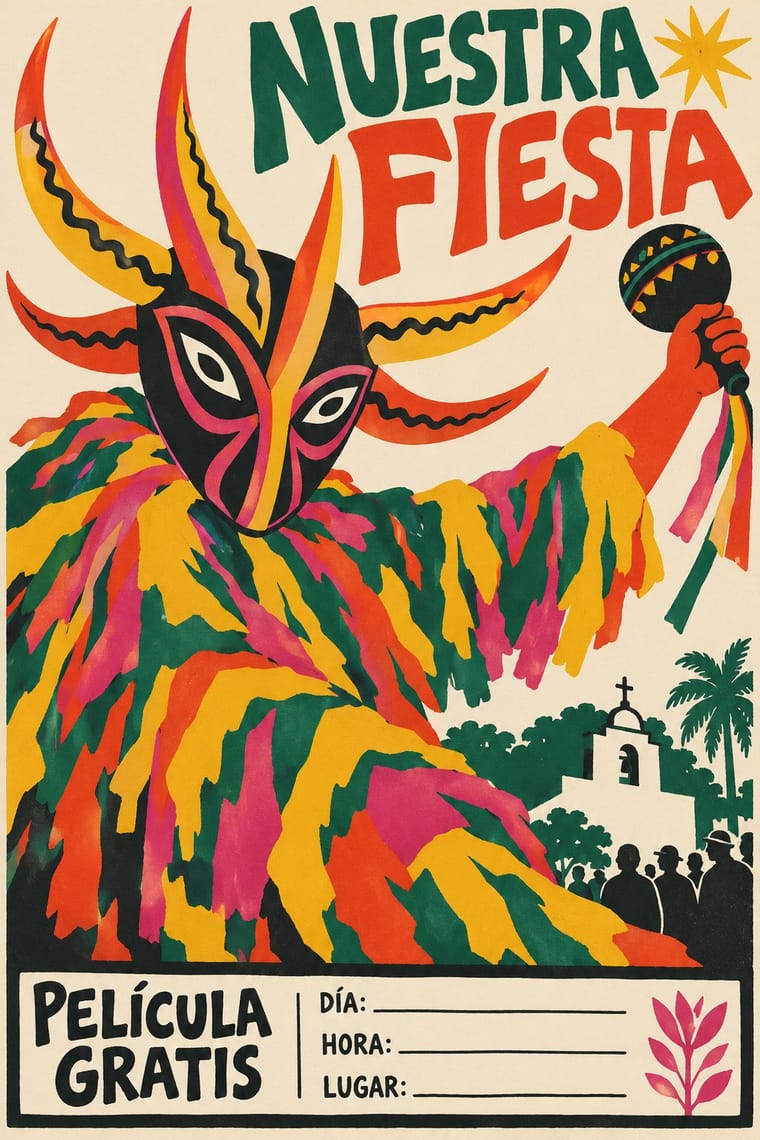
Puerto Rican Silkscreen Poster (DIVEDCO & ICP)The hand-pulled silkscreen poster of Puerto Rico, begun by Irene Delano's workshop in 1946–47 and grown in the government's Division of Community Education (DIVEDCO, 1949) and the Instituto de Cultura Puertorriqueña's print workshop under Lorenzo Homar (1957–73).
- Machine-Age Simplified Arabic TypeArabic redrawn for the machine rather than the reed pen.
- Onitsha Market PamphletsCheap, stapled pamphlets of romance, advice, drama and political biography, written by students, clerks, journalists and traders and printed by jobbing letterpress shops around Onitsha Main Market in eastern Nigeria from the late 1940s.
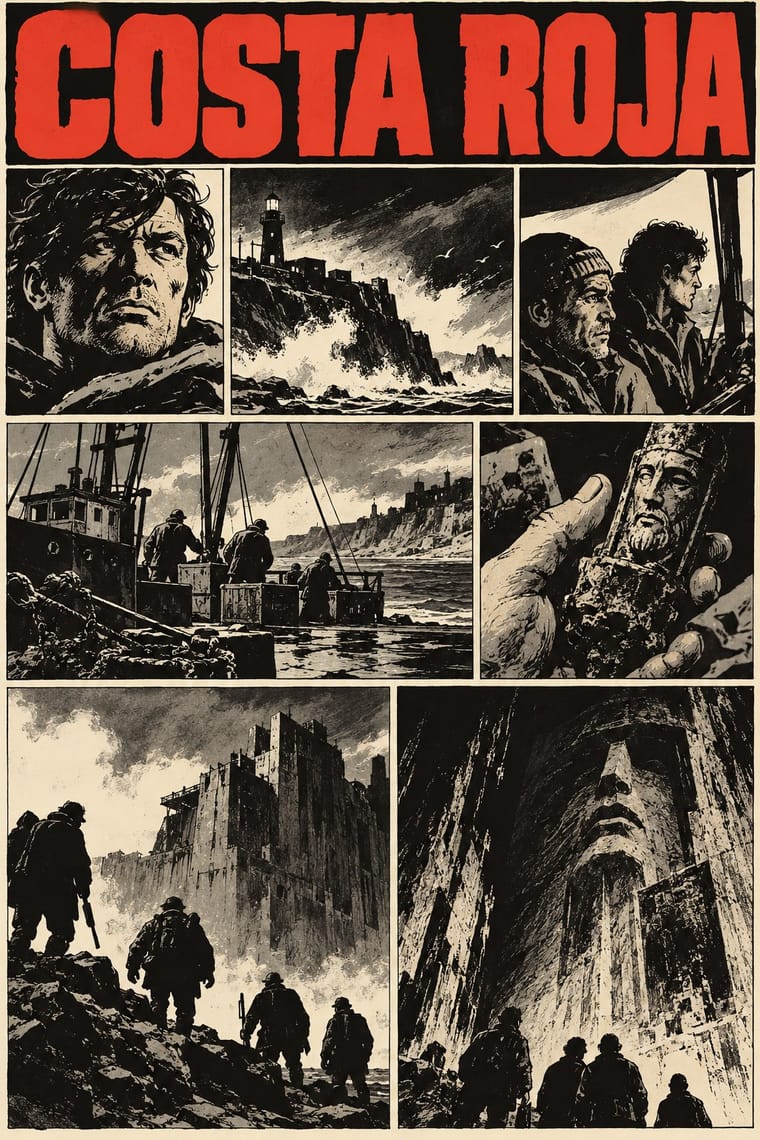
Argentine Adventure Historieta (Oesterheld–Breccia)The adult adventure comics of Buenos Aires newsstand magazines, from Misterix (1948) and Oesterheld's Hora Cero (1957) to Skorpio and Fierro; the humour line of Patoruzú, Rico Tipo and Mafalda is another tradition.
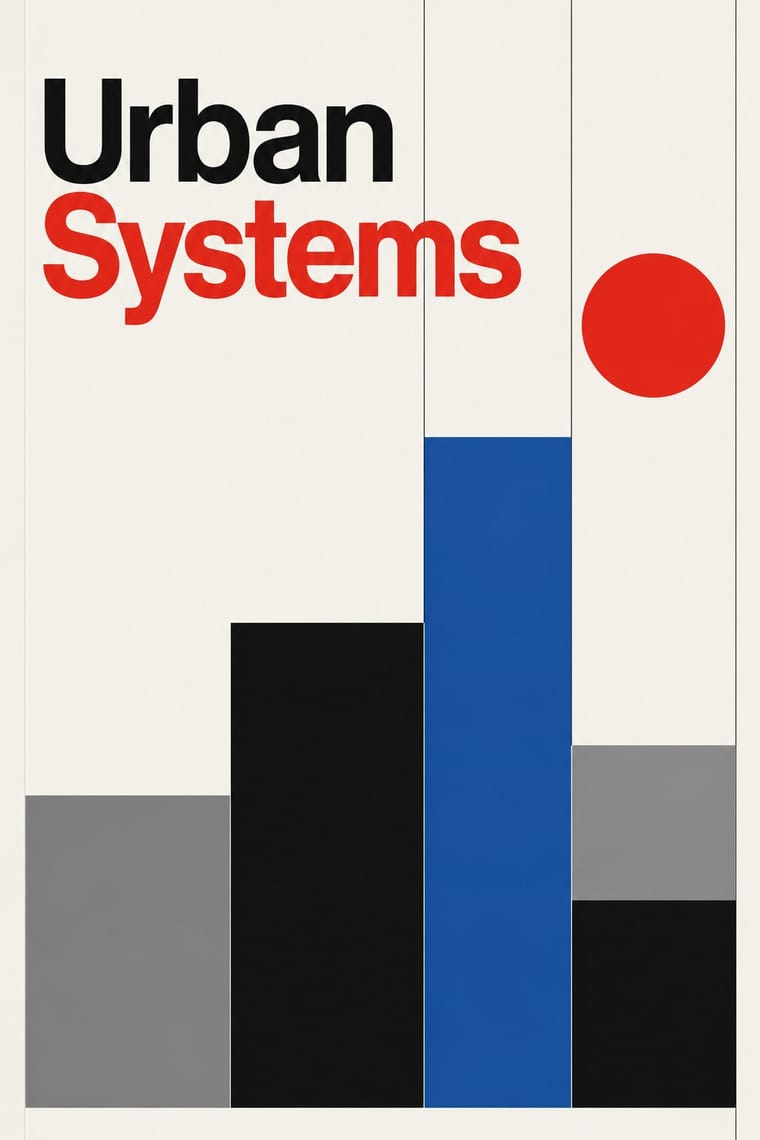
International Typographic StyleA post-war refinement of the New Typography in which the mathematical grid, objective photography and neo-grotesque sans-serifs were used to communicate with clarity and neutrality.
HfG Ulm Systematic DesignThe Hochschule für Gestaltung Ulm (1953–1968) was founded as the successor to the Bauhaus.
Vicente Rojo & Mexican Editorial ModernismThe design of Mexico City's literary and cultural press, shaped from the 1950s by the Barcelona-born exile Vicente Rojo: México en la Cultura, the Revista de la Universidad, Plural, La Jornada and the covers of Ediciones Era.
Shōjo Manga (Japanese Girls' Comics)The look of Japan's girls' comics (strictly a readership, not a style), which Takahashi Macoto fixed in 1958 from the lyrical illustration (jojōga) of Nakahara Jun'ichi and the Year 24 Group remade in the 1970s.
Phototype Expressive Typography (Lubalin & U&lc)The display typography of the phototype era, led in New York by Herb Lubalin, his lettering partners John Pistilli, Tom Carnase and Tony DiSpigna, and the International Typeface Corporation.
- Palestinian Resistance PosterThe poster culture of the Palestinian national movement after 1965, issued by the PLO and its factions from Beirut and other Arab capitals for refugee camps, homes and solidarity audiences abroad.
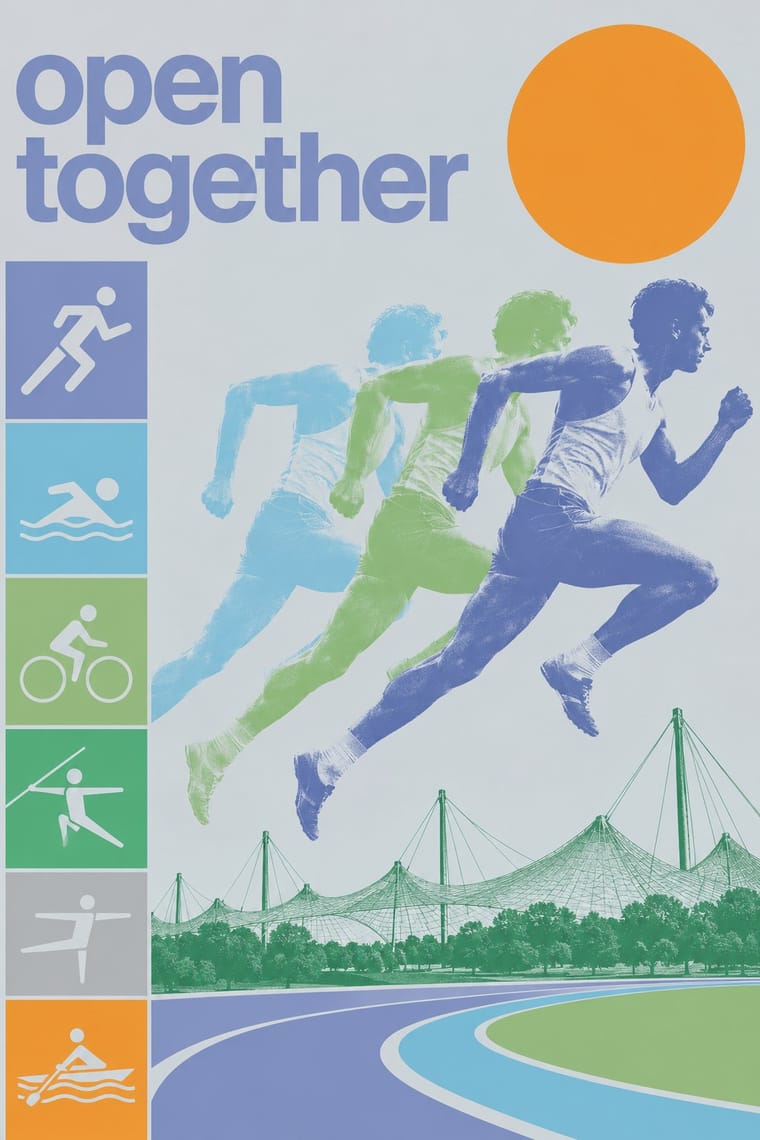
Munich 1972 Olympic Design (Otl Aicher)The visual programme Otl Aicher's department made for the 1972 Munich Olympics, the 'cheerful Games' meant to show a democratic, modest West Germany.
- Black Panther Party GraphicsThe visual language of the Black Panther Party, created largely by its Minister of Culture, Emory Douglas, for the weekly newspaper The Black Panther.
- Swiss Punk / New Wave TypographyA rebellion from inside the Swiss school: Wolfgang Weingart and his Basel students kept the grotesque and the grid but set them in motion with extreme letterspacing, stepped and angled lines, rules and bars, enlarged halftone screens and layered film montage.
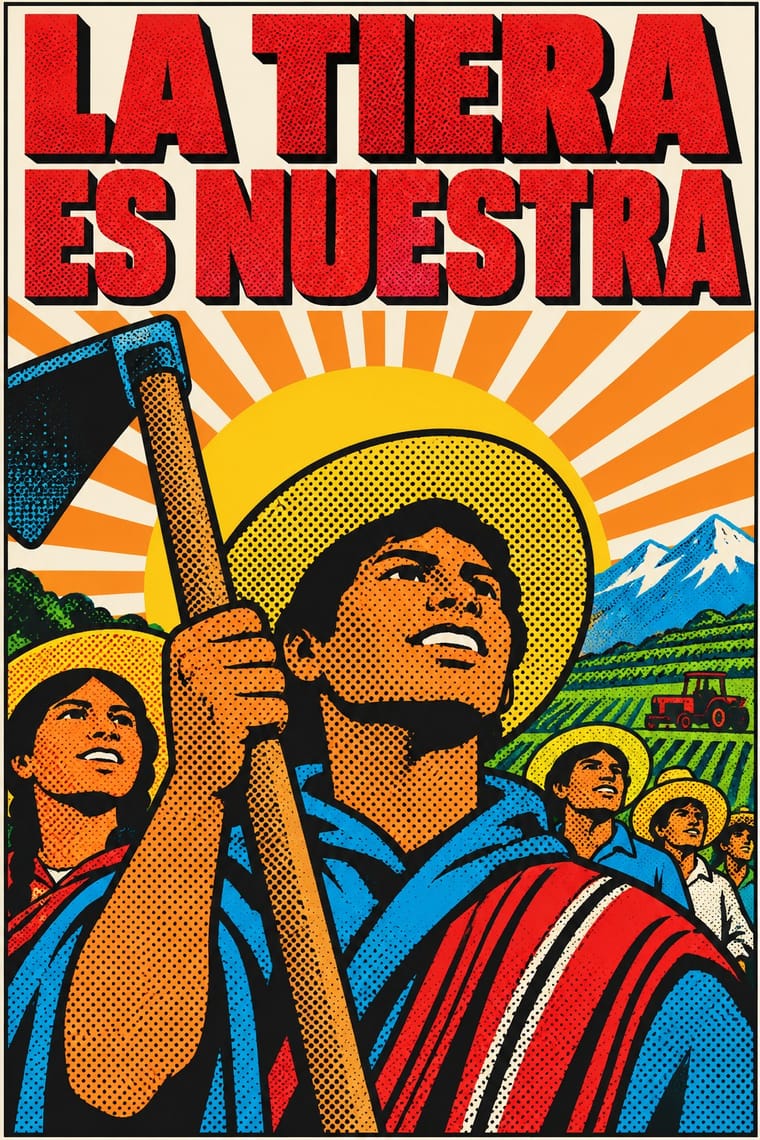
Pop Achorado (Peruvian Agrarian Reform Posters)Posters for the Peruvian military government's agrarian reform, made in Lima from 1969 by Jesús Ruiz Durand and colleagues at the state's reform publicity office.
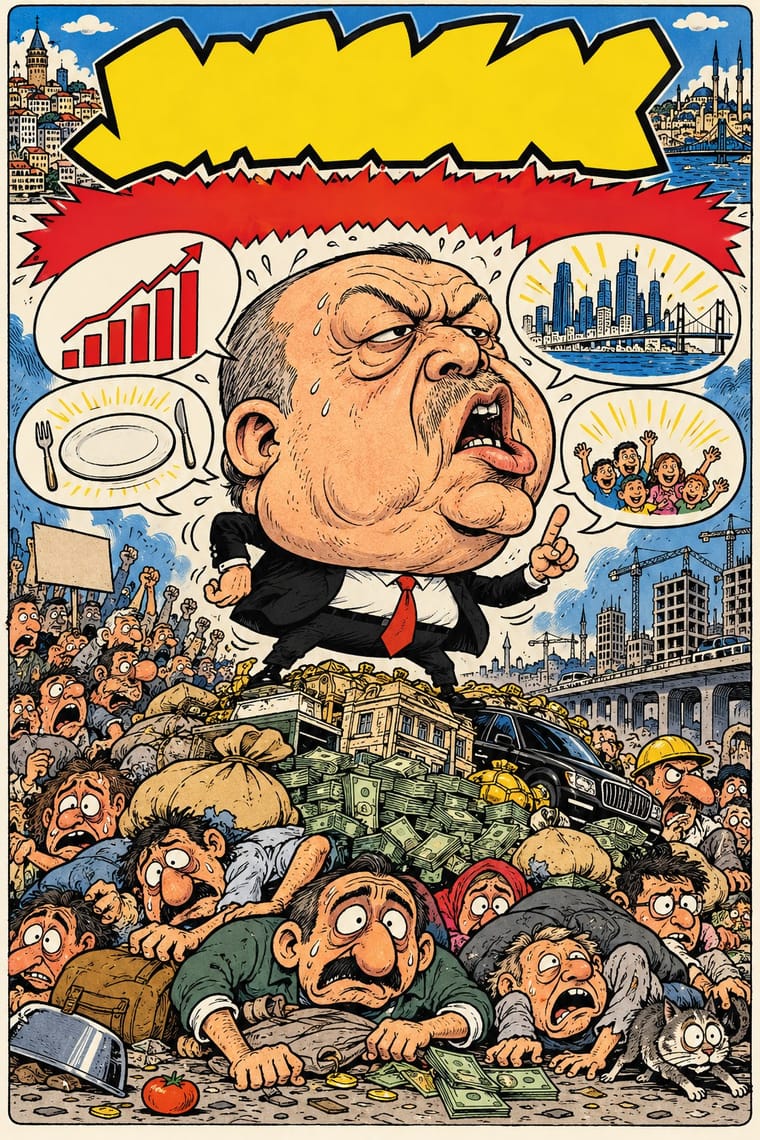
Turkish Weekly Humour Magazines (Gırgır to Uykusuz)Istanbul's weekly cartoon magazines, from the Aral brothers' Gırgır (1972), which sold up to about half a million copies, through the chain of breakaways that followed it: Limon, LeMan, Penguen and Uykusuz.
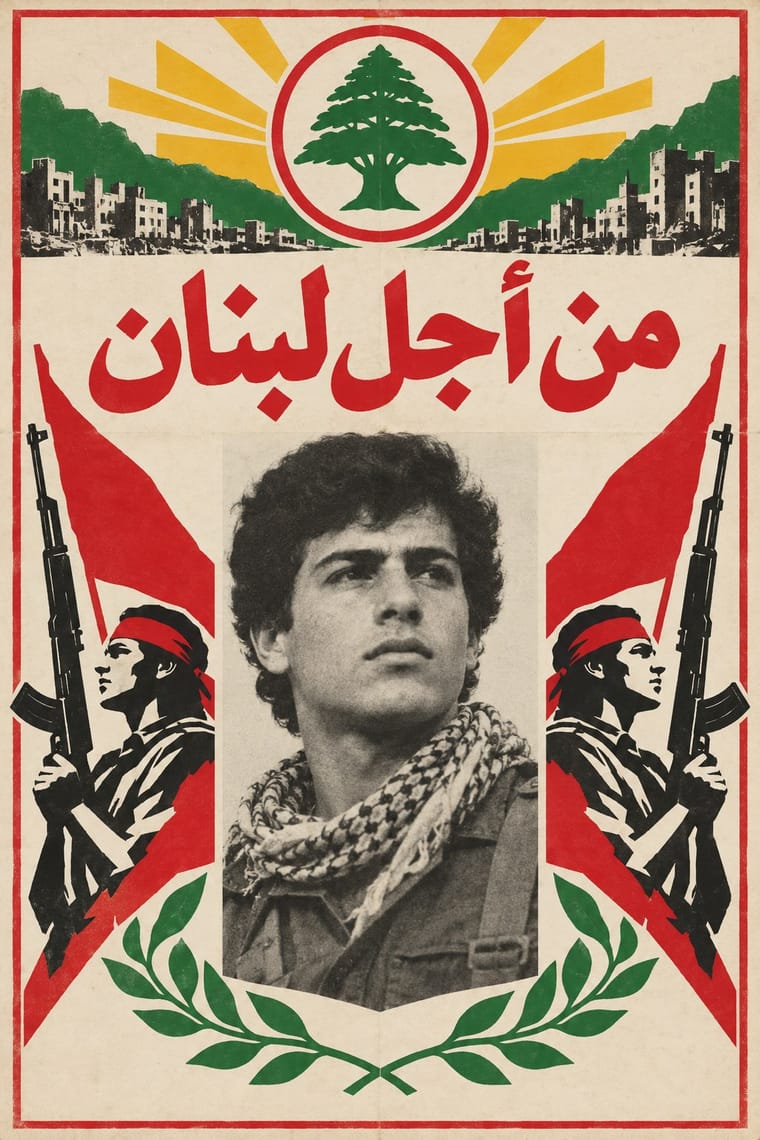
Lebanese Civil War Party PosterThe posters that some twenty parties and militias pasted on the walls of Beirut and other towns between 1975 and 1990, marking each quarter as one faction's territory.
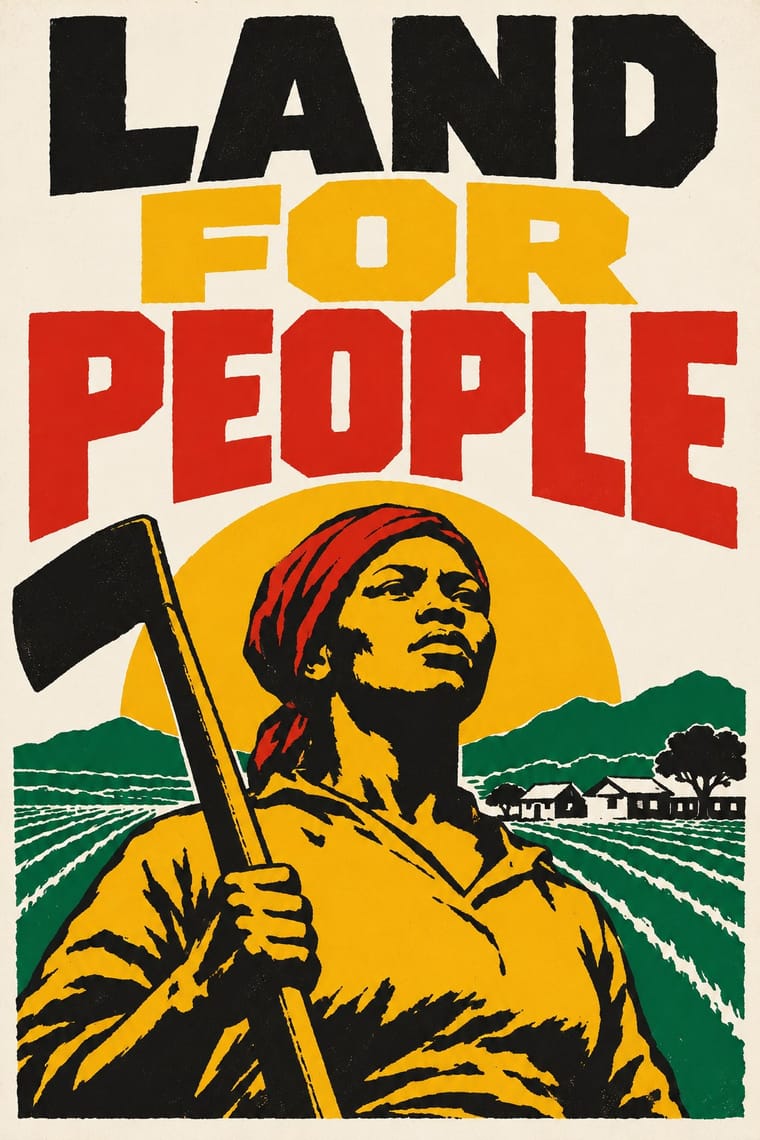
South African Resistance PosterThe posters of the struggle against apartheid, from the exiled Medu Art Ensemble in Gaborone to the community workshops that served the United Democratic Front and the unions in the 1980s.
- Chicha PosterFluorescent screen-printed street posters that emerged in the 1980s to promote chicha (Andean cumbia) concerts in Lima, made by printers from Andean migrant communities.
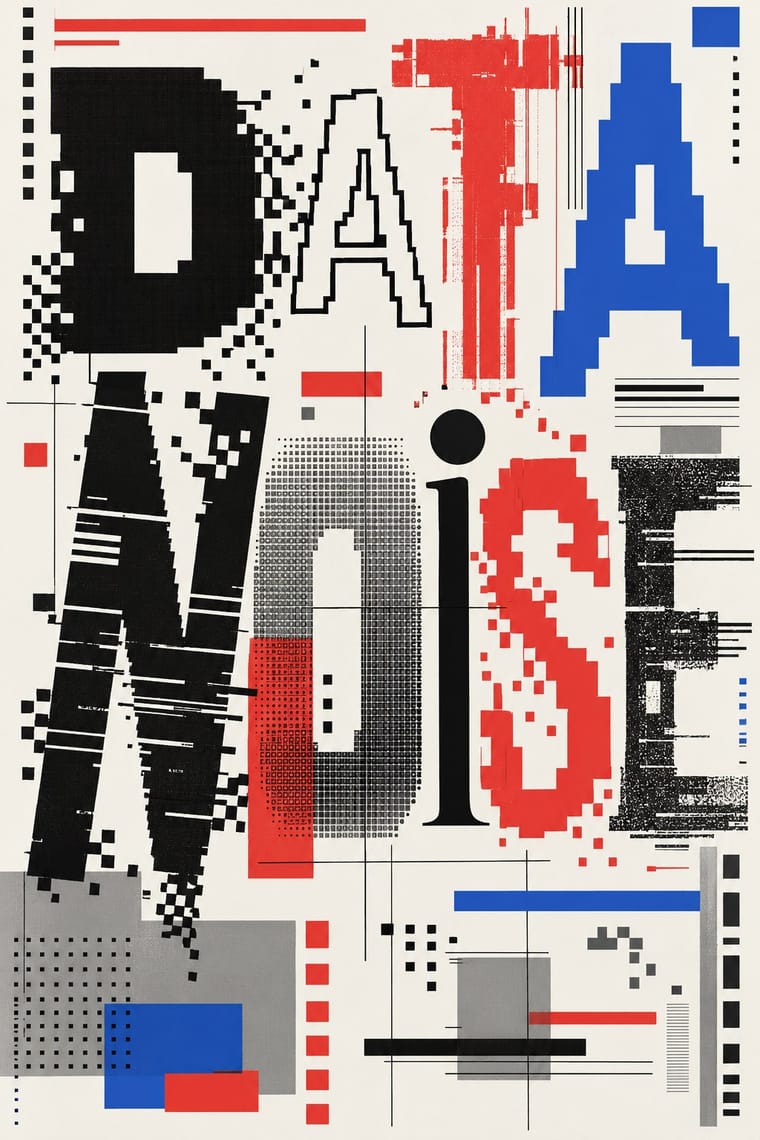
Emigre & Early Digital TypeRudy VanderLans and Zuzana Licko's magazine and type foundry, launched in 1984 alongside the first Macintosh, turned the computer's low-resolution constraints into a new typographic idiom.
- Madinah Mushaf (King Fahd Complex Qur'an Page)One fixed page for the Qur'an across much of the Muslim world: Uthman Taha's fully vowelled Naskh in fifteen justified lines, written so that every page ends at the end of a verse (the late Ottoman âyet-berkenar layout), inside a floral frame, with sura titles in framed cartouches and verse numbers in small round medallions.
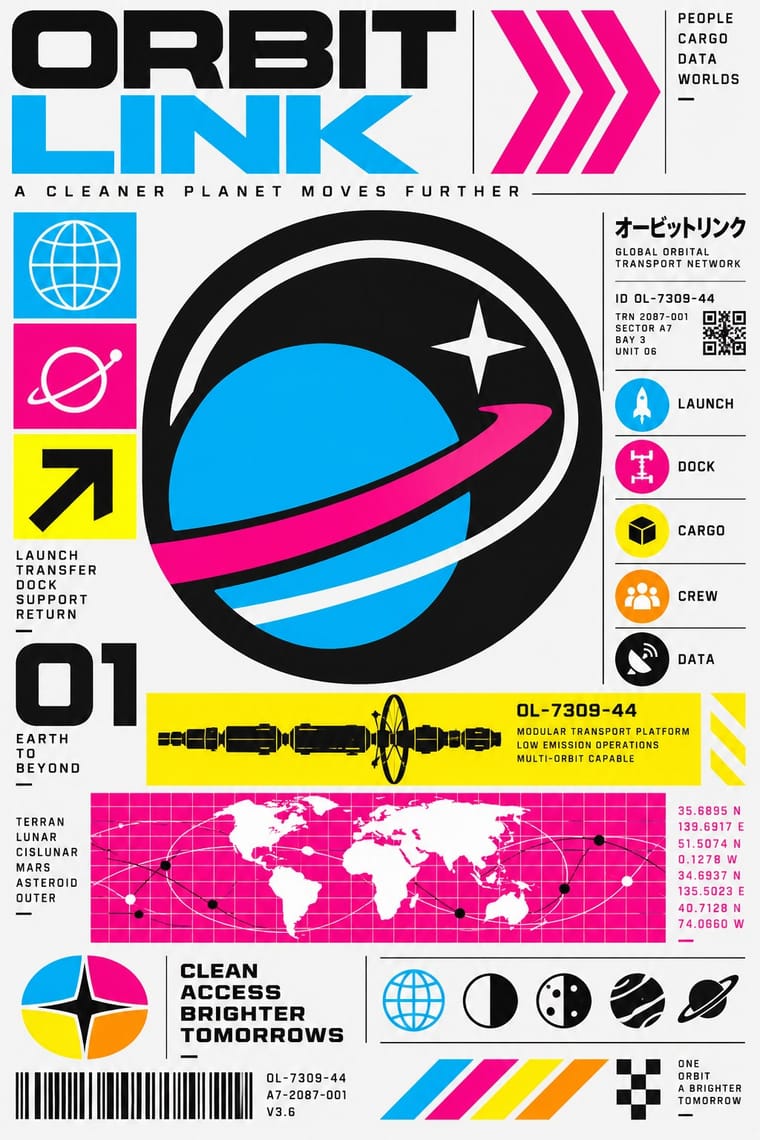
Techno-Futurist GraphicsElectronic-music and video-game graphics of the late 1980s and 1990s that turned corporate modernism into a sci-fi consumer fantasy.
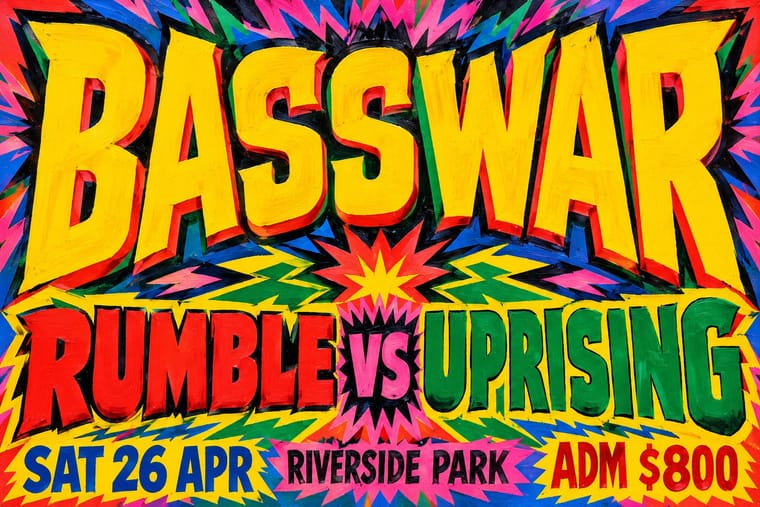
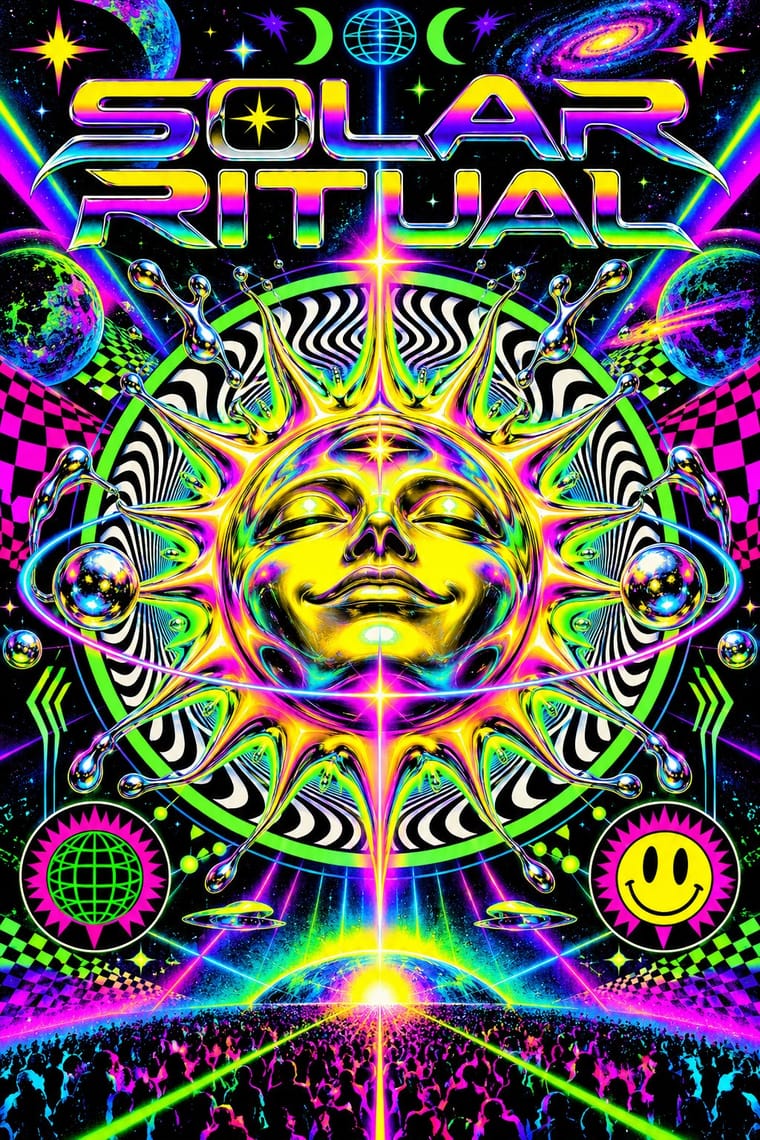
Rave & Acid House GraphicsThe pocket-sized promotional art of acid house, rave and early techno, handed out in record shops and car parks to advertise all-night parties.
Screenprinted Gig & Alt-Movie PosterHand-pulled, numbered screenprints that revived the rock poster in Austin from 1991, led by Frank Kozik, and spread via Flatstock fairs and, from 2004, Mondo to 'alternative' film posters, for collectors as much as the show.
- Bitterkomix (Afrikaans Underground Comics)The Afrikaans underground comics magazine founded in Stellenbosch in 1992 by Anton Kannemeyer (Joe Dog) and Conrad Botes (Konradski), with Mark Kannemeyer (Lorcan White).
- Nollywood Video Jacket & Film PosterThe cover and poster art of Nigeria's home-video boom, from Living in Bondage (1992) on.
- Tamil Nadu Flex BannersThe digitally printed vinyl boards, locally called flex banners, that fan clubs, party cadres, businesses and families have put up along the roads of Tamil Nadu since about 2000, as flex displaced hand-painted cinema banners and cut-outs over the following decade.
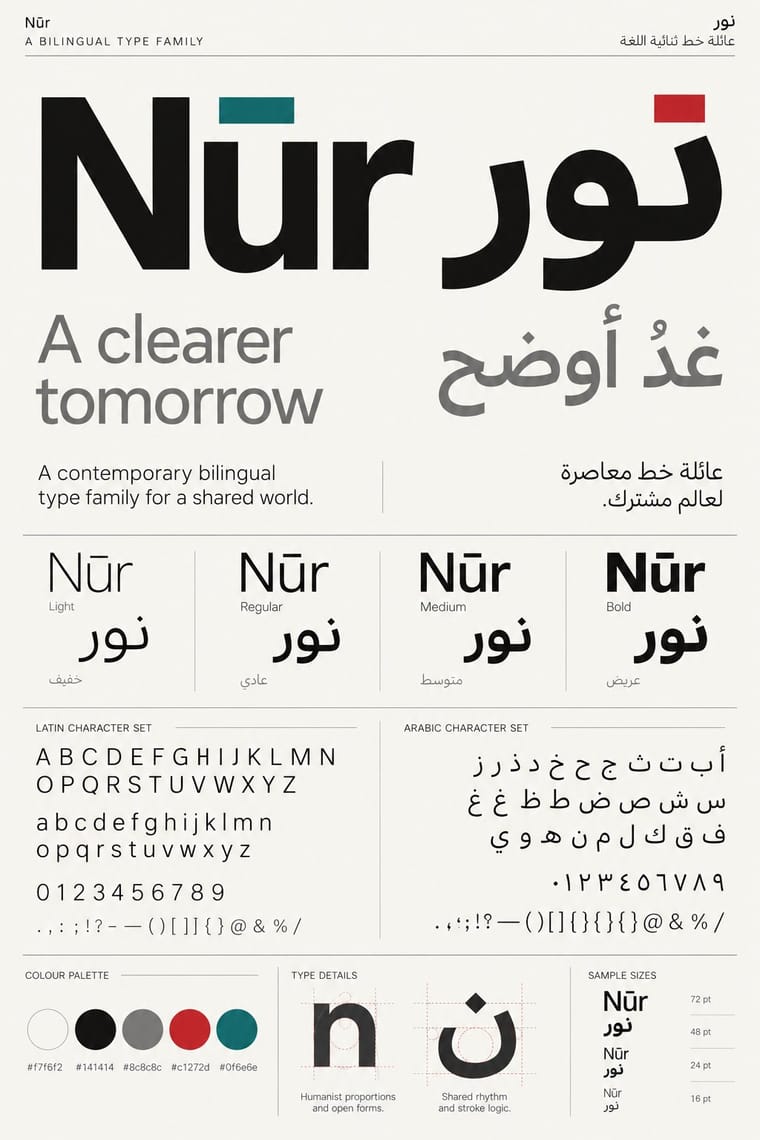
Contemporary Arabic & Dual-Script Type DesignA twenty-first-century type culture that redraws Arabic as a family matched to a Latin companion in weight, proportion and contrast, so the two scripts can share a page, screen or sign as equals.
Neo-Swiss RevivalA contemporary revival of the International Typographic Style, fuelled by digital re-releases of neo-grotesques and by studios such as Experimental Jetset and Norm: modular grids, flush-left grotesque type, huge tightly set headlines and flat fields of black, white and one signal colour.
GOV.UK Design (GDS Style)The text-led design of GOV.UK, the UK government's single website, built by the Government Digital Service from 2012 and codified in the GOV.UK Design System (2018).
Plain Tobacco PackagingA packaging language written into law to strip tobacco of persuasion.
- 'Good Morning' Greeting Images (WhatsApp Forward Vernacular)The ready-made greeting pictures that millions of smartphone users, many of them older and new to the internet, forward to family, friends and groups each morning on WhatsApp, above all in India and Brazil.

Material DesignGoogle's design system, launched in 2014, which reintroduced controlled depth to flat design through the metaphor of 'material': sheets of digital paper and ink that sit at defined elevations, cast consistent shadows and move with meaningful motion.
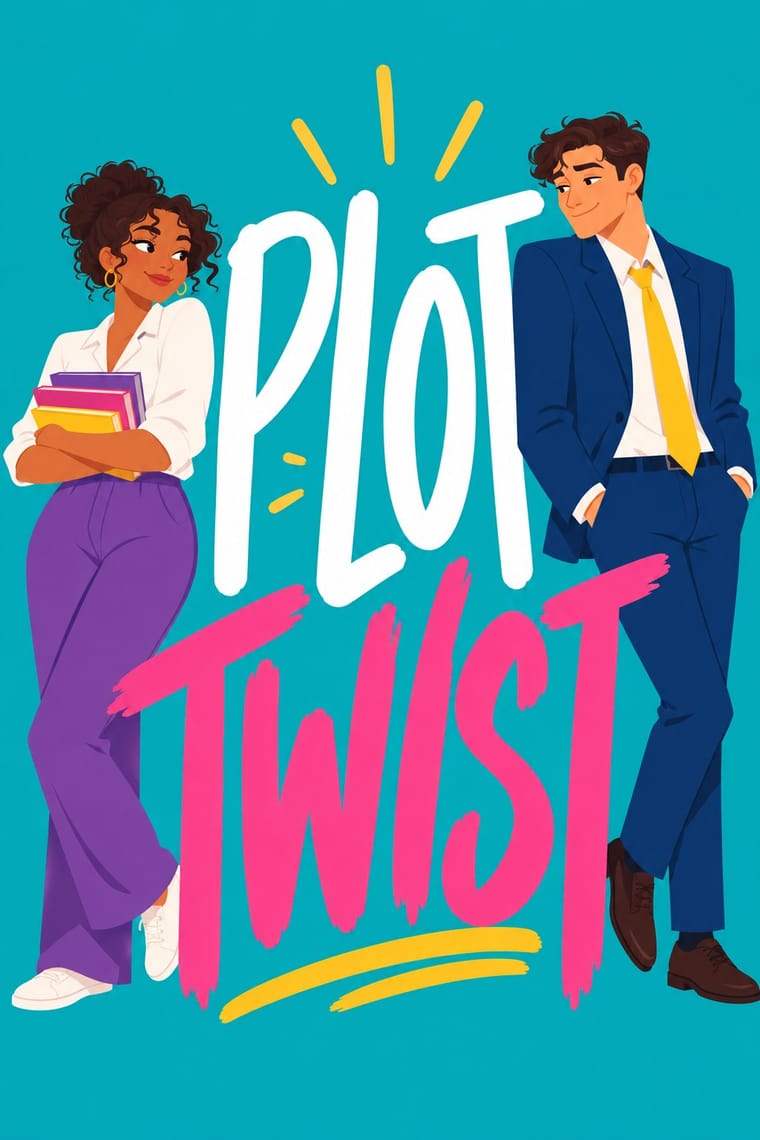
Illustrated Rom-Com Book Cover (Cartoon Couple Cover)The illustrated cover of the contemporary romantic comedy: a couple drawn as flat cartoon figures with simplified faces, from silhouettes and hidden faces to a few cartoon features, caught in one gesture that states the premise, on a single saturated ground of teal, pink, yellow or purple, under a hand-lettered title so large that the figures often lean on it.
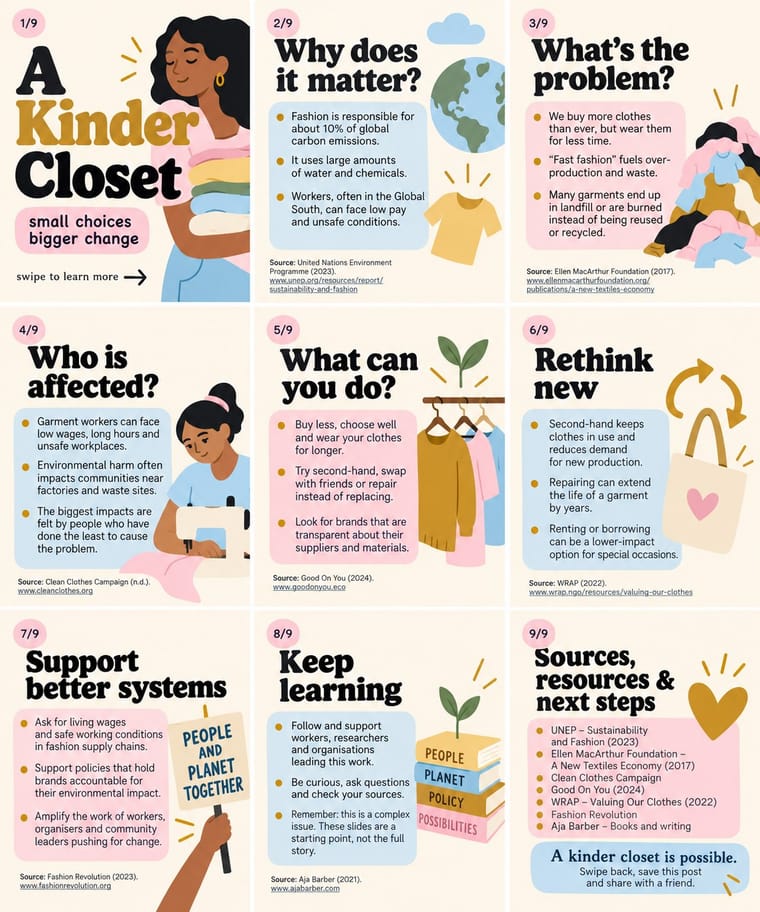
Instagram Slideshow Activism (Social-Justice Infographics)The text-led explainer slideshows that filled Instagram after George Floyd's murder in May 2020.
Styles that use it now and then 37
An occasional choice in these styles.
- Gothic Blackletter & Fraktur Traditionc. 1180–present
- Vyaz (Ornamental Slavonic Lettering)c. 1230–present
- Persian Miniature (Ilkhanid, Timurid and Safavid Book Painting)c. 1300–1700
- Ottoman Tughra & Dîvânî Chancery Calligraphyc. 1324–present
- Renaissance Book Typographyc. 1460–1600
- Thai Yantra (Yant) Diagrams1700–present
- Neoclassical Book Typography1757–1830
- Indian Calendar & Bazaar Art1878–present
- Kanga (Swahili Message Cloth)1886–present
- Shanghai Modern & Yuefenpai1910–1949
- Amazonian Boat Lettering (Abridores de Letras)1925–present
- Filipino Komiks1929–1999
- Ligne Claire (Franco-Belgian Clear Line)1929–present
- Mexican Calendar Chromo (Cromos calendáricos)1930–1970
- Hand-Painted Bollywood Poster1940–1999
- Fotoromanzo (Italian Photo-Romance)1947–present
- Bonelli Fumetto (Italian Popular Adventure Comics)1948–present
- Blue Note Jazz Sleeve Modernism1956–1967
- Rorke's Drift Linocut1962–1982
- Baybayin Revival Graphics1963–present
- Hong Kong East–West Graphic Modernism1964–present
- Chicano Screenprint Poster1965–present
- Mexico 68 Olympic & Metro Identity1966–1970
- Roman-like Thai Typography (modern loopless Thai)1973–present
- Afrobeat Sleeve Art1974–present
- Dutch Expressive Postmodernism (Studio Dumbar & Hard Werken)1977–1994
- Out-of-Square Hangul Typography1985–present
- South African Vernacular Design (Ijusi)1995–present
- Y2K Futurism1997–2005
- Indonesian Woodcut Activism (Taring Padi)1998–present
- Contemporary Chinese Book Design ('Most Beautiful Books of China')2003–present
- Itasha (Anime Character Car Graphics)2005–present
- Seoul Independent Graphic Design (Small-Studio Scene)2005–present
- Syrian Revolution Graphics (Kafranbel Banners & Poster Collectives)2011–2024
- Analog Horror Graphics2015–present
- Post-Binary Typography (Bye Bye Binary and Inclusive French Type)2018–present
- Book Blob (Abstract Colour-Blob Literary Fiction Cover)2019–2023
It often goes with
Choices that the styles making it make more often than the atlas as a whole.
- Column gridin 38 of 124
- Authoritative & institutionalin 55 of 124
- Rules & barsin 49 of 124
- Offset printingin 72 of 124
- Naturalistic depictionin 60 of 124
- Rational & objectivein 37 of 124
Styles that avoid it
Styles that deliberately leave it out.