Layout & composition · Framing
Isolated object
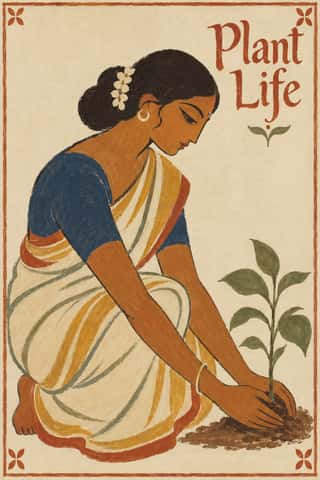
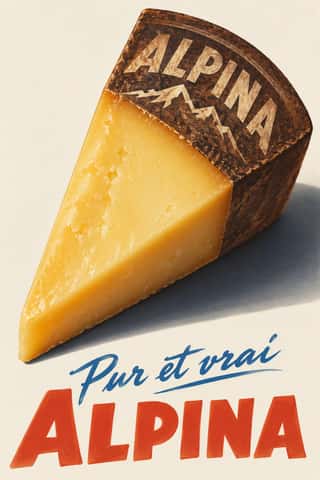
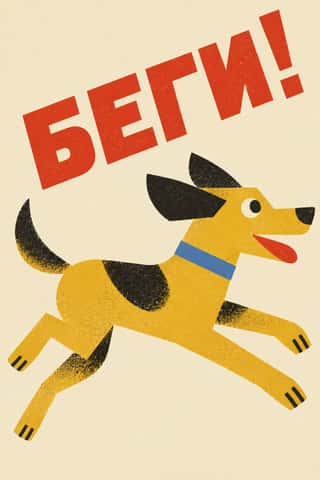
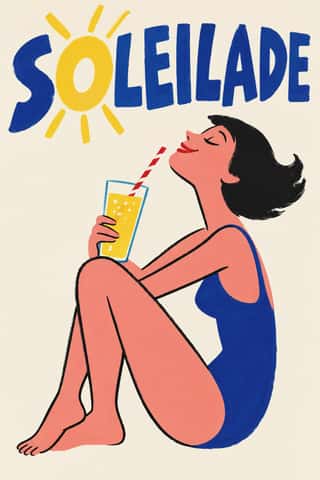
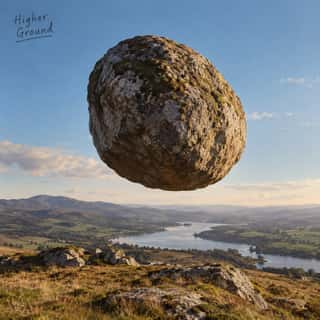
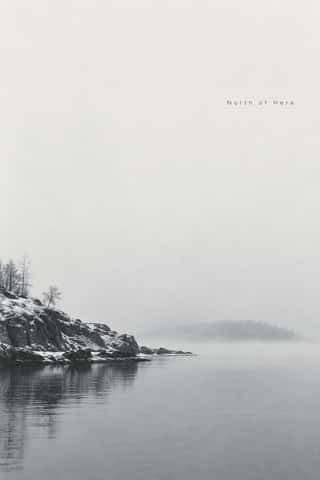
A single object or figure isolated on a plain ground.
A design choice in Stylogeny’s vocabulary, under layout & composition: how is the picture plane organised?
- styles make it
- 198
- as a defining choice
- 36
- as a usual one
- 106
- now and then
- 56
- avoid it
- 5
Styles defined by it 36
For these styles it is one of the choices that make the style.
Kamon (Japanese Family Crests)Japan's family crests: small one-colour emblems that reduce a plant, animal, tool or pattern to a flat silhouette, mirrored or repeated around a centre, often ringed and drawn with compass and brush.
- Javanese Wayang Kulit (Tatah Sungging)The visual language of Javanese shadow puppets: flat figures cut from buffalo parchment, with head and legs in profile, shoulders turned to the front and long jointed arms worked by horn rods.
- Zoomorphic & Figural Calligraphy (Islamic Calligrams)Pictorial writing in which the strokes of a devotional text form one figure: a lion of ʿAli built from the Nad-e ʿAli prayer, a galleon whose hull spells the names of the Seven Sleepers, a peacock, a Sufi cap.
- Ten Bamboo Studio Colour Woodblock (Douban & Gonghua)A kind of colour woodblock printing begun in late-Ming Nanjing, made so that a print looks like a brush painting.
- Kalighat Pat & Battala Bazaar PrintsThe bazaar art of nineteenth-century Calcutta: watercolours sold to pilgrims by patua painters at the Kalighat temple, and the cheap woodcuts and metal engravings that Battala presses printed for chapbooks and almanacs.
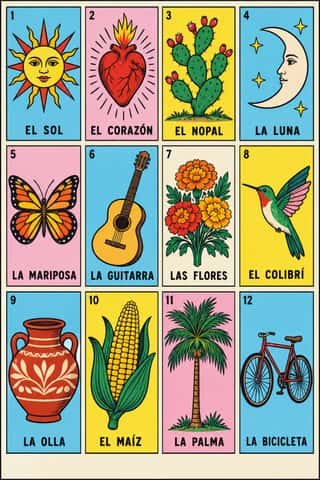
Lotería Card Imagery (Mexican Lotería)The picture deck of Mexico's lotería, a bingo-like game of chance.
Plakatstil / SachplakatThe German 'object poster' launched by Lucian Bernhard's Priester match poster and printed by Berlin's Hollerbaum & Schmidt.
Santiniketan & Bengal School GraphicsThe nationalist, anti-academic art of Calcutta and Santiniketan, which turned from oil-paint naturalism and chromolithograph gloss to Indian and pan-Asian sources.
Basel Object Poster (Swiss Sachplakat)The Swiss descendant of the German object poster, made in Zurich and above all Basel from 1919 to the early 1950s.
Leningrad Avant-Garde Picture BookThin, large picture books made in Petrograd/Leningrad from 1922 to the mid-1930s for Raduga and the Gosizdat children's department led by Samuil Marshak, with Vladimir Lebedev as art editor.
French Post-War Visual-Gag Poster (Savignac, Villemot, Morvan)The humorous street poster of post-war Paris, which took off in 1949 when Raymond Savignac and Bernard Villemot showed their rejected projects together and Savignac's Monsavon cow, its udder filling a bar of soap, went up on the walls.
West German Conceptual Film & Culture Poster (Hillmann and Rambow)The art-film and culture poster Hans Hillmann developed from 1953 for the West German distributors Neue Filmkunst and Atlas Film, which his Kassel student Gunter Rambow took with Gerhard Lienemeyer into staged photo posters for theatre, publishers and protest.
Corporate Identity ModernismModernist reduction applied to corporate communication.
Polish Cold War Neon (PRL Neonisation)The neon of People's Poland: after the 1956 thaw a state firm, Reklama, and a planned 'neonisation' set out to make war-ruined Warsaw a European capital of neon.
Kinngait (Cape Dorset) Inuit PrintmakingPrints from the Inuit co-operative studio at Kinngait (Cape Dorset), Nunavut, with a catalogued collection every year since 1959.
Turkish Modernist Poster & Graphic DesignThe posters of Istanbul's first generation of professional graphic designers for theatres, films, festivals and exhibitions.
- Bossa Nova Sleeve Modernism (César Villela and Elenco)The cover language of bossa nova, made in Rio by the self-taught designer César Villela, first at Odeon and then on the first sixteen LPs of Aloysio de Oliveira's label Elenco (from 1963), often around Francisco Pereira's photographs.
- Greek Tourism Modernism (EOT)The modernist image of Greece made for the National Tourism Organisation (EOT) by Michalis Katzourakis, its art adviser in 1960-1967, and by Frederick Carabott, who advised it until 1967; in 1962 the two also founded the K&K Athens Advertising Centre.
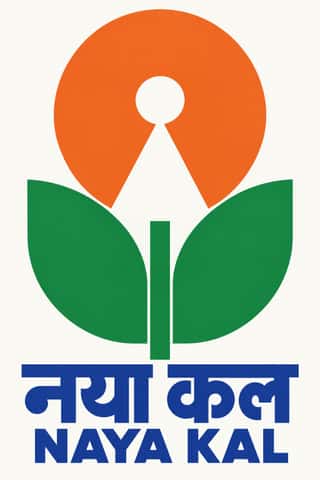
Indian Institutional Modernism (NID)The design culture of independent India's public institutions, banks and broadcasters.
Baybayin Revival GraphicsThe revival of baybayin, the precolonial Tagalog abugida, as a mark of Filipino identity.
Minimalist Graphic DesignModernism reduced to its barest means, informed by 1960s Minimal art and Japanese emptiness: one image or line of type, vast white or neutral space, a monochrome or near-monochrome palette and meticulous typographic detail.
- Atelier Populaire (May '68 Screenprint Poster)The posters of the Atelier populaire, set up when students, teachers and artists occupied the École des Beaux-Arts in Paris on 14 May 1968, until police cleared the school on 27 June.
Tingatinga PaintingA Tanzanian popular painting school begun in Dar es Salaam by Edward Tingatinga (1932–1972), who from 1968 painted animals, birds and village scenes in glossy bicycle enamel on square hardboard ceiling boards for residents and tourists.
Stencil Street ArtPictures cut rather than drawn: a photograph is reduced to two or three flat tones, cut into card and sprayed onto a wall, usually uninvited, so one hard-edged figure appears in the street, in black with at most one accent colour.
- Pardhan Gond Painting (Jangarh Kalam)Painting on paper and canvas by Pardhan Gond artists of Patangarh and Bhopal, begun when Bharat Bhavan, Bhopal, recruited Jangarh Singh Shyam in 1981; the style was later named Jangarh Kalam after him.
Hype Streetwear Graphics (Box Logo to Quotation Marks)The logo-led graphics of streetwear since the 1990s: one wordmark or emblem on a plain T-shirt, hoodie or object is the product.
Emoji Pictographic LanguagePictographs typed as characters and set inline in running text.
- Indian Pop-Kitsch Design (Desi Kitsch)Urban Indian gift and T-shirt design from the late 1990s into the 2010s that recasts the street and bazaar as ironic, affectionate icons: truck tails and 'Horn OK Please', auto-rickshaws, Ambassadors and Chetaks, cutting chai, old Bollywood stills and dialogues, Bhagat Singh in place of Che.
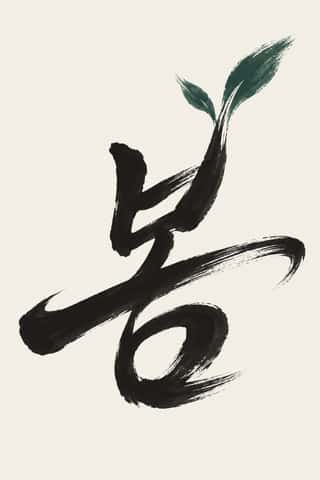
Korean Commercial Calligraphy (Kaelligeurapi)Brush-written Hangul made for commerce, not the scroll.
Yuru-chara (Japanese Local Mascot Design)Japan's local mascots: characters commissioned by prefectures, towns and tourism bodies to stand for a place, named yuru-kyara ('loose characters') by the illustrator Jun Miura around 2000.
Natural Wine Label ArtThe labels of the natural (low-intervention) wine scene, which grew from Beaujolais into a worldwide network of small growers, bars and importers.
DTC 'Blanding' / Millennial MinimalismThe friendly, frictionless minimalism of 2010s direct-to-consumer start-ups, built for the phone screen, the Instagram feed and the unboxing.
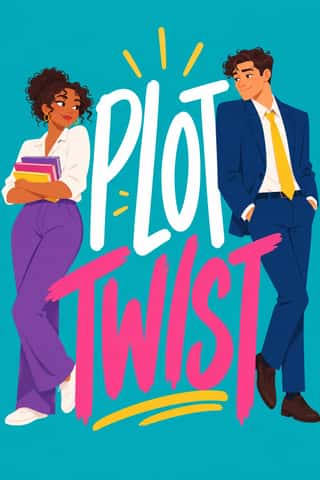
Illustrated Rom-Com Book Cover (Cartoon Couple Cover)The illustrated cover of the contemporary romantic comedy: a couple drawn as flat cartoon figures with simplified faces, from silhouettes and hidden faces to a few cartoon features, caught in one gesture that states the premise, on a single saturated ground of teal, pink, yellow or purple, under a hand-lettered title so large that the figures often lean on it.
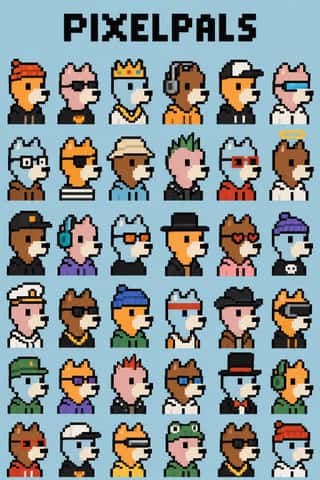
NFT Profile-Picture Collections (CryptoPunks to Bored Apes)Sets of thousands of avatar portraits that code assembles from one or two hundred hand-drawn traits, each sold as a token on a blockchain.
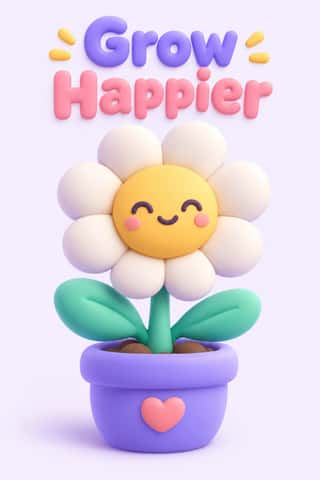
Claymorphism & Soft 3DA soft, toy-like 3D look from product design around 2020, given the name 'claymorphism' in a December 2021 article by Michał Malewicz.
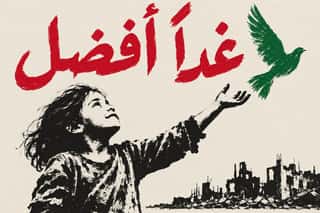
- Palestinian Watermelon and Keffiyeh GraphicsGraphics of Palestinian identity and of solidarity with Palestinians, made by Palestinian artists, the diaspora and supporters worldwide and shared mainly online, above all since the Gaza war began in October 2023.
Styles that often use it 106
A characteristic choice: usual in these styles, though not essential.
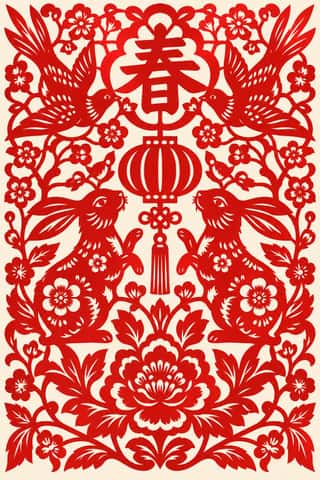
Chinese Paper-Cut (Jianzhi)China's folk art of cut paper, made mostly by rural women and passed from mother to daughter, and by town guilds and workshops.
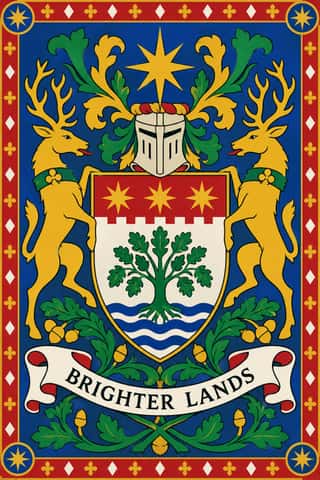
European HeraldryThe hereditary identifying devices of medieval Europe's knights and seals, codified into a rule-bound grammar still used by states, cities, churches, universities and families.
- Ottoman Tughra & Dîvânî Chancery CalligraphyThe Ottoman sultan's calligraphic monogram and the chancery hand written beneath it.
Ma & Wabi-sabi AestheticsA Japanese aesthetic rooted in Zen and the wabi tea ceremony that prizes austerity, imperfection, impermanence and the charged interval (ma) between things.
- Đông Hồ & Hàng Trống Folk PrintsVietnam's two classic folk-print schools, bought for Tết. Đông Hồ families press each colour from its own carved block onto giấy điệp, dó paper brushed with ground scallop shell whose streaked, faintly sparkling surface serves as the white, and print the black line last.
Rinpa & Saga-bonA Kyoto school of decorative design that revived the poetry and court painting of the Heian period, begun around 1600 by the calligrapher Hon'ami Kōetsu and the painter Tawaraya Sōtatsu and carried on less by teaching than by admiration across generations: Ogata Kōrin, Sakai Hōitsu, Kamisaka Sekka.
Tarot de Marseille Woodcut CardsThe standard pattern of French tarot cards, descended from Milanese tarot and recut by card-makers in Paris, Lyon, Avignon, Dijon and Marseille from the 17th century.
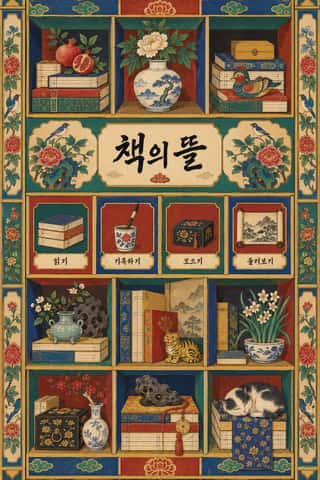
Chaekgeori & Minhwa Screen PaintingKorean painted folding screens of the late Joseon period.
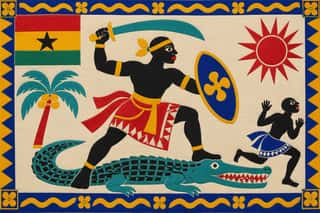
Fante Asafo Flags (Frankaa)The company flags (frankaa) of the Fante asafo, the old warrior companies of Ghana's central coast, widely adopted from the mid-nineteenth century.
Kanga (Swahili Message Cloth)Printed cotton wraps worn by women of the Swahili coast and its hinterland since the late nineteenth century, bought in pairs.
- Senegalese Sufi Devotional Imagery (Souwère Glass Painting and Amadou Bamba Portraits)The devotional imagery of Senegal's Sufi brotherhoods, above all the Mourides: reverse paintings on glass (souwère), made in Senegal's cities since about 1900, and the murals, banners, prints and photocopies that multiply one 1913 photograph of Sheikh Amadou Bamba across Dakar and Touba.
- London Transport DesignThe design programme Frank Pick built for London's Underground from 1908 and the London Passenger Transport Board (1933–40), continued by Harold Hutchison (1947–66).
Art DecoThe glamorous modern style named after the 1925 Paris Exposition des Arts Décoratifs, which disciplined ornament into geometry: sunbursts, chevrons, stepped forms and sleek stylised figures rendered in lacquer-smooth colour with metallic accents.
- Taishō Roman & Lyrical IllustrationThe lyrical illustration (jojōga) of late-Meiji to early-Shōwa Japan, led by Takehisa Yumeji: willowy, large-eyed women in kimono drawn with an Art Nouveau contour, set among camellias and kimono patterns and lettered by hand.
- Arnhem Land Bark Painting & RarrkPainting in ochres on flattened stringybark by Yolŋu, Kunwinjku, Kuninjku and other clans of Arnhem Land, carrying ceremonial designs into portable form; collected from 1912, painted through art centres since the 1970s.
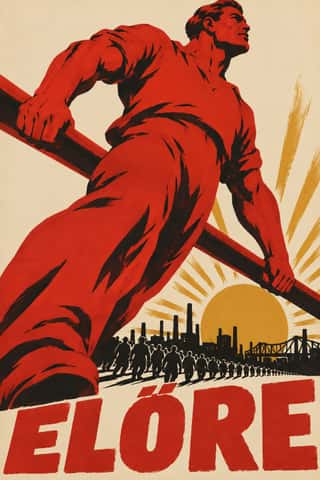
Hungarian Revolutionary PosterThe political posters of Hungary's revolutions.
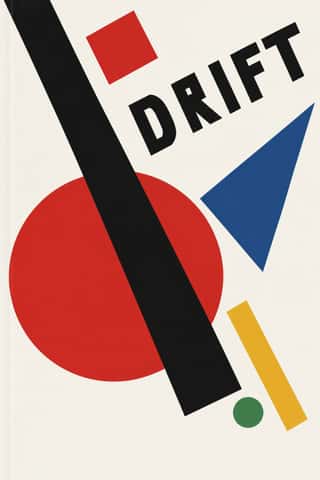
SuprematismKazimir Malevich's non-objective art, unveiled with the Black Square at the 0.10 exhibition in Petrograd in 1915, reduced painting to pure geometric planes floating in white, infinite space.
- Italian Fascist Graphics (Romanità & Exhibition Photomontage)The visual language of Italian Fascism, which turned modernist means to a cult of Rome and of the Duce.
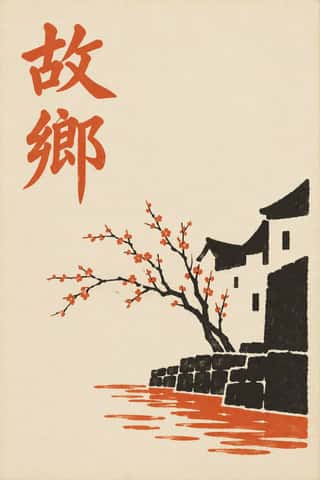
Republican Chinese Book Cover Design (Lu Xun & Tao Yuanqing)The covers of China's New Literature.
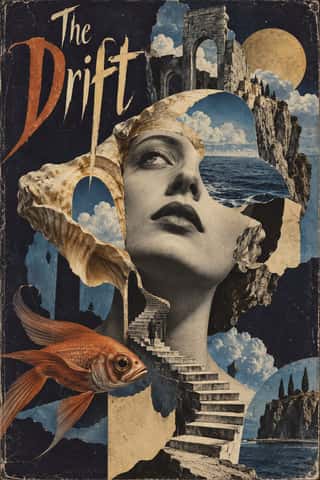
Surrealist GraphicsLaunched by André Breton's 1924 manifesto, Surrealism sought the marvellous in dreams, chance and the unconscious.
- Amazonian Boat Lettering (Abridores de Letras)The painted boat names of Pará's rivers in the Brazilian Amazon, made for about a century by self-taught riverside painters (abridores de letras).
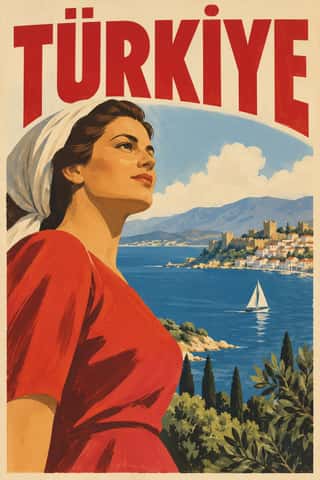
Early Turkish Republican Graphic DesignThe pictorial poster, label and ticket art of the young Turkish Republic, led by İhap Hulusi Görey after his Munich training in Ludwig Hohlwein's orbit, with Münif Fehim Özarman and, after 1943, Kenan Temizan.
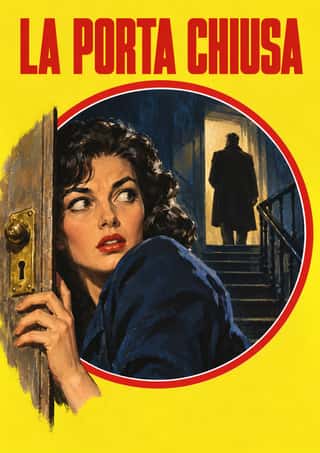
Giallo Mondadori Covers (I Libri Gialli)The cover system of Mondadori's crime series, Milan, from I Libri Gialli of 1929 to Il Giallo Mondadori today.
- AIZ Political Photomontage (Heartfield)The political photomontage John Heartfield made for the communist weekly AIZ from 1930 to 1938, in Berlin and, from 1933, in Prague exile.
Scandinavian FunctionalismNordic functionalism (funkis) arrived in graphic form with Sigurd Lewerentz's posters and winged emblem for the 1930 Stockholm Exhibition.
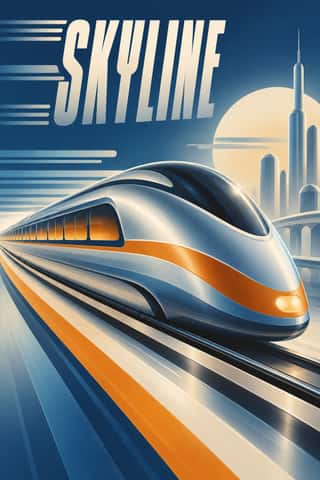
Streamline ModerneThe late, chiefly American phase of Art Deco, in which aerodynamic science became a visual language for a Depression-era culture hungry for progress.
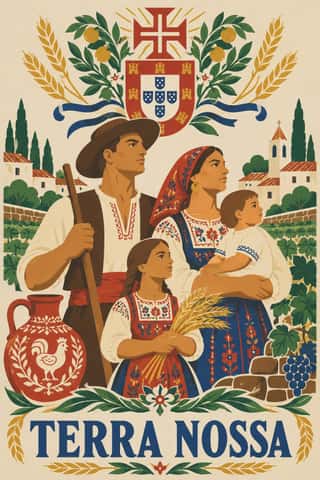
Estado Novo Folk Modernism (SPN)The official image of Salazar's Estado Novo, shaped by António Ferro's Secretariado de Propaganda Nacional (SPN, 1933; SNI from 1944).
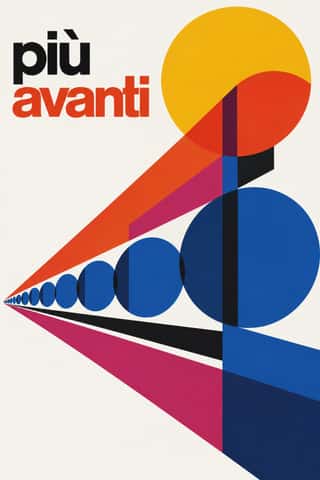
Milanese Industrial Modernism (Olivetti, Pirelli, Studio Boggeri)The Milan-centred school that married Bauhaus- and Swiss-trained discipline with Italian painterly wit for enlightened industrial patrons such as Olivetti, Pirelli and La Rinascente.
- Nippon Kōbō & Tōhōsha Photo-Propaganda Magazines (NIPPON & FRONT)Luxury photo-propaganda magazines that imperial Japan sent abroad, 1934–45.
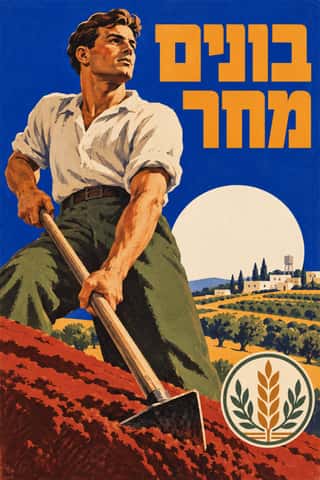
Hebrew Poster Lettering & Early Israeli State DesignThe commercial and state graphics of the Jewish community in Mandate Palestine and early Israel, made in Tel Aviv from 1934 by designers who had trained in Berlin and Vienna: Franz Krausz, Otte Wallish and the Shamir brothers.
Tiki Pop (Polynesian Pop)The mainland American fantasy of the South Seas, begun by Don the Beachcomber's Hollywood bar (about 1934) and Trader Vic's in Oakland and at its height in the Polynesian restaurants of the 1950s and 60s.
WPA Silkscreen PostersPosters made by the Federal Art Project of the Works Progress Administration to promote health campaigns, education, theatre, travel and the national parks during the Depression.
American Mid-Century ModernismThe American synthesis of European avant-garde form with wit, pragmatism and commercial clients, led by Paul Rand, Alvin Lustig, Lester Beall, Bradbury Thompson and Saul Bass.
Bengali Modernist Book Cover (Prachchhad)A literary book-jacket culture that began at Calcutta's Signet Press in 1943, where Satyajit Ray and later Purnendu Pattrea made the hand-drawn Bengali title the main image of the cover.
UPA & Cartoon ModernThe modern cartoon of United Productions of America (UPA) and the 1950s films, commercials and books it inspired.
Puerto Rican Silkscreen Poster (DIVEDCO & ICP)The hand-pulled silkscreen poster of Puerto Rico, begun by Irene Delano's workshop in 1946–47 and grown in the government's Division of Community Education (DIVEDCO, 1949) and the Instituto de Cultura Puertorriqueña's print workshop under Lorenzo Homar (1957–73).
Japanese Postwar ModernismBuilding on the New Typography that Hiromu Hara and the Nippon Kobo circle had absorbed in the 1930s, Japan's postwar graphic designers fused the grid, sans-serif and objective photography of European modernism with indigenous traditions of family crests (kamon), asymmetry and charged emptiness (ma).
Polish Poster SchoolA painterly, metaphorical poster culture that flourished in communist Poland, chiefly for film, theatre, opera and circus.
Drum Magazine & Sophiatown PhotojournalismThe picture magazine of Black urban Africa in the 1950s.
Cairo–Beirut Arab Modernist Book & Periodical DesignThe illustrated book, magazine and children's-book culture that ran from Cairo's post-1952 publishing houses to the Arab nationalist and leftist presses of Beirut.
HfG Ulm Systematic DesignThe Hochschule für Gestaltung Ulm (1953–1968) was founded as the successor to the Bauhaus.
Vicente Rojo & Mexican Editorial ModernismThe design of Mexico City's literary and cultural press, shaped from the 1950s by the Barcelona-born exile Vicente Rojo: México en la Cultura, the Revista de la Universidad, Plural, La Jornada and the covers of Ediciones Era.
Push Pin StyleThe eclectic illustrative style of New York's Push Pin Studios, founded by Seymour Chwast, Milton Glaser and Edward Sorel.
Zagreb School of Animated FilmThe modernist animation of Zagreb Film's Studio for Animated Film, grown from reduced-animation advertisements of 1954-1955 and named the 'Zagreb school' by Georges Sadoul and André Martin after Cannes 1958.
Pop Art GraphicsPop turned the commercial imagery of post-war consumer culture (comics, packaging, celebrity photographs and advertising) into both its subject and its method.
Chinese National-Style Animation (Shanghai Animation Film Studio)The 'national style' of the Shanghai Animation Film Studio, which turned from Disney and Soviet models to Chinese media: Peking-opera masks and movement, paper-cut and folded-paper figures, mural and New Year print colour and, from 1960, ink-wash painting set in motion after Qi Baishi and Li Keran.
Thaw Modernism (Soviet and Czechoslovak)The light, stylised modernism that replaced Socialist Realist illusionism and Stalinist pomp in Soviet and Czechoslovak graphic and applied design, from the 1956 Secret Speech, the 1957 Moscow youth festival and Expo 58 to the crushing of the Prague Spring in 1968 (a political cut-off; the manner ran on into the 1970s).
British Road Signage (Kinneir & Calvert)The national sign system Jock Kinneir and Margaret Calvert designed for Britain's motorways, first used on the Preston By-pass in 1958, and through the Worboys Committee for all roads from 1 January 1965.
Cuban Revolutionary Poster (OSPAAAL & ICAIC)The poster culture of revolutionary Cuba, produced for the film institute ICAIC and the solidarity organisation OSPAAAL.
Iranian Modernist Graphic DesignIranian graphic design came of age in the 1960s and 1970s.
- Casablanca School Graphic ModernismA postcolonial modernism formed at the Casablanca fine-art school under Farid Belkahia, where Mohamed Melehi, Mohammed Chabâa and colleagues set Amazigh rugs and jewellery, painted ceilings and calligraphy beside a Bauhaus-style merging of art, craft and design.
Phototype Expressive Typography (Lubalin & U&lc)The display typography of the phototype era, led in New York by Herb Lubalin, his lettering partners John Pistilli, Tom Carnase and Tony DiSpigna, and the International Typeface Corporation.
Woodland School (Legend Painting)A school of painting from northwestern Ontario, made public when Norval Morrisseau showed at Toronto's Pollock Gallery in 1962 and carried on by Ojibwe, Odawa, Oji-Cree and Cree artists such as Daphne Odjig and Carl Ray.
Hong Kong East–West Graphic ModernismThe studio design of Hong Kong from the 1960s, made for banks, developers, trade bodies, hotels and cultural events in a city that had to speak Chinese and English at once.
Chicano Screenprint PosterThe screenprinted poster of the Chicano Movement and its heirs, made from the mid-1960s in community workshops across California and the Southwest for farmworker strikes and boycotts, teatro, dances, anti-war marches and immigrant rights.
- Palestinian Resistance PosterThe poster culture of the Palestinian national movement after 1965, issued by the PLO and its factions from Beirut and other Arab capitals for refugee camps, homes and solidarity audiences abroad.
- Mexico 68 Olympic & Metro IdentityThe graphic programme of the 1968 Mexico City Olympics and the city's first Metro line.
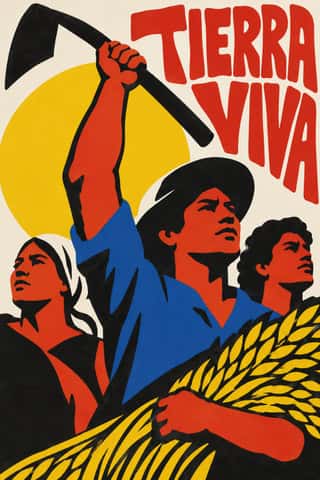
Chilean Unidad Popular & Nueva Canción GraphicsThe graphics of the Nueva Canción Chilena and Allende's Unidad Popular, 1967–1973.
Gráfica del 68 (Mexican Student Movement Graphics)The graphics of the 1968 Mexican student movement, made in days by brigades in the print workshops of San Carlos and La Esmeralda and in improvised school workshops.
Hipgnosis Photographic Concept SleeveThe sleeves the London studio Hipgnosis made for Pink Floyd, Led Zeppelin, Genesis, Peter Gabriel, 10cc and others from 1968 to 1983.
ECM Sleeve Aesthetic (Munich)The cover language of the Munich label ECM, made since 1970 by Barbara Wojirsch, Dieter Rehm and later Sascha Kleis and Mayo Bucher with co-founder Manfred Eicher.
Pop Achorado (Peruvian Agrarian Reform Posters)Posters for the Peruvian military government's agrarian reform, made in Lima from 1969 by Jesús Ruiz Durand and colleagues at the state's reform publicity office.
- Grapus (French Militant Graphic Collective)The posters and identities of Grapus, a Paris collective founded in 1970 by Communist Party members who had met in the 1968 poster workshops.
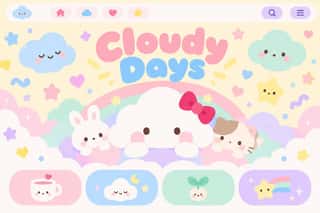
Kawaii DesignJapan's culture of cuteness, which grew from 1970s teenage rounded handwriting and shōjo fancy goods into a global design language through Sanrio, character merchandise and emoji.
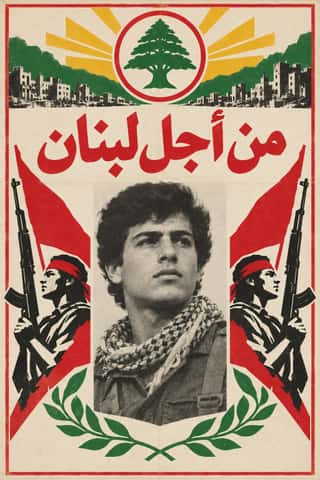
Lebanese Civil War Party PosterThe posters that some twenty parties and militias pasted on the walls of Beirut and other towns between 1975 and 1990, marking each quarter as one faction's territory.
Bitmap & Pixel GraphicsGraphics and lettering built from the square pixels of low-resolution screens (arcade and console sprites, home-computer displays and the first graphical user interfaces), where every dot was placed by hand within tight limits of memory, resolution and palette.
- Post-Punk Record Sleeve (Stiff, Factory, 4AD)The record sleeves that British art-school designers made after punk, for independent labels and some majors: Barney Bubbles at Stiff, Malcolm Garrett for Buzzcocks, Peter Saville at Factory and 23 Envelope at 4AD.
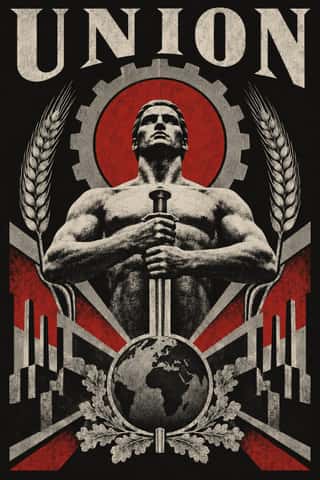
NSK Retro-Avant-GardeThe retro-avant-garde of Neue Slowenische Kunst, founded in Ljubljana in 1984 by Laibach, IRWIN and the Scipion Nasice Sisters Theatre, with Novi kolektivizem as its design department.
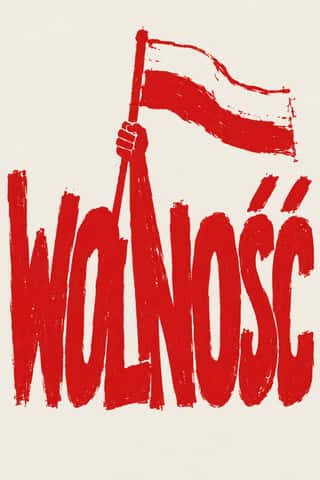
Solidarność & Polish Underground GraphicsThe graphic language of Poland's Solidarność movement, from the August 1980 shipyard strike to the semi-free election of 4 June 1989.
Memphis DesignThe Milan collective founded by Ettore Sottsass, whose furniture, laminates and objects (first shown in September 1981) became a graphic language of their own.
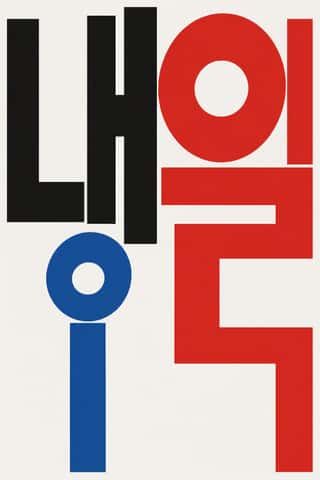
Out-of-Square Hangul TypographyA Korean typographic movement that frees Hangul from the equal square in which metal and photo type had always set each syllable.
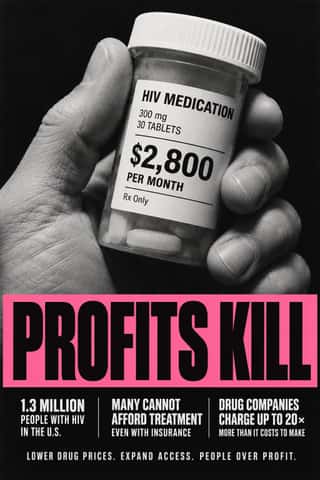
ACT UP & Gran Fury AIDS Activist GraphicsThe graphics of New York's AIDS activist movement: the SILENCE=DEATH poster of 1987, a pink triangle above white capitals on black, and the posters, stickers, T-shirts, billboards and bus ads of Gran Fury (1988–1995), ACT UP's 'unofficial propaganda ministry'.
Global Village CoffeehouseThe faux-naive, earth-toned illustration style that late-1980s American designers set against Memphis, and that chain cafés, bookstores, packaging and clip art spread through the 1990s.
- Black Metal GraphicsThe visual language of black metal, fixed by Norway's second wave in the early 1990s, now worldwide, since the 2010s borrowed by mainstream acts (Szpajdel's Rihanna and Metallica logos, 2016).
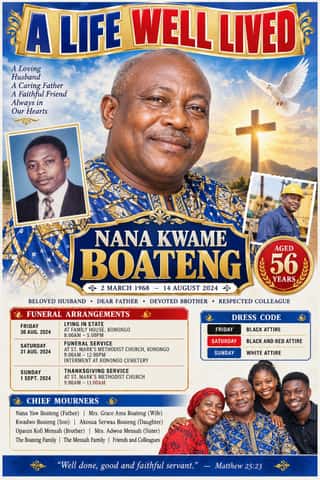
Ghanaian Funeral Poster & BannerThe printed death announcements of southern Ghana, also found elsewhere in West Africa: colour posters, mostly A2, pasted on walls, trees, poles and vehicles, and by the mid-2010s large PVC banners hung at the family house.
Screenprinted Gig & Alt-Movie PosterHand-pulled, numbered screenprints that revived the rock poster in Austin from 1991, led by Frank Kozik, and spread via Flatstock fairs and, from 2004, Mondo to 'alternative' film posters, for collectors as much as the show.
Y2K FuturismThe optimistic, chrome-plated vision of the future that surrounded the turn of the millennium, spread by consumer electronics, music videos, games, fashion and dot-com branding.
Skeuomorphic UIInterface design that imitates physical materials and objects (stitched leather, linen, wooden shelves, brushed aluminium, felt, paper and glass) so that digital tools look and behave like their real-world counterparts.
Korean Webtoon GraphicsThe full-colour, vertical-scroll comic that Korean web portals made standard in the 2000s and smartphone apps took worldwide.
- Contemporary Chinese Book Design ('Most Beautiful Books of China')Chinese book design since 2003, when Shanghai founded the yearly 'Most Beautiful Books of China' award, whose winners go on to Leipzig.
Hauntology & Ghost Box DesignSleeves and print that rebuild a misremembered British past from the public graphics of roughly 1958–1978.
Itasha (Anime Character Car Graphics)Private cars, motorbikes and bicycles that Japanese fans of anime, manga and games cover with their favourite characters, named by the mid-2000s with the self-mocking word itasha, 'painful car'.
Modern Calligraphy and Brush LetteringThe loose pointed-pen and brush-pen script of wedding stationery and the 2010s craft boom.
- Seoul Independent Graphic Design (Small-Studio Scene)Graphic design by Seoul's small, self-run studios, which from about 2005 chose to stay small.
- Oaxacan Protest Printmaking & Street Graphics (ASARO)The street graphics of Oaxaca City since the 2006 teachers' strike and APPO uprising, when ASARO, the stencil collective Lapiztola and later workshops such as Colectivo Subterráneos made the colonial centre's walls a newspaper.
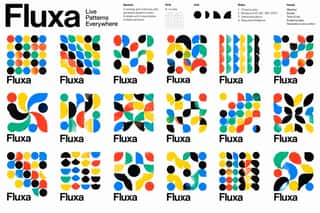
Generative & Dynamic IdentitiesIdentity systems designed as rules rather than fixed marks: logos and graphics generated by code, data or parameters so that they vary endlessly while staying recognisable.
Hipster Artisanal RevivalThe trade-mark look of the 2007–2018 craft boom, which dressed new coffee roasters, breweries and stationers as nineteenth- and early-twentieth-century firms.
Lucerne Poster Scene (Neubad & Südpol Posters)Lucerne's poster culture for small non-commercial venues (Südpol, Neubad, Treibhaus) and the Weltformat festival.
Flat DesignAn interface and illustration language that stripped screens of simulated materials, replacing bevels, gloss and textures with solid fields of colour, clean sans-serif type and reduced pictograms.
Slow-Living Editorial (the Kinfolk Look)The look of Kinfolk, the slow-living quarterly founded in Portland in 2011 and run from Copenhagen since 2015, and of the indie lifestyle titles and Instagram feeds that copied it.
Syrian Revolution Graphics (Kafranbel Banners & Poster Collectives)Protest graphics of the Syrian uprising from 2011, made to be photographed and shared online rather than to last on a wall.
VaporwaveAn internet-born microgenre and visual aesthetic that remixes the debris of late-20th-century consumer culture (Windows 95 dialogs, classical busts, palm trees, mall interiors, Japanese text, early 3D renders) in pastel pinks and cyans.
Low Poly IllustrationA digital illustration and game look in which subjects are built from a visible mesh of a few flat-shaded polygons, so that animals, faces, vehicles and landscapes read as hard-edged facets with no outline or texture.
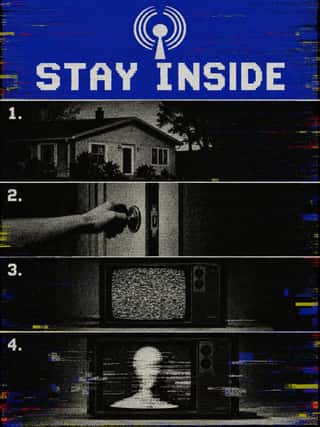
Analog Horror GraphicsA horror genre, mostly on YouTube, that tells its stories through imitation television and home-video graphics rather than actors: emergency-alert screens, station IDs, public-service, educational and instructional tapes, set between the 1960s and early 2000s.
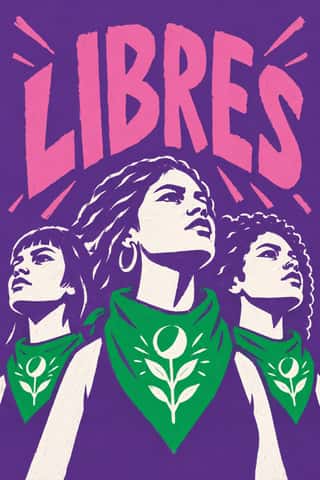
Latin American Feminist Protest Graphics (Ni Una Menos and the Green Wave)The graphics of Latin America's feminist tide, a mass movement since Ni Una Menos (Buenos Aires, 3 June 2015) and the 2018 'marea verde' for legal abortion, though its scarf dates from 2003.
- Front-of-Pack Warning Octagons (Latin American Food Warning Seals)A state warning system stacked on commercial food packs.
- VTuber Avatar and Stream GraphicsThe graphic kit of virtual YouTubers, streamers who perform behind an animated anime-style character instead of their own face.
Corporate MemphisThe flat vector illustration style that became the default visual voice of big tech in the late 2010s: faceless, ethnically non-specific figures with elongated limbs and tiny heads, drawn in bright flat colour among blobs, leaves and confetti.
Newtro (Korean New-Retro)A South Korean branding trend, named 'Going New-tro' in Seoul National University's Trend Korea 2019 (October 2018), in which heritage firms reissue their own postwar to 1990s labels, trademarks and mascots, polished for young buyers.
Extinction Rebellion GraphicsThe visual identity of Extinction Rebellion, the climate movement founded in Stroud in 2018, built by its volunteer Art Group as a free kit anyone may print.
Guochao (China-Chic National Trend)A Chinese branding and fashion trend, usually dated from Li-Ning's 'China Li-Ning' show at New York Fashion Week in February 2018, that redraws heritage motifs as finishes for sneakers, apparel, cosmetics and museum merchandise.
NeumorphismA short-lived interface trend in which controls are extruded from, or pressed into, a background of the same colour and modelled only by paired soft shadows.
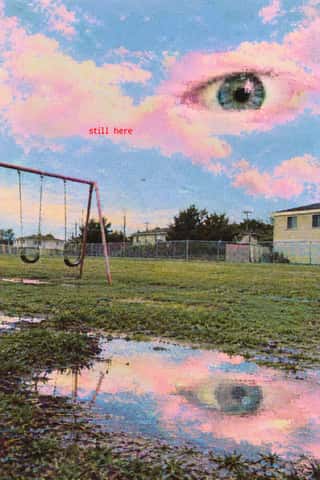
Weirdcore & DreamcoreAn internet aesthetic popularised on Reddit, TikTok and YouTube in the early 2020s, with dreamcore as its softer, pastel, cloud-filled sister.
Generative-AI Image AestheticThe house look of pictures synthesised by text-to-image diffusion models since 2022.
Ukrainian Wartime Graphics (Saint Javelin, War Stamps and Be Brave Like Ukraine)The graphics of Ukraine's defence since Russia's full-scale invasion in February 2022, made by the state, the national post, agencies, illustrators and volunteers at home and abroad.
- Woman, Life, Freedom Protest Graphics (Iran and the Diaspora)Posters and digital graphics made in Iran and the diaspora after Mahsa (Jina) Amini died in morality-police custody in September 2022.
Styles that use it now and then 56
An occasional choice in these styles.
- Amazigh Sign System & Tifinaghc. 0–present
- Chinese Calligraphy & Seal Carving (Shufa & Zhuanke)c. 0–present
- Hebrew Micrographyc. 895–present
- Square Kufic (Bannāʾī)c. 1100–present
- Mongol Bichig Calligraphy & Ugalz Ornamentc. 1204–present
- Persian Miniature (Ilkhanid, Timurid and Safavid Book Painting)c. 1300–1700
- Persian Nastaʿlīq Calligraphy (Qiṭʿa, Chalipa and Siyāh-mashq)c. 1400–present
- Emblem Book (Motto, Picture & Epigram)1531–1724
- Thai Yantra (Yant) Diagrams1700–present
- Edo-moji Commercial Lettering (Kanteiryū, Yose-moji, Sumō-ji)1779–present
- Imagerie d'Épinal & European Bilderbogen1796–1939
- Japonisme1860–1910
- Belle Époque Lithographic Poster1866–1914
- Indian Calendar & Bazaar Art1878–present
- Glasgow Style1890–1914
- Simplicissimus Satirical Style (Munich)1896–1944
- Mir iskusstva Book Art1898–1927
- Uli & Nsibidi Line and Sign Tradition1900–present
- Shanghai Modern & Yuefenpai1910–1949
- Harlem Renaissance Graphic Art1925–1940
- Australian Travel Poster (ANTA Era)1929–1959
- Ligne Claire (Franco-Belgian Clear Line)1929–present
- Mexican Calendar Chromo (Cromos calendáricos)1930–1970
- Penguin Paperback Design (Three Bands to the Marber Grid)1935–1972
- Spanish Civil War Poster1936–1939
- Literatura de Cordel Woodcut1940–present
- Googie & Atomic Age1945–1965
- Escuela Bruguera (Spanish Humour Comics)1947–1986
- Onitsha Market Pamphlets1947–1980
- Hong Kong Neon & Beiwei Shop-Sign Lettering1950–present
- West African Barbershop & Hair Salon Signs1950–present
- Arab Children's Comic Magazines (Samir to Majid)1956–present
- Blue Note Jazz Sleeve Modernism1956–1967
- Di Tella Graphic Design (Instituto Torcuato Di Tella)1960–1970
- Munich 1972 Olympic Design (Otl Aicher)1966–1972
- Black Panther Party Graphics1967–1980
- Picó Sound-System Painting (Colombian Caribbean)1967–present
- Australian Poster Collective Screenprints1971–1994
- Roman-like Thai Typography (modern loopless Thai)1973–present
- Métal hurlant Science-Fiction Comics (Mœbius, Druillet & Les Humanoïdes Associés)1974–1987
- South African Resistance Poster1978–1994
- Demoscene Graphics (Cracktros, Demos & Text-Mode Art)1985–present
- L'Association and French Alternative Comics1990–present
- Bitterkomix (Afrikaans Underground Comics)1992–present
- Superflat1993–present
- Fantasy User Interface (FUI) & Sci-Fi HUD1999–present
- Tamil Nadu Flex Banners2000–present
- Internet Ugly & Meme Vernacular2003–present
- Contemporary Arabic & Dual-Script Type Design2004–present
- Frutiger Aero2004–2013
- Polish Information Picture Book (Dwie Siostry)2008–present
- Risograph & Indie Print Culture2008–present
- Egyptian Revolutionary Street Art (Mohamed Mahmoud Murals)2011–2014
- 'Good Morning' Greeting Images (WhatsApp Forward Vernacular)2013–present
- Chilean Estallido Social Graphics (Revuelta Popular of 2019–20)2019–2022
- Dark Tech Minimalism2019–present
It often goes with
Choices that the styles making it make more often than the atlas as a whole.
- Single focal pointin 167 of 198
- Generous white spacein 92 of 198
- Restrained accentsin 105 of 198
- Warm & approachablein 80 of 198
- Emblems & badgesin 98 of 198
- Offset printingin 106 of 198
Styles that avoid it
Styles that deliberately leave it out.