Layout & composition · Grid systems
Modular grid
Fields defined by rows and columns; every element snaps to modules.
A design choice in Stylogeny’s vocabulary, under layout & composition: how is the picture plane organised?
- styles make it
- 80
- as a defining choice
- 18
- as a usual one
- 31
- now and then
- 31
- avoid it
- 94
Styles defined by it 18
For these styles it is one of the choices that make the style.
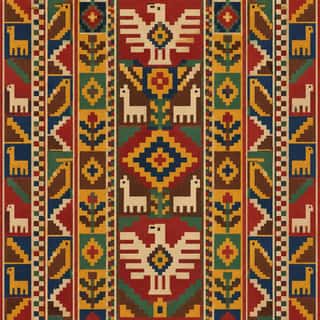
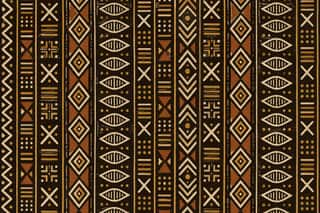
Andean Woven Graphic SystemsThe graphic systems of Andean cloth, the region's most prestigious medium, in which every motif is built on the warp-and-weft grid.
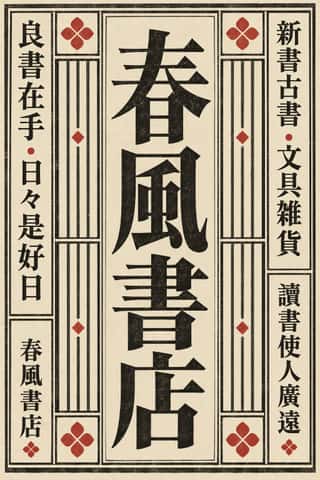
Song–Ming Woodblock Book Typography (Songti / Mincho)The page and letter of the East Asian book.
- Square Kufic (Bannāʾī)Square Kufic builds Arabic script on a square grid: straight lines and right angles only, with every stroke as wide as the gap beside it.
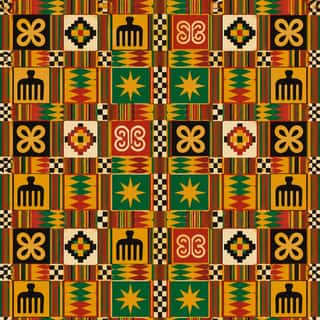
Adinkra & Kente Symbol SystemsThe Akan textile languages of Ghana.
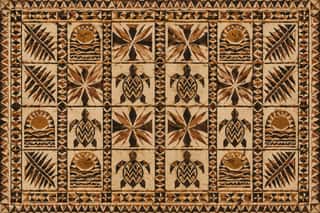
Pacific Barkcloth (Tapa) DesignBarkcloth beaten from paper-mulberry inner bark and decorated across Polynesia and Fiji for gift exchange at weddings, funerals and chiefly investitures.
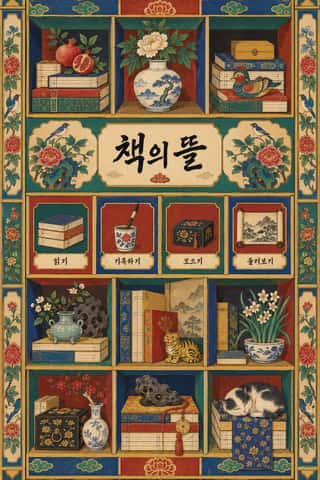
Chaekgeori & Minhwa Screen PaintingKorean painted folding screens of the late Joseon period.
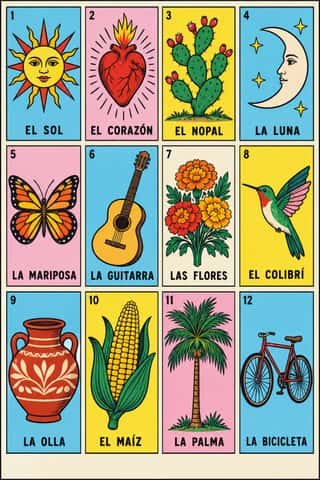
Lotería Card Imagery (Mexican Lotería)The picture deck of Mexico's lotería, a bingo-like game of chance.
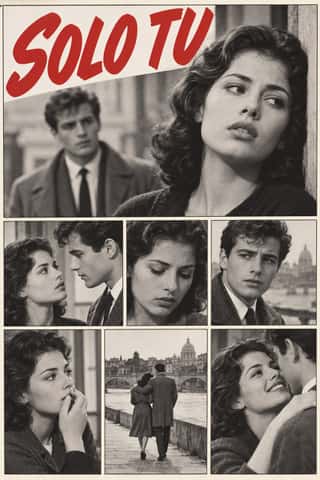
Fotoromanzo (Italian Photo-Romance)The photo-romance of the Italian women's weeklies: a melodrama told in staged photographs, first printed by Il mio sogno and Bolero Film in May 1947 and copied from France to Brazil.
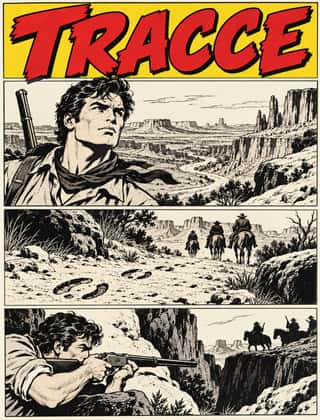
Bonelli Fumetto (Italian Popular Adventure Comics)The house format of Milan's Bonelli publishing house and its imitators (Tex, Zagor, Dylan Dog, Nathan Never): monthly newsstand paperbacks of 16 x 21 cm with about a hundred black-and-white pages, each a long episode of a serial hero.
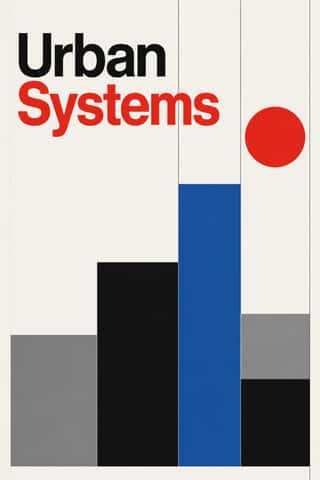
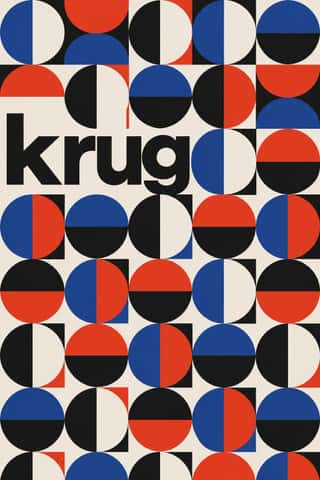
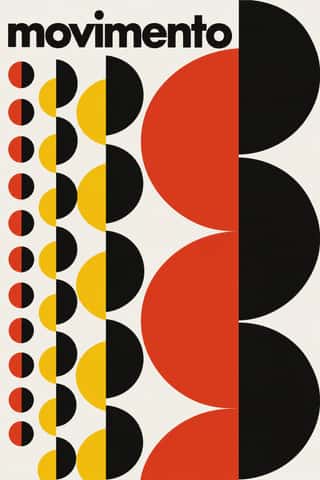
International Typographic StyleA post-war refinement of the New Typography in which the mathematical grid, objective photography and neo-grotesque sans-serifs were used to communicate with clarity and neutrality.
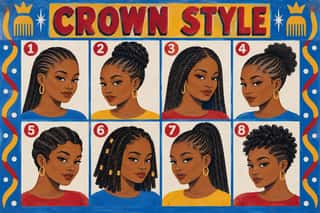
West African Barbershop & Hair Salon SignsHand-painted boards advertising barbershops and braiding salons across West and Central Africa, made by self-taught, often anonymous sign painters since the mid-20th century.
Zagreb Modernist Graphics (EXAT 51 to Teatar &TD)Zagreb graphic design grown from the EXAT 51 manifesto (1951), which tied abstract art to visual communication.
HfG Ulm Systematic DesignThe Hochschule für Gestaltung Ulm (1953–1968) was founded as the successor to the Bauhaus.
Total Design & Dutch FunctionalismThe Dutch strand of systematic modernism took shape when Wim Crouwel, Benno Wissing, Friso Kramer and Paul and Dick Schwarz founded Total Design in Amsterdam in 1963 as the country's first multidisciplinary studio.
Munich 1972 Olympic Design (Otl Aicher)The visual programme Otl Aicher's department made for the 1972 Munich Olympics, the 'cheerful Games' meant to show a democratic, modest West Germany.
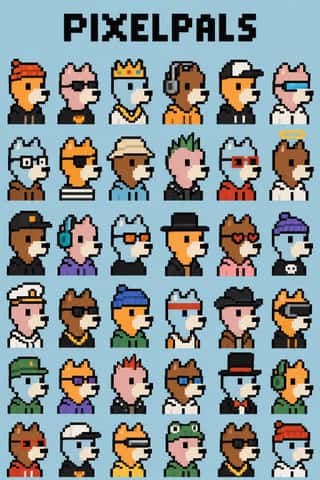
Bitmap & Pixel GraphicsGraphics and lettering built from the square pixels of low-resolution screens (arcade and console sprites, home-computer displays and the first graphical user interfaces), where every dot was placed by hand within tight limits of memory, resolution and palette.
Neo-Swiss RevivalA contemporary revival of the International Typographic Style, fuelled by digital re-releases of neo-grotesques and by studios such as Experimental Jetset and Norm: modular grids, flush-left grotesque type, huge tightly set headlines and flat fields of black, white and one signal colour.
Material DesignGoogle's design system, launched in 2014, which reintroduced controlled depth to flat design through the metaphor of 'material': sheets of digital paper and ink that sit at defined elevations, cast consistent shadows and move with meaningful motion.
Styles that often use it 31
A characteristic choice: usual in these styles, though not essential.
Mixteca-Puebla Codex PaintingThe painted screenfold books of Postclassic southern and central Mexico (not the Maya codices): long strips of gesso-coated deerskin, folded like a screen and painted on both sides.
- Thai Yantra (Yant) DiagramsThai protective diagrams in which Pali formulae, written in Khom, a sacred script derived from Khmer, are packed into squares, circles, triangles, spires and the outlines of Buddhas, monks and tigers, often framed by lines of script.
Imagerie d'Épinal & European BilderbogenCheap single-sheet popular prints sold by pedlars across 19th-century Europe, led by the Pellerin imagerie at Épinal and the Neuruppin Bilderbogen.
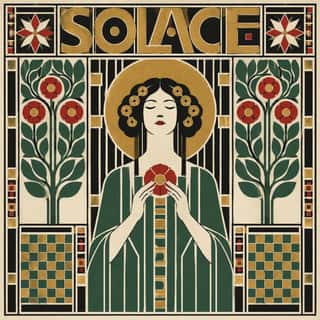
Vienna SecessionThe Viennese break with academic art led by Gustav Klimt, Koloman Moser, Josef Hoffmann and Alfred Roller, which pulled Art Nouveau toward the square, the grid and the flat plane.
Bògòlanfini Mud ClothThe mud-dyed cotton cloth of the Bamana and other Malian peoples, in which the ground rather than the motif is painted: cloth dyed yellow with n'gallama leaves is covered around each sign with fermented iron-rich mud, and the unpainted signs are then bleached pale.
De StijlA Dutch movement formed around Theo van Doesburg's journal De Stijl and Piet Mondrian's Neoplasticism, which sought universal harmony through the most elementary means: horizontal and vertical lines, rectangles, the three primaries and black, white and grey.
Isotype Pictorial StatisticsA method of visual education developed by Otto Neurath, Marie Neurath (Reidemeister) and Gerd Arntz in Red Vienna from 1925, which turns statistics into rows of identical pictograms where a greater quantity is shown by more signs, never by bigger ones.
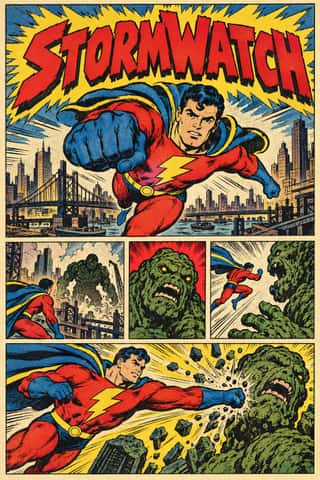
American Four-Colour Comic Book (Golden to Bronze Age)The American newsstand comic book from Famous Funnies (1934) and Action Comics #1 (1938) through the Golden, Silver and Bronze Ages, and past the Bronze Age's end in 1985 until computer colour replaced hand separations in the early 1990s.
Penguin Paperback Design (Three Bands to the Marber Grid)The cover system of Penguin Books, London, from 1935 until Germano Facetti left in 1972.
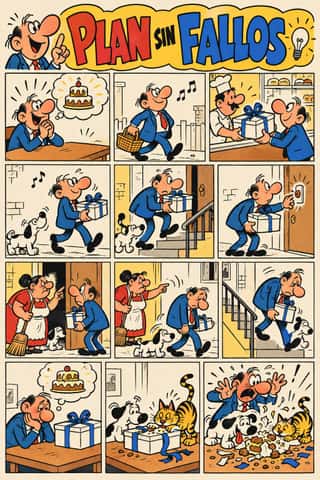
Escuela Bruguera (Spanish Humour Comics)The house style of Editorial Bruguera's humour cartoonists in Barcelona from 1947 to 1986, named the 'Escuela Bruguera' by Terenci Moix in 1968.
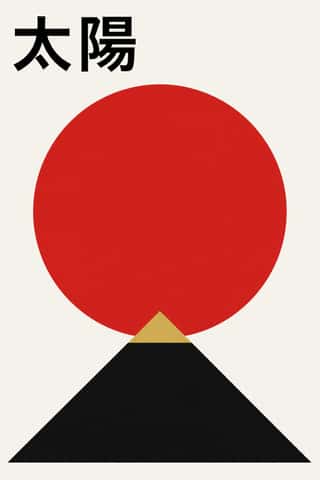
Japanese Postwar ModernismBuilding on the New Typography that Hiromu Hara and the Nippon Kobo circle had absorbed in the 1930s, Japan's postwar graphic designers fused the grid, sans-serif and objective photography of European modernism with indigenous traditions of family crests (kamon), asymmetry and charged emptiness (ma).
Brazilian Concrete DesignA São Paulo and Rio movement in which concrete art, concrete poetry and Brazil's first design offices shared one vocabulary: Max Bill's mathematically generated geometry, serial repetition and sans-serif type.
Corporate Identity ModernismModernist reduction applied to corporate communication.
Arab Children's Comic Magazines (Samir to Majid)Arabic children's comics weeklies, from Dar al-Hilal's Samir in Cairo (1956) to Abu Dhabi's Majid (1979), mixing translated Western strips with house characters by Egyptian, Lebanese, Armenian and European artists.
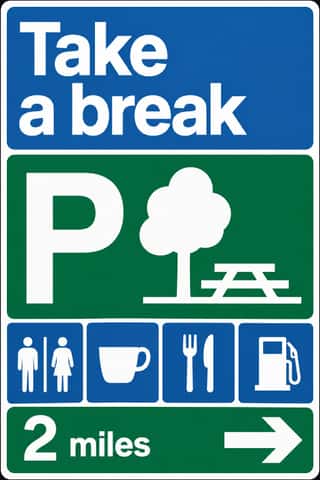
British Road Signage (Kinneir & Calvert)The national sign system Jock Kinneir and Margaret Calvert designed for Britain's motorways, first used on the Preston By-pass in 1958, and through the Worboys Committee for all roads from 1 January 1965.
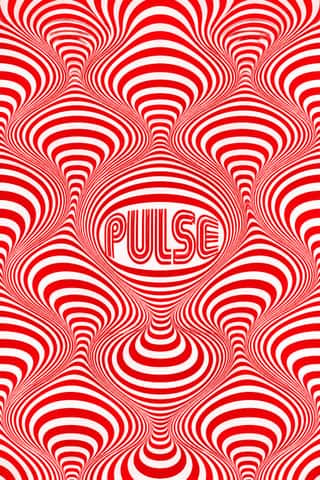
Op Art GraphicsA 1960s style that turned perceptual research into graphic effect: precisely drawn lines, checks, concentric rings and modular grids, usually black and white or complementaries of equal value, that seem to vibrate, swell or move.
Fluxus Graphics (Maciunas)The house graphics George Maciunas made from 1962 until his death in 1978 for Fluxus, a network of artists who staged events and sold cheap multiples.
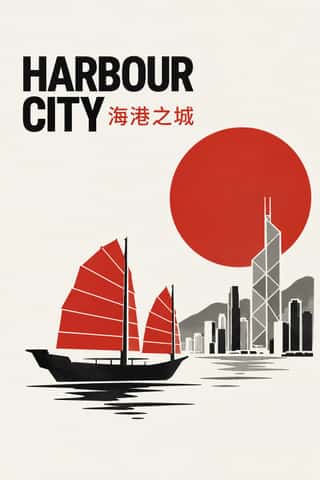
Hong Kong East–West Graphic ModernismThe studio design of Hong Kong from the 1960s, made for banks, developers, trade bodies, hotels and cultural events in a city that had to speak Chinese and English at once.
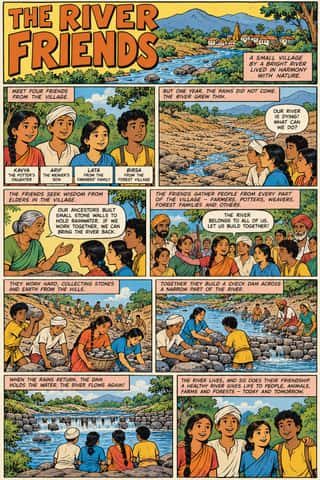
Amar Chitra Katha ComicsThe Bombay comic-book series that from 1967 retold Hindu myth and epic, Buddhist and Jain tales, saints, folk legends, the jests of the court wits Birbal and Tenali Raman, and Indian history for children, in English and Indian languages, with well over 500 titles by the early 1990s.
Underground ComixSelf-published, adults-only comic books from the San Francisco counterculture, made outside the Comics Code on the newsstand comic's format.
Pixação (São Paulo Tag Reto)The name-writing of São Paulo's pixadores, which since the 1980s has covered walls and façades and, from the 1990s, the upper floors of tower blocks.
Techno-Futurist GraphicsElectronic-music and video-game graphics of the late 1980s and 1990s that turned corporate modernism into a sci-fi consumer fantasy.
L'Association and French Alternative ComicsThe black-and-white auteur comics of L'Association, the Paris publisher founded by seven cartoonists in 1990, and the 1990s small-press scene it led.
- Bitterkomix (Afrikaans Underground Comics)The Afrikaans underground comics magazine founded in Stellenbosch in 1992 by Anton Kannemeyer (Joe Dog) and Conrad Botes (Konradski), with Mark Kannemeyer (Lorcan White).
Contemporary Arabic & Dual-Script Type DesignA twenty-first-century type culture that redraws Arabic as a family matched to a Latin companion in weight, proportion and contrast, so the two scripts can share a page, screen or sign as equals.
Hauntology & Ghost Box DesignSleeves and print that rebuild a misremembered British past from the public graphics of roughly 1958–1978.
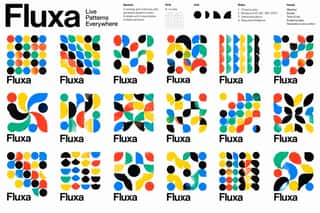
Generative & Dynamic IdentitiesIdentity systems designed as rules rather than fixed marks: logos and graphics generated by code, data or parameters so that they vary endlessly while staying recognisable.
Flat DesignAn interface and illustration language that stripped screens of simulated materials, replacing bevels, gloss and textures with solid fields of colour, clean sans-serif type and reduced pictograms.
NFT Profile-Picture Collections (CryptoPunks to Bored Apes)Sets of thousands of avatar portraits that code assembles from one or two hundred hand-drawn traits, each sold as a token on a blockchain.
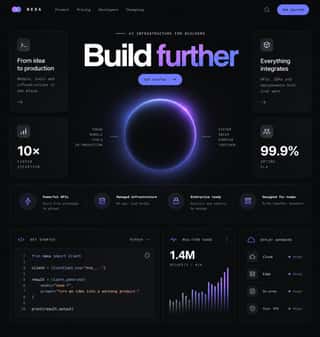
Dark Tech MinimalismThe dark, restrained aesthetic of developer tools and SaaS landing pages since about 2019: near-black grounds, grey type ramps, a neutral grotesque such as Inter, hairline borders, soft radial glows and bento grids of crisp product screenshots.
- Neo-BrutalismA friendly, commercial descendant of web brutalism that keeps its blunt boxes but adds candy colour: thick black outlines, hard unblurred offset shadows, flat saturated fills and chunky sans-serif type on conventional, usable layouts.
Styles that use it now and then 31
An occasional choice in these styles.
- Ancient Egyptian Hieroglyphic & Register Compositionc. 0–394
- Chinese Calligraphy & Seal Carving (Shufa & Zhuanke)c. 0–present
- European Heraldryc. 1140–present
- Burmese Parabaik Painting (Konbaung Folding Books)1752–1885
- Nieuwe Kunst (Dutch Art Nouveau)1892–1914
- Uli & Nsibidi Line and Sign Tradition1900–present
- Bauhaus1919–1933
- ROSTA Windows1919–1922
- Filipino Komiks1929–1999
- Ligne Claire (Franco-Belgian Clear Line)1929–present
- Milanese Industrial Modernism (Olivetti, Pirelli, Studio Boggeri)1933–1975
- Argentine Adventure Historieta (Oesterheld–Breccia)1948–1996
- Pop Art Graphics1955–1975
- Indian Institutional Modernism (NID)1961–1990
- Minimalist Graphic Design1965–present
- Mexico 68 Olympic & Metro Identity1966–1970
- Hipgnosis Photographic Concept Sleeve1968–1983
- Turkish Weekly Humour Magazines (Gırgır to Uykusuz)1972–2025
- Roots Reggae Sleeve Art & Rasta Iconography1973–1985
- Lebanese Civil War Party Poster1975–1990
- Emoji Pictographic Language1997–present
- Fantasy User Interface (FUI) & Sci-Fi HUD1999–present
- Japanese Dense Web Design1999–present
- Newsroom Data Graphics & Scrollytelling2009–present
- Plain Tobacco Packaging2012–present
- Brutalist Web Design2014–present
- Data Humanism2014–present
- Hong Kong Protest Art (Umbrella Movement to the 2019–20 Protests)2014–2020
- Front-of-Pack Warning Octagons (Latin American Food Warning Seals)2016–present
- Kinetic Typography & Variable Type2016–present
- Neumorphism2019–2021
It often goes with
Choices that the styles making it make more often than the atlas as a whole.
- Rational & objectivein 39 of 80
- Rectilinearin 46 of 80
- Icons & pictogramsin 31 of 80
- Pictogramin 32 of 80
- Ornament-freein 36 of 80
- Geometric primitivesin 44 of 80
Styles that avoid it
Styles that deliberately leave it out.
- Maghrebi Script (Maghribi Calligraphy of al-Andalus and North Africa)c. 900–present
- Ottoman Tughra & Dîvânî Chancery Calligraphyc. 1324–present
- Persian Nastaʿlīq Calligraphy (Qiṭʿa, Chalipa and Siyāh-mashq)c. 1400–present
- Zoomorphic & Figural Calligraphy (Islamic Calligrams)1500–present
- Rinpa & Saga-bon1600–present
- Ukiyo-e Woodblock Prints1670–1900
- Diné (Navajo) Weaving Design1700–present
- Hand-Painted Signage & Vernacular Lettering1800–present
- Victorian Letterpress & Wood Type1810–1900
- Bulaq (Amiriyya) Naskh Book Printing1822–1956
- Fante Asafo Flags (Frankaa)1850–present
- Celtic Revival Illumination & Lettering1861–1951
- Belle Époque Lithographic Poster1866–1914
- Spanish Bullfight Poster (Cartel Taurino)1879–present
- Norwegian and Finnish National Romantic Graphics (Munthe & Karelianism)1880–1922
- Art Nouveau1890–1910
- Mir iskusstva Book Art1898–1927
- Expressionist Woodcut Graphics1905–1925
- Santiniketan & Bengal School Graphics1905–1954
- Bezalel School1906–1929
- Russian Futurist Book1910–1920
- Shanghai Modern & Yuefenpai1910–1949
- Hungarian Revolutionary Poster1912–1919
- Dada1916–1924
- Kultur-Lige & Yiddish Avant-Garde Book Design1917–1924
- Basel Object Poster (Swiss Sachplakat)1919–1955
- Surrealist Graphics1924–1960
- Amazonian Boat Lettering (Abridores de Letras)1925–present
- Australian Travel Poster (ANTA Era)1929–1959
- Giallo Mondadori Covers (I Libri Gialli)1929–present
- Mexican Calendar Chromo (Cromos calendáricos)1930–1970
- Egyptian Painted Film Poster1932–1996
- Tiki Pop (Polynesian Pop)1934–present
- Spanish Civil War Poster1936–1939
- Hand-Painted Bollywood Poster1940–1999
- Bengali Modernist Book Cover (Prachchhad)1943–present
- Googie & Atomic Age1945–1965
- Jeepney Art1946–present
- Puerto Rican Silkscreen Poster (DIVEDCO & ICP)1946–1989
- Story Manga (Postwar Japanese Comics)1947–present
- French Post-War Visual-Gag Poster (Savignac, Villemot, Morvan)1948–1979
- Hurufiyya Calligraphic Modernism1949–present
- Hong Kong Neon & Beiwei Shop-Sign Lettering1950–present
- Polish Poster School1950–1990
- Cairo–Beirut Arab Modernist Book & Periodical Design1952–1990
- Push Pin Style1954–1980
- Situationist Détournement Graphics1956–1972
- Shōjo Manga (Japanese Girls' Comics)1958–present
- Bossa Nova Sleeve Modernism (César Villela and Elenco)1960–1968
- Greek Tourism Modernism (EOT)1960–1974
- Phototype Expressive Typography (Lubalin & U&lc)1962–1985
- Tropicália Graphic Design1964–1975
- Angura Theatre Poster1965–1985
- Chicano Screenprint Poster1965–present
- Psychedelic Poster1965–1973
- Chilean Unidad Popular & Nueva Canción Graphics1967–1973
- Gráfica del 68 (Mexican Student Movement Graphics)1968
- Afrofuturist Design1970–present
- Grapus (French Militant Graphic Collective)1970–1990
- Kinshasa Popular Painting1970–present
- Australian Poster Collective Screenprints1971–1994
- Graffiti & Hip-Hop Graphics1972–present
- Afrobeat Sleeve Art1974–present
- Métal hurlant Science-Fiction Comics (Mœbius, Druillet & Les Humanoïdes Associés)1974–1987
- Punk & DIY Zine1976–1986
- Jamaican Dancehall Signs & Sleeve Art1980–present
- Memphis Design1981–1988
- Ghanaian Movie Poster1985–2005
- Rave & Acid House Graphics1988–2000
- Grunge Typography1990–2000
- Matatu & Nganya Art1990–present
- Screenprinted Gig & Alt-Movie Poster1991–present
- Nollywood Video Jacket & Film Poster1992–present
- Early Web Vernacular1994–2004
- South African Vernacular Design (Ijusi)1995–present
- Indian Pop-Kitsch Design (Desi Kitsch)1997–present
- Korean Commercial Calligraphy (Kaelligeurapi)1999–present
- Arabic Calligraffiti2002–present
- Korean Webtoon Graphics2002–present
- Cartonera Books (Latin American Cardboard Publishing)2003–present
- Internet Ugly & Meme Vernacular2003–present
- Itasha (Anime Character Car Graphics)2005–present
- Modern Calligraphy and Brush Lettering2005–present
- Oaxacan Protest Printmaking & Street Graphics (ASARO)2006–present
- Synthwave / Outrun2006–present
- Egyptian Revolutionary Street Art (Mohamed Mahmoud Murals)2011–2014
- 'Good Morning' Greeting Images (WhatsApp Forward Vernacular)2013–present
- Solarpunk2014–present
- Latin American Feminist Protest Graphics (Ni Una Menos and the Green Wave)2015–present
- Book Blob (Abstract Colour-Blob Literary Fiction Cover)2019–2023
- Chilean Estallido Social Graphics (Revuelta Popular of 2019–20)2019–2022
- Weirdcore & Dreamcore2019–present
- Black Lives Matter Street Murals2020–present
- Generative-AI Image Aesthetic2022–present