Layout & composition · Free composition
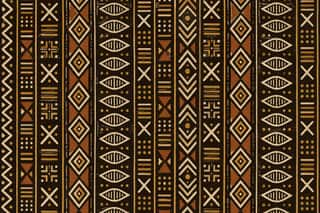
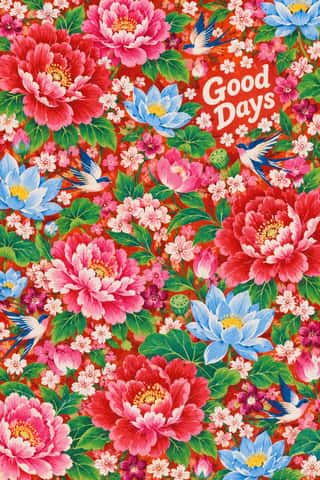
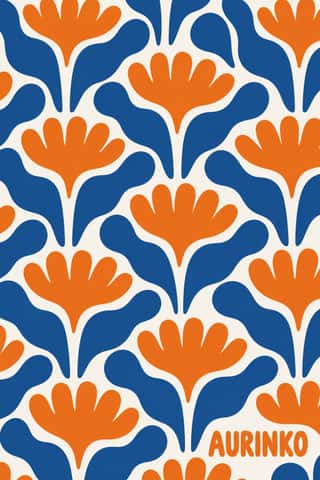
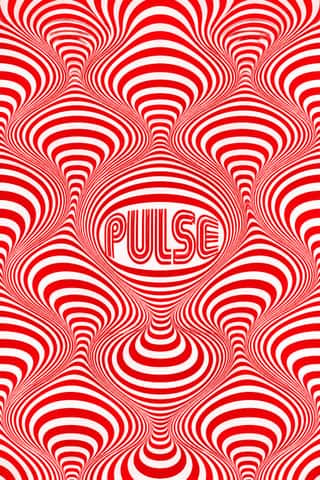
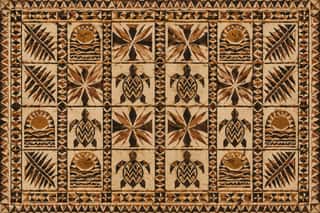
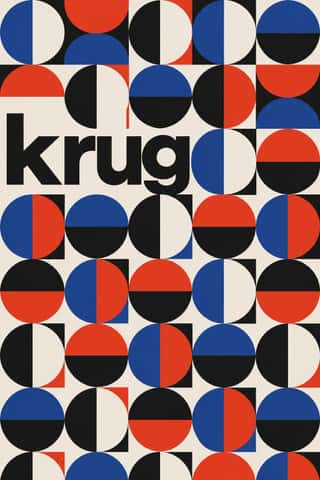
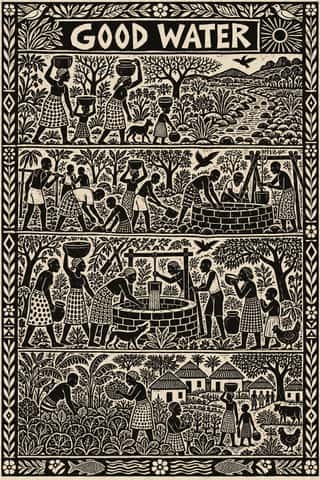
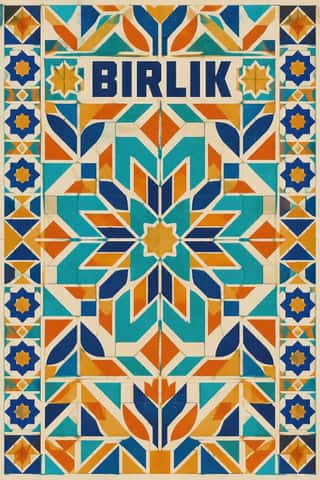
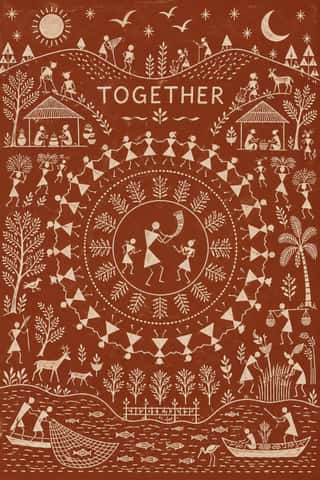
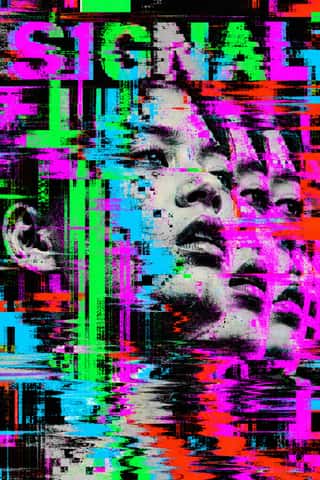
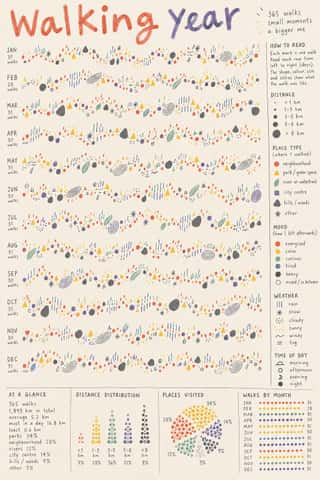
All-over field
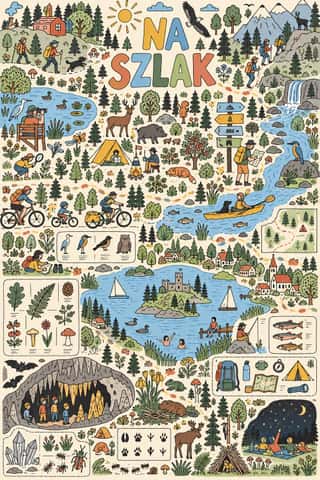
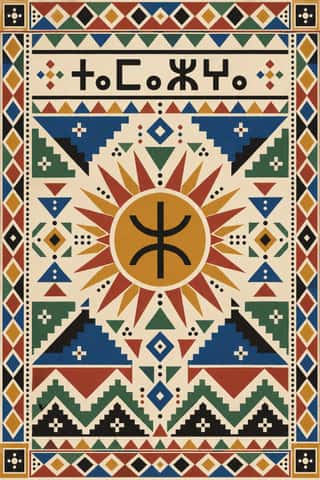
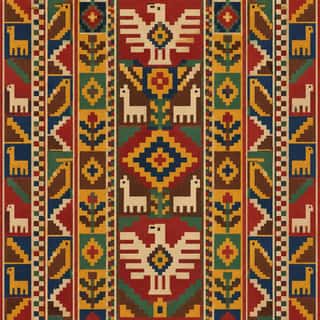
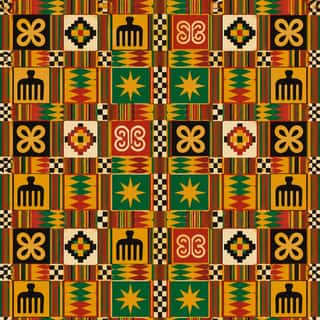
No focal point; the whole surface is filled evenly, like a textile.
A design choice in Stylogeny’s vocabulary, under layout & composition: how is the picture plane organised?
- styles make it
- 69
- as a defining choice
- 11
- as a usual one
- 28
- now and then
- 30
- avoid it
- 8
Styles defined by it 11
For these styles it is one of the choices that make the style.


- African Wax & Fancy PrintIndustrially printed cotton made for West and Central African markets, first by Dutch and British mills that imitated Javanese batik with resin resist, and later by African mills.
- Dazibao (Big-Character Posters)Handwritten wall posters in large brush characters that turned the walls of Mao-era China into a public forum for criticism, denunciation and, at the Democracy Wall, dissent.
- Western Desert IconographyThe acrylic painting movement that took form at Papunya in 1971, when men there painted the Honey Ant Dreaming on the school wall and then on board, carrying an older practice of sand, body and ceremonial designs into lasting form. 'Western Desert' is an umbrella name: the movement also includes Warlpiri, Anmatyerre and Arrernte painters of the Central Desert.
- Hong Kong Protest Art (Umbrella Movement to the 2019–20 Protests)The graphics of Hong Kong's democracy protests, from the 2014 Umbrella Movement to the national security law of 2020, in two linked media.


Styles that often use it 28
A characteristic choice: usual in these styles, though not essential.
- Square Kufic (Bannāʾī)Square Kufic builds Arabic script on a square grid: straight lines and right angles only, with every stroke as wide as the gap beside it.
- Kōwhaiwhai & Toi Māori DesignToi Māori, the visual arts of the tangata whenua of Aotearoa, of which kōwhaiwhai, the painted scroll patterns of paddles and meeting-house rafters, is the most graphic strand.
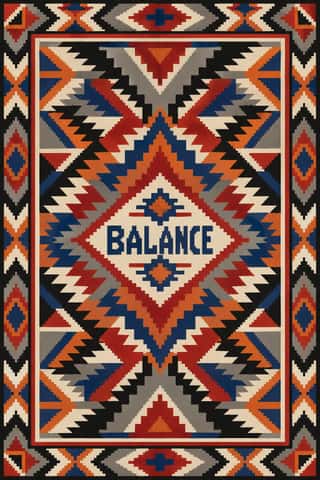
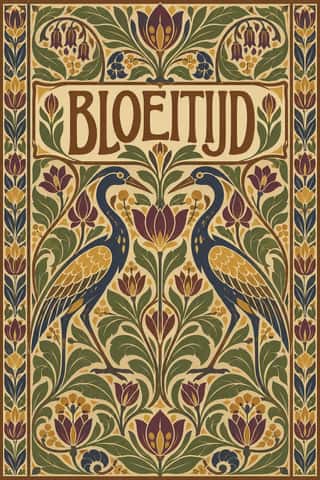
- Guna MolaThe reverse-appliqué blouse panels of Guna women in Panama, made by cutting through two to seven stacked layers of cotton so that every shape is ringed by echoing bands of the colours beneath.
- Arnhem Land Bark Painting & RarrkPainting in ochres on flattened stringybark by Yolŋu, Kunwinjku, Kuninjku and other clans of Arnhem Land, carrying ceremonial designs into portable form; collected from 1912, painted through art centres since the 1970s.
- Pakistani Truck ArtThe total decoration of Pakistan's trucks and buses, which grew from company marks and saints' portraits painted in the late 1940s into a workshop art in which painters, metalworkers, woodcarvers and reflective-tape specialists collaborate on each vehicle.
- Hurufiyya Calligraphic ModernismA pan-Arab and Iranian modern-art movement, begun by Madiha Omar in the late 1940s, that freed the letters of the Arabic script from text and used them as abstract visual units.
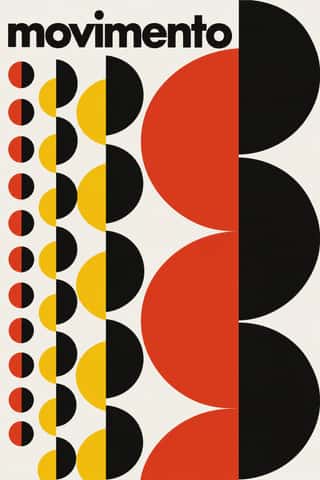

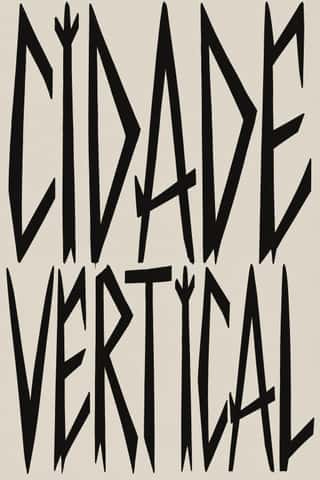

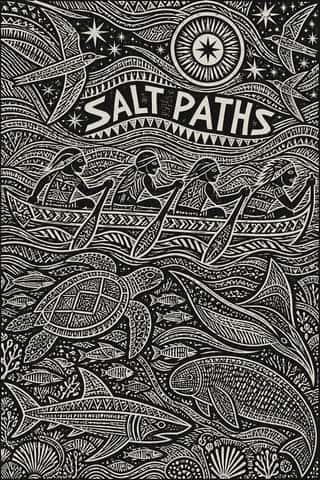
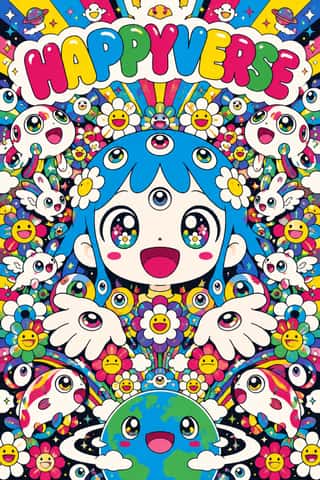
- Indian Pop-Kitsch Design (Desi Kitsch)Urban Indian gift and T-shirt design from the late 1990s into the 2010s that recasts the street and bazaar as ironic, affectionate icons: truck tails and 'Horn OK Please', auto-rickshaws, Ambassadors and Chetaks, cutting chai, old Bollywood stills and dialogues, Bhagat Singh in place of Che.
- Indonesian Woodcut Activism (Taring Padi)The protest graphics of Taring Padi, the collective founded by students and activists in Yogyakarta in 1998 as Suharto fell, and of the punk and activist woodcut scenes around it.


Styles that use it now and then 30
An occasional choice in these styles.
- Mithila (Madhubani) Paintingc. 1350–present
- Persian Nastaʿlīq Calligraphy (Qiṭʿa, Chalipa and Siyāh-mashq)c. 1400–present
- Rinpa & Saga-bon1600–present
- Northwest Coast Formline Design1700–present
- Arts & Crafts Movement1860–1920
- Celtic Revival Illumination & Lettering1861–1951
- Norwegian and Finnish National Romantic Graphics (Munthe & Karelianism)1880–1922
- Kanga (Swahili Message Cloth)1886–present
- Cubist Pictorial Space1907–1925
- Vorticism & BLAST Typography1914–1920
- Dada1916–1924
- Ndebele Geometric Painting1940–present
- Di Tella Graphic Design (Instituto Torcuato Di Tella)1960–1970
- Greek Tourism Modernism (EOT)1960–1974
- Casablanca School Graphic Modernism1962–1987
- Mexico 68 Olympic & Metro Identity1966–1970
- AfriCOBRA1968–present
- Ultras Graphics (Curva Banners and Tifo)1968–present
- Kawaii Design1970–present
- L'Association and French Alternative Comics1990–present
- Japanese Dense Web Design1999–present
- Arabic Calligraffiti2002–present
- Danmaku Bullet-Comment Overlay2006–present
- Generative & Dynamic Identities2007–present
- Lucerne Poster Scene (Neubad & Südpol Posters)2007–present
- Egyptian Revolutionary Street Art (Mohamed Mahmoud Murals)2011–2014
- Low Poly Illustration2012–present
- Latin American Feminist Protest Graphics (Ni Una Menos and the Green Wave)2015–present
- Book Blob (Abstract Colour-Blob Literary Fiction Cover)2019–2023
- Palestinian Watermelon and Keffiyeh Graphics2021–present
It often goes with
Choices that the styles making it make more often than the atlas as a whole.
- Pattern & repeatin 52 of 69
- Repetition & rhythmin 65 of 69
- Textile & craftin 41 of 69
- Flat hierarchyin 34 of 69
- Horror vacuiin 51 of 69
- Abundant decorationin 36 of 69
Styles that avoid it
Styles that deliberately leave it out.
- Ottoman Tughra & Dîvânî Chancery Calligraphyc. 1324–present
- Javanese Wayang Kulit (Tatah Sungging)1500–present
- Zoomorphic & Figural Calligraphy (Islamic Calligrams)1500–present
- Ten Bamboo Studio Colour Woodblock (Douban & Gonghua)1626–present
- Fante Asafo Flags (Frankaa)1850–present
- Amazonian Boat Lettering (Abridores de Letras)1925–present
- Baybayin Revival Graphics1963–present
- Korean Webtoon Graphics2002–present